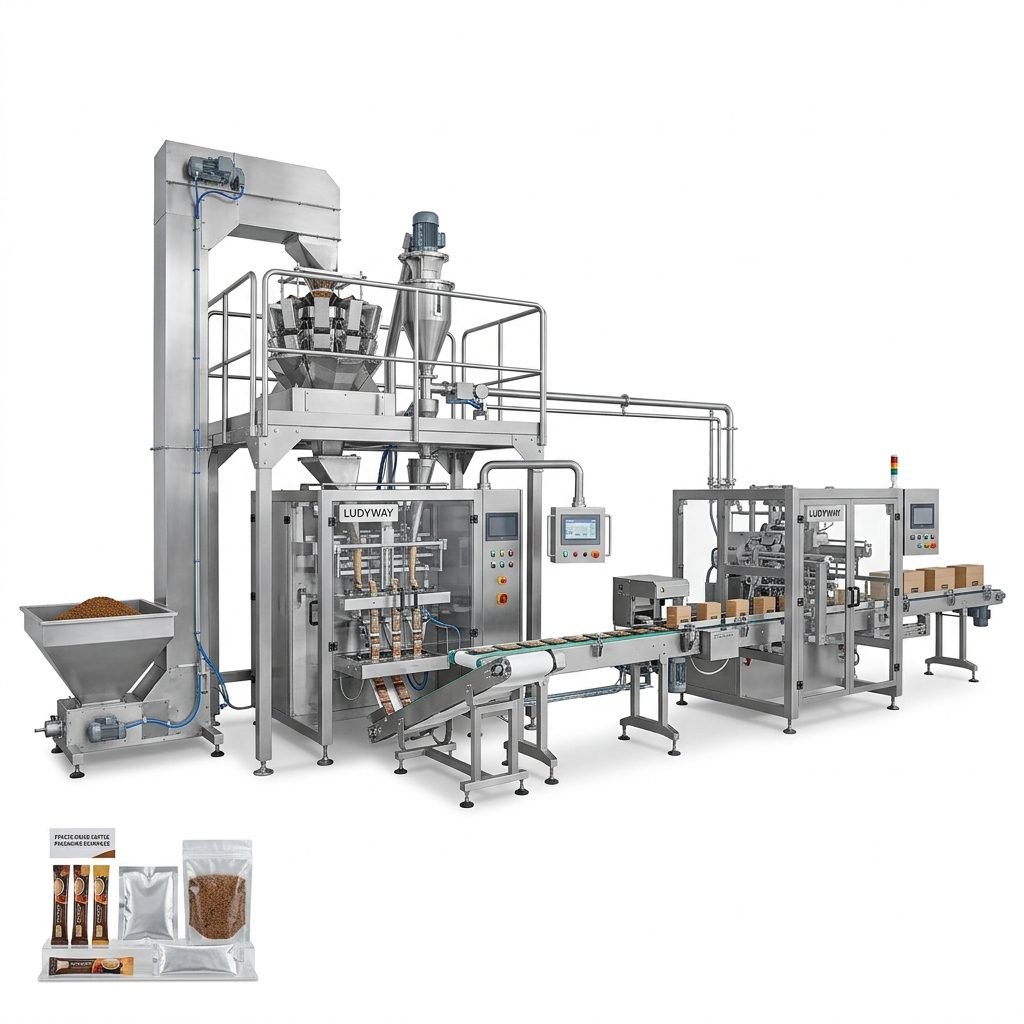
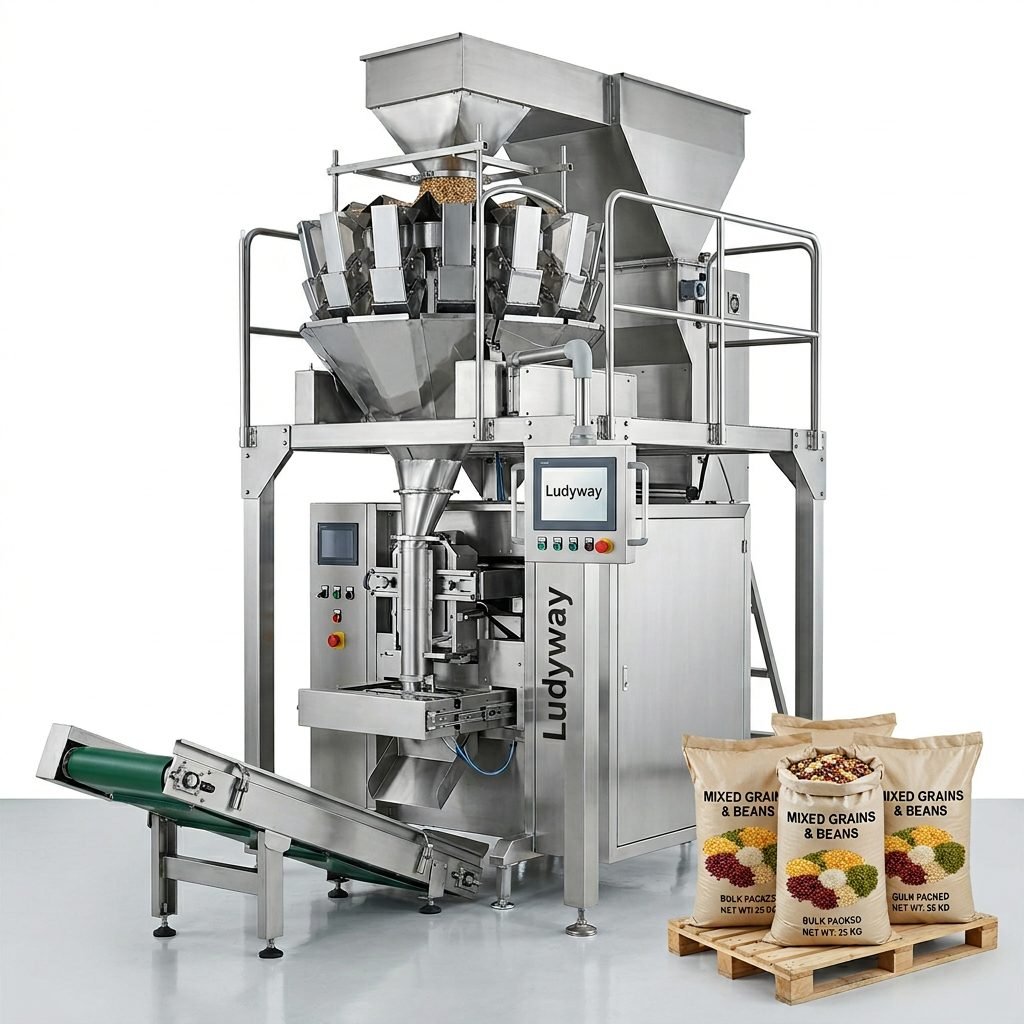
Setting up a MAP packaging machine production line is a critical undertaking for food manufacturers looking to extend product shelf life, maintain freshness, and improve operational efficiency. Modified Atmosphere Packaging (MAP) technology replaces the air inside a package with a precisely controlled gas mixture—typically nitrogen, carbon dioxide, and oxygen—to slow down spoilage and preserve product quality. Whether you are packaging fresh produce, meat, baked goods, or ready-to-eat meals, a properly configured MAP packaging line can significantly impact your bottom line. This comprehensive guide walks you through every stage of the setup process, from initial planning to ongoing optimization.
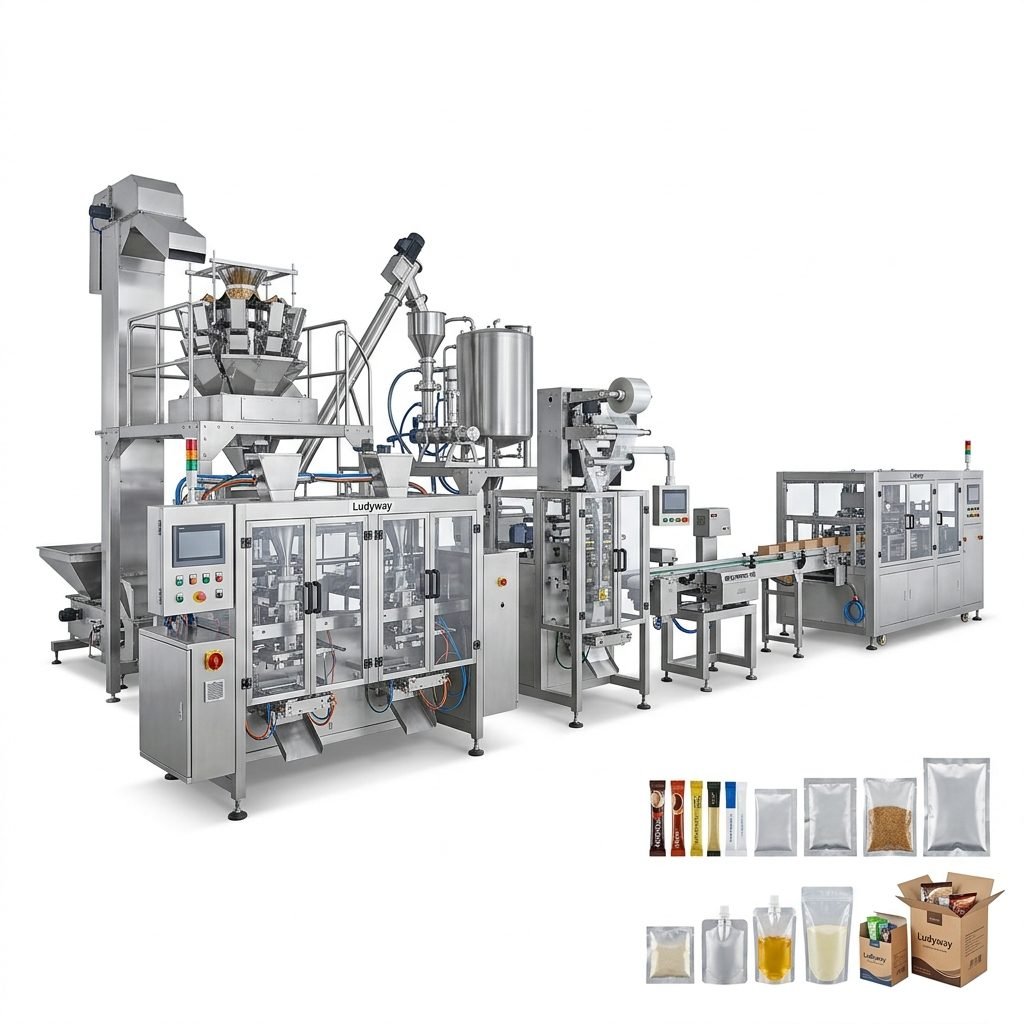
Understanding MAP Packaging Technology and Its Benefits
Before diving into the setup process, it is essential to understand what makes MAP packaging different from conventional packaging methods. The technology works by creating a protective atmosphere around the product, effectively reducing oxygen levels that cause oxidation and microbial growth. According to industry research from the Flexible Packaging Association, MAP packaging can extend the shelf life of many food products by 50% to 200% compared to traditional air-filled packaging. Key benefits include:
- Extended shelf life without the need for artificial preservatives
- Reduced food waste throughout the supply chain
- Preserved color, texture, and nutritional value of fresh products
- Enhanced product presentation and consumer appeal
- Improved distribution logistics with fewer restocking cycles
Step 1: Pre-Installation Planning and Facility Preparation
The foundation of a successful MAP packaging line starts long before any equipment arrives. Thorough facility assessment is the single most important factor that determines whether your production line will operate efficiently or face constant bottlenecks. Begin by evaluating your available floor space, utility connections, and environmental conditions.
Key Facility Requirements
| Requirement | Specification | Notes |
|---|---|---|
| Floor Space | Minimum 150-300 m² for a complete line | Include clearance for maintenance access and material handling |
| Compressed Air | 6-8 bar, oil-free, filtered to 0.01 micron | Critical for pneumatic components and gas flushing systems |
| Electrical Supply | 380-480V, 3-phase, 50/60 Hz | Verify with equipment manufacturer specifications |
| Gas Supply | Food-grade N₂, CO₂, O₂ with mixing capability | Install gas mixing panels and pressure regulators |
| Ambient Temperature | 15-30°C with humidity below 60% | Excessive humidity affects sealing quality |
According to guidelines published by PMMI – The Association for Packaging and Processing Technologies, proper facility preparation can reduce installation time by up to 40% and minimize costly downtime during the commissioning phase. Ensure that all utility connections are verified and certified before the equipment arrives.
Step 2: Selecting the Right MAP Packaging Equipment Configuration
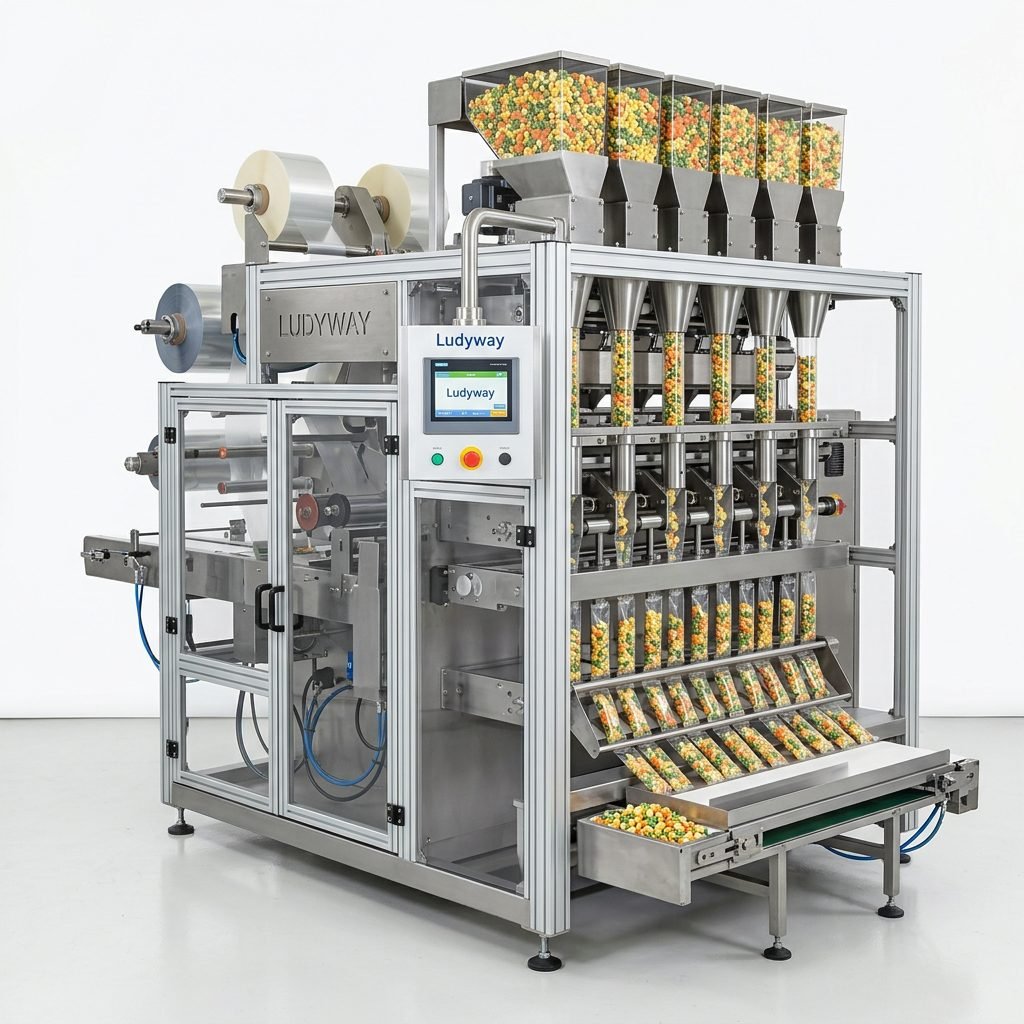
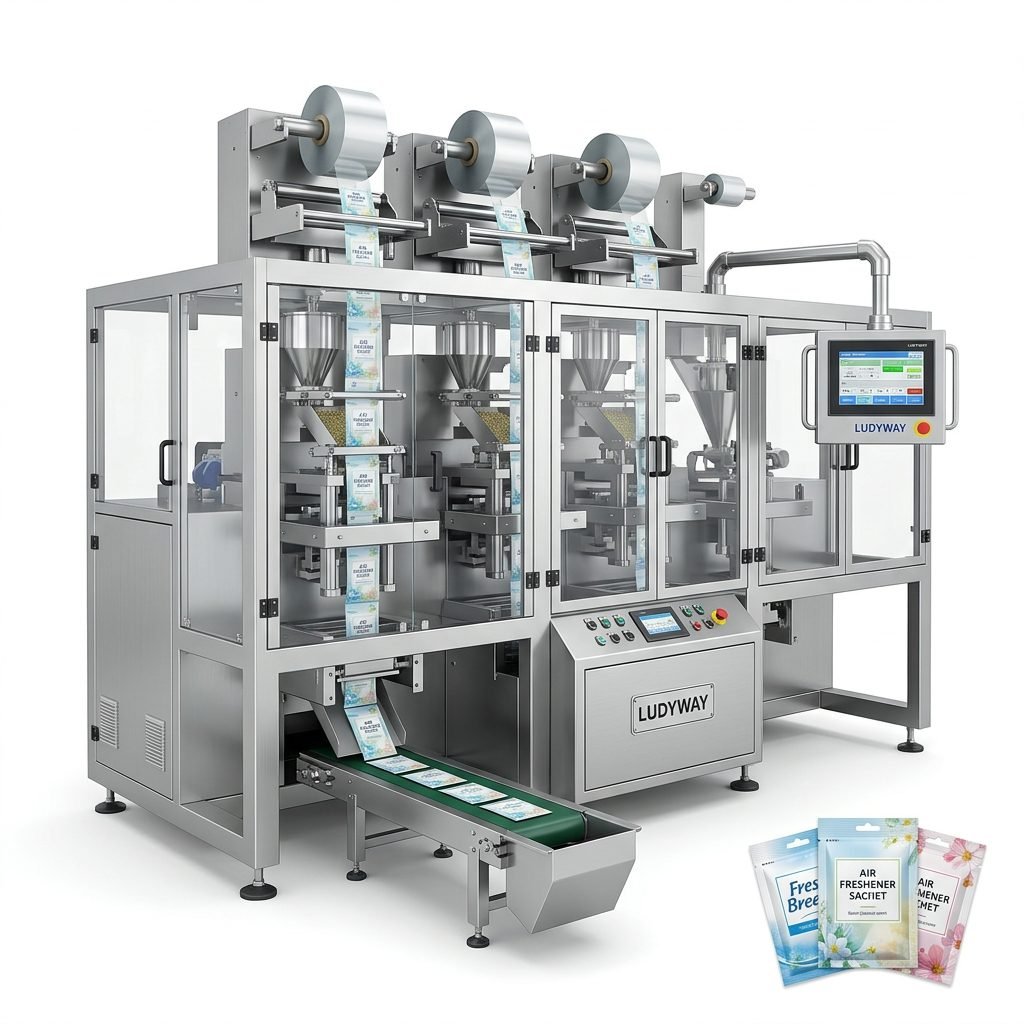
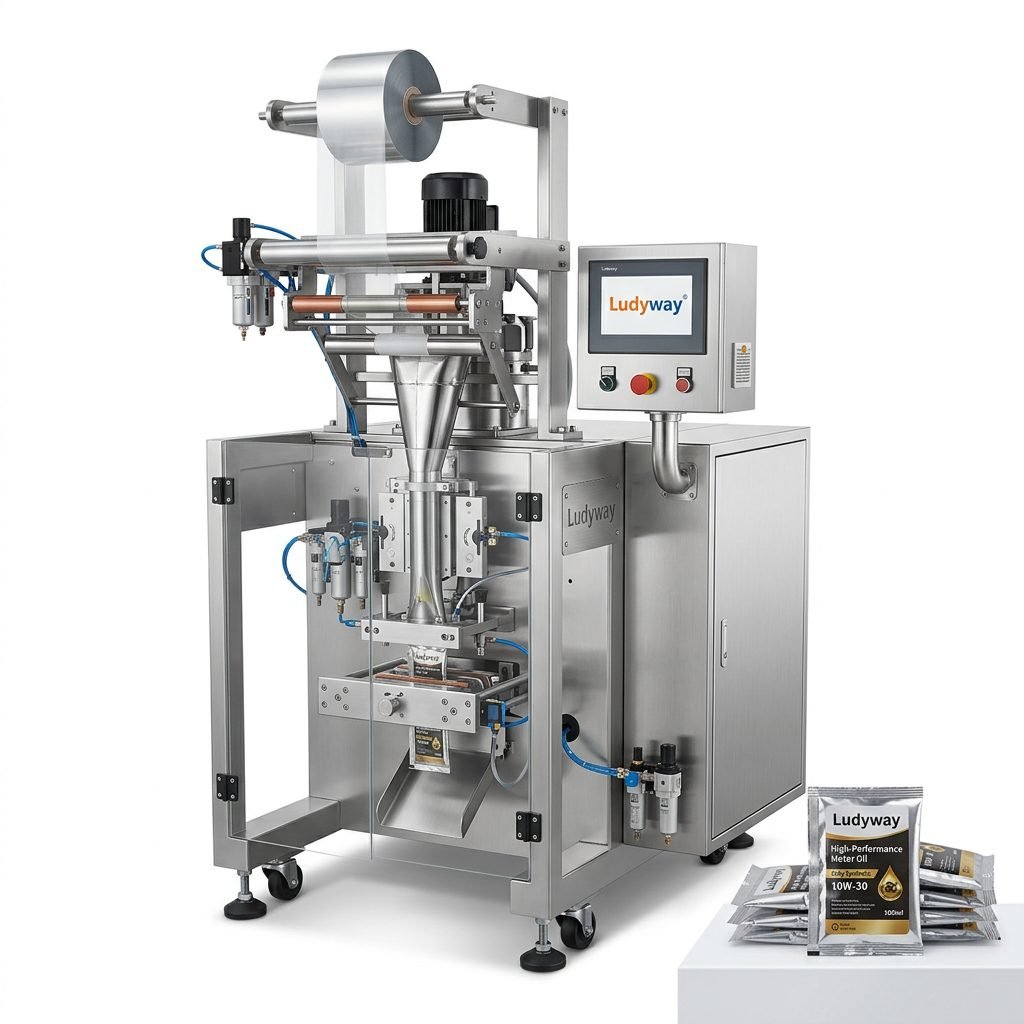
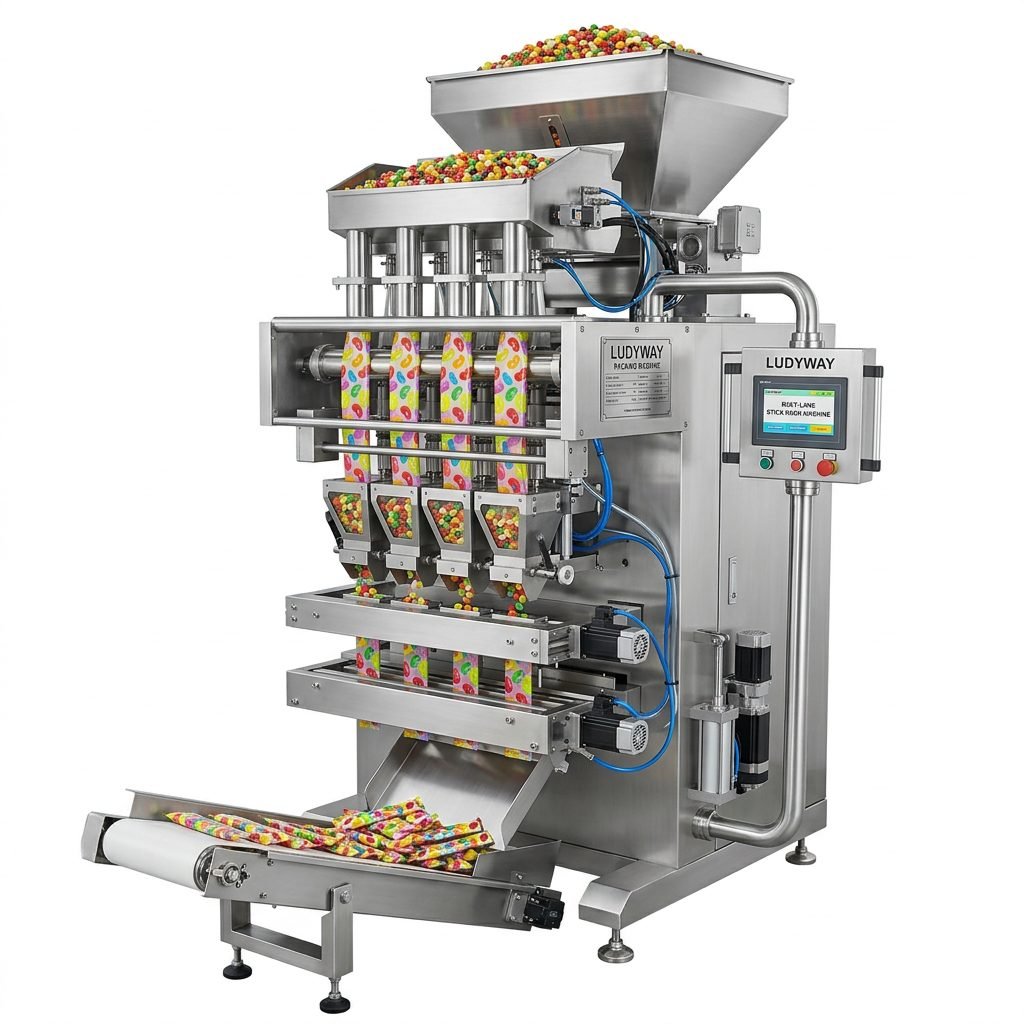
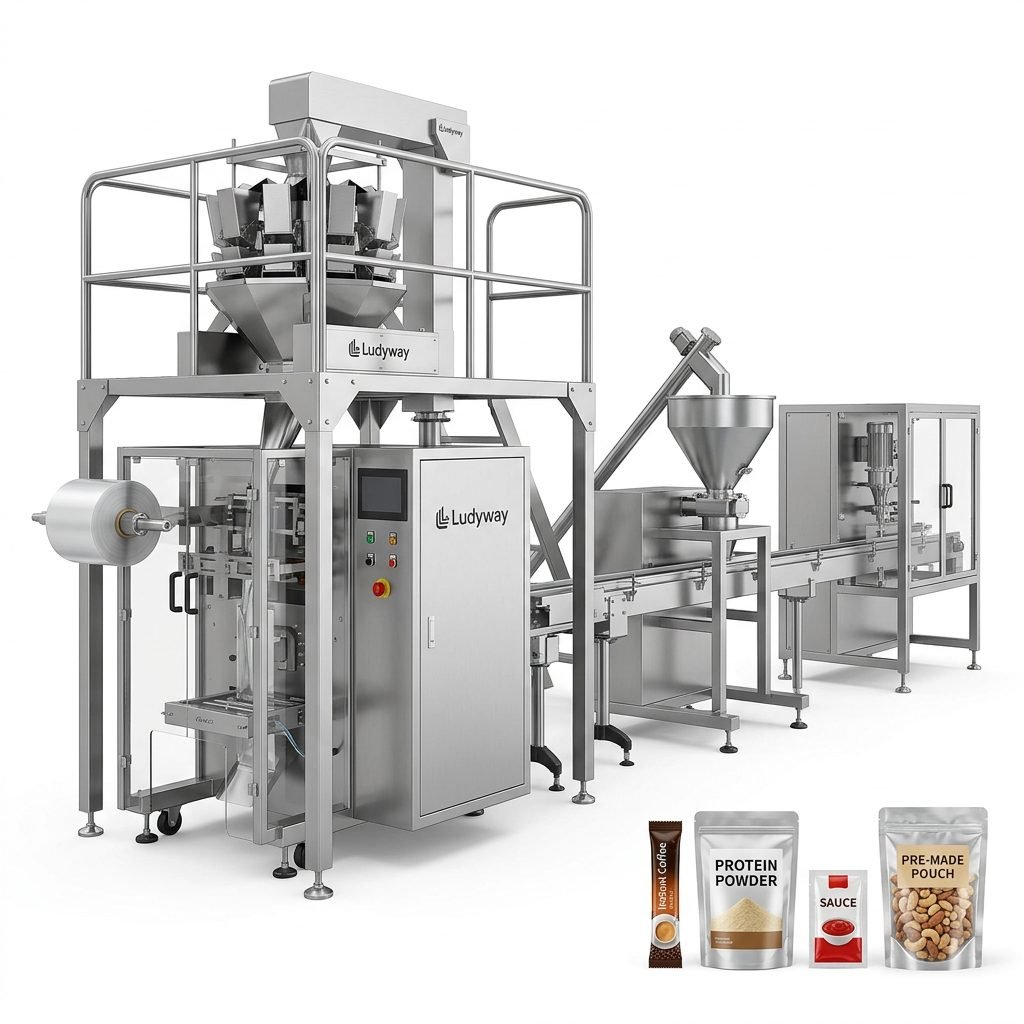
Choosing the correct equipment configuration is crucial for achieving your production goals. The MAP packaging line typically consists of several integrated components, each playing a vital role in the overall process. Your selection should be driven by product characteristics, target output, and packaging format requirements.
Core Components of a MAP Packaging Line
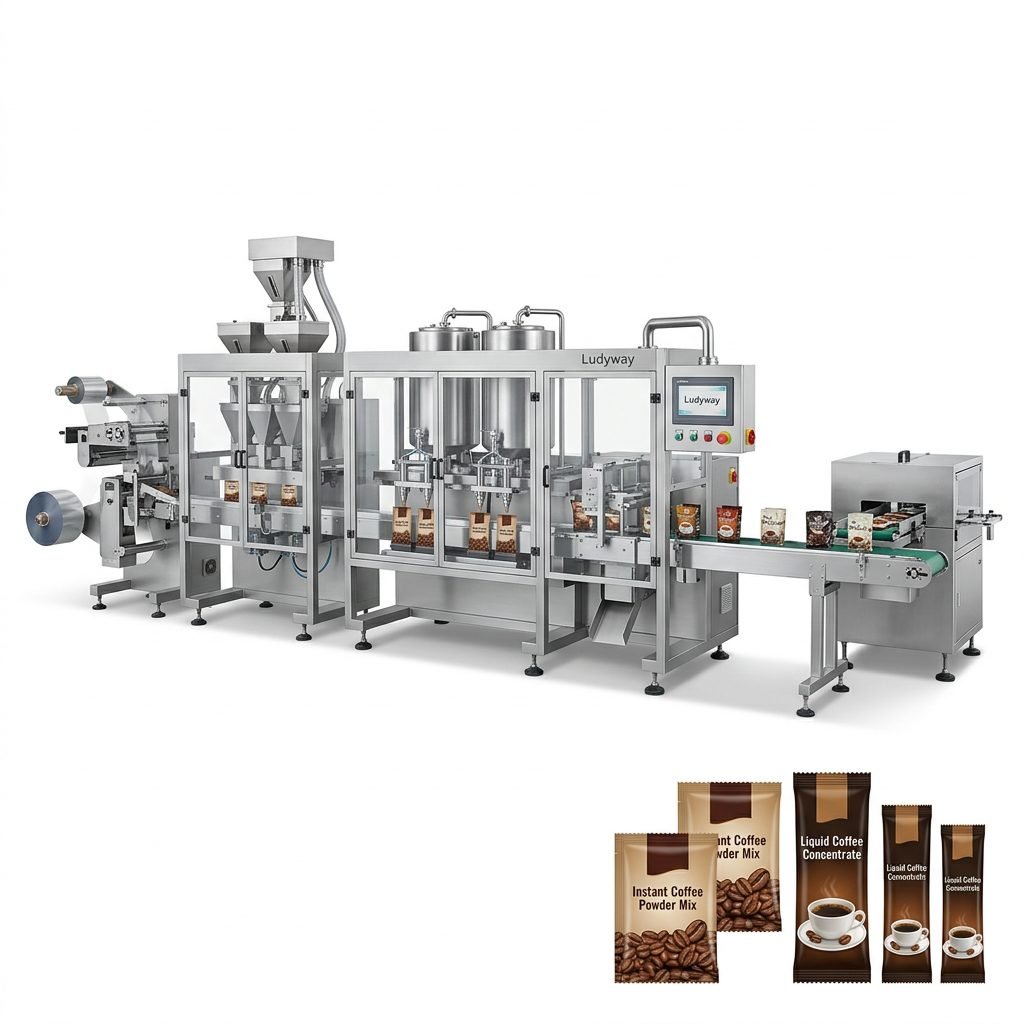
- Tray or Pouch Forming Unit: Creates the packaging container from roll stock film or pre-formed trays
- Product Loading System: Manual, semi-automatic, or fully automated filling stations based on throughput needs
- Gas Flushing and Vacuum System: Evacuates ambient air and injects the precise gas mixture for optimal preservation
- Heat Sealing Module: Creates a hermetic seal to maintain the modified atmosphere inside the package
- Quality Inspection Unit: Verifies seal integrity and gas composition using sensor-based detection
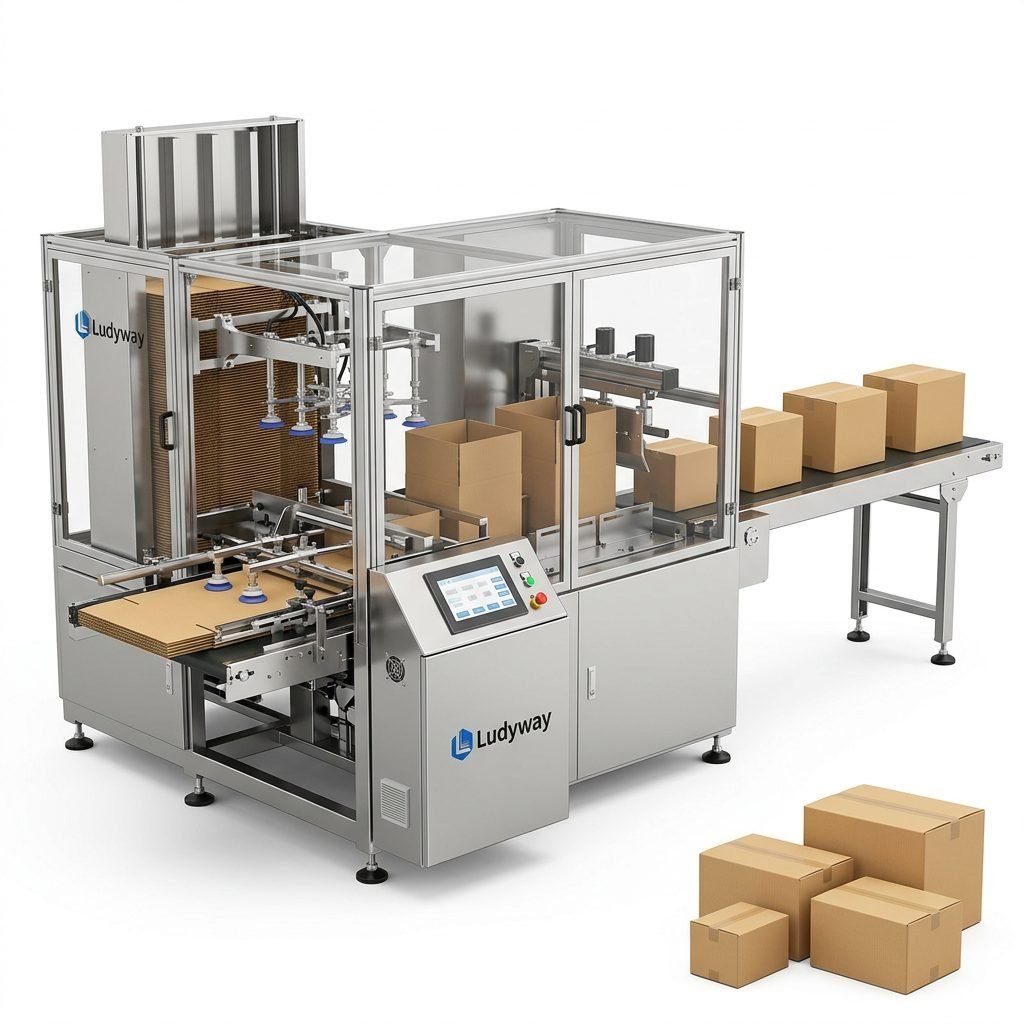
- Secondary Packaging Integration: Cartoning, case packing, and palletizing for downstream logistics
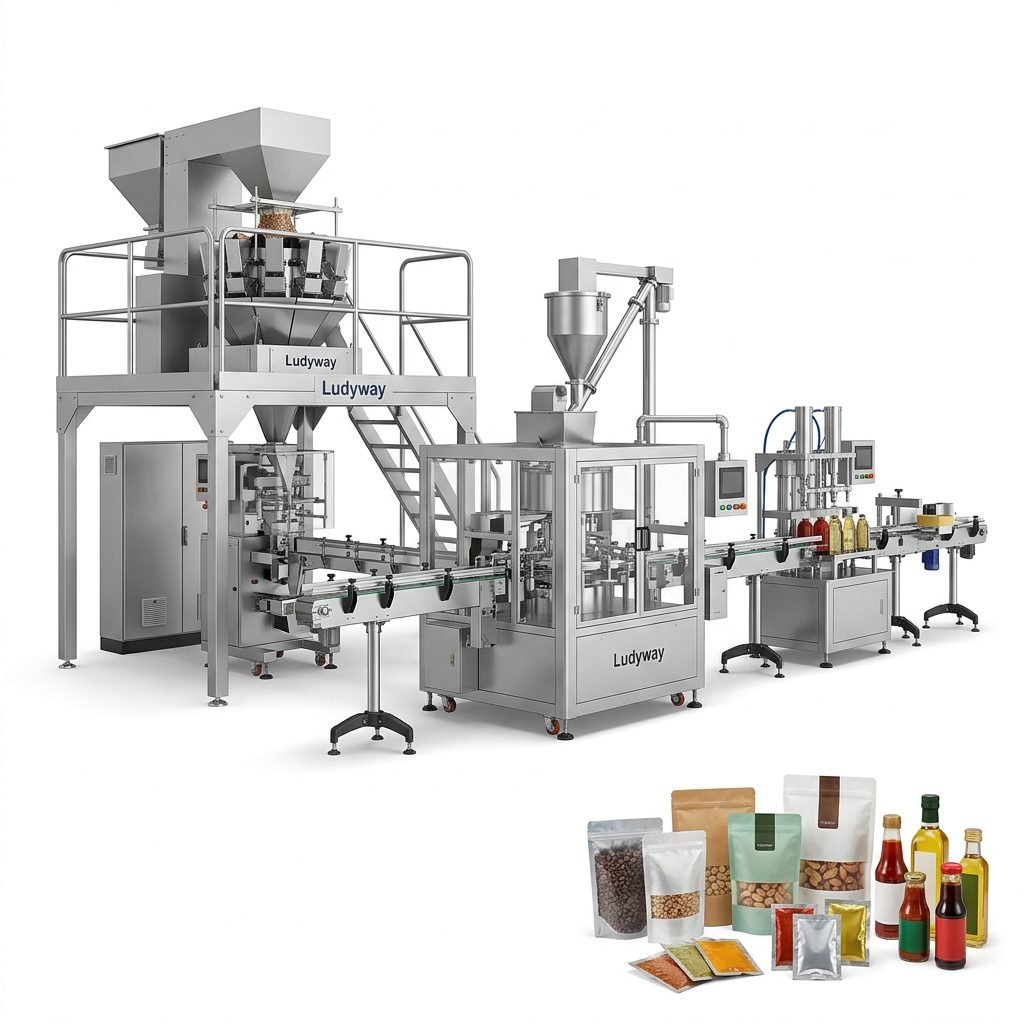
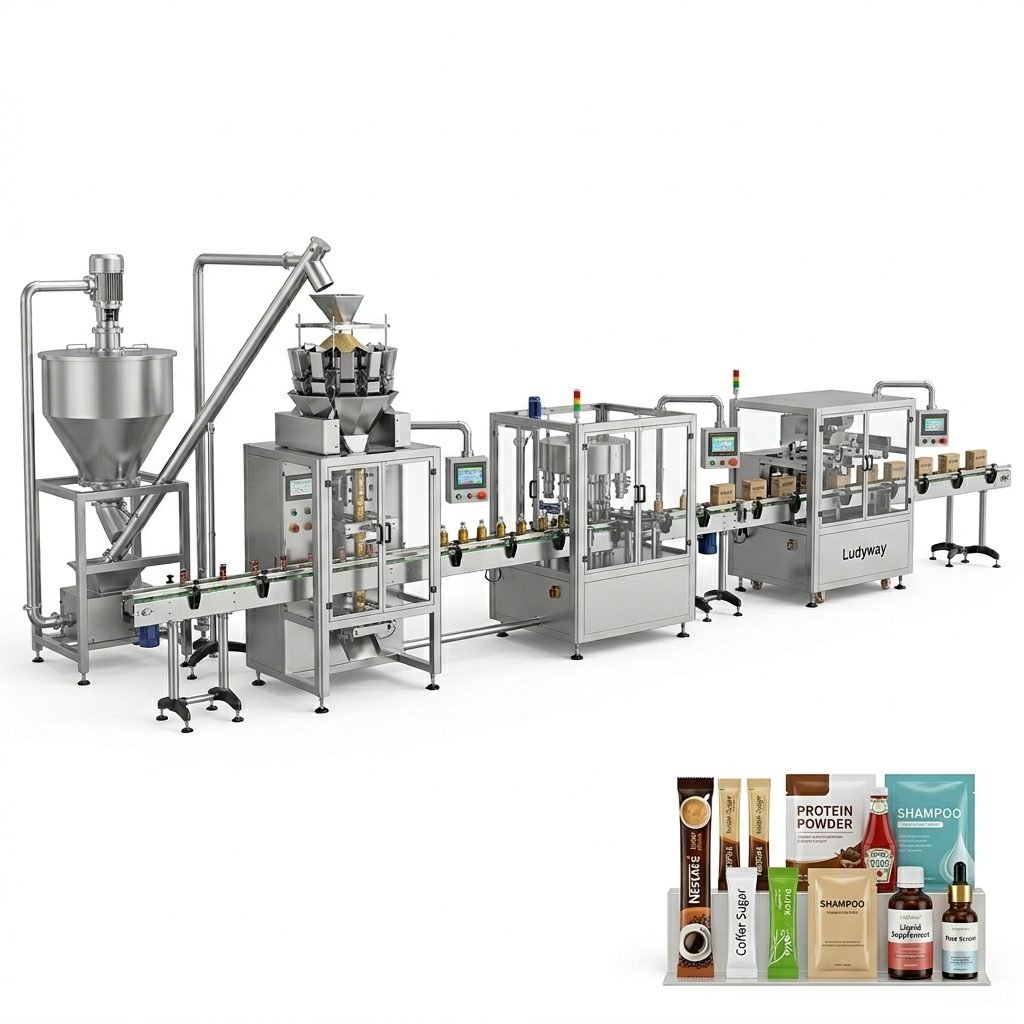
For manufacturers seeking turnkey packaging solutions, working with an experienced equipment provider ensures seamless integration between all components. The right partner will help you select appropriate film materials, gas mixtures, and machine configurations tailored to your specific product requirements.
MAP Gas Mixture Guide by Product Category
| Product Category | Recommended Gas Mixture | Shelf Life Extension |
|---|---|---|
| Fresh Red Meat | 70% O₂ + 30% CO₂ | 5-8 days (vs. 2-4 days) |
| Fresh Poultry | 70% N₂ + 30% CO₂ | 7-10 days (vs. 3-5 days) |
| Fresh Pasta | 50% N₂ + 50% CO₂ | 14-21 days (vs. 5-7 days) |
| Bakery Products | 100% N₂ | 21-30 days (vs. 7-10 days) |
| Fresh Cut Produce | 5% O₂ + 5% CO₂ + 90% N₂ | 7-10 days (vs. 3-5 days) |
| Cheese Products | 100% CO₂ or 70% N₂ + 30% CO₂ | 30-60 days (vs. 15-20 days) |
Step 3: Installation and Assembly of the MAP Packaging Line
The physical installation of your MAP packaging equipment requires meticulous attention to detail and should always follow the manufacturer’s technical documentation. A well-organized installation process significantly reduces the risk of damage and ensures the equipment performs to specification from day one.
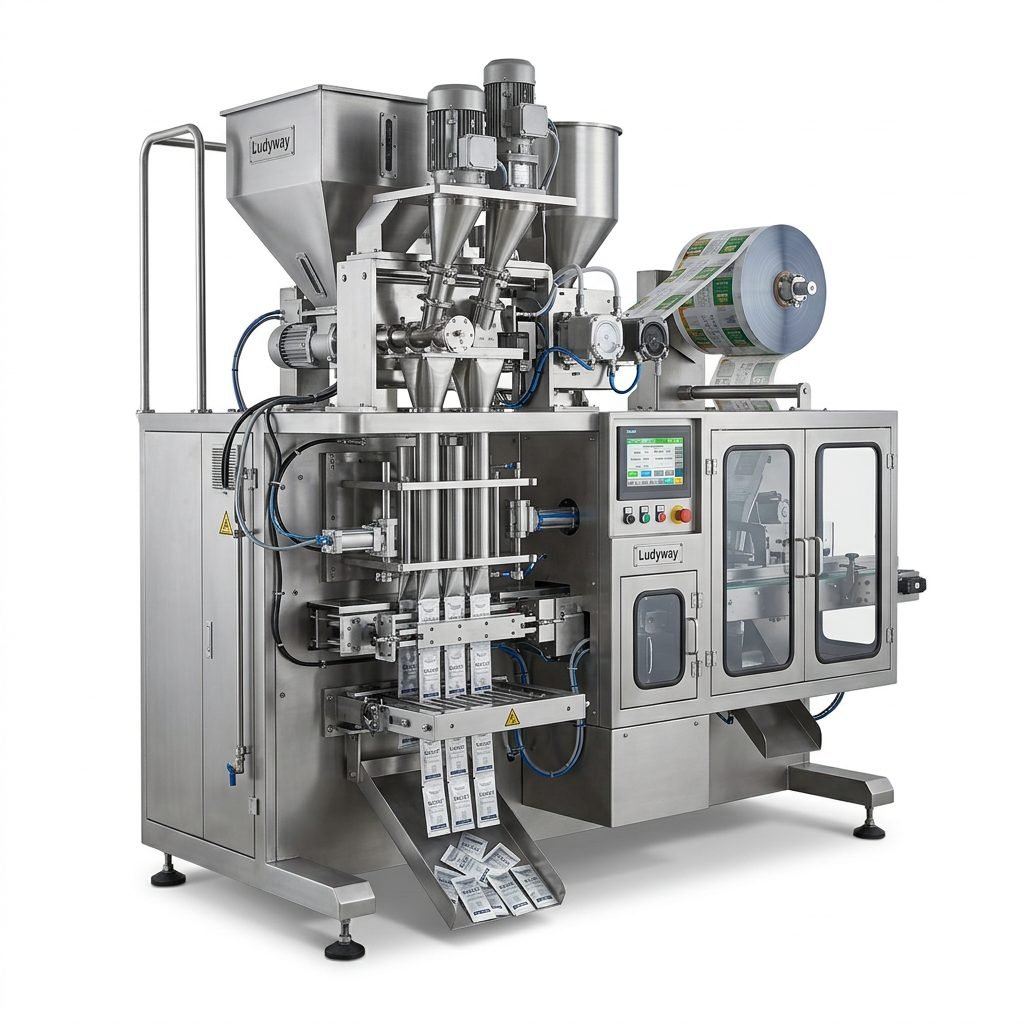
Installation Sequence Checklist
- Verify all delivered components against the packing list and inspect for transit damage
- Position the main packaging unit using precision leveling tools to ensure ±0.5mm accuracy
- Connect the gas supply lines with proper filtration and pressure regulation at each connection point
- Integrate conveyor systems between modules, ensuring smooth product transfer and alignment
- Wire all electrical connections according to the provided schematic diagrams and local electrical codes
- Install safety guarding and emergency stop systems before powering on any equipment
- Calibrate sensors, scales, and gas analyzers using certified calibration standards
- Perform a dry run without product to verify mechanical operation and timing sequences
Industry standards from ISO Packaging Standards provide guidelines for equipment installation and safety compliance. Always ensure that your installation meets or exceeds these standards, particularly regarding food safety and operator protection protocols.
Step 4: Commissioning, Testing, and Quality Validation
Commissioning is where theory meets reality. This phase involves rigorous testing and validation to confirm that every component of your MAP packaging line functions correctly and consistently. Rushing through commissioning is one of the most common mistakes that leads to long-term production issues.
Critical Validation Parameters
- Residual Oxygen Level: Measure O₂ content inside sealed packages—target below 1% for most applications
- Gas Mixture Accuracy: Verify that CO₂, N₂, and O₂ ratios match your specifications using a calibrated gas analyzer
- Seal Integrity Testing: Perform burst tests and dye penetration tests on statistical samples from each batch
- Temperature Mapping: Confirm consistent heat seal temperature across the entire sealing surface
- Throughput Verification: Run sustained production tests at target speeds to identify any bottlenecks
- Changeover Time Assessment: Measure the time required to switch between different product formats or gas mixtures
The FDA Food Packaging and Food Contact Substances regulations require that all packaging materials and processes comply with food safety standards. Maintain detailed commissioning records as these may be required during regulatory audits or quality certification processes.
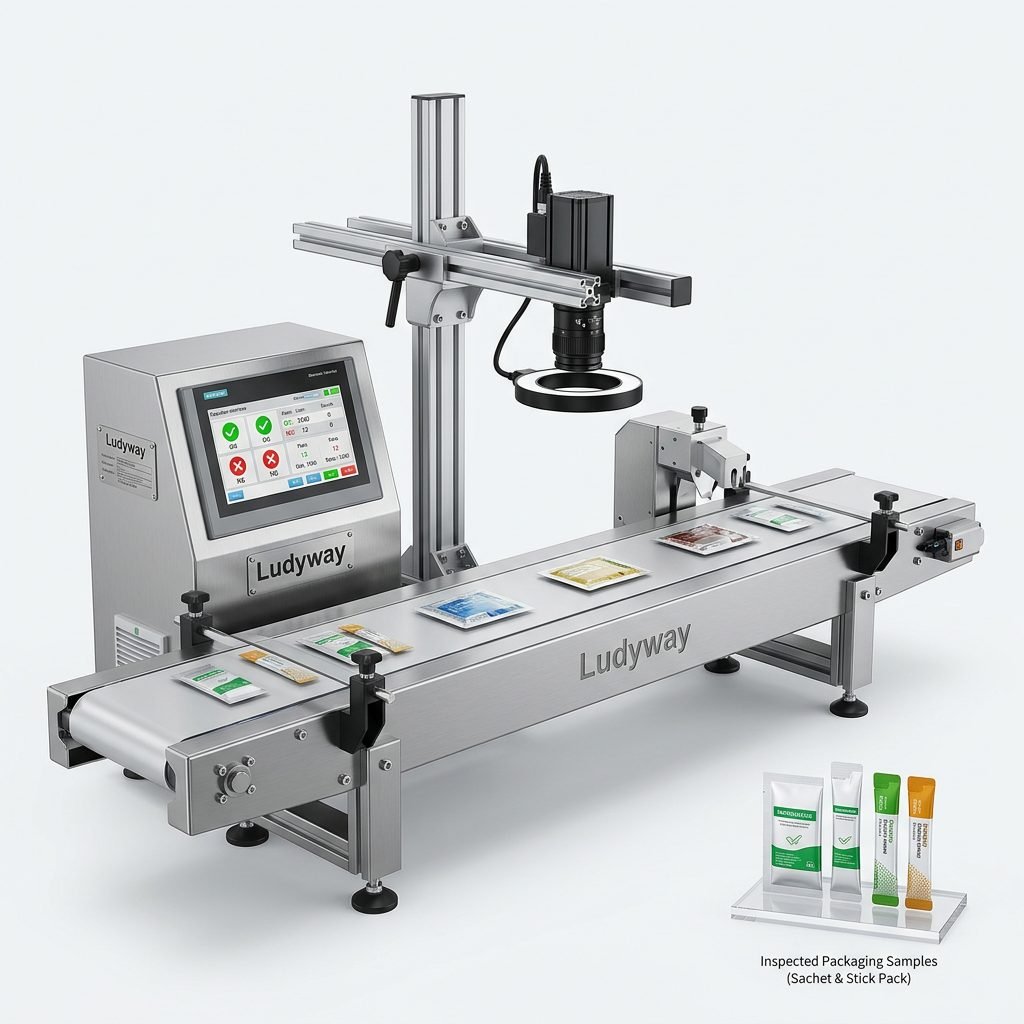
Step 5: Operator Training and Safety Protocols
Even the most advanced MAP packaging line will underperform without properly trained operators. Comprehensive training programs should cover not only routine operation but also troubleshooting, cleaning procedures, and emergency response. Invest in training before full production begins to avoid costly mistakes and equipment damage.
Essential Training Modules
| Training Module | Key Topics | Duration (Recommended) |
|---|---|---|
| Machine Operation | Startup, shutdown, parameter adjustment, HMI navigation | 3-5 days |
| Gas System Management | Gas mixing, flow rate adjustment, leak detection, cylinder changeover | 1-2 days |
| Quality Control Procedures | Seal inspection, gas analysis, sampling protocols, documentation | 2-3 days |
| Maintenance and Troubleshooting | Preventive maintenance schedules, common fault diagnosis, parts replacement | 3-4 days |
| Safety and Compliance | Lockout/tagout, emergency stops, gas safety, PPE requirements | 1 day |
Step 6: Ongoing Maintenance and Performance Optimization
Setting up your MAP packaging line is only the beginning. Continuous monitoring and proactive maintenance are essential for sustaining high performance and extending equipment lifespan. Establish a structured maintenance program from the outset and track key performance indicators to identify improvement opportunities.
Recommended Preventive Maintenance Schedule
- Daily: Clean sealing surfaces, inspect gas connections for leaks, verify O₂ analyzer calibration
- Weekly: Check and lubricate moving parts, inspect conveyor belts, clean optical sensors
- Monthly: Replace air filters, verify gas mixer calibration, inspect electrical connections
- Quarterly: Full system audit, replace wear components, update software and firmware
- Annually: Comprehensive overhaul, safety system recertification, performance benchmarking
For expert guidance on maintaining packaging machinery and automated systems, consult with your equipment provider for customized maintenance plans that account for your specific production environment and operating conditions.
Common Challenges When Setting Up MAP Packaging Lines
Understanding potential pitfalls before they occur can save significant time and resources. Here are the most frequently encountered challenges during MAP packaging line setup and how to address them:
| Challenge | Root Cause | Solution |
|---|---|---|
| Inconsistent Seal Quality | Temperature fluctuation, contaminated sealing surface, worn sealing bars | Implement temperature monitoring, clean surfaces after each shift, replace wear parts on schedule |
| High Residual Oxygen Levels | Insufficient gas flushing time, leaks in gas lines, poor vacuum pump performance | Optimize flushing duration, perform regular leak tests, maintain vacuum pumps |
| Film Wrinkling or Misalignment | Incorrect tension settings, misaligned rollers, humidity affecting film properties | Calibrate tension controls, check roller alignment, control ambient humidity |
| Product Contamination During Packaging | Inadequate cleaning protocols, airborne particles, operator handling | Implement HEPA filtration, establish strict hygiene procedures, automate product handling |
Frequently Asked Questions About MAP Packaging Line Setup
What is the typical installation timeline for a complete MAP packaging line?
A complete MAP packaging line installation typically takes 4 to 8 weeks from equipment delivery to full production readiness. This timeline includes mechanical installation (1-2 weeks), electrical and utility connections (1 week), commissioning and testing (1-2 weeks), and operator training (1 week). Complex lines with multiple integrated modules may require up to 12 weeks for full optimization.
How much does it cost to set up a MAP packaging production line?
The investment varies significantly based on automation level, production capacity, and packaging format. Entry-level semi-automatic systems start around $50,000-$100,000, while fully automated high-speed MAP packaging lines with integrated gas systems, quality inspection, and secondary packaging can range from $200,000 to over $1 million. Additional costs include facility modifications, utility upgrades, gas supply systems, and operator training.
What gas mixture should I use for my specific product?
The optimal gas mixture depends on your product’s respiration rate, moisture content, fat content, and desired shelf life. Fresh red meat requires high oxygen (70-80%) to maintain color, while most other products benefit from low-oxygen or oxygen-free mixtures. Consult with a packaging specialist or conduct shelf-life studies to determine the ideal gas composition for your specific application.
Can one MAP packaging line handle multiple product types?
Yes, modern MAP packaging machines are designed for flexibility and can handle multiple product types with quick changeovers. However, this requires careful planning during equipment selection. Look for machines with recipe-based controls that store parameters for different products, tool-free changeover features, and modular gas mixing systems that can switch between different mixtures quickly.
Why Working with an Experienced Packaging Partner Matters
Setting up a MAP packaging production line is a significant investment that directly impacts your product quality, operational efficiency, and market competitiveness. Choosing the right equipment partner can make the difference between a smooth implementation and a prolonged, costly setup process. An experienced partner provides not only the machinery but also the technical expertise, installation support, and ongoing service that ensure your production line operates at peak performance from day one.
Companies like Ludyway, one of the largest packaging machine manufacturers in China with over 30 years of industry experience, offer comprehensive turnkey packaging solutions that cover everything from initial consultation and equipment selection to installation, commissioning, and after-sales support. With a modern 20,000㎡ manufacturing facility and a team of over 130 professional packaging experts, they provide reliable and efficient MAP packaging systems for food, pharmaceutical, and health industry applications across more than 100 countries.
For additional information on packaging industry standards and best practices, refer to resources from the PMMI Business Intelligence Library and the Flexible Packaging Association Industry Resources. These organizations provide valuable data and guidelines that can help you make informed decisions when setting up your MAP packaging production line.