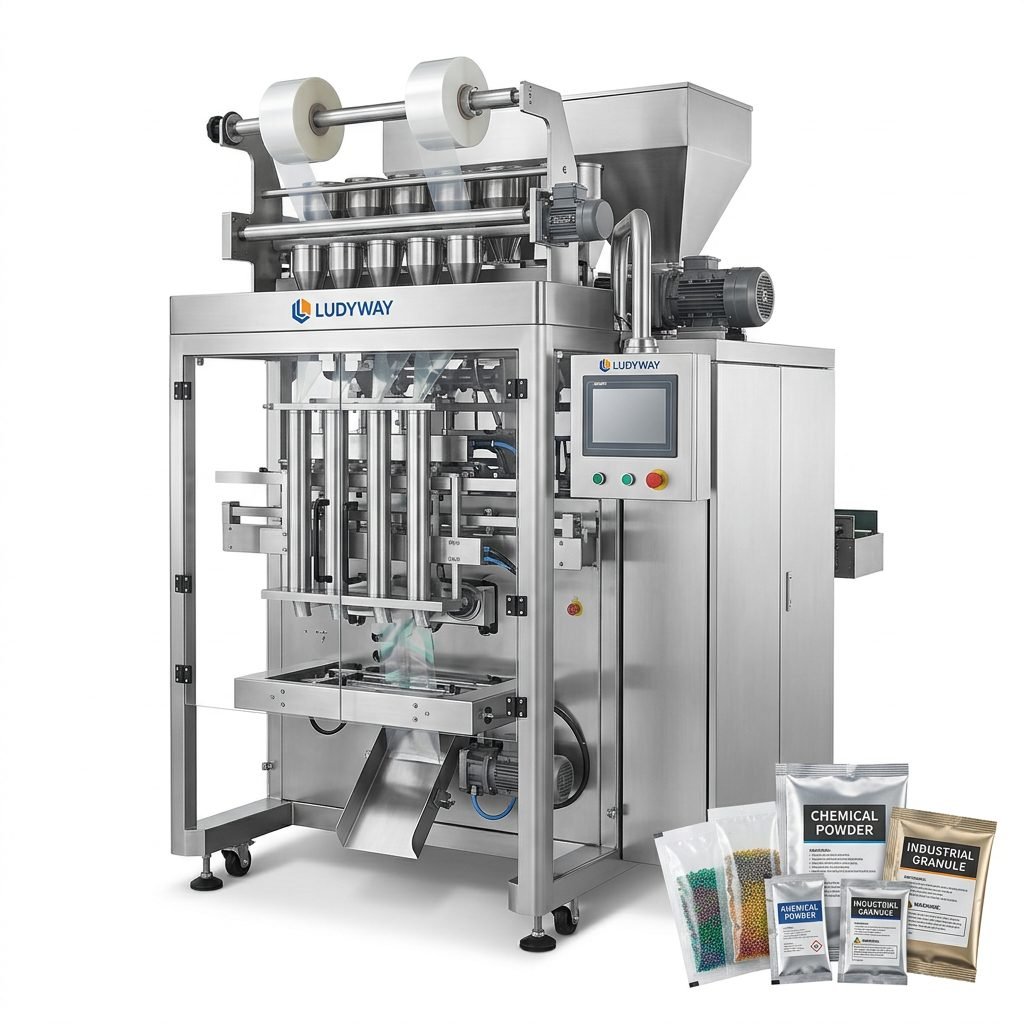
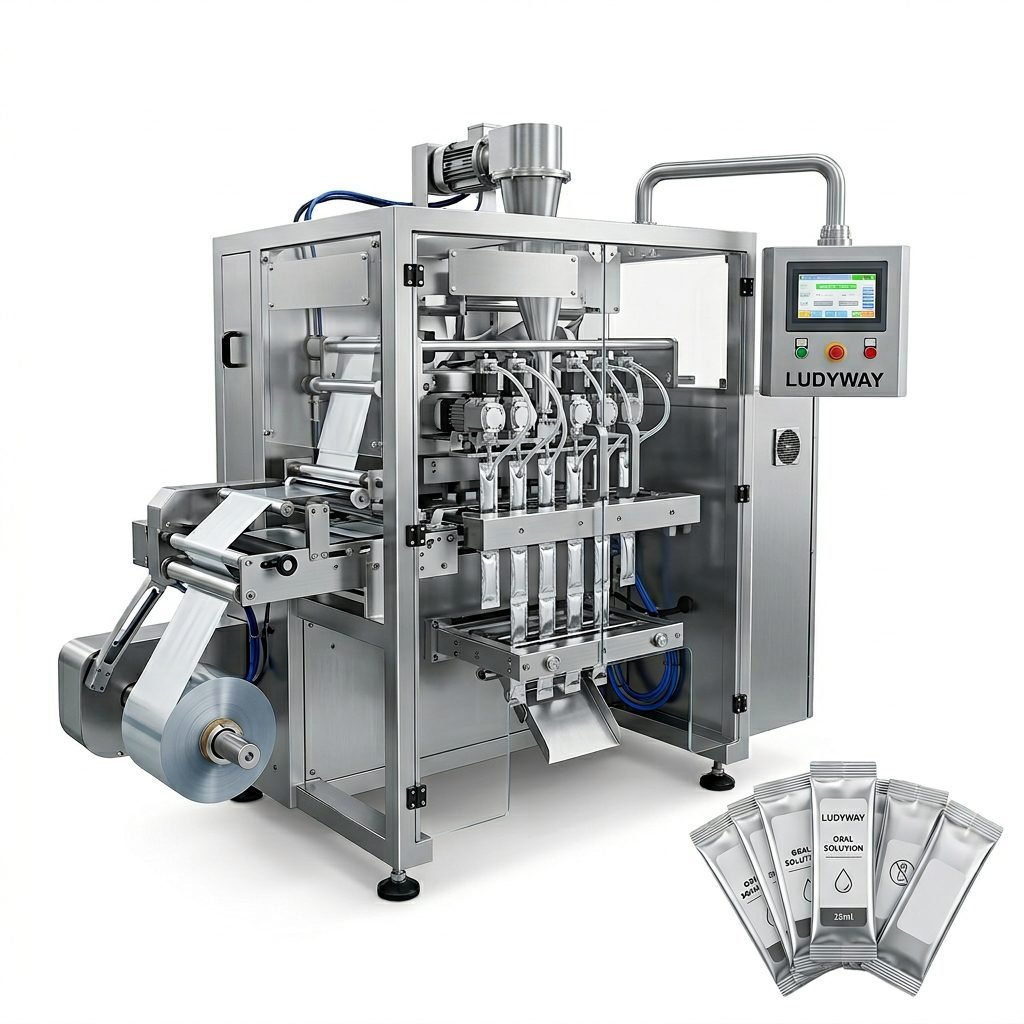
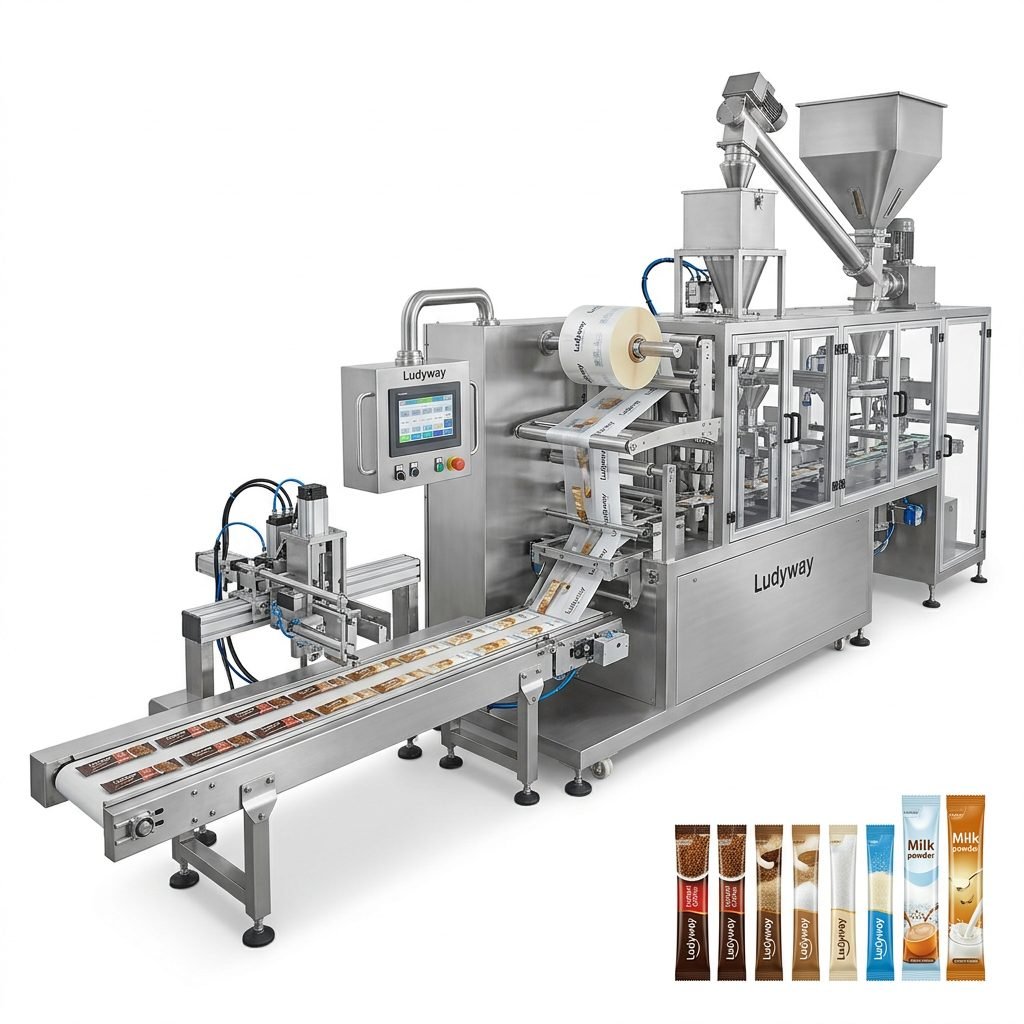
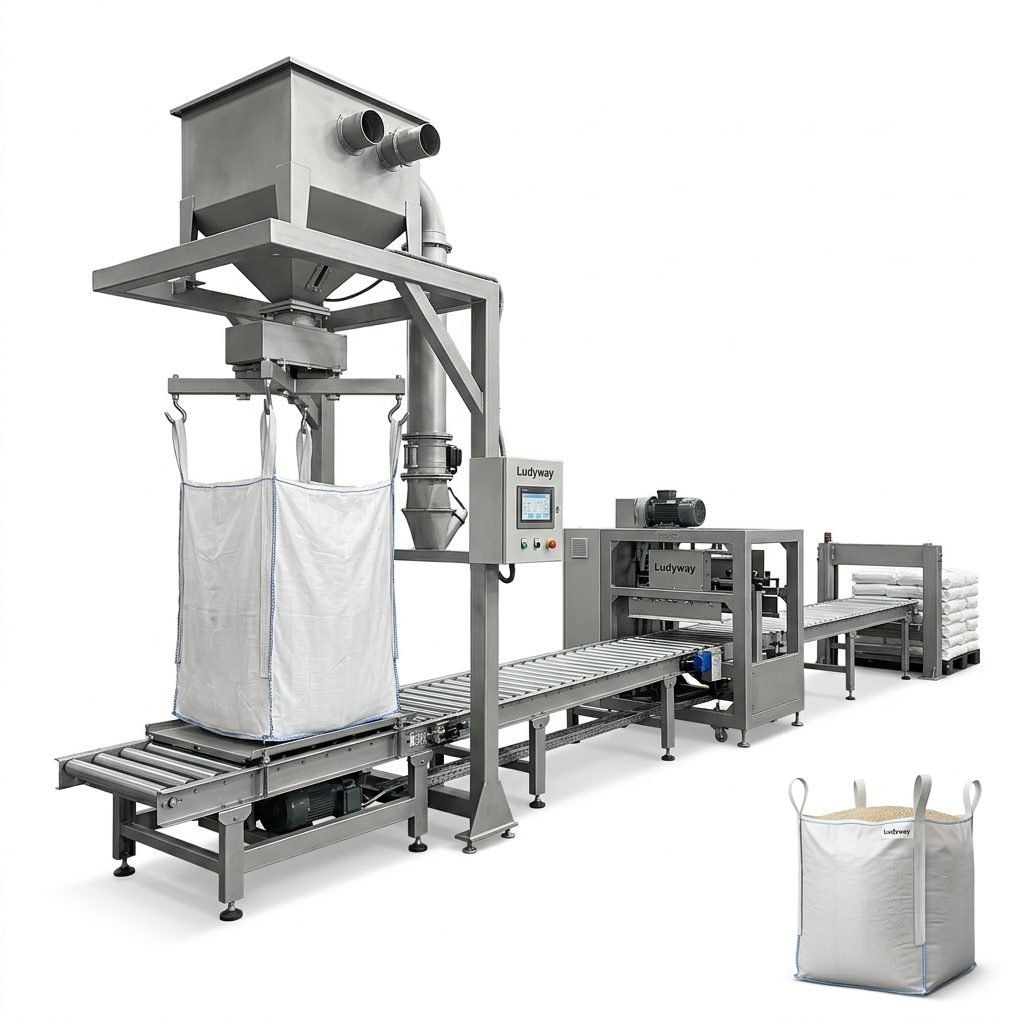
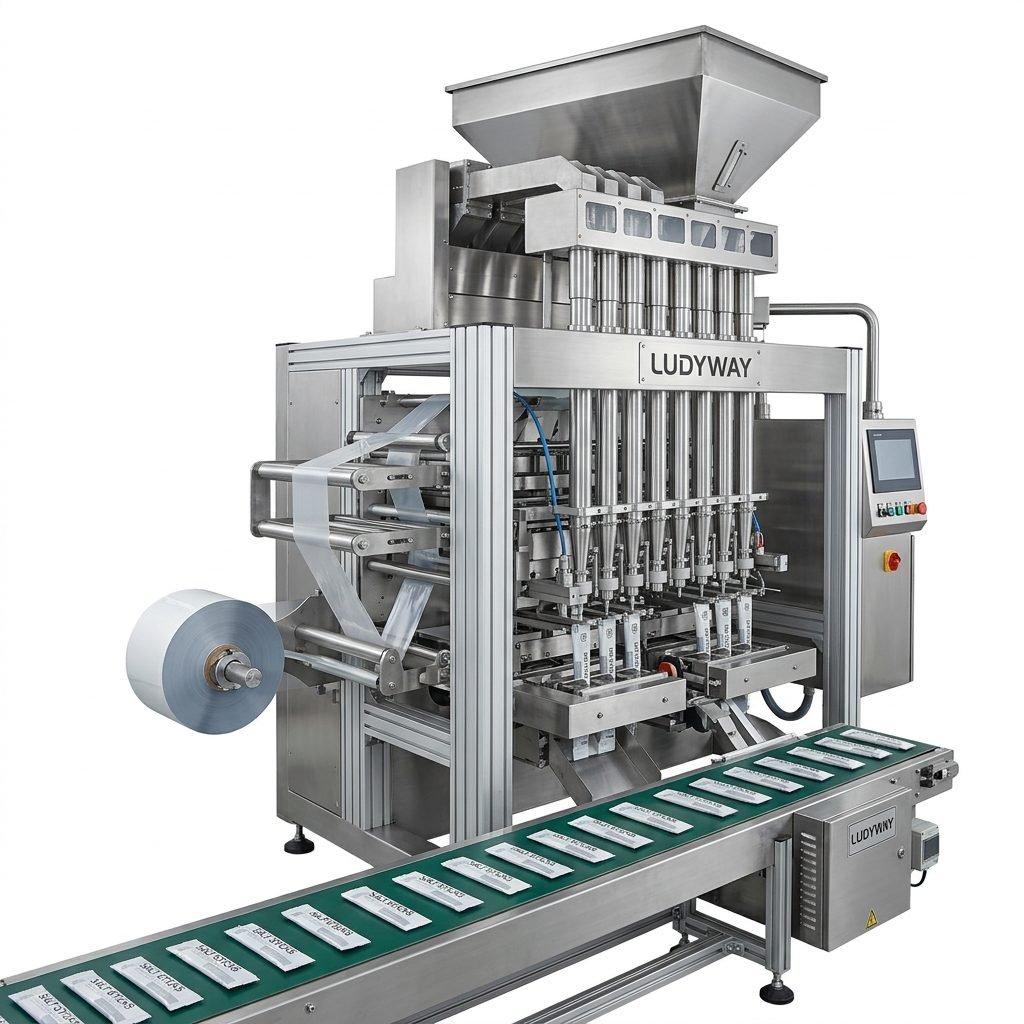
The Indian edible oil market is experiencing an unprecedented boom. With a population exceeding 1.4 billion and a growing preference for branded, hygienically packed products, manufacturers are urgently seeking high-speed oil packaging machines that can handle diverse viscosities without compromising on seal integrity. For businesses aiming to capture the modern Indian retail shelf, settling for outdated machinery is no longer an option.
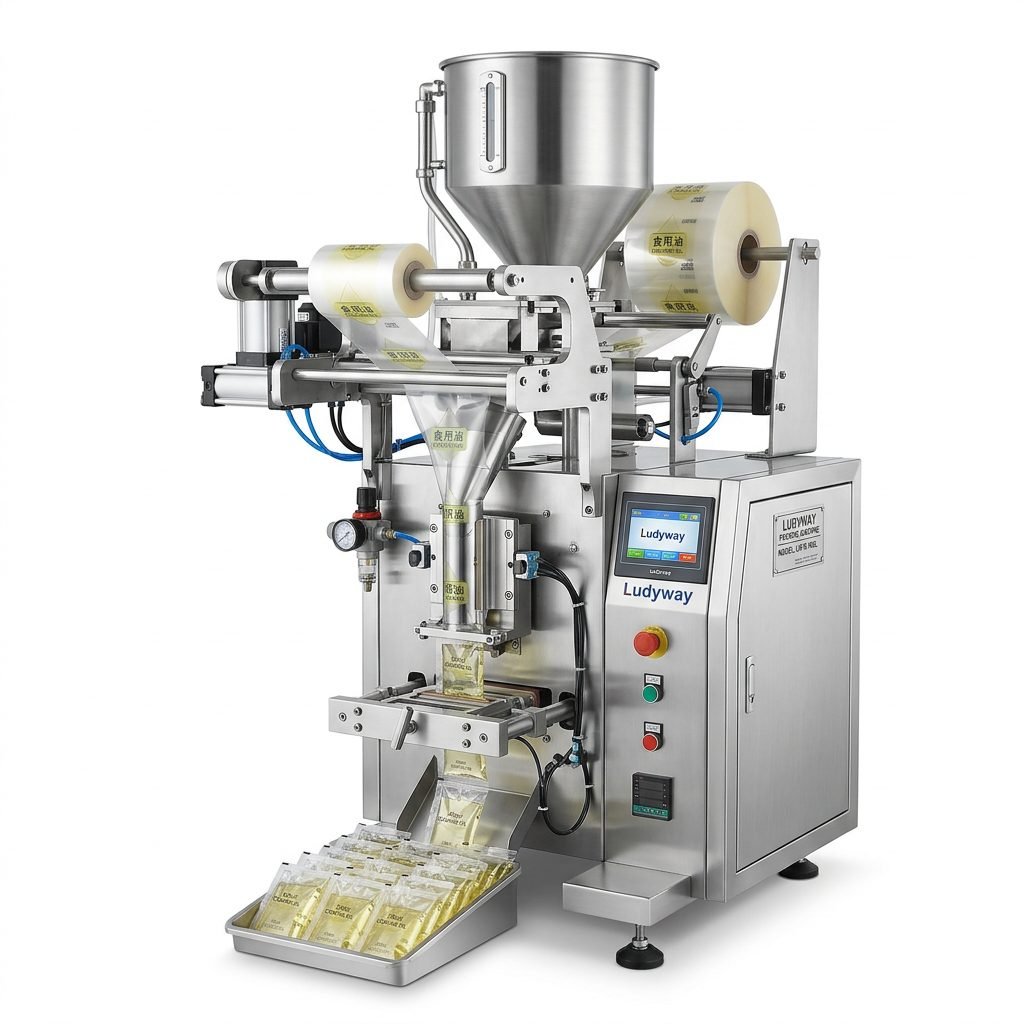
The Challenge of Packaging Edible Oil in India
Packaging oil is vastly different from packaging dry granules or powders. The primary challenges Indian manufacturers face include fluid leakage, inconsistent filling weights due to temperature fluctuations, and bag sealing failures caused by the oily surface of the film. Whether you are packing sunflower oil, mustard oil, or coconut oil, the surface tension of the liquid demands a machine engineered with absolute precision. A machine lacking proper engineering will result in massive product wastage and a tarnished brand reputation.
Why Multi-Lane Sachet Technology Dominates the Market
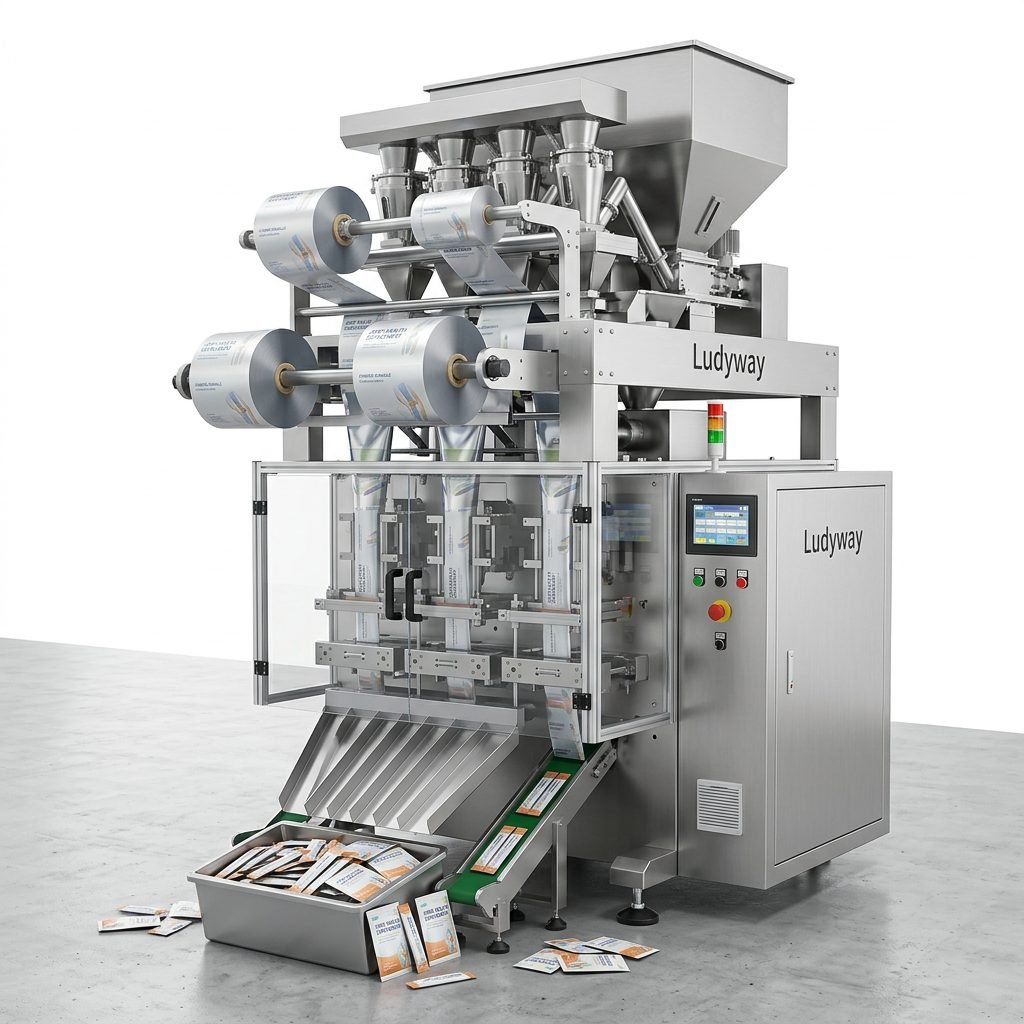
The trend in the Indian subcontinent is rapidly moving toward affordable sachets and stick packs. This format allows lower-income households to purchase high-quality oil in small quantities. To succeed in this volume-driven market, speed is money. Modern multi-lane stick pack machines can produce up to 400-600 packs per lane per minute. This throughput is essential to keep the cost per pack low and overcome the thin margins typically associated with sachet retail.
Ludyway: Engineered for Leak-Proof Sealing
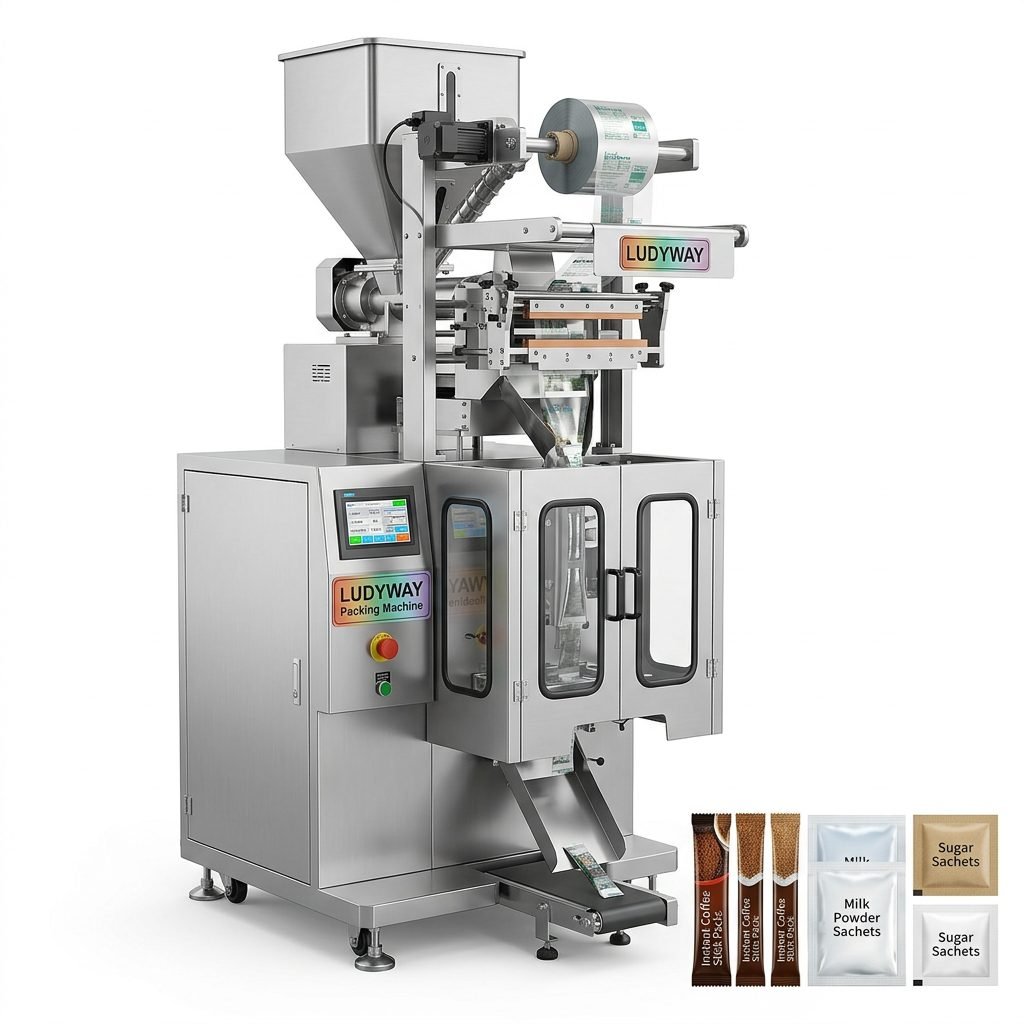
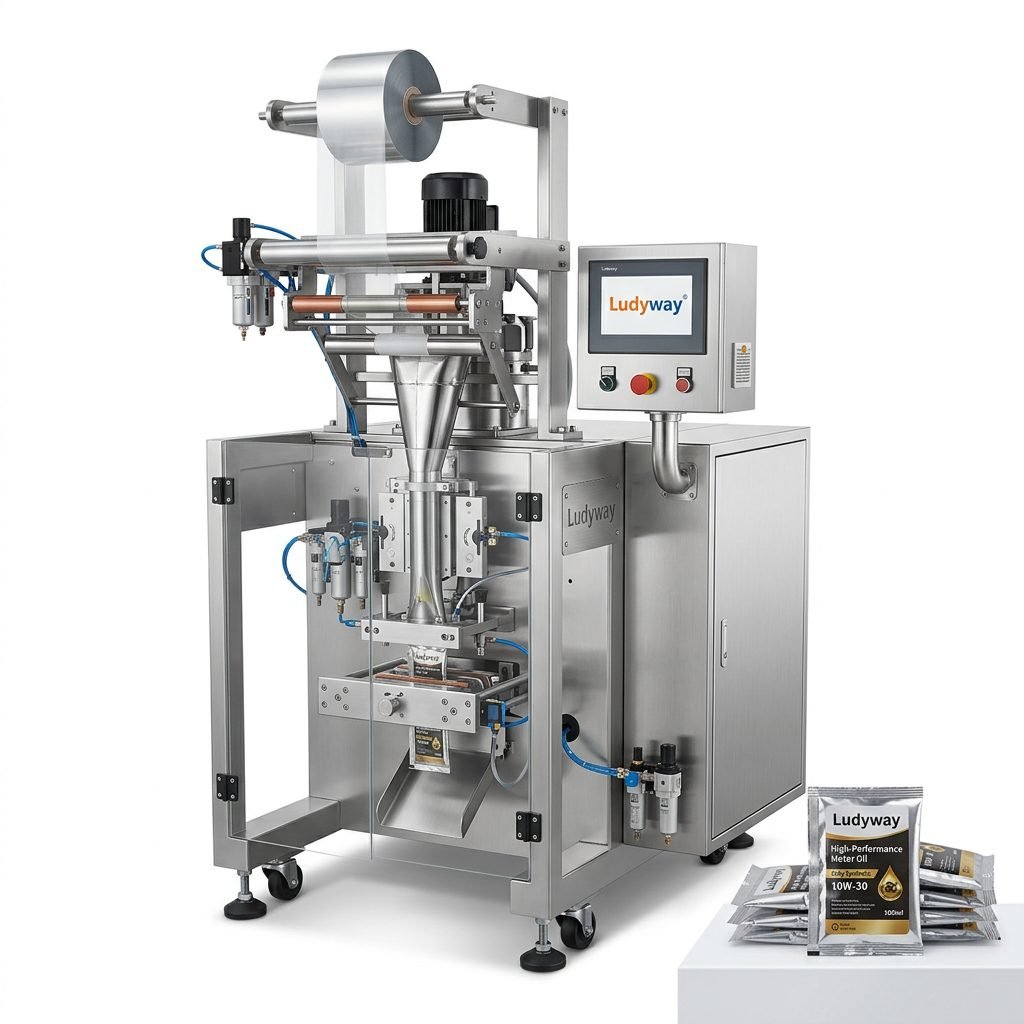
When packaging greasy products, the most critical factor is the sealing jaw technology. Ludyway, one of the largest packaging machine manufacturers in China, utilizes advanced servo-driven vertical sealing jaws that guarantee airtight seals even in the presence of liquid splash. The intelligent temperature control system automatically adjusts the heat sealing parameters to match the film type, preventing wrinkles or burn-through on the packaging surface. This results in a leakage rate of nearly zero, which is non-negotiable for oil logistics.
Key Features of Modern Oil Packaging Systems
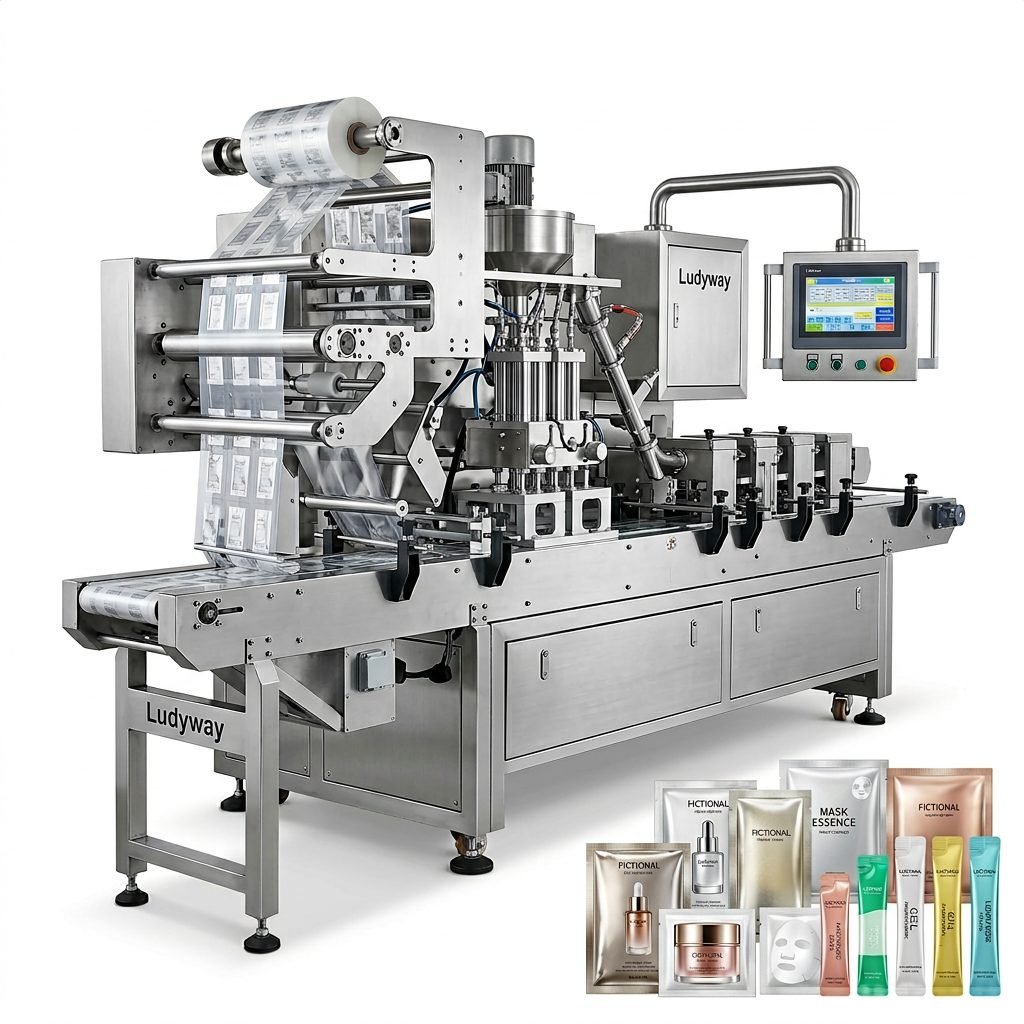
- Piston Filler Accuracy: High-precision piston pumps ensure every sachet has the exact same volume, regardless of viscosity.
- Anti-Drip Nozzles: Specialized cut-off nozzles prevent oil from dripping on the sealing area, ensuring clean cuts and seals.
- Food-Grade SS304 Construction: All contact parts must be rust-proof and compliant with FSSAI food safety standards.
- Washdown Ready: Easy to clean designs that prevent cross-contamination between batches.
A Comparison of Packaging Formats
| Feature | Multi-Lane Stick Pack | Rotary Pouch Machine |
|---|---|---|
| Output Speed | Up to 600 packs/min | 50-80 packs/min |
| Shelf Appeal | Excellent for single-serve | Good for family packs |
| Material Waste | Minimal | Moderate |
Versatility: From Mustard Oil to Palm Oil
The Indian market is diverse. Northern India prefers thick mustard oil, while Southern regions consume lighter coconut and sesame oil. A frozen set of machines often fails to adapt to these varying packaging standards. The ideal solution is a system that can seamlessly switch from packaging free-flowing soybean oil to semi-viscous groundnut oil with just a quick recipe change on the HMI screen. This flexibility provides a massive competitive advantage for contract packers.
Why Stainless Steel Matters for Food Safety
Corrosion is the enemy of oil packaging. Low-grade metals can react with acidic oils, leading to health hazards and machine degradation. Machines built with full stainless steel frames and contact parts withstand the harsh washing cycles required in the food industry, providing a lifespan that easily exceeds a decade.
Integrating Turnkey Solutions for Maximum ROI
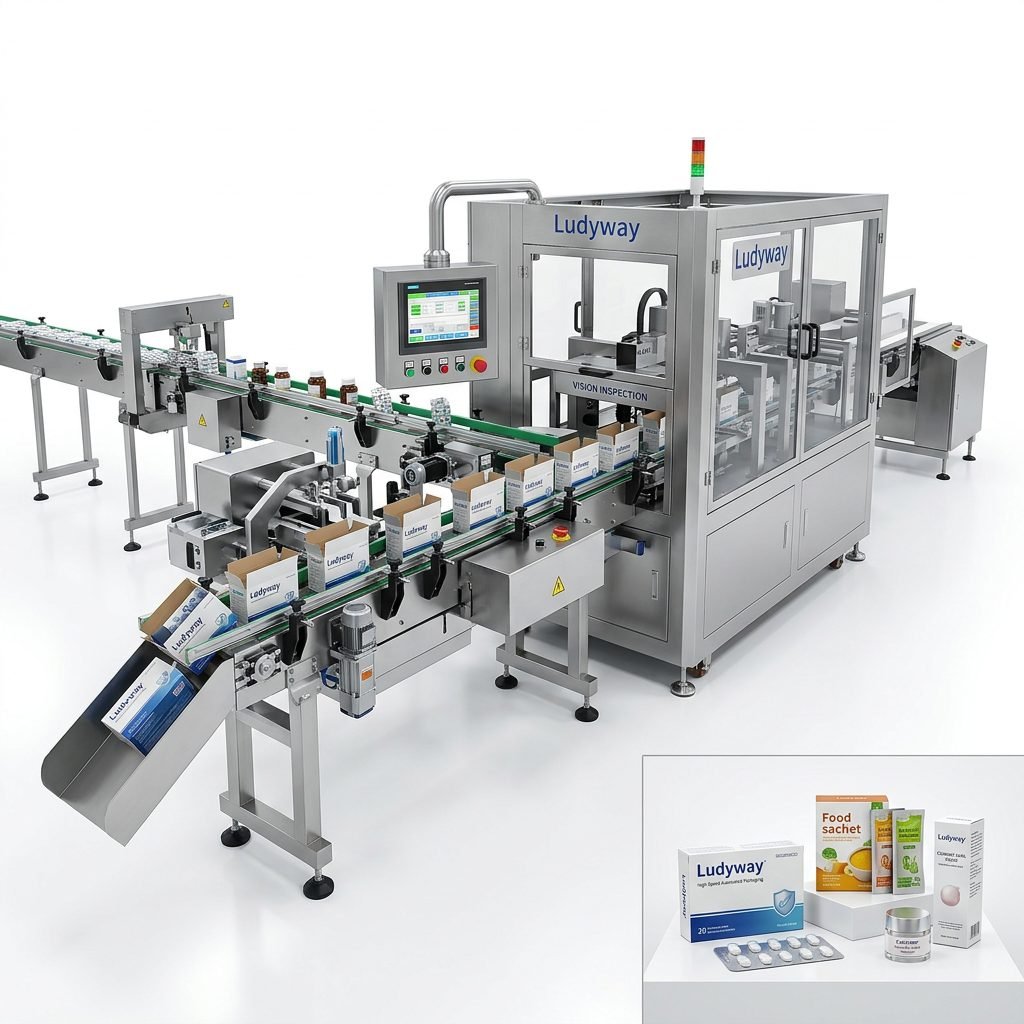
For new startups in Mumbai or Delhi, buying a machine is only step one. You need a synchronized system that includes a bottle unscrambler, liquid filler, capping machine, and labeling machine. A turnkey packaging line ensures that the entire chain runs at a unified speed, eliminating bottlenecks. Furthermore, compatibility with nitrogen flushing systems is crucial for extending the shelf life of premium oils, preventing oxidation inside the pack.
The Advantage of Automated Cartoning for Oil
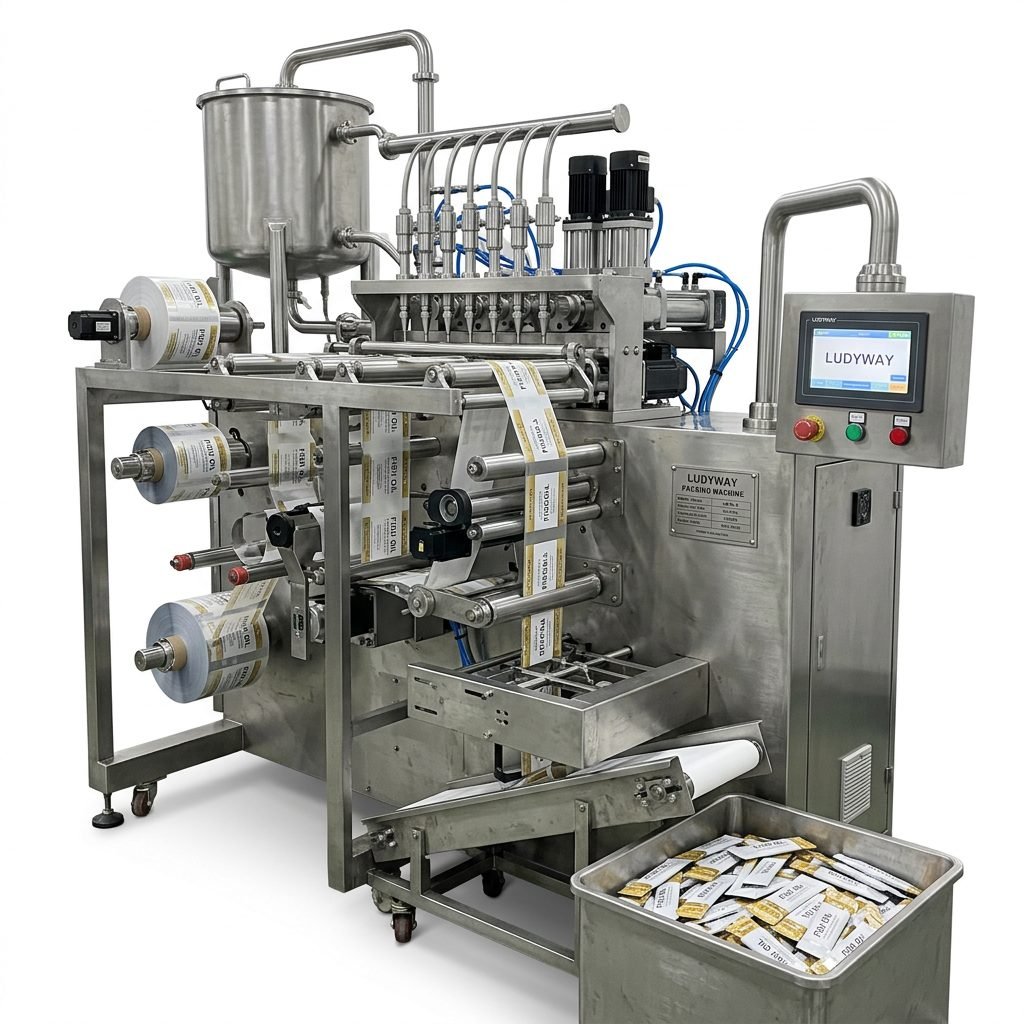
Oil sachets are heavy and difficult to handle manually. Integrating an automatic cartoning machine behind the sachet filler eliminates the massive labor cost associated with manual counting and packaging. It also protects the fragile individual sachets from bursting during transit across India’s rough road networks.
Sustainable Packaging and Reduced Plastic Consumption
With increasing pressure from regulatory bodies to reduce single-use plastic, downgauging film is a priority. This requires machines with ultra-precise tension control to handle thinner films without tearing. Modern servo-controlled unwinding systems can run recyclable materials smoothly, helping your brand meet sustainability goals while cutting raw material costs.
Check out the reference from the Flexible Packaging Association regarding the latest trends in sustainable flexible packaging materials.