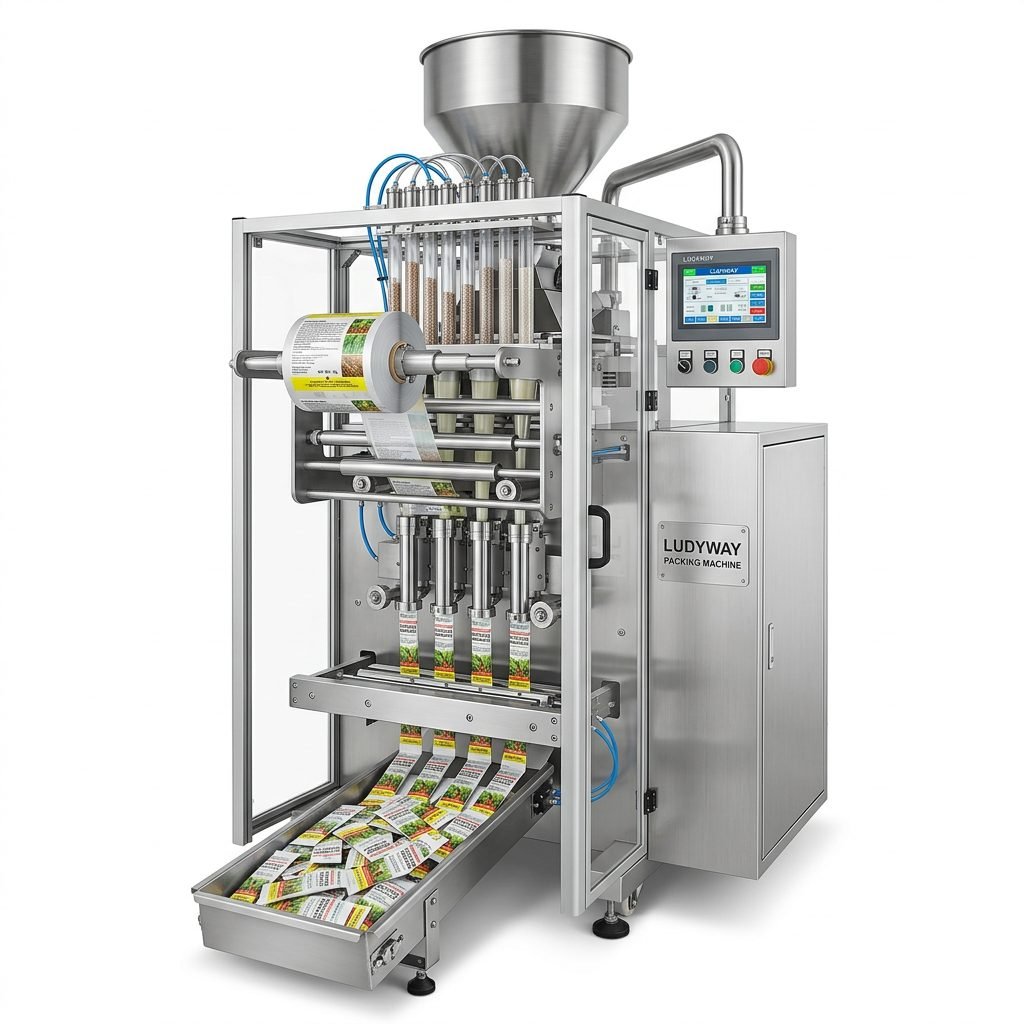
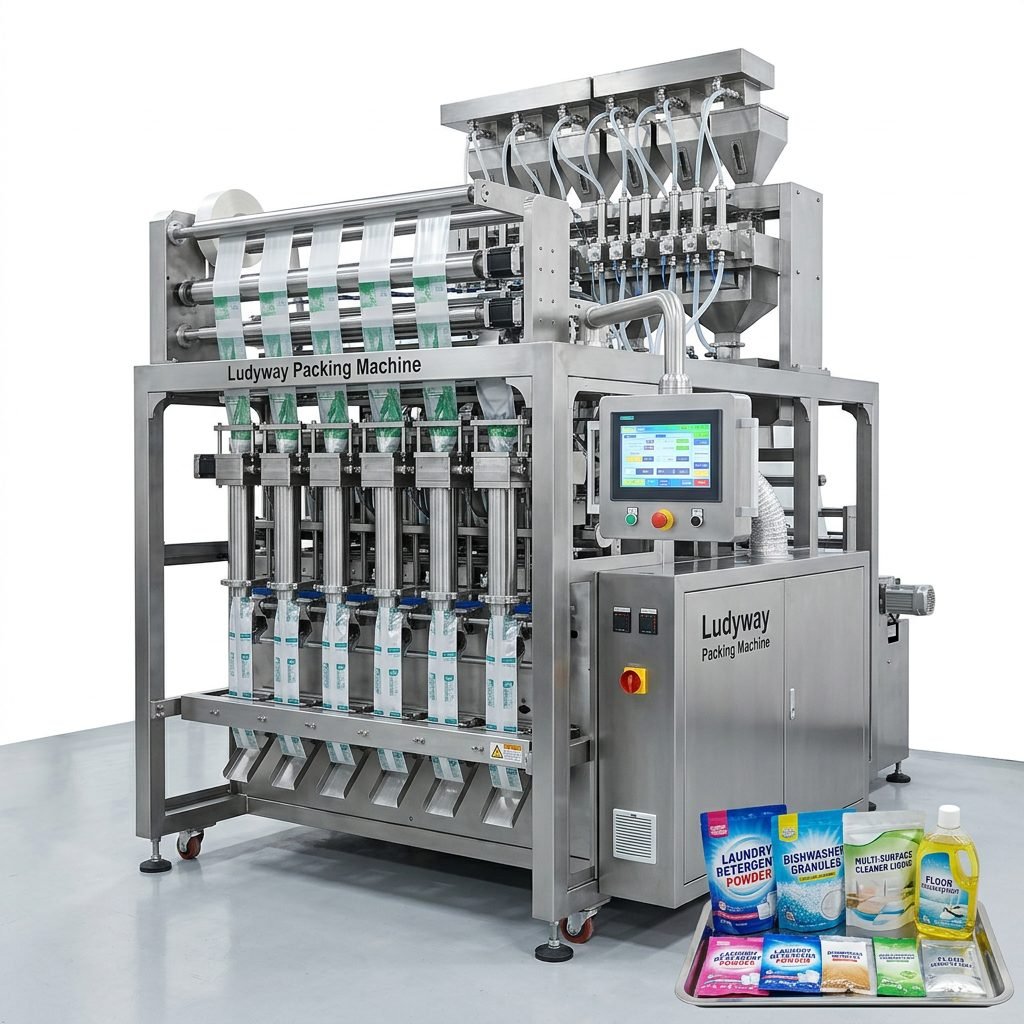
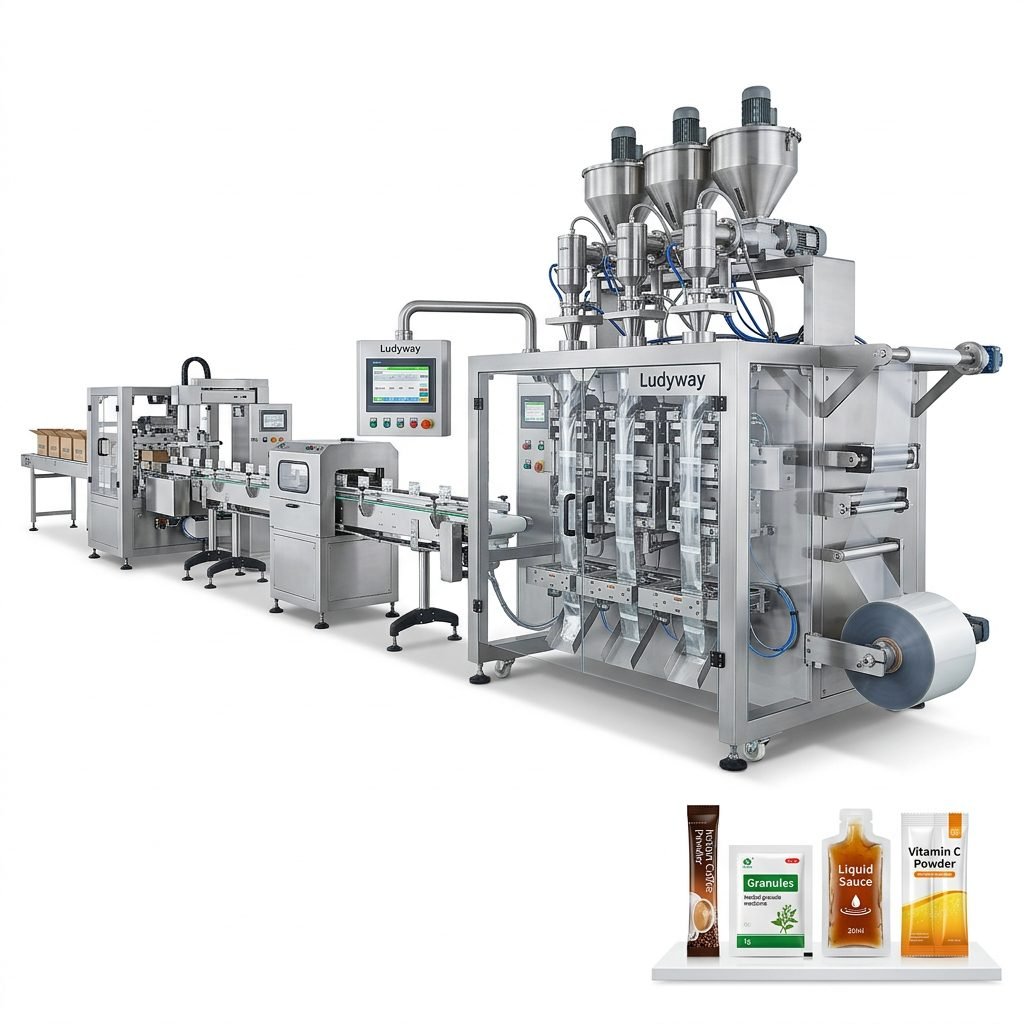
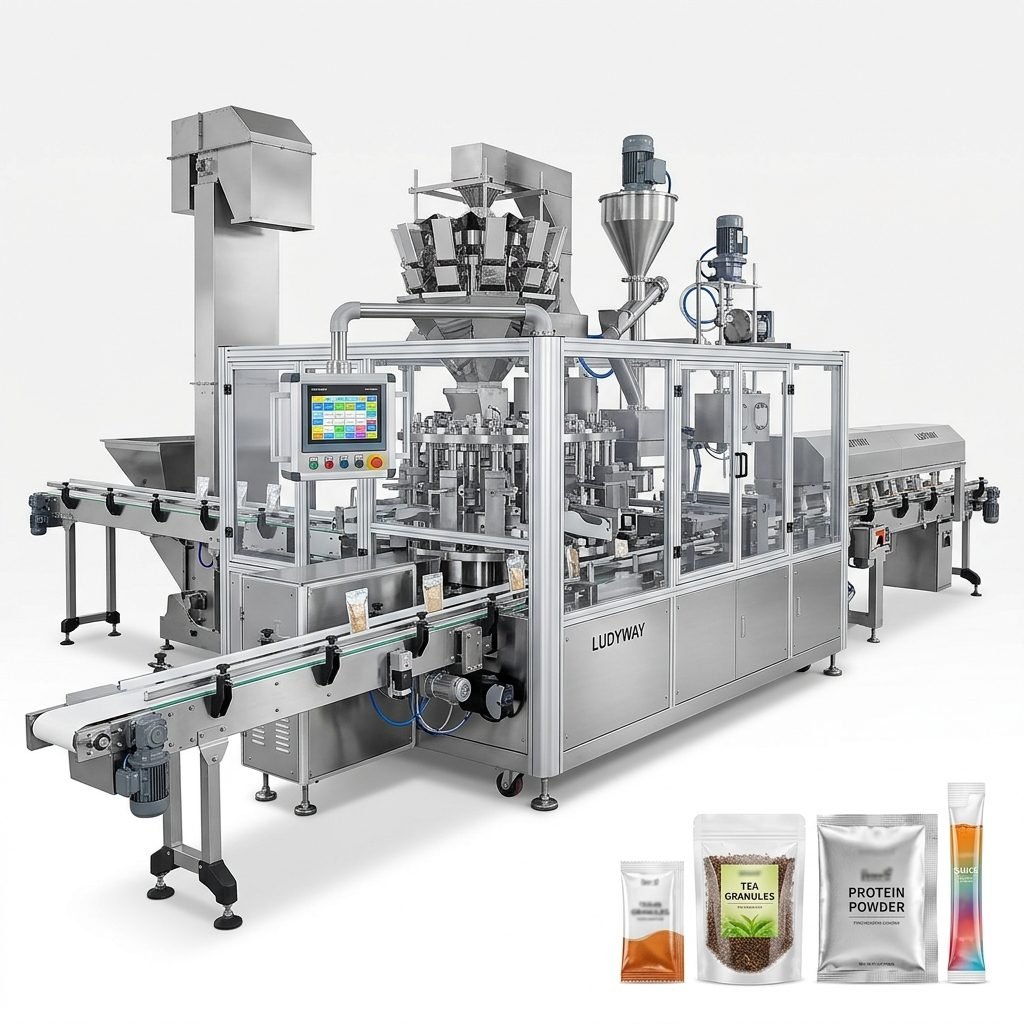
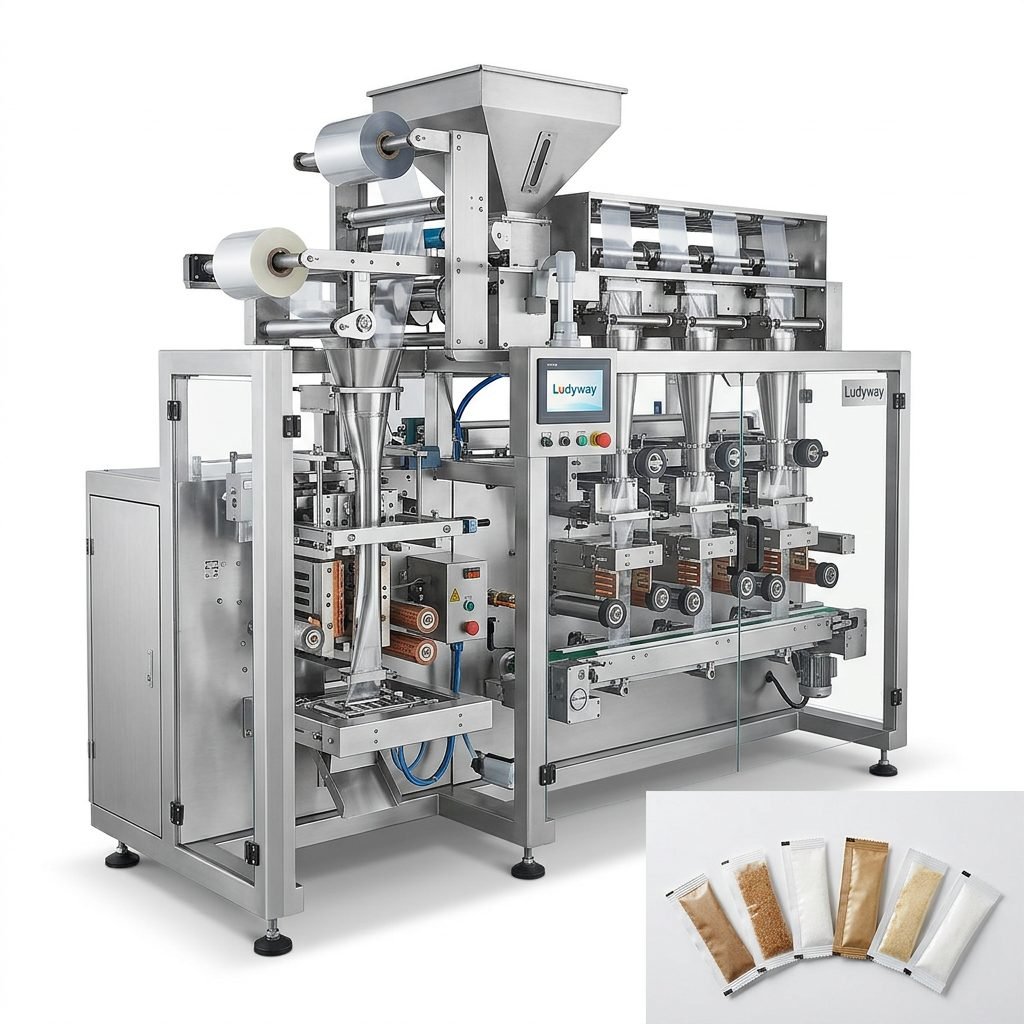
A vacuum sealer packing machine is an essential solution for businesses that want to extend shelf life, protect product quality, improve packaging appearance, and reduce waste. From food processors to pharmaceutical manufacturers, vacuum packaging has become a practical investment for companies focused on efficiency, hygiene, and product value.
In this guide, you will learn how vacuum sealing works, the main benefits, key machine features, common applications, and what to consider before buying the right system for your production needs.
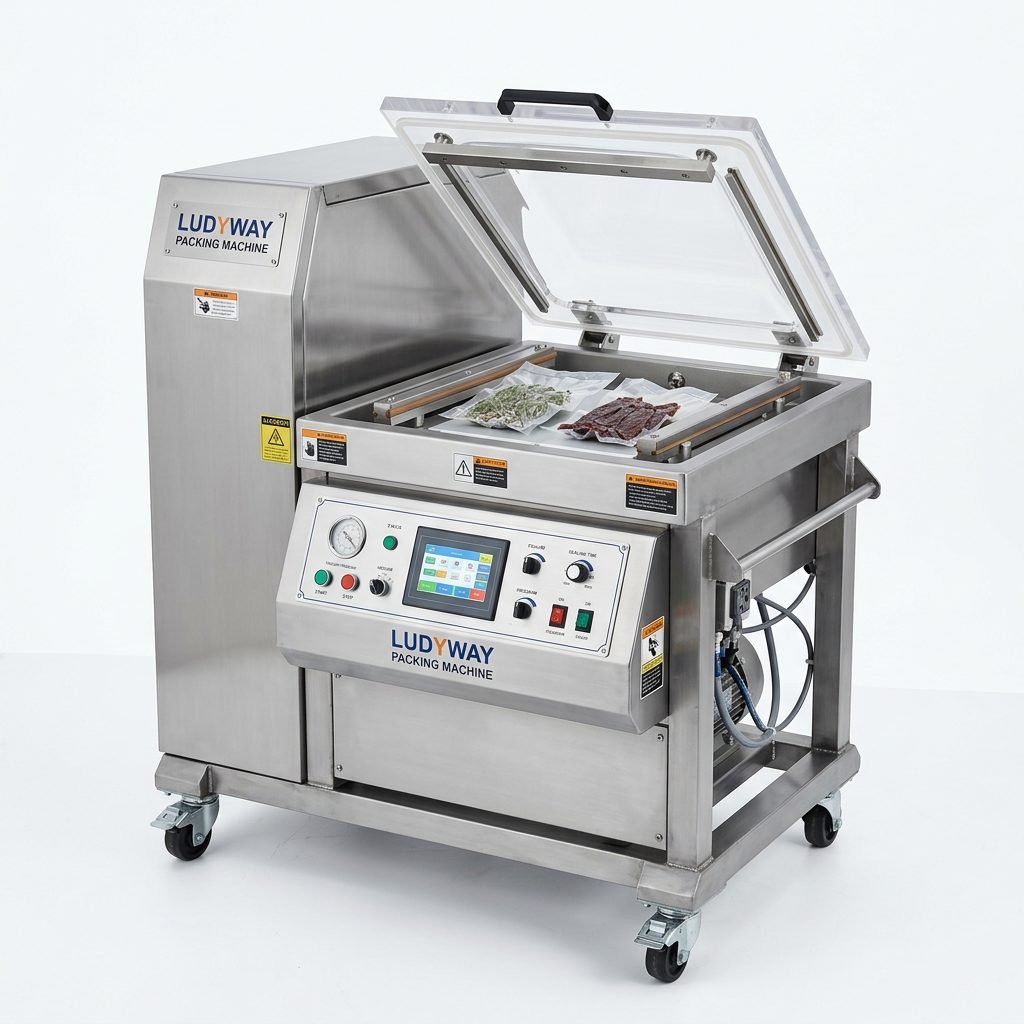
What Is a Vacuum Sealer Packing Machine?
A vacuum sealer packing machine removes air from a package before sealing it. By minimizing oxygen inside the pack, the machine helps slow oxidation, reduce spoilage, and preserve the freshness, flavor, texture, and appearance of products.
These machines are widely used for:
- Fresh and frozen foods
- Meat, seafood, cheese, and ready meals
- Coffee, tea, snacks, and dry ingredients
- Medical and pharmaceutical products
- Industrial and electronic components requiring moisture protection
How a Vacuum Sealing Machine Works
Although machine designs vary, the working principle is simple:
- Place the product inside a vacuum bag or pouch.
- The machine extracts air from the packaging.
- The sealing bar closes and heat-seals the package.
- The final pack becomes tightly sealed and ready for storage, transport, or retail sale.
Some advanced models also support gas flushing, double sealing, date coding, and automatic conveyor integration for higher productivity and stronger package performance.
Main Benefits of a Vacuum Sealer Packing Machine
1. Longer Shelf Life
Removing air significantly reduces the growth of aerobic bacteria and mold. This helps products stay fresh for a longer period, especially perishable foods.
2. Better Product Protection
Vacuum-sealed packs protect against moisture, contamination, dust, and external exposure. This is especially important for sensitive food and pharmaceutical applications.
3. Improved Storage and Transport Efficiency
Vacuum packaging reduces pack volume, which can save storage space and lower shipping costs. Compact packs are also easier to stack and organize.
4. Enhanced Product Appearance
A neat, tightly sealed package creates a clean and professional presentation. This can improve shelf appeal and support premium branding.
5. Reduced Waste
With better preservation and fewer damaged packages, businesses can reduce product losses and improve overall cost control.
6. Stronger Production Consistency
Automatic vacuum sealers provide repeatable sealing quality, helping manufacturers maintain stable packaging standards across batches.
Common Applications
Vacuum sealer packing machines are highly versatile and can be used across many industries:
| Industry | Typical Products | Main Packaging Goal |
|---|---|---|
| Food | Meat, seafood, vegetables, sauces, snacks, frozen foods | Freshness and shelf-life extension |
| Pharmaceutical | Medical supplies, powders, sterile products | Protection, hygiene, and stability |
| Health Supplements | Powders, granules, nutrition products | Moisture and oxidation control |
| Industrial | Metal parts, electronic components, specialty materials | Corrosion and contamination prevention |
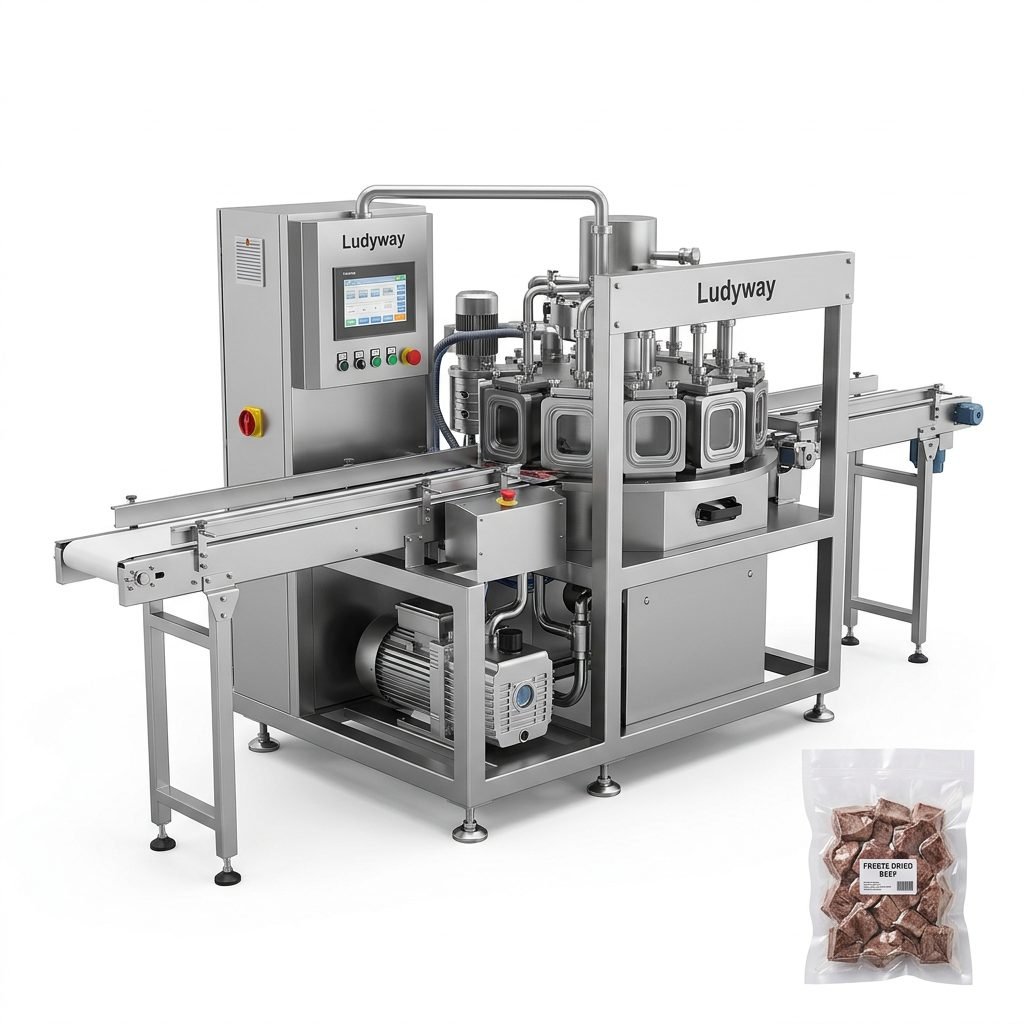
Key Features to Look For
Not every vacuum sealer is suitable for every production line. When comparing options, pay attention to these important features:
Vacuum Pump Performance
The vacuum pump determines how quickly and effectively air is removed. A reliable pump is critical for speed, packaging consistency, and long-term performance.
Sealing Quality
A strong and uniform seal prevents leakage and protects the product during transport and storage. For demanding applications, double sealing can offer extra security.
Chamber Size or Bag Compatibility
Choose a machine that fits your product dimensions and packaging format. Oversized or undersized chambers can affect efficiency.
Construction Material
Stainless steel construction is often preferred for food and pharmaceutical environments because it supports hygiene, durability, and easier cleaning.
Automation Level
Machines range from tabletop units to fully automatic systems. Higher automation can improve labor savings and throughput in medium- to large-scale operations.
Control System
User-friendly control panels and programmable settings help operators adjust vacuum time, sealing temperature, cooling time, and cycle speed with greater precision.
Gas Flushing Option
For products that should not be tightly compressed, modified atmosphere packaging may be a better choice. Gas flushing replaces oxygen with protective gas before sealing.
Maintenance Accessibility
A machine that is easy to clean and service will reduce downtime and improve long-term operating efficiency.
Types of Vacuum Sealer Packing Machines
- External Vacuum Sealers: Suitable for smaller operations and simple bag sealing tasks.
- Chamber Vacuum Machines: Ideal for commercial and industrial packaging with more stable vacuum performance.
- Double Chamber Vacuum Machines: Designed for higher output by allowing one chamber to load while the other seals.
- Thermoforming Vacuum Packaging Machines: Best for high-volume automated lines and customized package shapes.
- Continuous Belt Vacuum Sealers: Suitable for large production environments with heavy or liquid-containing products.
Buying Guide: How to Choose the Right Machine
1. Define Your Product Type
Different products require different vacuum levels, bag structures, and sealing conditions. Solid foods, liquids, powders, and delicate products each have unique packaging needs.
2. Estimate Production Capacity
Think about your daily and hourly output. A small workshop may only need a compact chamber machine, while a factory may require an automatic or continuous vacuum system.
3. Consider Package Size and Material
Your machine must match the pouch width, length, thickness, and material. Always confirm compatibility before purchase.
4. Review Hygiene and Industry Standards
For food and pharmaceutical use, the machine should support sanitary design, easy cleaning, and stable sealing control.
5. Check Expansion Possibilities
If your business plans to scale, choose equipment that can integrate with conveyors, printers, checkweighers, coding machines, or complete packaging lines.
6. Evaluate Supplier Experience
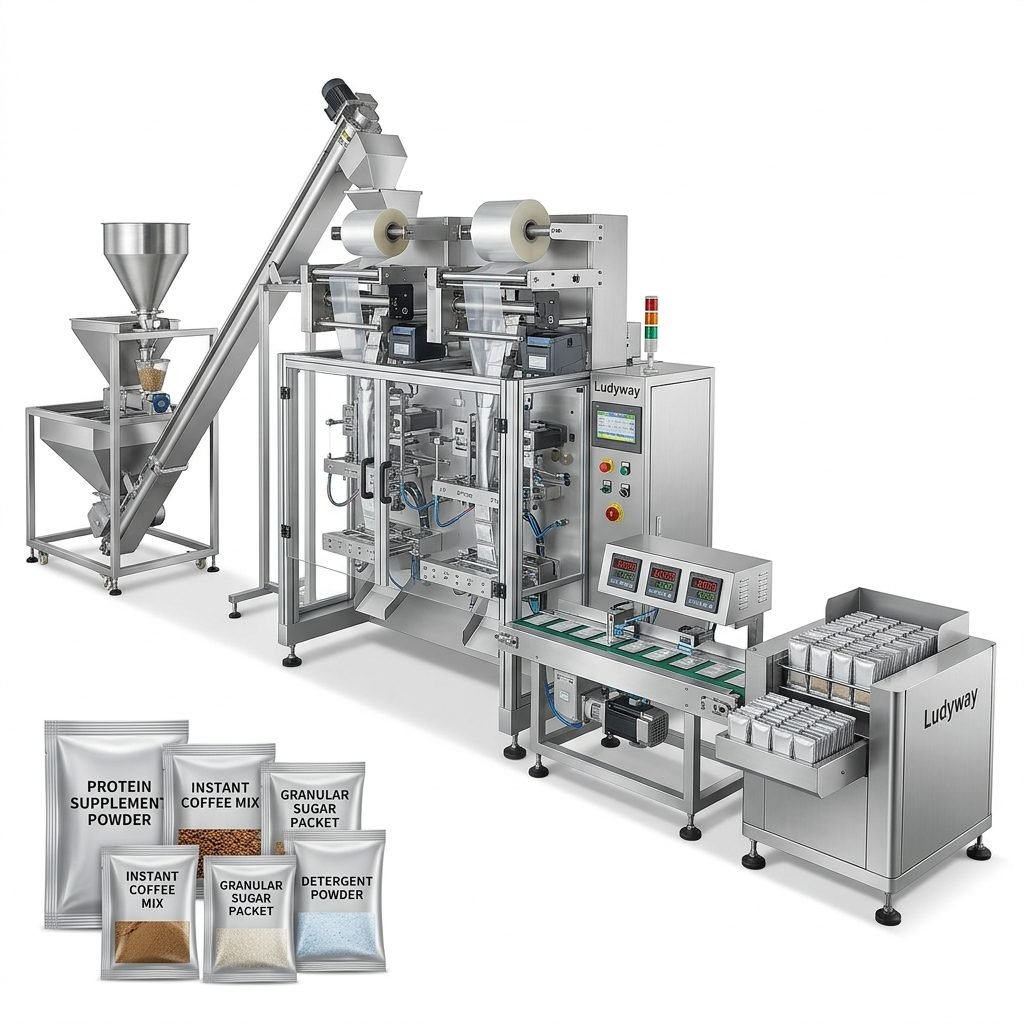
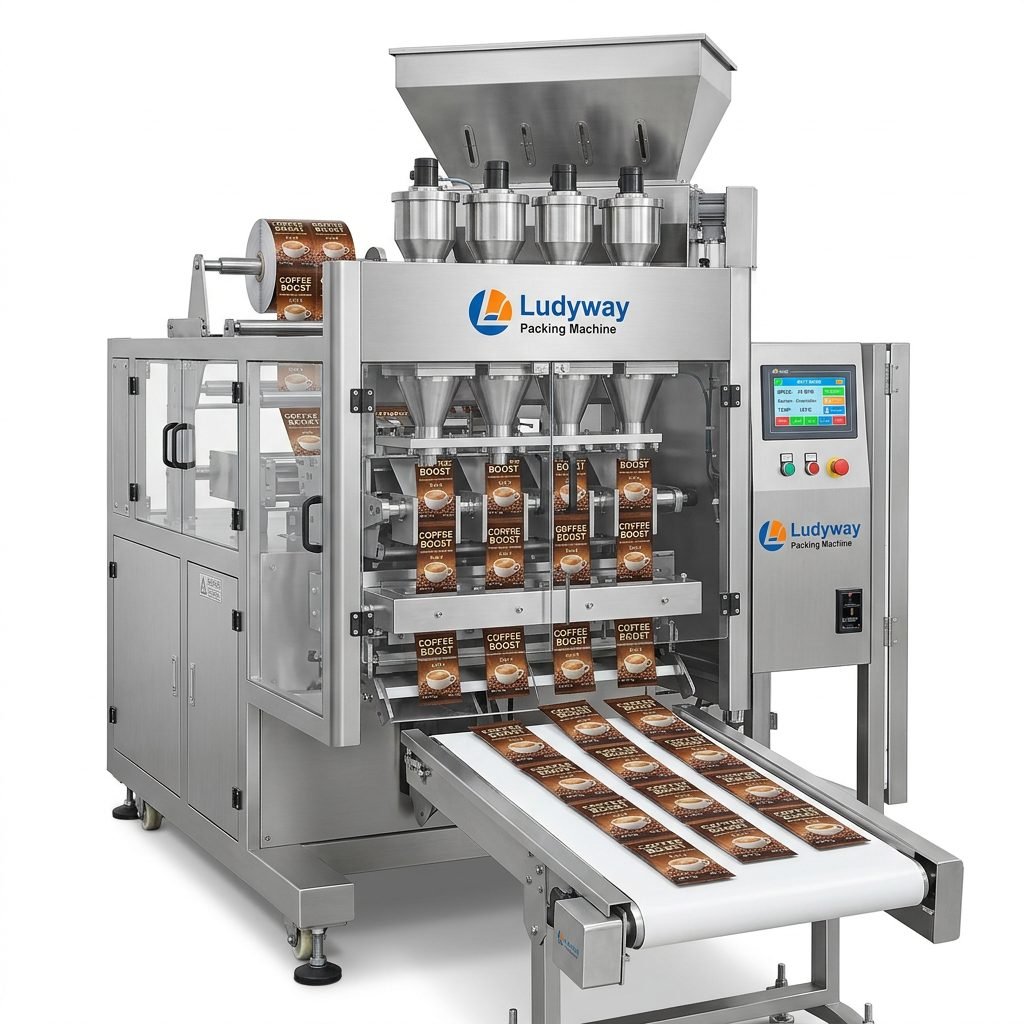
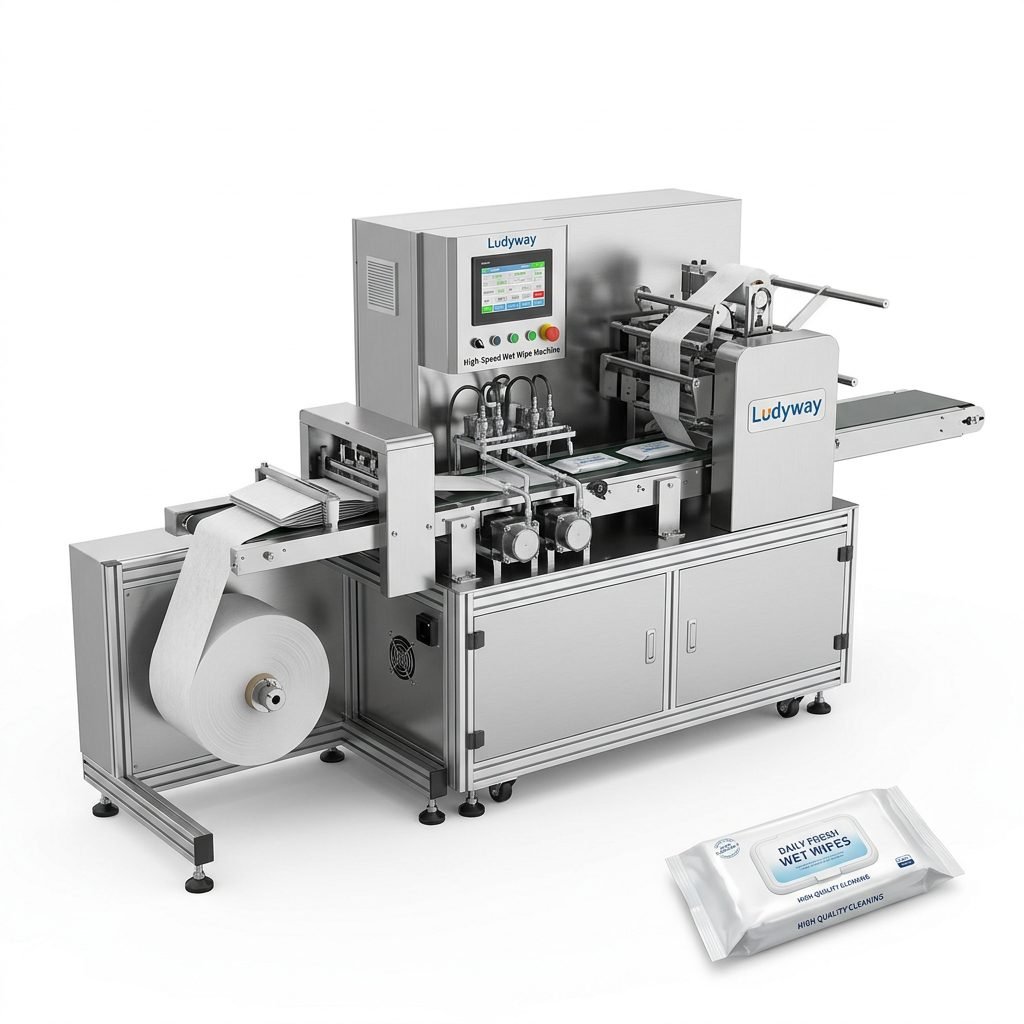
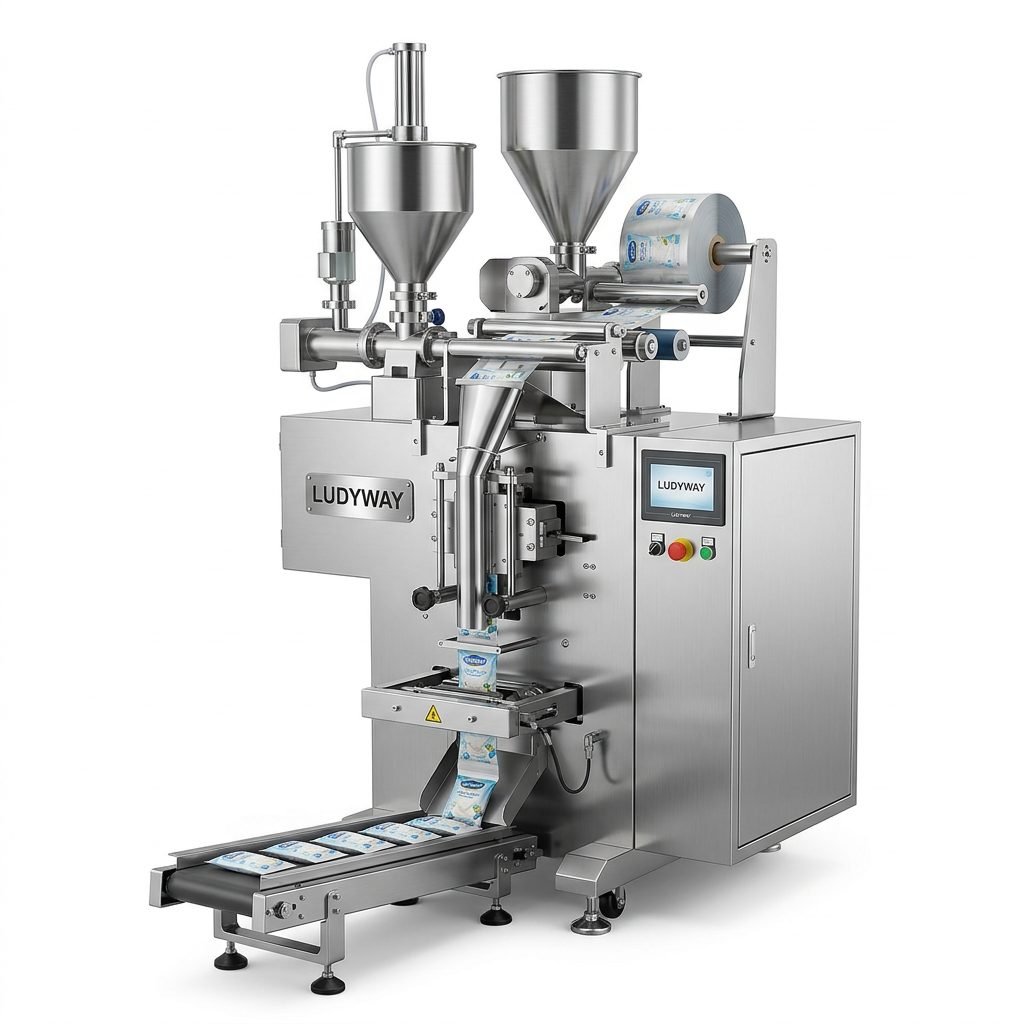
An experienced manufacturer can provide better machine matching, technical support, spare parts, and customization services. Businesses looking for integrated packaging solutions often explore suppliers such as vacuum sealer packing machine manufacturer Ludyway for broader automation support.
Quick Comparison Checklist
| Factor | Why It Matters |
|---|---|
| Product type | Affects vacuum method, seal strength, and bag choice |
| Production volume | Determines manual, semi-auto, or automatic model selection |
| Machine footprint | Important for workshop layout and line integration |
| Vacuum level | Impacts product preservation results |
| Seal width and quality | Prevents leakage and improves package safety |
| Service and spare parts | Supports long-term reliability and reduced downtime |
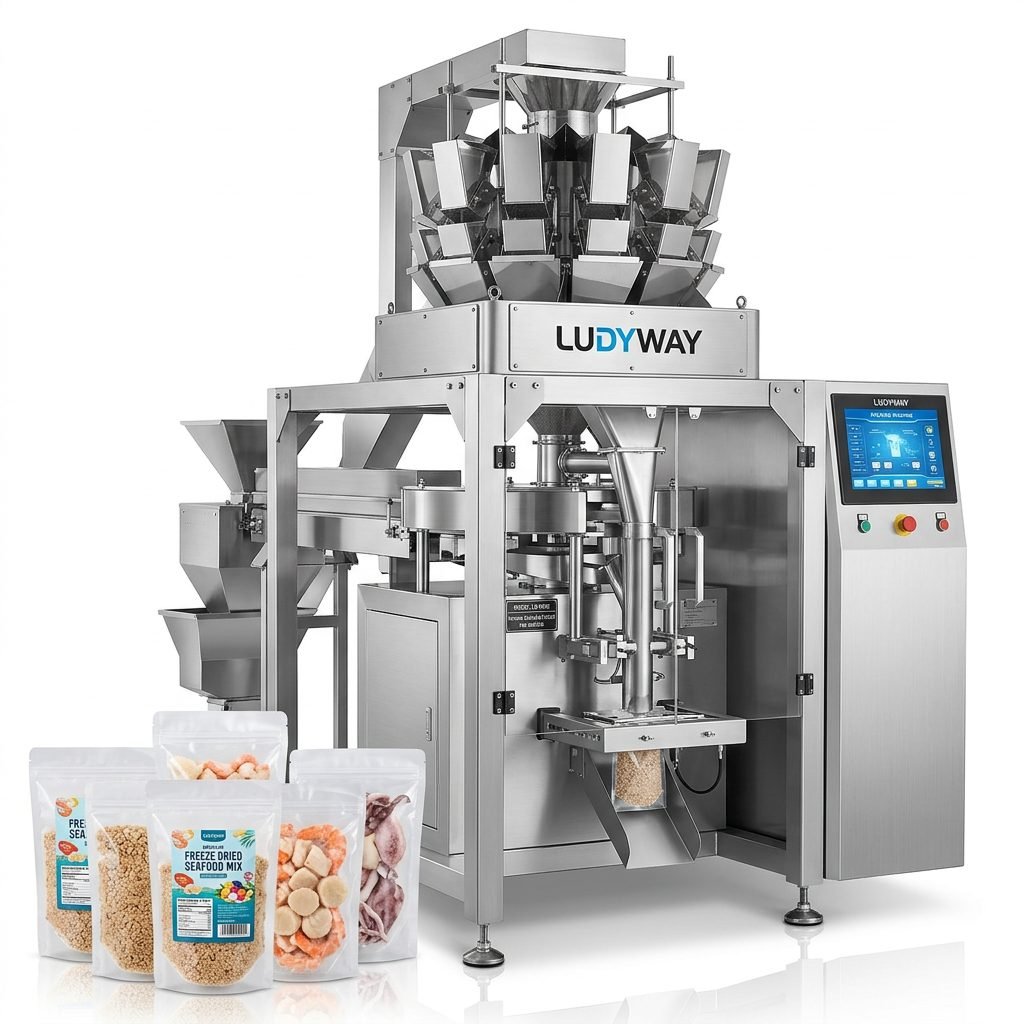
Who Should Invest in a Vacuum Sealer Packing Machine?
A vacuum sealer packing machine is a smart investment for:
- Food manufacturers aiming to extend shelf life
- Frozen food suppliers seeking better transport protection
- Pharmaceutical companies requiring hygienic and secure packaging
- Export businesses needing durable packaging for long-distance shipping
- Factories upgrading from manual packaging to automated production
Common Mistakes to Avoid When Buying
- Choosing a machine based only on price
- Ignoring future production growth
- Overlooking bag material compatibility
- Not checking after-sales support
- Selecting insufficient vacuum pump capacity
- Failing to test actual product samples
Final Considerations Before Purchase
Before making a final decision, request a detailed quotation, machine specifications, sample testing, lead time information, and support details. If your operation includes filling, sealing, coding, cartoning, or end-of-line automation, it may be more efficient to choose a supplier that can support a complete packaging workflow rather than a single standalone machine.
The right vacuum sealer packing machine can deliver better freshness, stronger packaging protection, reduced waste, and improved production efficiency. By matching the machine to your product characteristics and capacity goals, you can achieve reliable long-term packaging performance.