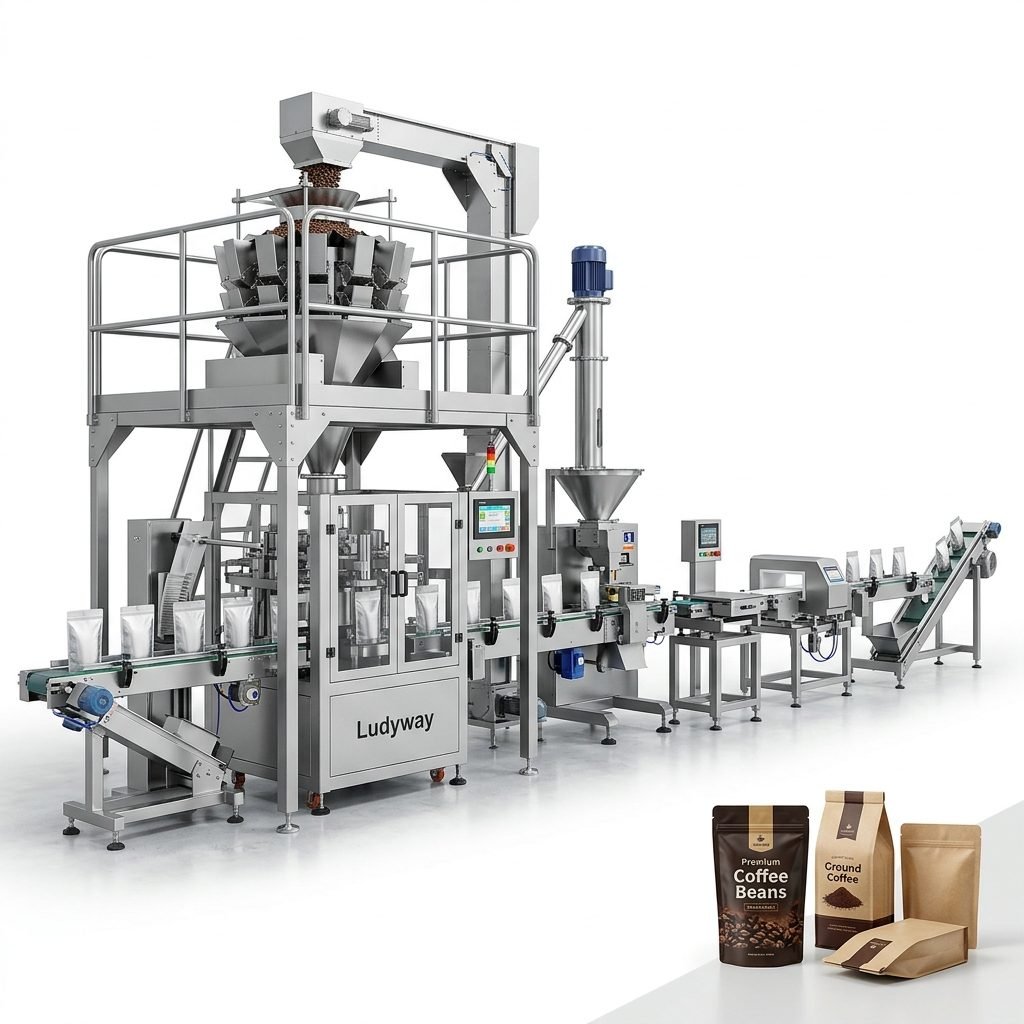
France represents one of the most sophisticated and regulated markets for packaging machinery in Europe. The demand for salt packaging machines spans across food processing, pharmaceutical, and industrial chemical sectors. Whether you are packaging fine table salt, coarse sea salt, or industrial-grade sodium chloride, selecting the right equipment requires a deep understanding of French regulatory standards, production efficiency, and machine adaptability.
Why the French Market Demands Specialized Salt Packaging Solutions
Salt is a highly corrosive and hygroscopic material. Standard packaging machines often fail when exposed to salt’s abrasive nature over long production cycles. In France, food-grade packaging must also comply with strict DGCCRF regulations and EU directives on food contact materials. This makes it essential to invest in equipment built with 316L stainless steel and advanced sealing technologies to prevent moisture ingress and ensure product integrity.
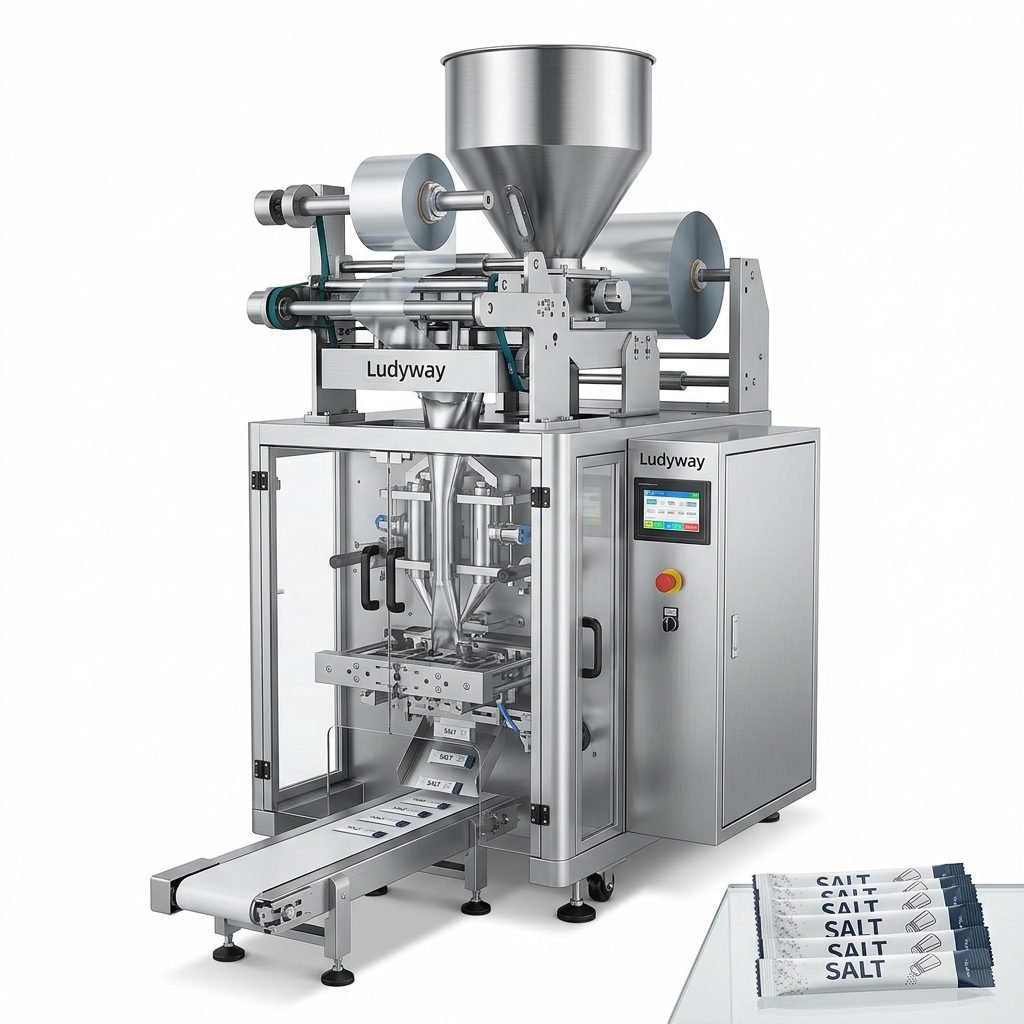
Types of Salt Packaging Machines Available
The French packaging landscape utilizes several distinct machine formats depending on the end-use application. The following table outlines the primary categories suitable for salt granule and powder packaging.
| Machine Type | Typical Application | Packaging Format |
|---|---|---|
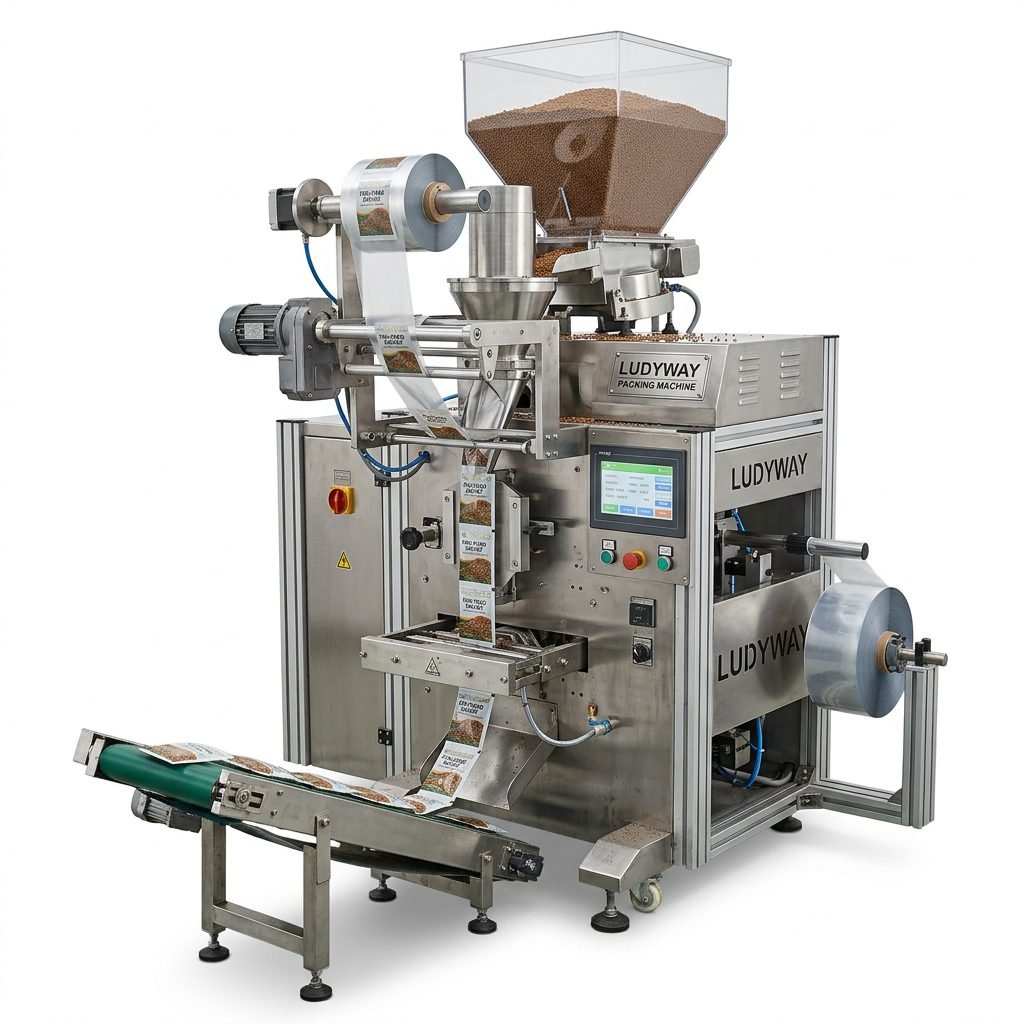
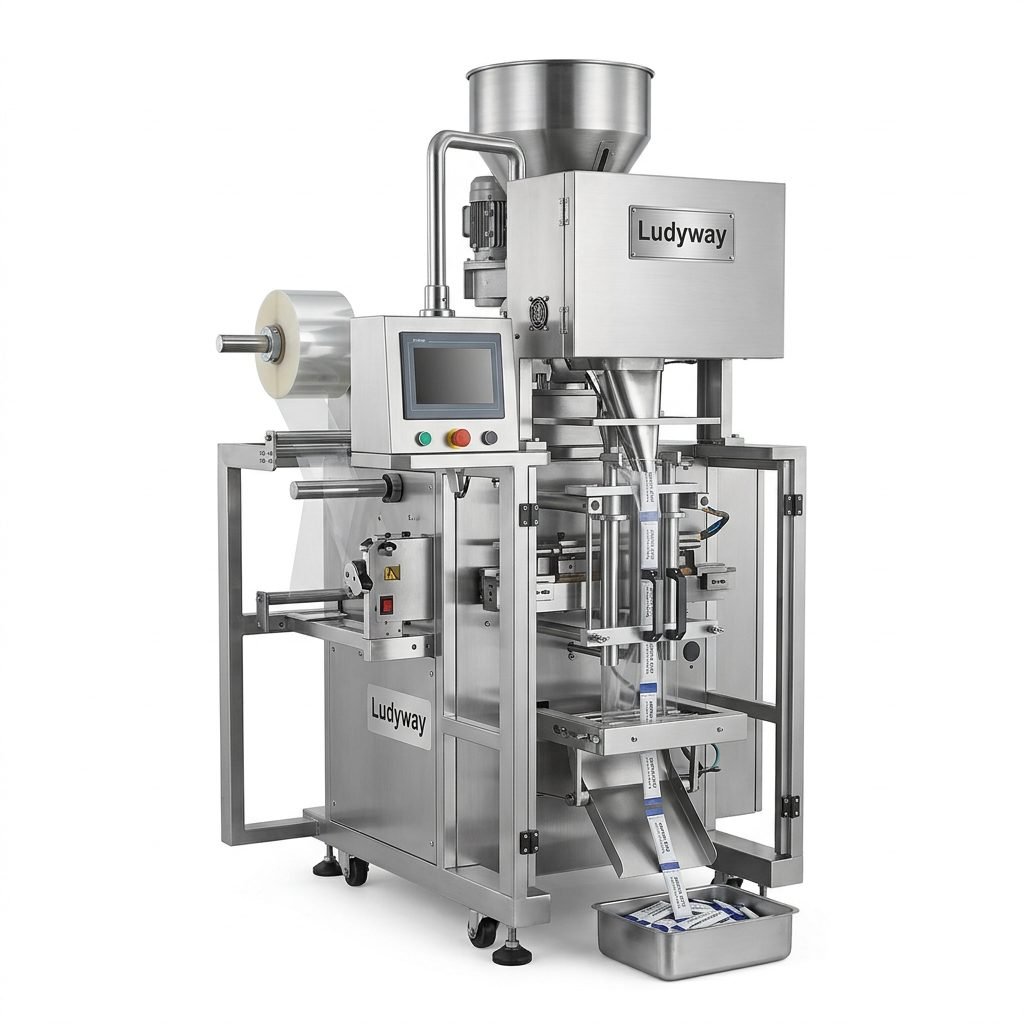
| Multi-Lane Stick Pack Machine | Single-serve sachets for restaurants, airlines | Stick packs, 3-side seal sachets |
| Vertical Form Fill Seal (VFFS) | Pillow bags for retail (250g – 1kg) | Pillow bags, gusseted pouches |
| Rotary Pre-Made Pouch Machine | Premium retail sea salt, fleur de sel | Stand-up pouches, zipper bags |
| High-Speed Weighing & Bagging Line | Industrial salt, water softening, de-icing | Bulk bags (5kg – 50kg) |
Key Technical Specifications to Evaluate
When procuring a salt packaging line for operation in France, you must scrutinize the machine’s material composition and precision. Salt dust can quickly degrade inferior components. Hermetic sealing is non-negotiable to prevent clumping. Consider the following critical factors:
- Material Contact Parts: Ensure all contact surfaces are AISI 316L stainless steel to resist chloride corrosion.
- Weighing Accuracy: Look for multi-head weighers with a tolerance of ±0.1 – 0.5g for consistent portion control.
- Film Compatibility: The machine should handle laminated films (PET/AL/PE) that provide a moisture barrier essential for the humid French coastal regions.
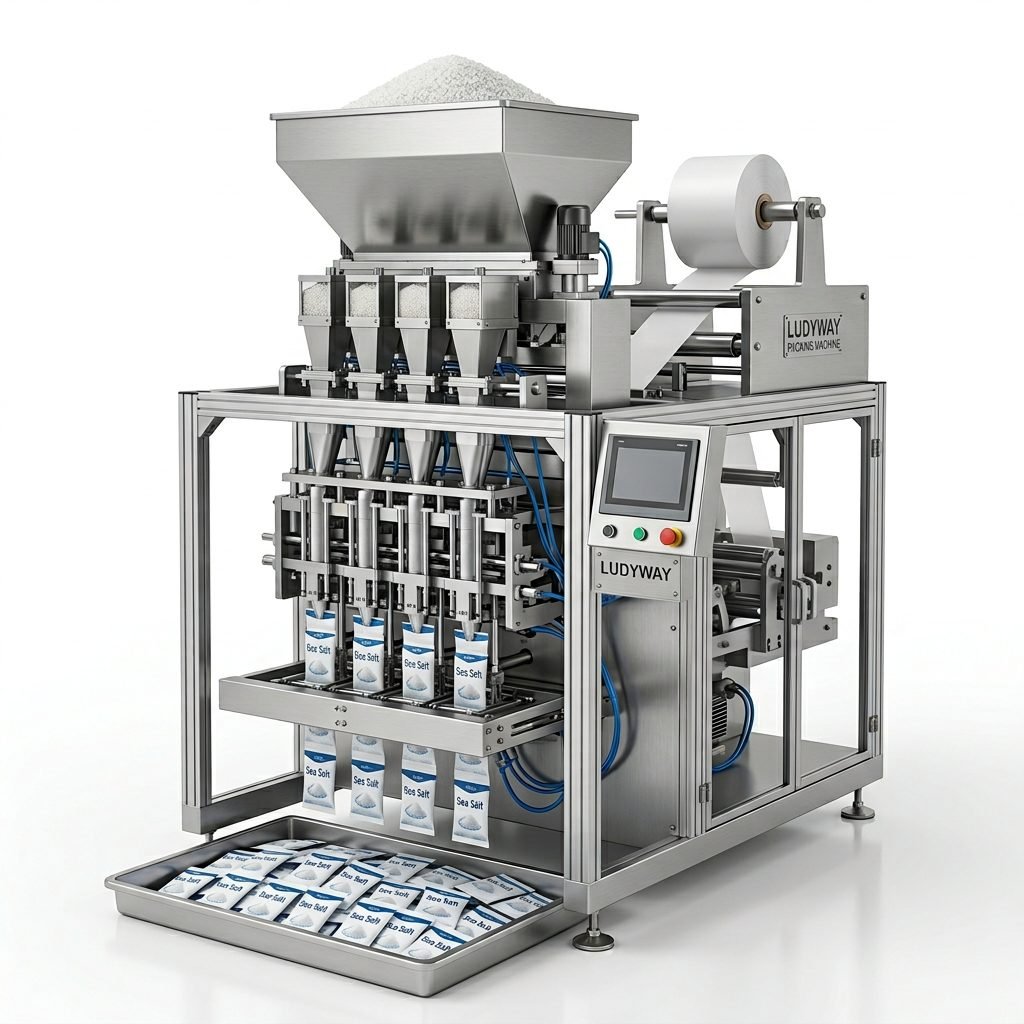
Compliance with French and EU Standards
Any machinery placed on the market in France must carry the CE marking. For food packaging specifically, compliance with EU Regulation 1935/2004 on food contact materials is mandatory. Furthermore, if you are integrating the machine into a larger production line, adherence to the Machinery Directive 2006/42/EC is required. Reputable manufacturers provide comprehensive documentation, including Declaration of Conformity and user manuals in French.
Automation Levels and Production Capacity
French manufacturers and distributors are increasingly moving toward Industry 4.0 integration. A modern salt packaging machine should offer servo-driven automation, IoT connectivity for remote diagnostics, and seamless integration with upstream and downstream equipment such as bucket elevators and check weighers.
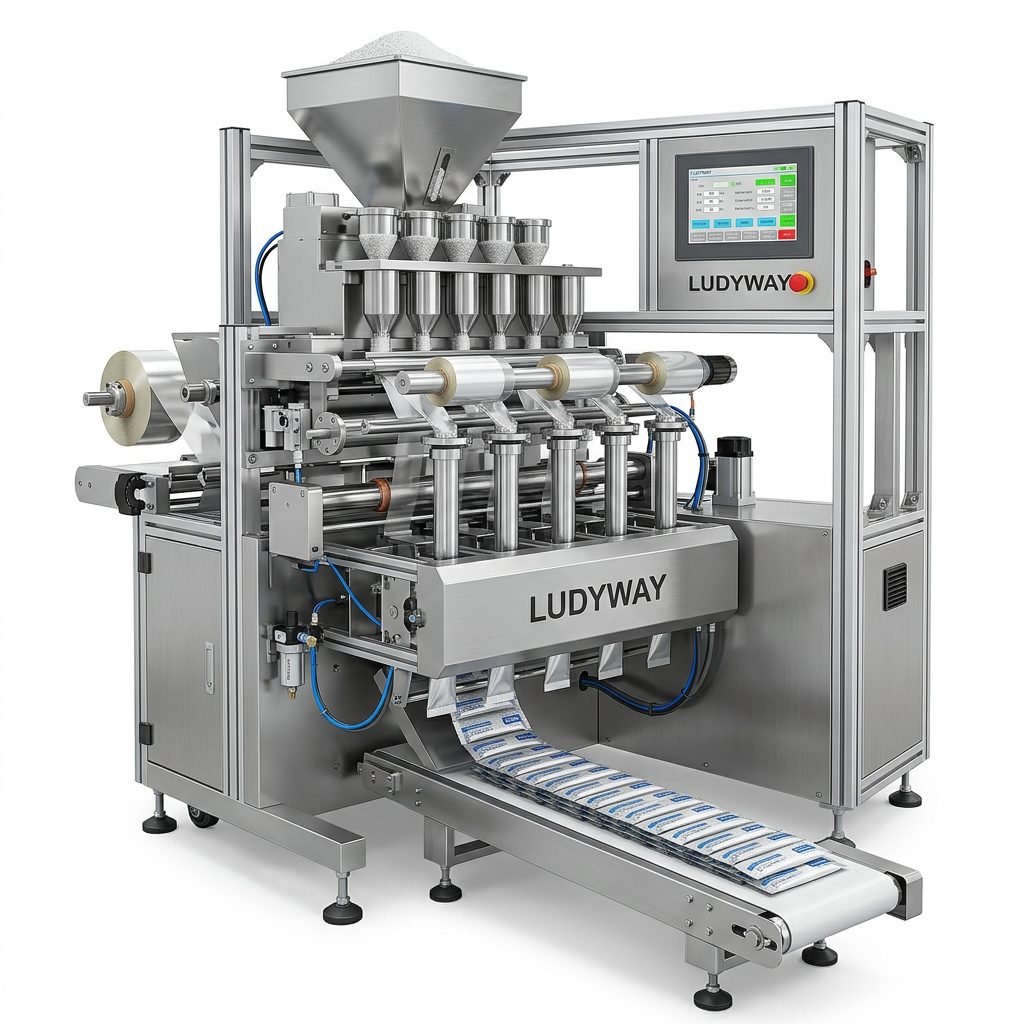
High-Speed Multi-Lane Performance
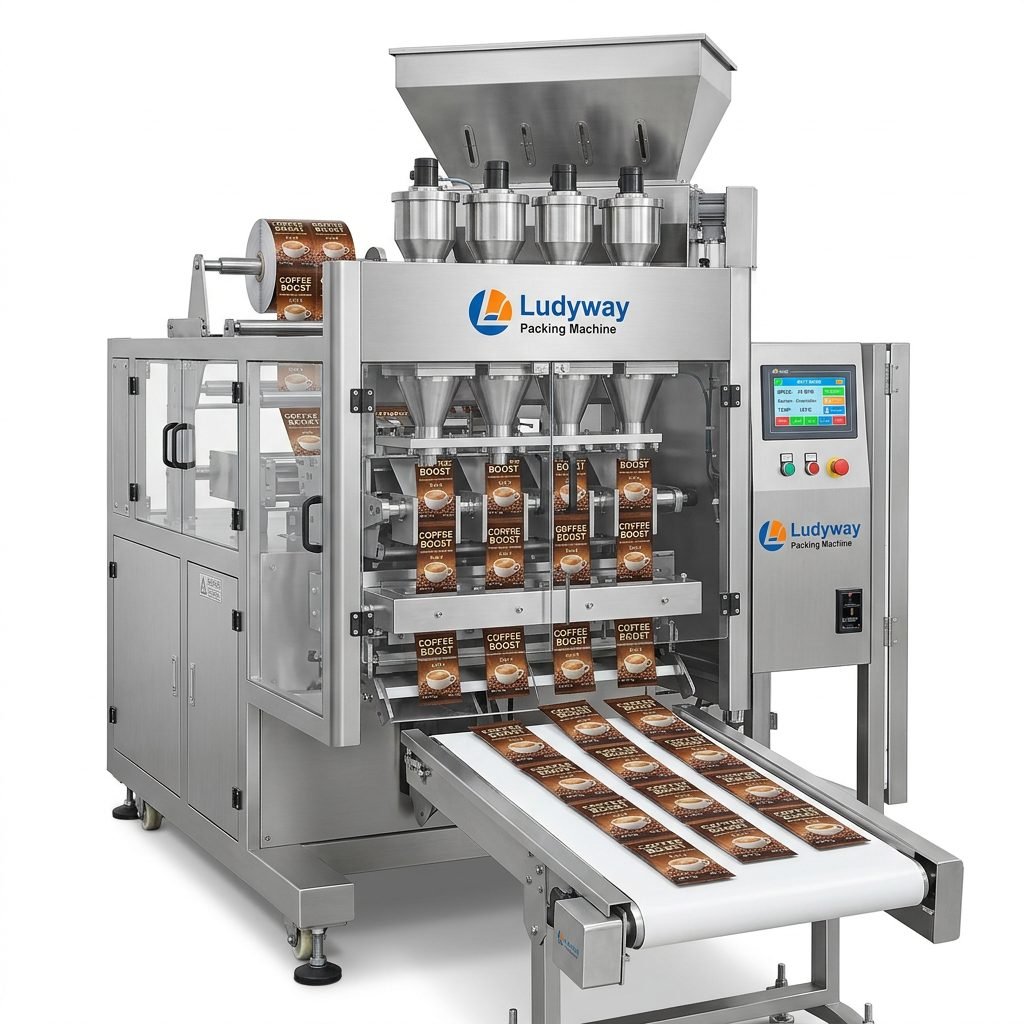
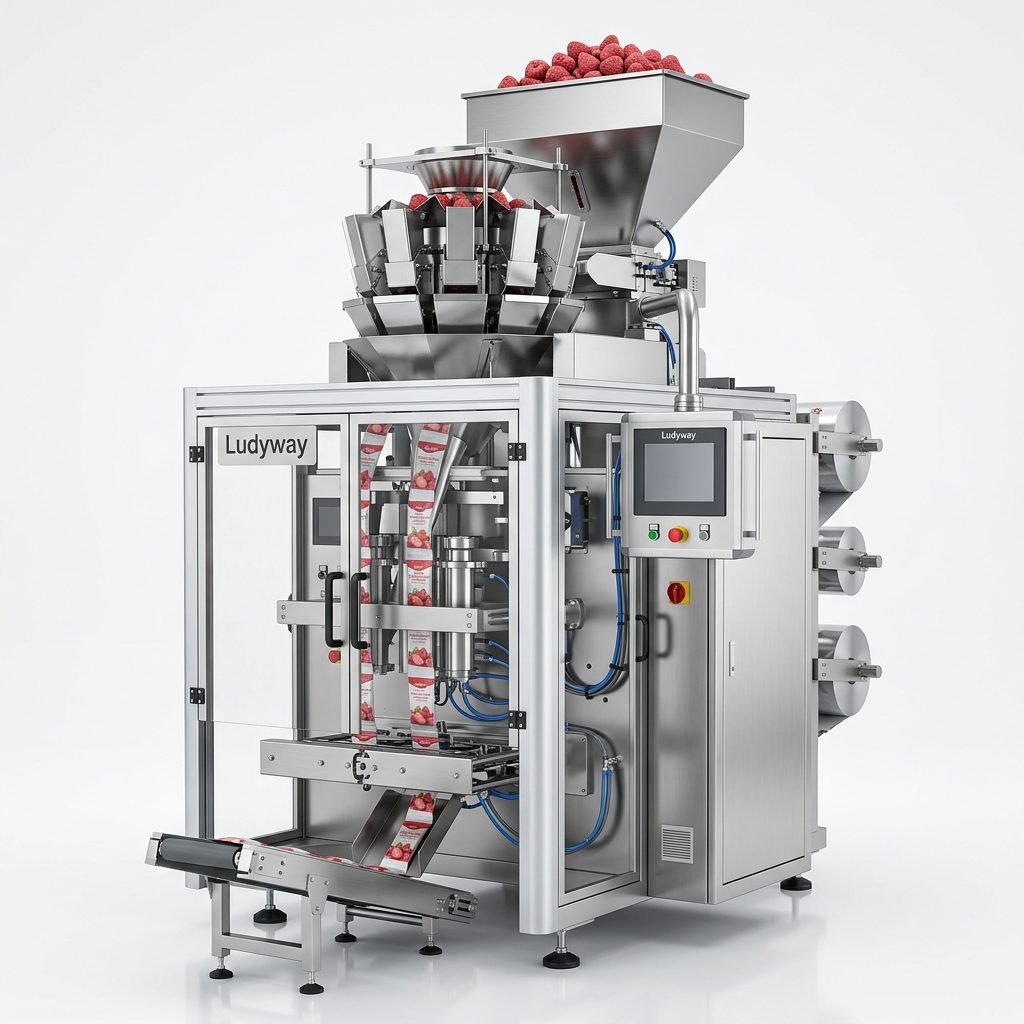
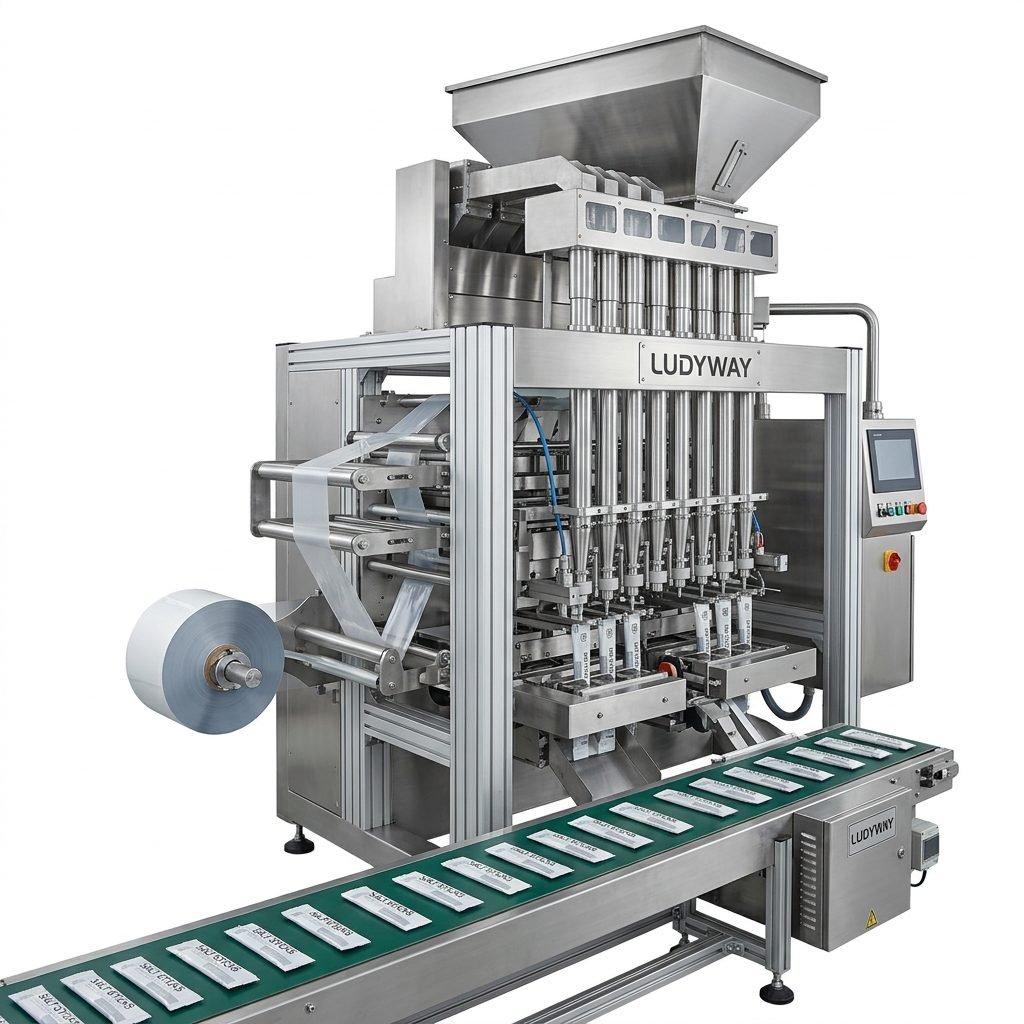
For high-volume production of sachet salt, multi-lane stick pack machines are the industry standard. These systems can produce up to 400-600 packs per minute depending on the number of lanes and granule size. The key to maintaining speed with salt lies in the feeding system. A combination of a Z-type bucket elevator and a multi-head weigher prevents bridging and ensures consistent flow into the forming tube.
Comparing Different Salt Packaging Formats
The choice of packaging style directly impacts shelf appeal, logistics costs, and shelf life. Here is a comparison of popular formats in the French market:
| Format | Advantages | Common Use in France |
|---|---|---|
| Paper Sachets / Stick Packs | Low cost, biodegradable options available | Fast food, takeaways, canteens |
| Doypack / Stand-Up Pouches | Excellent moisture barrier, resealable zipper | Retail fleur de sel, organic sea salt |
| Block Bottom Bags | Stable on shelf, high graphic impact | Supermarket private labels |
| Woven Polypropylene Bags | Heavy-duty, cost-effective for bulk | Water softener salt, industrial use |
Investing in a salt packaging machine that offers quick changeover between these formats can provide a significant competitive advantage for co-packers serving multiple French retail chains.
Maintenance and Total Cost of Ownership
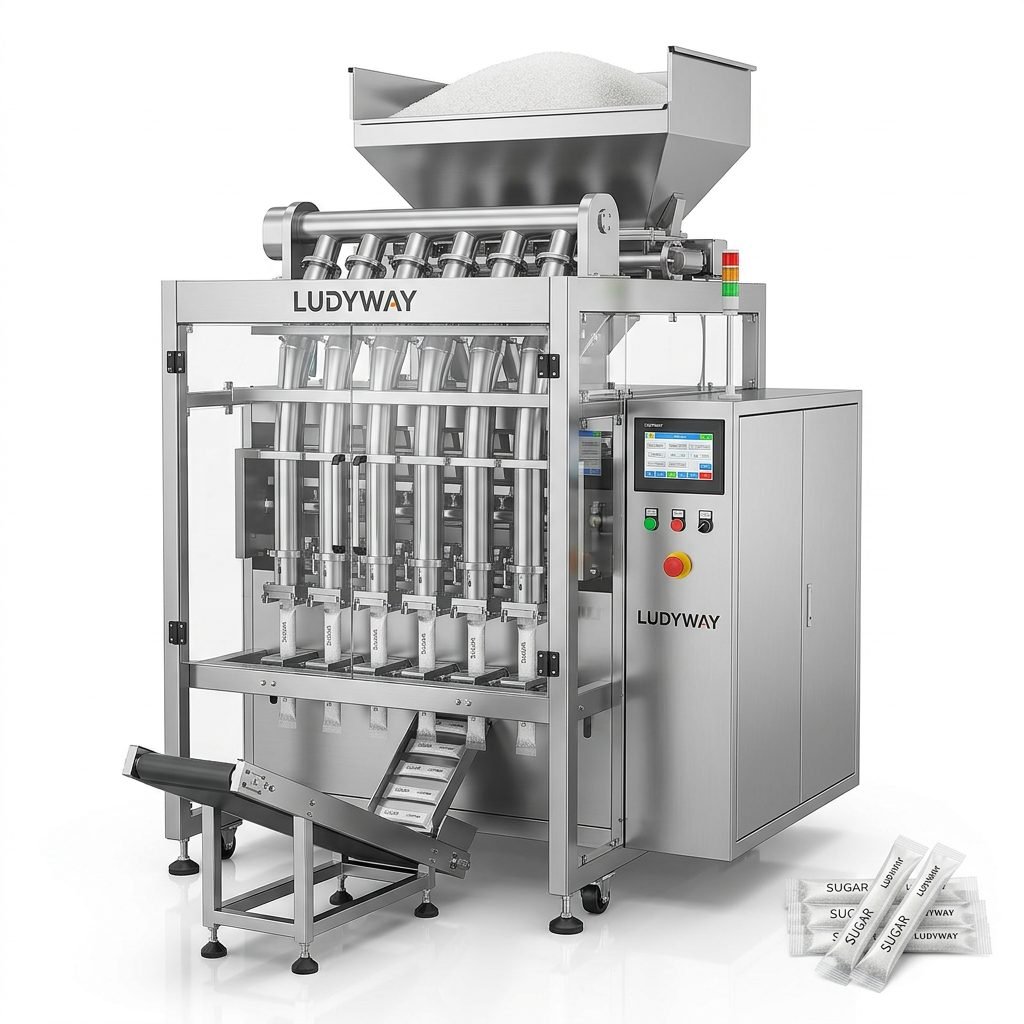
The corrosive nature of salt demands a rigorous maintenance schedule. However, high-quality engineering significantly reduces the total cost of ownership (TCO). Features such as sealed bearings, pneumatic components isolated from the filling zone, and easy-clean frames minimize downtime. French operators value machinery with intuitive HMI touchscreens that support French language interfaces for local staff.
Choosing a Reliable Supplier
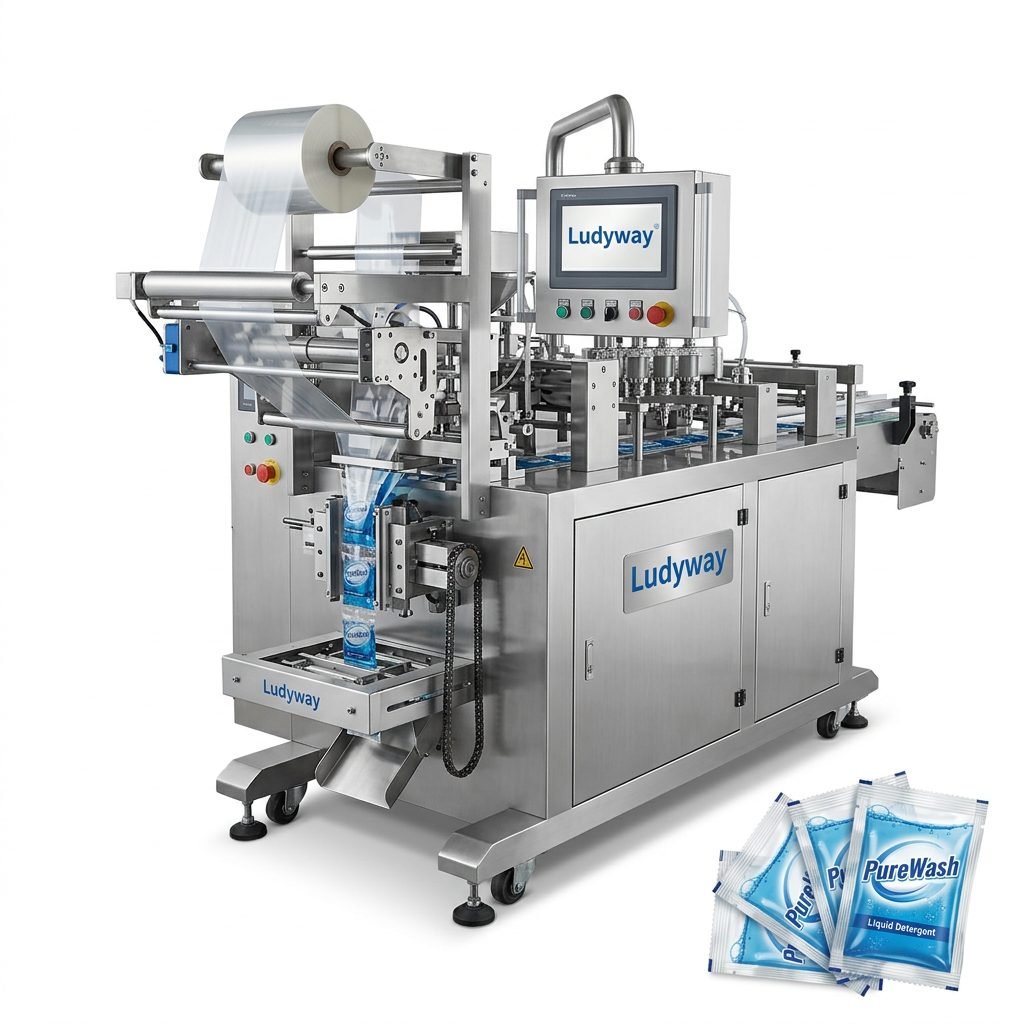
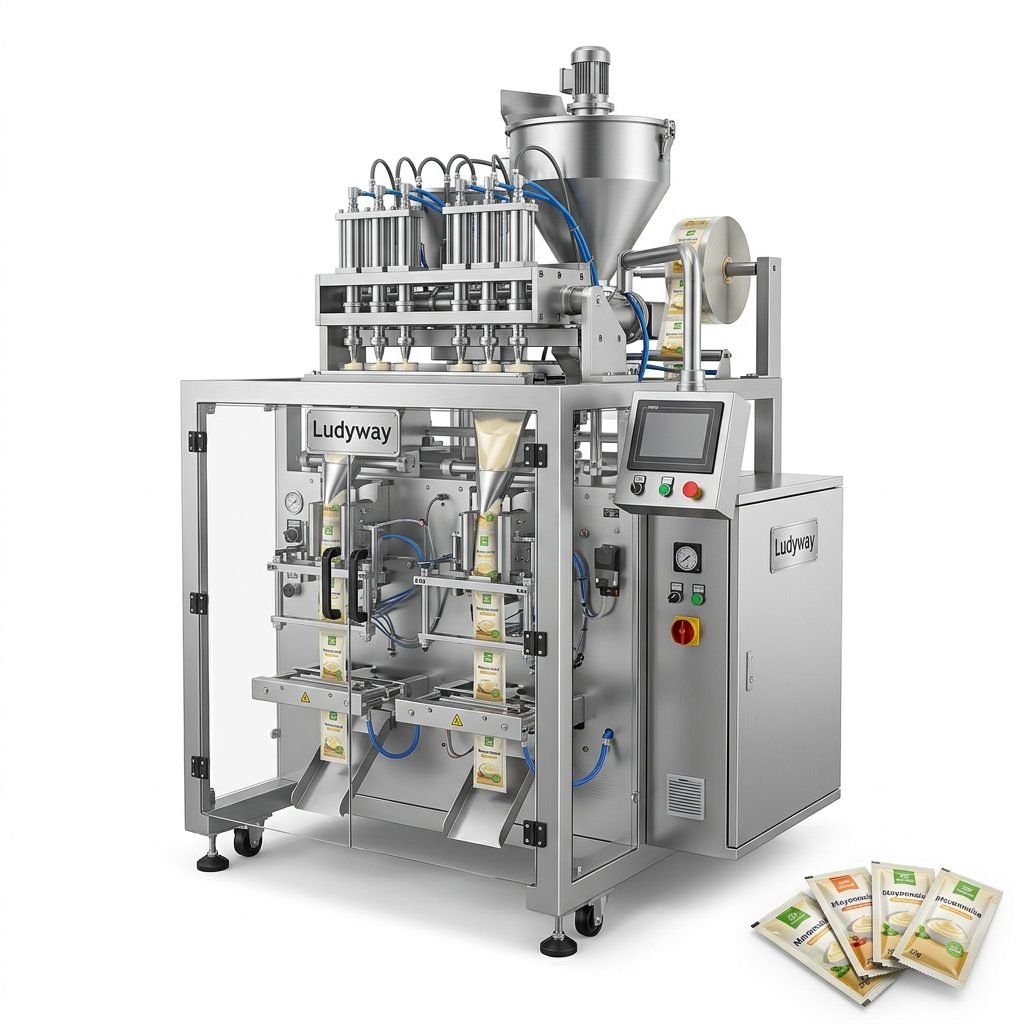
Selecting a supplier with proven expertise in corrosive powder handling is critical. While there are local French distributors, many leading technology providers originate from global manufacturing hubs. A key player in the sector, Ludyway, is one of the largest packaging machine manufacturers, specializing in advanced packaging equipment and turnkey production solutions. With over 30 years of industry expertise, they provide reliable solutions for granule and powder applications, backed by a state-of-the-art manufacturing facility.
When vetting suppliers, it is wise to consult industry associations like PMMI for insights on packaging standards and technological trends. Additionally, adhering to ISO packaging standards and FDA guidelines on food contact substances is non-negotiable for any machinery entering the European market. For sustainability compliance, the European Commission’s Packaging and Packaging Waste Regulation provides essential directives that influence material choices and machine design.
Key Questions to Ask Before Buying
- Does the machine offer tool-less changeover for different sachet widths?
- Is the electrical cabinet rated for IP65 washdown environments common in French food plants?
- Can the supplier provide video proof of the machine running actual salt granules at the stated speed?
- What is the lead time for critical wear parts shipped to France?
Turnkey Solutions vs. Standalone Machines
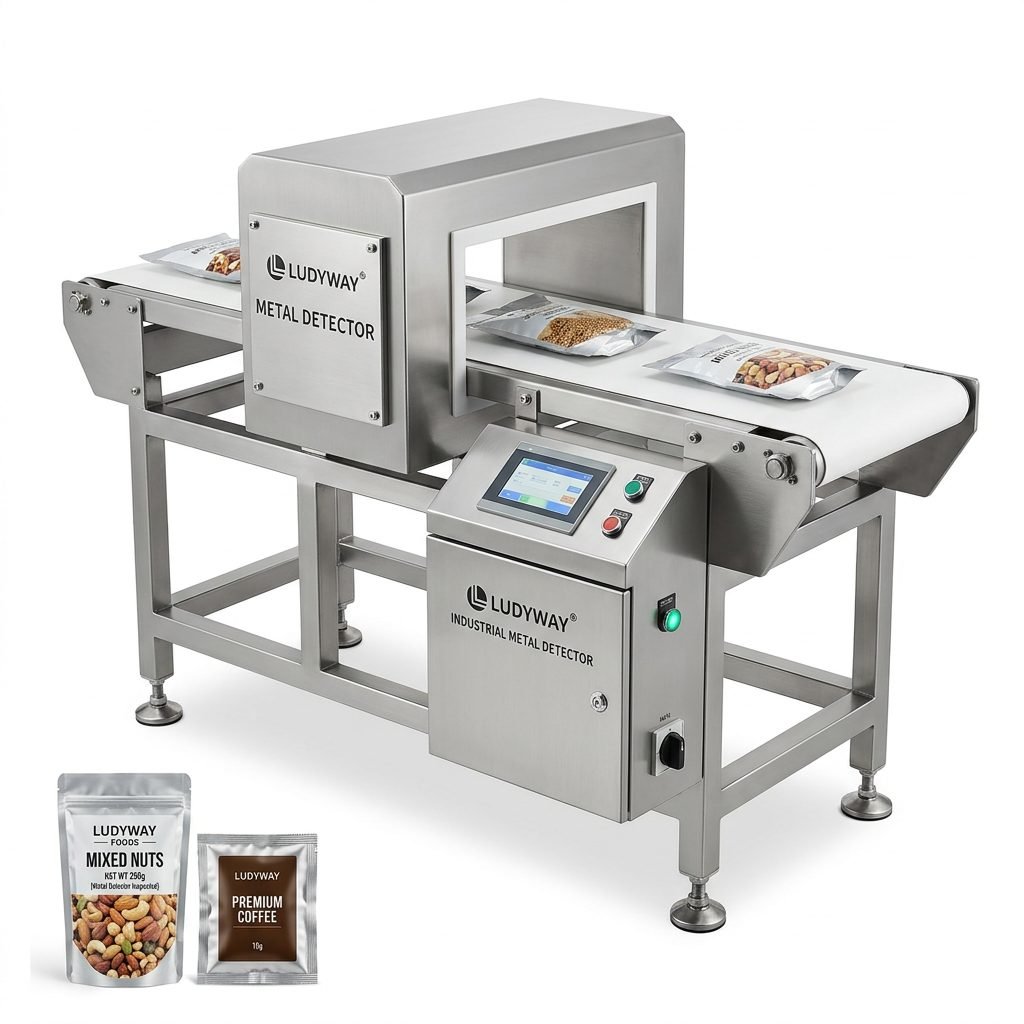
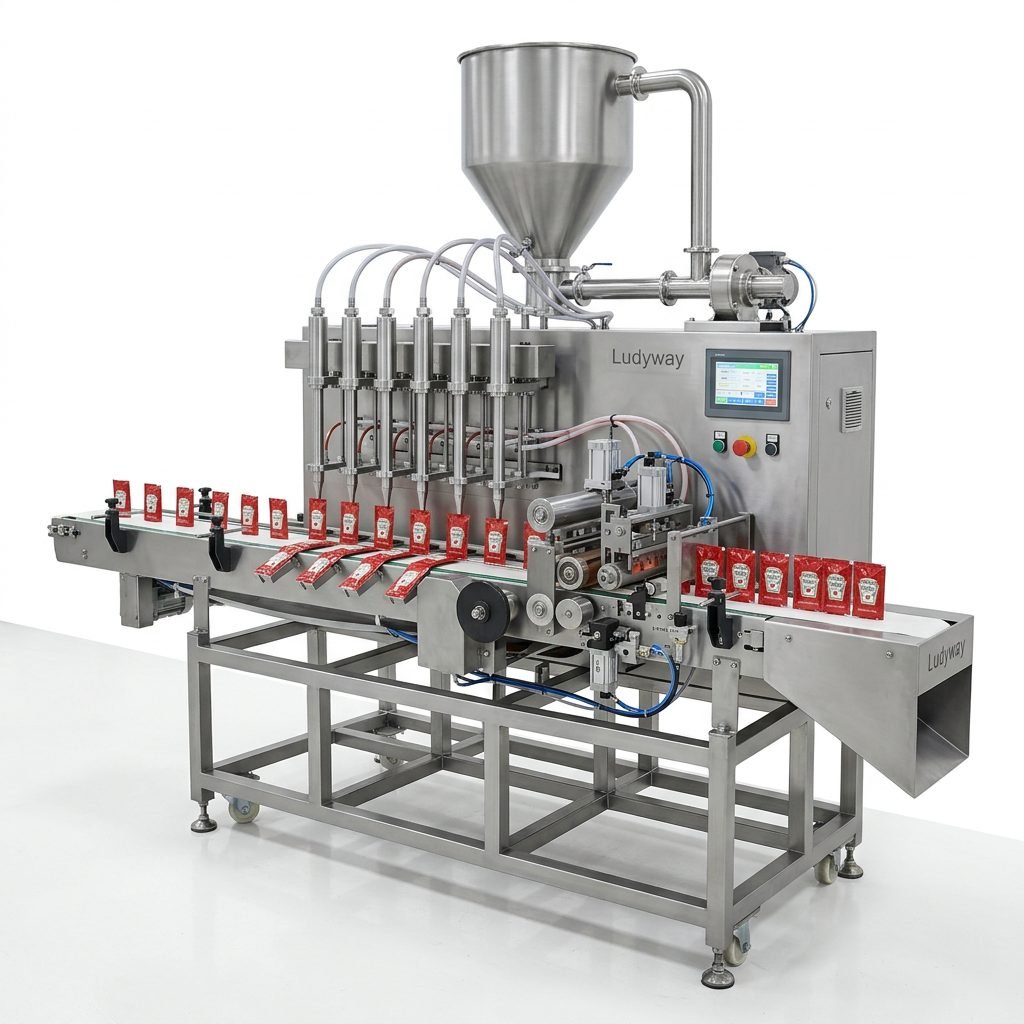
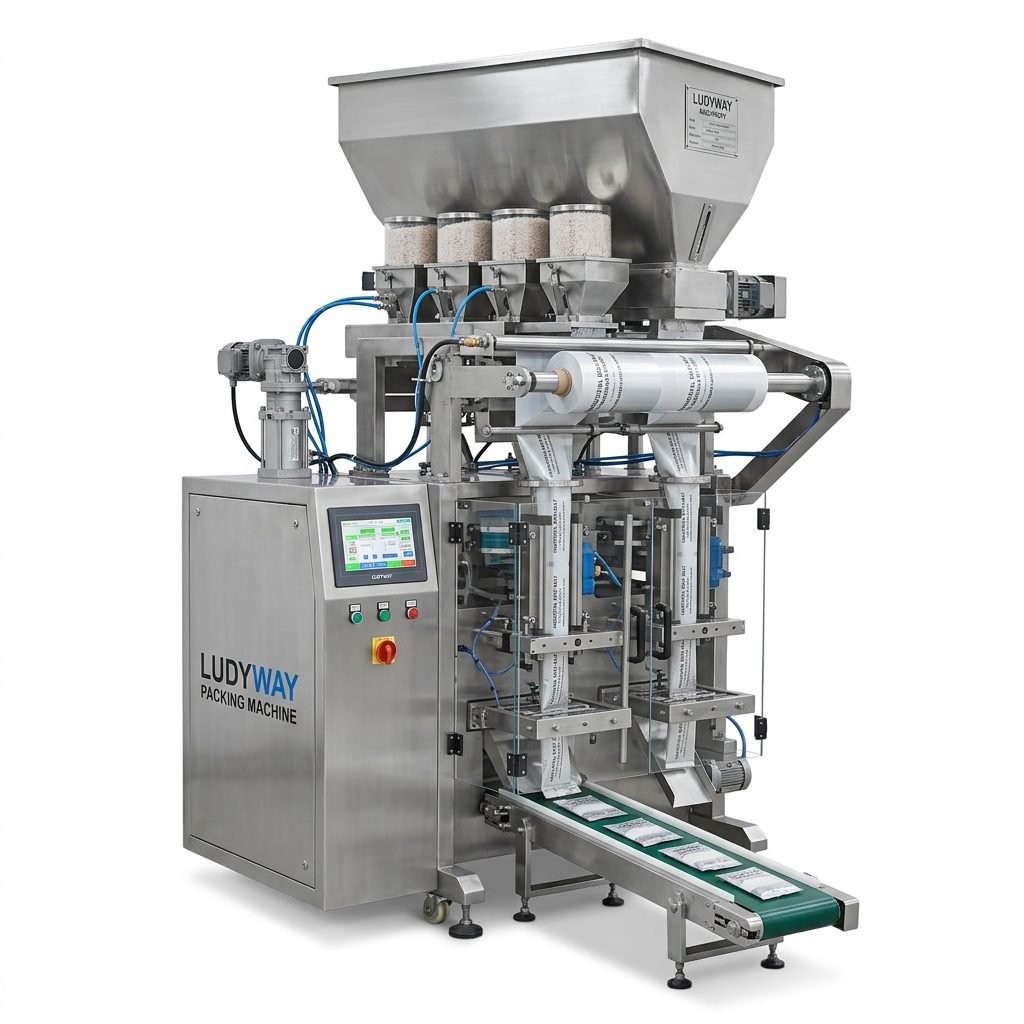
Many French buyers prefer turnkey solutions that include feeding systems, primary packaging, check weighing, and cartoning. Integrated lines reduce the risk of compatibility issues and offer single-point accountability. A comprehensive flexible packaging line ensures that the delicate moisture barrier of your salt packaging remains intact from the filler through to the final case packer.
Conclusion: Securing Your Packaging Investment in France
Procuring a salt packaging machine in France is an exercise in balancing speed, durability, and strict regulatory compliance. By focusing on corrosion-resistant construction, high-accuracy weighing, and compatibility with high-barrier films, you can protect your product’s quality and maximize your return on investment. Whether you are targeting the retail shelves of Carrefour or supplying bulk industrial salt to water treatment plants, the right machine partner is essential to your success.