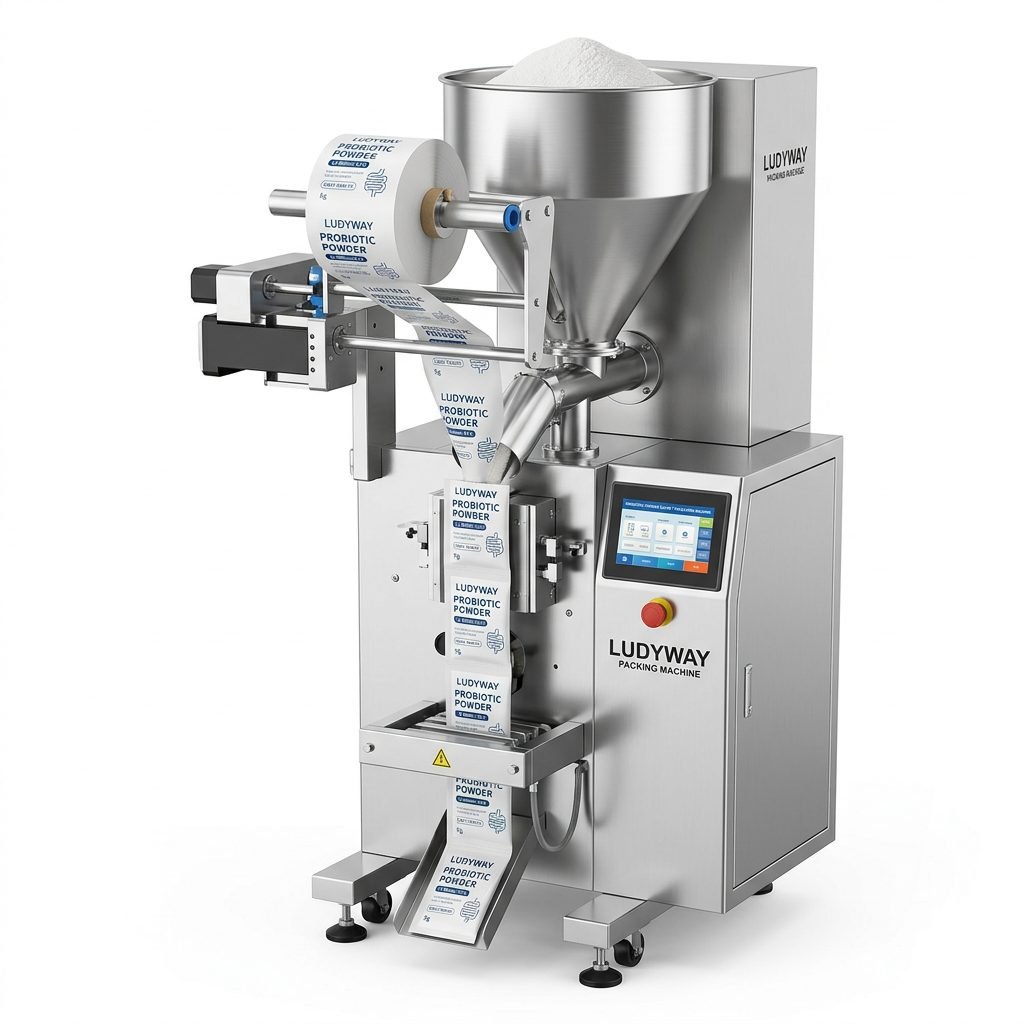
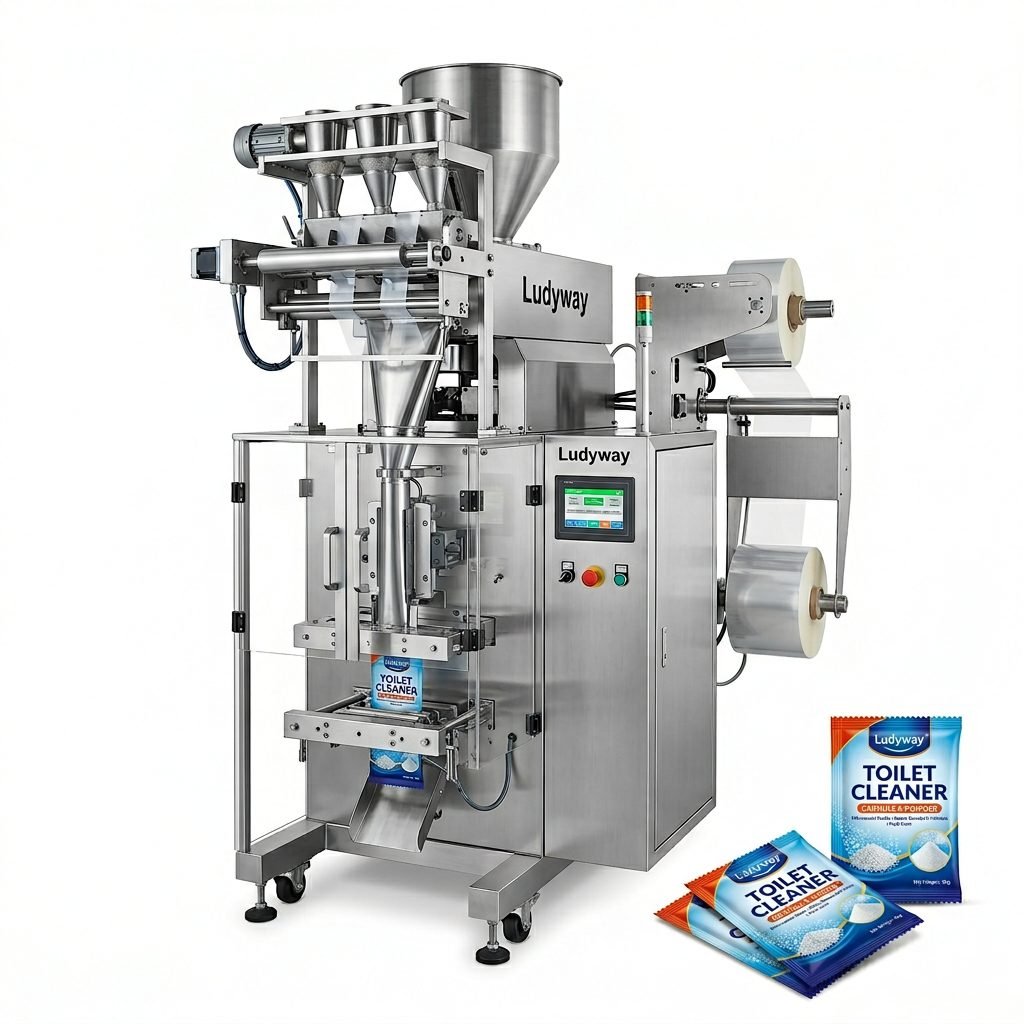
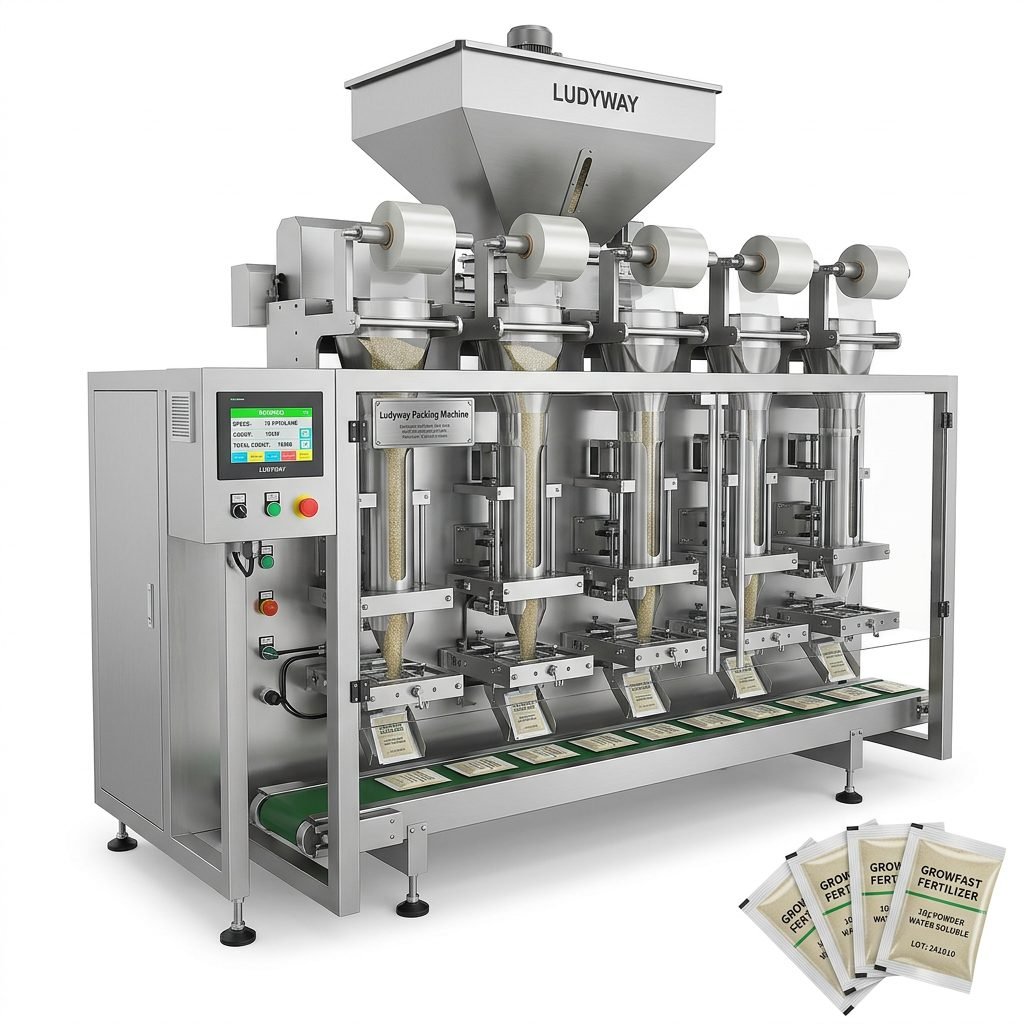
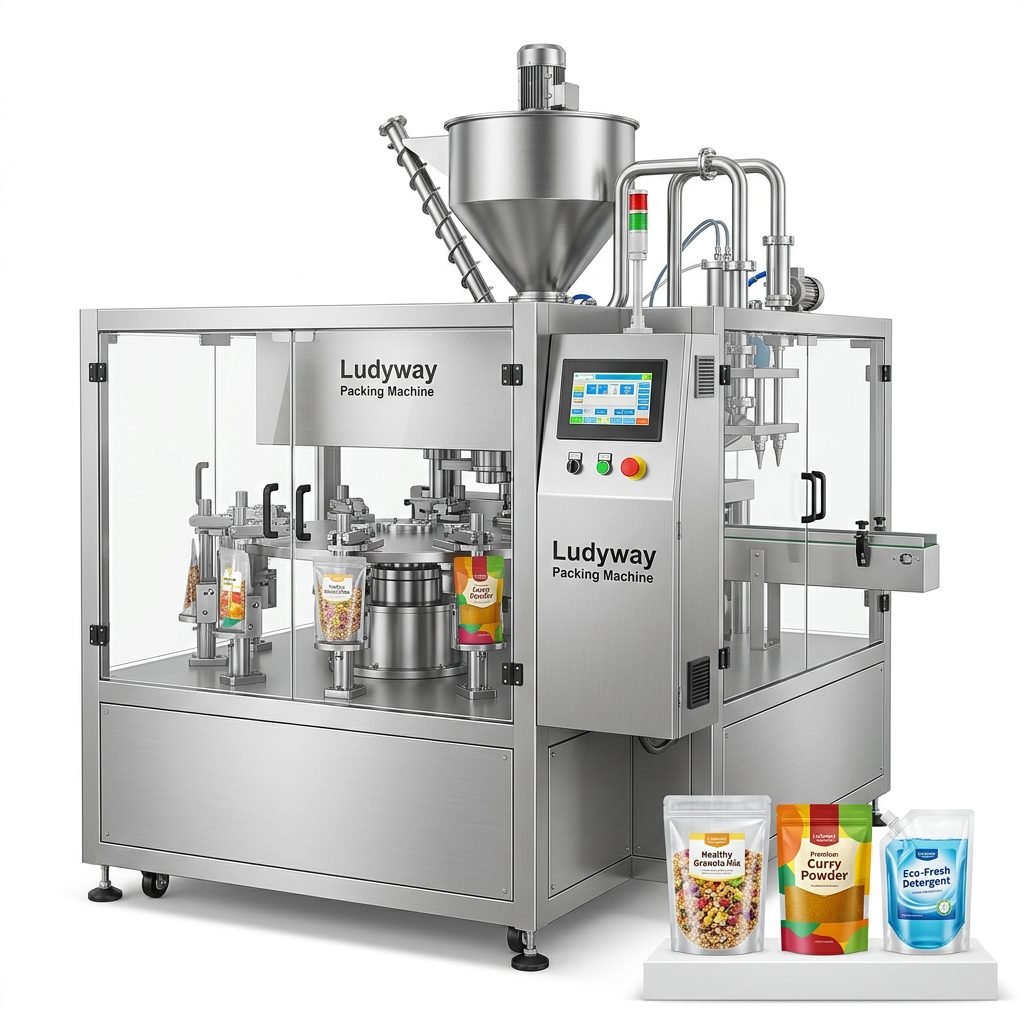
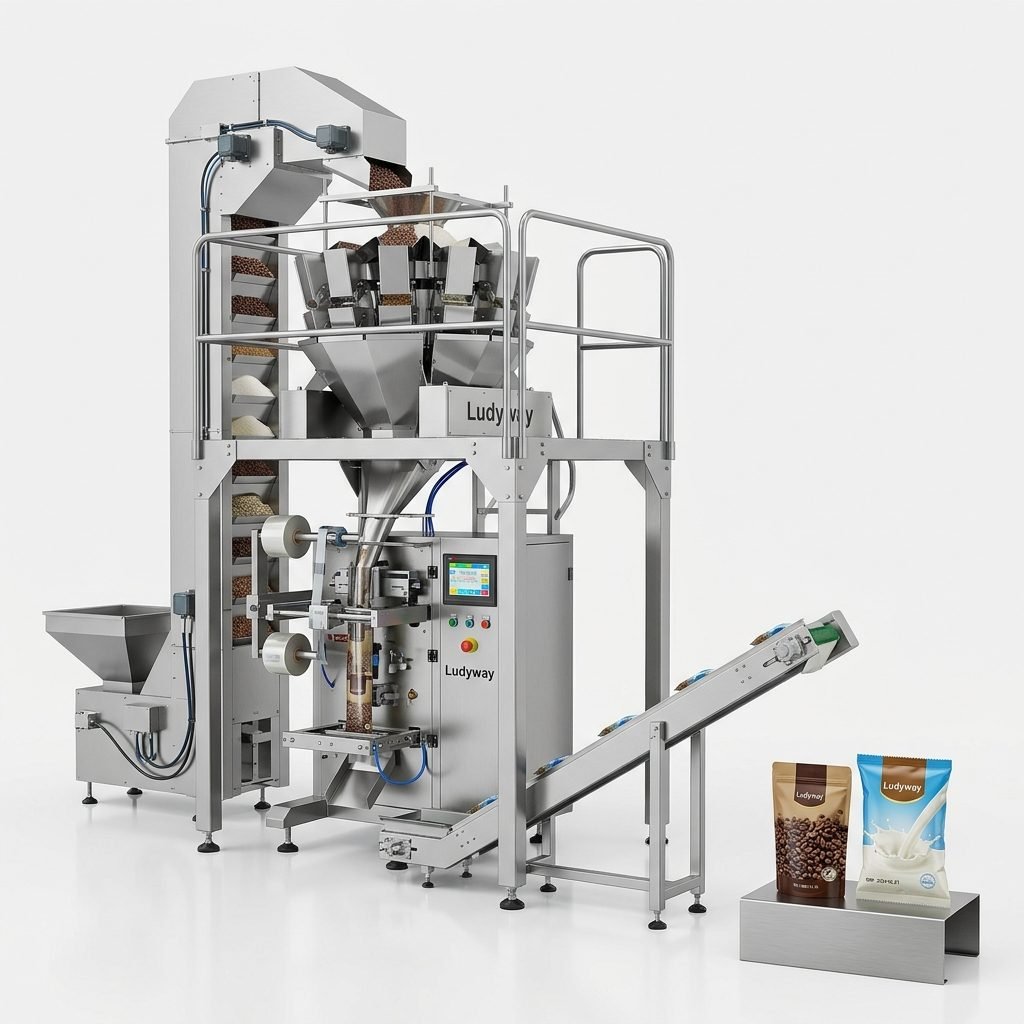
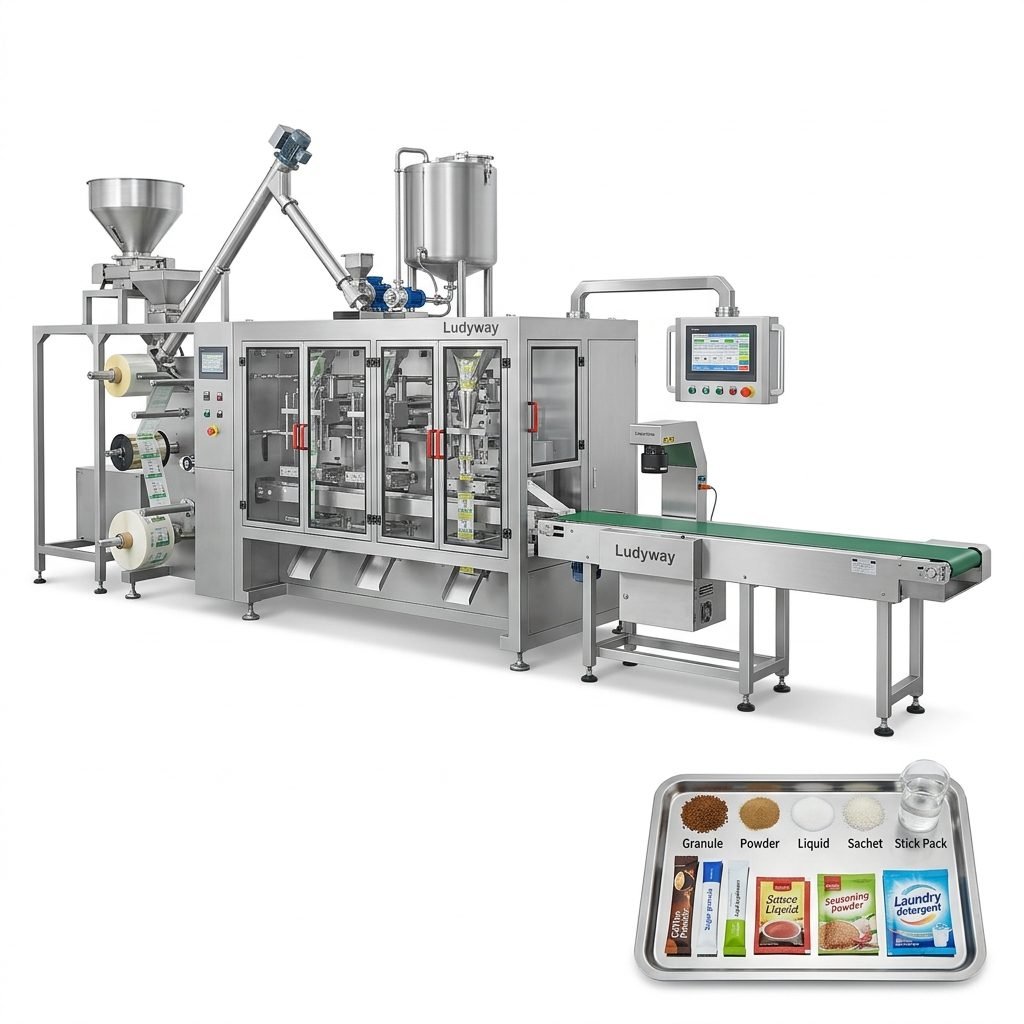
Liquid detergent packaging is no longer just about filling a container and sealing it. For modern manufacturers, the right detergent packaging machine directly affects output efficiency, leak control, packaging consistency, labor cost, and long-term profitability. Whether you produce laundry detergent, dishwashing liquid, floor cleaner, glass cleaner, or concentrated cleaning solutions, choosing the correct system can make a major difference in your production line.
In practice, the best solution depends on your product viscosity, package format, speed target, automation level, and future expansion plans. A machine that works well for sachets may not be the right fit for bottles, and a line designed for low-foam liquids may require different filling technology than one used for thick, high-viscosity detergent formulas.
Why the Right Detergent Packaging Machine Matters
A well-matched machine helps you maintain stable filling accuracy, reduce product loss, improve sealing quality, and increase line efficiency. This is especially important in the detergent industry, where packaging often faces challenges such as:
- Foaming during filling
- Corrosive or chemically active ingredients
- Different bottle, pouch, or sachet sizes
- Sticky or viscous formulas
- Demand for attractive shelf-ready packaging
- High-volume production requirements
When your machine is not properly matched to the product, common problems include underfilling, overflow, seal contamination, downtime, and excessive maintenance. Over time, these issues increase operational costs and affect customer satisfaction.
Main Types of Liquid Detergent Packaging Solutions
Liquid detergent packaging equipment can be configured in several ways depending on your packaging format and plant layout. Below are the most common solutions used by detergent manufacturers.
| Machine Type | Best For | Key Advantage |
|---|---|---|
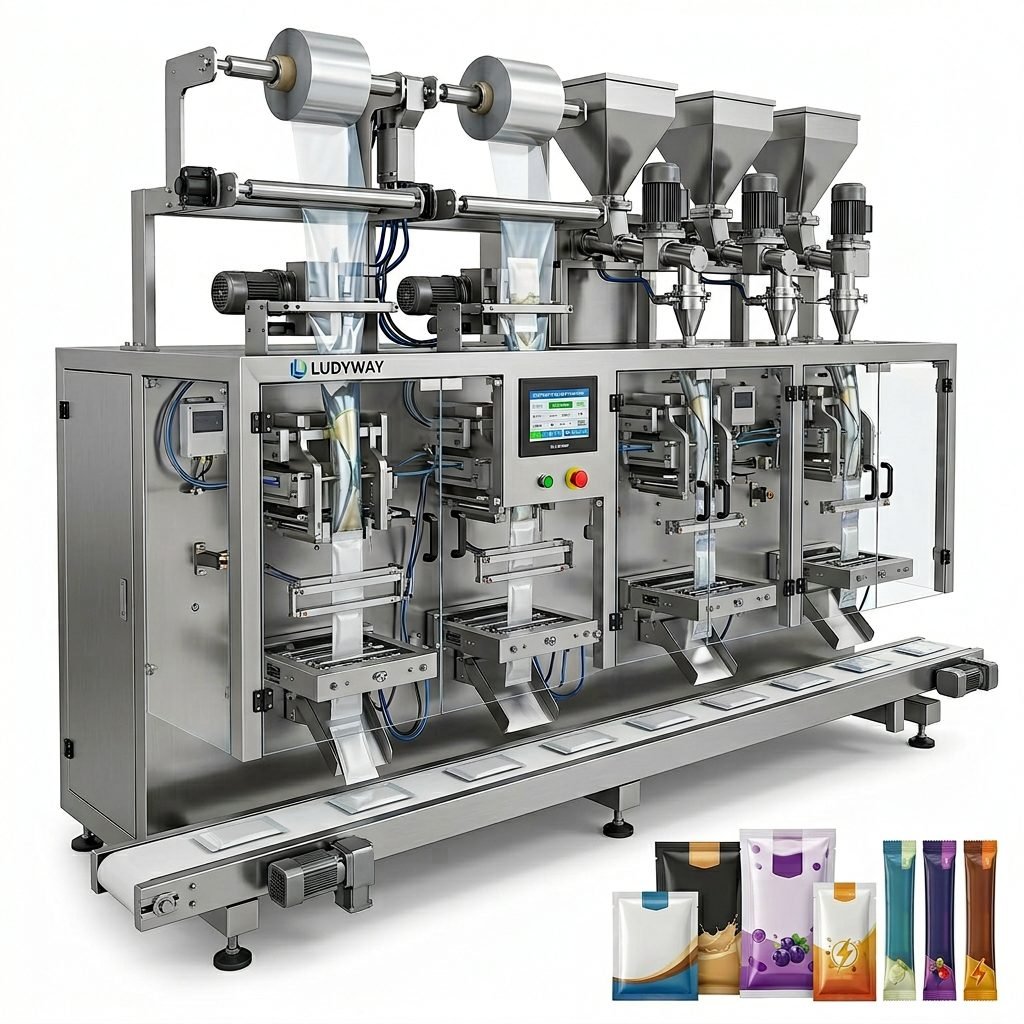
| Sachet filling and sealing machine | Single-use detergent packs, sample packs, travel-size products | Compact packaging and high-speed production |
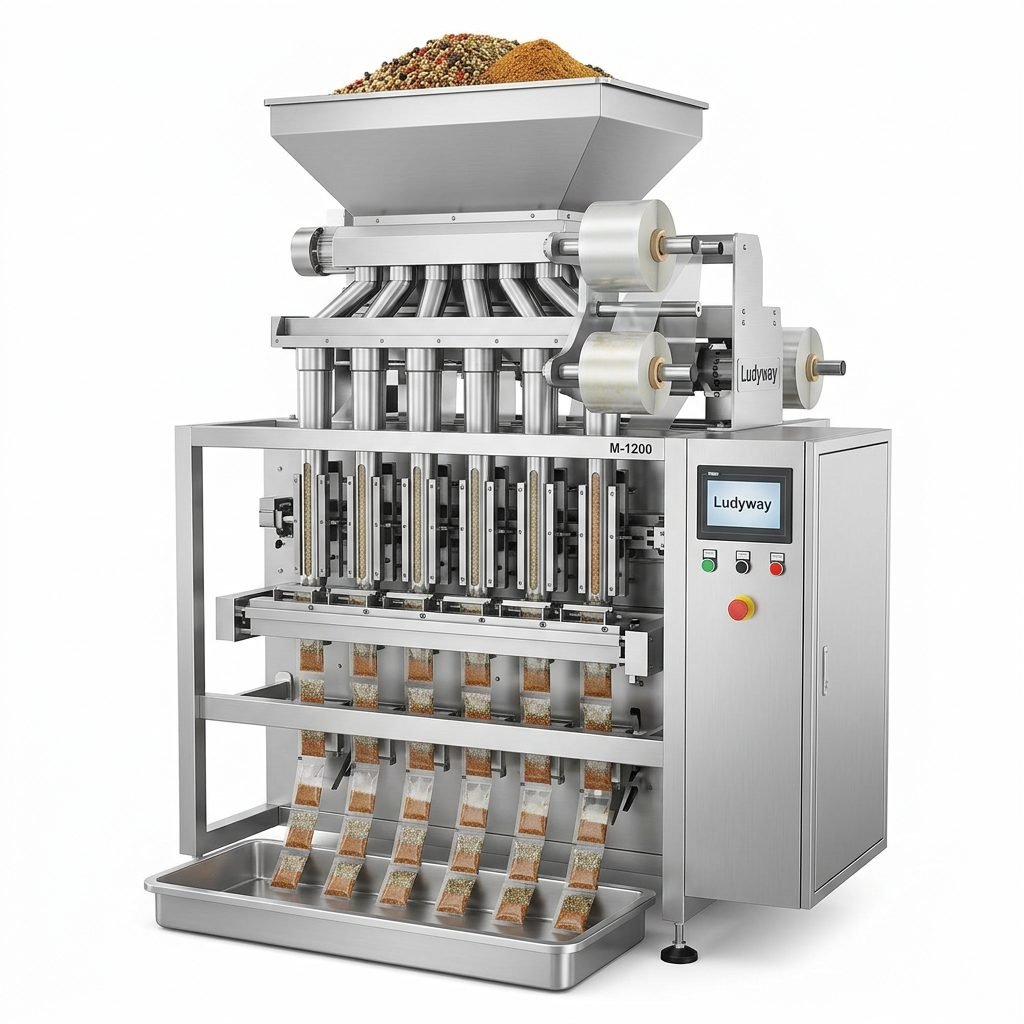
| Stick pack machine | Small-dose liquid detergent or concentrated cleaning formula | Space-saving format with good retail convenience |
| Bottle filling line | Laundry detergent, dish soap, fabric softener | Ideal for mainstream consumer packaging |
| Premade pouch packaging machine | Refill packs and stand-up pouches | Premium appearance and material efficiency |
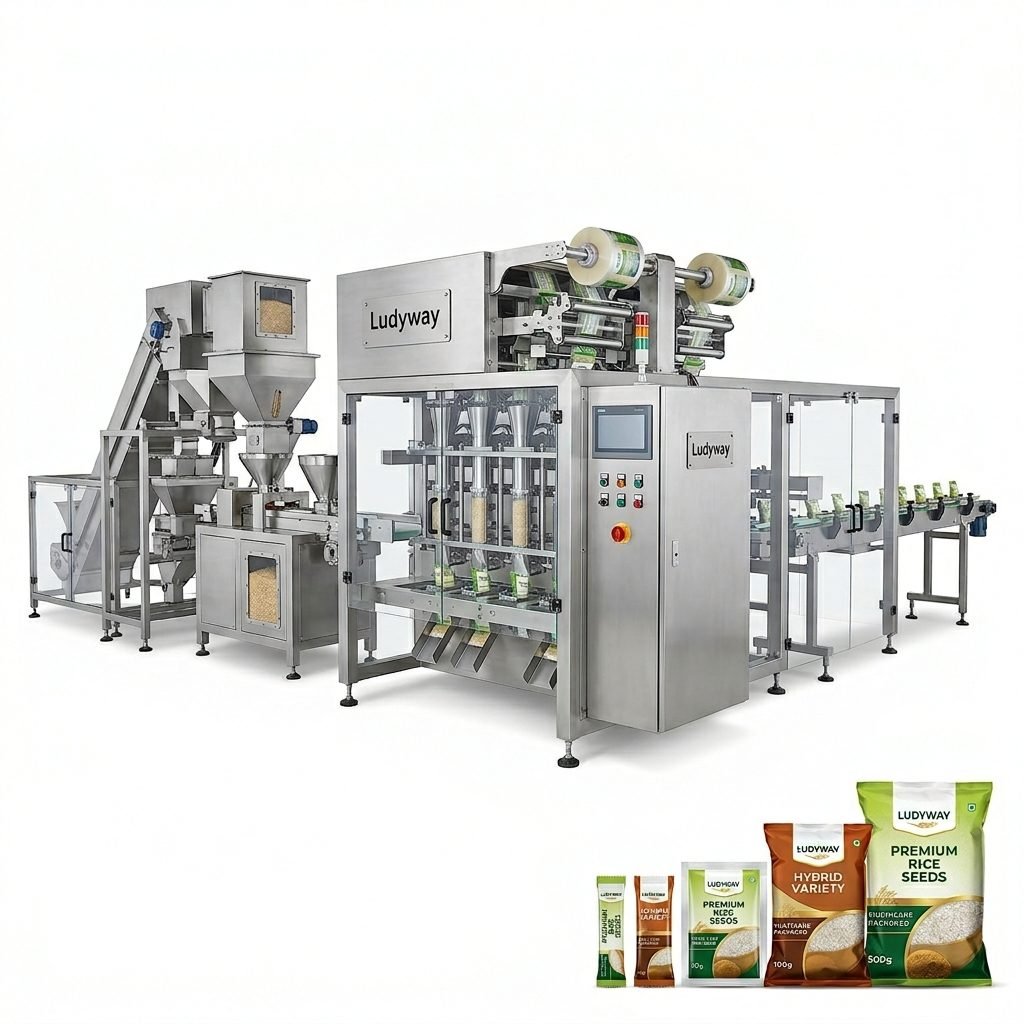
| Turnkey packaging line | Medium to large factories | Integrated automation from filling to cartoning |
1. Sachet Packaging Machines
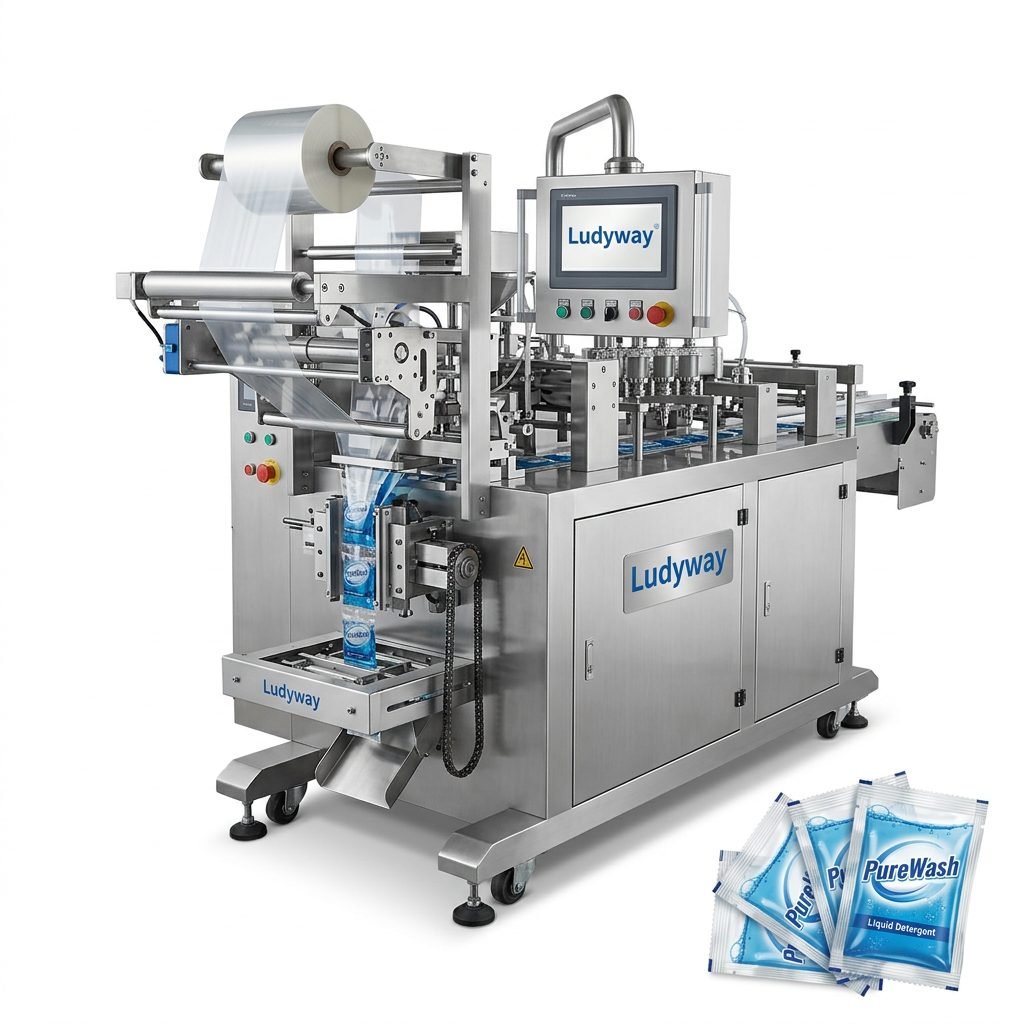
Sachet machines are ideal for small-volume liquid detergent applications. These are commonly used for promotional packs, hotel supplies, trial-size products, and concentrated cleaner formats. They typically combine film forming, filling, sealing, and cutting in one automated process.
If your target market values low unit cost and convenient single-use packaging, this option can be highly efficient.
2. Bottle Filling Lines
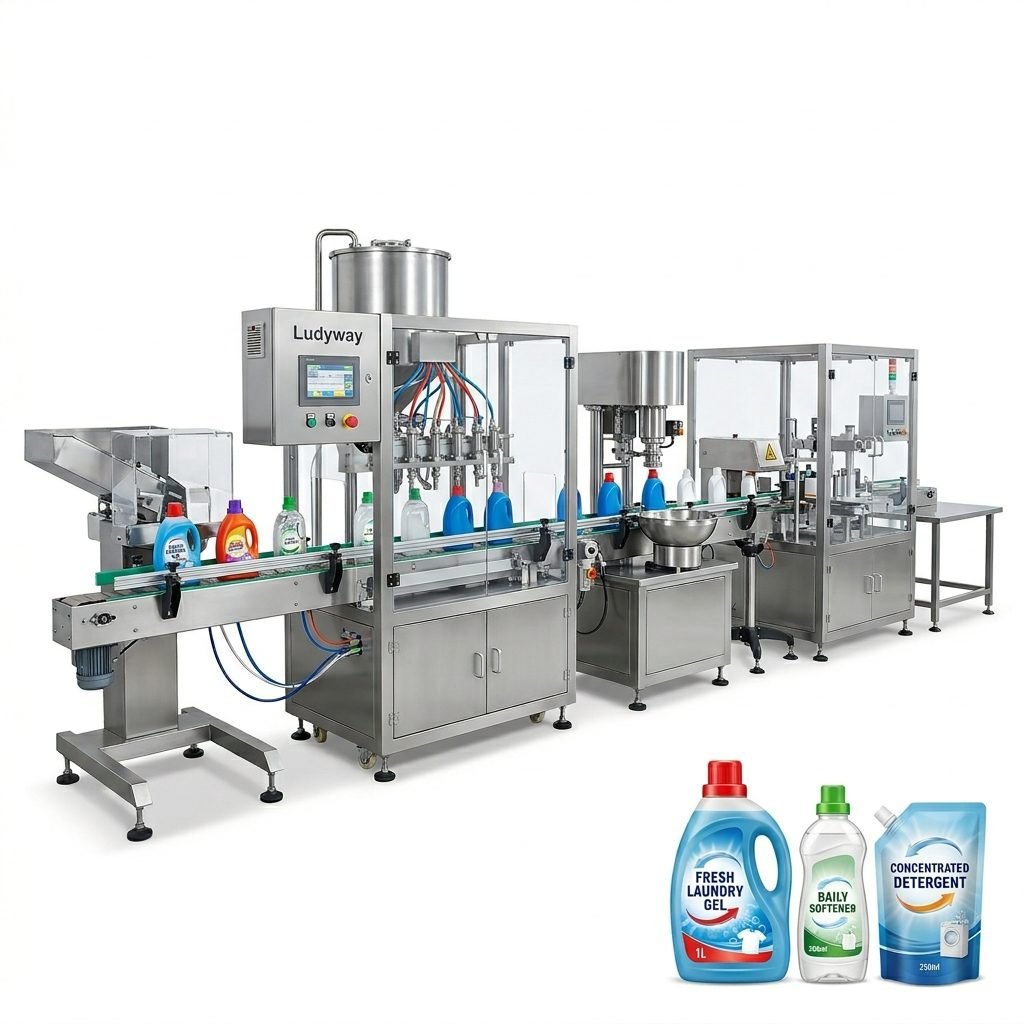
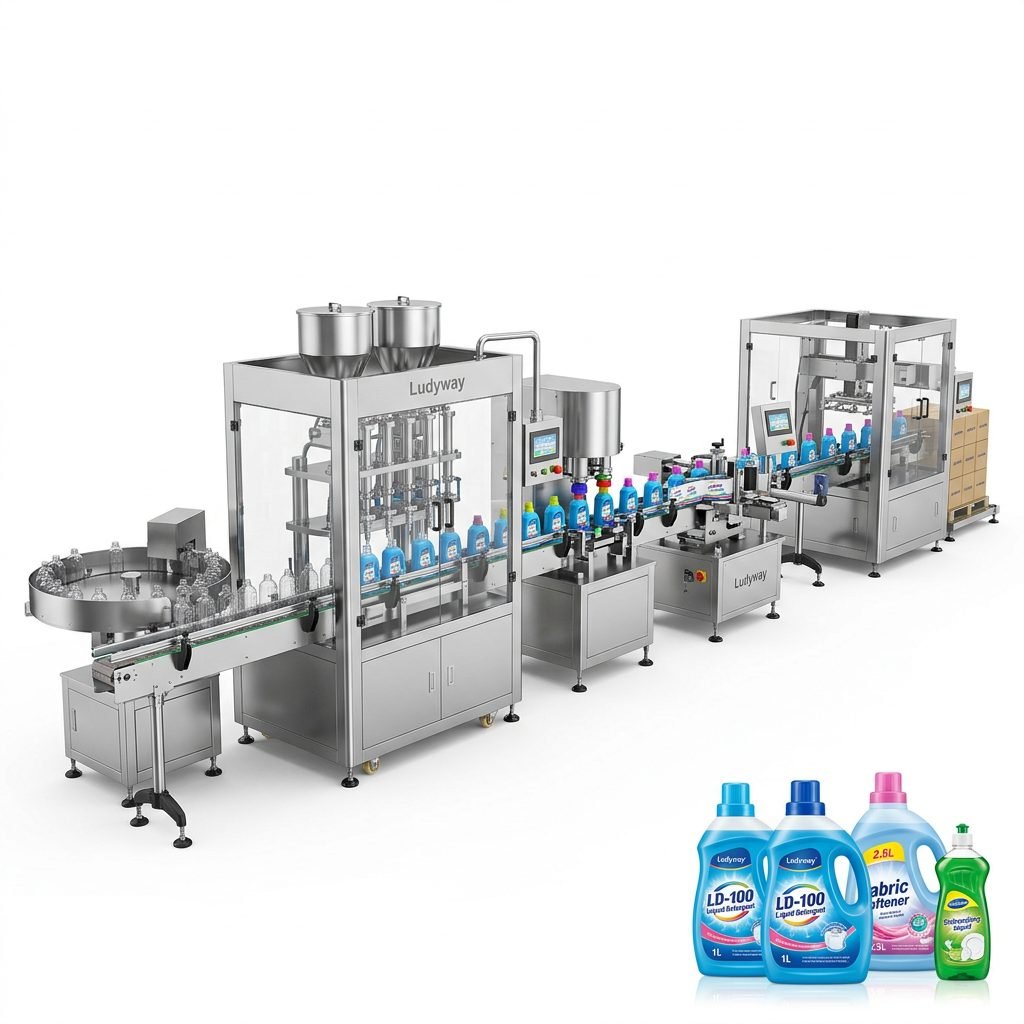
Bottle filling lines are widely used for household detergents sold in retail channels. A complete line may include bottle unscrambling, filling, capping, labeling, coding, inspection, and case packing. This format is especially suitable for standard liquid detergents with stable demand and multiple bottle sizes.
3. Pouch Packaging Systems
Refill pouches have become increasingly popular because they reduce plastic use and shipping volume. For brands that want a modern, cost-effective, and consumer-friendly package format, premade pouch systems offer a strong option.
Key Factors to Consider Before Choosing a Machine
Product Viscosity and Formula Characteristics
Detergent formulas vary widely. Some are thin and free-flowing, while others are thick, gel-like, or foam easily. Before selecting equipment, evaluate:
- Viscosity range
- Foaming tendency
- Chemical compatibility with machine contact parts
- Presence of suspended particles or additives
- Temperature sensitivity
Foaming control is especially important in liquid detergent packaging. Improper filling methods can lead to inaccurate volume, messy seals, and slower production speed.
Packaging Format
Your packaging type defines much of the machine structure. Ask yourself:
- Are you packing into sachets, bottles, pouches, or larger containers?
- Will you run one format only, or multiple formats?
- Do you need easy changeover for different SKUs?
If your business manages several detergent products across different package styles, a modular system may be a better investment than a single-purpose machine.
Production Speed Requirements
A machine should match both your current output and your growth goals. Low-speed systems may look affordable at first, but they can quickly become a bottleneck if demand increases. On the other hand, buying an oversized high-speed line without enough orders can increase upfront cost unnecessarily.
The right balance is a machine that supports current production efficiently while leaving room for expansion.
Filling Accuracy
Filling accuracy affects material usage, label compliance, and brand reputation. In detergent packaging, even small inaccuracies can lead to:
- Product giveaway from overfilling
- Customer complaints from underfilling
- More cleaning and rework
- Unstable sealing results
Look for systems designed to maintain stable dosing across different speeds and container sizes.
Material Compatibility and Corrosion Resistance
Many detergents contain surfactants, fragrances, bleaching agents, or active chemicals that can affect machine durability. Stainless steel contact parts and suitable sealing materials are essential for long-term stability.
Automation Level
Manufacturers can choose from semi-automatic units to fully integrated lines. A higher automation level generally offers:
- Lower labor dependency
- More stable output
- Better traceability
- Improved packaging consistency
However, the best choice depends on your factory size, budget, and available operators.
How to Match the Machine to Your Business Stage
| Business Stage | Recommended Solution | Why |
|---|---|---|
| Startup or pilot brand | Compact sachet or semi-automatic filling system | Lower investment and flexible product testing |
| Growing manufacturer | Automatic bottle or pouch filling machine | Higher output with improved consistency |
| Large-scale factory | Fully integrated turnkey packaging line | Maximized automation, productivity, and line control |
Important Features to Look For
Not all detergent packaging machines offer the same performance level. When comparing suppliers and models, prioritize features that directly improve efficiency and reliability.
- Anti-drip filling design to reduce waste and keep seals clean
- Foam-management capability for stable filling of surfactant-rich liquids
- Quick changeover design for multiple package sizes
- PLC and touchscreen control for easy operation
- Servo-driven systems for more precise filling and sealing
- Reliable sealing performance to prevent leakage during storage and transport
- Integration capability with labeling, coding, cartoning, and palletizing equipment
Common Mistakes Buyers Should Avoid
Choosing Based on Price Alone
The cheapest machine often leads to higher long-term costs through downtime, inaccurate filling, poor sealing, and limited support. Total value matters more than initial price.
Ignoring Future Expansion
If you plan to launch new SKUs, increase output, or add secondary packaging later, your system should be scalable. A rigid machine can become obsolete too quickly.
Overlooking After-Sales Support
Installation guidance, spare parts, troubleshooting, and technical communication are critical. Reliable support reduces downtime and protects your investment.
Not Testing with Actual Product
Water-like test liquids do not always represent real detergent behavior. The machine should be evaluated using your actual formula, packaging film or container, and target production speed.
When a Turnkey Packaging Line Is the Better Choice
If your factory is moving beyond standalone filling equipment, a turnkey line can offer stronger long-term efficiency. Instead of buying separate machines from multiple sources, an integrated line helps coordinate:
- Product feeding
- Filling and sealing
- Capping or pouch finishing
- Labeling and coding
- Inspection and rejection
- Cartoning and case packing
- End-of-line conveying and palletizing
This approach often improves compatibility between machines, simplifies project management, and reduces commissioning complexity.
How to Evaluate a Packaging Machine Supplier
A strong machine is only part of the solution. The supplier’s engineering capability, manufacturing experience, and customization capacity are equally important. When evaluating a supplier, review:
- Industry experience in liquid packaging
- Ability to customize based on detergent properties
- Export experience and service communication
- Factory scale and quality control process
- Range of machine configurations available
- Support for complete packaging lines
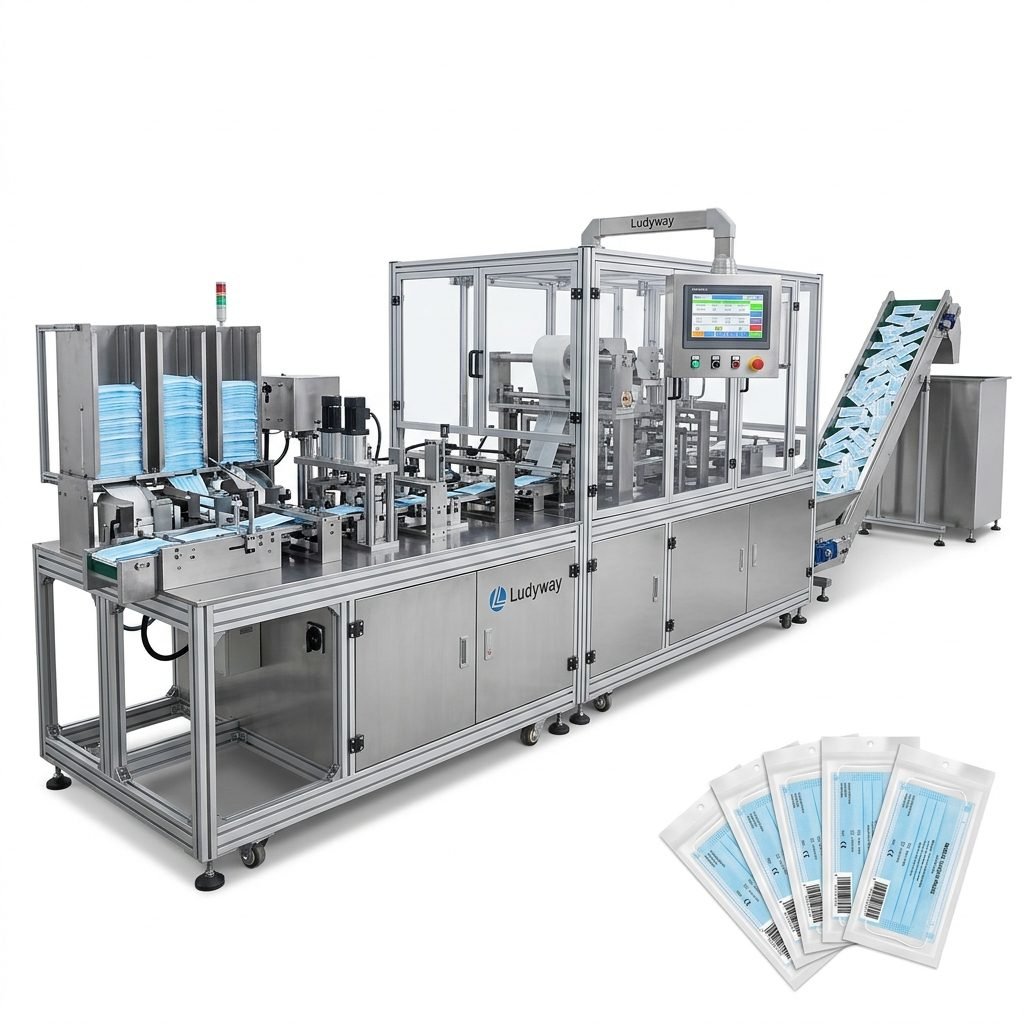
For businesses seeking scalable detergent packaging automation, Ludyway detergent packaging machine solutions are backed by more than 30 years of manufacturing experience, a factory of over 20,000 square meters, and broad capabilities in automatic packaging machines and turnkey production lines for liquid, powder, granule, and pouch-based applications.
Questions to Ask Before Making a Final Decision
- What detergent products will be packed now and in the next 3 to 5 years?
- What packaging formats are required?
- What is the target speed per minute or per hour?
- How important is quick changeover between SKUs?
- What level of filling accuracy is required?
- Do you need a standalone machine or a complete line?
- What technical support is available after delivery?
Final Buying Insight
The right detergent packaging machine is the one that fits your product characteristics, packaging goals, production scale, and future growth plan. For liquid detergent packaging, buyers should focus on filling stability, sealing reliability, material compatibility, automation level, and supplier support—not just machine price.
A carefully selected solution can help you improve efficiency, reduce waste, maintain packaging quality, and stay competitive in a fast-moving detergent market.