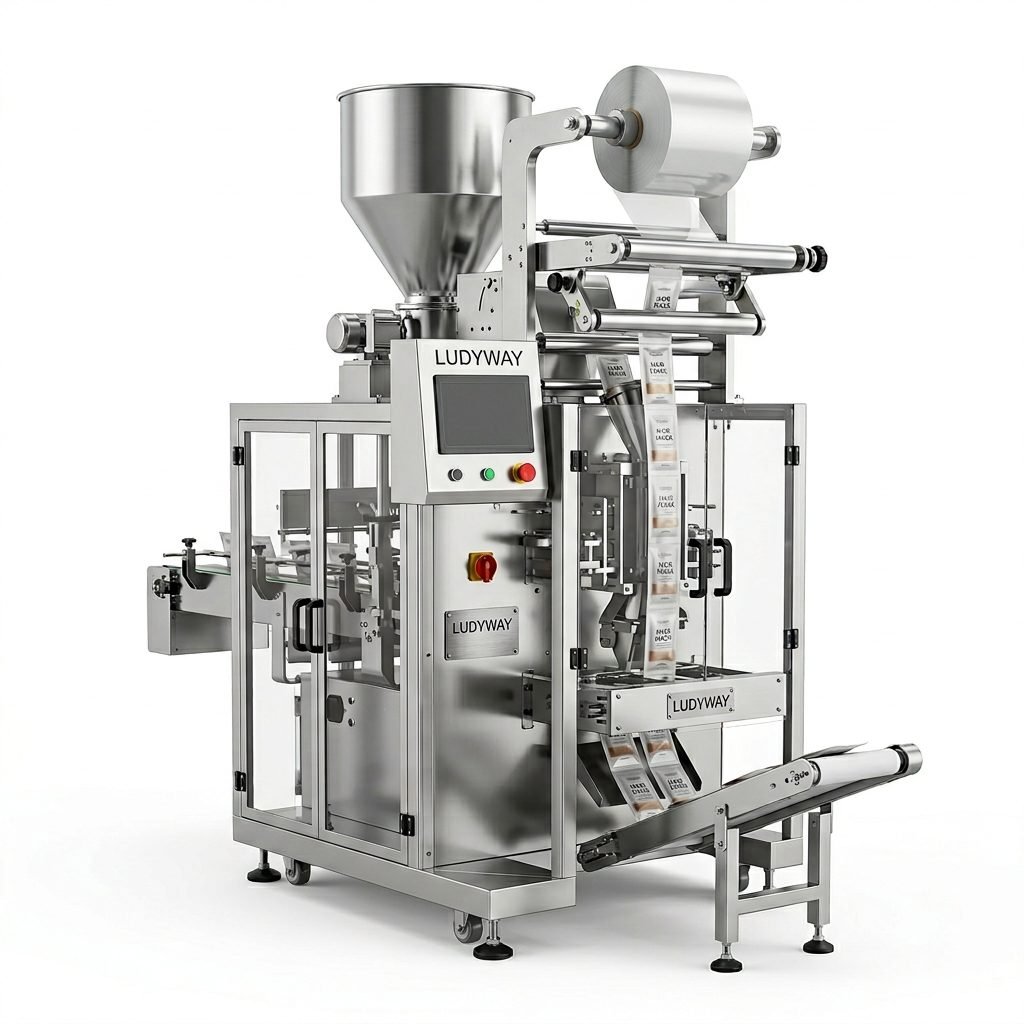
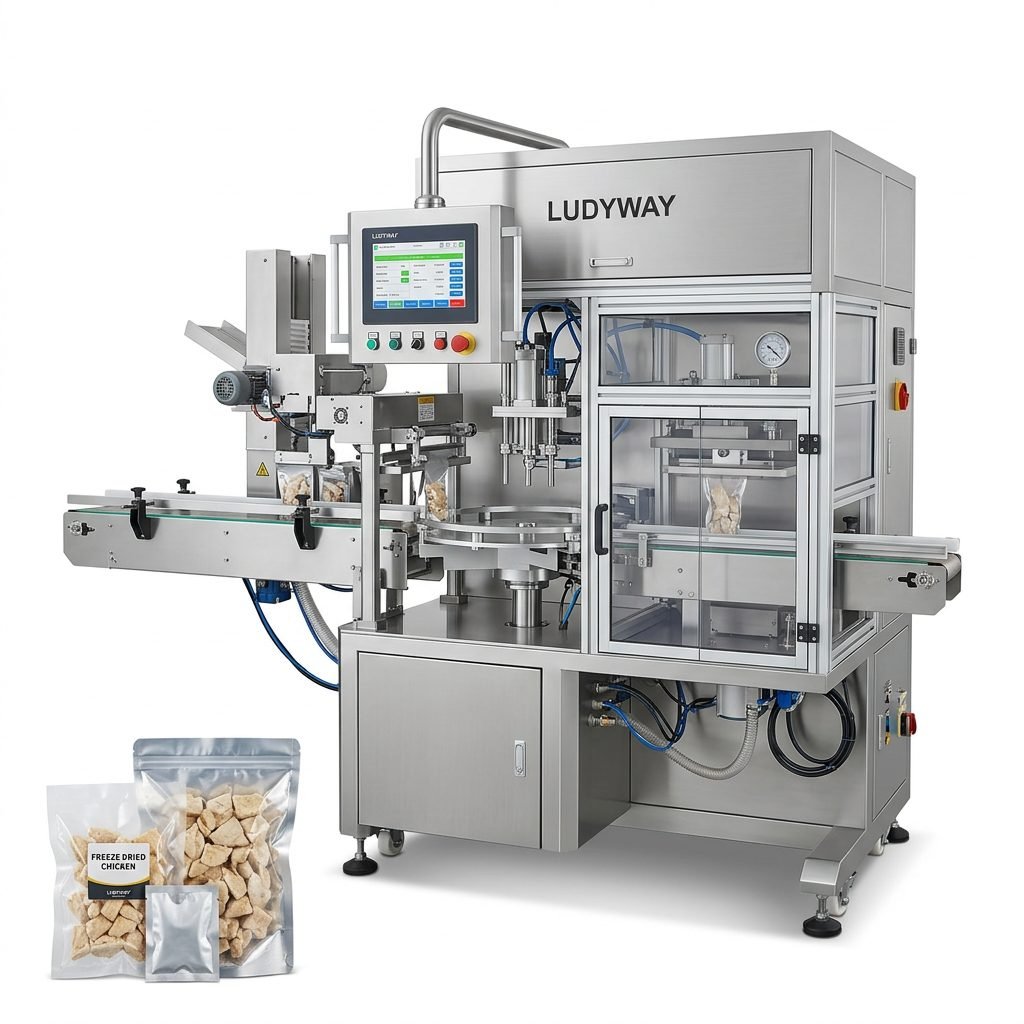
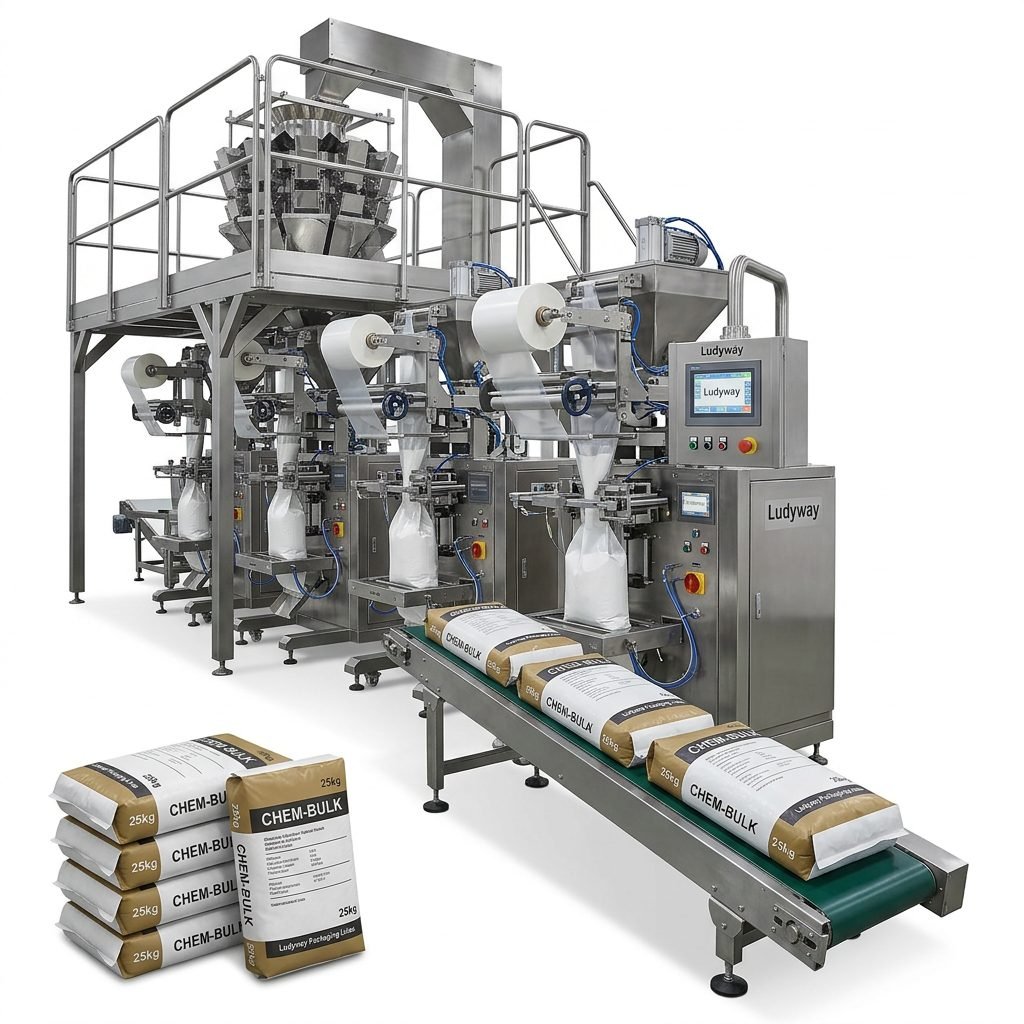
Setting up a sauce packaging machine production line in Oceania requires careful planning, from understanding regional food standards to selecting equipment that can handle diverse product viscosities. Whether you are packing tomato ketchup, chili sauce, mayonnaise, or barbecue marinades, the right configuration directly impacts your throughput, product quality, and return on investment.
Oceania, which includes Australia, New Zealand, and the surrounding Pacific Islands, has a mature food processing sector with strict hygiene and labeling regulations overseen by bodies like Food Standards Australia New Zealand (FSANZ). This guide walks you through every critical step, from initial production line design to full-scale commercial operation.
Understanding the Oceania Sauce Market and Regulatory Landscape
Before investing in machinery, it’s essential to analyze the market. The demand for convenient single-serve sachets, multi-lane stick packs, and larger pouch formats is rising across Oceania, driven by the food service industry and retail consumer preferences. Your sauce packaging machine production line must be versatile enough to switch between formats without excessive downtime.
Compliance is non-negotiable. Equipment must meet ISO packaging standards and facilitate adherence to HACCP principles. Stainless steel construction, automated CIP (Clean-in-Place) compatibility, and IP65-rated electrical components are baseline requirements for handling acidic or oil-based sauces.
Key Components of a High-Performance Sauce Packaging Line
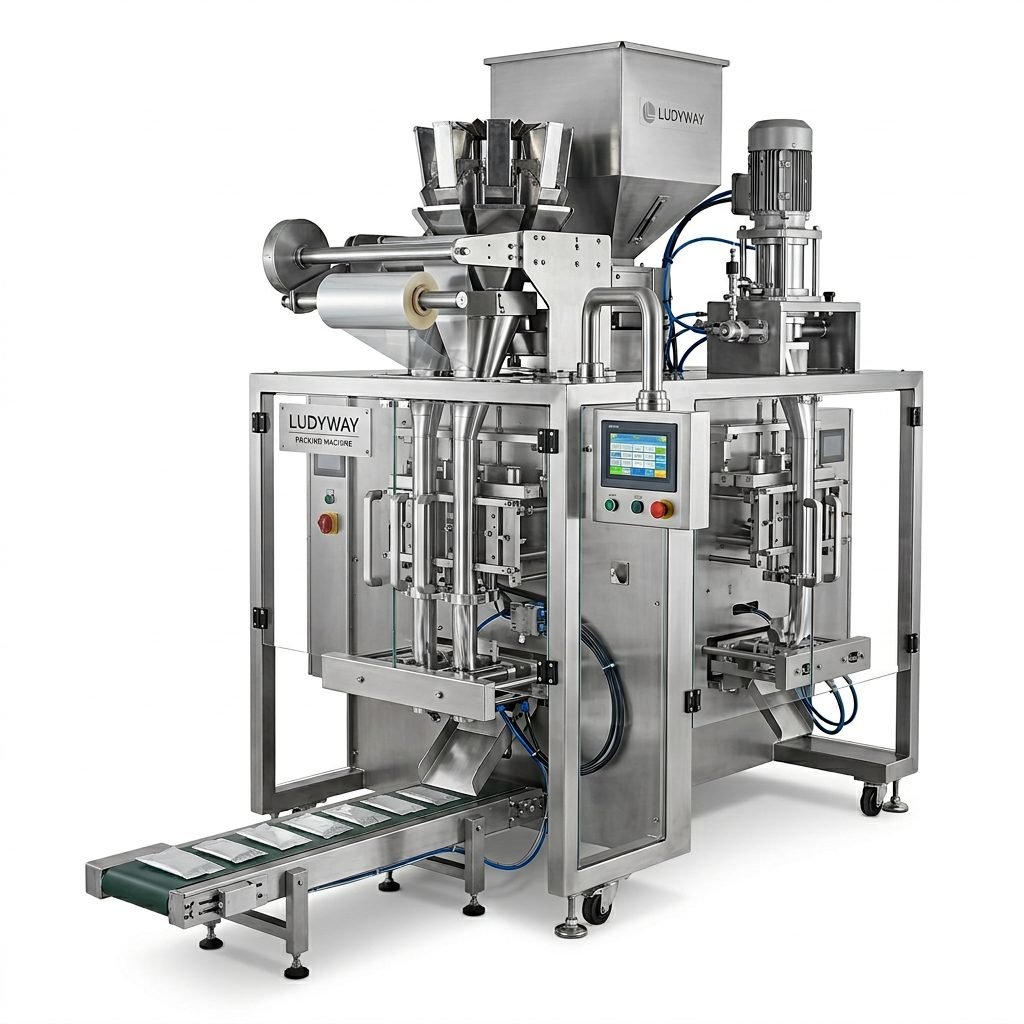
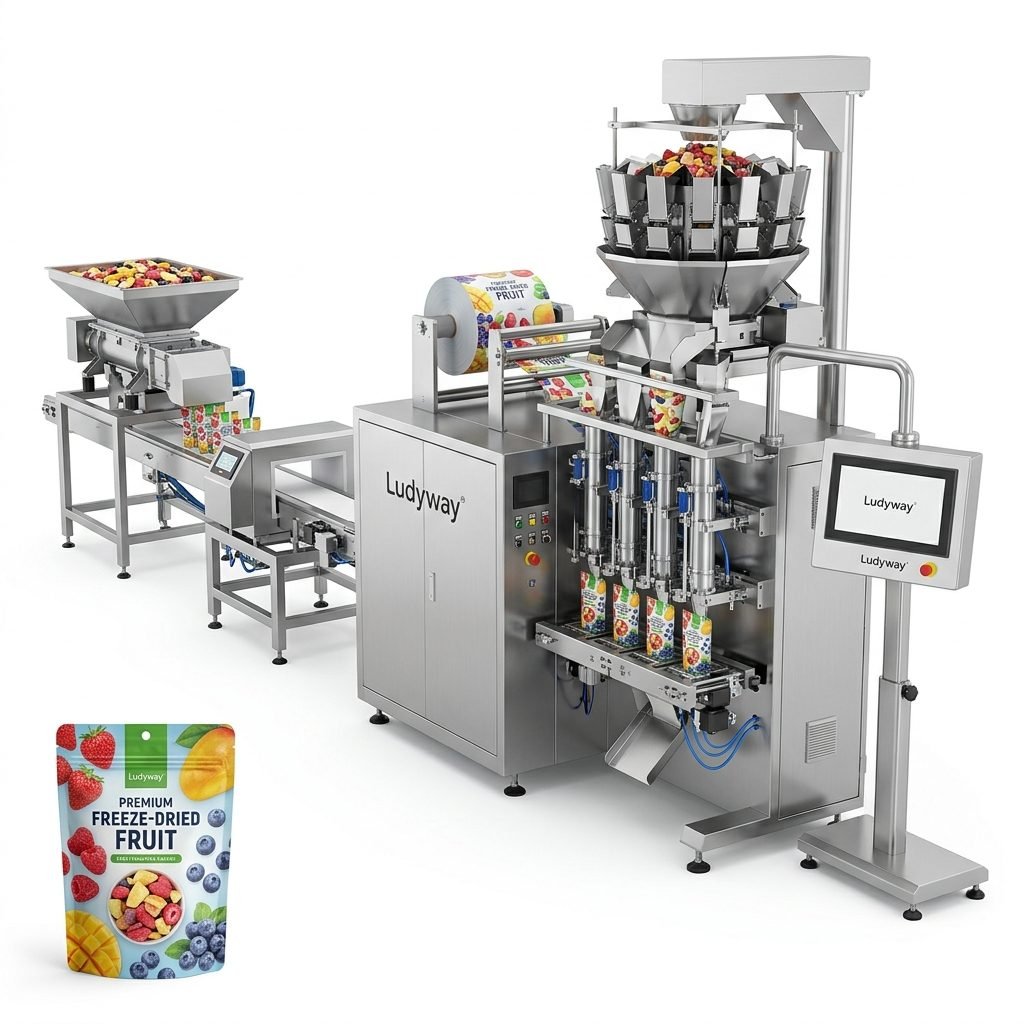
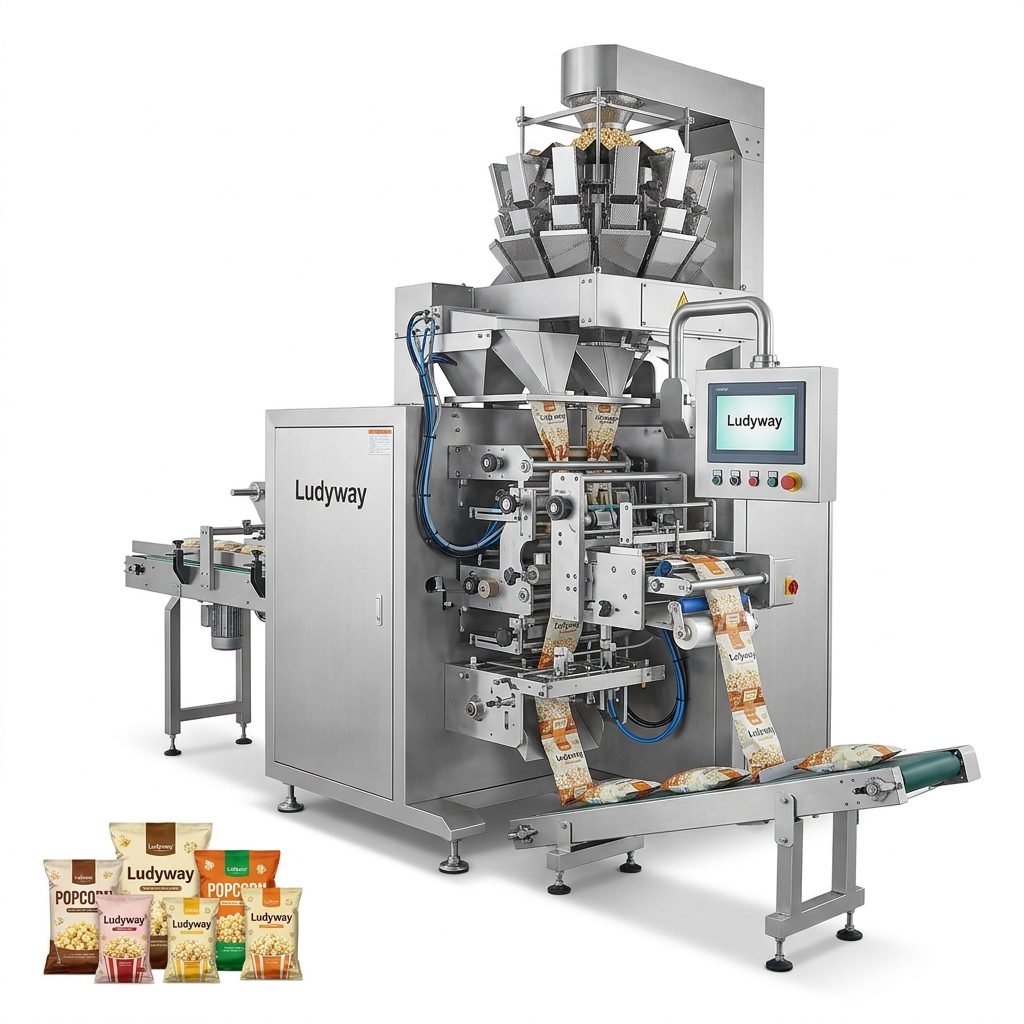
A fully integrated sauce packaging machine line consists of several synchronized modules. Choosing the right combination determines your factory’s overall equipment effectiveness (OEE).
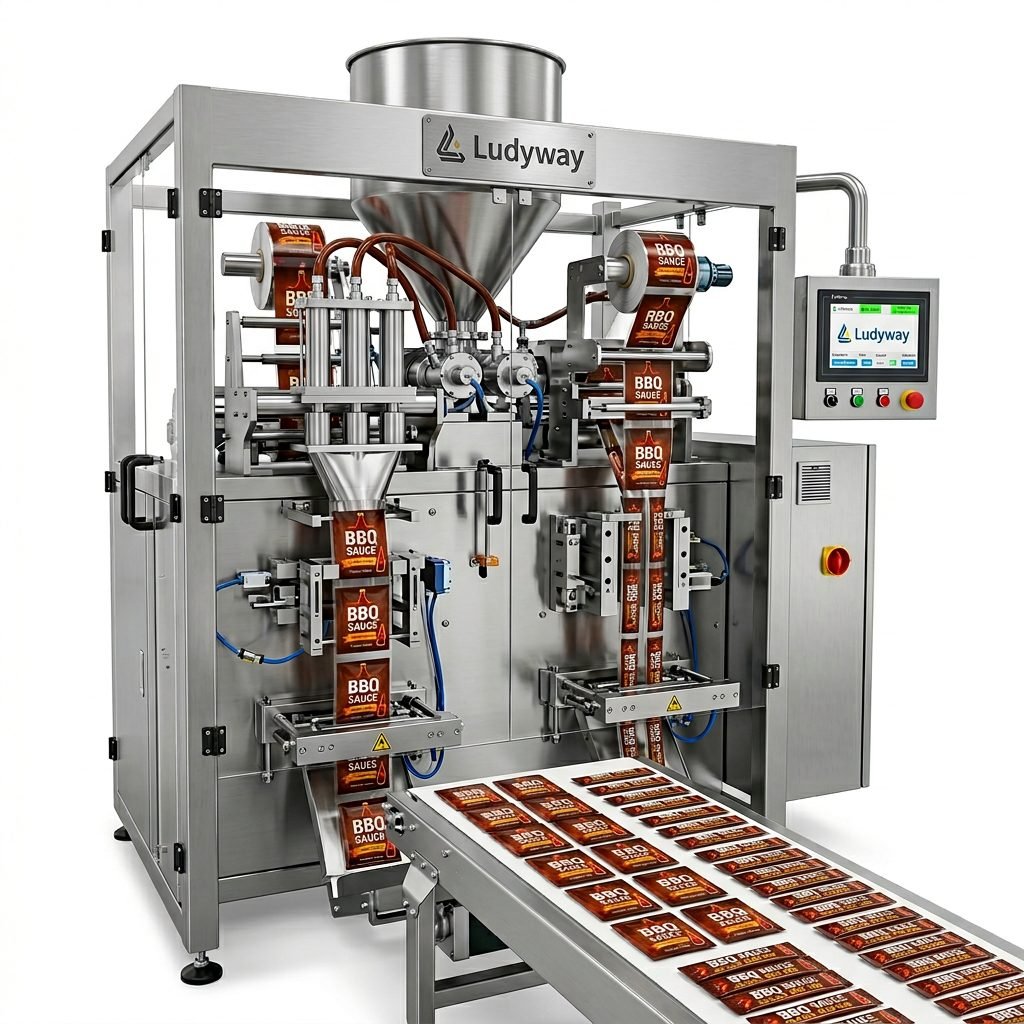
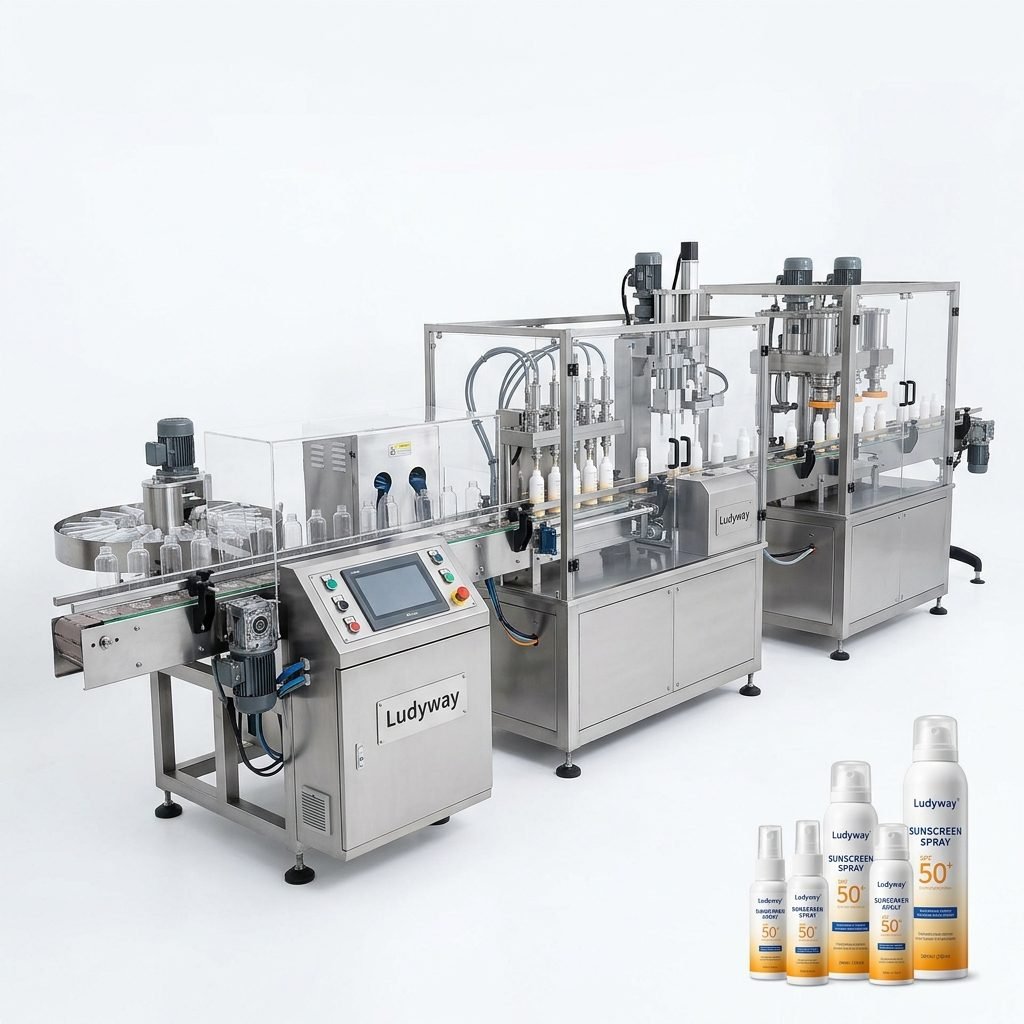
- Liquid Filling System: Piston fillers, servo-driven pump fillers, or magnetic flow meters, depending on sauce viscosity and particulate content.
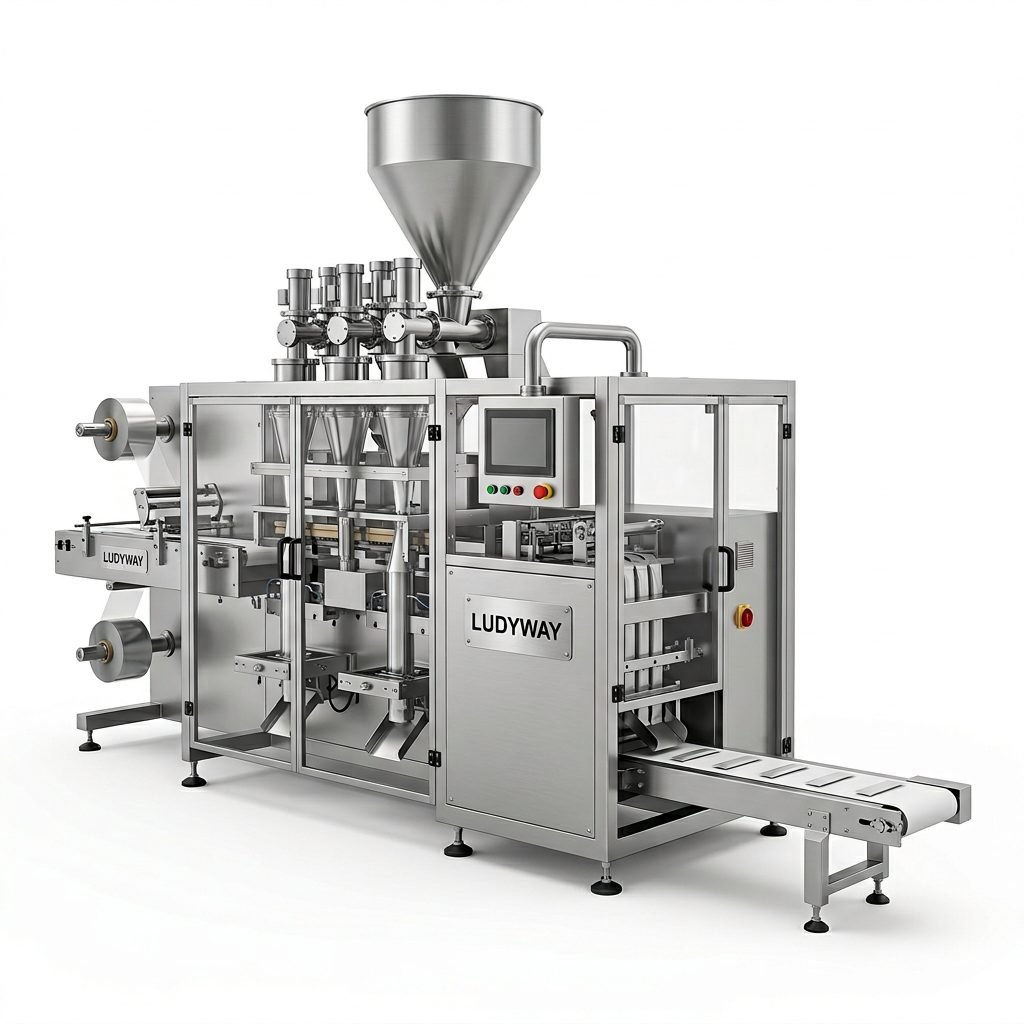
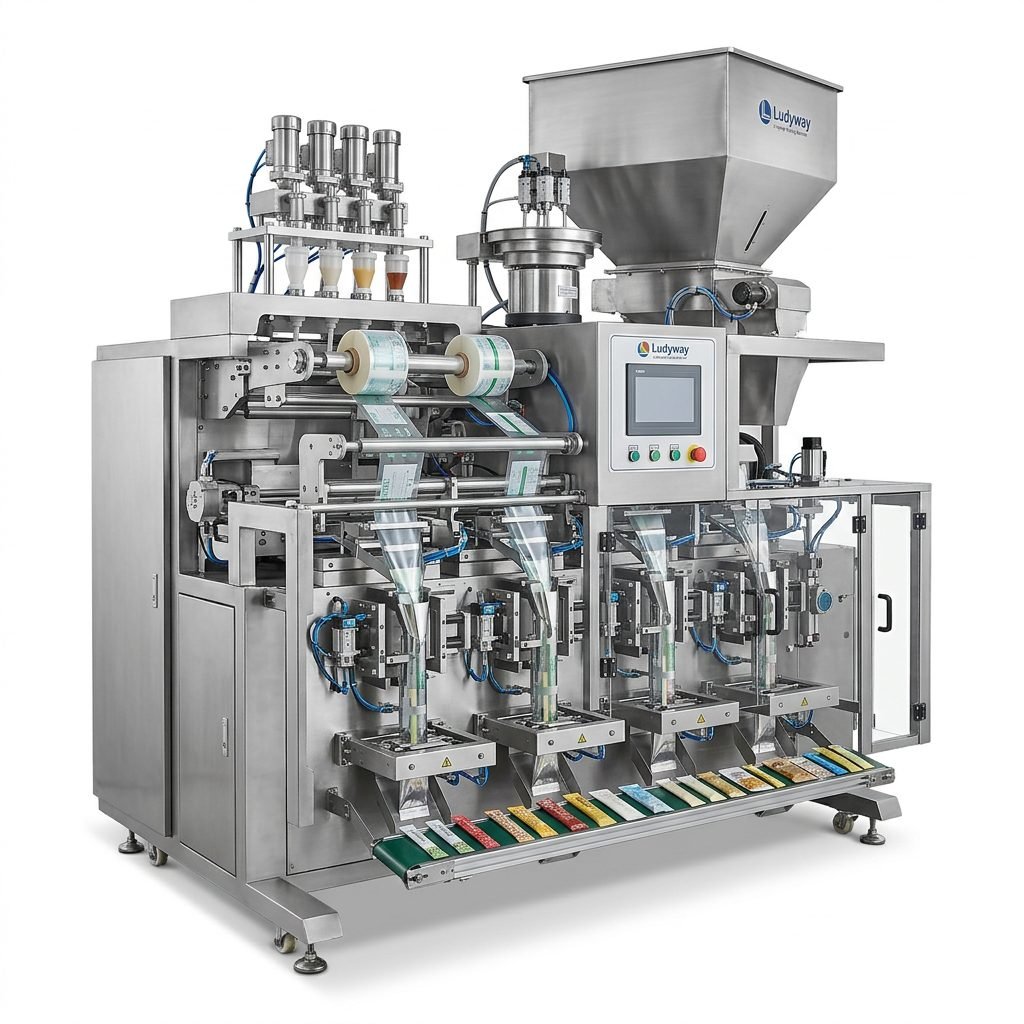
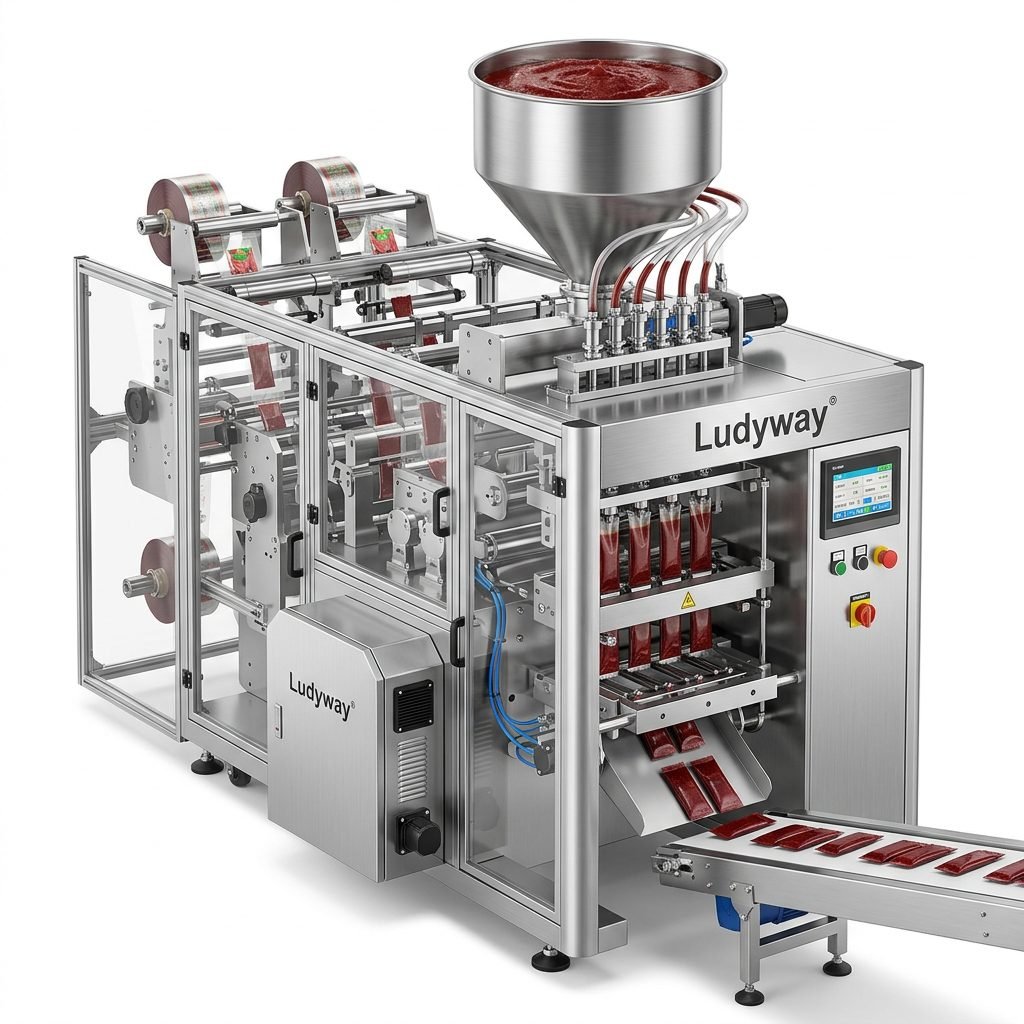
- Sachet or Stick Pack Forming Unit: Multi-lane machines capable of producing 4, 6, 8, or even 12 lanes simultaneously for maximum output.
- Pouch Packaging Module: For premade pouch formats, rotary or inline filling and sealing stations are required.
- Inspection Systems: Checkweighers and metal detectors to ensure fill accuracy and contaminant control.
- Cartoning and Palletizing: End-of-line automation to reduce manual labor costs in Oceanian markets where wages are relatively high.
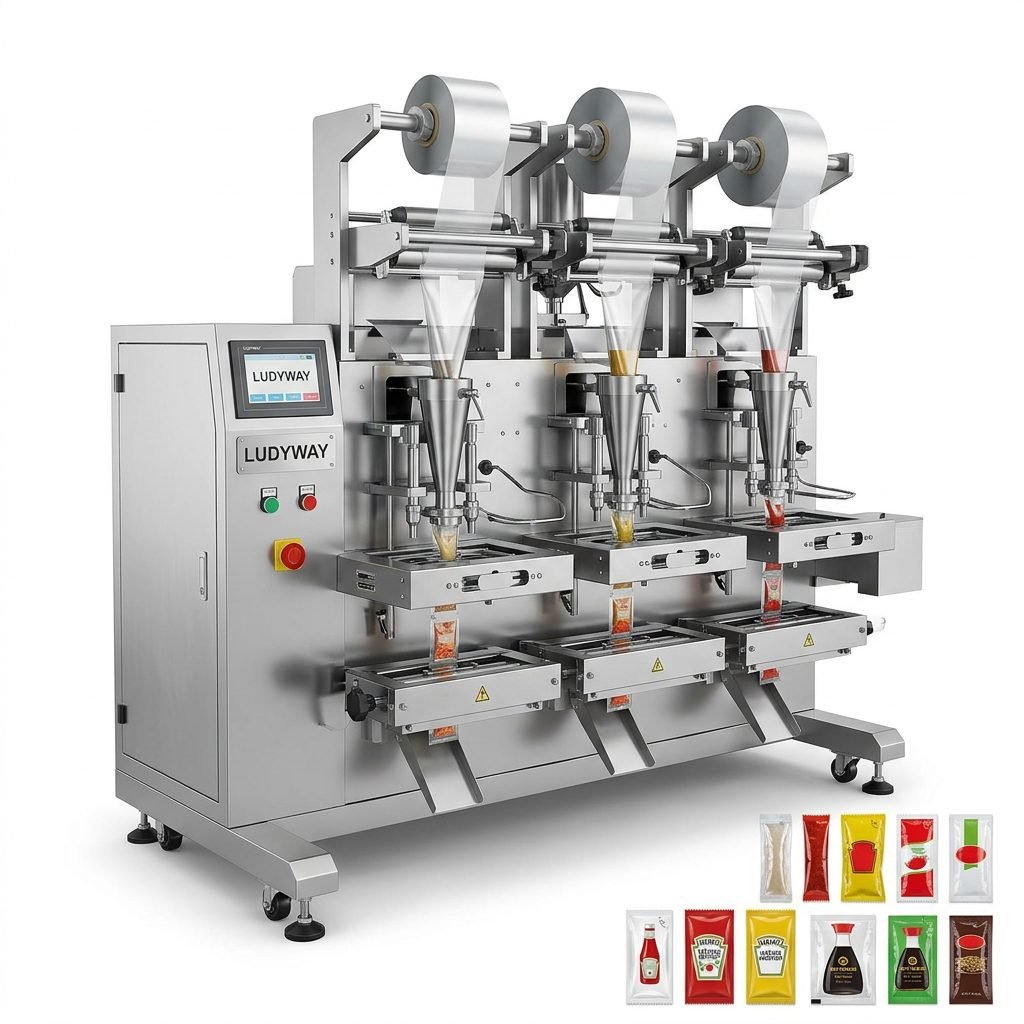
Selecting the Optimal Configuration for Your Product Viscosity
Not all sauces are created equal. A water-thin hot sauce flows differently than a thick cold-fill mayonnaise. Your production line engineering must account for this.
| Sauce Category | Typical Viscosity | Recommended Filler Technology | Packaging Format Option |
|---|---|---|---|
| Soy Sauce / Fish Sauce | Very Low (Water-like) | Magnetic Flow Meter or Time-Pressure | Stick Pack / Sachet |
| Tomato Ketchup | Medium (Thixotropic) | Servo Piston Filler with Agitation | Pouch / Sachet / Bottle |
| Mayonnaise / Aioli | High (Cold Emulsion) | Positive Displacement Pump | Multi-Lane Stick Pack |
| Chili Paste / Sambal | Variable (With Particles) | Hopper Piston Filler with Large Nozzles | Retort Pouch |
| Curry Sauce / Marinade | Medium-Low (Particulate) | Rotary Valve Filler | Pillow Pouch |
Integration of Advanced Automation and Robotics
Modern facilities in Oceania leverage robotic pick-and-place systems and intelligent conveying to streamline production. By integrating packaging line automation standards, you can reduce product giveaway and improve changeover times. Look for sauce packaging machine controllers that support MODBUS TCP/IP or Ethernet/IP for seamless integration with factory SCADA systems.
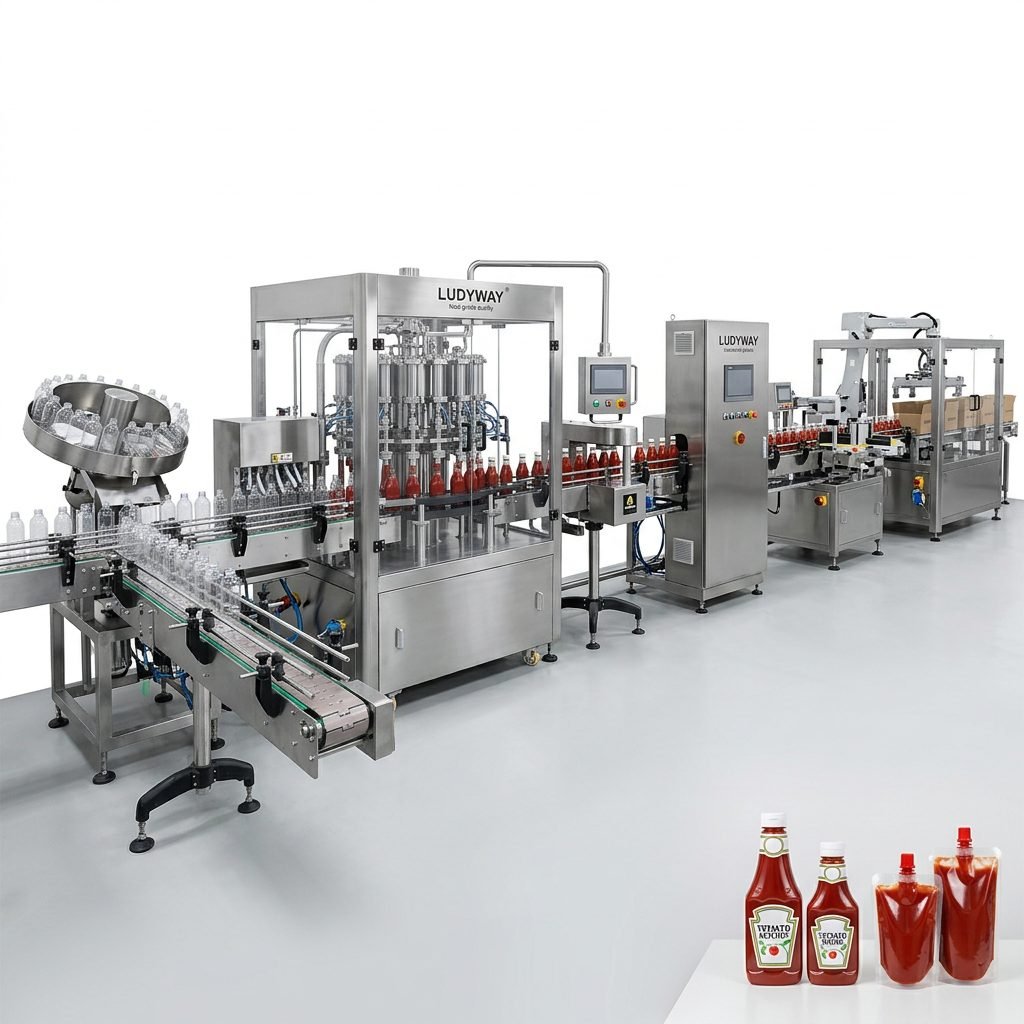
Food Safety and Hygiene Engineering Essentials
In Oceania, hygiene is paramount. Your line must facilitate easy cleaning and prevent bacterial harborage. Sanitary design features should include sloped surfaces, minimal threaded fasteners in product zones, and validated washdown capabilities. Refer to FDA food contact substance guidelines alongside local standards to ensure compliance for both domestic consumption and potential export.
Line Layout and Production Flow Optimization
Effective floor planning in an Oceania plant accounts for raw material inflow, packaging material staging, and finished goods quarantine. A linear or L-shaped layout typically works best for sauce packaging machine lines.
- Raw Material Unloading: Intermediate bulk containers (IBCs) or tanker intake into buffer tanks.
- Inline Mixing/Homogenization: Ensures uniform consistency before filling.
- Primary Packaging: High-speed filling into sachets, stick packs, or pouches.
- Secondary Cartoning: Collating and wrapping into retail-ready packs.
- Palletization: Robotic palletizing with stretch wrapping for distribution.

Evaluating Suppliers for the Oceania Market
When selecting a partner for your project, consider their experience with international logistics, after-sales support, and specific knowledge of flexible packaging requirements. A reliable manufacturer will conduct factory acceptance tests (FAT) and site acceptance tests (SAT) to validate performance.
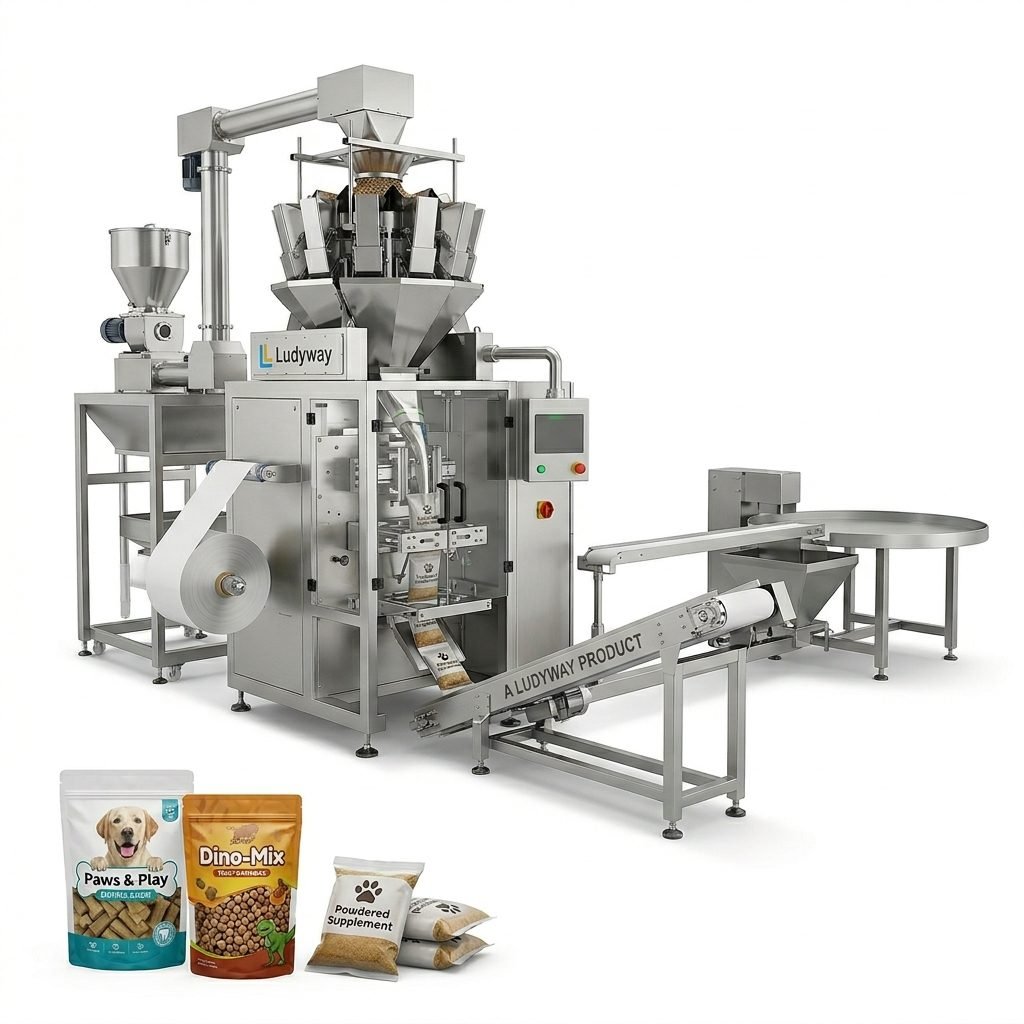
For businesses seeking robust turnkey solutions, Ludyway, with its 30+ years of industry experience and 20,000㎡ modern production facility, provides a comprehensive range of intelligent sauce packaging machine systems designed to meet diverse production demands. Their engineering team supports customizations for granule, powder, liquid, and pouch packaging applications, ensuring a seamless fit for your specific product line.
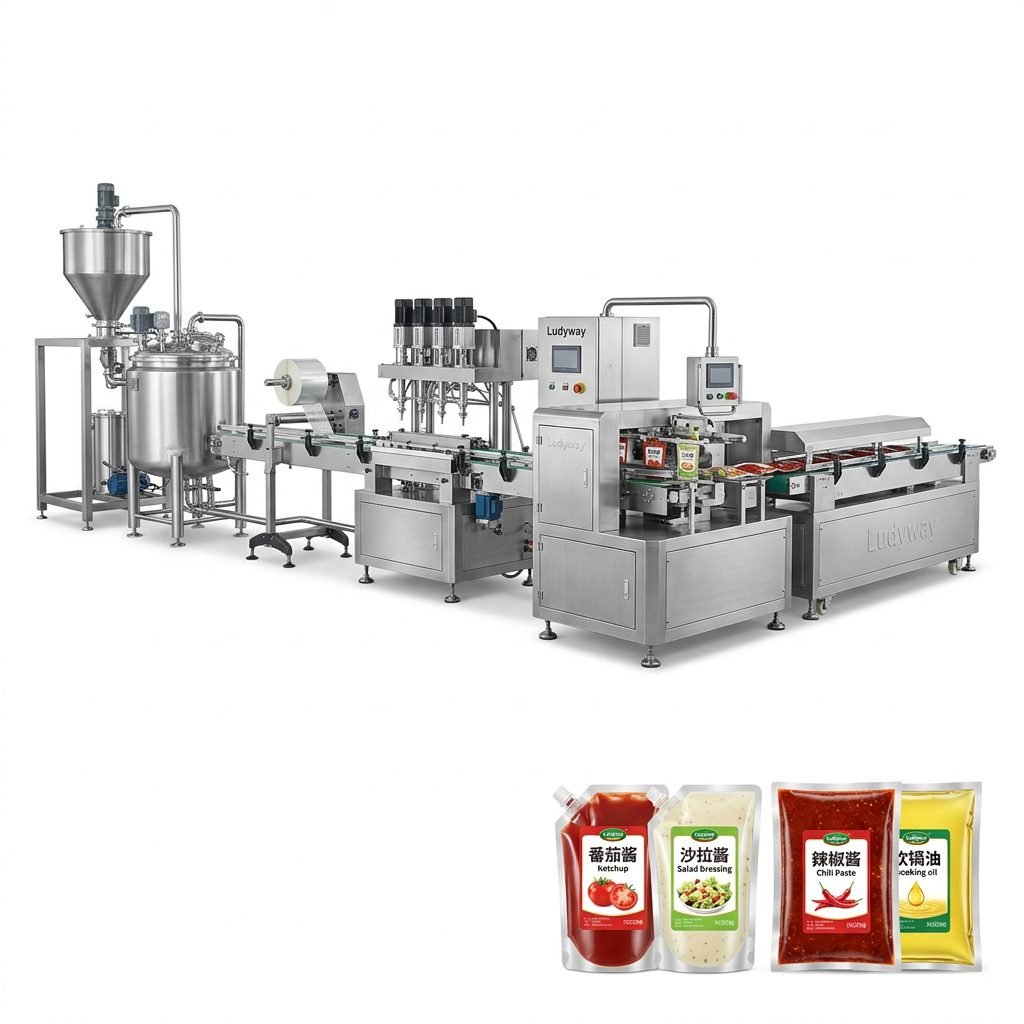
Installation, Commissioning, and Staff Training
Bringing a production line online in Oceania typically involves a phased approach. Mechanical installation, electrical hookup, dry runs, and product trials are sequential milestones. Prioritize operator training to manage the increasing automation in packaging. Well-trained staff will maximize uptime and maintain the hygienic integrity of the equipment.
Sustainability and Packaging Materials
Oceania has a strong focus on sustainability. Your line should be compatible with recyclable mono-materials and thinner film gauges to reduce plastic waste. The European Commission packaging waste directives often influence Oceania policies, making it wise to future-proof your machinery for eco-friendly structures like PE/PE laminates.
Cost Analysis and ROI Projection
Budget assessment goes beyond the initial purchase price. Factor in freight, import duties, installation labor, spare parts inventory, and service contracts. A high-quality sauce packaging machine line, while capital-intensive upfront, delivers long-term savings through reduced film waste, lower utility consumption, and higher output per operator hour. This is critical in competitive Oceania retail sectors.
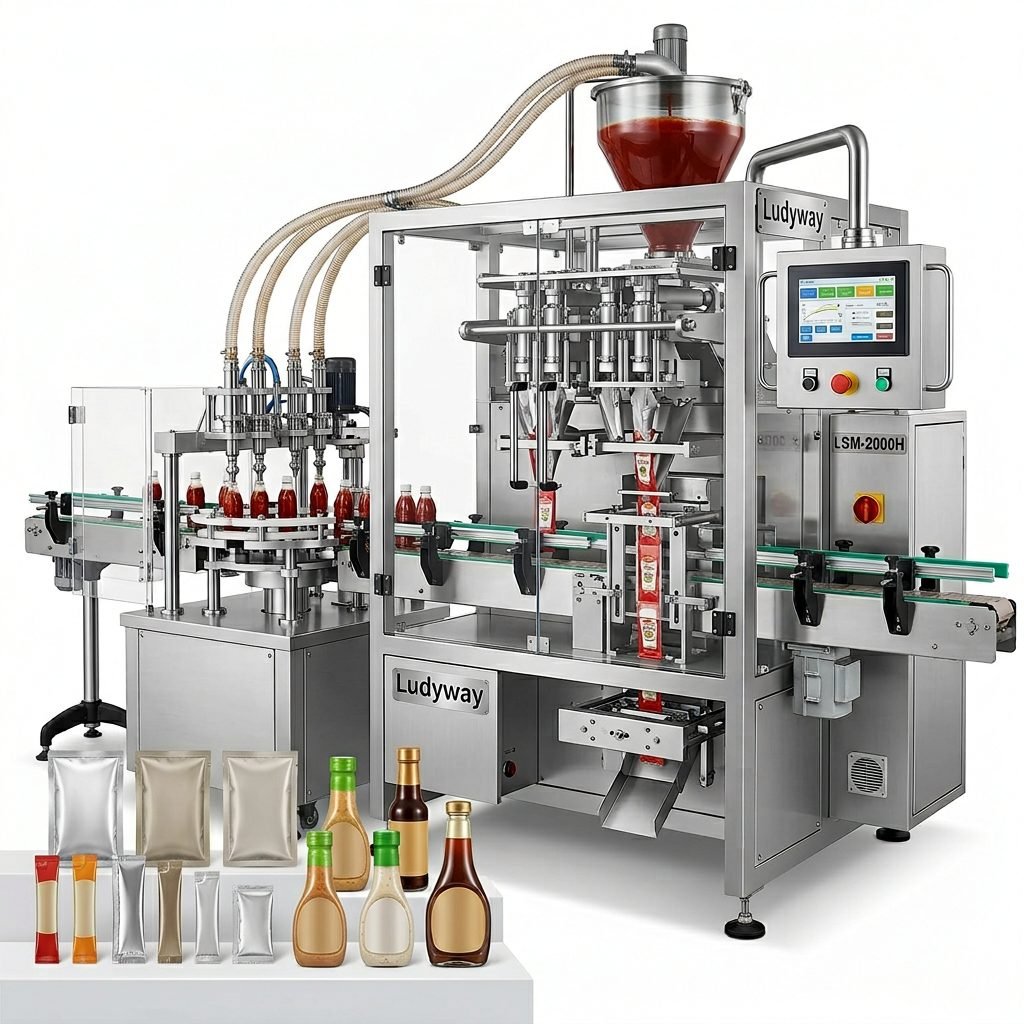
Future-Proofing Your Production Capabilities
The food industry is rapidly evolving towards Industry 4.0 principles. Your sauce packaging machine line should offer data tracking and remote monitoring capabilities. Check resources from Flexible Packaging Association Knowledge Hub for upcoming industry trends. Modular designs allow adding more lanes or automation modules without replacing entire systems, safeguarding your investment as the Oceania market grows.
By meticulously planning your line based on these parameters, you position your operation for efficient, compliant, and profitable production. Continuous engagement with standards organizations and technology partners ensures your line remains state-of-the-art. The complete setup process transforms a capital investment into a competitive advantage within the dynamic Oceania food and beverage landscape.