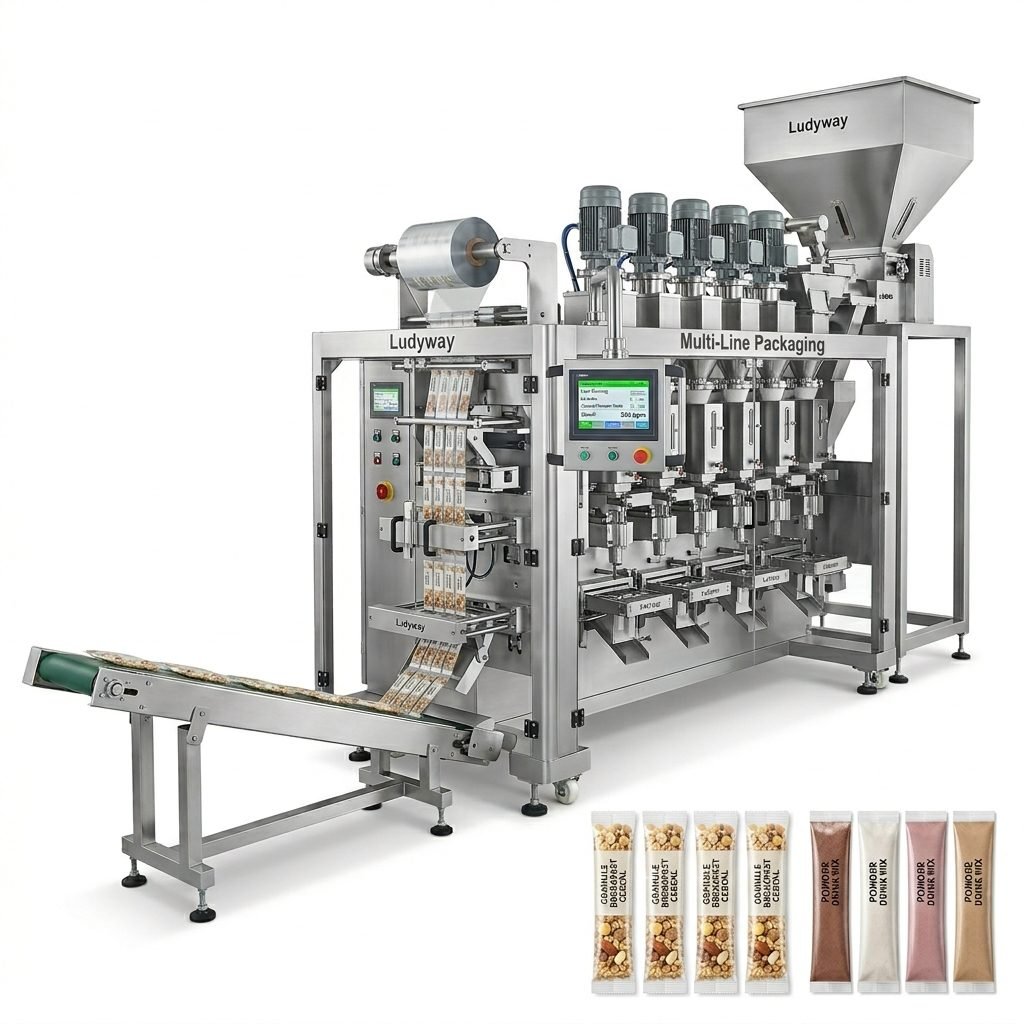
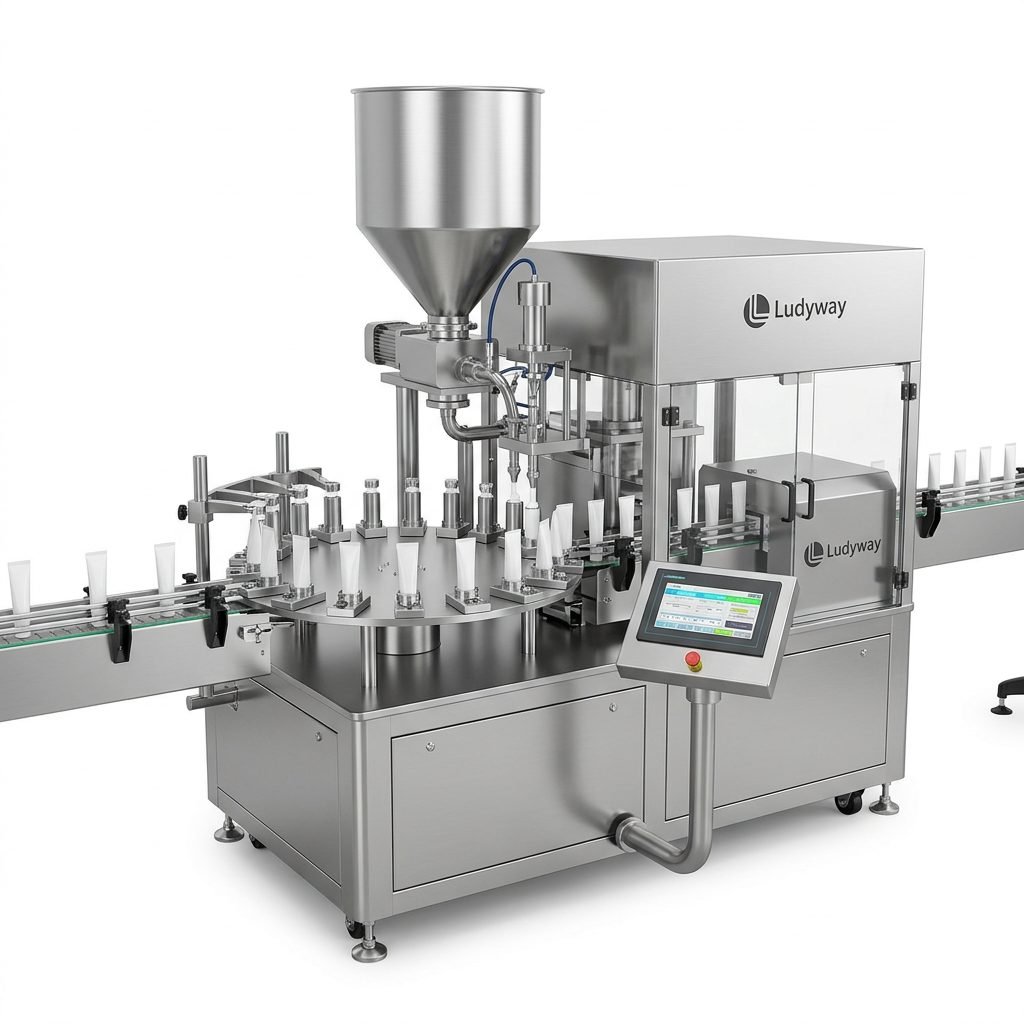
Investing in a cooking oil packaging machine in Italy requires careful evaluation of production needs, regulatory standards, and equipment capabilities. Whether you are a small artisan producer in Tuscany or a large-scale industrial refinery in Lombardy, selecting the right packaging machinery directly impacts product shelf life, brand presentation, and operational efficiency. This guide covers the essential factors to consider before making your purchase.
Understanding the Italian Cooking Oil Market
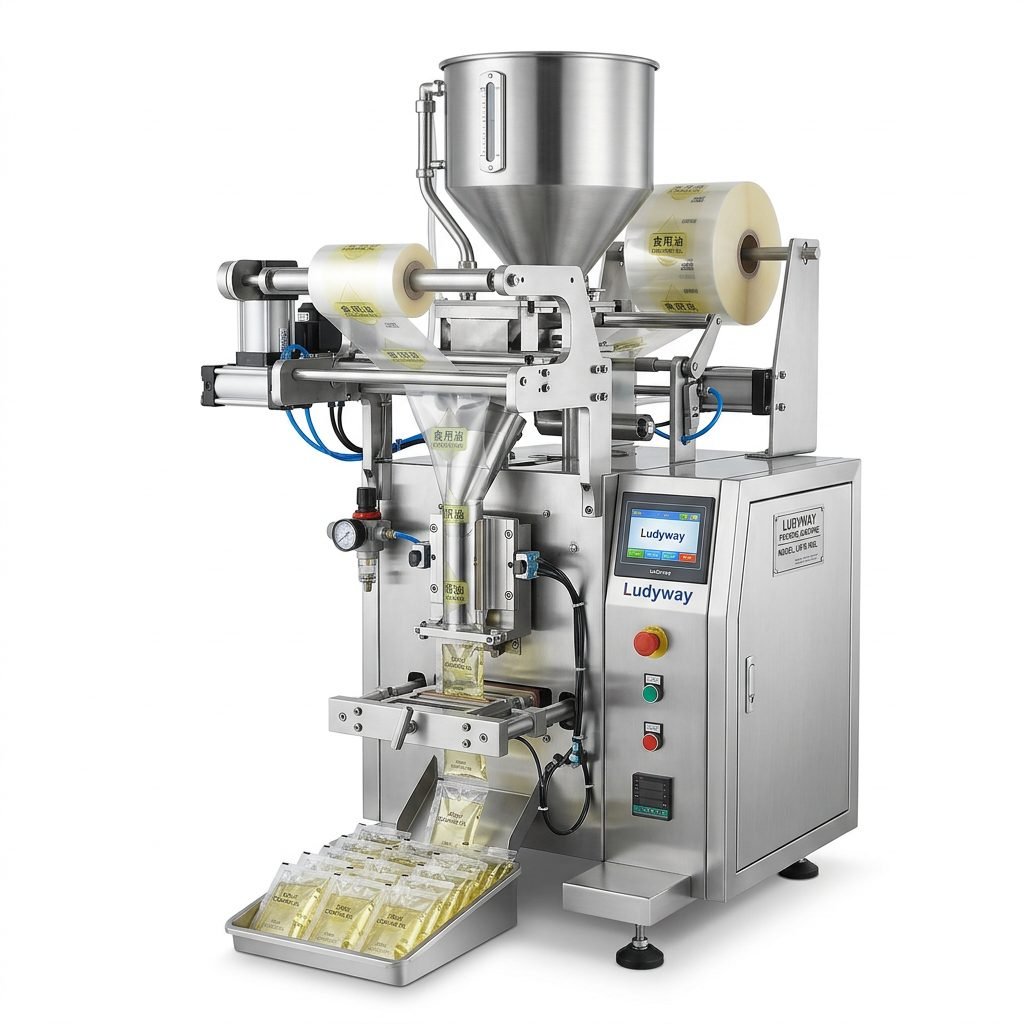
Italy is one of the world’s largest producers and consumers of olive oil and vegetable oils, with a packaging industry that demands precision, hygiene, and compliance with EU food safety regulations. Italian producers typically package cooking oil in various formats including glass bottles, PET bottles, metal tins, and flexible pouches. Each format requires specific food-grade packaging equipment capable of handling oil’s unique viscosity and sensitivity to oxidation.
The Italian packaging machinery sector is renowned globally, but many producers now consider international suppliers who offer competitive pricing and advanced technology. Understanding the balance between local and imported equipment is crucial for making an informed decision.
Types of Cooking Oil Packaging Machines
Different production scales and packaging formats require specific machine types. Below is a comparison of the most common oil packaging equipment available for Italian producers:
| Machine Type | Best For | Speed Range | Typical Investment |
|---|---|---|---|
| Semi-Automatic Liquid Filler | Small artisan producers, limited batches | 200-800 bottles/hour | €8,000 – €25,000 |
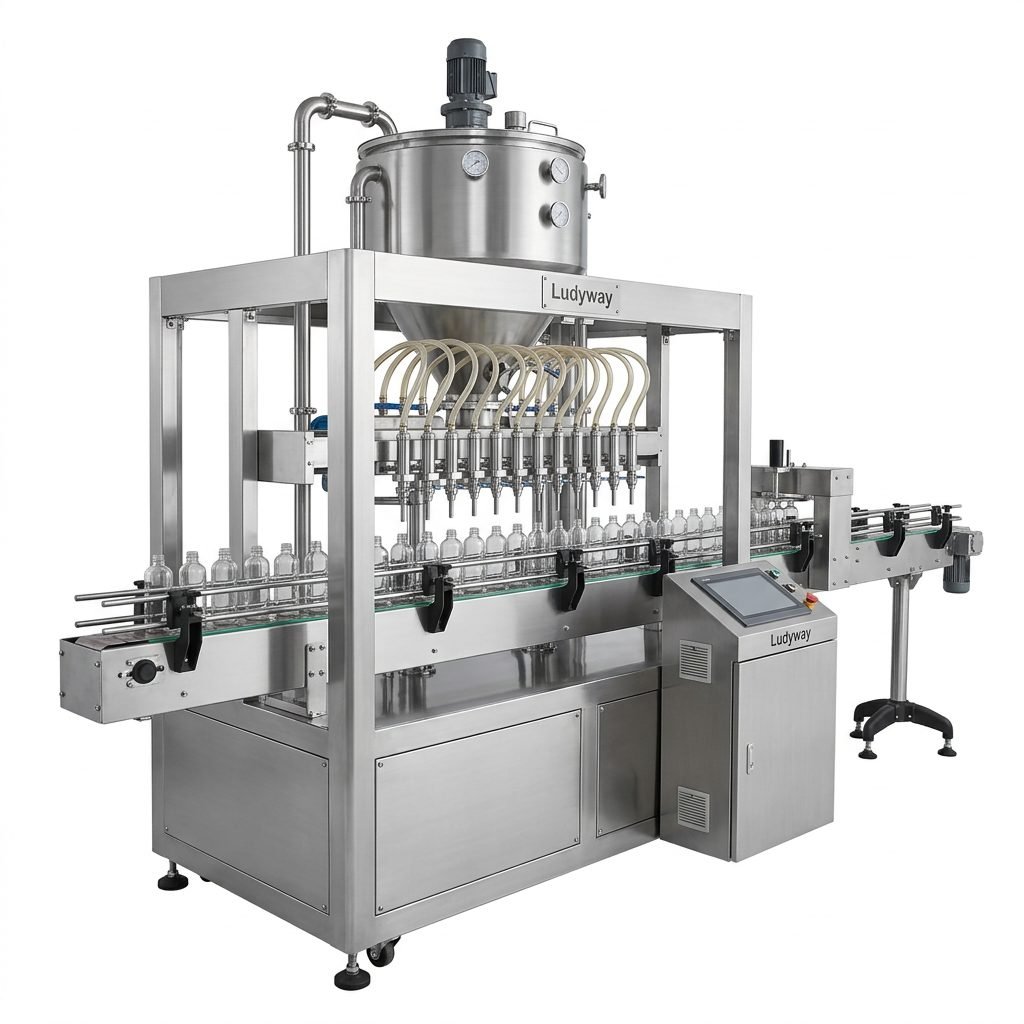
| Fully Automatic Filling Line | Medium to large producers, multiple formats | 1,000-5,000 bottles/hour | €50,000 – €200,000 |
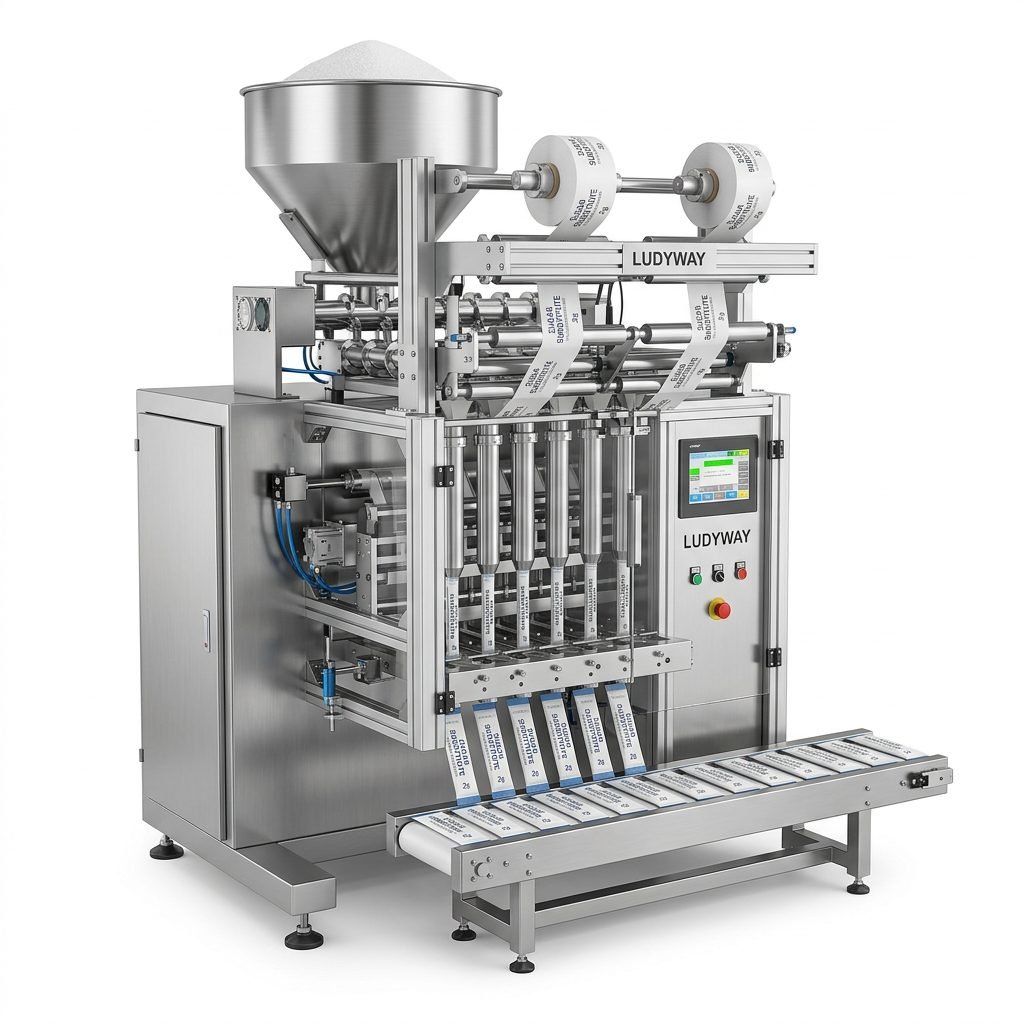
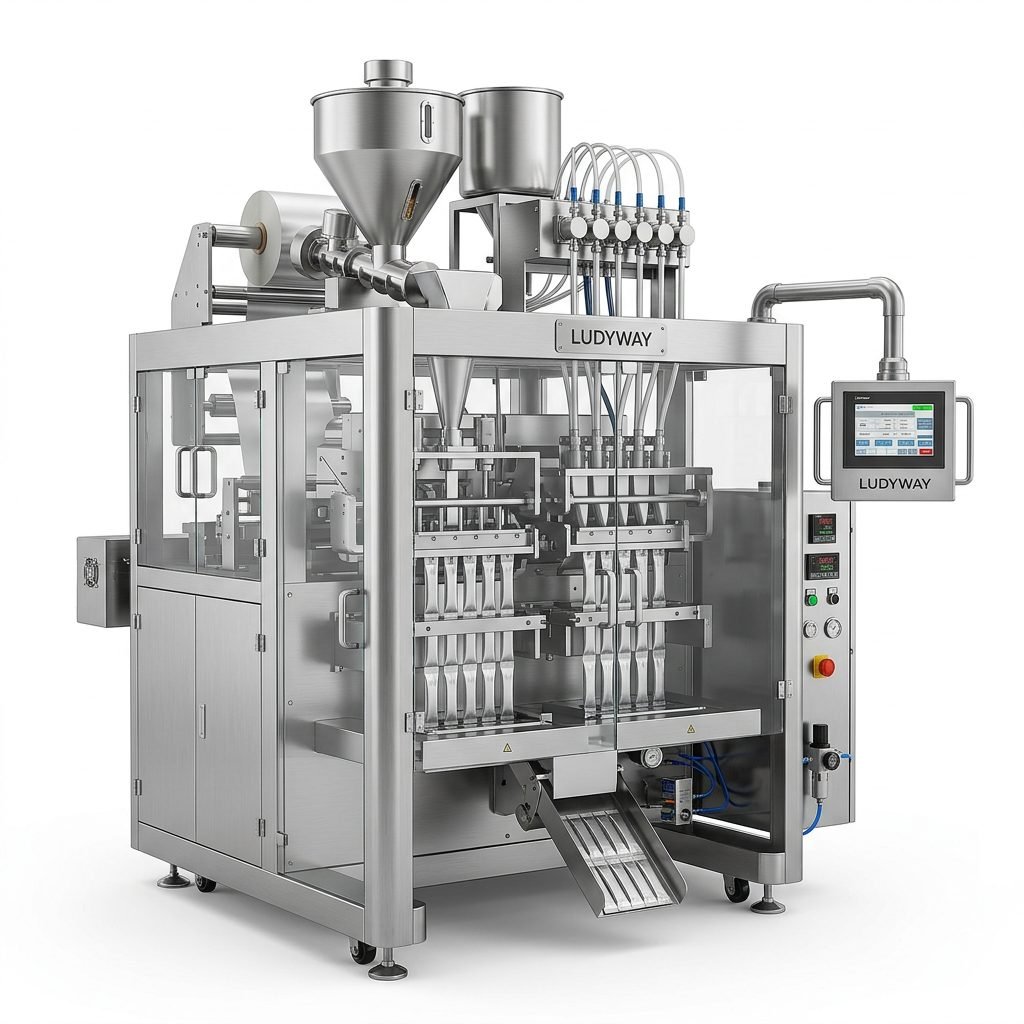
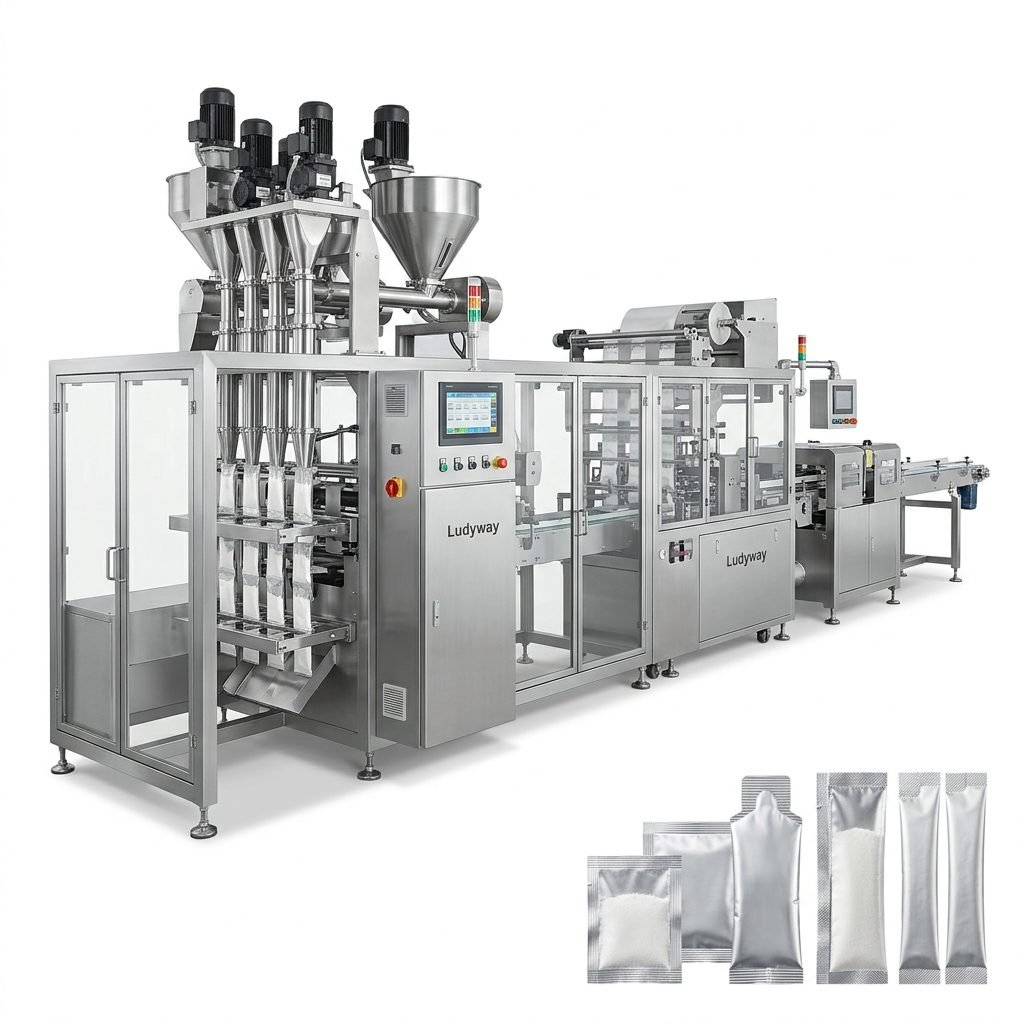
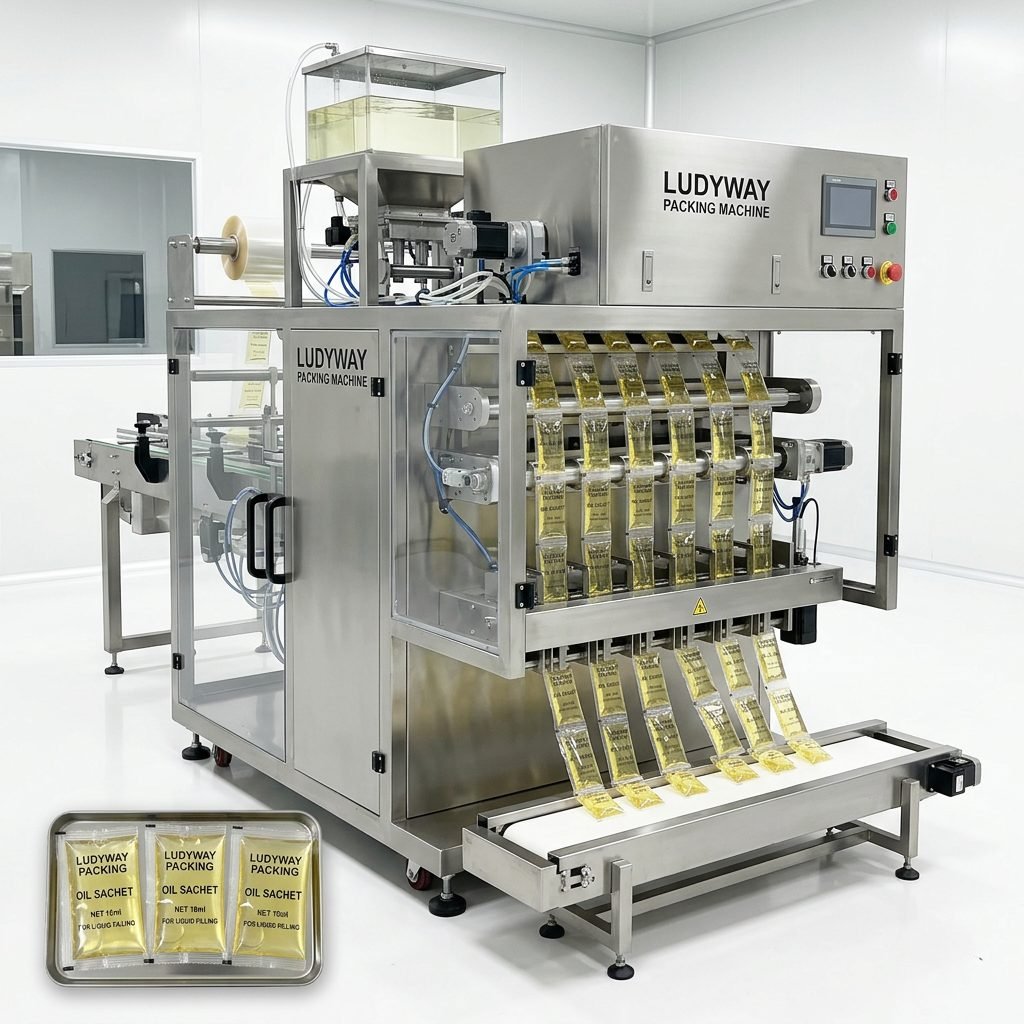
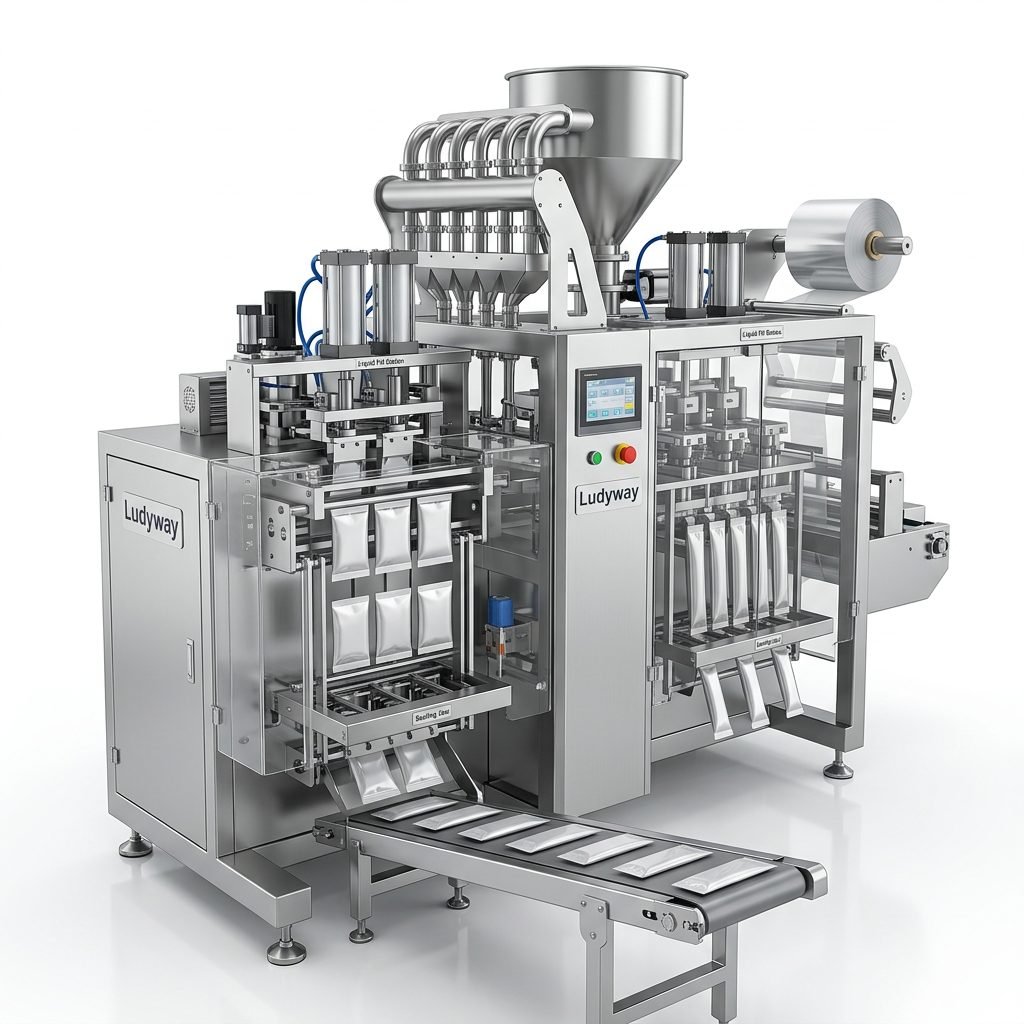
| Multi-Lane Sachet Packaging Machine | Single-serve oil portions, HORECA sector | Up to 400 sachets/min | €30,000 – €120,000 |
| Rotary Monobloc Filler-Capper | High-volume bottling plants | 5,000-20,000 bottles/hour | €150,000 – €500,000+ |
| Flexible Pouch Filling Machine | Stand-up pouches, spouted pouches | 30-80 pouches/min | €40,000 – €150,000 |
Key Factors to Consider Before Purchasing
Selecting the right cooking oil filling machine goes beyond just comparing prices. Evaluate these critical aspects to ensure long-term operational success:
Production Capacity and Scalability
Determine your current daily output and project growth over the next 3-5 years. A machine that barely meets today’s demand may become a bottleneck tomorrow. Look for equipment with modular designs that allow adding filling heads, capping stations, or labeling modules as your business expands.
Oil Viscosity and Filling Accuracy
Cooking oils vary significantly in viscosity — olive oil behaves differently from sunflower or coconut oil at various temperatures. Precision filling technology such as servo-driven piston fillers or mass flow meters ensures consistent fill volumes within ±0.5% accuracy, reducing product giveaway and maintaining regulatory packaging standards compliance.
Material Compatibility and Food Safety
All product-contact parts must be manufactured from AISI 316L stainless steel and food-grade materials compliant with EU Regulation 1935/2004. Verify that seals, gaskets, and hoses are resistant to oil degradation and suitable for CIP (Clean-in-Place) systems if required by your production protocol.
Packaging Format Flexibility
Italian consumers expect diverse packaging options — from traditional glass bottles to modern flexible packaging solutions. Consider equipment that supports multiple formats or can be easily reconfigured for different container sizes and materials without extensive downtime.
EU and Italian Regulatory Compliance
Operating a cooking oil packaging facility in Italy requires adherence to stringent European Union regulations governing food contact materials, machinery safety, and environmental sustainability. The key regulatory frameworks include:
- EU Machinery Directive 2006/42/EC — Mandatory CE marking requirements for all packaging equipment sold and operated within the European Economic Area.
- EU Regulation 1935/2004 — Governs materials and articles intended to come into contact with food, including packaging machinery components.
- Regulation (EU) 2023/2006 — Good Manufacturing Practice (GMP) requirements for food contact materials.
- Italian Legislative Decree 29/2017 — National enforcement of EU food safety regulations with additional Italian-specific provisions.
- ATEX Directive 2014/34/EU — Applicable if your packaging environment involves potentially explosive atmospheres from oil mist or solvent vapors.
Always request full documentation of CE certification and compliance declarations from your equipment supplier. Non-compliant machinery can result in severe penalties and production shutdowns under Italian law. Refer to the European Commission packaging regulations for the latest updates on sustainability requirements.
Total Cost of Ownership Analysis
Beyond the initial purchase price, calculate the total cost of ownership over the machine’s expected lifespan of 8-15 years. Consider the following components:
| Cost Category | Estimated Percentage of TCO | Key Considerations |
|---|---|---|
| Initial Equipment Purchase | 35-45% | Includes installation, commissioning, and basic training |
| Spare Parts and Maintenance | 20-30% | Factor in availability of parts within Italy and EU distribution networks |
| Energy Consumption | 10-15% | Italian electricity costs are among the highest in Europe; prioritize energy-efficient motors |
| Labor and Training | 10-15% | Automation reduces dependency on skilled operators |
| Packaging Material Waste | 5-10% | Precision machines minimize oil spillage and container wastage |
Choosing Between Italian and International Suppliers
Italy has a prestigious history of manufacturing excellence, with local brands commanding significant market respect. However, many international manufacturers now offer comparable or superior technology at more competitive price points. When evaluating suppliers, consider:
Advantages of Italian Manufacturers
- Established local service networks and rapid technical support response times
- Deep understanding of Italian and EU regulatory requirements
- Proven track record with domestic oil producers
- Easier access to spare parts within the European supply chain
Advantages of International Manufacturers
- Significantly lower capital investment — often 30-50% less than equivalent European models
- Advanced automation features including IoT connectivity and remote diagnostics
- Customization flexibility for niche packaging formats
- Comprehensive turnkey solutions spanning filling, capping, labeling, and cartoning
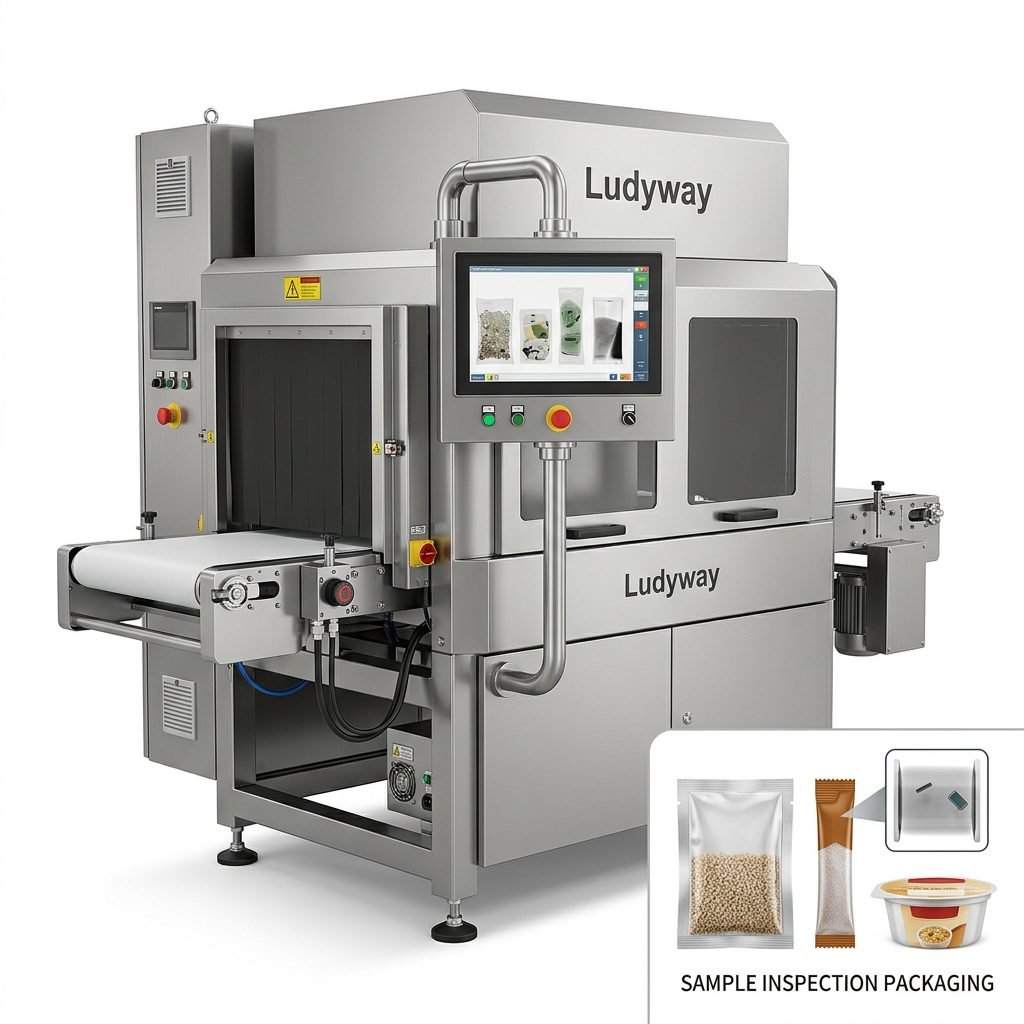
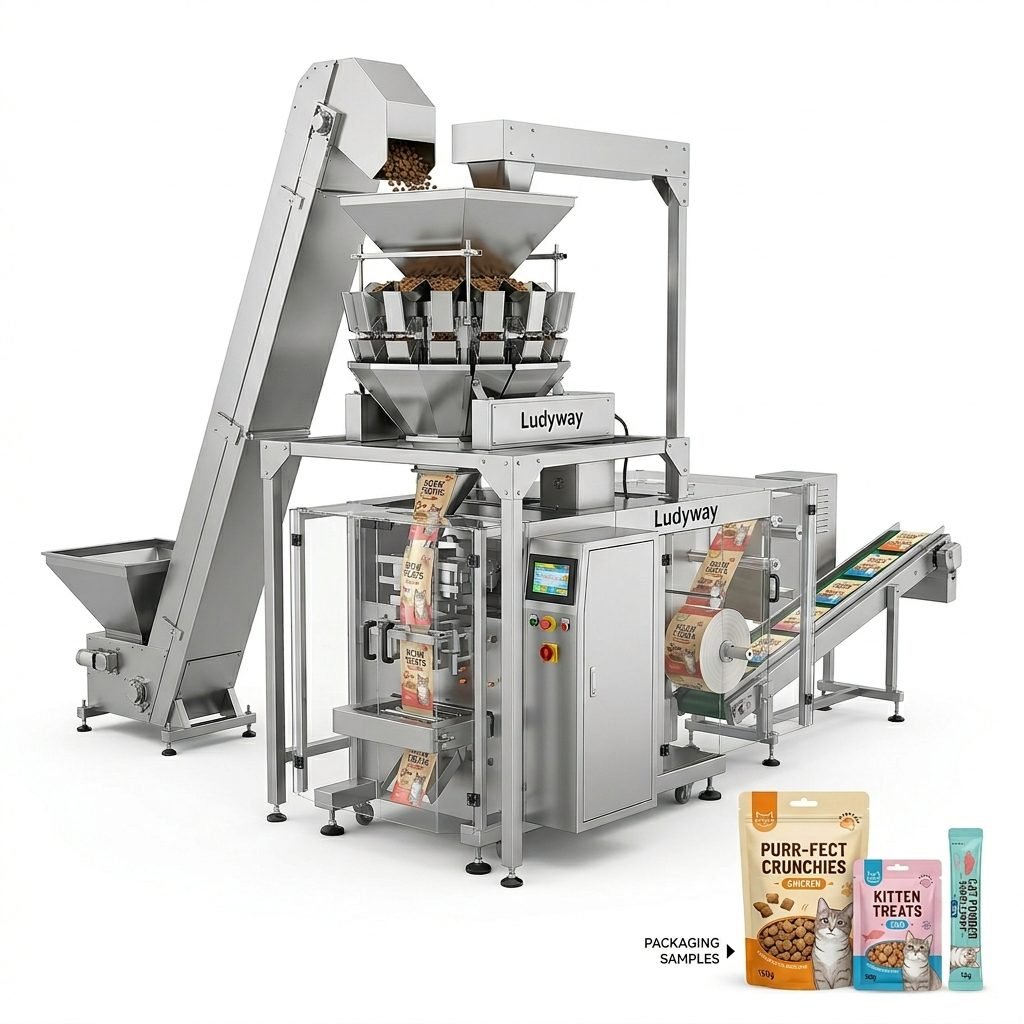
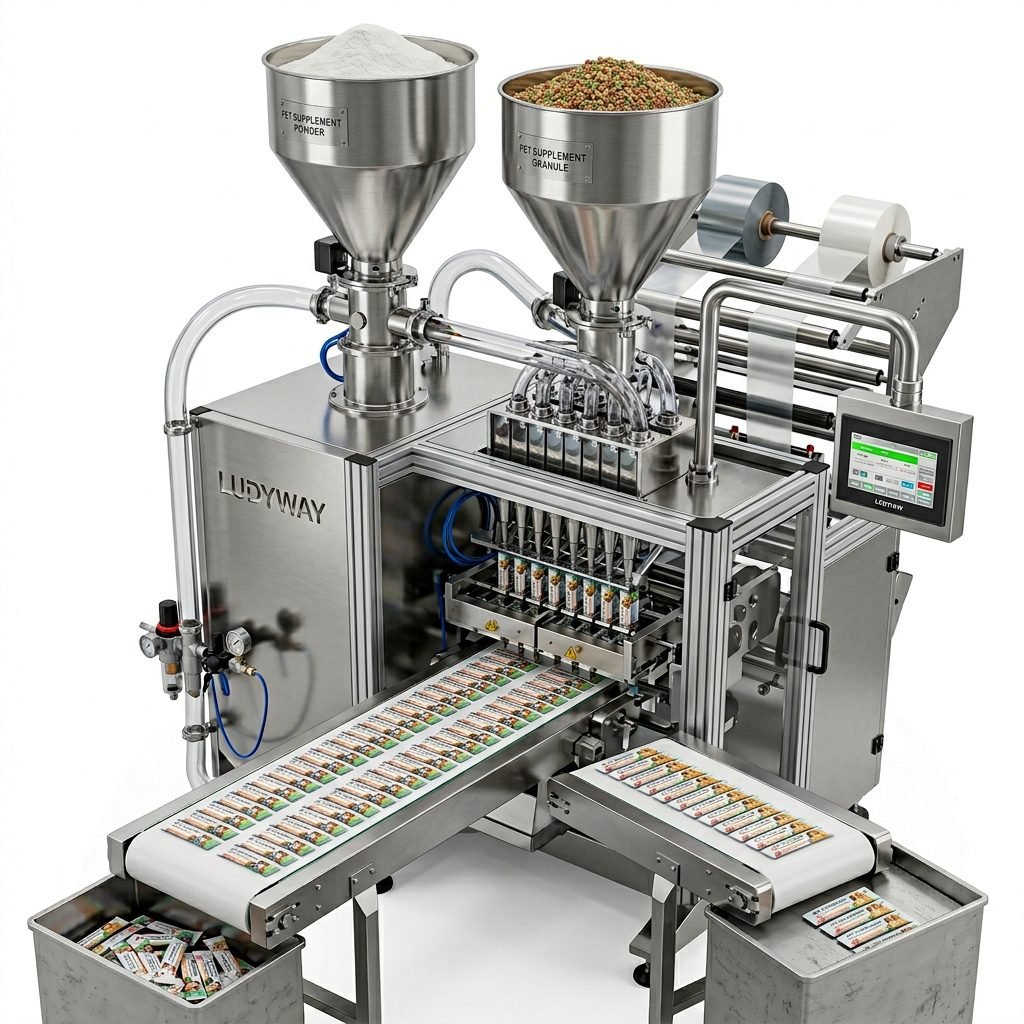
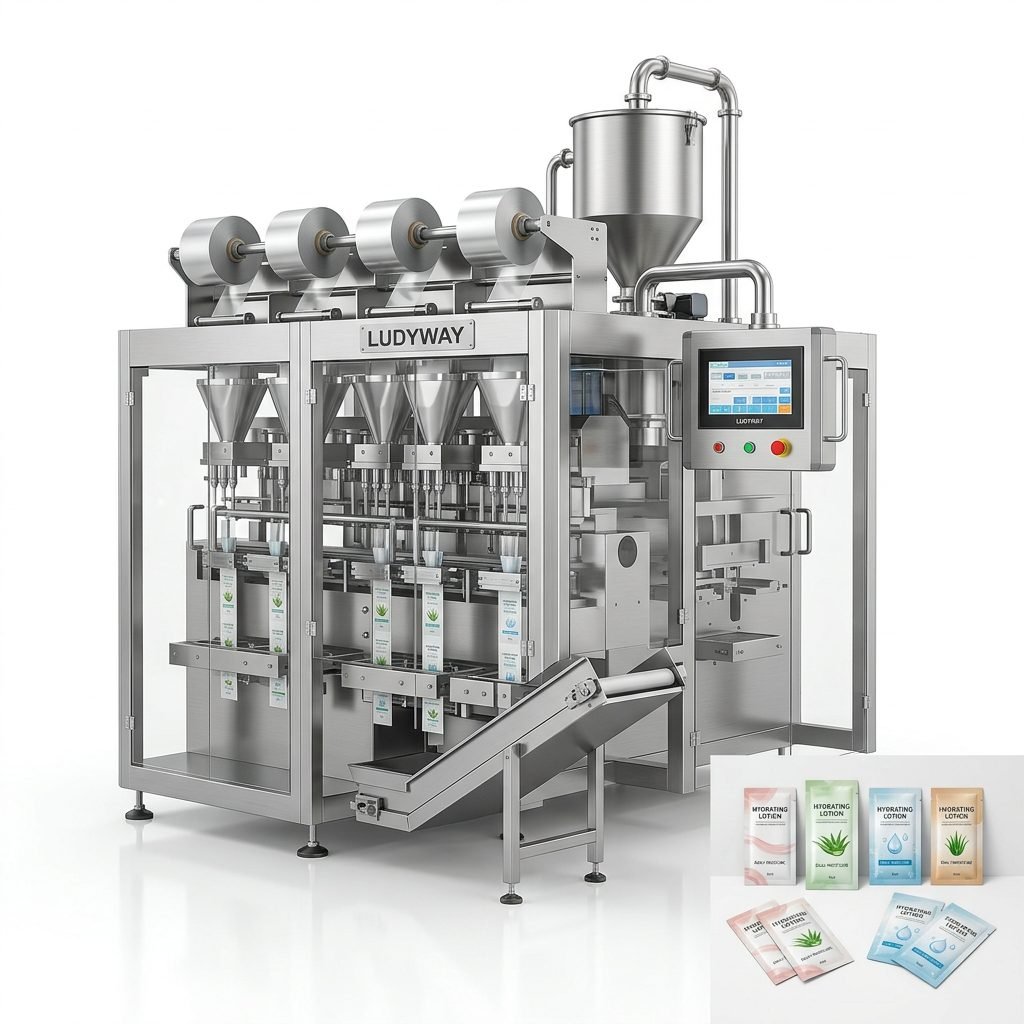
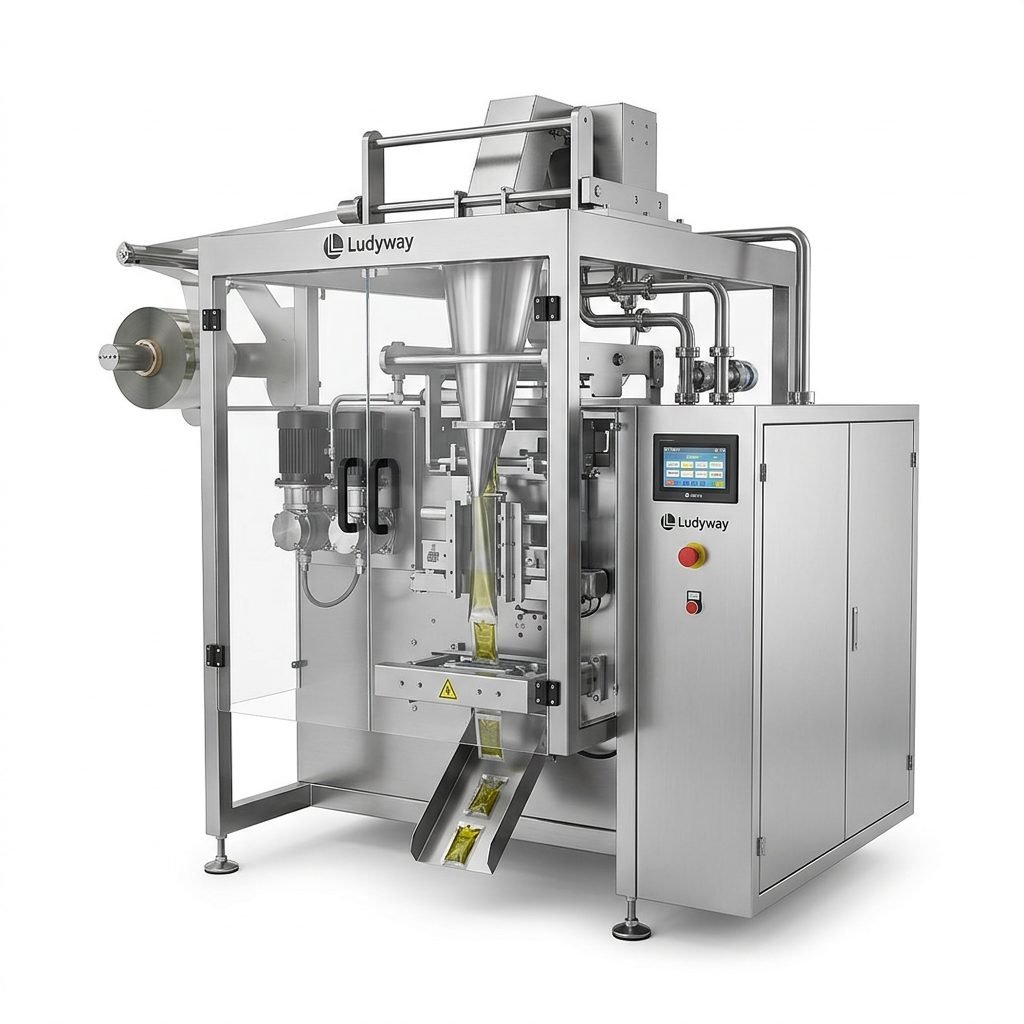
For instance, Ludyway, a major international packaging machine manufacturer, provides advanced multi-lane sachet and stick pack systems suitable for edible oil packaging, with CE-certified models serving clients across Italy and the broader European market. Always verify that international suppliers have established local agents or technical partners within Italy to ensure responsive after-sales support.
Automation and Industry 4.0 Integration
Modern packaging machinery increasingly incorporates Industry 4.0 capabilities that enhance productivity and quality control. When evaluating cooking oil packaging machines in Italy, look for:
- IoT-enabled monitoring — Real-time production data accessible via cloud dashboards for remote management
- Predictive maintenance alerts — Sensors that detect component wear before failure occurs, reducing unplanned downtime
- Integration with ERP systems — Seamless data exchange with SAP or other enterprise software commonly used by Italian manufacturers
- Automated quality inspection — Vision systems that verify fill levels, cap placement, and label alignment at production speeds
- Digital recipe management — Quick changeover between different oil types and packaging formats with minimal manual adjustment
Installation, Commissioning, and Operator Training
A successful packaging line installation requires meticulous planning. In Italy, you must account for facility preparation including adequate electrical supply (typically 380V three-phase), compressed air systems, and proper ventilation for oil processing areas. Commissioning should be supervised by qualified engineers who understand both the equipment and ISO packaging standards.
Operator training is equally critical — invest in comprehensive training programs that cover machine operation, cleaning procedures, basic troubleshooting, and safety protocols. Well-trained operators can reduce downtime by up to 40% compared to those learning on the job.
Common Mistakes to Avoid
Many first-time buyers in the Italian market encounter preventable setbacks. Avoid these common pitfalls when purchasing your cooking oil packaging equipment:
| Mistake | Consequence | Solution |
|---|---|---|
| Buying based on price alone | Higher long-term costs from downtime and repairs | Evaluate total cost of ownership, not just purchase price |
| Ignoring local service availability | Extended production stoppages waiting for technicians | Verify service coverage in your specific Italian region |
| Overlooking CE certification | Legal penalties and inability to operate in the EU | Request valid CE documentation before finalizing purchase |
| Underestimating installation requirements | Delays and unexpected facility modification costs | Conduct a thorough site assessment with the supplier beforehand |
| Not testing with actual product | Performance issues with specific oil formulations | Insist on factory acceptance testing with your actual cooking oil |
Financing and Incentive Options for Italian Buyers
Italian businesses can access various financial incentives and EU funding programs when investing in modern packaging equipment. Programs under the Piano Nazionale Industria 4.0 (National Industry 4.0 Plan) offer tax credits for capital investments in advanced manufacturing technology, including state-of-the-industry packaging systems. Additionally, regional development funds in areas such as Southern Italy (Mezzogiorno) provide enhanced incentives for industrial modernization.
Equipment leasing and asset-backed financing are widely available through Italian banking institutions, often with favorable terms for food processing investments. Consult with a local commercial advisor to explore all available options before committing capital.
Final Recommendations
Purchasing a cooking oil packaging machine in Italy is a strategic decision that affects your entire production operation. Prioritize equipment that balances precision, reliability, and regulatory compliance while offering flexibility for future growth. Whether you choose a prestigious Italian brand or an internationally sourced alternative, thorough due diligence on certifications, service infrastructure, and total lifecycle costs will protect your investment for years to come.
For tailored guidance on selecting the optimal packaging solution for your specific cooking oil production needs, consult with packaging industry resources and request on-site demonstrations before making your final decision.