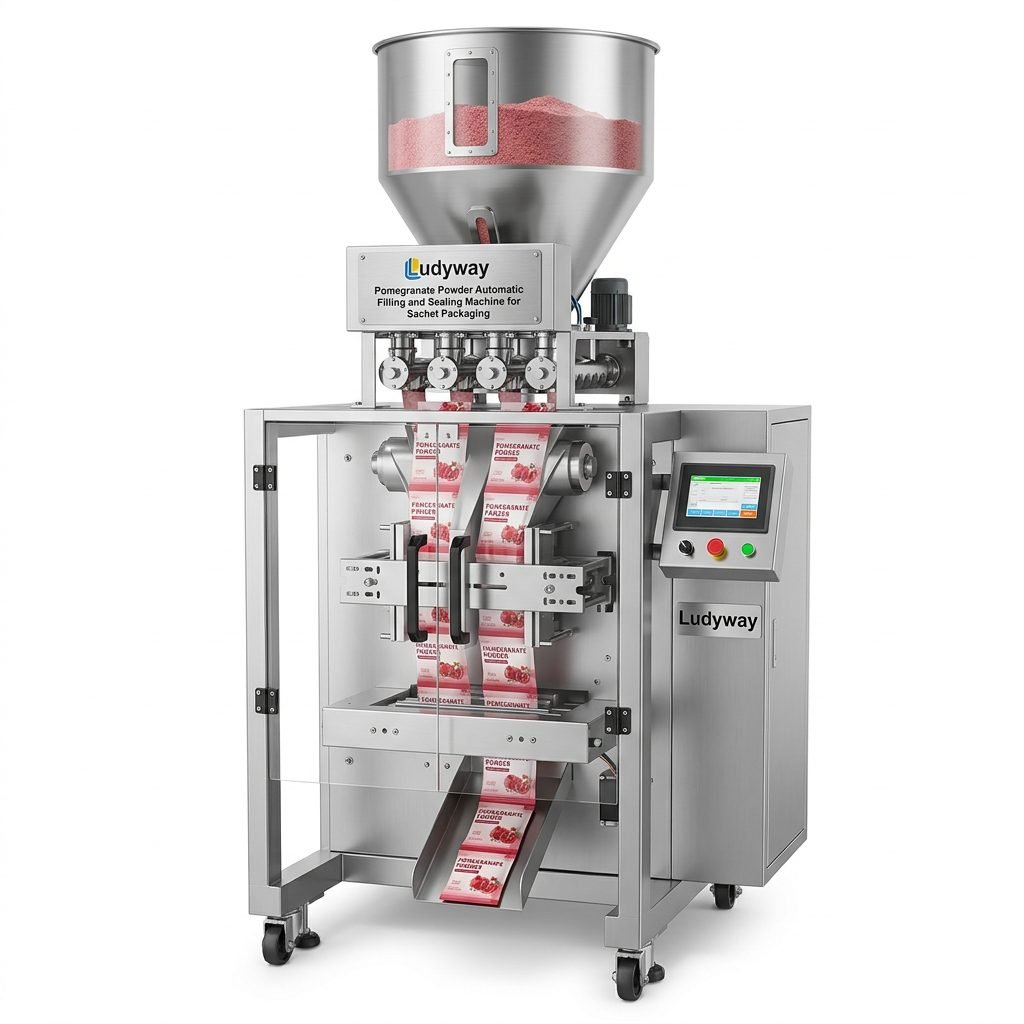
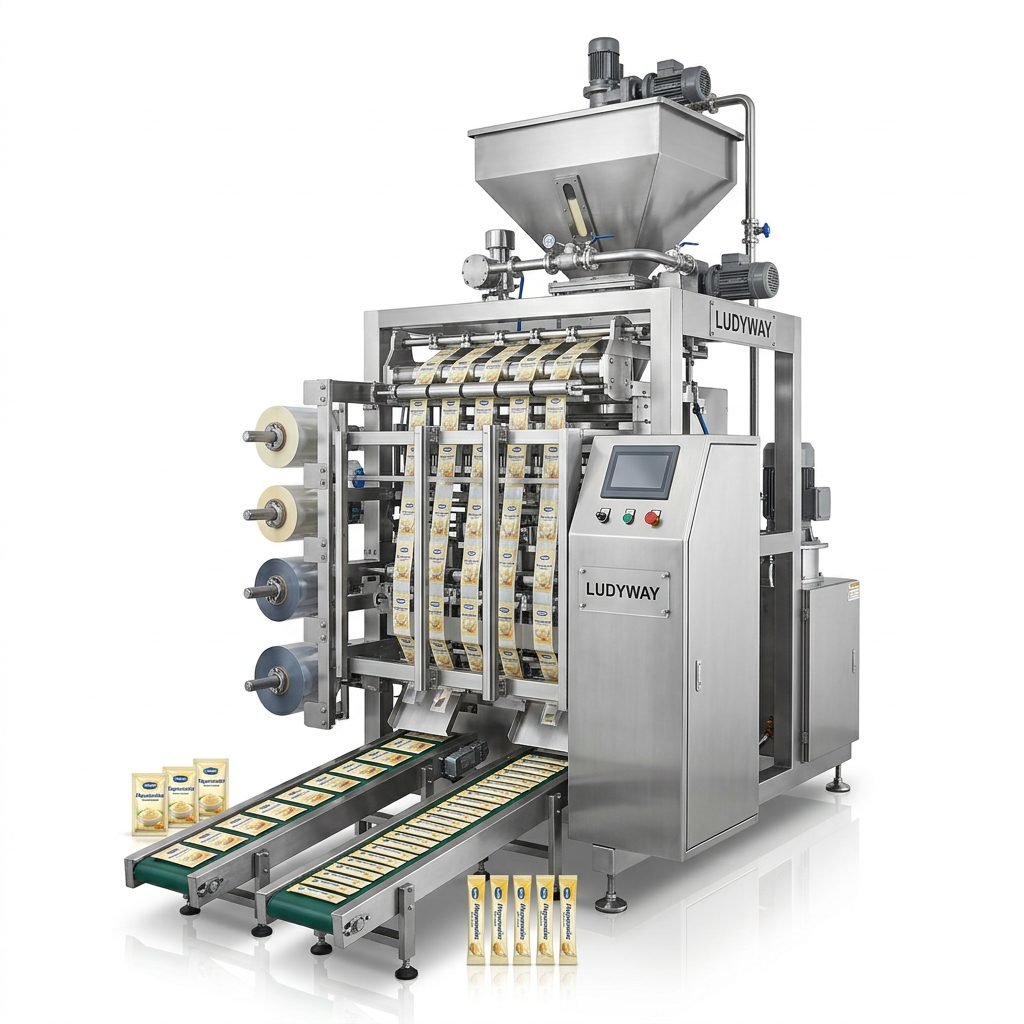
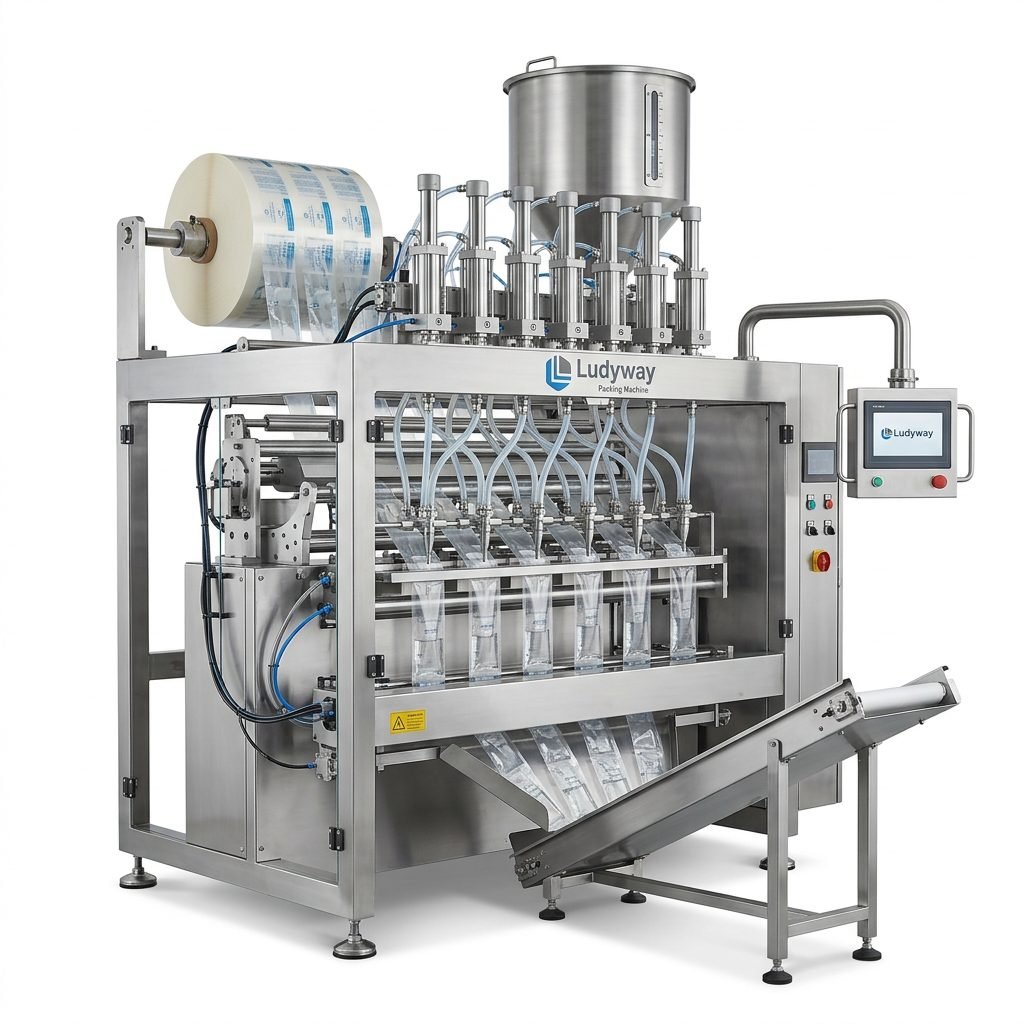
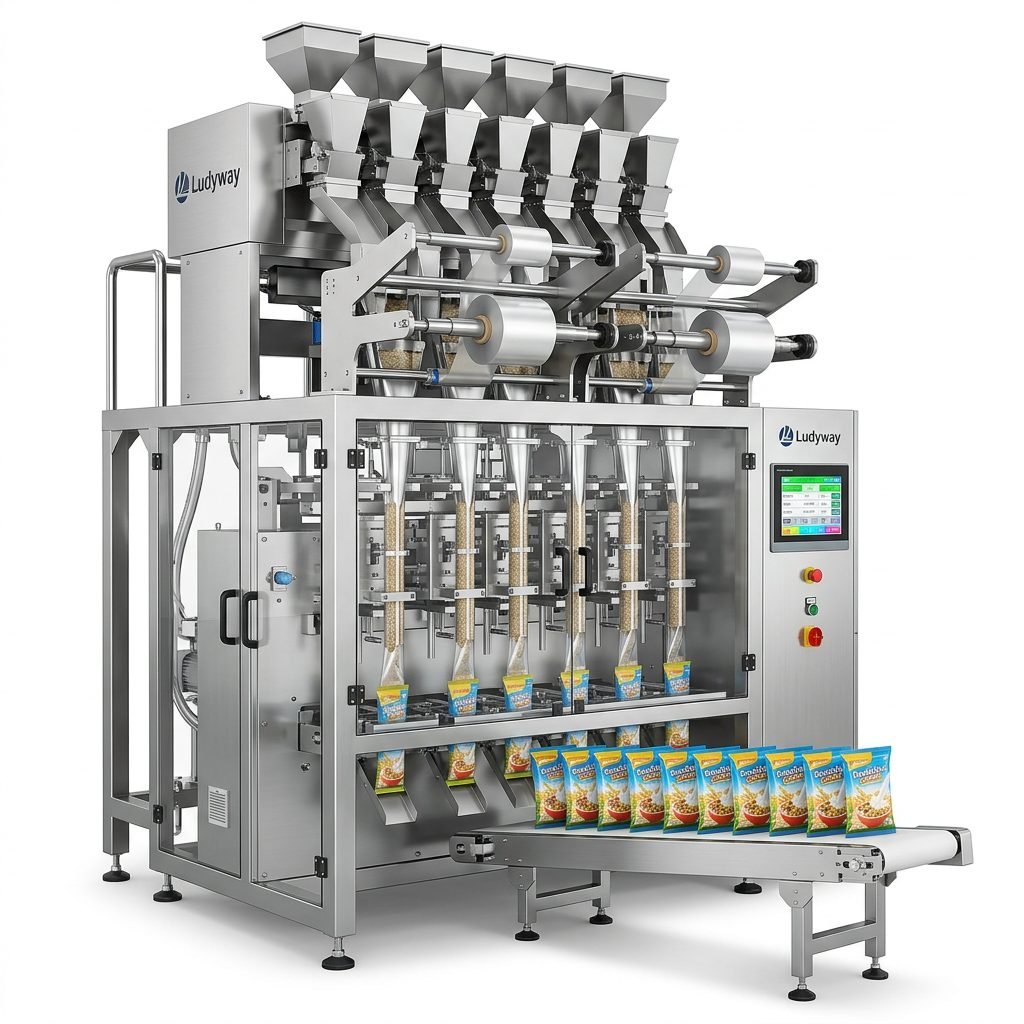
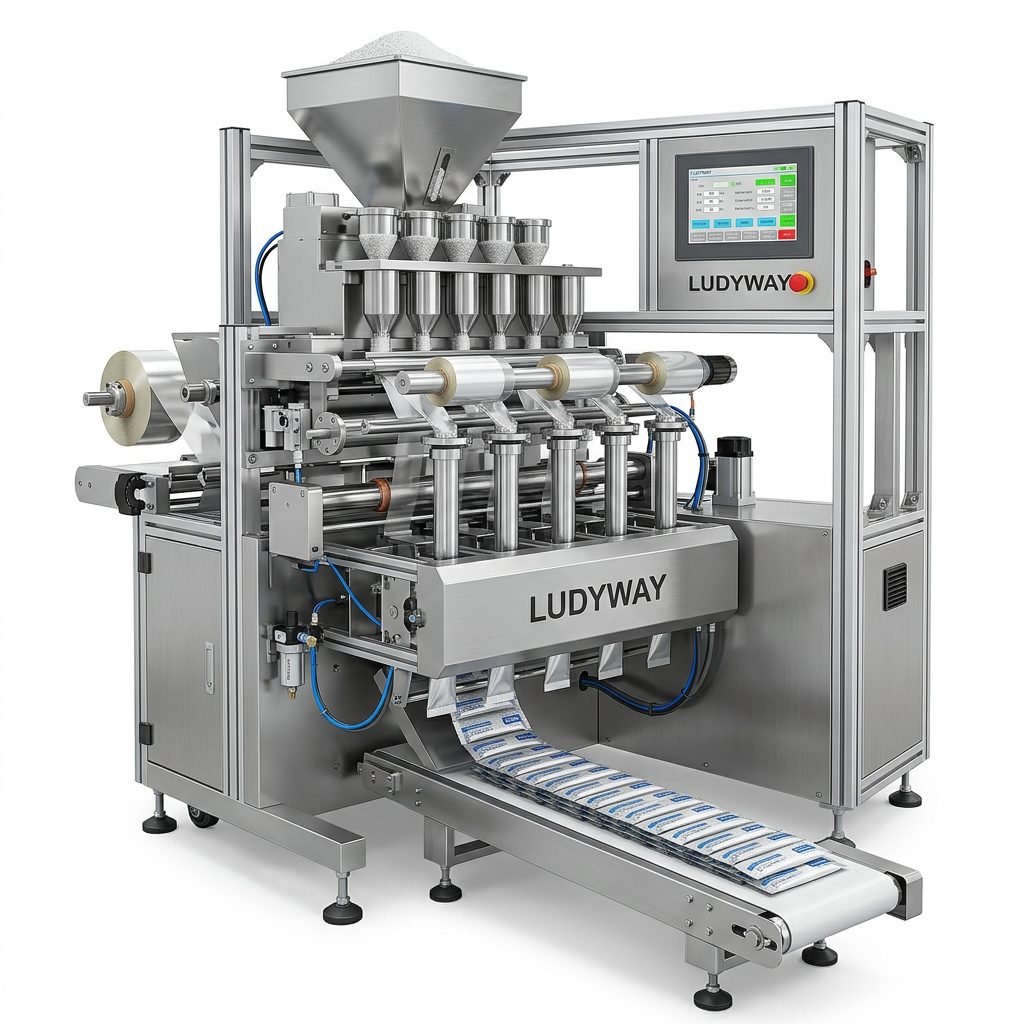
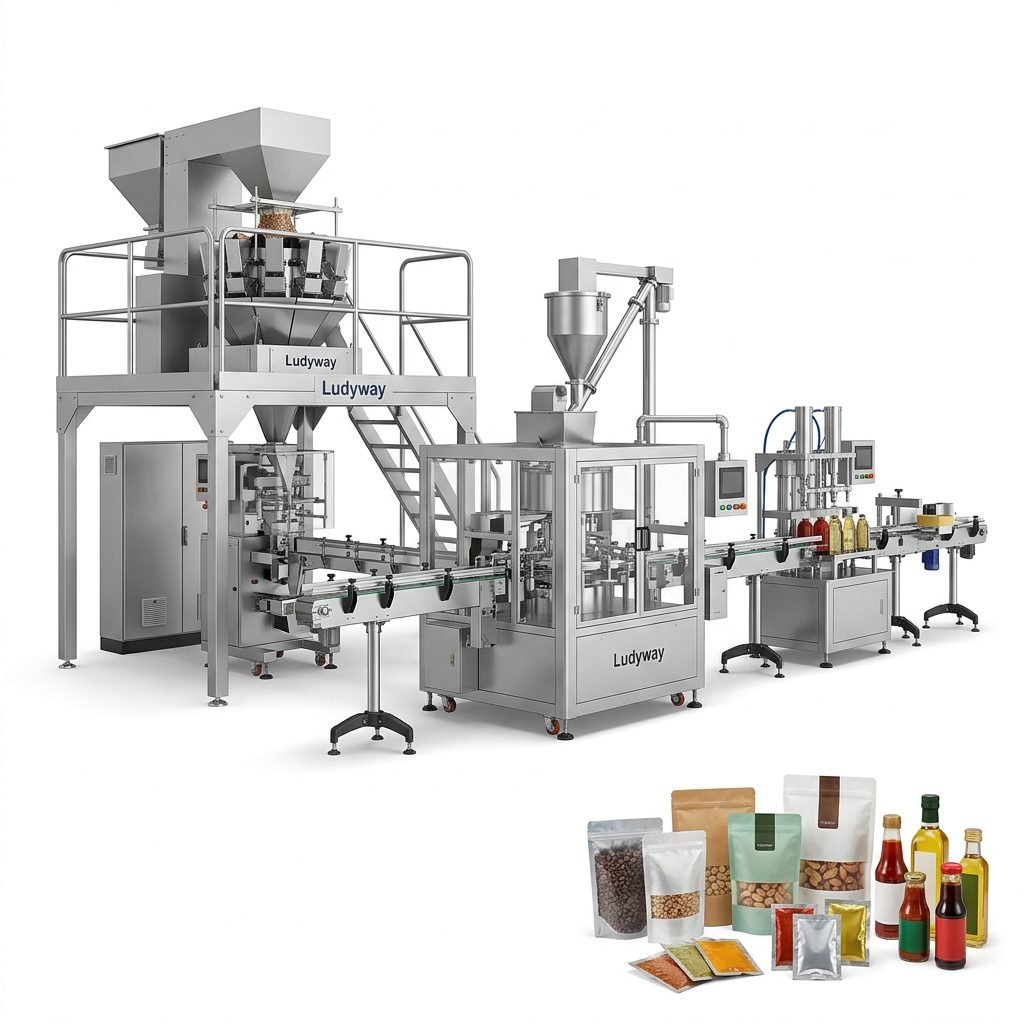
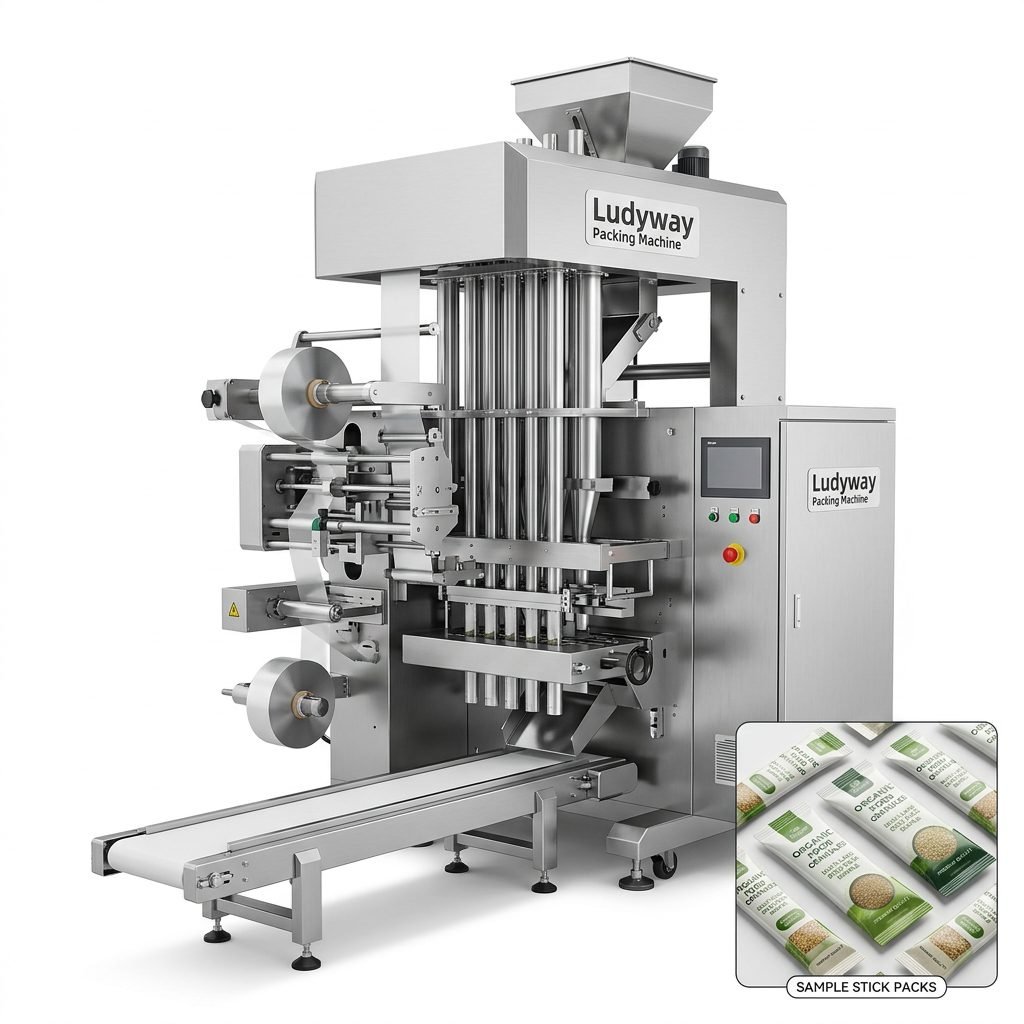
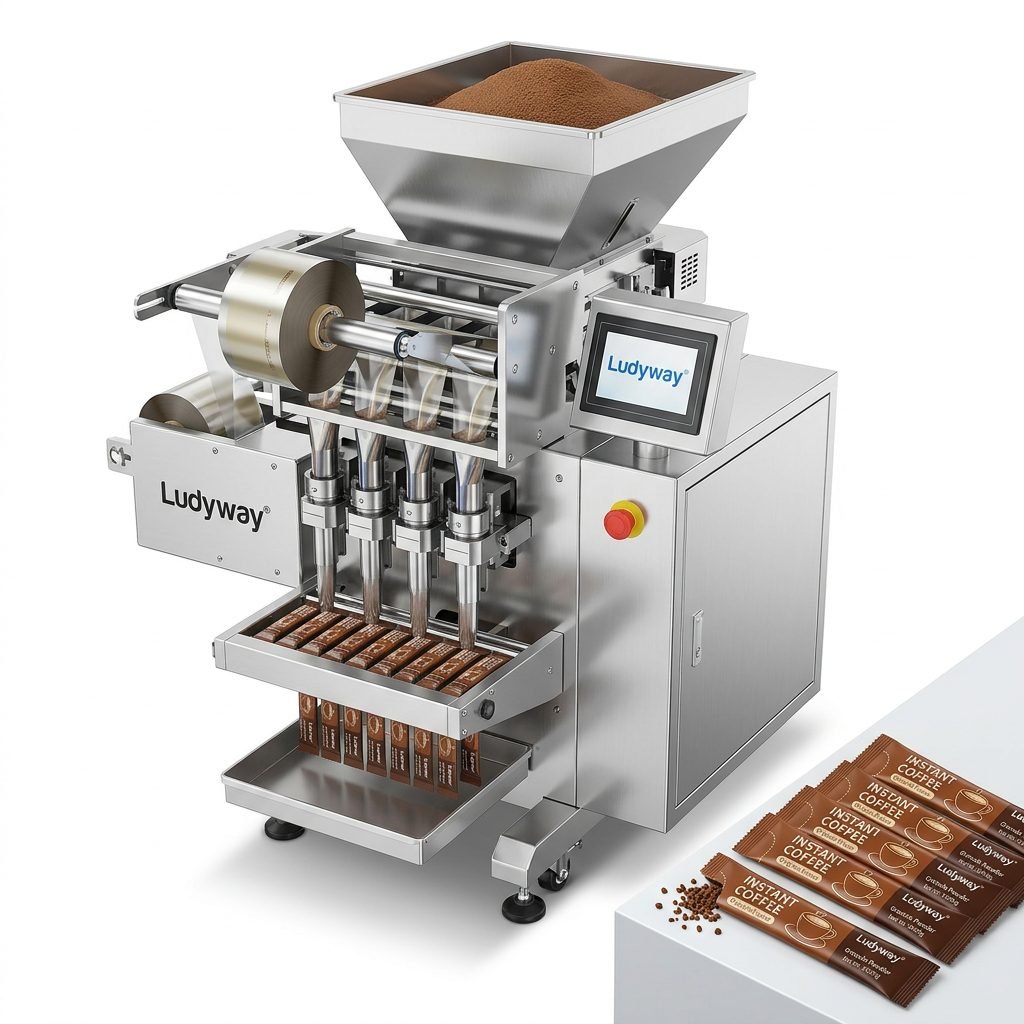
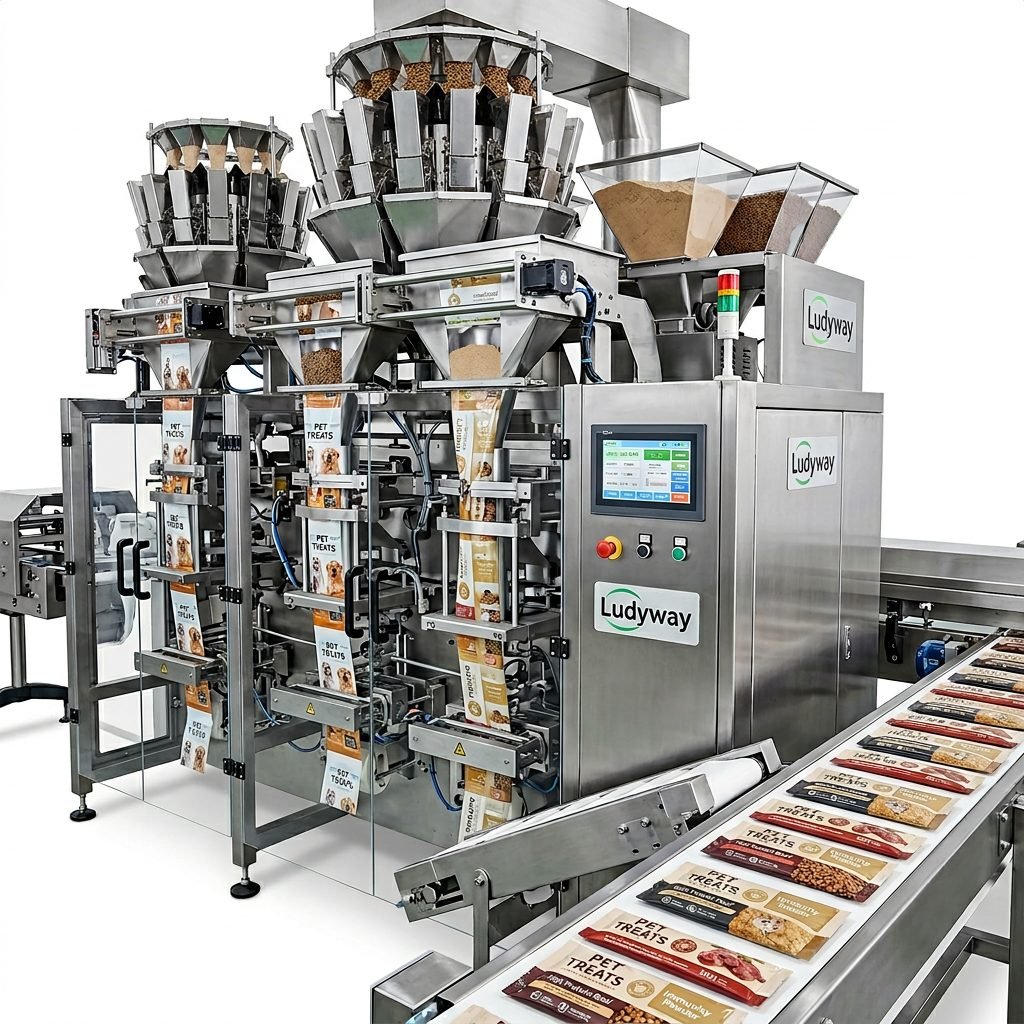
The German confectionery market is one of the most sophisticated in the world, and hard candy remains a dominant segment. For manufacturers, investing in a high-performance packaging machine is not just about speed—it’s about precision, hygiene, and adapting to the strict regulatory landscape of the EU. Whether you are producing classic fruit drops, filled candies, or functional lozenges, selecting the right automated system will define your operational efficiency.
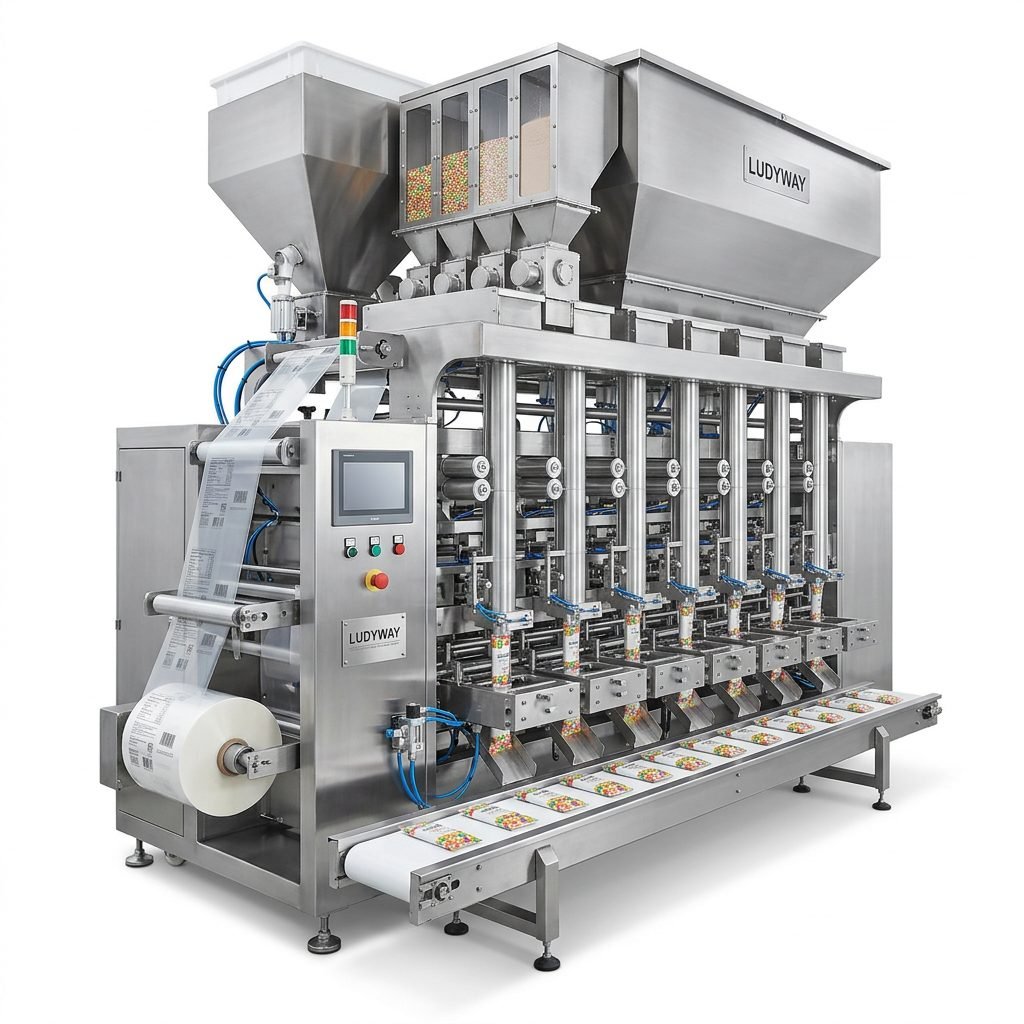
Why Automation is Critical for Hard Candy Production
Manual handling of hard candy is no longer viable for scaling brands. Automated packaging lines prevent surface damage, moisture absorption, and contamination. In Germany, compliance with IFS Food Standards and EU Directive 1935/2004 on food contact materials makes the choice of machinery a legal as well as a commercial decision. Modern servo-driven systems ensure that sticky or fragile products are handled gently at high speeds.
Key Features to Evaluate Before Buying
Not all machines suit the unique crystalline structure of hard candy. Prioritize these technical specs:
- Surface Sensitivity: Look for vibratory feeding systems with soft-contact chutes to avoid scratching.
- Weighing Accuracy: Multi-head weighers with ±0.1g precision are essential to meet German net weight regulations.
- Sealing Integrity: Only machines offering double-sealing technology guarantee airtight protection against humidity.
- Material Compatibility: Ensure the machine handles BOPP/CPP laminates, which are the standard in German retail.
Stick Pack vs. Sachet: Which Format Fits the German Market?
German consumer habits dictate the packaging format. The market is bifurcated between on-the-go stick packs and family-sized pillow bags. Here is a technical comparison:
| Feature | Multi-Lane Stick Pack | Vertical Sachet/Pouch |
|---|---|---|
| Ideal Use | Single-serve, portable | Sharing bags, bulk retail |
| Speed Range | Up to 800 packs/min | Up to 120 bags/min |
| Material Usage | Low film waste | Moderate to high |
Best Locations to Source Machinery in Germany
Germany is home to several packaging hubs. While there are local OEMs in Baden-Württemberg, an increasing number of German distributors are partnering with specialized international manufacturers to offer CE-certified turnkey lines. This hybrid supply chain—German engineering standards combined with high-volume manufacturing capability—often delivers the best return on investment (ROI).

Integrating Smart Technology for Industry 4.0
The “Made in Germany” label is synonymous with smart manufacturing. Therefore, your hard candy packaging machine must integrate seamlessly with SCADA/MES systems. Features like remote diagnostics, OEE tracking, and automatic film splice detection are no longer optional. A robust Industrial IoT backbone allows plant managers in Essen or Munich to monitor real-time output, reject rates, and energy consumption.
Compliance with German Electrical Standards
Ensure the control cabinet adheres to VDE standards. Pneumatic components should come from recognized brands like Festo, and the HMI must offer a German-language interface. Dust-proof (IP65) construction is mandatory for sugar dust environments to prevent explosion hazards.
Turnkey Solutions vs. Standalone Units
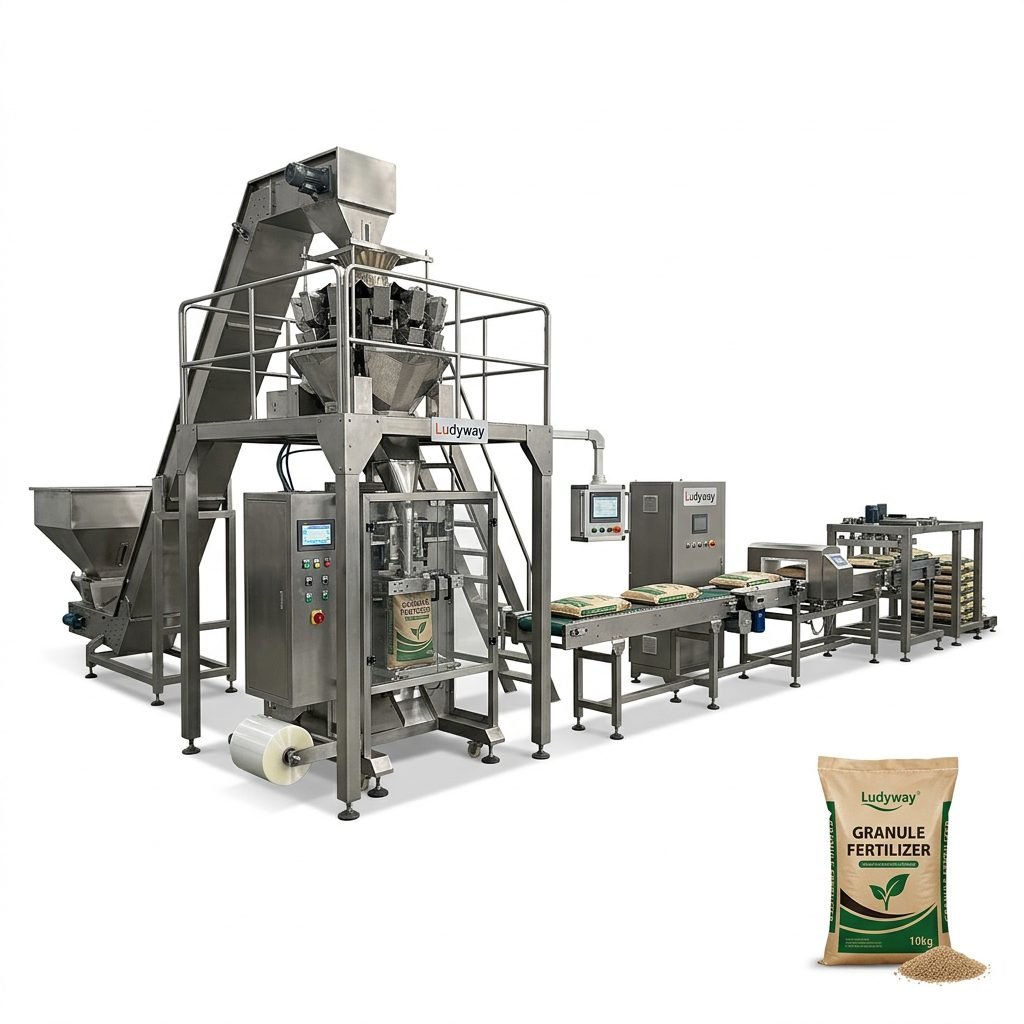
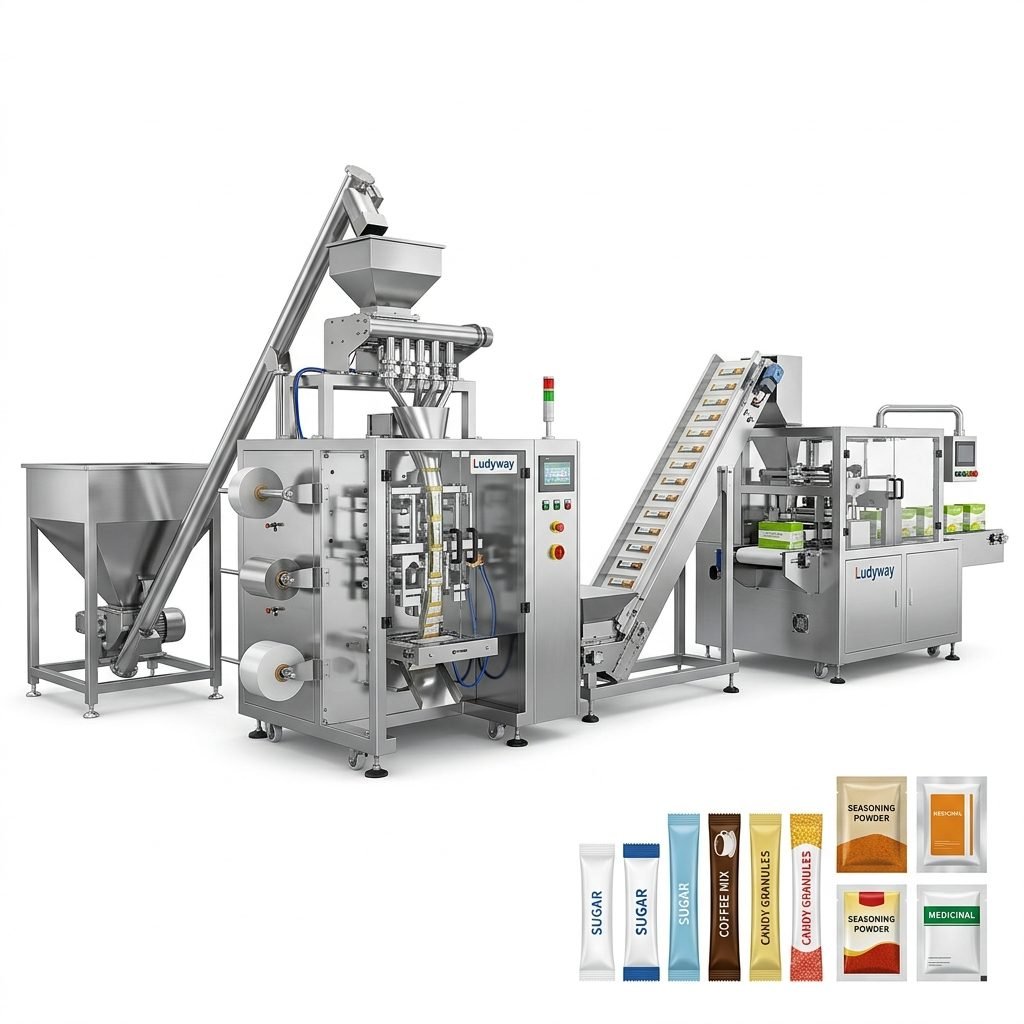
For most mid-sized German producers, a turnkey packaging line is the preferred route. This often includes a hard candy packaging machine with integrated Z-type bucket elevators, multi-head weighers, and automatic cartoning. Working with a single source for the entire line simplifies training and after-sales service. Ludyway, for instance, provides synchronized lines where the weigher, bagger, and cartoner are controlled by a unified PLC, reducing communication lag.
Maintenance and Spare Parts Availability
Downtime is the nemesis of the confectionery business. Before signing a purchase order, verify the availability of critical parts like sealing jaws, thermocouples, and servo drives within the EU. The best suppliers maintain a local safety stock in Germany or offer 24-hour DHL express service from a central European hub.
Critical Spare Parts Checklist
- Heating rods and cartridge heaters
- Teflon-coated sealing belts
- Forming tube assemblies
- Photoelectric sensors and fiber optics
The Importance of Material Testing
Never buy a high-speed candy wrapper without a factory acceptance test (FAT) using your specific film and product. SaintyCo and other industry associations emphasize that the slip coefficient of the film changes dramatically with cooling tunnels. A machine that works perfectly with a standard 20-micron BOPP might fail with a bio-compostable film. Always ask for a video FAT if travel to the factory is restricted.
Authoritative Industry Resources
To stay updated on packaging standards in Germany, consult these resources:
| Resource | Focus Area |
|---|---|
| PMMI Business Intelligence | Global packaging machinery market trends |
| Flexible Packaging Association | Flexible packaging materials and sustainability |
| FDA Food Packaging | Food contact substance regulations |
Future-Proofing Your Investment
The German packaging sector is moving rapidly toward recyclable mono-materials. Ensure your selected machine has a sealing jaw profile capable of handling heat-sensitive paper-based laminates. Upgrading to an ultrasonic sealing system might be necessary to avoid burning the paper layer, keeping you ahead of the VerpackG recycling laws.
Ultimately, the right hard candy packaging machine for the German market is one that balances raw speed with delicate handling. Verify European safety certifications, demand local PLC support, and choose a platform that allows flexible format changes without mechanical overhauls. This approach guarantees that your production line will thrive in one of the world’s most competitive confectionery landscapes.