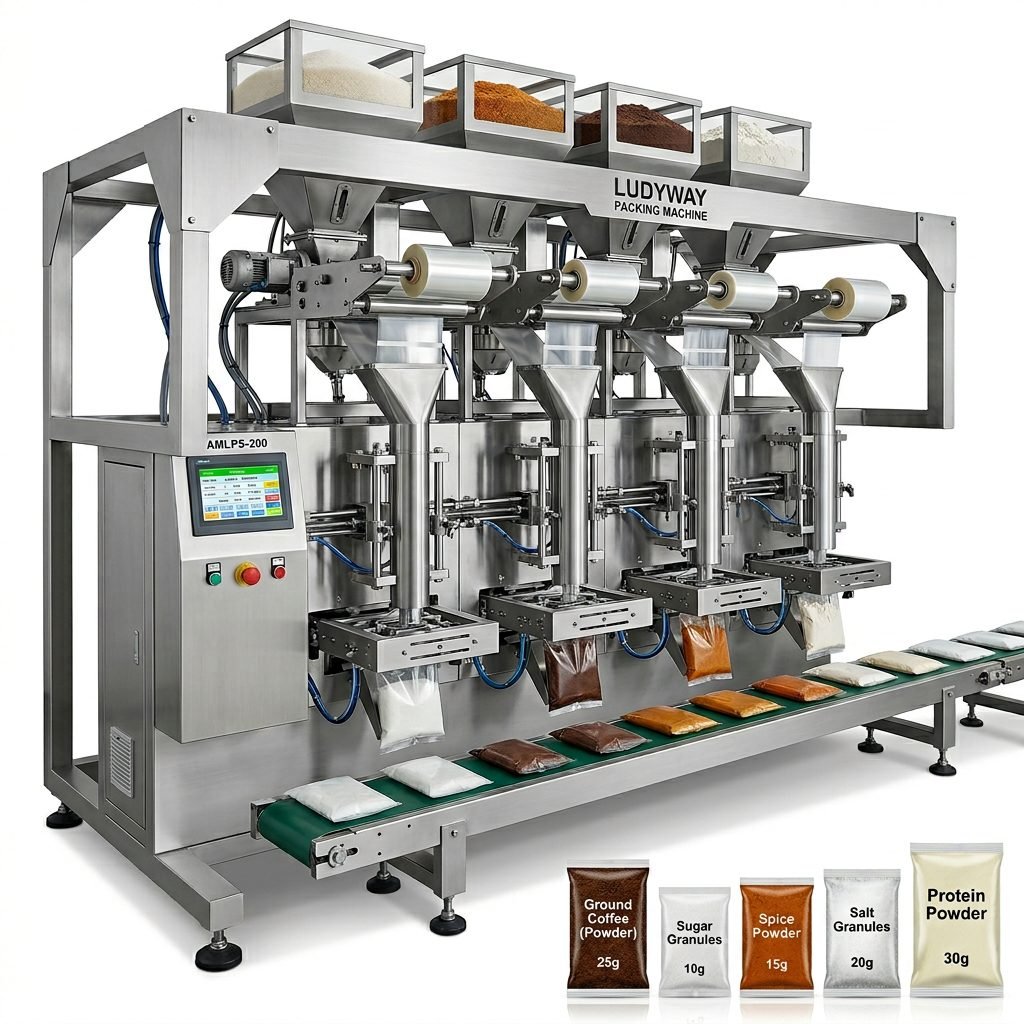
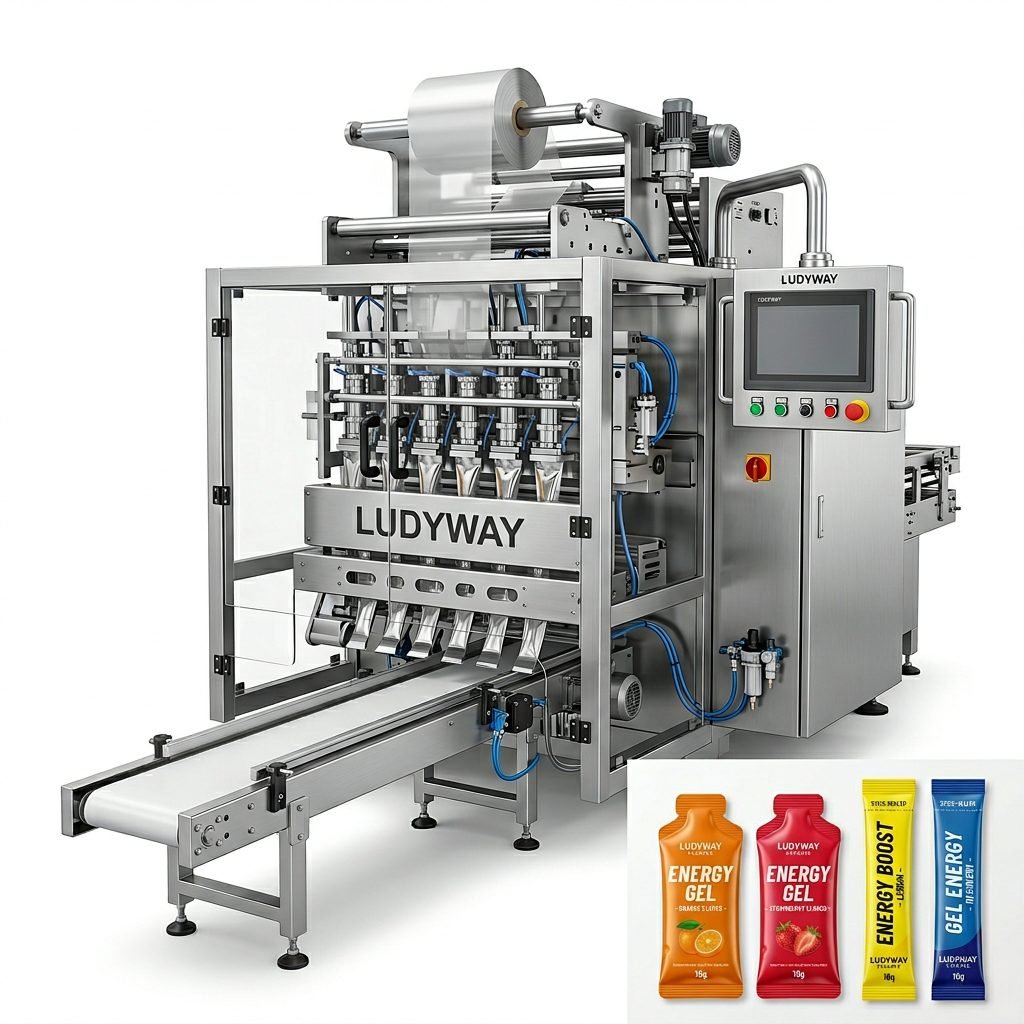
Selecting the right meat packaging machine is one of the most critical decisions for meat processors, food manufacturers, and packaging operations. The correct equipment directly impacts product shelf life, food safety, production efficiency, and overall operational costs. With a wide range of machine types, configurations, and technologies available, making an informed choice requires a clear understanding of your product characteristics, production goals, and regulatory requirements.
This comprehensive buyer’s guide walks you through the essential factors to evaluate when choosing a meat packaging machine, helping you invest in equipment that aligns with your business needs and long-term growth plans. Whether you are packaging fresh cuts, frozen products, processed meats, or ready-to-eat items, understanding the key selection criteria will ensure you make a confident and cost-effective decision. Industry organizations such as the PMMI provide valuable packaging machinery market research that can help inform your equipment selection process.
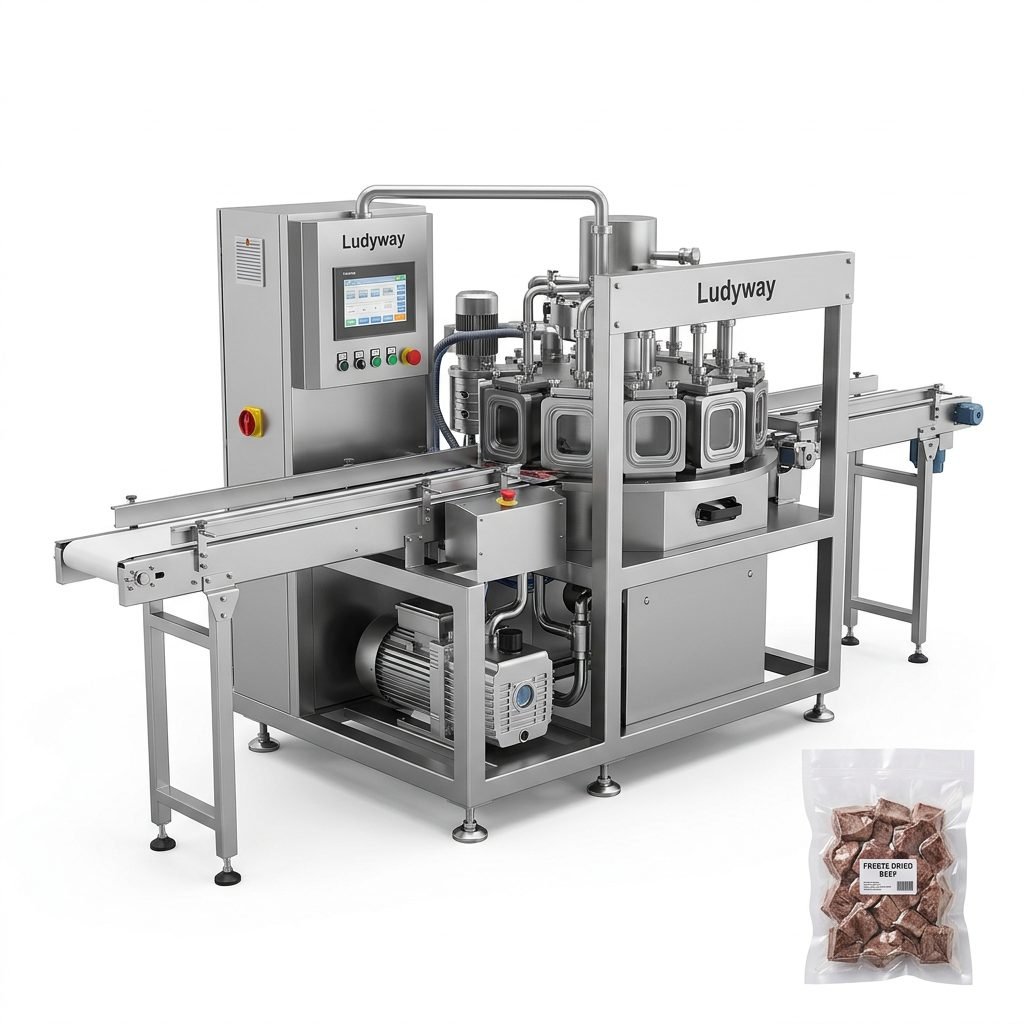
Understanding Your Meat Product Characteristics
Before evaluating specific machine types, you must thoroughly analyze the physical and chemical properties of the meat products you intend to package. Different meat products present unique challenges that directly influence machine selection:
- Fresh vs. Frozen: Fresh meats require different handling than frozen products, particularly regarding temperature control during packaging and sealing parameters.
- Whole Cuts vs. Ground Meat: Product geometry affects feeding systems, portion control, and the type of packaging format suitable for each application.
- Bone-In vs. Boneless: Sharp bones can puncture packaging materials, requiring puncture-resistant films and specialized sealing technologies.
- Moisture Content: High-moisture products often need modified atmosphere packaging (MAP) or vacuum sealing to prevent spoilage and extend shelf life.
- Processed vs. Raw: Cooked, cured, or smoked meats have different oxygen sensitivity and shelf-life requirements compared to raw products.
According to flexible packaging industry data, understanding product characteristics is the foundation for selecting appropriate packaging materials and machine configurations that meet both performance and FDA food packaging compliance requirements.
Types of Meat Packaging Machines
The meat packaging industry utilizes several distinct machine categories, each suited for specific applications, production volumes, and packaging formats. The following table provides a comparative overview of the most common types:
| Machine Type | Best Suited For | Key Advantages | Typical Speed Range |
|---|---|---|---|
| Vacuum Packaging Machine | Fresh cuts, primal cuts, frozen meats | Extended shelf life, excellent product protection, reduced oxidation | 10-60 packs/min |
| Tray Sealing Machine (MAP) | Retail-ready fresh meat, poultry, processed meats | Attractive presentation, gas flushing capability, consumer convenience | 15-120 packs/min |
| Thermoforming Packaging Machine | High-volume processed meats, sausages, sliced products | High output, flexible formats, integrated automation | 30-200 packs/min |
| Flow Wrapping Machine | Frozen meat portions, jerky, snack sticks | Cost-effective film usage, high-speed capability, compact footprint | 40-300 packs/min |
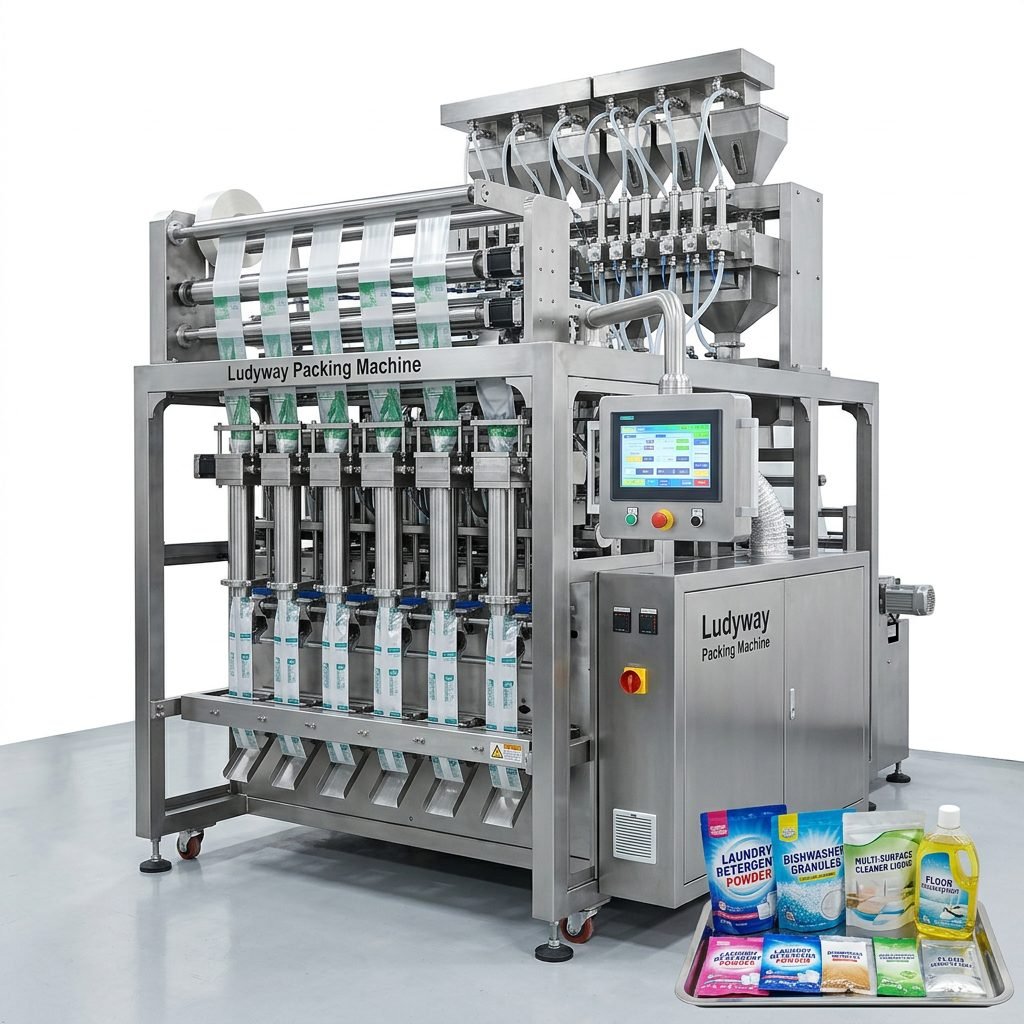
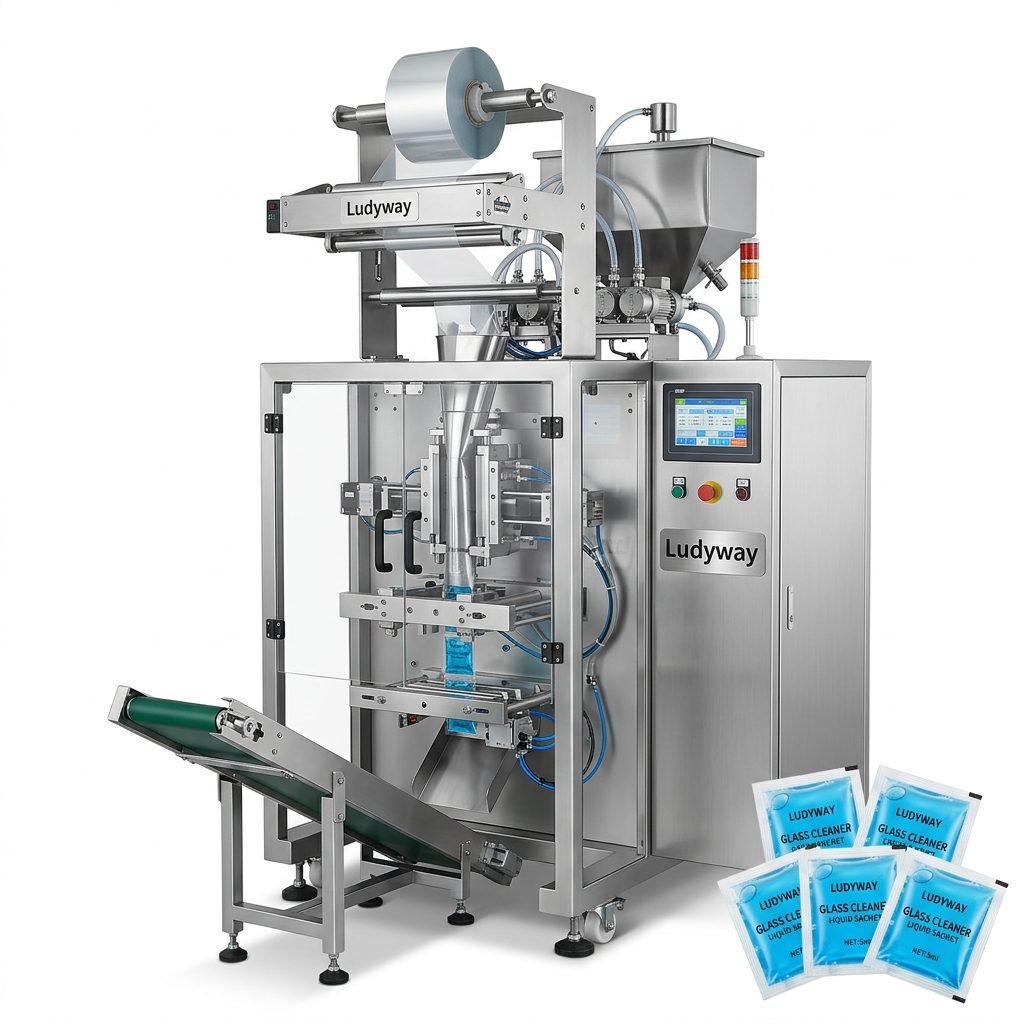
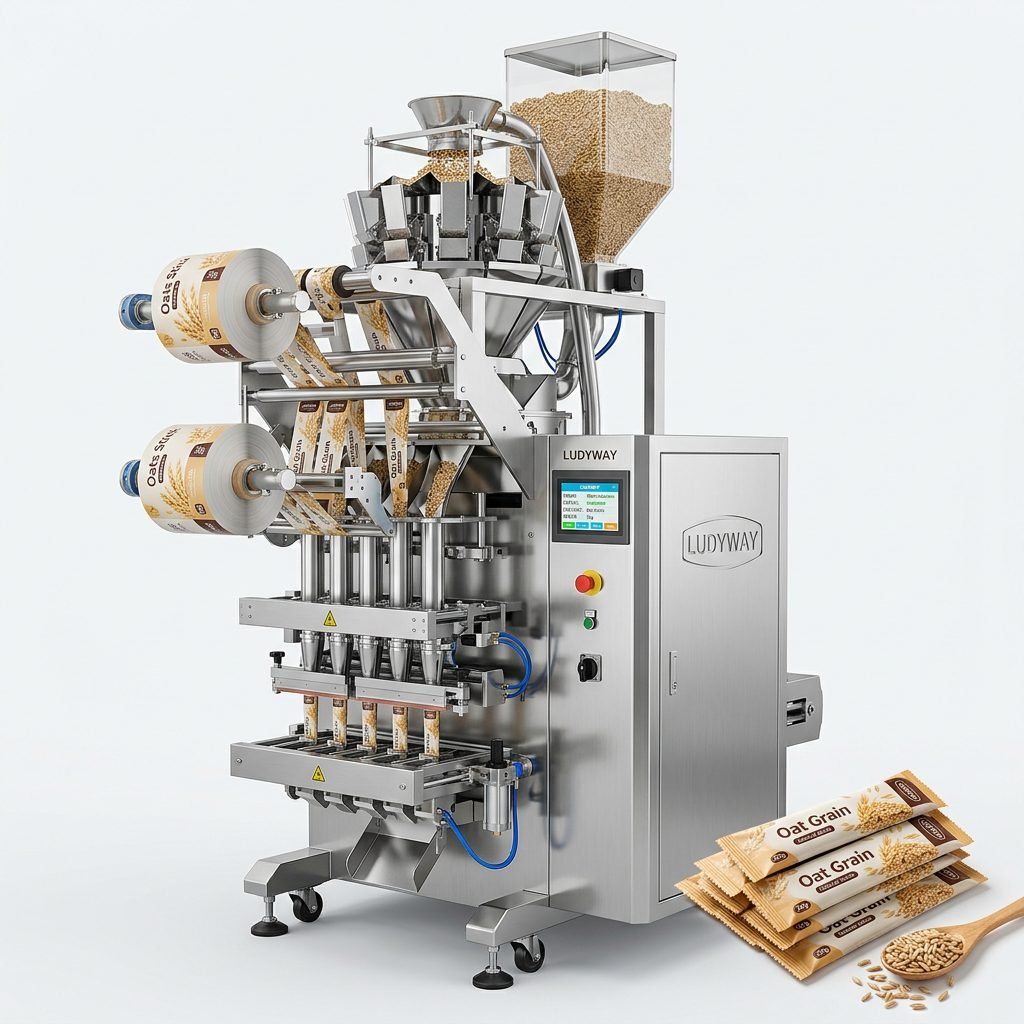
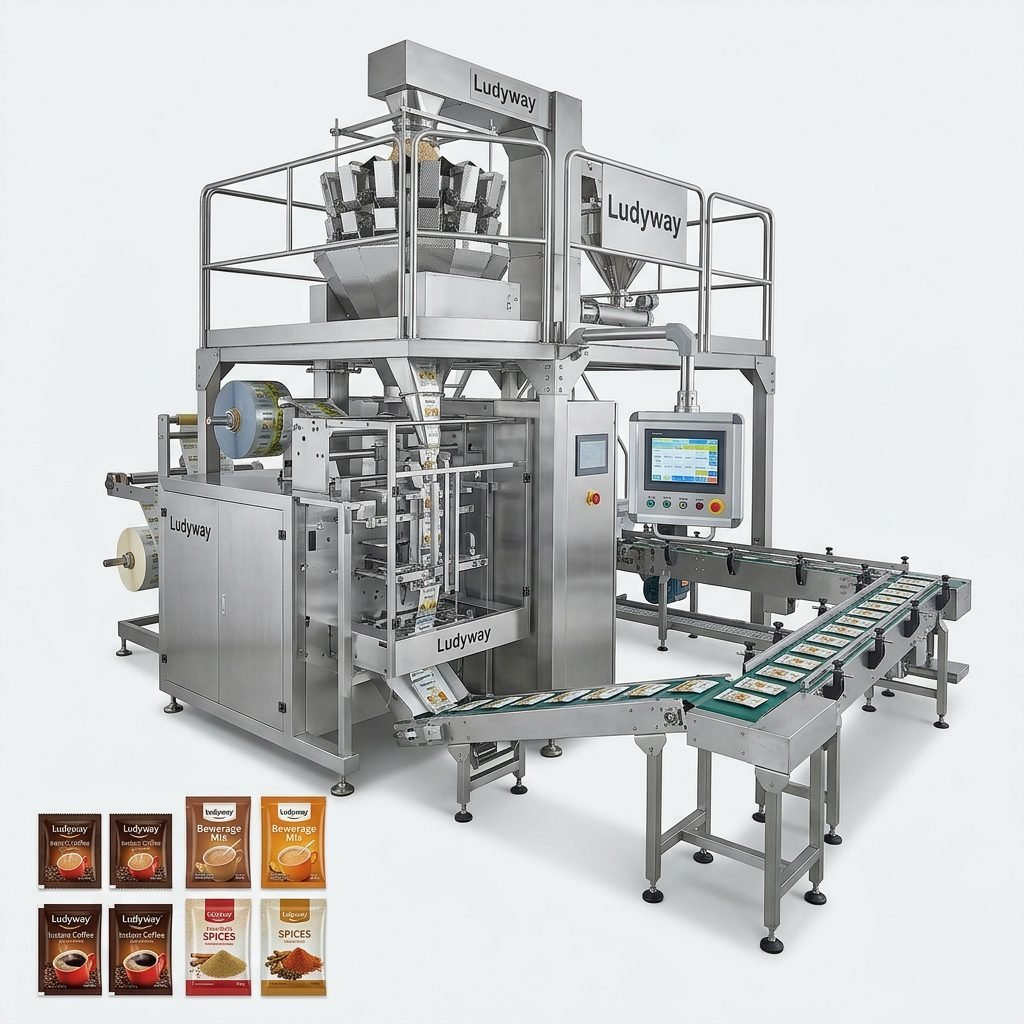
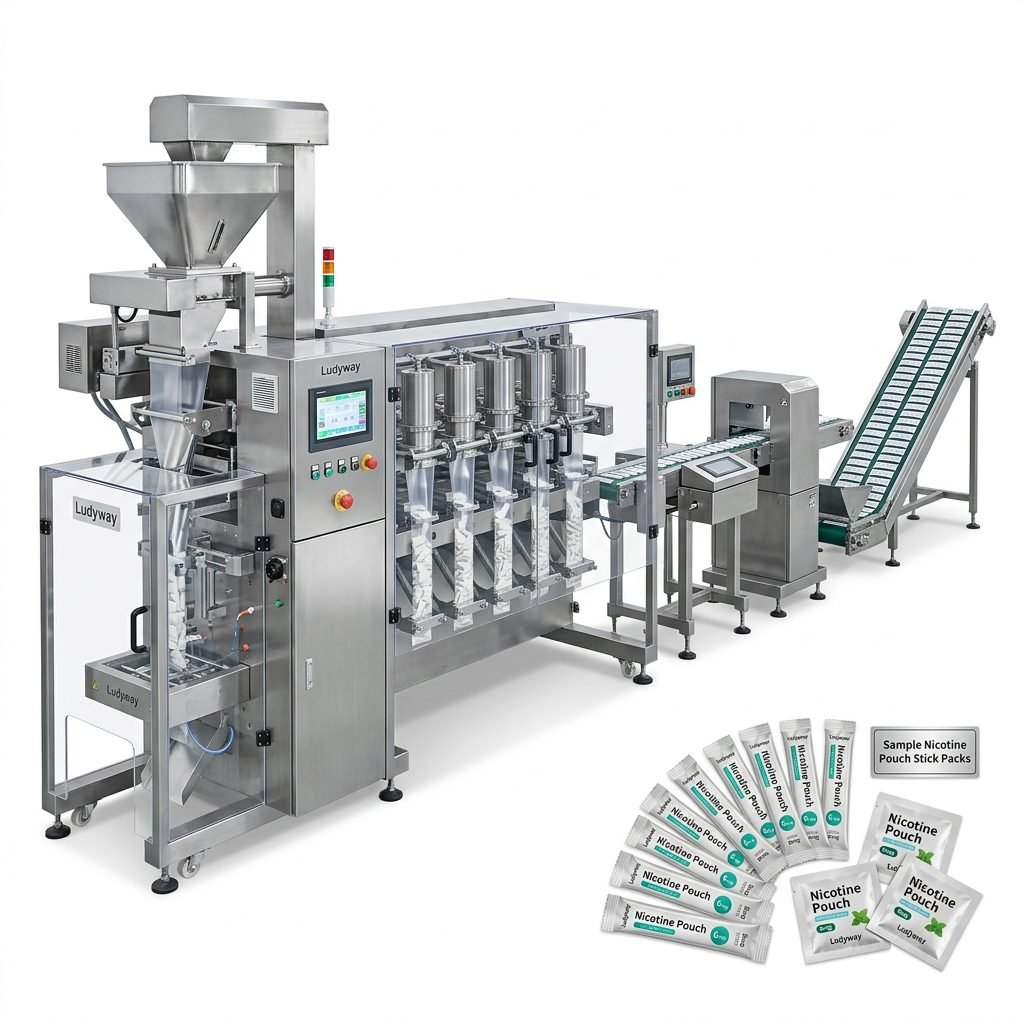
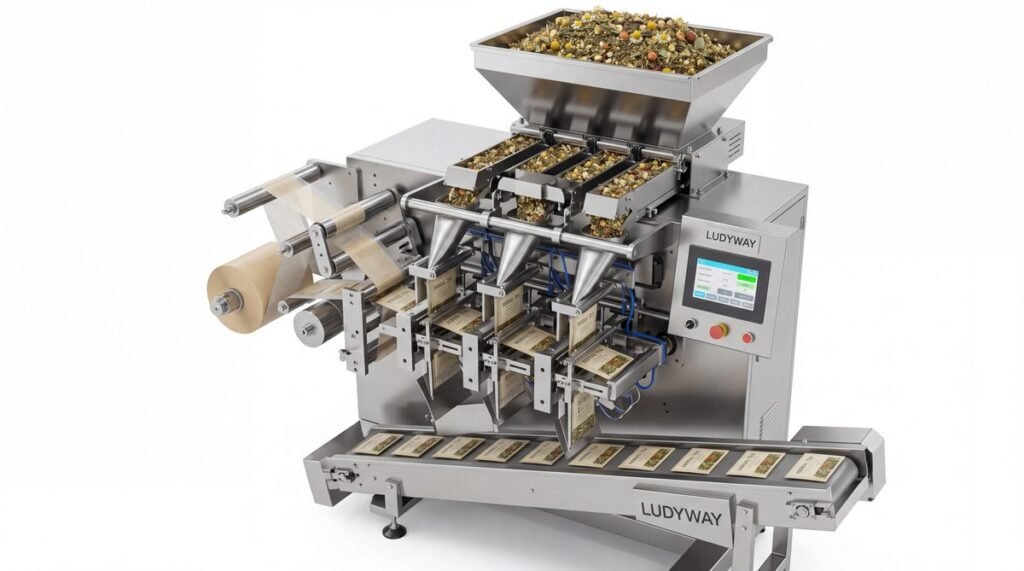
| Stick Pack / Sachet Machine | Single-serve processed meats, seasonings, marinades | Precise portion control, multi-lane configurations, versatile formats | 60-600 packs/min |
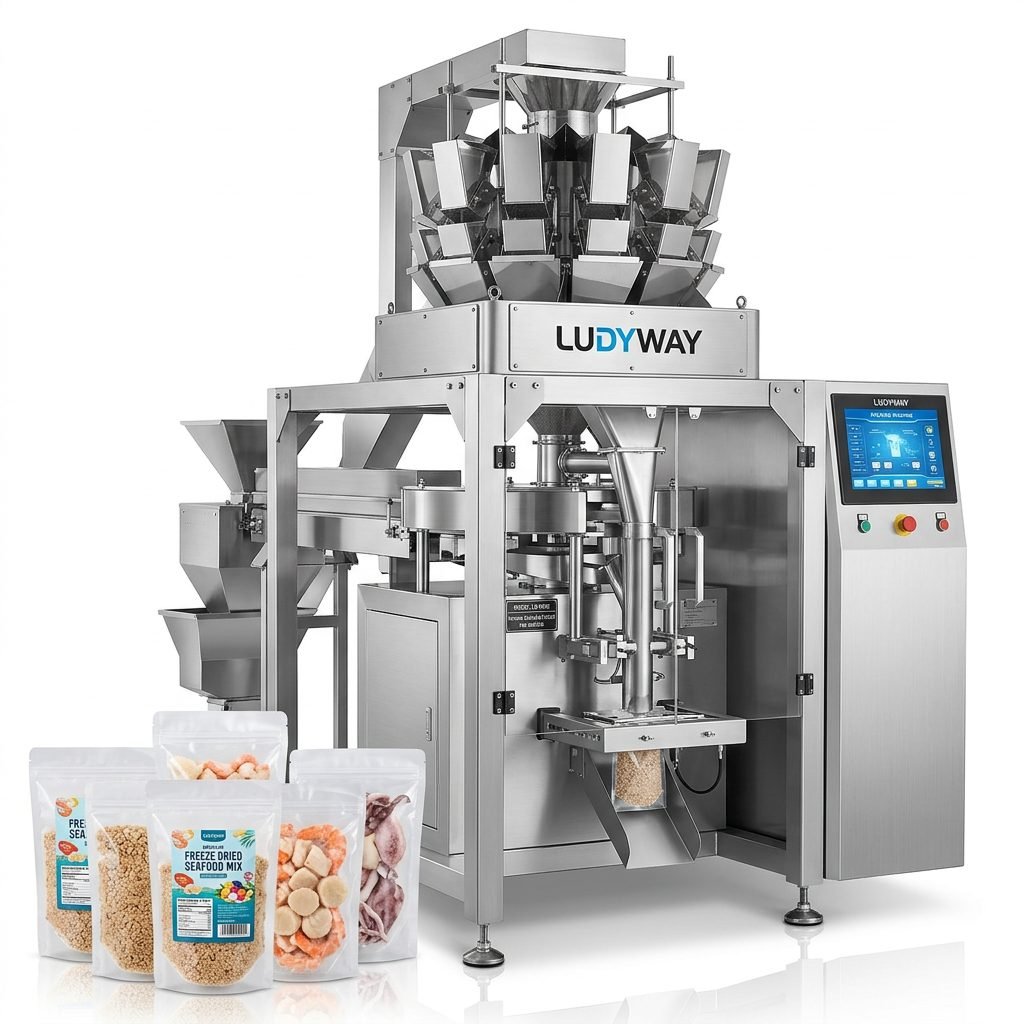
Key Factors to Consider When Choosing a Meat Packaging Machine
Selecting the optimal meat packaging machine requires a systematic evaluation of multiple operational, technical, and commercial factors. The following criteria should be carefully assessed before making a purchasing decision:
Production Speed and Throughput Requirements
Your current and projected production volume is one of the most decisive factors in machine selection. Underestimating capacity needs can create bottlenecks, while overestimating leads to unnecessary capital expenditure. Consider both peak season demands and average daily throughput when evaluating machine specifications. Multi-lane configurations can significantly increase output for high-volume operations without proportionally increasing floor space requirements.
Packaging Material Compatibility
Different meat products require specific barrier properties in packaging materials. Evaluate whether the machine can handle your preferred film types, including:
- Polyethylene (PE) and multi-layer laminates for vacuum applications
- Polypropylene (PP) and PET-based trays for MAP systems
- Aluminum foil laminates for high-barrier requirements
- Bio-based and recyclable materials for sustainability initiatives
- Shrink films for whole-muscle and bone-in products
The Flexible Packaging Association offers extensive resources on material selection and regulatory compliance for meat packaging applications. Additionally, ISO packaging standards provide international benchmarks for material quality and performance specifications.
Hygiene and Sanitation Standards
Meat processing environments demand rigorous sanitation protocols. The packaging machine must be constructed with stainless steel food-contact surfaces, IP65 or higher washdown-rated components, and hygienic design features that minimize bacterial harborage points. Look for machines with sloped surfaces, easy disassembly for cleaning, and compatibility with cleaning chemicals commonly used in meat processing facilities.
Automation Level and Workforce Integration
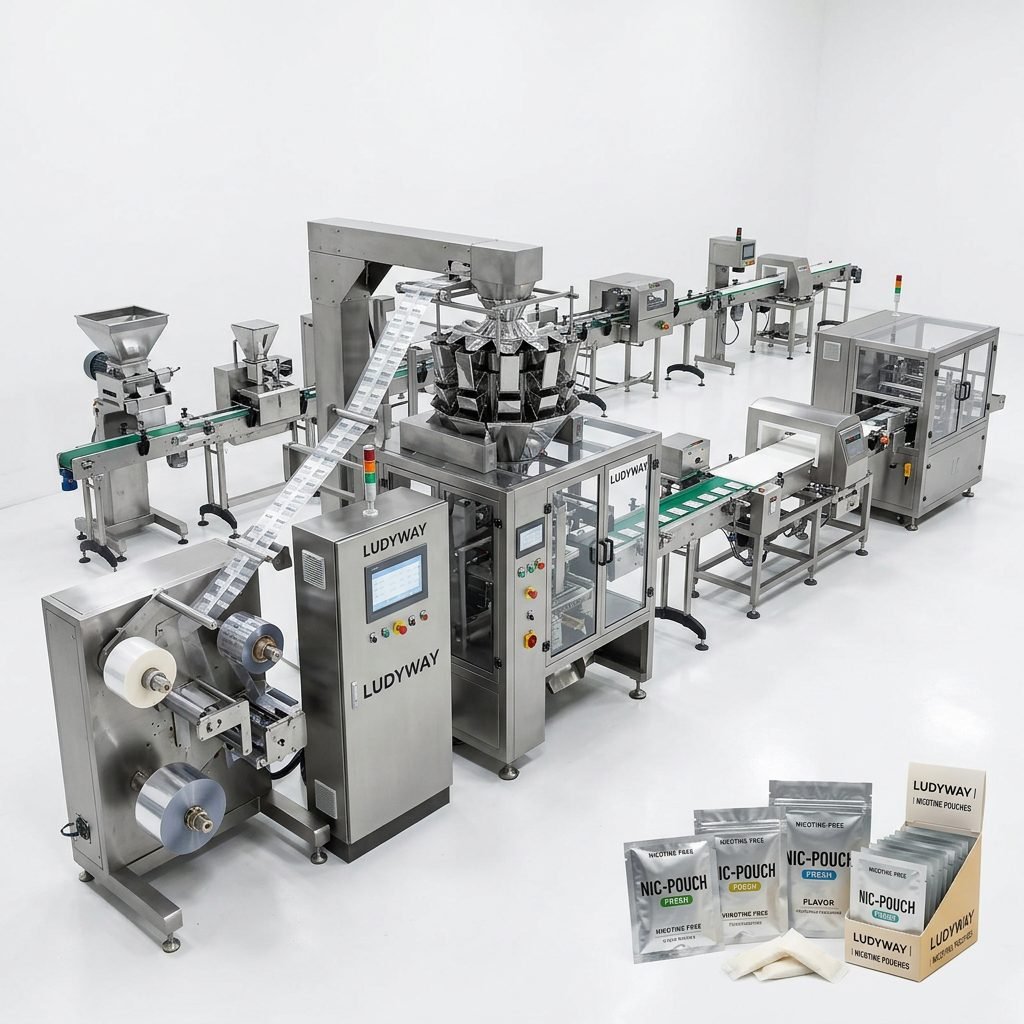
Modern meat packaging machines range from semi-automatic systems requiring significant operator involvement to fully automated turnkey lines with integrated loading, weighing, filling, sealing, coding, inspection, and palletizing functions. The right automation level depends on your labor costs, available skilled workforce, production consistency requirements, and long-term scalability goals. Higher automation generally reduces per-unit labor costs and improves consistency but requires greater initial investment and technical maintenance capabilities.
Machine Footprint and Factory Layout
Available floor space and existing production line configuration influence machine dimensions and orientation. Consider line integration requirements, including upstream product feeding systems and downstream cartoning, case packing, and palletizing equipment. Modular machine designs offer greater flexibility for future line expansions and reconfigurations as your production needs evolve.
Regulatory Compliance and Food Safety Certifications
Meat packaging operations must comply with stringent food safety regulations that vary by market. When selecting equipment, verify that the machine design supports compliance with applicable standards:
- HACCP principles — Equipment should facilitate hazard analysis and critical control point implementation
- USDA and FDA requirements — Essential for meat products sold in the United States market
- EU food contact material regulations — Required for products entering European markets
- ISO 22000 and BRCGS standards — Internationally recognized food safety management certifications
- Halal and Kosher certifications — Important for specific market segments and consumer preferences
Refer to the PMMI packaging machinery standards and regulations for comprehensive guidance on equipment compliance requirements across different markets and applications.
Budget and Total Cost of Ownership
While the initial purchase price is an important consideration, a comprehensive cost analysis should account for the total cost of ownership (TCO) over the machine’s expected service life. Key cost factors include:
- Energy consumption and utility requirements
- Consumable costs including packaging films, trays, and sealing materials
- Maintenance and spare parts availability and pricing
- Operator training and ongoing technical support requirements
- Downtime costs associated with repairs and changeover procedures
- Warranty coverage and after-sales service agreements
Investing in higher-quality equipment from established manufacturers often delivers lower long-term operational costs through improved reliability, reduced waste, and better energy efficiency. Reviewing state of the industry reports can provide valuable benchmarking data for equipment investment decisions.
Working with a Reliable Packaging Machinery Partner
Selecting the right equipment supplier is as important as choosing the machine itself. Ludyway Machinery, a China-based packaging machinery manufacturer with more than 30 years of industry experience, provides automated packaging equipment and integrated turnkey packaging solutions for manufacturers across food, pharmaceutical, and industrial sectors. When evaluating potential partners, consider their engineering capabilities, customization experience, international certification knowledge, installation support, and long-term technical service commitment. A reliable machinery partner should offer comprehensive support throughout the entire project lifecycle—from initial consultation and machine selection through installation, commissioning, operator training, and ongoing after-sales service. Companies with global service networks and remote technical assistance capabilities can help minimize operational disruptions and ensure consistent equipment performance across different production environments.
Making the Final Decision
Choosing the right meat packaging machine is a strategic investment that affects product quality, operational efficiency, and market competitiveness for years to come. A systematic evaluation process that considers product characteristics, production requirements, regulatory compliance, total cost of ownership, and supplier capabilities will help you arrive at a confident and well-informed decision.
Before finalizing your purchase, conduct thorough due diligence by visiting supplier facilities, reviewing customer references, testing your specific products on demonstration machines, and obtaining detailed proposals that outline machine specifications, delivery timelines, installation requirements, warranty terms, and after-sales support commitments. Engaging with industry resources such as PACK EXPO International and reviewing 2026 packaging industry reports can provide additional insights into emerging technologies and market trends that may influence your equipment investment strategy. Taking the time to thoroughly evaluate these factors will ensure that your packaging machinery investment delivers reliable performance, consistent product quality, and strong returns over the long term.