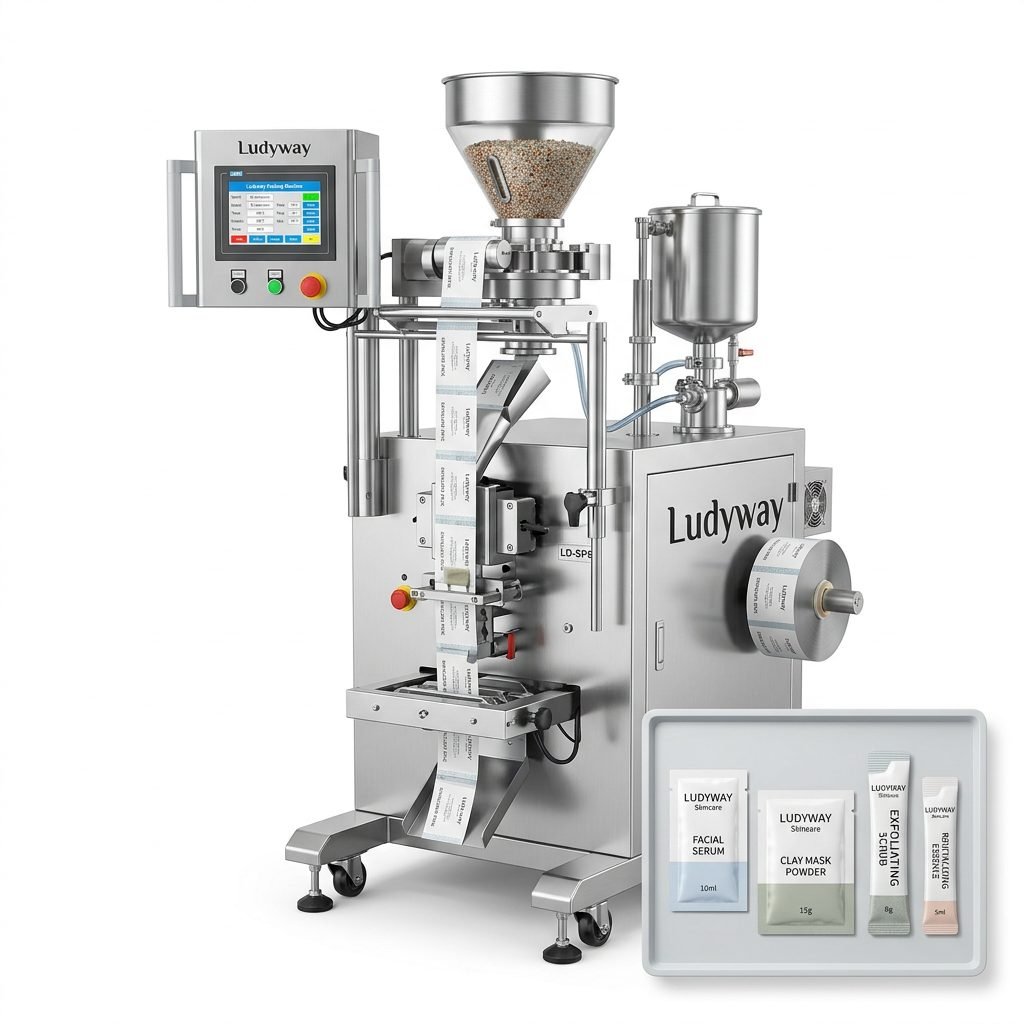
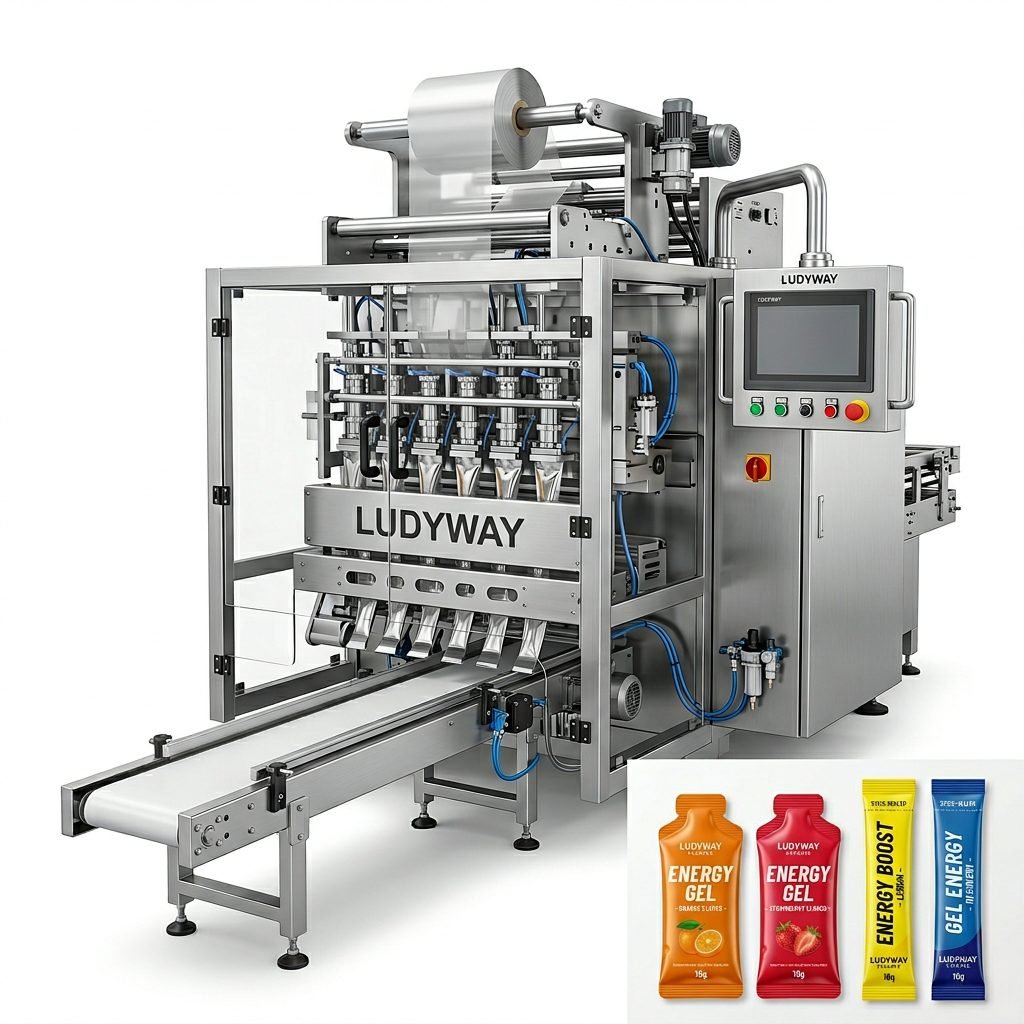
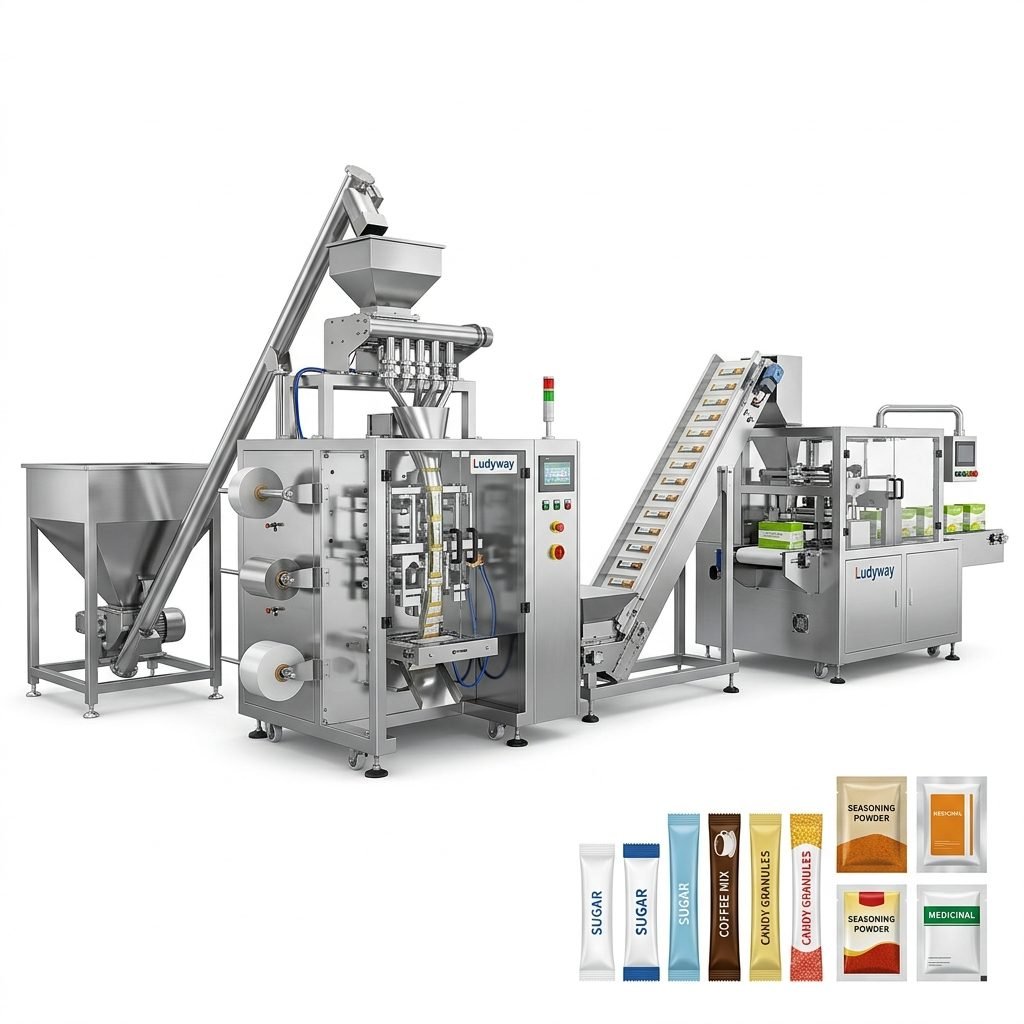
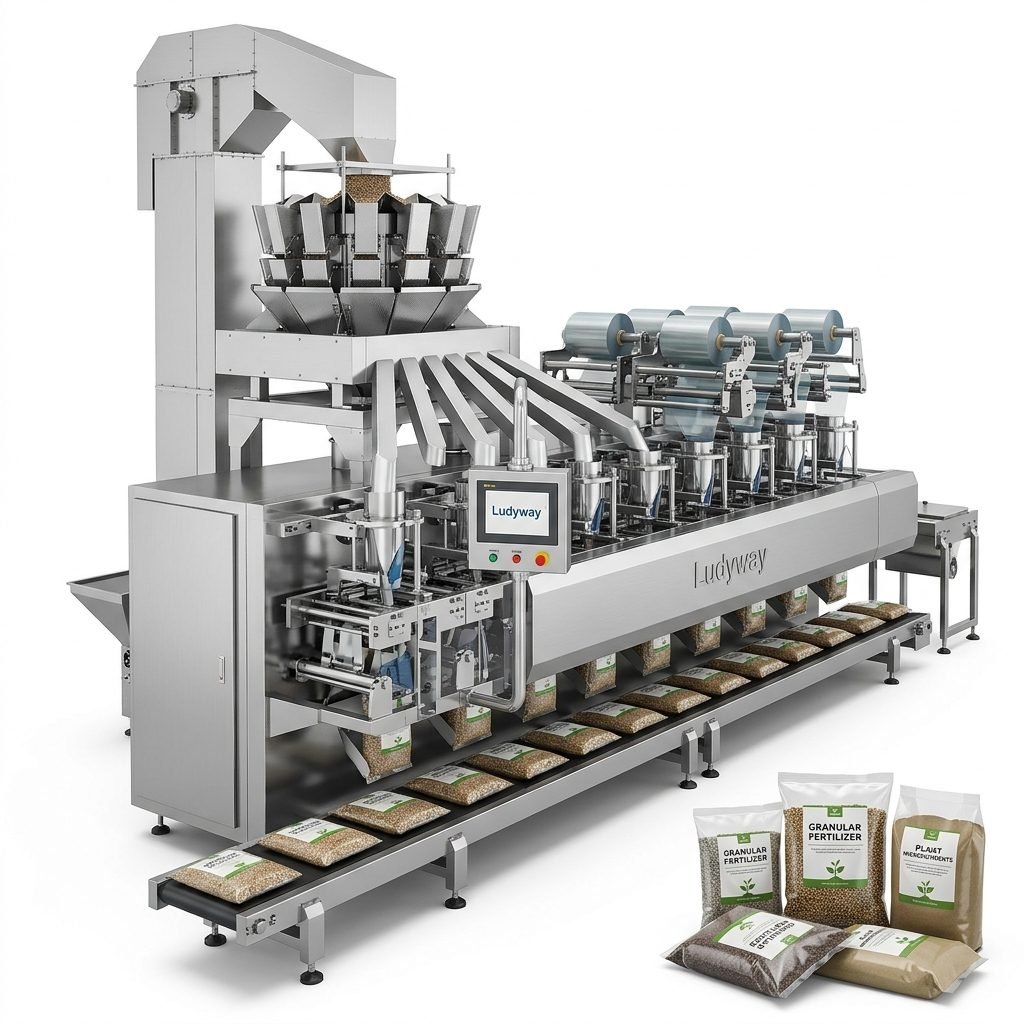
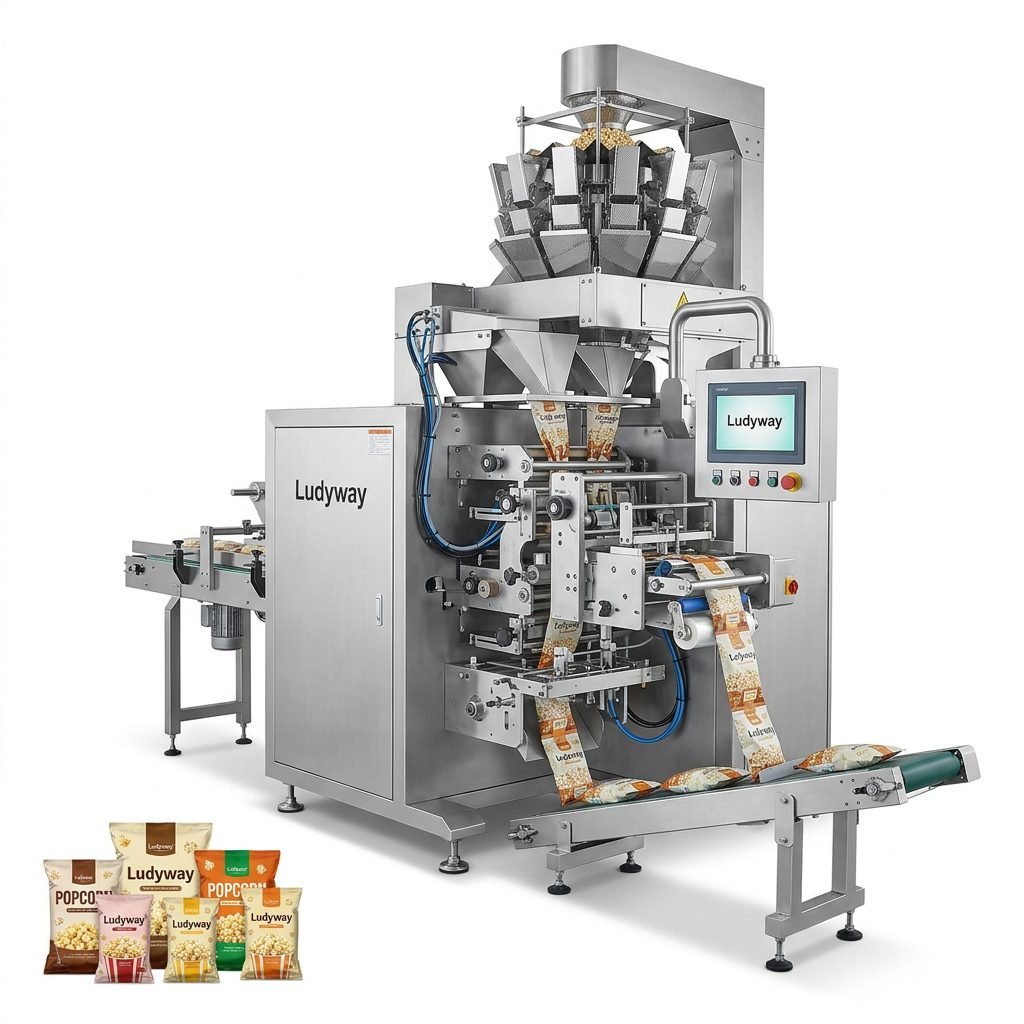
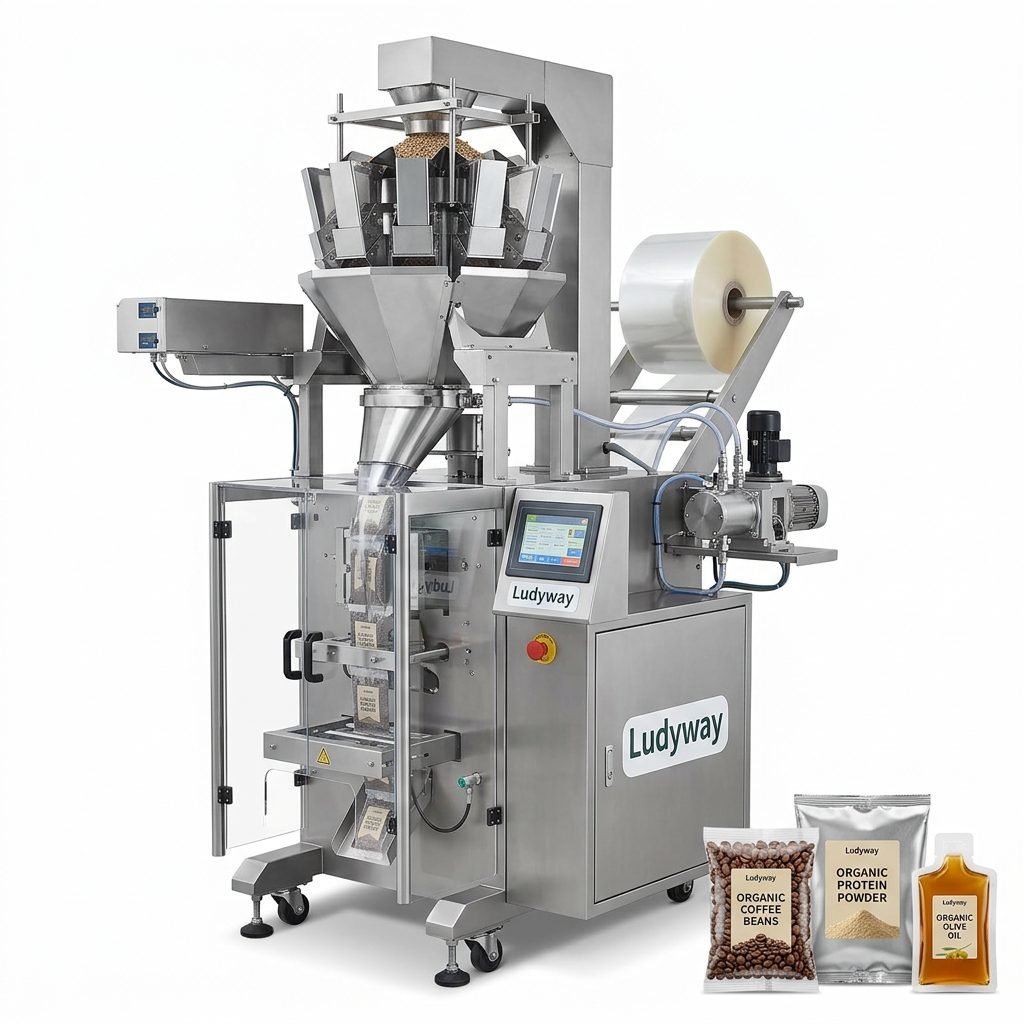
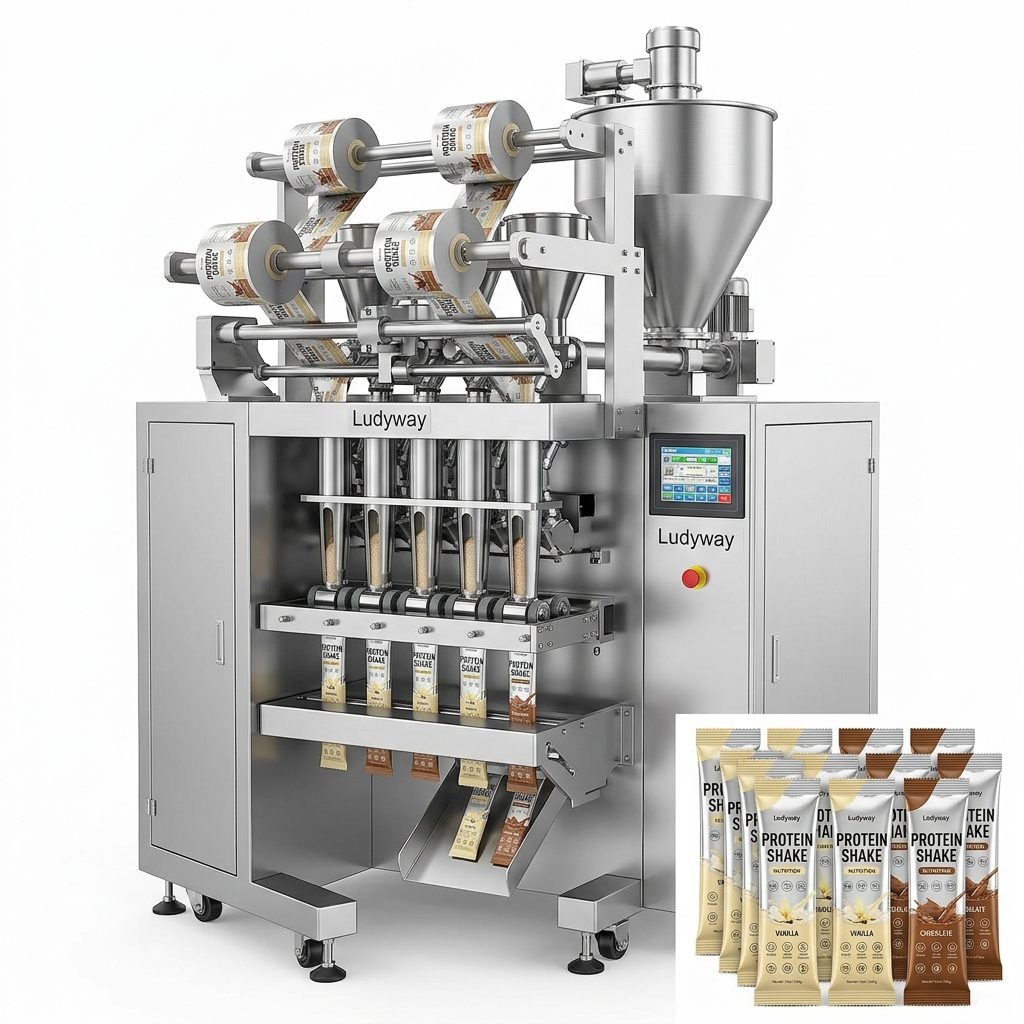
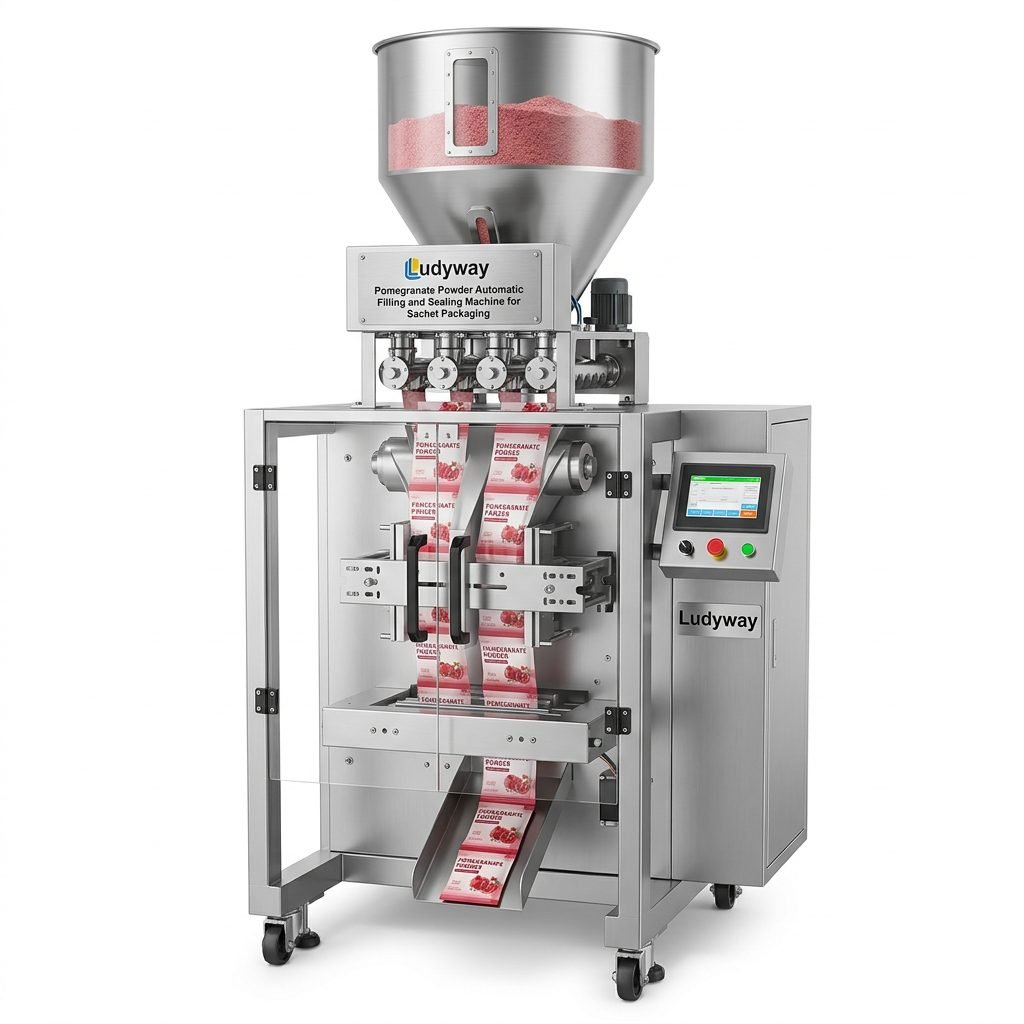
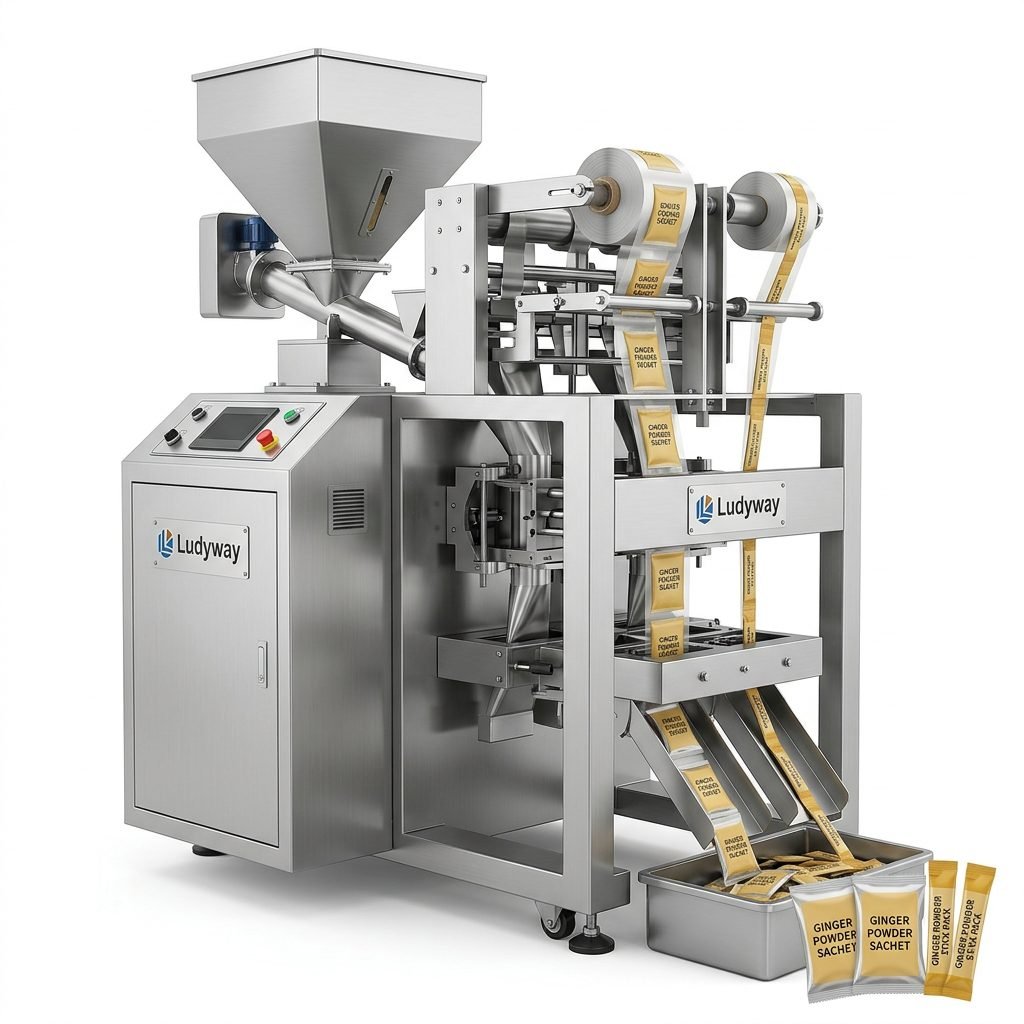
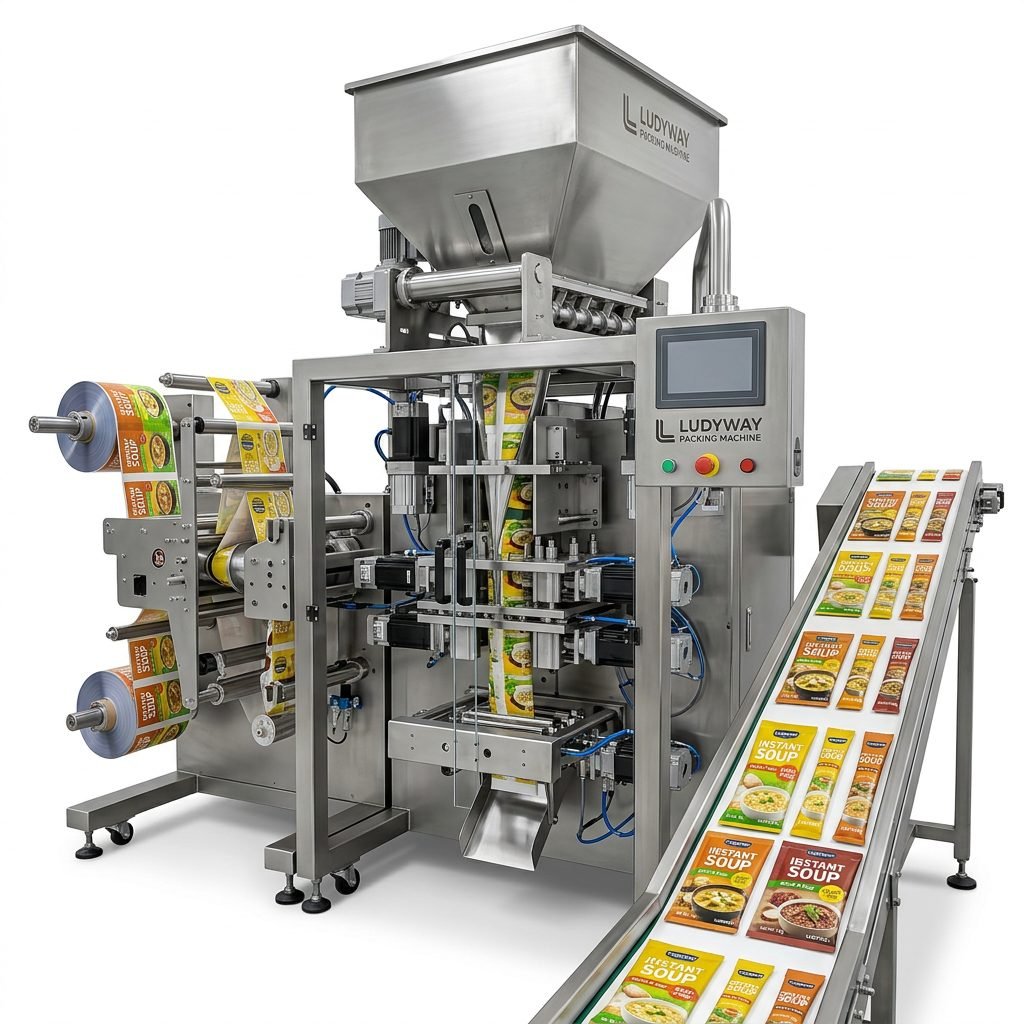
Estimating packaging machine production cost is one of the most important steps in planning a profitable packaging project. Whether you are launching a new product, upgrading an existing line, or comparing suppliers, a clear cost model helps you avoid budget overruns and make better investment decisions.
A complete estimate should go far beyond the machine’s purchase price. You also need to consider installation, utilities, labor, maintenance, packaging materials, line efficiency, downtime, and long-term return on investment. This guide breaks the process down into practical steps so you can build a reliable production cost estimate for almost any packaging application.
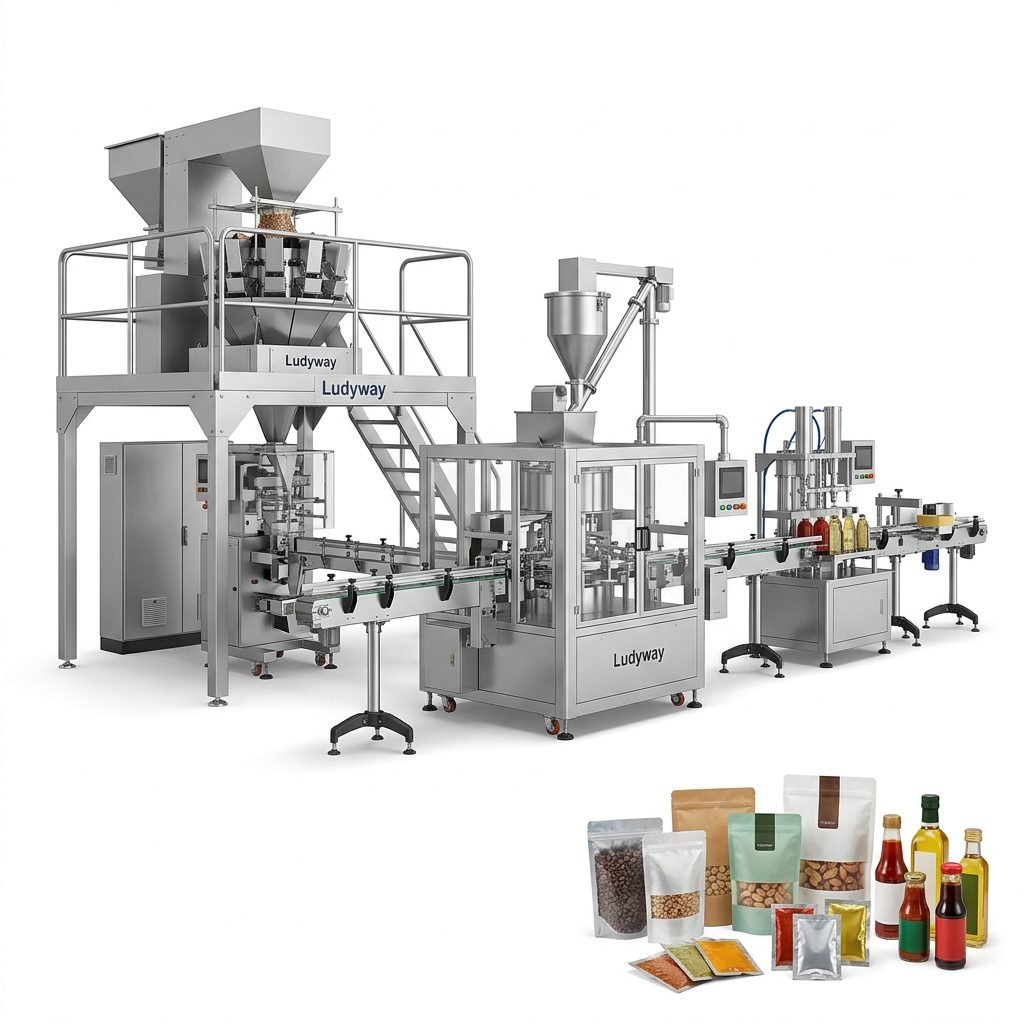
Why Production Cost Estimation Matters
Without a structured estimate, it is easy to underprice products, overinvest in equipment, or choose a machine that does not match real production needs. Accurate estimation helps you:
- Set realistic product pricing
- Compare different machine types and line configurations
- Plan cash flow and capital expenditure
- Predict operating margin and break-even time
- Identify hidden costs before purchase
For food, pharmaceutical, cosmetic, chemical, and health supplement manufacturers, even a small miscalculation in unit cost can significantly affect profitability over time.
What Is Included in Packaging Machine Production Cost?
Packaging machine production cost usually includes both fixed costs and variable costs. Fixed costs are less sensitive to output volume, while variable costs increase as production rises.
| Cost Category | Typical Items | Type |
|---|---|---|
| Machine Investment | Purchase price, tooling, customization | Fixed |
| Installation & Commissioning | Freight, setup, testing, training | Fixed |
| Labor | Operators, technicians, supervisors | Variable/Semi-fixed |
| Utilities | Electricity, compressed air, water | Variable |
| Packaging Materials | Film, pouch, label, cap, carton | Variable |
| Maintenance | Spare parts, wear parts, service | Semi-fixed |
| Quality Loss | Rejected packs, sealing defects, startup waste | Variable |
Step 1: Define Your Packaging Project Scope
Before calculating costs, define exactly what the machine must do. A poor estimate usually starts with incomplete technical data.
Key inputs to collect
- Product type: powder, granule, liquid, paste, tablet, capsule, pouch product
- Pack format: stick pack, sachet, pouch, bottle, jar, carton, bag
- Target speed: packs per minute or bags per hour
- Pack size range and fill weight
- Required automation level
- Accuracy and sealing requirements
- Cleanroom, GMP, food-grade, or hazardous environment standards
- Expected operating hours per day and days per year
The more precise these inputs are, the easier it becomes to compare machine options and estimate the true cost per unit.
Step 2: Calculate Capital Cost per Year
The machine price should be spread across its useful life instead of being treated as a one-time expense. This is often called depreciation or annualized capital cost.
Basic formula
Annual Capital Cost = Total Equipment Investment ÷ Useful Life (years)
If financing, interest, or leasing is involved, include those costs as well. Total equipment investment may include:
- Main packaging machine
- Feeding system
- Conveyor and transfer systems
- Coding, labeling, checkweighing, and inspection equipment
- Cartoning, case packing, palletizing, or auxiliary equipment
- Shipping, insurance, import duties, and local taxes
Example
If your total line investment is $180,000 and the machine is expected to serve for 10 years, the annual capital cost is $18,000, excluding financing and residual value assumptions.
Step 3: Estimate Labor Cost Per Shift or Per Unit
Labor is a major production cost driver, especially for semi-automatic systems. Even highly automated lines still require staffing for operation, inspection, cleaning, and material handling.
Include these labor roles
- Machine operator
- Line supervisor
- Quality inspector
- Maintenance technician
- Material replenishment staff
Simple formula
Labor Cost per Unit = Total Labor Cost per Period ÷ Actual Good Units Produced
Use actual good output, not theoretical machine speed. This gives a more realistic estimate.
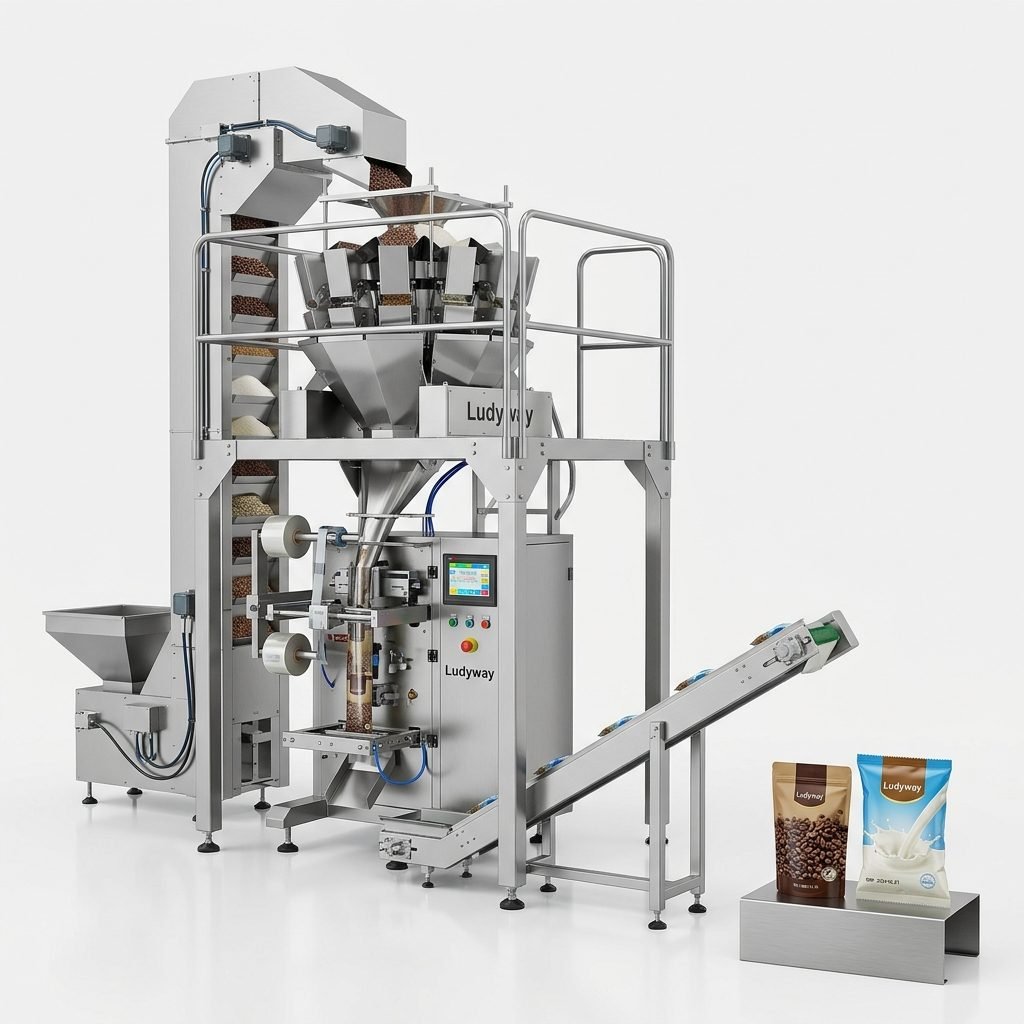
Step 4: Include Utility Consumption
Utilities are often underestimated during project planning. Packaging lines may consume electricity, compressed air, steam, chilled water, or purified water depending on application.
Main utility costs
- Power consumption of motors, heaters, drives, and PLC systems
- Compressed air for pneumatic actuators
- Water usage for cleaning or cooling
- HVAC load in temperature-sensitive production rooms
Ask the supplier for rated power, average operating load, and air consumption. Then multiply by your local utility rates.
Example utility formula
Utility Cost per Hour = Electricity + Air + Water + Other Related Utility Costs
Then convert that figure into cost per pack, pouch, bottle, or carton.
Step 5: Add Packaging Material Cost
For many products, packaging materials account for a larger share of total cost than the machine itself. This includes every direct consumable used in the package.
Common material components
- Roll film or pre-made pouches
- Bottles, caps, droppers, pumps
- Labels and sleeves
- Cartons, inserts, trays
- Tape, glue, shrink film
- Coding ribbon or ink
A machine that runs faster but creates more packaging waste may not deliver the lowest production cost. Always evaluate material loss during startup, changeover, and unstable operation.
Step 6: Account for Downtime and Overall Equipment Efficiency
A common mistake is to calculate cost using maximum machine speed. In real production, performance is reduced by setup time, cleaning, maintenance, breakdowns, operator delays, and product changeovers.
Use OEE-style thinking
Estimate production based on:
- Availability: How much of scheduled time the line is running
- Performance: How close actual speed is to design speed
- Quality: Percentage of good packs produced
Actual Good Output = Theoretical Output × Availability × Performance × Quality
This method makes your production cost estimate much more realistic.
| Metric | Example Value | Impact |
|---|---|---|
| Theoretical speed | 120 packs/min | Base capacity |
| Availability | 85% | Reduces runtime output |
| Performance | 90% | Reduces actual speed |
| Quality rate | 97% | Removes rejects from final output |
Step 7: Include Maintenance and Spare Parts
Maintenance cost should never be ignored, especially for high-speed multi-lane machines or complete automated lines. Typical maintenance-related expenses include:
- Sealing jaws, cutters, belts, bearings, sensors
- Lubricants and cleaning materials
- Planned service visits
- Emergency downtime repairs
- Replacement tooling for different pack sizes
A practical rule is to estimate annual maintenance at a percentage of equipment value, then adjust based on line complexity and production intensity.
Step 8: Consider Changeover and Product Variety Costs
If your line handles multiple SKUs, pack sizes, or formulas, changeover cost becomes important. Frequent changeovers reduce useful output and increase cleaning time, setup labor, and material waste.
Changeover-related cost factors
- Downtime between runs
- Trial packs and startup rejects
- Tooling replacement or adjustment
- Operator and technician time
- Cleaning validation in regulated industries
For businesses with frequent small-batch production, a slightly slower but easier-to-change machine can sometimes produce a lower real cost per unit.
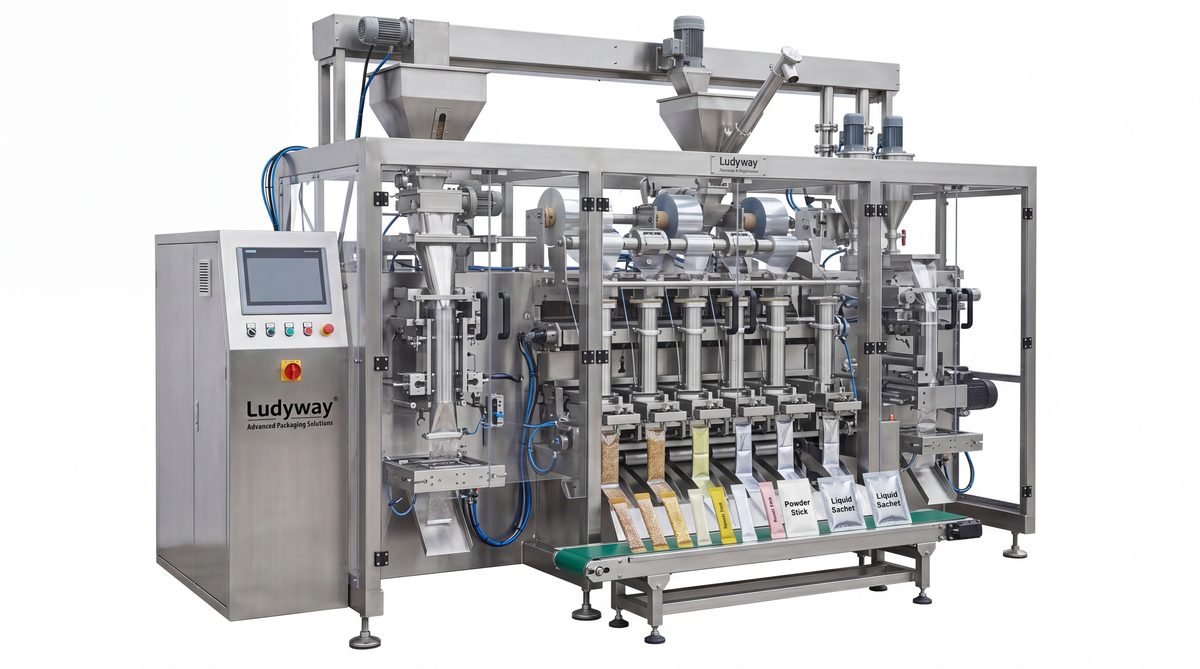
Step 9: Calculate Cost Per Unit
Once all major cost elements are identified, combine them into a unit-cost model.
Practical formula
Production Cost per Unit = (Capital Cost + Labor + Utilities + Maintenance + Other Overheads) ÷ Good Output + Packaging Material Cost per Unit
This formula can be adapted for:
- Cost per sachet
- Cost per stick pack
- Cost per pouch
- Cost per bottle
- Cost per finished carton or case
Sample Cost Estimation Table
| Item | Monthly Cost | Per Unit Impact |
|---|---|---|
| Capital depreciation | $1,500 | $0.0075 |
| Labor | $3,200 | $0.0160 |
| Utilities | $650 | $0.0033 |
| Maintenance | $400 | $0.0020 |
| Packaging materials | $9,000 | $0.0450 |
| Estimated total | $14,750 | $0.0738 per unit |
This is only an example, but it shows how a structured estimate can reveal the real cost drivers. In many cases, packaging materials and labor dominate total cost more than expected.
Hidden Costs Buyers Often Miss
A professional estimate should also include hidden or secondary costs that affect long-term performance.
- Factory layout changes and line relocation
- Electrical upgrades and compressed air systems
- Validation documents for pharma or regulated sectors
- Operator training and multilingual manuals
- Remote support or overseas technical service
- Software integration with MES or ERP systems
- Safety guards and compliance upgrades
- Inventory carrying cost for spare parts
How to Compare Two Packaging Machines Correctly
Do not compare suppliers based only on purchase price. The lower-cost machine may create higher total production cost over time.
Compare these points side by side
- Actual stable output, not just maximum speed
- Reject rate and sealing consistency
- Changeover speed
- Labor requirement
- Maintenance complexity
- Spare parts availability
- Compatibility with current packaging materials
- Ability to scale into a turnkey line later
When evaluating long-term value, many buyers work with experienced suppliers such as packaging machine manufacturer Ludyway to review machine configuration, automation level, and expected production economics before finalizing procurement.
Tips to Reduce Packaging Machine Production Cost
- Choose a machine that matches actual capacity needs rather than oversized theoretical demand
- Reduce packaging film waste through better sealing and alignment control
- Improve preventive maintenance to cut unplanned downtime
- Standardize pack sizes where possible
- Train operators to reduce startup losses
- Use integrated lines to reduce handling and labor cost
- Track OEE and reject rates regularly
- Negotiate spare parts and service support in the initial purchase package
Best Practices for a More Accurate Estimate
Use real production assumptions
Base your estimate on actual shift time, actual staff count, and realistic line efficiency, not brochure speed.
Estimate for both short-term and long-term use
A low initial cost machine may look attractive, but a more stable system may deliver lower cost over 3 to 5 years.
Create multiple scenarios
Build at least three models: low output, standard output, and peak output. This helps assess cost sensitivity.
Review the full line, not only the main machine
Your bottleneck may be feeding, labeling, coding, case packing, or material transfer rather than the primary packer itself.
Final Cost Estimation Checklist
| Checklist Item | Included? |
|---|---|
| Machine purchase and auxiliary equipment | Yes / No |
| Installation, freight, and commissioning | Yes / No |
| Labor per shift or month | Yes / No |
| Electricity, air, water, HVAC | Yes / No |
| Packaging materials and consumables | Yes / No |
| Downtime, reject rate, and startup loss | Yes / No |
| Maintenance and spare parts | Yes / No |
| Changeover and SKU complexity | Yes / No |
| Overheads and compliance costs | Yes / No |
Conclusion
A reliable packaging machine production cost estimate should reflect the full operating reality of your line, not just the equipment quotation. By evaluating capital cost, labor, utilities, materials, downtime, maintenance, and effective output, you can calculate a much more accurate cost per unit and make smarter investment decisions.
The most effective approach is to build a practical cost model before purchasing equipment, then refine it with real production data after installation. This not only improves budgeting accuracy but also helps identify where automation, process optimization, or equipment upgrades can deliver the greatest savings.