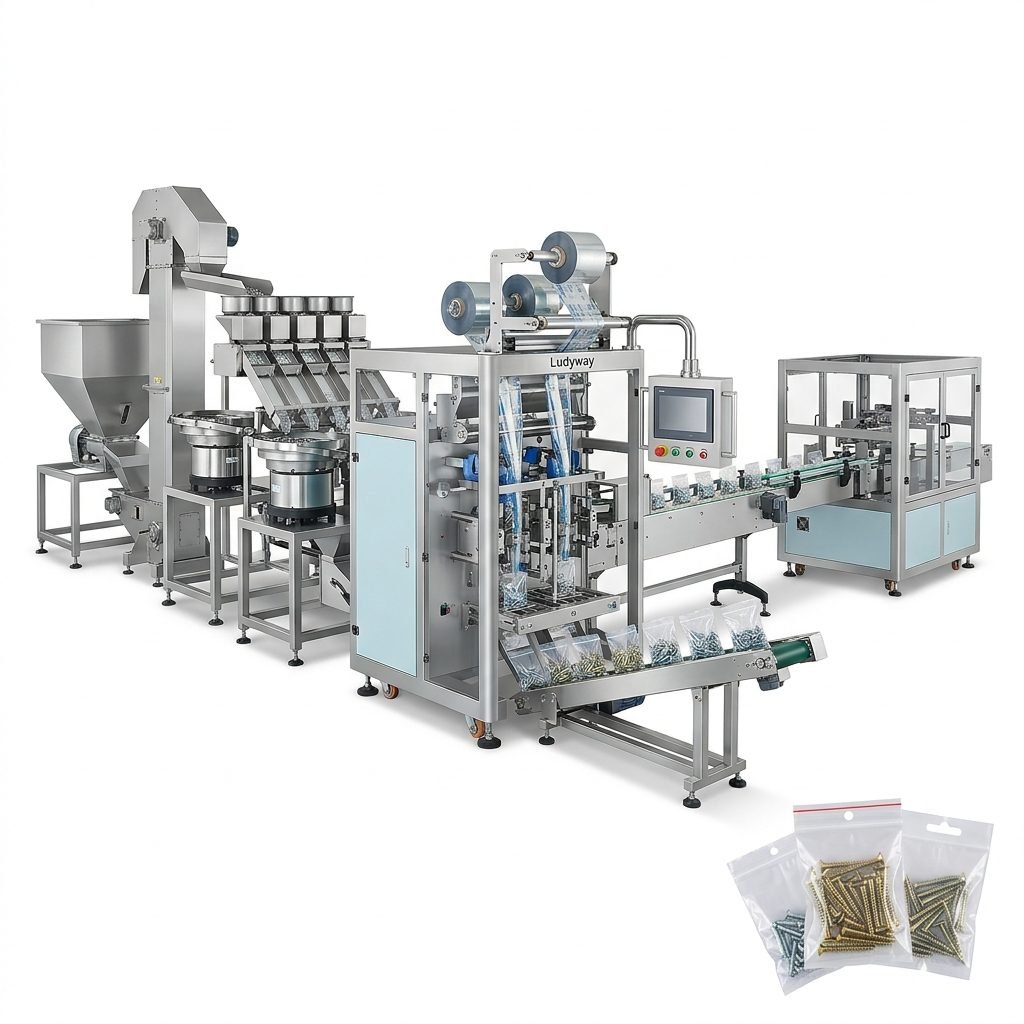
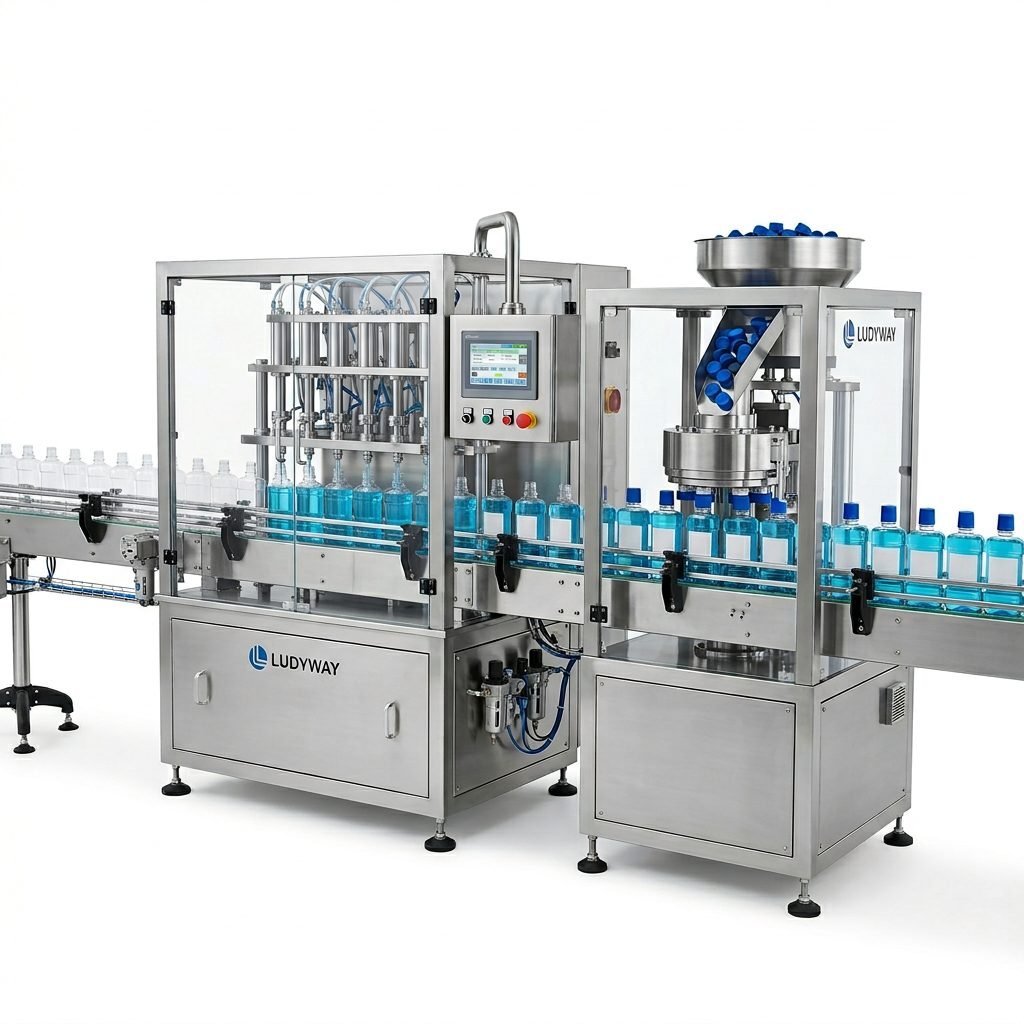
The African nut processing industry is experiencing remarkable growth, driven by increasing global demand for cashews, peanuts, macadamia nuts, almonds, and pistachios. Countries such as Nigeria, Tanzania, Côte d’Ivoire, Kenya, and Mozambique are expanding their processing capacities, creating an urgent need for reliable nuts packaging machines that can handle high volumes while maintaining product freshness and quality. Selecting the right packaging equipment is critical for exporters aiming to meet international standards and consumer expectations.
Understanding the African Nut Packaging Landscape
The African nut packaging sector faces unique challenges, including varying climate conditions, infrastructure limitations, and diverse market requirements. From small-scale cooperatives in rural Tanzania to large commercial processors in Lagos, the need spans a wide range of production capacities. According to PMMI’s packaging industry intelligence, the global packaging machinery market continues to grow steadily, with Africa emerging as a key investment region for food processing equipment.
Whether you are packaging raw nuts in bulk bags, retail-ready pouches, or single-serve sachets, understanding the full spectrum of available machinery is essential. The right equipment can significantly reduce product waste, extend shelf life, and improve overall operational efficiency.
Types of Nuts Packaging Machines Available
There are several categories of packaging machines suitable for nut processing operations. Each type serves distinct purposes and production scales:
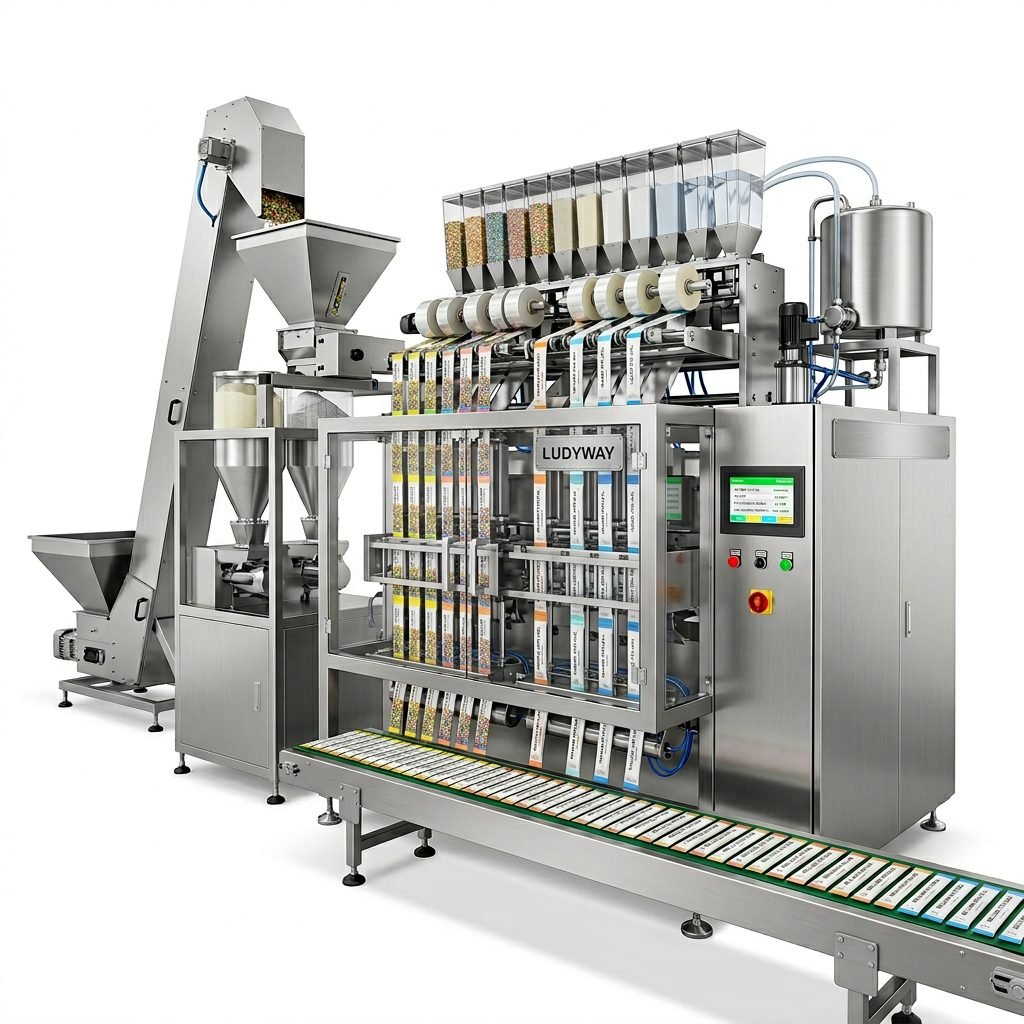
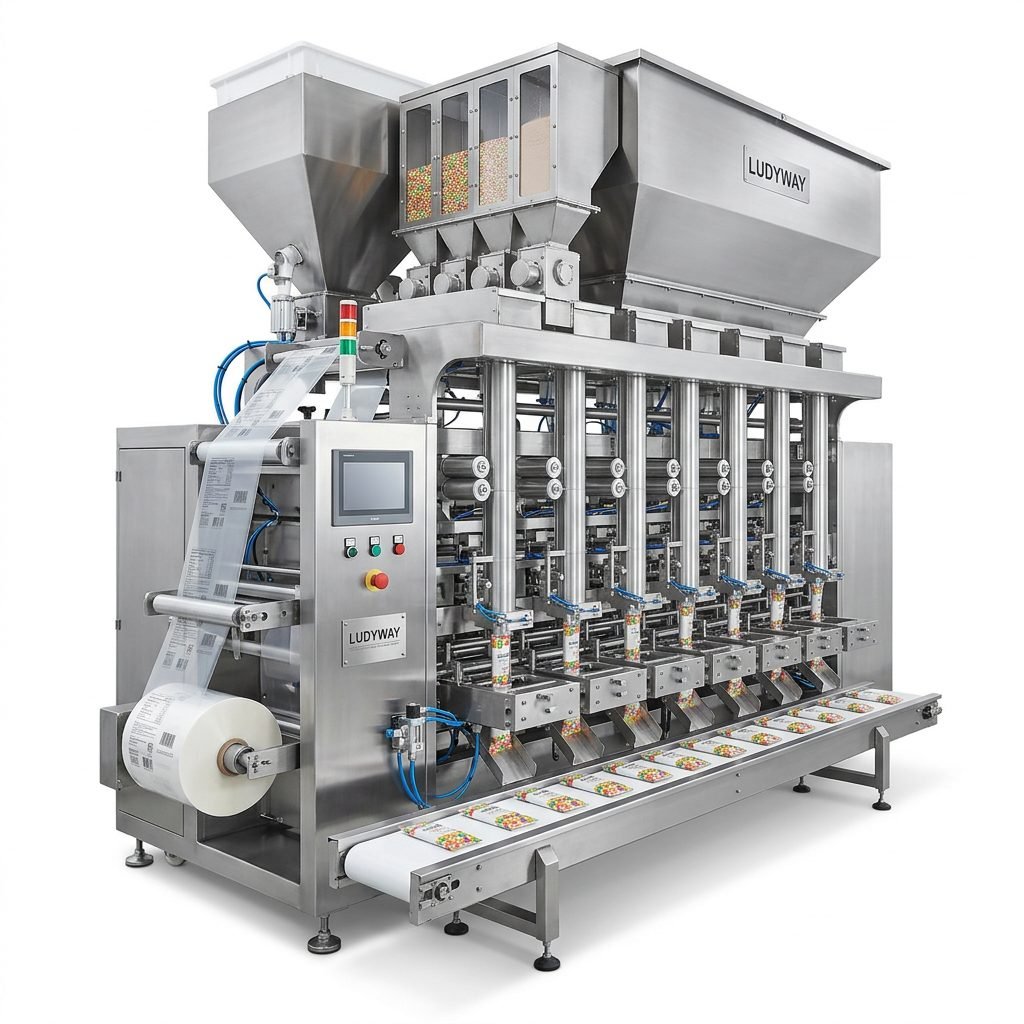
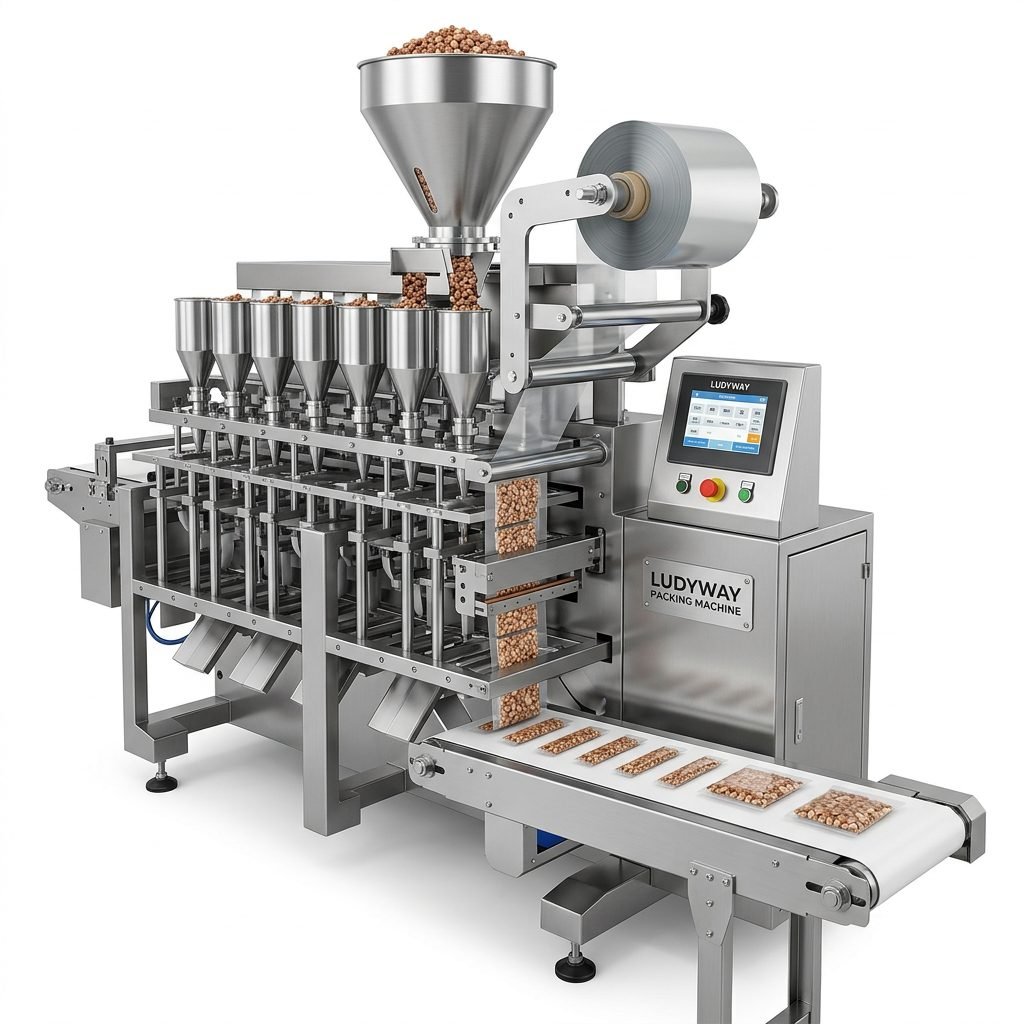
Multi-Lane Stick Pack Machines
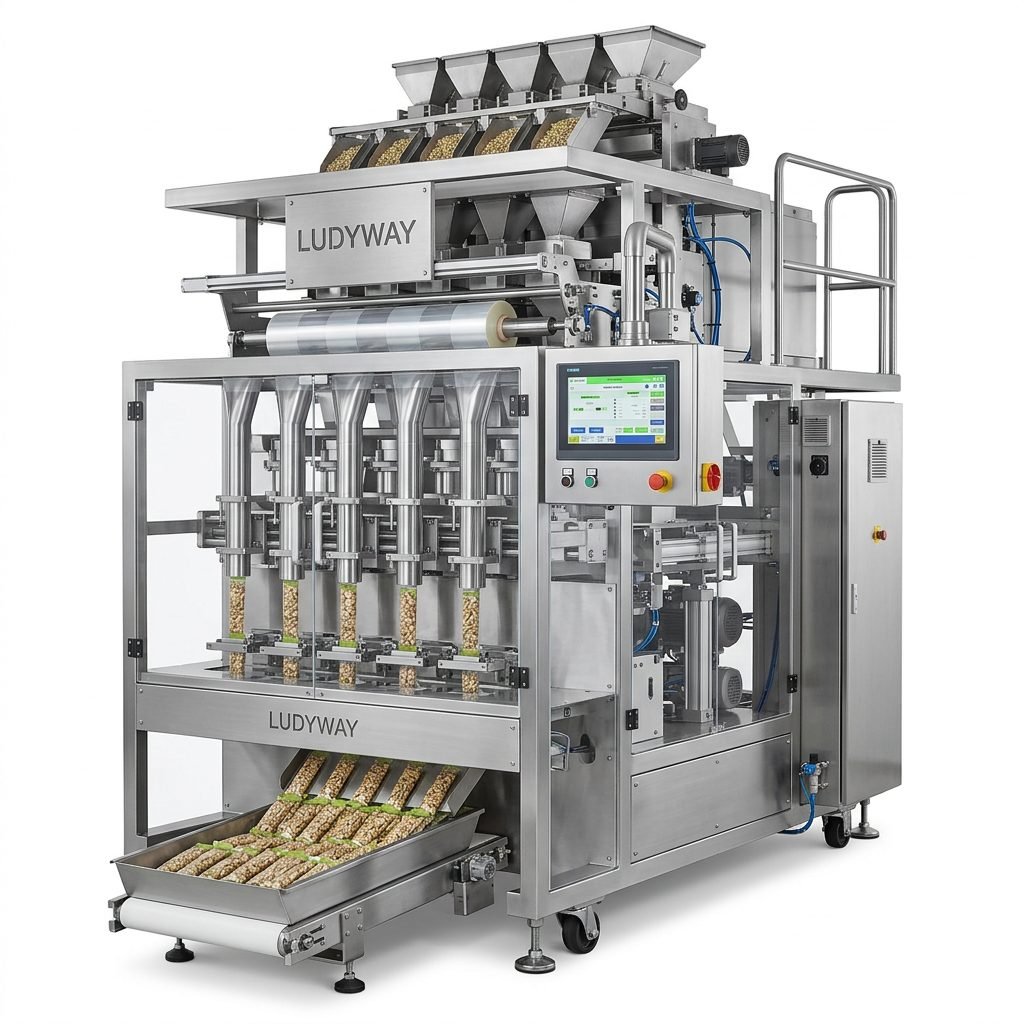
These high-speed machines produce narrow, sealed stick packs ideal for single-serve nut portions. They are widely used for snack-sized peanut and almond packs in the growing health-conscious consumer market. Multi-lane configurations allow simultaneous filling across 4 to 20 lanes, dramatically increasing output.
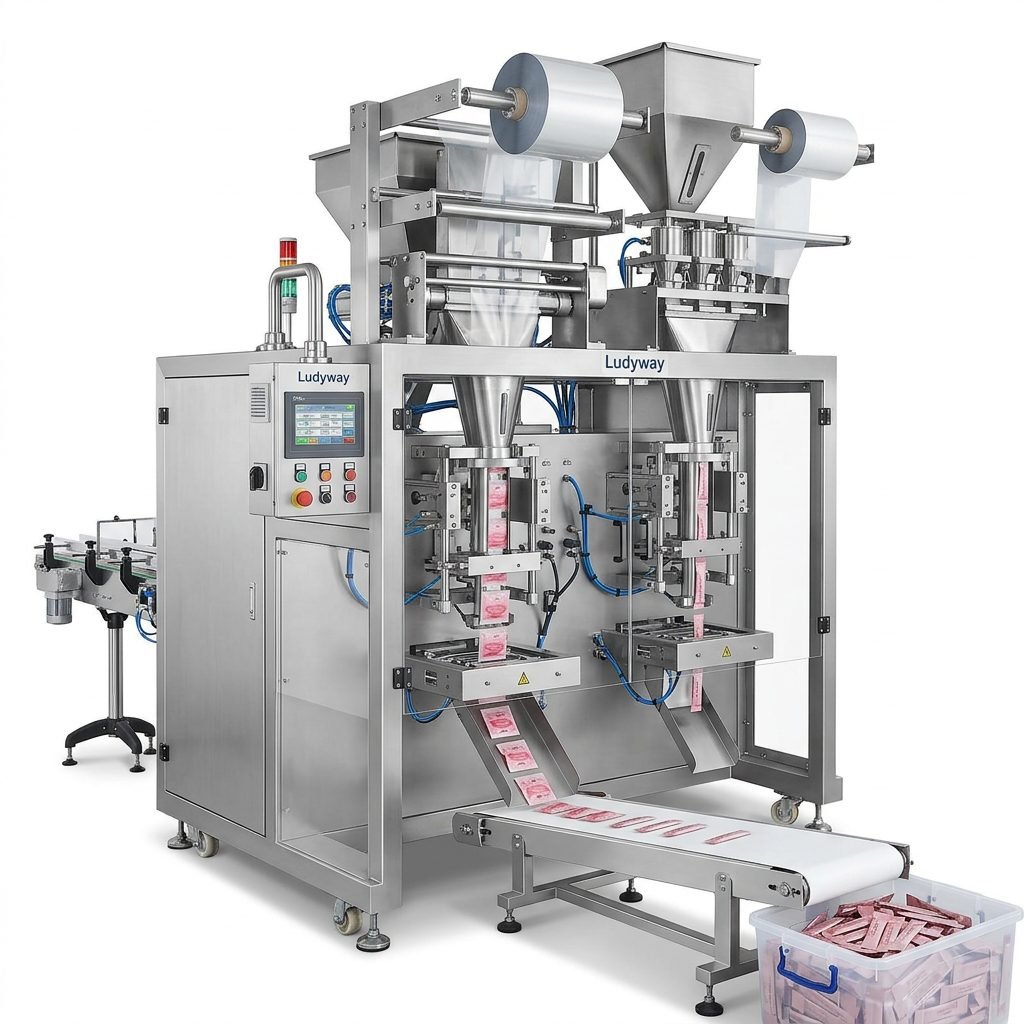
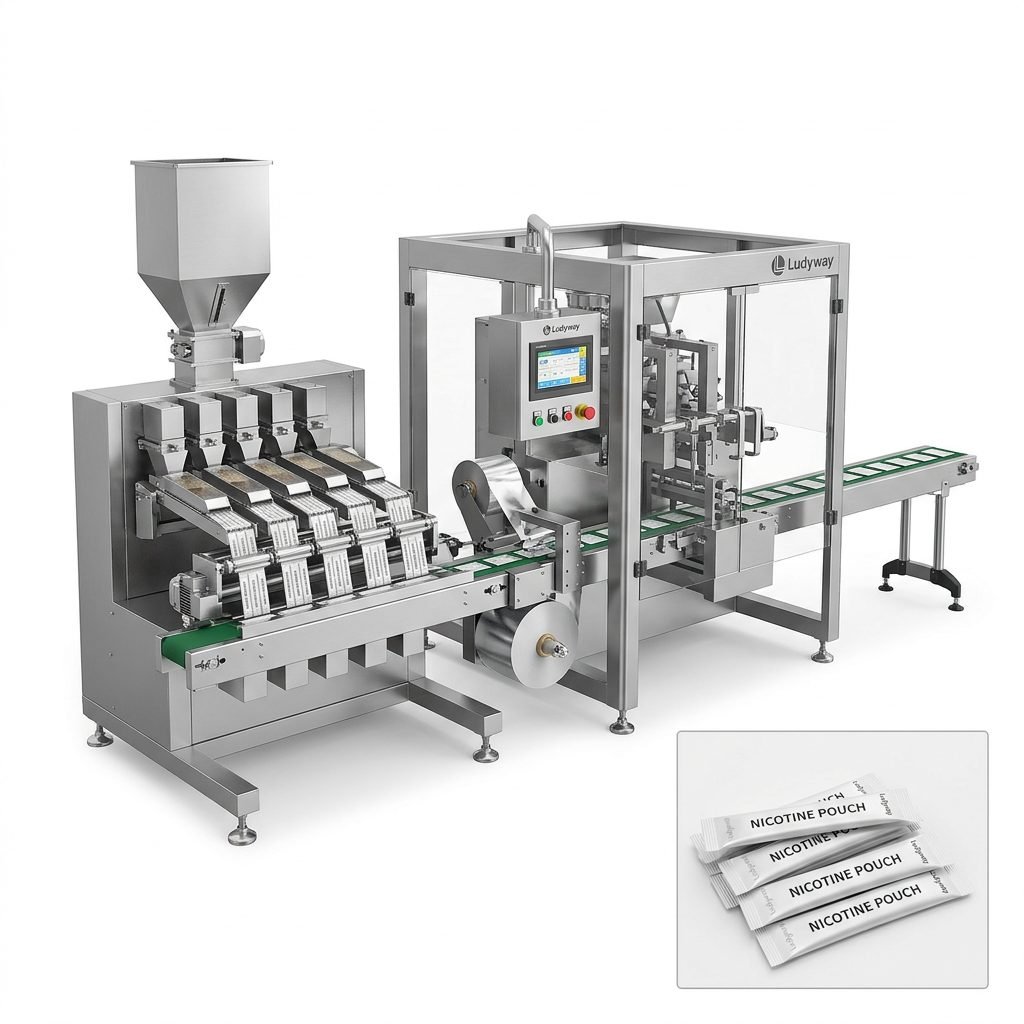
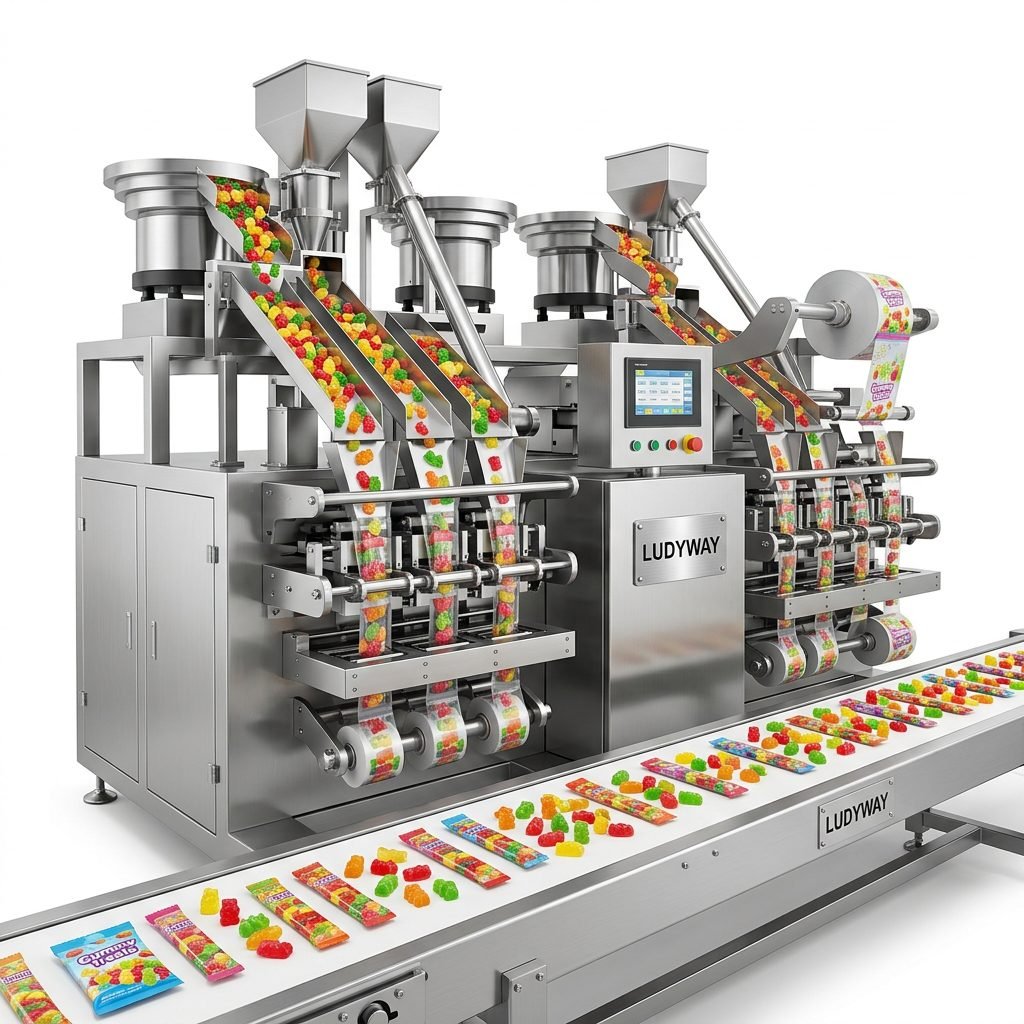
Sachet Packaging Machines
Sachet packers are ideal for smaller portion sizes and are highly popular across African markets where affordability is key. These machines handle granular products like roasted cashew pieces, peanut granules, and mixed nut blends with precision weighing and sealing capabilities. Sachet formats are also favored for their cost-effectiveness in material usage.
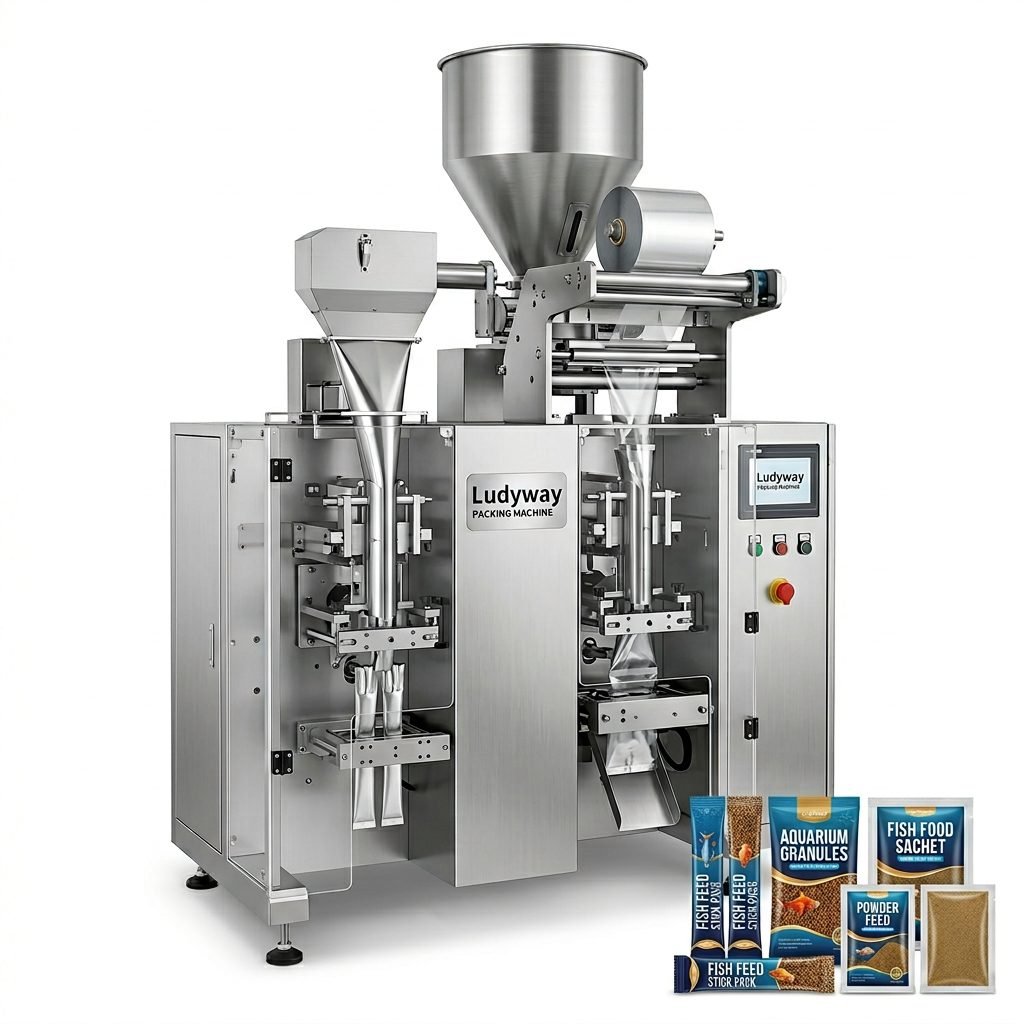
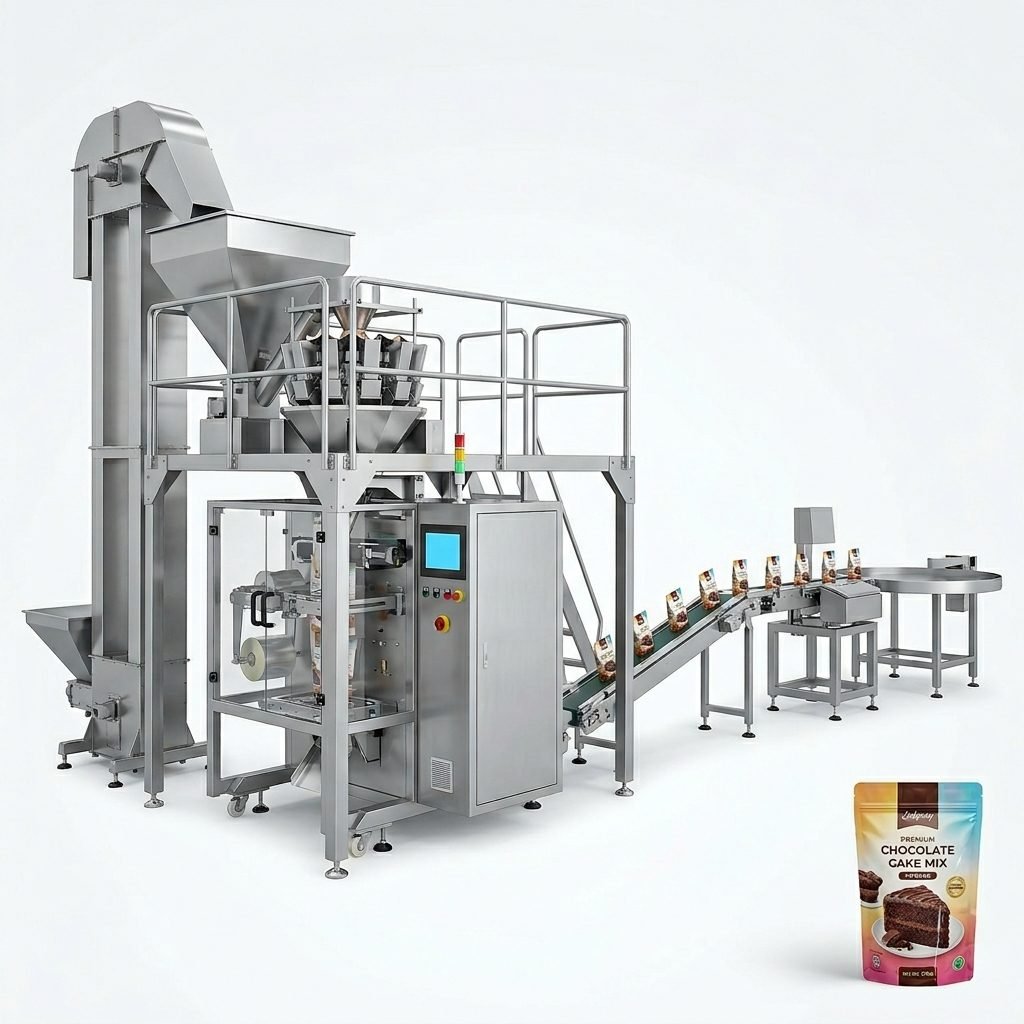
Vertical Form Fill Seal (VFFS) Machines
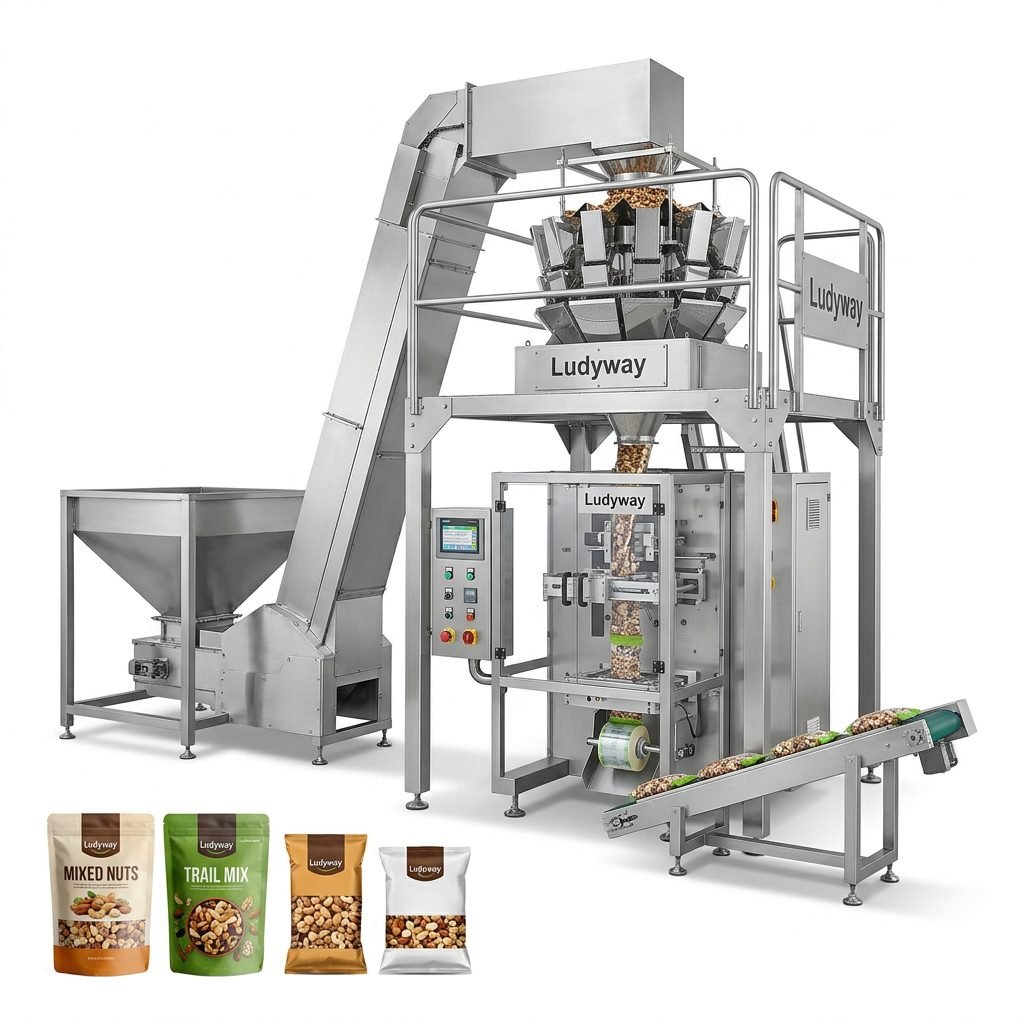
VFFS systems are versatile workhorses capable of producing pillow bags, gusseted pouches, and block-bottom bags. For nut applications, these machines often integrate with multi-head weighers to deliver accurate portion control. VFFS machines are suitable for both retail and bulk packaging applications.
Bulk Bagging Systems
For processors exporting raw or semi-processed nuts, bulk bagging systems handling 10kg to 50kg bags are essential. These open-mouth bagging lines feature automated weighing, filling, and sealing stations designed for high-throughput operations. Bulk nut packaging remains a significant segment for African exporters shipping to European and Asian markets.
Pre-Made Pouch Packaging Machines
Rotary and inline pouch fillers handle pre-formed pouches, offering excellent seal integrity and attractive presentation for premium nut brands. These machines support zipper closures, tear notches, and nitrogen flushing to preserve product freshness—critical for high-value macadamia and pistachio exports.
Key Factors to Consider When Buying a Nuts Packaging Machine
Investing in packaging machinery requires careful evaluation of several critical parameters. Making an informed decision can save substantial costs and operational headaches down the line.
Production Capacity Requirements
Calculate your target output in packs per minute or bags per hour. A small processor may only need 30-60 packs per minute, while large-scale operations could require 120-300 packs per minute across multiple lanes. It is advisable to select a machine that accommodates future growth rather than one that barely meets current needs.
Nut Type and Product Characteristics
Different nuts present distinct handling challenges. Whole cashews require gentle handling to prevent breakage, while granulated peanuts or almond pieces flow differently through filling systems. Machine selection must account for product fragility, oil content, and particle size distribution. Dust generation from nut fragments also necessitates proper dust extraction systems.
Packaging Material Compatibility
Ensure the machine supports the film or laminate materials available in your region. Common materials for nut packaging include metallized PET/PE laminates, aluminum foil structures, and biodegradable films. The machine should handle the required barrier properties to protect against moisture, oxygen, and light—all factors that accelerate nut rancidity.
Automation Level
From semi-automatic systems requiring manual loading to fully integrated lines with robotic palletizing, the automation spectrum is broad. For African operations with reliable labor availability, semi-automatic solutions may be cost-effective. However, fully automated lines deliver superior consistency and hygiene, which are increasingly mandated by international food safety regulations.
| Machine Type | Speed Range | Best For | Investment Level |
|---|---|---|---|
| Multi-Lane Stick Pack | 150-600 packs/min | Single-serve nut snacks | High |
| Sachet Machine | 60-200 packs/min | Affordable small portions | Medium |
| VFFS System | 30-120 bags/min | Versatile bag formats | Medium-High |
| Bulk Bagging Line | 5-15 bags/min | Export commodity packaging | Medium |
| Pre-Made Pouch Filler | 40-80 pouches/min | Premium retail products | High |
Essential Features for Nut Packaging Equipment
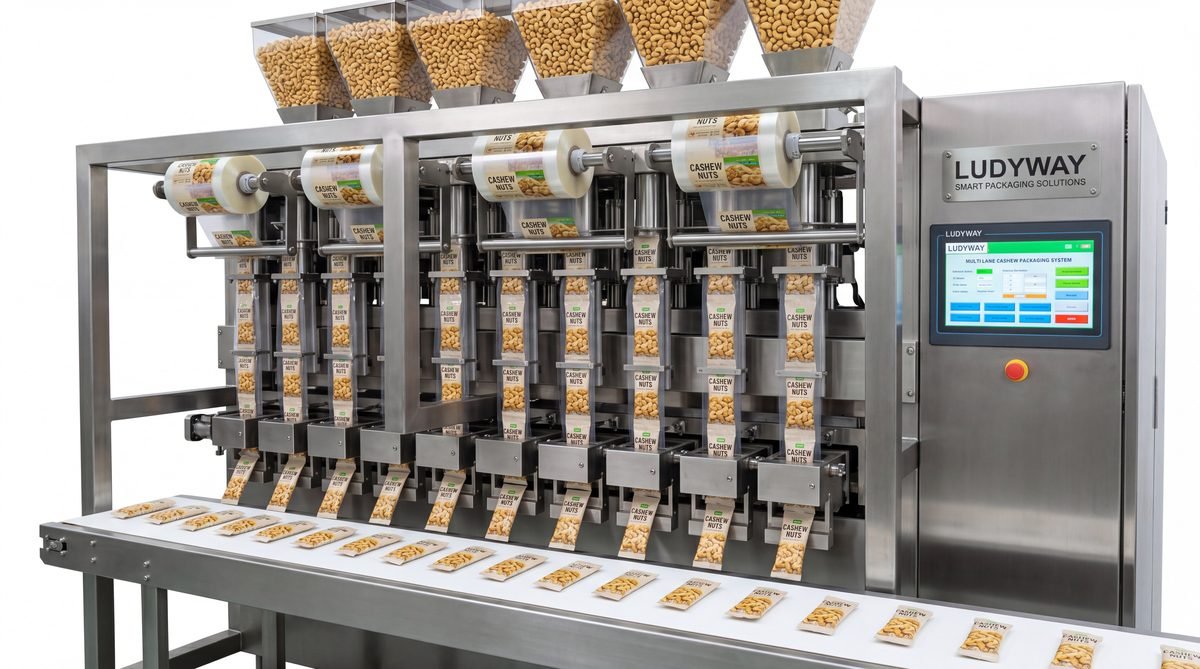
Modern nuts packaging machines should incorporate several advanced features to maximize productivity and product protection:
- Nitrogen Flushing Systems – Extends shelf life by displacing oxygen inside the package, critical for preventing oxidative rancidity in nuts
- Multi-Head Weighing Technology – Delivers precise portion control with minimal product giveaway
- Servo-Driven Sealing Jaws – Ensures consistent seal integrity across varying film thicknesses
- Easy-Clean Design – Quick-change parts and tool-less disassembly reduce downtime between nut variety changeovers
- Dust Extraction Ports – Manages nut dust accumulation that can interfere with sealing quality
- Metal Detection Integration – Protects consumers and meets ISO packaging safety standards
- Vision Inspection Systems – Verifies seal integrity and label placement automatically
Evaluating Suppliers for the African Market
Choosing the right equipment supplier is as important as selecting the machine itself. African buyers should consider suppliers with proven international experience and local support networks. A manufacturer that understands the specific logistical and operational realities of African markets can provide more relevant solutions.
After-Sales Support and Spare Parts Availability
Downtime in nut processing can lead to significant losses, especially during harvest seasons. Verify that the supplier offers readily available spare parts and responsive technical support. Remote troubleshooting capabilities via video call have become increasingly valuable for African operations located far from major cities. Ask potential suppliers about their service response times and whether they maintain regional parts inventory.
Installation and Training
Comprehensive installation support and operator training are non-negotiable. The best suppliers provide on-site commissioning, detailed operation manuals, and training programs tailored to your team’s skill level. Some manufacturers offer train-the-trainer programs that enable sustainable knowledge transfer within your organization.
Compliance and Certifications
For nut exporters targeting European, North American, or Gulf markets, packaging machinery must comply with relevant food packaging regulations and standards. CE certification, GMP compliance, and food-grade material certifications should be verified before purchase. The Flexible Packaging Association provides valuable resources on material compliance and industry standards.
Cost Considerations and ROI Analysis
Packaging machinery represents a significant capital investment. Beyond the initial purchase price, buyers must account for shipping, import duties, installation, training, and ongoing maintenance. A comprehensive total cost of ownership analysis should also include film consumption rates, energy usage, expected parts replacement schedules, and labor requirements.
For African nut processors, the return on investment typically comes from multiple sources: reduced product waste through improved seal integrity, extended shelf life enabling access to distant markets, higher throughput with fewer operators, and the ability to command premium pricing through professional packaging presentation. Companies investing in modern equipment often report payback periods of 18-36 months, depending on utilization rates and market conditions.
Common Mistakes to Avoid
Many first-time buyers make costly errors that could be avoided with proper planning. Being aware of these pitfalls can save substantial resources:
- Underestimating future capacity needs – Purchasing a machine that cannot scale with growing demand
- Choosing based solely on price rather than total lifecycle value
- Neglecting to verify film availability for the machine’s required specifications
- Skipping factory acceptance testing before shipment
- Ignoring the importance of local voltage stability and electrical compatibility
- Failing to budget for ongoing operator training and skill development
The Role of Turnkey Packaging Solutions
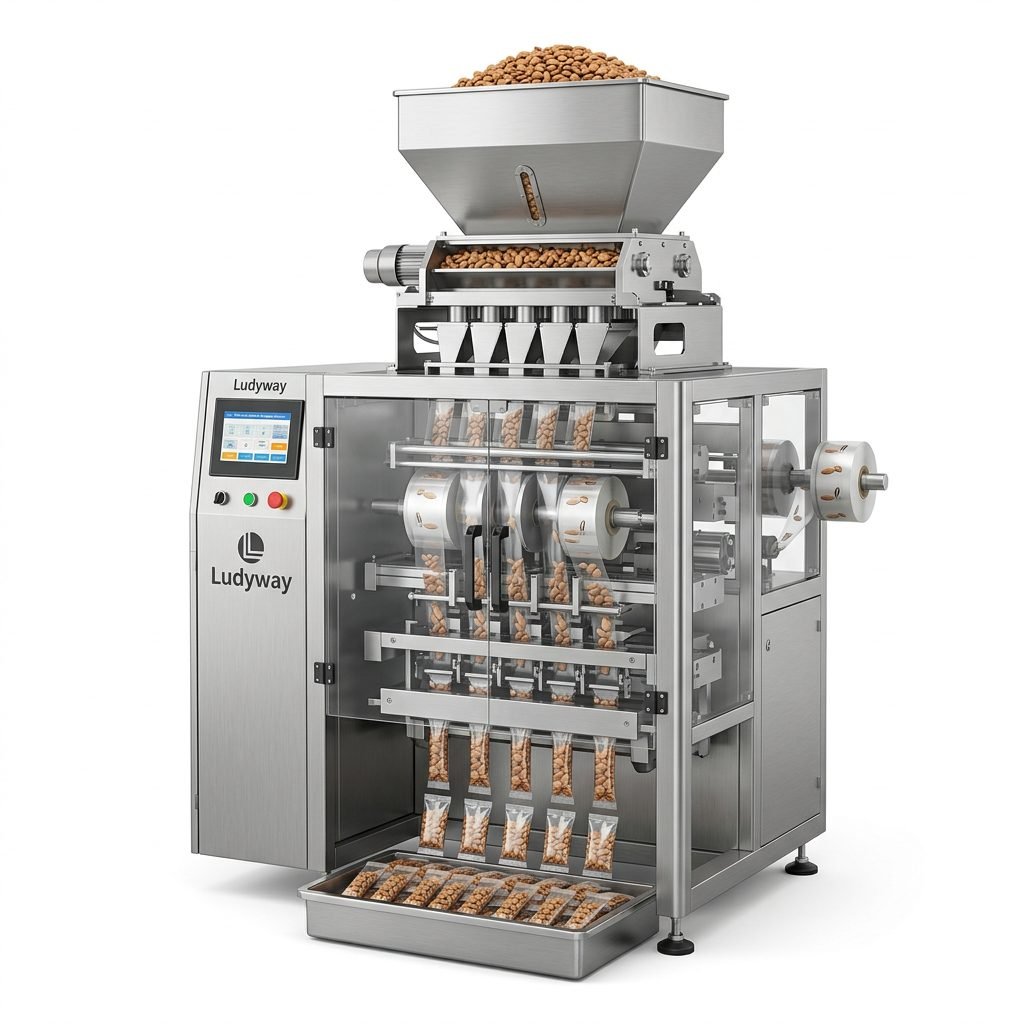
Increasingly, African nut processors are opting for turnkey packaging solutions that encompass not just the primary packaging machine, but also upstream and downstream equipment. A complete line may include bucket elevators for product feeding, multi-head weighers, the packaging machine itself, checkweighers, metal detectors, cartoning machines, case packers, and palletizing systems. Integrated lines reduce interface risks between equipment from different suppliers and simplify ongoing maintenance through a single point of contact.
According to PMMI’s 2025 State of the Industry report, the trend toward integrated packaging systems continues to accelerate globally, with food processors prioritizing suppliers capable of delivering comprehensive production line solutions. For the African nut industry, this approach supports compliance with international food safety standards while optimizing overall equipment effectiveness.
Maintenance Best Practices
Proper maintenance is essential to maximize the lifespan of nuts packaging equipment, particularly in humid tropical environments common to many African nut-growing regions. Establish a preventive maintenance schedule covering daily cleaning, weekly inspections of sealing components, monthly lubrication of moving parts, and quarterly electrical system checks. Keep detailed maintenance logs and monitor key performance indicators such as seal integrity rates and unexpected downtime hours.
Climate considerations are particularly important. High humidity can affect film handling and sealing parameters, while dust from nut processing can accelerate wear on bearings and sensors. Installing climate-controlled enclosures for sensitive electronic components is strongly recommended in coastal processing facilities.
Future Trends in Nut Packaging
The African nut packaging sector is poised for continued modernization. Emerging trends include the adoption of sustainable packaging materials such as compostable films and recyclable mono-material structures. Smart packaging with QR codes enabling traceability from farm to consumer is gaining traction among premium nut exporters. Additionally, Industry 4.0 capabilities—including remote machine monitoring, predictive maintenance alerts, and real-time production analytics—are becoming more accessible to mid-sized processors.
As consumer preferences evolve toward healthier snacking options, the demand for attractively packaged nut products will continue expanding. African processors that invest in modern, versatile packaging technology today position themselves to capture growing market share in both regional and international markets. For businesses seeking reliable equipment partners, manufacturers like Ludyway offer comprehensive packaging solutions backed by extensive industry experience and global service networks, supporting the continued growth of Africa’s nut processing industry.
For further reading on packaging machinery standards and market trends, visit the PMMI packaging industry resource center and the Flexible Packaging Association knowledge hub. These organizations provide valuable insights into packaging industry economic data and regulatory developments affecting global food packaging operations.
Frequently Asked Questions
What is the best packaging machine for small-scale nut processors in Africa?
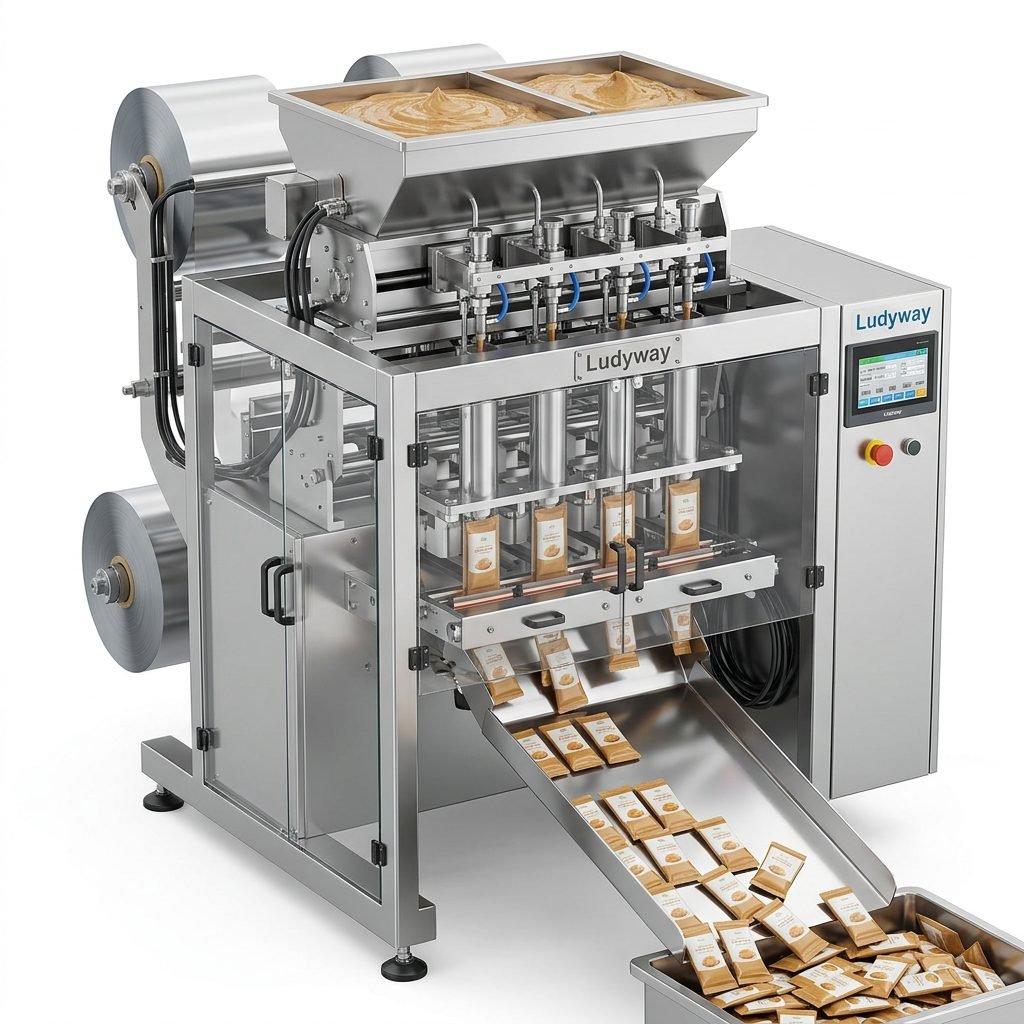
For small-scale operations, a semi-automatic sachet or stick pack machine with 2-4 lanes offers a good balance of affordability and productivity. These machines typically process 30-80 packs per minute and require less capital investment than fully automated lines.
How important is nitrogen flushing for nut packaging?
Nitrogen flushing is highly recommended for extending nut shelf life. By reducing oxygen levels inside the package to below 2%, nitrogen flushing significantly slows oxidation and rancidity, preserving flavor and nutritional quality for 12-18 months compared to 4-6 months without modified atmosphere packaging.
Can packaging machines handle multiple nut varieties?
Yes, most modern packaging machines can handle different nut types with minimal changeover adjustments. However, machines should be configured with appropriate feeding systems and weighing parameters for each product type. Quick-change design features reduce downtime during product transitions.
What after-sales support should African buyers expect?
Reputable suppliers should offer remote technical support, readily available spare parts, on-site installation and training, and warranty coverage. Some manufacturers provide extended service contracts and periodic maintenance visits to ensure optimal machine performance in African operating conditions.