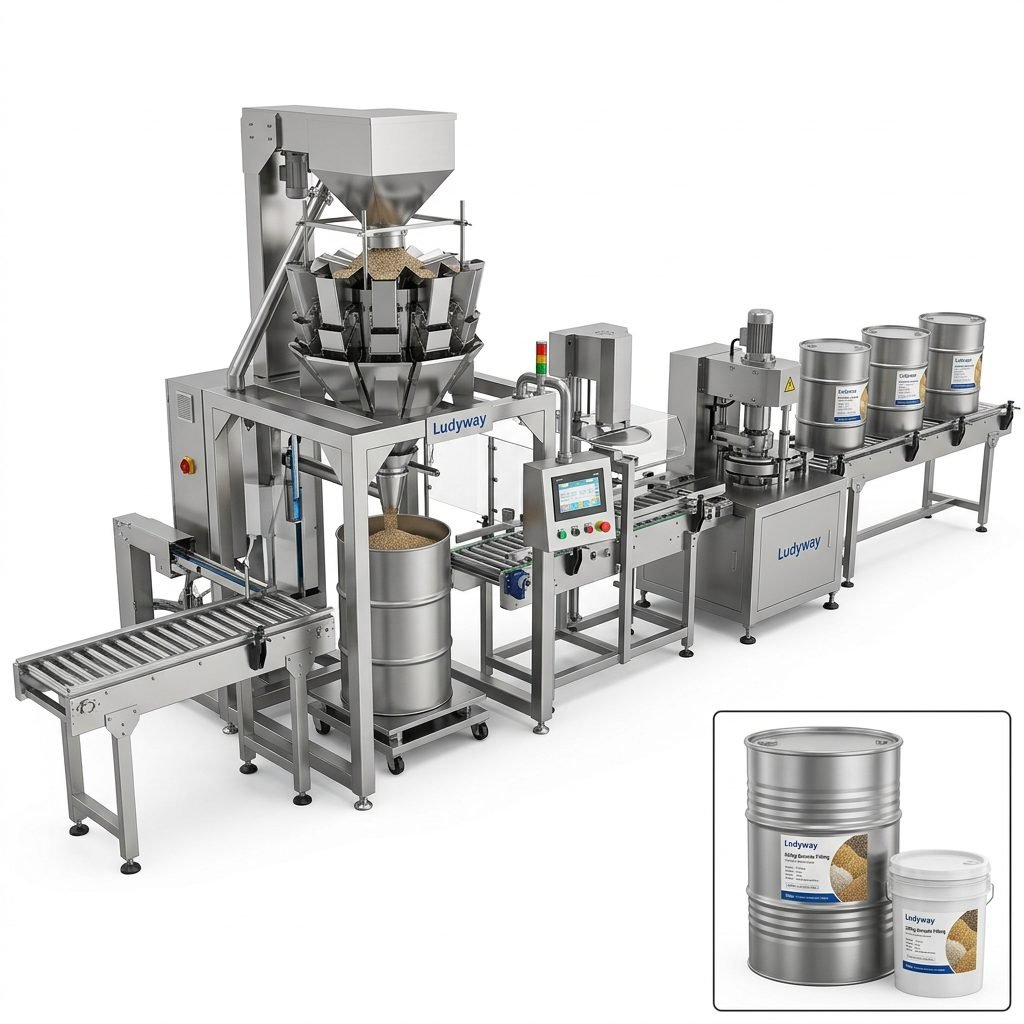
The European protein bar market is experiencing unprecedented growth, driven by rising health consciousness, on-the-go nutrition demands, and a booming fitness culture. Setting up a protein bar packaging machine production line in Europe requires careful planning, from selecting compliant equipment to navigating EU regulatory frameworks. This comprehensive guide walks you through every critical step to establish a successful, efficient, and fully compliant packaging operation.
Understanding the European Protein Bar Market Landscape
The European sports nutrition and functional food sector has seen double-digit annual growth. Consumers increasingly demand convenient, portion-controlled formats such as stick packs and sachets. This shift makes investing in advanced packaging machinery essential for manufacturers looking to capture market share. Key markets include Germany, the United Kingdom, France, the Netherlands, and Scandinavia, where protein-enriched snacks are now mainstream products distributed through supermarkets, gyms, and e-commerce channels.
Before setting up your production line, conduct a thorough market analysis to determine your target packaging format, production volume, and shelf-life requirements. The most popular formats for protein bars in Europe include flow-wrapped singles, multi-pack boxes, and increasingly, stick pack sachets for powdered protein bar mixes and bite-sized snacks.
Key Equipment for a Protein Bar Packaging Production Line
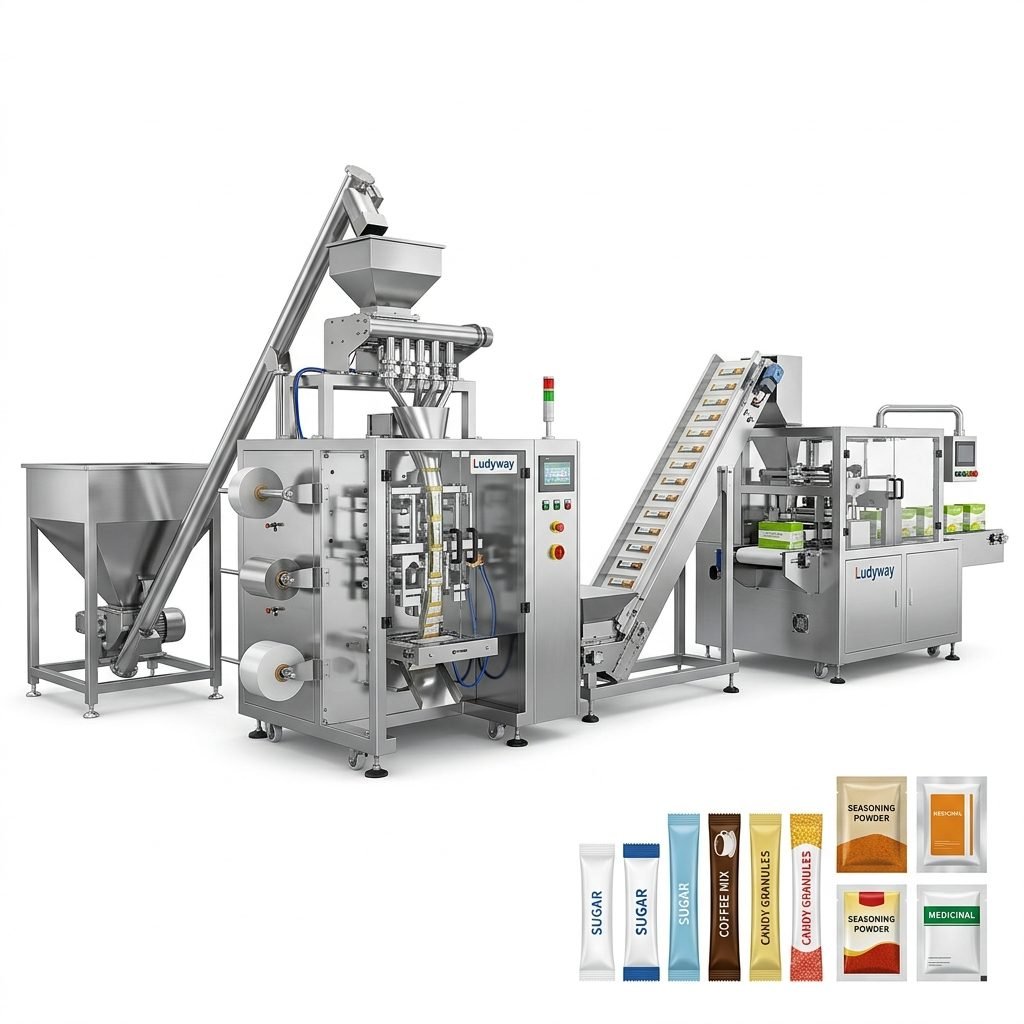
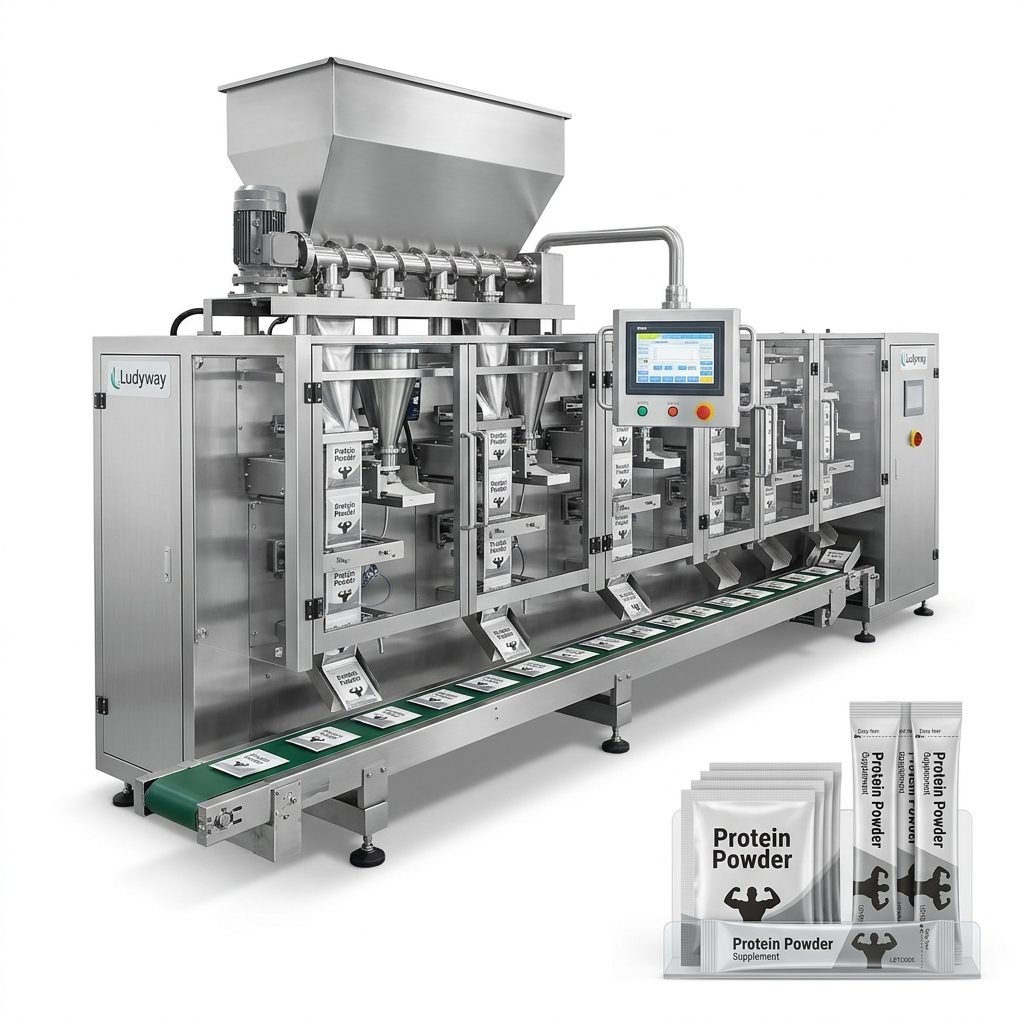
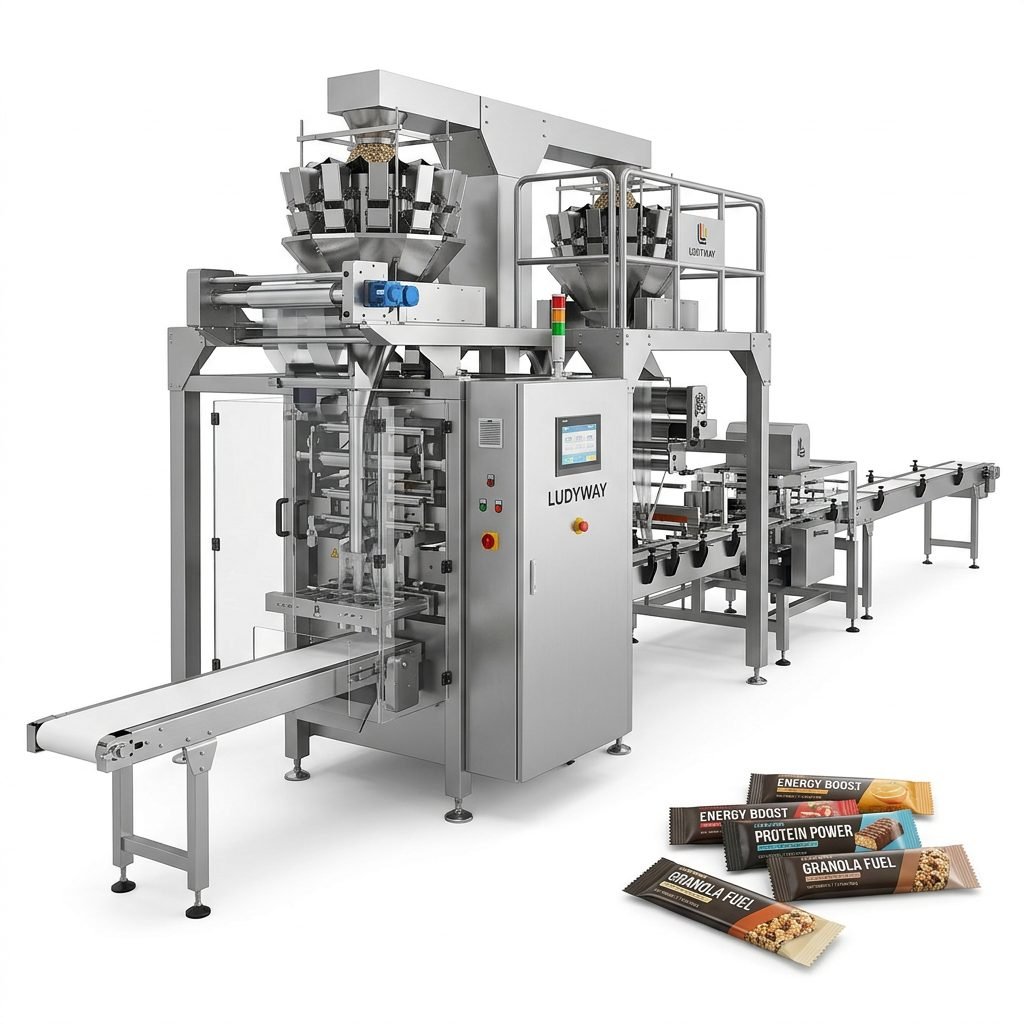
A well-integrated protein bar packaging production line comprises several interconnected machines. Understanding each component helps you make informed procurement decisions and ensures smooth, uninterrupted operation. Below are the essential equipment categories you need to evaluate:
Primary Packaging Machines: The Core of Your Line
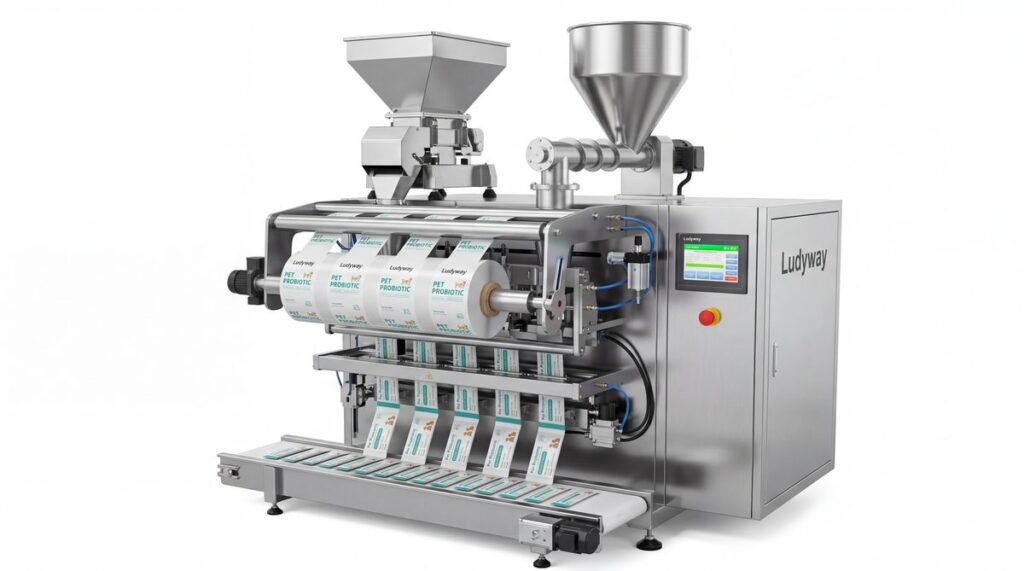
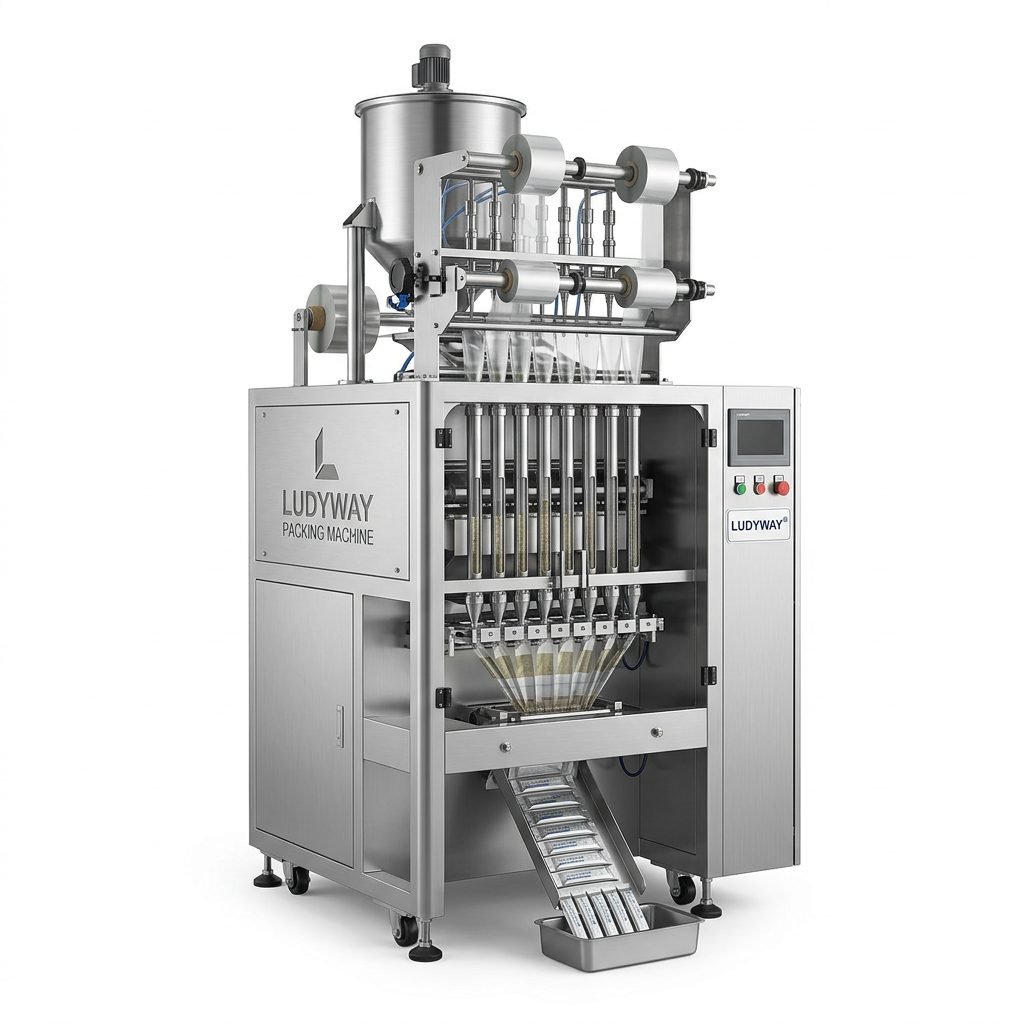
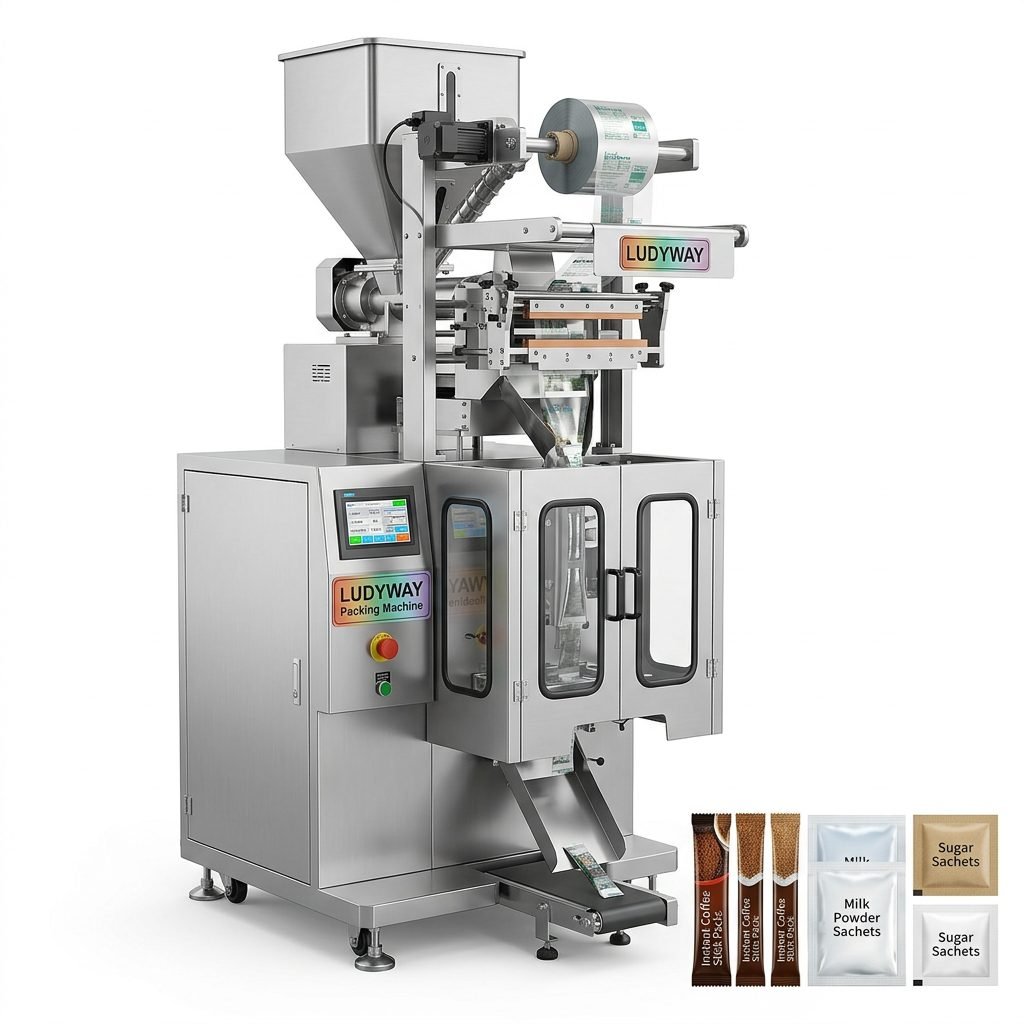
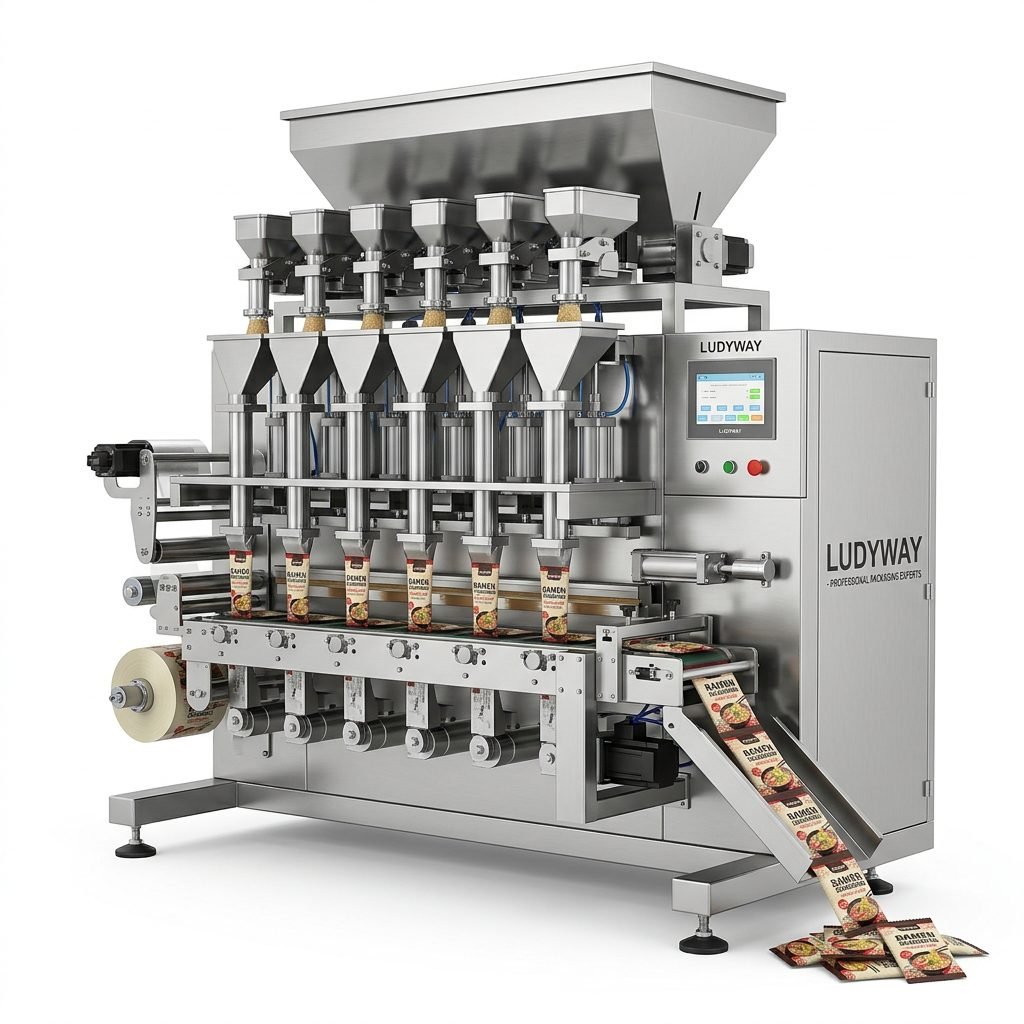
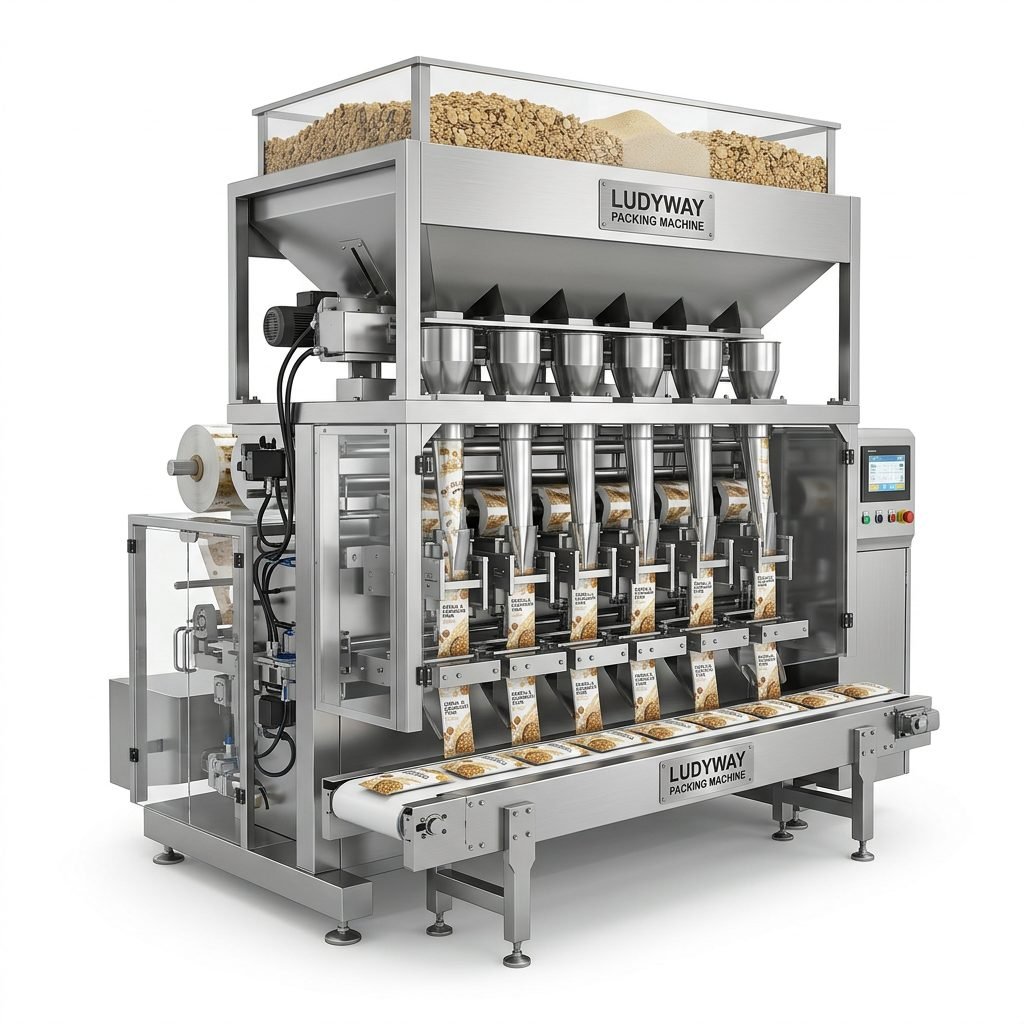
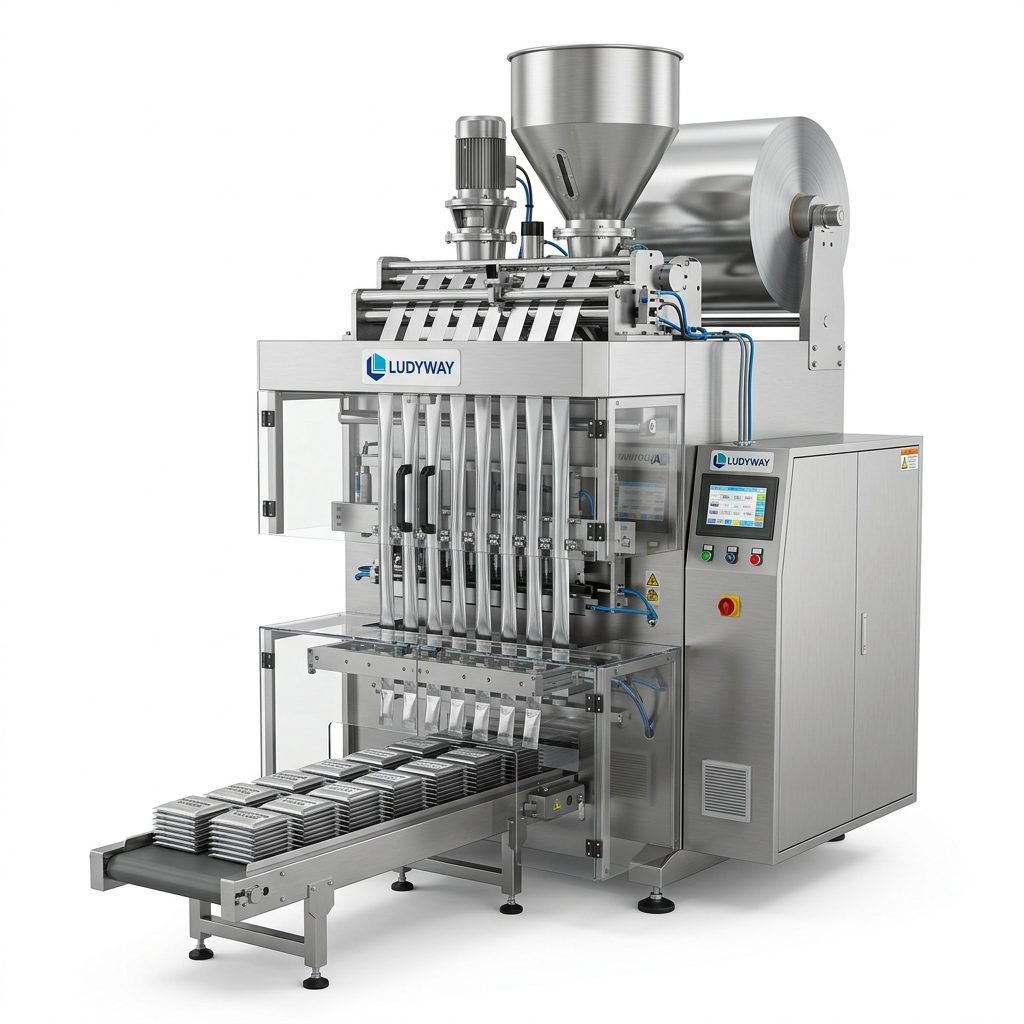
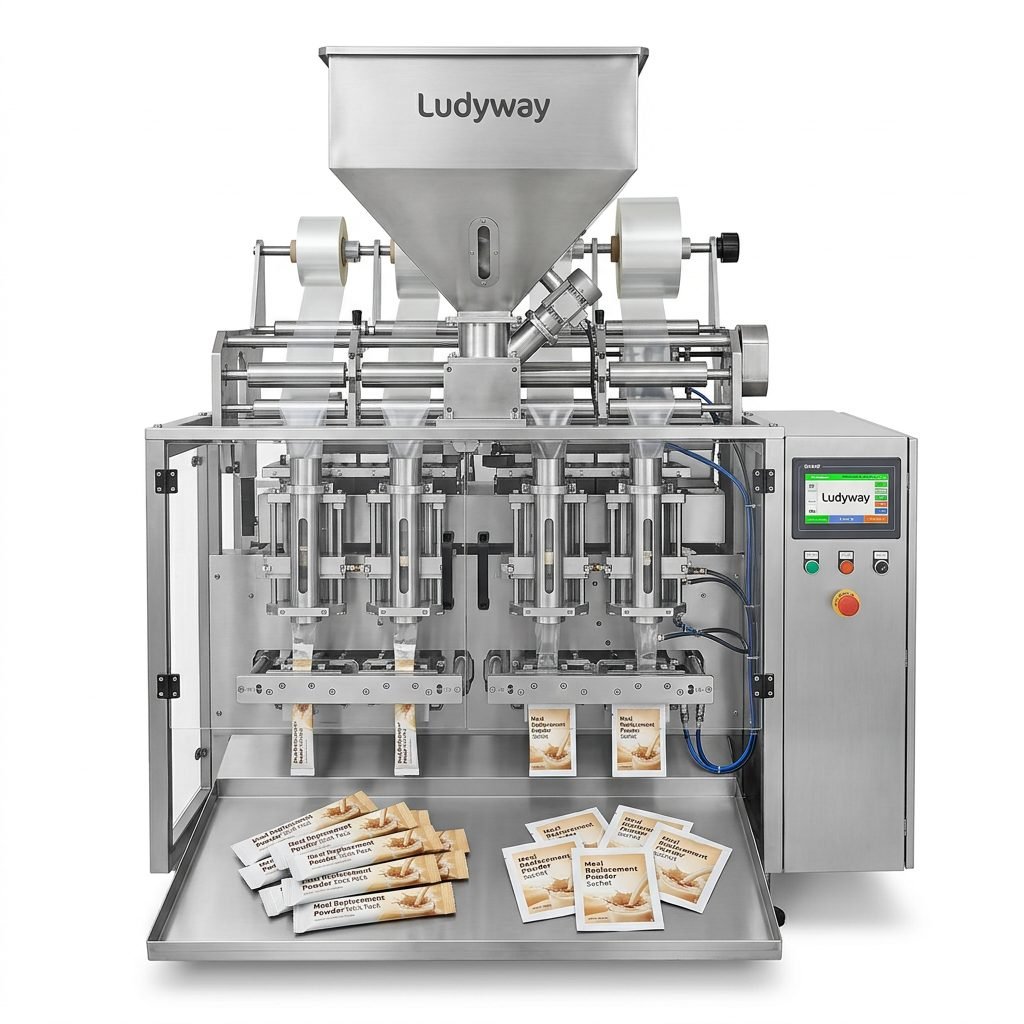
The primary packaging machine is the heart of your operation. For protein bars, the most common options include horizontal flow wrappers for individual bars and multi-lane stick pack machines for powdered or granulated protein bar mixes packaged in sachet form. Multi-lane systems offer superior throughput, capable of producing hundreds of sachets per minute, making them ideal for high-volume manufacturers targeting the European mass market.
When selecting primary packaging equipment, consider film compatibility, sealing integrity, gas flushing capabilities for extended shelf life, and quick changeover features for handling different product variants and packaging sizes.
Automated Feeding and Weighing Systems
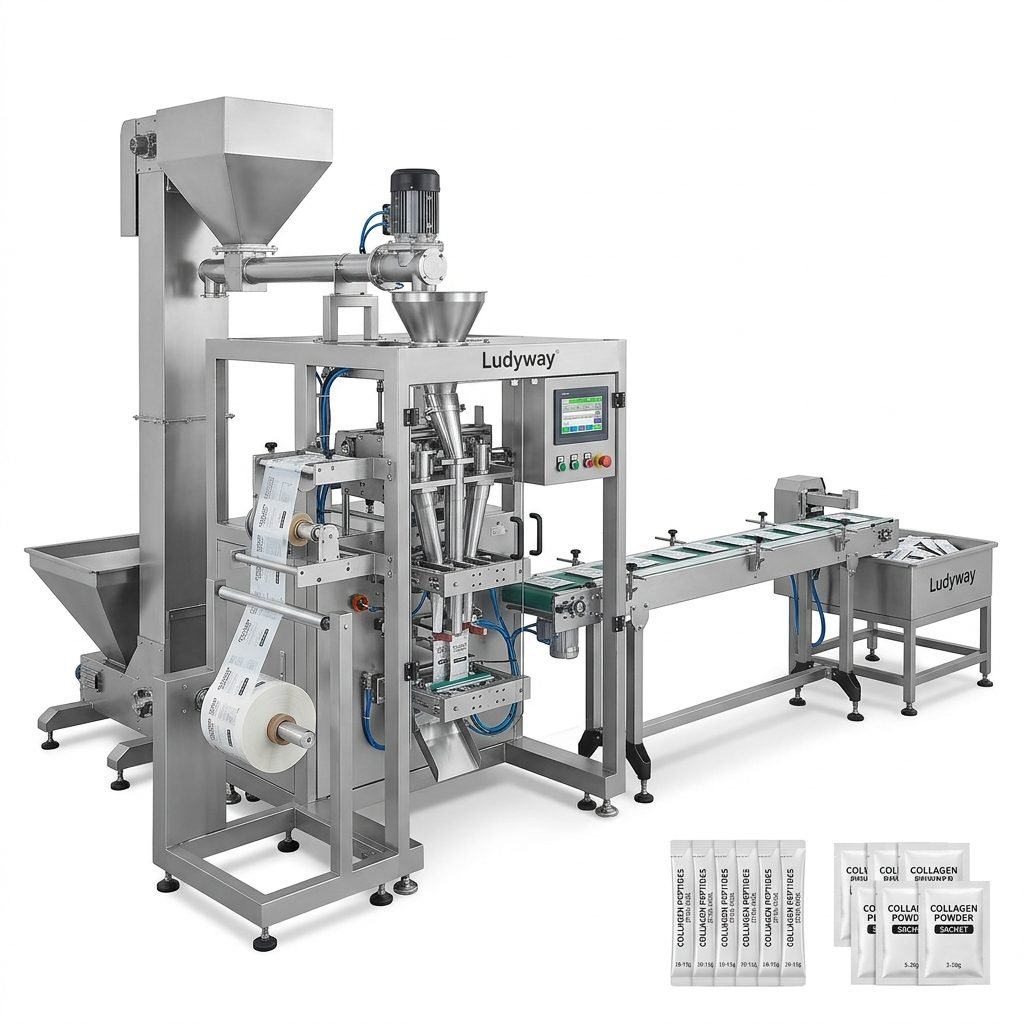
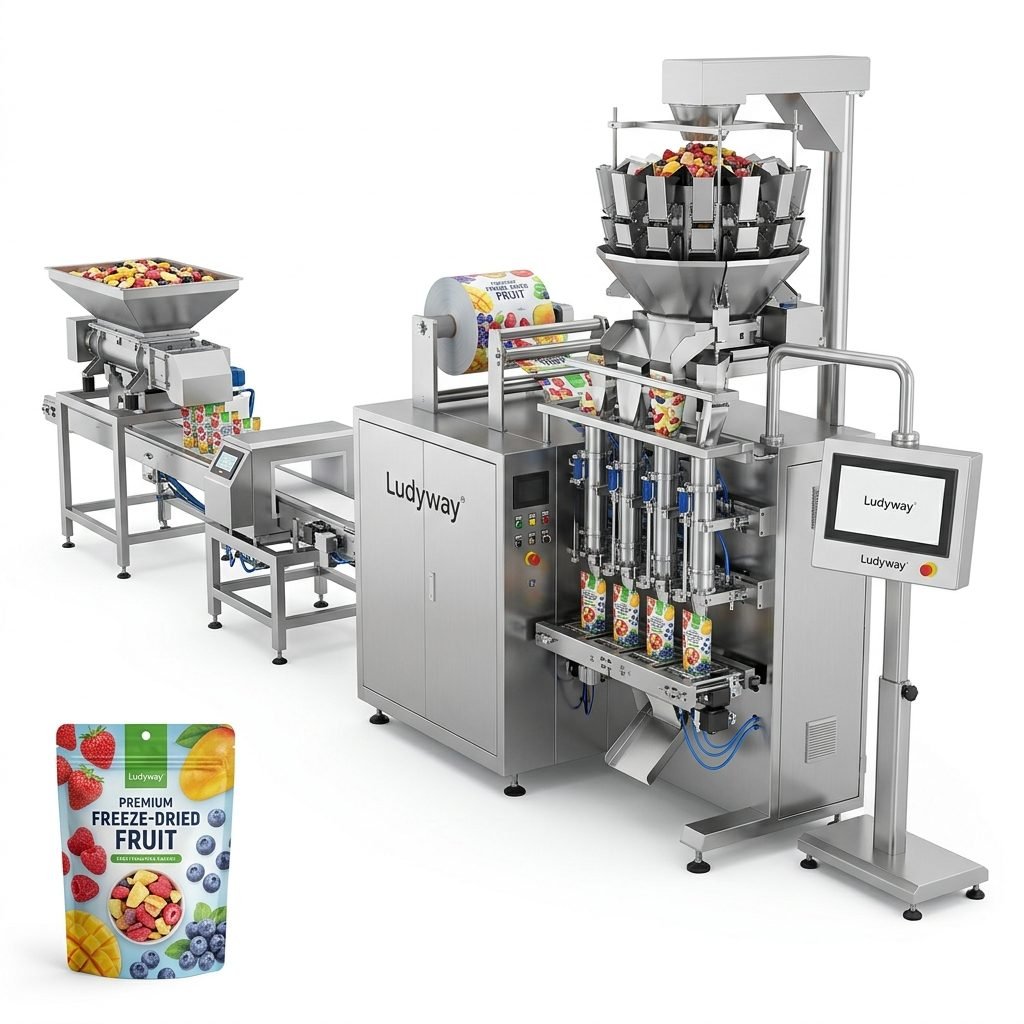
Precision in dosing is critical for protein bar and powder products. Multi-head weighers and auger fillers ensure each package contains the exact specified quantity, minimizing product give-away and maintaining nutritional label accuracy. For granule and powder protein products, vibratory feeding systems paired with high-precision scales deliver consistent, reliable performance. Integrating these systems with your primary packaging machine reduces manual labor and improves overall equipment effectiveness.
Coding, Inspection, and End-of-Line Equipment
European regulations mandate clear batch coding, expiry dates, and traceability information on every package. High-resolution inkjet coders or laser marking systems are essential for compliance. Additionally, integrating checkweighers and metal detectors ensures quality control, while automated cartoning machines and palletizing systems streamline end-of-line operations, preparing products for distribution across the continent.
Step-by-Step: Setting Up Your Protein Bar Packaging Line in Europe
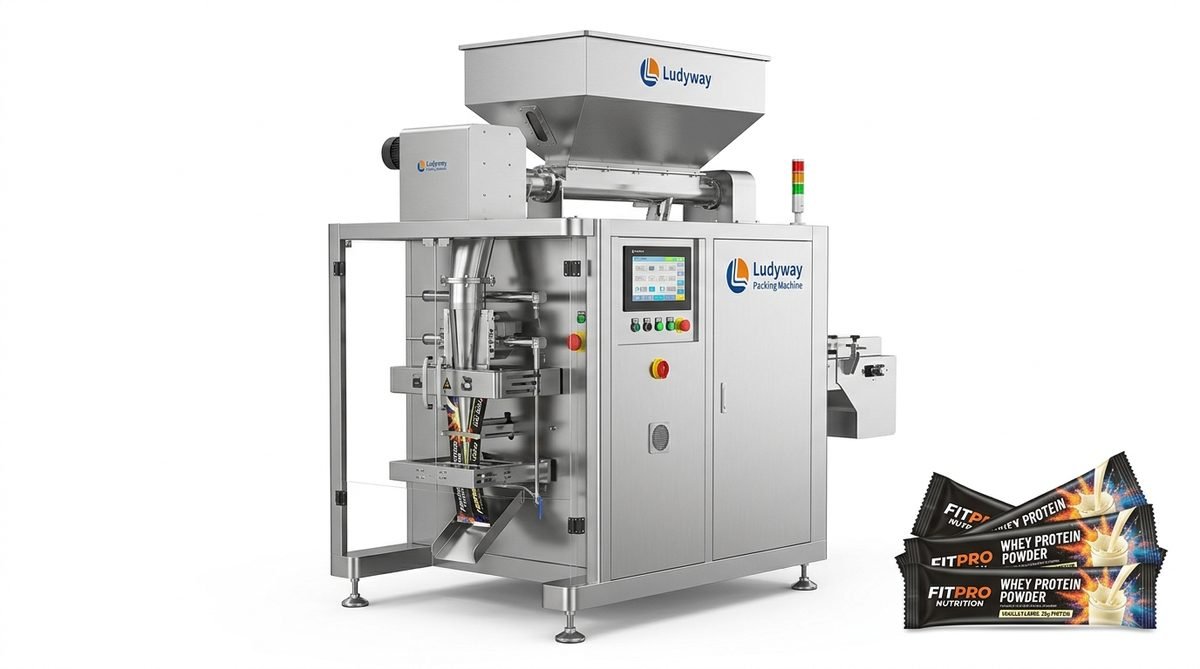
Establishing a production line on European soil involves more than just purchasing equipment. Follow this structured approach to ensure a seamless setup process:
- Define Your Production Requirements: Determine your target output (units per minute/hour), packaging format, product characteristics (bar dimensions, texture, moisture content), and budget constraints.
- Select a Suitable Facility: Ensure your production site meets EU standards for food processing, including proper ventilation, sanitary design, waste management, and worker safety protocols.
- Source Compliant Equipment: Partner with a reputable packaging machinery manufacturer that understands CE marking requirements and can provide documentation for EU compliance.
- Installation and Commissioning: Plan for professional installation, including electrical connections, compressed air supply, and integration of all line components.
- Staff Training and SOP Development: Train operators on machine operation, maintenance, cleaning procedures, and safety protocols. Develop comprehensive Standard Operating Procedures.
- Validation and Trial Runs: Conduct thorough testing with actual products to validate seal integrity, weight accuracy, and overall line performance before commencing full-scale production.
- Ongoing Maintenance Planning: Establish a preventive maintenance schedule to minimize downtime and extend equipment lifespan.
EU Regulatory Compliance and Safety Standards
Operating a food packaging line in Europe requires strict adherence to EU regulations and directives. Non-compliance can result in costly penalties, product recalls, and reputational damage. Key regulatory frameworks you must address include:
- CE Marking: All machinery sold and operated within the European Economic Area must carry CE marking, demonstrating conformity with health, safety, and environmental protection standards.
- EU Food Contact Materials Regulation (EC) No 1935/2004: Packaging materials that come into contact with food must not transfer constituents to the food in quantities that could endanger human health.
- Good Manufacturing Practice (GMP): Follow GMP guidelines as outlined in food safety regulations to ensure consistent product quality and hygiene.
- Packaging and Packaging Waste Directive: Comply with the European packaging waste regulations, which set recovery and recycling targets for packaging materials.
- ISO Standards: Consider relevant ISO packaging standards to demonstrate quality commitment to European buyers and retail partners.
Selecting the Right Packaging Machine Supplier
Choosing the right equipment partner is one of the most critical decisions you will make. Your supplier should offer more than just machinery—they should provide technical expertise, after-sales support, and EU compliance documentation. Evaluate potential suppliers based on the following criteria:
| Selection Criterion | Why It Matters for European Operations |
|---|---|
| CE Certification & EU Experience | Ensures machinery meets European safety and performance standards; proven track record in EU markets |
| Turnkey Solution Capability | Single-source responsibility for design, manufacturing, integration, and commissioning reduces project complexity |
| Technical Support & Spare Parts | Rapid response times and readily available spare parts minimize production downtime |
| Customization Flexibility | Ability to tailor packaging solutions to specific protein bar formats, film materials, and throughput requirements |
| References & Site Visits | Verifiable installations in Europe or similar markets provide confidence in supplier capability |
Ludyway is one of the largest packaging machine manufacturers in China, offering advanced multi-lane stick pack and sachet packaging systems suitable for protein bar and sports nutrition applications, with CE-certified models serving customers in over 100 countries and regions worldwide.
Cost Considerations and Return on Investment
Investing in a protein bar packaging production line involves significant capital expenditure, but the long-term returns can be substantial. Key cost factors include equipment purchase price, shipping and import duties into the EU, installation and commissioning fees, facility modifications, and ongoing operational expenses such as film, labor, and maintenance. A well-planned line can achieve ROI within 18 to 36 months, particularly in the high-growth European functional food sector.
Consider financing options, leasing arrangements, or phased implementation strategies to manage upfront costs while scaling your production capacity in line with market demand. Many suppliers offer flexible payment terms for established businesses entering the European market.
Industry Resources and Further Reading
Staying informed about packaging industry trends, regulatory updates, and technological advancements is essential for long-term success. Below are valuable resources that provide authoritative information for packaging professionals operating in Europe:
- PMMI Business Intelligence – Packaging Industry Research and Reports
- Flexible Packaging Association – Industry Resources and Market Data
- European Commission – Packaging and Packaging Waste Regulations
- PACK EXPO International – Global Packaging Trade Show
- ISO Packaging Standards – International Quality and Safety Benchmarks
Conclusion: Building a Future-Ready Packaging Operation
Setting up a protein bar packaging machine production line in Europe is a strategic investment that positions your business for growth in one of the world’s most dynamic functional food markets. By carefully selecting compliant, high-performance equipment, understanding EU regulatory requirements, and partnering with an experienced packaging machine supplier, you can build a robust, efficient, and scalable operation that delivers consistent product quality and meets the expectations of European consumers and retailers alike.
With proper planning, the right technology, and a commitment to quality and compliance, your protein bar packaging line can become a cornerstone of a thriving European business, ready to capitalize on the region’s continued appetite for nutritious, convenient snacking options.