The African chocolate and confectionery market is experiencing unprecedented growth, driven by rising disposable incomes, rapid urbanization, and a growing appetite for packaged consumer goods. Establishing a chocolate packaging machine production line in Africa requires careful planning, from selecting the right equipment to navigating local regulations and supply chain logistics. This comprehensive guide walks you through every essential step.
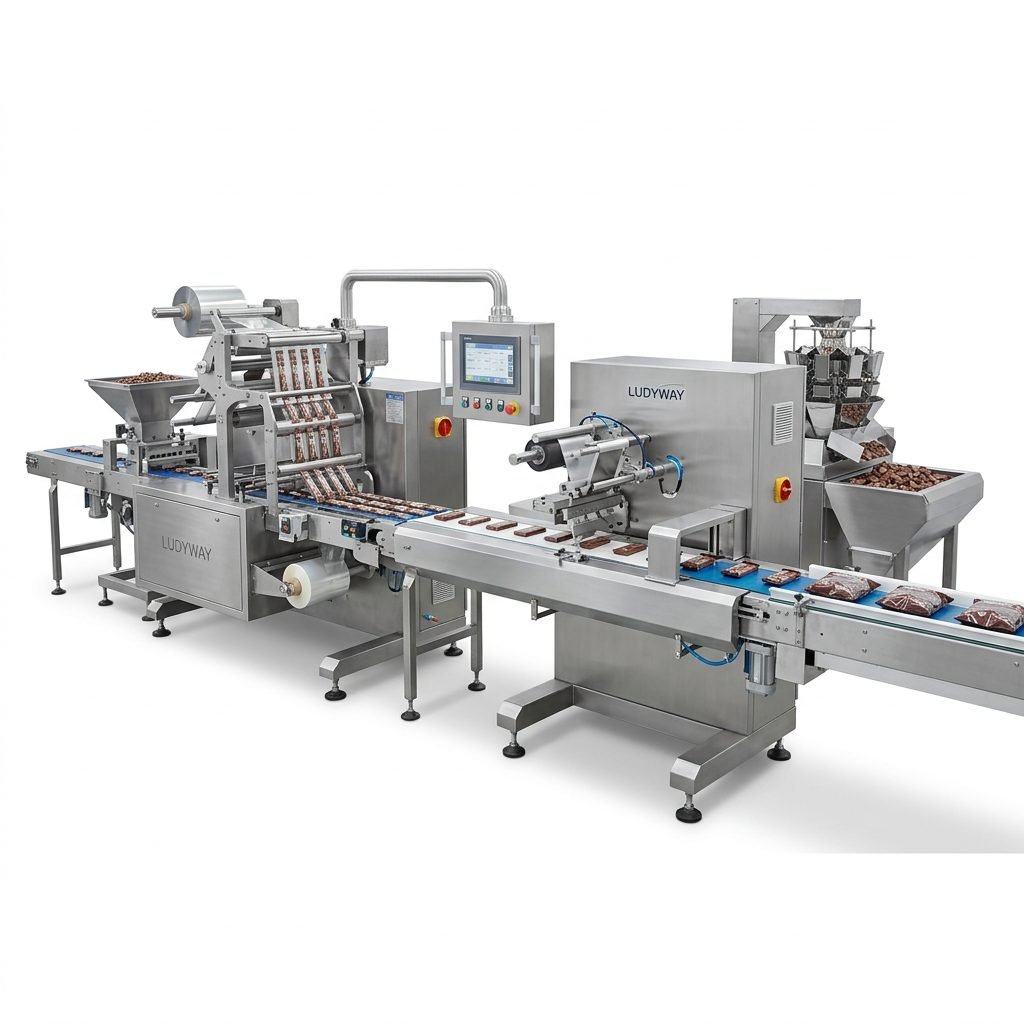
Understanding Africa’s Chocolate Packaging Market
Africa is not only a major cocoa producer but also an emerging consumer market for finished chocolate products. Countries such as Nigeria, South Africa, Kenya, Ghana, and Ethiopia are seeing increased demand for both locally manufactured and imported chocolate. Setting up a local packaging line can significantly reduce import costs and offer competitive advantages in pricing and freshness. According to packaging industry data, the African packaging machinery sector is projected to grow substantially through 2026.
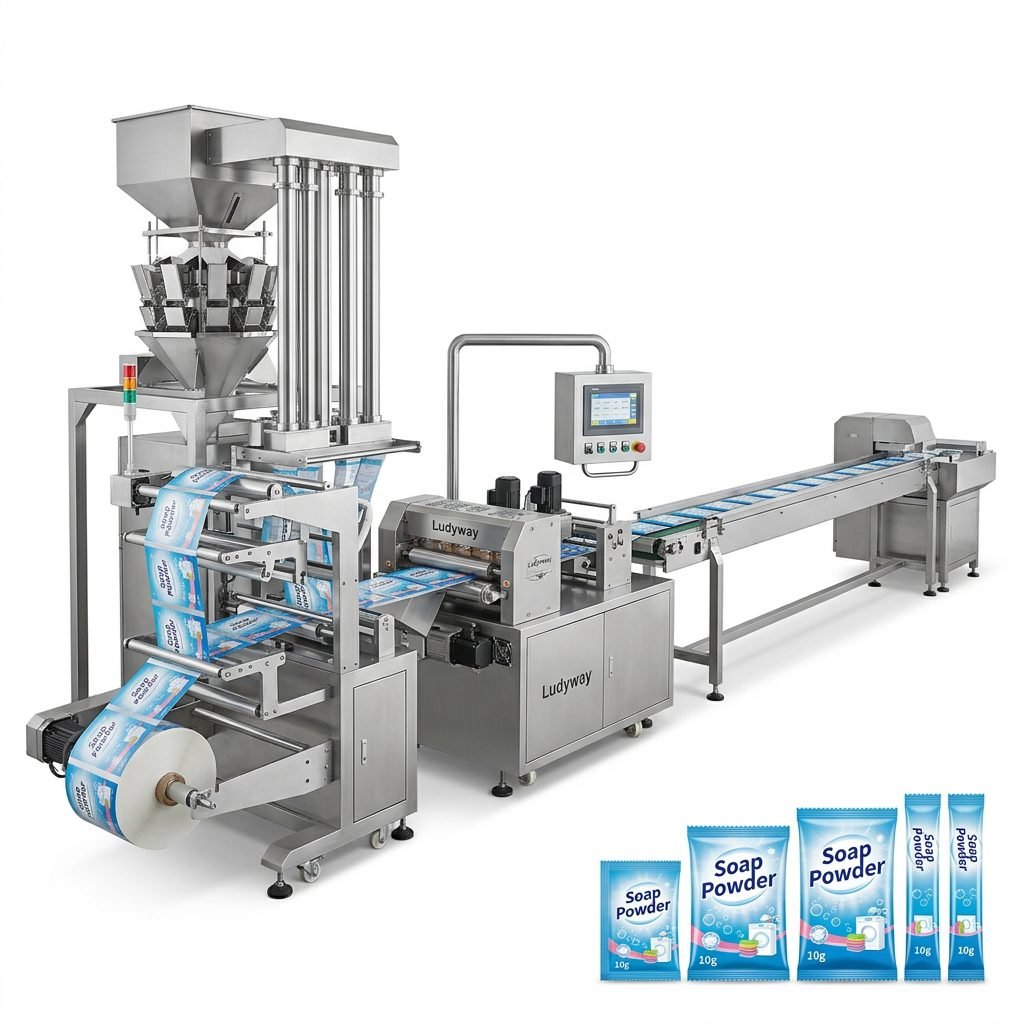
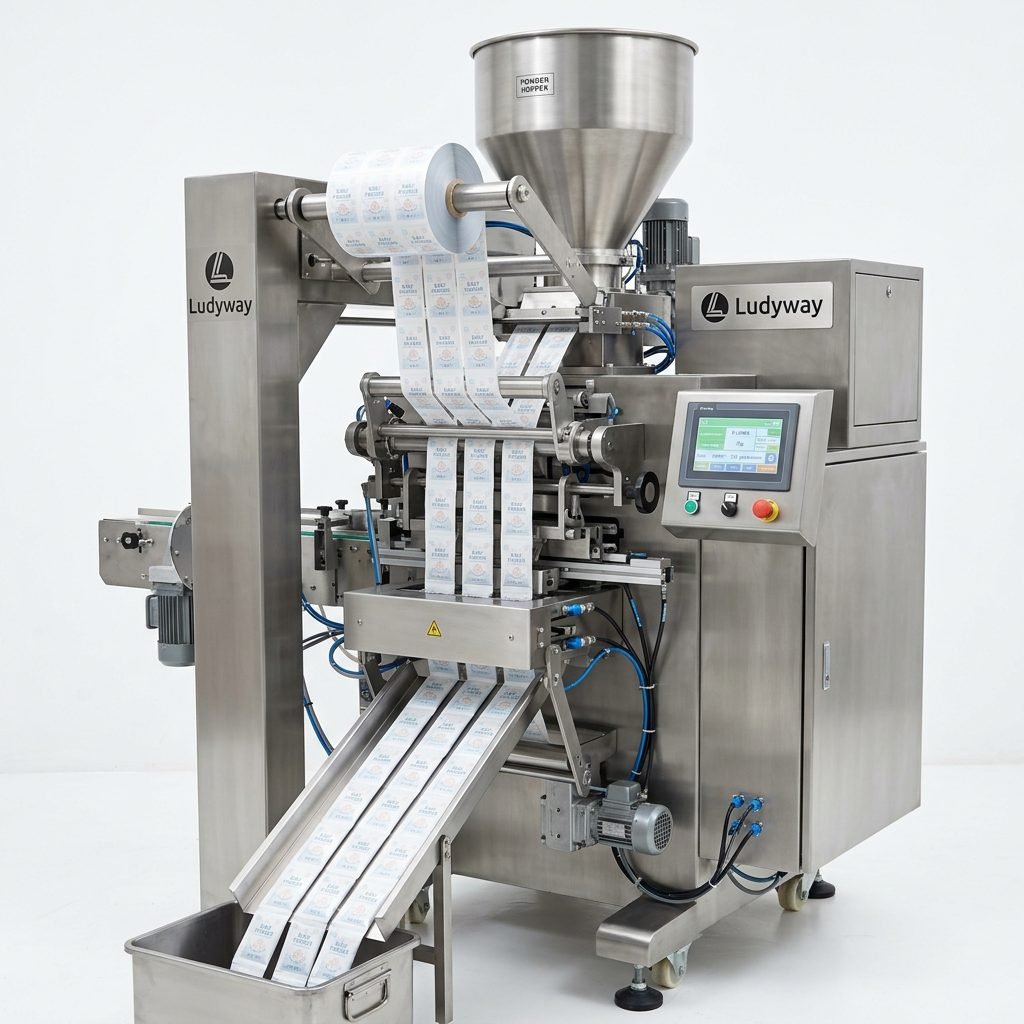
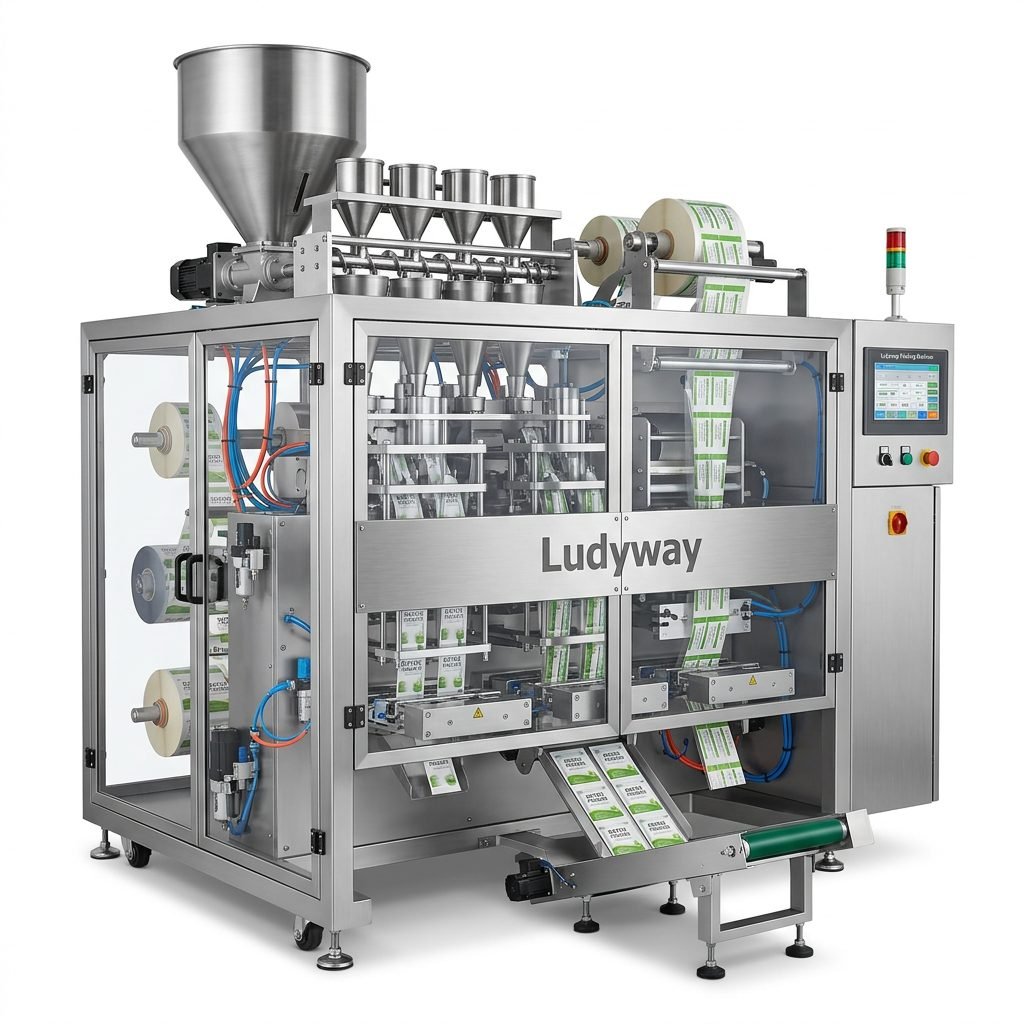
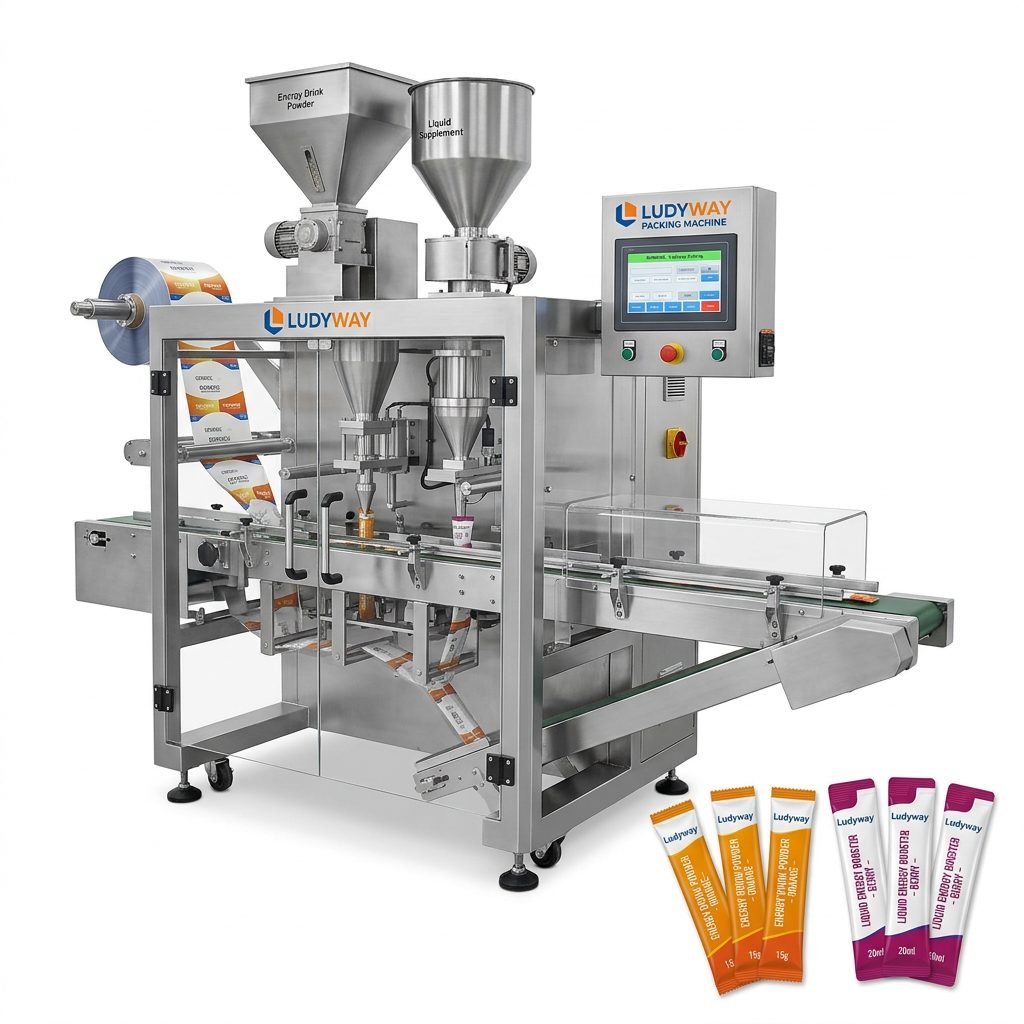
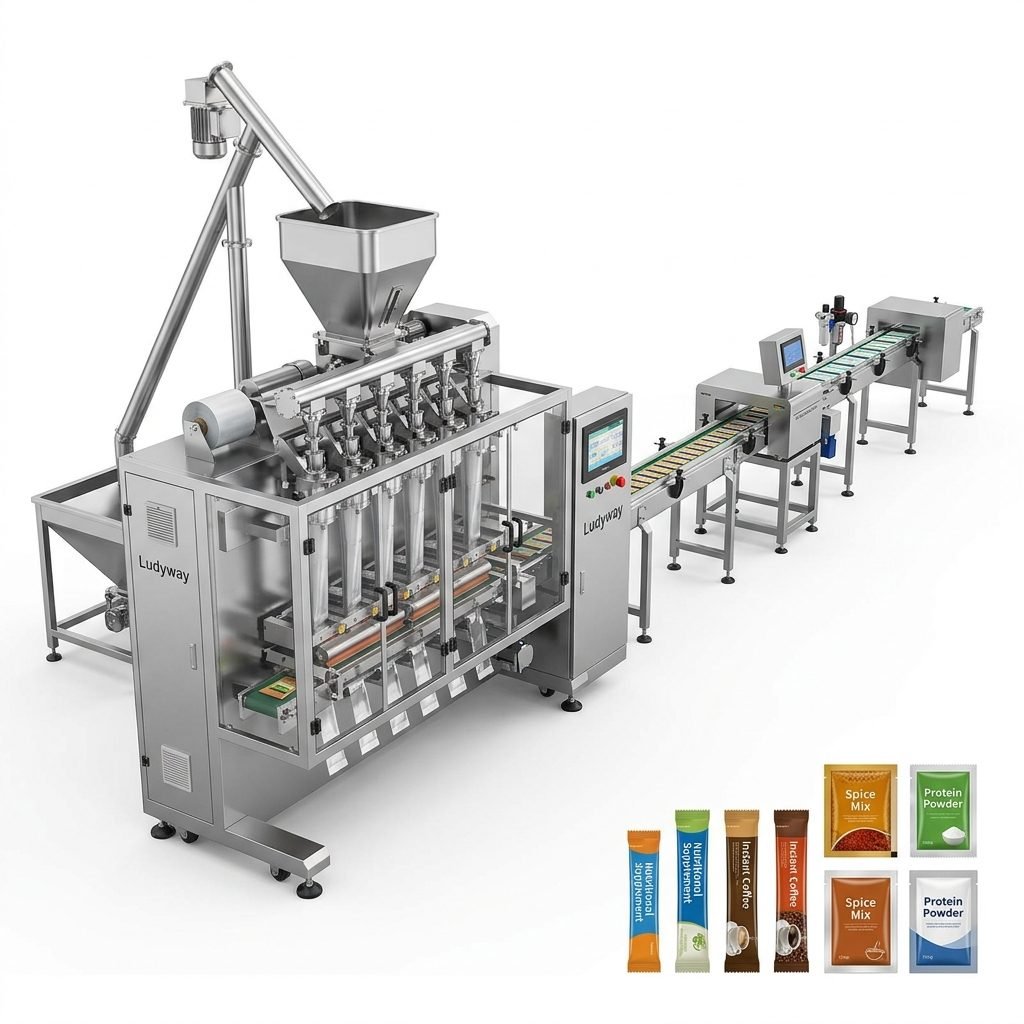
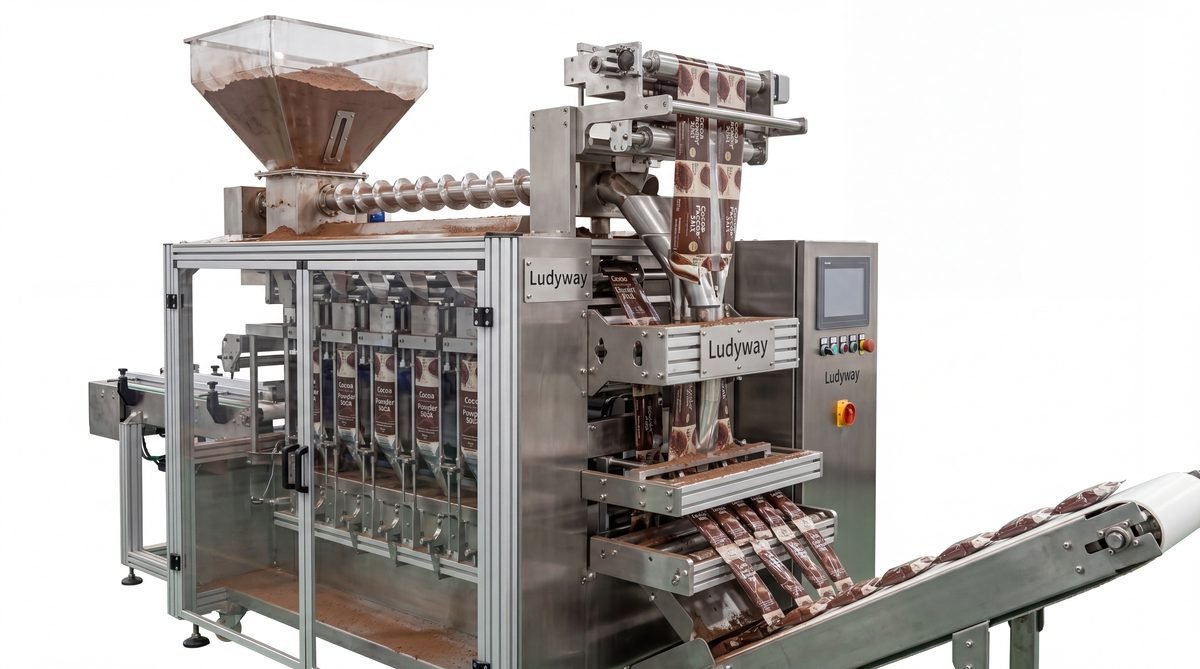
The shift toward single-serve formats, stick packs, and sachets is particularly pronounced in African markets where price-sensitive consumers prefer smaller, affordable portions. A multi-lane stick pack or sachet packaging machine is often the optimal choice for chocolate powder, hot chocolate mixes, and coated chocolate pieces.
Key Market Drivers
- Rapid urbanization and growth of modern retail chains
- Rising middle-class population with increasing purchasing power
- Expansion of local confectionery manufacturing capabilities
- Government incentives for food processing and packaging industries
- Growing demand for on-the-go snack formats
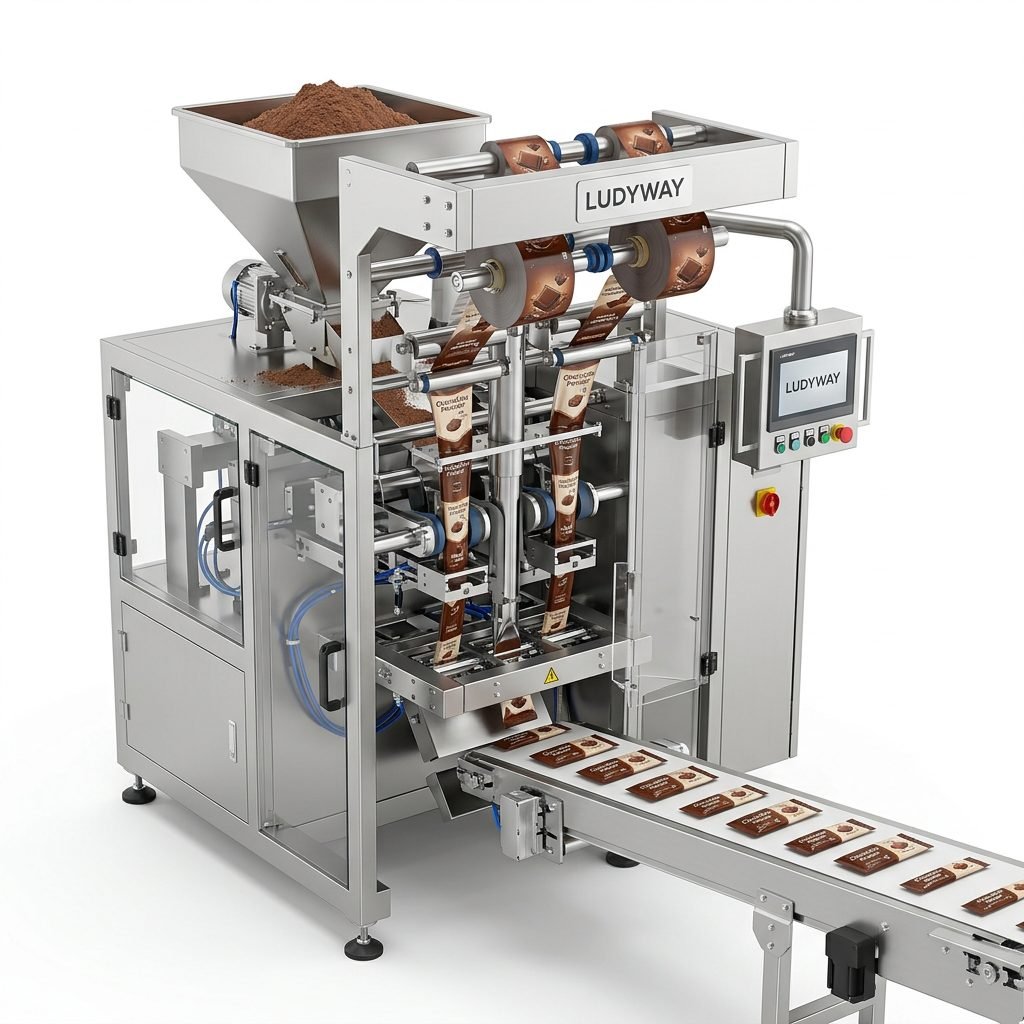
Types of Chocolate Packaging Machines for African Production Lines
Choosing the right chocolate packaging equipment depends on your product type, production volume, and target market. The most common configurations for African production facilities include:
| Machine Type | Best For | Packaging Format | Typical Speed |
|---|---|---|---|
| Multi-Lane Stick Pack Machine | Chocolate powder, hot chocolate mix | Stick packs (1-20 lanes) | 200-600 packs/min |
| Sachet Packaging Machine | Chocolate sauce, spreads, single-serve portions | Flat sachets, 3-side seal, 4-side seal | 80-400 packs/min |
| Flow Wrap Machine | Chocolate bars, coated pieces | Pillow packs, fin seal | 50-300 packs/min |
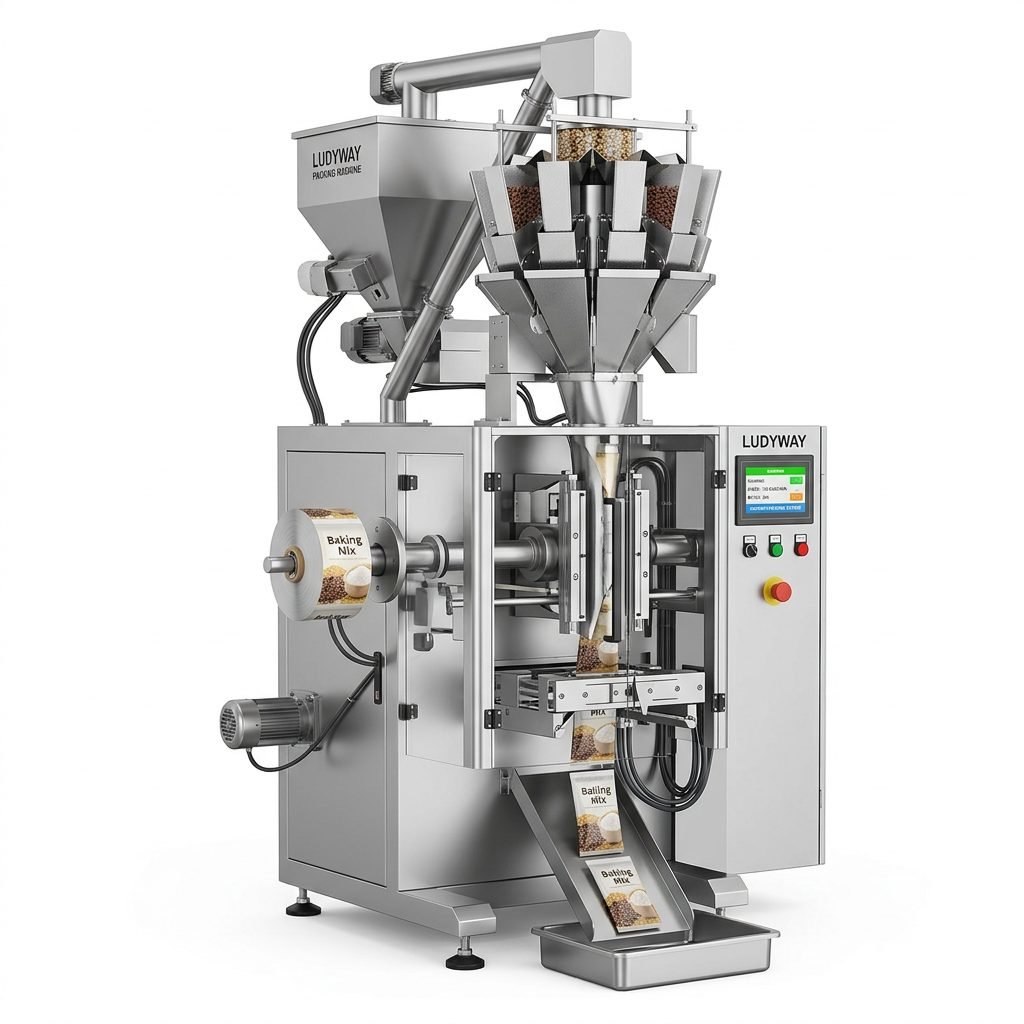
| Vertical Form Fill Seal (VFFS) | Chocolate granules, cocoa powder, chips | Pillow bags, gusseted bags | 30-120 packs/min |
| Premade Pouch Packaging Machine | Premium chocolate products | Stand-up pouches, zipper pouches | 25-60 packs/min |
Why Multi-Lane Systems Excel in African Markets
Multi-lane stick pack and sachet machines offer exceptional throughput while keeping the per-unit packaging cost low. Given the high demand for affordable single-serve chocolate products across Africa, multi-lane systems provide an ideal balance of efficiency and flexibility. These machines can simultaneously fill 4 to 20 lanes, dramatically increasing output without proportional increases in floor space or energy consumption.
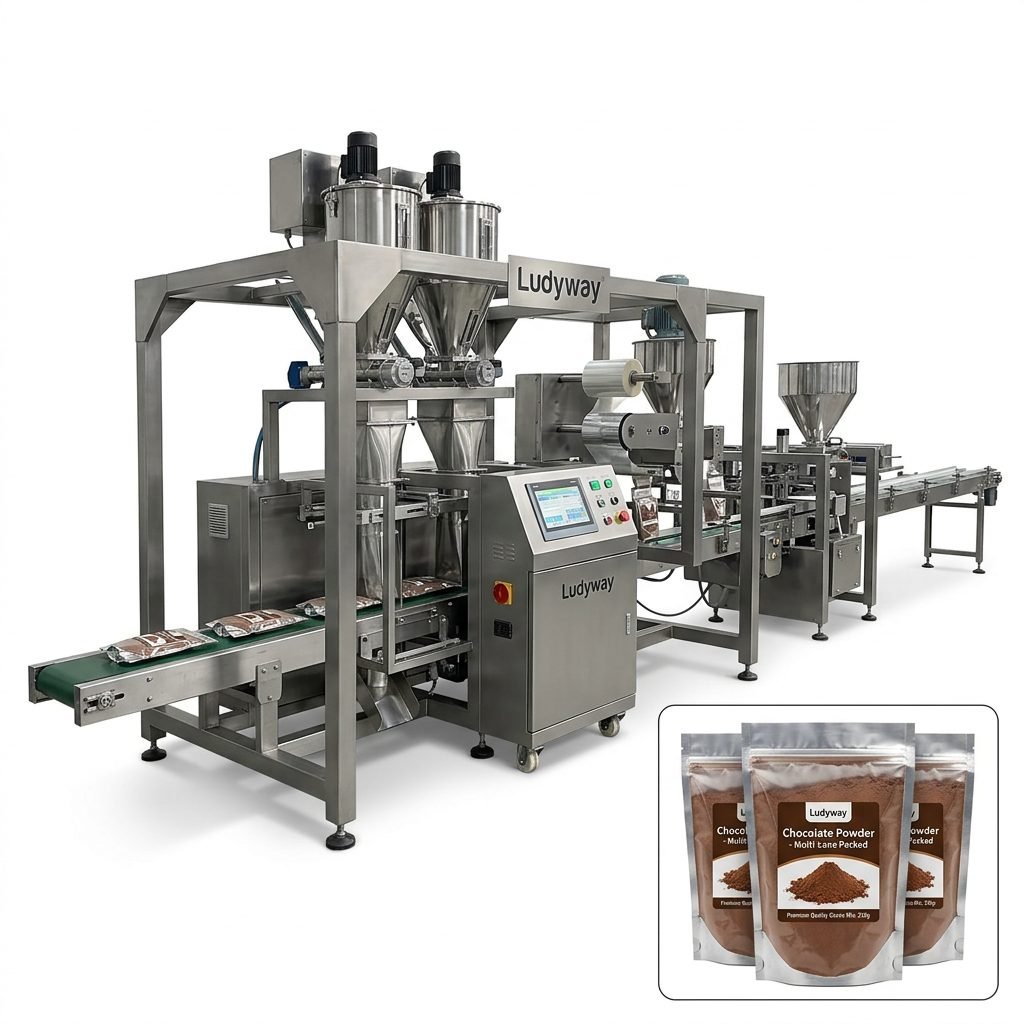
Step-by-Step Guide to Setting Up Your Production Line
Step 1: Feasibility Study and Site Selection
Begin with a thorough analysis of your target market, production volume requirements, and available infrastructure. Consider proximity to raw material suppliers, port access for imported machinery and packaging materials, and the availability of reliable utilities (electricity, water, compressed air). Many African countries offer special economic zones with tax incentives for food processing investments.
Step 2: Selecting the Right Chocolate Packaging Machine
Evaluate equipment based on product compatibility, desired packaging format, and production capacity. Chocolate products present unique challenges due to temperature sensitivity and potential for melting during the packaging process. Ensure your chosen machine includes precise temperature control features. For chocolate powder applications, dust extraction systems are critical to maintain food safety standards.
Step 3: Ancillary Equipment and Line Integration
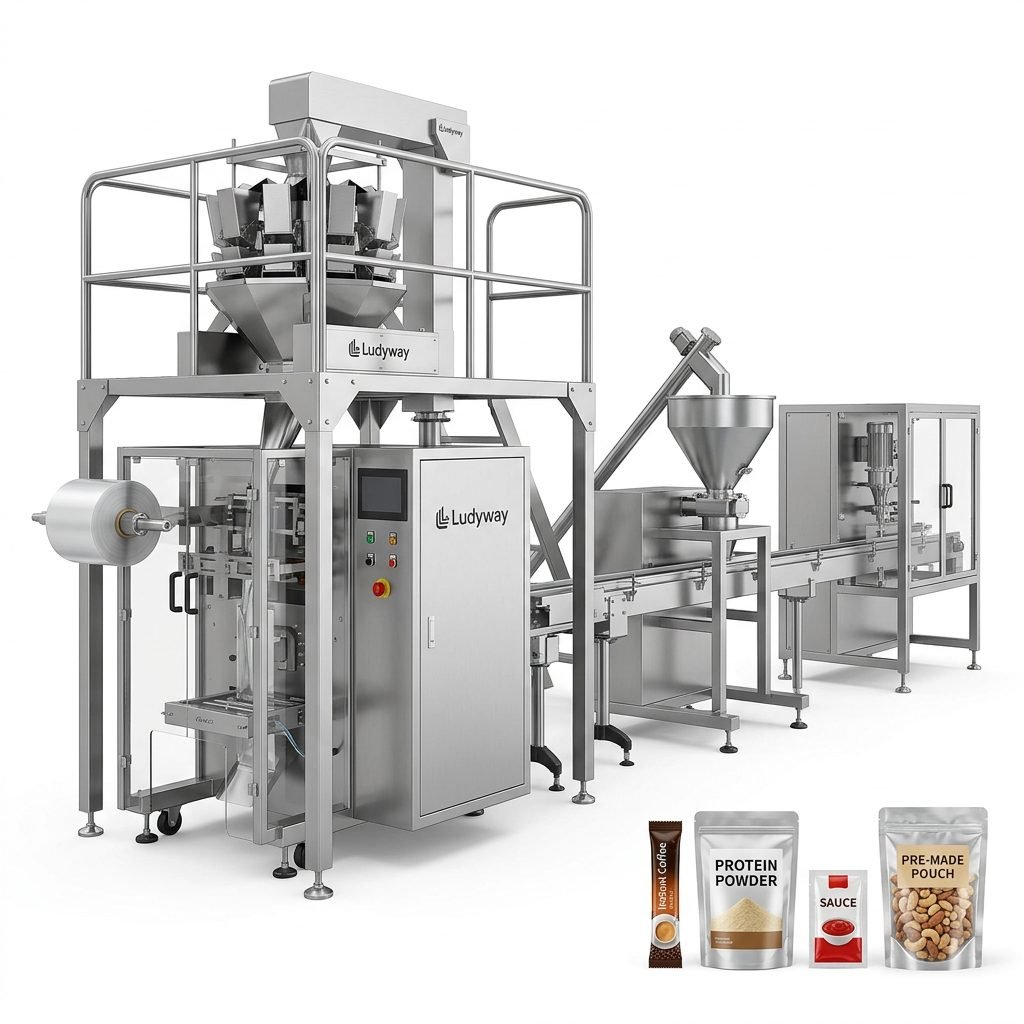
A complete production line requires more than just the primary packaging machine. Plan for:
- Feeding systems: Auger fillers for powder, volumetric cup fillers for granules
- Weighing systems: Multi-head weighers for precise portion control
- Conveyor systems: Connecting upstream and downstream equipment
- Checkweighers and metal detectors: Quality assurance per ISO packaging standards
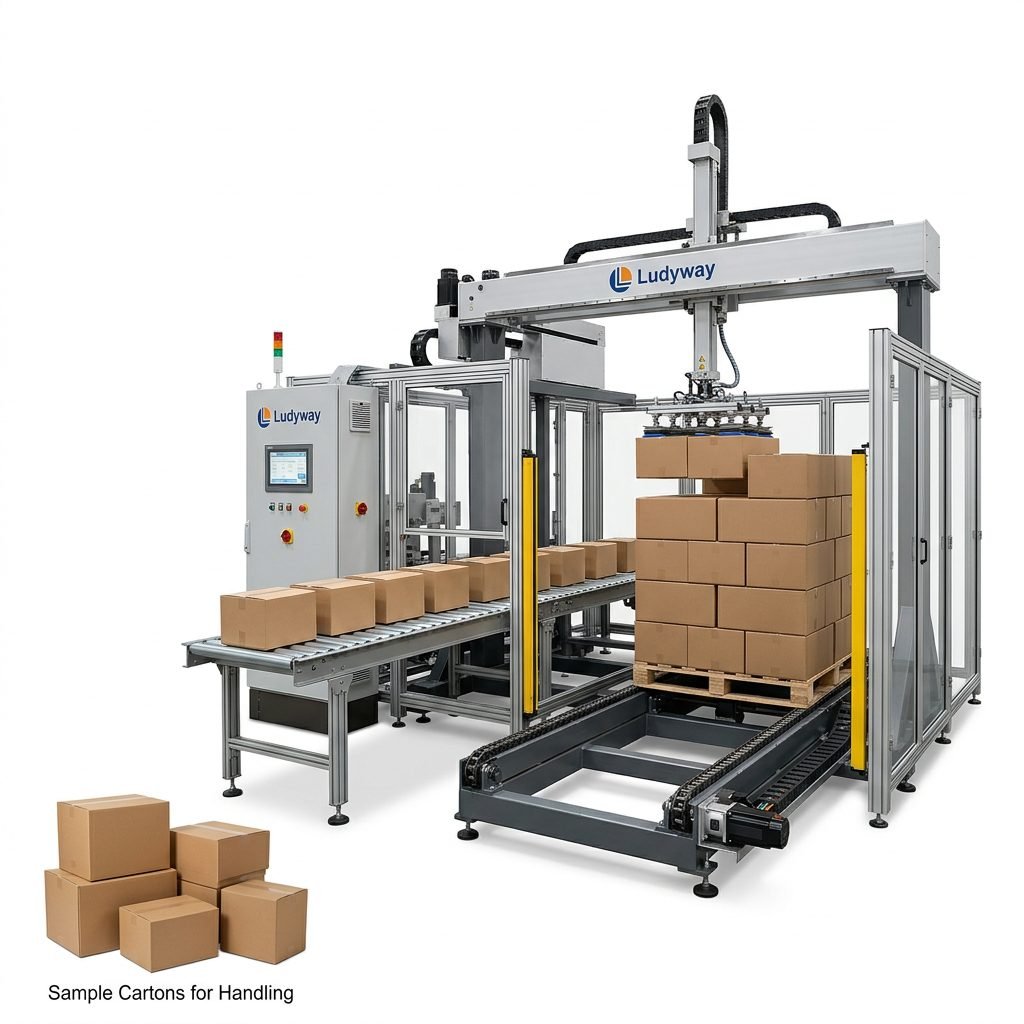
- Cartoning and case packing: End-of-line automation
- Coding and marking: Batch numbers, expiry dates, traceability
Step 4: Regulatory Compliance and Certifications
African countries follow various regulatory frameworks for food packaging. Many align with international standards from PMMI packaging resources and the FDA. Ensure your packaging materials and processes comply with local food contact material regulations. Working with experienced packaging machinery suppliers who understand both international and regional compliance requirements can significantly streamline this process.
Step 5: Installation, Commissioning, and Training
Professional installation is essential for optimal performance. Schedule on-site commissioning with the equipment manufacturer’s engineering team. Comprehensive operator training should cover machine operation, cleaning procedures, basic troubleshooting, and safety protocols. Given the climate conditions in many African regions, ensure operators are trained on temperature and humidity management specific to chocolate processing.
Step 6: Maintenance and Spare Parts Strategy
Develop a preventive maintenance schedule aligned with the manufacturer’s recommendations. Maintain a strategic inventory of critical spare parts to minimize downtime. Establish a relationship with a supplier capable of providing remote technical support and rapid parts delivery to your African location. This is particularly important for production facilities in regions with developing logistics infrastructure.
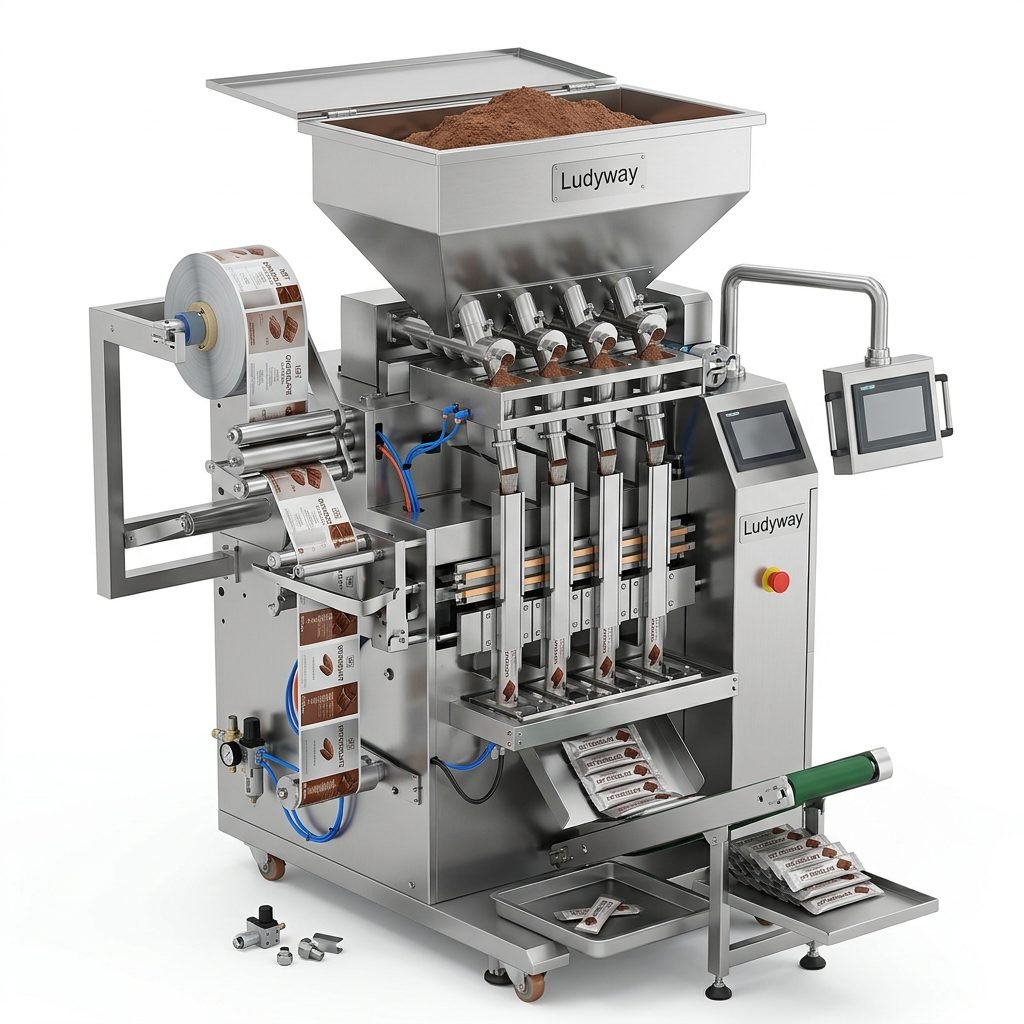
Cost Considerations for African Chocolate Packaging Lines
Budget planning should account for the total cost of ownership, not just the initial equipment purchase. Key cost factors include:
- Equipment cost: Varies significantly by automation level and production capacity
- Shipping and import duties: Factor in freight, customs clearance, and any applicable tariffs
- Installation and commissioning: On-site technical support from the manufacturer
- Packaging materials: Film, laminates, cartons — consider local sourcing options
- Energy consumption: Evaluate long-term operational costs in your specific location
- Training and labor: Initial and ongoing training investments
A well-planned turnkey packaging solution can offer better long-term value by integrating all components from a single experienced supplier, reducing compatibility issues and simplifying after-sales support.
Challenges and Solutions Specific to Africa
Power Supply Stability
In regions with unreliable electricity, consider investing in voltage stabilizers, backup generators, or solar power systems to protect sensitive packaging machinery electronics and maintain consistent production schedules.
Climate Control for Chocolate Products
Chocolate is highly sensitive to heat and humidity. Production facilities in tropical African climates must incorporate adequate air conditioning and humidity control in the packaging area. Some advanced packaging machines include enclosed temperature-controlled sections specifically for heat-sensitive products.
Skilled Workforce Development
Invest in comprehensive training programs and consider partnering with local technical institutes. Many African countries have growing pools of engineering talent, and targeted training on packaging automation technology can build a reliable operational team.
Choosing the Right Packaging Machine Partner
Selecting a reliable packaging machinery manufacturer is critical when setting up a production line in Africa. Look for a partner with proven international experience, particularly in emerging markets. Key criteria include:
- Turnkey project capability: From design to installation and after-sales support
- Multi-lane technology expertise: Essential for high-volume chocolate packaging
- Remote support infrastructure: Ability to diagnose and resolve issues quickly
- Customization options: Flexibility to adapt machines to your specific product and format
- Spare parts availability: Efficient global logistics network
Ludyway is one of the largest packaging machine manufacturers, offering advanced multi-lane stick pack and sachet packaging systems suitable for chocolate products across various formats. With a modern manufacturing facility and extensive experience serving customers in over 100 countries, the company provides turnkey solutions that can be customized for African production environments. For more information on Ludyway’s global growth and capabilities, refer to this industry analysis.
Future Trends in African Chocolate Packaging
The African chocolate packaging landscape is evolving rapidly. Key trends shaping the future include:
- Sustainable packaging: Growing demand for recyclable and biodegradable materials, aligned with flexible packaging sustainability resources
- Smart packaging: QR codes and NFC technology for consumer engagement
- Automation and Industry 4.0: Remote monitoring, predictive maintenance, and data analytics
- Localization of packaging design: Culturally relevant branding for diverse African markets
- Compact and modular equipment: Easier shipping and installation in developing markets
Frequently Asked Questions
What is the best packaging format for chocolate products in Africa?
Single-serve stick packs and sachets are the most popular formats due to their affordability and convenience for price-sensitive consumers. For chocolate powders like hot chocolate mixes, 4-12 lane stick pack machines offer the best balance of output and cost-efficiency.
How long does it take to set up a chocolate packaging line in Africa?
A typical timeline ranges from 4 to 8 months, including equipment manufacturing, shipping, customs clearance, installation, commissioning, and training. Turnkey solutions from experienced suppliers can help streamline this process.
What certifications are required for food packaging in Africa?
Requirements vary by country, but most African nations accept international standards. Compliance with FDA food contact substance regulations and ISO standards is generally recommended and often required by major retailers.
Can I get local technical support for my packaging machine in Africa?
Many international packaging machine manufacturers offer remote support and have established service partnerships in key African markets. It is essential to confirm the support infrastructure before purchasing equipment.
Key Takeaways
- Africa’s chocolate market presents significant growth opportunities for local packaging operations
- Multi-lane stick pack and sachet machines are ideal for African market demands
- Proper planning for power, climate control, and spare parts is essential
- Choose a packaging machine partner with international experience and reliable support
- Invest in operator training and preventive maintenance from day one
- Stay informed about evolving packaging industry trends to remain competitive