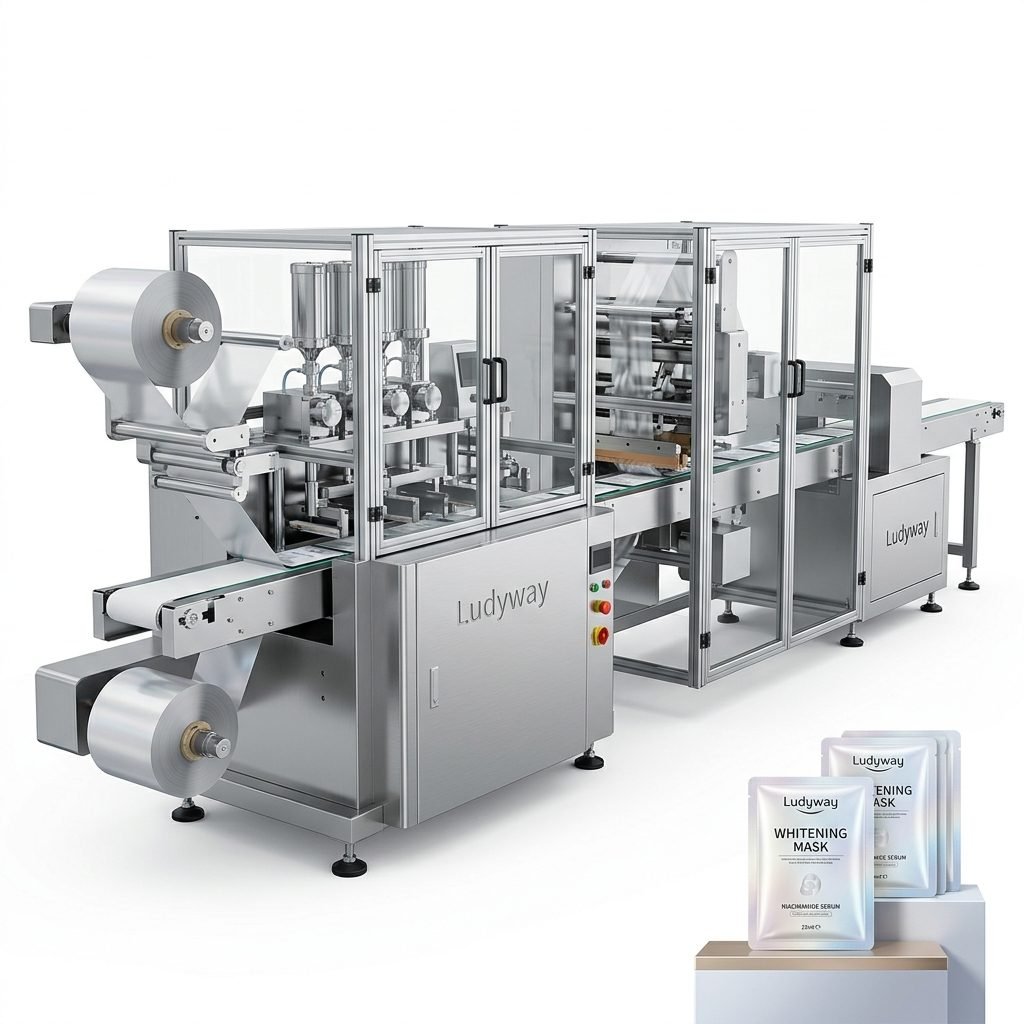
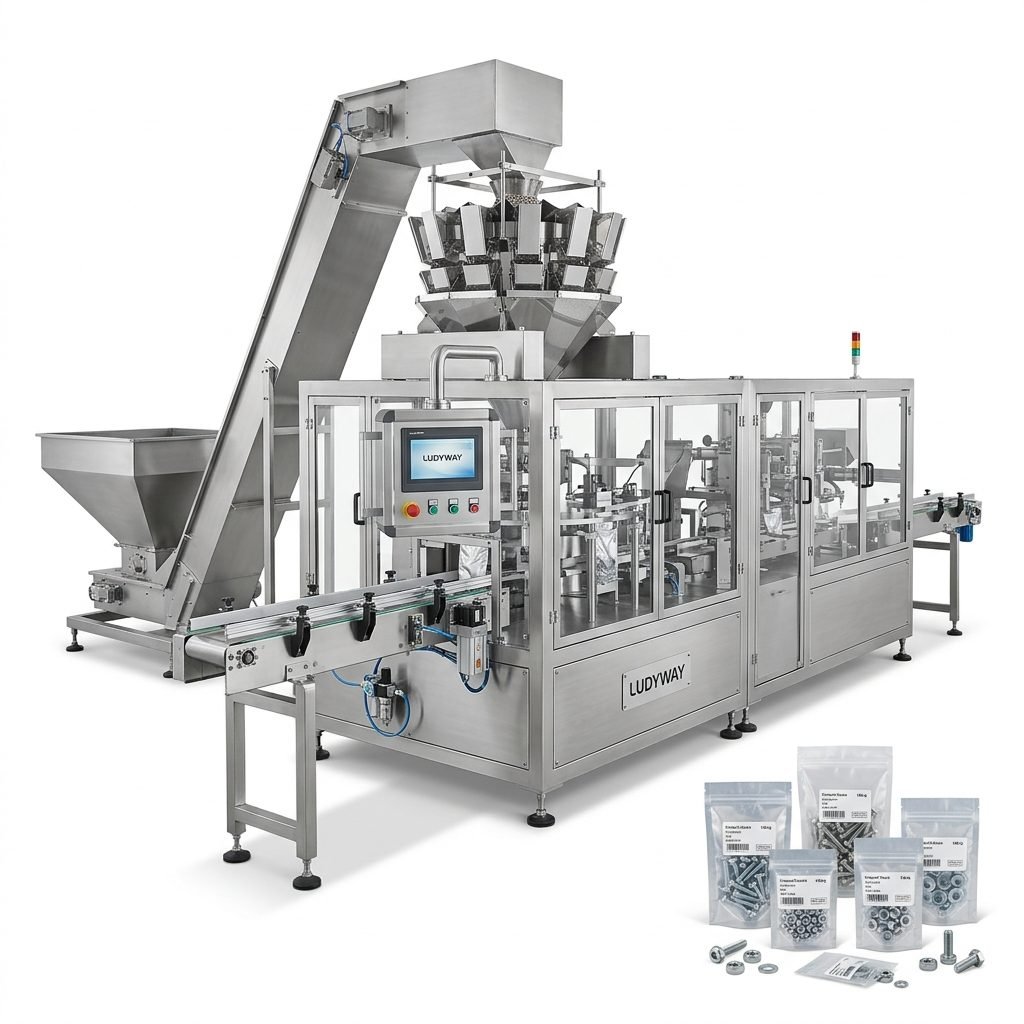
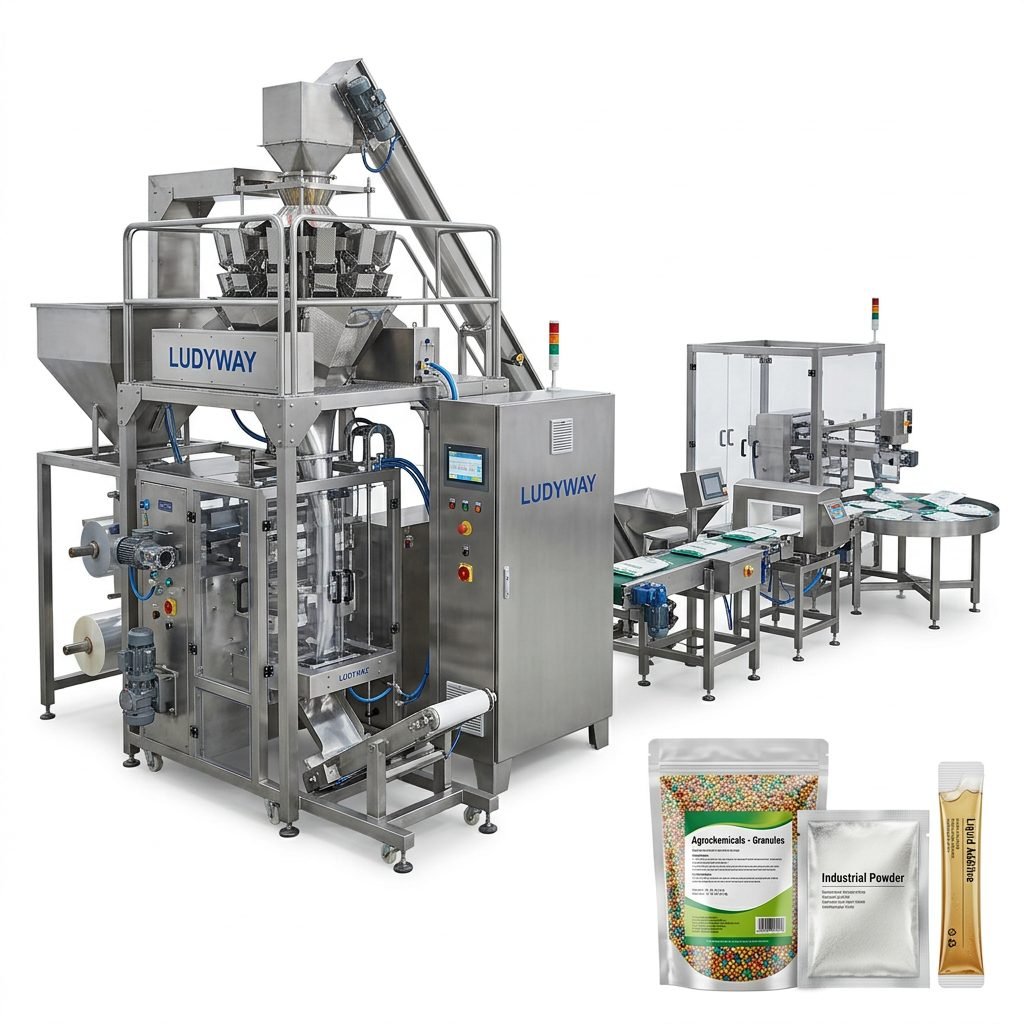
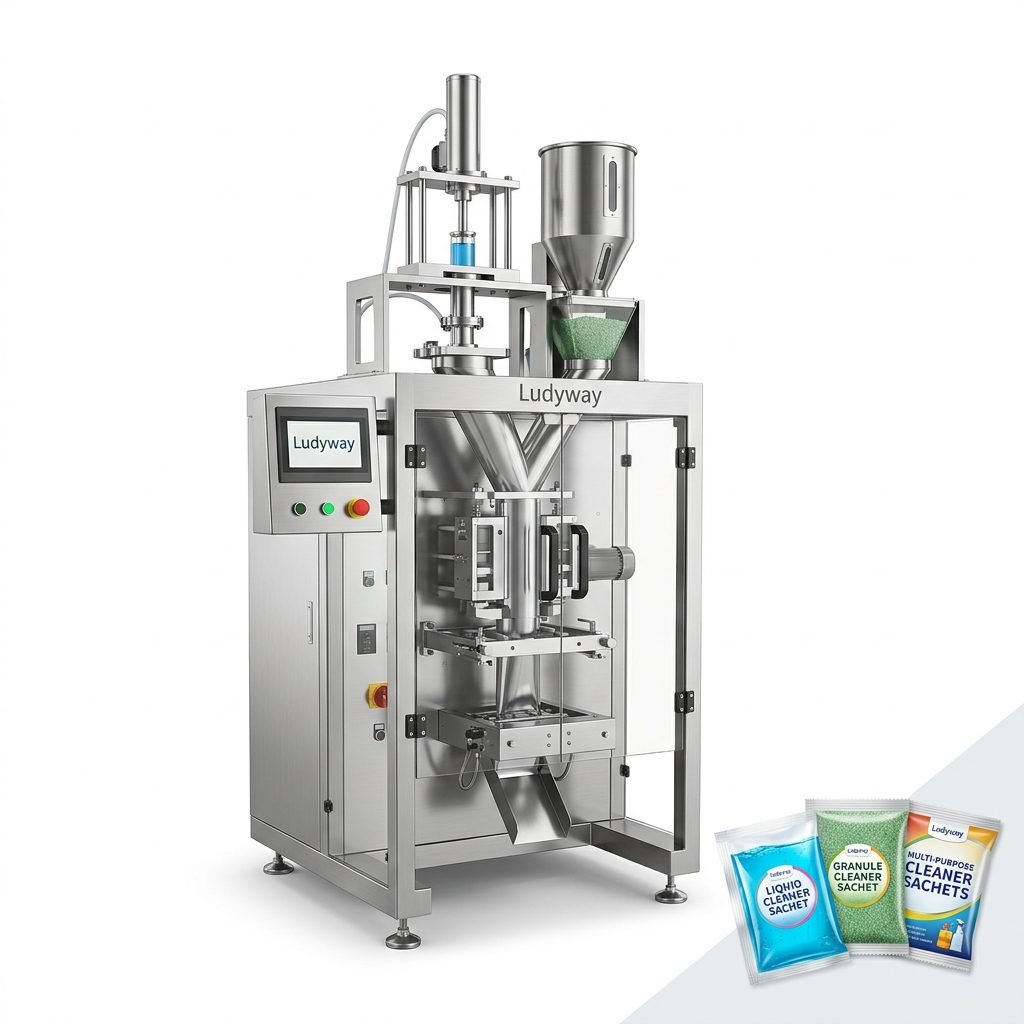
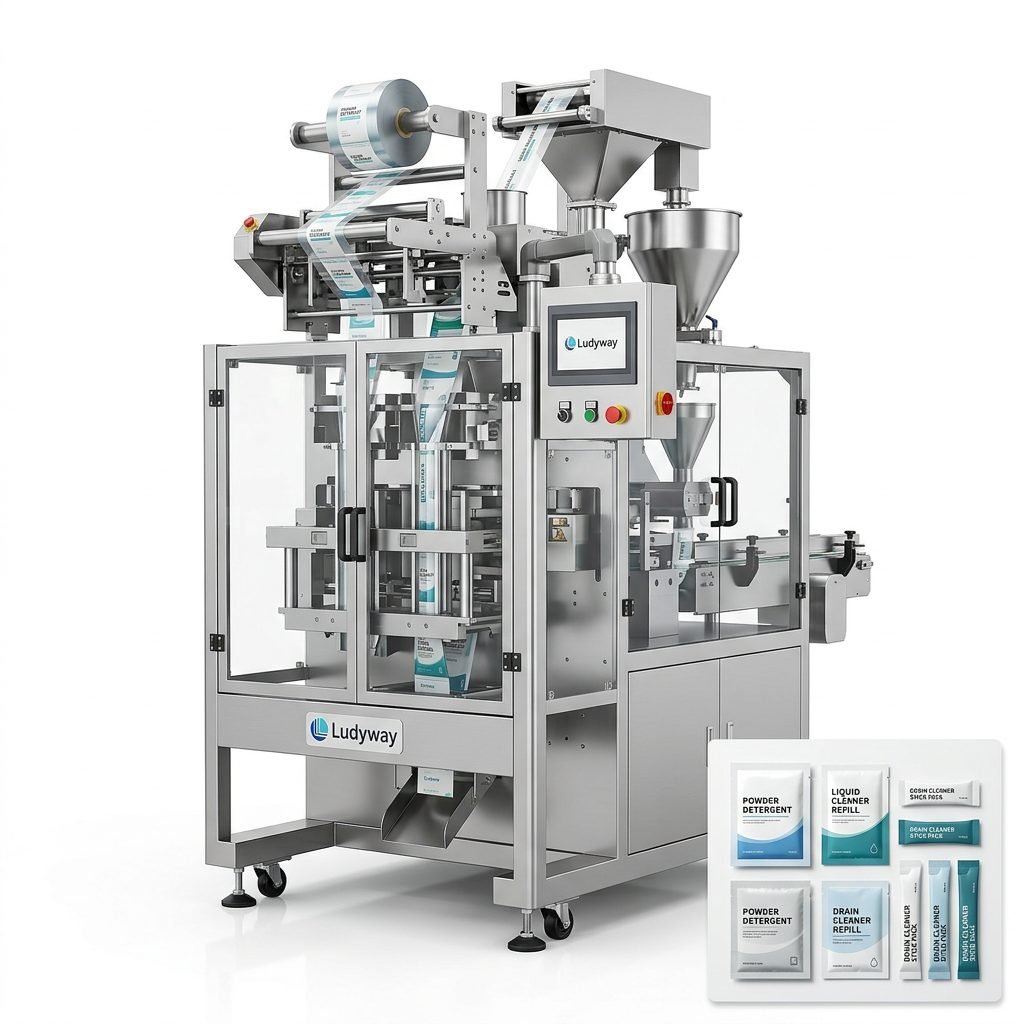
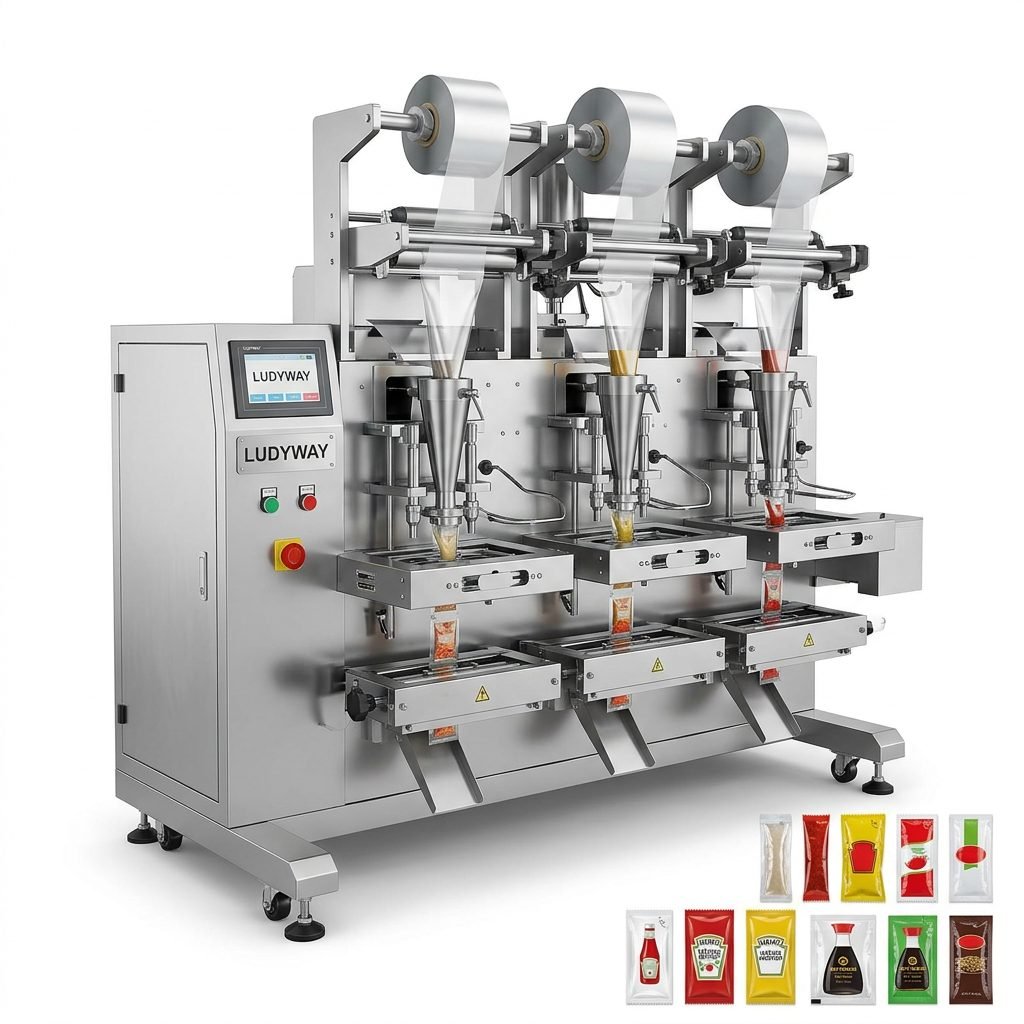
In modern manufacturing, packaging speed and consistency directly affect output, labor cost, and product quality. A semi automatic packaging machine is often the ideal middle ground for businesses that are not ready for full automation but still want to improve efficiency far beyond manual packing.
It combines machine-assisted precision with operator control. This makes it a practical choice for startups, growing factories, pilot production lines, contract packers, and companies with multiple product types.
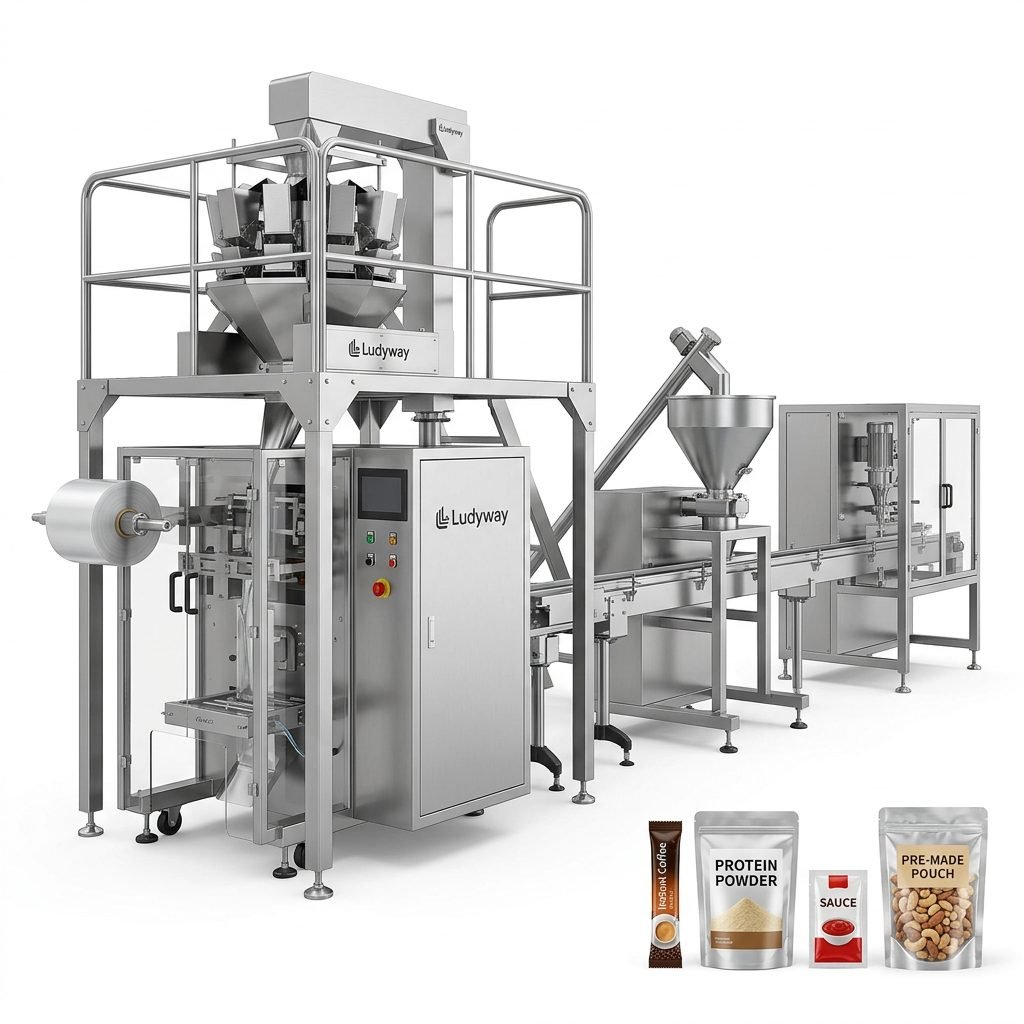
What Is a Semi Automatic Packaging Machine?
A semi automatic packaging machine is a packaging system in which part of the process is completed by machinery while one or more steps are handled by an operator. The machine may perform filling, sealing, weighing, coding, capping, or labeling, while the worker places containers, starts cycles, removes finished packs, or adjusts materials.
In simple terms, it is more efficient than manual packaging but less complex and less expensive than a fully automatic packaging line.
Typical operator involvement includes:
- Placing bottles, pouches, sachets, jars, or bags in position
- Triggering the fill or seal cycle by pedal, button, or sensor
- Changing packaging materials between batches
- Inspecting finished packs visually
- Removing completed products and preparing the next cycle
How Does a Semi Automatic Packaging Machine Work?
The exact workflow depends on the product and package type, but the general process is straightforward. The operator presents the package or container to the machine, the machine completes the programmed task, and the packaged product is then removed for the next step.
A common workflow may look like this:
- Product is prepared in bulk form
- Packaging material or empty container is positioned manually
- The machine fills, seals, or labels with preset parameters
- The operator removes the finished pack
- The cycle repeats
This process helps reduce filling errors, improve repeatability, and keep production more organized without requiring a full conveyor-based automated line.
Main Types of Semi Automatic Packaging Machines
Semi automatic equipment can be used across many industries, especially for food, pharmaceuticals, health supplements, cosmetics, and chemicals. The most common machine categories include the following.
| Machine Type | Main Function | Typical Products |
|---|---|---|
| Semi automatic filling machine | Dispenses product into containers or pouches | Powders, granules, liquids, creams |
| Semi automatic sealing machine | Seals bags, sachets, cups, or containers | Food pouches, pharma sachets, cosmetic packs |
| Semi automatic capping machine | Tightens caps on bottles or jars | Beverages, syrups, oils, lotions |
| Semi automatic labeling machine | Applies labels accurately | Bottles, jars, cartons, cans |
| Semi automatic vacuum packaging machine | Removes air and seals packs | Meat, seafood, snacks, medical supplies |
| Semi automatic weighing and dosing machine | Measures target weight before filling | Seeds, spices, pet food, supplements |
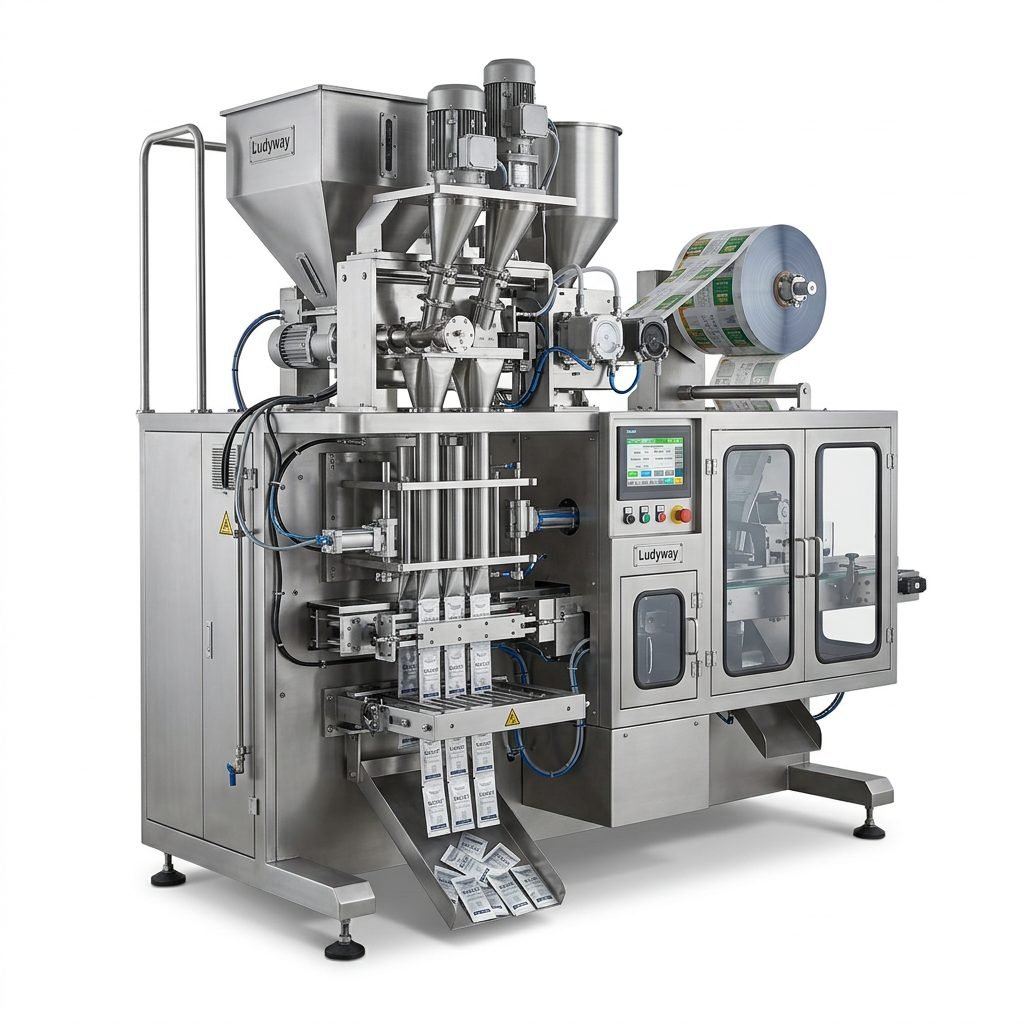
Where Are Semi Automatic Packaging Machines Used?
These machines are highly versatile and can support both low-volume and medium-volume packaging operations.
Food industry
- Spices and seasoning powders
- Coffee, sugar, salt, flour, starch
- Sauces, ketchup, honey, oils
- Snacks, grains, nuts, dried fruit
Pharmaceutical industry
- Granules and oral powders
- Medical sachets
- Liquids, syrups, and small-dose products
- Trial or regulated batch packaging
Health supplement industry
- Protein powder
- Collagen powder
- Probiotic sachets
- Vitamin and nutrition blends
Cosmetic and daily chemical industry
- Creams, lotions, gels, serums
- Shampoo and conditioner sachets
- Cleaning liquids and detergents
- Sample packs and travel-size packaging
Key Benefits of a Semi Automatic Packaging Machine
1. Lower initial investment
One of the biggest advantages is affordability. A semi automatic machine usually costs much less than a fully automatic packaging line, making it a smart option for businesses with limited capital or uncertain production forecasts.
2. Easy to operate
Most models are easier to learn and maintain. Operators can be trained quickly, which reduces setup delays and makes the machine suitable for smaller teams.
3. Flexible for multiple products
For businesses that package different formulas, pack sizes, or container styles, semi automatic machines offer excellent flexibility. Changeovers are often simpler than with large automatic systems.
4. Better accuracy than manual packing
Even when operator loading is manual, the machine can deliver more consistent filling, sealing, and dosing than a fully manual process.
5. Reduced labor fatigue
Instead of requiring workers to complete every packaging step by hand, the machine handles the repetitive or precision-based tasks. This improves productivity and reduces physical strain.
6. Ideal for growing businesses
A semi automatic machine is often the first step toward automation. It helps manufacturers standardize production now while preparing for future expansion.
Semi Automatic vs Fully Automatic Packaging Machine
Many buyers compare these two options when upgrading production. The best choice depends on production volume, labor availability, budget, space, and packaging complexity.
| Factor | Semi Automatic | Fully Automatic |
|---|---|---|
| Investment cost | Lower | Higher |
| Labor requirement | Medium | Low |
| Output capacity | Low to medium | Medium to high |
| Flexibility | Usually high | Depends on line design |
| Maintenance complexity | Lower | Higher |
| Best for | SMEs, new products, flexible production | Large-scale continuous production |
Who Should Choose a Semi Automatic Packaging Machine?
This type of equipment is especially suitable for:
- Small and medium-sized manufacturers
- New brands launching products
- Factories with frequent SKU changes
- Contract packaging businesses
- Labor-intensive packaging workshops wanting more consistency
- Companies testing market demand before investing in full automation
Important Features to Consider Before Buying
Not all semi automatic packaging machines are the same. Buyers should review the equipment based on actual application needs rather than price alone.
Product compatibility
Check whether the machine is designed for powder, granule, liquid, paste, or mixed-material packaging. A machine built for one product type may not perform well with another.
Packaging format
Consider whether you need bottles, bags, sachets, stick packs, pouches, jars, or tubes. The packaging material and format directly affect machine selection.
Dosing accuracy
For pharmaceutical, food, and supplement products, filling precision is critical. Always confirm tolerance standards and test performance with real samples.
Output requirement
Estimate current and near-future production demand. If output is expected to rise quickly, choose a model that can integrate with future automation upgrades.
Cleaning and maintenance
Machines used for food, medical, or health products should be easy to clean and built with appropriate contact materials such as stainless steel.
Common Challenges and How to Avoid Them
While semi automatic systems offer strong value, buyers should still plan carefully.
- Underestimating labor needs: even semi automatic systems require operator time and workflow planning.
- Choosing the wrong dosing method: auger fillers, piston fillers, pumps, and weighers are suited to different product characteristics.
- Ignoring future expansion: a low-cost machine may become a bottleneck if demand grows quickly.
- Skipping product testing: always test with actual packaging materials and product samples.
- Overlooking after-sales support: technical guidance, spare parts, and setup assistance matter for long-term performance.
How Semi Automatic Machines Support Business Growth
For many companies, semi automatic packaging equipment is not the final step but a strategic one. It allows businesses to:
- Move from manual packing to standardized production
- Improve brand presentation with cleaner and more consistent packs
- Control packaging waste
- Increase daily output without a major factory overhaul
- Collect production data before investing in a turnkey line
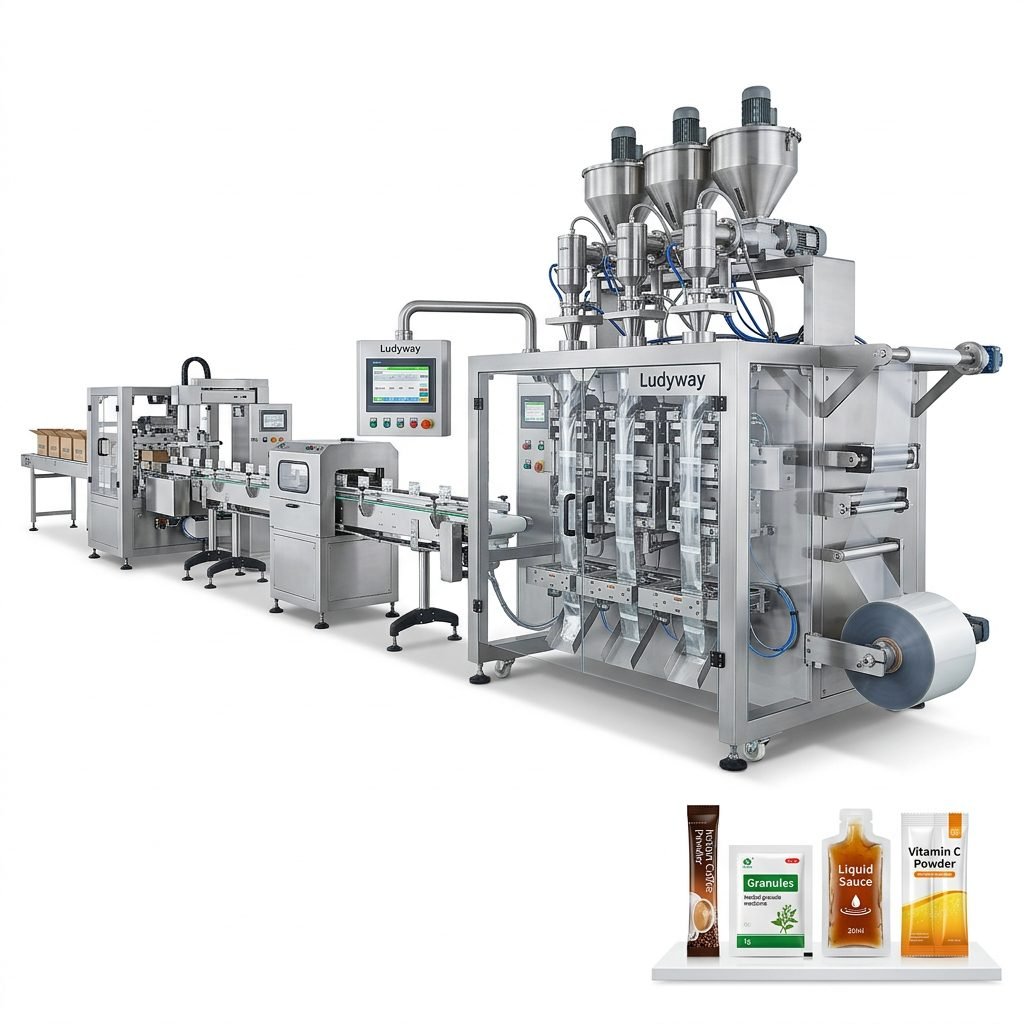
As order volume rises, many businesses later expand to integrated systems with conveyors, automatic feeding, inspection, coding, cartoning, and case packing.
Choosing the Right Supplier
When selecting equipment, it is important to work with a manufacturer that understands your industry, packaging material, product behavior, and long-term automation goals. An experienced supplier can help match the right machine to your actual output, hygiene, and customization requirements.
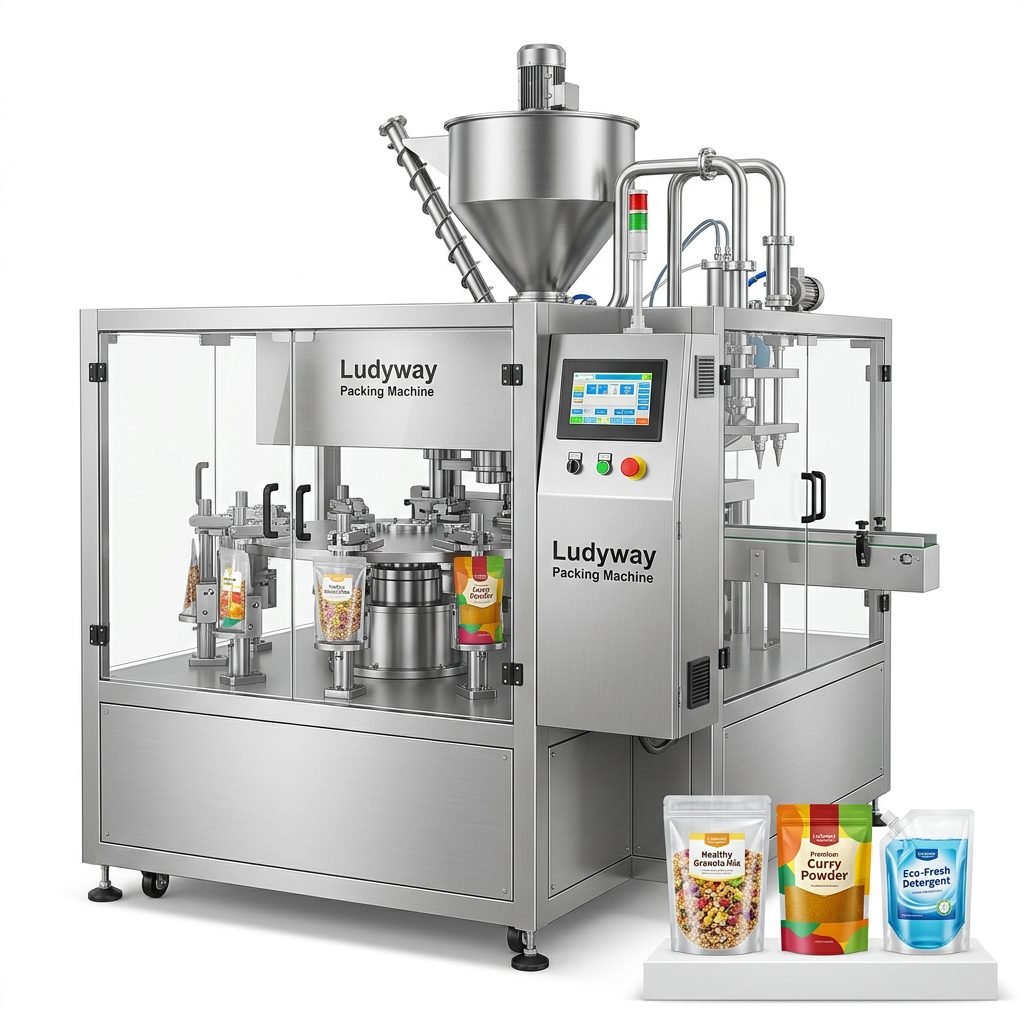
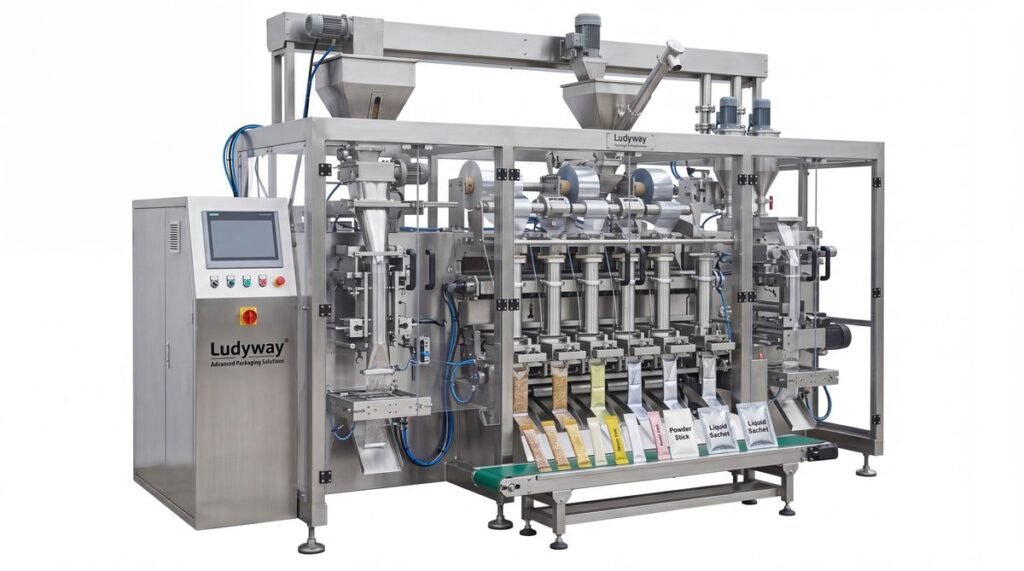
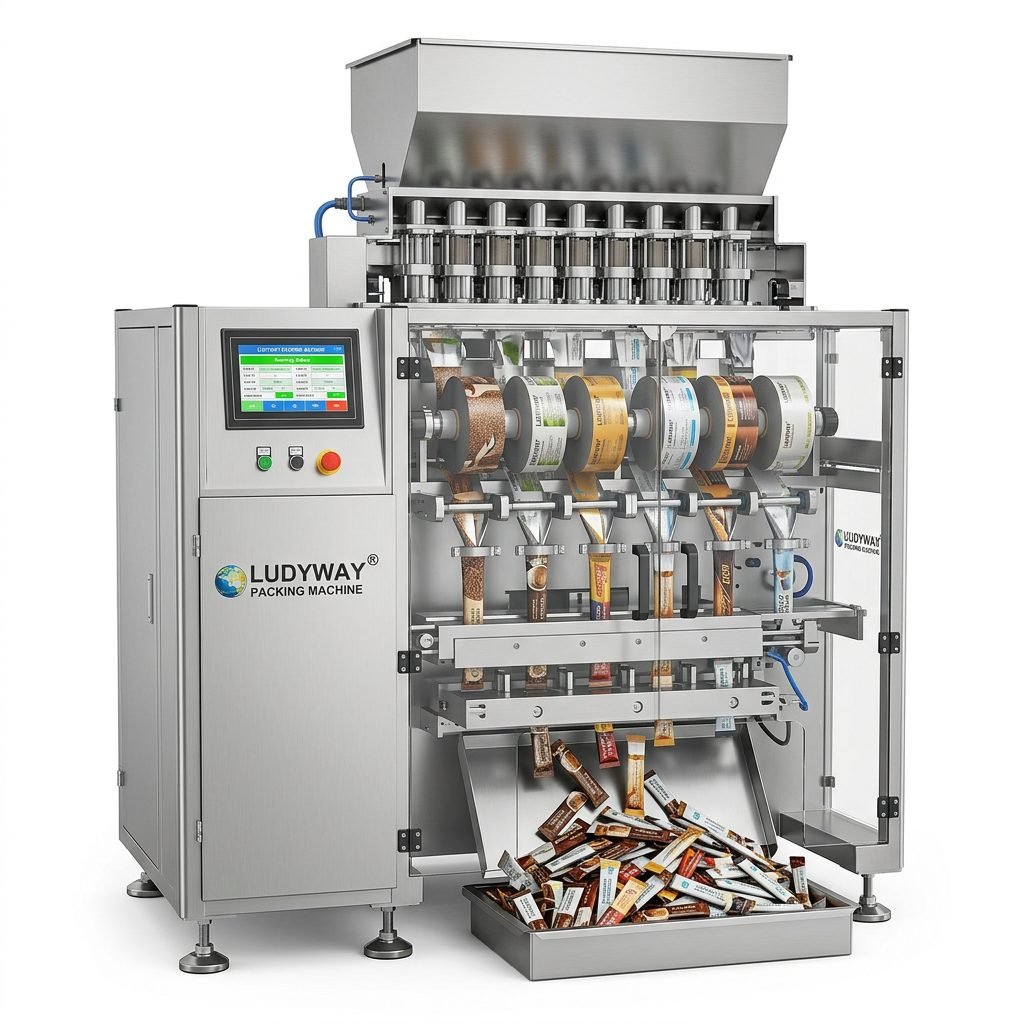
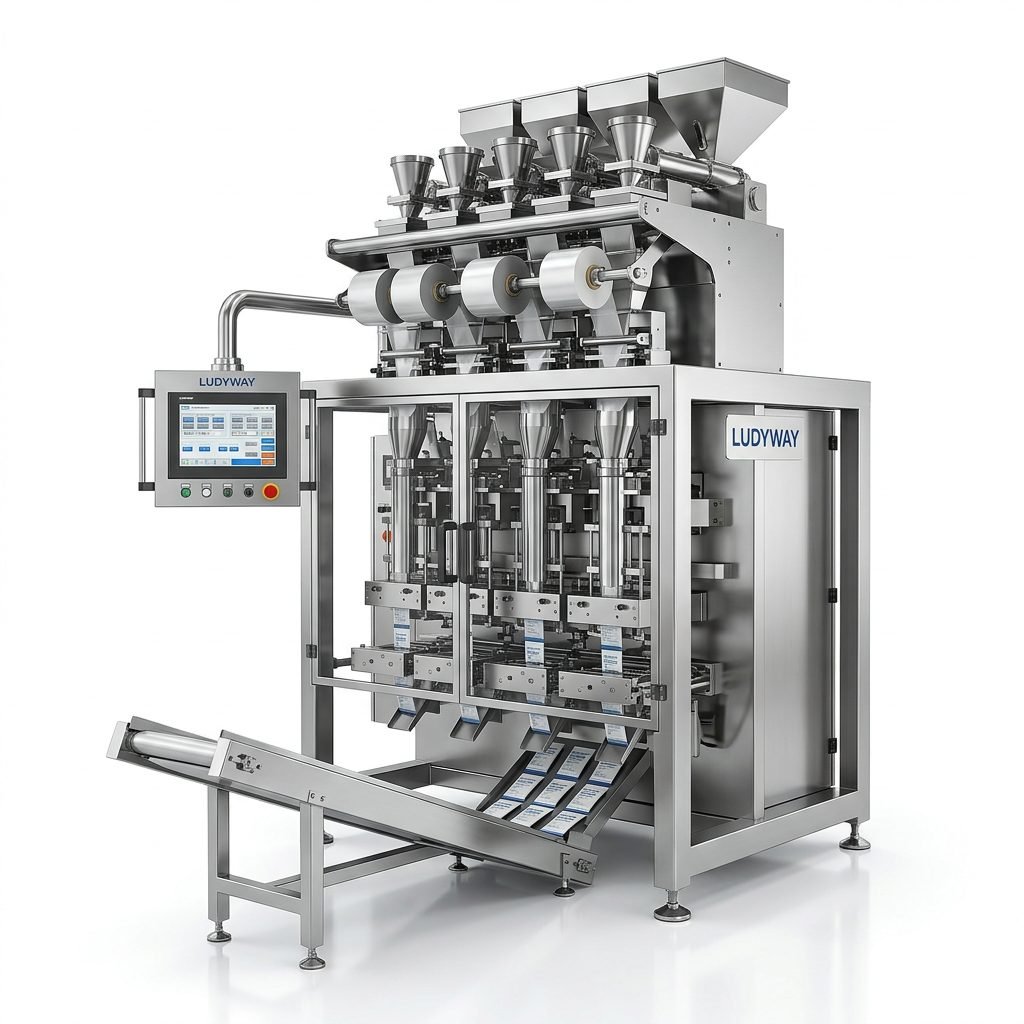
For businesses looking for scalable packaging solutions, Ludyway packaging machine solutions cover a wide range of applications in food, pharmaceutical, health supplement, cosmetic, and chemical packaging, from standalone equipment to turnkey lines.
Frequently Asked Questions
Is a semi automatic packaging machine good for small businesses?
Yes. It is often one of the best choices for small and medium-sized businesses because it balances cost, efficiency, and flexibility.
Can semi automatic machines package powders and liquids?
Yes, but the filling system must match the product type. Powders may require auger filling, while liquids may need piston or pump filling systems.
Are semi automatic packaging machines accurate?
Yes. In many applications, they provide far better consistency than manual methods, especially when properly calibrated and matched to the product.
Can a semi automatic machine be upgraded later?
In many cases, yes. Some systems can be integrated with conveyors, coding devices, sealing stations, labeling systems, or other modules as production expands.
Final Thoughts
A semi automatic packaging machine is a practical solution for companies that want to improve efficiency without jumping immediately to full automation. It offers lower investment, better consistency, easier operation, and strong flexibility across many product categories.
If your business needs more reliable packaging but still values manual control and adaptable production, a semi automatic packaging machine can be a very smart investment.