Investing in a bubble tea packaging machine is a significant decision for any beverage brand, co-packer, or manufacturer. The global bubble tea market continues to expand rapidly, and efficient, reliable packaging is critical to maintaining product freshness, ensuring portion accuracy, and meeting consumer expectations. Whether you are packaging milk tea powder, flavored creamer, tapioca pearls, or instant bubble tea mixes, selecting the right equipment directly impacts your production efficiency and bottom line.
Understanding Your Bubble Tea Packaging Requirements
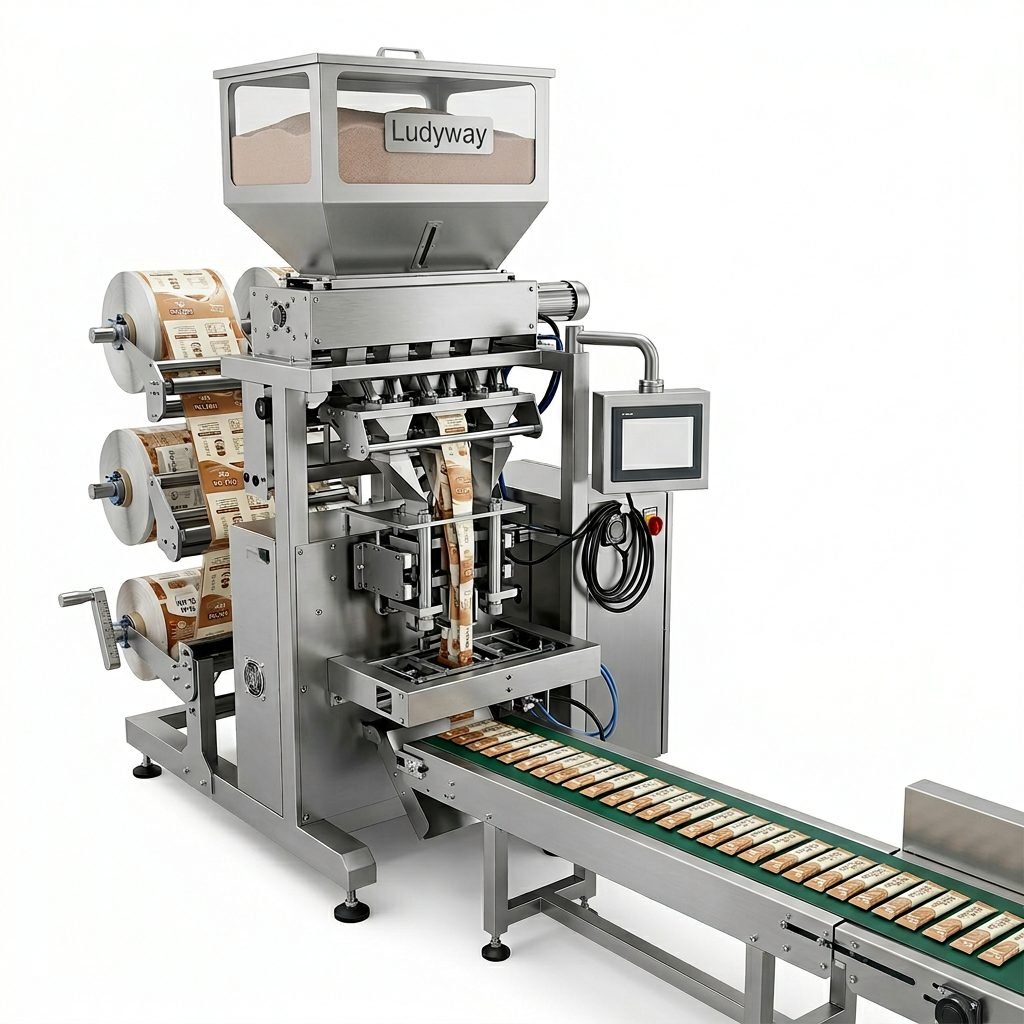
Before evaluating specific machines, you need to define your production requirements clearly. Bubble tea products come in various forms — powders, granules, liquids, and even solid inclusions like tapioca pearls. Each format demands different filling and sealing technologies.
- Powder-based products: Milk tea powder, flavored creamer powder, and instant mixes require precise auger filling or volumetric dosing systems to ensure consistent portion control.
- Granule products: Sugar, dried fruit bits, and certain toppings need multi-head weigher configurations for accuracy at high speeds.
- Liquid concentrates: Liquid bubble tea syrups and concentrates demand specialized liquid filling systems with anti-drip nozzles and precise metering.
- Combination products: Some bubble tea kits combine powder with solid inclusions, requiring dual-filling capabilities on a single packaging line.
Your choice of flexible packaging materials also influences machine selection. Common formats for bubble tea products include stick packs, sachets, and pre-made pouches, each with distinct sealing requirements.
Types of Bubble Tea Packaging Machines
The market offers several machine configurations tailored to bubble tea packaging. Understanding the differences helps you match equipment to your specific needs.
Multi-Lane Stick Pack Machines
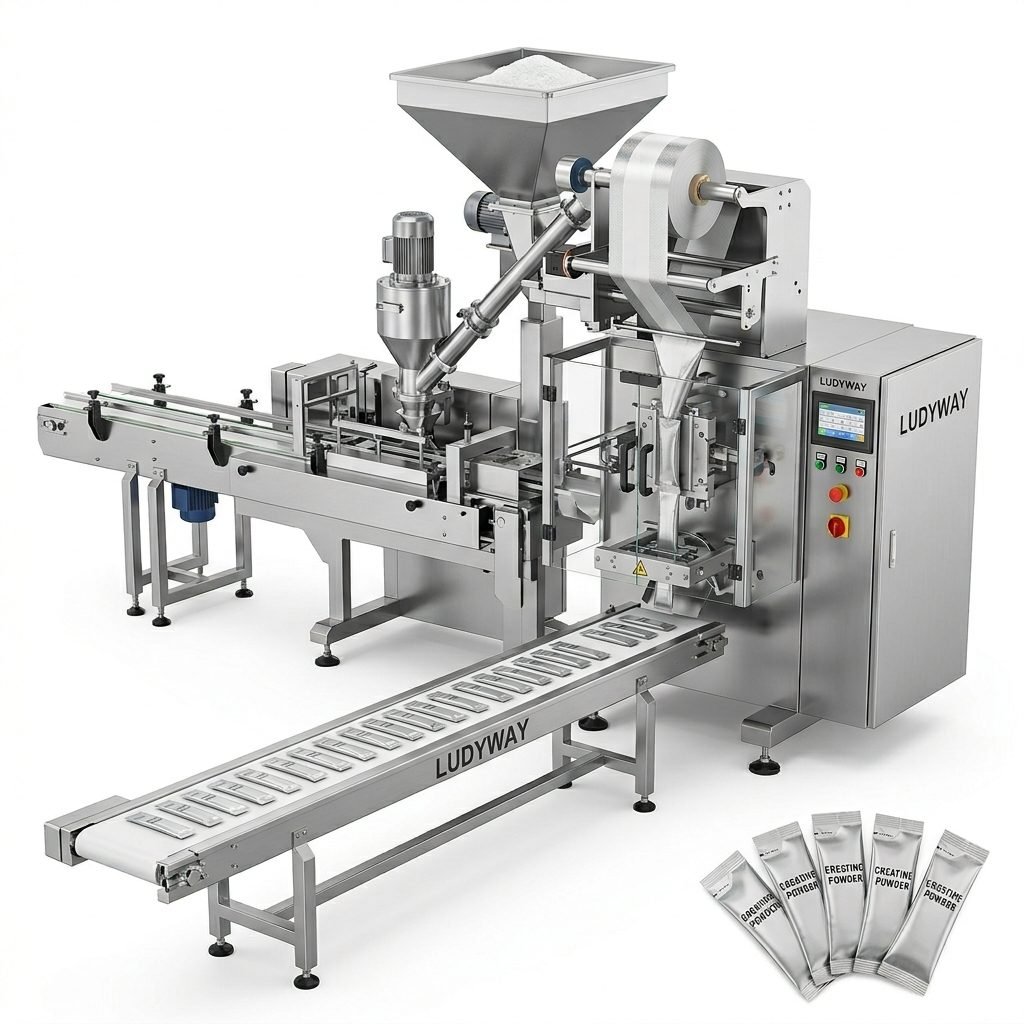
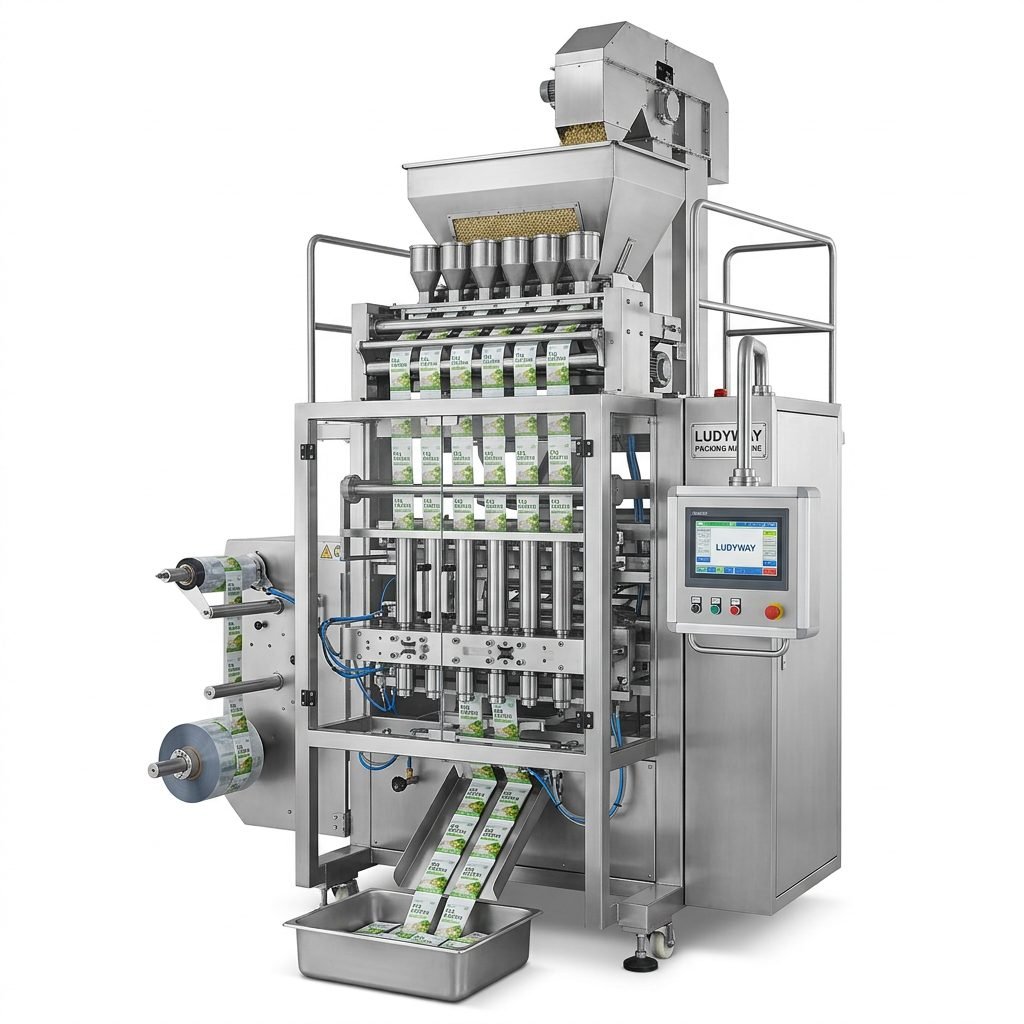
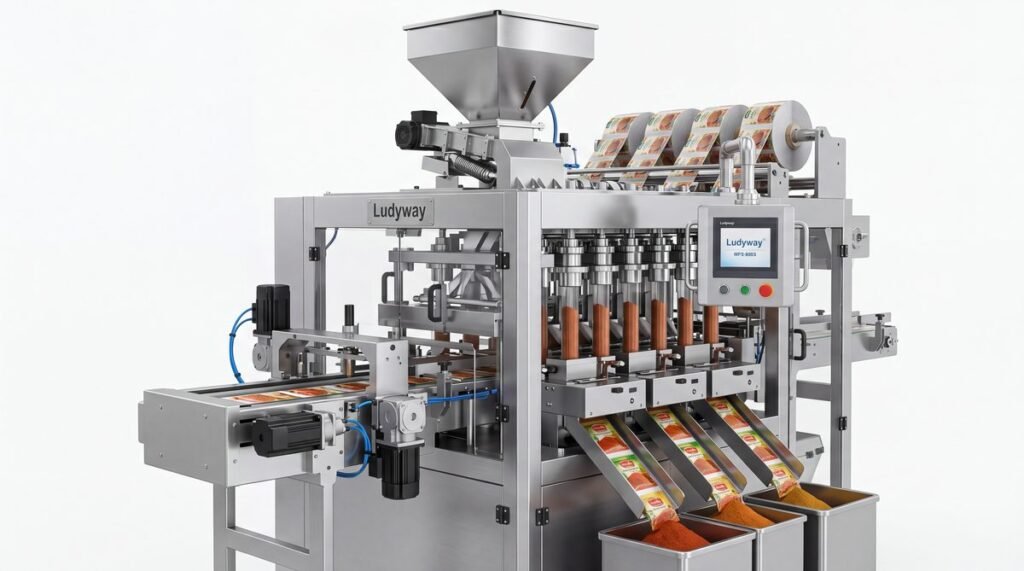
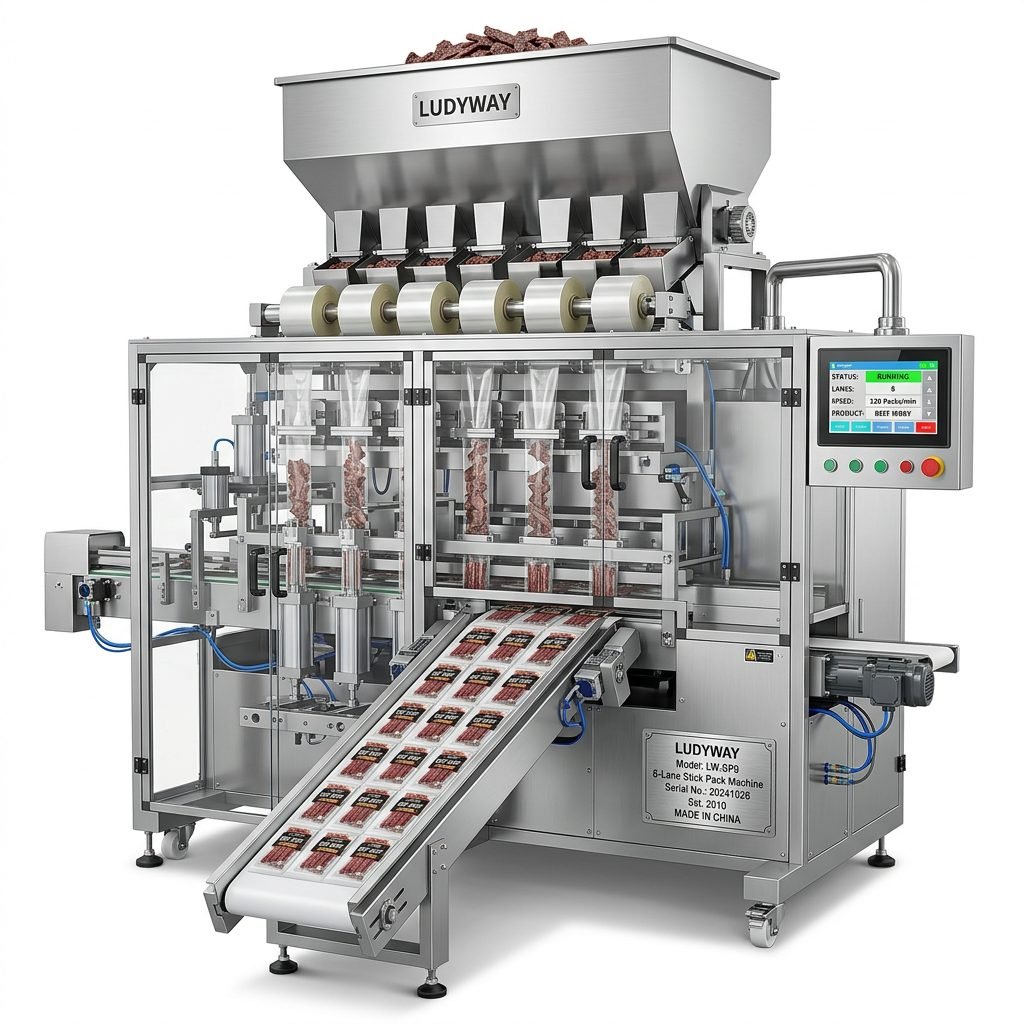
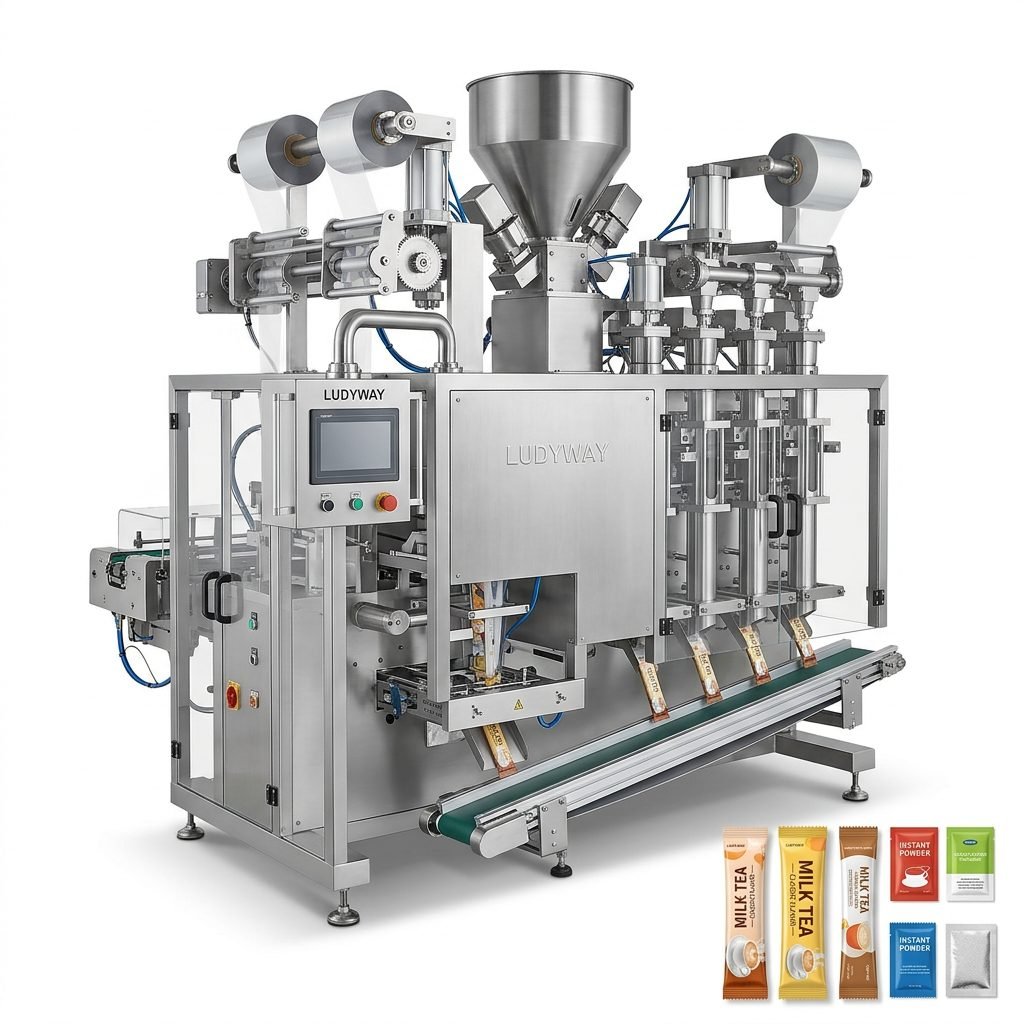
Multi-lane stick pack machines are the industry standard for single-serve bubble tea powder packaging. These machines can run 4 to 16 lanes simultaneously, producing stick packs at speeds of 200 to 800 packs per minute depending on the lane count and product characteristics. They are ideal for portion-controlled milk tea powder sachets commonly found in instant beverage kits.
Sachet Packaging Machines
Sachet machines produce larger format packs compared to stick packs, making them suitable for family-size bubble tea powder portions or multi-serving packages. These machines typically offer greater flexibility in bag dimensions and can accommodate a wider range of packaging film types.
Pre-Made Pouch Filling Systems
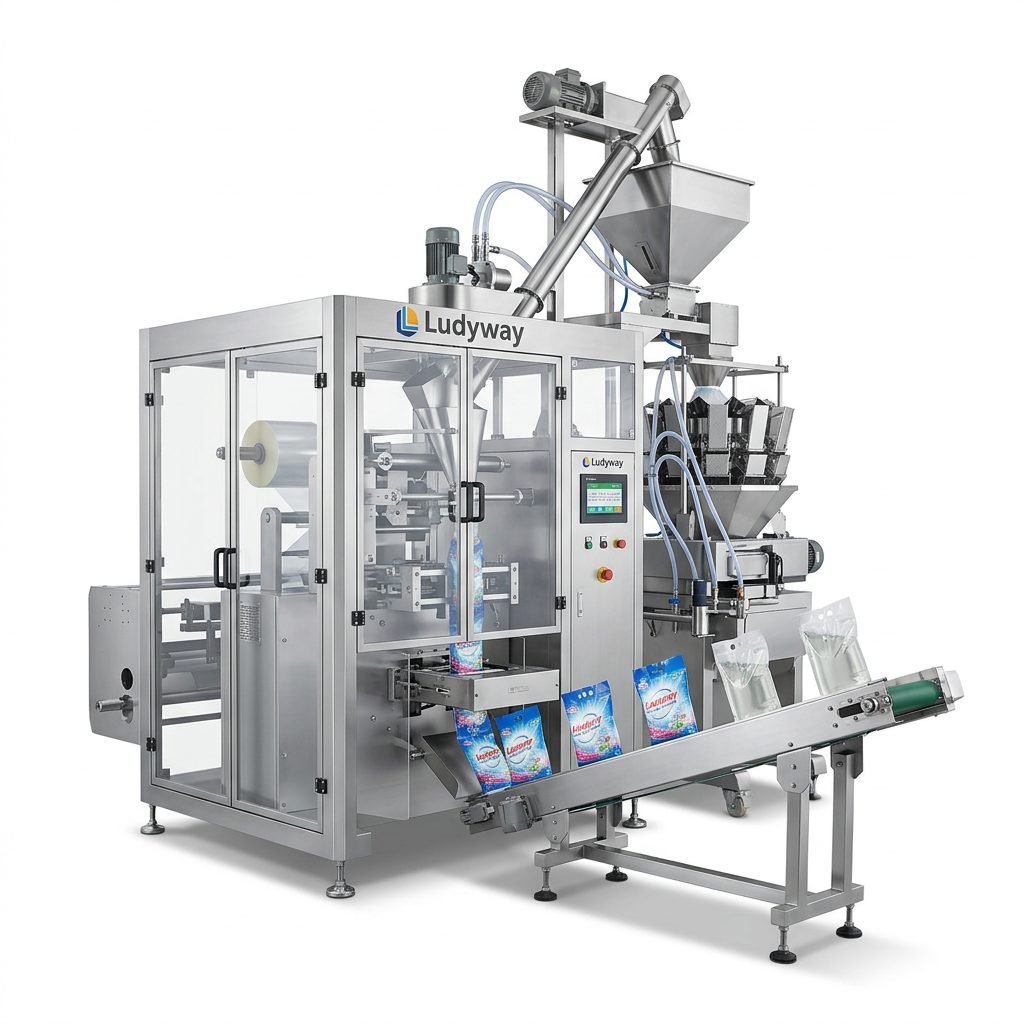
For premium bubble tea brands using stand-up pouches or zipper bags, rotary or inline pre-made pouch fillers provide excellent presentation and shelf appeal. These systems handle empty pouches automatically, open them, fill with product, and seal — often integrating with nitrogen flushing for extended shelf life.
| Machine Type | Best For | Typical Speed Range | Packaging Format |
|---|---|---|---|
| Multi-Lane Stick Pack | Single-serve powder sachets | 200–800 packs/min | Stick packs, 3-side seal, 4-side seal |
| Sachet Machine | Larger portion packs | 40–150 packs/min | Flat sachets, pillow bags |
| Pre-Made Pouch System | Premium retail pouches | 20–60 packs/min | Stand-up pouches, zipper bags |
| Liquid Filling Line | Syrups, liquid concentrates | 30–100 packs/min | Sachets, stick packs, bottles |
Key Factors to Consider When Choosing a Machine
Production Capacity and Speed
Your current and projected production volumes should drive machine selection. A small startup might operate efficiently with a single-lane sachet machine producing 40–60 packs per minute, while a contract manufacturer serving national brands may require multi-lane systems exceeding 400 packs per minute. Always factor in future growth potential — investing in scalable equipment now can reduce capital expenditure later.
Product Characteristics and Flow Properties
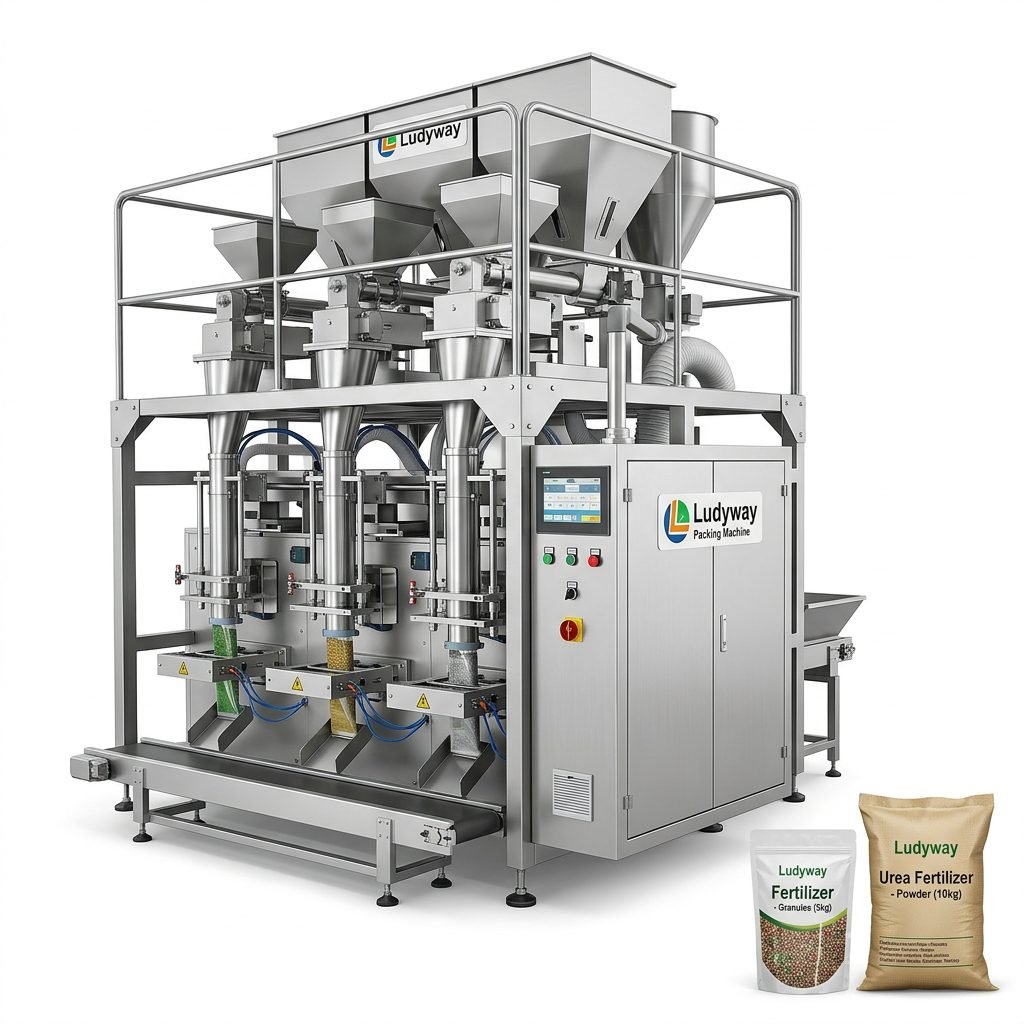
Bubble tea powders vary significantly in density, particle size, and flow behavior. Creamer-based milk tea powders flow differently than pure tea powders or sugar-based mixes. Machines must be configured with the appropriate packaging machinery technologies — auger fillers for non-free-flowing powders, volumetric cup fillers for free-flowing granules, and multi-head weighers for mixed products.
Bag Size and Format Flexibility
Consider whether you need a machine dedicated to a single format or one that offers quick changeover capabilities. If you package multiple bubble tea SKUs with different bag sizes, look for servo-driven adjustments that allow operators to switch between formats in minutes rather than hours. Machines with memorized recipe settings significantly reduce downtime during product changeovers.
Sealing Quality and Shelf Life
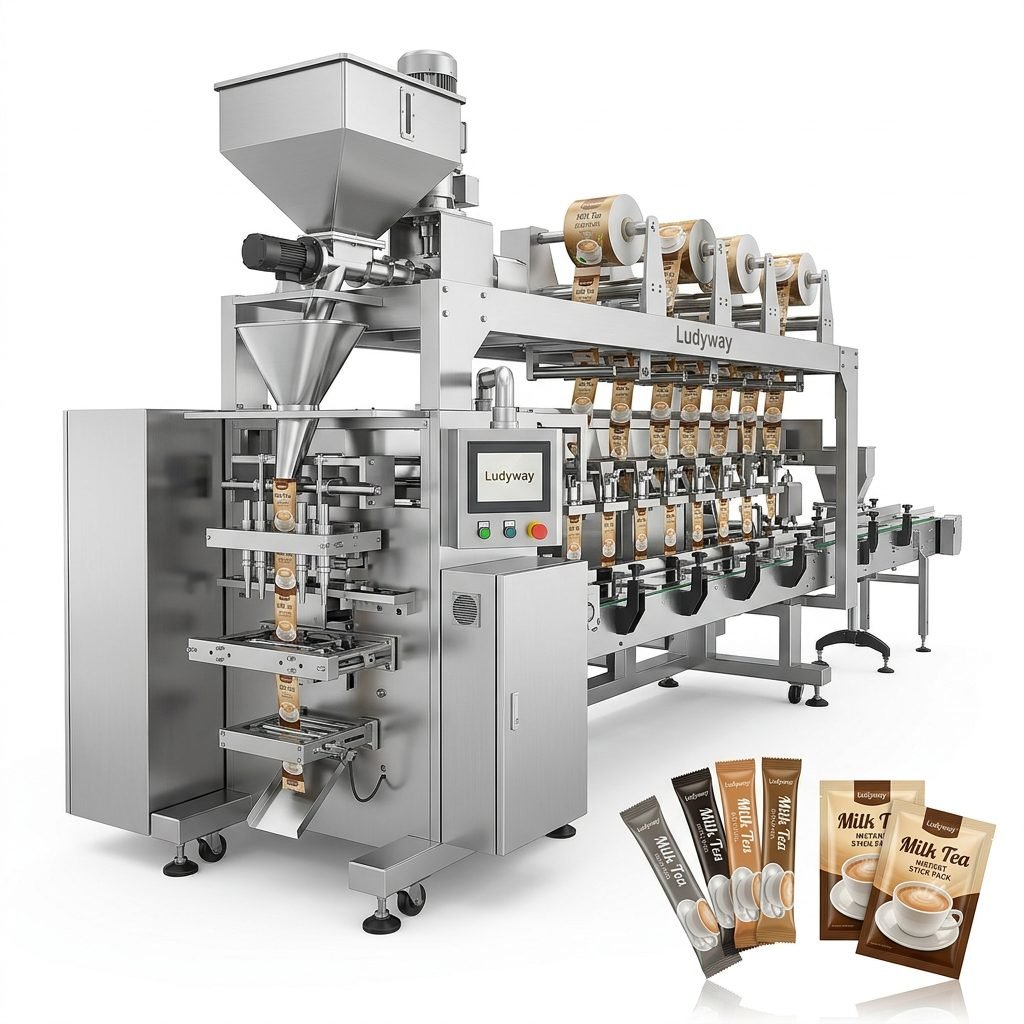
Seal integrity is non-negotiable in food packaging. Poor seals lead to product spoilage, contamination, and costly recalls. Look for machines with precise temperature control, adjustable sealing pressure, and optional features like gas flushing for oxygen-sensitive bubble tea powders. Food packaging safety standards require validated sealing processes, especially for products with extended shelf life claims.
Cleaning, Maintenance, and Hygiene
Bubble tea powder packaging equipment must meet stringent hygiene requirements. Machines with tool-free disassembly, sloped surfaces to prevent powder accumulation, and washdown-compatible components simplify cleaning routines. Quick-access design features reduce sanitation downtime between production runs, which is particularly important for facilities running multiple product formulations on the same equipment.
Automation Level and Integration Capabilities
Modern bubble tea packaging machines range from semi-automatic to fully integrated turnkey lines. The right automation level depends on your labor costs, production complexity, and long-term strategy:
- Semi-automatic machines: Require manual product loading and operator oversight, suitable for startups and small-batch production.
- Fully automatic stand-alone machines: Handle feeding, filling, sealing, and discharge with minimal operator intervention.
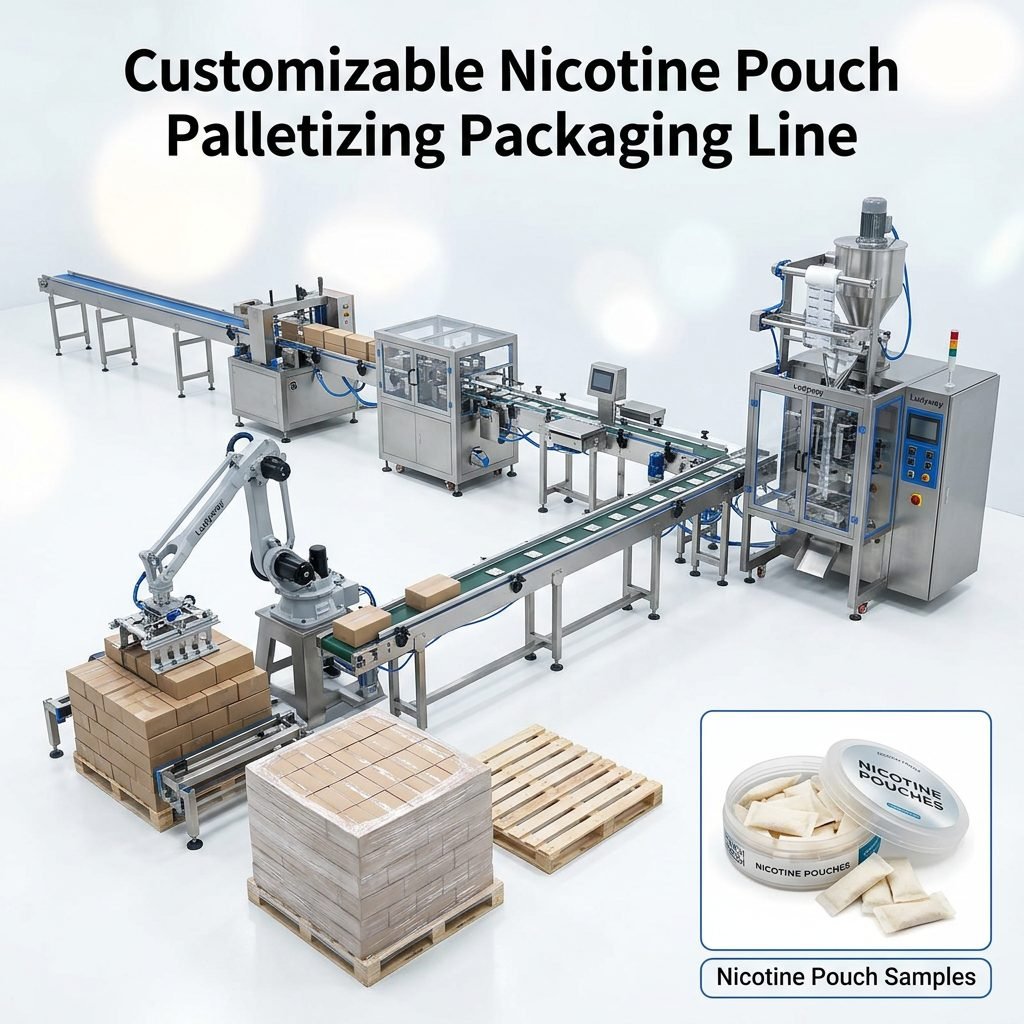
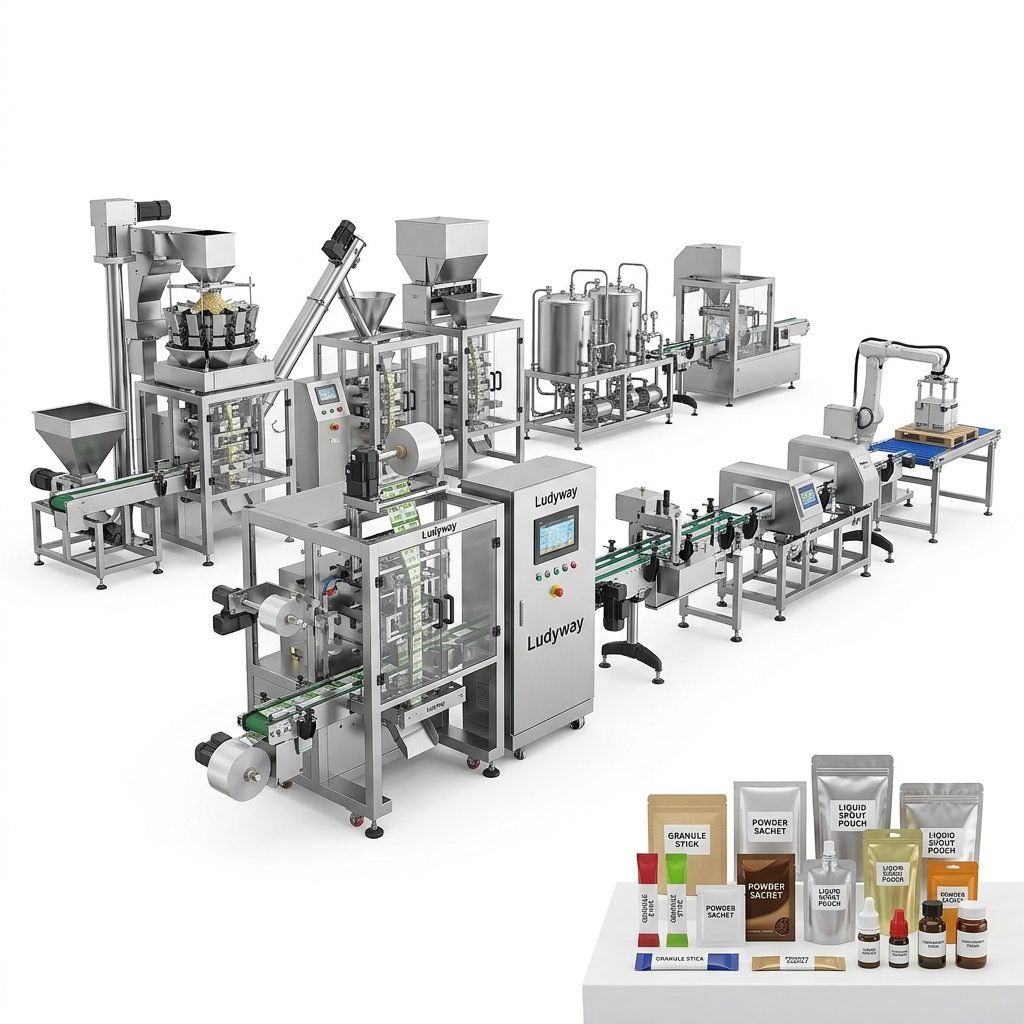
- Integrated packaging lines: Connect multiple stages — feeding, dosing, filling, sealing, coding, inspection, cartoning, and palletizing — into a continuous automated workflow.
When evaluating automation, assess whether the machine can integrate with your existing upstream and downstream equipment. Compatibility with packaging machinery standards and regulations is critical for smooth line integration and future scalability.
Packaging Material Compatibility
Your packaging machine must work with your chosen film structures. Common bubble tea packaging materials include:
- Laminated films: PET/AL/PE, PET/MPET/PE for high-barrier applications
- Paper-based laminates: For eco-friendly branding and reduced plastic content
- Mono-material films: Increasingly popular for sustainability and recyclability goals
Verify that the machine’s sealing system achieves consistent hermetic seals with your specific film type and thickness. Some machines offer ultrasonic sealing options for challenging film structures or products requiring cold-seal technology.
Budget and ROI Considerations
The cost of a bubble tea packaging machine varies widely based on configuration, speed, and automation level. A basic single-lane sachet machine might start at $15,000–$30,000, while a fully automated multi-lane turnkey line can range from $80,000 to $300,000 or more. However, total cost of ownership extends beyond the initial purchase price:
- Film waste rates: Precision machines reduce material waste, directly impacting ongoing costs.
- Labor requirements: Higher automation reduces operator headcount and associated costs.
- Maintenance and spare parts: Evaluate parts availability and typical maintenance intervals.
- Energy consumption: Efficient servo-driven systems consume less power than pneumatic alternatives.
A well-chosen machine typically achieves ROI within 12–24 months through reduced labor, lower waste, and increased throughput. Request detailed cost-of-ownership projections from manufacturers before making a final decision.
After-Sales Support and Service
Even the best packaging machinery requires ongoing support. When selecting a supplier, evaluate their global service capabilities, spare parts availability, and technical support responsiveness. Look for manufacturers who offer installation support, operator training, remote troubleshooting, and readily available spare parts in your region.
Established manufacturers like Ludyway Machinery — with over 30 years of packaging industry experience, a 20,000-square-meter facility, and customers in more than 100 countries — provide the engineering depth and service infrastructure to support long-term operational success. Their portfolio spans over 50 packaging machine models suitable for bubble tea powder, granule, and liquid packaging applications.
Before purchasing, request references from current customers in the beverage or powder packaging sector, and if possible, conduct a factory acceptance test (FAT) to verify machine performance with your actual products and packaging materials.
Making Your Final Decision
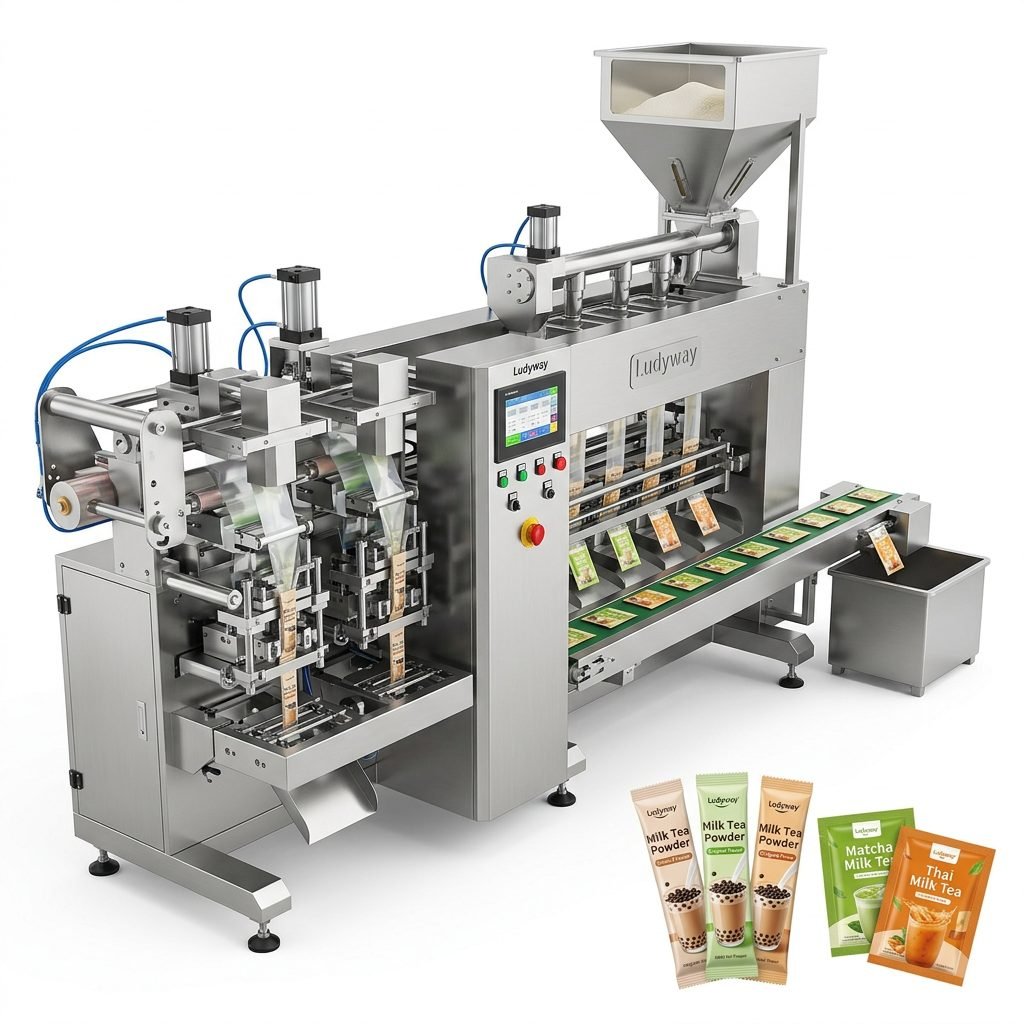
Selecting the right bubble tea packaging machine requires balancing your product characteristics, production goals, budget, and growth plans. Start by documenting your specific requirements — product type, target output, packaging format, and available floor space. Then evaluate machines from multiple suppliers against these criteria, paying close attention to:
- Build quality and durability of critical components
- Changeover speed and ease of operation
- Sealing consistency across different film types
- Supplier reputation, references, and after-sales support
- Compliance with relevant regulatory requirements
- Total cost of ownership, not just purchase price
Investing time in thorough evaluation upfront helps avoid costly mistakes and ensures your chosen machine delivers reliable, efficient packaging performance for years to come. The right equipment partner becomes an extension of your production team, supporting your growth as the bubble tea market continues to expand globally.