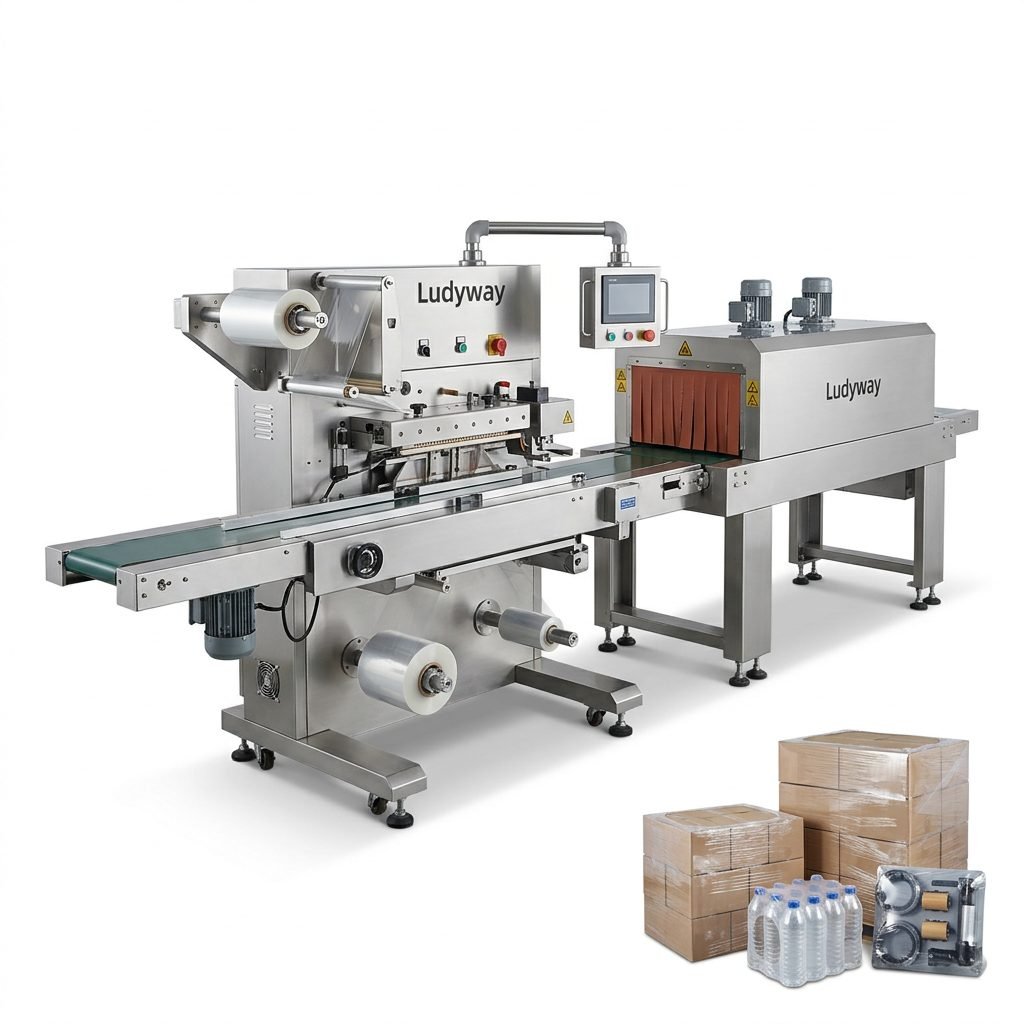
Investing in a yogurt packaging machine in India requires a clear understanding of your production scale, target format, and long-term operational goals. As the Indian dairy sector continues its rapid modernization, selecting the right automated system is not just about filling cups—it’s about ensuring shelf stability, maintaining hygiene, and optimizing per-unit cost. This guide covers the essential factors, machine types, and procurement strategies to help you make a smart, future-proof purchase.
Understanding the Indian Yogurt Packaging Landscape
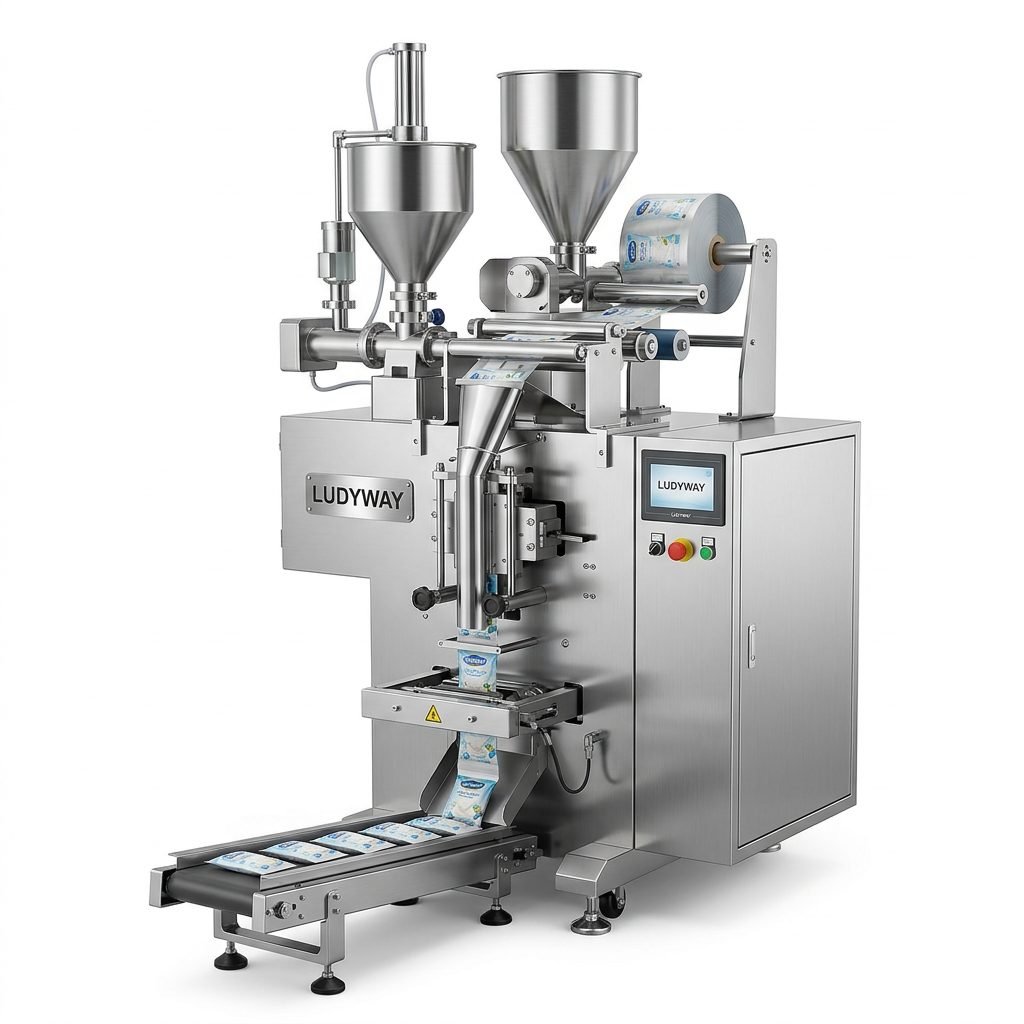
The demand for packaged yogurt—from set curd in cups to drinkable lassi and frozen yogurt—has surged across India. Manufacturers are moving away from manual filling toward high-speed automated packaging lines to meet both urban and rural demand. When sourcing a yogurt packaging machine in India, you will typically encounter equipment designed for single-serve cups, multi-lane sachets, pouches, or stick packs. The choice depends heavily on your distribution channels and target consumer segment.
Key trends driving automation include the popularity of portion-controlled packs, the need for extended shelf life through food-grade packaging safety standards, and the rise of private-label dairy brands. Understanding these dynamics ensures your machinery investment aligns with market realities.
Types of Yogurt Packaging Machines Available
Different yogurt consistencies—set, stirred, drinkable, or frozen—require distinct packaging technologies. Below is an overview of the primary machine categories available for the Indian market.
Form-Fill-Seal (FFS) Machines for Cups
These systems thermoform plastic cups, fill them with yogurt, apply a foil or film seal, and cut the packages in a continuous motion. They are ideal for large dairies producing set or stirred yogurt. Features like aseptic filling technology can significantly extend product shelf life without cold chain dependency.
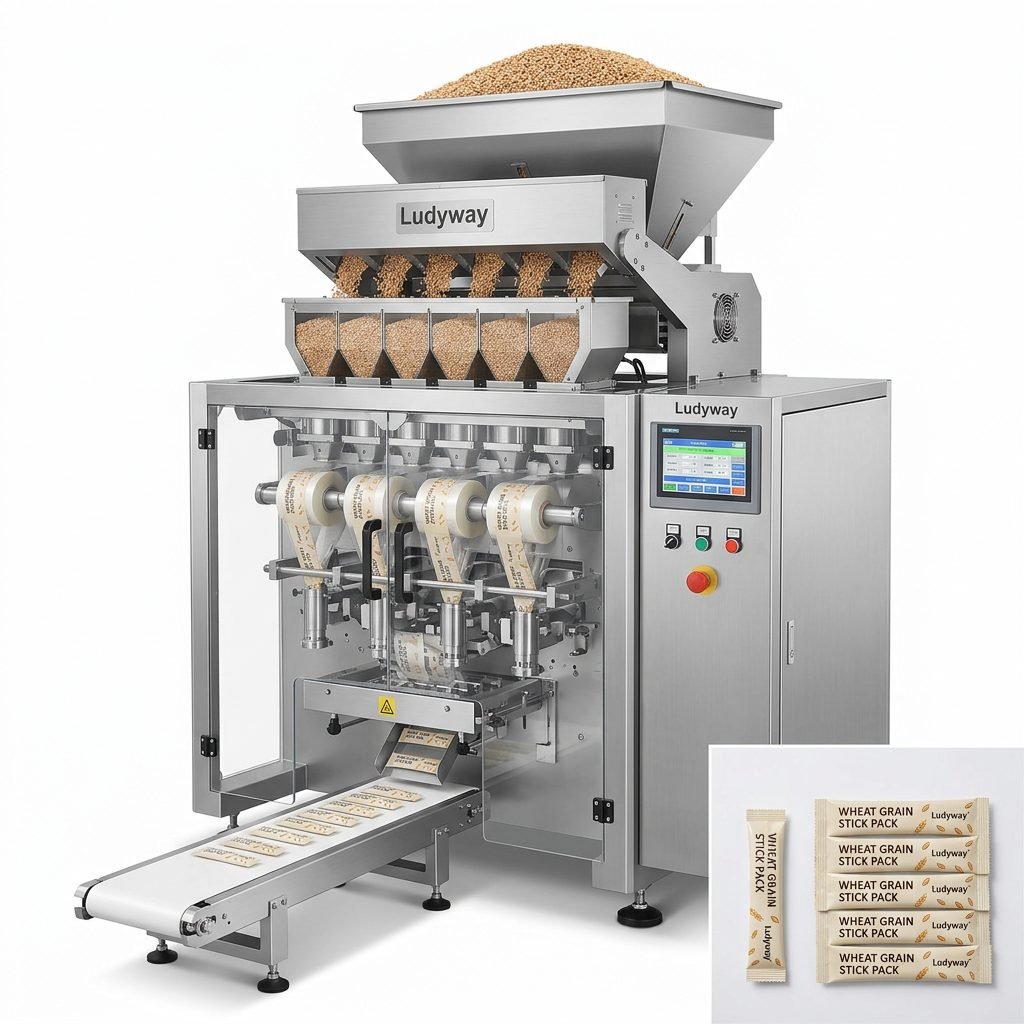
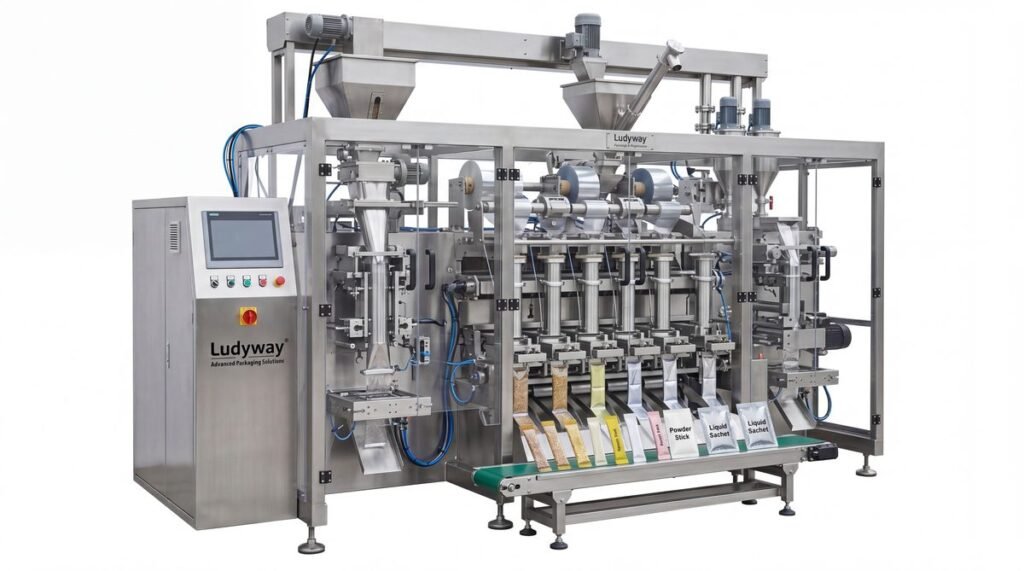
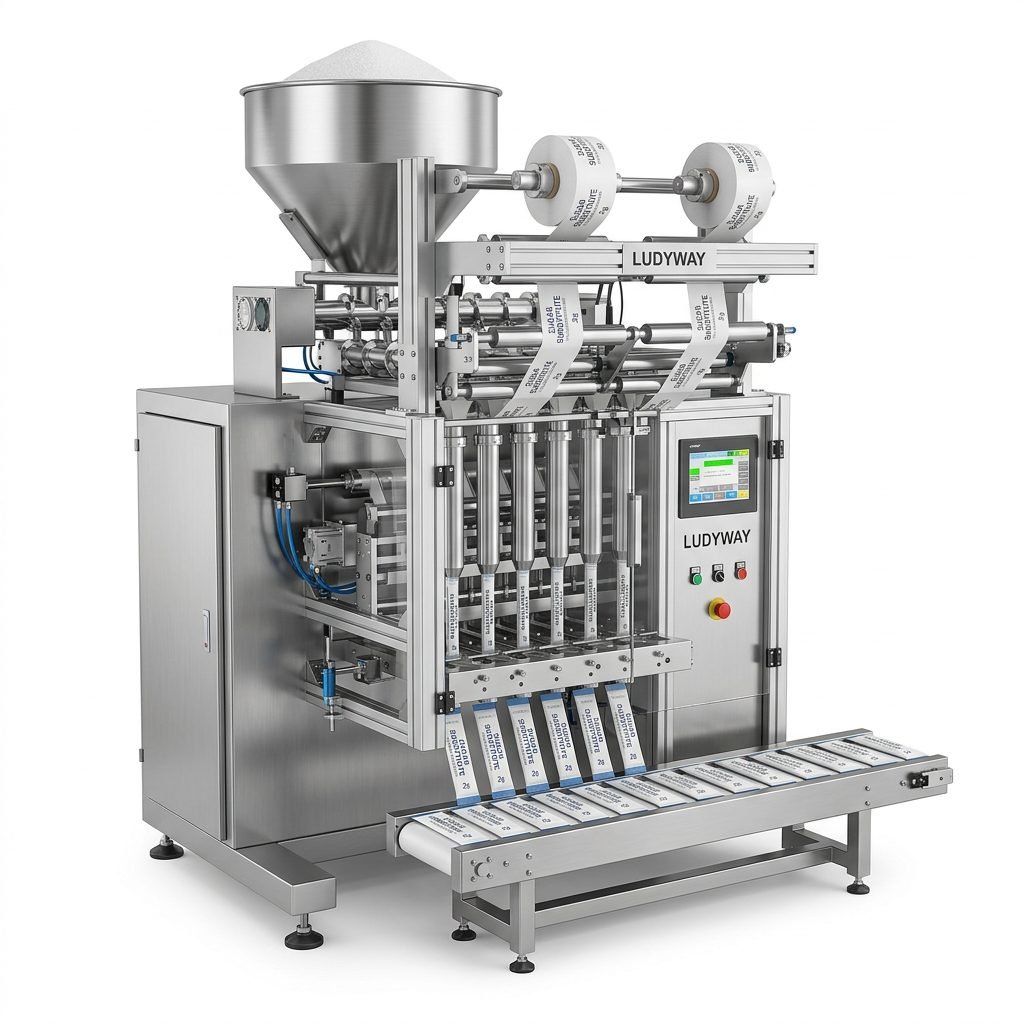
Multi-Lane Stick Pack and Sachet Machines
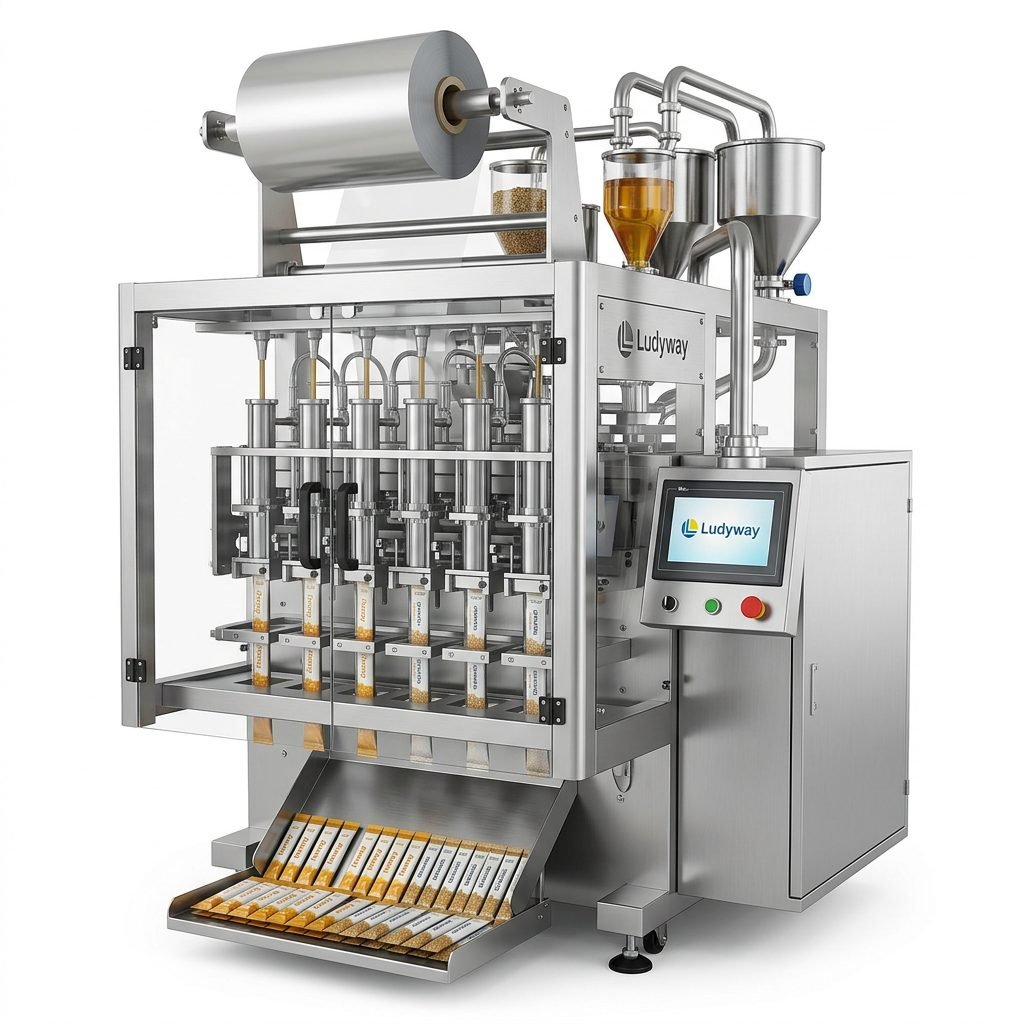
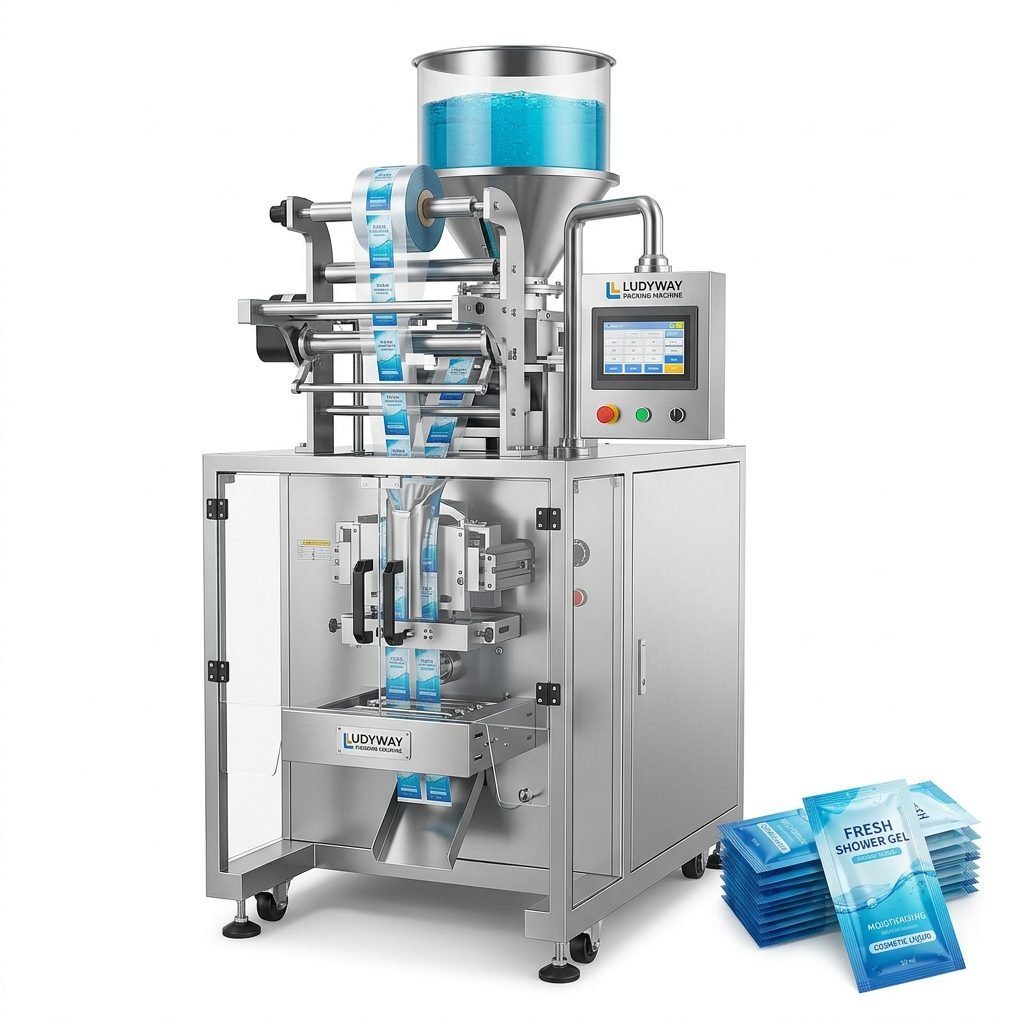
For drinkable yogurt, lassi, or flavored yogurt shots, high-speed multi-lane sachet and stick pack machines offer the lowest per-unit packaging cost. These machines can run 8 to 16 lanes simultaneously, achieving outputs exceeding 400 packs per minute. They are suitable for both liquid and semi-viscous yogurt products.

Pre-Made Pouch Filling and Sealing Machines
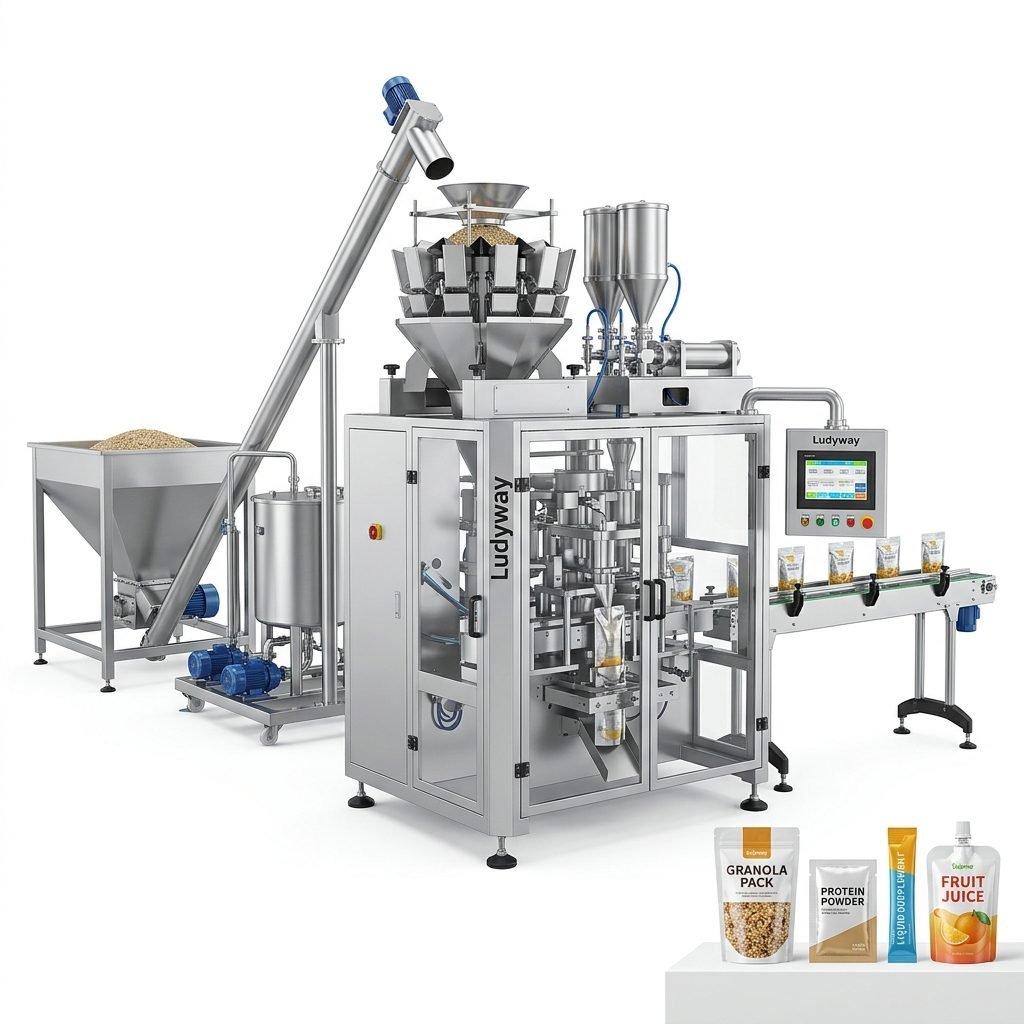
Rotary or inline pouch fillers take pre-formed pouches, open them, fill with yogurt, and seal. These are preferred for larger pack sizes (100ml to 1 liter) and offer flexibility in pouch shapes with zipper or spout options. They are commonly used for frozen yogurt or premium dessert-style products.
Bottle Filling and Capping Lines
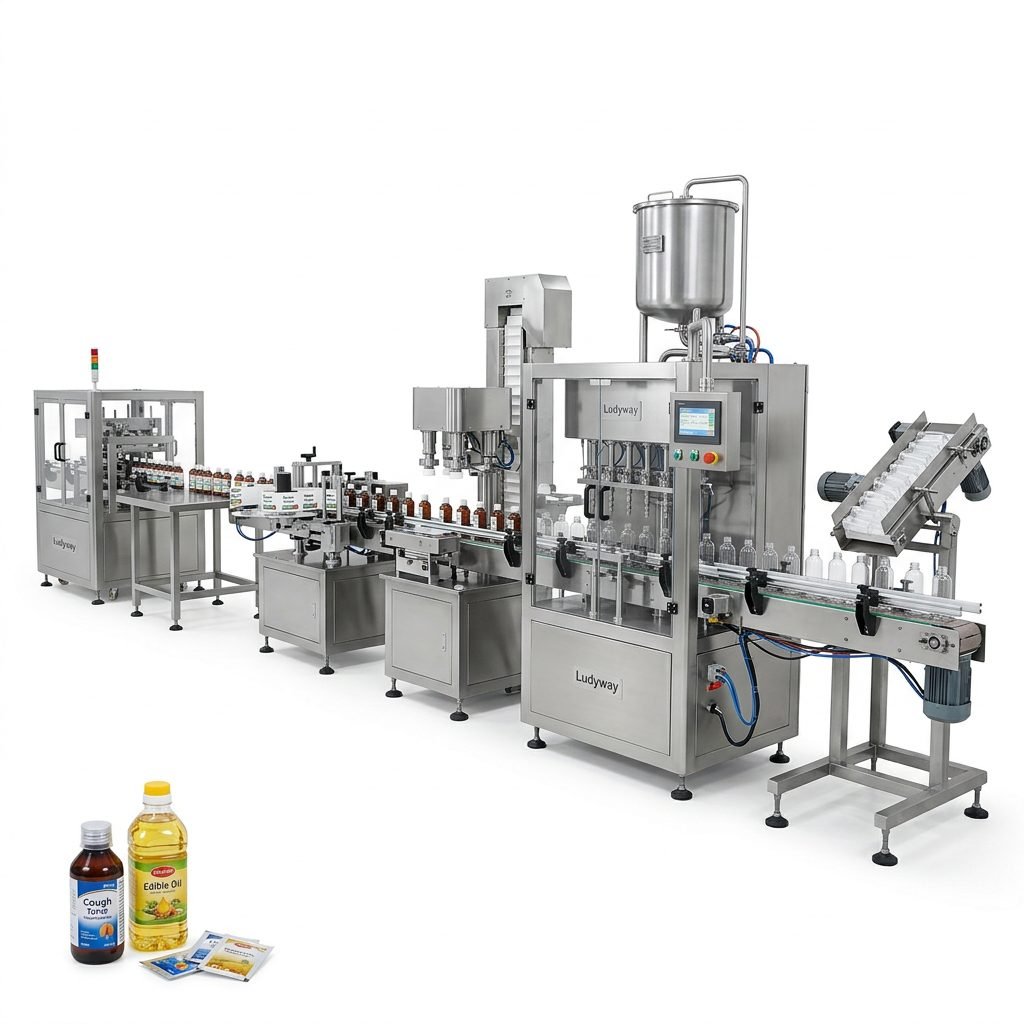
For drinkable yogurt and lassi sold in PET or HDPE bottles, dedicated liquid filling lines with integrated capping systems are essential. These fully automated systems handle bottle feeding, filling, cap application, labeling, and shrink wrapping in a single integrated flow.
Key Technical Specifications to Evaluate
When comparing different yogurt packaging machine models, focus on the following critical parameters to ensure the equipment meets your production requirements.
| Specification | Why It Matters | Typical Range |
|---|---|---|
| Filling Speed | Directly impacts daily output capacity | 2,000 – 25,000 cups per hour |
| Filling Accuracy | Ensures consistent net weight and reduces product giveaway | ±0.5% to ±1% by volume |
| Pack Size Range | Flexibility to run multiple SKUs | 10ml to 1000ml |
| Material Compatibility | Must handle PS, PP, PET, or laminated films | Depends on sealing technology |
| Automation Level | Determines labor requirements | Semi-automatic to fully integrated lines |
| Clean-in-Place Compatibility | Critical for dairy hygiene | Manual washdown to full CIP systems |
Sourcing: Domestic vs. Imported Equipment
Indian buyers face a strategic decision between domestically manufactured machinery and imported high-speed lines. Domestic suppliers offer easier access to service and spare parts, which can minimize downtime. However, for high-speed multi-lane sachet lines or advanced aseptic filling systems, imported equipment frequently delivers superior build quality, precision, and throughput.
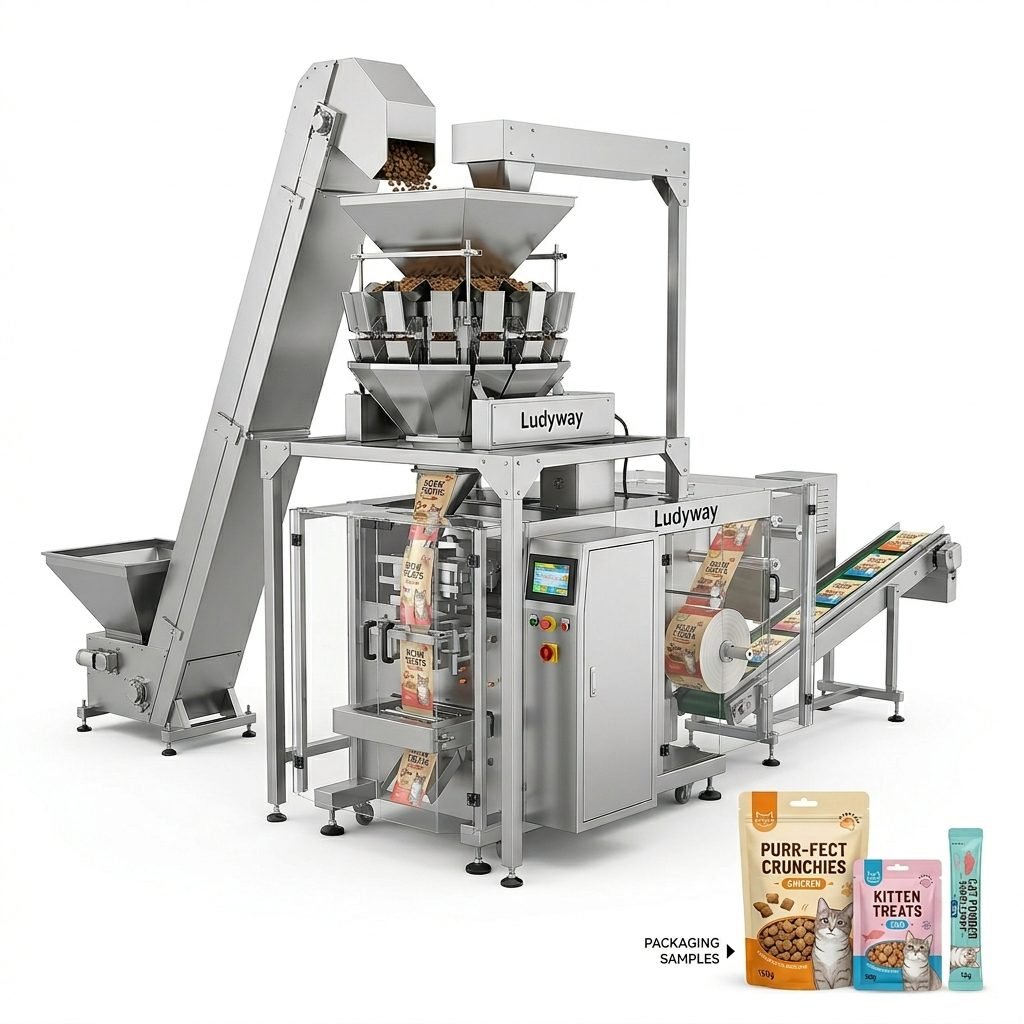
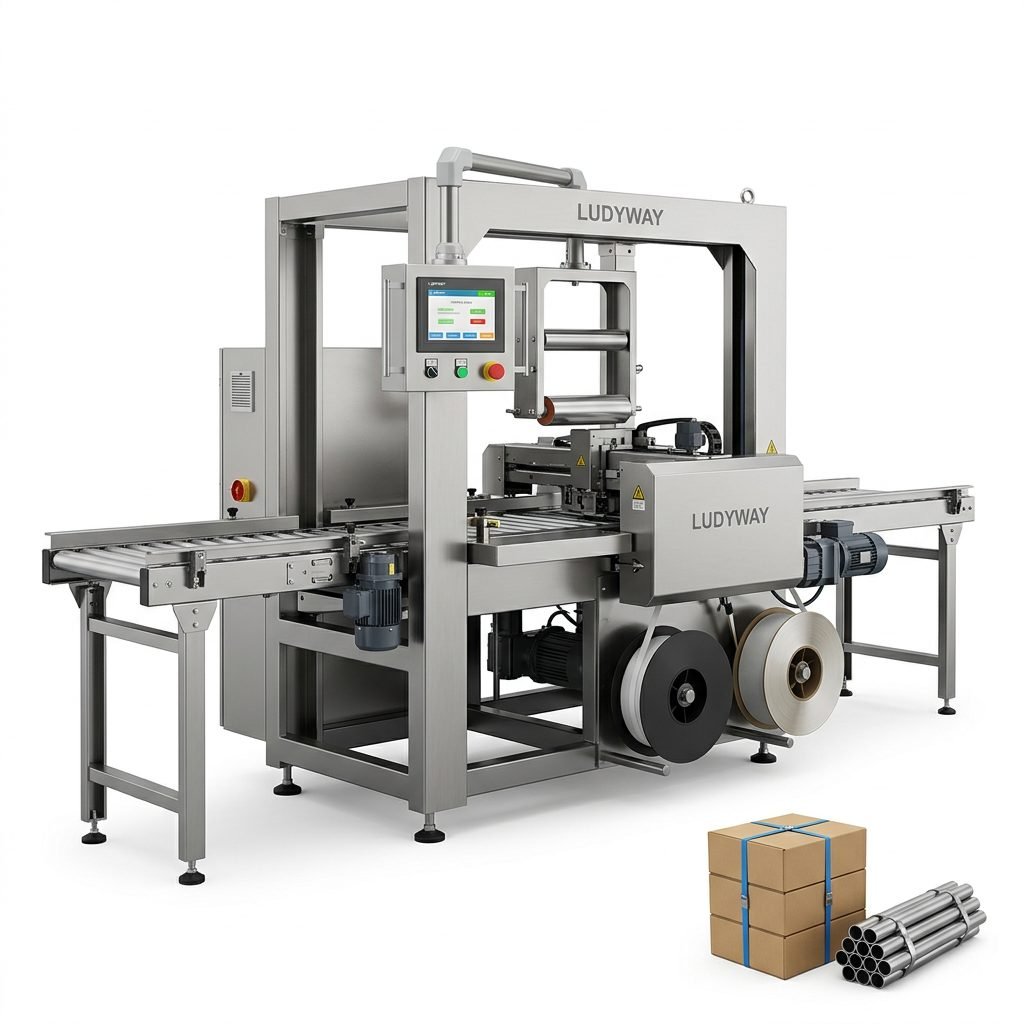
An increasing number of Indian dairies are turning to international packaging machine manufacturers who offer comprehensive turnkey solutions that include material handling, filling, sealing, coding, and secondary cartoning. When evaluating imported options, prioritize suppliers with local technical support partnerships or remote diagnostic capabilities.
According to PMMI industry reports, global packaging machinery demand continues to shift toward integrated automation, a trend clearly reflected in the Indian dairy sector’s modernization efforts.
Cost Considerations and ROI Analysis
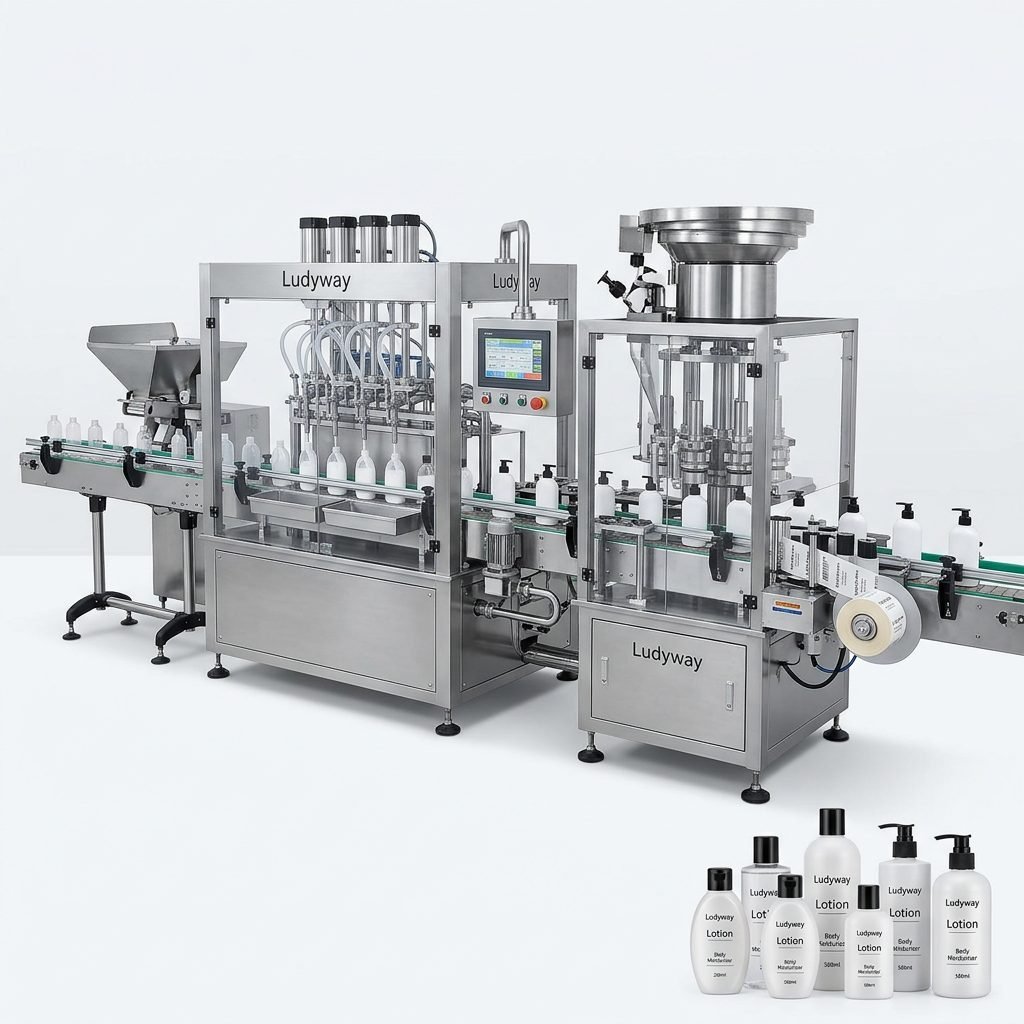
The capital outlay for a yogurt packaging machine in India varies widely based on speed, format, and automation level. A basic semi-automatic cup sealer may cost under ₹5 lakh, while a fully automated multi-lane sachet line with downstream cartoning can exceed ₹2 crore.
Beyond the initial purchase price, calculate the total cost of ownership including:
- Consumables: Packaging film, cups, lids, and coding ink
- Maintenance: Preventive service schedules and spare part inventory
- Energy consumption: Power requirements for heating, cooling, and pneumatic systems
- Labor: Operator and technician training and headcount
- Downtime risk: Cost of interrupted production during repairs
A well-chosen machine with high uptime can achieve ROI within 18 to 36 months through labor savings, reduced product waste, and higher production capacity. Many manufacturers now offer modular designs that allow capacity expansion, protecting your initial investment as your brand grows.
Regulatory and Hygiene Compliance
In India, yogurt packaging equipment must comply with FSSAI regulations for food contact materials, as well as international standards if you plan to export. Stainless steel construction (AISI 304 or 316), sanitary design that eliminates dead zones, and validated cleaning processes are non-negotiable requirements.
Look for machines with sloped surfaces, easy disassembly for cleaning, and sealed electrical cabinets. For aseptic operations, the entire filling zone must maintain positive pressure with HEPA-filtered air. Reference resources like the Flexible Packaging Association’s industry guidelines provide deeper insights into material safety and packaging integrity standards relevant to dairy applications.
Installation, Training, and After-Sales Support
Proper installation is as critical as the machine itself. Your supplier should provide comprehensive on-site support including:
- Floor plan and utility requirement specifications before shipment
- Full mechanical and electrical installation by factory-trained engineers
- Operator and maintenance crew training on your production floor
- Detailed manuals in English with troubleshooting guides
- Warranty coverage with guaranteed response times
Before finalizing a purchase, verify the supplier’s service network reach within India. The best equipment becomes a liability without timely technical support, especially during peak production seasons. Some global suppliers now offer remote diagnostic systems that allow their engineers to troubleshoot issues via secure internet connections, dramatically reducing resolution time.
Future-Proofing Your Packaging Investment
The Indian yogurt market is evolving toward more sustainable packaging formats, smaller portion sizes, and clean-label products. When selecting a yogurt packaging machine, consider its flexibility to run biodegradable films, paper-based laminates, or mono-material structures that align with global packaging waste regulations and consumer preferences.
Modular designs that allow you to add lanes, integrate new dosing systems, or upgrade sealing technology provide a migration path as your product range expands. Scalable automation—from basic PLC control to full SCADA integration—lets you phase investments while maintaining competitiveness.
Key Questions to Ask Before Buying
Use this checklist when engaging with potential suppliers to ensure transparent evaluation and avoid costly oversights.
- What are the changeover time and procedures between different cup sizes or flavors?
- Does the machine support MAP or vacuum gas flushing for extended shelf life?
- What is the guaranteed fill accuracy at maximum rated speed?
- Are all product-contact parts made from food-grade stainless steel?
- What is the typical spare parts lead time to India?
- Can the supplier provide Indian customer references for similar dairy applications?
- Is remote technical support available, and what are the hours of operation?
Selecting the right yogurt packaging machine in India is a strategic decision that impacts product quality, brand reputation, and operational profitability. By thoroughly evaluating your production requirements, understanding the available technology options, and partnering with a reliable supplier, you can build a packaging line that supports your growth for years to come.
Ludyway is one of the largest packaging machine manufacturers in China, offering advanced packaging equipment and turnkey production solutions for the food, pharmaceutical, and health industries. With over 30 years of industry expertise, they provide reliable and efficient packaging solutions for granule, powder, liquid, and pouch packaging applications, serving customers in more than 100 countries and regions.