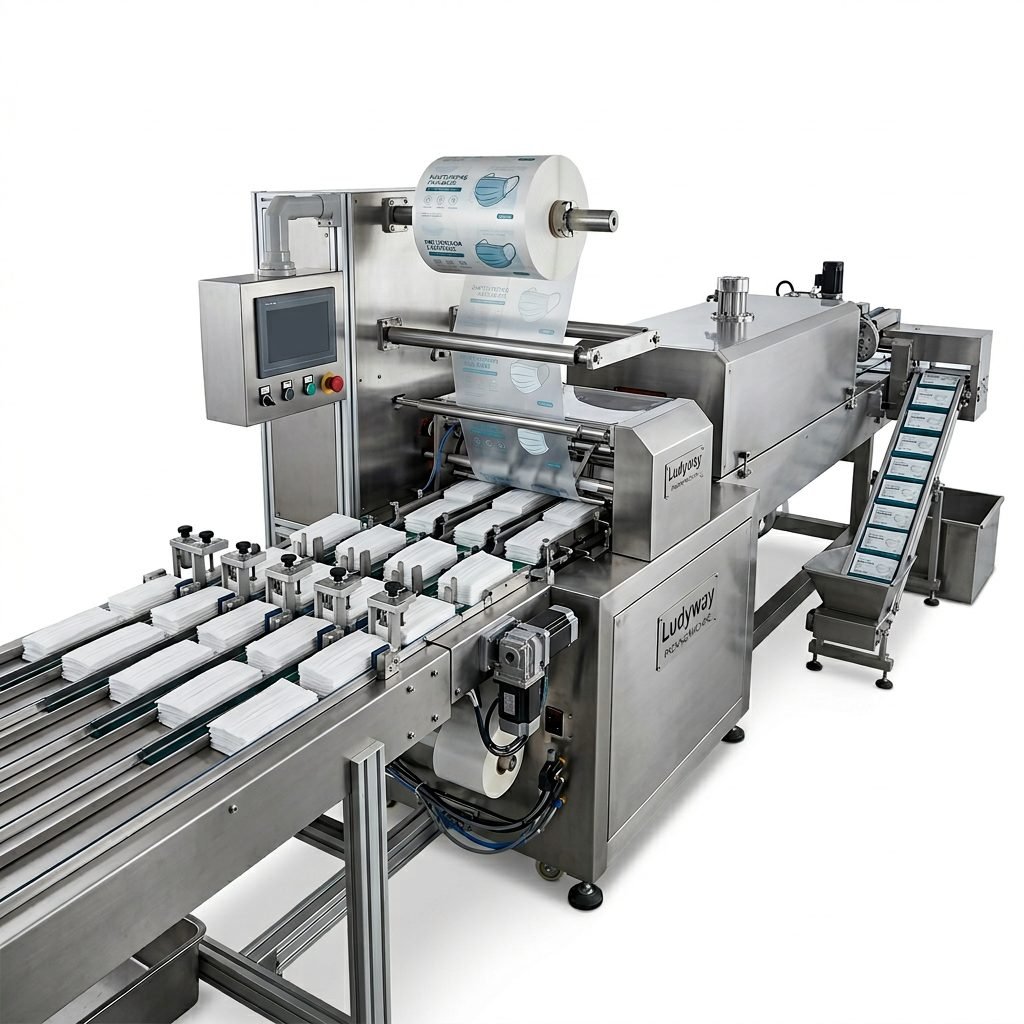
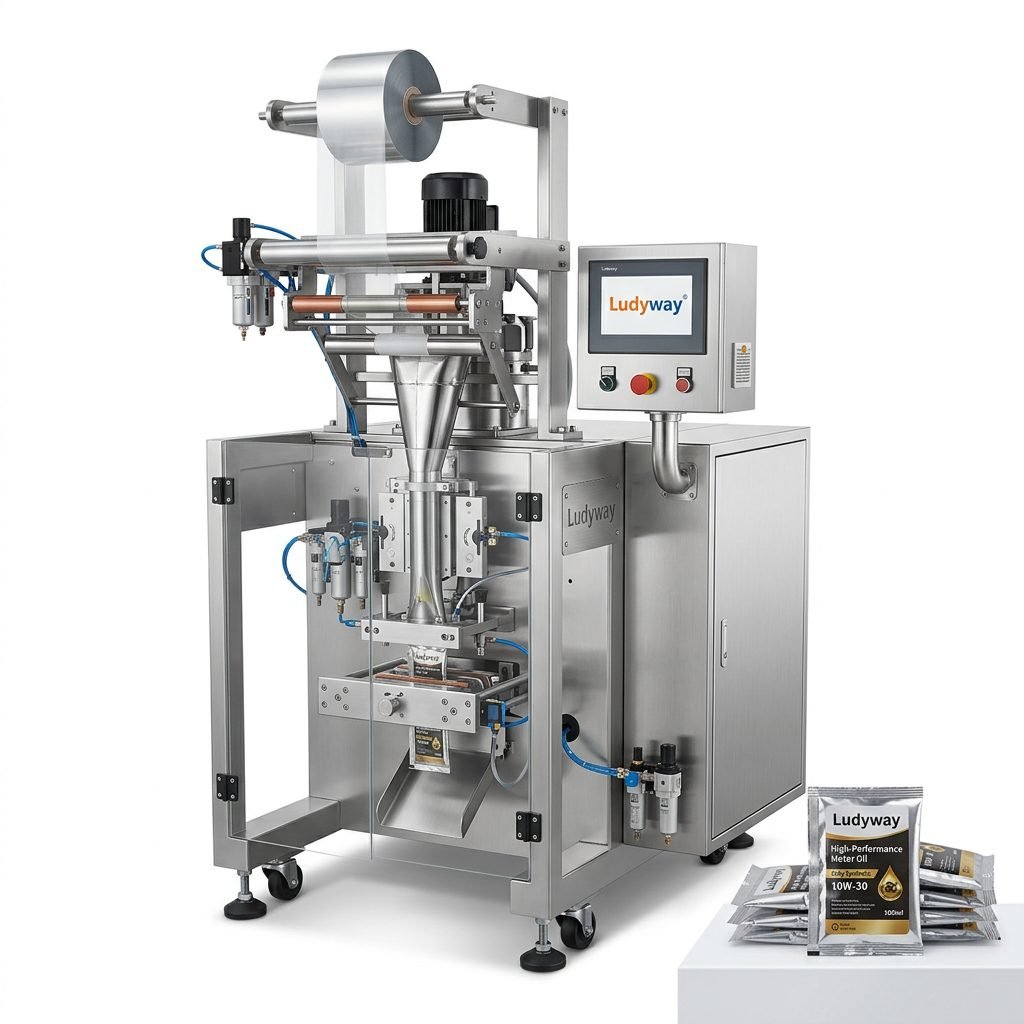
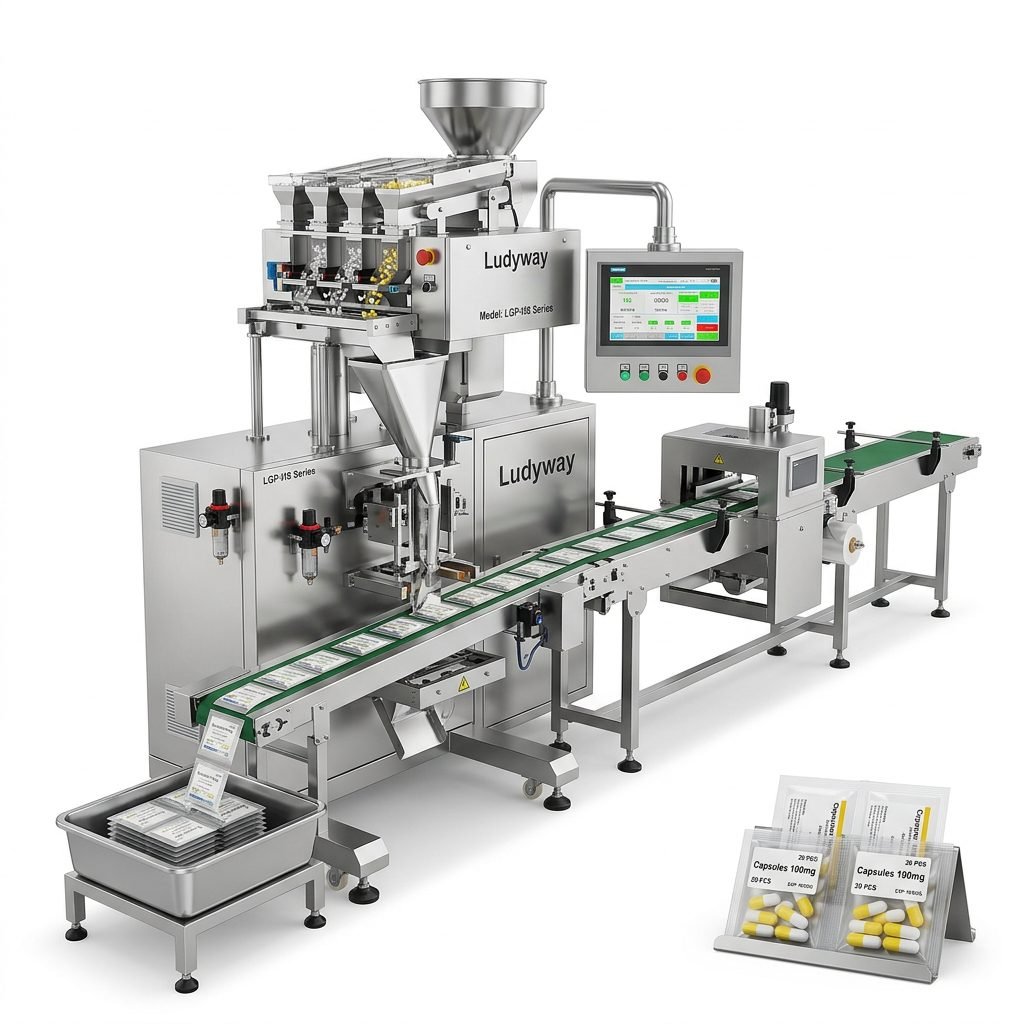
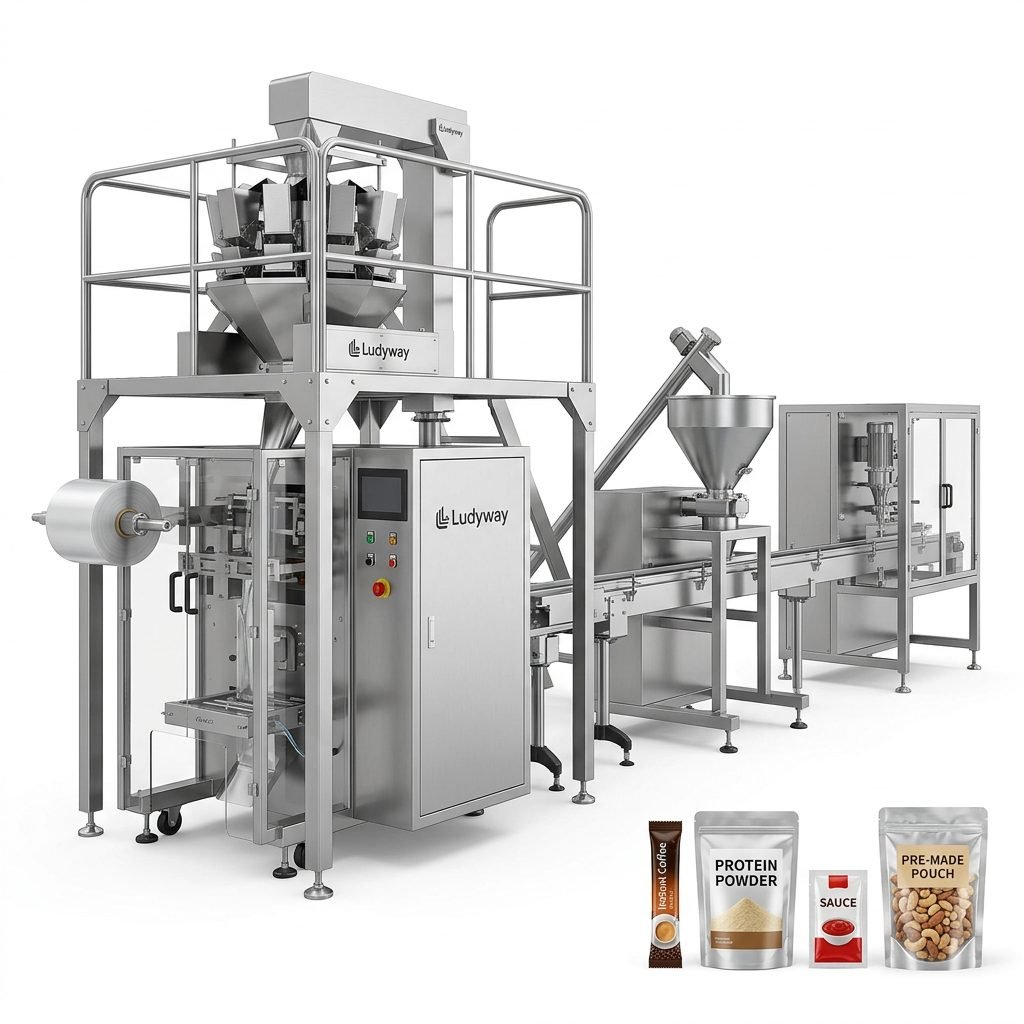
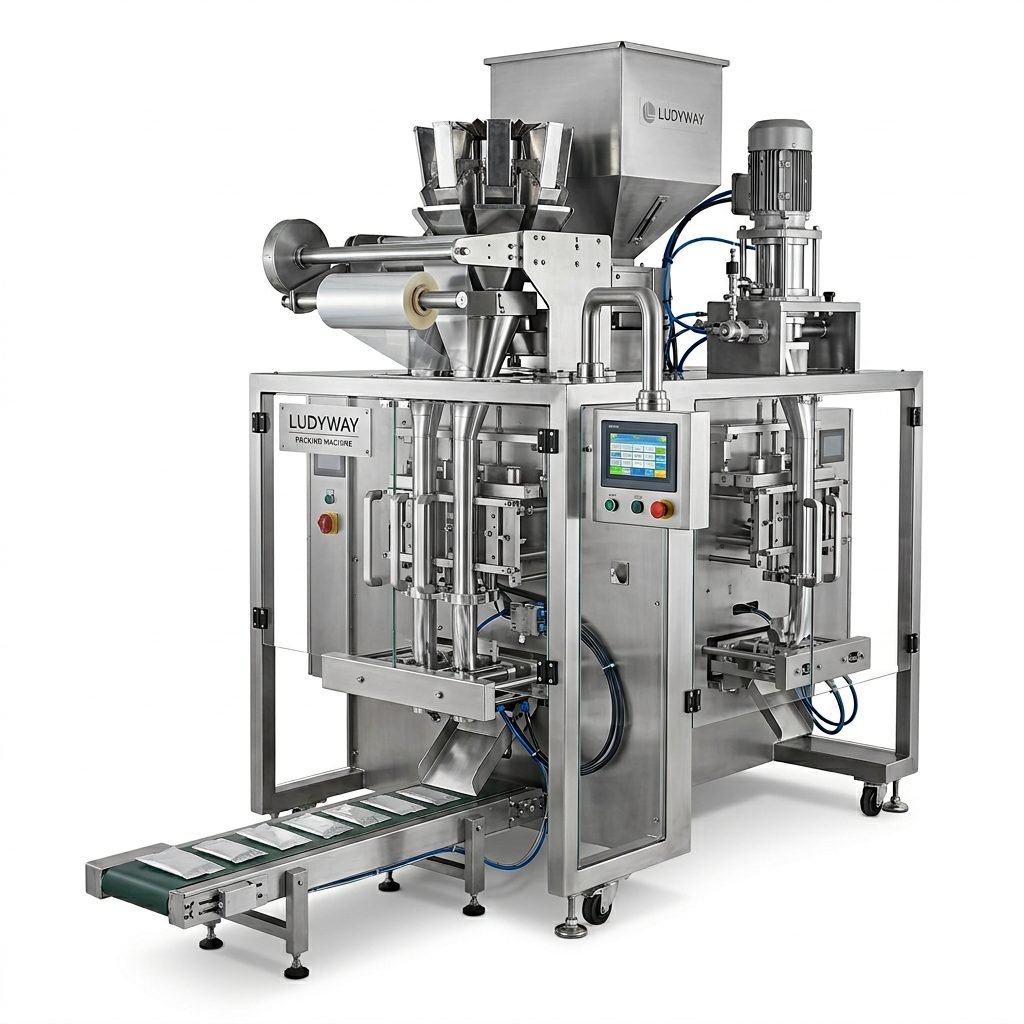
South America’s frozen treat market is experiencing a remarkable surge, with popsicles and ice pops leading the charge in countries like Brazil, Argentina, Colombia, and Chile. The region’s warm climate, growing middle class, and increasing demand for convenient, on-the-go refreshments have created an unprecedented opportunity for manufacturers. At the heart of this booming industry lies a critical component: the popsicle packaging machine. Choosing the right equipment can make or break a production line, directly impacting output speed, product quality, shelf life, and ultimately, profitability. But with so many options available, how do South American producers identify the best solution that balances cost, efficiency, and long-term reliability? This comprehensive guide explores what makes a superior popsicle packaging system and why one name consistently rises above the competition.
The South American Popsicle Market: A Landscape of Opportunity
The frozen novelty sector in South America is projected to grow at a compound annual growth rate exceeding 5.8% through 2030. Traditional fruit-based paletas in Mexico and Central America have inspired a continent-wide appreciation for frozen treats, while international brands continue to expand their footprint in markets like São Paulo, Buenos Aires, and Lima. This growth translates directly into demand for packaging machinery that can handle diverse formats—from classic stick popsicles to push-up tubes, flow-wrapped ice pops, and multi-pack bagged assortments. Manufacturers need equipment that offers flexibility across formats while maintaining high throughput to meet seasonal demand spikes during the summer months. The right packaging machine must also comply with increasingly stringent food safety regulations, ensuring that every popsicle reaches consumers in perfect condition.
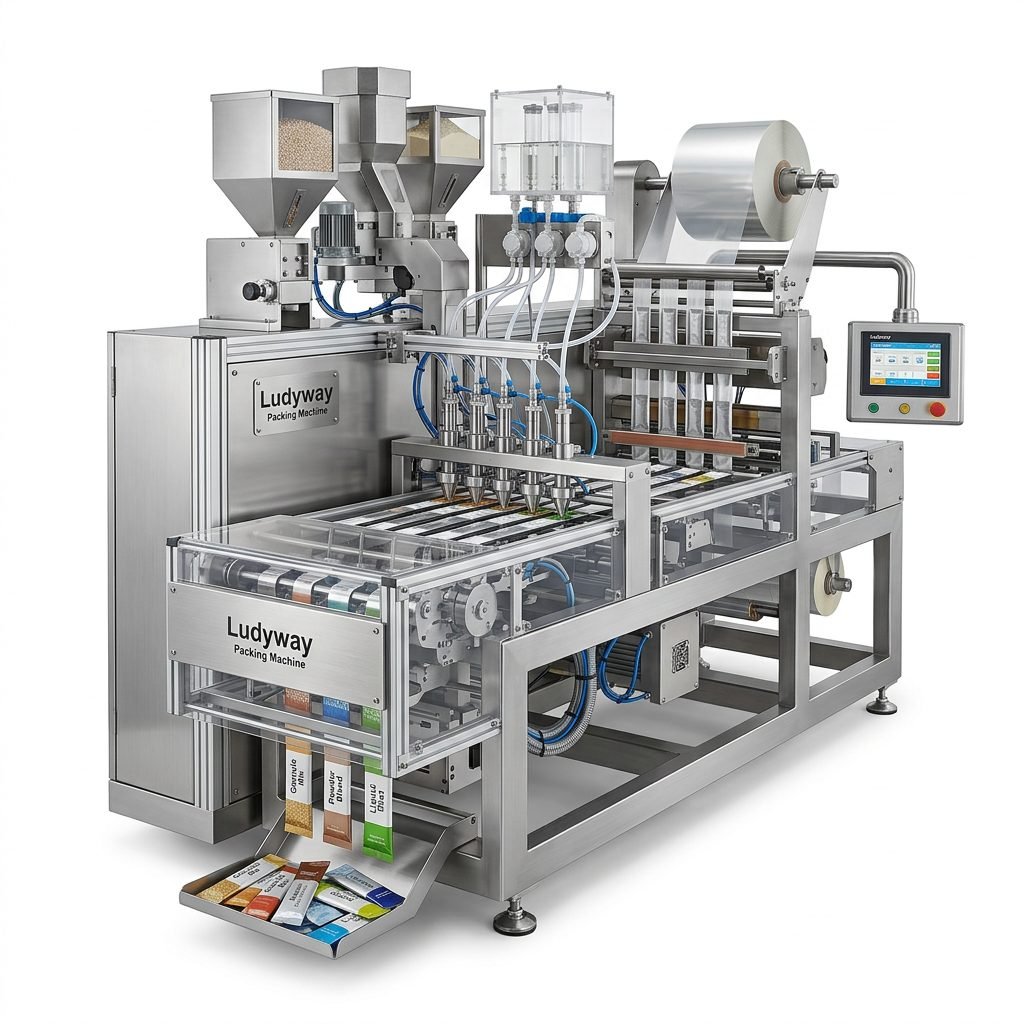
What Defines the Best Popsicle Packaging Machine?
Not all packaging machines are created equal, and popsicle production presents unique challenges that set it apart from standard liquid or solid food packaging. The ideal system must address cold-chain requirements, condensation management, material compatibility with frozen products, and rapid sealing integrity under chilled conditions. Here are the essential criteria South American buyers should evaluate before making an investment:
- Multi-format flexibility — ability to switch between stick packs, sachets, pouches, and flow-wrap styles without extensive retooling
- High-speed throughput — minimum 120-200 packs per minute per lane to meet peak seasonal demand
- Cold-environment sealing — reliable heat-seal or ultrasonic-seal performance in chilled production rooms (2°C–8°C)
- Food-grade material compatibility — support for BOPP, metallized films, polyethylene laminates, and compostable bio-films
- Easy cleaning and maintenance — tool-free disassembly, CIP-ready surfaces, and sanitary stainless steel construction
- Smart automation features — automatic film tension control, registration mark sensors, and real-time production data tracking
- Compact footprint — space-efficient design suitable for both large factories and growing mid-sized operations
Multi-Lane Technology: The Productivity Game-Changer
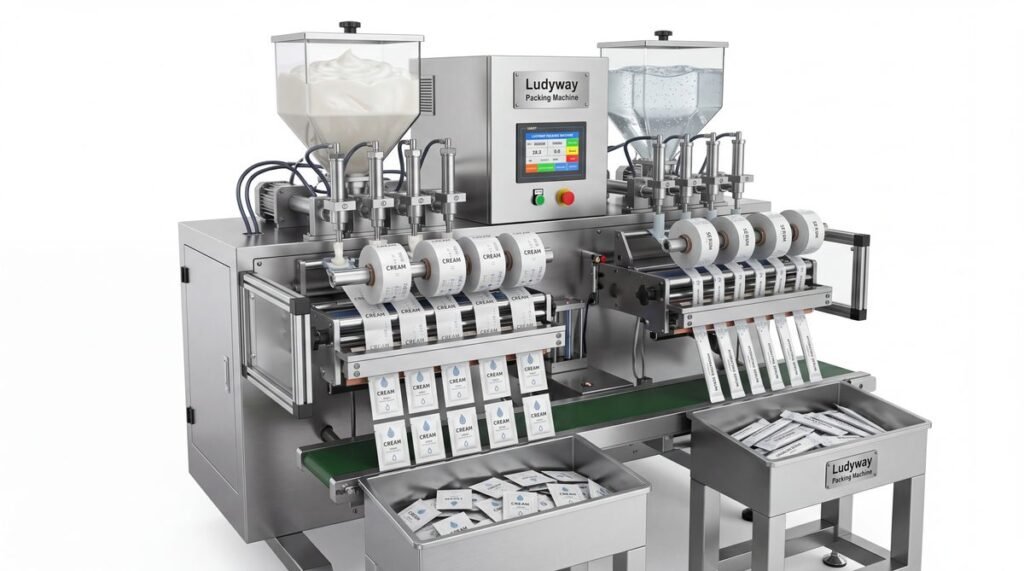
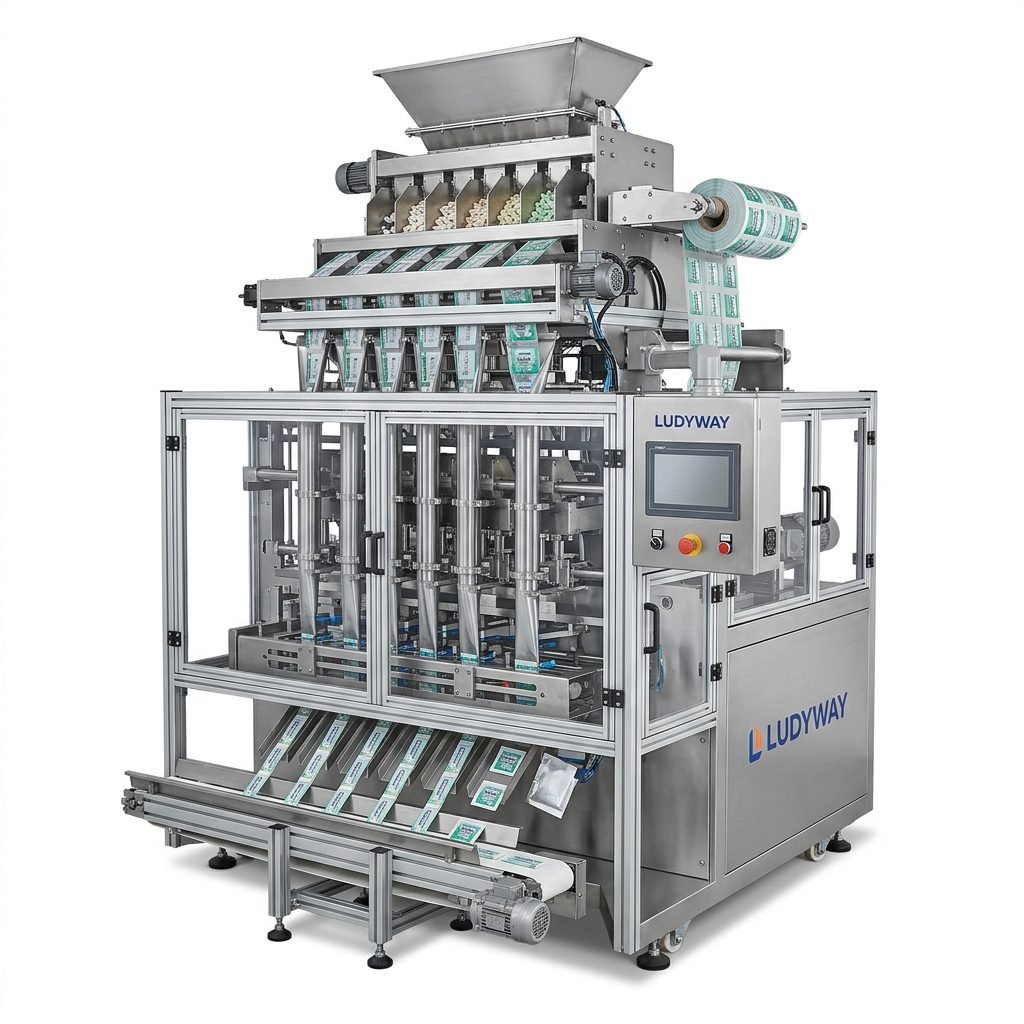
For South American manufacturers aiming to scale their popsicle production, multi-lane stick pack and sachet machines represent the most significant technological advancement in recent years. Unlike single-lane systems that produce one pack per cycle, multi-lane configurations can run 4, 6, 8, or even 12 lanes simultaneously, multiplying output without proportionally increasing floor space or operator requirements. A well-designed multi-lane popsicle packaging line can deliver over 1,000 packs per minute when running at full capacity—a critical advantage during the summer season when demand can triple or quadruple within weeks. The key is selecting equipment with independent lane control, allowing individual lanes to be adjusted or paused for maintenance without stopping the entire line.
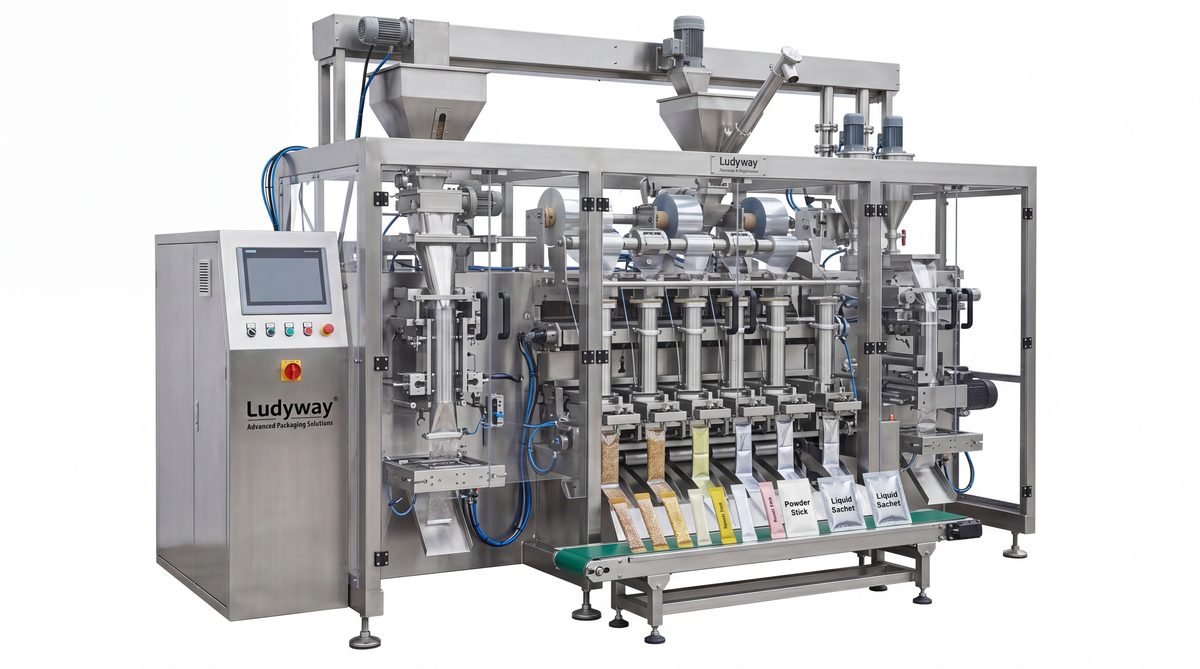
Comparing Single-Lane vs. Multi-Lane Popsicle Packaging Systems
| Feature | Single-Lane Machine | Multi-Lane Machine (6-12 Lanes) |
|---|---|---|
| Output per minute | 40–80 packs | 240–1,000+ packs |
| Floor space efficiency | Moderate | High — more output per m² |
| Operator requirement | 1–2 operators per machine | 1–2 operators for entire line |
| Format changeover time | 15–30 minutes | 20–40 minutes (all lanes) |
| Initial investment | Lower upfront cost | Higher ROI within 12–24 months |
| Best for | Small-batch, artisanal producers | Mid-to-large scale manufacturers |
Key Technical Specifications to Evaluate
When sourcing a popsicle packaging machine for South American operations, buyers should carefully assess the technical parameters that directly affect production efficiency and product quality. The following specifications are critical differentiators between entry-level equipment and professional-grade machinery designed for demanding frozen-treat environments:
- Sealing temperature range: Must maintain consistent seal integrity between -5°C and +10°C ambient conditions
- Film roll capacity: Larger rolls (up to 400mm diameter) reduce downtime for roll changes during peak production
- Servo-driven film transport: Ensures precise registration and minimizes film waste—look for ±0.5mm accuracy
- GMP-compliant construction: Stainless steel 304 or 316L, sloped surfaces, and IP65-rated electrical enclosures
- Integration capability: Compatibility with upstream freezing tunnels and downstream cartoning or case-packing systems for full line automation
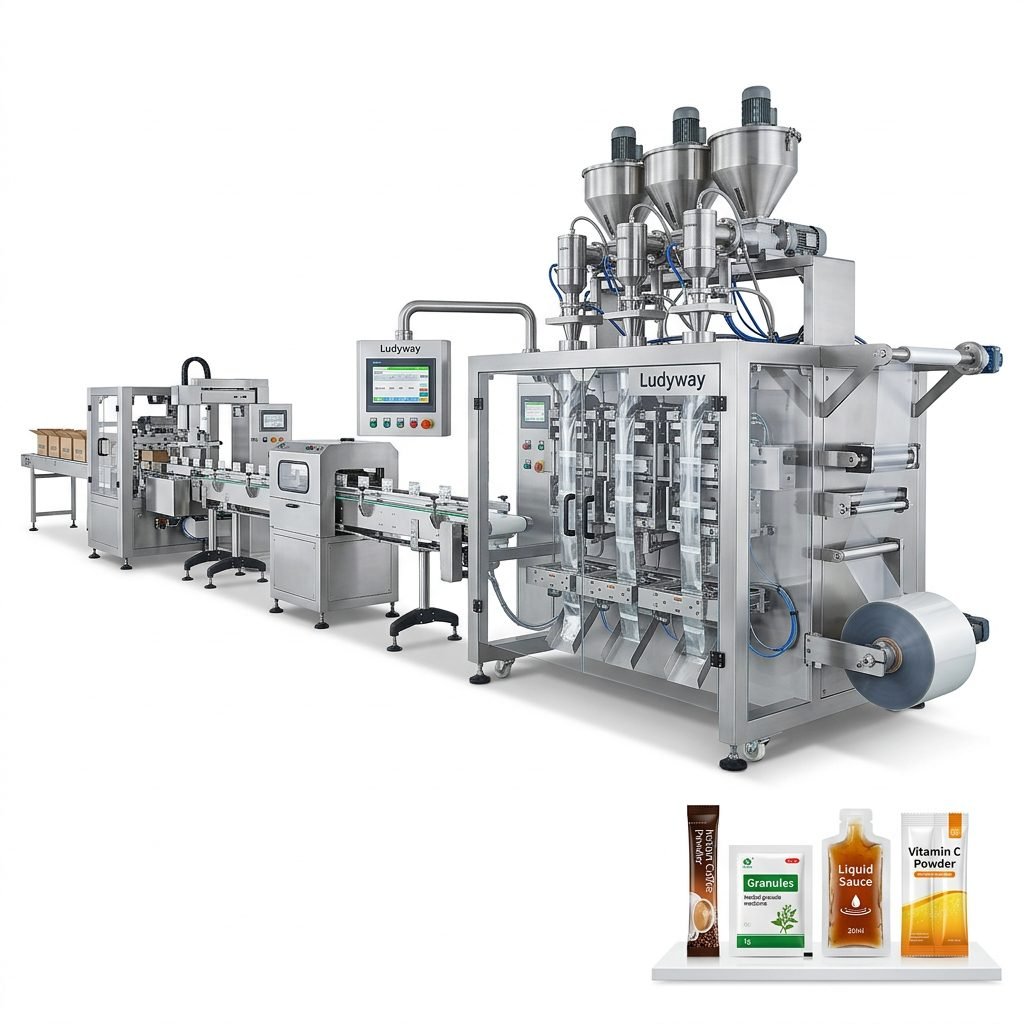
Why Choose Ludyway for Your Popsicle Packaging Needs?
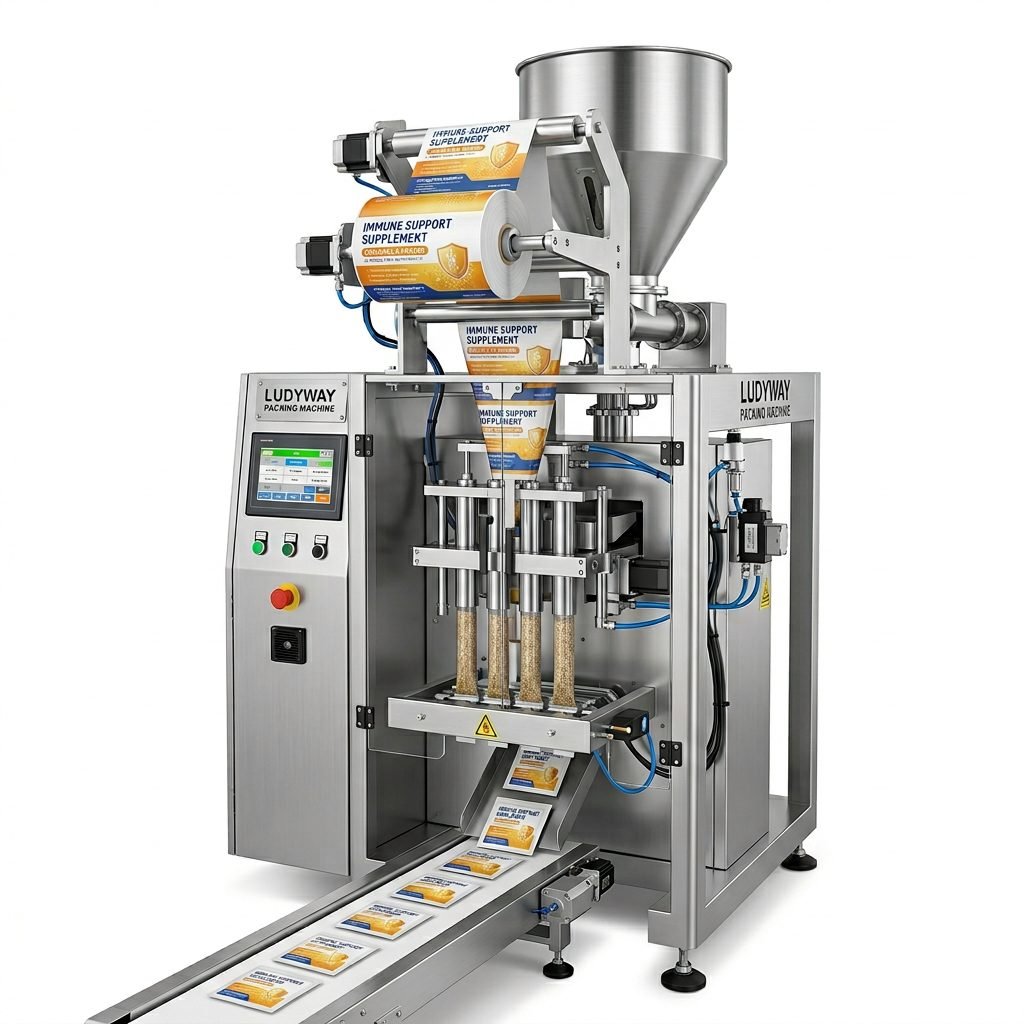
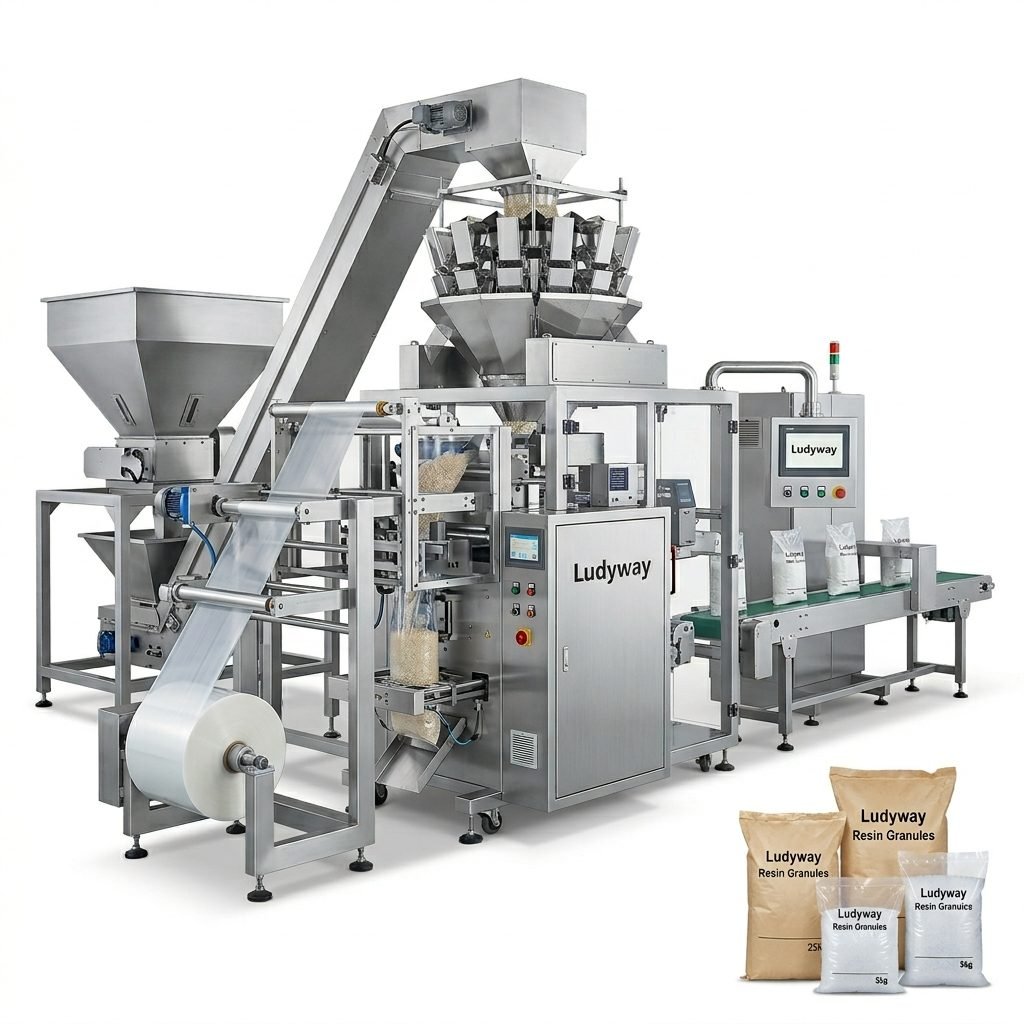
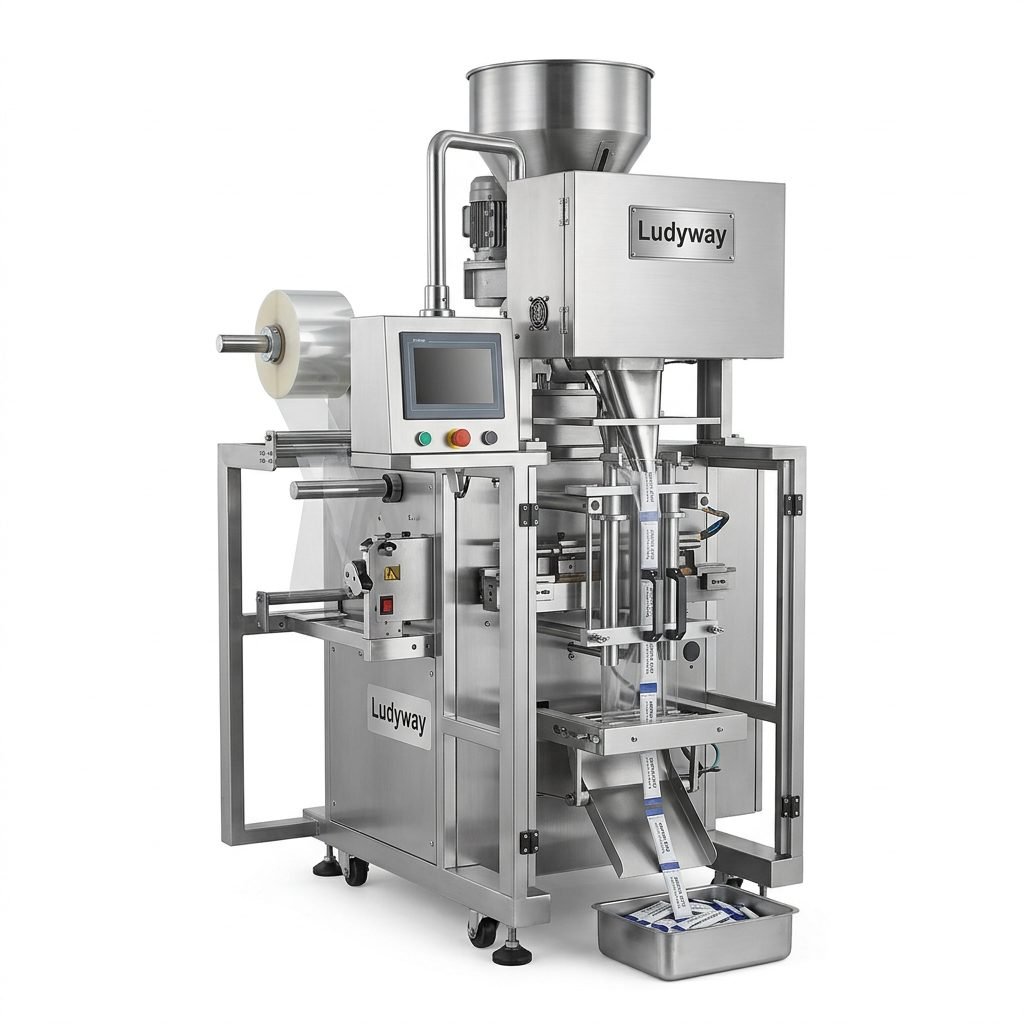
South American manufacturers seeking a reliable, high-performance popsicle packaging machine should look no further than Ludyway. With over 30 years of industry expertise and a modern 20,000㎡ manufacturing facility, Ludyway is one of the largest packaging machine manufacturers globally, serving customers in over 100 countries and regions with advanced packaging equipment and turnkey production solutions. The company’s multi-lane stick pack, sachet, and fully automated packaging systems are ideally suited for popsicle and frozen novelty applications, offering the speed, flexibility, and food-grade compliance that South American producers demand. Supported by over 130 professional packaging experts and more than 50 intelligent packaging machine models, Ludyway delivers innovative, high-performance, and cost-effective solutions that help businesses improve productivity, product quality, and operational efficiency.
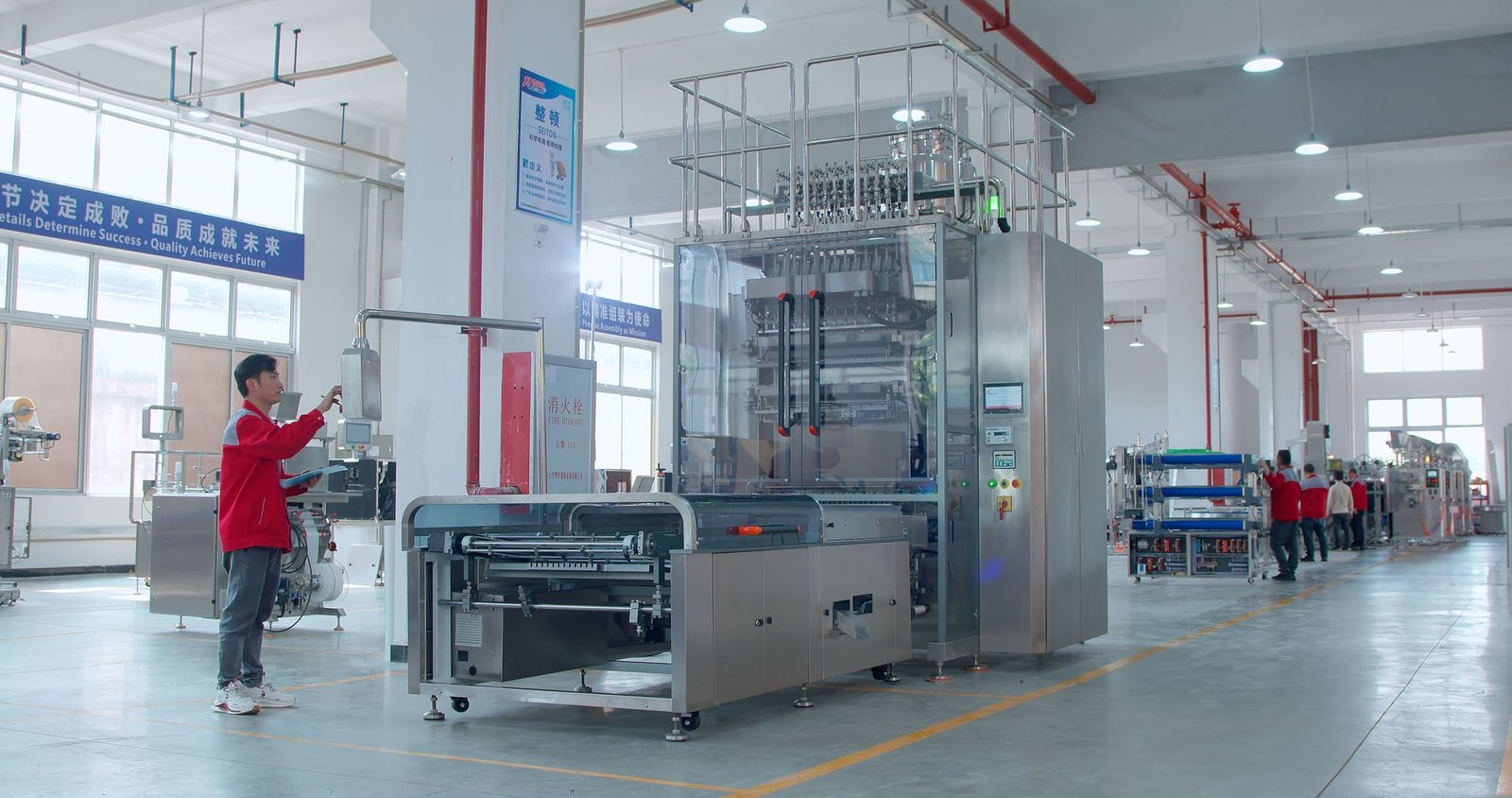
Advantages That Set Ludyway Apart
- Proven multi-lane expertise — systems ranging from 4 to 12+ lanes, configurable for popsicle stick packs, flow wraps, and sachet formats
- Custom engineering capabilities — tailored solutions for unique popsicle shapes, sizes, and multi-flavor variety packs
- Cold-chain optimized sealing — sealing technology validated for chilled and frozen production environments
- Global service network — technical support and spare parts availability across South America, including Brazil, Chile, Argentina, Colombia, and Peru
- Rapid installation and training — comprehensive on-site setup and operator training programs delivered in Spanish and Portuguese
- Competitive total cost of ownership — energy-efficient servo drives, low-maintenance designs, and long-life consumable parts reduce ongoing operational expenses
Packaging Film Considerations for Popsicle Products
The choice of packaging film is just as important as the machine itself. Popsicle packaging demands moisture-barrier properties to prevent freezer burn, excellent cold-temperature puncture resistance, and attractive printability for brand differentiation on crowded retail freezer shelves. Modern popsicle packaging machines must handle a wide range of substrates, including metallized BOPP, pearlized OPP, PET/PE laminates, and emerging compostable films that appeal to environmentally conscious South American consumers. The ideal machine features automatic film tension control and precise temperature regulation across all sealing zones to ensure consistent pack quality regardless of the film type selected. Buyers should also verify that their chosen equipment supports flexible packaging trends such as easy-tear notches and resealable features that add consumer convenience.
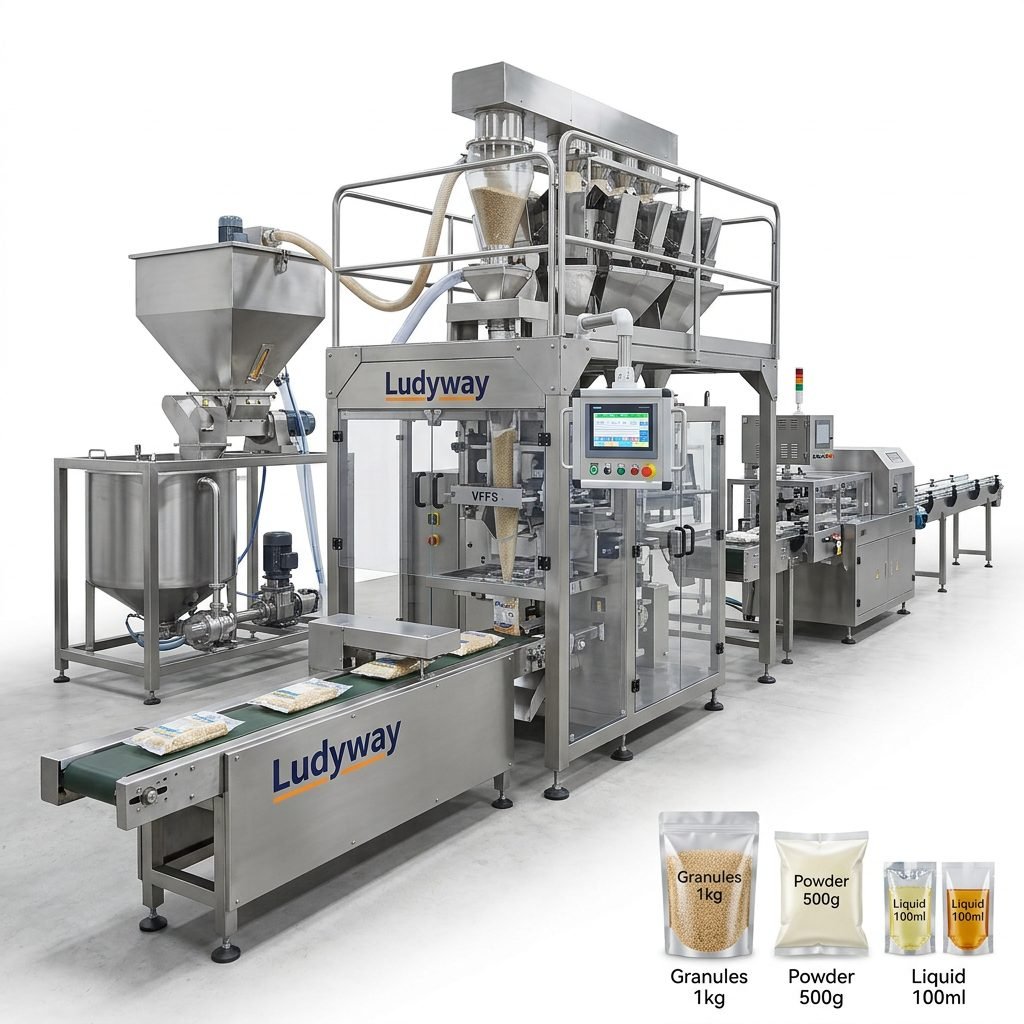
Turnkey Popsicle Production Lines: From Freezing to Finished Pack
Beyond standalone packaging machines, many South American manufacturers are now opting for fully integrated turnkey solutions that streamline the entire post-freezing workflow. A complete popsicle packaging line typically includes automatic feeding systems that orient popsicles from the freezing tunnel, multi-lane wrapping or sachet-forming stations, coding and date-marking modules, checkweighers for quality assurance, and automated cartoning or case-packing equipment. The advantage of sourcing a single-vendor turnkey line is seamless compatibility between all modules, a single point of contact for service and support, and faster overall installation and commissioning timelines. When evaluating turnkey providers, look for companies with demonstrated experience in frozen food handling and a track record of successful installations in markets with similar climatic conditions to South America.
Essential Components of a Turnkey Popsicle Packaging Line
- Automatic popsicle feeder and orienter — aligns sticks and positions products for consistent wrapping
- Multi-lane flow wrapper or stick pack machine — the core packaging unit with high-speed film handling
- Inline inkjet or laser coding system — applies batch numbers, expiry dates, and traceability codes
- Dynamic checkweigher — rejects underweight or overweight packs before cartoning
- Metal detector or X-ray inspection — critical food safety control point for frozen treats
- Automated cartoner and case packer — collates individual packs into shelf-ready retail cartons
- Palletizing system — robotic or conventional palletizing for efficient warehouse handling

Maintenance and After-Sales Support: A Critical Decision Factor
In the popsicle industry, downtime during peak season is not an option. A machine failure in December or January—the height of summer across South America—can result in lost orders, disappointed retail partners, and significant revenue shortfalls that cannot be recovered later in the year. This makes after-sales support and spare parts availability absolutely crucial selection criteria. The best packaging machine partners offer:
- 24/7 remote technical support via video call, phone, and real-time diagnostic access
- Strategically located spare parts inventory — ideally with warehousing in or near South America for rapid dispatch
- Preventive maintenance programs — scheduled inspections and part replacements timed for off-peak periods
- Multilingual documentation — operation manuals, maintenance guides, and troubleshooting references available in Spanish and Portuguese
- Local service partnerships — trained technicians based in key South American markets for on-site support when needed
Understanding the Total Investment: Beyond the Purchase Price
Smart buyers evaluate total cost of ownership (TCO) rather than simply comparing purchase prices. A slightly more expensive popsicle packaging machine with higher energy efficiency, longer consumable part life, faster changeovers, and lower scrap rates will often deliver significantly better financial returns over a 5-to-10-year operating horizon. Key TCO factors to consider include:
| TCO Factor | Impact on Long-Term Cost | What to Look For |
|---|---|---|
| Energy consumption | 15–25% of annual operating cost | Servo-driven motors with regenerative braking |
| Film waste rate | 1–5% of total film spend | Precision registration with automatic splice options |
| Sealing component life | Replacement every 6–18 months | High-grade tool steel or ceramic-coated sealing jaws |
| Changeover downtime | Minutes per shift × operating days | Tool-free quick-change systems and recipe memory |
| Operator training cost | One-time + ongoing refresh | Intuitive HMI with multilingual interface |
Compliance with South American Food Safety Standards
Each South American country maintains its own food safety regulatory framework, with many adopting standards aligned with Codex Alimentarius and Mercosur technical regulations. Popsicle packaging machines must be designed to support compliance with these requirements through sanitary design, traceability features, and validation-ready documentation. Equipment constructed from food-grade stainless steel, featuring sloped surfaces for drainage, tool-free disassembly for cleaning, and sealed electrical enclosures, will meet the expectations of ANVISA in Brazil, SENASA in Argentina, INVIMA in Colombia, and other national regulatory bodies. Buyers should request full material certifications, surface finish reports, and food-contact compliance declarations as part of their equipment procurement process.
Frequently Asked Questions About Popsicle Packaging Machines
What is the ideal packaging format for popsicles?
The most popular formats are flow-wrap with a stick protruding and fully sealed stick-pack pouches. Flow-wrap offers excellent brand visibility with high-quality print coverage, while stick-pack pouch formats provide superior product protection and enable unique shapes like tube popsicles. Many manufacturers run both formats on the same machine with quick-change tooling.
How many lanes do I need for my production volume?
For small-to-medium producers (up to 5 million popsicles annually), a 4-to-6 lane machine is usually sufficient. Large-scale manufacturers producing 10 million or more popsicles per year should consider 8-to-12 lane configurations to meet throughput requirements efficiently. The right partner can help calculate the optimal lane count based on your specific production targets.
Can popsicle packaging machines handle eco-friendly films?
Yes, modern machines with adjustable sealing temperature and pressure controls can handle compostable bio-films, paper-based laminates, and recycled-content materials. However, buyers should always test specific film types on the machine before finalizing their packaging material strategy, as bio-film sealing windows are typically narrower than conventional plastics.
What maintenance schedule should I expect?
A well-engineered popsicle packaging machine requires daily cleaning of product-contact surfaces, weekly inspection of sealing components and film guides, monthly lubrication of mechanical parts, and quarterly comprehensive service. Machines with smart diagnostic features can predict maintenance needs before failures occur, reducing unplanned downtime.
Conclusion: Making the Right Investment for Your Popsicle Business
Selecting the best popsicle packaging machine for your South American operation is a decision that will impact your business for years to come. The ideal solution combines multi-lane high-speed performance, cold-chain-optimized sealing, format flexibility, and robust after-sales support tailored to the unique demands of frozen novelty production. As the popsicle market continues its dynamic growth across Brazil, Argentina, Colombia, Chile, and beyond, manufacturers who invest in advanced, reliable packaging technology today will be best positioned to capture market share and build lasting brand loyalty with consumers. Whether you are upgrading an existing line or building a new production facility from the ground up, choosing a partner with deep industry expertise, a global support network, and a proven track record in food packaging automation is the surest path to long-term success in this exciting and fast-growing segment of the South American food industry.