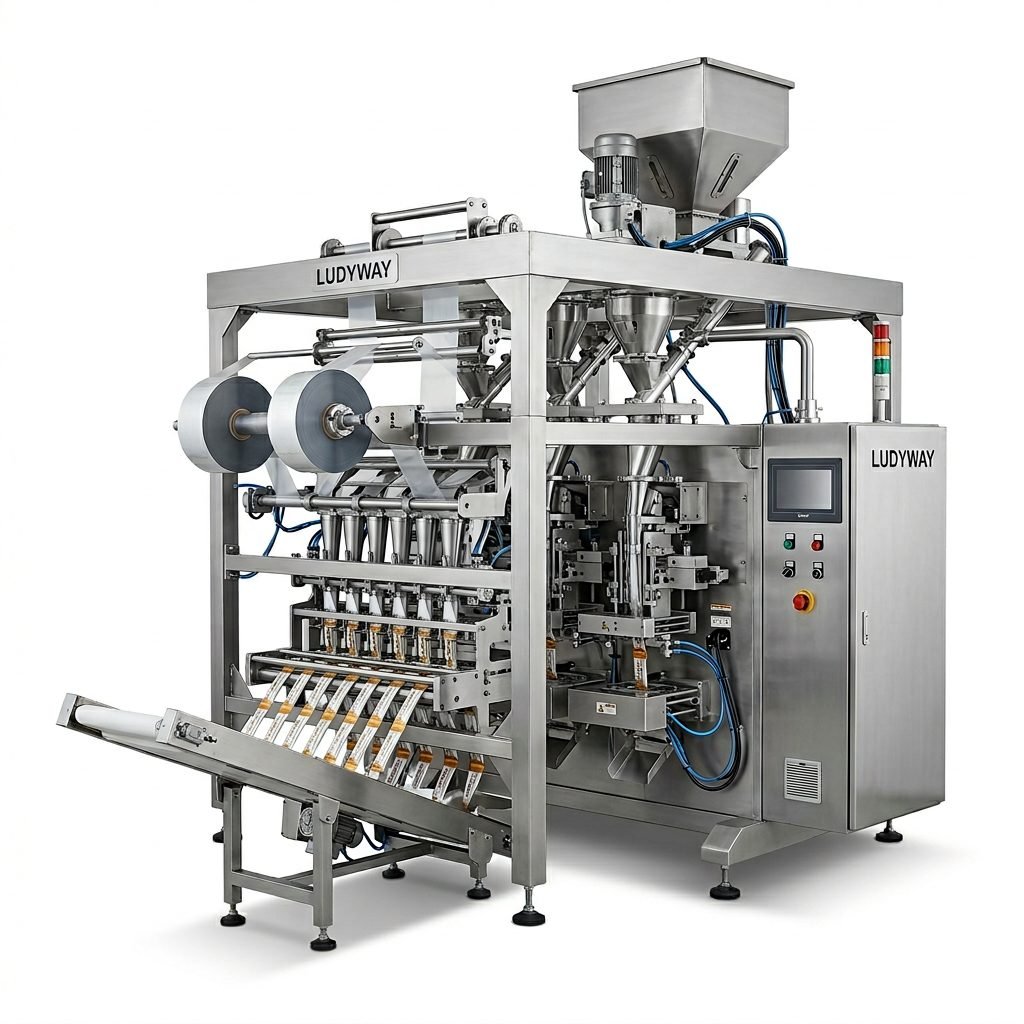
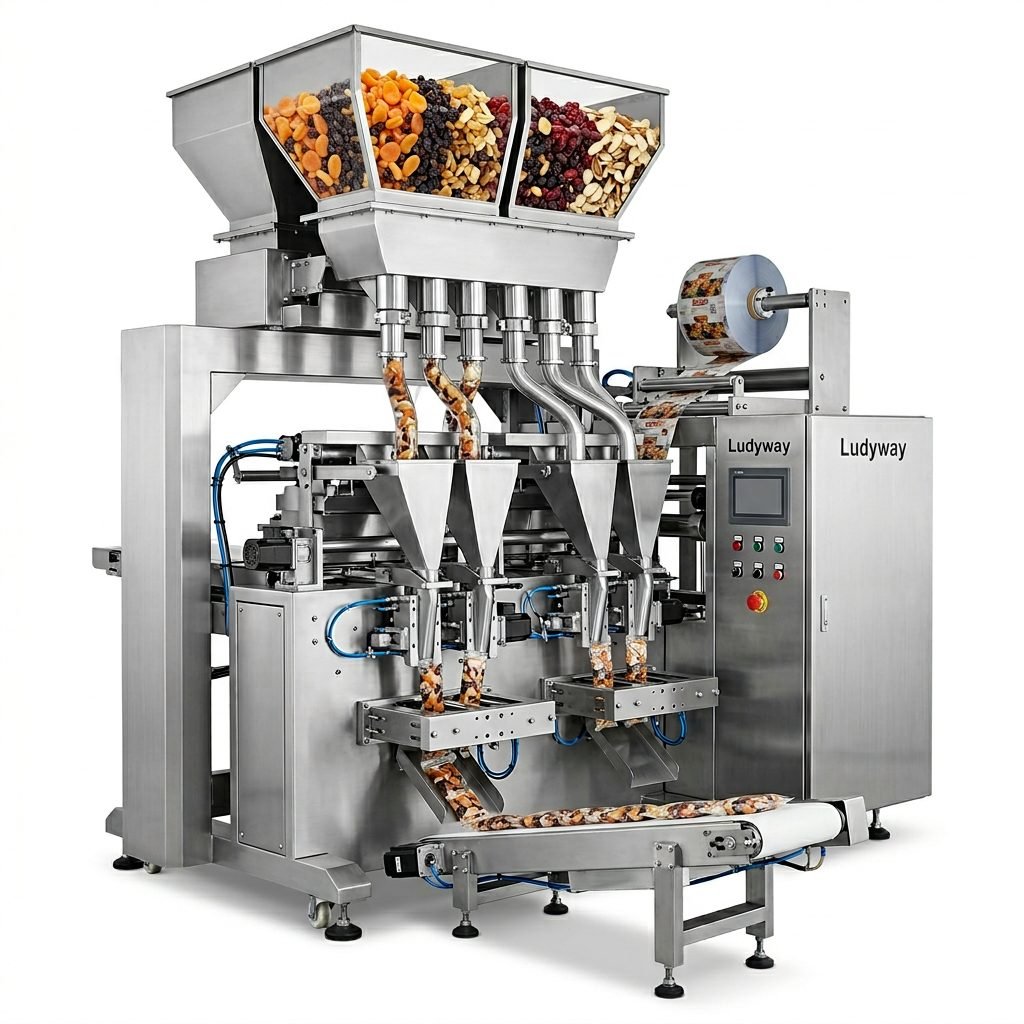
Plastic packaging machines are essential for businesses that need fast, hygienic, repeatable, and cost-effective packaging. Whether you pack powders, granules, liquids, creams, or finished products, the right machine can improve production efficiency, reduce labor dependency, minimize waste, and support long-term business growth.
This guide explains the main types of plastic packaging machines, key features to compare, common applications, and practical buying tips to help you choose the best solution for your operation.
What Is a Plastic Packaging Machine?
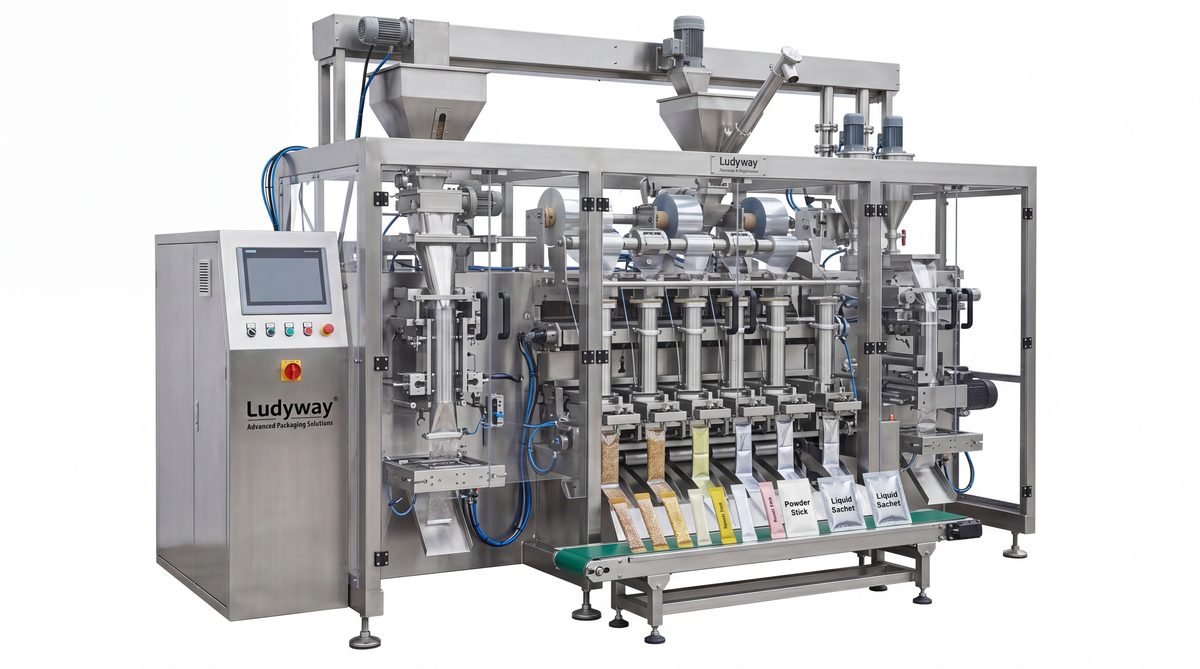
A plastic packaging machine is equipment used to form, fill, seal, wrap, pouch, bag, or overwrap products using plastic-based packaging materials such as PE, PP, PET, laminated film, and other flexible or semi-rigid materials. These machines are used across food, pharmaceutical, cosmetic, chemical, household, and agricultural industries.
Depending on the application, a machine may handle:
- Plastic film rollstock
- Premade plastic pouches
- Plastic bottles, jars, or tubes
- Sachets and stick packs
- Shrink film or stretch film
- Bulk plastic bags for industrial materials
Main Types of Plastic Packaging Machines
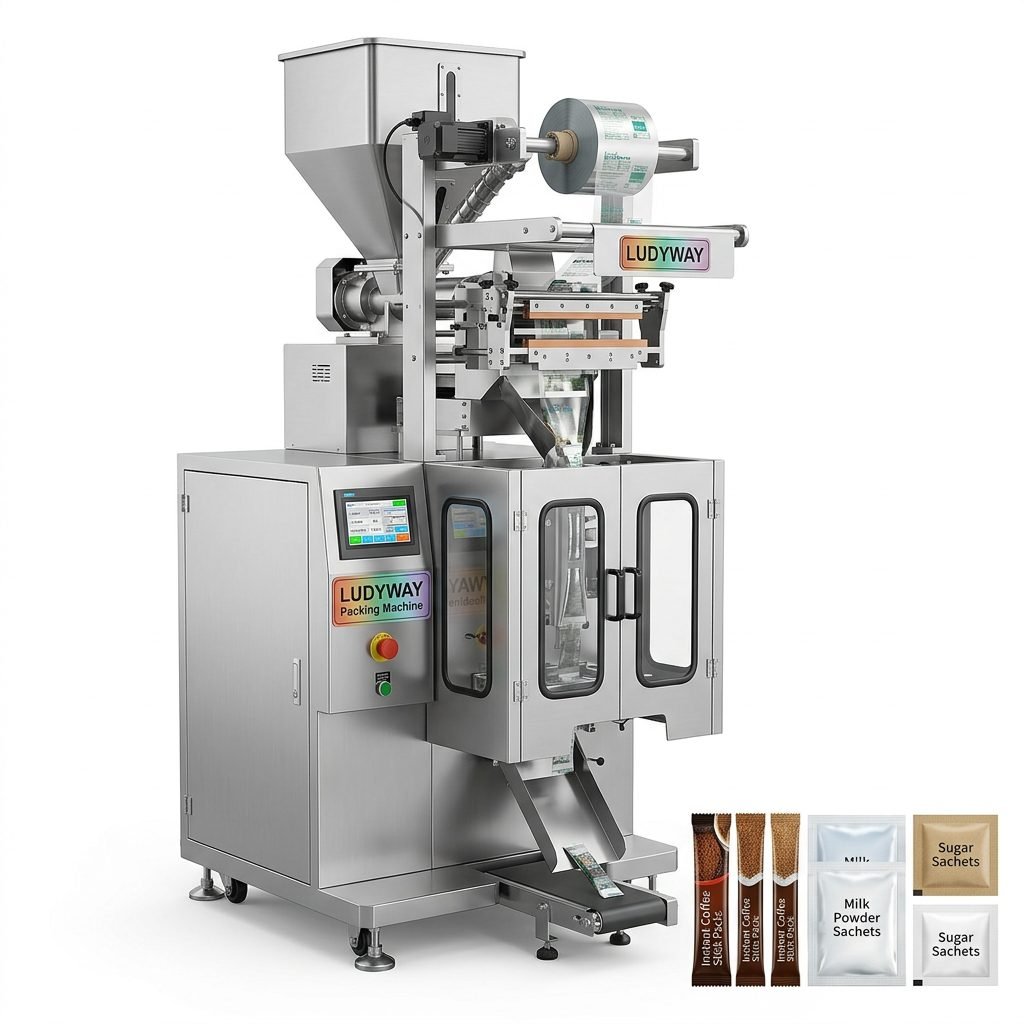
1. Vertical Form Fill Seal (VFFS) Machines
VFFS machines create bags from a roll of plastic film, fill them with product, and seal them vertically. They are widely used for granules, powders, snacks, coffee, seeds, and many dry products.
- Suitable for pillow bags, gusset bags, and sachets
- Efficient for medium to high output
- Common in food, agriculture, and chemical packaging
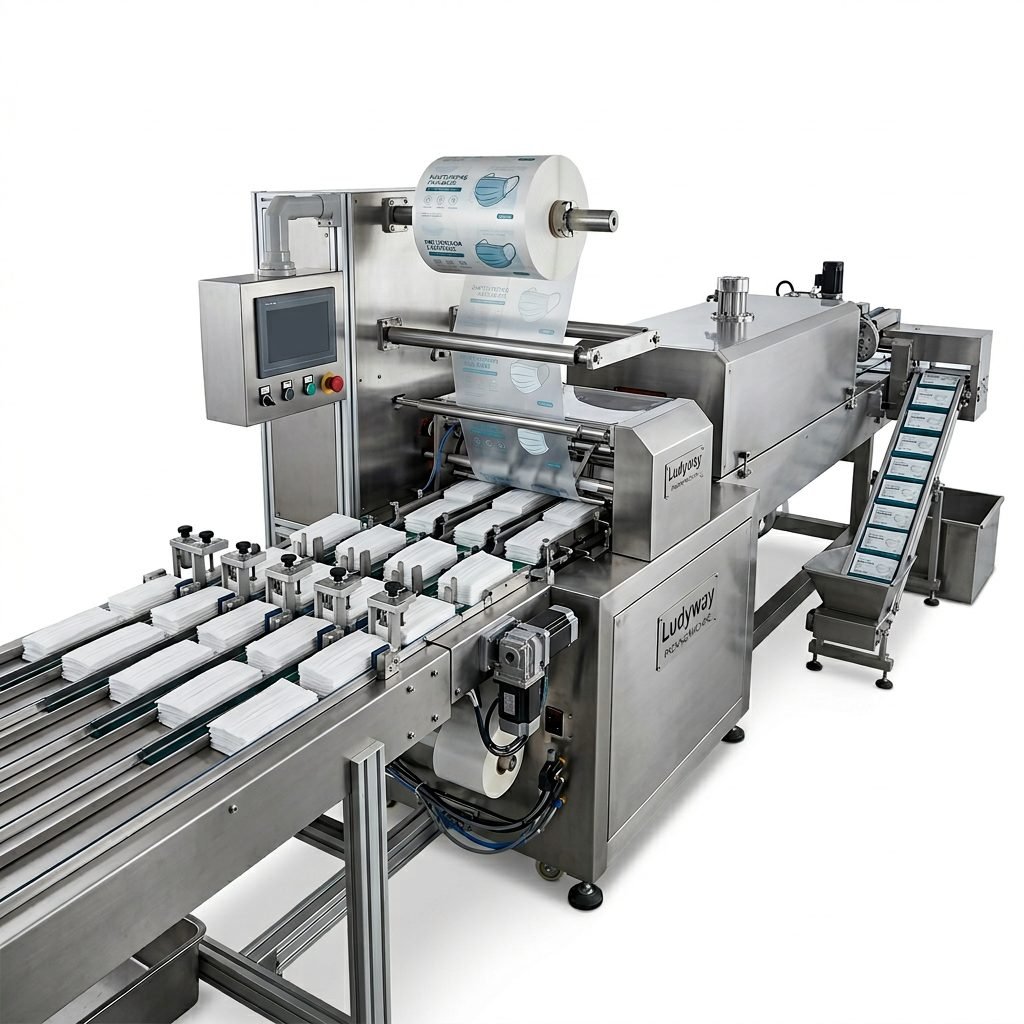
2. Horizontal Form Fill Seal (HFFS) Machines
HFFS machines form and seal packs horizontally. They are ideal for products requiring better presentation, shaped pouches, or more complex pack styles.
- Good for liquids, pastes, wipes, and specialty pouches
- Supports attractive shelf-ready packaging
- Often used for cosmetics, pharma, and premium foods
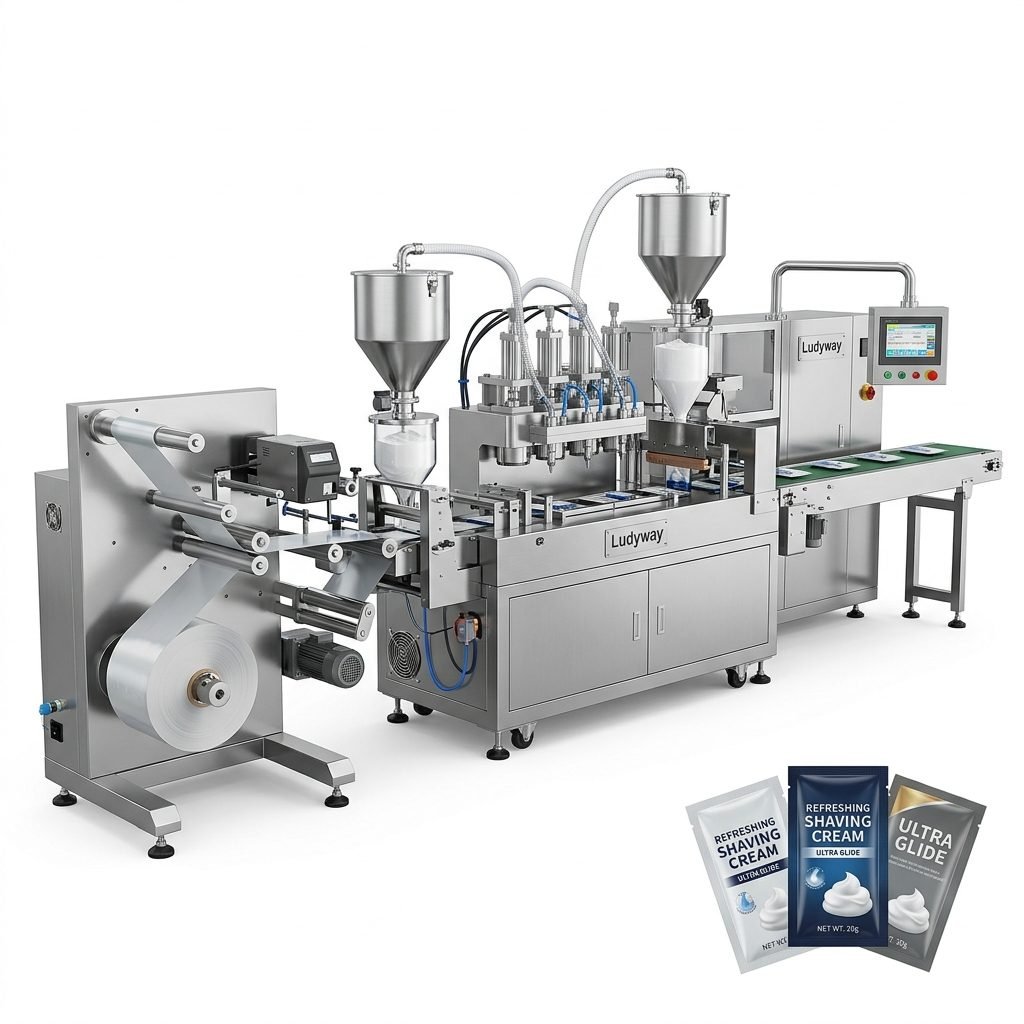
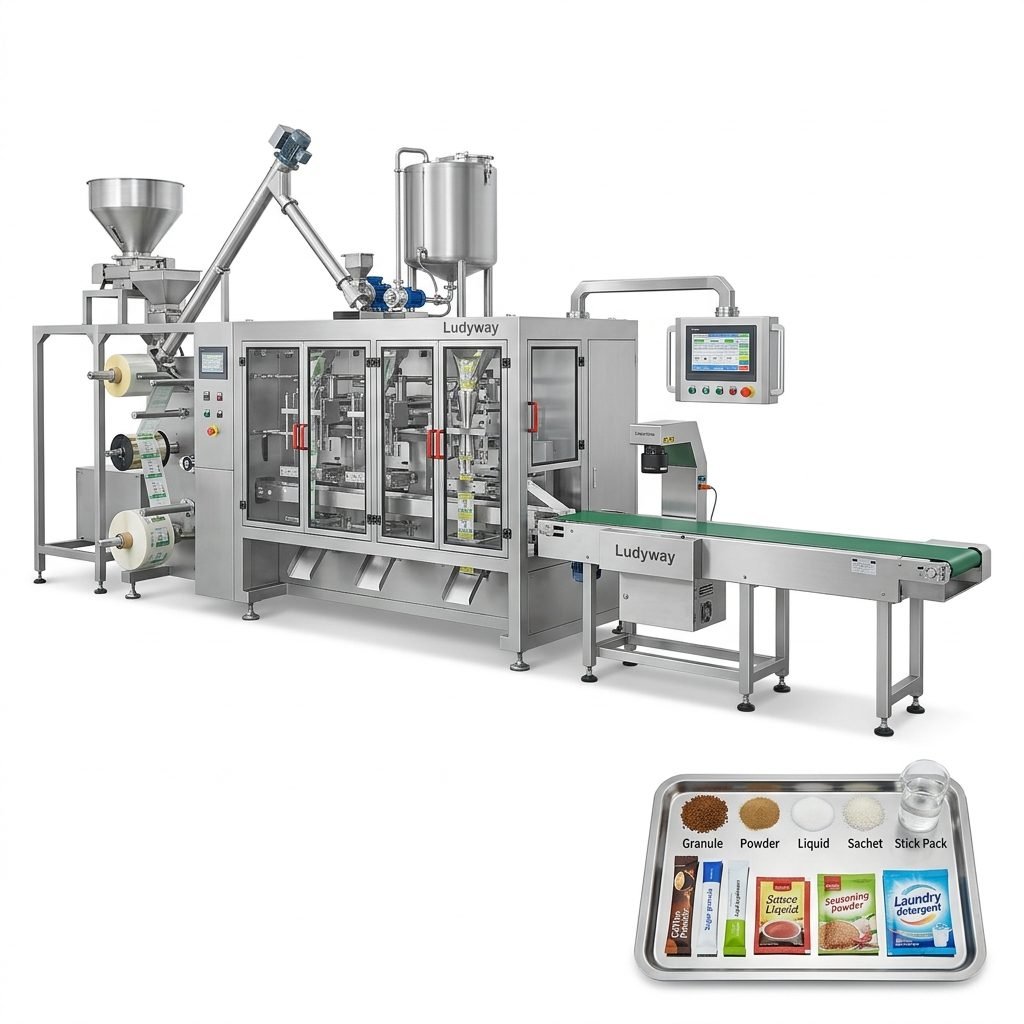
3. Sachet and Stick Pack Machines
These machines produce small single-use or single-dose plastic packs. They are highly popular for sugar, coffee, drink powders, condiments, gels, and supplements.
- Compact package format
- Excellent for retail and travel-size products
- Available in multi-lane high-speed configurations
4. Premade Pouch Packaging Machines
These machines fill and seal ready-made plastic pouches instead of forming bags from film. They are often selected for zipper pouches, stand-up pouches, and premium retail packaging.
- High visual appeal
- Flexible pouch styles
- Useful for snacks, powders, pet food, and liquids
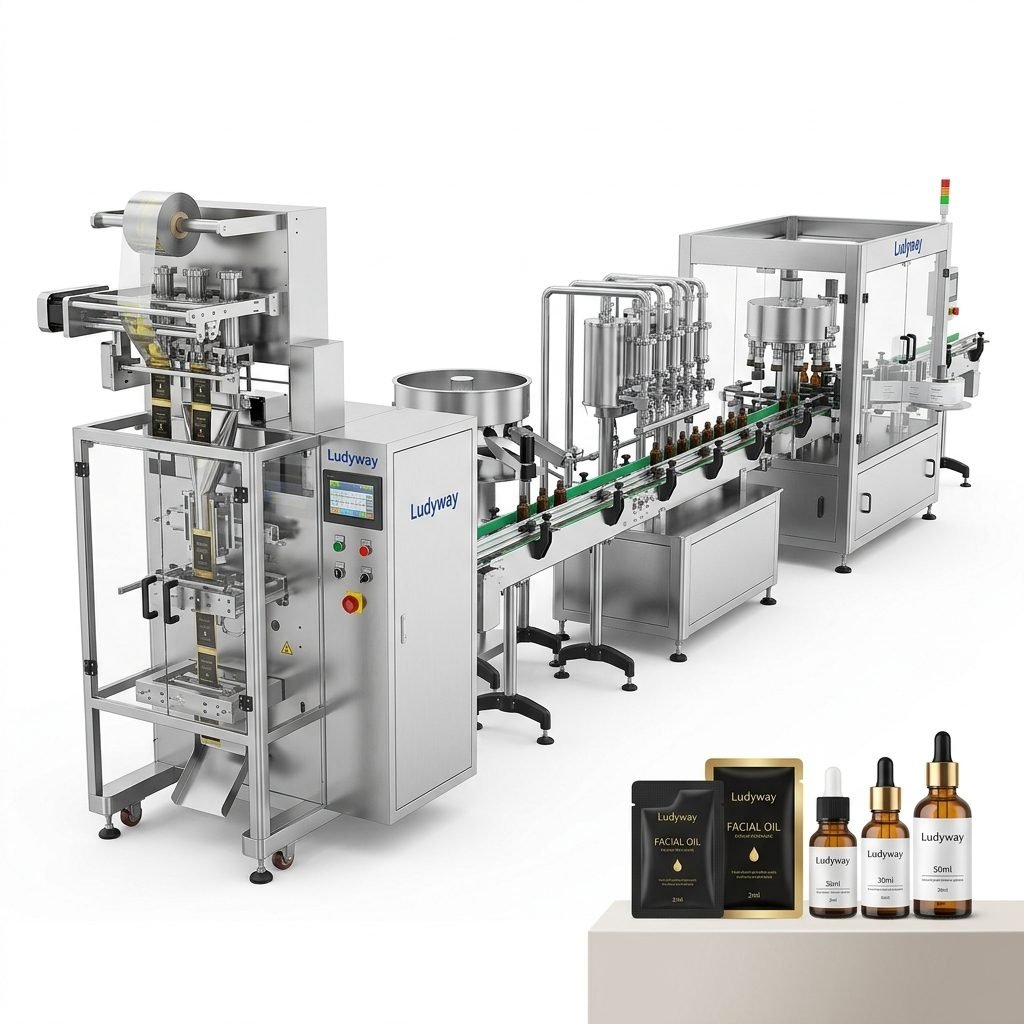
5. Plastic Bottle Filling and Capping Machines
Used for plastic bottles and containers, these systems fill products such as shampoo, detergent, sauces, oils, pharmaceuticals, and beverages.
- Can be used for liquid, viscous, or foam products
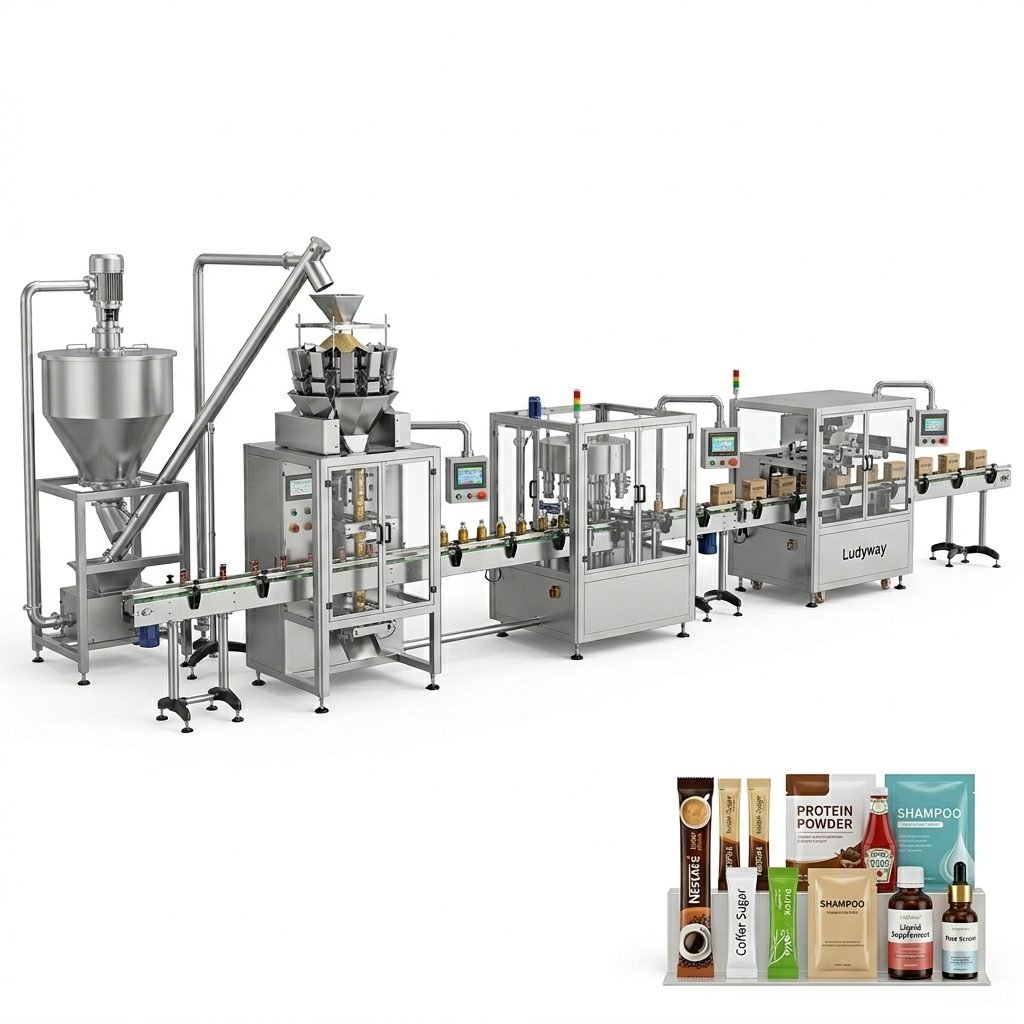
- Often integrated with capping, labeling, and cartoning
- Suitable for high-volume production lines
6. Tube Filling and Sealing Machines
Designed for plastic tubes used in cosmetics, ointments, toothpaste, gels, and creams. These machines fill the product and seal the plastic tube efficiently.
7. Shrink Wrapping Machines
Shrink wrapping machines wrap products in plastic film and apply heat so the film tightly conforms to the product or bundle.
- Good for retail presentation and transport protection
- Common for bottles, boxes, cans, and multipacks
8. Vacuum Packaging Machines
These remove air from the package before sealing. They are often used for food shelf-life extension and product protection.
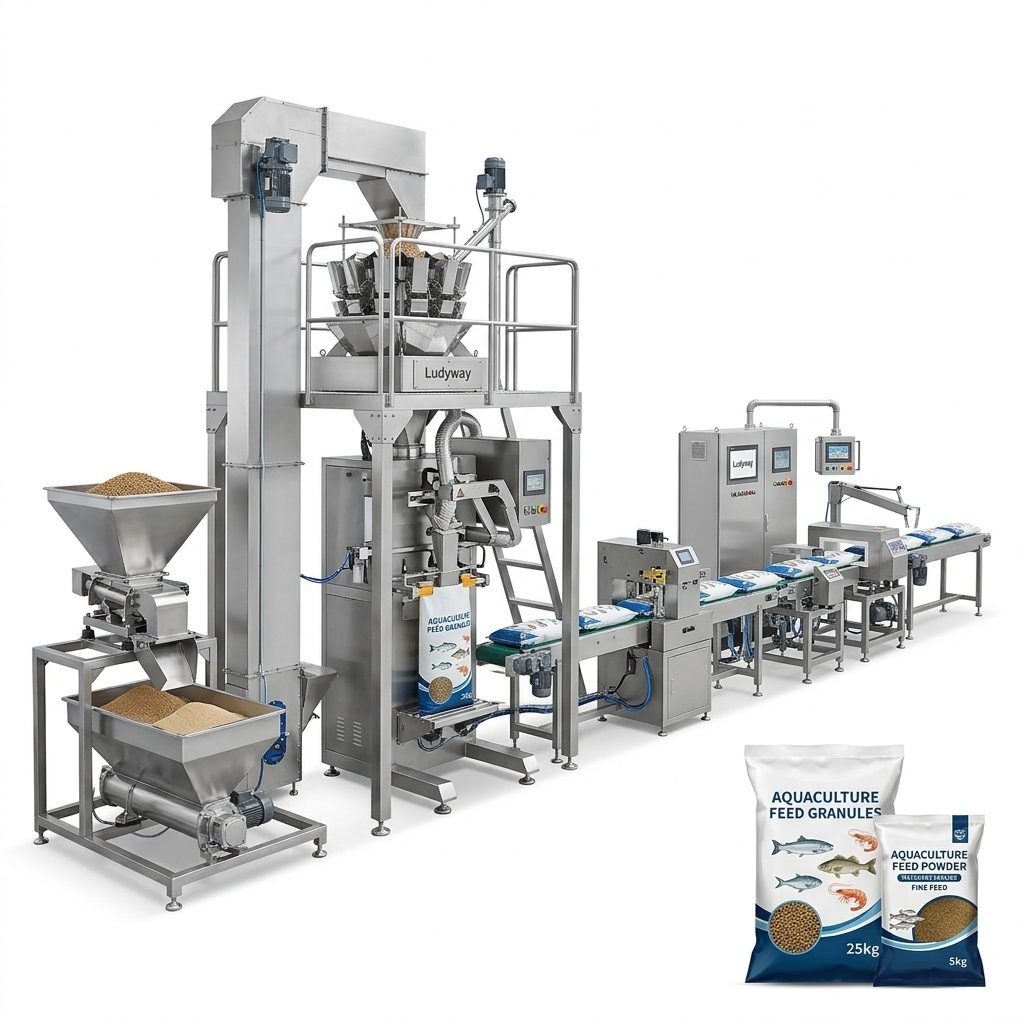
9. Big Bag and Industrial Bagging Systems
Used for larger plastic bags, these systems are common in chemical, feed, fertilizer, mineral, and bulk material industries.
Plastic Packaging Machine Types at a Glance
| Machine Type | Best For | Packaging Format | Typical Industries |
|---|---|---|---|
| VFFS | Powders, granules, snacks | Bags, sachets | Food, feed, chemical |
| HFFS | Liquids, wipes, premium pouches | Pouches, flow packs | Cosmetic, pharma, food |
| Stick Pack | Single-dose products | Stick packs | Supplement, beverage, pharma |
| Premade Pouch | Retail-ready products | Stand-up pouch, zipper pouch | Food, pet food, chemical |
| Bottle Filling | Liquids and viscous products | Plastic bottles and jars | Beverage, detergent, pharma |
| Tube Filling | Creams, gels, ointments | Plastic tubes | Cosmetic, healthcare |
Key Features to Look For
Automation Level
Choose between semi-automatic and fully automatic systems. Fully automatic machines reduce labor, improve consistency, and support higher throughput.
Packaging Speed
Speed should match your target output. A low-cost machine that cannot meet production demand often becomes more expensive in the long run.
Filling Accuracy
For powders, granules, liquids, and pharmaceutical applications, filling precision is critical to avoid product giveaway and maintain quality standards.
Material Compatibility
Not every machine works well with every plastic film. Confirm compatibility with your packaging material thickness, sealability, barrier requirements, and sustainability goals.
Package Format Flexibility
If you plan to offer multiple SKUs, select equipment that can switch between sizes and pack formats with minimal downtime.
Hygienic Design
This is especially important in food and pharmaceutical environments. Look for stainless steel structure, easy cleaning access, and contamination control features.
Control System
Modern machines typically include PLC and touch-screen HMI controls for recipe management, diagnostics, alarms, and easier operation.
Integration Capability
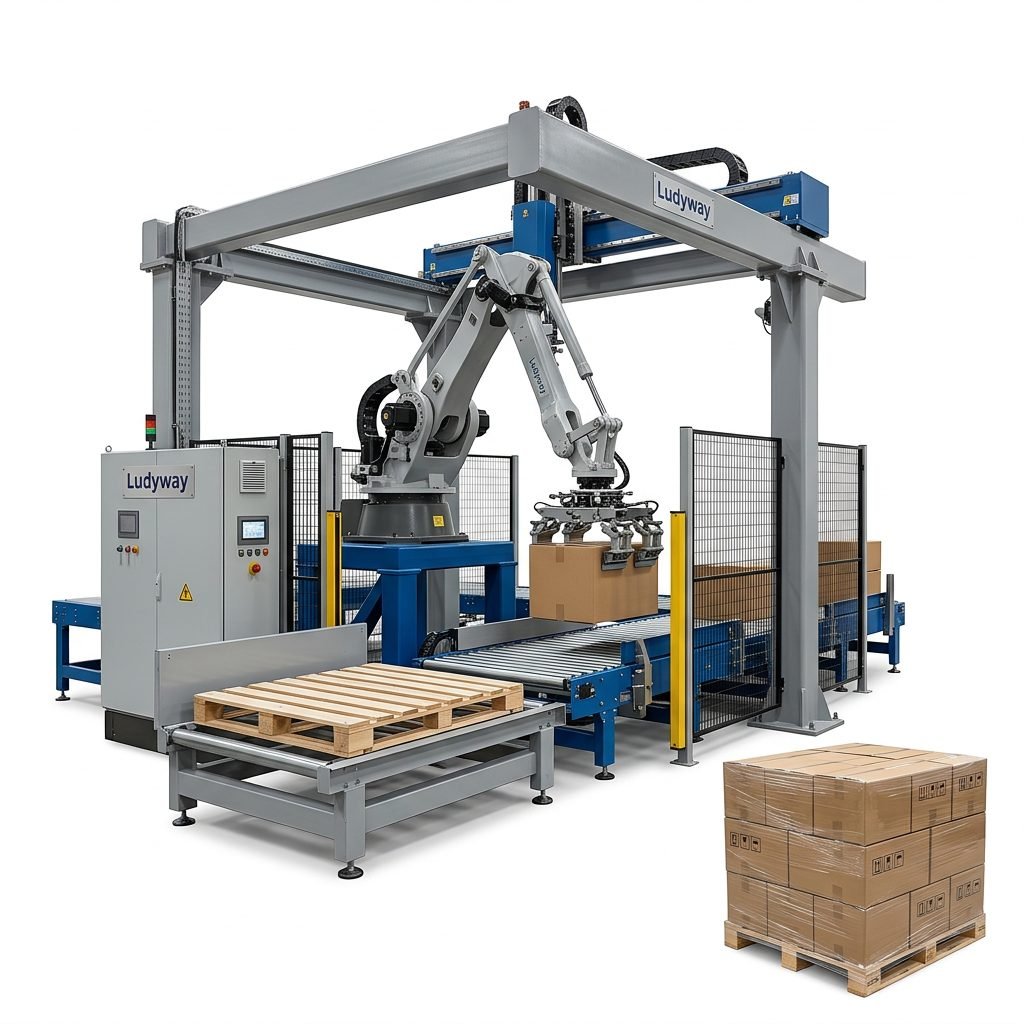
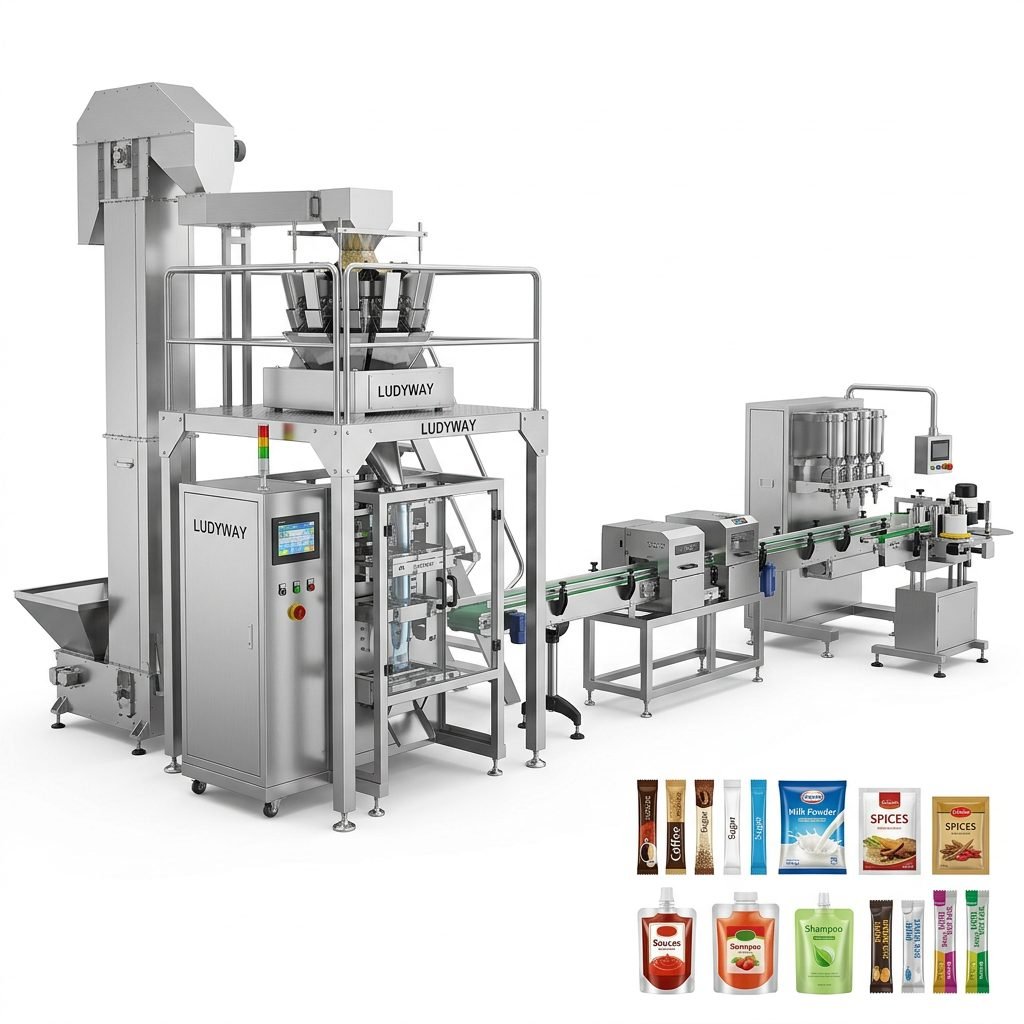
A good plastic packaging machine should connect smoothly with upstream and downstream systems such as feeders, conveyors, checkweighers, metal detectors, cartoners, case packers, and palletizers.
How to Match the Machine to Your Product
| Product Type | Recommended Machine | Notes |
|---|---|---|
| Powder | VFFS, stick pack, sachet machine | Use auger filler for stable dosing |
| Granules | VFFS, premade pouch, weigh filling system | Good for sugar, seeds, snacks |
| Liquid | Sachet machine, bottle filling machine | Need anti-drip and reliable sealing |
| Paste/Cream | Tube filler, sachet machine, pouch machine | Suitable for cosmetics and sauces |
| Bulk materials | Bagging line, weighing system | Used for feed, fertilizer, chemical powder |

Industries That Commonly Use Plastic Packaging Machines
- Food: coffee, sugar, spices, sauces, snacks, dairy powder, seasoning
- Pharmaceutical: powders, oral liquids, sachets, medical consumables
- Cosmetic: lotion, serum, face cream, shampoo, gel, tube products
- Chemical: detergent, cleaner, additives, industrial powders and liquids
- Agriculture: seeds, fertilizer, feed, premixes
- Pet care: pet food, treats, supplements, veterinary packaging
Benefits of Investing in the Right Machine
- Higher production efficiency
- Lower labor cost
- More consistent package appearance
- Reduced product waste
- Better sealing quality and shelf protection
- Easier compliance with hygiene and quality requirements
- Scalability for future product expansion
Buying Tips: How to Choose the Best Plastic Packaging Machine
Know Your Product Characteristics
Start with the product itself: powder or liquid, free-flowing or sticky, corrosive or standard, fragile or dense. The product determines the filling system, sealing method, and machine structure.
Define Your Packaging Format Clearly
Before asking for a quotation, confirm whether you need sachets, stick packs, pouches, bottles, tubes, or larger plastic bags. This avoids comparing the wrong machine types.
Estimate Real Output Requirements
Do not choose based only on today’s production. Consider your expected sales growth over the next 2 to 5 years.
Check Changeover Time
If you run multiple SKUs, a machine with faster changeover will save significant downtime.
Review Total Cost, Not Just Initial Price
A lower purchase price may lead to more downtime, less accuracy, more waste, and weaker after-sales support. Focus on total lifecycle value.
Ask About Spare Parts and Service
Reliable support matters. Confirm spare parts lead time, troubleshooting process, training, manuals, and remote assistance availability.
Request Testing with Your Product and Film
A proper machine trial can reveal sealing quality, output stability, dosing accuracy, and package appearance before purchase.
Choose a Supplier with Industry Experience
An experienced manufacturer is more likely to understand your application and recommend the correct configuration. For businesses seeking automated equipment or complete lines, Ludyway plastic packaging machine solutions are backed by more than 30 years of packaging industry experience, a factory over 20,000 square meters, and broad export coverage across more than 100 countries and regions.
Questions to Ask Before You Buy
- What products will I package now and in the future?
- What plastic material and package type will I use?
- What is my target speed per minute or per hour?
- What filling accuracy do I require?
- Do I need standalone equipment or a complete turnkey line?
- How easy is cleaning and maintenance?
- What certifications or compliance features are needed?
- What after-sales service is included?
Common Mistakes Buyers Should Avoid
- Choosing a machine only by price
- Ignoring film and sealing compatibility
- Underestimating future capacity needs
- Buying without product testing
- Not planning for line integration
- Overlooking maintenance access and spare parts supply
Final Thoughts
A plastic packaging machine is not just a production tool—it is a long-term investment in efficiency, quality, and business scalability. The best choice depends on your product type, packaging format, speed target, automation needs, and future expansion plans.
By comparing machine types carefully and working with a capable manufacturer, you can build a packaging process that is stable, flexible, and profitable for years to come.