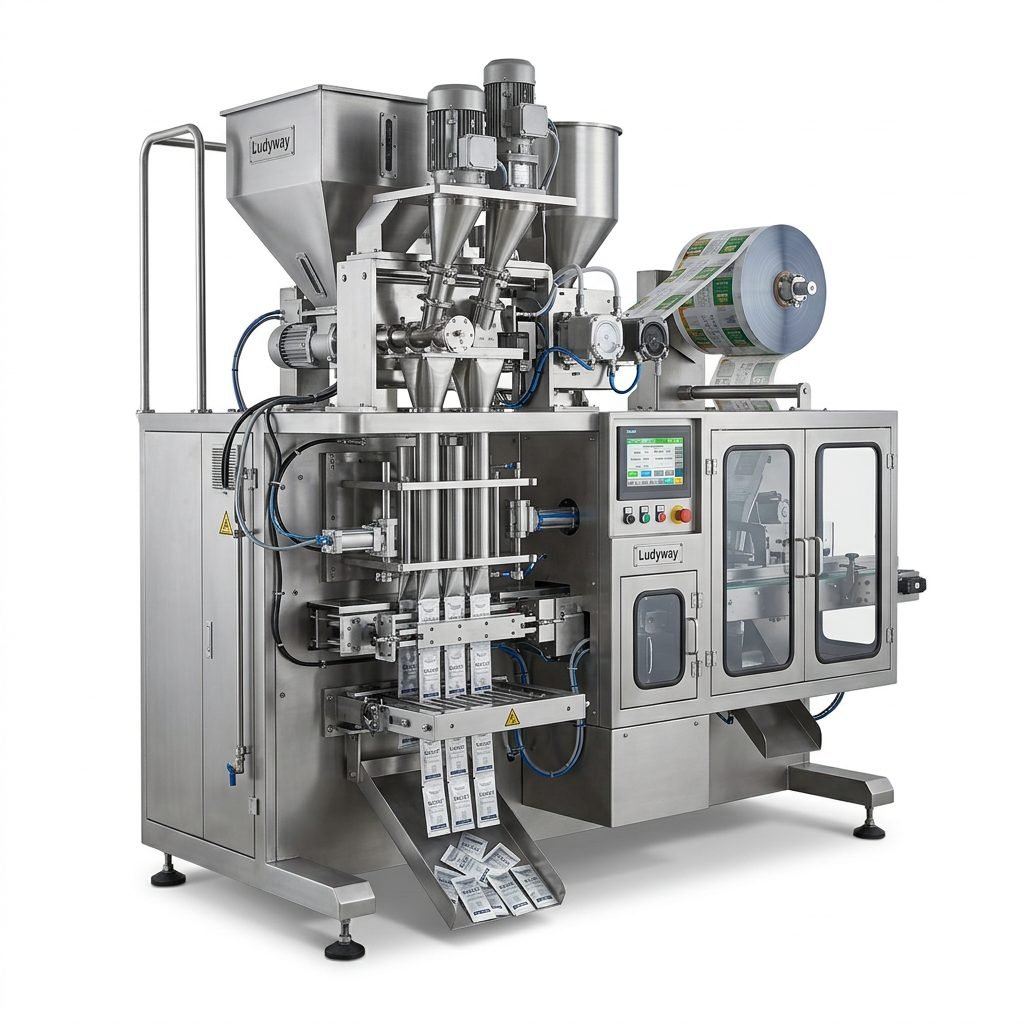
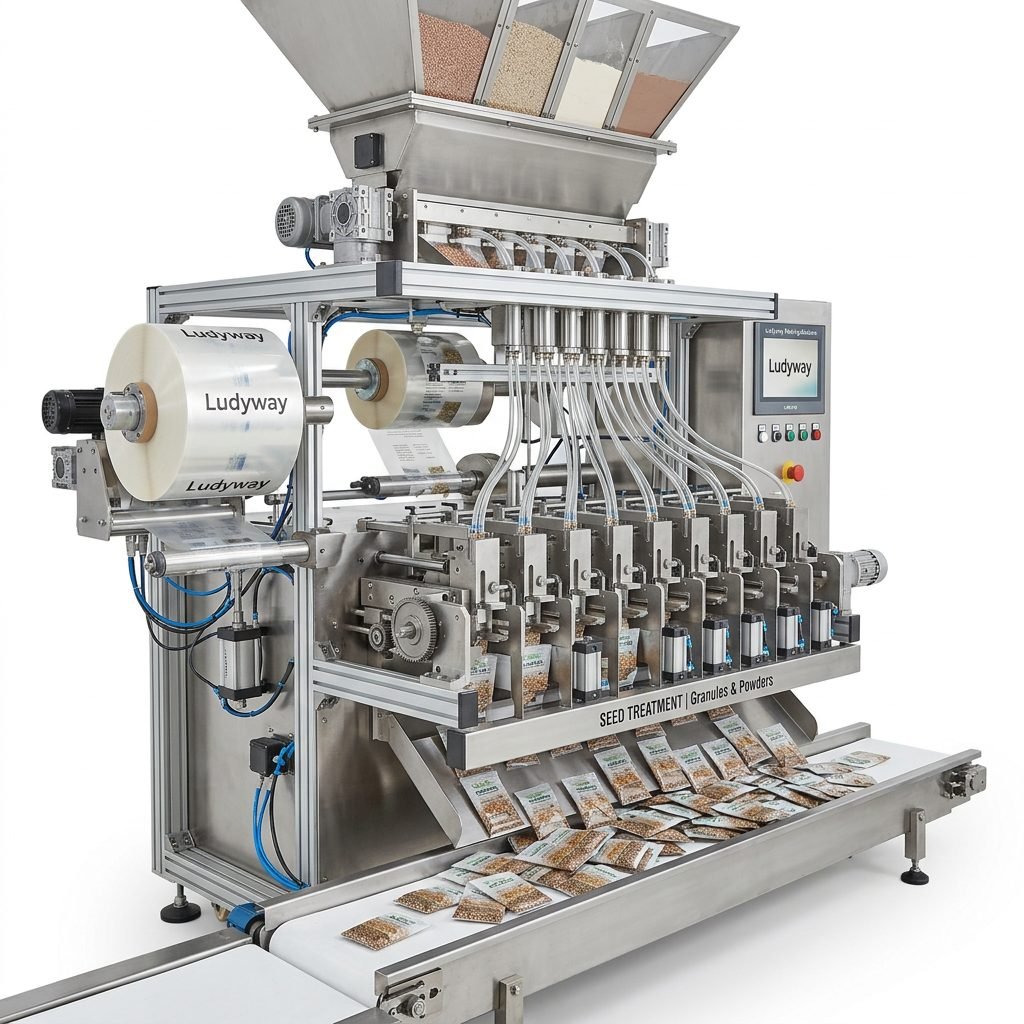
Germany is one of Europe’s largest food processing and packaging markets, driven by strict quality standards, a strong manufacturing base, and growing demand for extended shelf-life products. A food vacuum packaging machine plays a critical role in preserving freshness, preventing oxidation, and ensuring compliance with German food safety regulations. Whether you operate a small artisan food business in Bavaria or a large-scale meat processing facility in Lower Saxony, selecting the right vacuum packaging equipment can significantly impact your productivity and product quality.
This guide covers everything you need to know about buying a food vacuum packaging machine in Germany—from understanding the different machine types and key technical specifications to navigating food packaging regulations and evaluating suppliers.
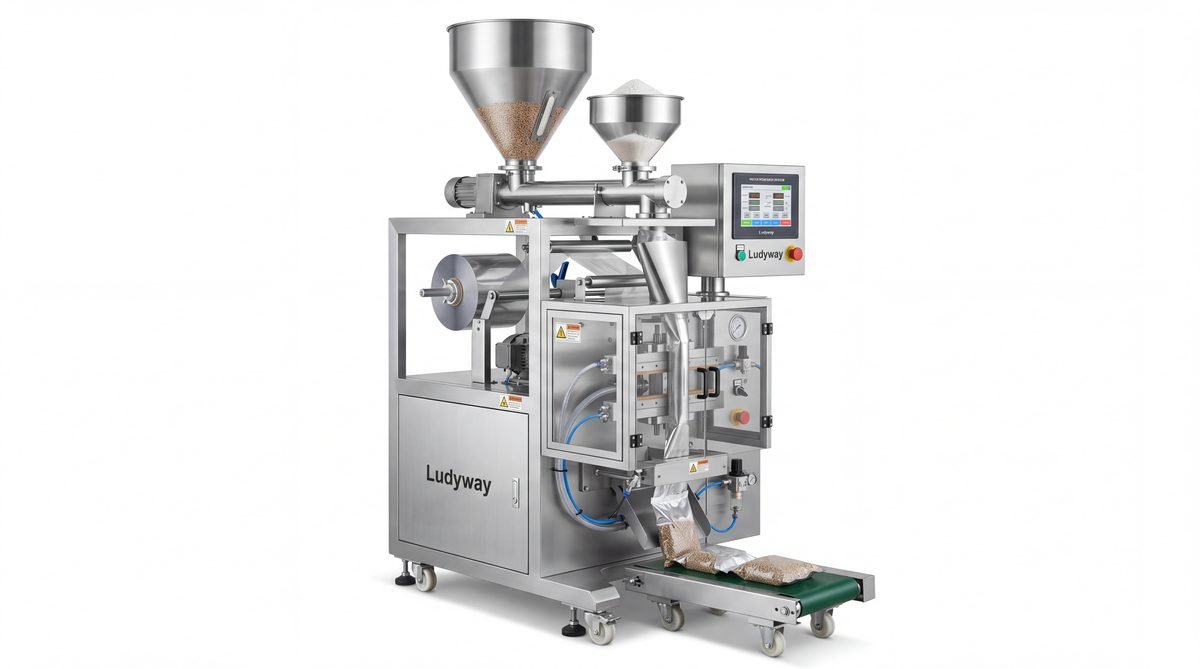
Why Invest in a Food Vacuum Packaging Machine in Germany?
The German food industry is characterized by high standards for hygiene, traceability, and sustainability. Vacuum packaging technology addresses all three by reducing food waste, extending product shelf life, and maintaining product integrity during transportation. According to industry data from PMMI, the European vacuum packaging equipment market continues to grow steadily, with Germany accounting for a significant share.
- Extended Shelf Life: Vacuum sealing removes oxygen, slowing down bacterial growth and oxidation processes.
- Reduced Food Waste: Better preservation means less spoilage, aligning with Germany’s sustainability goals.
- Regulatory Compliance: Meets strict EU and German food packaging standards.
- Export Readiness: Vacuum-packed goods are better suited for long-distance shipping and international distribution.
- Brand Protection: Maintains product appearance, texture, and flavor throughout the supply chain.
Key Features to Look for in a Vacuum Packaging Machine
Before comparing models and suppliers, it is essential to understand which technical specifications matter most for your specific application. The right food vacuum packaging machine should match your production volume, packaging material preferences, and automation requirements.
Chamber Vacuum Packaging Machines
Chamber machines place the entire product and packaging pouch inside a sealed chamber. Air is evacuated from the chamber and the pouch simultaneously, creating a uniform vacuum. These machines are ideal for sauces, marinated meats, soups, and products with high liquid content. They are widely used in medium-sized German food processing plants and commercial kitchens. Models range from single-chamber tabletop units to double-chamber industrial systems capable of handling dozens of cycles per minute.
External Vacuum Sealers (Nozzle Type)
External vacuum sealers extract air through a nozzle inserted into the packaging bag. These machines are typically more affordable and compact, making them suitable for small-scale operations, bakeries, and retail food packaging. However, they are less effective with liquid-rich products and generally offer lower throughput compared to chamber systems.
Thermoforming Vacuum Packaging Machines
Thermoforming systems represent the high end of vacuum packaging technology. They use bottom film that is heated and formed into trays, filled with product, then sealed with a top film under vacuum. These fully automated lines are designed for high-volume meat, cheese, and ready-meal production. They offer the highest throughput and are commonly found in large German food manufacturing facilities.

German Regulations and Compliance Standards
Germany enforces some of the strictest food packaging regulations in the world. Equipment must comply with EU machinery directives, food contact material regulations, and German-specific standards. The ISO packaging standards provide a framework that most German buyers expect suppliers to follow. Key compliance areas include:
- CE Marking: Mandatory for all machinery sold within the European Economic Area.
- Hygienic Design: Equipment should follow EHEDG guidelines for cleanability and sanitation in food processing environments.
- Food Contact Materials: All surfaces that touch food must comply with EU Regulation (EC) No 1935/2004.
- Energy Efficiency: Machines should align with Germany’s energy efficiency targets under the Energiewende framework.
- Traceability: Systems should support batch tracking and documentation for compliance with EU food law.
Comparison of Vacuum Packaging Machine Types
| Feature | Chamber Machine | External Sealer | Thermoforming Line |
|---|---|---|---|
| Production Volume | Medium to high | Low to medium | Very high |
| Liquid Product Suitability | Excellent | Limited | Excellent |
| Automation Level | Semi-automatic | Manual to semi-automatic | Fully automatic |
| Initial Investment | €3,000 – €30,000 | €500 – €5,000 | €80,000 – €500,000+ |
| Typical Application | Meat, cheese, fish, prepared meals | Dry goods, bakery, small portions | Industrial meat and dairy, ready meals |
| Footprint | Compact to large | Very compact | Large production line |
Cost Considerations and Return on Investment
Investing in a food vacuum packaging machine in Germany requires careful financial planning. Beyond the initial purchase price, buyers should factor in installation costs, operator training, maintenance contracts, and spare parts availability. Energy consumption is another important consideration given Germany’s relatively high industrial electricity prices.
A well-chosen vacuum packaging system typically delivers a return on investment within 12 to 24 months through reduced product waste, lower packaging material costs, and improved operational efficiency. Companies that export packaged food products often see an even faster payback period due to the extended shelf life enabling broader distribution and reduced logistical pressure.
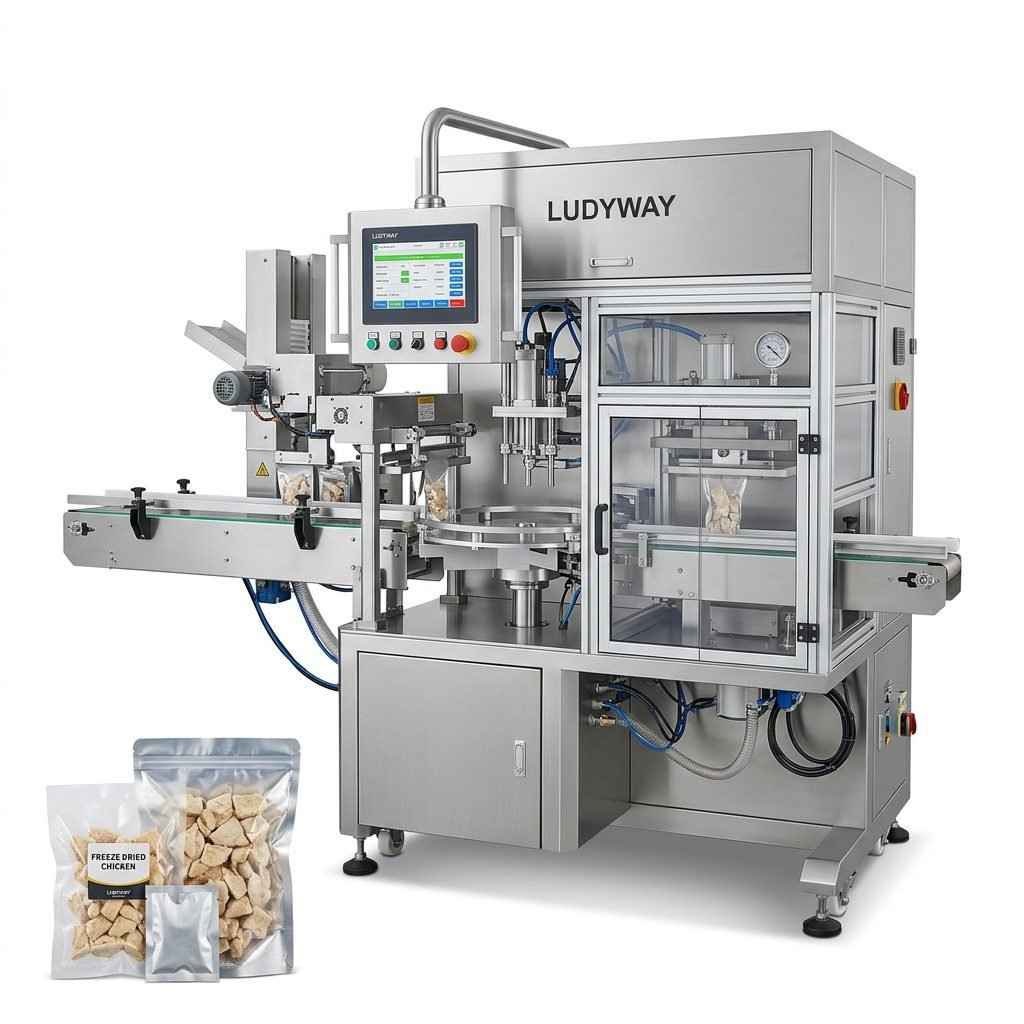
Choosing a Reliable Supplier for Your Vacuum Packaging Machine
Selecting the right supplier is just as important as choosing the right machine. German buyers often prioritize suppliers with a strong local presence, responsive after-sales service, and proven compliance with European standards. However, the global market has expanded significantly, and many international manufacturers now offer competitive solutions backed by comprehensive service networks.
When evaluating suppliers, consider the following criteria:
- Industry Experience: How long has the supplier been manufacturing vacuum packaging equipment? Look for at least 10–15 years of proven expertise.
- Technical Support: Does the supplier offer installation, training, and ongoing technical support in Germany or nearby European locations?
- Spare Parts Availability: Quick access to genuine spare parts is essential for minimizing downtime.
- References and Case Studies: Ask for examples of installations similar to your operation, particularly within the German or broader EU market.
- Warranty and Service Agreements: Understand what is covered and for how long, including any limitations.
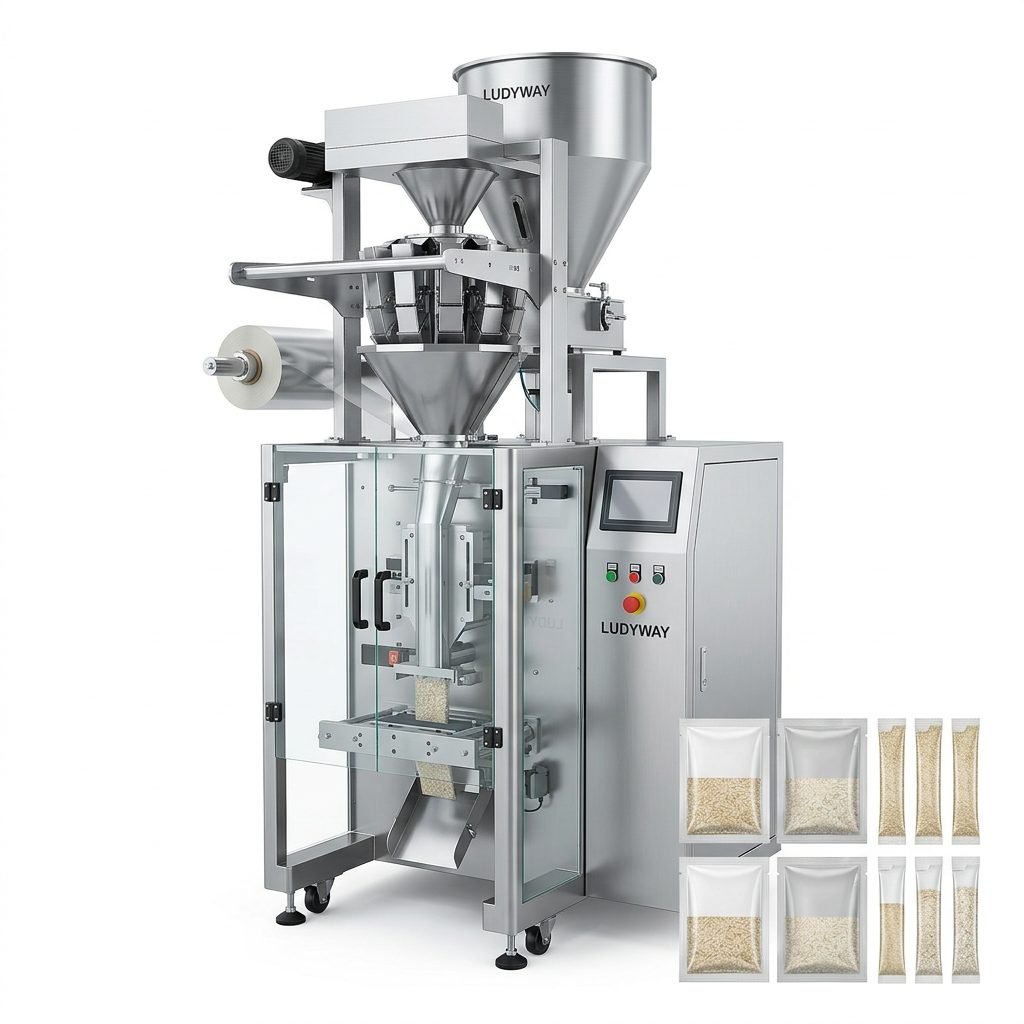
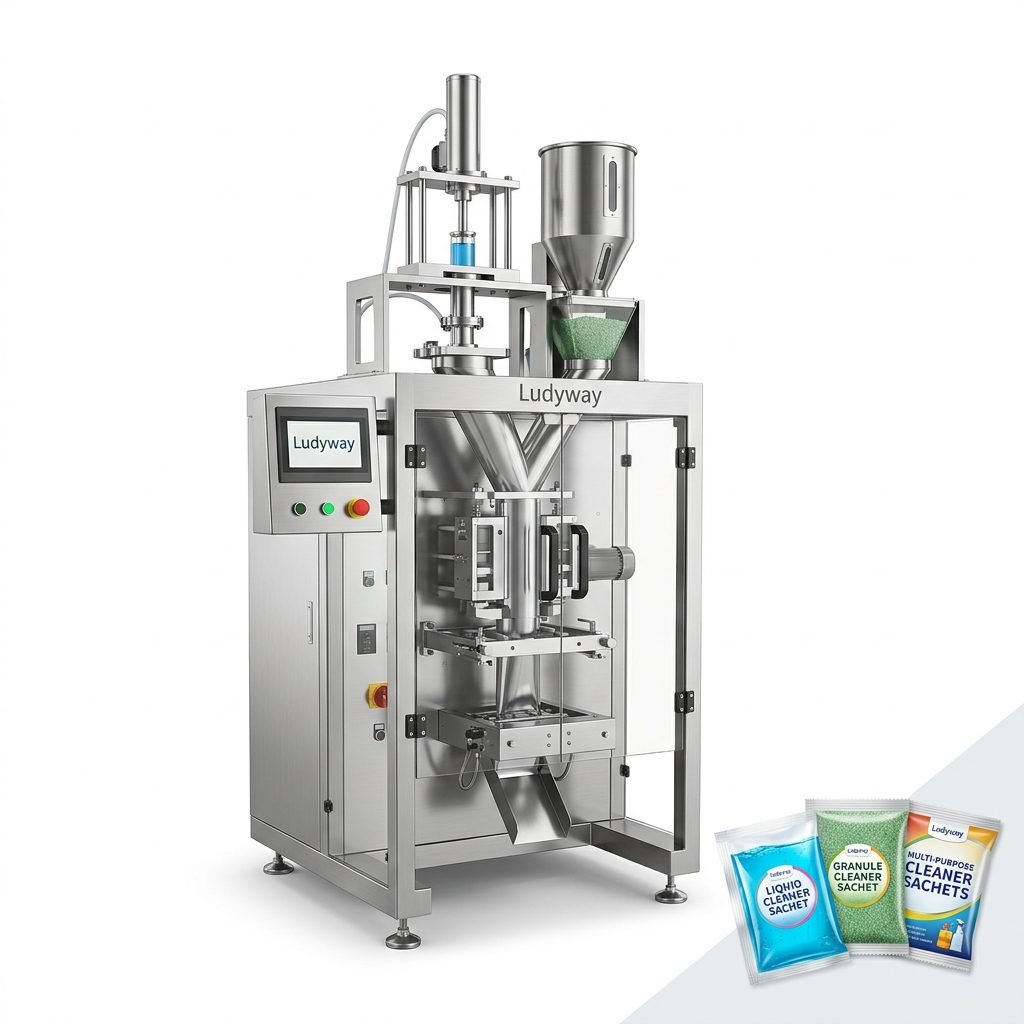
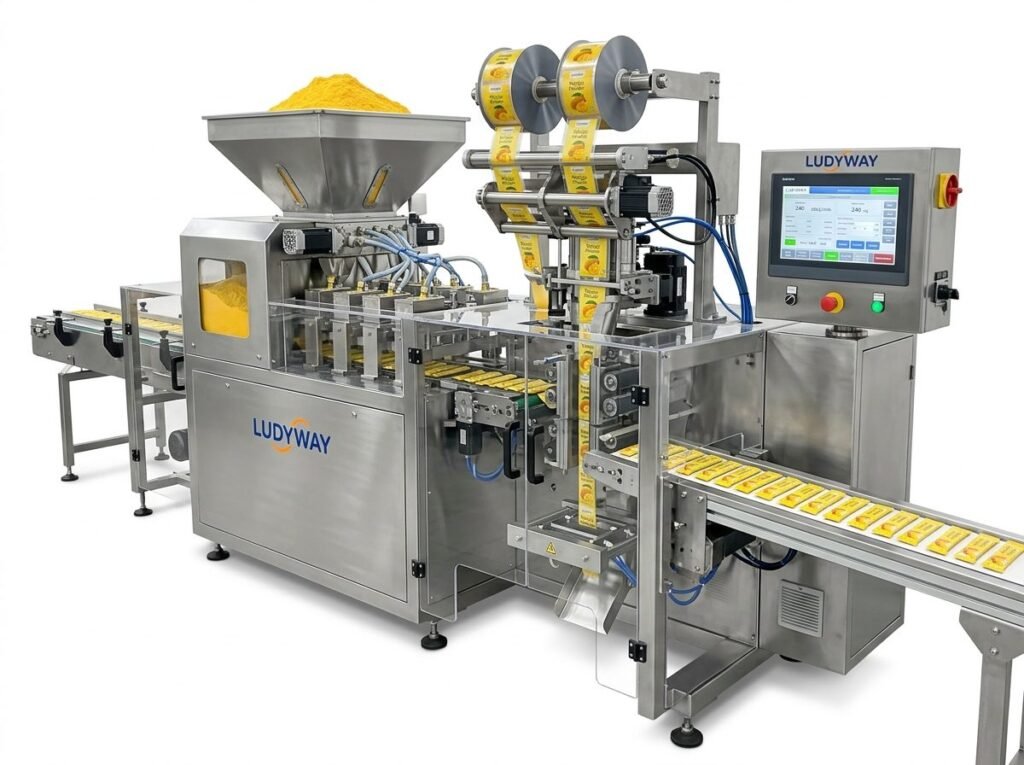
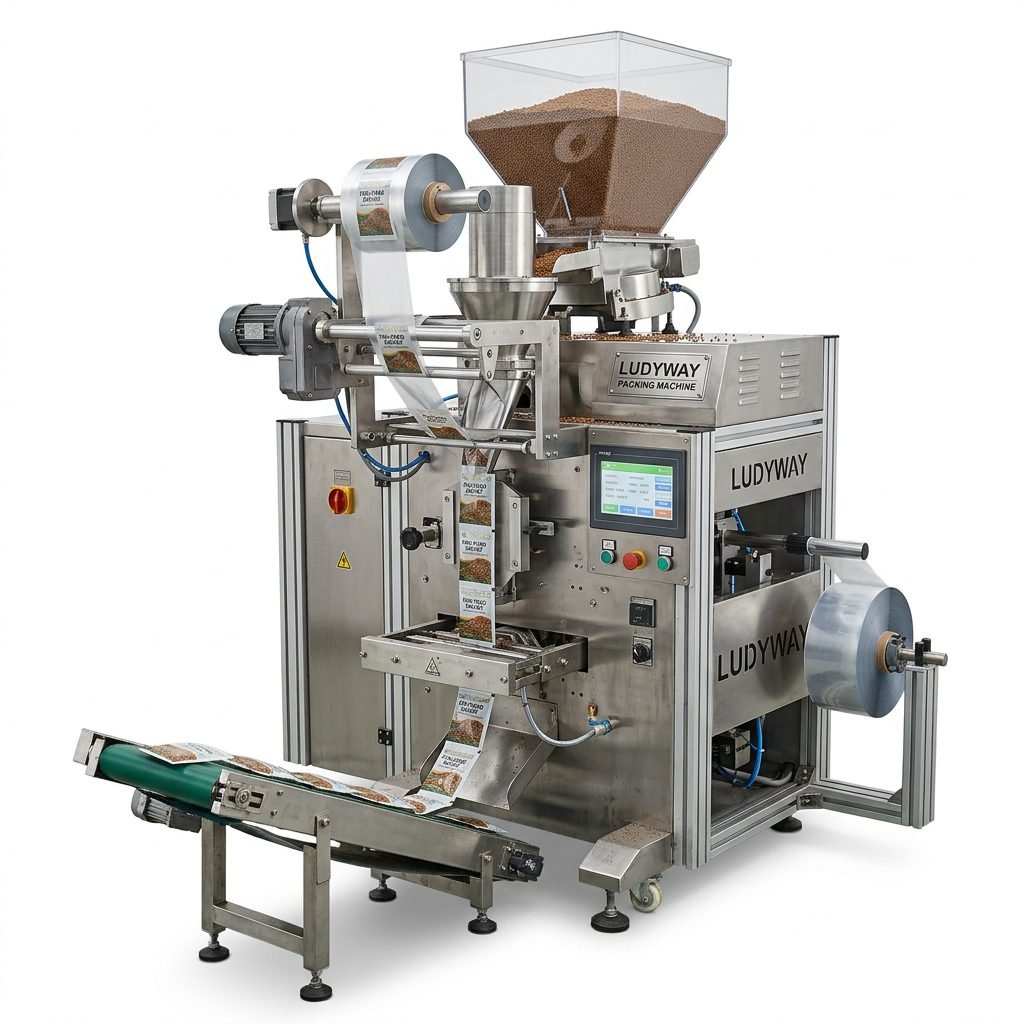
For businesses seeking cost-effective yet high-performance packaging solutions, international manufacturers with a strong track record are increasingly worth considering. Ludyway is one of the largest packaging machine manufacturers globally, specializing in advanced packaging equipment and turnkey production solutions for the food, pharmaceutical, and health industries. With over 30 years of industry expertise and a modern 20,000㎡ manufacturing facility, the company serves customers in more than 100 countries with reliable and efficient vacuum and modified atmosphere packaging systems. For German buyers, working with experienced international suppliers can offer competitive pricing without compromising on quality or after-sales support.
Installation, Training, and Maintenance Best Practices
Proper installation and operator training are critical for maximizing the performance of your vacuum packaging machine. Follow these best practices to ensure smooth operations from day one:
- Pre-Installation Preparation: Ensure your facility has the required electrical supply, compressed air connections, and adequate ventilation before the machine arrives.
- Certified Installation: Use factory-trained technicians for initial setup to validate warranty coverage and ensure proper configuration.
- Comprehensive Operator Training: Train at least two operators per shift to avoid knowledge gaps and reduce dependency on a single person.
- Preventive Maintenance Schedule: Establish a regular maintenance routine including seal bar inspection, vacuum pump oil changes, and gasket replacements.
- Documentation: Maintain detailed records of all maintenance activities, repairs, and parts replacements for compliance audits and warranty purposes.
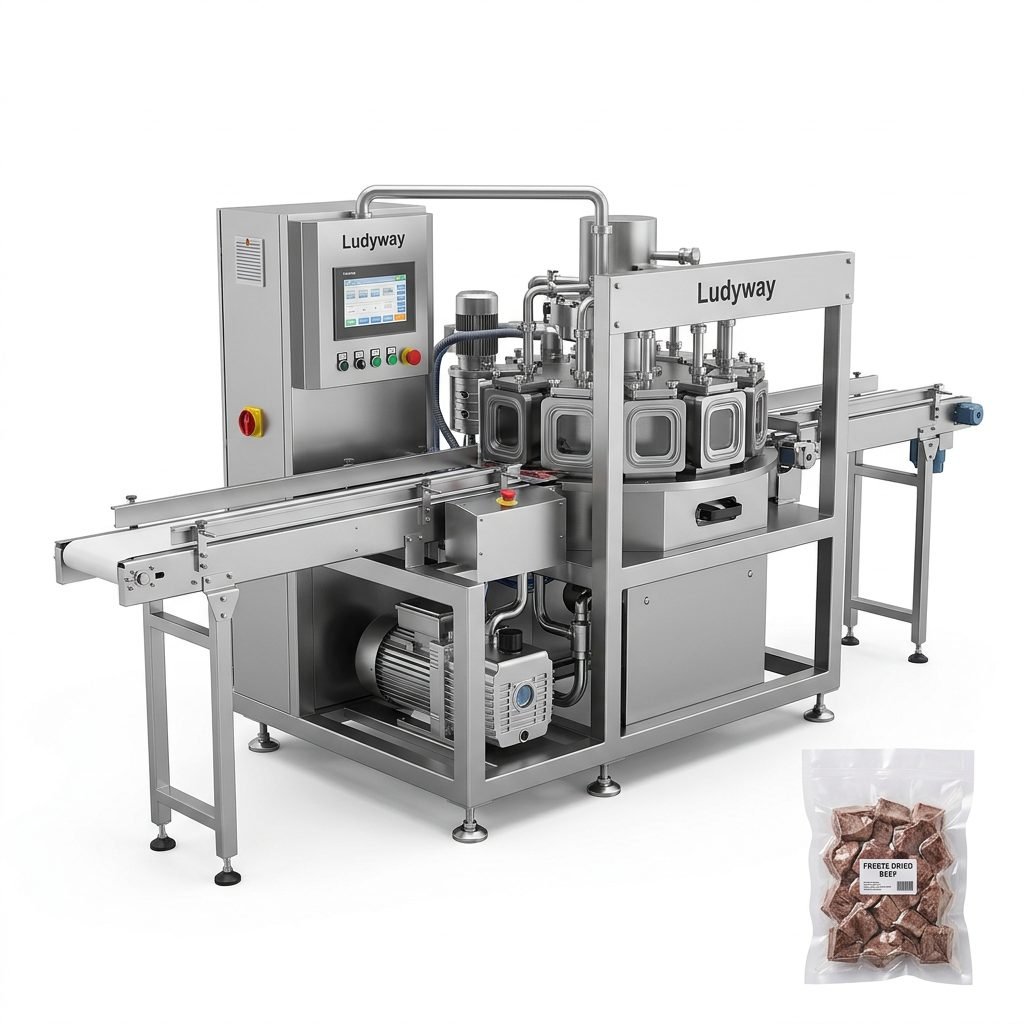
Emerging Trends in Food Vacuum Packaging Technology
The vacuum packaging industry continues to evolve, driven by sustainability concerns, automation advances, and changing consumer preferences. Several trends are reshaping the German market:
- Skin Packaging: A variation of vacuum packaging where the film tightly conforms to the product shape, reducing plastic usage and enhancing visual appeal.
- Modified Atmosphere Packaging (MAP): Combines vacuum with gas flushing to create an optimal atmosphere for specific products, extending shelf life further.
- Smart Sensors and IoT Integration: Modern machines increasingly feature real-time monitoring, predictive maintenance alerts, and remote diagnostics.
- Sustainable Materials: Growing demand for recyclable and biodegradable vacuum packaging films compatible with existing equipment.
- Compact Automation: Smaller fully automatic systems designed for mid-sized producers looking to scale up without massive infrastructure investments.
Frequently Asked Questions About Vacuum Packaging Machines in Germany
Q: Do I need special certification to operate a vacuum packaging machine in Germany?
A: While no specific operator certification is required for basic vacuum packaging machines, personnel must be trained in accordance with German occupational safety regulations (Betriebssicherheitsverordnung). For machines used in food production, operators should also be familiar with HACCP principles and hygiene requirements.
Q: What is the typical lead time for a commercial vacuum packaging machine?
A: Standard models can be delivered within 2–6 weeks, while customized or large thermoforming lines may require 8–16 weeks depending on configuration complexity and current production schedules.
Q: Can vacuum packaging machines handle both food and non-food products?
A: Yes, many industrial vacuum packaging machines are versatile enough to handle food products as well as non-food items such as electronic components, medical devices, and industrial parts. However, machines used for food applications must meet stricter hygiene standards and use food-grade materials for all contact surfaces.
Practical Tips for First-Time Buyers
If you are purchasing a food vacuum packaging machine for the first time, keep these practical tips in mind to avoid common pitfalls:
- Start with a Production Audit: Analyze your current and projected packaging volumes before selecting a machine size. Undersized equipment creates bottlenecks, while oversized machines waste energy and capital.
- Test with Your Actual Products: Arrange for product trials using your specific food items and packaging materials. What works perfectly in a demo may behave differently with your particular product consistency and pouch dimensions.
- Plan for Growth: Choose a machine that can accommodate moderate production increases. Modular systems that allow for future upgrades can be a smart long-term investment.
- Verify Compliance Documentation: Request CE certificates, hygienic design certifications, and food contact material declarations before finalizing your purchase.
- Budget for Consumables: Vacuum pouches, seal bars, vacuum pump oil, and gaskets represent ongoing costs that should be factored into your total cost of ownership calculation.
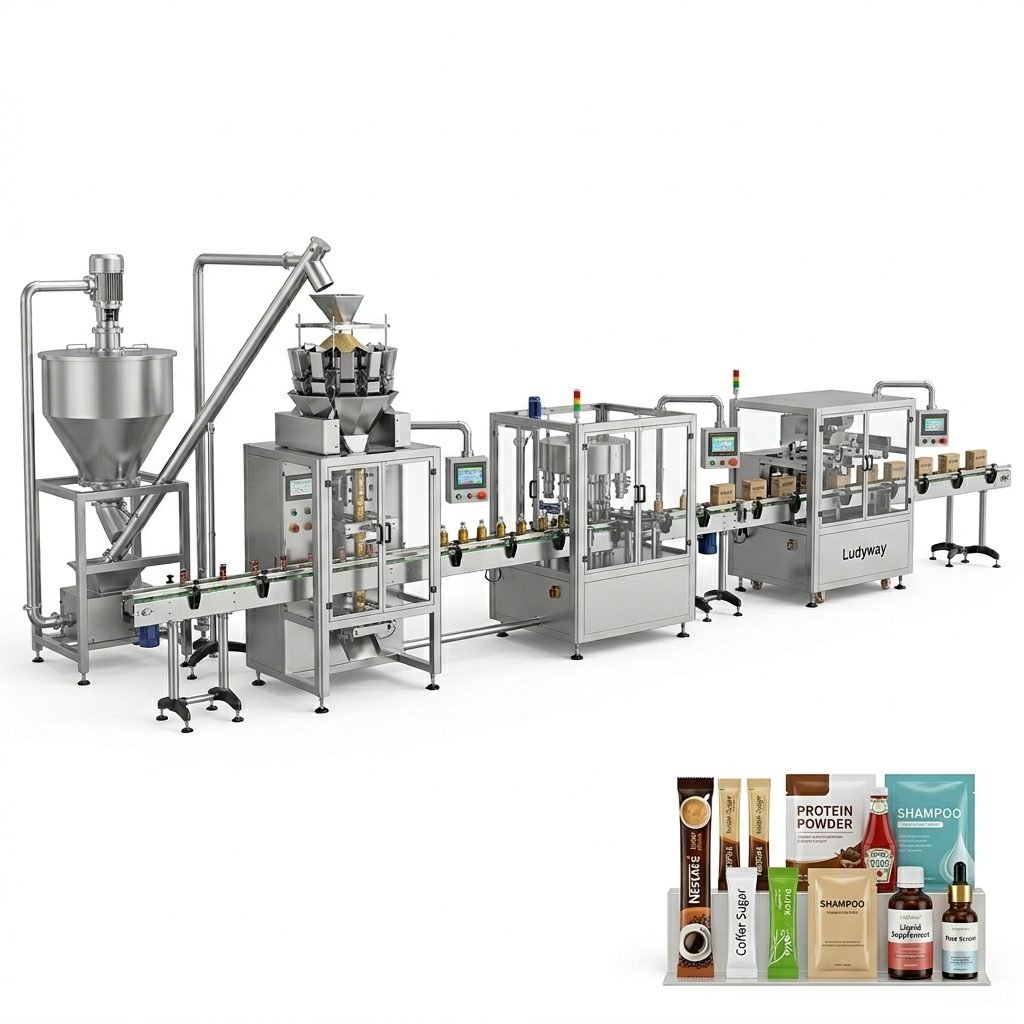
Conclusion: Making the Right Choice for Your German Food Business
Selecting the right food vacuum packaging machine in Germany involves balancing technical requirements, regulatory compliance, budget constraints, and long-term business goals. By understanding the different machine types, evaluating suppliers thoroughly, and planning for proper installation and maintenance, you can make an informed investment that delivers lasting value.
Germany’s food industry demands equipment that meets rigorous standards for quality, hygiene, and efficiency. Whether you opt for a compact chamber machine for artisanal production or a fully automated thermoforming line for high-volume manufacturing, the key is choosing a solution aligned with your specific operational needs and growth ambitions. For additional guidance on packaging industry trends and market data, consult reputable industry associations and stay informed about evolving European packaging regulations that may impact your equipment choices.