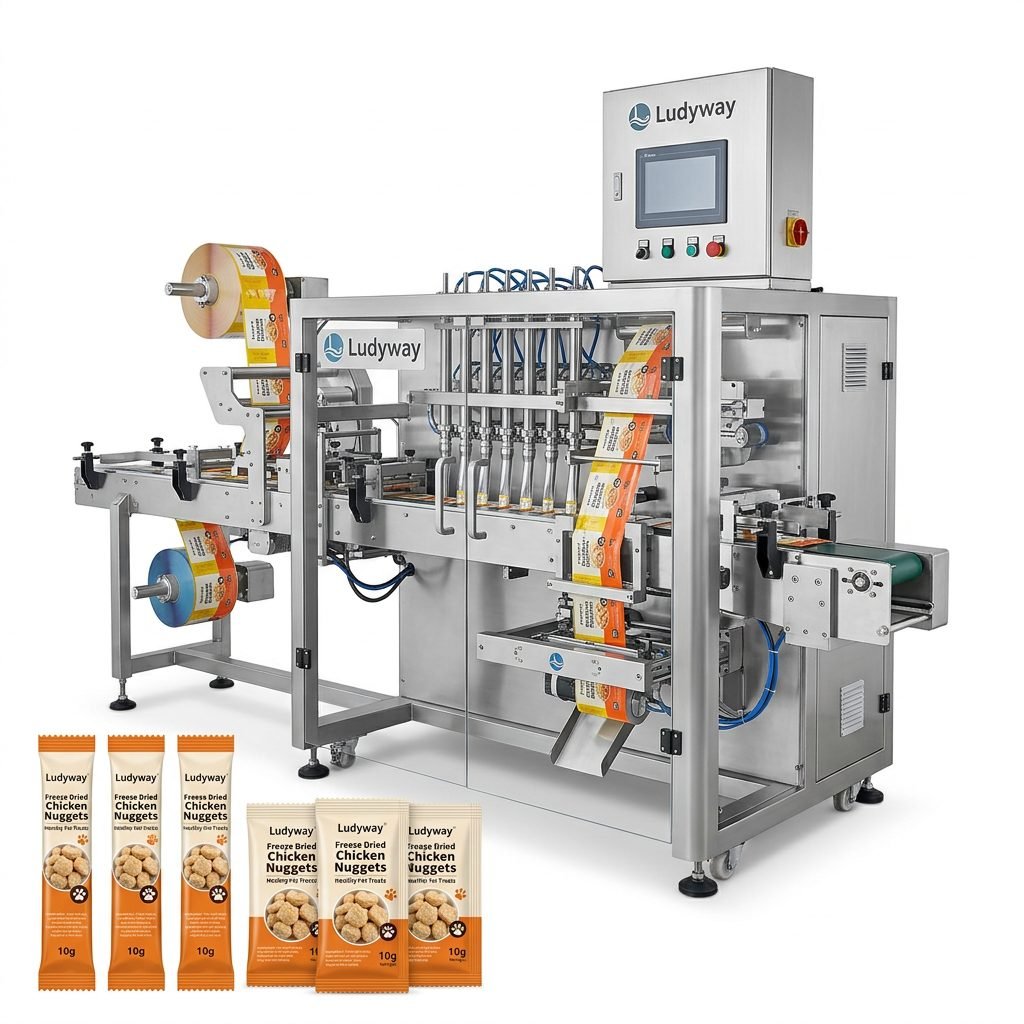
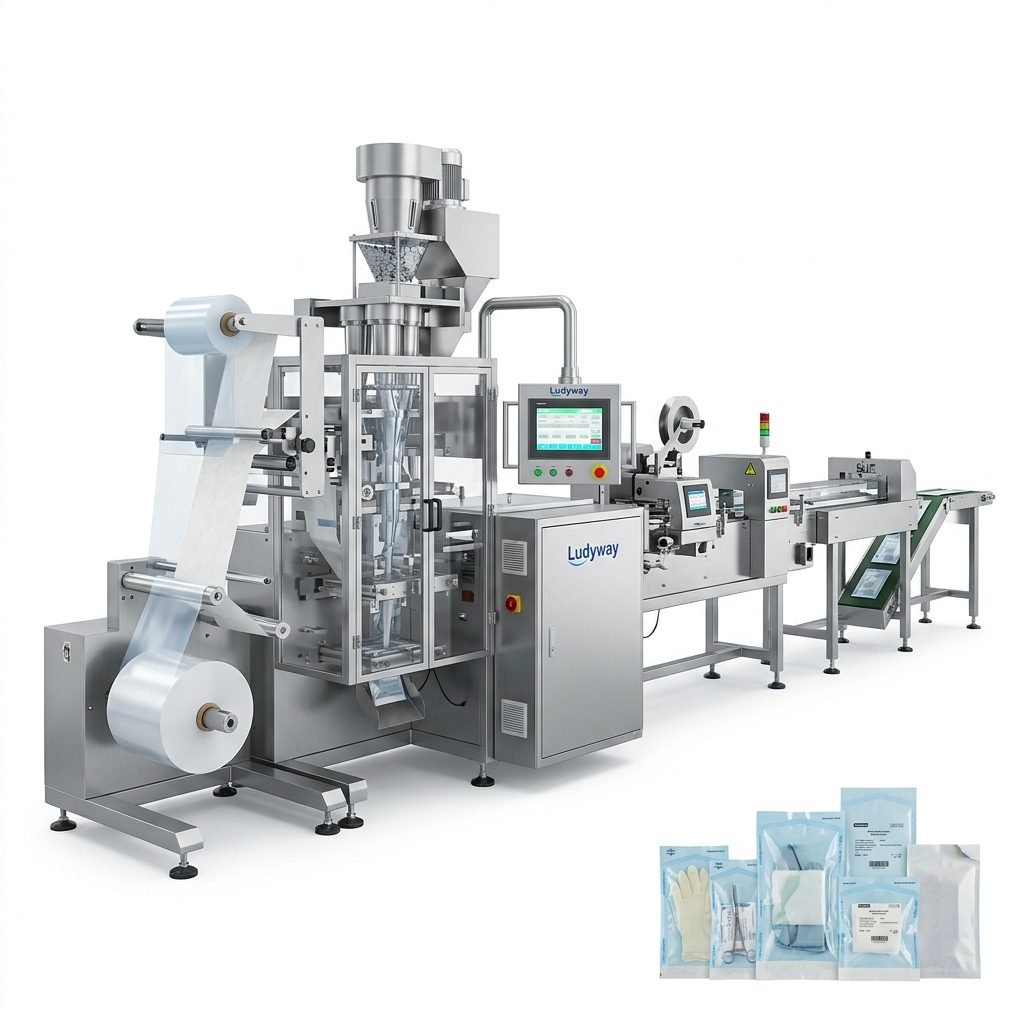
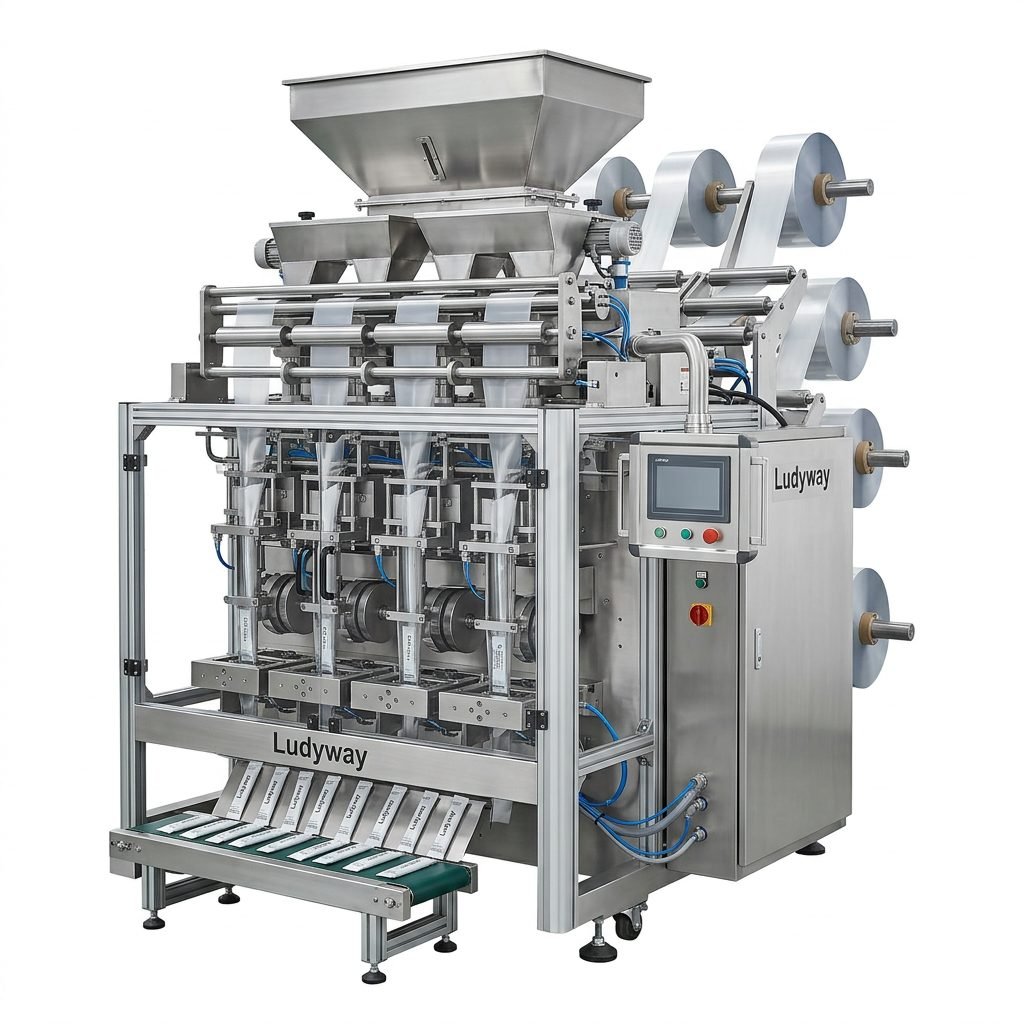
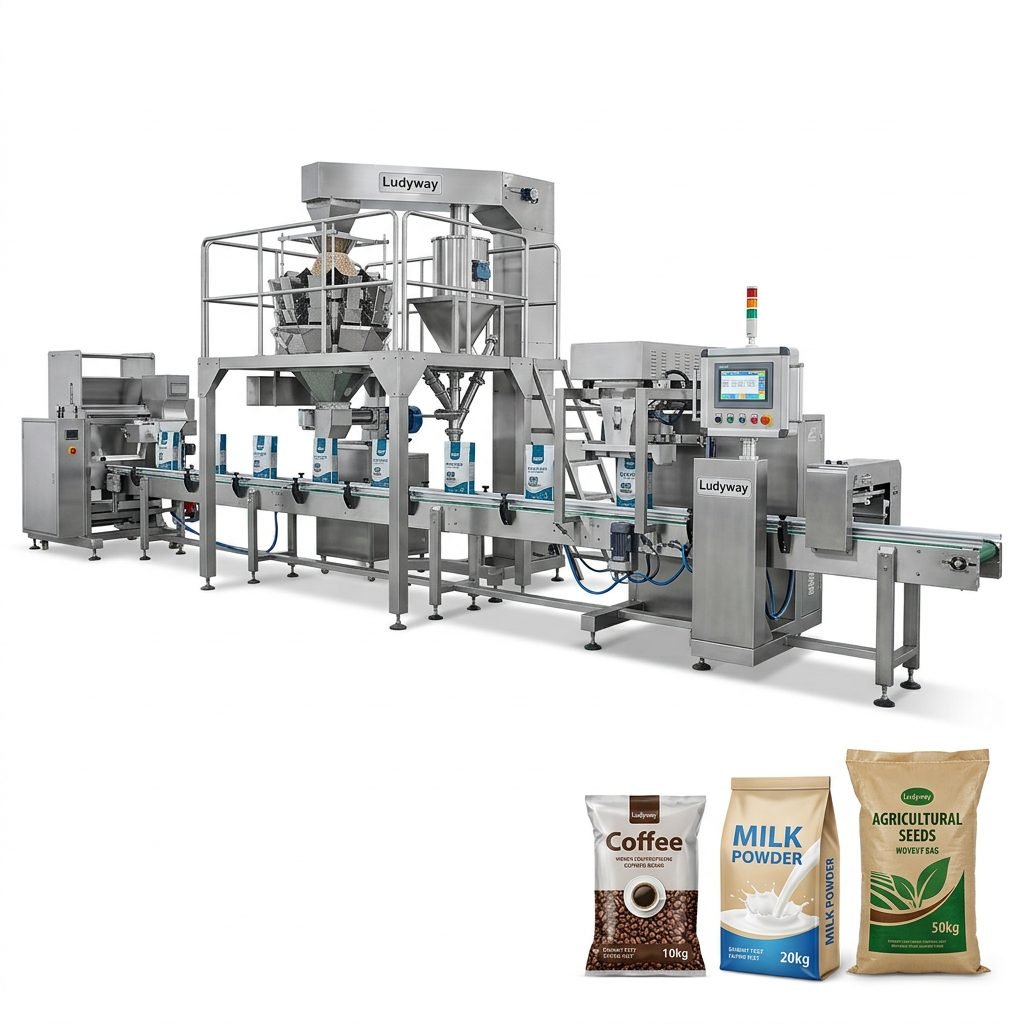
In the competitive food industry, efficiency and product safety are not just goals—they are fundamental requirements for success and consumer trust. The right food processing and packaging equipment serves as the backbone of a modern production line, directly impacting output, consistency, and the integrity of the final product. Investing in advanced solutions streamlines operations, minimizes waste, and provides a robust defense against contamination, ensuring that products meet the highest standards from the factory floor to the consumer’s table.
The Critical Role of Modern Packaging Equipment
Contemporary packaging goes far beyond simply containing a product. It is an integrated system designed to protect, preserve, and present. Modern equipment addresses several core challenges:
- Barrier Protection: Shielding food from oxygen, moisture, light, and contaminants to extend shelf life.
- Physical Protection: Preventing damage during storage, transportation, and handling.
- Portion Control & Convenience: Meeting consumer demand for single-serve and easy-to-use formats.
- Traceability: Enabling accurate coding, dating, and batch tracking for supply chain transparency and recall management.
🔍 Key Insight:
A holistic packaging strategy considers the product’s entire journey. The right equipment ensures that the packaging material and the filling/sealing process work in perfect harmony to maintain product quality.
Top Equipment Solutions for Enhanced Efficiency
Streamlining your packaging line is synonymous with boosting productivity and reducing operational costs. Here are key equipment categories that drive efficiency:
1. Automated Vertical Form-Fill-Seal (VFFS) Machines
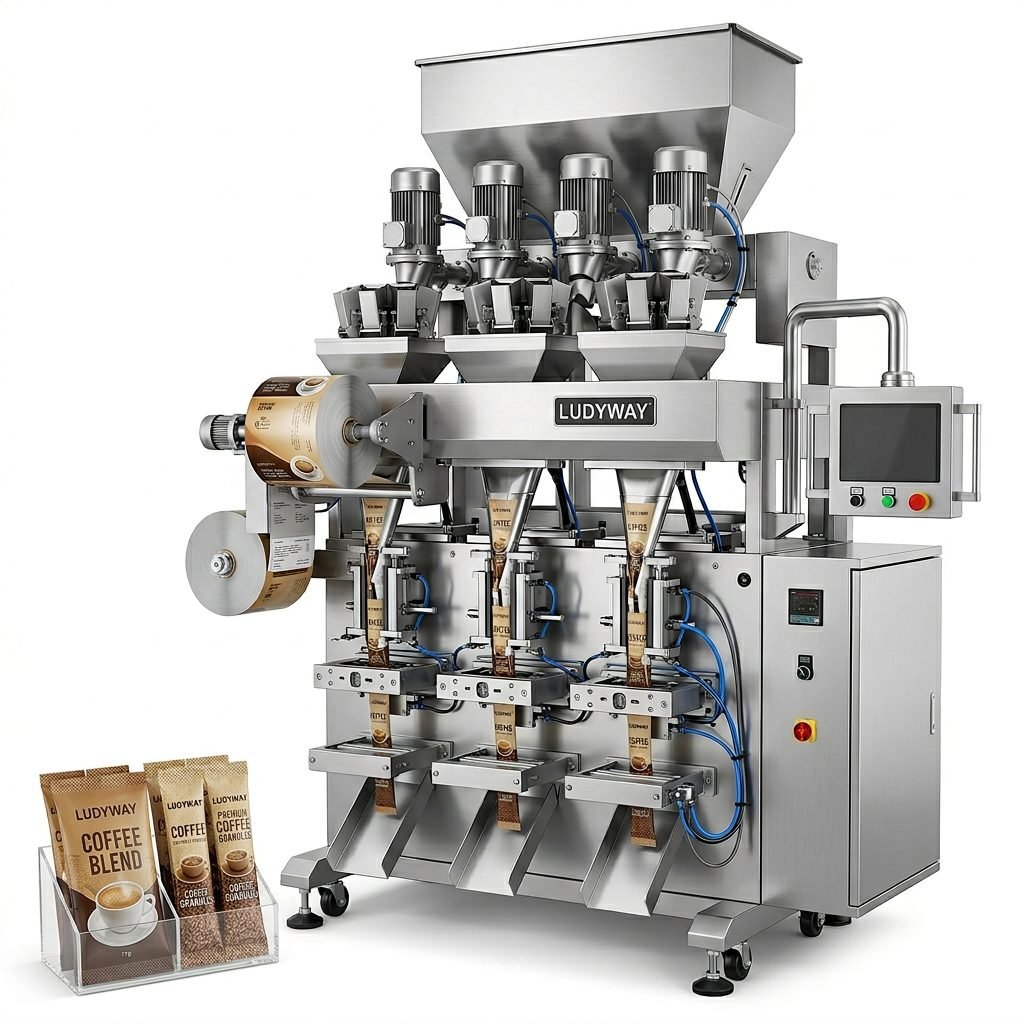
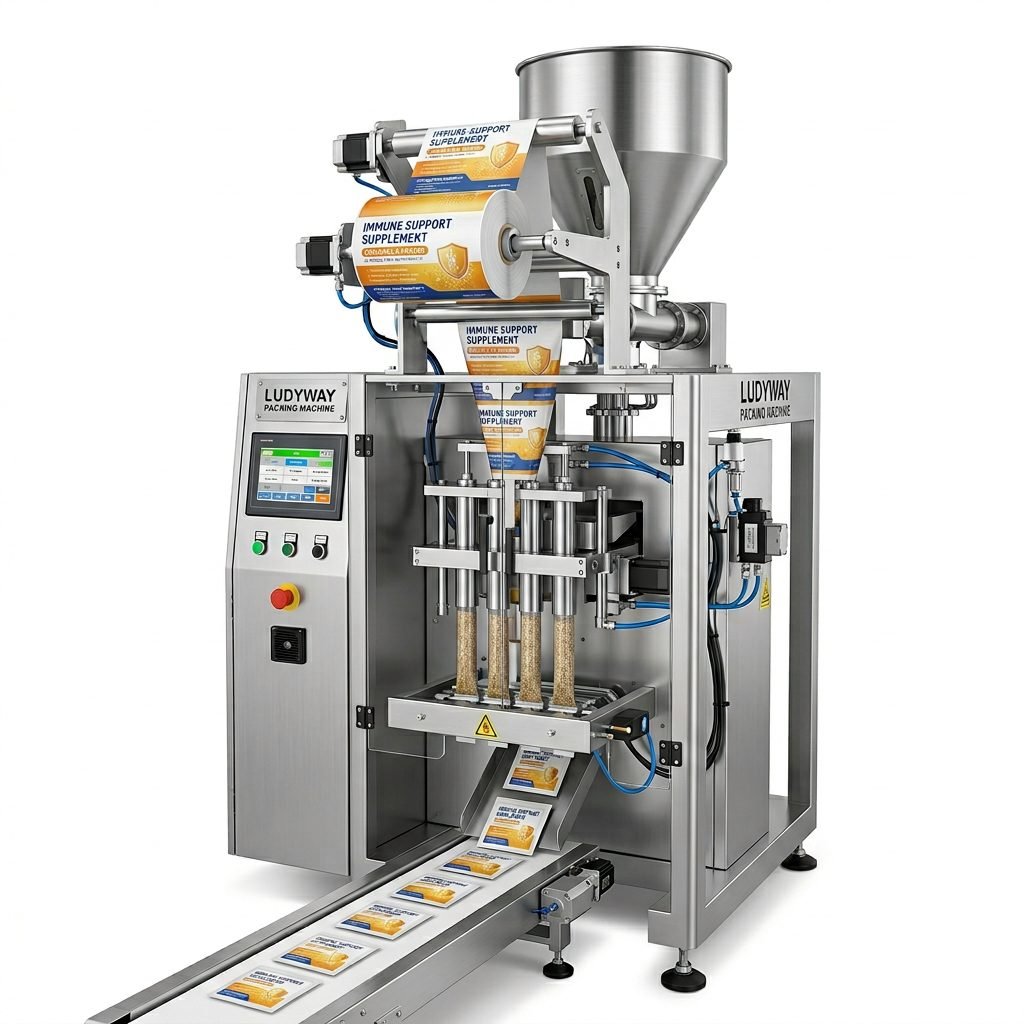
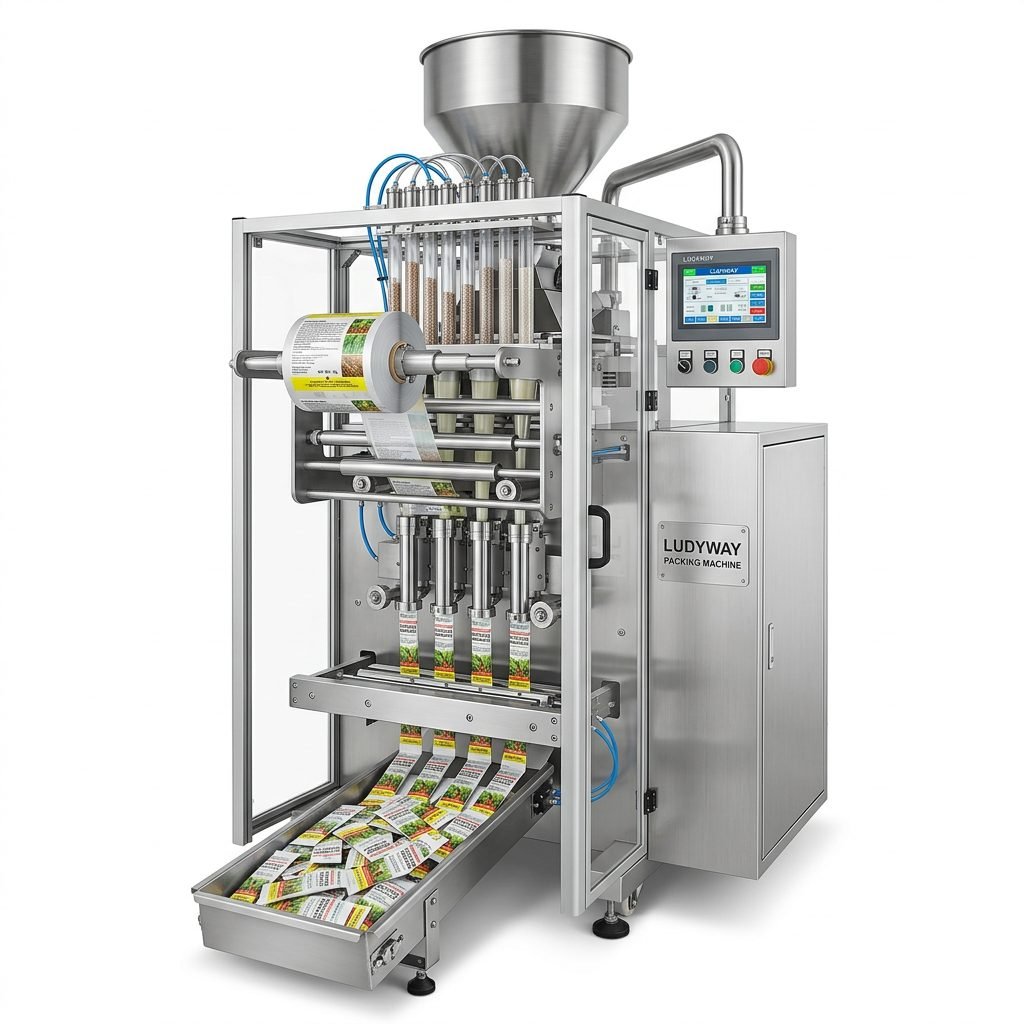
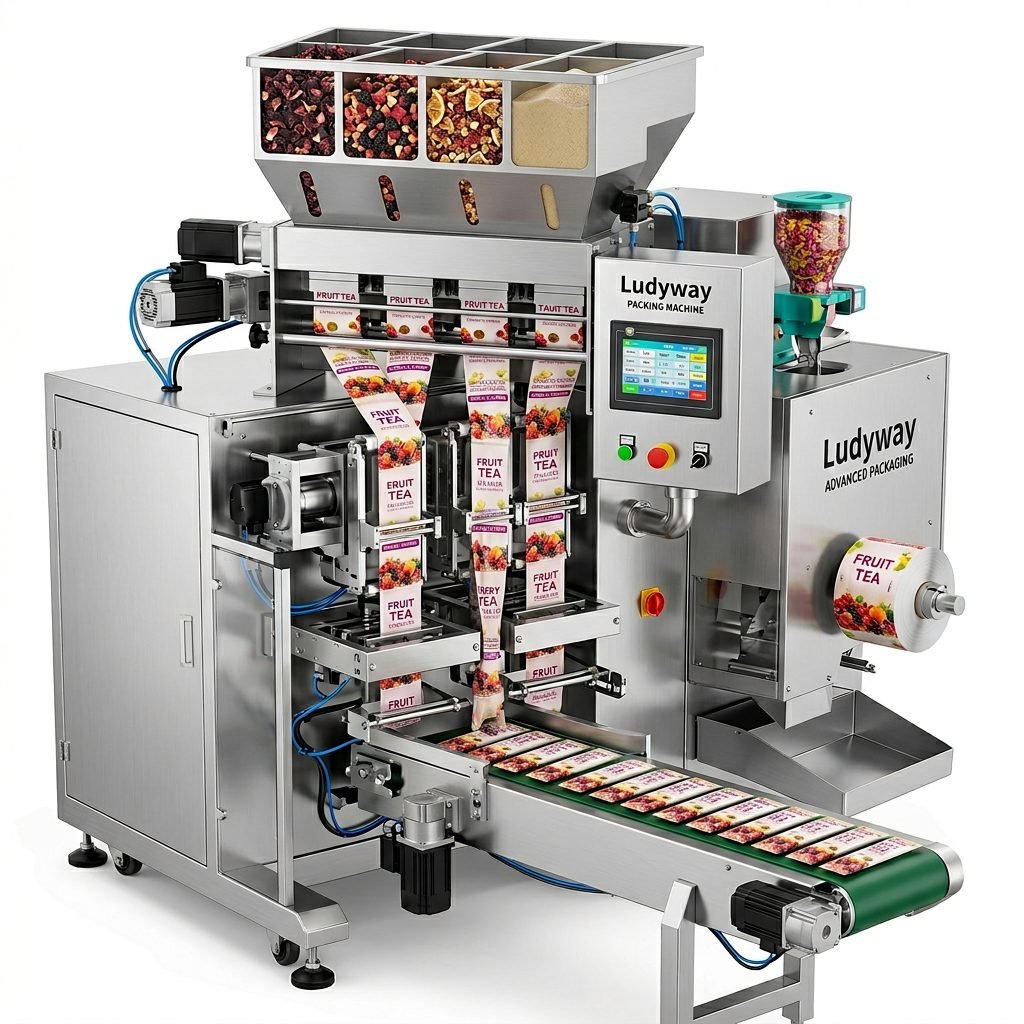
These are the workhorses of flexible packaging for granules, powders, and liquids. VFFS machines form bags from a roll of film, fill them with a precise product dose, and seal them—all in one continuous, high-speed operation. Their versatility in handling different bag styles (such as pillow bags, gusseted bags, or stick packs) makes them indispensable.
2. Multi-Lane & Multi-Head Weighers
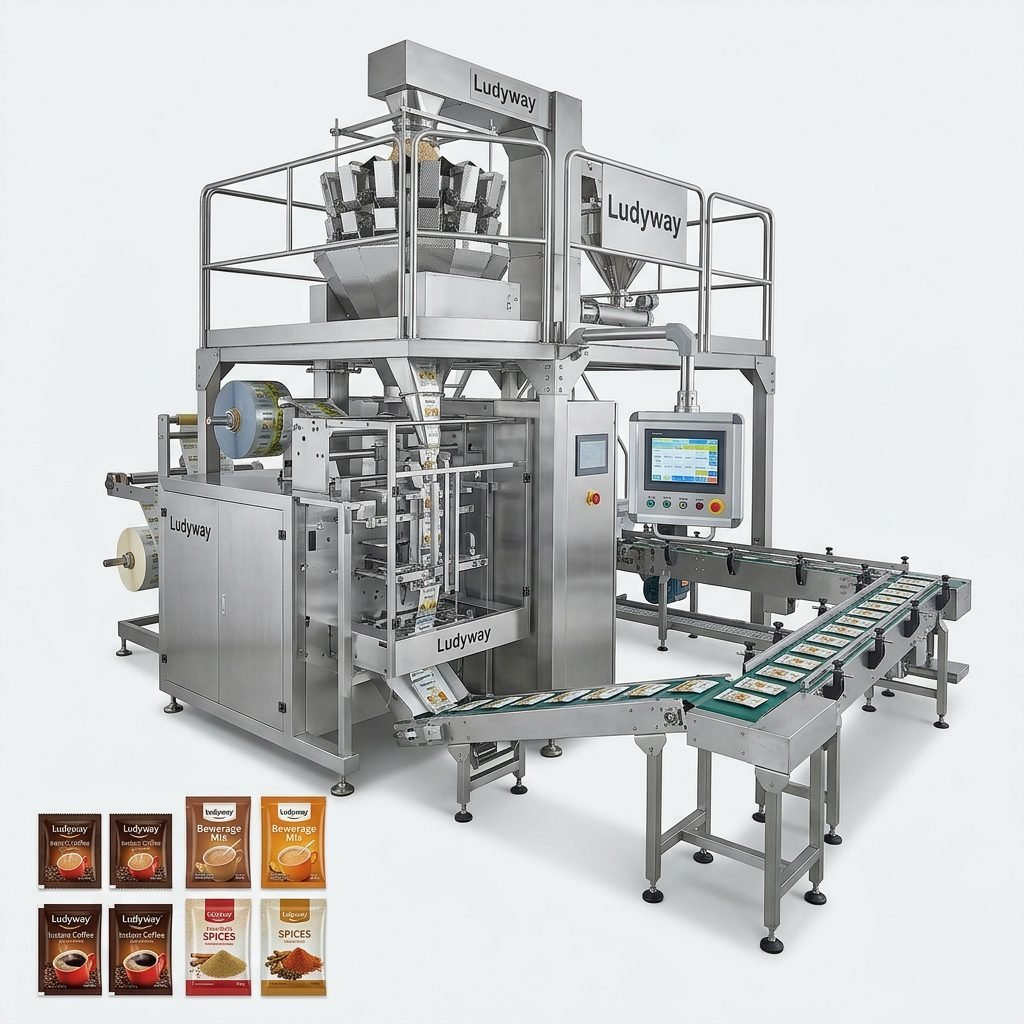
Speed and accuracy in portioning are critical. Multi-head weighers use a combination of weigh buckets to achieve ultra-fast and precise dosing, ideal for snack foods, frozen vegetables, and confectionery. Multi-lane systems, often integrated with VFFS machines, can produce several bags simultaneously, dramatically increasing output.
3. Robotic Palletizing and Case Packing
Automating the end-of-line process eliminates a significant manual labor bottleneck. Robotic arms can gently and accurately pick finished packages and place them into cartons or onto pallets according to pre-programmed patterns, increasing speed and reducing the risk of worker injury.
4. Integrated Production Line Control Systems
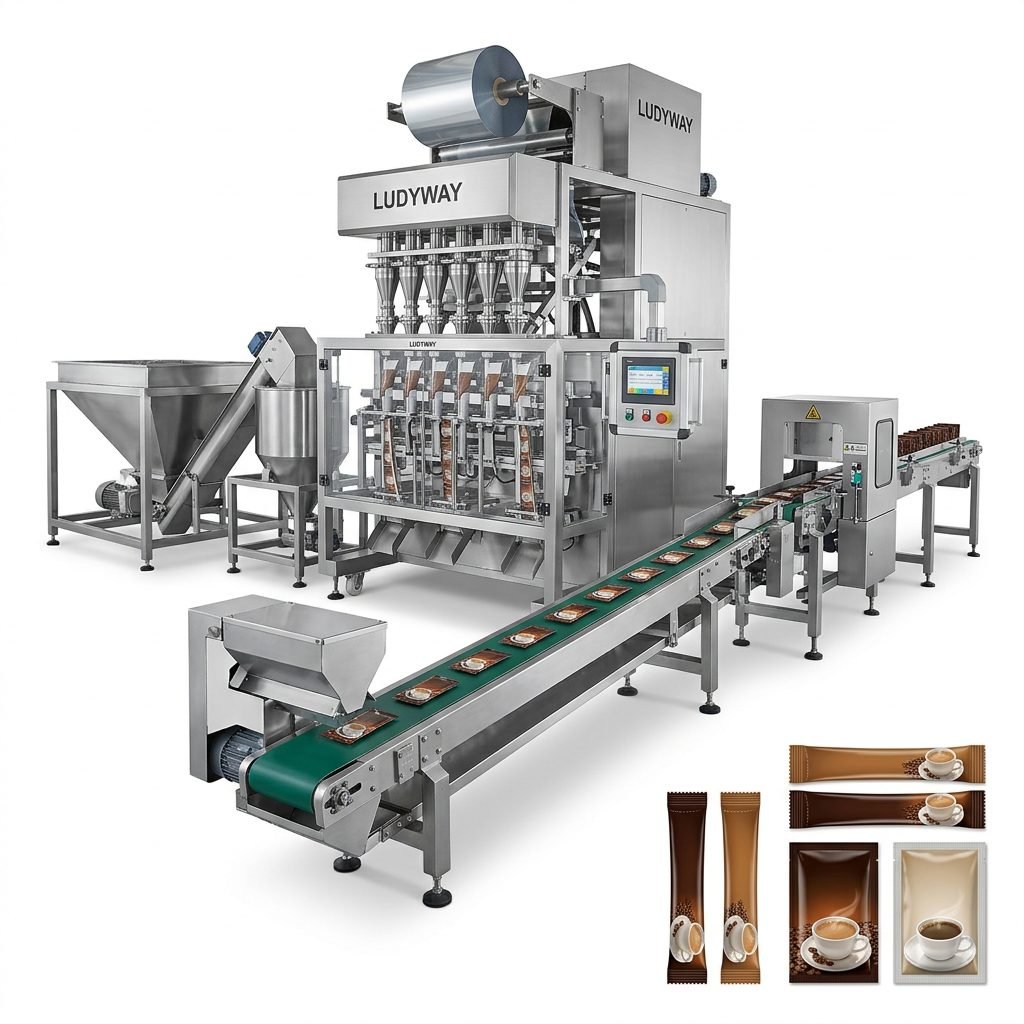
True efficiency is achieved when machines communicate. Modern packaging lines utilize centralized PLC (Programmable Logic Controller) systems and HMI (Human-Machine Interface) panels to synchronize equipment, monitor performance in real-time, and quickly adjust parameters for different products, minimizing changeover downtime.
Essential Solutions for Uncompromised Product Safety
Safety is non-negotiable. Packaging equipment plays a direct role in preventing contamination and ensuring compliance with stringent food safety regulations like HACCP, GMP, and FDA guidelines.
1. Advanced Sealing Technologies
A hermetic seal is the primary barrier against external contaminants. Equipment featuring precise temperature control, consistent pressure application, and seal integrity monitoring (through vision systems or pressure decay tests) is crucial. Solutions for creating tamper-evident seals add an extra layer of consumer safety.
2. Hygienic Design & Easy-Clean Features
Equipment designed with food safety in mind features stainless steel contact surfaces, rounded corners to prevent debris accumulation, and quick-disassembly parts for thorough cleaning and sanitation. This design philosophy minimizes microbial harborage points and supports strict hygiene protocols.
3. In-Line Metal Detection & X-Ray Inspection
Integrating inspection systems directly into the packaging line provides a final, critical check. Metal detectors identify ferrous and non-ferrous metals, while X-ray systems can detect a wider range of physical contaminants (like glass, stone, or bone) and even perform mass calculation and seal inspection.
4. Modified Atmosphere Packaging (MAP) Systems
For fresh or perishable foods, MAP technology extends shelf life naturally. Integrated machines flush the package with a protective gas mixture (like nitrogen or carbon dioxide) before sealing, slowing spoilage and preserving freshness without artificial preservatives.
💡 Pro Tip for Line Optimization:
Do not overlook ancillary equipment. High-quality vibratory feeders, conveyors with gentle handling features, and automated film splicing units contribute significantly to overall line uptime, product presentation, and safety by ensuring smooth, uninterrupted material flow.
Choosing the Right Partner for Your Packaging Needs
Selecting equipment is only half the battle; choosing the right supplier is equally important. A reliable partner like Ludyway Packing Machine brings more than just machinery to the table. Look for a supplier with:
- Proven Industry Experience: Deep understanding of food processing challenges and regulations.
- Customization Capability: Ability to tailor solutions to your specific product, speed, and space requirements.
- Comprehensive Support: Offering installation, training, maintenance, and readily available spare parts.
- Turnkey Project Management: Expertise in designing and integrating complete production lines from a single source.
With over 30 years of collective industry experience, suppliers in this space have evolved from equipment providers to solution partners. They leverage strong engineering capabilities and partnerships with component manufacturers to deliver intelligent packaging systems that are both innovative and reliable.
Future Trends: Smart Packaging and Sustainability
The future of food packaging is intelligent and eco-conscious. Industry 4.0 integration will see more equipment with IoT sensors providing predictive maintenance alerts and detailed production analytics. Furthermore, there is growing demand for machinery capable of handling sustainable and recyclable materials, such as mono-plastic films or compostable laminates, without compromising on machine speed or seal integrity. Investing in adaptable equipment today prepares your operation for these inevitable shifts.
Ultimately, upgrading your food processing and packaging equipment is a strategic investment. It directly enhances operational efficiency, safeguards your brand through superior product safety, and provides the agility to meet evolving market demands. By focusing on integrated solutions that prioritize both performance and protection, manufacturers can build a resilient, competitive, and trustworthy production foundation. For businesses looking to explore a wide range of automated packaging solutions, partnering with an experienced specialist is the most effective path forward.
Frequently Asked Questions (FAQs)
1. How do I determine the right packaging machine speed for my needs?
Calculate your required output in bags/packs per minute or hour, considering both current demand and projected growth. Factor in necessary downtime for changeovers and maintenance. A reliable supplier can help you analyze these requirements and recommend a machine that meets your target with a suitable margin for efficiency.
2. What are the most important hygienic features to look for in food packaging equipment?
Prioritize equipment with food-grade stainless steel construction on product contact zones, IP-rated electrical components for washdown environments, and a design with minimal ledges or crevices. Easy-access panels and tool-free disassembly for cleaning are also critical features for maintaining hygiene standards.
3. Can new packaging equipment handle sustainable or biodegradable materials?
Many modern machines are being adapted for this purpose. However, it is essential to discuss your specific material (e.g., compostable film, paper laminates) with the equipment supplier during the selection process. Material properties like tensile strength, slip, and sealability can require adjustments to film tension, sealing temperature, and jaw pressure.
4. What is the typical ROI period for a new automated packaging line?
The return on investment depends on factors like labor cost savings, increased output, reduced material waste, and lower downtime. While it varies by project, many operations see a full ROI within 1 to 3 years through significant gains in productivity and operational consistency.
5. How crucial is after-sales service and technical support?
Extremely crucial. Even the best equipment may require maintenance or troubleshooting. Choose a supplier known for responsive technical support, readily available spare parts, and comprehensive operator training. This support minimizes costly production stoppages and ensures your investment performs optimally over its entire lifespan.