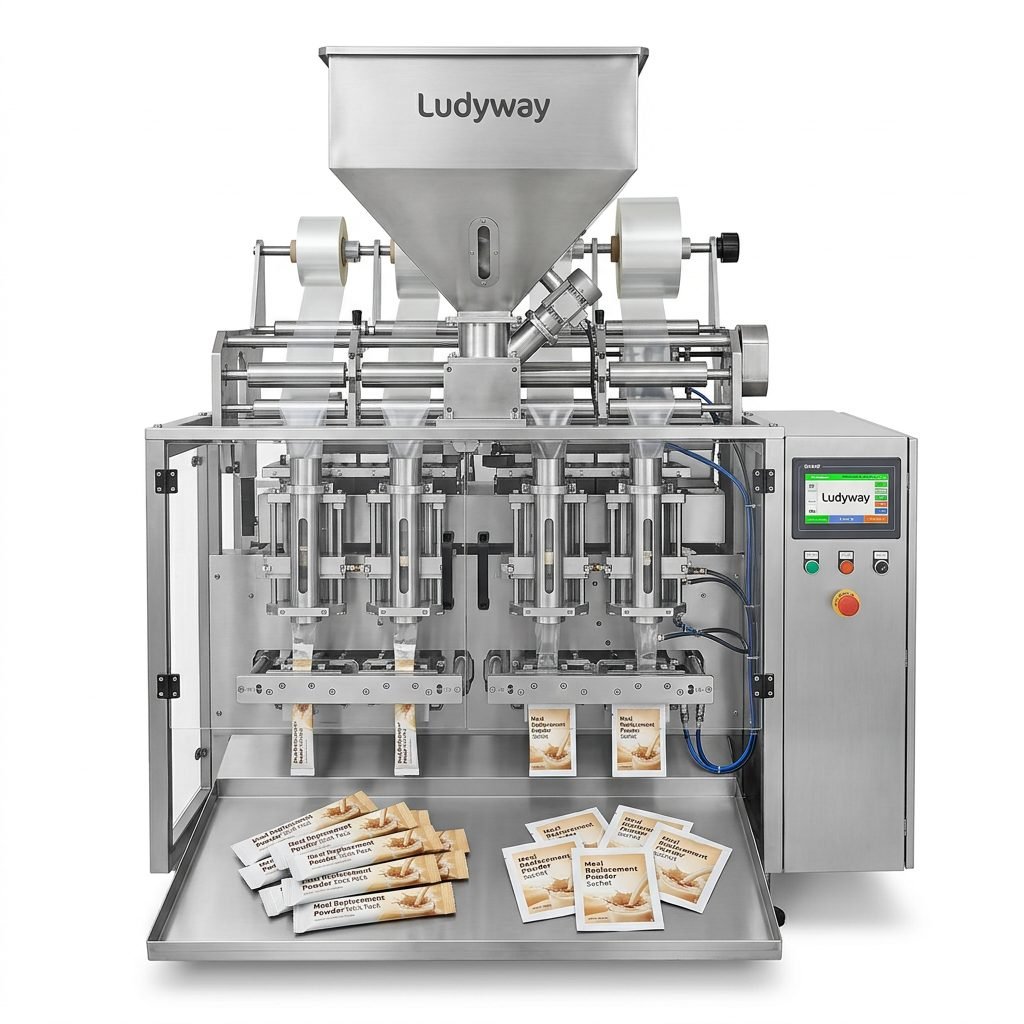
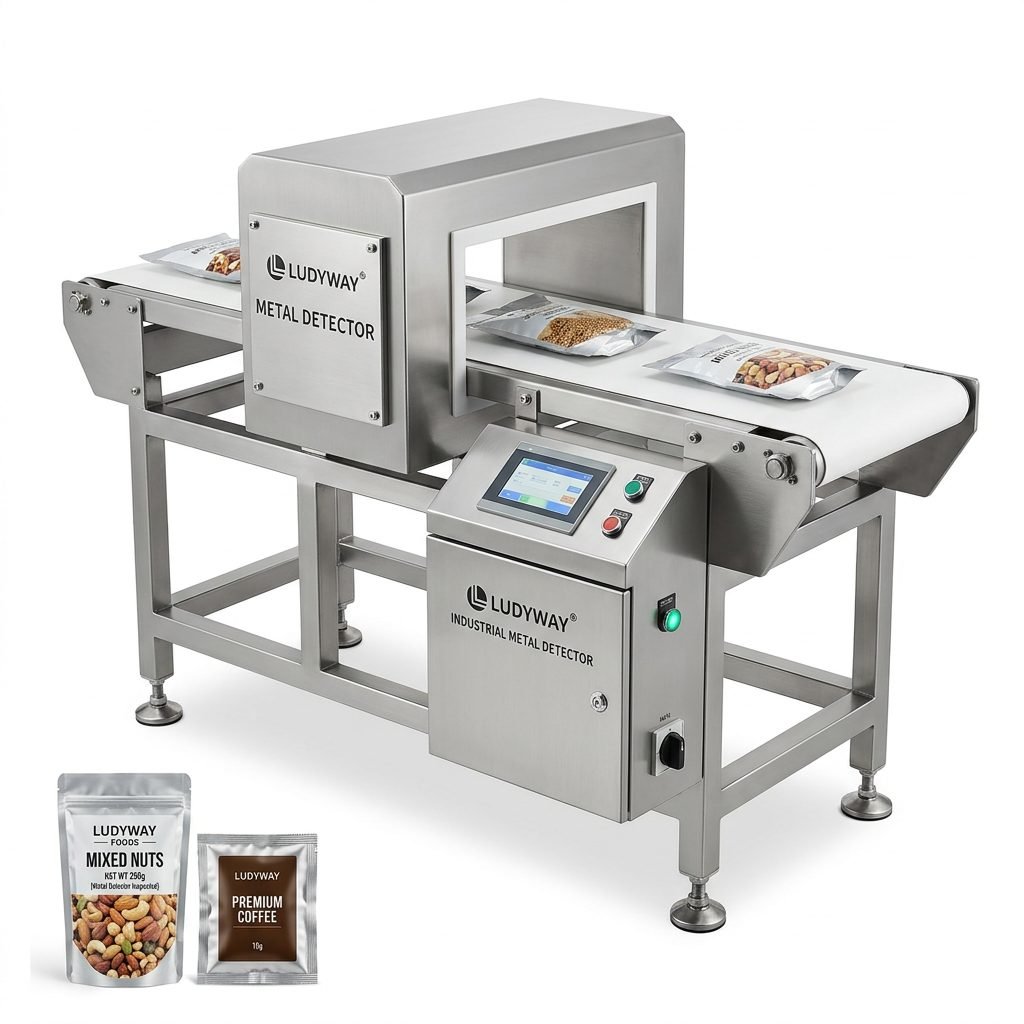
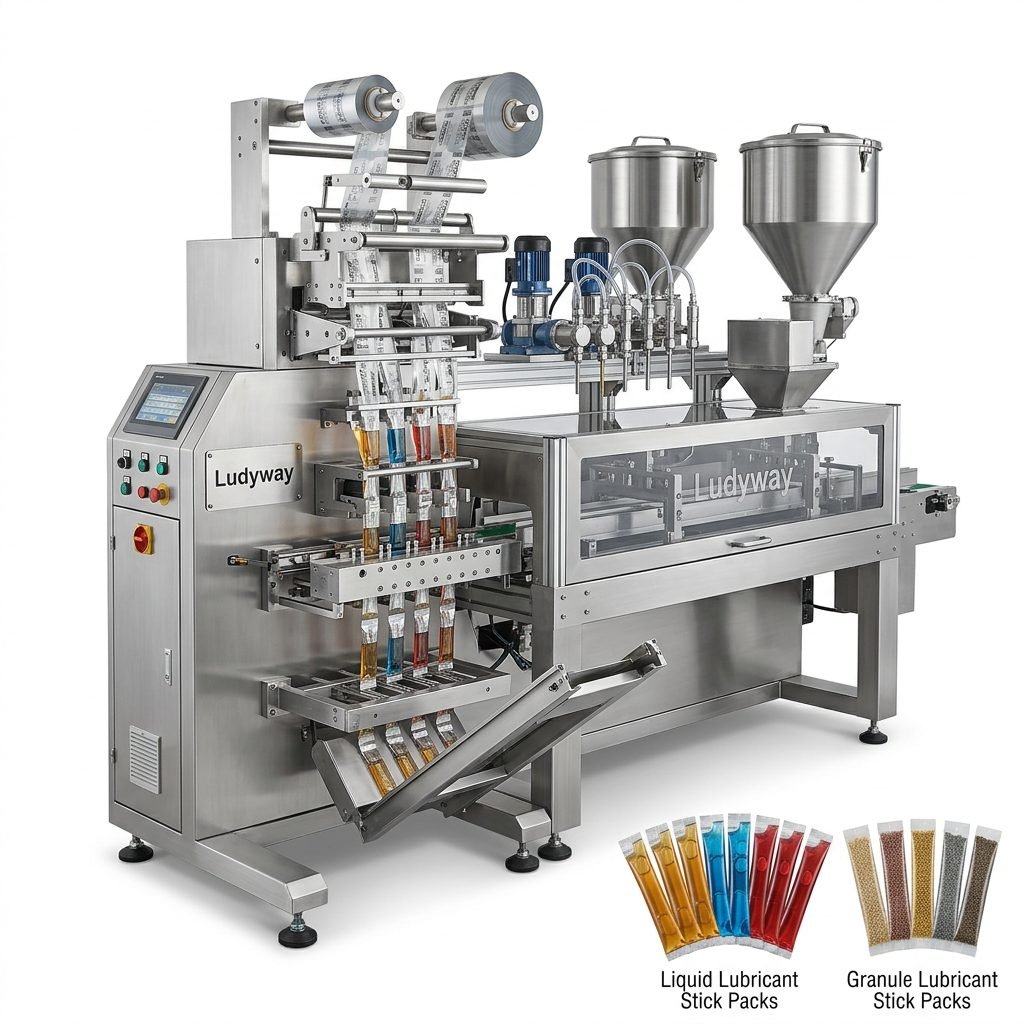
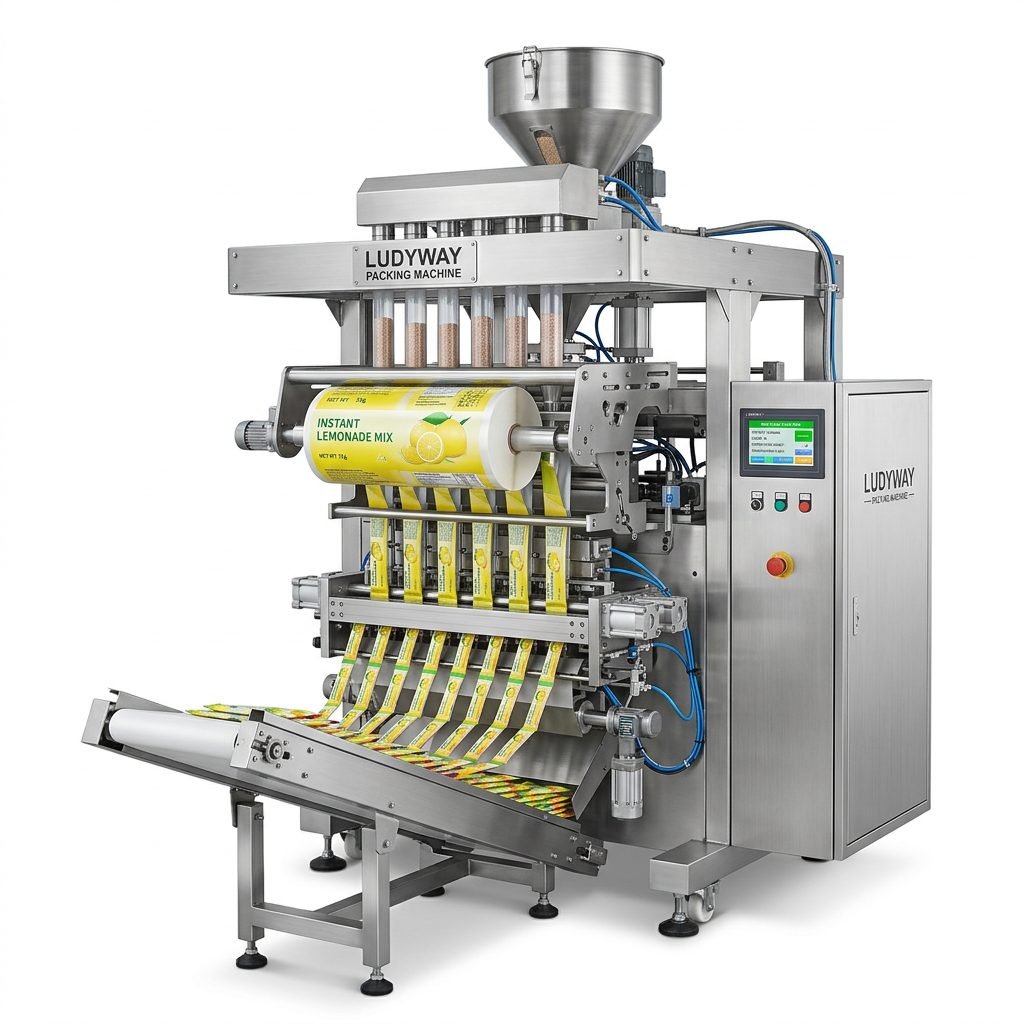
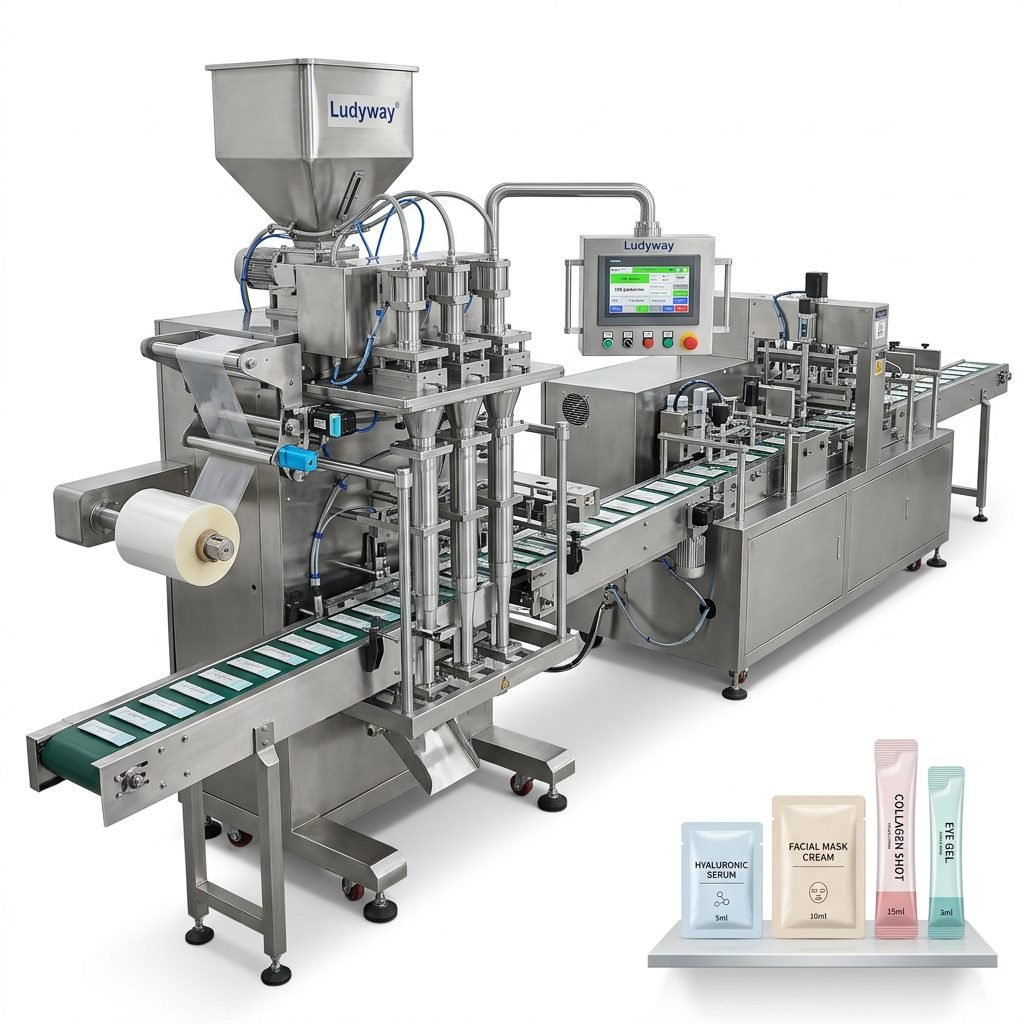
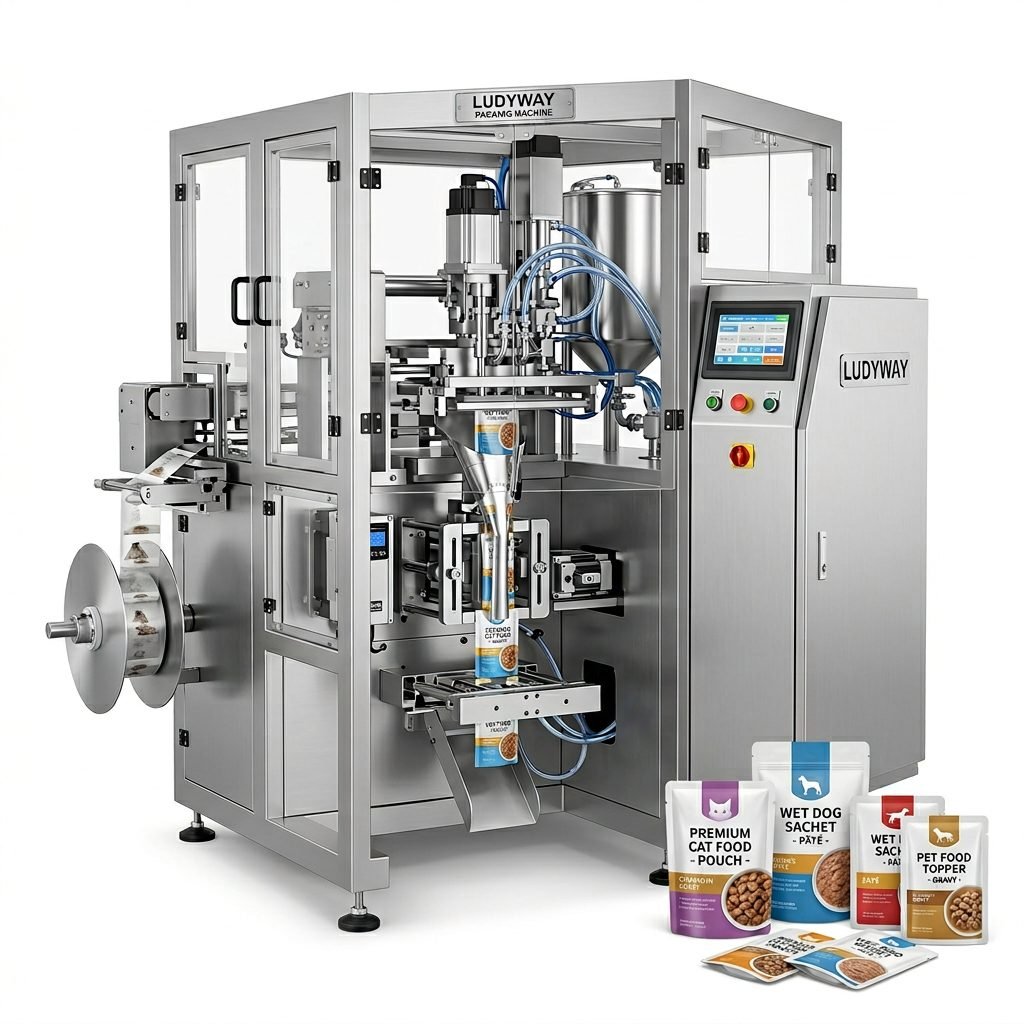
In today’s competitive manufacturing landscape, optimizing production efficiency while managing capital expenditure is a constant challenge. One strategic approach gaining significant traction is the acquisition of used packaging machinery. This article explores the compelling value proposition of pre-owned industrial packaging equipment, highlighting how it enables businesses to achieve efficient, high-quality production at a fraction of the cost of new machinery.
The Strategic Advantage of Used Packaging Machinery
Investing in used industrial equipment is no longer seen as a compromise but as a smart, strategic business decision. For growing companies, startups, or established firms looking to expand capacity without crippling upfront investment, the secondary market offers a viable and often superior path. High-quality packaging machines are built to last for decades, meaning a well-maintained used machine can deliver performance nearly identical to a new unit.
Key Benefit: The most immediate and impactful advantage is cost savings. You can typically acquire a used machine for 30% to 70% less than its original price, freeing up capital for other critical areas like marketing, R&D, or raw materials.
Ensuring Quality and Reliability in Pre-Owned Equipment
The primary concern for any buyer is the condition and remaining lifespan of used machinery. This is where partnering with a reputable supplier becomes paramount. Established companies like Ludyway Machinery, with deep industry roots, don’t just broker equipment; they often source, refurbish, and certify machines to meet specific operational standards.
A professional supplier will provide a comprehensive service history, conduct thorough mechanical and electrical inspections, and perform necessary refurbishments. This may include replacing worn seals and bearings, updating critical safety components, calibrating sensors, and testing the machine under load to ensure it meets production specifications.
Popular Types of Used Packaging Machines Available
The secondary market is rich with a variety of equipment to suit different packaging formats and industries. Common categories include:
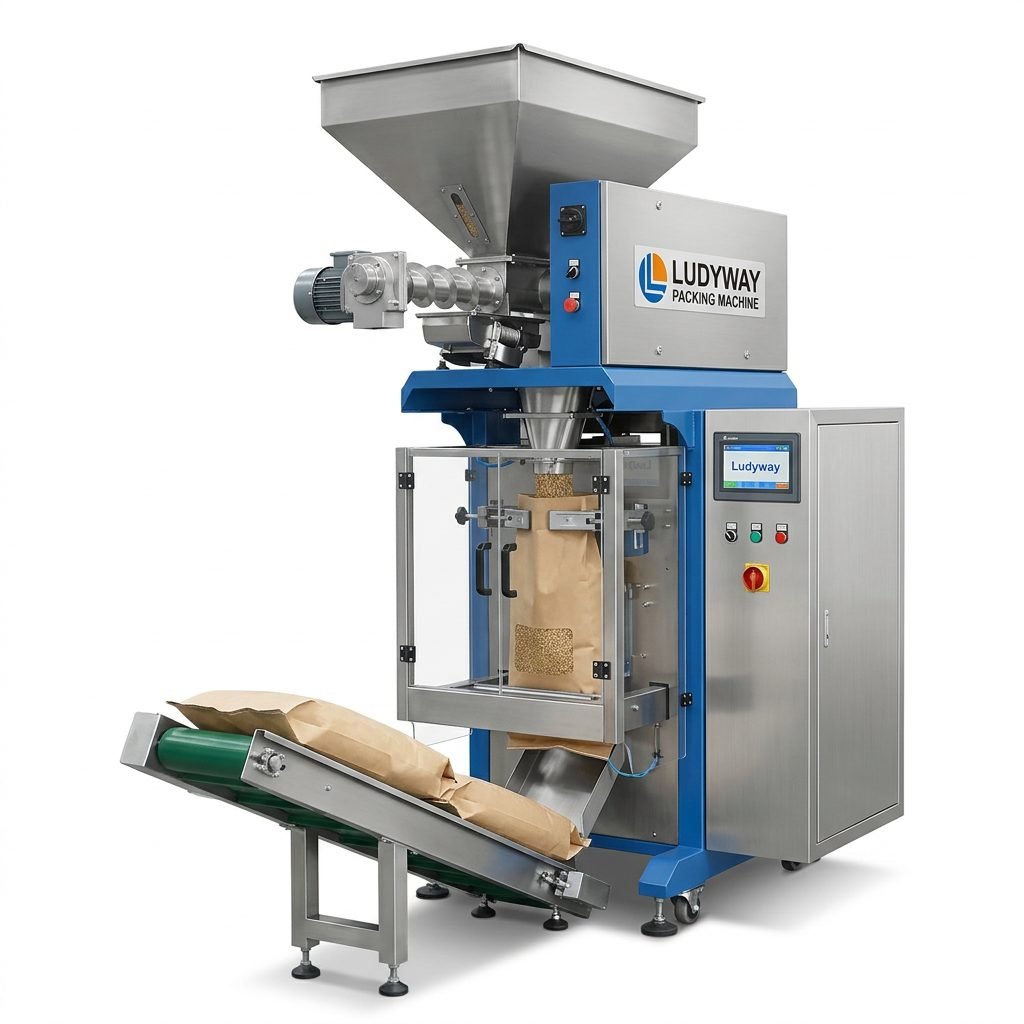
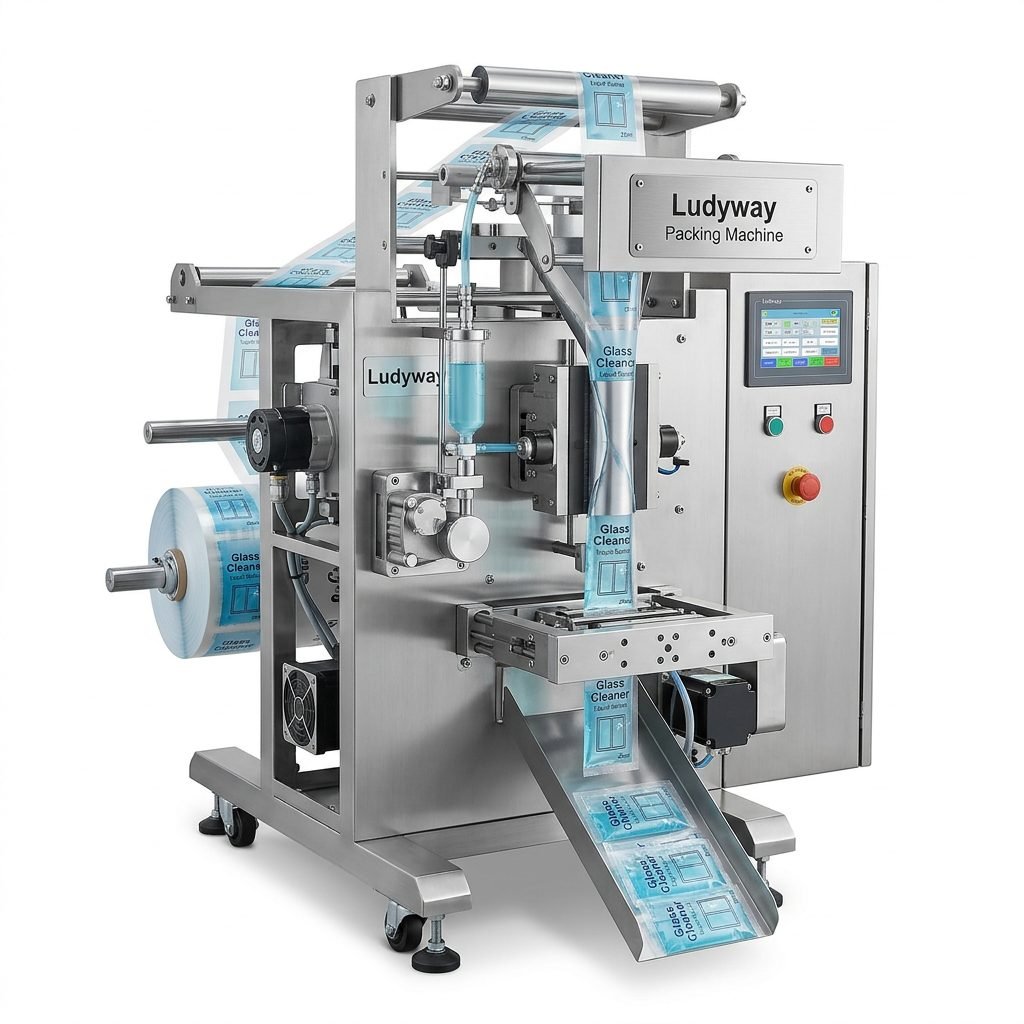
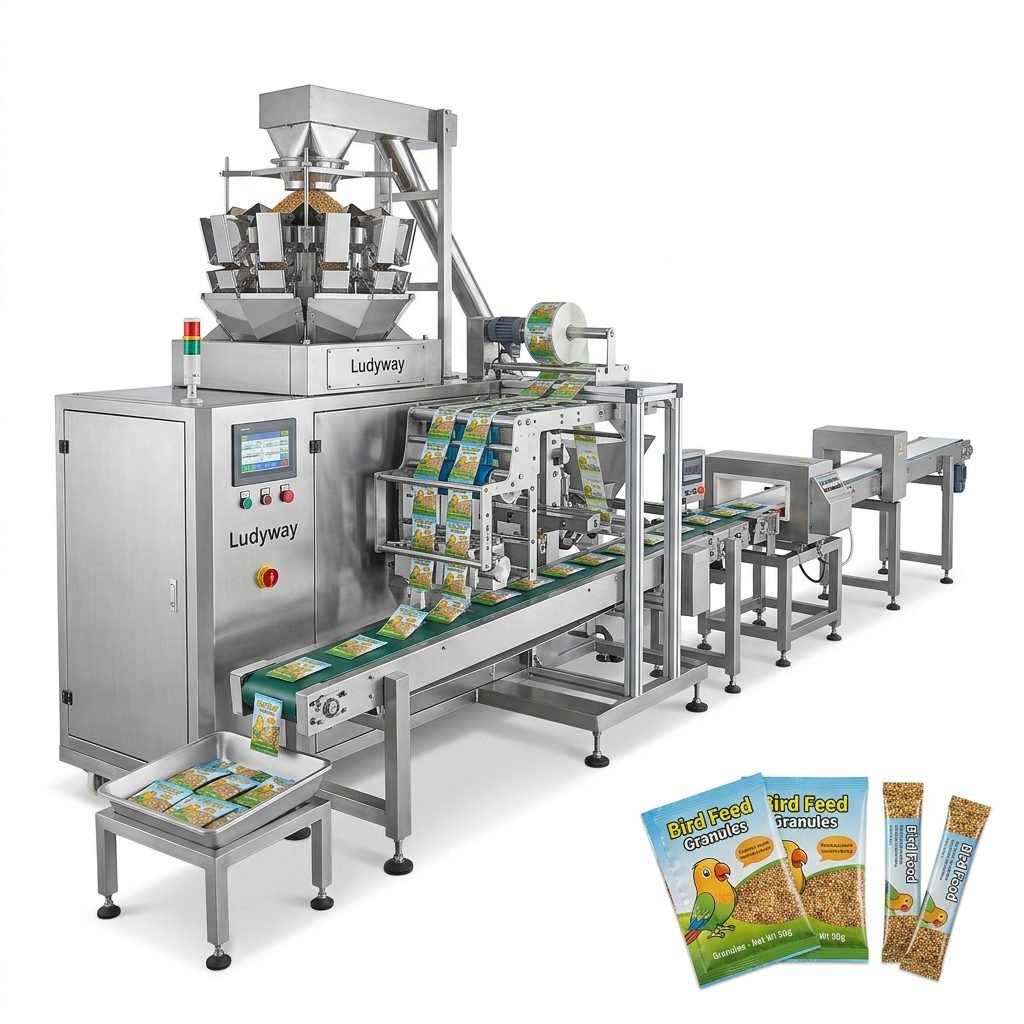
- Vertical Form-Fill-Seal (VFFS) Machines: The workhorses for packaging granules, powders, and liquids into pouches and sachets.
- Stick Pack Machines: Ideal for single-serve portions of coffee, sugar, supplements, and pharmaceuticals.
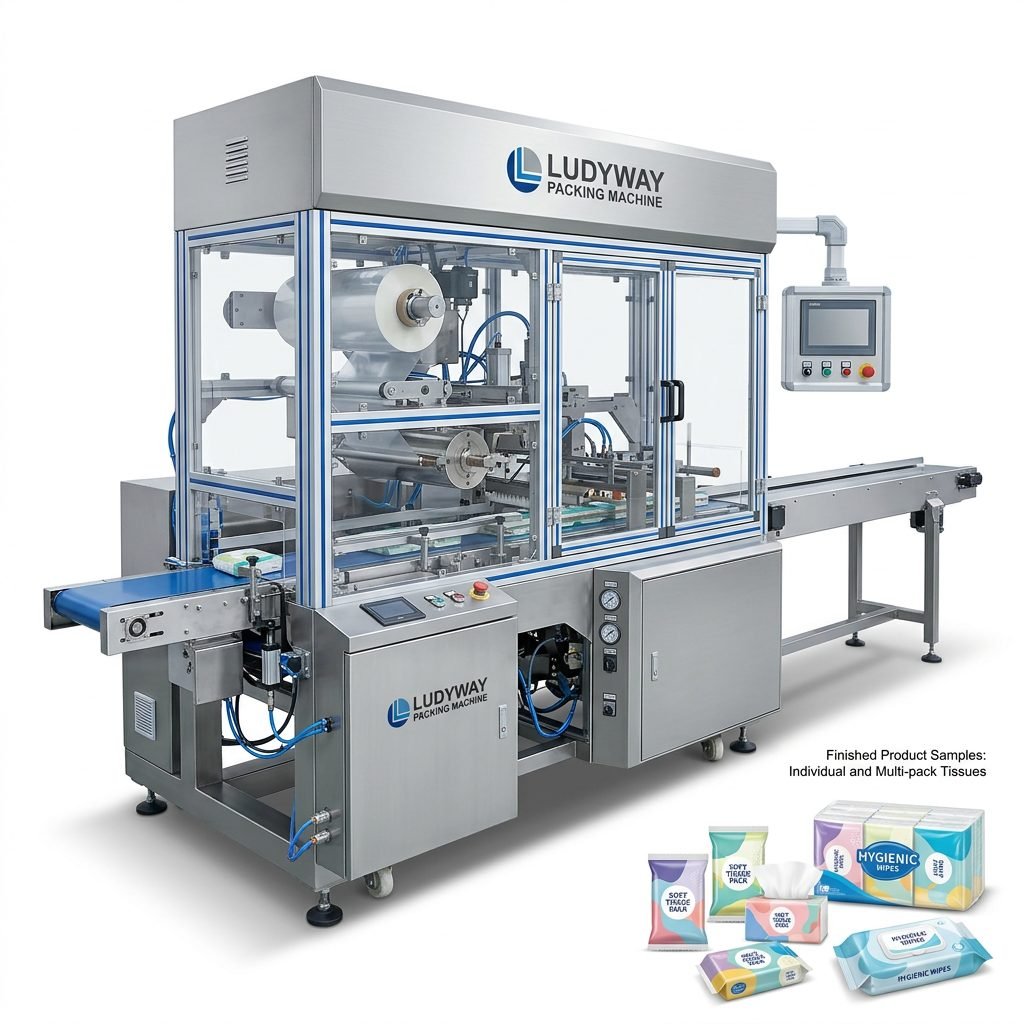
- Cartoning Machines: For automatic loading and closing of cartons, often integrated with other packaging lines.
- Liquid Filling & Capping Lines: Used for bottling beverages, oils, sauces, and chemical products.
- Labeling and Coding Systems: Essential for applying product labels and printing batch/expiry dates.
Maximizing Your Investment: Due Diligence Checklist
Before finalizing a purchase, a systematic evaluation is crucial. Follow this checklist to mitigate risk and ensure a sound investment:
- Verify Machine History: Request documentation on service records, parts replacements, and previous operating environment.
- Inspect Physically or Via Video: Look for signs of corrosion, excessive wear, and overall cleanliness. A well-maintained machine is a good indicator.
- Request a Performance Test: Ask the seller to run the machine with a material similar to yours and provide data on speed, accuracy, and seal integrity.
- Check Parts & Service Support: Ensure that spare parts are still available from the OEM or the seller, and inquire about technical support options post-purchase.
- Understand the Total Cost: Factor in potential refurbishment costs, shipping, installation, and any necessary utility upgrades at your facility.
The Role of Expert Suppliers in the Used Equipment Market
Navigating the used machinery market alone can be daunting. This is where specialized suppliers add immense value. A company with a long-standing reputation, such as Ludyway Machinery, brings over a decade of industry-specific experience to the table. They act as a curator of quality, selecting only robust machines from known manufacturers and often supporting them with their own engineering expertise.
Beyond the Sale: The best suppliers offer more than just a transaction. They provide project consultation, helping you select the right machine for your product and output goals. They may offer installation guidance, operator training manuals, and reliable after-sales support, turning a simple equipment purchase into a long-term partnership for production success.
Integrating Used Machinery into Your Production Line
Successfully deploying a used machine requires careful planning. Start by auditing your current line’s bottlenecks. Is it filling speed, sealing reliability, or labeling accuracy? Target a used machine that specifically addresses this gap. Ensure your facility’s electrical supply, compressed air, and floor space are compatible with the new (to you) equipment.
Plan for a thorough cleaning and sanitation process upon arrival. Schedule time for installation, calibration, and test runs with your actual product before going live. Having your maintenance team involved from the start helps them understand the machine’s intricacies, ensuring smoother long-term operation.
Conclusion: A Smart Path to Enhanced Production Efficiency
The market for used packaging machinery presents a formidable opportunity for businesses aiming to scale intelligently. By prioritizing quality, conducting diligent checks, and partnering with knowledgeable suppliers, manufacturers can acquire industrial-grade equipment that boosts productivity, maintains product quality, and safeguards their bottom line. It’s a testament to the enduring build quality of packaging machinery and a strategic lever for competitive advantage.
Frequently Asked Questions (FAQs)
What is the typical lifespan of a used packaging machine?
A well-maintained packaging machine from a reputable brand can have an operational lifespan of 15-25 years or more. A quality used machine, often halfway through this lifecycle, can still provide many years of reliable service. The key factors are its maintenance history and the operating conditions it will face in your facility.
How can I verify the condition and performance of a used machine before buying?
Always request a live or recorded video performance test using a material similar to your own. Ask for detailed inspection reports, service history logs, and high-resolution photos of critical areas like the sealing jaws, drive systems, and control panel. Reputable suppliers like Ludyway Machinery are transparent and will facilitate these checks.
Are spare parts readily available for older used machinery models?
Availability varies. For very old or obsolete models, parts may be scarce. This is why it’s advisable to purchase used machines from major brands with active parts networks or from suppliers who stock common wear parts and can provide drawings for custom fabrication if needed. Always clarify parts support before purchase.
What kind of warranty or support comes with used equipment?
Warranties on used machinery are typically shorter than for new equipment, often ranging from 30 days to 6 months on specific refurbished components. The most valuable support is the supplier’s technical expertise and their commitment to helping you get the machine running successfully, which can be more important than a lengthy warranty.
Is used machinery suitable for food-grade or pharmaceutical applications?
Yes, but with strict conditions. The machine must have a suitable material history (e.g., no toxic substances) and be capable of being thoroughly sanitized. You should plan for a complete disassembly, deep cleaning, replacement of all product-contact seals and gaskets, and potentially re-certification to meet your industry’s hygiene standards before putting it into production.