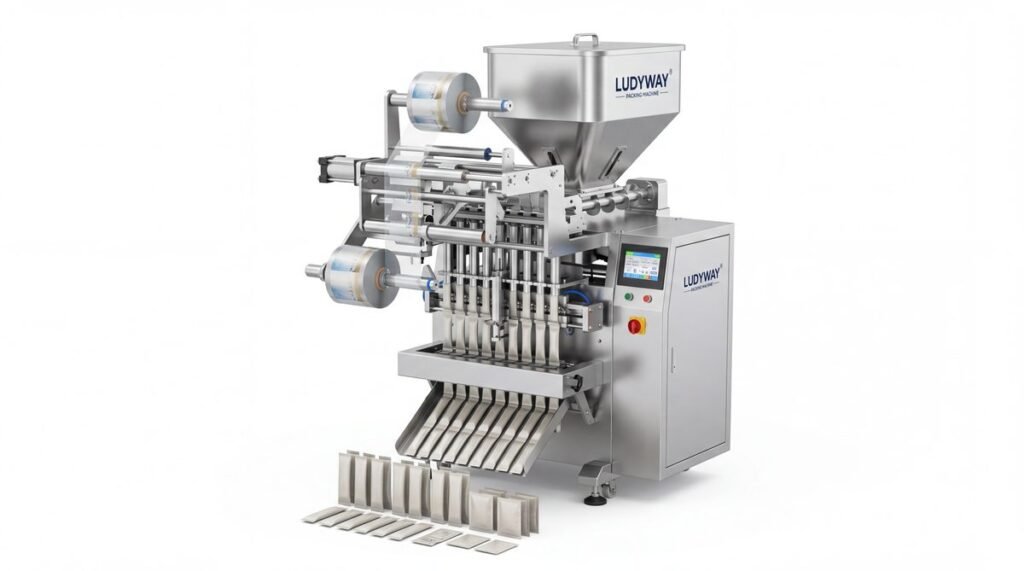
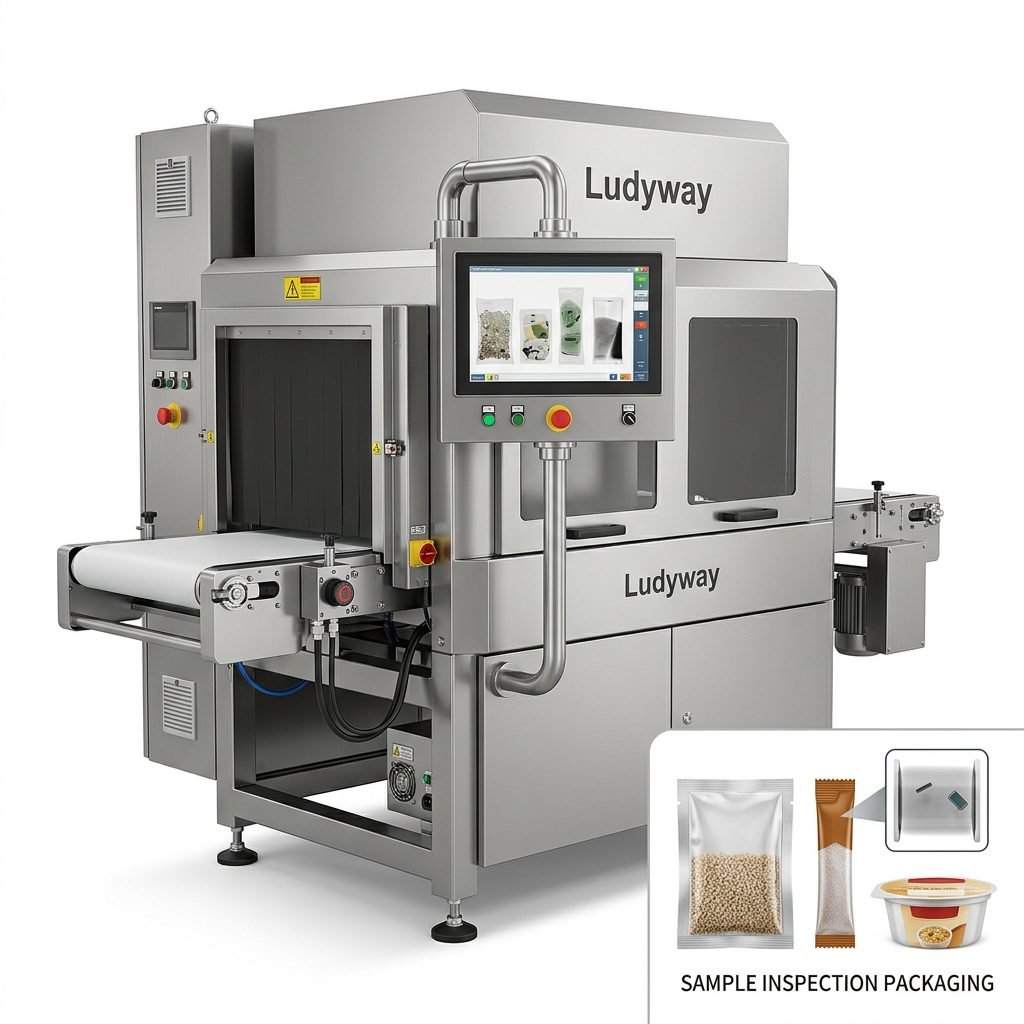
Investing in the right dry food packaging machine is one of the most critical decisions for food manufacturers looking to scale production, maintain product freshness, and optimize operational efficiency. Asia has emerged as a dominant force in packaging machinery manufacturing, offering a wide range of equipment at competitive price points. However, navigating the diverse supplier landscape requires careful evaluation of machine specifications, manufacturer credibility, and after-sales support.
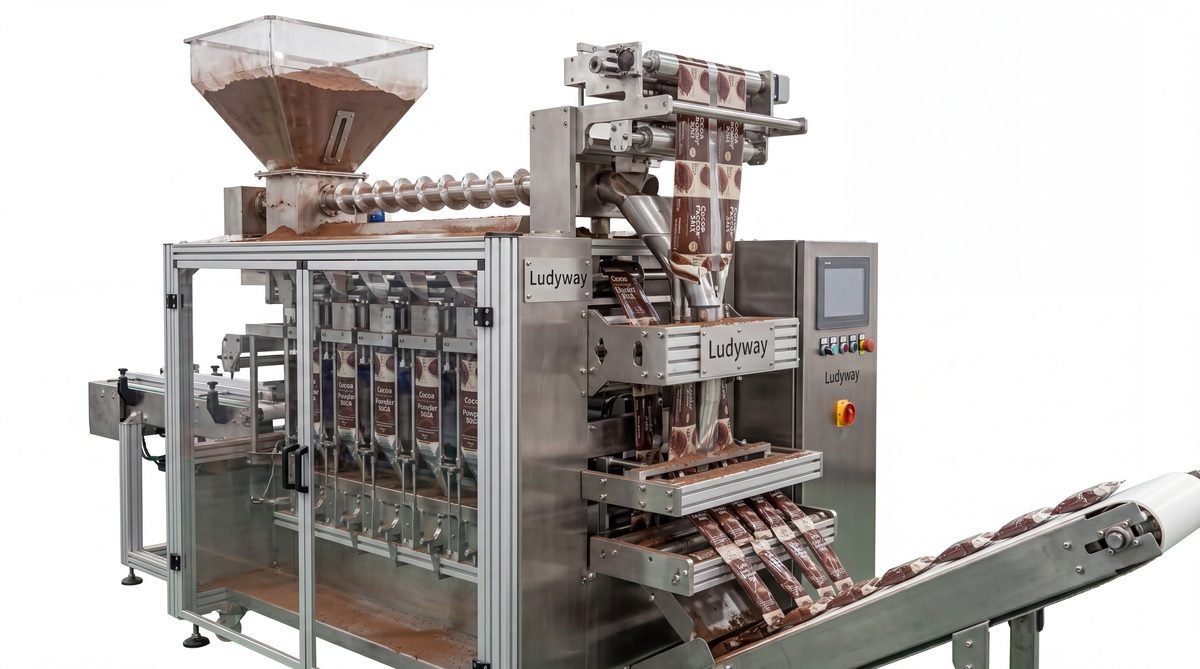
Understanding the Dry Food Packaging Machine Market in Asia
Asia accounts for a significant share of global packaging machinery production, with countries like China, India, Japan, and South Korea leading the way. The region’s manufacturing ecosystem benefits from mature supply chains, skilled engineering talent, and continuous investment in automation technology. According to industry data from PMMI’s business intelligence reports, the Asia-Pacific packaging machinery market continues to expand at a robust pace, driven by rising demand for processed and convenience foods.
Dry food products — including powders, granules, flakes, and dehydrated ingredients — require specialized packaging solutions that protect against moisture, oxygen, and contamination while ensuring precise portion control. This guide covers everything you need to know before purchasing a dry food packaging machine from Asian manufacturers.
Why Source Dry Food Packaging Machines from Asia?
- Cost-Effectiveness: Asian manufacturers typically offer machinery at 30% to 50% lower costs compared to European or North American counterparts, without necessarily compromising on quality.
- Technology Advancement: Leading Asian producers now integrate servo-driven controls, multi-lane configurations, and IoT-enabled monitoring systems into their packaging lines.
- Customization Capabilities: Many manufacturers offer OEM and turnkey solutions tailored to specific product characteristics and production requirements.
- Faster Lead Times: Proximity to component suppliers and streamlined manufacturing processes often result in shorter delivery timelines.
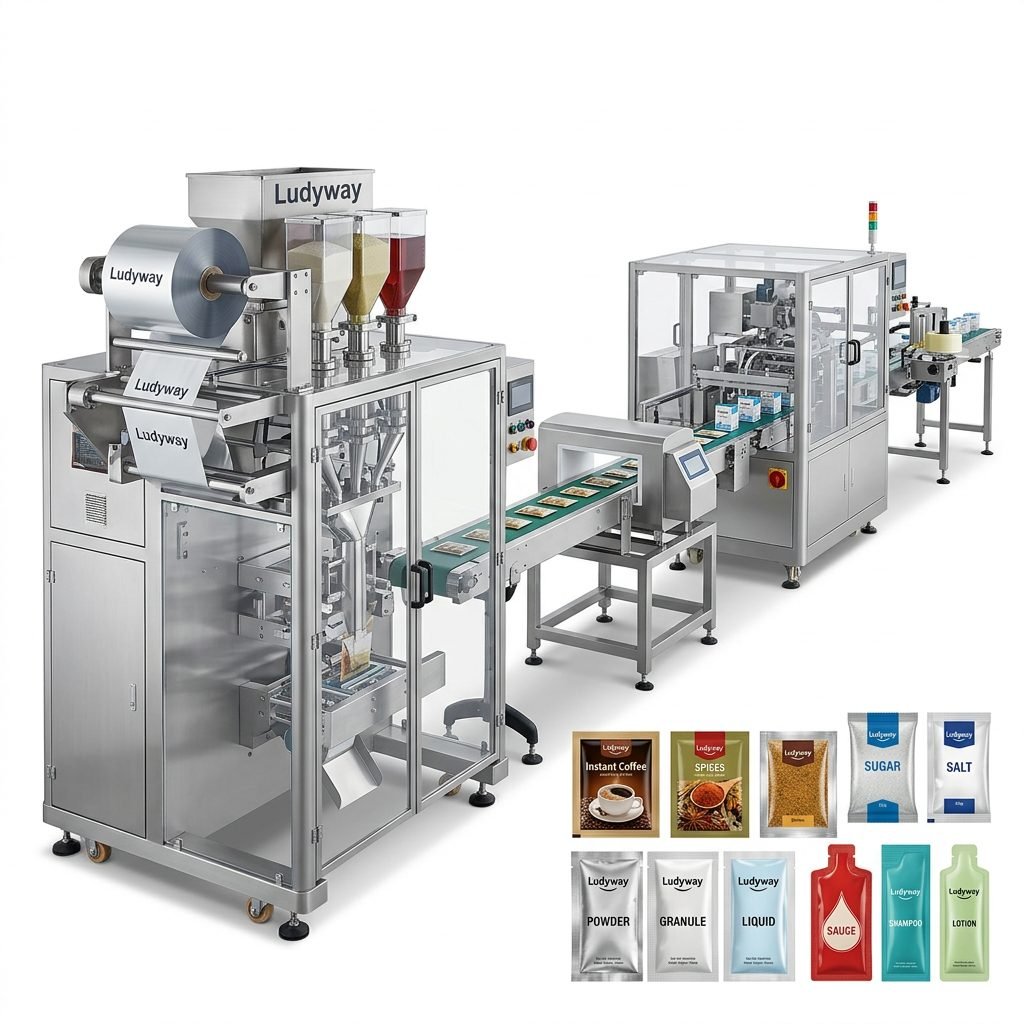
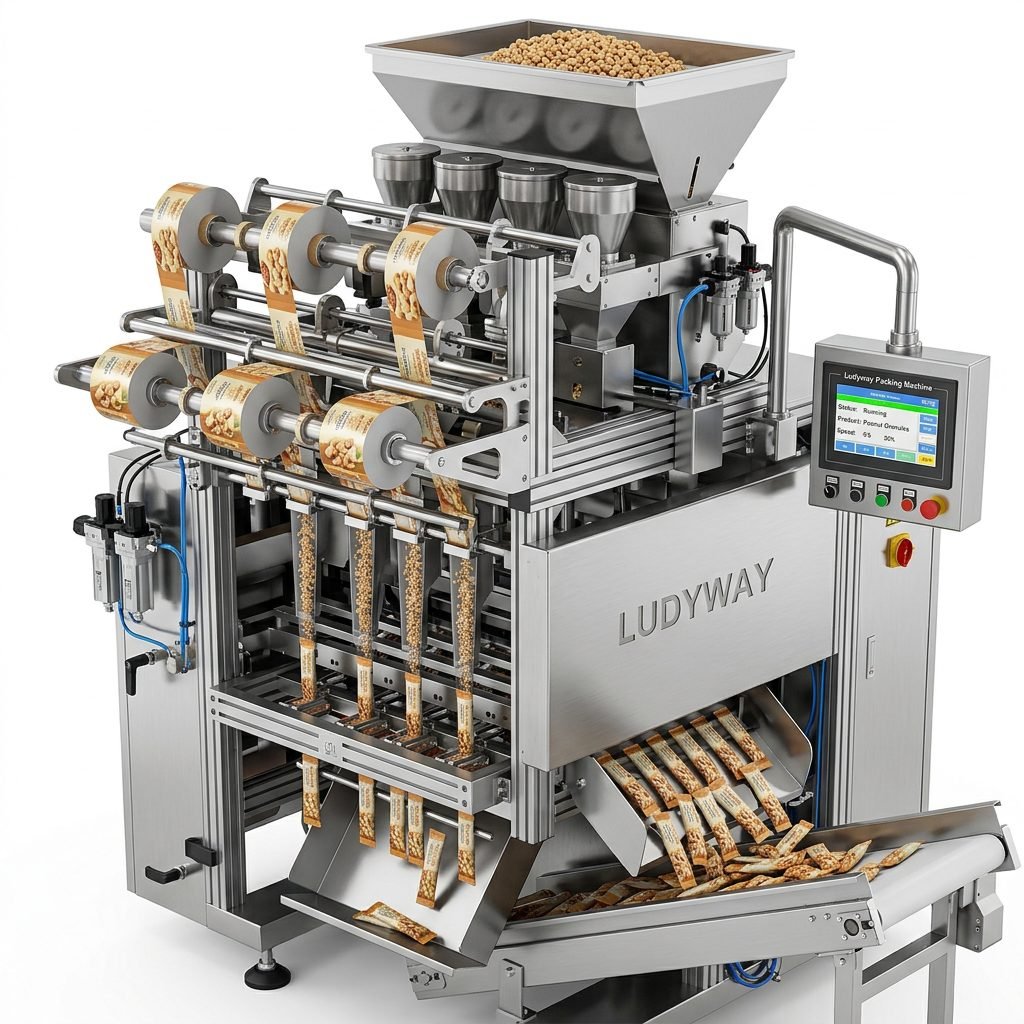
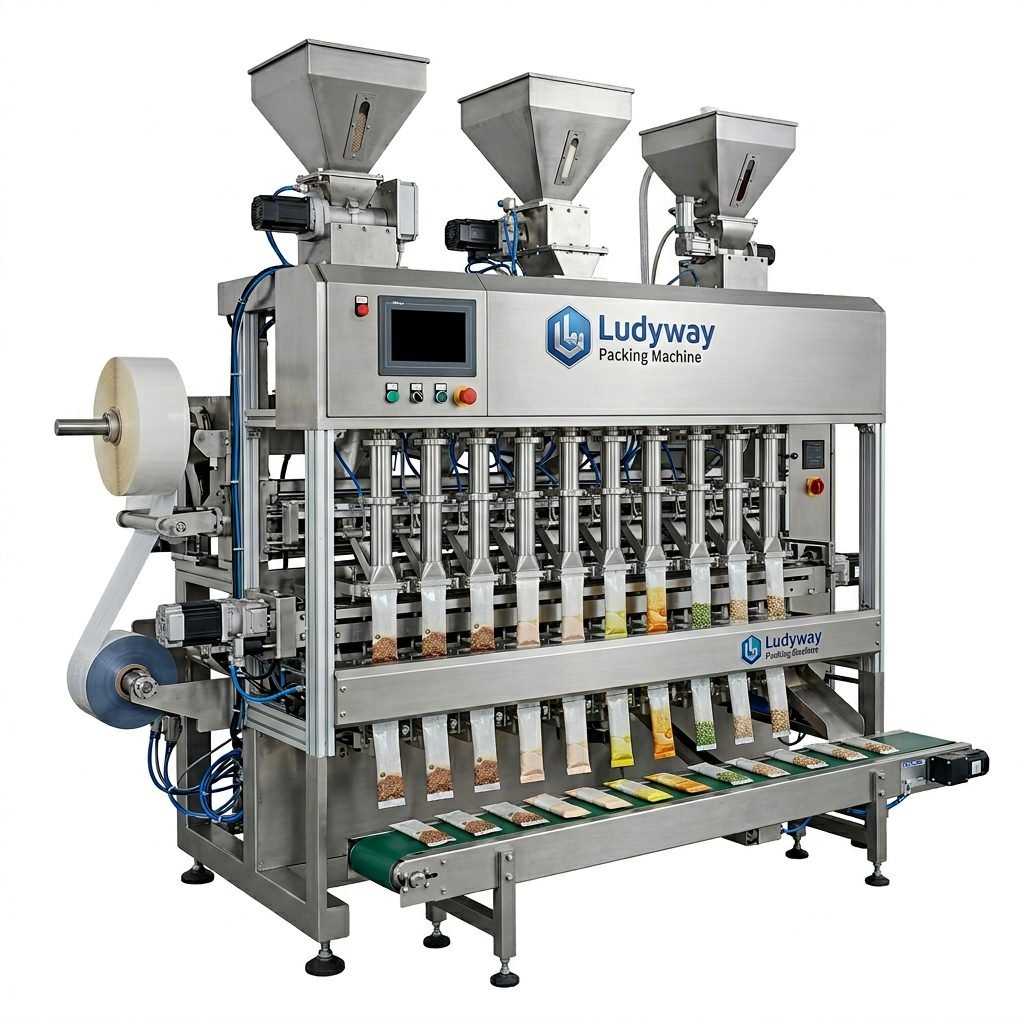
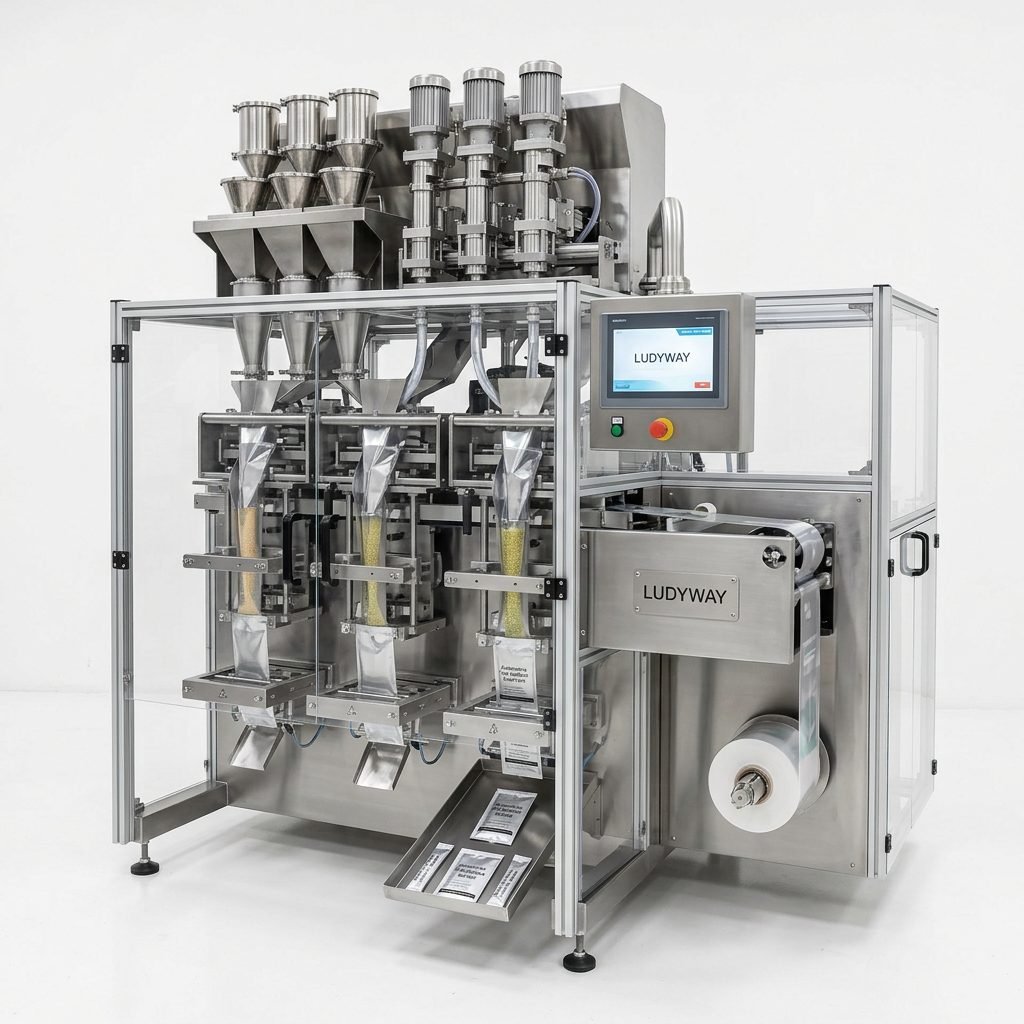
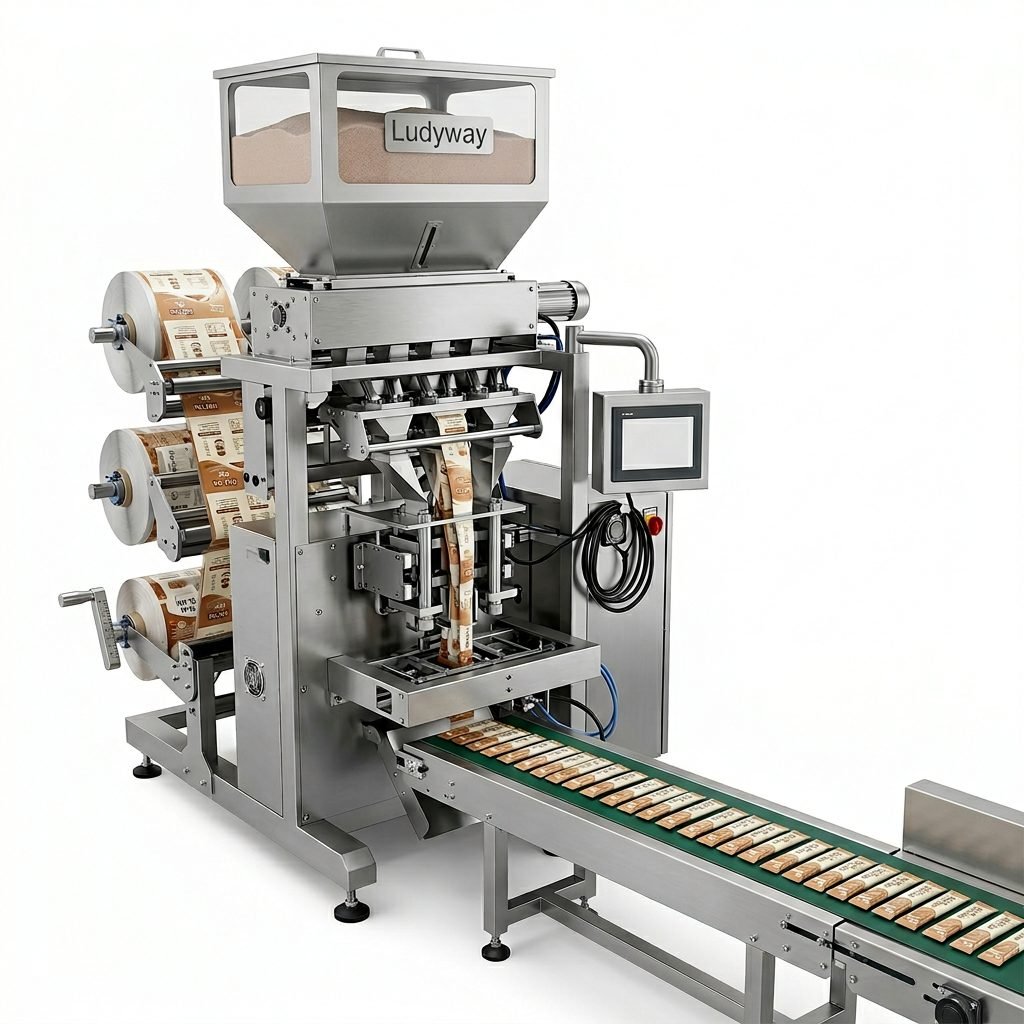
- Diverse Product Range: From compact single-lane sachet machines to fully automated multi-lane stick pack systems, Asian suppliers cover virtually every packaging format.
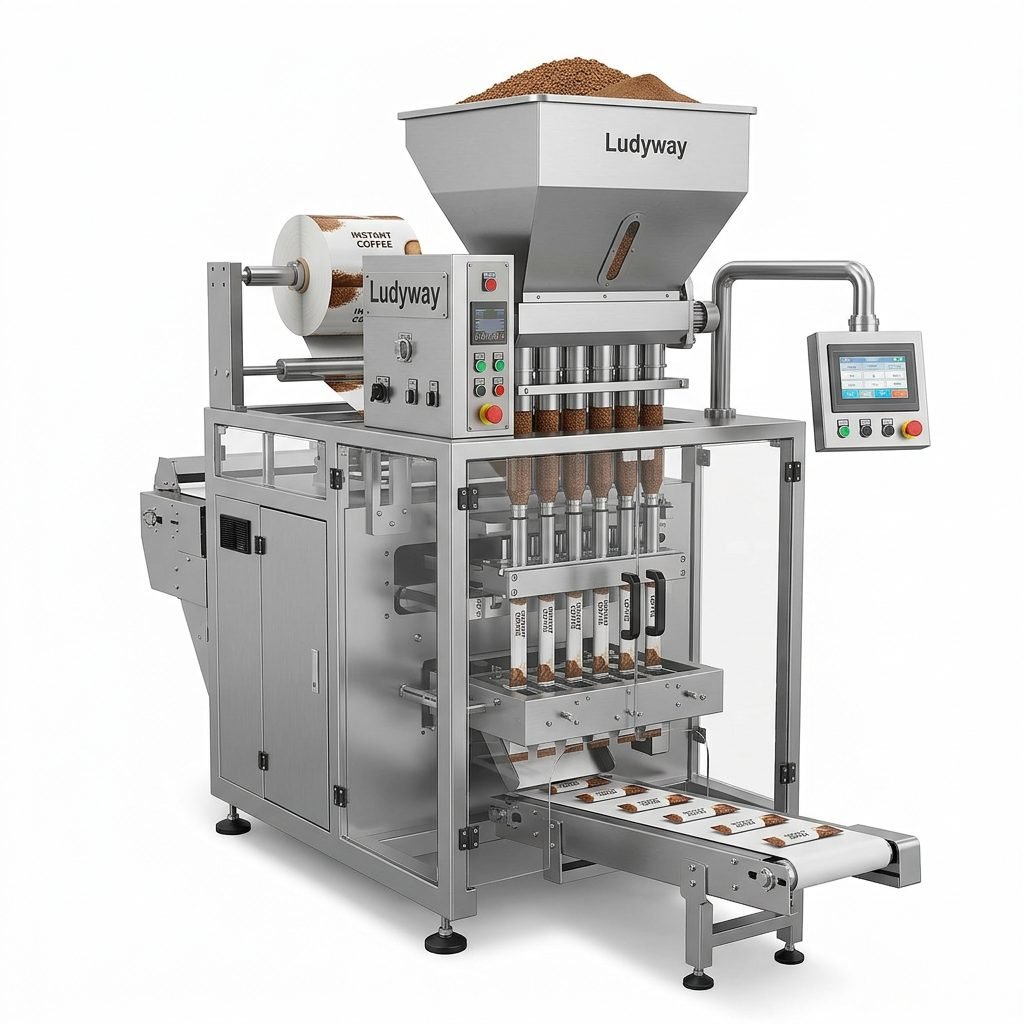
Key Factors to Consider When Buying
Production Capacity and Speed
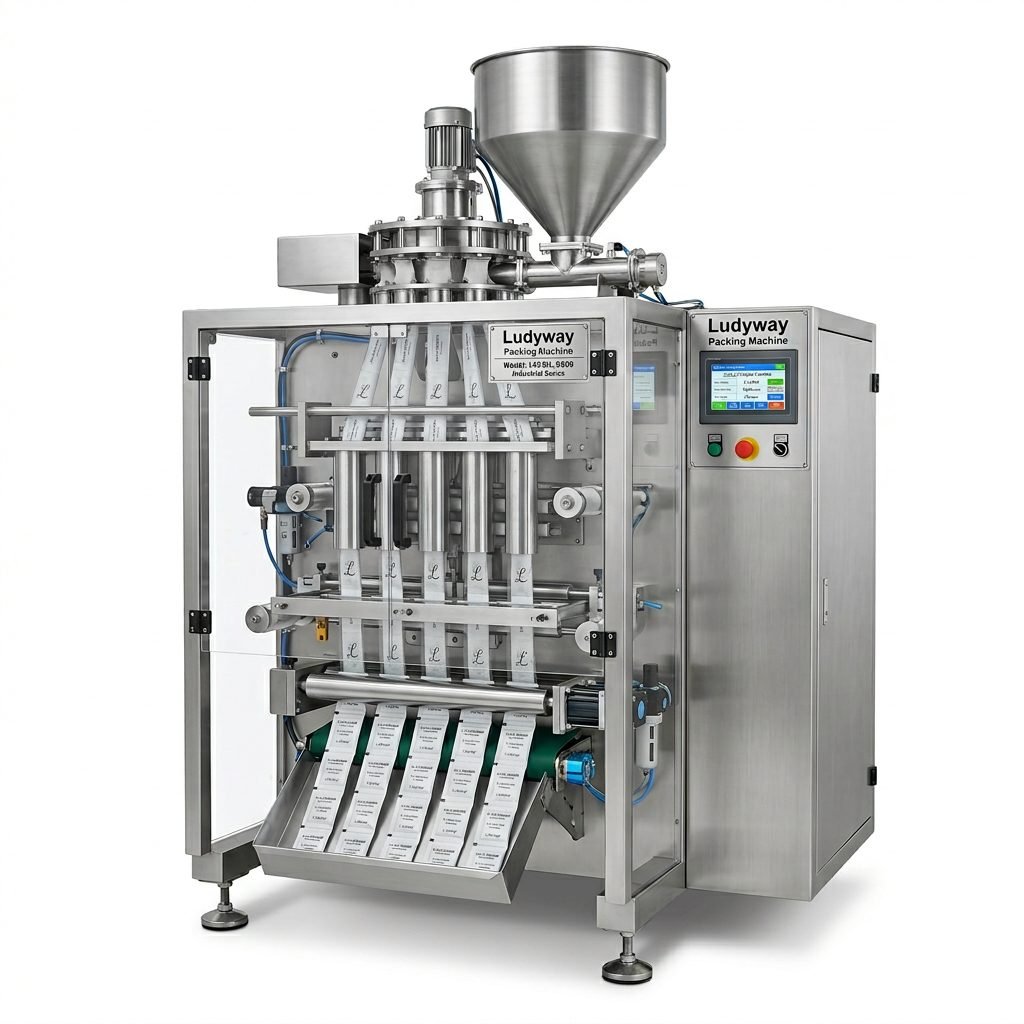
Determine your required output per minute or per shift. Multi-lane stick pack machines can achieve speeds of 400 to 800 packs per minute, while single-lane sachet machines typically operate at 40 to 80 packs per minute. Match the machine’s rated speed with your current and projected production volumes.
Packaging Material Compatibility
Different dry food products require different packaging films — from moisture-barrier laminates to metallized films and biodegradable materials. Verify that the machine can handle your preferred packaging material’s thickness, sealing temperature range, and tensile strength.
Machine Configuration and Footprint
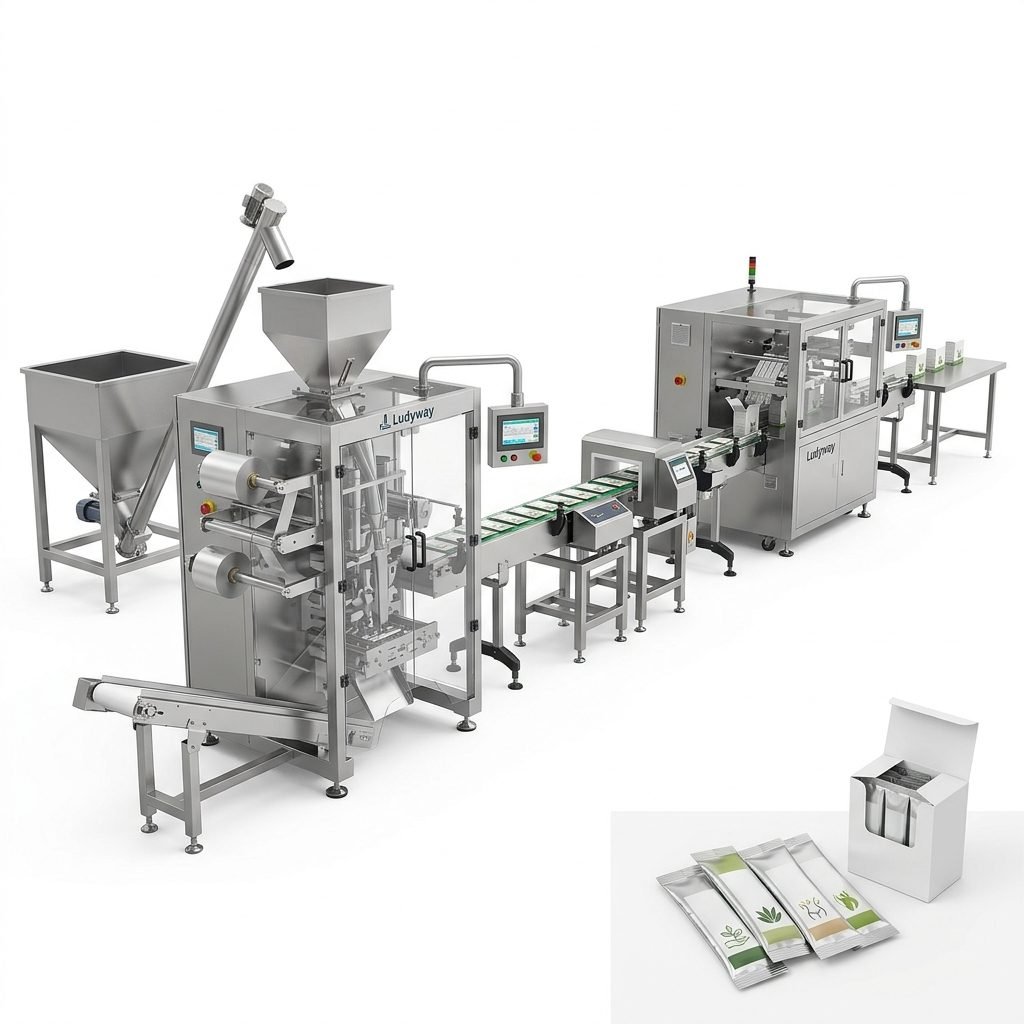
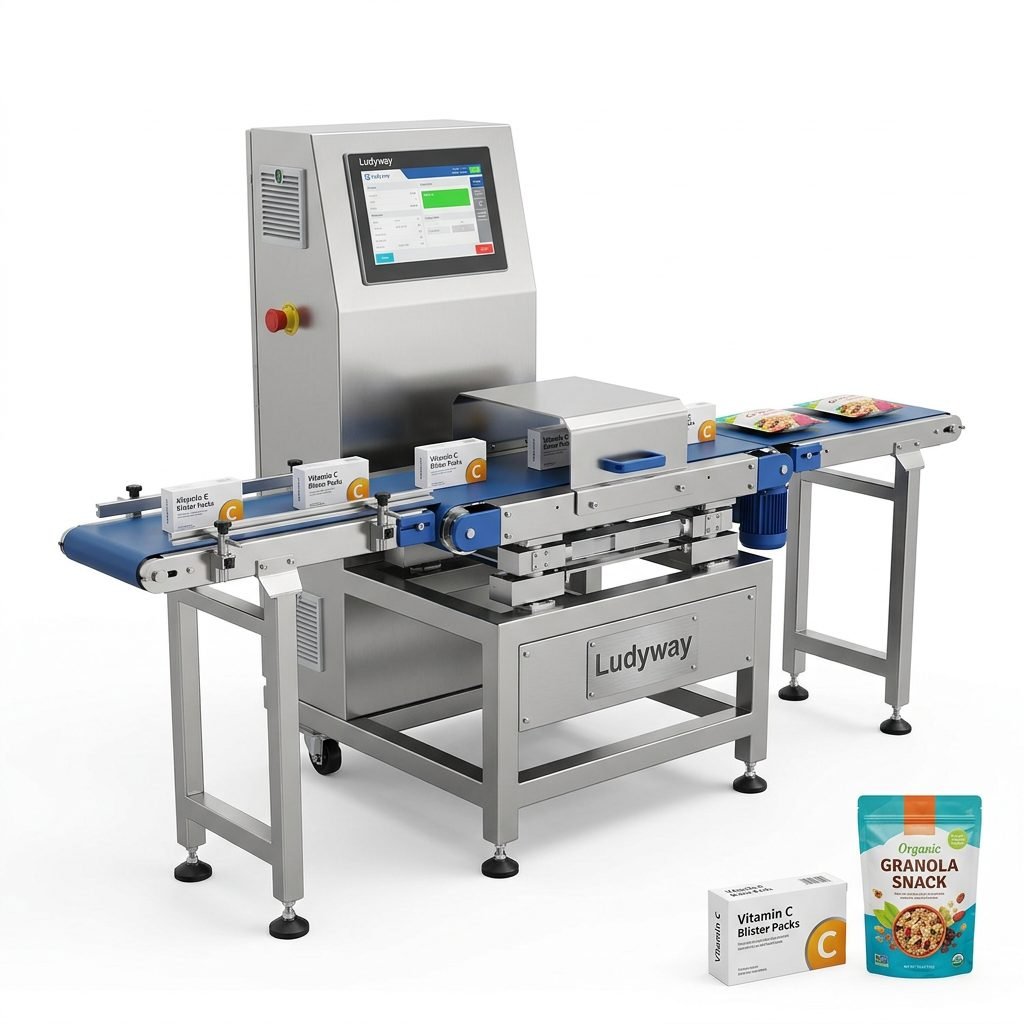
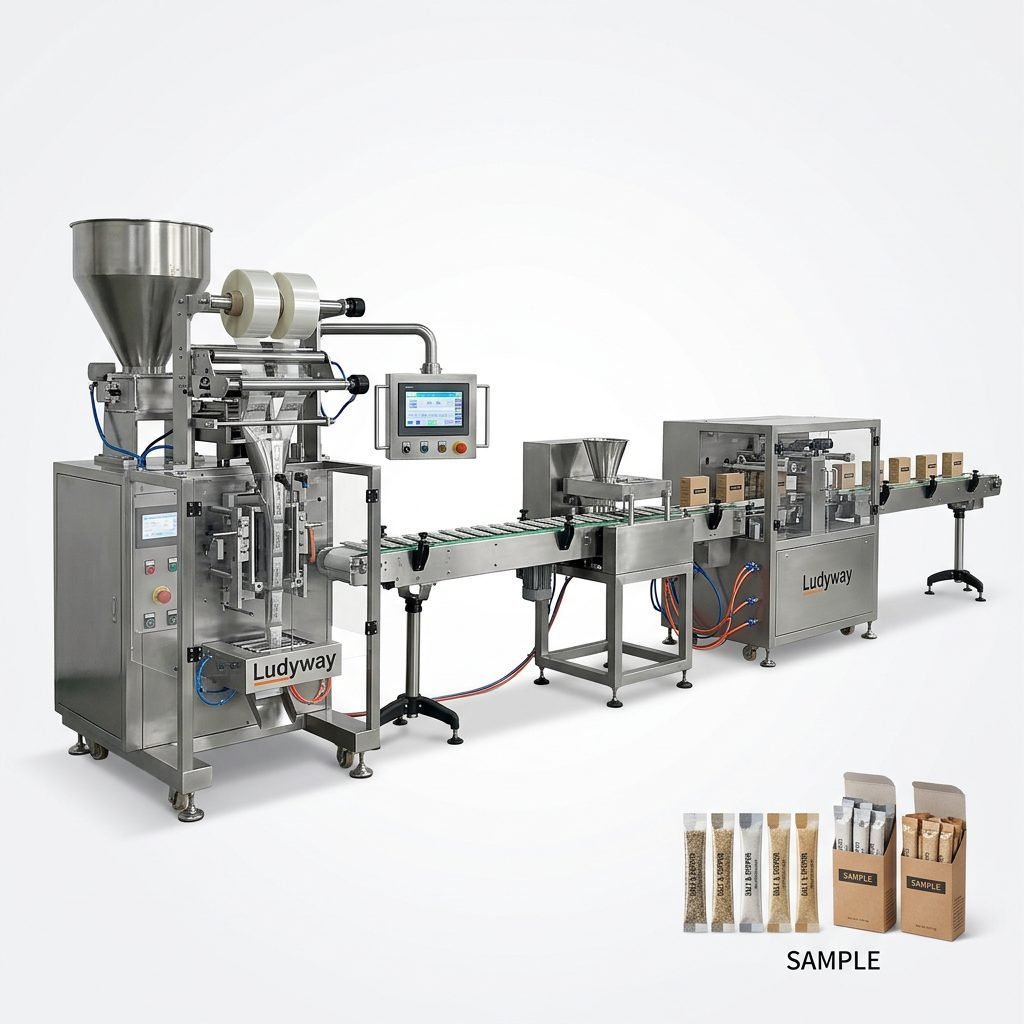
Assess the available floor space in your facility. Some vertical form-fill-seal (VFFS) machines have compact footprints, while fully integrated packaging lines with conveyors, checkweighers, and cartoning systems require significantly more space.
Types of Dry Food Packaging Machines Available in Asia
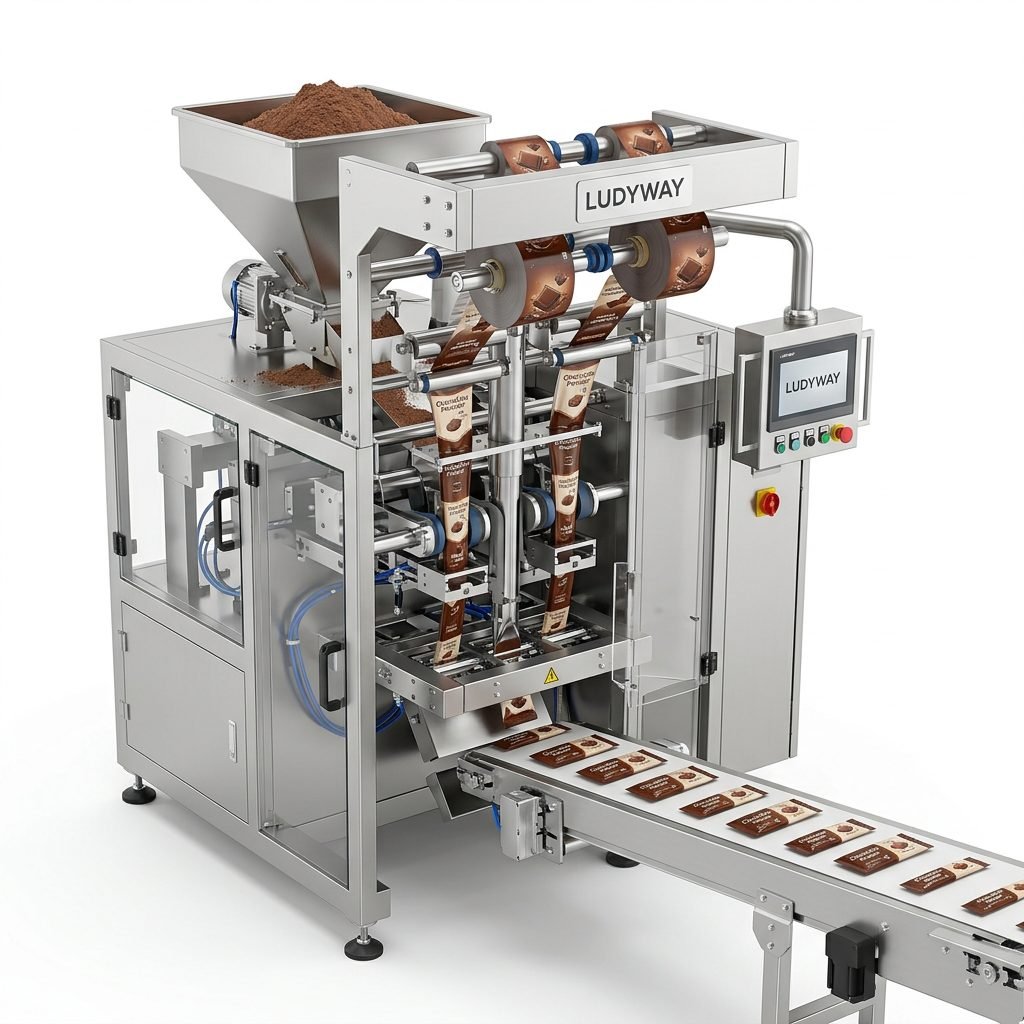
The Asian market offers a comprehensive range of equipment types. Below is a comparison of the most common configurations:
| Machine Type | Best For | Speed Range | Typical Investment |
|---|---|---|---|
| Single-Lane Sachet Machine | Small to medium batches | 40-80 ppm | $5,000 – $20,000 |
| Multi-Lane Stick Pack Machine | High-volume powder/granule products | 200-800 ppm | $30,000 – $150,000 |
| VFFS Bagging System | Bulk packaging in pillow bags | 30-120 ppm | $15,000 – $80,000 |
| Premade Pouch Filling Line | Stand-up pouches, zipper bags | 20-60 ppm | $25,000 – $120,000 |
| Fully Automated Turnkey Line | Complete production from filling to cartoning | Custom | $100,000 – $500,000+ |
Top Manufacturing Destinations in Asia
- China: The largest producer of packaging machinery globally, offering the widest range of options from budget-friendly to high-end automated systems. Major manufacturing hubs include Guangdong, Zhejiang, and Shanghai provinces.
- India: Growing rapidly in semi-automatic and automatic packaging solutions, with strong capabilities in spice and dry food packaging.
- Japan: Known for precision engineering and ultra-high-speed machines. Japanese manufacturers often lead in servo technology and quality control systems.
- South Korea: Strong in automated packaging lines with advanced sensor integration and smart factory capabilities.
How to Evaluate Dry Food Packaging Machine Suppliers
Selecting the right supplier is just as important as choosing the right machine. Here is a structured approach to supplier evaluation:
1. Verify Manufacturing Credentials
Look for ISO 9001 certification, CE marking (for export to European markets), and any relevant industry-specific certifications. Request documentation that confirms the manufacturer’s compliance with ISO packaging standards.
2. Assess Production Facilities
Whenever possible, arrange a factory visit or virtual tour. Evaluate the manufacturing environment, quality control processes, and the scale of operations. A well-organized production floor with modern equipment is a positive indicator.
3. Review Customer References
Request references from clients in your industry or region. Speak directly with existing customers about their experience with machine performance, durability, and the supplier’s after-sales service responsiveness.
4. Evaluate Spare Parts Availability
Confirm that critical spare parts are readily available and can be shipped quickly to your location. Downtime in food packaging operations can be extremely costly.
Quality Certifications and Industry Standards
When purchasing from Asia, ensure the equipment meets relevant international standards. Key certifications to look for include:
- CE Marking — Required for machines exported to the European Economic Area
- UL Certification — Important for North American markets
- ISO 9001:2015 — Quality management system certification
- GMP Compliance — Good Manufacturing Practice standards for food-grade equipment
- FDA Compliance — For machines intended for the U.S. market, materials must meet FDA food contact substance regulations
After-Sales Support and Service Agreements
A machine purchase is a long-term investment. Before signing a contract, clarify the following after-sales support elements:
- Warranty period and what it covers (parts, labor, remote support)
- Installation and commissioning — Does the supplier send technicians to your site?
- Operator training — Comprehensive training reduces operational errors and downtime
- Remote troubleshooting — Many modern machines support remote diagnostics
- Service level agreements (SLAs) — Defined response times for critical issues
Understanding Total Cost of Ownership
The purchase price is only one component. Consider the total cost of ownership (TCO) over the machine’s expected lifespan:
| Cost Component | Estimated Share of TCO | Key Considerations |
|---|---|---|
| Initial Purchase Price | 40-55% | Negotiate based on configuration and volume |
| Installation and Commissioning | 5-10% | Includes shipping, setup, and technician fees |
| Spare Parts and Maintenance | 15-25% | Consumables like sealing jaws, belts, filters |
| Energy Consumption | 8-15% | Servo-driven machines typically use less power |
| Operator Training and Labor | 5-10% | Automation reduces ongoing labor costs |
A Trusted Partner in Asian Packaging Machinery
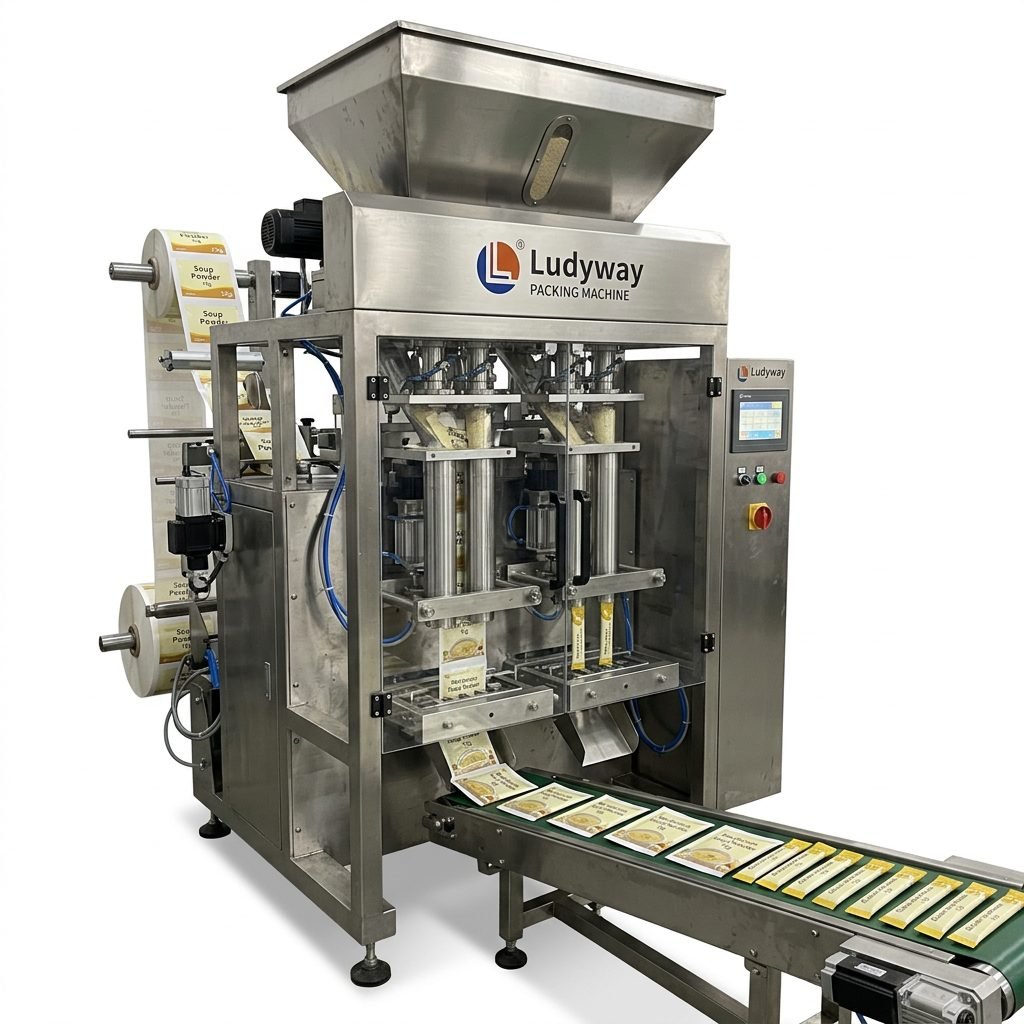
For buyers seeking reliable dry food packaging solutions from Asia, Ludyway stands among the established manufacturers with over 30 years of industry experience. Operating from a modern 20,000㎡ production facility in Guangdong, China, the company offers more than 50 packaging machine models serving customers in over 100 countries and regions. With expertise spanning granule, powder, liquid, and pouch packaging applications, along with turnkey production line capabilities, Ludyway exemplifies the type of comprehensive supplier that international buyers should look for when sourcing from Asia — one that combines engineering depth, global service infrastructure, and a track record of sustained growth in export markets. For more detailed market data, the Flexible Packaging Association’s industry resources provide additional context on packaging trends.
Frequently Asked Questions
Q: How long does it take to receive a dry food packaging machine from Asia?
Standard lead times range from 30 to 90 days depending on the machine’s complexity and the manufacturer’s production schedule. Custom or highly specialized machines may take 90 to 120 days. Shipping adds an additional 2 to 6 weeks depending on the destination and freight method.
Q: Can I get a machine customized for my specific dry food product?
Yes. Most established Asian manufacturers offer customization options including modified filling systems for sticky or dusty powders, nitrogen flushing capabilities, specialized sealing patterns, and integration with upstream and downstream equipment.
Q: What payment terms are typical when buying from Asia?
Common payment structures include 30% deposit with order and 70% before shipment, or a letter of credit (L/C) for larger transactions. Some manufacturers offer more flexible terms for established business relationships. Always use secure payment methods and clearly document all terms in the purchase agreement.
Q: How do I handle installation and training if the supplier is overseas?
Many Asian manufacturers dispatch engineers for on-site installation and training as part of the purchase package or for an additional fee. Remote video assistance has also become increasingly common and effective for troubleshooting and routine guidance.
Final Recommendations
Purchasing a dry food packaging machine from Asia can deliver exceptional value when approached with thorough due diligence. Prioritize suppliers with verifiable track records, clear quality certifications, and responsive communication. Always request product samples packaged on the actual machine model you are considering, and whenever possible, conduct a factory acceptance test (FAT) before shipment. By combining careful supplier evaluation with a clear understanding of your production requirements, you can secure a packaging solution that drives efficiency and growth for years to come.
Further Reading and Resources:
- PMMI State of the Industry Report — Comprehensive packaging industry data and forecasts
- Flexible Packaging Association — Resources on flexible packaging materials and trends
- ISO Packaging Standards — International standards for packaging machinery and processes
- FDA Food Contact Substances Guidance — Regulatory requirements for food packaging in the U.S. market
- PACK EXPO International — Leading packaging trade show for discovering new technologies