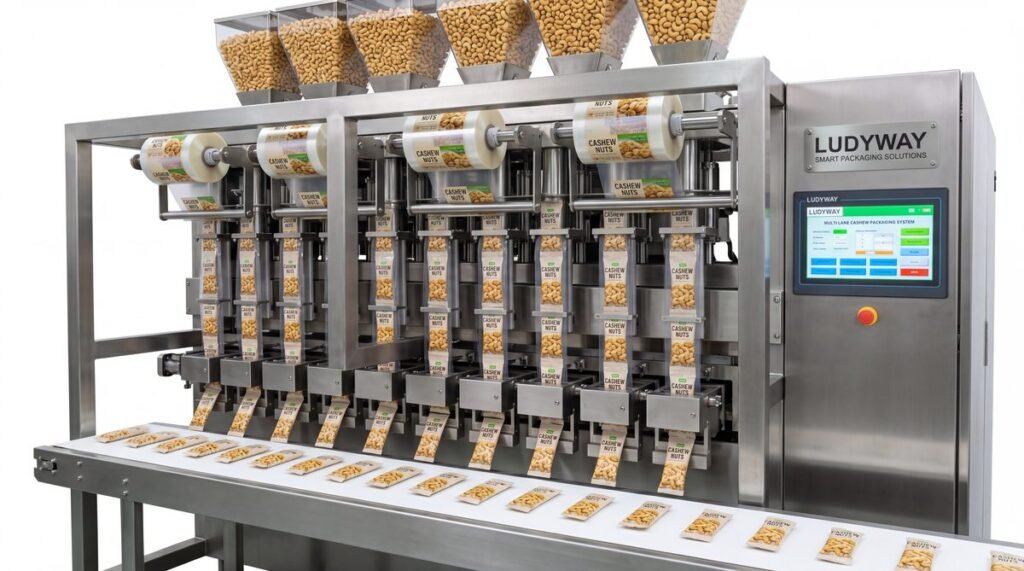
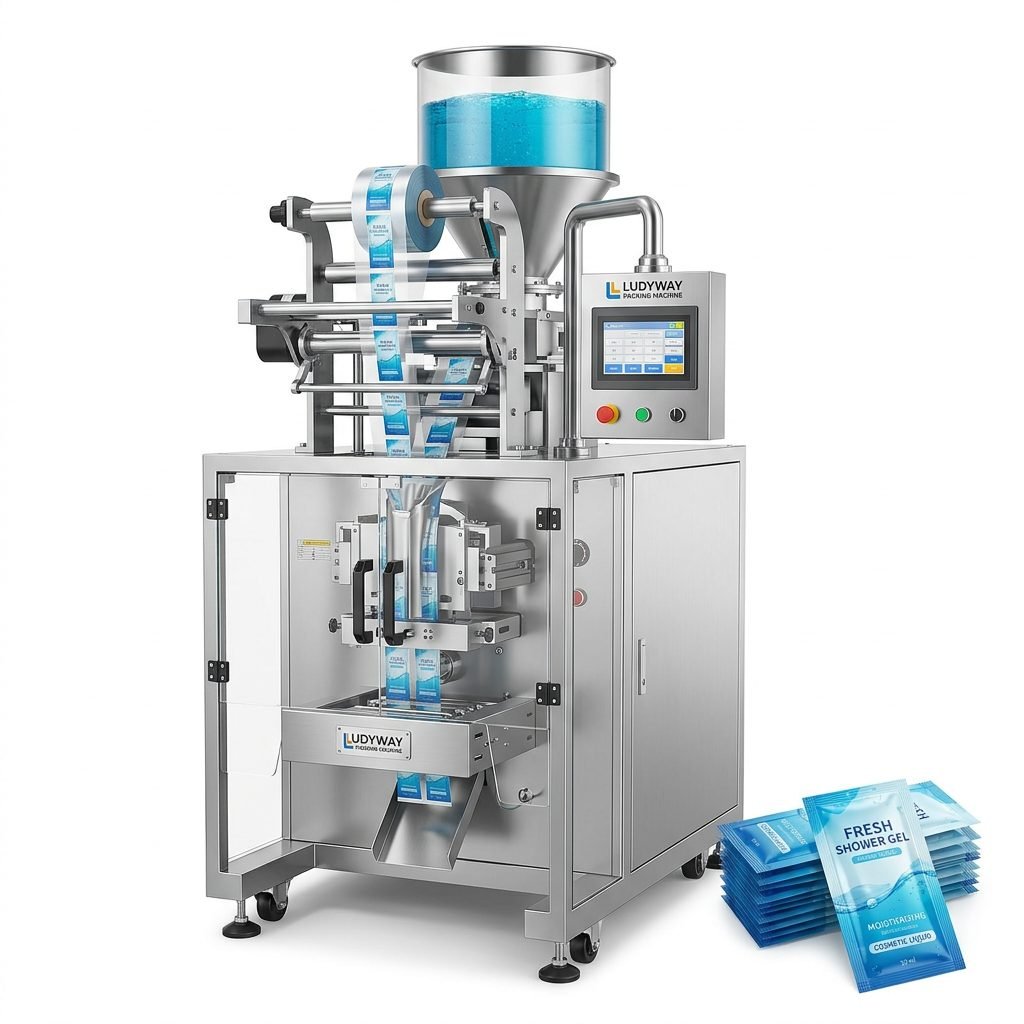
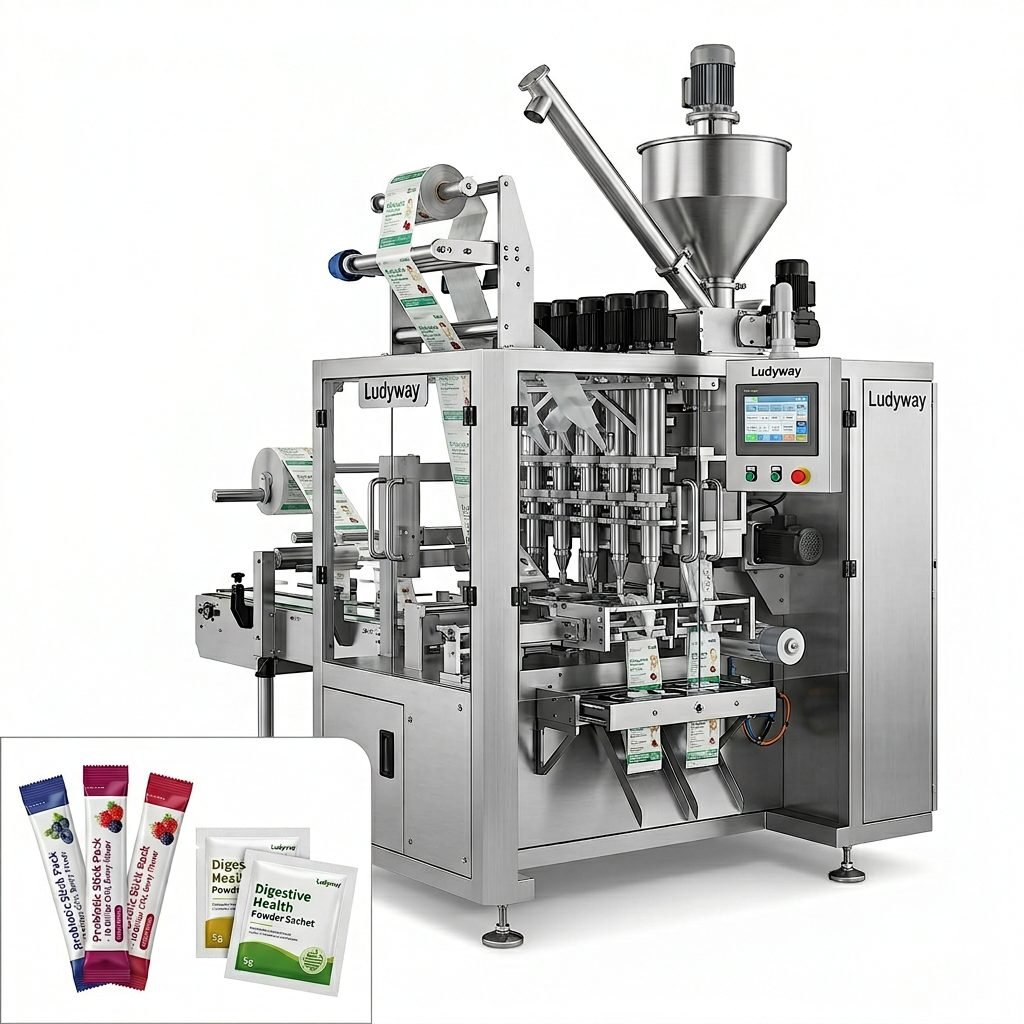
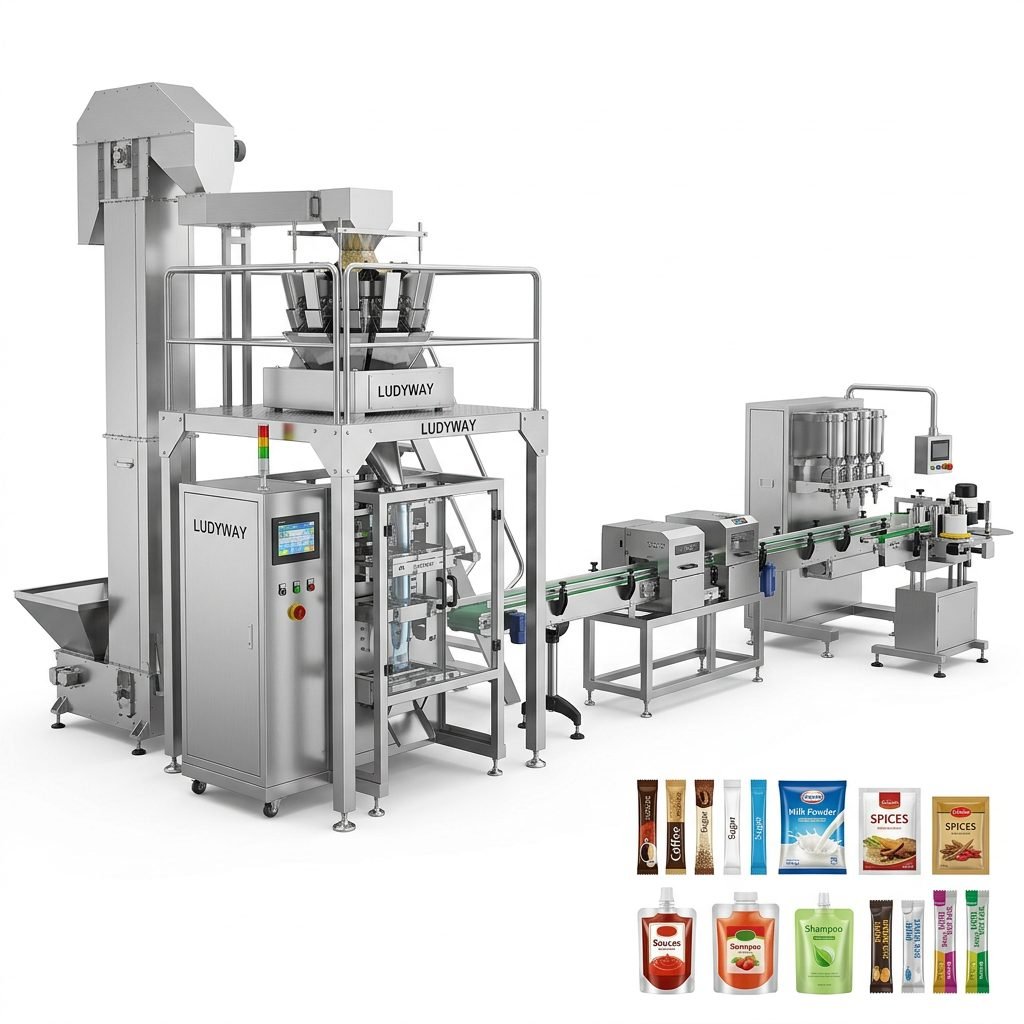
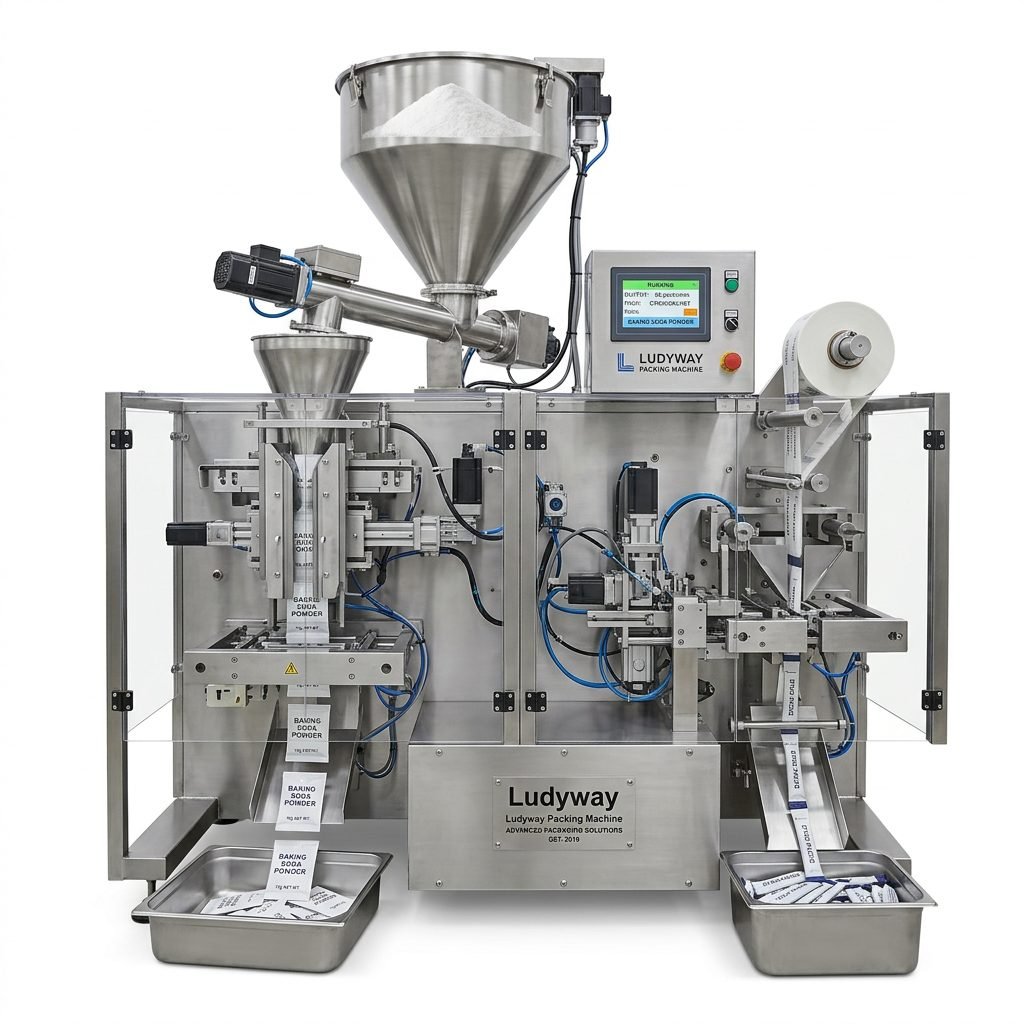
Choosing between three side seal and four side seal packaging is not just a design decision. It affects filling efficiency, sealing strength, shelf presentation, material usage, packing speed, and how customers perceive your product. For food, pharmaceutical, cosmetic, chemical, and health supplement brands, understanding the differences helps reduce waste and improve line performance.
This guide explains how each pouch structure works, where each format performs best, and what buyers should evaluate before selecting machines or complete packaging lines.
What Is Three Side Seal Packaging?
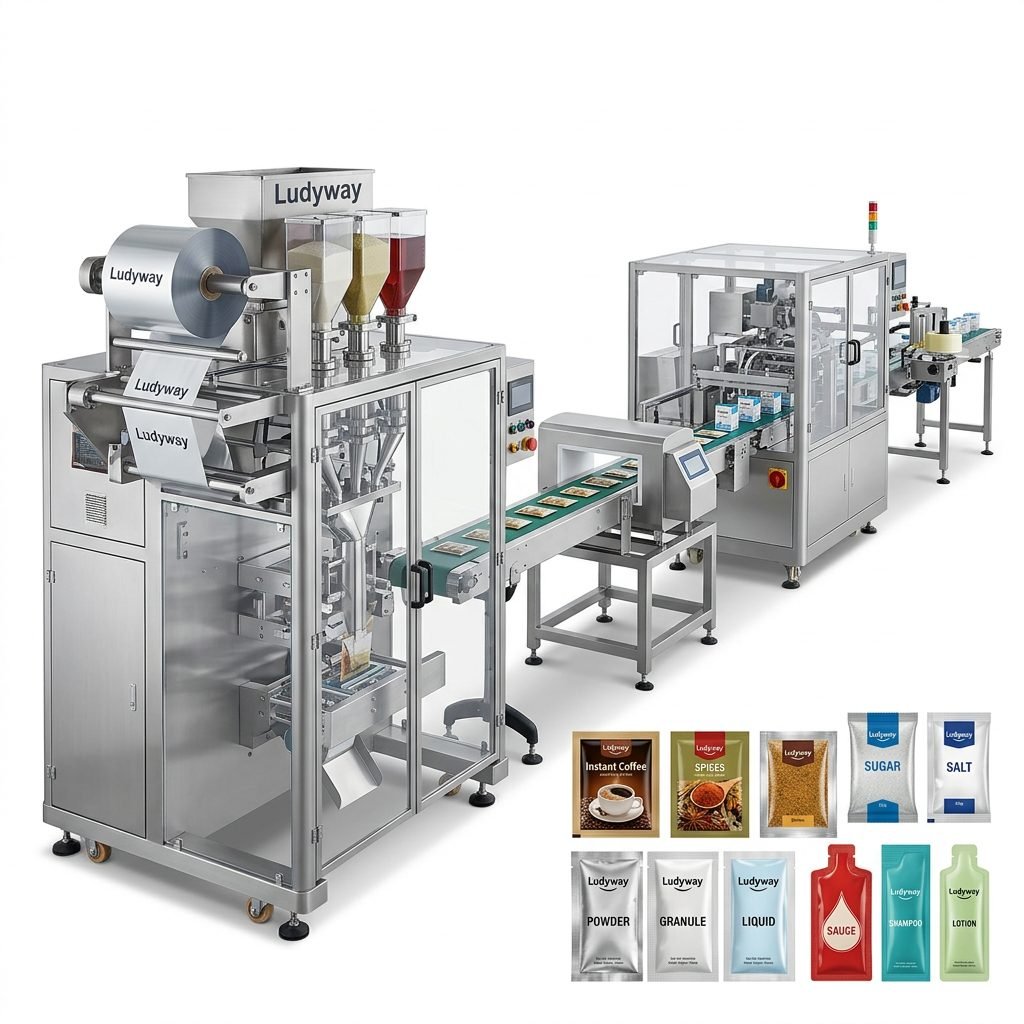
A three side seal pouch is made by sealing three edges of the package while the fourth side is typically formed by folding the film. This structure creates a compact, efficient sachet that is widely used for single-dose or small-portion products.
- Common for powders, granules, liquids, and gels
- Often used for sachets of coffee, sugar, sauces, cosmetics, and pharmaceuticals
- Usually cost-effective for high-volume production
- Suitable for flat, lightweight package formats
Typical applications
Three side seal sachets are popular in markets where portion control, low packaging cost, and high output are priorities. They are especially common for stick-adjacent sachet formats, sample packs, condiments, oral powders, and travel-size personal care products.
What Is Four Side Seal Packaging?
A four side seal pouch is sealed on all four edges. Unlike a folded-edge pouch, this design creates a more symmetrical and often more premium-looking pack. Because each side is independently sealed, the pouch can offer a flatter appearance and stronger edge definition.
- Often chosen for premium sachets and medical or pharma applications
- Offers a neat, balanced shape for branding and shelf appeal
- Can improve sealing consistency in some product categories
- Useful when product appearance is as important as function
Typical applications
Four side seal pouches are frequently used for facial masks, premium cosmetic sachets, pharmaceutical unit packs, wipes, and specialized food portions. They can also be a smart choice when a clean rectangular presentation supports stronger retail visibility.
Three Side Seal vs Four Side Seal: Quick Comparison
| Factor | Three Side Seal | Four Side Seal |
|---|---|---|
| Structure | Three sealed edges, one folded edge | Four sealed edges |
| Material efficiency | Often more material-efficient | May use slightly more sealing area |
| Appearance | Simple and practical | More symmetrical and premium-looking |
| Seal presentation | One folded side reduces visible seal count | All four edges visibly sealed |
| Production speed | Often ideal for fast, economical runs | Can be efficient, but depends on machine setup |
| Common uses | Food sachets, powders, condiments, samples | Cosmetics, pharmaceuticals, premium sachets |
Key Differences That Matter in Real Production
1. Seal structure and package integrity
The most obvious difference is the seal layout. A folded edge in a three side seal pouch can simplify the package body, while a four side seal pouch provides fully sealed boundaries. For products that demand highly uniform edges or enhanced premium appearance, four side seal can be attractive. For many everyday applications, three side seal offers excellent performance without unnecessary complexity.
2. Machine configuration
Not every packaging machine is optimized equally for both formats. The required sealing jaws, film handling, forming method, and cutting design can vary. Before selecting equipment, buyers should match the pouch type to:
- Product type: powder, granule, liquid, paste, or tablet
- Target output and lane count
- Film structure and barrier requirements
- Package size range
- Batch coding, tear notch, easy-open, or special shape needs
3. Branding and shelf impact
If your product is sold in a retail environment where first impression matters, four side seal pouches often provide a more polished look. If the product is mainly sold in bulk, online channels, institutional supply, or high-consumption markets, three side seal may deliver a better balance of cost and function.
4. Material consumption and packaging cost
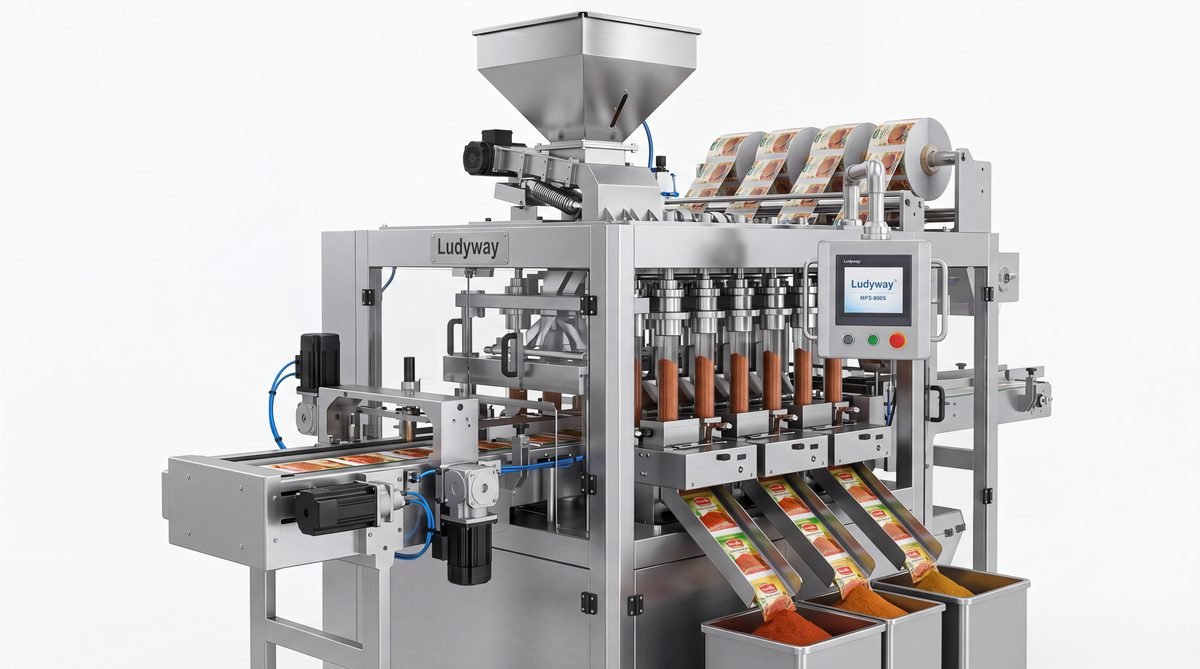
For high-volume products, even a small difference in material use can affect annual packaging cost. Three side seal packaging is often preferred where cost efficiency is critical. Four side seal packaging may justify a higher material and processing cost if it supports premium positioning or stricter pack presentation requirements.
5. Product compatibility
The ideal format also depends on product behavior:
- Free-flowing powders and granules: both can work well
- Liquids and gels: sealing stability and contamination control become more important
- Pharma and healthcare items: presentation, precision, and compliance may favor four side seal in some cases
- Mass-market food sachets: three side seal is often highly competitive
Benefits of Three Side Seal Packaging
- Lower packaging cost in many high-volume applications
- Efficient use of film material
- Simple format for fast-moving consumer goods
- Well-suited for compact single-use sachets
- Popular across food, condiment, health, and household product segments
Best fit scenarios
Choose three side seal when your priority is throughput, practicality, and cost control. It is especially effective for brands producing large numbers of small packs every day.
Benefits of Four Side Seal Packaging
- Premium and balanced appearance
- Clearly defined seal edges on all sides
- Suitable for high-end cosmetics and pharmaceutical sachets
- Strong visual consistency across packs
- Can improve perceived value in retail settings
Best fit scenarios
Choose four side seal when your packaging must support brand image, product protection, and premium presentation. It is often favored when the pouch itself is part of the product experience.
How to Choose the Right Packaging Format
A practical selection process should combine technical performance with business goals. Ask the following questions before deciding:
| Decision Question | If Yes, Consider |
|---|---|
| Is low unit packaging cost a top priority? | Three side seal |
| Does the product need a more premium visual presentation? | Four side seal |
| Are you producing high-volume food or commodity sachets? | Three side seal |
| Is consistency of edge appearance important for branding or compliance? | Four side seal |
| Do you need machine flexibility across multiple product types? | Depends on machine design and line planning |
Checklist for buyers
- Define your product characteristics and target pack size.
- Estimate monthly and annual output.
- Compare material costs for both pouch formats.
- Review retail display or shipping requirements.
- Confirm sealing performance with actual film samples.
- Match pouch format to the right automatic packaging machine.
- Consider future expansion, SKU variation, and multi-lane needs.
Which Industries Commonly Use Each Format?
Food industry
Three side seal is common for spices, coffee, sugar, sauces, instant powders, seasoning mixes, and sample-size food items. Four side seal may be selected for specialty foods or premium single-serve products.
Pharmaceutical industry
Both formats are used, depending on dosing, sterility expectations, regulatory preferences, and appearance requirements. Unit-dose powders, granules, diagnostic components, and medical consumables may benefit from the cleaner profile of four side seal packaging.
Cosmetics and personal care
Four side seal is widely favored for serums, creams, face masks, lotions, and sample sachets because it often delivers a more refined look. Three side seal still works well for economical sachet programs and large promotional volumes.
Chemical and household products
For detergents, cleaners, solvents, and industrial additives, the final choice depends more on compatibility, seal reliability, and filling behavior than aesthetics alone. In many cases, cost and operational efficiency keep three side seal highly competitive.
Machine Selection Tips for Three Side Seal and Four Side Seal Pouches
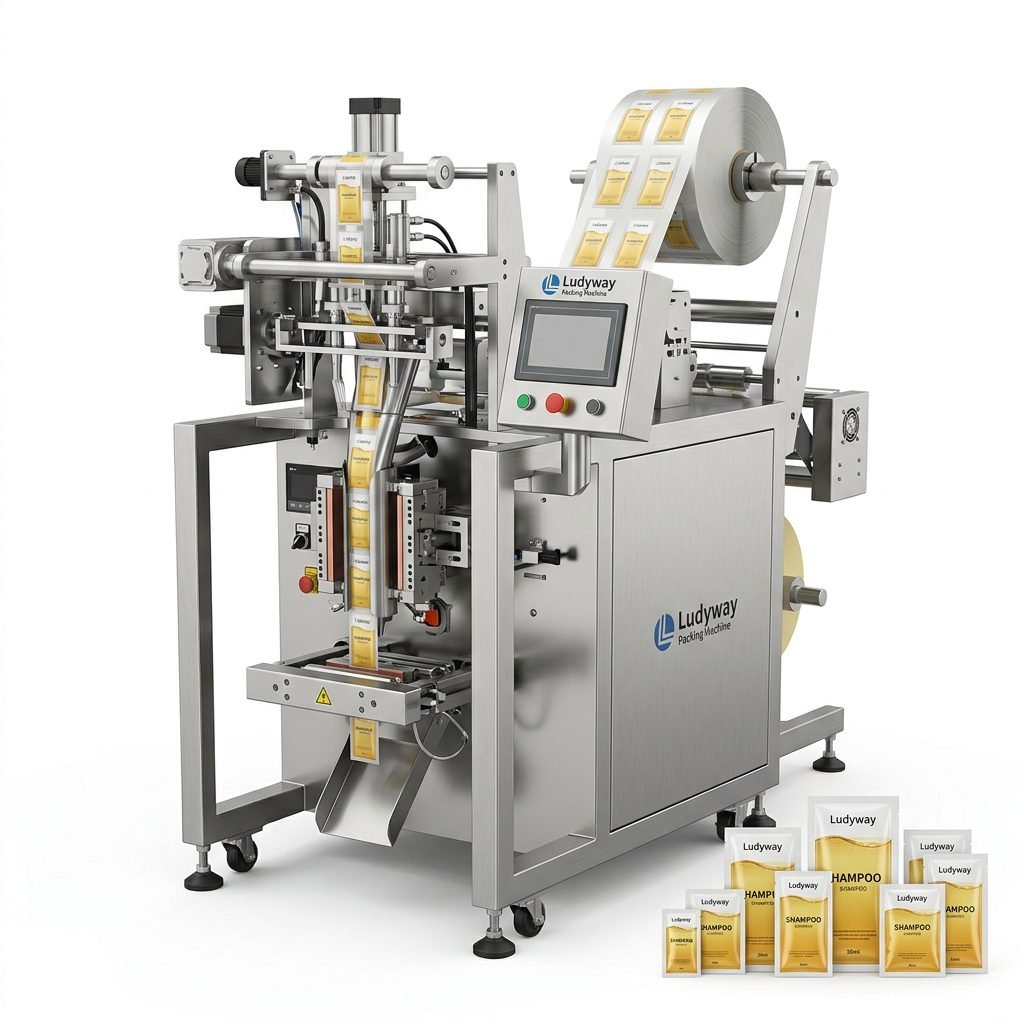
Your pouch choice and your machine choice should be planned together. Good packaging performance depends on more than just the pouch design. It also relies on dosing accuracy, sealing temperature control, film tracking, coding integration, reject handling, and downstream automation.
- Choose filling systems based on product form: auger, volumetric, piston, pump, or multi-head combination
- Confirm that seal jaw design matches film and pouch layout
- Ask for speed ranges based on your exact pouch dimensions
- Check if the machine supports tear notch, easy-open, euro hole, embossing, or special cuts
- Evaluate whether future line integration is needed for cartoning, case packing, or palletizing
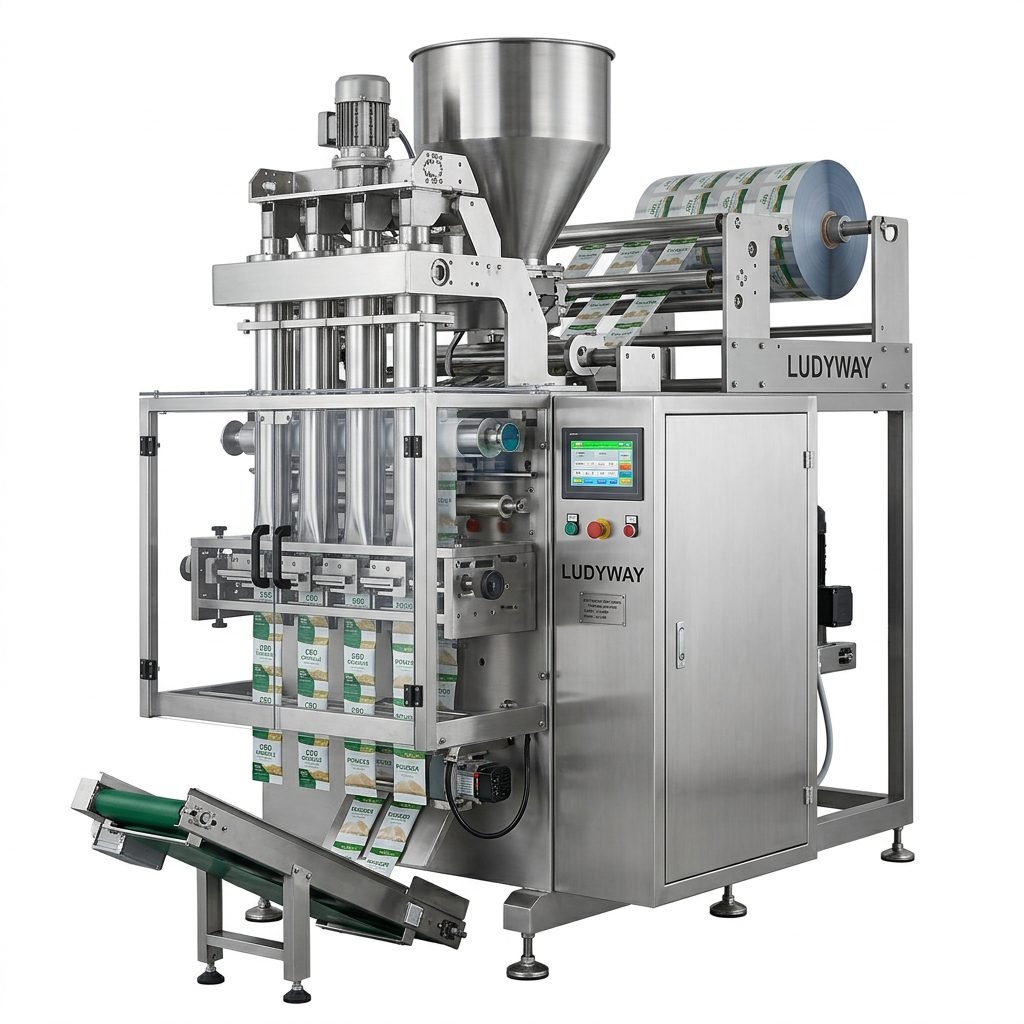
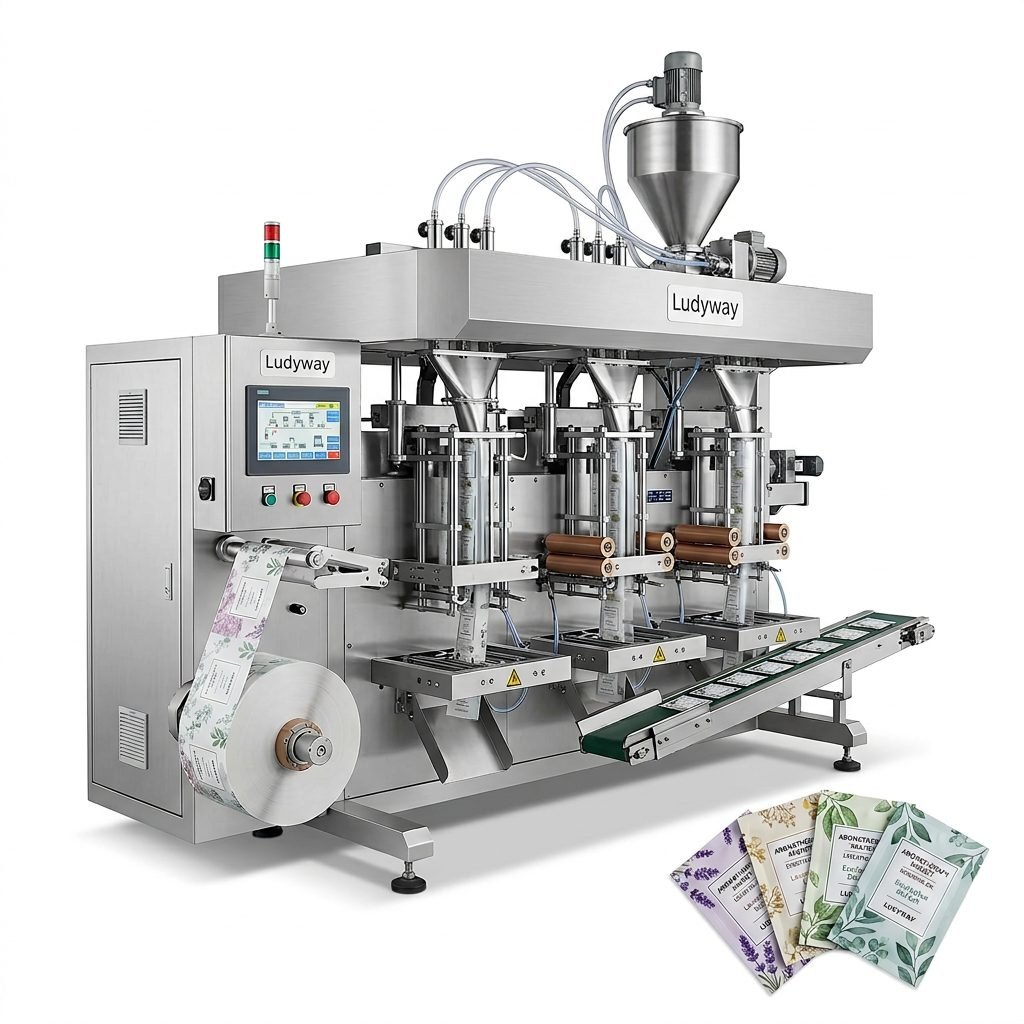
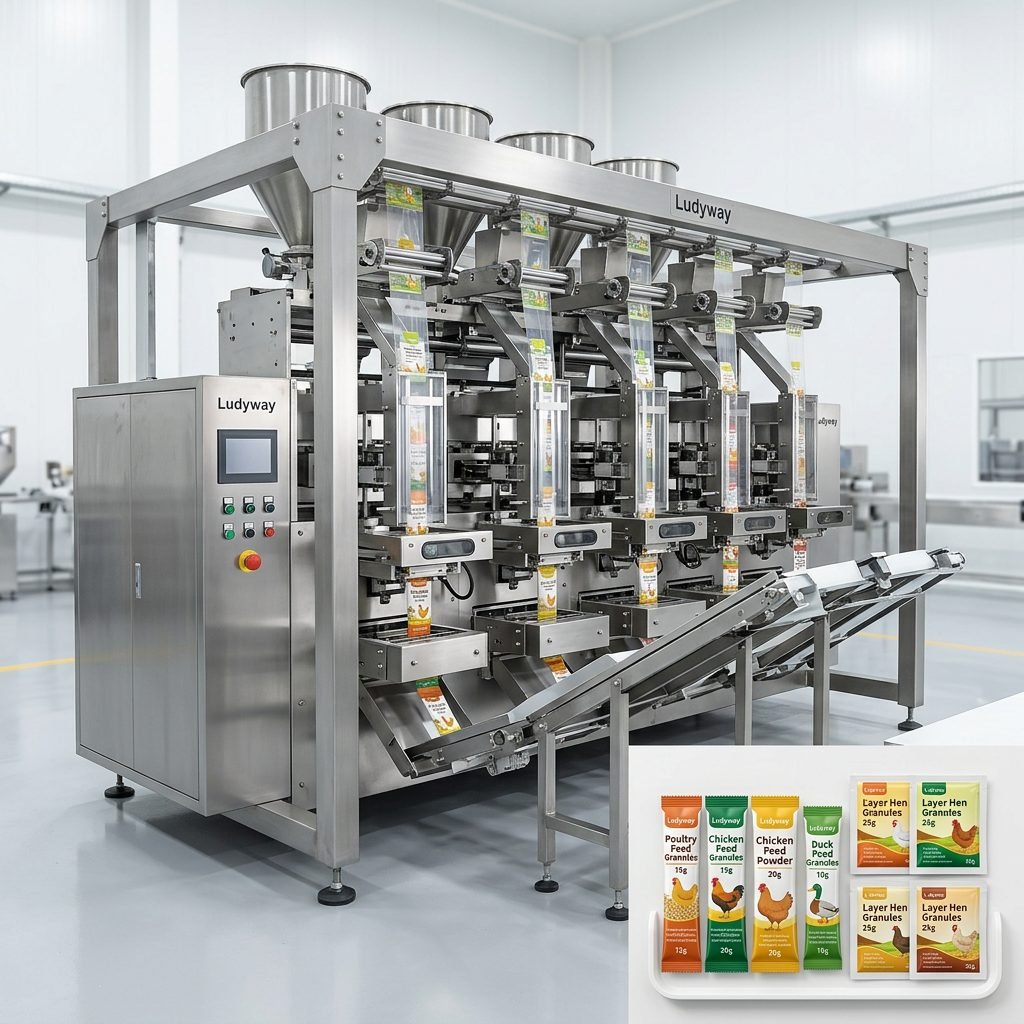
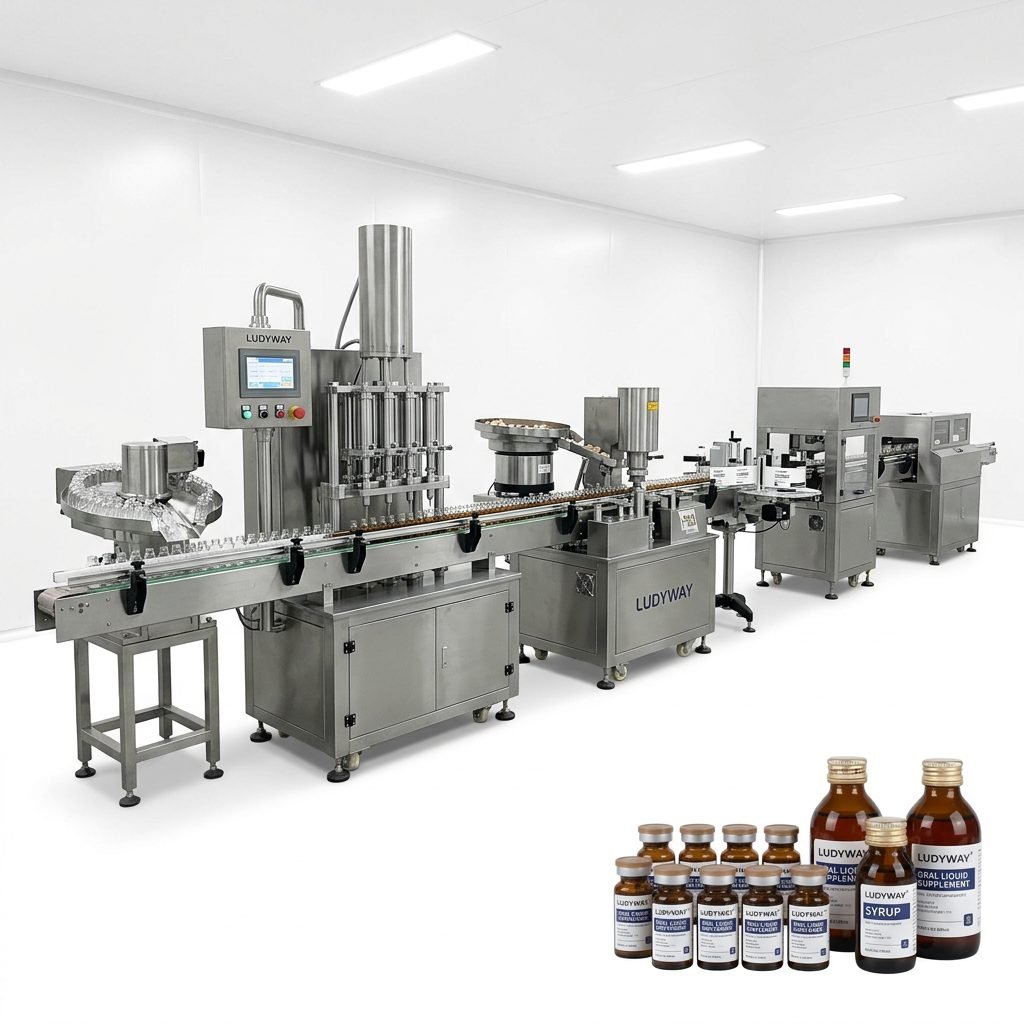
For manufacturers looking for scalable automation, Ludyway packaging machine solutions can support a wide range of sachet, stick pack, pouch, and turnkey line requirements across food, pharma, cosmetics, chemicals, and related sectors.
Common Mistakes to Avoid
- Choosing by appearance only without considering filling behavior
- Ignoring annual packaging material cost differences
- Using a pouch format that does not match retail or shipping needs
- Overlooking sealing contamination risks for liquids, gels, or fine powders
- Buying a machine without confirming compatibility with target film structures
- Failing to test real product samples before final investment
Final Decision: Which One Is Better?
There is no universal winner in the debate of three side seal vs four side seal packaging. The better choice depends on your product, market positioning, budget, output goals, and automation plan.
Choose three side seal if you want a practical, efficient, and cost-conscious pouch for high-volume use.
Choose four side seal if you need a more premium look, balanced edge presentation, or a format better aligned with specialized applications.
Best practice
The smartest approach is to evaluate pouch style, product behavior, film structure, and machine design together. When these four elements are aligned, you get better sealing quality, stronger production efficiency, and packaging that supports both operations and sales.