Why Coffee Vacuum Packaging Matters for the German Market
Germany is one of the largest coffee-consuming nations in Europe, with a strong culture of quality and freshness. For roasters, distributors, and retailers, maintaining aroma, flavor, and extended shelf life is non-negotiable. A coffee vacuum packaging machine removes oxygen from the package before sealing, dramatically slowing oxidation and preserving the delicate volatile compounds that define premium coffee. This technology is essential for whole beans, ground coffee, and even coffee pods destined for supermarket shelves, e-commerce, and specialty shops across Germany.
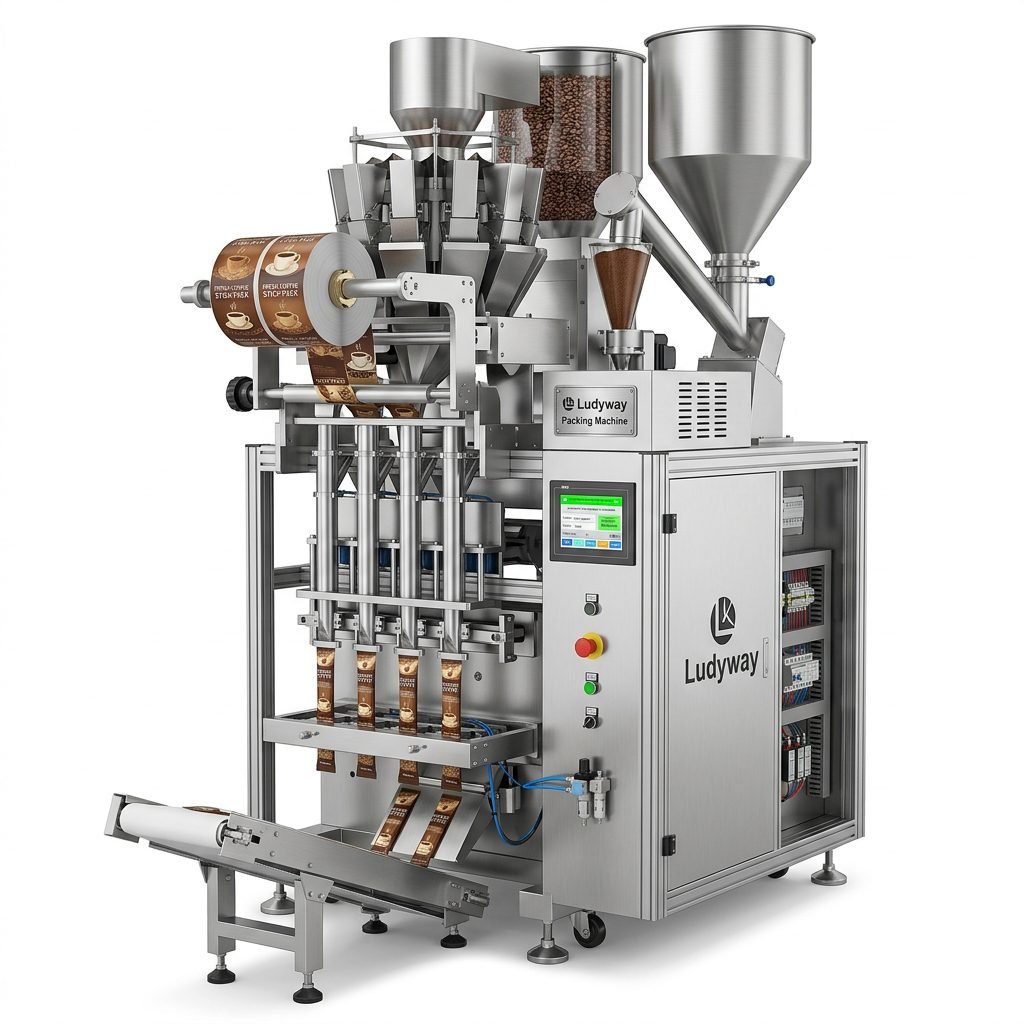
How Coffee Vacuum Packaging Machines Work
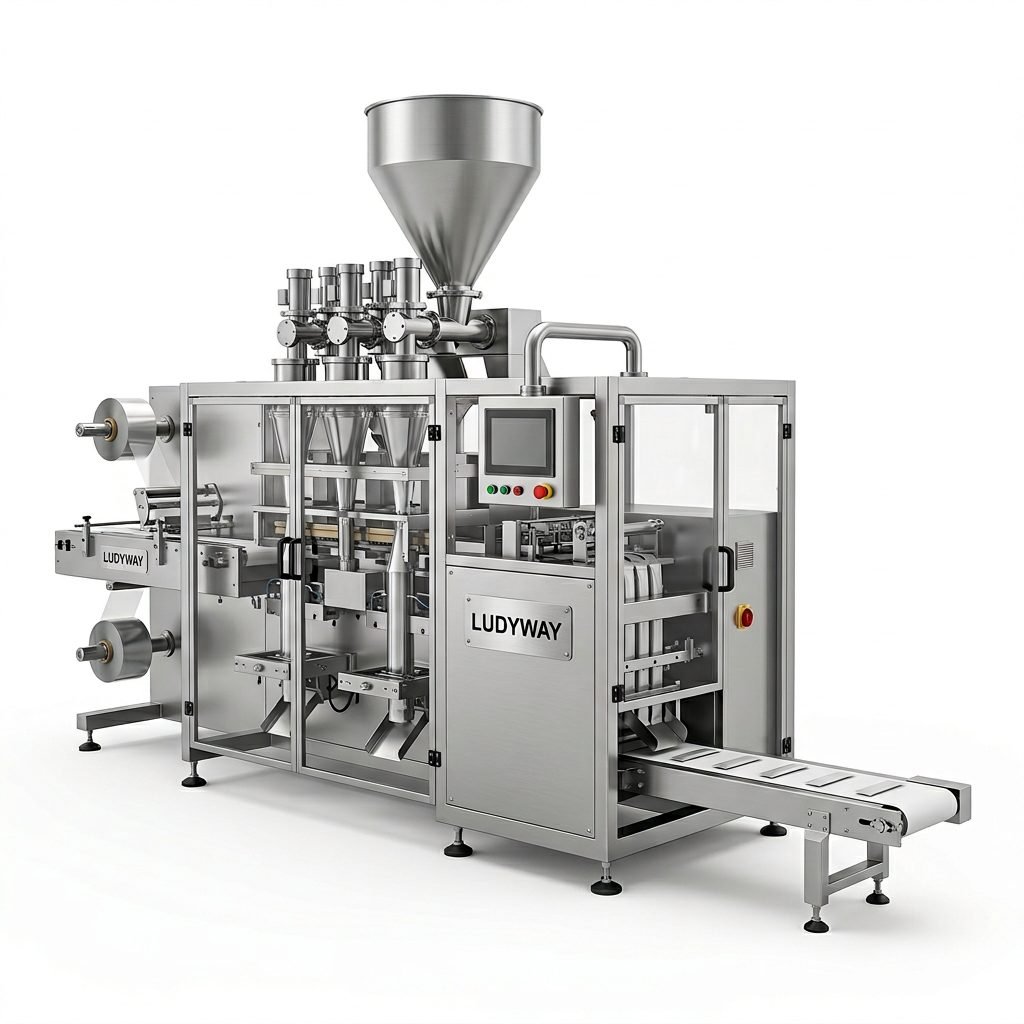
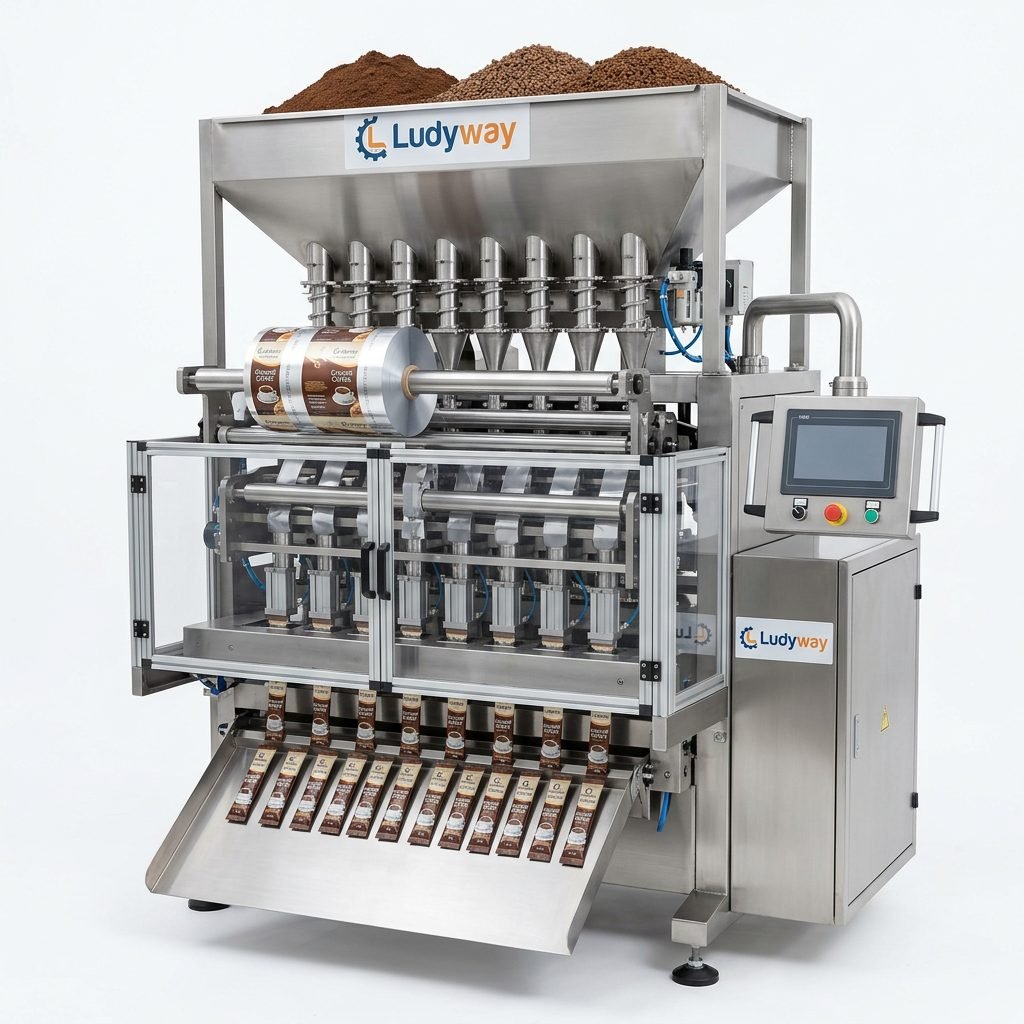
Vacuum packaging for coffee involves placing the product into a pre-made bag or forming a pouch from roll stock, evacuating the air, and hermetically sealing the package. Some advanced systems also integrate nitrogen flushing, where inert gas is injected before sealing to further protect against oxidation and compression damage. This is particularly important for whole beans, which can fracture under pure vacuum pressure. The combination of vacuum and nitrogen creates an optimal coffee packaging environment that locks in freshness for months.
Key Components of a Modern System
- Vacuum pump – Rotary vane or dry pumps with adjustable vacuum levels
- Sealing jaws with precise temperature control for consistent hermetic seals
- Gas flushing nozzles for nitrogen or CO₂ injection
- PLC touchscreen interface with recipe storage for different coffee products
- Stainless steel construction meeting EU food safety standards
Critical Features to Evaluate When Buying
Not all vacuum packaging machines are created equal. When sourcing equipment for the German market, consider these essential specifications carefully. The right choice will impact your production efficiency, product quality, and long-term operating costs.
1. Vacuum Level and Control Precision
The vacuum pressure should be adjustable based on coffee type. Whole beans require gentler vacuum levels (around 60-80% vacuum) to avoid crushing, while ground coffee can tolerate deeper vacuum. Look for machines with digital vacuum sensors and programmable settings that allow you to dial in the exact parameters for each product SKU. Precision vacuum control is the difference between perfectly preserved beans and a damaged product.
2. Sealing Integrity and Consistency
A reliable seal is everything. Evaluate the sealing bar design, temperature uniformity, and dwell time control. German retailers and consumers expect zero leakers. Machines with dual sealing bars or double-impulse sealing technology provide redundancy and stronger seals, especially important for heavier coffee bags ranging from 250g to 1kg.
3. Chamber vs. External Vacuum Systems
| Feature | Chamber Vacuum | External / Nozzle Vacuum |
|---|---|---|
| Best for | Whole beans, ground coffee, small to medium volumes | High-speed lines, pre-made bags, large industrial volumes |
| Vacuum quality | Very high and uniform | Good, but dependent on bag positioning |
| Speed | Moderate | High, ideal for continuous production |
| Gas flushing | Available | Standard on most models |
4. Compatibility with German Packaging Standards
Germany enforces strict regulations on food packaging materials and processes. Ensure the machine is compatible with food-grade packaging films approved under EU Regulation (EC) No 1935/2004. The equipment should also meet CE marking requirements and ideally integrate with German-standard utilities (230V/50Hz three-phase power, DIN connections).
Understanding the Cost Structure
Investing in a coffee vacuum packaging machine involves more than just the upfront purchase price. Smart buyers evaluate the total cost of ownership (TCO), which includes installation, training, maintenance, spare parts, and energy consumption over the machine’s lifespan.
Price Ranges by Machine Type
| Machine Category | Estimated Price Range (EUR) | Typical Output |
|---|---|---|
| Bench-top chamber vacuum sealer | €2,000 – €8,000 | 5-15 packs/min |
| Single-chamber industrial vacuum packer | €8,000 – €25,000 | 10-30 packs/min |
| Double-chamber or belt-driven vacuum system | €20,000 – €60,000 | 20-60 packs/min |
| Fully automatic rotary vacuum packaging line | €80,000 – €250,000+ | 60-120+ packs/min |
| Modified atmosphere packaging (MAP) integrated line | €100,000 – €400,000+ | 80-200+ packs/min |
Hidden Costs to Anticipate
- Shipping and import duties – For non-EU suppliers, factor in 2-5% customs tariffs plus logistics
- Installation and commissioning by qualified technicians
- Operator training programs (typically 2-5 days)
- Annual maintenance contracts and genuine spare parts inventory
- Energy consumption – vacuum pumps are power-hungry; look for IE3 or IE4 efficiency motors
- Film and bag material compatibility testing
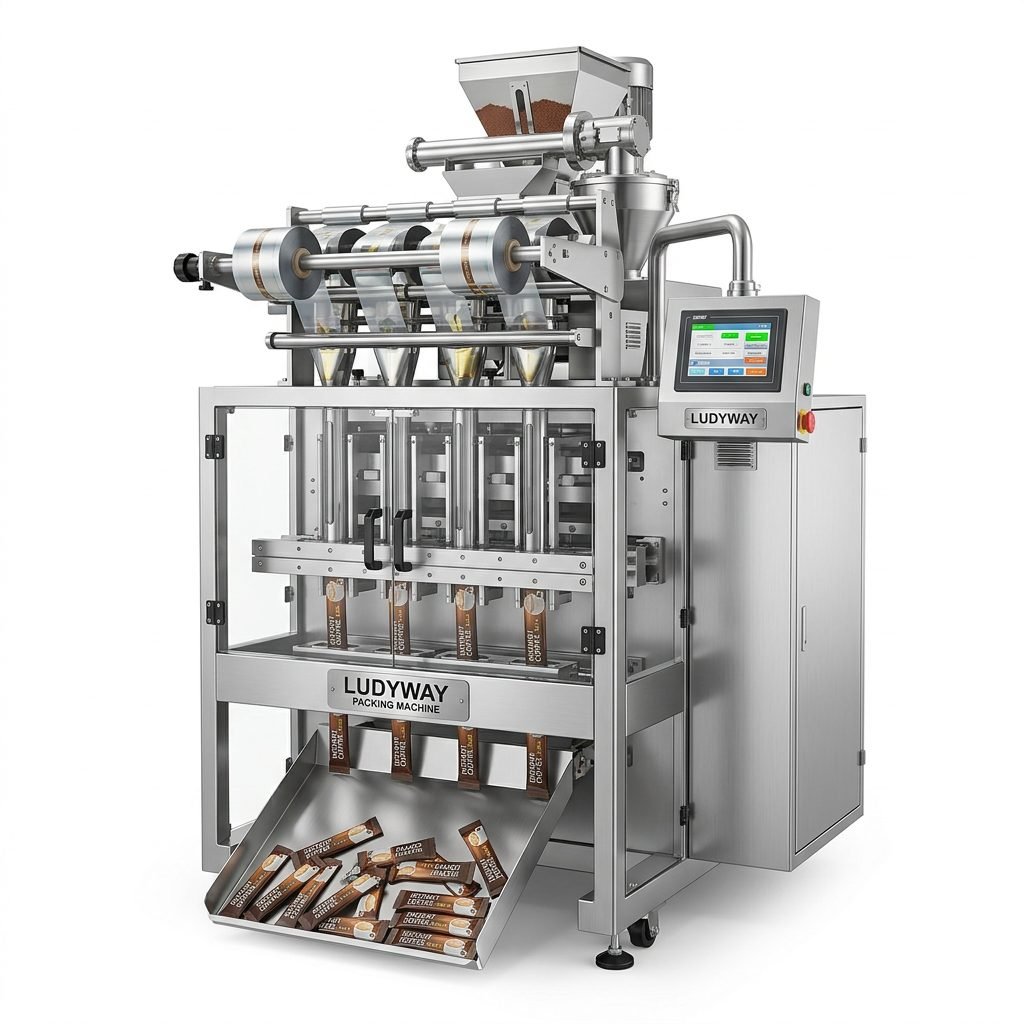
Top Tips for Purchasing in Germany
Buying industrial equipment for the German market requires a strategic approach. These proven tips will help you avoid common pitfalls and secure a machine that delivers real ROI.
1. Verify EU Compliance and Certifications
Any vacuum packaging machine sold and operated in Germany must carry CE marking and comply with the EU Machinery Directive 2006/42/EC. Additionally, look for certifications related to food safety, such as compliance with EN 1672-2 (hygiene requirements for food machinery). Request the Declaration of Conformity and technical documentation before purchase. Machines should also be compatible with EU packaging and recycling regulations.
2. Request a Live or Video Demonstration
Never buy sight-unseen. Arrange a live demonstration at the manufacturer’s facility or request a detailed video test run with your specific coffee product. Pay attention to vacuum cycle time, sealing quality on your actual bag material, noise levels, and ease of changeover between different bag sizes. A reputable supplier will welcome this request.
3. Evaluate Local Service and Support
Even the best machine requires service. Ask about the availability of local technicians in Germany, response times for breakdowns, remote diagnostic capabilities, and spare parts warehousing within the EU. A machine with a 48-hour guaranteed response time is far more valuable than one with no European support network.
4. Consider Integration with Existing Lines
Your vacuum packaging machine should seamlessly integrate with upstream equipment like weighing and filling systems, as well as downstream devices such as checkweighers, metal detectors, and cartoning machines. Discuss communication protocols (Ethernet/IP, Profinet, Modbus) and physical interface dimensions with potential suppliers early in the process.
5. Test Film and Bag Compatibility
Coffee packaging films come in various structures: PET/AL/PE, PET/VMPET/PE, and eco-friendly mono-material options. Verify that the machine handles your preferred film structure without wrinkling, delamination, or seal failure. If you plan to use recyclable mono-materials, confirm that the sealing system can handle the narrower sealing window these films require.
6. Plan for Scalability
Your production needs today may not reflect your needs in three years. Look for modular machines that can be upgraded with additional lanes, faster vacuum pumps, or automation modules. A slightly higher initial investment in a scalable platform often proves more economical than replacing an entire system later. For growing coffee businesses, scalable packaging solutions offer future-proof flexibility.
Common Mistakes to Avoid
- Choosing based on price alone – The cheapest machine often costs most in downtime, maintenance, and wasted film
- Ignoring film waste rates during vacuum and sealing cycles
- Overlooking energy efficiency and compressed air consumption
- Not testing the machine with your actual coffee product and packaging materials
- Failing to verify spare parts availability and delivery timelines within Germany
- Underestimating operator training requirements for consistent output quality
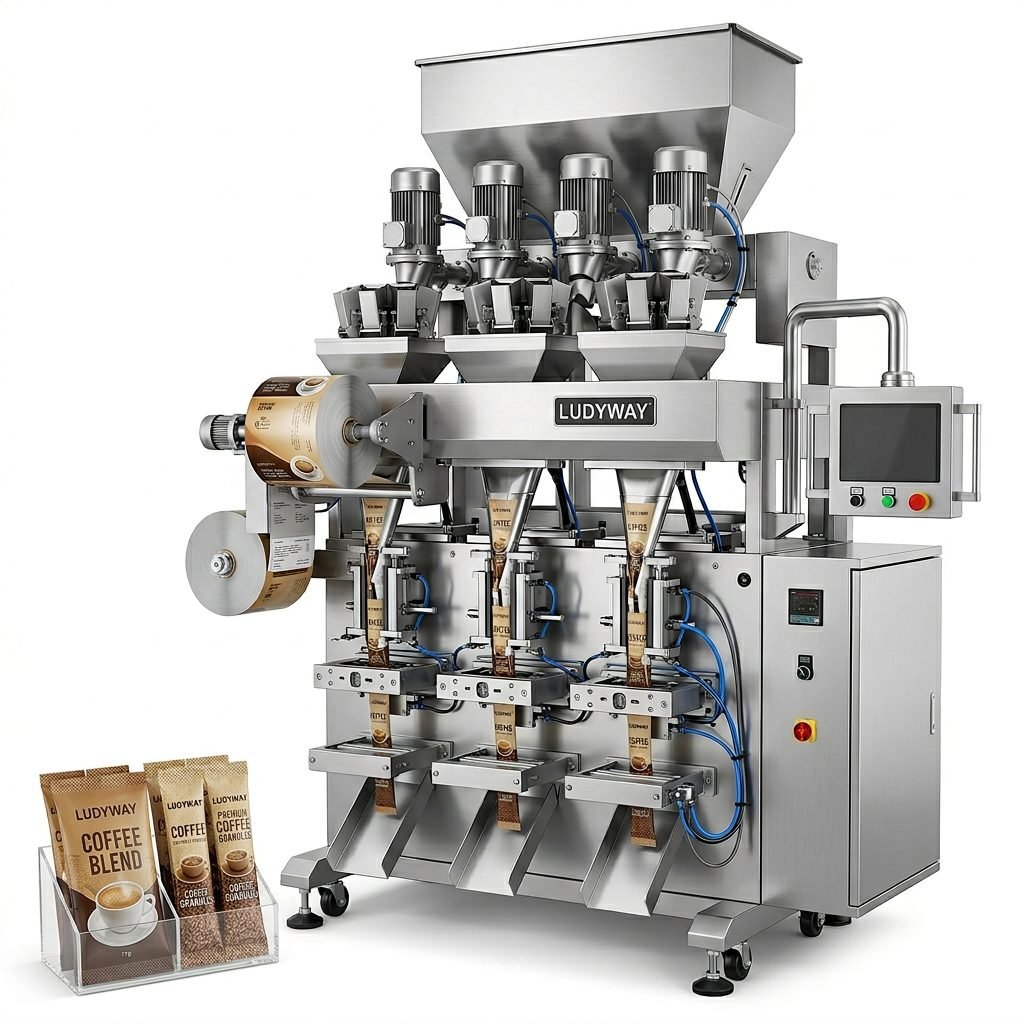
Selecting the Right Supplier
The supplier relationship matters as much as the machine itself. Look for manufacturers with documented experience in coffee packaging, positive customer testimonials, and transparent business practices. Ask for references from German customers who have been running the equipment for at least 12-24 months. Check whether the supplier participates in major trade fairs like PACK EXPO International or FachPack, which indicates long-term industry commitment.
Some manufacturers, such as Ludyway, offer comprehensive support including pre-sales consultation, customized configuration, factory acceptance testing, and post-installation technical service. A supplier with a broad portfolio — from entry-level chamber vacuum sealers to fully automated multi-lane lines — can grow alongside your business.
Key Specifications Checklist
| Specification | What to Look For |
|---|---|
| Vacuum pump type | Oil-lubricated rotary vane (higher vacuum) or dry pump (lower maintenance) |
| Ultimate vacuum level | 2-10 mbar for coffee products |
| Sealing length | 300mm – 1000mm+ depending on bag size |
| Cycle time | 6-30 seconds per cycle depending on automation level |
| Material | 304 or 316L stainless steel for food contact parts |
| Control system | PLC with HMI touchscreen, multi-language support including German |
| Gas flushing | Integrated nitrogen/CO₂ flushing with flow control |
| Power requirements | 230V/400V 50Hz three-phase for German industrial supply |
| Certifications | CE, food-safe materials per EU regulations |
Industry Resources and Further Reading
Stay informed about packaging trends and standards through these authoritative sources:
- PMMI – Packaging Machinery Market Research
- Flexible Packaging Association – Industry Resources
- ISO – International Packaging Standards
- PMMI – 2025 State of the Industry Report
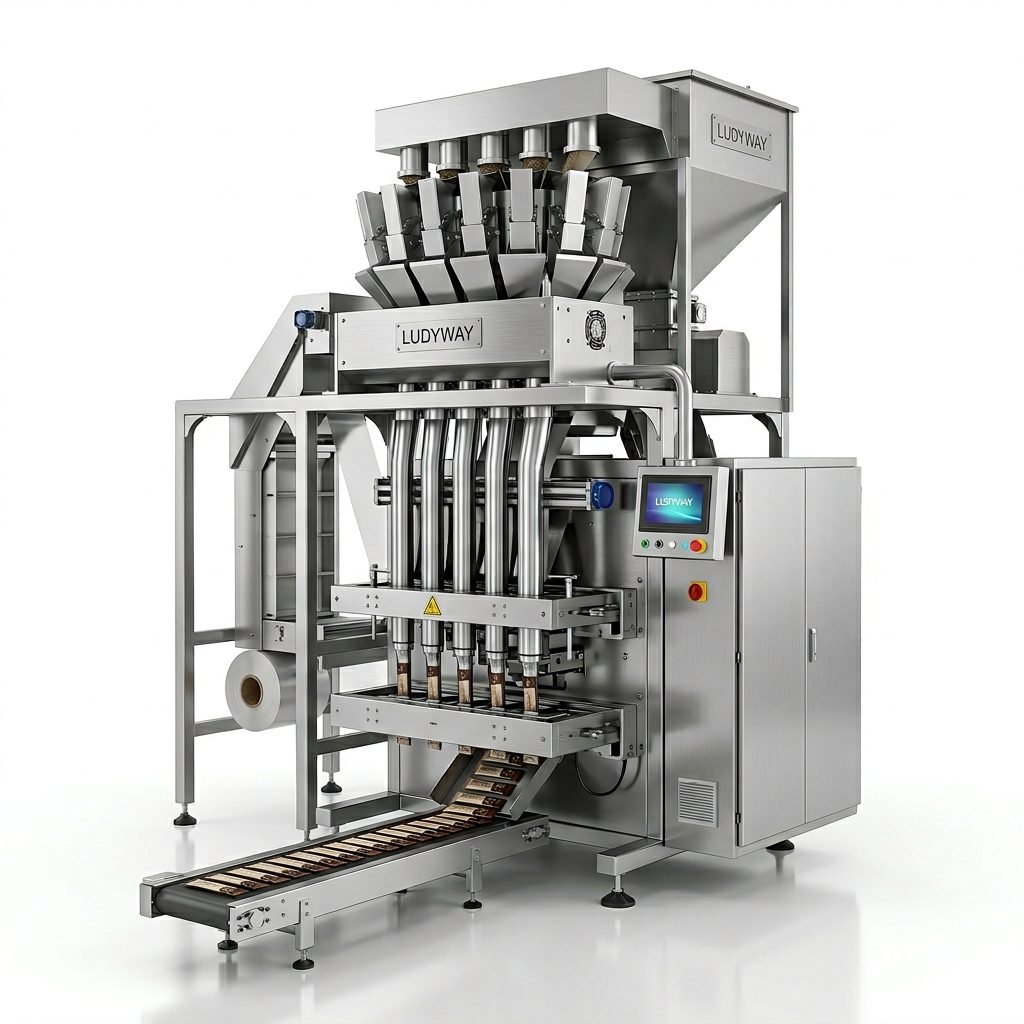
Making the Final Decision
Take a systematic approach to your purchase. Start by documenting your current and projected production volumes, package formats, and quality requirements. Create a shortlist of 3-5 suppliers, request detailed quotations with identical specifications, and compare not just the price but the complete value proposition. Factor in delivery time, installation support, training, warranty terms, and the availability of ongoing technical support within Germany.
Remember that a coffee vacuum packaging machine is a long-term asset. The right equipment will protect your product quality, reduce waste, increase throughput, and ultimately strengthen your brand reputation in the competitive German coffee market. Take your time, do thorough due diligence, and don’t hesitate to negotiate on service terms, spare parts packages, and extended warranties.