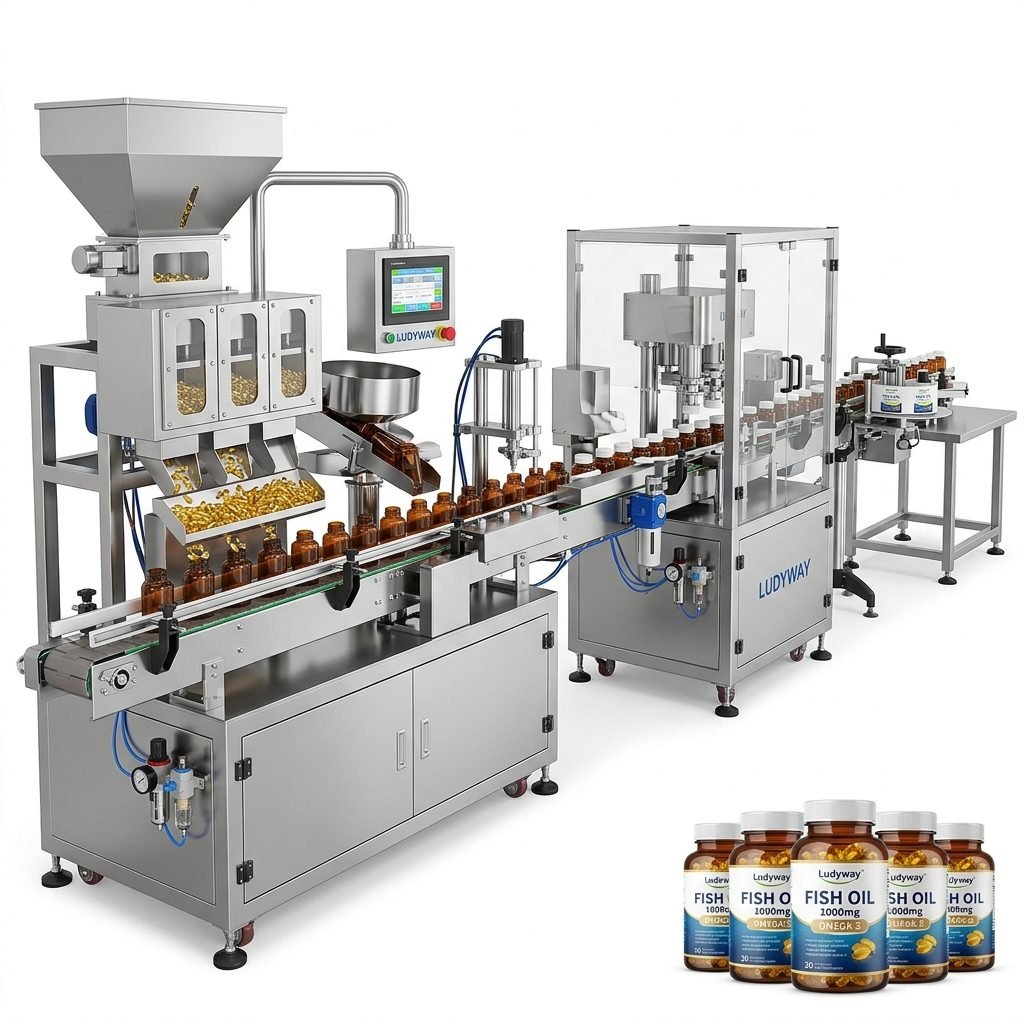
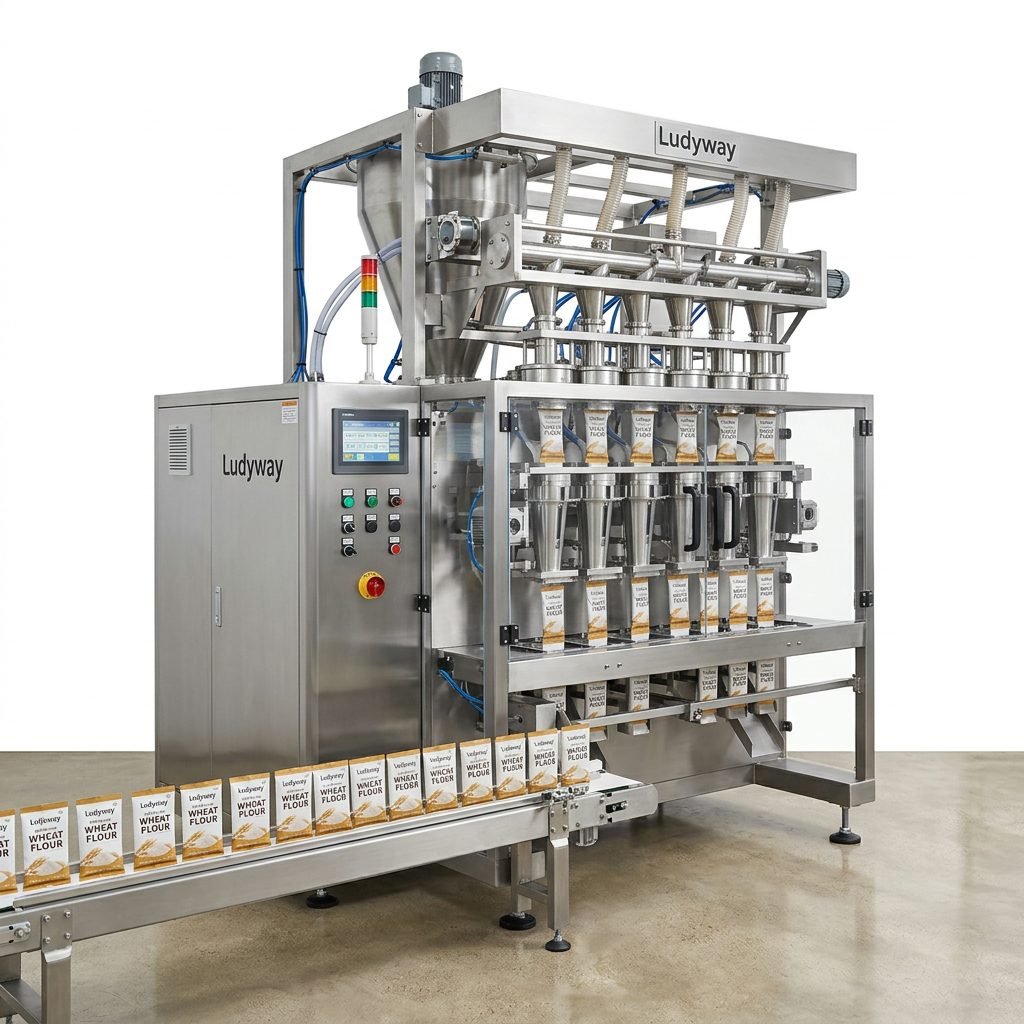
Establishing a seasoning packaging machine production line in Europe requires careful planning across equipment selection, budget allocation, and regulatory compliance. With the European seasoning and condiment market projected to grow steadily, manufacturers need efficient, high-speed packaging solutions that meet stringent EU standards while maintaining cost-effectiveness.
Key Equipment for a Seasoning Packaging Production Line
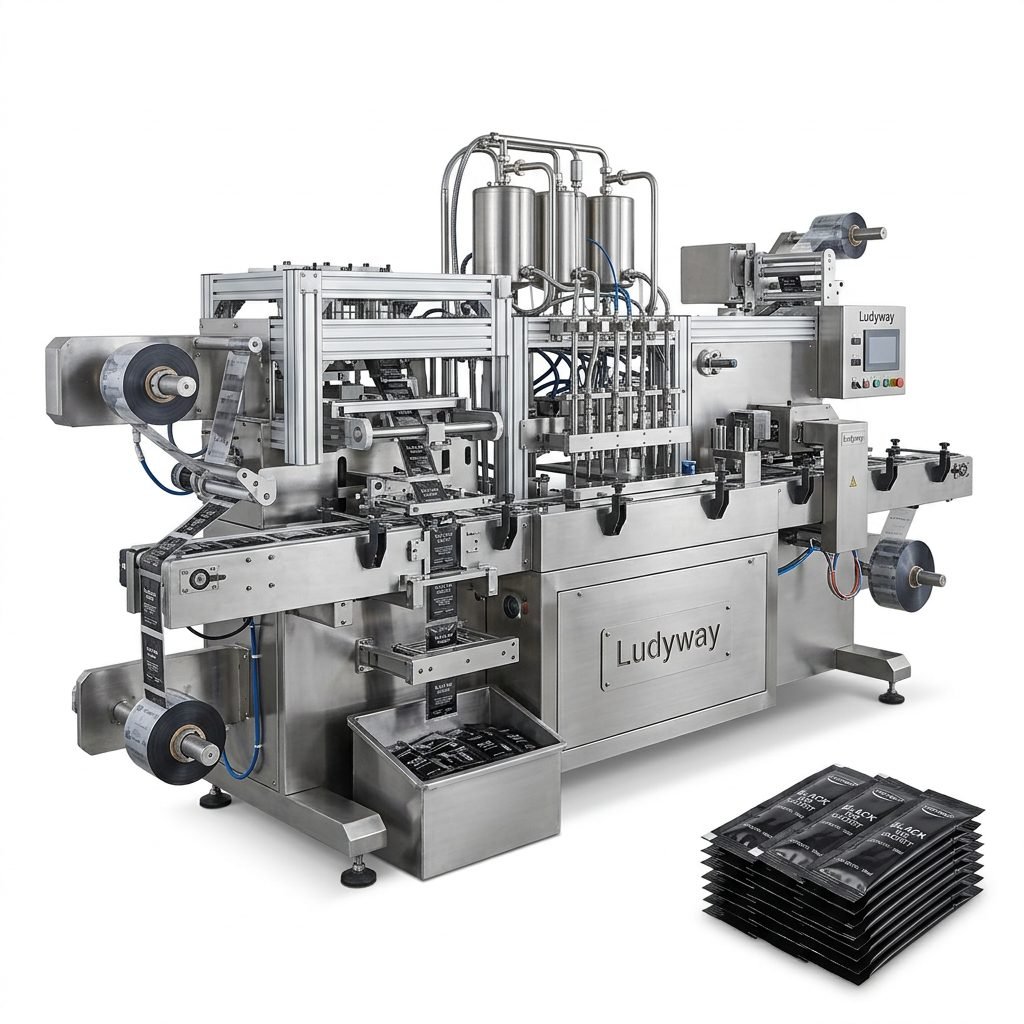
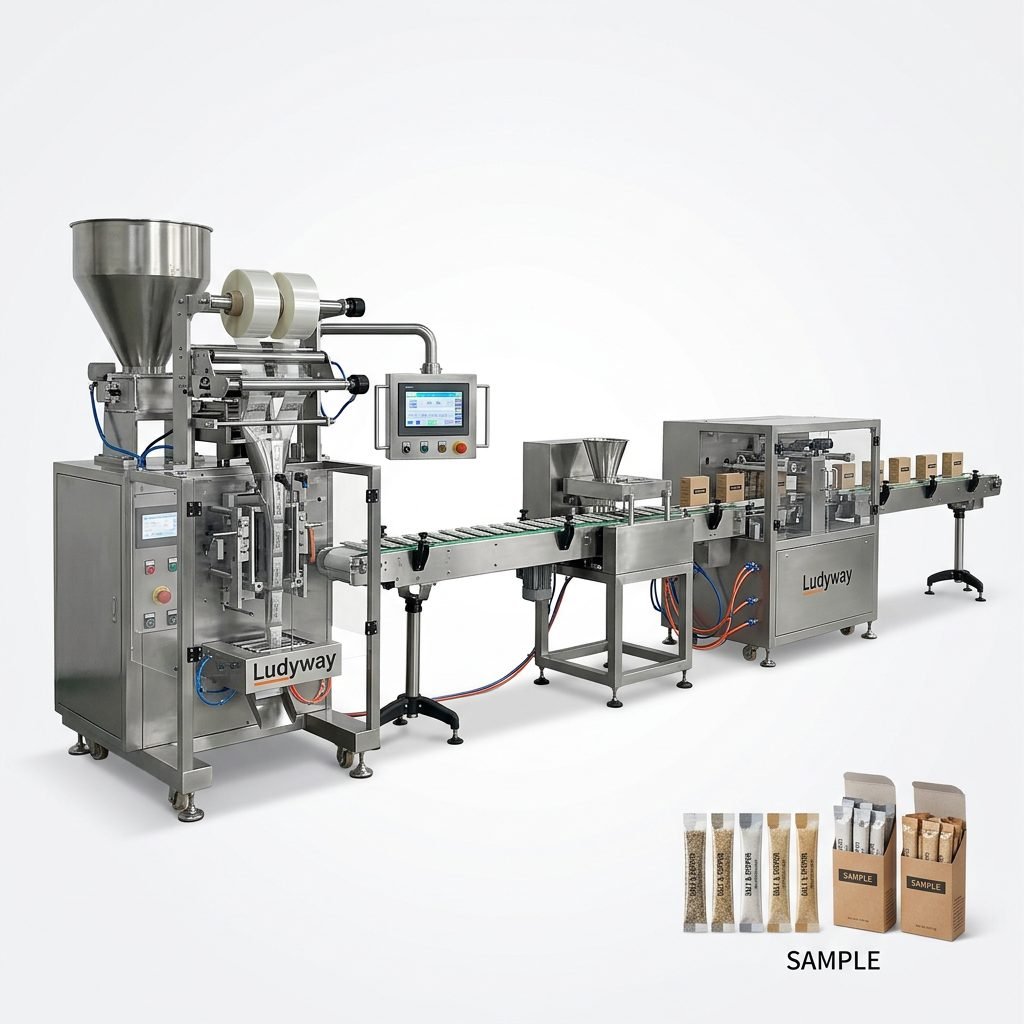
A complete seasoning packaging line typically integrates multiple machines to handle granule, powder, and liquid-based seasonings. The core equipment includes:
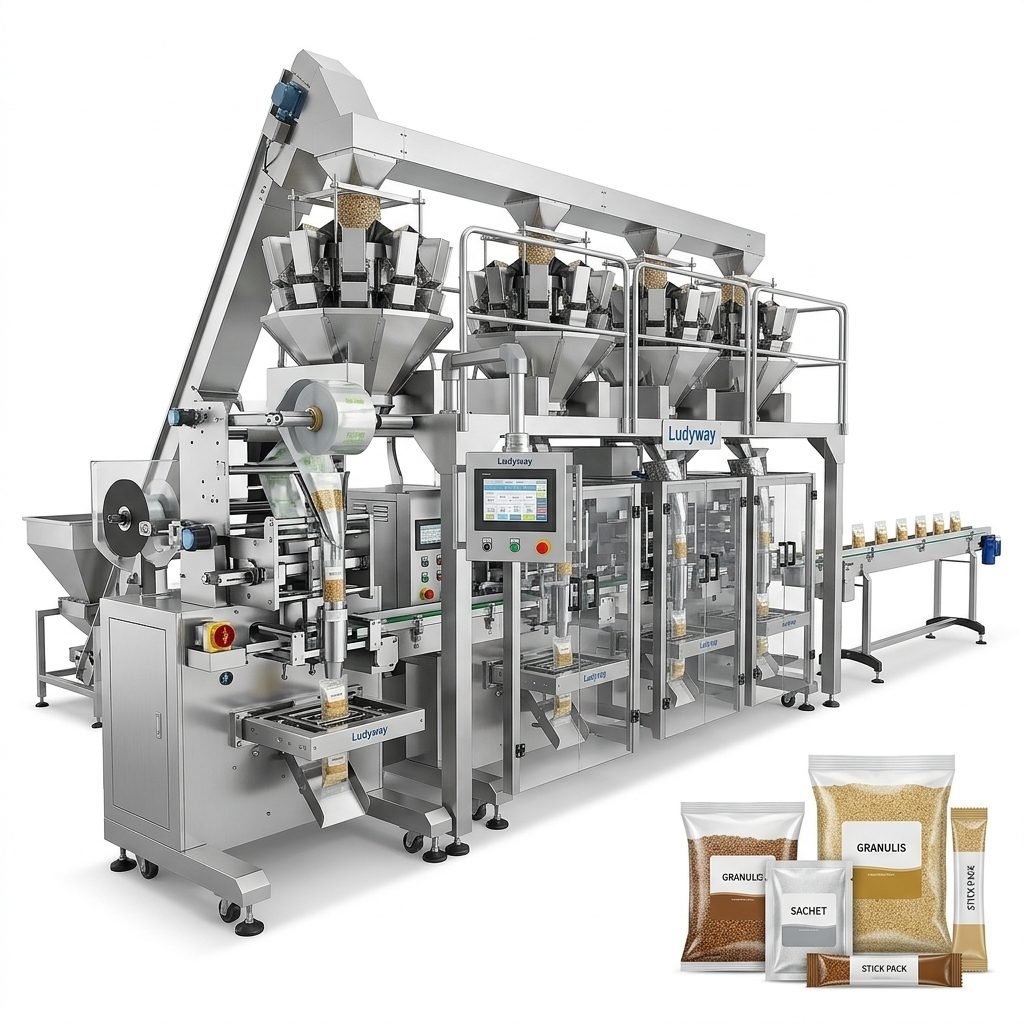
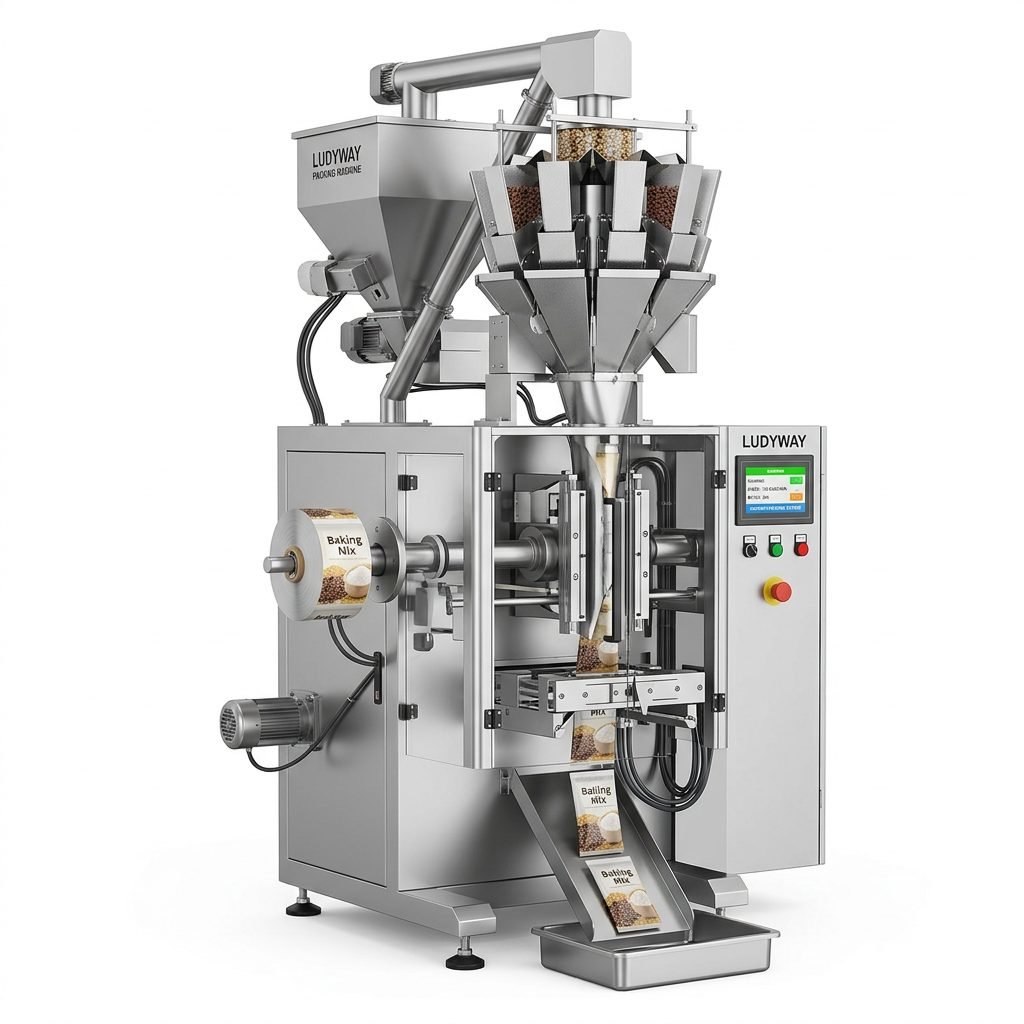
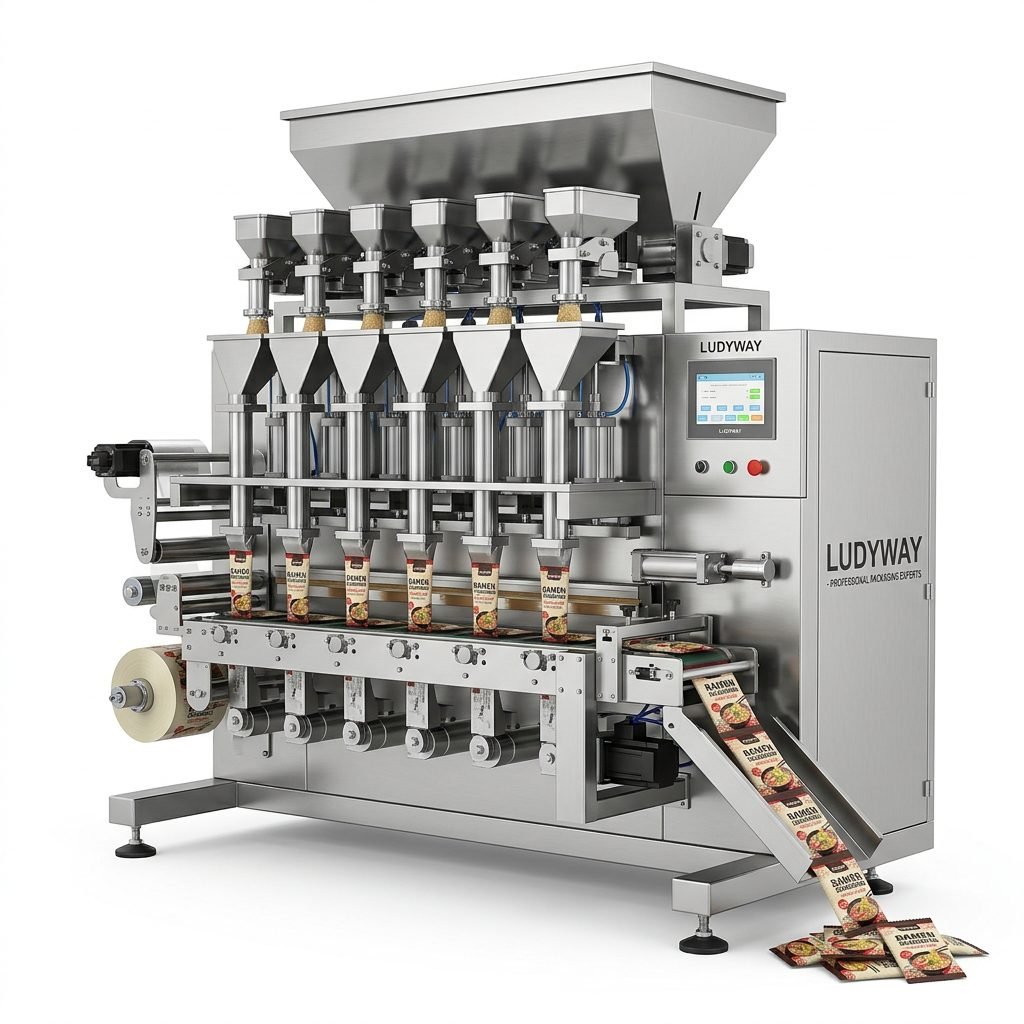
- Multi-head weigher or auger filler – for precise dosing of granular and powdered seasonings
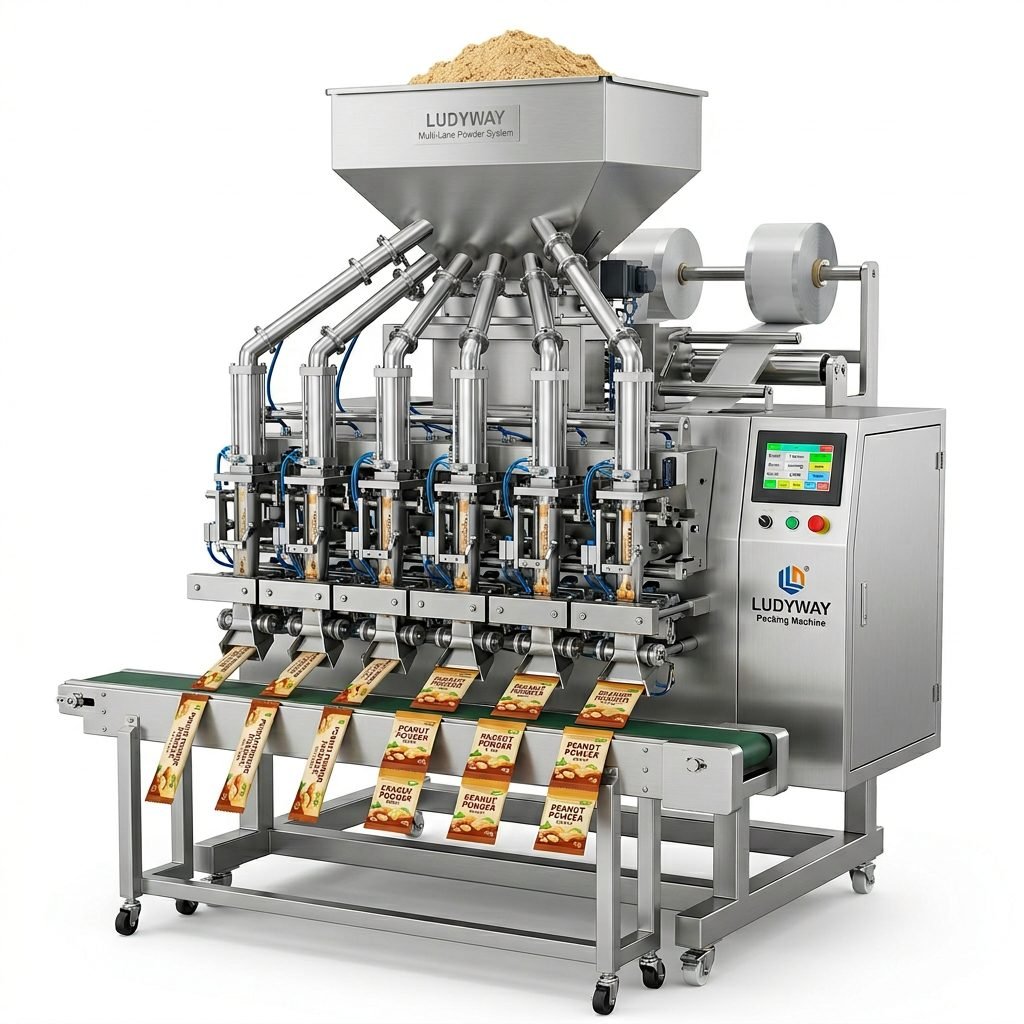
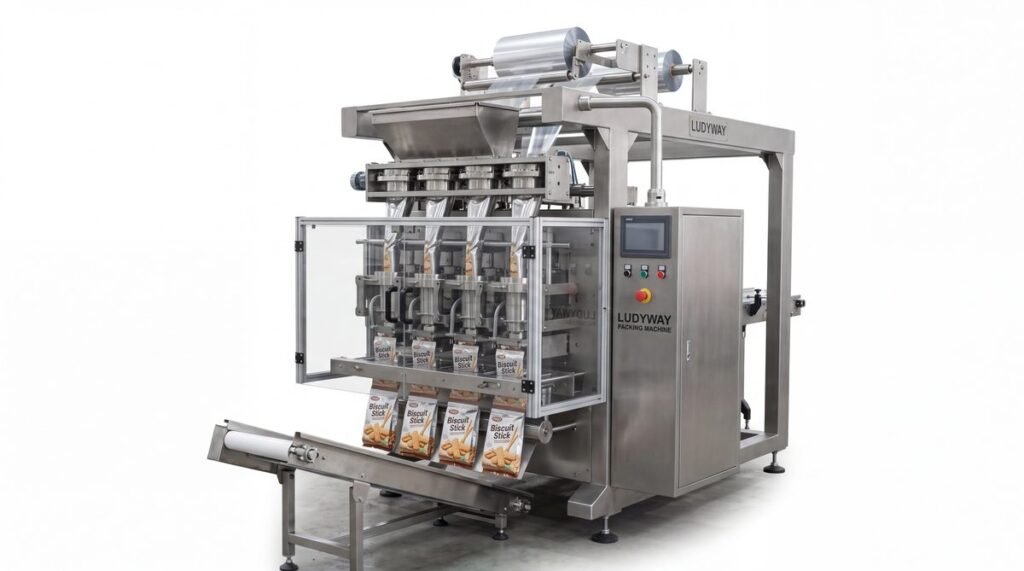
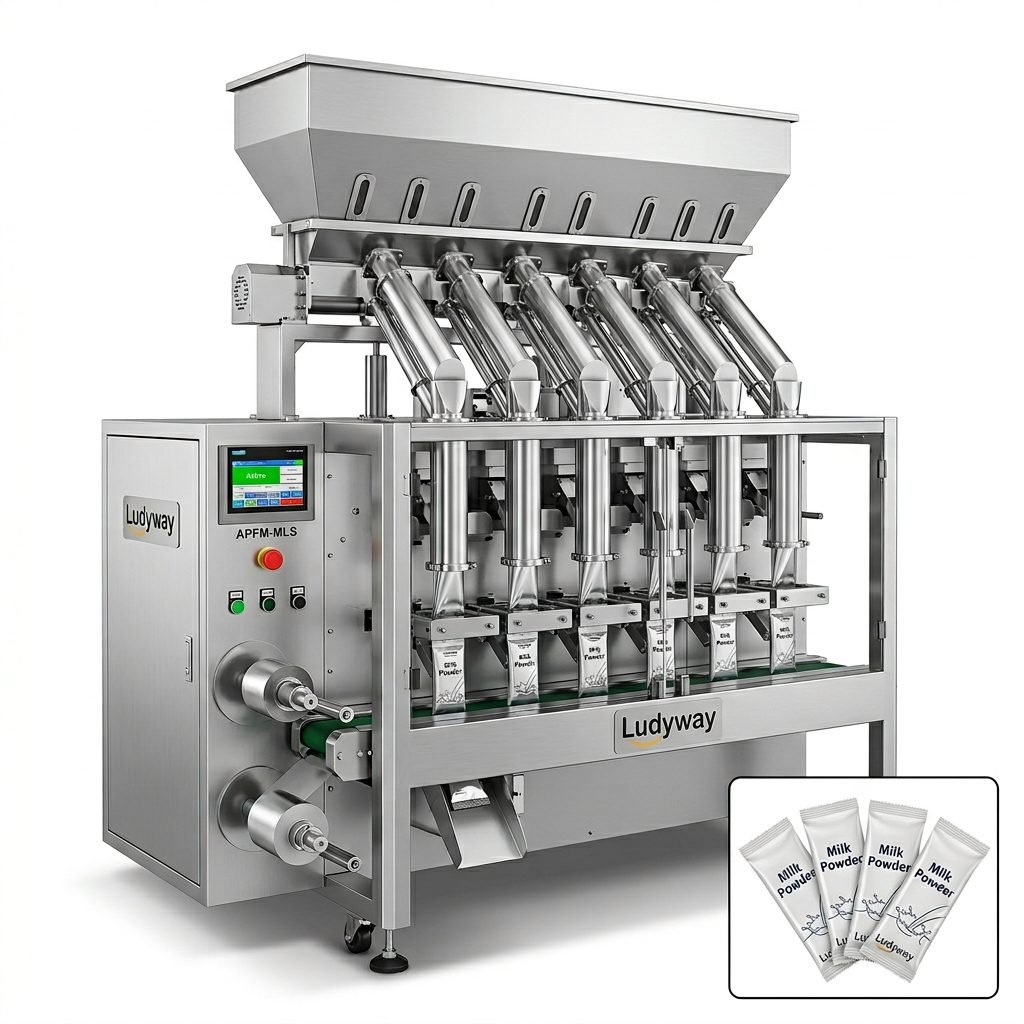
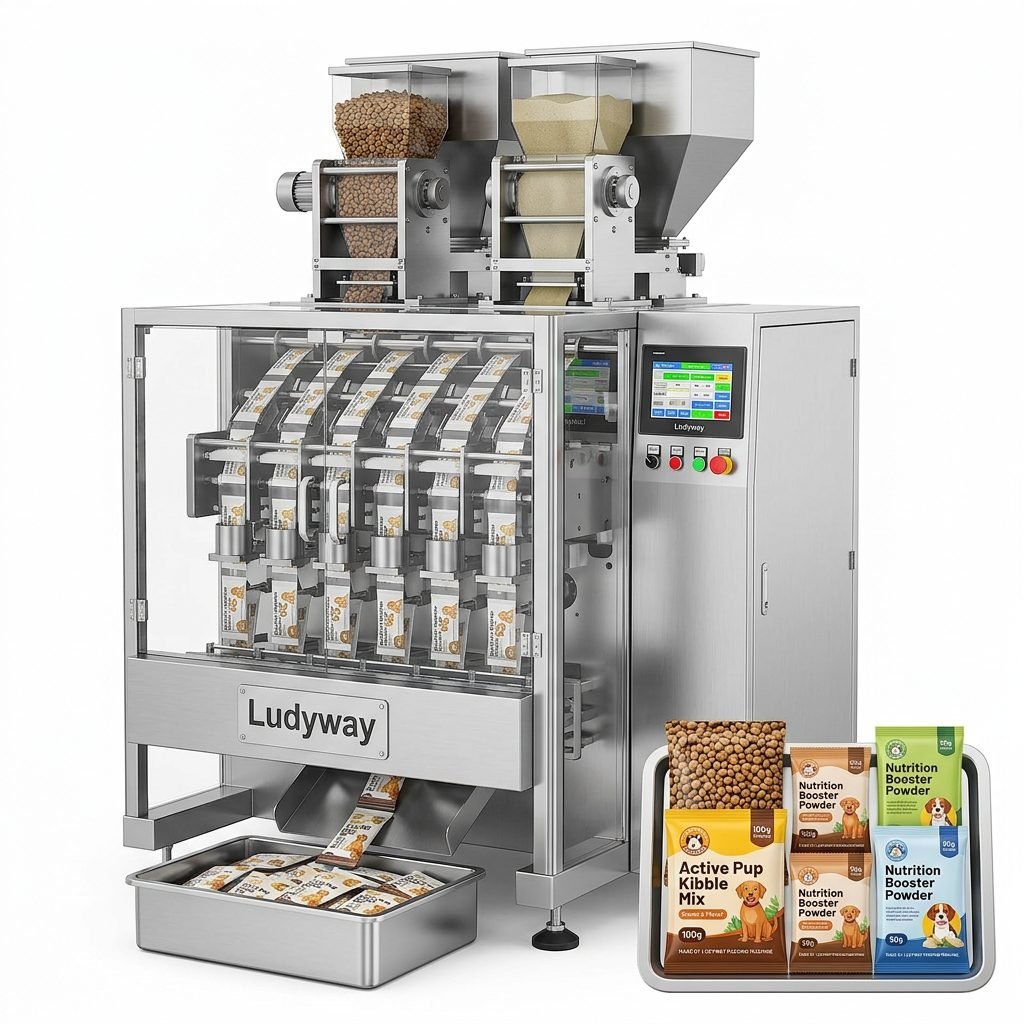
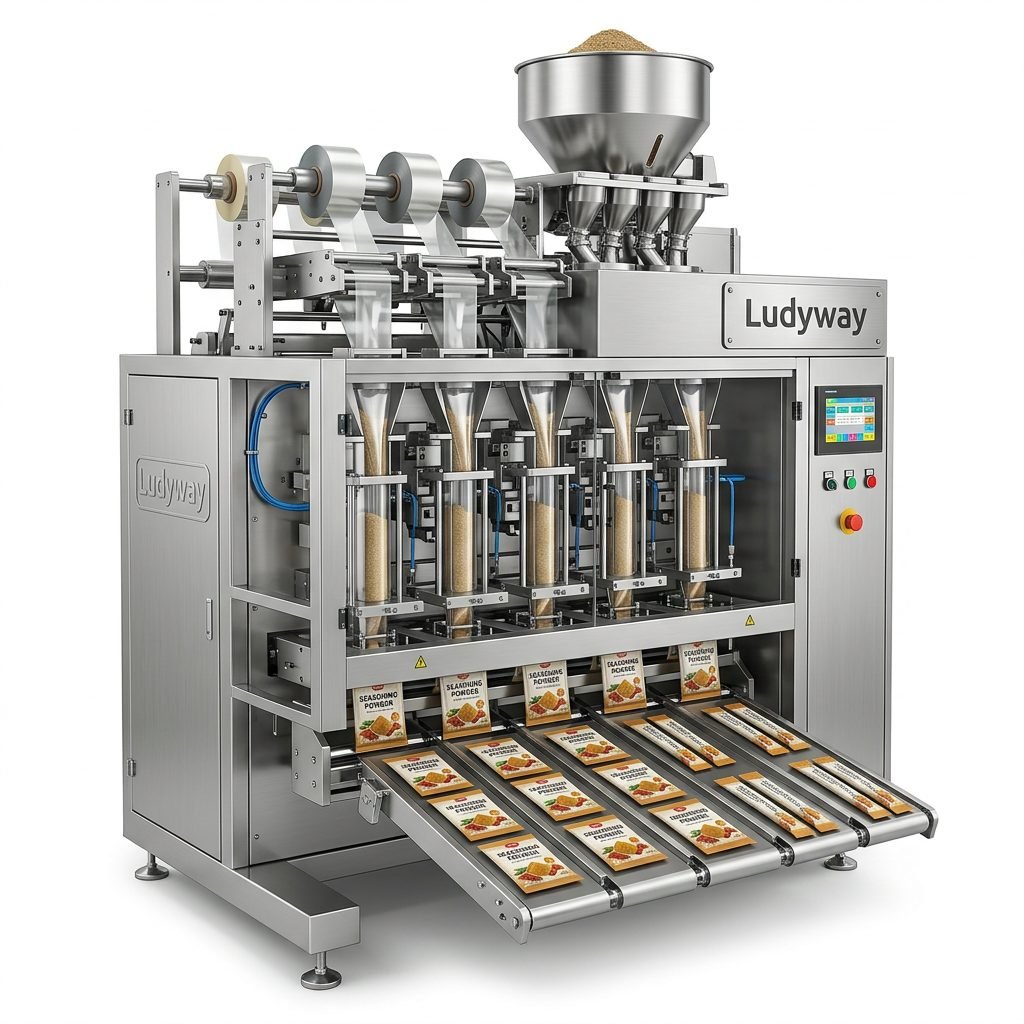
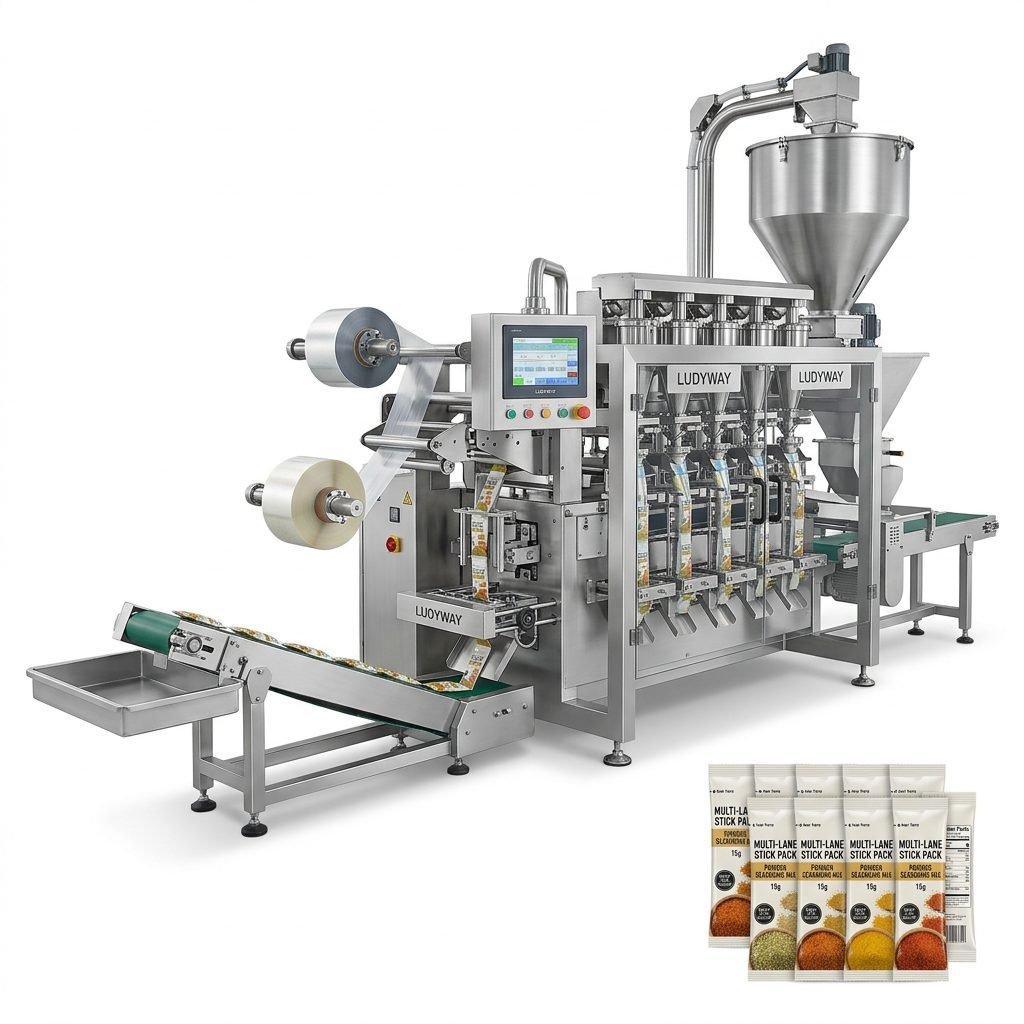
- Vertical form-fill-seal (VFFS) machine or multi-lane stick pack machine – ideal for sachet and stick pack formats popular in European foodservice and retail markets
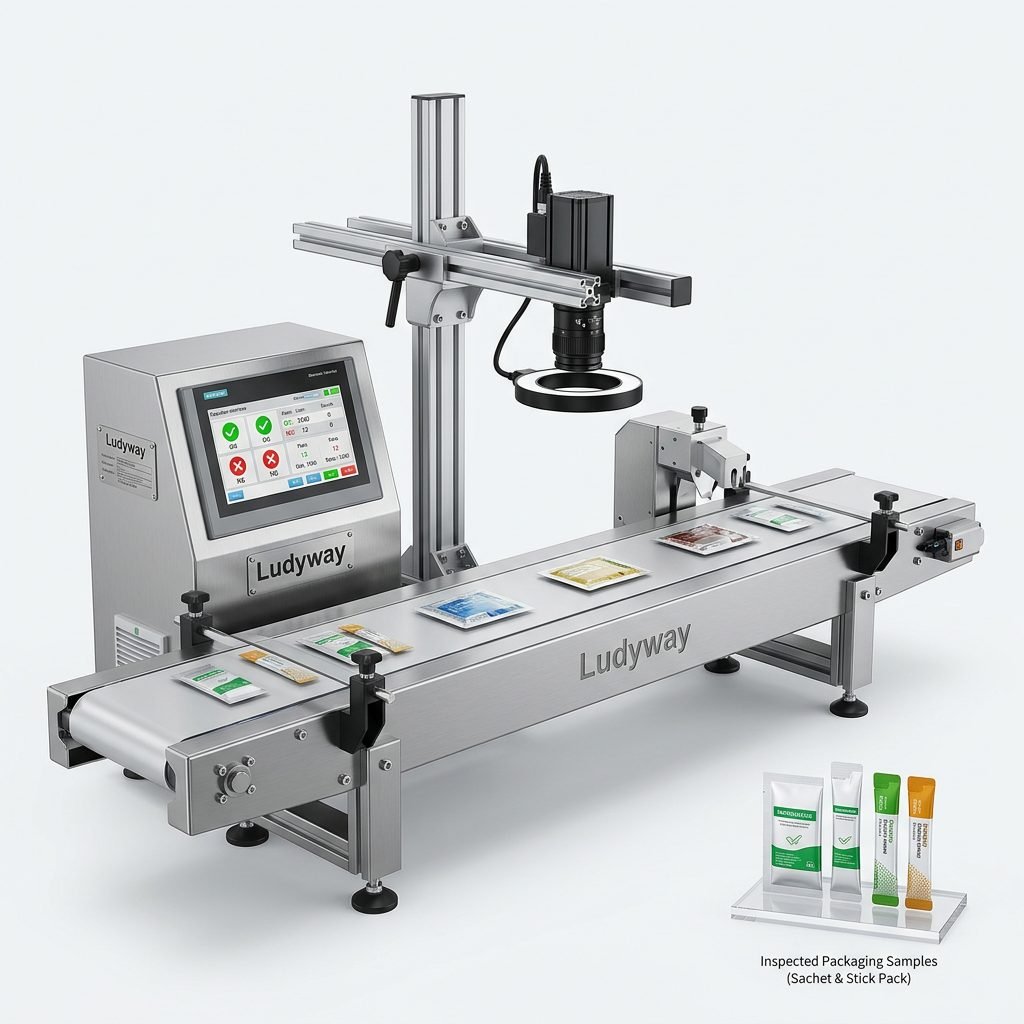
- Checkweigher and metal detector – ensuring weight accuracy and contamination-free products
- Cartoning and case packing systems – for secondary packaging and distribution-ready cartons
- Palletizing and stretch-wrapping units – automating end-of-line logistics
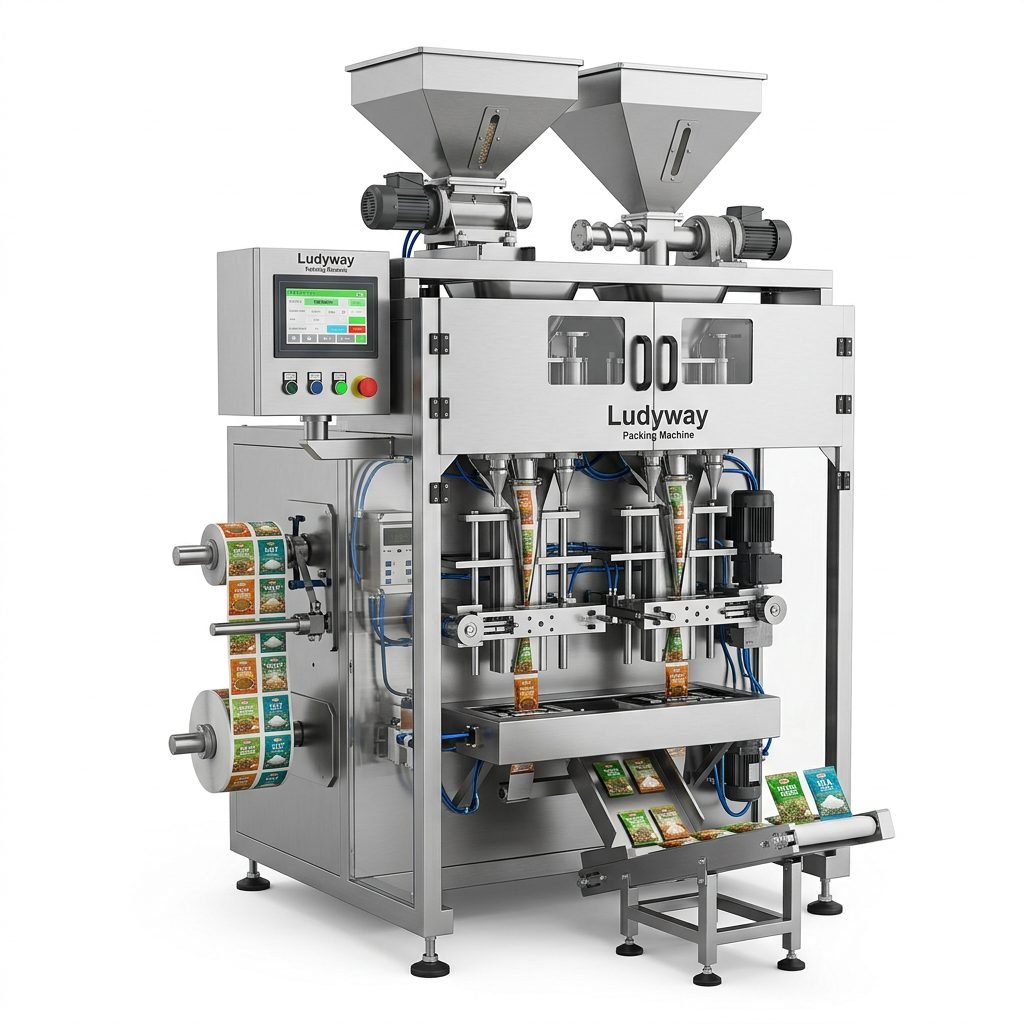
For high-volume production, multi-lane stick pack systems have become the preferred choice across Europe. These machines can produce up to 400-600 packs per minute per lane, significantly reducing per-unit packaging costs while maintaining portion-control accuracy for seasonings, spice blends, and condiment powders. When selecting equipment, consider packaging machinery market research data to benchmark performance specifications against industry standards.
Cost Breakdown and Budget Planning
Setting up a seasoning packaging line in Europe involves several cost categories. The following table provides a general overview of estimated investment ranges for different production scales:
| Cost Category | Small-Scale Line | Medium-Scale Line | High-Capacity Line |
|---|---|---|---|
| Primary Packaging Machine | €40,000 – €80,000 | €100,000 – €250,000 | €300,000 – €600,000+ |
| Auxiliary Equipment | €15,000 – €30,000 | €50,000 – €100,000 | €120,000 – €250,000 |
| Installation & Commissioning | €5,000 – €12,000 | €15,000 – €30,000 | €35,000 – €60,000 |
| CE Certification & Compliance | €3,000 – €8,000 | €8,000 – €20,000 | €20,000 – €40,000 |
| Annual Maintenance | €3,000 – €6,000 | €8,000 – €18,000 | €20,000 – €45,000 |
Beyond equipment costs, manufacturers must also budget for facility modifications, operator training, and ongoing consumables such as packaging film. European buyers should factor in import duties and VAT when sourcing equipment from non-EU suppliers. For detailed economic insights, the 2026 packaging state of the industry report provides valuable data on capital expenditure trends across global markets.
European Regulatory Compliance for Packaging Machinery
All seasoning packaging equipment installed in the EU must comply with a comprehensive framework of safety, hygiene, and environmental regulations. The key regulatory requirements include:
Machinery Directive (2006/42/EC)
The foundational regulation governing machinery safety in the European Economic Area. Packaging machines must carry CE marking and be accompanied by a Declaration of Conformity. This covers mechanical safety, electrical safety, and ergonomic design requirements.
Food Contact Materials Regulation (EC) No 1935/2004
Since seasoning packaging involves direct food contact, all machine components that touch the product must comply with this regulation. Materials must not transfer constituents to food in quantities that could endanger human health or alter food composition.
EU Packaging and Packaging Waste Regulation
The European Commission packaging and packaging waste regulation sets requirements for packaging minimisation, recyclability, and the use of recycled content. Seasoning packagers must ensure their packaging materials align with these evolving sustainability targets, particularly regarding single-use sachet formats.
Hygienic Design Standards
Packaging machinery for food applications should follow EHEDG (European Hygienic Engineering & Design Group) guidelines and relevant ISO packaging standards. Key design features include stainless steel construction, easy-to-clean surfaces, and IP65 or higher protection ratings for washdown environments.
Step-by-Step Guide to Setting Up Your Production Line
- Define product specifications – Determine the seasoning type (powder, granule, liquid, paste), target pack sizes, and required output volumes. This directly influences machine configuration choices.
- Conduct a facility assessment – Evaluate available floor space, utility requirements (electrical supply, compressed air, water), and environmental conditions. European facilities often require climate-controlled production areas for hygroscopic seasoning products.
- Select CE-certified equipment – Choose machinery that already carries CE marking or work with suppliers who can provide full technical documentation for EU compliance assessment.
- Plan the line layout – Design an efficient material flow from raw material feeding through primary packaging, secondary cartoning, and palletizing. Consider future scalability in your layout design.
- Install and commission – Engage qualified technicians for mechanical installation, electrical integration, and control system setup. Commissioning should include dry runs and production trials with actual seasoning products.
- Train operators and maintenance staff – Develop standard operating procedures in the local language and ensure staff are trained on safety protocols, machine operation, and cleaning procedures.
- Implement quality control systems – Integrate checkweighers, metal detectors, and vision inspection systems to maintain consistent product quality and traceability.
Choosing the Right Packaging Partner
Selecting a reliable equipment supplier is critical for long-term operational success. European manufacturers should evaluate potential partners based on CE certification readiness, after-sales support availability within the EU, and proven experience with seasoning products. Look for suppliers who offer comprehensive technical documentation, local service networks, and spare parts availability to minimise downtime.
Ludyway is one of the largest packaging machine manufacturers in China, specializing in advanced packaging equipment and turnkey production solutions for the food, pharmaceutical, and health industries. With over 30 years of industry expertise and a modern 20,000㎡ manufacturing facility, the company provides reliable and efficient packaging solutions for granule, powder, liquid, and pouch packaging applications, serving customers in over 100 countries and regions worldwide.
Key Considerations for Seasoning-Specific Applications
- Moisture sensitivity – Many seasoning powders are hygroscopic. Equipment should support nitrogen flushing or include dehumidification systems for the packaging environment.
- Dust control – Fine seasoning powders generate dust that can affect machine sensors and create cross-contamination risks. Dust extraction systems are essential for clean operation.
- Changeover flexibility – European seasoning manufacturers often produce multiple SKUs. Quick-changeover features reduce downtime between production runs of different seasoning blends.
- Portion accuracy – Multi-head weighers with ±0.5–1% accuracy are standard for premium seasoning products where overfilling directly impacts profitability.
Additional Resources
- PMMI – The Association for Packaging and Processing Technologies
- Flexible Packaging Association – Industry Resources
- FDA – Food Packaging and Food Contact Substances
Setting up a successful seasoning packaging production line in Europe requires a holistic approach that balances equipment capability, regulatory compliance, and total cost of ownership. By carefully evaluating each component of the line and partnering with experienced equipment manufacturers, businesses can build efficient, future-proof packaging operations that meet the demands of the European market.