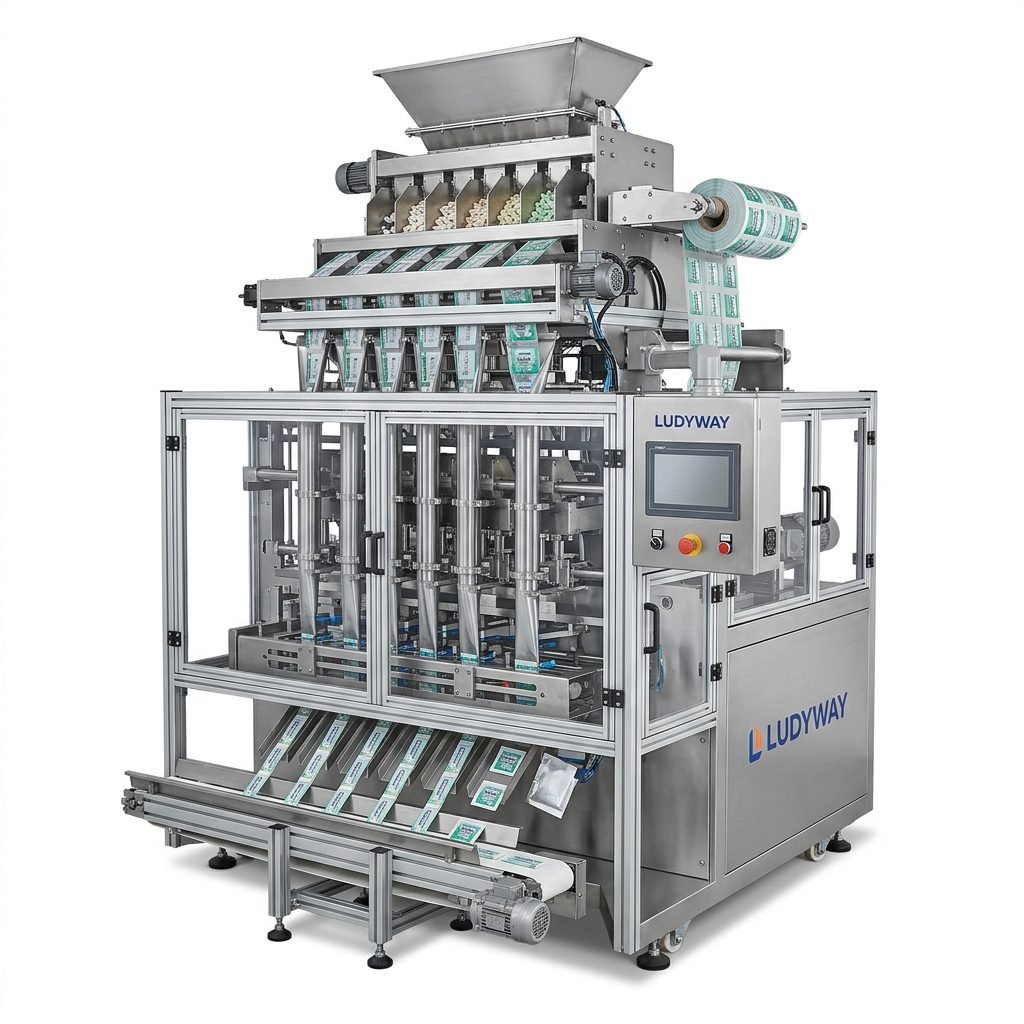
Investing in a multihead packing machine is a strategic decision that directly affects production efficiency, product quality, and long-term operational costs. With so many configurations, dosing technologies, and automation levels available, identifying the right equipment for your specific application can feel overwhelming. This guide breaks down the essential factors to evaluate before making a purchase, helping you select a multihead packing machine that aligns with your production goals, product characteristics, and budget.
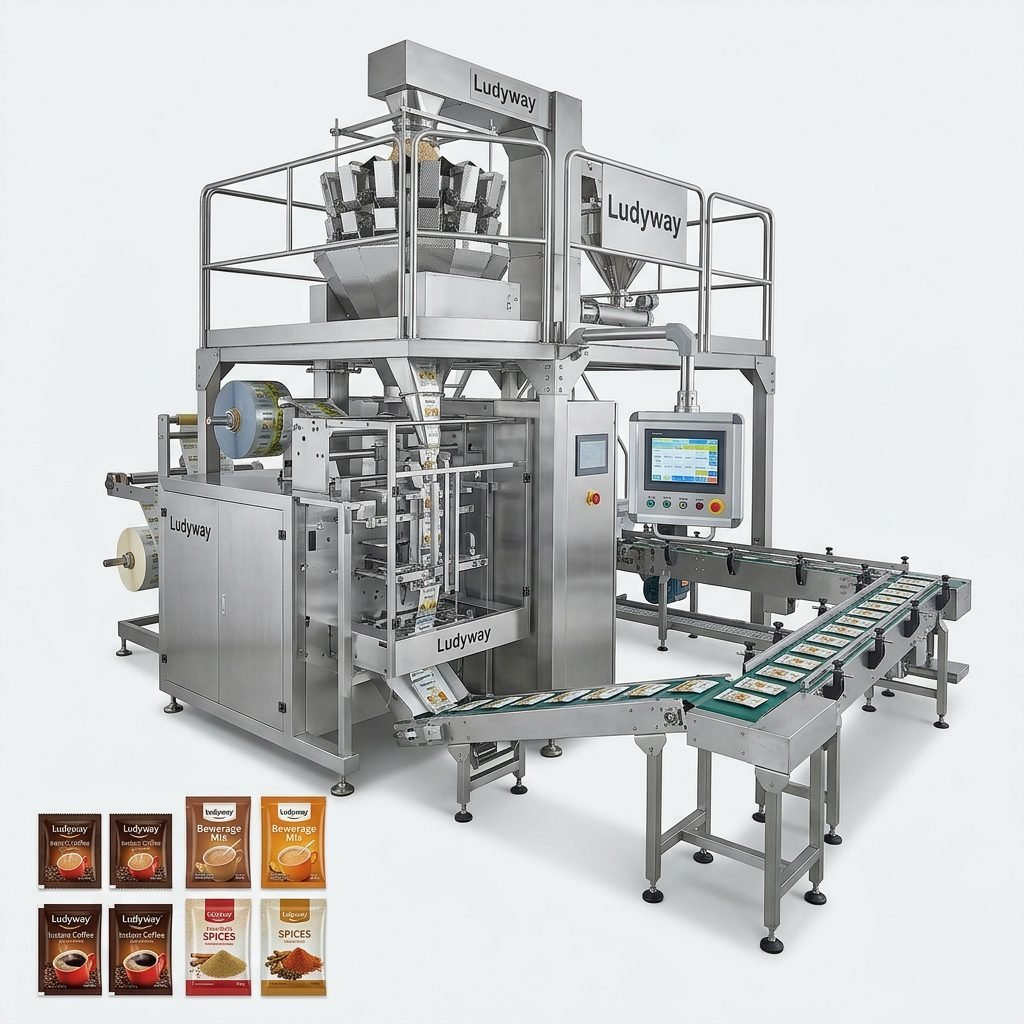
Understanding Multihead Packing Machine Technology
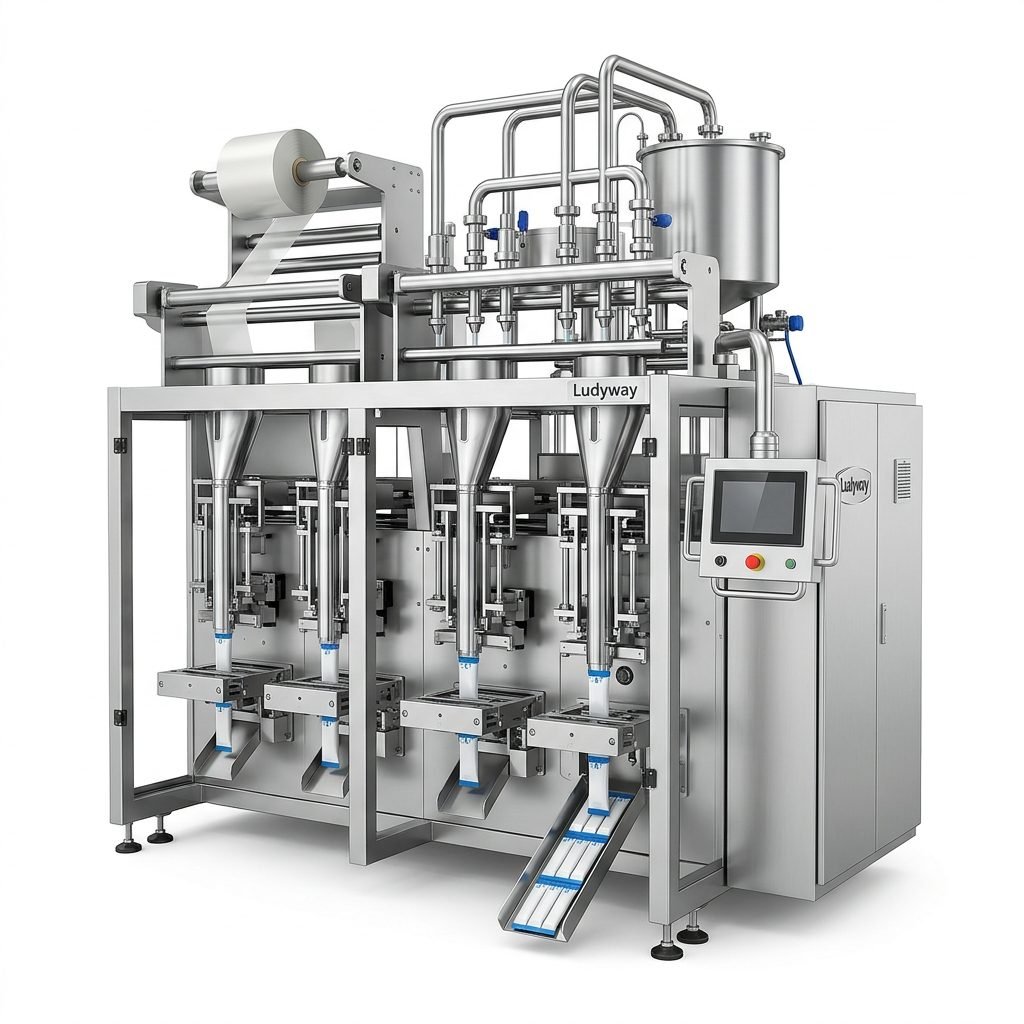
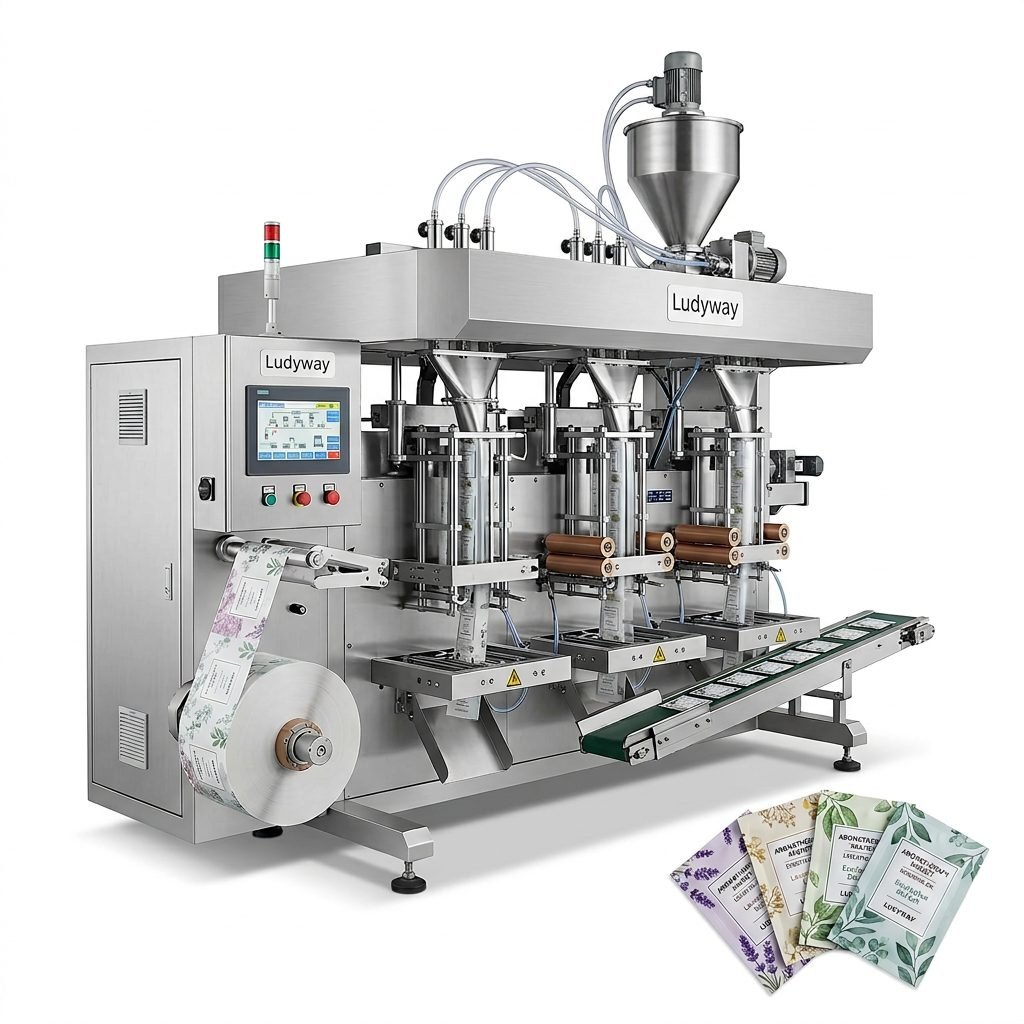
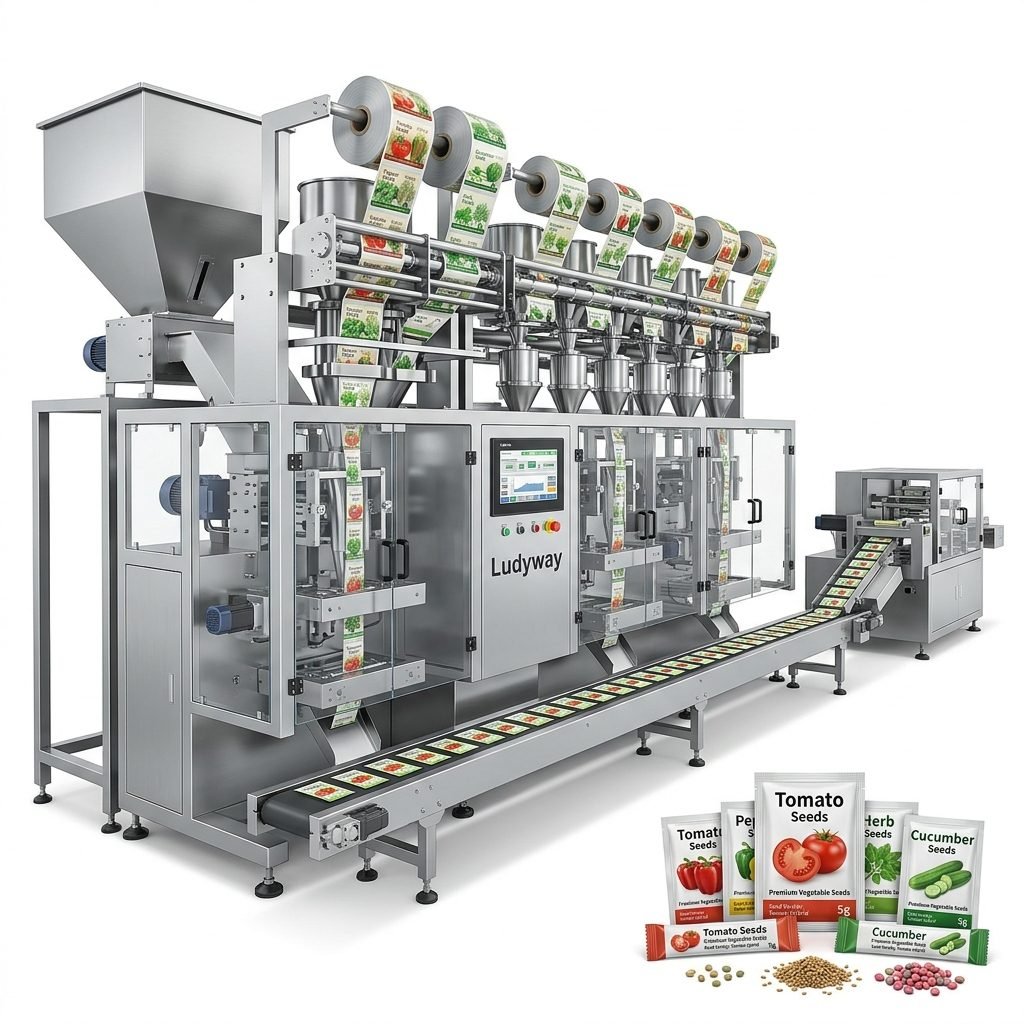
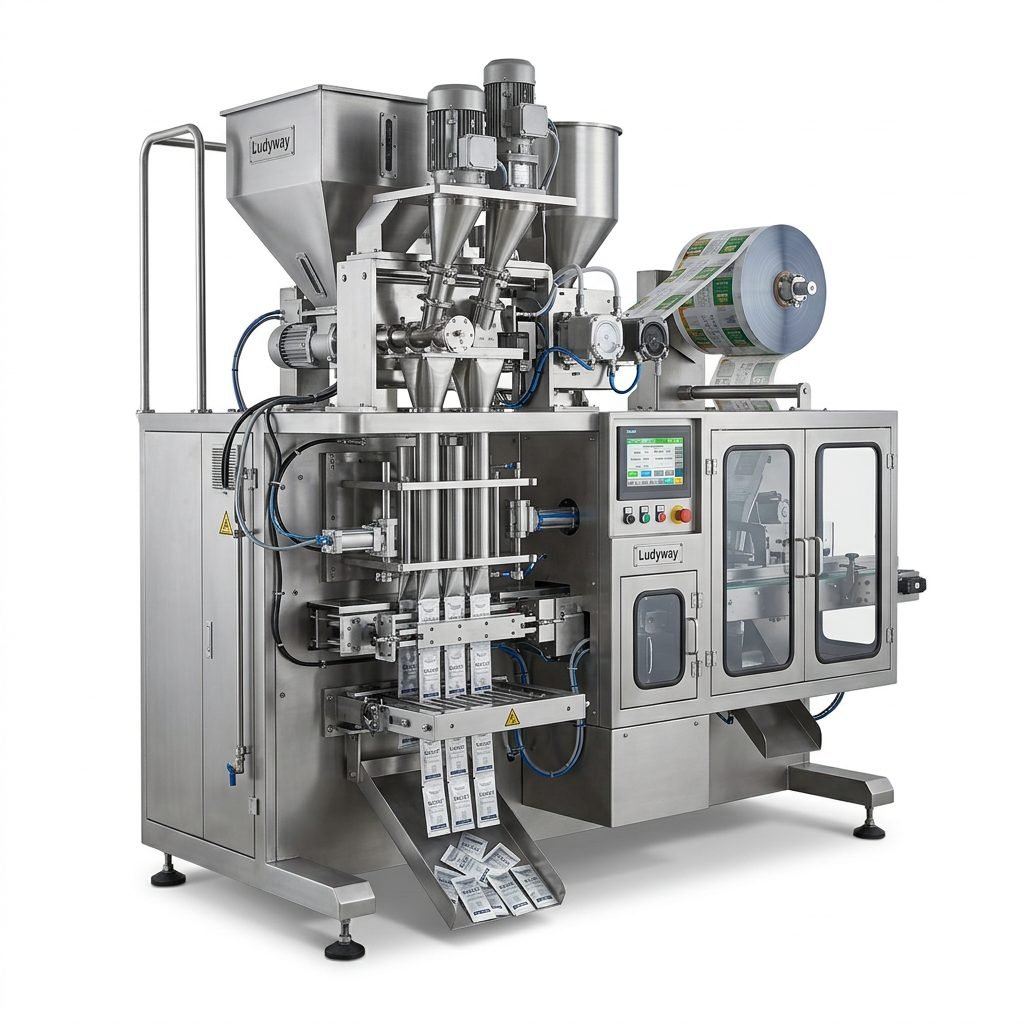
A multihead packing machine uses multiple filling heads or lanes operating simultaneously to package products into sachets, stick packs, pouches, or other flexible formats. Unlike single-lane equipment, these machines multiply throughput without proportionally increasing floor space or operator requirements. They are particularly effective for powders, granules, and free-flowing solids, though liquid configurations are also widely available.
Modern multihead packing systems integrate dosing, filling, sealing, cutting, and often coding or inspection into a single automated sequence. The number of lanes typically ranges from 4 to 16 or more, enabling production speeds that can exceed 1,000 packs per minute in high-speed configurations. This makes them indispensable for manufacturers in the food, pharmaceutical, nutraceutical, and chemical industries.
Key Factors to Evaluate Before Buying
Selecting the right multihead packing machine requires a systematic evaluation of your product, packaging materials, production environment, and business objectives. Below are the critical decision drivers.
1. Product Characteristics and Flowability
The physical properties of your product significantly influence machine selection. Powder density, granule size distribution, moisture content, and flowability determine the appropriate dosing mechanism. Common dosing technologies include:
- Auger fillers – for fine powders such as milk powder, flour, and pharmaceutical actives
- Volumetric cup fillers – for free-flowing granules like sugar, salt, and seeds
- Multi-head weighers – for high-precision weighing of granules, snacks, and irregular solids
- Piston or pump fillers – for liquids, pastes, and creams
2. Packaging Format and Material
Determine the exact format you need: stick packs, three-side-seal sachets, four-side-seal sachets, gusseted pouches, or stand-up pouches. Each format has different sealing requirements and film specifications. Confirm whether the machine supports your preferred flexible packaging materials, including laminates, aluminum foil, PE, or biodegradable films. The film’s heat-sealability, barrier properties, and thickness range must be compatible with the machine’s sealing system.
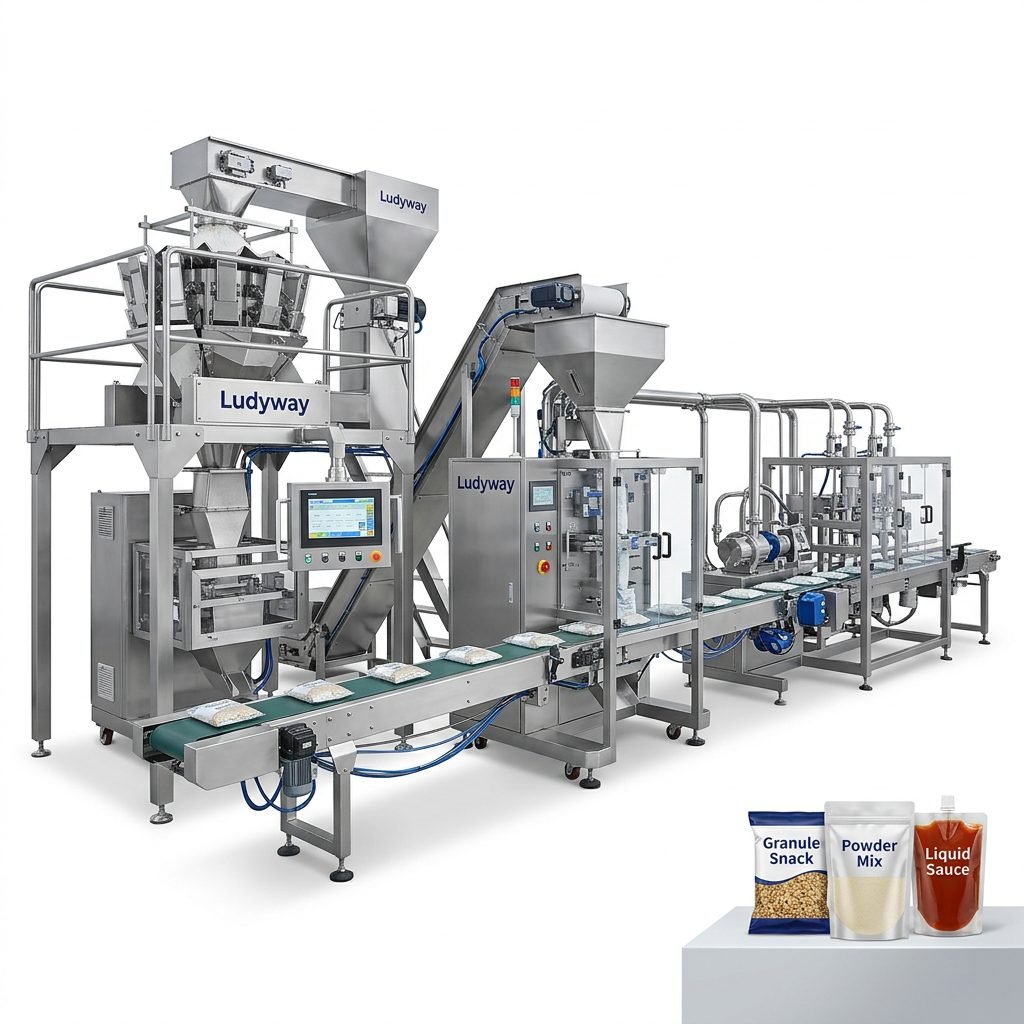
3. Production Speed Requirements
Define your current and projected output targets. Multihead machines can achieve dramatically different speeds depending on the number of lanes, dosing technology, and packaging format. A 4-lane stick pack machine might produce 200-400 packs per minute, while a 16-lane sachet system can exceed 1,200 packs per minute. Consider not only peak speed but also OEE (Overall Equipment Effectiveness), changeover time between formats, and uptime reliability.
4. Filling Accuracy and Consistency
In industries like pharmaceuticals or nutraceuticals, fill weight accuracy is not just a quality metric—it is a regulatory requirement. Multihead weighers offer superior accuracy for high-value products. When evaluating equipment, review specifications for weighing deviation, dose repeatability, and waste rates. Machines with integrated checkweighing and feedback control systems can automatically adjust dosing parameters to maintain consistency over long production runs.
Comparing Multi-Lane Configurations
The table below summarizes common multi-lane configurations and their suitability for different applications:
| Lane Count | Typical Speed Range | Best Suited Products | Ideal Packaging Format |
|---|---|---|---|
| 4-6 Lanes | 150-400 packs/min | Pharmaceutical powders, specialty supplements | Stick packs, small sachets |
| 8-10 Lanes | 400-800 packs/min | Coffee, sugar, seasoning powders, instant beverages | Stick packs, three-side-seal sachets |
| 12-16 Lanes | 800-1,200+ packs/min | Condiments, sauces, ketchup, high-volume granules | Sachets, mini pouches, liquid stick packs |
Automation and Integration Capabilities
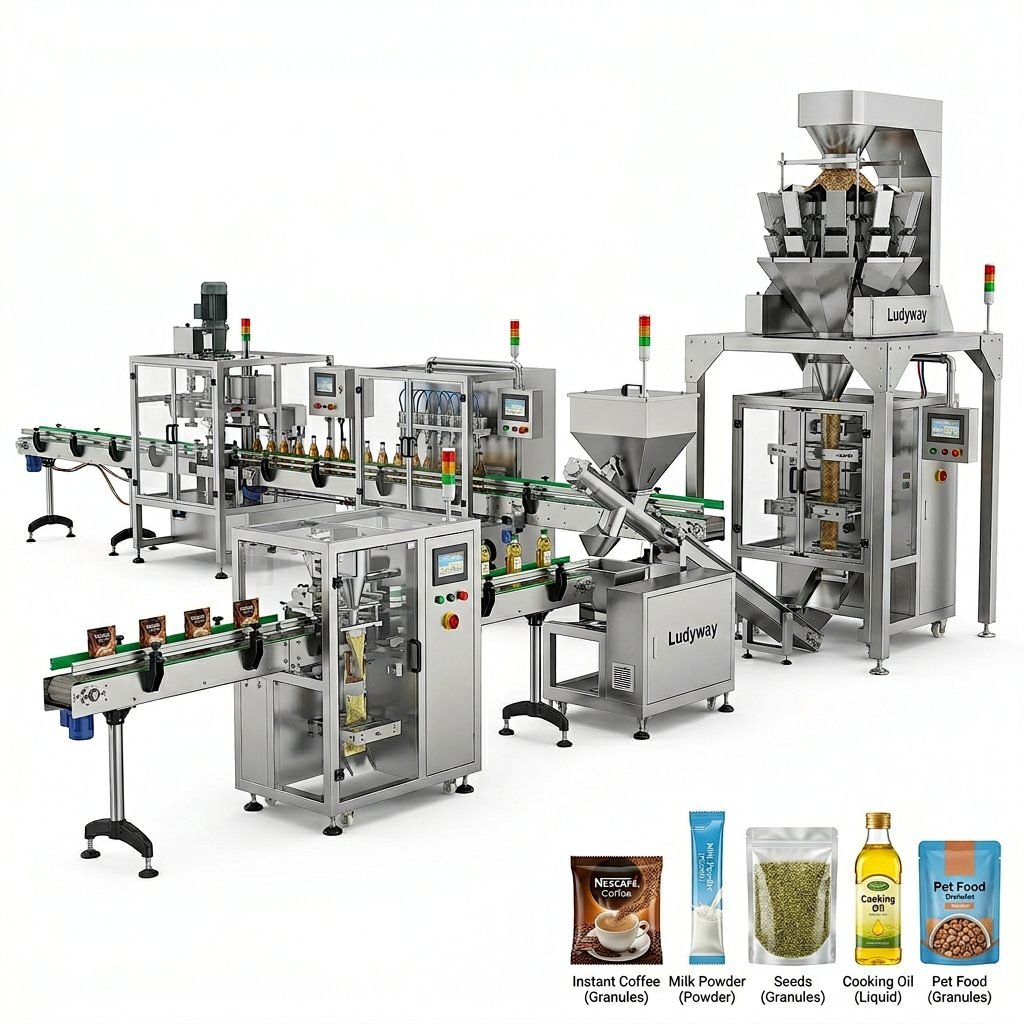
A modern multihead packing machine should not operate in isolation. Evaluate how the equipment integrates with upstream and downstream processes. Key integration points include:
- Automatic feeding systems – hoppers, conveyors, or vacuum feeders that supply product to the dosing heads
- In-line printing and coding – thermal transfer overprinters, inkjet markers, or laser coders for batch numbers and expiry dates
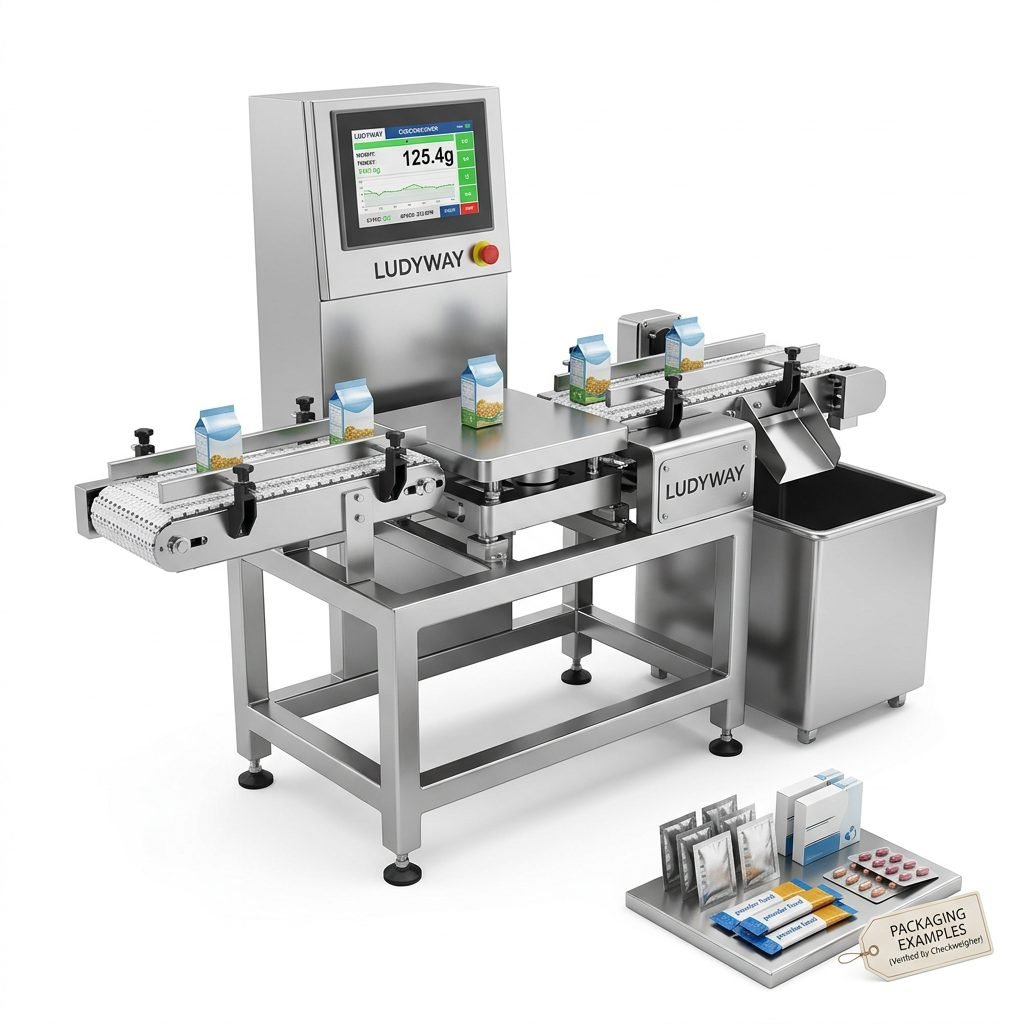
- Checkweighing and inspection – dynamic checkweighers, metal detectors, and vision systems for quality assurance
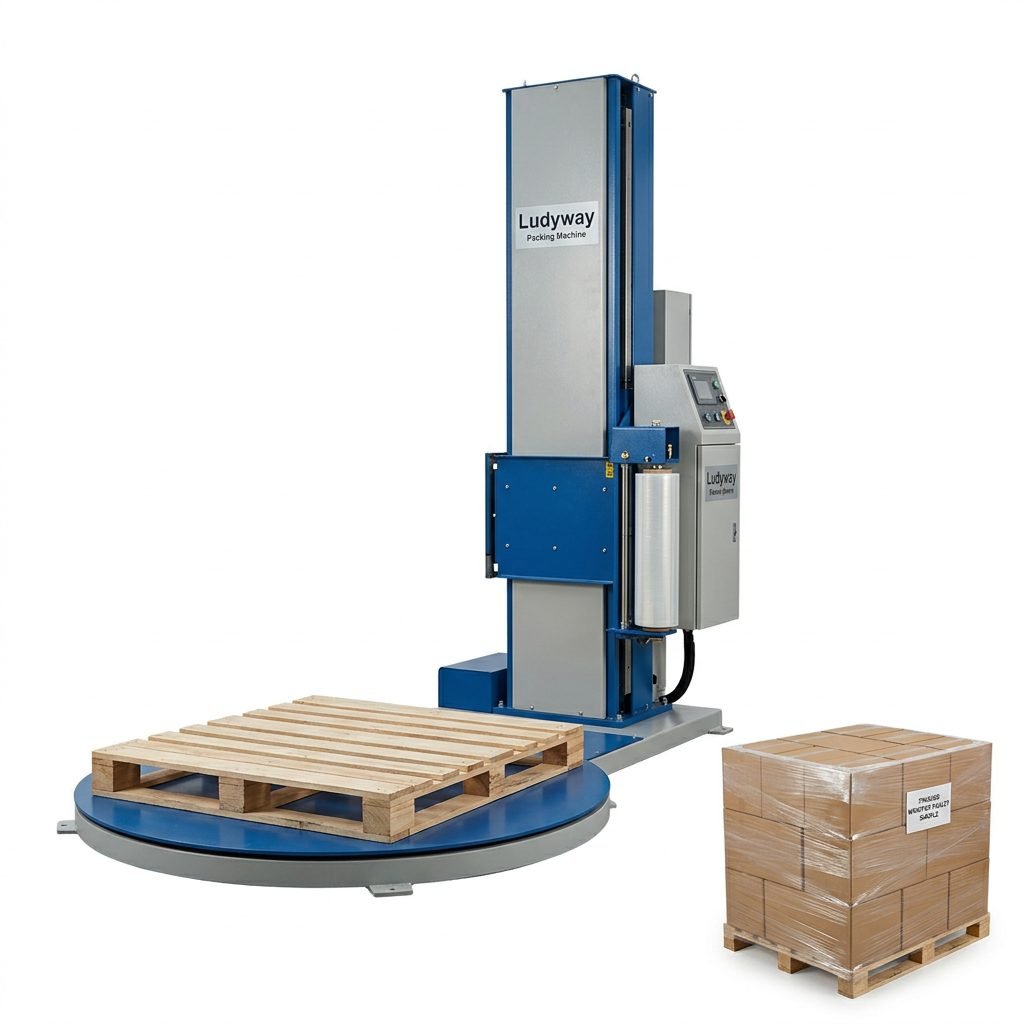
- Cartoning and case packing – automated cartoners, case packers, and palletizing systems for end-of-line packaging
According to PMMI’s 2025 State of the Industry report, the trend toward fully integrated, turnkey packaging lines continues to accelerate as manufacturers seek single-source accountability for complex automation projects.
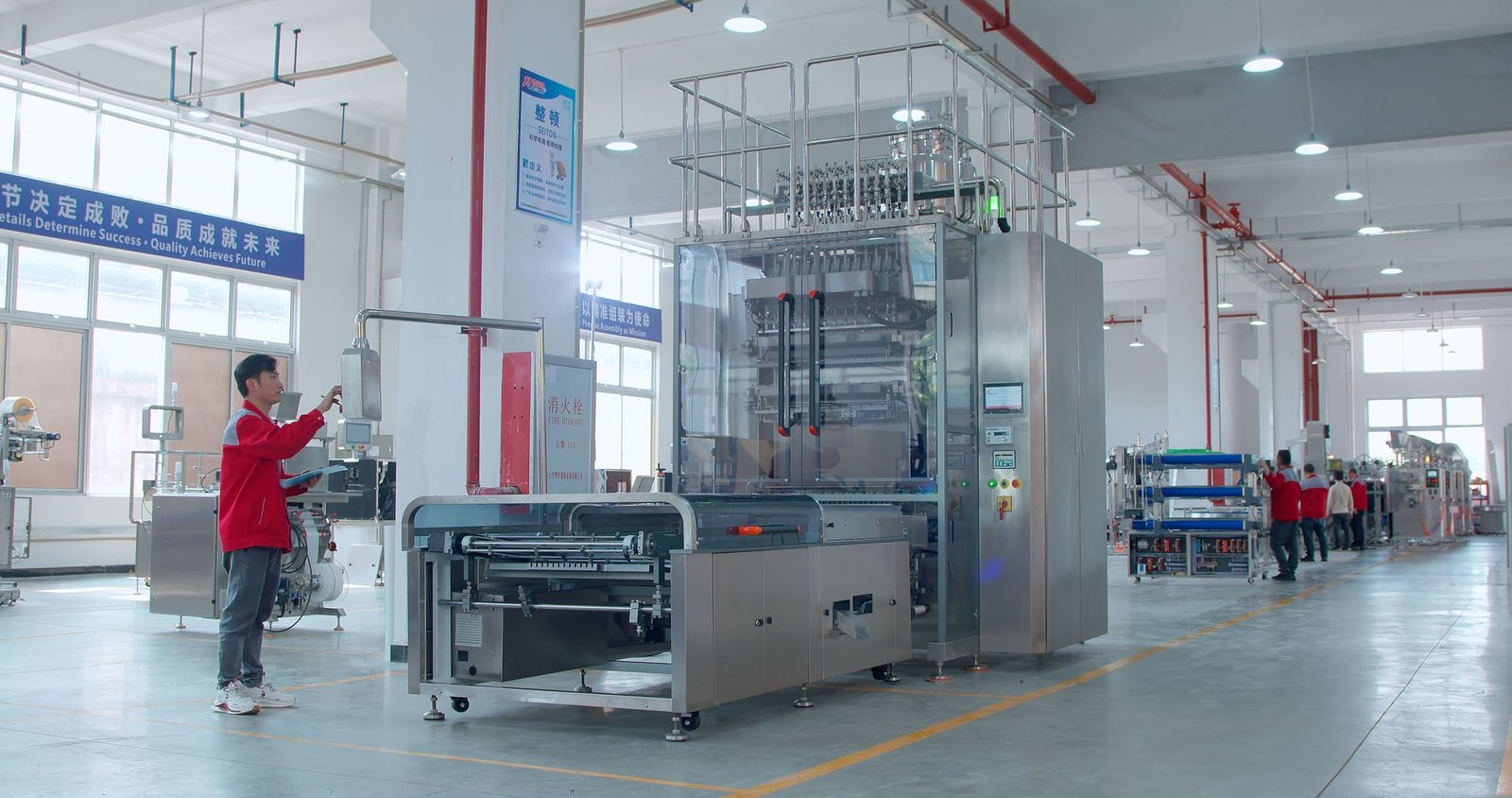
Evaluating Build Quality and Compliance Standards
Machine construction and materials directly impact longevity, cleanability, and regulatory compliance. For food and pharmaceutical applications, food-grade stainless steel (typically SUS304 or SUS316L) is the standard. Critical areas to inspect include:
- Frame construction and vibration dampening
- Sealing jaw quality, temperature control precision, and jaw coating materials
- Electrical cabinet protection rating (IP54, IP65 or higher)
- Compliance with cGMP, FDA, CE, or ISO standards relevant to your target markets
Reference documents such as ISO 55 series packaging standards and FDA food contact substance regulations provide valuable benchmarks for evaluating equipment compliance.
Customization vs. Standardization: Finding the Right Balance
While standardized machines offer faster delivery and lower upfront costs, customized packaging solutions often deliver better long-term value for manufacturers with unique product or process requirements. Key areas where customization adds significant value include:
- Dosing system configuration tailored to challenging powder or granule characteristics
- Bag or pouch dimension customization to match brand-specific packaging formats
- Multi-product compatibility enabling quick changeover between product SKUs
- Clean-in-place (CIP) or washdown-ready designs for hygiene-critical environments
Manufacturers such as Ludyway Machinery—a China-based packaging machinery manufacturer with more than 30 years of experience and over 50 machine models—specialize in providing customized, application-specific packaging systems rather than relying solely on standardized equipment. This approach allows manufacturers to configure machines around their actual production requirements instead of adapting processes to fit off-the-shelf machinery.
Total Cost of Ownership Considerations
Purchase price alone is an incomplete metric. A thorough cost analysis should include:
- Initial capital expenditure – machine cost including tooling, dies, and format parts
- Installation and commissioning – on-site setup, integration, and staff training
- Consumables and spare parts – sealing jaws, belts, filters, and wear components
- Energy consumption – power, compressed air, and cooling requirements
- Maintenance and downtime costs – scheduled service, emergency repairs, and production losses
When evaluated over a 5-10 year lifecycle, a machine with higher initial quality and better after-sales support often proves significantly less expensive than a budget alternative with frequent downtime and limited spare part availability.
Questions to Ask Potential Suppliers
Before finalizing a purchase, engage suppliers with these critical questions:
- Can you provide references from customers packaging similar products in the same target market?
- What is the guaranteed fill accuracy range for our specific product at maximum speed?
- How quickly can changeover between different packaging formats be completed, and how many operators are required?
- What spare parts packages do you recommend, and what are typical lead times for critical components?
- Do you offer remote diagnostics and technical support for international customers?
- What warranty terms apply, and what is covered beyond the standard warranty period?
Service, Support, and Long-Term Partnership
A multihead packing machine is a long-term investment, and the supplier relationship should extend well beyond delivery. Evaluate after-sales service capabilities, including:
- Installation and commissioning support – on-site or remote assistance during startup
- Operator and maintenance training – ensuring your team can operate equipment safely and efficiently
- Spare parts availability – global warehousing and responsive dispatch for critical components
- Technical troubleshooting – remote diagnostics, video support, and on-site service visits when needed
- Upgrade pathways – options to retrofit or expand capacity as production needs grow
For manufacturers in more than 100 countries relying on international equipment suppliers, access to responsive, knowledgeable technical support can be the factor that determines whether a machine delivers consistent ROI or becomes a recurring operational bottleneck.
Choosing the right multihead packing machine requires balancing technical specifications, product requirements, budget constraints, and long-term service expectations. By systematically evaluating each factor outlined in this guide—from product flowability and packaging format to automation integration and total cost of ownership—you can make a confident, informed decision that supports your manufacturing goals for years to come. For additional market data and industry benchmarks, consult resources from the PMMI Business Intelligence Library and the Flexible Packaging Association.