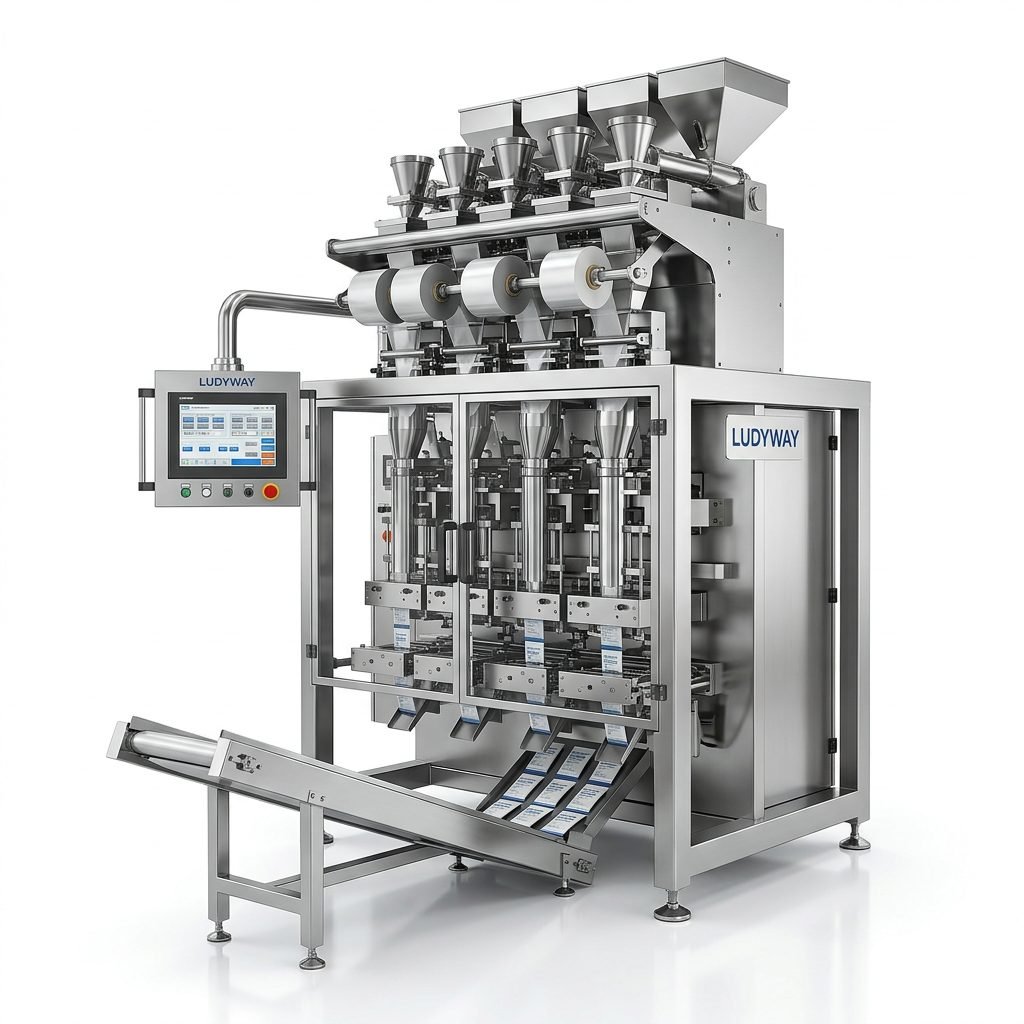
Investing in a flour packaging machine is a significant decision for any UK-based food manufacturer, miller, or co-packer. Whether you are packing plain wheat flour, gluten-free alternatives, or specialist grain blends, selecting the right equipment directly impacts your production efficiency, product shelf life, and regulatory compliance. This guide walks you through everything you need to know before making a purchase in the United Kingdom.
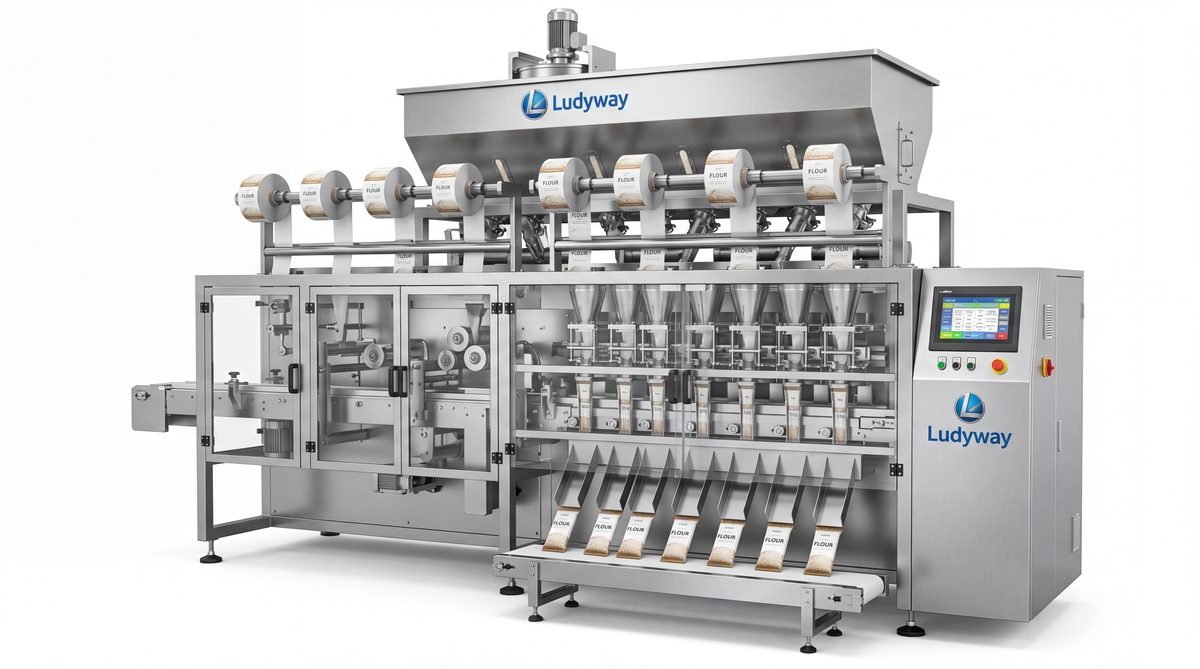
Understanding Your Flour Packaging Requirements
Before comparing machine specifications, you must define your operational needs. Flour is a challenging product due to its dust generation, compressibility, and sensitivity to moisture. Consider the following factors carefully:
- Production Volume: Are you packing 500 kg per day or 5 tonnes per hour? This determines whether a semi-automatic or fully automatic automated packaging line is required.
- Bag Format and Size: From small 500g retail sachets to 25kg bulk sacks, the bag style (pillow, gusseted, block bottom) dictates the packaging machine type.
- Material Characteristics: Wholemeal flour flows differently to fine white flour. Particle size, bulk density, and aeration properties all influence feeder and auger design.
- Hygiene and Safety Standards: Compliance with UK and EU food safety regulations, including BRCGS and SALSA, is non-negotiable.
Key Machine Types for Flour Packaging in the UK
The UK market predominantly uses three categories of flour packing machinery. Selecting the correct technology is critical for weighing accuracy and throughput.
1. Vertical Form Fill Seal (VFFS) Machines
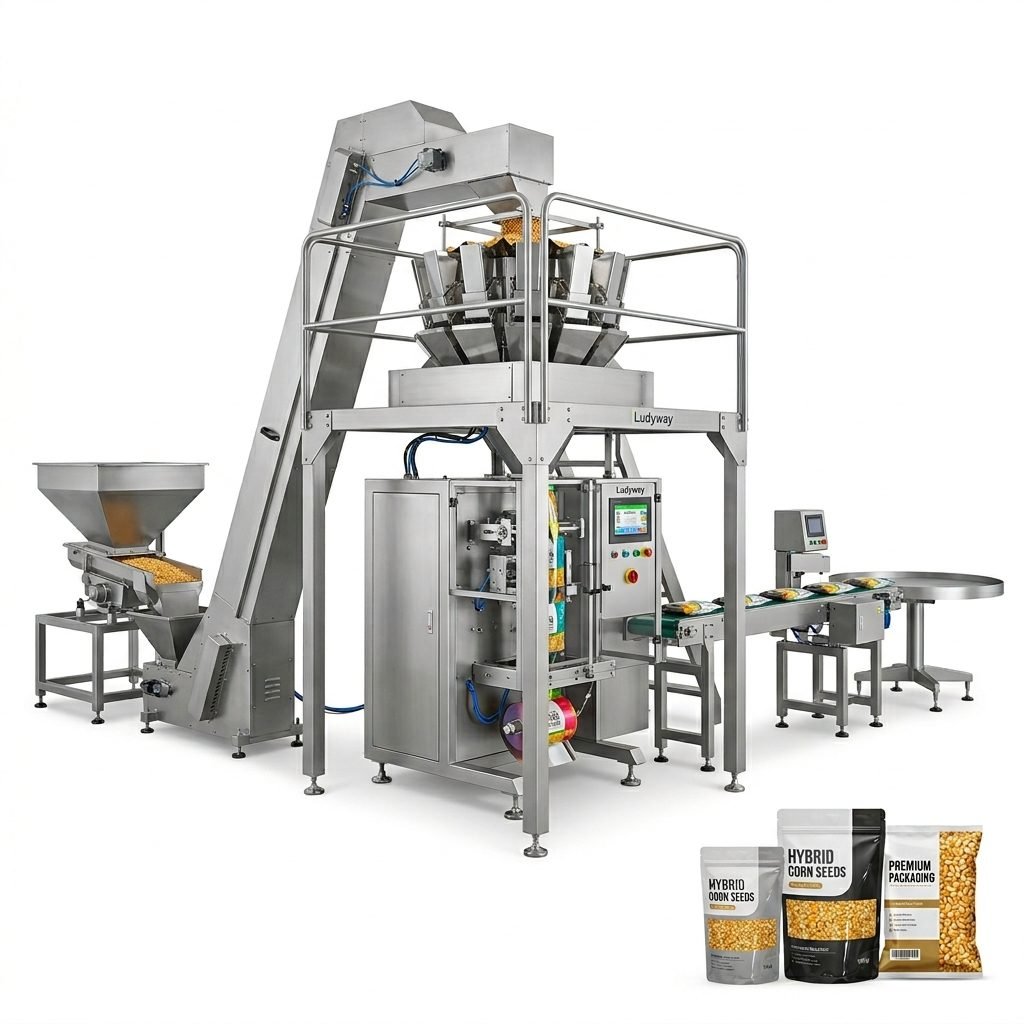
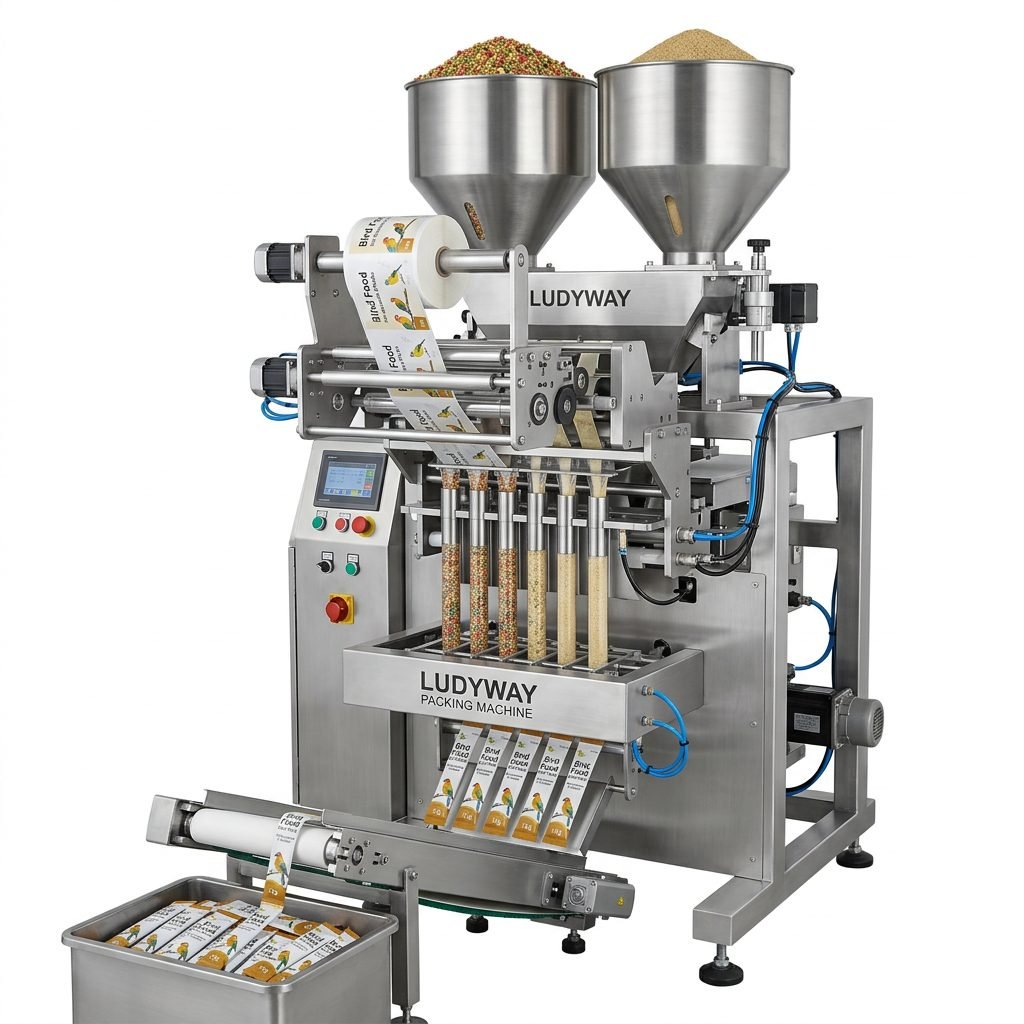
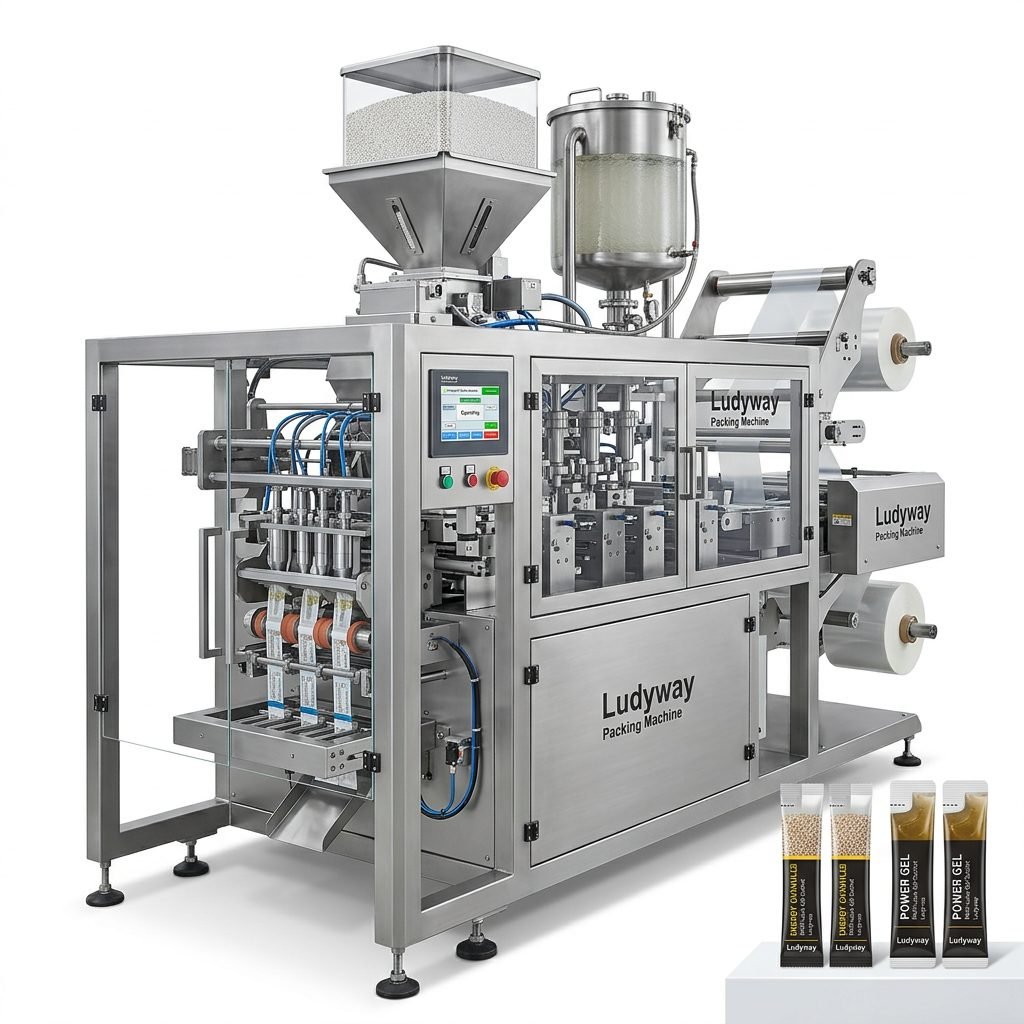
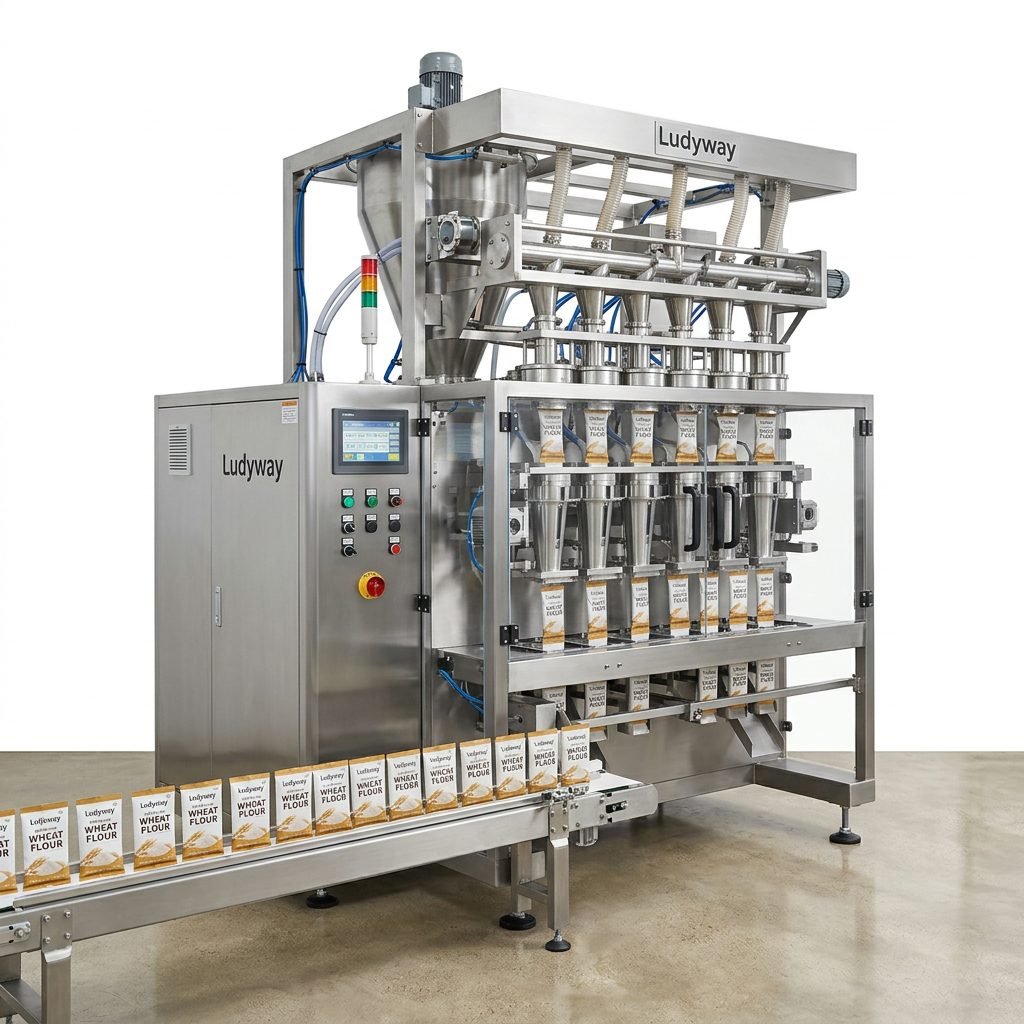
VFFS machines are the industry standard for pillow and gusseted bags ranging from 500g to 5kg. They form a bag from a flat roll of film, fill it with an auger filler, and seal it. For flour, look for models with dust-tight electrical enclosures and servo-driven sealing jaws. If you are targeting retail, consider multi-lane stick pack configurations for single-serve portions.
2. Premade Pouch Fill and Seal Machines
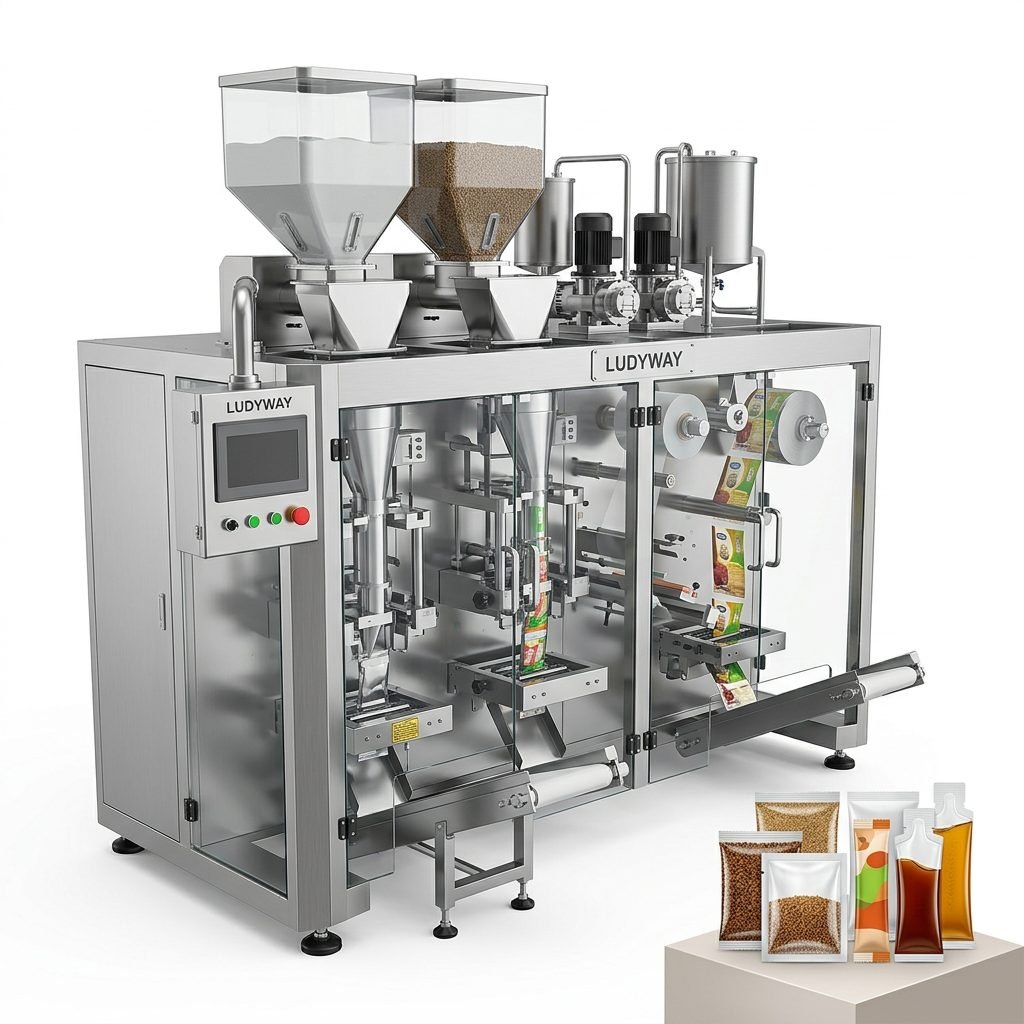
Rotary or inline premade pouch machines are ideal for high-quality printed pouches with resealable zippers. These are commonly used for organic, gluten-free, or specialty flours where brand presentation matters. They often integrate with checkweighers and turnkey packaging lines for full automation.
3. Open-Mouth Bagging Systems
For bulk packaging into 10kg, 16kg, or 25kg bags destined for bakeries and wholesalers, open-mouth baggers with gross or net weigh fillers are essential. These systems typically feature automatic bag placers and sewing heads or heat sealers.
Critical Technical Specifications to Evaluate
When shortlisting suppliers, pay close attention to the technical specifications that affect performance and maintenance costs. The table below outlines key criteria:
| Specification | Why It Matters | Typical UK Requirement |
|---|---|---|
| Weighing Accuracy | Ensures compliance with UK Weights and Measures Act; minimises product give-away | ±0.2% to ±0.5% for target weights |
| Auger Filler Type | Tooling design handles flour density and aeration; affects fill speed | Servo-driven with dust-tight bearings |
| Dust Extraction | ATEX/DSEAR compliance; prevents airborne flour dust explosions | Integrated vacuum ports and IP65 rating |
| Material Contact Parts | Food safety and corrosion resistance; ease of cleaning | 304 or 316 Stainless Steel |
| CE and UKCA Marking | Legal requirement for machinery sold and operated in Great Britain | Mandatory UKCA marking from 2025 onwards |
UK Regulatory and Safety Compliance
Flour dust is classified as a combustible dust under the Dangerous Substances and Explosive Atmospheres Regulations (DSEAR). Your packaging machinery must be designed to ATEX Directive 2014/34/EU standards, even post-Brexit, under UK designated standards. Additionally, all food contact materials must comply with EU Regulation 1935/2004 and UK equivalent legislation. Look for manufacturers who provide full regulatory documentation and validation support.
Total Cost of Ownership Considerations
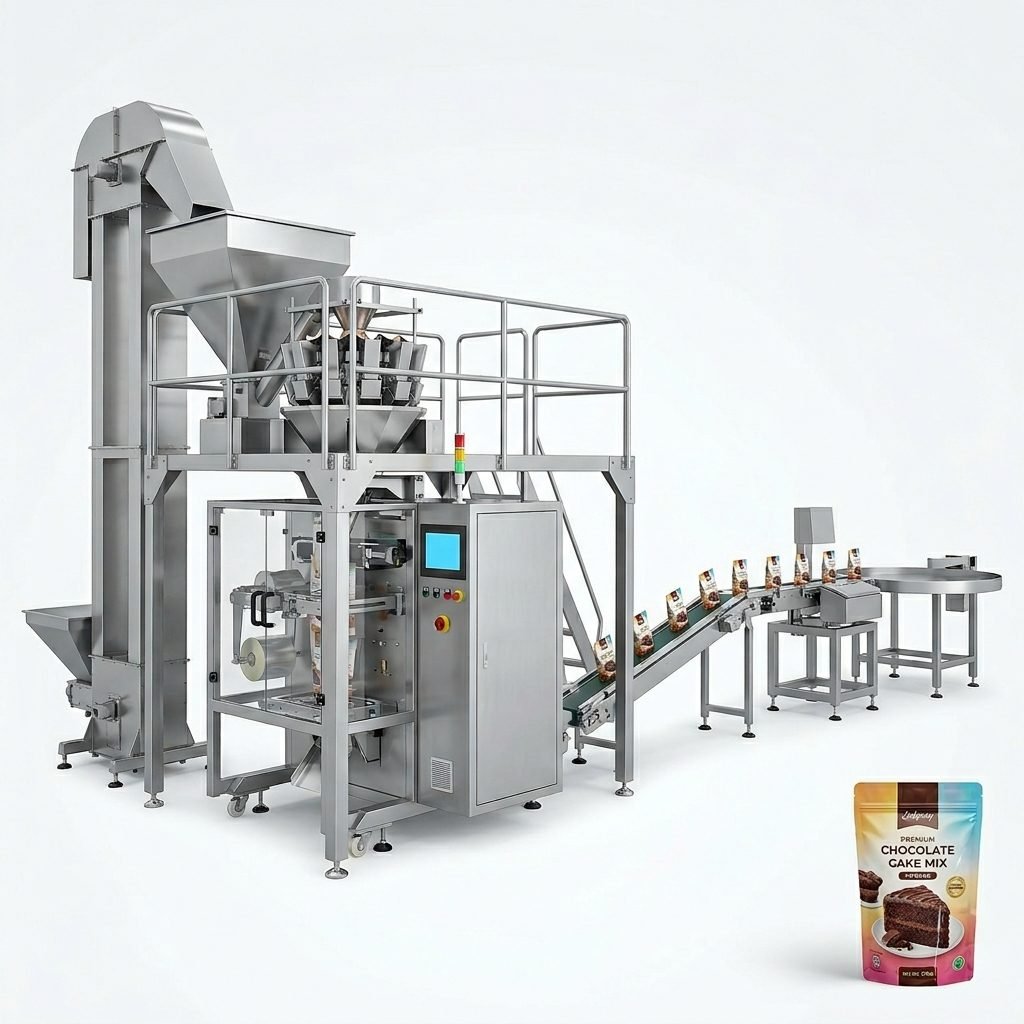
The initial purchase price is only one component of the investment. UK buyers should calculate total cost of ownership (TCO) over a 5- to 10-year period. Key cost factors include:
- Spare Parts Availability: Can you source format parts locally, or are they shipped from overseas?
- Film Consumption: Optimised jaw design and film tracking reduce waste significantly over millions of cycles.
- Energy Efficiency: Servo-driven machines with regenerative drives lower electricity consumption in high-volume operations.
- Service Contracts: Evaluate remote diagnostics, preventive maintenance agreements, and engineer call-out charges within the UK.
Selecting the Right Supplier
Choosing a reliable machinery partner is as important as the equipment itself. Look for suppliers with proven experience in flour and powder applications, local UK-based engineering support, and a comprehensive portfolio of installations. For example, reputable global manufacturers such as Ludyway offer a wide range of industrial packaging machinery designed for granule, powder, and liquid products, backed by decades of engineering expertise and an expanding presence in UK and international markets.
When evaluating suppliers, ask for references from similar operations, request video proof of factory acceptance testing (FAT), and inquire about industry benchmarking data to ensure performance claims are credible.

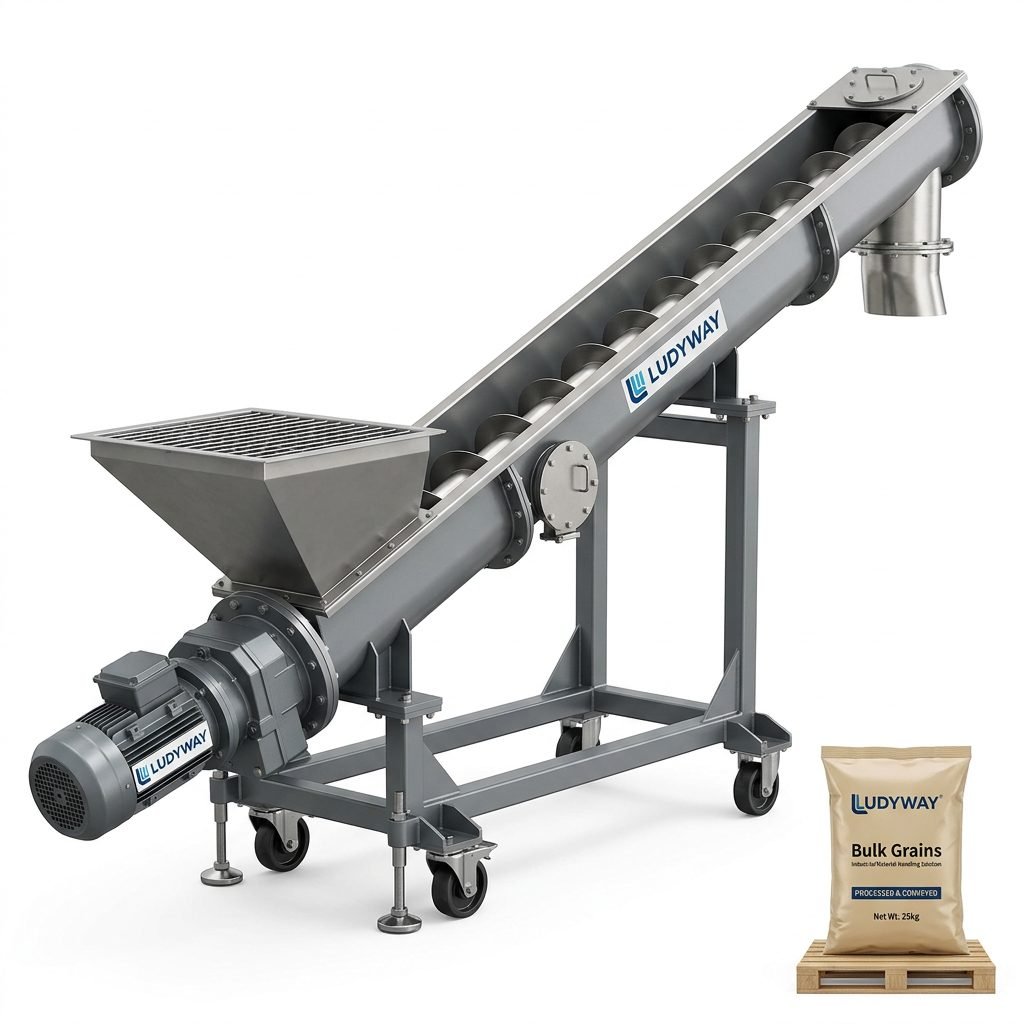
Integration with Upstream and Downstream Equipment
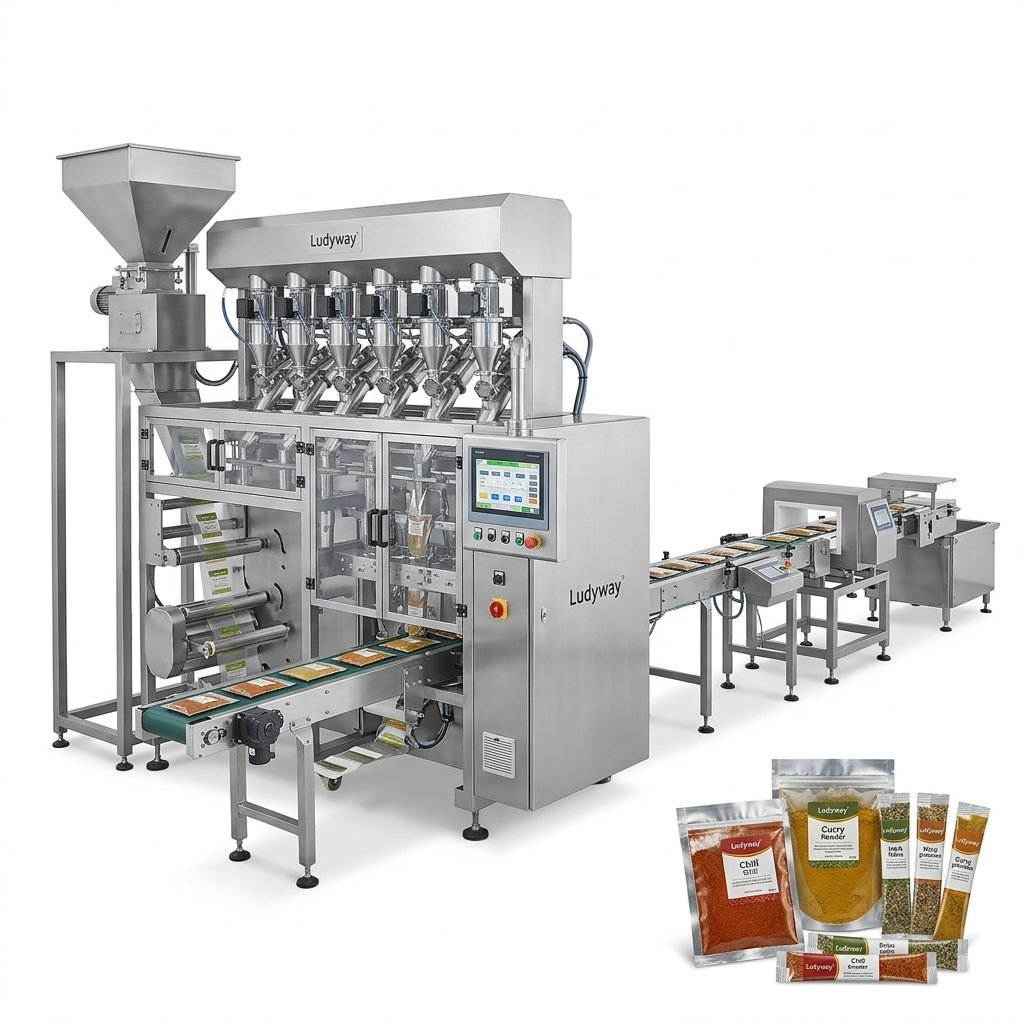
A flour packaging machine does not operate in isolation. Seamless integration with silo discharge systems, sieves, metal detectors, checkweighers, case packers, and palletisers is essential for a fully optimised line. Industry standards such as ISO packaging standards and OMAC PackML communication protocols should be considered to facilitate Industry 4.0 connectivity. Discuss line control architecture and data exchange capabilities with potential vendors early in the procurement process.
Common Pitfalls to Avoid
- Underestimating dust management: Insufficient extraction leads to machine wear, product loss, and safety hazards.
- Ignoring film compatibility: Not all VFFS machines handle recyclable or paper-based films well; test with your intended sustainable packaging materials.
- Overlooking operator training: Complex multi-lane systems require skilled operators; budget for comprehensive training programmes.
- Neglecting future scalability: A machine at maximum capacity from day one leaves no room for business growth.
Related Resources and Further Reading
For additional guidance, explore these authoritative industry resources covering packaging machinery standards and market insights:
- PMMI State of the Industry Report 2025 – Comprehensive packaging machinery market data and trends.
- Flexible Packaging Association Industry Resources – Data and regulatory updates for flexible packaging users.
- European Commission Packaging and Packaging Waste Regulation – Updates on sustainability requirements affecting packaging choices.
- Global Packaging Machinery Trends – Analysis of growth factors influencing equipment investment decisions.
Ultimately, purchasing a flour packaging machine in the UK requires a methodical evaluation of your product, operational goals, and compliance obligations. By focusing on technical suitability, total cost of ownership, and supplier capability, you can secure a solution that delivers reliable performance and supports long-term business growth.