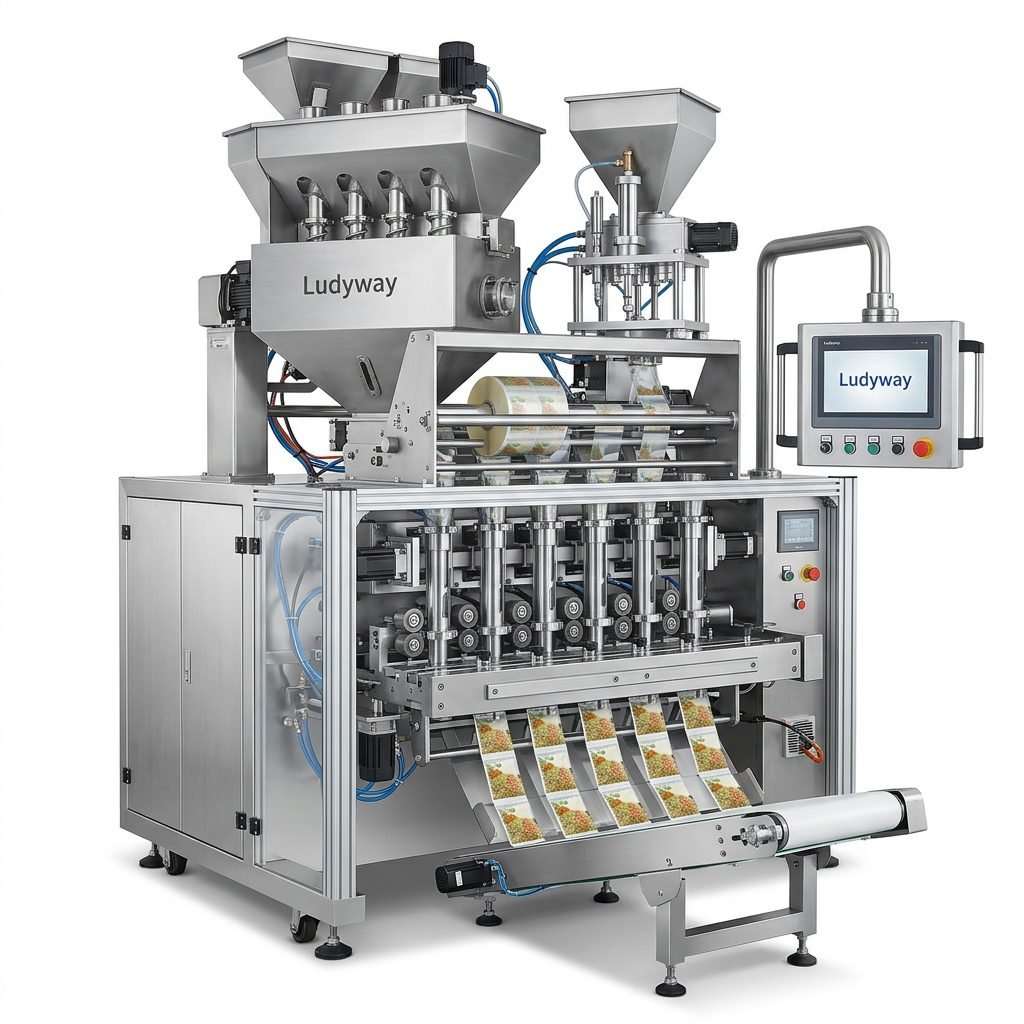
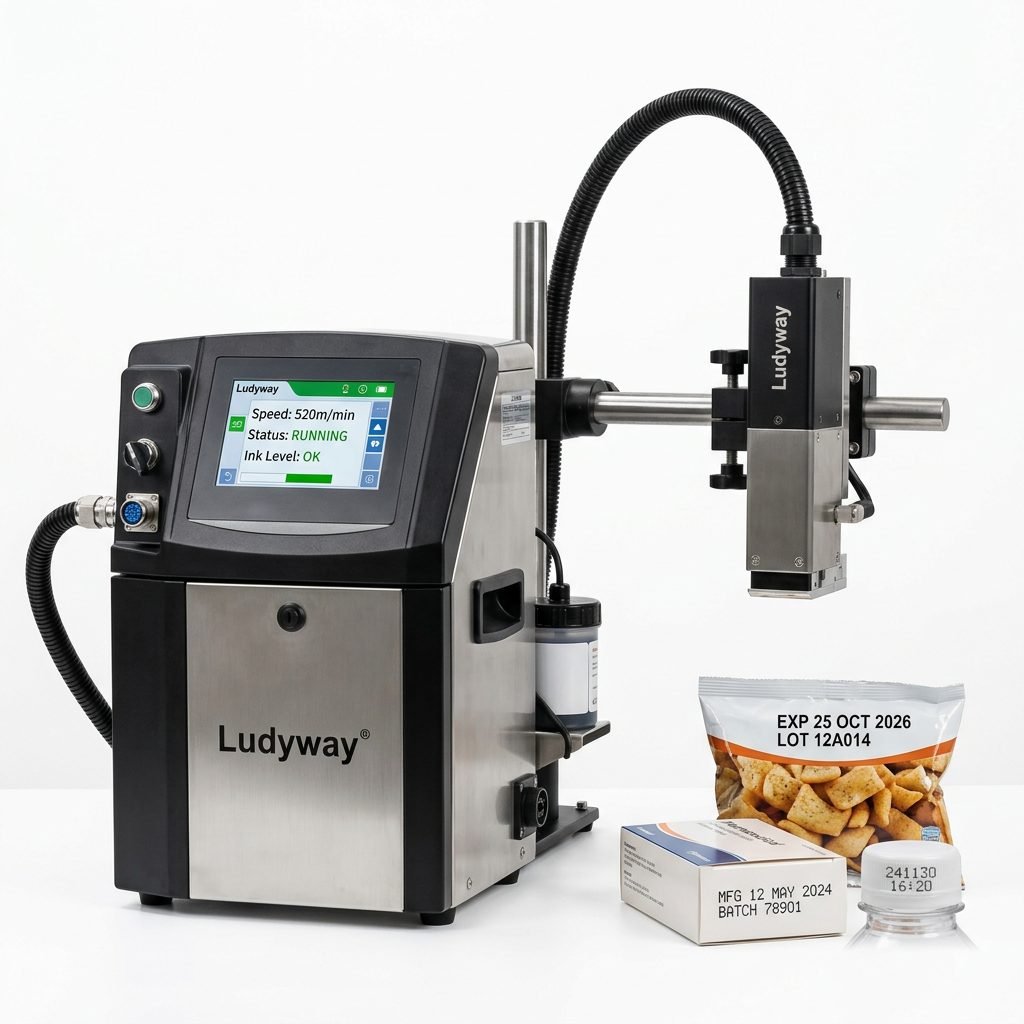
The Asian coffee market is experiencing unprecedented growth, with countries like Vietnam, Indonesia, China, and India driving demand for both instant and specialty coffee products. For manufacturers looking to capitalize on this trend, selecting the right coffee packaging machine is one of the most critical business decisions you will make. The right equipment directly impacts production efficiency, product shelf life, and ultimately, your brand’s reputation in a competitive marketplace.
Across Southeast Asia and East Asia, consumer preferences are shifting rapidly. Single-serve stick packs and sachets dominate the instant coffee segment, while premium whole bean and ground coffee require different packaging approaches altogether. According to PMMI packaging industry intelligence, flexible packaging continues to gain market share globally, particularly in emerging Asian economies where portion-controlled formats are preferred by price-sensitive consumers.
Understanding Coffee Packaging Machine Types
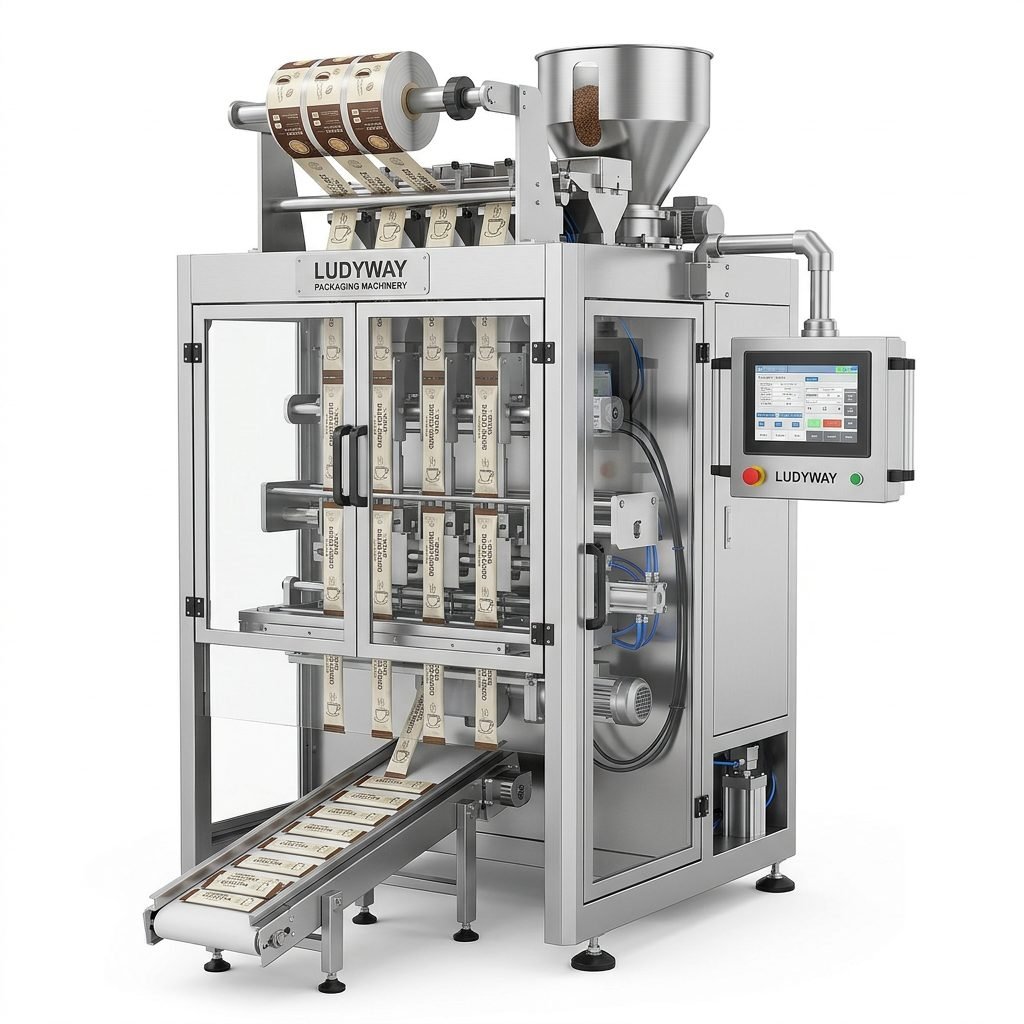
Before diving into specifications, it’s essential to understand the primary categories of coffee packaging equipment available in the Asian market. Each type serves distinct production needs and product formats. The Flexible Packaging Association highlights that stick pack and sachet formats are the fastest-growing segments in developing markets across Asia.
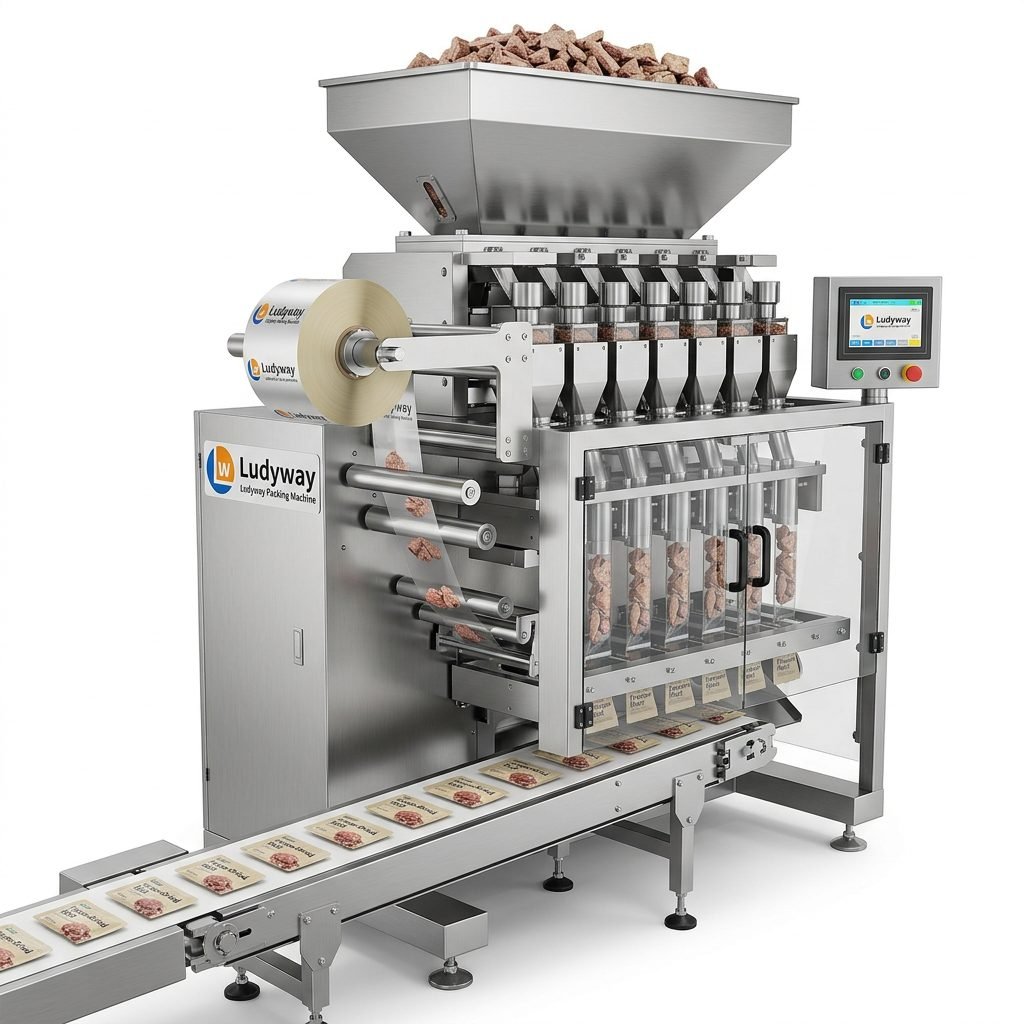
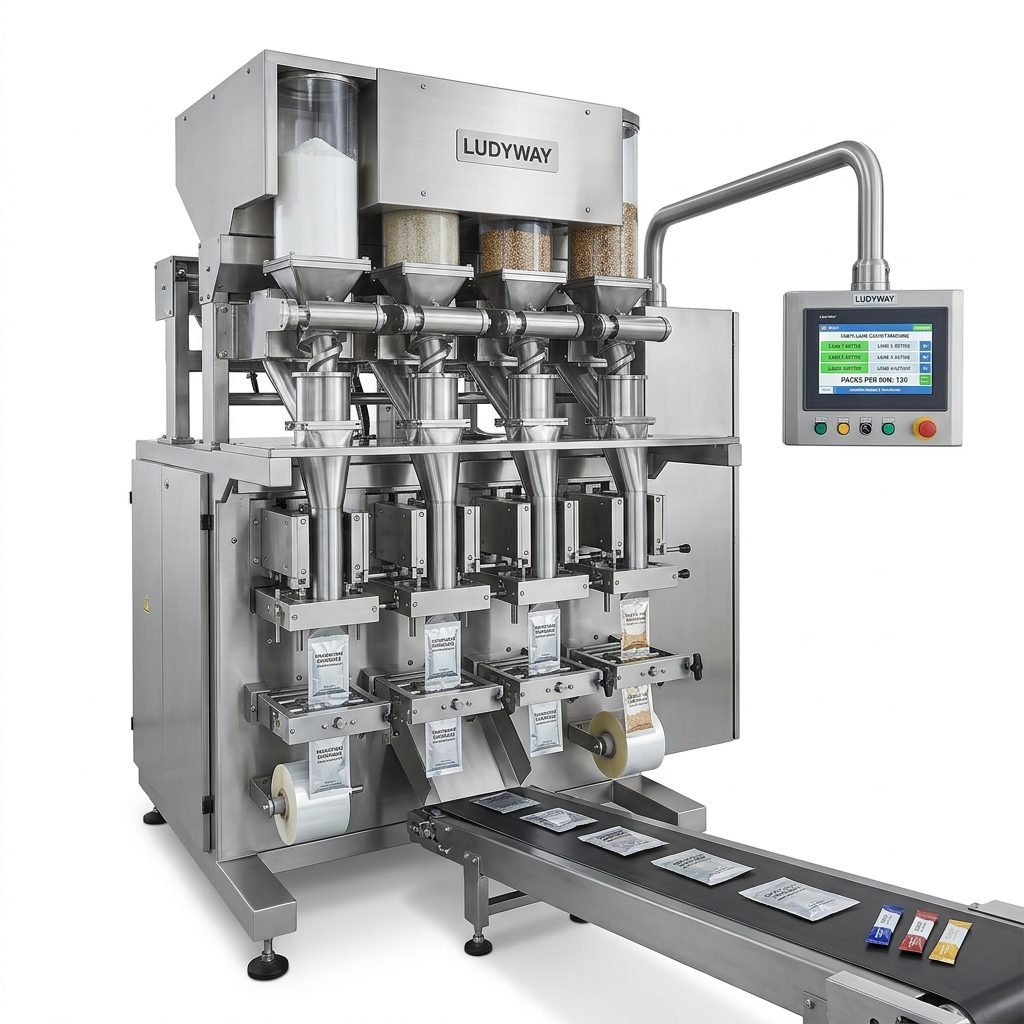
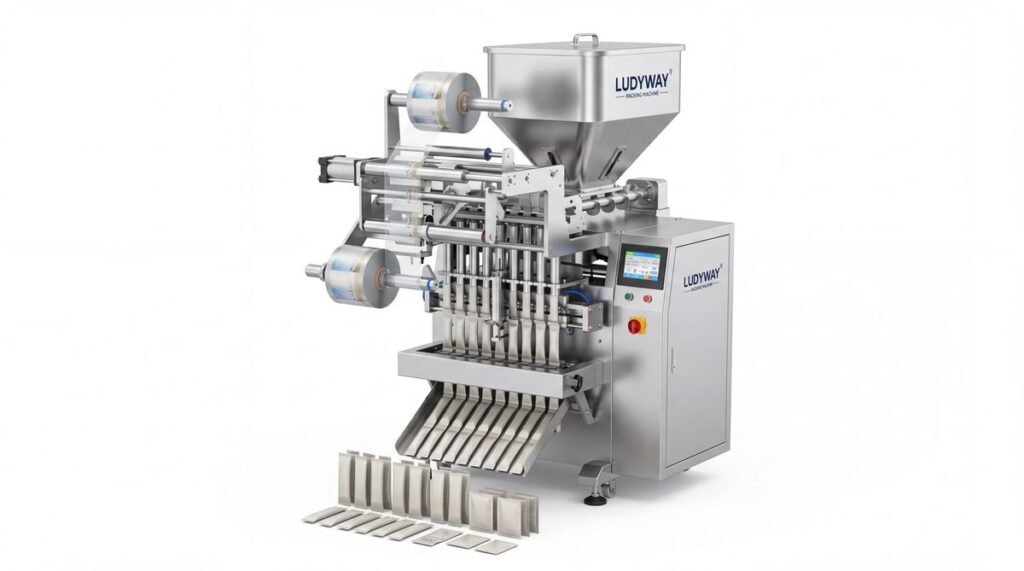
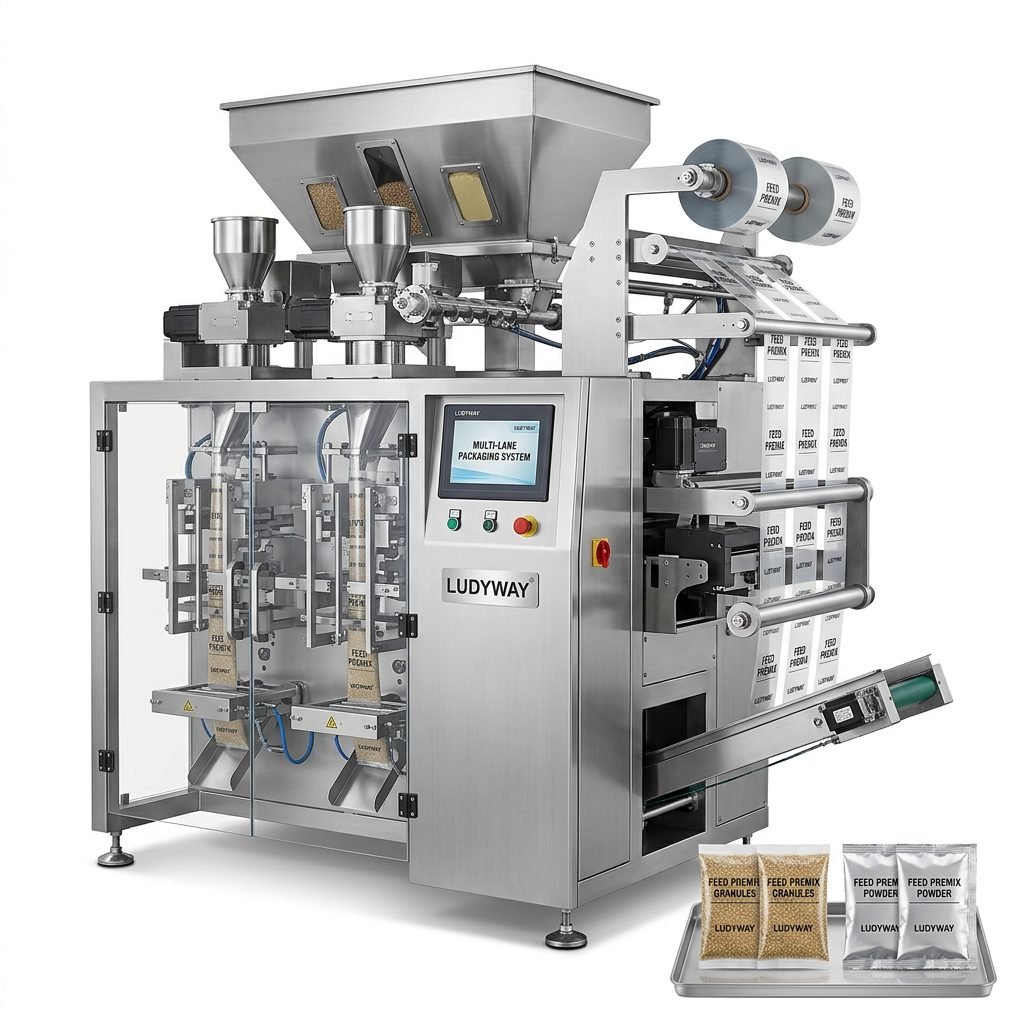
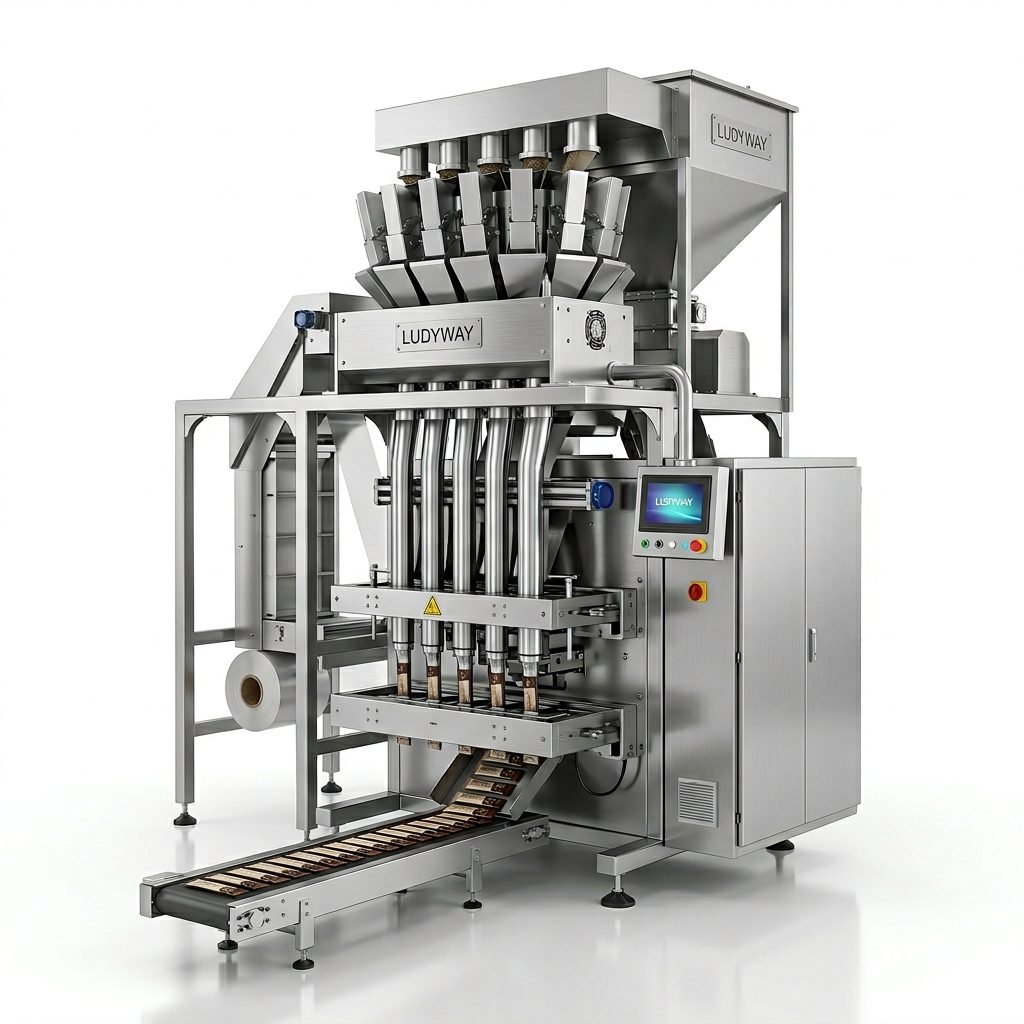
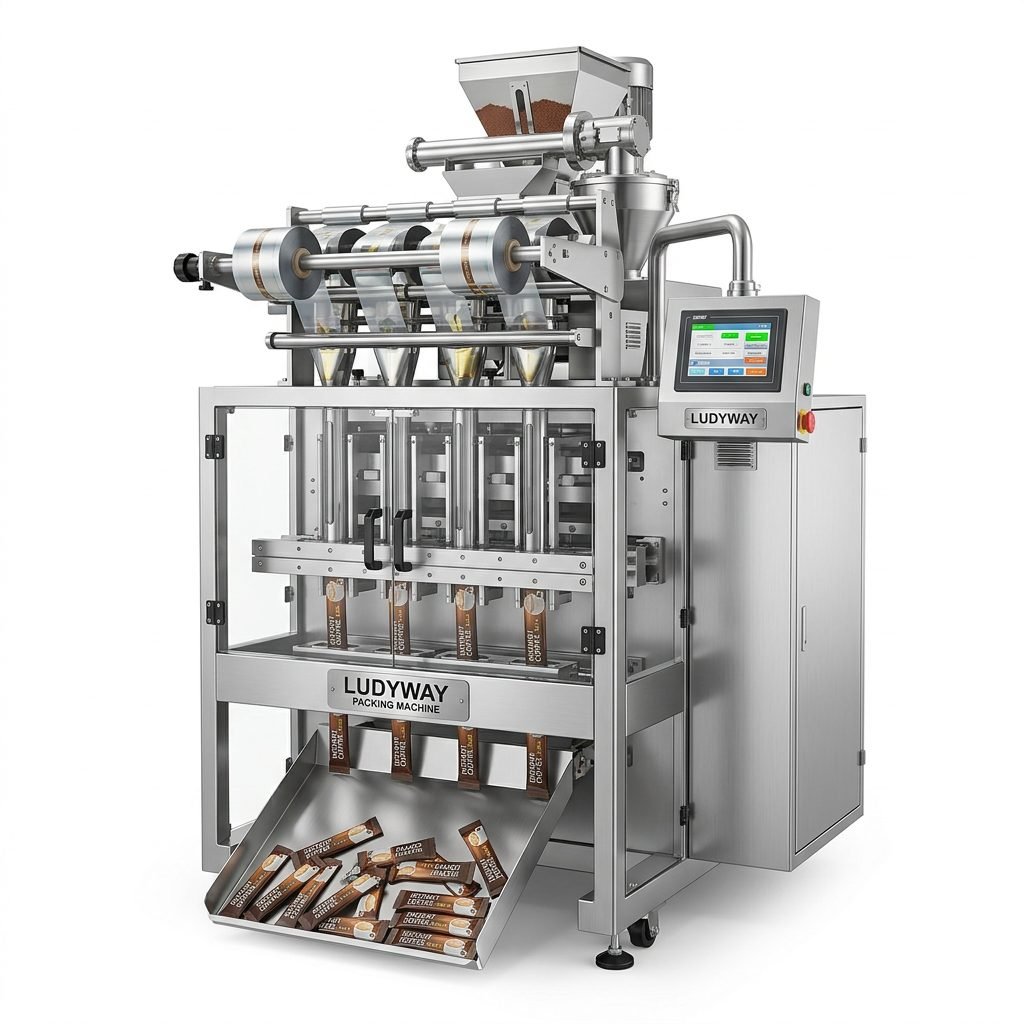
- Multi-Lane Stick Pack Machines: Ideal for instant coffee, 3-in-1 coffee mixes, and single-serve portions. These machines can produce up to 600-800 packs per minute across multiple lanes, making them the workhorse of high-volume Asian coffee producers.
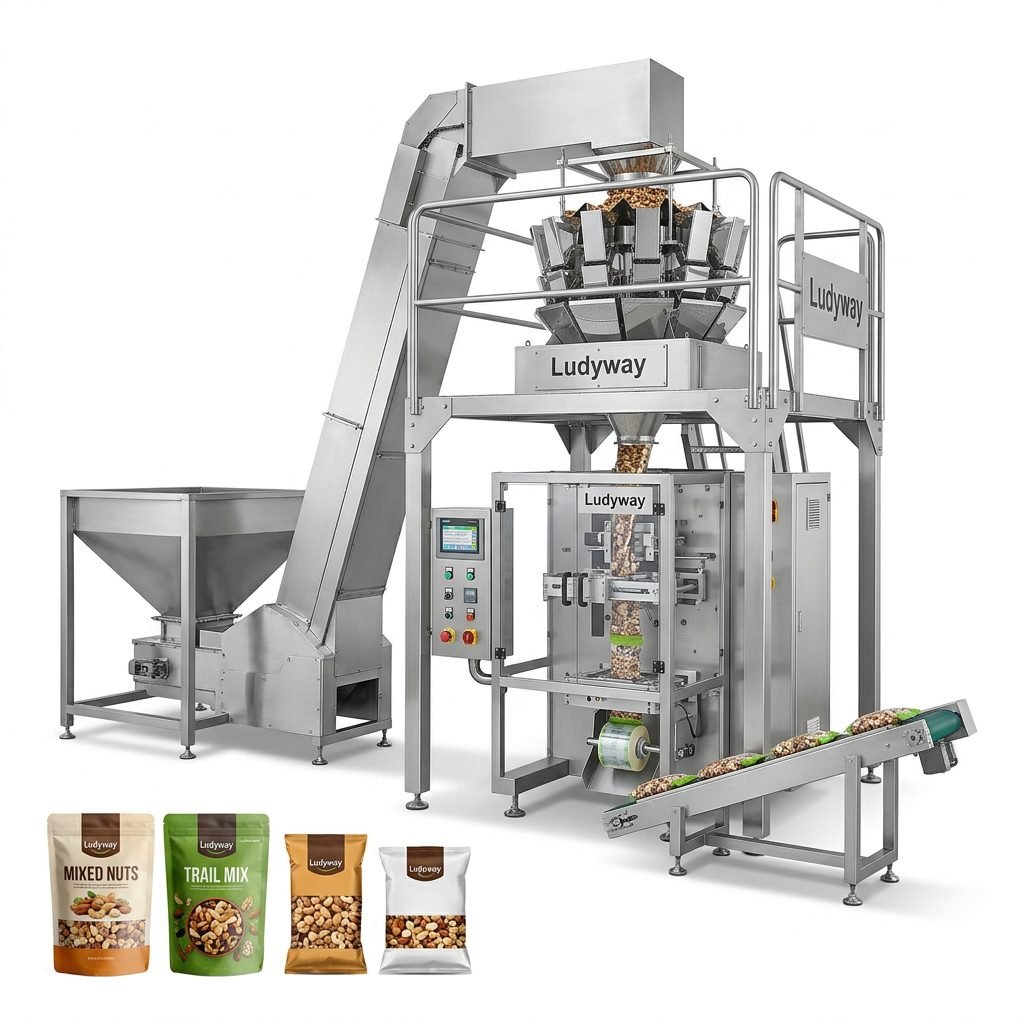
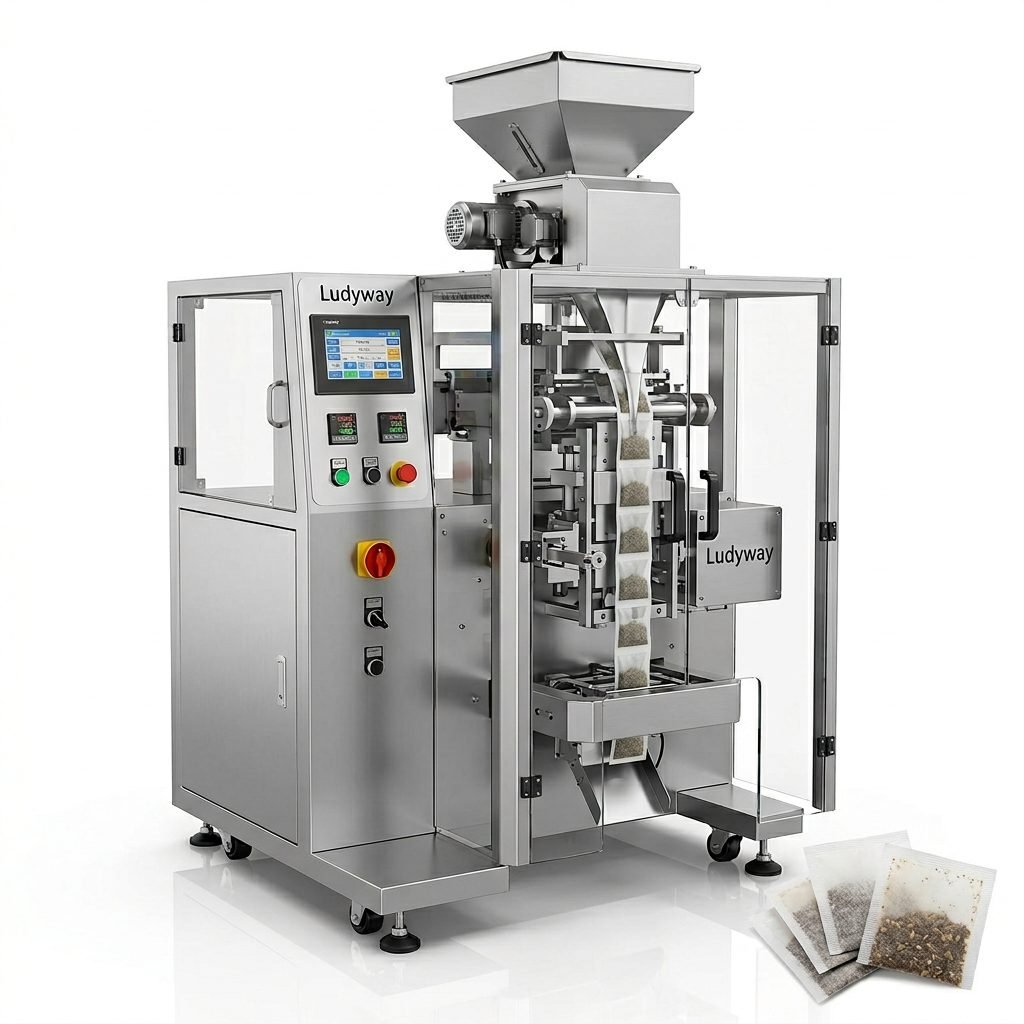
- Vertical Form Fill Seal (VFFS) Machines: Suitable for larger bag formats including pillow bags and gusseted pouches for ground coffee and whole beans. These versatile machines handle a wide range of bag sizes from 10g to 1kg.
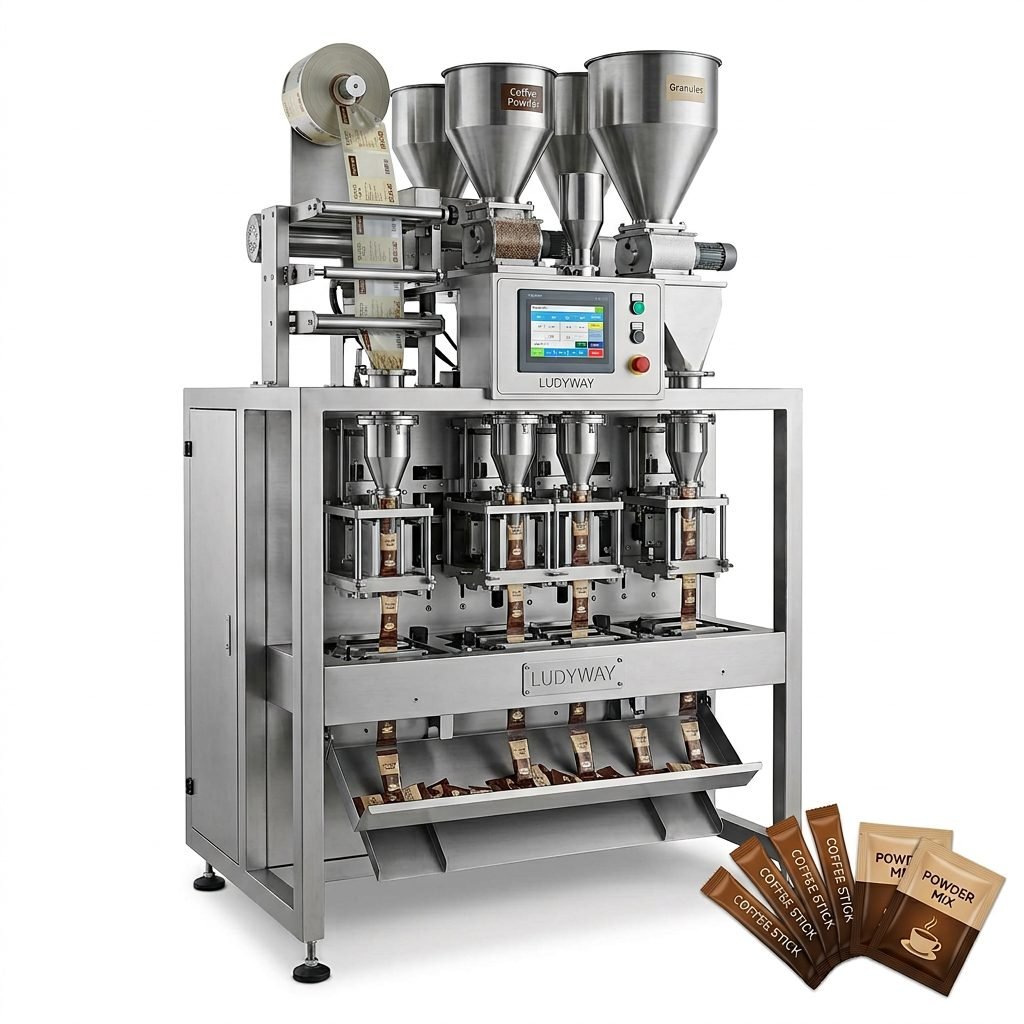
- Sachet Packaging Machines: Designed for ultra-small portion packs popular in markets like India, the Philippines, and Indonesia where single-use coffee sachets are the dominant format.
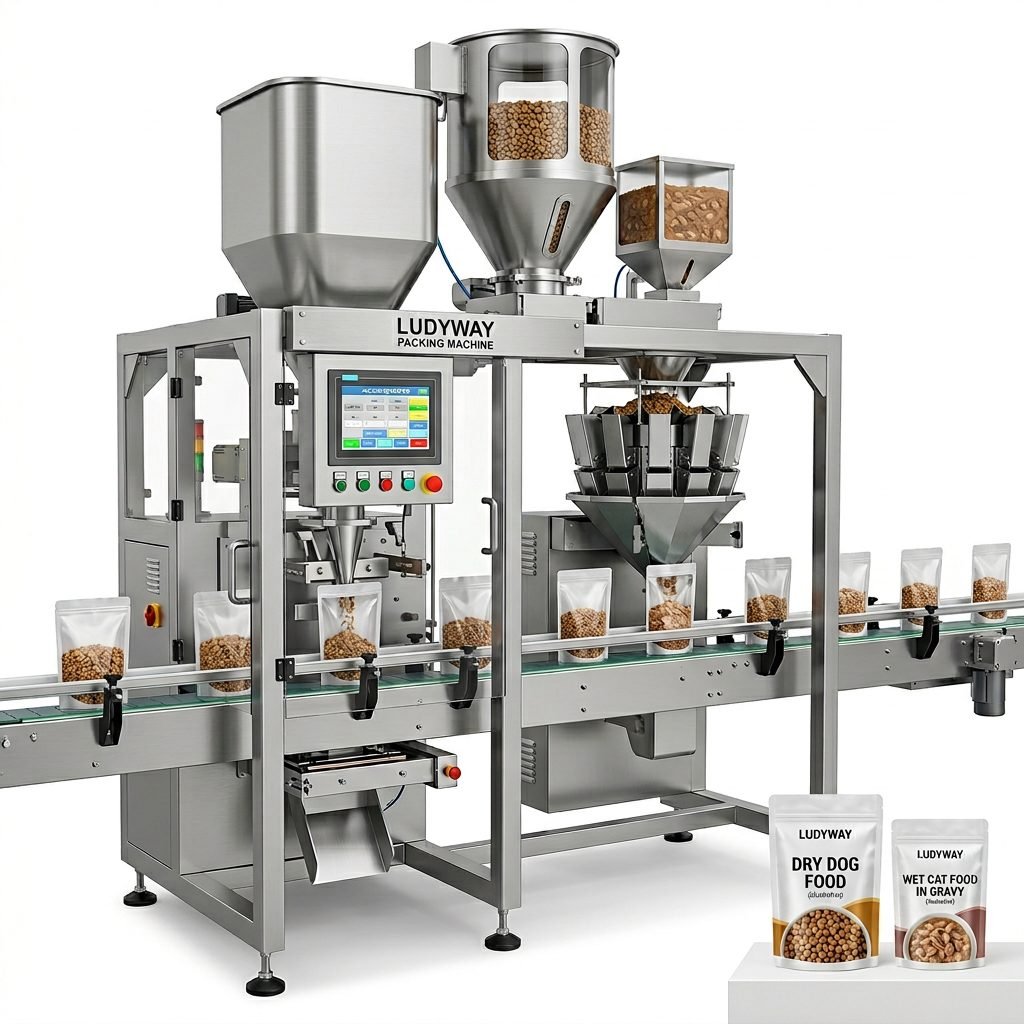
- Premade Pouch Filling Machines: Used for premium coffee products with zipper closures, degassing valves, and stand-up pouch formats that cater to the growing middle-class segment in Asia.
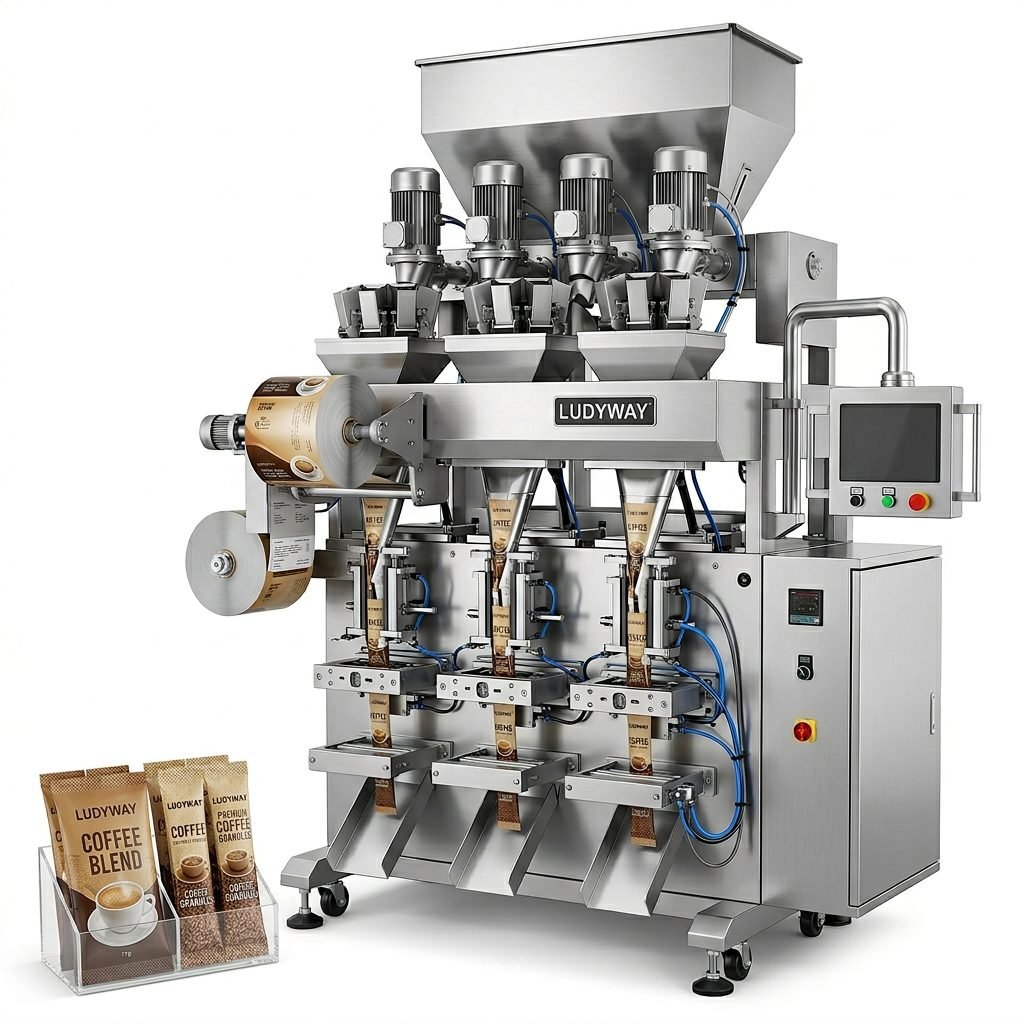
Key Factors to Consider When Choosing a Coffee Packaging Machine
Production Capacity and Speed Requirements
Your daily or monthly output targets should drive your machine selection. For small to medium enterprises entering the market, machines producing 30-80 packs per minute per lane may suffice. However, large-scale manufacturers serving national or export markets often require multi-lane systems capable of 400+ packs per minute. Always factor in future growth—investing in slightly higher capacity now can prevent costly upgrades within 2-3 years.
Packaging Format and Bag Style
The Asian coffee market is incredibly diverse in terms of packaging formats. Consider these popular options:
- Stick packs: Slim, elongated format perfect for instant coffee single servings; dominant in Japan, Korea, and urban China
- Flat sachets: Cost-effective option for mass-market instant coffee in Southeast Asia
- Stand-up pouches: Premium format with zipper closures for ground and whole bean coffee
- Pillow bags: Traditional format still widely used for bulk coffee powder across the region
Coffee Product Characteristics
Coffee presents unique packaging challenges depending on its form. Freshly roasted whole beans require degassing valves and barrier films to manage CO₂ release. Ground coffee is hygroscopic and prone to oxidation, demanding excellent seal integrity and oxygen barrier properties. Instant coffee powder is highly sensitive to moisture and often requires nitrogen flushing. Understanding these product-specific requirements is essential before evaluating any machine.
Technical Features That Matter
Modern coffee packaging machines come with an array of technical features. Here are the ones that make a real difference in production environments:
| Feature | Importance | Benefit for Coffee Packaging |
|---|---|---|
| Nitrogen Flushing System | Critical | Extends shelf life by reducing oxygen; essential for ground and instant coffee |
| Servo-Driven Motors | High | Precision filling accuracy; reduces product giveaway and ensures consistency |
| Multi-Lane Configuration | High | Maximizes output per square meter of factory floor space |
| Gas Barrier Film Compatibility | Medium | Enables use of metallized films; preserves aroma and prevents oxidation |
| Quick Changeover Design | Medium | Reduces downtime when switching between coffee blends or formats |
Cost Considerations and ROI in the Asian Market
When evaluating a coffee packaging machine investment, look beyond the initial purchase price. A comprehensive total cost of ownership (TCO) analysis should include installation, training, maintenance, spare parts availability, and energy consumption. In Asia, where labor costs vary significantly between countries, the automation level should align with your local labor economics.
Key cost factors to evaluate:
- Machine lifespan: Quality machines from established manufacturers typically last 10-15 years with proper maintenance
- Film waste rate: Superior machines achieve less than 1% film waste, which accumulates significant savings over time
- Downtime costs: Each hour of unplanned downtime can cost thousands in lost production; prioritize reliability
- Energy efficiency: Modern servo-driven systems consume 30-40% less energy than older pneumatic designs
- After-sales support: Local service teams in Asia dramatically reduce maintenance response times
Selecting the Right Supplier in Asia
Choosing a reliable packaging machine supplier is just as important as selecting the right machine specifications. In the Asian market, proximity to the manufacturer significantly affects installation timelines, training quality, and ongoing technical support. Chinese manufacturers have become dominant players in the packaging machinery sector, offering competitive pricing and increasingly sophisticated technology.
When evaluating suppliers, consider these criteria:
- Factory size and capabilities: Visit the manufacturing facility if possible or request virtual tours. A 20,000㎡ facility with in-house engineering teams indicates substantial manufacturing capability.
- Industry experience: Look for manufacturers with 20+ years in packaging machinery specifically. Experience translates to refined designs and proven reliability.
- Global presence: Suppliers serving customers in 100+ countries demonstrate the ability to meet diverse regulatory and operational requirements across different Asian markets.
- Machine portfolio: A manufacturer offering 50+ machine models can provide integrated solutions as your business grows from single machines to complete turnkey lines.
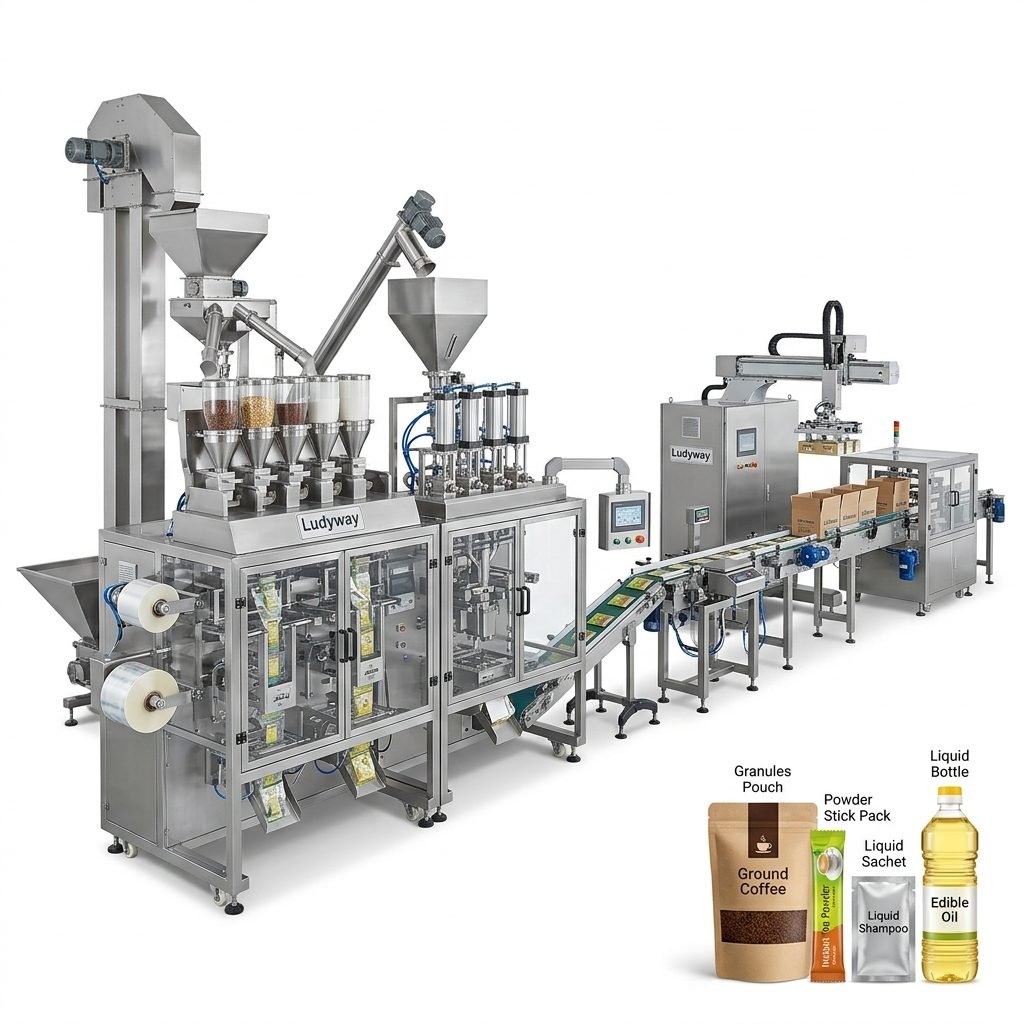
Companies like Ludyway, one of China’s largest packaging machine manufacturers with over 30 years of industry experience and a 20,000㎡ modern production facility, exemplify the kind of established supplier that Asian coffee producers should consider. Their portfolio of more than 50 intelligent packaging machine models—including multi-lane stick pack, sachet, and fully automated packaging systems—covers the full spectrum of coffee packaging needs across granule, powder, and liquid formats. With customers in over 100 countries and regions, they offer the technical expertise and after-sales infrastructure essential for long-term production success.
Why Asian Markets Require Specific Solutions
The Asian coffee market has unique characteristics that directly influence packaging machine requirements:
- Climate considerations: High humidity in tropical Southeast Asian countries demands superior moisture barrier packaging and machines capable of handling humidity-sensitive products effectively.
- Portion size preferences: Asian consumers typically prefer smaller portion sizes (2g-15g for instant coffee) compared to Western markets, requiring machines optimized for micro-dosing accuracy.
- Diverse distribution channels: From traditional wet markets to modern e-commerce, packaging must withstand varied supply chain conditions.
- Regulatory variations: Different labeling and food safety requirements across ASEAN, China, Japan, and South Korea mean machines should accommodate changing compliance needs.
According to PMMI’s 2025 State of the Industry report, the Asia-Pacific region continues to lead global packaging machinery demand, driven by rising disposable incomes and urbanization. The Flexible Packaging Association further notes that stick pack and sachet formats are expected to maintain double-digit growth rates in emerging Asian economies through 2030.
Common Mistakes to Avoid
Many first-time buyers in Asia make avoidable errors when purchasing coffee packaging equipment. Being aware of these pitfalls can save significant time and money:
- Underestimating capacity needs: Always plan for at least 20-30% growth within the first three years. Retrofitting or replacing undersized machines is far more expensive than buying adequate capacity initially.
- Ignoring film compatibility: Not all machines handle the full range of coffee packaging films. Verify that your chosen machine works with metallized PET, aluminum foil laminates, and high-barrier films commonly used for coffee.
- Overlooking spare parts availability: In Asian markets, local spare parts inventory makes the difference between hours and weeks of downtime. Ask specifically about parts availability in your country.
- Skipping factory acceptance testing (FAT): Always test the machine with your actual coffee product before shipment. Powder flow characteristics vary significantly between different coffee formulations.
Installation, Training, and Ongoing Support
A successful packaging machine investment extends well beyond the purchase decision. Proper installation by factory-trained engineers ensures the machine operates at designed specifications from day one. Comprehensive operator training—ideally conducted on-site in your facility—reduces the learning curve and prevents costly operator errors during the critical startup period.
For Asian manufacturers, proximity to technical support matters significantly. Suppliers with established presence in the region can provide faster response times for both routine maintenance and unexpected repairs. Look for manufacturers that offer remote diagnostic capabilities, which have become increasingly valuable for minimizing downtime across distributed production facilities.
Frequently Asked Questions
What is the typical price range for a coffee stick pack machine in Asia?
Entry-level single-lane machines typically start around $15,000-$25,000, while high-speed multi-lane systems with advanced features can range from $80,000 to $300,000+ depending on lane count, automation level, and additional modules like nitrogen flushing and checkweighing systems.
How long does it take to install and commission a coffee packaging machine?
Standard installation with proper pre-installation preparation typically takes 5-10 working days. Full commissioning including operator training, product testing, and production ramp-up usually spans 2-4 weeks. Complex turnkey lines may require 4-8 weeks for complete integration.
Can one machine handle both instant coffee powder and ground coffee?
While possible, it’s not always optimal. Products with significantly different flow characteristics may require different dosing systems and seal parameters. Many manufacturers offer modular machines with interchangeable filling systems to handle diverse product types efficiently.
What certifications should I look for in a coffee packaging machine?
For food-grade applications, look for machines built with stainless steel product contact parts, compliance with CE marking (for export to Europe), and documentation supporting GMP and HACCP requirements. Machines destined for markets like Japan and South Korea may have additional certification requirements.
How important is nitrogen flushing for coffee packaging?
Nitrogen flushing is highly recommended for ground and instant coffee products where extended shelf life is required. It reduces residual oxygen levels to below 1-2%, significantly slowing oxidation and preserving aroma compounds. For premium coffee brands in Asia’s competitive market, nitrogen flushing is increasingly becoming a standard requirement.
Contact packaging machinery experts to discuss your specific coffee production requirements and explore tailored solutions for your market.