The Middle East pet food market is experiencing unprecedented growth. With rising pet ownership rates in the UAE, Saudi Arabia, and neighboring Gulf states, establishing a local pet food packaging production line has become a strategic business opportunity. This guide covers everything you need to know about equipment selection, cost estimation, and practical setup tips.
Understanding the Middle East Pet Food Packaging Landscape
The demand for premium and specialized pet food products is surging across the region. From freeze-dried raw diets to functional treats, manufacturers need flexible and reliable packaging solutions. Key product categories include dry kibble, wet food pouches, freeze-dried snacks, and powdered supplements. Each format requires specific packaging technology to ensure freshness, shelf stability, and compliance with regional FDA food packaging standards that many Middle Eastern regulators reference.
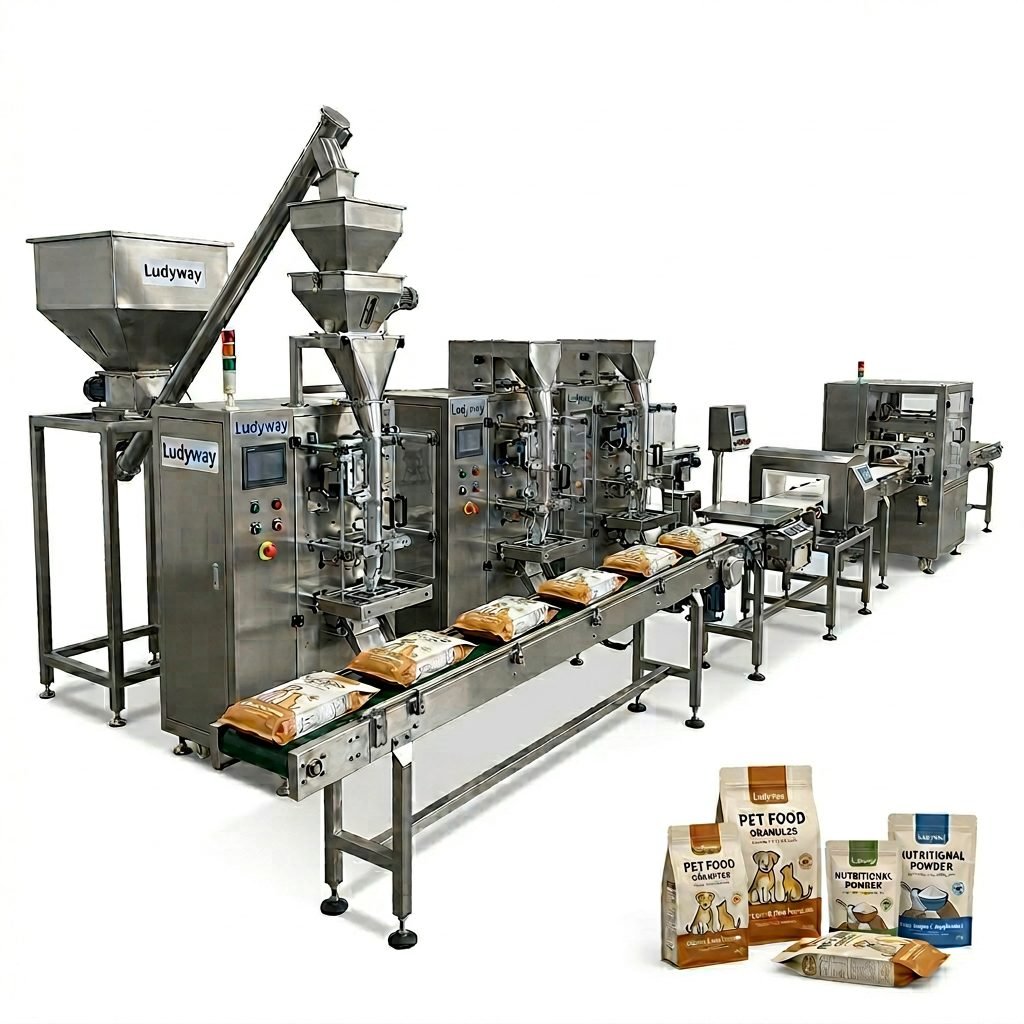
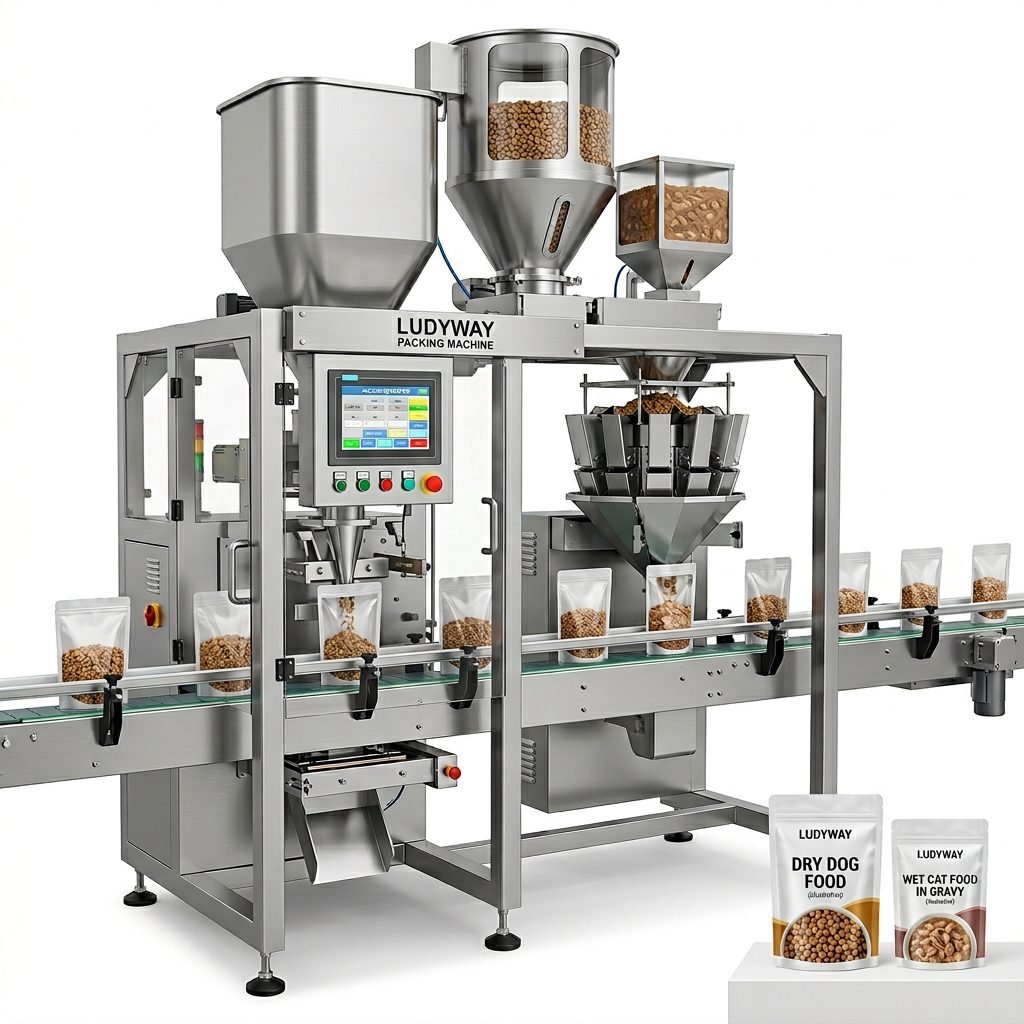
Essential Equipment for Pet Food Packaging Lines
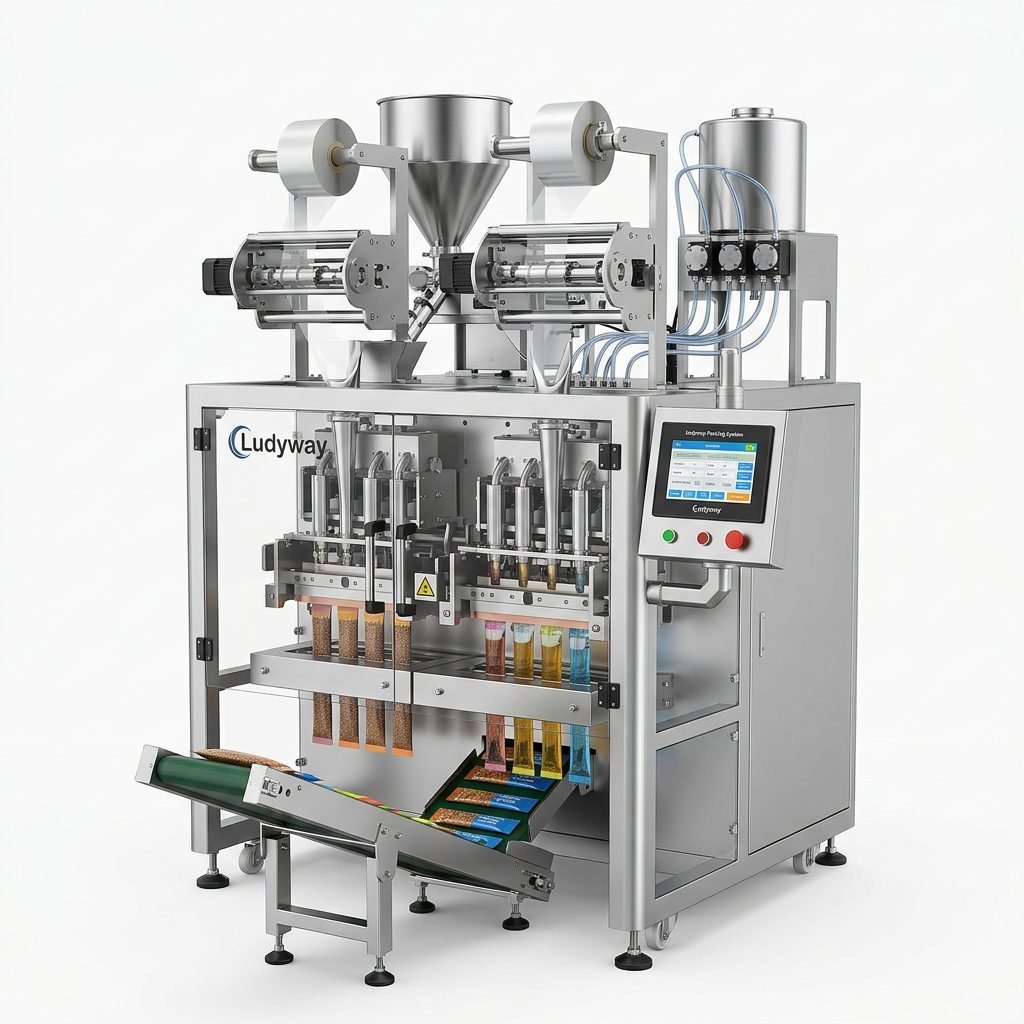
1. Multi-Lane Stick Pack and Sachet Machines
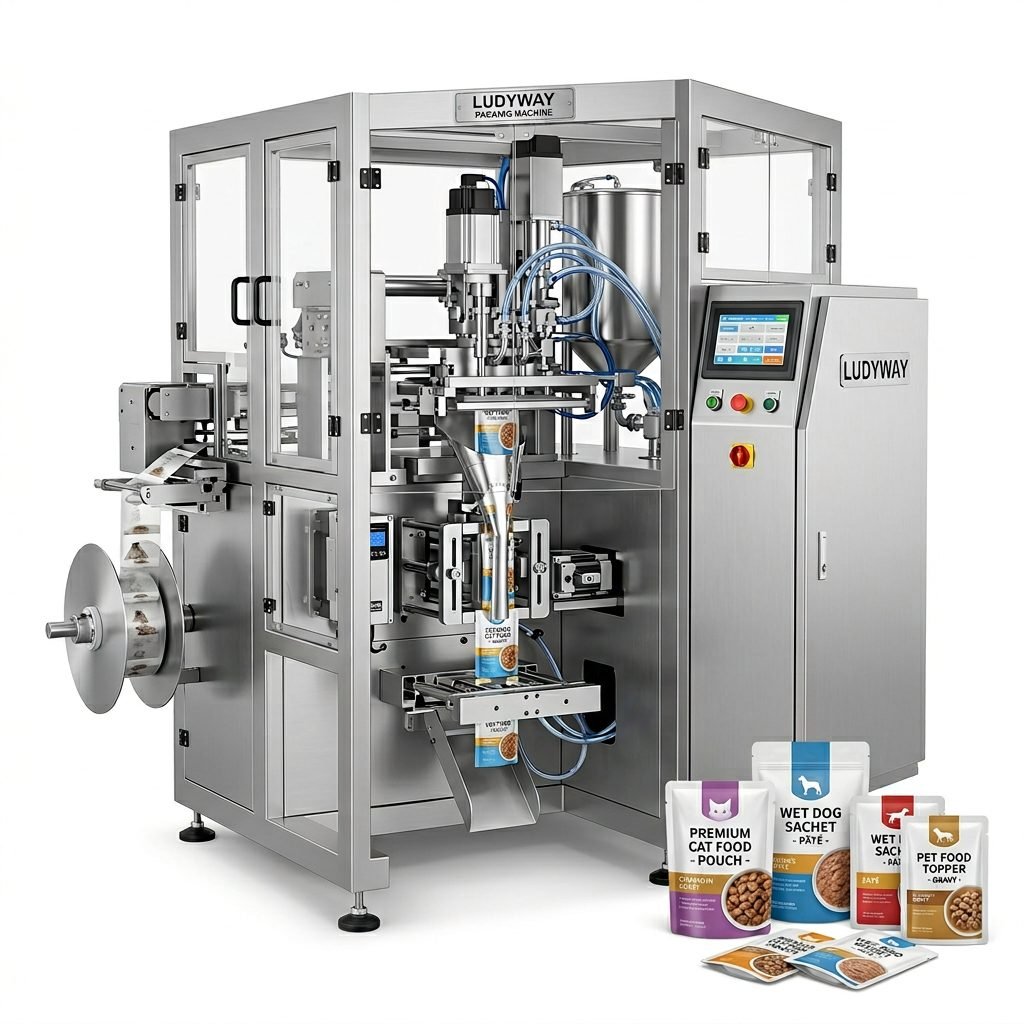
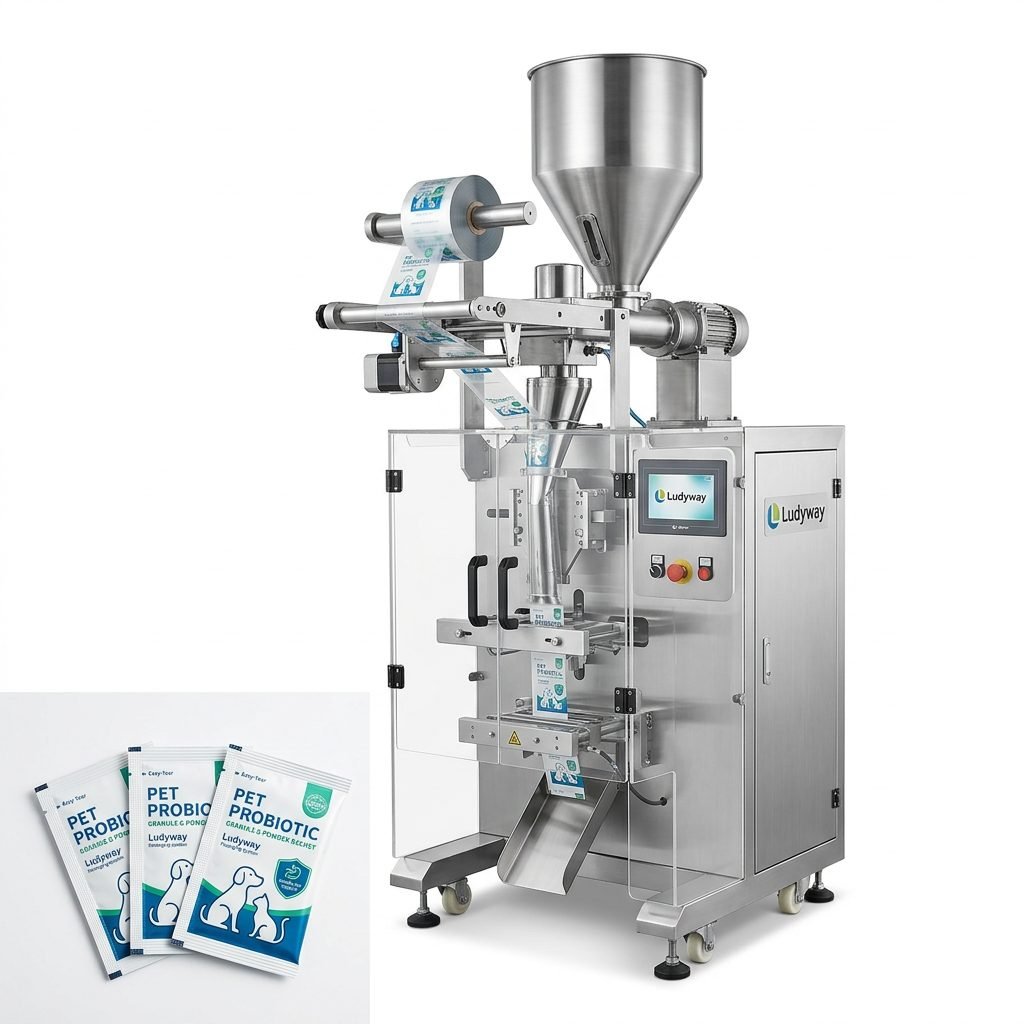
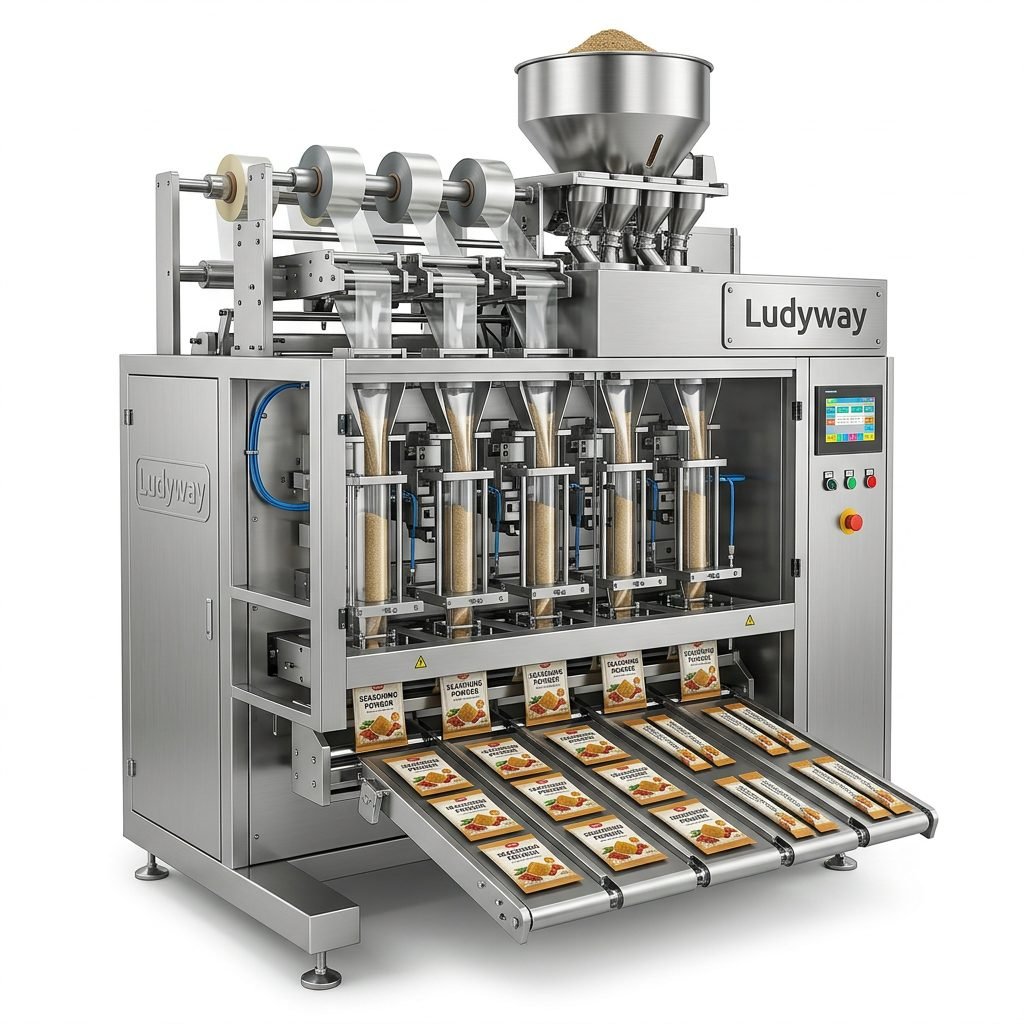
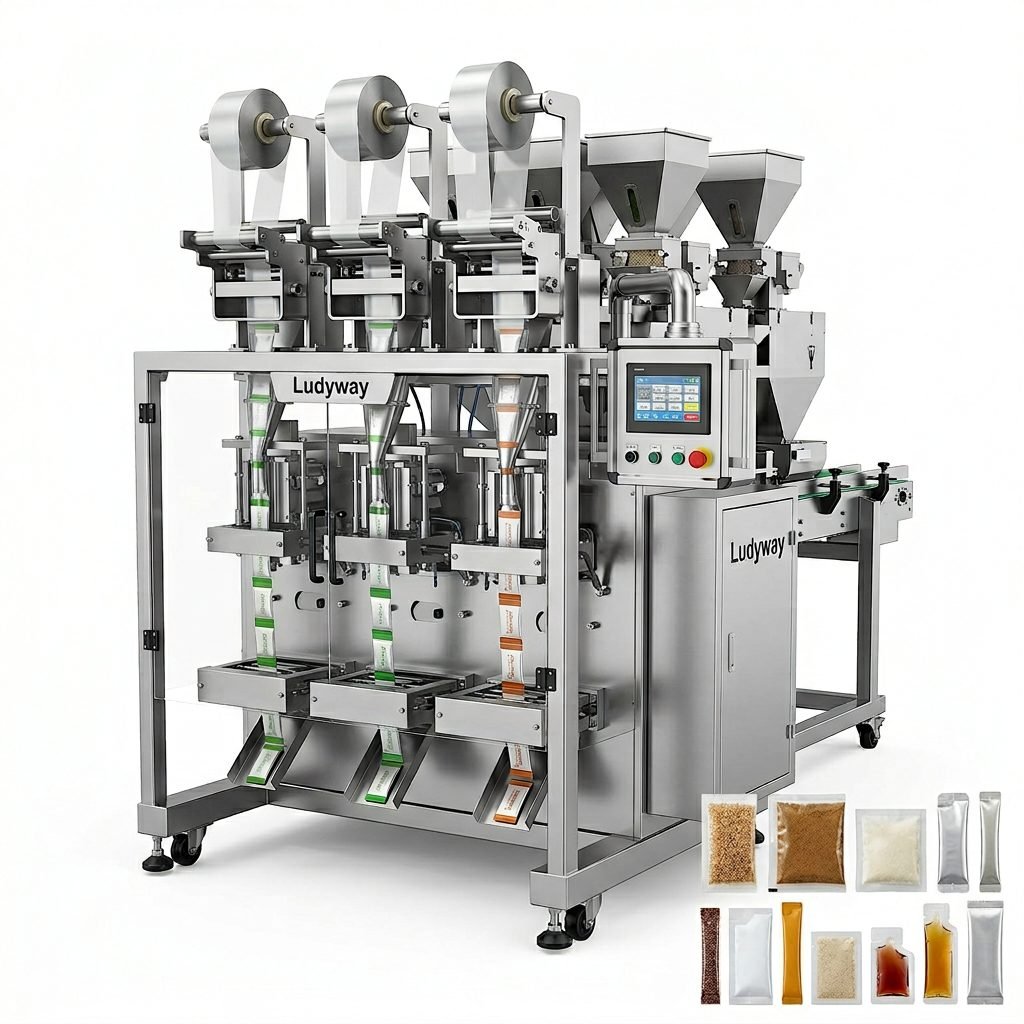
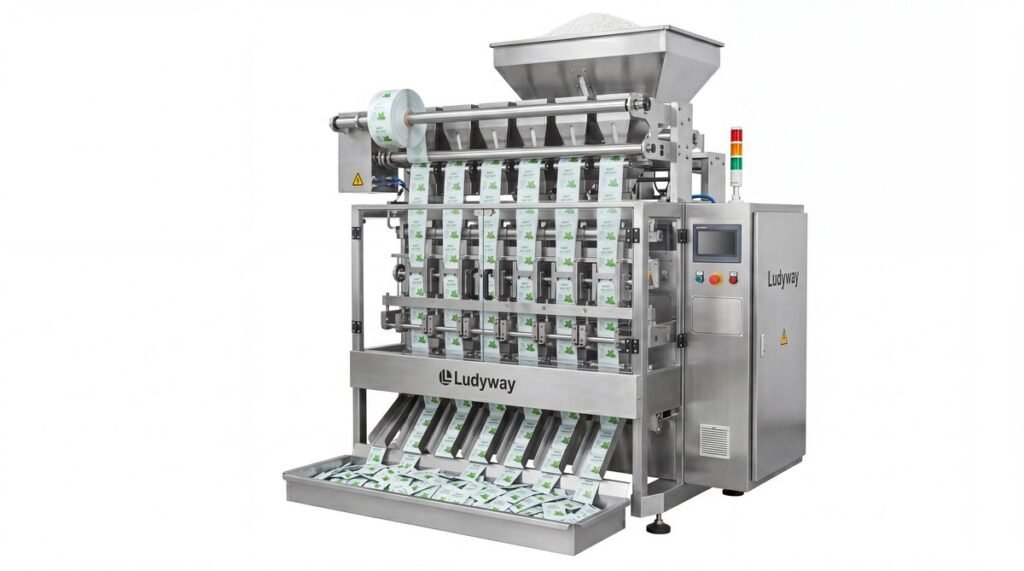
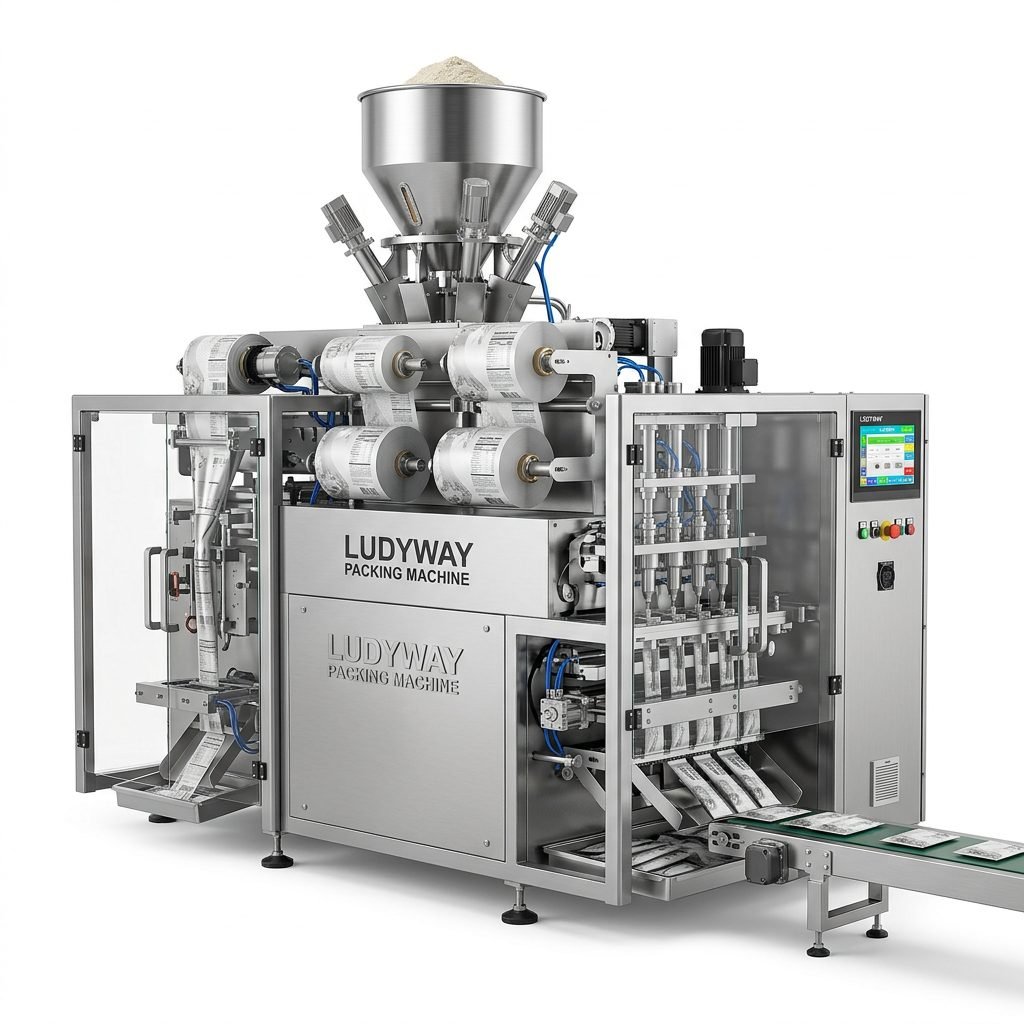
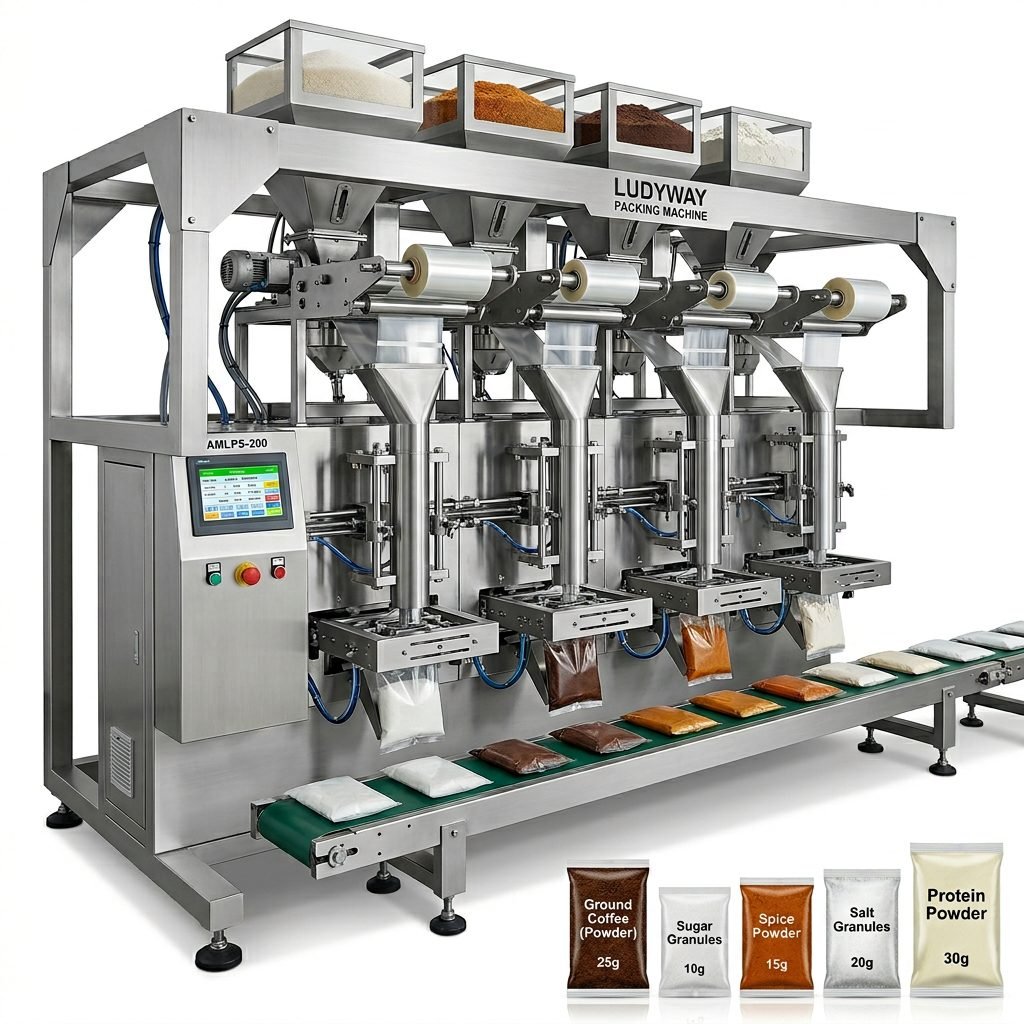
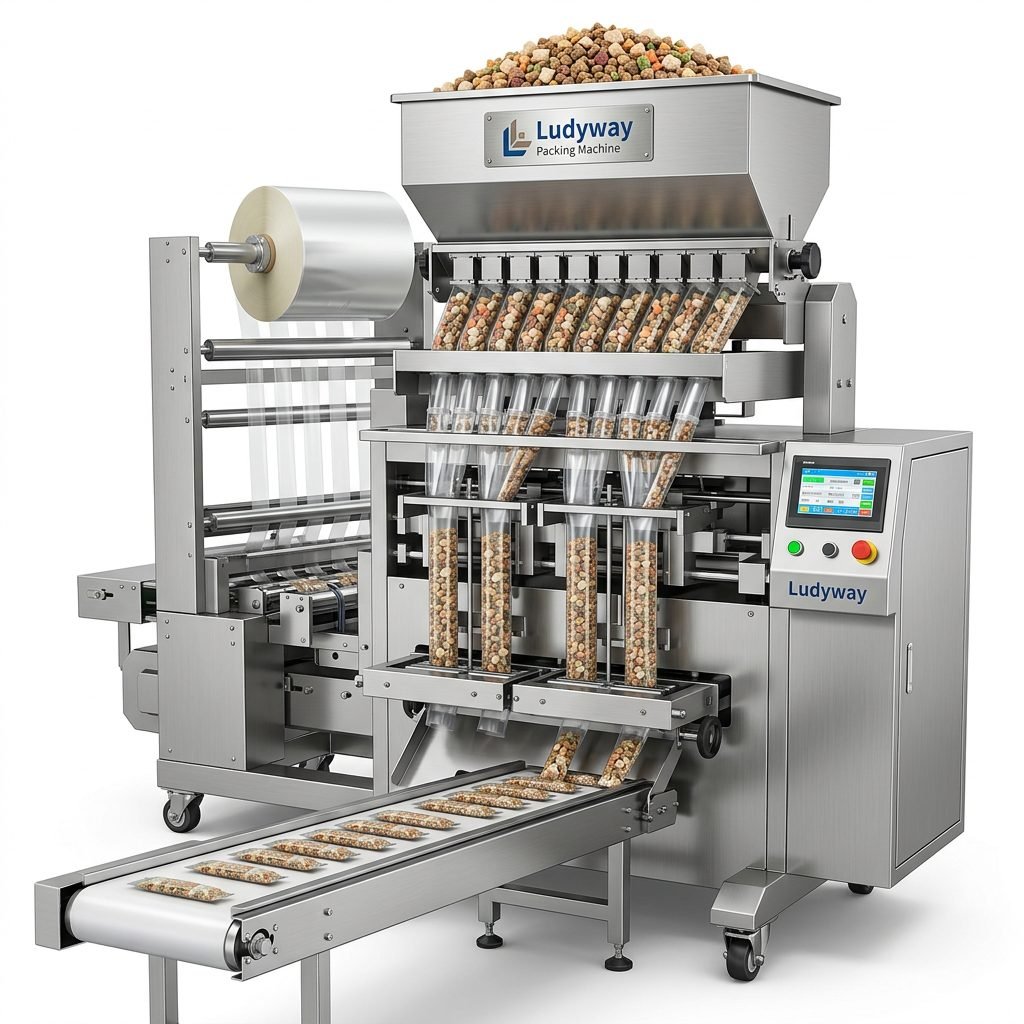
For single-serve wet food, treats, and supplements, multi-lane stick pack machines are the industry standard. These systems can produce 4, 6, 8, or more lanes simultaneously, achieving outputs of up to 400-600 packs per minute. They handle granules, powders, and even liquid-based pet food formulations with precision volumetric or auger filling systems.
2. Premade Pouch Filling and Sealing Systems
For larger retail pouches of dry kibble or wet food, rotary or inline premade pouch fillers offer excellent versatility. These machines can handle stand-up pouches, zipper pouches, and spouted pouches, which are increasingly popular in the Middle Eastern premium pet food segment.
3. Weighing and Dosing Equipment
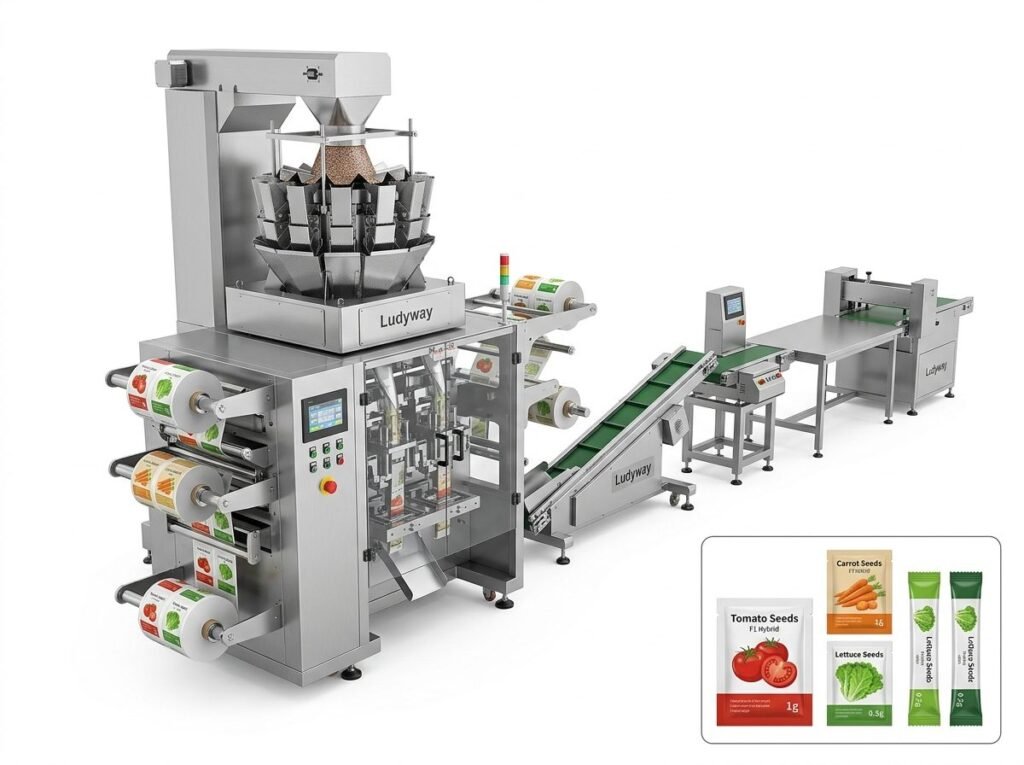
Accurate portioning is critical for pet food production. Multi-head weighers, linear weighers, and auger fillers ensure consistent fill weights. For freeze-dried and high-value products, high-precision combination weighers minimize product giveaway and maximize profitability.
4. Secondary Packaging and End-of-Line Solutions
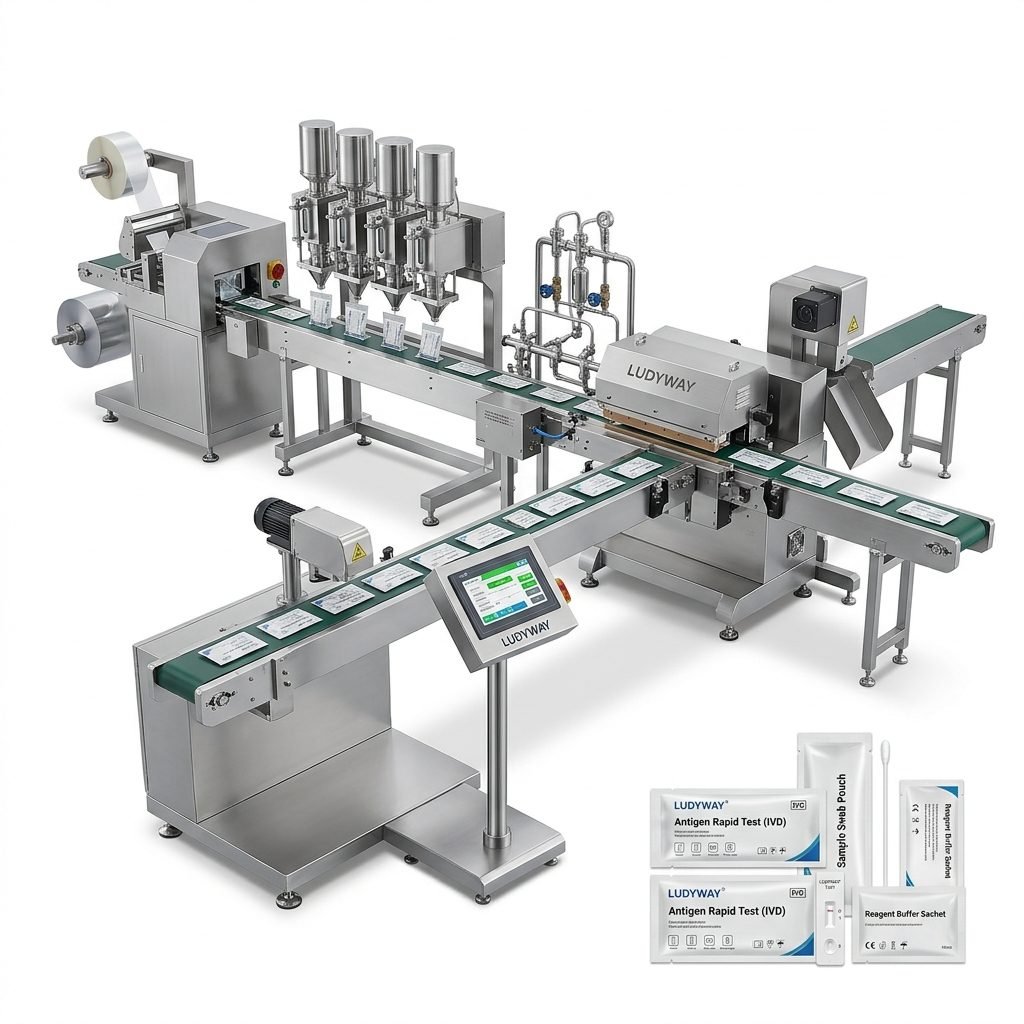
A complete production line includes cartoning machines, case packers, and palletizing systems. Ludyway offers integrated turnkey solutions that connect primary packaging with automated cartoning, case packing, and robotic palletizing for full production line automation.
Cost Breakdown for Setting Up a Pet Food Packaging Line
Understanding the investment required is essential for business planning. Below is an estimated cost range for different production scales in the Middle East market:
| Production Scale | Equipment Cost Range (USD) | Output Capacity | Space Required |
|---|---|---|---|
| Small / Startup | $25,000 – $80,000 | 30-60 packs/min | 100-200 m² |
| Medium Production | $100,000 – $350,000 | 100-300 packs/min | 300-800 m² |
| Full-Scale Industrial | $400,000 – $1,500,000+ | 400-1,200 packs/min | 1,000-3,000+ m² |
Additional costs to factor in include shipping and logistics to the Middle East, installation and commissioning, local regulatory certifications, and ongoing maintenance. Many manufacturers now offer comprehensive after-sales support and remote troubleshooting capabilities.
Key Tips for Setting Up in the Middle East
Consider Climate Control Requirements
The region’s high temperatures and humidity levels demand proper climate-controlled production environments. Packaging machinery with stainless steel construction and corrosion-resistant components performs better in these conditions. Ensure your facility has adequate HVAC systems to maintain consistent temperature and humidity for both product quality and equipment longevity.
Regulatory Compliance and Certifications
- Verify compliance with GSO (GCC Standardization Organization) requirements for pet food products
- Ensure packaging materials meet local food contact regulations
- Obtain halal certification if targeting the broader GCC market
- Review labeling requirements in Arabic and English
- Check import regulations for packaging equipment and spare parts
Choose the Right Packaging Format
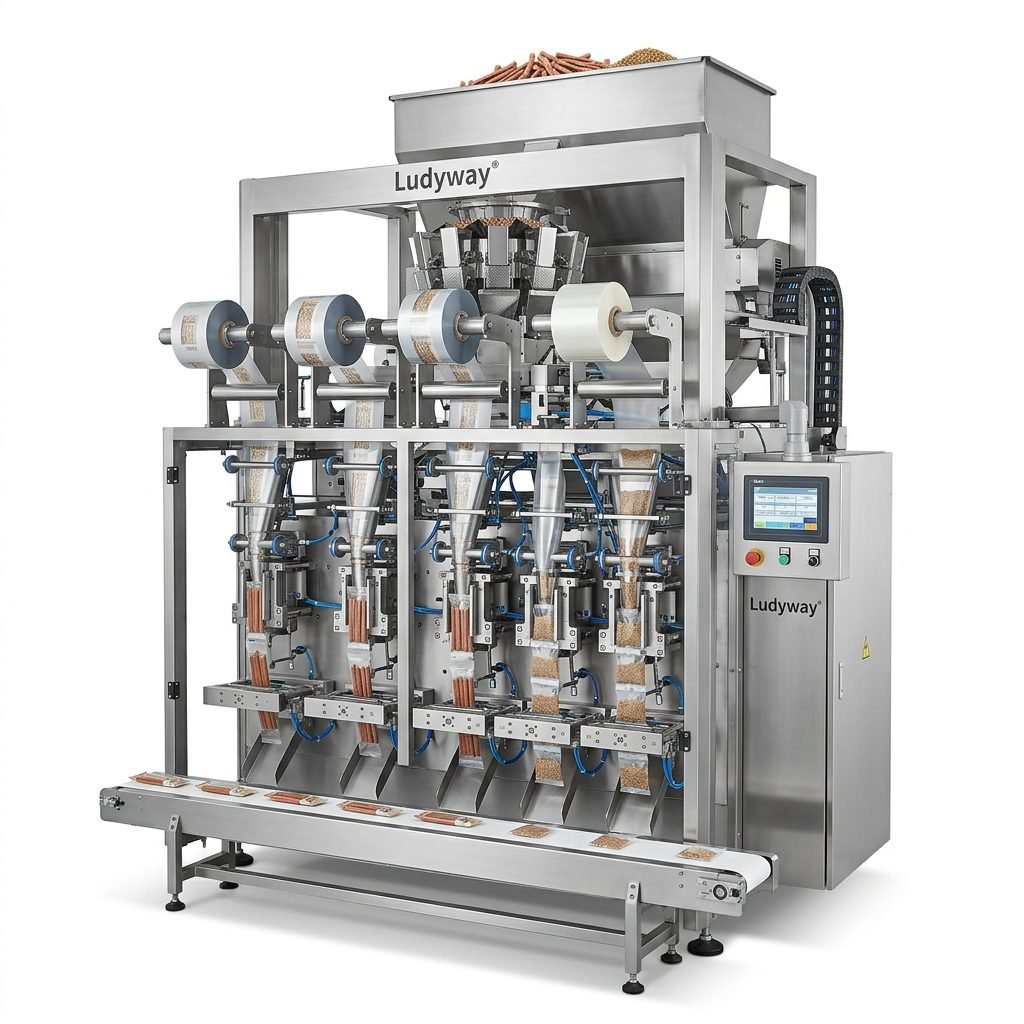
Market research indicates strong demand for single-serve stick packs and sachets in the Middle East, driven by convenience and portion control trends. Multi-lane stick pack lines offer the highest efficiency for these formats. For premium brands, stand-up pouches with resealable zippers command higher retail prices and consumer preference.
Plan for Scalability
When selecting equipment, consider future growth. Modular packaging lines that allow adding more lanes or integrating additional automation modules (such as industry-standard cartoning systems) provide better long-term value. Starting with a 4-lane stick pack machine that can be expanded to 8 or 12 lanes offers flexibility as your market share grows.
Local Service and Support
Equipment downtime can be costly. Choose manufacturers with established service networks in the Middle East or reliable remote support capabilities. Training for local operators and maintenance staff is equally important to ensure smooth operations.
Packaging Material Considerations
The selection of suitable packaging films and laminates is critical for pet food applications. Key requirements include:
| Packaging Material Type | Best For | Key Properties |
|---|---|---|
| PET/AL/PE Laminate | Dry kibble, freeze-dried products | High barrier, moisture protection |
| PET/PE with EVOH | Wet food, high-moisture treats | Oxygen barrier, retortable options |
| Kraft paper/PE | Eco-friendly branding | Sustainable image, moderate barrier |
Many Middle Eastern markets are increasingly focused on sustainable packaging solutions. Exploring recyclable mono-material structures can give your brand a competitive advantage while aligning with flexible packaging industry sustainability initiatives.
Production Line Layout and Workflow
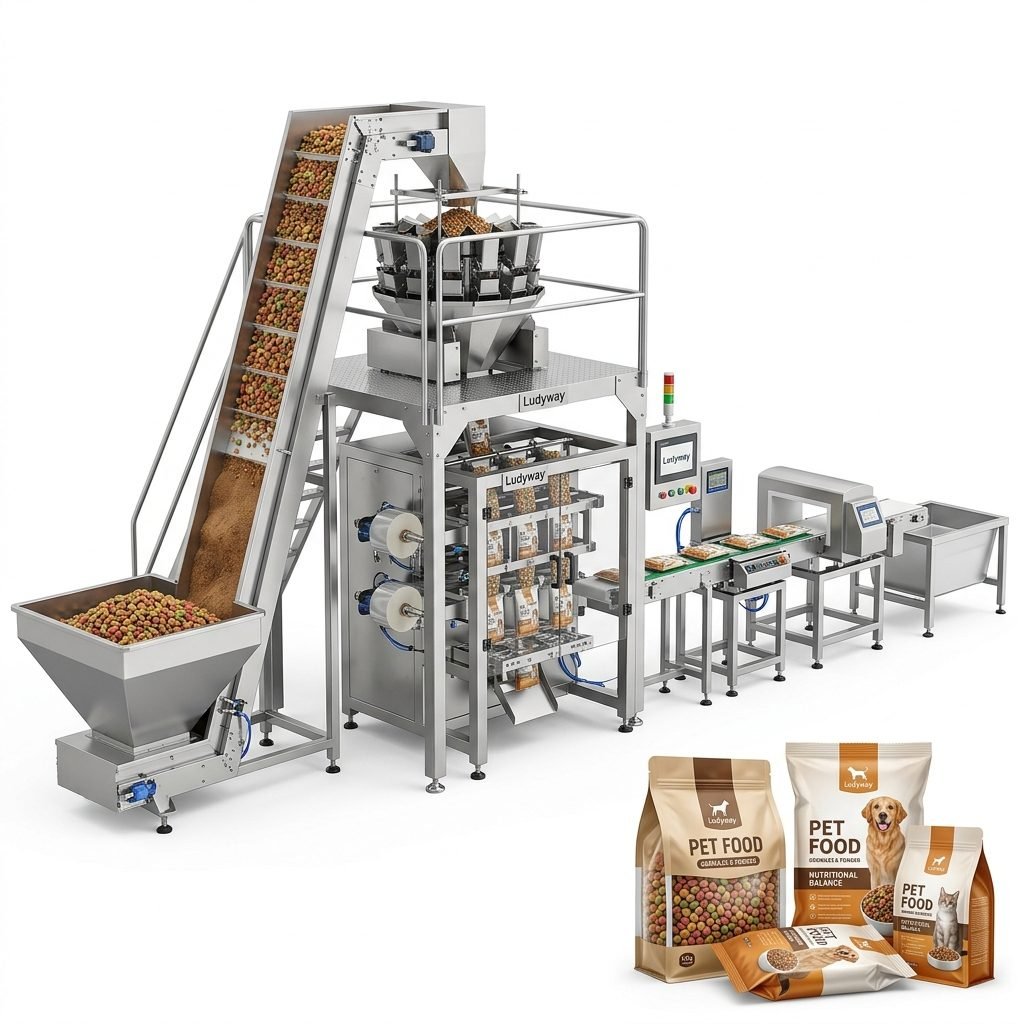
An efficient production line layout maximizes throughput while maintaining product quality and operator safety. The typical workflow for a pet food packaging line includes:
- Product feeding and dosing – Automated feeding systems deliver raw materials to weighing and filling stations
- Primary packaging – Multi-lane stick pack, sachet, or pouch forming, filling, and sealing
- Quality inspection – Checkweighers, metal detectors, and vision inspection systems ensure product integrity
- Secondary packaging – Cartoning, case packing, and bundling
- Palletizing and warehousing – Robotic palletizers prepare finished goods for distribution
Return on Investment Analysis
The Middle East pet food market continues to expand at a compound annual growth rate exceeding 8% annually. With the right equipment and production strategy, most packaging line investments achieve payback within 18-36 months. Factors that accelerate ROI include:
- High-speed multi-lane systems that maximize output per square meter
- Diversified product formats to capture multiple market segments
- Private label and contract manufacturing opportunities
- Export potential to neighboring GCC and African markets
For companies entering this growing market, selecting reliable packaging machinery and planning for scalable production are critical success factors. With the right approach, your pet food packaging line can become a profitable gateway into one of the world’s fastest-growing pet care markets.