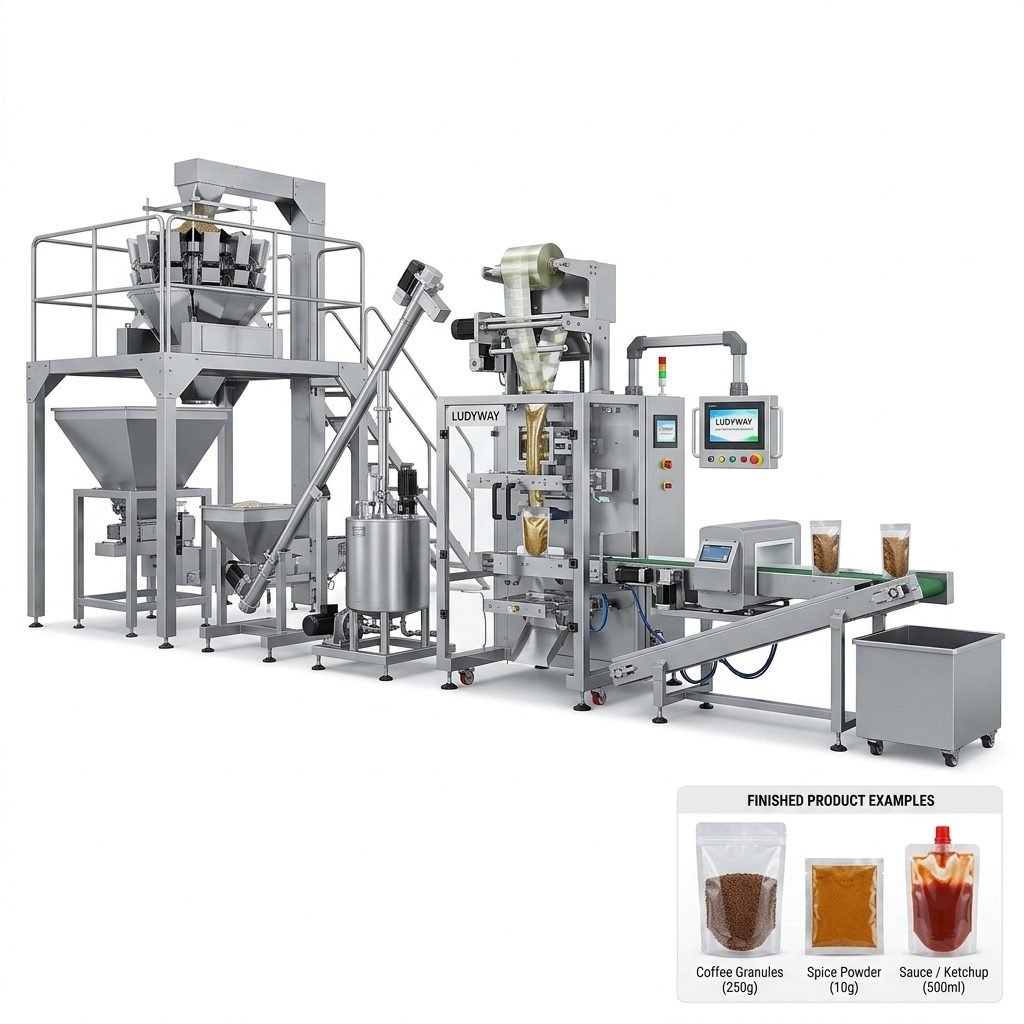
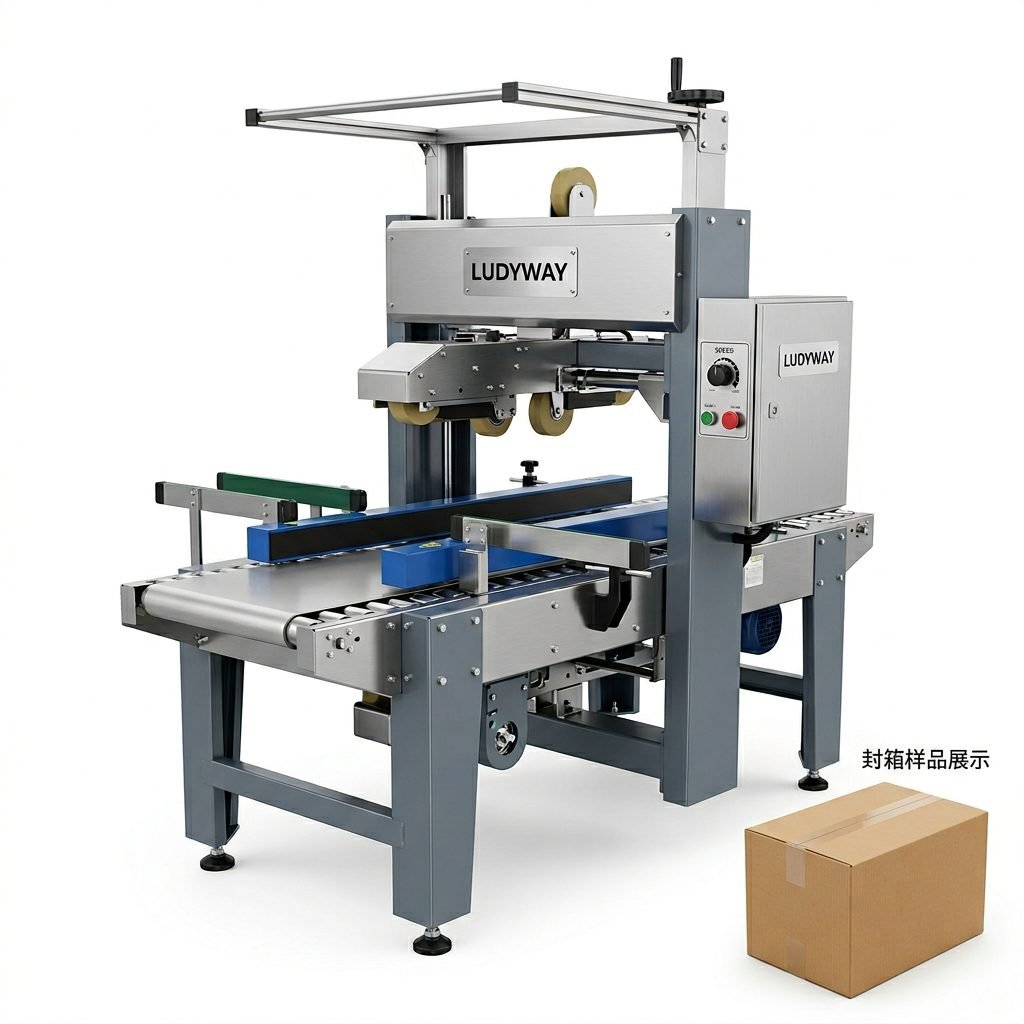
The Indian snack food market is experiencing explosive growth, with potato chips remaining the undisputed king of the category. As consumer demand surges across Tier 1, Tier 2, and Tier 3 cities, manufacturers are under increasing pressure to scale production without compromising on quality, consistency, or shelf life. Investing in the right potato chips packaging machine has become a strategic imperative for businesses looking to capture market share in this competitive landscape. This comprehensive buying guide walks you through everything you need to know before making a purchase decision in India.
Why Automated Packaging Matters for Indian Potato Chips Manufacturers
Manual or semi-automatic packaging processes can no longer keep pace with the scale and speed required in today’s market. An automated potato chips packaging machine delivers multiple competitive advantages that directly impact your bottom line. Consistent seal integrity prevents oil leakage and extends product shelf life, while precise weight control minimizes product giveaway and reduces raw material costs by up to 5% annually. High-speed multi-lane configurations can fill hundreds of packs per minute, dramatically increasing throughput without proportional increases in labor costs.
India’s unique climatic conditions — high humidity and temperature fluctuations across regions — make hermetic sealing and nitrogen flushing particularly critical. A quality packaging machine equipped with gas flushing capabilities preserves crunchiness and freshness for weeks longer than inadequately sealed alternatives. This directly translates to fewer returns, stronger retailer relationships, and enhanced brand reputation across distribution networks spanning from Mumbai to Guwahati.
Types of Potato Chips Packaging Machines Available in India
Understanding the different machine configurations helps narrow your options based on production volume, pack format, and budget. The Indian market predominantly utilizes three categories of potato chips packaging machines, each suited to specific operational requirements.
Vertical Form Fill Seal (VFFS) Machines
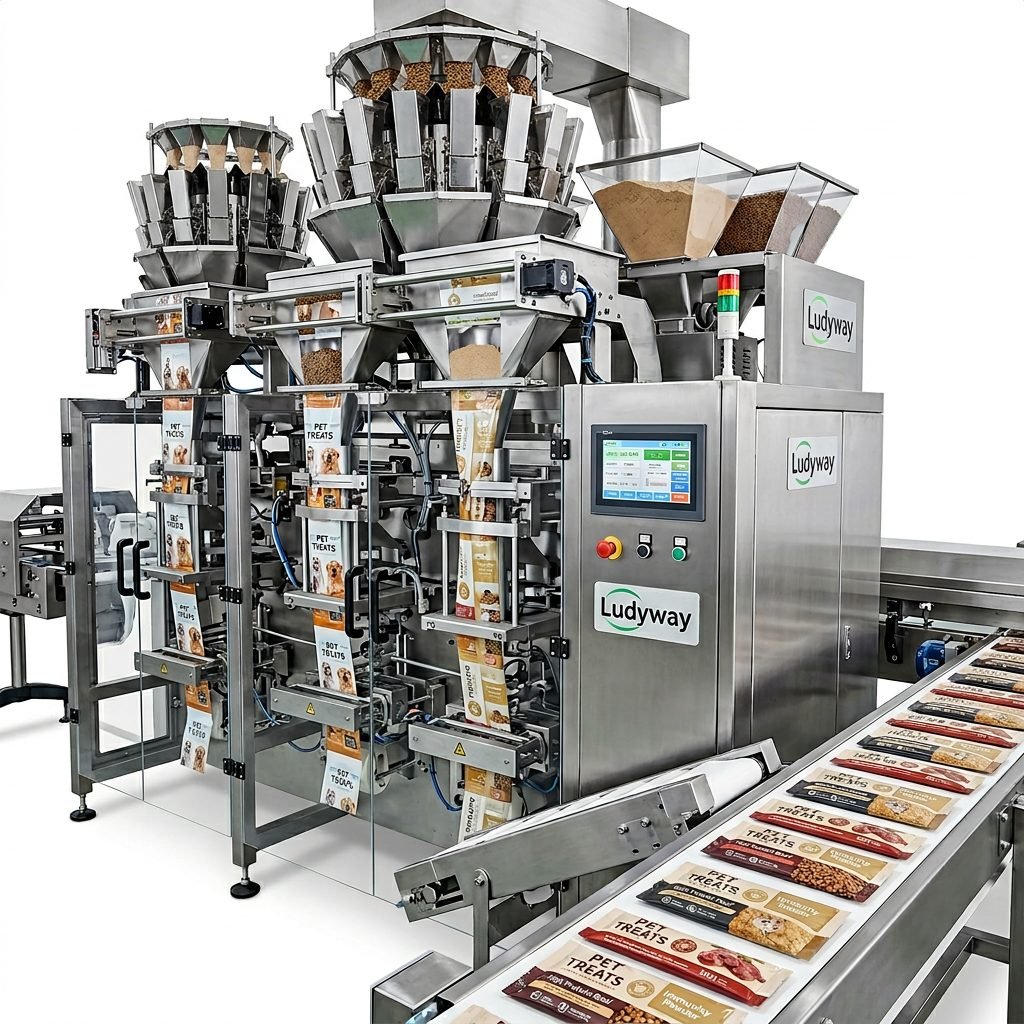
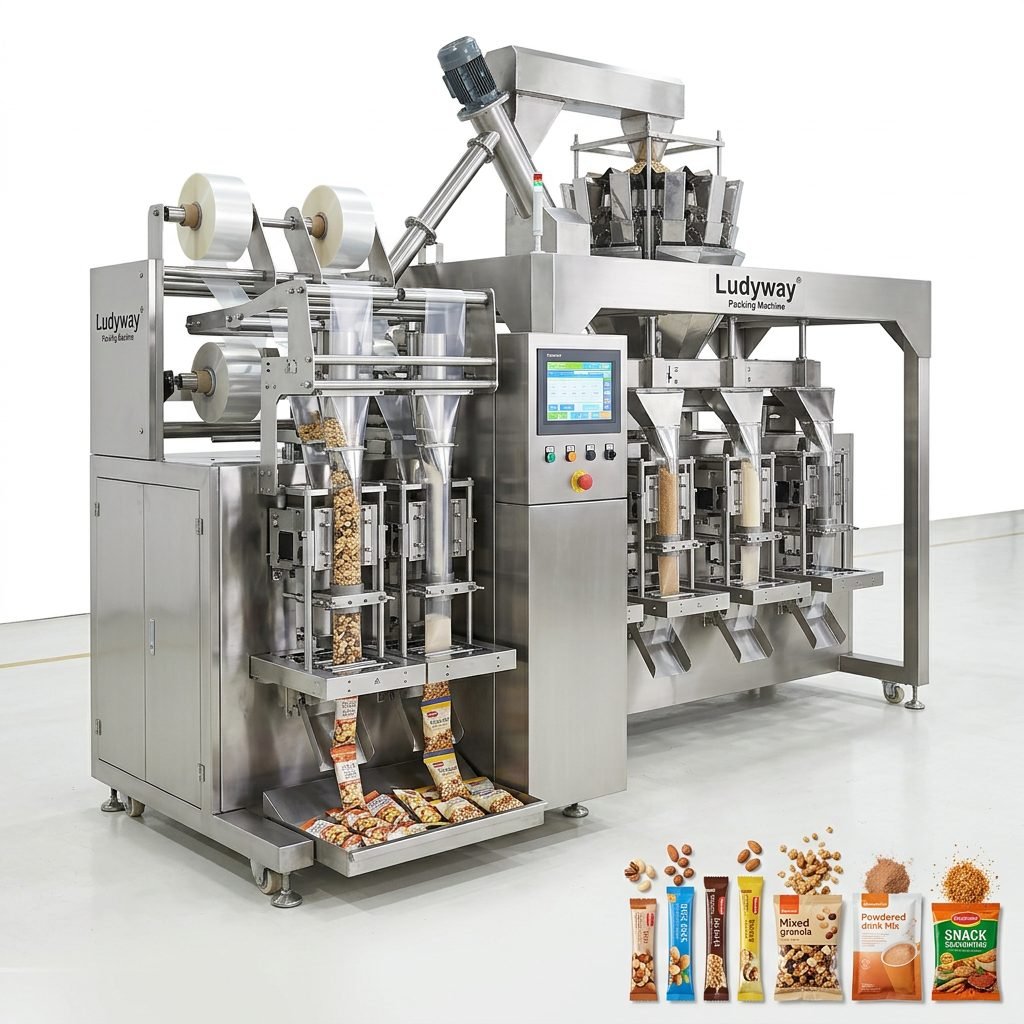
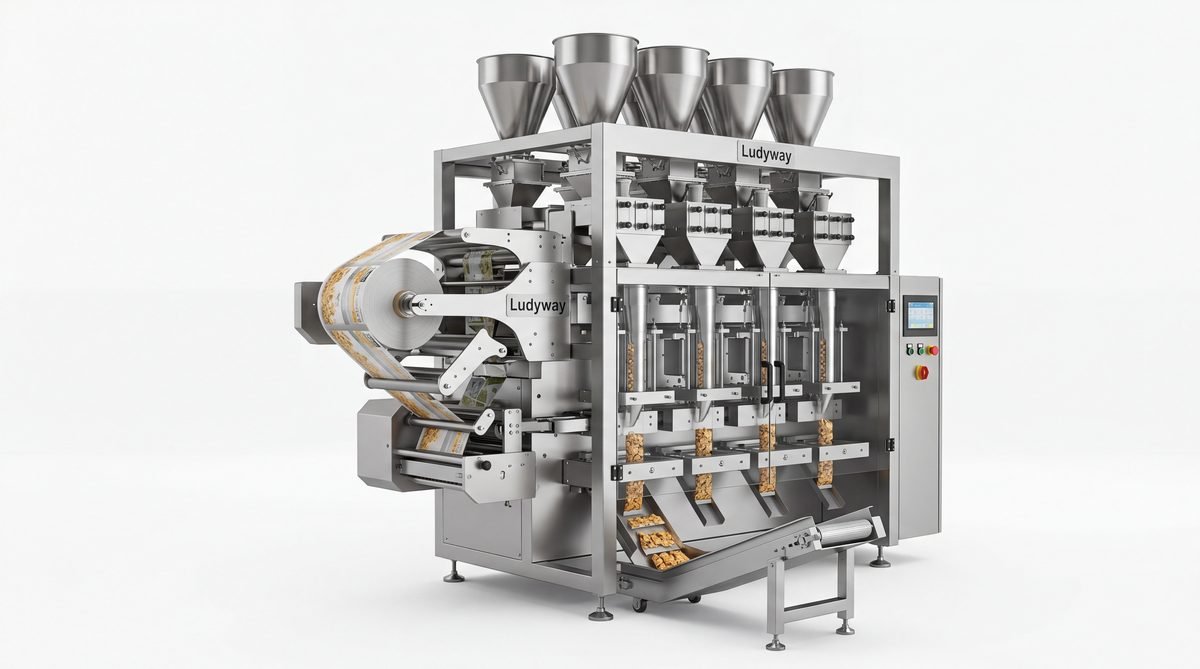
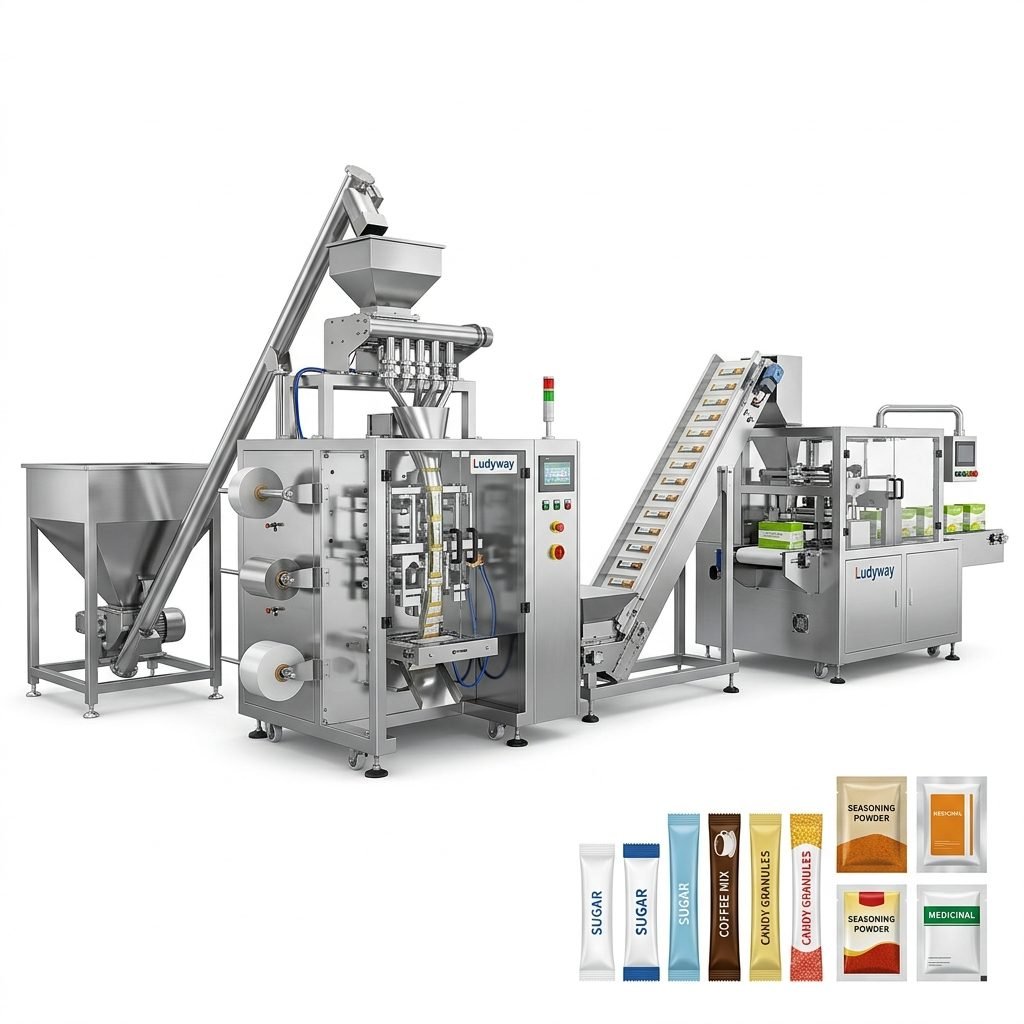
VFFS machines represent the most widely adopted technology in India’s snack packaging sector. These systems form a pouch from a flat roll of film, fill it with product, and seal it — all in a continuous vertical motion. They excel at producing pillow pouches and gusseted bags at speeds ranging from 30 to over 150 packs per minute depending on the model. Their versatility allows manufacturers to switch between different bag sizes with relatively quick changeover times, making them ideal for co-packers and multi-SKU operations.
Multi-Lane Stick Pack and Sachet Machines
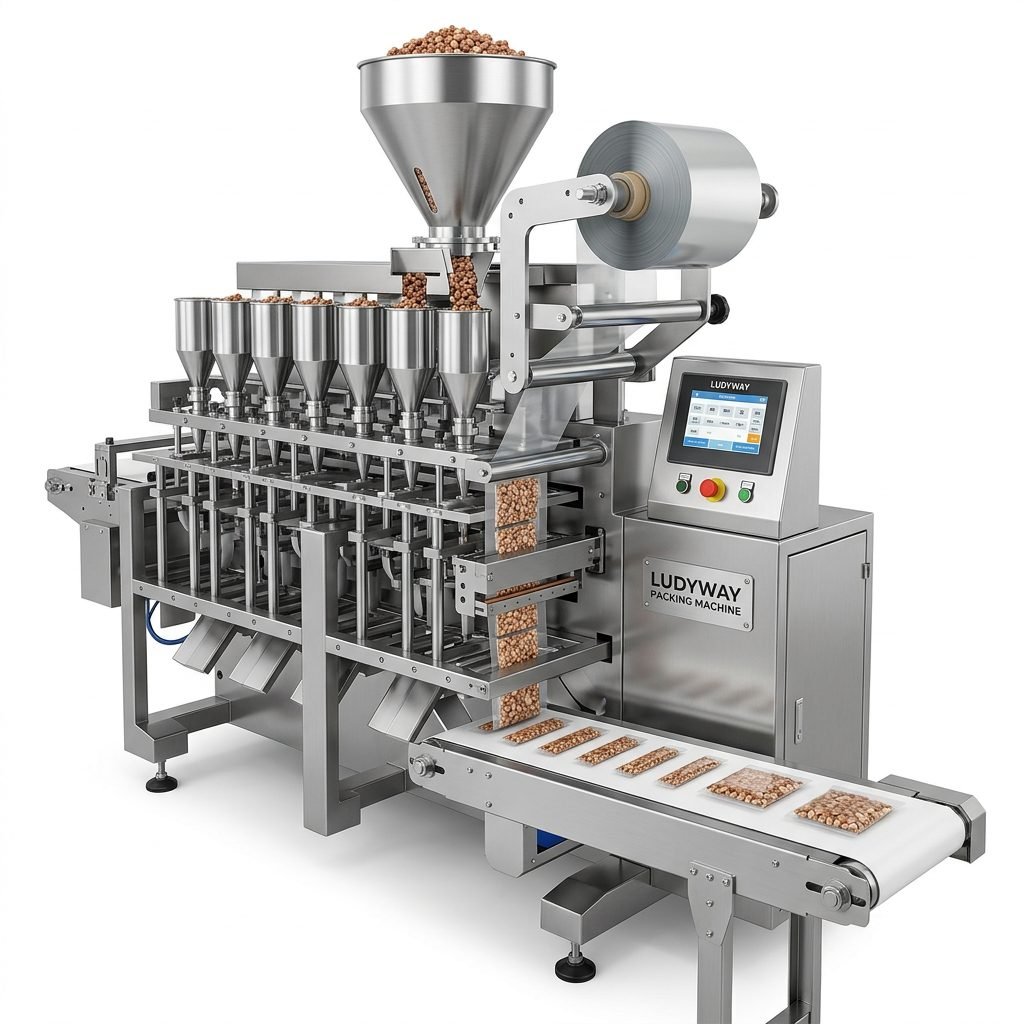
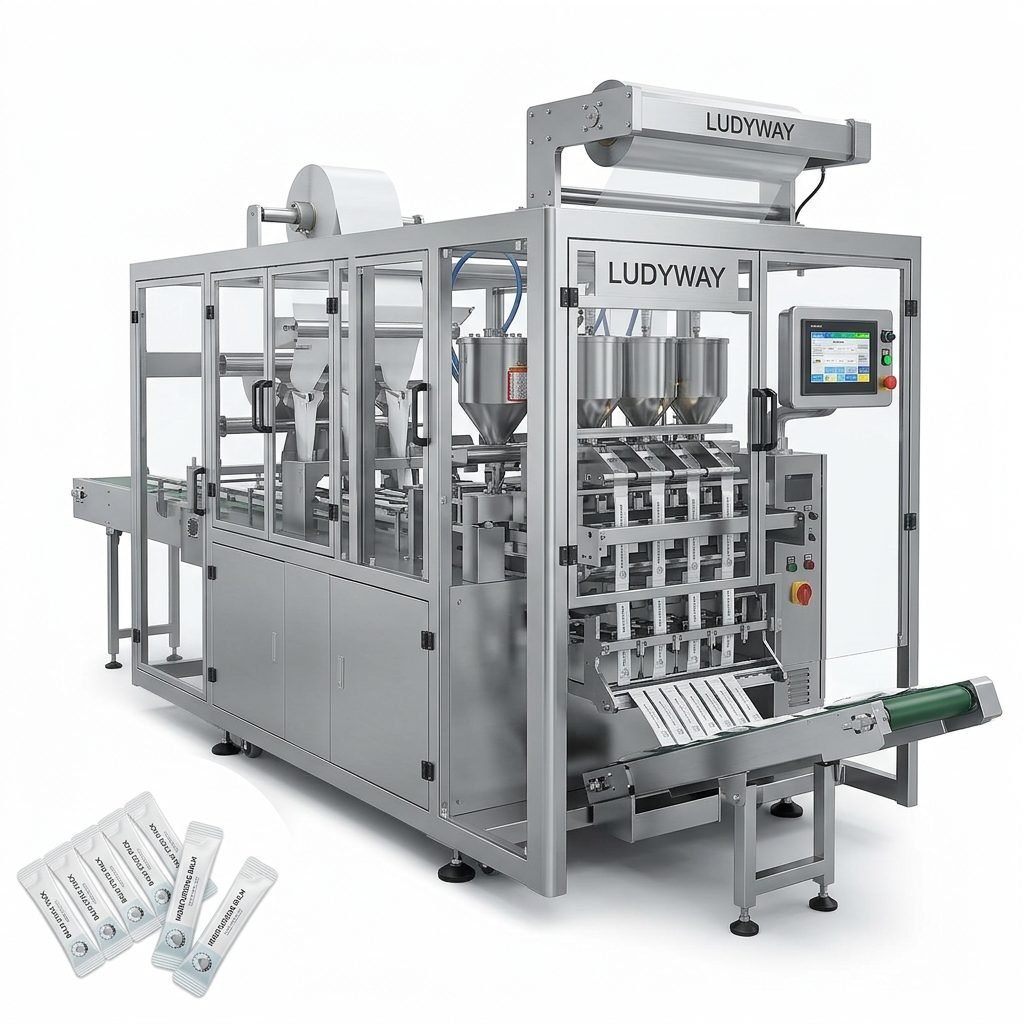
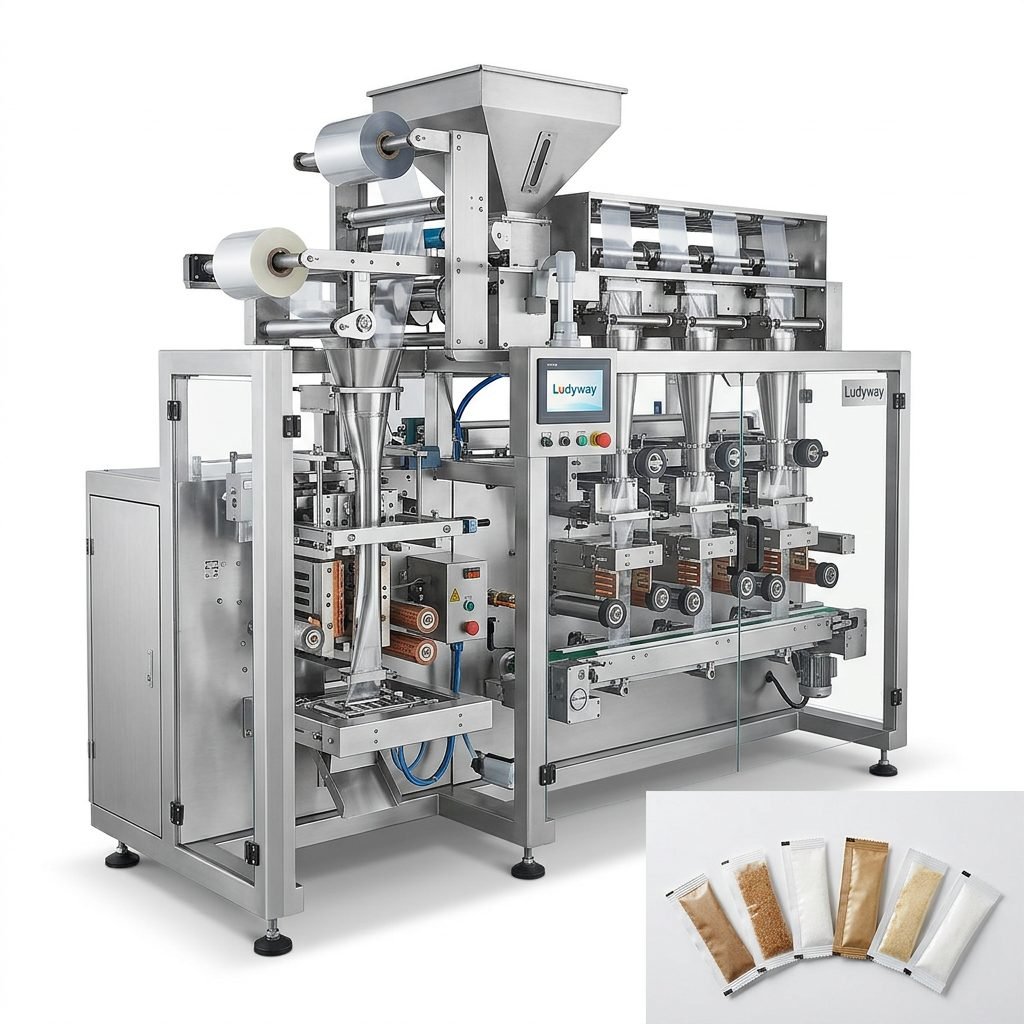
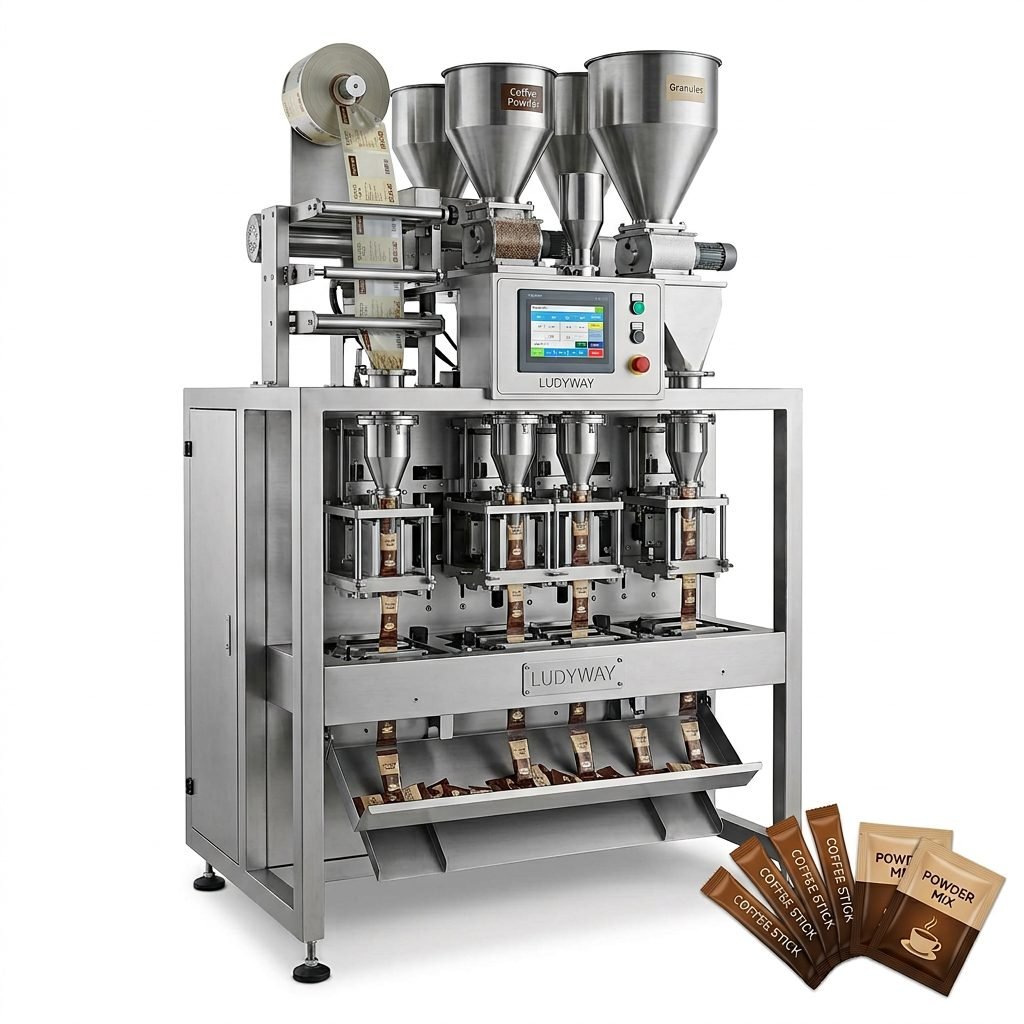
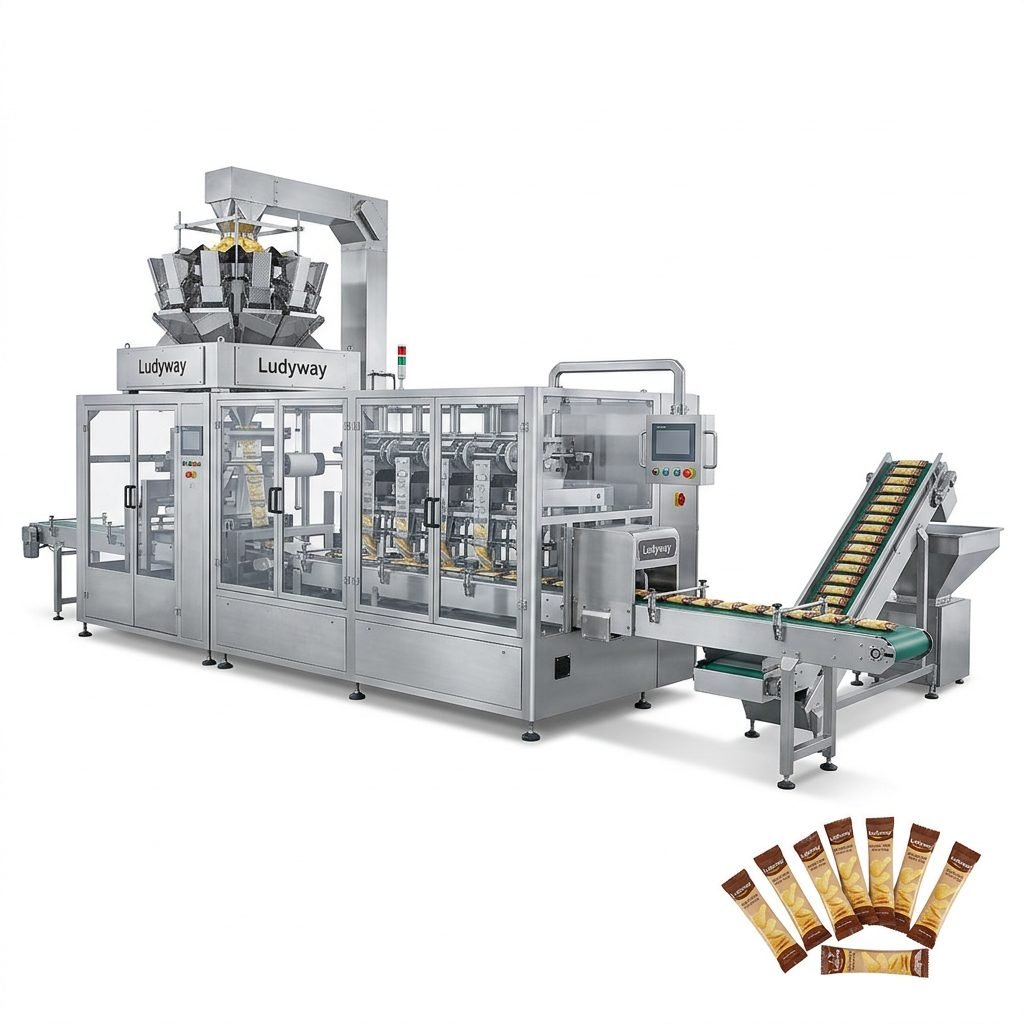
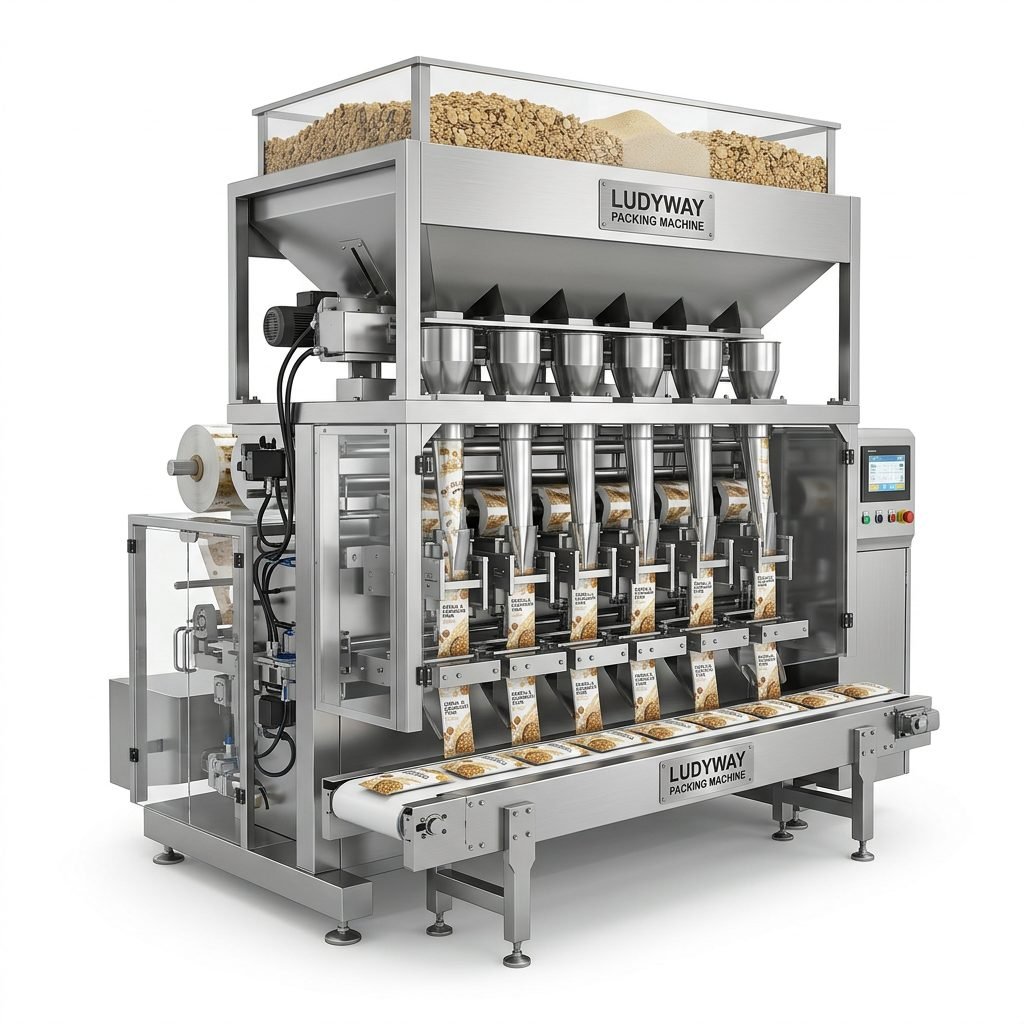
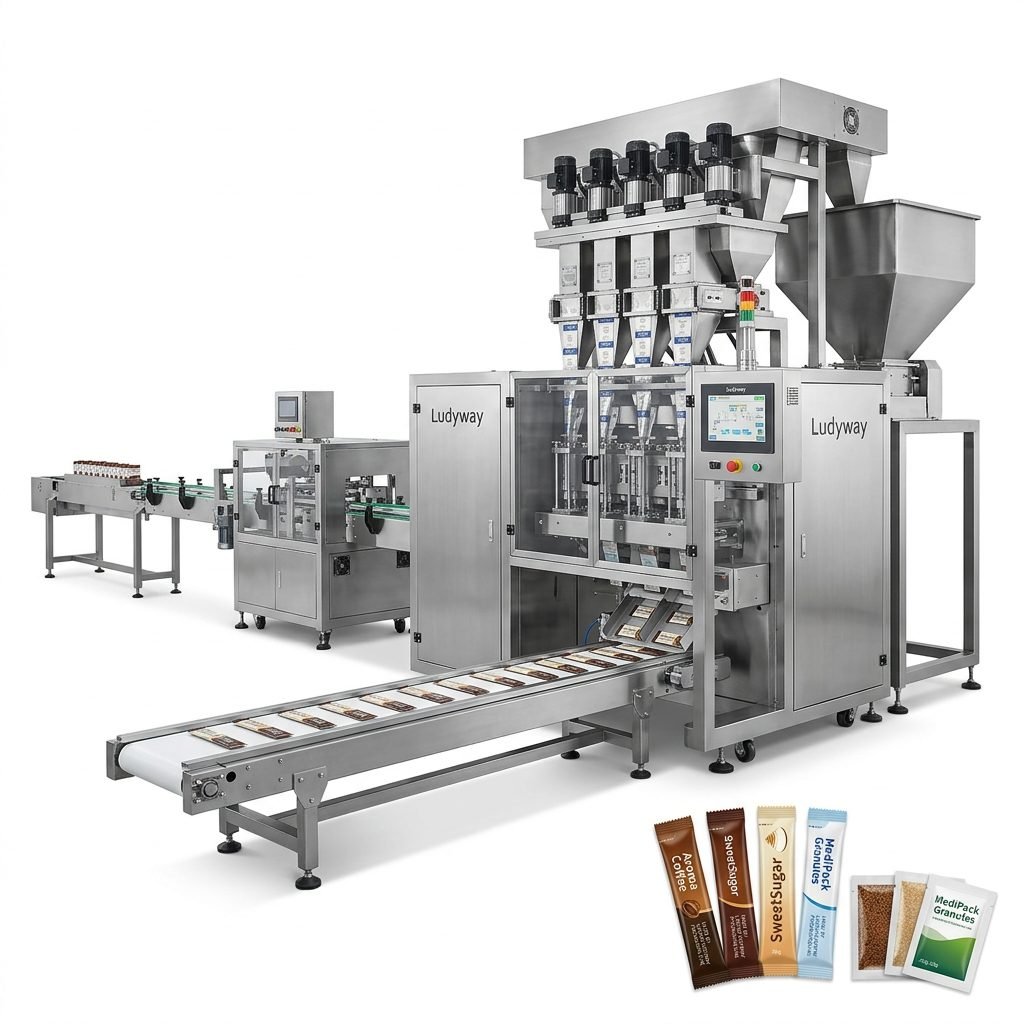
For manufacturers targeting the ₹5, ₹10, and ₹20 price point segments, multi-lane stick pack machines offer unmatched productivity. These systems run multiple lanes simultaneously — commonly 4, 6, 8, 10, or 12 lanes — producing slim, portable stick packs that have become increasingly popular in the Indian market. A single 10-lane machine can produce over 600 stick packs per minute, making them the go-to choice for high-volume, low-unit-price applications. The format also appeals to modern consumers seeking portion-controlled, on-the-go snacking options.
Premade Pouch Rotary Packaging Machines
Rotary premade pouch machines pick, open, fill, and seal pre-manufactured pouches. While generally slower than VFFS systems, they excel at producing premium-looking stand-up pouches with zippers, spouts, and tear notches — formats that command higher shelf visibility and consumer willingness to pay. These machines are particularly popular among brands positioning themselves in the premium and export segments of the Indian potato chips market.
Key Features to Evaluate Before Purchasing
Not all potato chips packaging machines are created equal. The following table summarizes the critical specifications you should compare across different models and manufacturers when evaluating options for your Indian production facility.
| Feature | Why It Matters | Recommended Specification |
|---|---|---|
| Production Speed | Determines daily output capacity and ROI timeline | 40-150 packs/min (VFFS) or 300-800 packs/min (multi-lane) |
| Filling Accuracy | Minimizes product giveaway; a 2g error across millions of packs costs lakhs annually | ±0.5-1.0g for multi-head weighers |
| Nitrogen Flushing | Extends shelf life by reducing oxygen inside the pack; essential for Indian climate | Residual O₂ below 2% |
| Film Compatibility | Must handle BOPP, MET-PET, laminate, and eco-friendly films available in India | Multi-material capability with quick tension adjustment |
| Changeover Time | Frequent SKU changes require fast, tool-free changeover | Under 15 minutes for size changes |
| Power Consumption | Electricity costs in India are significant; energy efficiency matters | Look for servo-driven systems with energy recovery |
| Automation Level | Higher automation reduces labor dependency and human error | PLC-controlled with HMI touchscreen interface |
Price Ranges and Budget Planning
Understanding the investment spectrum helps you set realistic budgets and evaluate ROI timelines. Entry-level VFFS machines suitable for small-scale Indian manufacturers typically range from ₹8 lakhs to ₹15 lakhs. Mid-range systems with multi-head weighers, nitrogen flushing, and servo drives fall between ₹18 lakhs and ₹35 lakhs. High-speed multi-lane stick pack lines with full automation capabilities can range from ₹40 lakhs to over ₹1 crore depending on lane count, speed, and ancillary equipment integration.
Beyond the machine purchase price, factor in installation, training, annual maintenance contracts, and spare parts inventory. Many Indian buyers underestimate ongoing operational costs. A well-maintained machine from a reputable manufacturer will deliver 10-15 years of reliable service, making the total cost of ownership far more important than the upfront purchase price alone.
Regulatory Compliance and Food Safety Standards
India’s Food Safety and Standards Authority (FSSAI) mandates strict packaging requirements for food products. Your potato chips packaging machine must support packaging materials that comply with FSSAI regulations on food contact materials. Machines should be constructed with food-grade stainless steel (SS 304 or SS 316) for all product contact surfaces, with easy-to-clean designs that prevent oil and seasoning buildup. The machine frame and external panels should resist corrosion in India’s often humid production environments.
For manufacturers targeting export markets alongside domestic sales, machines should also support compliance with international standards such as FDA, EU, and ISO 22000 requirements. Investing in a machine built to global standards from the outset avoids costly retrofitting later when export opportunities arise. Look for machines with validated cleaning protocols, accessible maintenance points, and comprehensive documentation suitable for third-party audits.
After-Sales Support and Service Network in India
Machine uptime is the single biggest driver of packaging line profitability. Before committing to any potato chips packaging machine purchase, thoroughly evaluate the supplier’s service infrastructure in India. Key questions to ask include the number of service engineers stationed in India, average response time for breakdown calls, availability of critical spare parts locally versus import lead times, and whether the supplier offers comprehensive operator training programs.
- Local service presence: Engineers based in major Indian cities ensure rapid response
- Spare parts inventory: Critical components should be stocked in-country, not shipped from overseas
- Training programs: Comprehensive operator and maintenance training reduces downtime from human error
- Remote diagnostics: Modern machines with IoT capabilities enable remote troubleshooting via internet
- Annual maintenance contracts: Structured AMC plans keep machines in peak condition year-round
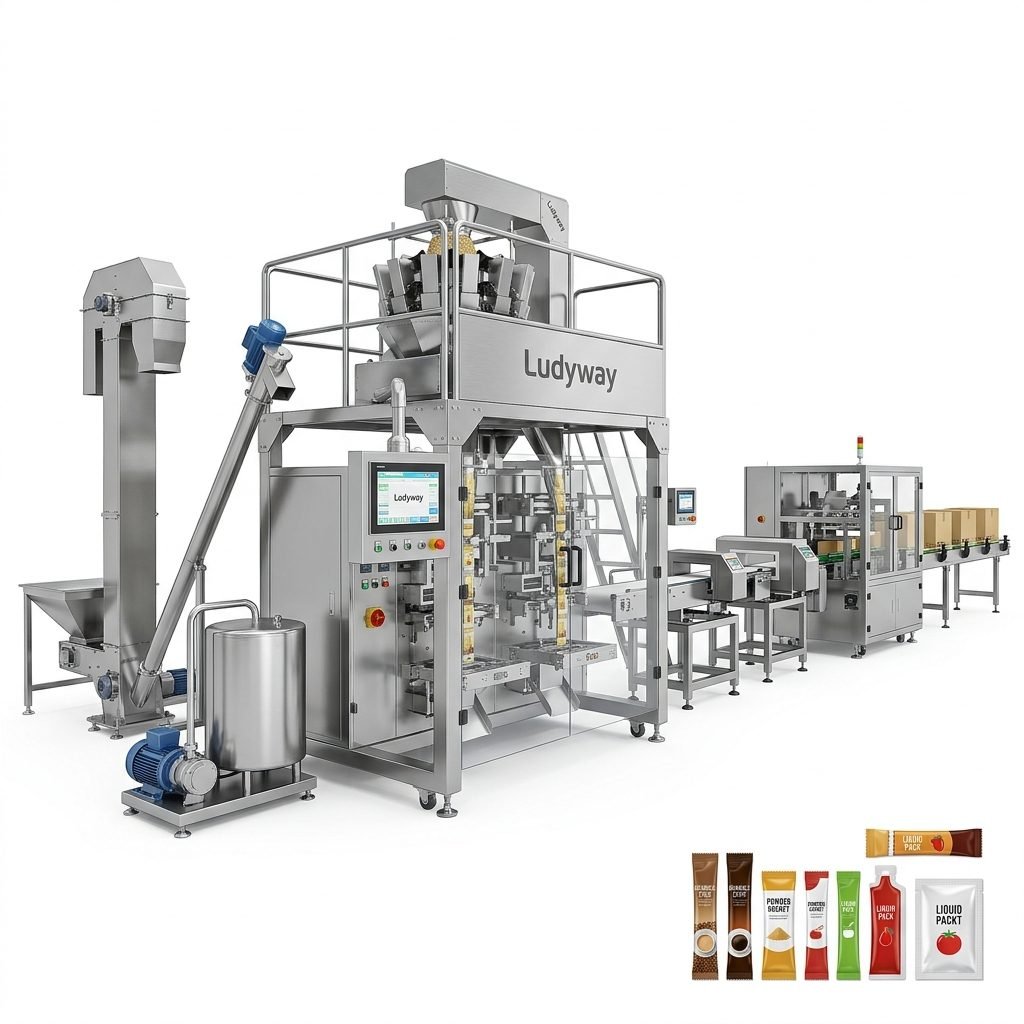
Ludyway, one of the largest packaging machine manufacturers in China with over 30 years of industry expertise, serves customers in over 100 countries and regions, offering more than 50 intelligent packaging machine models including multi-lane stick pack and sachet systems suitable for Indian snack manufacturers. With a modern 20,000㎡ manufacturing facility and a highly experienced engineering team, the company provides reliable turnkey packaging solutions designed for the specific challenges of high-volume potato chips production.
Choosing Between Indian, Chinese, and European Manufacturers
The Indian packaging machinery landscape offers options across three broad sourcing categories. Indian manufacturers provide competitive pricing and local service accessibility but may lack the technological sophistication for ultra-high-speed applications. European machines set the benchmark for precision and durability but come at price points often prohibitive for mid-sized Indian producers. Chinese manufacturers occupy a compelling middle ground, offering advanced automation features at price points typically 30-50% lower than European equivalents while delivering comparable performance for most applications.
The table below compares key evaluation parameters to help you make an informed decision.
| Parameter | Indian Machines | Chinese Machines | European Machines |
|---|---|---|---|
| Price Range | ₹8L – ₹30L | ₹12L – ₹80L | ₹40L – ₹2Cr+ |
| Speed Capability | 30-80 packs/min | 60-800 packs/min | 80-1000+ packs/min |
| Automation Level | Basic to intermediate | Intermediate to advanced | Advanced and fully integrated |
| Service in India | Readily available | Improving significantly | Often limited or expensive |
| Build Quality | Good | Very good to excellent | Excellent |
Key Questions to Ask Before Finalizing Your Purchase
Approaching suppliers with a prepared set of questions demonstrates seriousness and helps you extract the information needed for an apples-to-apples comparison. Here are the essential questions every Indian potato chips manufacturer should ask.
- What is the actual demonstrated speed (not theoretical maximum) for 50g, 100g, and 200g potato chips packs?
- Can the machine handle mixed oil content chips without seal contamination issues?
- What is the documented mean time between failures (MTBF) based on installations in similar climatic conditions?
- Do you provide installation supervision and operator training at our factory site?
- What is the warranty period and what does it comprehensively cover — parts, labor, travel?
- How many machines of this exact model are currently operating in India?
- Can you provide contact details of existing Indian customers for reference checks?
- What is the lead time for critical spare parts shipped to our location?
Installation, Commissioning, and Operator Training
A smooth installation process sets the foundation for years of reliable operation. Your potato chips packaging machine supplier should provide detailed pre-installation requirements including floor loading specifications, electrical requirements (typically 380V/50Hz three-phase for Indian factories), compressed air specifications, and environmental conditions. Properly trained operators are the difference between a machine running at 95% efficiency versus 60%. Insist on comprehensive on-site training covering not just basic operation but also troubleshooting common issues, preventive maintenance schedules, and changeover procedures for all your planned SKU formats.
Commissioning should include a formal Factory Acceptance Test (FAT) protocol with clearly defined acceptance criteria for speed, fill accuracy, seal integrity, and waste rates. Document every parameter during commissioning to establish a baseline for ongoing performance monitoring and continuous improvement initiatives. This data becomes invaluable for preventive maintenance planning and operator accountability.
Future-Proofing Your Investment
The Indian snacks market is evolving rapidly with trends toward healthier baked chips, regional flavors, and sustainable packaging. Your machine investment should accommodate these shifts without requiring replacement. Look for machines with modular designs that allow future upgrades such as adding nitrogen flushing if not initially equipped, integrating checkweighers and metal detectors, connecting to MES and ERP systems for Industry 4.0 readiness, switching to eco-friendly film materials, and expanding lane counts on multi-lane machines to scale capacity.
The most successful Indian potato chips brands view their packaging machines not as one-time capital expenditures but as strategic platforms for long-term growth. Choosing a machine that can evolve with your business protects your investment and maintains competitive advantage as market demands shift.
Top Considerations for First-Time Buyers in India
If you are purchasing your first automated potato chips packaging machine, the learning curve can be steep. Start by clearly defining your current and projected volumes for the next 3-5 years. Many first-time buyers over-specify or under-specify their requirements based on incomplete analysis. Visit trade shows like PACK EXPO International or India’s own PackMach Asia to see machines in operation and build relationships with multiple suppliers before deciding. Request sample packaging runs using your actual product and preferred film materials — never rely solely on supplier demonstrations with their optimized materials and products.
Engage your production, maintenance, and quality teams in the evaluation process. The machine that looks best on a specification sheet may not be the easiest to operate, clean, and maintain in your specific factory environment. Hands-on evaluation by the people who will live with the machine daily often surfaces practical insights that management alone would miss.
Conclusion
Selecting the right potato chips packaging machine for your Indian production facility is a decision with multi-year implications for product quality, operational efficiency, and competitive positioning. By systematically evaluating machine types, technical specifications, supplier service capabilities, and total cost of ownership, you can make an informed choice that supports both current operations and future growth ambitions. The Indian market rewards quality and consistency — and your packaging machine is the final critical link in delivering that promise to consumers across the country.