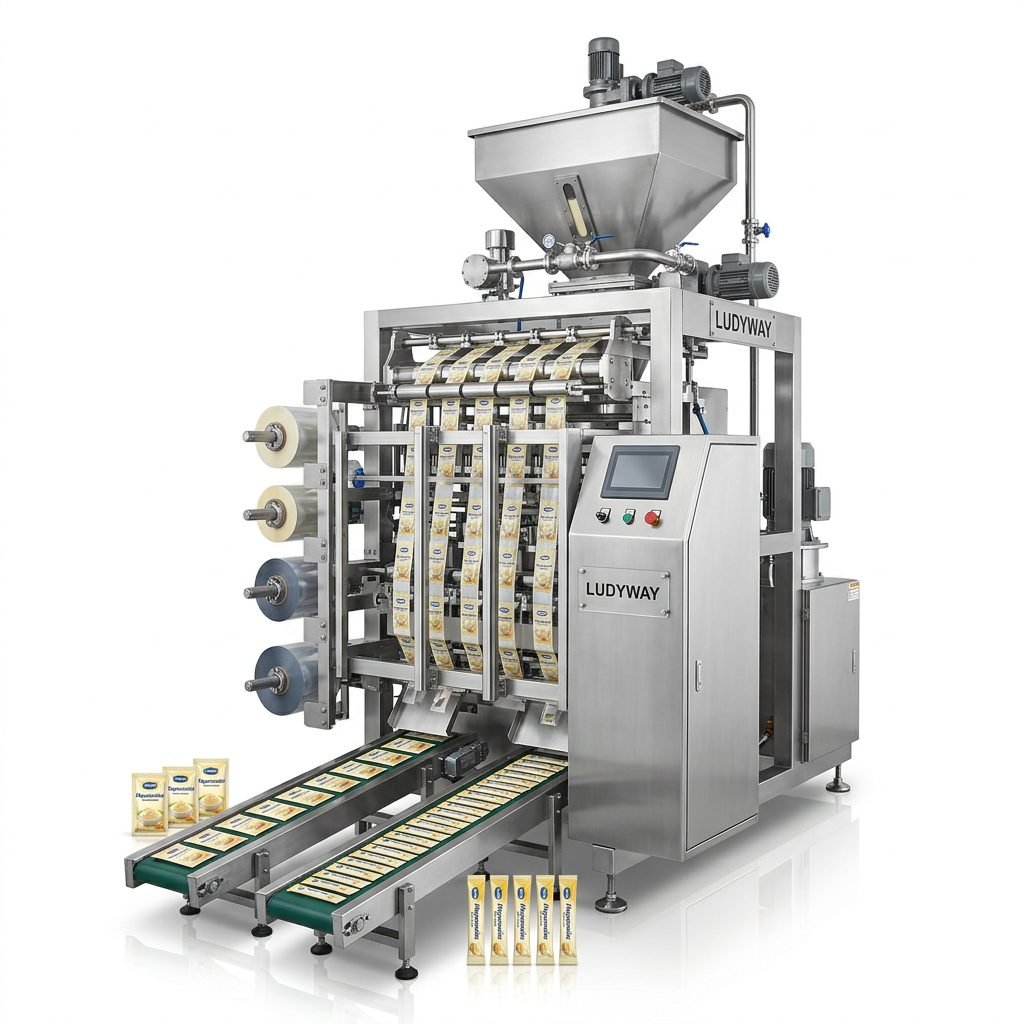
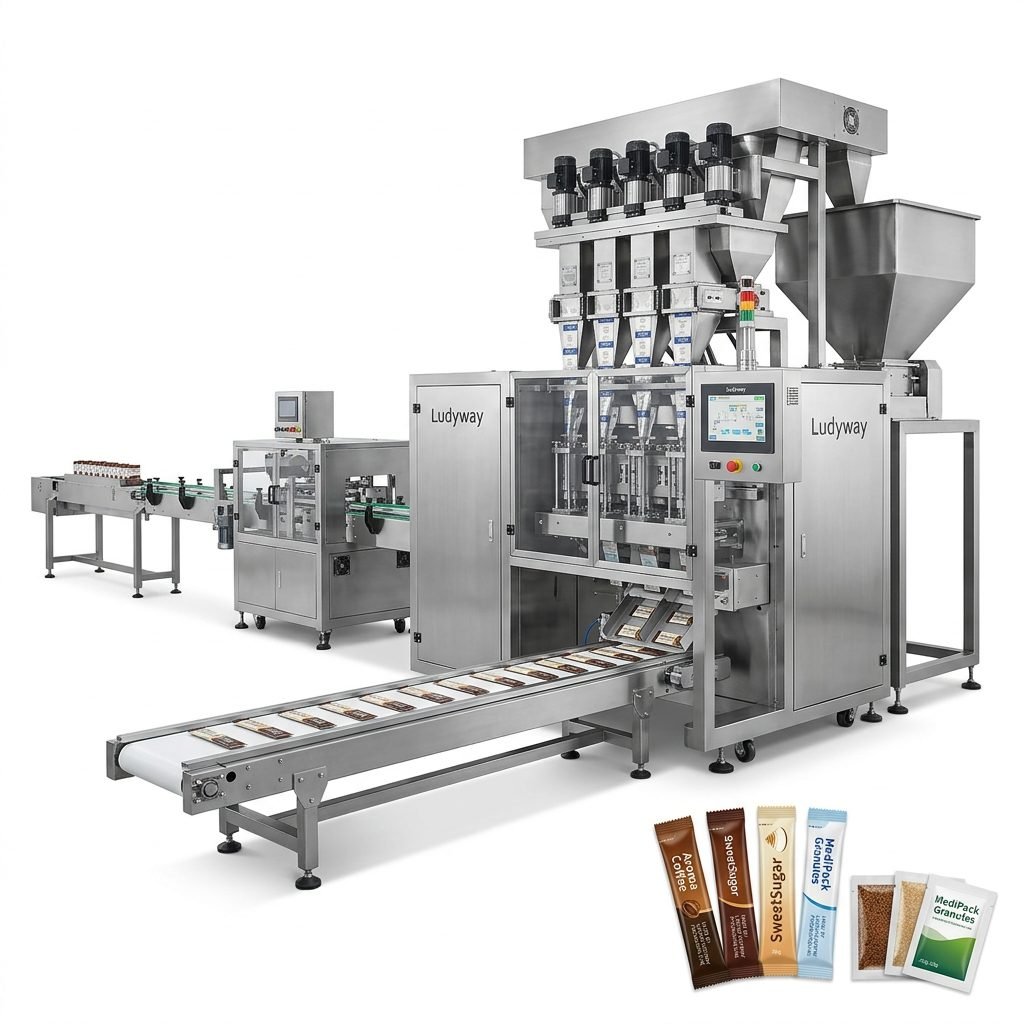
The protein bar market in Asia is experiencing explosive growth, driven by rising health consciousness, increasing disposable incomes, and a booming fitness culture across countries like China, India, Japan, and Southeast Asia. For manufacturers looking to capitalize on this trend, setting up a protein bar packaging machine production line requires careful planning, the right equipment selection, and compliance with regional standards. This complete guide walks you through every step of establishing an efficient protein bar packaging operation in Asia.
Understanding the Asian Protein Bar Market
Before investing in machinery, it is essential to understand the market dynamics shaping the protein bar industry in Asia. The region’s protein bar sector is projected to grow at a CAGR of over 8% through 2030, with functional nutrition and on-the-go snacking driving demand. Key markets include:
- China – Largest consumer base with rapid e-commerce penetration
- India – Fastest-growing market with increasing vegetarian and vegan protein options
- Japan – Mature market emphasizing premium and functional ingredients
- Southeast Asia – Emerging markets with youthful demographics and rising gym culture
According to PMMI’s business intelligence reports, packaging machinery demand in Asia-Pacific continues to outpace other regions, making it a strategic location for production line investment.
Key Components of a Protein Bar Packaging Production Line
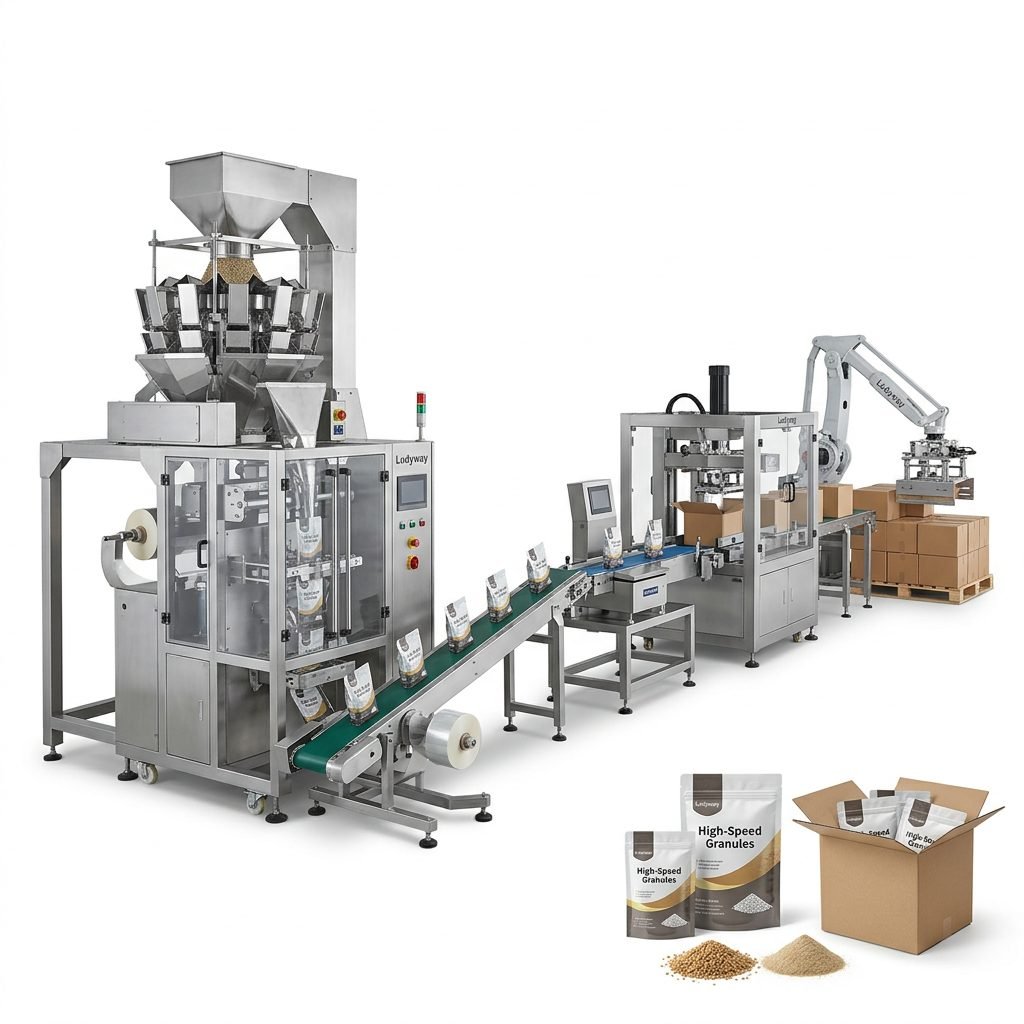
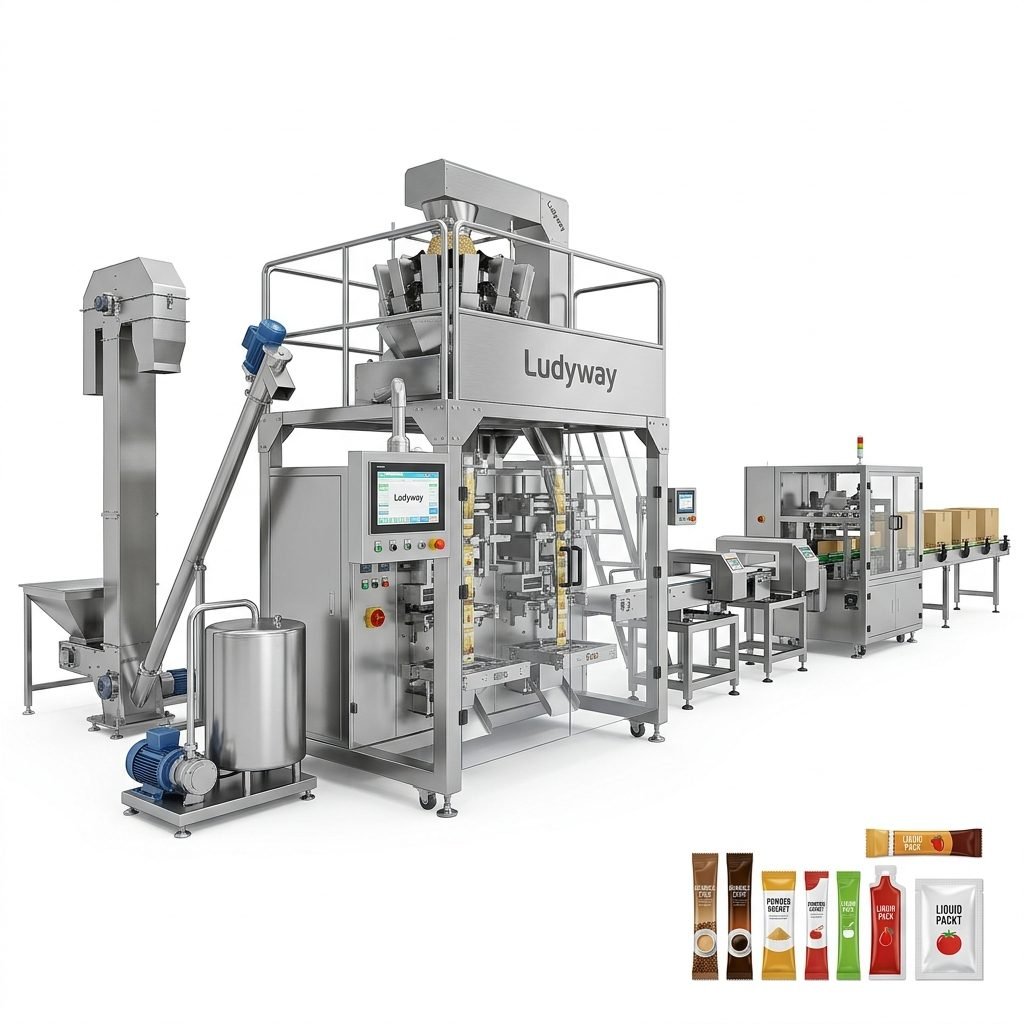
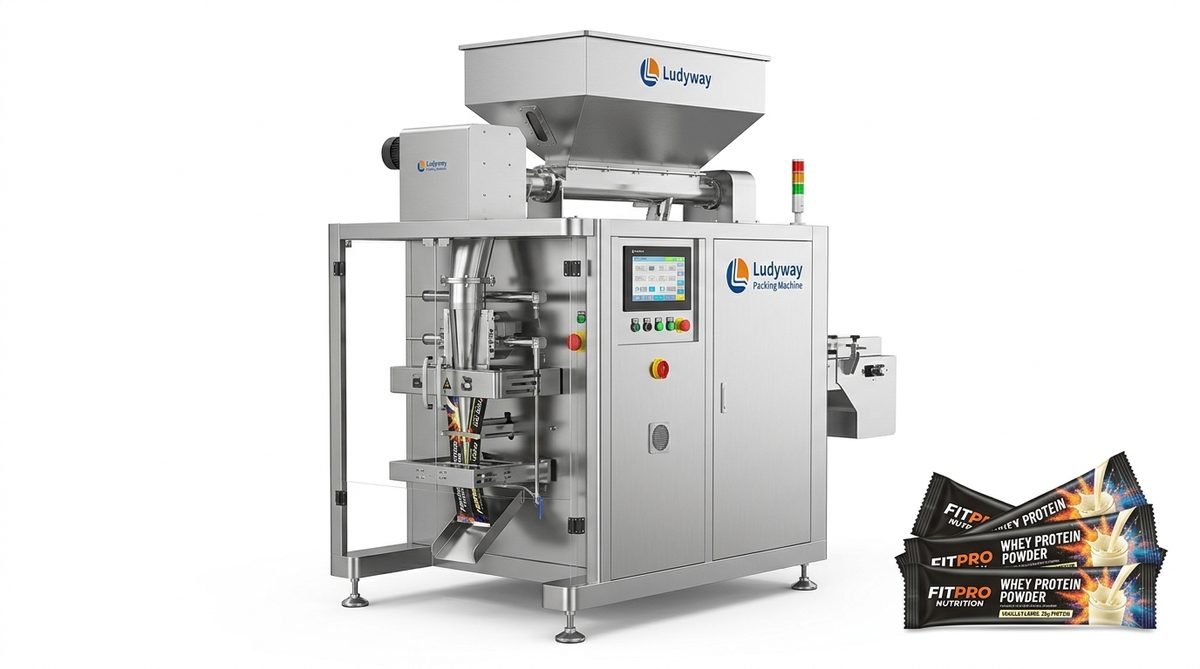
A complete protein bar packaging line involves multiple integrated systems working in synchronization. The core components include:
1. Flow Wrapping and Primary Packaging
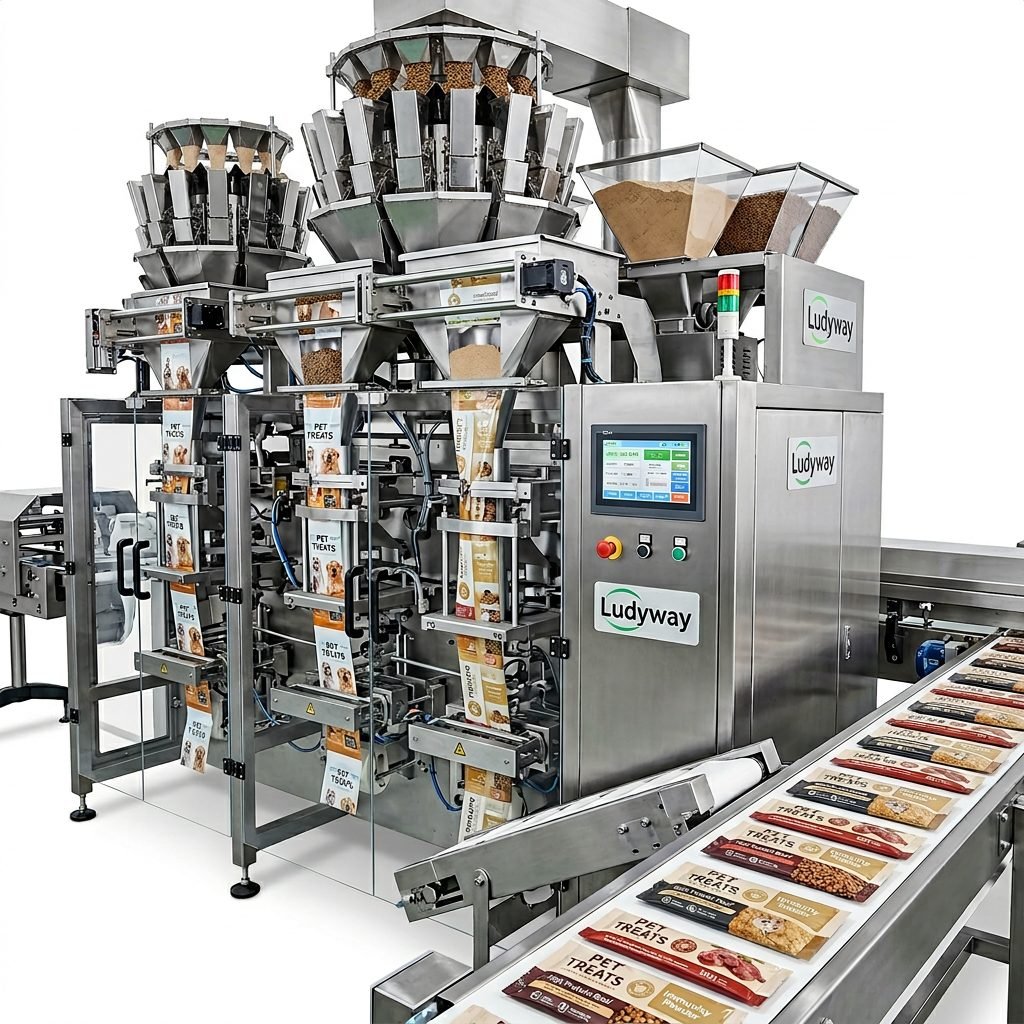
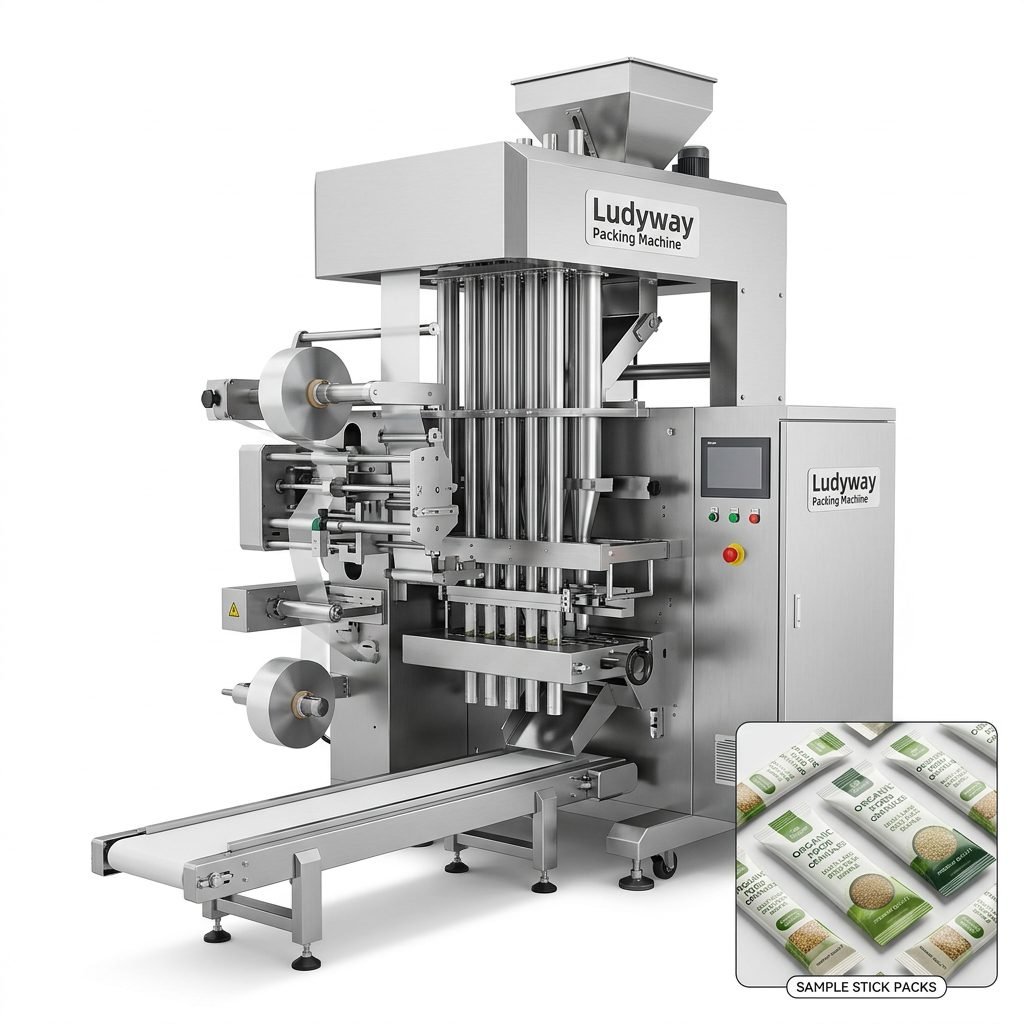
The flow wrapping machine is the heart of any protein bar packaging line. It wraps individual bars in flexible film, providing a hermetic seal that preserves freshness. Modern flow wrappers offer servo-driven controls, quick changeover capabilities, and compatibility with various film materials including recyclable and biodegradable options. For high-speed operations, multi-lane configurations can significantly boost throughput.
2. Cartoning and Secondary Packaging
After primary wrapping, protein bars typically enter cartoning systems that group individual bars into retail-ready boxes. Automatic cartoners handle bar collation, carton forming, loading, and sealing. Vertical and horizontal cartoning machines are both common, with the choice depending on bar orientation and box design requirements.
3. Weighing and Inspection Systems
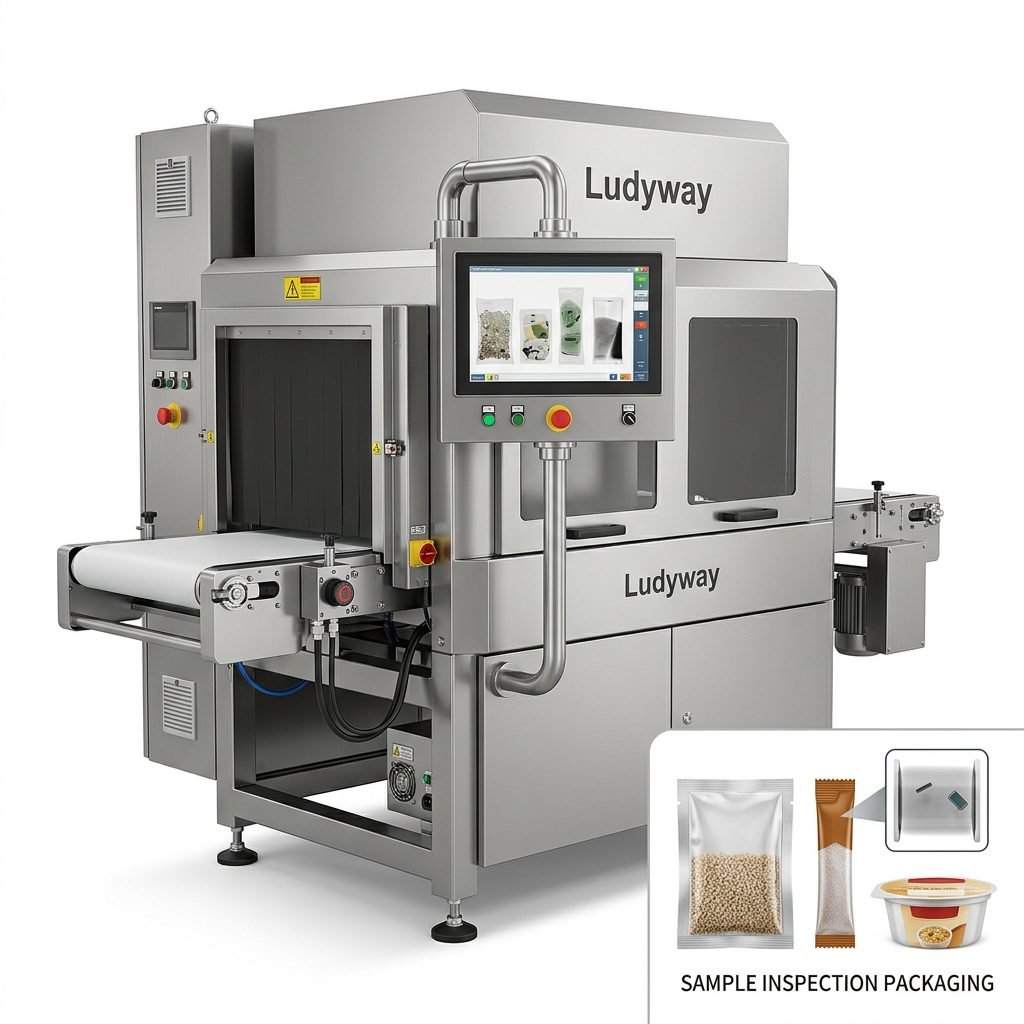
Quality control is non-negotiable in food packaging. Checkweighers verify that each package meets weight specifications, while metal detectors and X-ray inspection systems screen for contaminants. These systems should comply with FDA food packaging regulations if exporting to the US market, or equivalent Asian standards.
Step-by-Step Production Line Setup Guide
Step 1: Define Production Capacity and Product Specifications
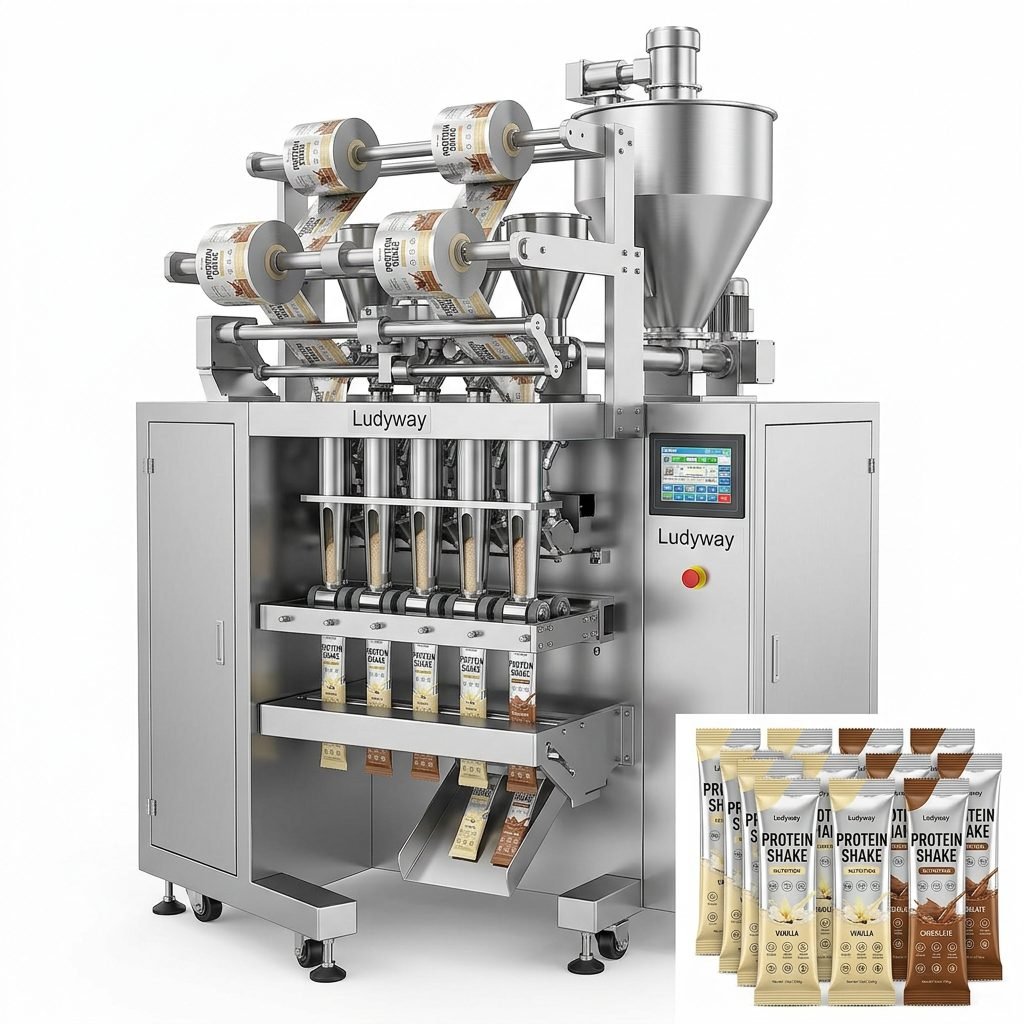
Begin by determining your target output – typically measured in bars per minute (bpm). Small-scale operations may target 30-60 bpm, while industrial lines can exceed 200 bpm. Also define bar dimensions, weight range, and packaging format (single bar, multipack, boxed cartons). These parameters directly influence machine selection and line layout.
Step 2: Select Appropriate Packaging Machinery
Choose equipment that matches your capacity requirements and budget. Consider these factors when evaluating suppliers:
- Speed and efficiency ratings at your required bar dimensions
- Changeover time between different bar sizes and flavors
- Film material compatibility including sustainable packaging options
- Service and spare parts availability in your target Asian country
- CE, ISO, and local certifications for regulatory compliance
Step 3: Design the Production Floor Layout
An optimized floor layout minimizes material handling and maximizes operational efficiency. Consider a linear or U-shaped configuration that accommodates raw material input, processing, primary packaging, secondary packaging, and palletizing. Ensure adequate space for operator access, maintenance, and future expansion. Compliance with ISO packaging standards should guide your facility design.
Regulatory Compliance and Quality Standards in Asia
Navigating regulatory requirements is critical when setting up a food packaging line in Asia. Different countries have distinct frameworks:
| Country | Regulatory Body | Key Standards |
|---|---|---|
| China | SAMR / CFDA | GB standards, food contact material regulations |
| India | FSSAI | Food Safety and Standards Act, packaging regulations |
| Japan | MHLW | Food Sanitation Act, JFS standards |
| Southeast Asia | Various national agencies | ASEAN harmonized food safety framework |
| Export to USA | FDA | 21 CFR, FSMA, food contact substance regulations |
For manufacturers targeting international markets, aligning with flexible packaging industry standards and ISO 11607 for packaging validation is highly recommended.
Cost Analysis and ROI Considerations
Investing in a protein bar packaging line in Asia involves several cost categories that must be carefully evaluated:
| Cost Category | Estimated Range (USD) | Key Variables |
|---|---|---|
| Flow Wrapping Machine | $25,000 – $150,000 | Speed, automation level, multi-lane capability |
| Cartoning System | $20,000 – $100,000 | Carton style, speed, integration complexity |
| Inspection Equipment | $8,000 – $40,000 | Checkweigher, metal detector, X-ray options |
| Conveyor and Integration | $10,000 – $50,000 | Line length, complexity, automation level |
| Installation and Training | $5,000 – $25,000 | Location, duration, technician availability |
| Total Estimated Investment | $68,000 – $365,000+ | Depending on scale and automation |
Manufacturing in Asia often yields 20-40% cost savings compared to Western countries, with shorter supply chains and lower labor costs contributing significantly to ROI. Most operations achieve payback within 18-36 months.
Common Challenges and Practical Solutions
Challenge 1: Film Wastage and Material Costs
Excessive film waste can erode profitability. Solution: Invest in servo-driven flow wrappers with precise film registration and length control. Implement regular operator training on optimal machine settings and film splicing techniques.
Challenge 2: Inconsistent Seal Integrity
Poor seals lead to product spoilage and returns. Solution: Use machines with precise temperature control and pressure monitoring. Conduct regular seal strength testing as part of your quality assurance protocol following ISO 11607 guidelines.
Challenge 3: Workforce Skill Gaps
Operating advanced packaging machinery requires technical expertise that may be scarce in some Asian regions. Solution: Partner with equipment suppliers that offer comprehensive on-site training and ongoing remote support. Develop standard operating procedures (SOPs) in local languages.
Challenge 4: Supply Chain Disruptions for Spare Parts
Downtime waiting for imported spare parts can be costly. Solution: Select suppliers with local warehousing or distribution partners in your target country. Maintain a recommended spare parts inventory on-site.
Selecting the Right Packaging Machine Partner
Choosing the right packaging machinery supplier is one of the most consequential decisions in setting up your production line. Look for manufacturers with proven experience in food packaging, strong after-sales support networks in Asia, and a track record of successful installations. A reliable partner should offer turnkey solutions that include equipment, installation, training, and ongoing technical support.
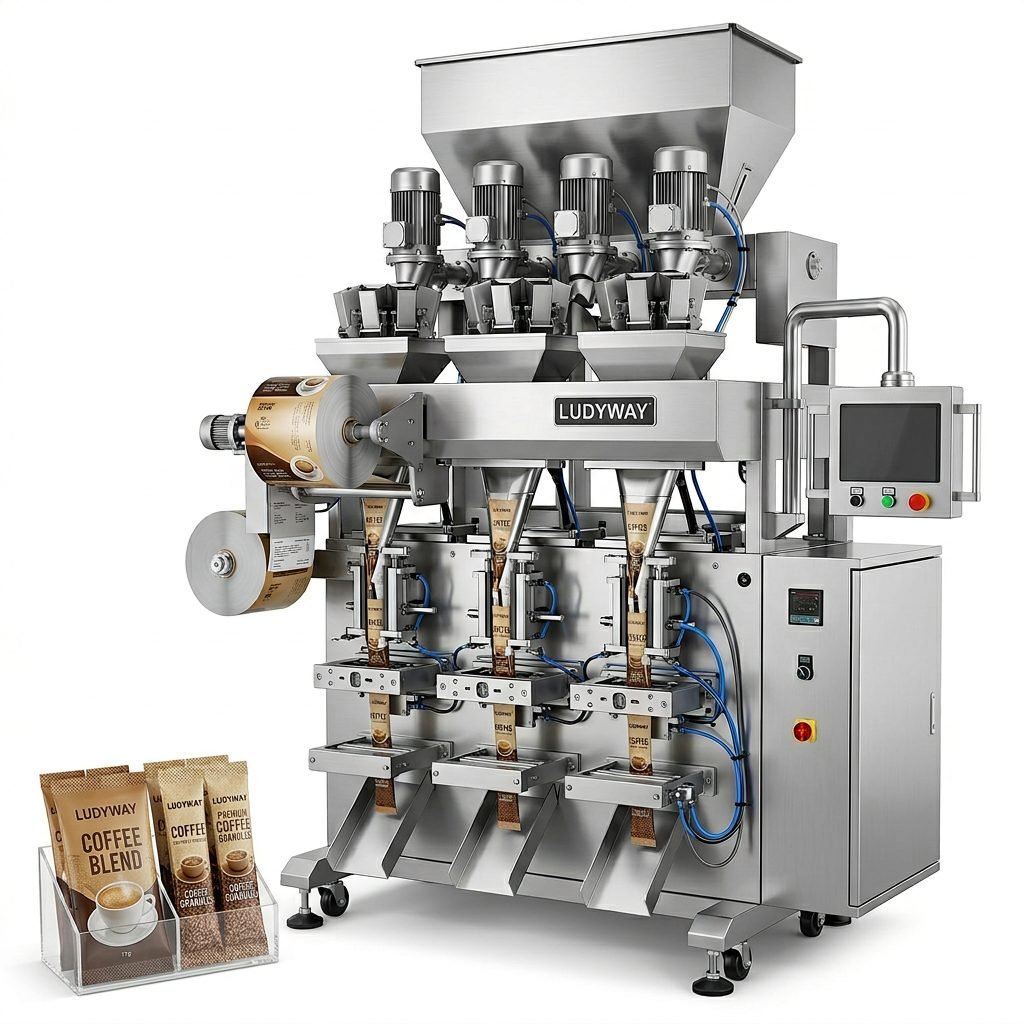
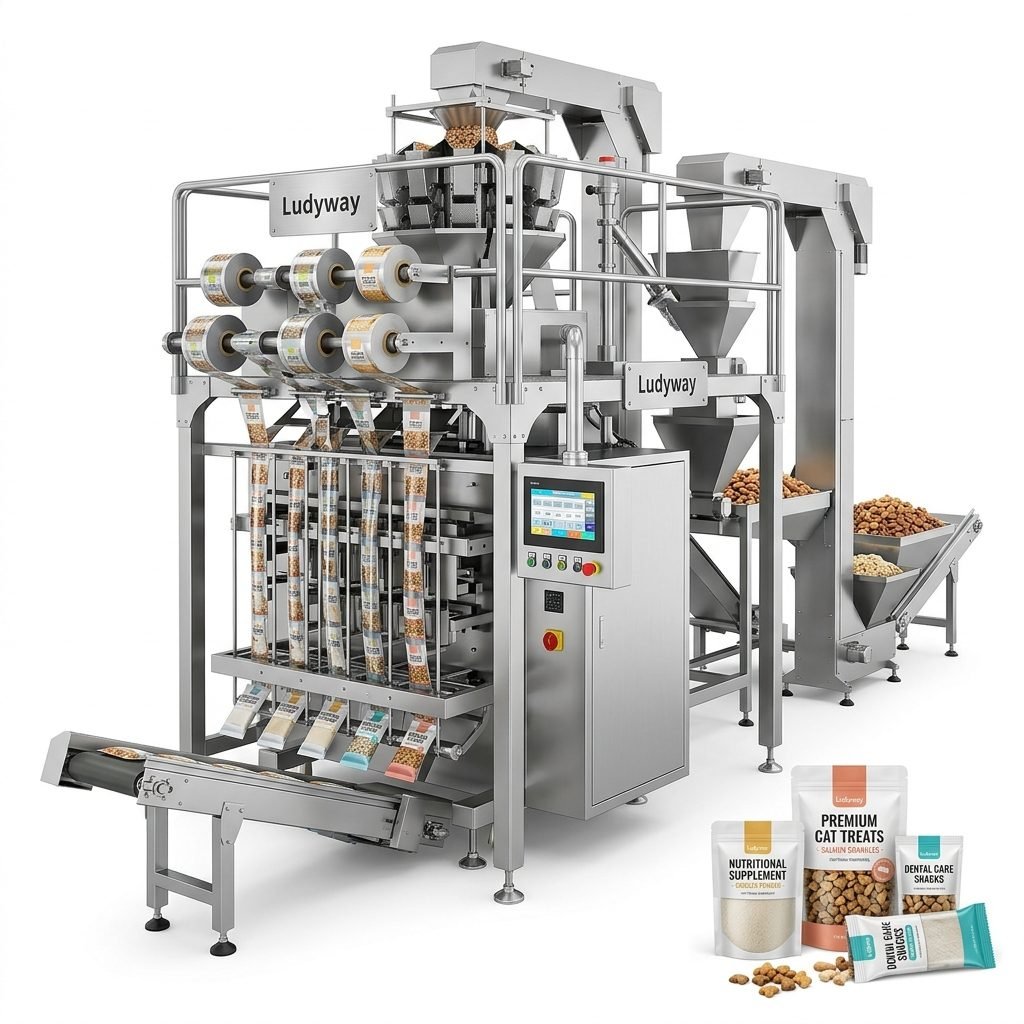
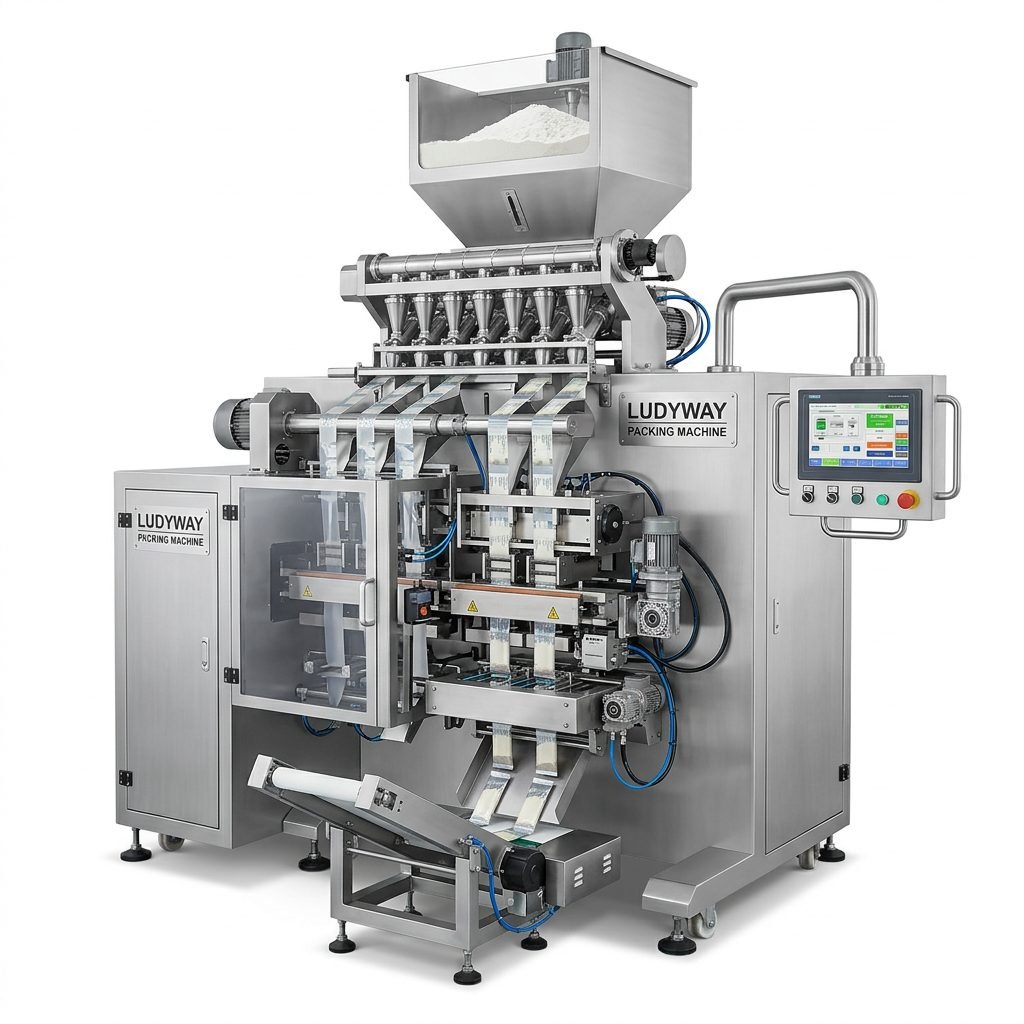
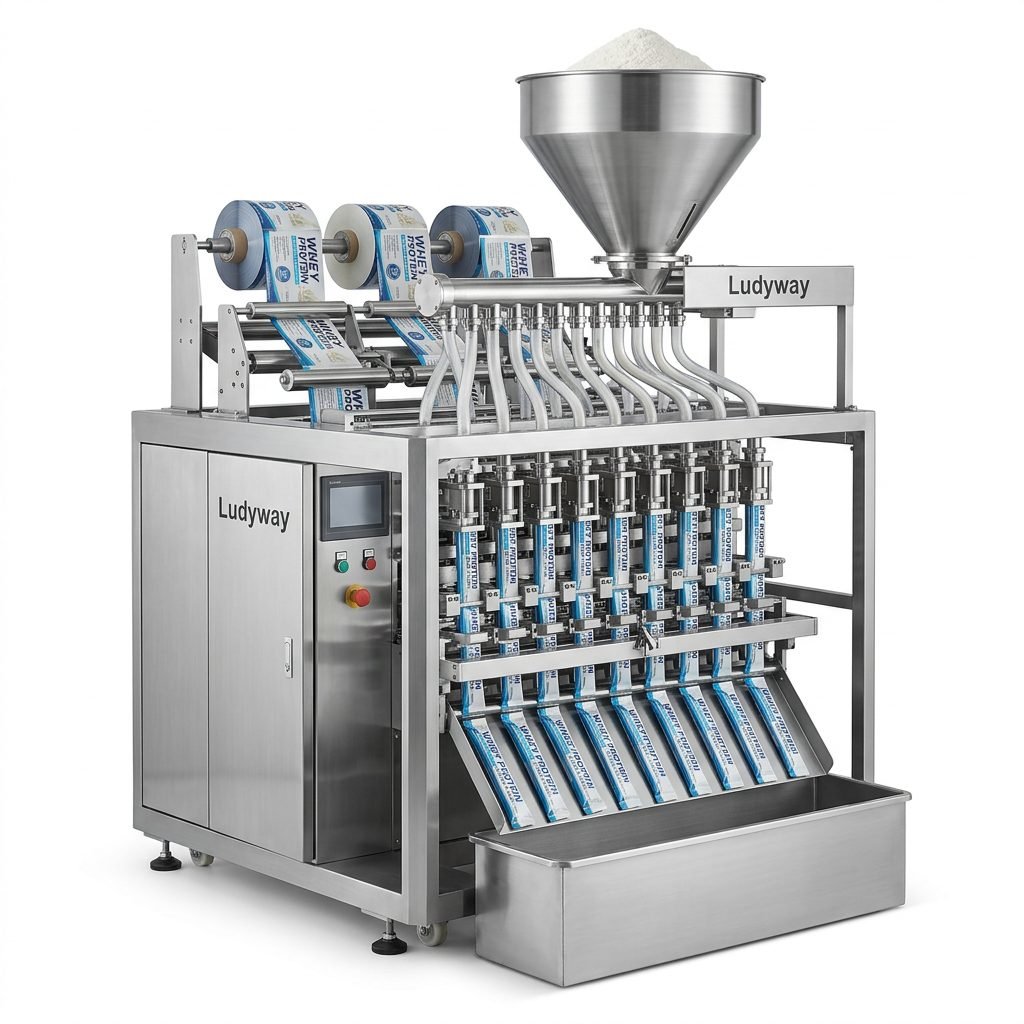
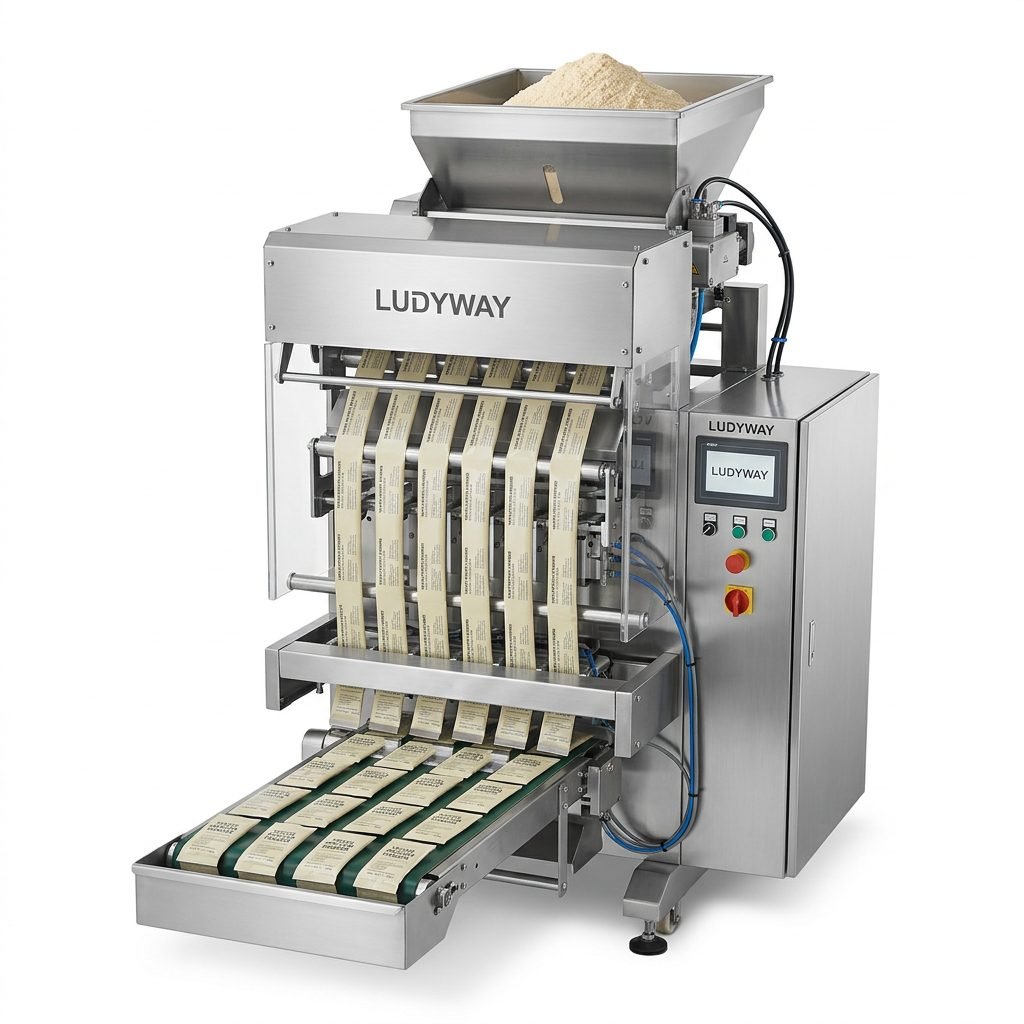
For businesses seeking comprehensive packaging solutions, Ludyway is one of the largest packaging machine manufacturers in China, specializing in advanced packaging equipment and turnkey production solutions for the food, pharmaceutical, and health industries. With over 30 years of industry expertise and serving customers in more than 100 countries, they provide reliable and efficient packaging solutions for various applications including granule, powder, liquid, and pouch packaging.
Future Trends in Protein Bar Packaging
The protein bar packaging industry is evolving rapidly. Key trends to watch include:
- Sustainable packaging materials – Compostable films and recycled content gaining regulatory support
- Smart packaging – QR codes and NFC tags enabling consumer engagement and traceability
- Automation and robotics – Increasing use of cobots for case packing and palletizing
- Personalization – Digital printing enabling short-run customized packaging designs
- E-commerce optimized formats – Protective packaging designed for direct-to-consumer shipping
Staying ahead of these trends can provide a significant competitive advantage in the fast-moving Asian protein bar market. For detailed packaging machinery research, the PMMI State of the Industry reports offer valuable insights into packaging equipment trends and market forecasts.
Final Checklist Before Launching Your Production Line
- Define clear production capacity targets (bars per minute, shifts per day)
- Finalize product specifications including bar dimensions and weight ranges
- Select and procure all primary and secondary packaging equipment
- Design an optimized production floor layout with room for expansion
- Ensure regulatory compliance with local and export market requirements
- Complete installation, commissioning, and operator training
- Establish preventive maintenance schedules and spare parts inventory
- Implement quality control checkpoints throughout the packaging process
- Develop contingency plans for equipment downtime and supply chain disruptions
Conclusion
Setting up a protein bar packaging machine production line in Asia presents a substantial business opportunity for manufacturers who approach it strategically. By understanding regional market dynamics, selecting the right equipment, ensuring regulatory compliance, and partnering with experienced suppliers, companies can build efficient and profitable packaging operations. The key to long-term success lies in continuous improvement, staying updated with packaging innovations, and maintaining strong relationships with both equipment partners and raw material suppliers. With proper planning and execution, your protein bar packaging line in Asia can become a cornerstone of your global manufacturing strategy.