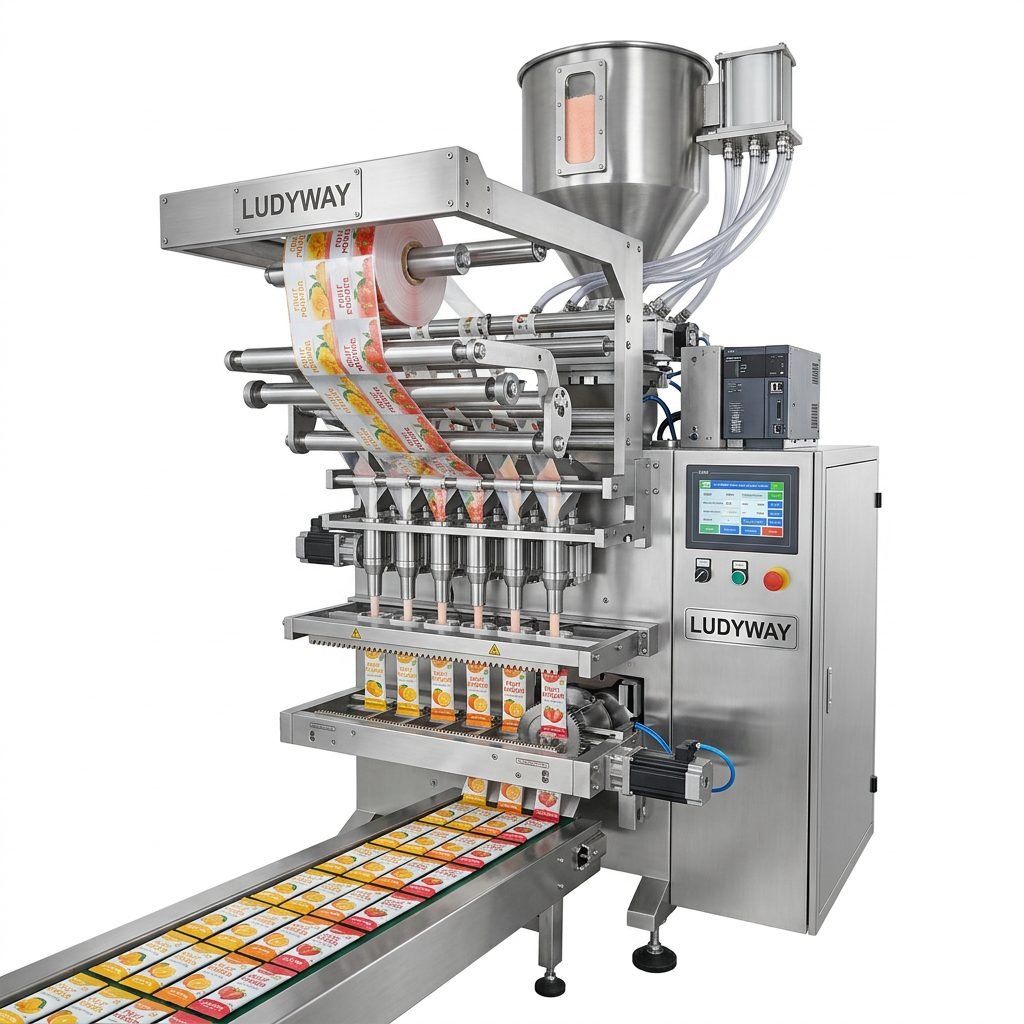
Selecting the right lettuce packaging machine is a critical decision that directly impacts your operational efficiency, product shelf life, and bottom line. With the global fresh produce packaging market evolving rapidly, manufacturers must navigate a complex landscape of machine types, automation levels, and technical specifications. Whether you are packaging whole heads, chopped leaves, or salad mixes, the equipment you choose must align with your production volume, packaging format, and food safety requirements. According to data from the PMMI – Association for Packaging and Processing Technologies, the demand for automated fresh produce packaging solutions continues to grow as labor shortages and food safety regulations intensify worldwide.
Making the wrong choice can lead to excessive downtime, product damage, and costly retrofits. This guide walks you through the essential factors to consider when investing in a lettuce packaging machine, from understanding your specific needs to evaluating suppliers and calculating return on investment.
Understanding Your Lettuce Packaging Requirements
Before comparing machine specifications, you need a clear picture of your operational requirements. Lettuce is a delicate, high-moisture product with a relatively short shelf life, which makes packaging parameters significantly different from those for dry or shelf-stable goods.
Start by answering these fundamental questions:
- What form of lettuce are you packaging? Whole heads, chopped/shredded lettuce, individual leaves, or salad mixes each require different handling and filling mechanisms. Chopped lettuce, for instance, demands gentler conveying and more precise portioning than whole heads.
- What is your target production speed? Small farms may only need 10–20 packages per minute, while large-scale processors often require 60–120 packs per minute or more. Your machine’s throughput must match your harvest and distribution schedules.
- Which packaging format do you use? Flow wrap, pillow pouches, stand-up bags, clamshell containers, and vacuum-sealed packs each require different machine configurations. The Flexible Packaging Association reports that flexible packaging formats are increasingly preferred for fresh produce due to their lightweight nature and extended shelf life capabilities.
- What are your facility’s spatial and utility constraints? Consider available floor space, ceiling height, power supply, and compressed air availability before committing to a specific machine footprint.
Types of Lettuce Packaging Machines
Different packaging technologies serve different production scales and packaging formats. Understanding the distinctions will help you narrow down your options efficiently. The table below compares the most common machine types used in lettuce packaging operations:
| Machine Type | Best For | Typical Speed Range | Key Advantage |
|---|---|---|---|
| Horizontal Flow Wrapper | Whole heads, leafy bundles, trayed products | 30–150 packs/min | Versatile; handles multiple film types and tray sizes |
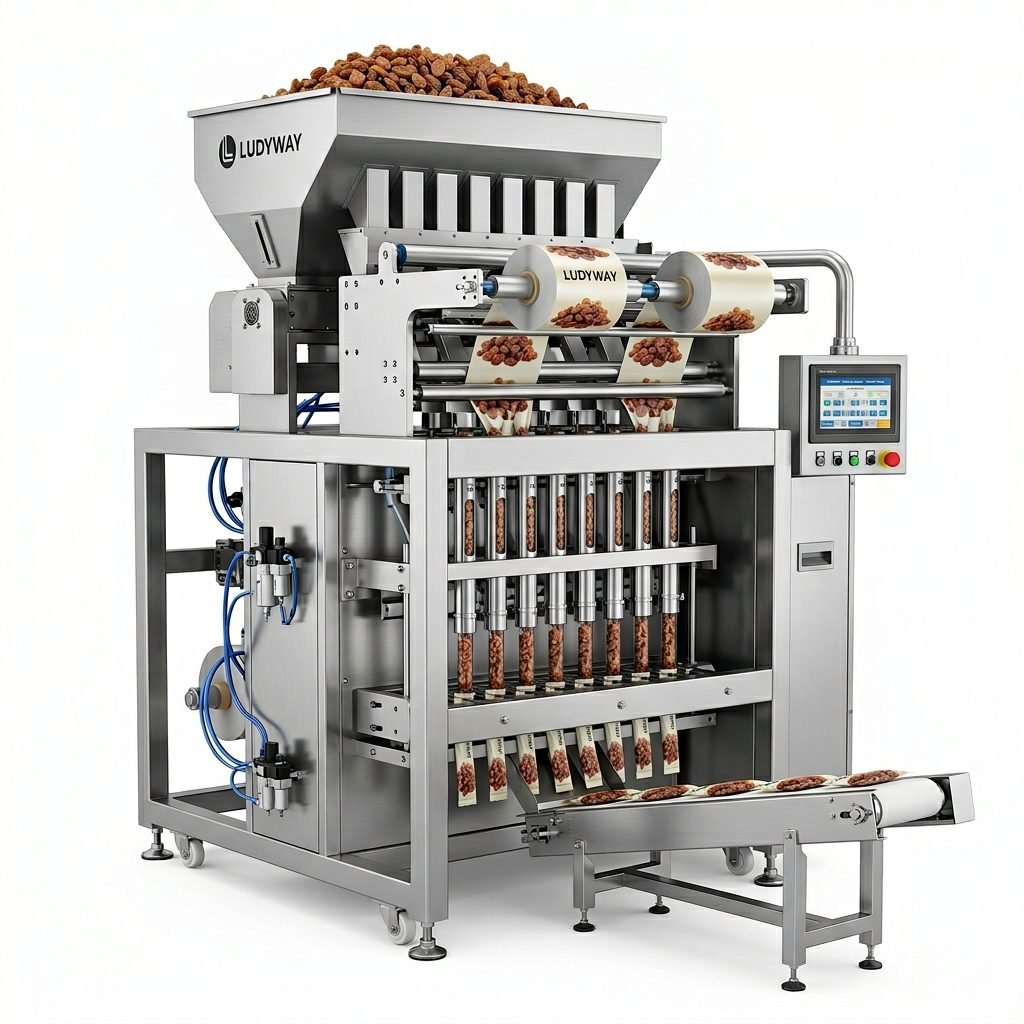
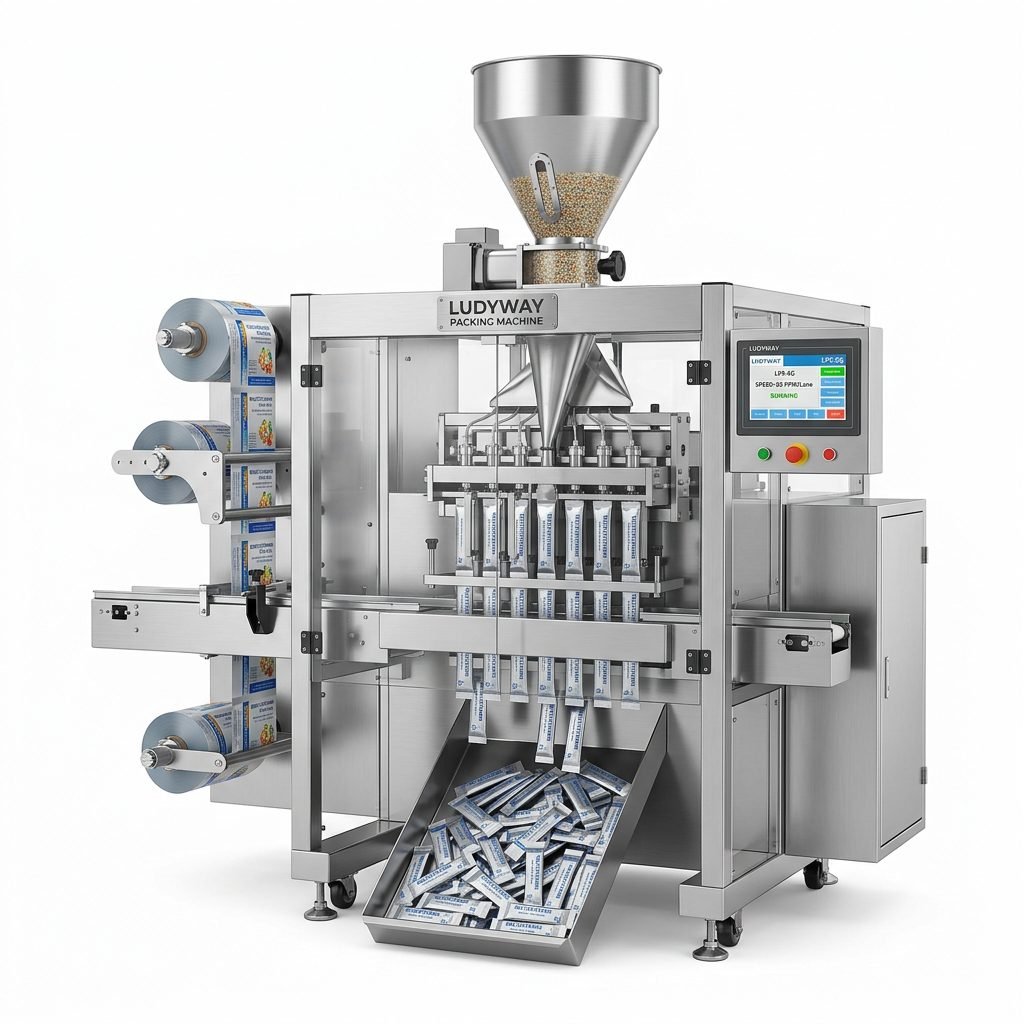
| Vertical Form-Fill-Seal (VFFS) | Chopped lettuce, salad mixes, bulk portions | 40–120 packs/min | Compact footprint; excellent for pillow and gusseted bags |
| Tray Sealing Machine | Clamshell containers, MAP trays | 20–80 trays/min | Ideal for modified atmosphere packaging (MAP) applications |
| Vacuum Packaging Machine | Premium lettuce, export-grade products | 10–40 packs/min | Maximum shelf life extension; superior product protection |
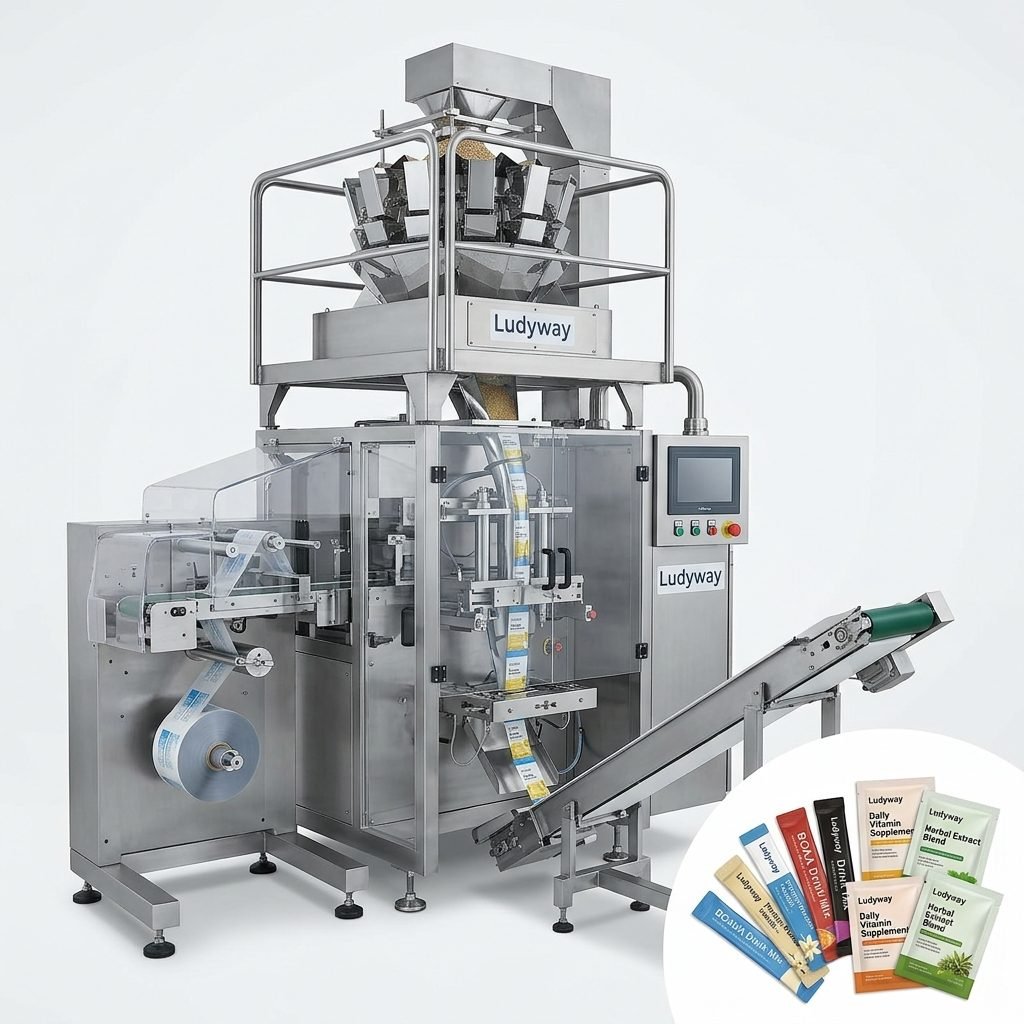
| Multi-Head Weighing & Filling System | Pre-portioned salad bags, mixed greens | 40–100 packs/min | High accuracy; minimizes product giveaway |

Key Features to Evaluate in a Lettuce Packaging Machine
Once you have identified the machine type that fits your operation, examine these critical features in detail. Cutting corners on any of these factors can negatively affect your product quality and operational costs over the long term.
Gentle Product Handling
Lettuce is easily bruised or crushed during conveying and filling. Look for machines with minimal drop heights, smooth transfer points, and adjustable conveyor speeds. Vibratory feeding systems and servo-driven movements typically offer gentler handling than pneumatic or high-speed mechanical systems. Damaged leaves not only reduce visual appeal but also accelerate spoilage by releasing moisture and enzymes.
Hygienic Design and Cleanability
Fresh produce packaging equipment must meet stringent sanitation standards. Prioritize machines built with stainless steel contact surfaces, sloped surfaces to prevent water pooling, and tool-free disassembly for cleaning. Equipment that complies with relevant FDA food packaging and food contact substances regulations provides an additional layer of assurance. If you process organic lettuce or follow GlobalG.A.P. standards, verify that the machine design supports your certification requirements.
Modified Atmosphere Packaging (MAP) Compatibility
For extended shelf life, many lettuce packers rely on MAP technology, which replaces ambient air inside the package with a controlled gas mixture. If MAP is part of your process, the packaging machine must integrate effectively with gas flushing systems and maintain consistent seal integrity. Even small leaks can compromise shelf life and lead to significant product losses.
Sealing Quality and Film Compatibility
The seal is the most critical point of any fresh produce package. Evaluate machines for consistent sealing temperature control, adjustable pressure settings, and compatibility with the film types you plan to use—whether polyethylene, polypropylene, or biodegradable alternatives. Poor seals lead to leaks, contamination, and premature spoilage, all of which damage your brand reputation in the marketplace.
Automation and Integration Capabilities
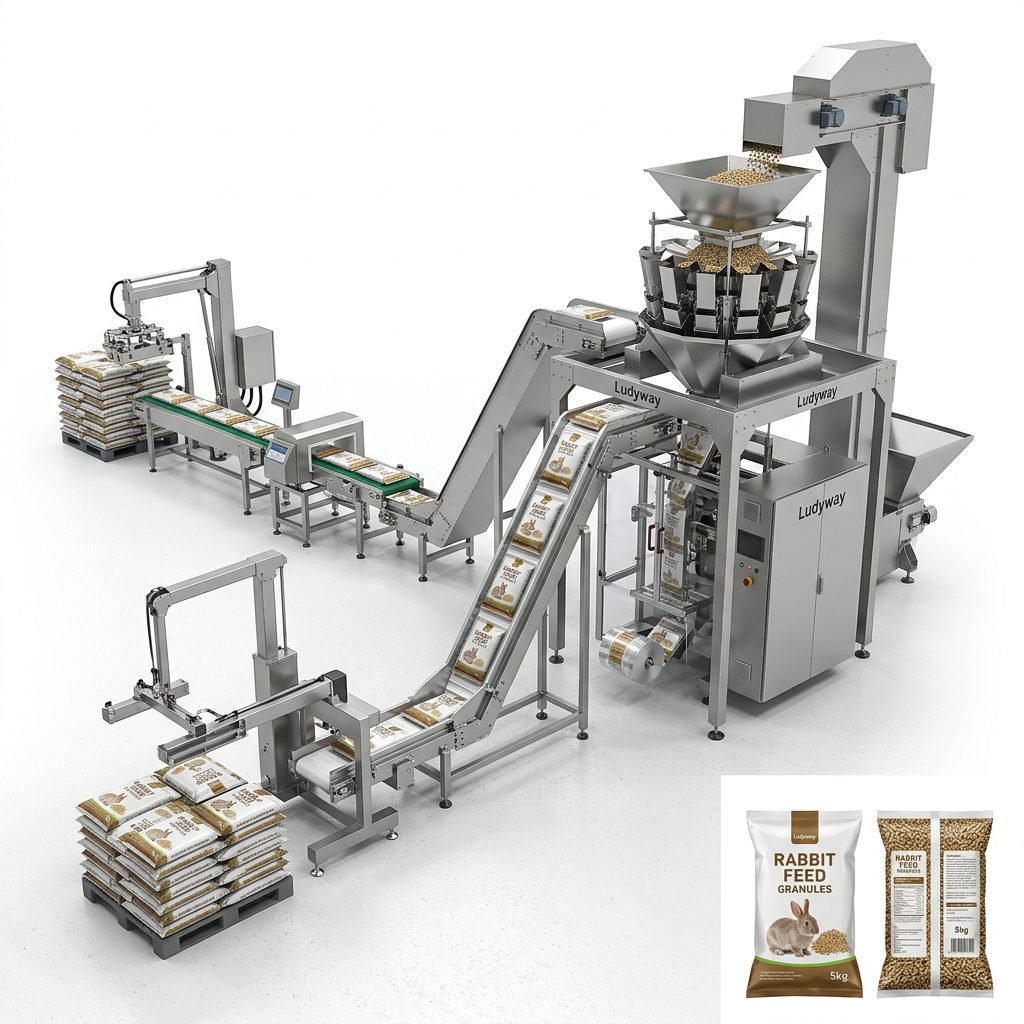
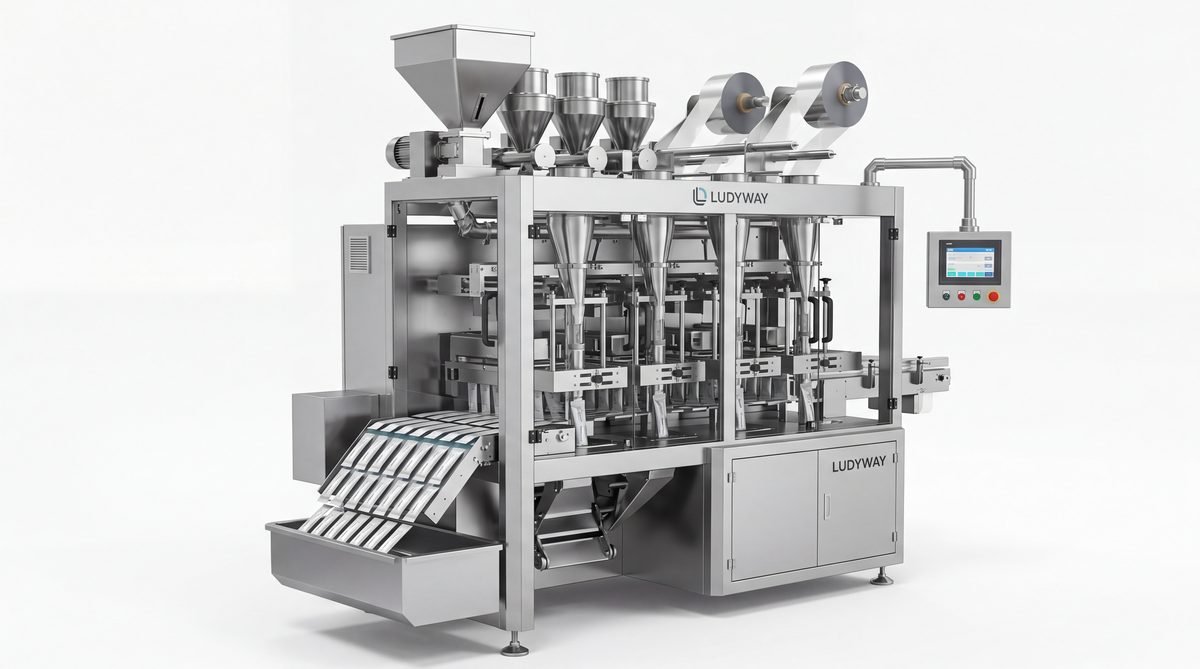
Modern lettuce packaging lines increasingly incorporate automated feeding, weighing, labeling, coding, and case packing. Even if you start with a standalone machine, choosing a model that can later integrate with upstream and downstream equipment protects your long-term investment. Compatibility with industry-standard communication protocols and modular design philosophies are strong indicators of future-proof engineering.
Budget and ROI Considerations
The purchase price of a lettuce packaging machine is only one part of the total cost equation. A comprehensive financial analysis should account for installation, operator training, ongoing maintenance, spare parts availability, and energy consumption. Machines with higher initial prices often deliver lower total cost of ownership when evaluated over a five-to-ten-year lifecycle.
Key financial factors to assess include:
- Labor savings: Automated packaging can reduce direct labor requirements by 50–80% compared to manual packing, yielding significant payroll savings in tight labor markets.
- Product giveaway reduction: Precise weighing and portioning systems minimize overfill, which directly improves margins—particularly important for high-volume lettuce processors.
- Downtime costs: Reliable equipment with strong technical support reduces unplanned production stoppages that can disrupt your entire supply chain.
- Film waste reduction: Advanced tension control and registration systems minimize wasted packaging material during start-up and changeover sequences.
Choosing the Right Packaging Machinery Partner
Your equipment supplier relationship extends far beyond the initial purchase. The right partner provides engineering support, responsive after-sales service, and deep industry knowledge that helps you adapt as your business grows. When evaluating suppliers, consider their experience with fresh produce applications specifically—not just general packaging expertise.
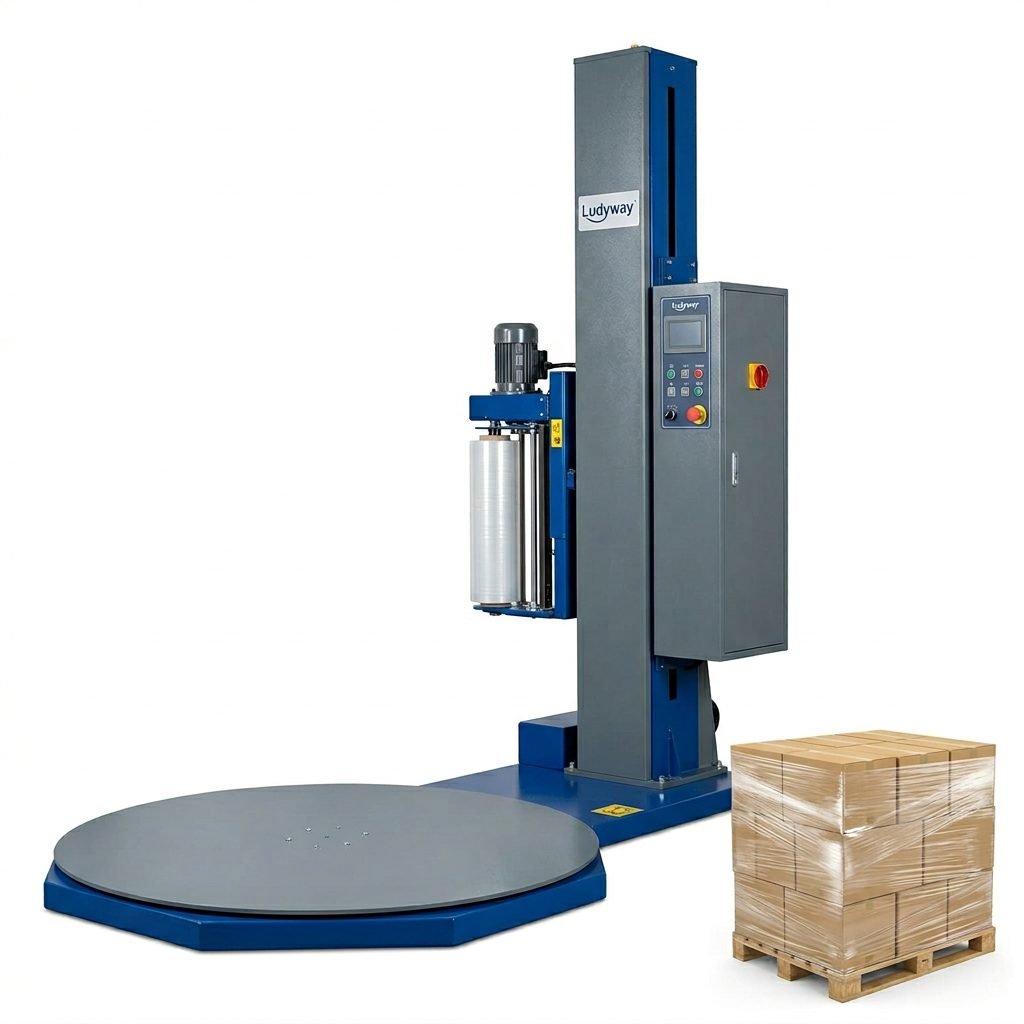
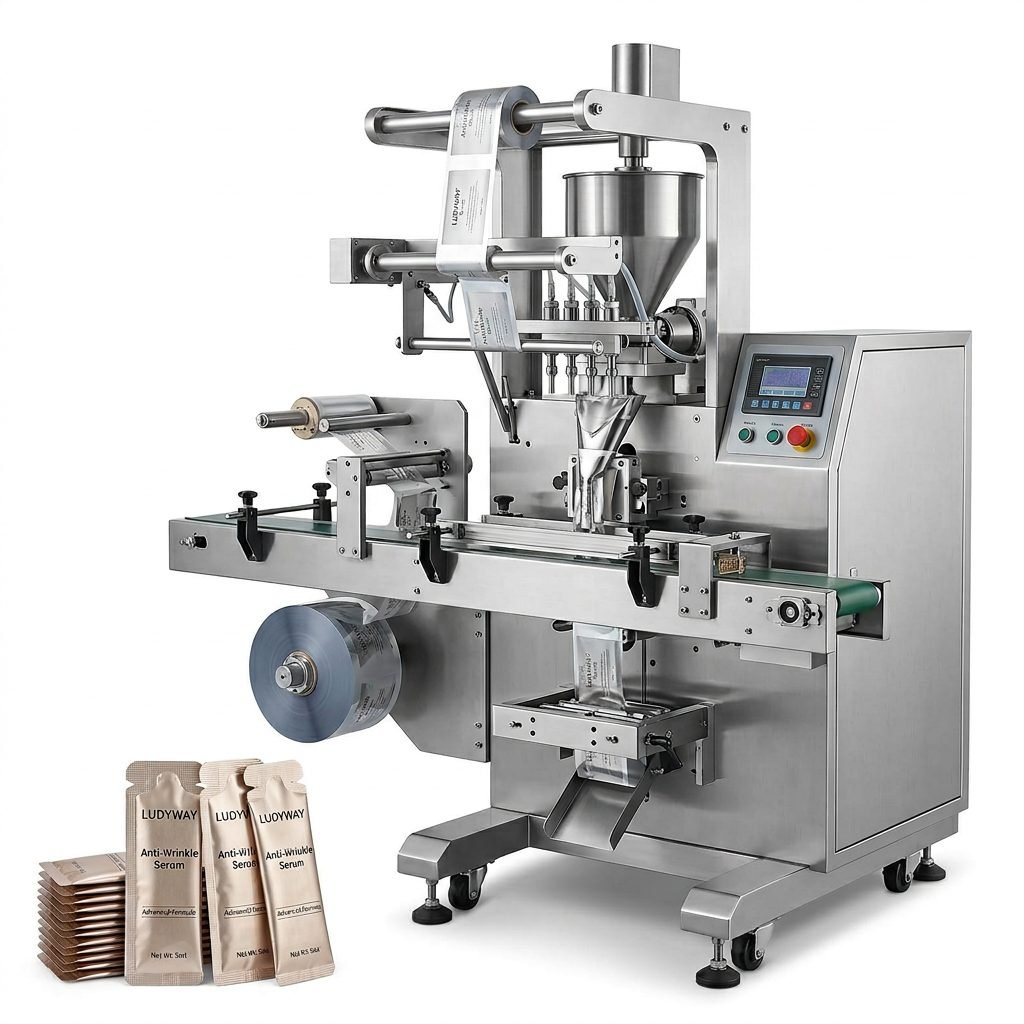
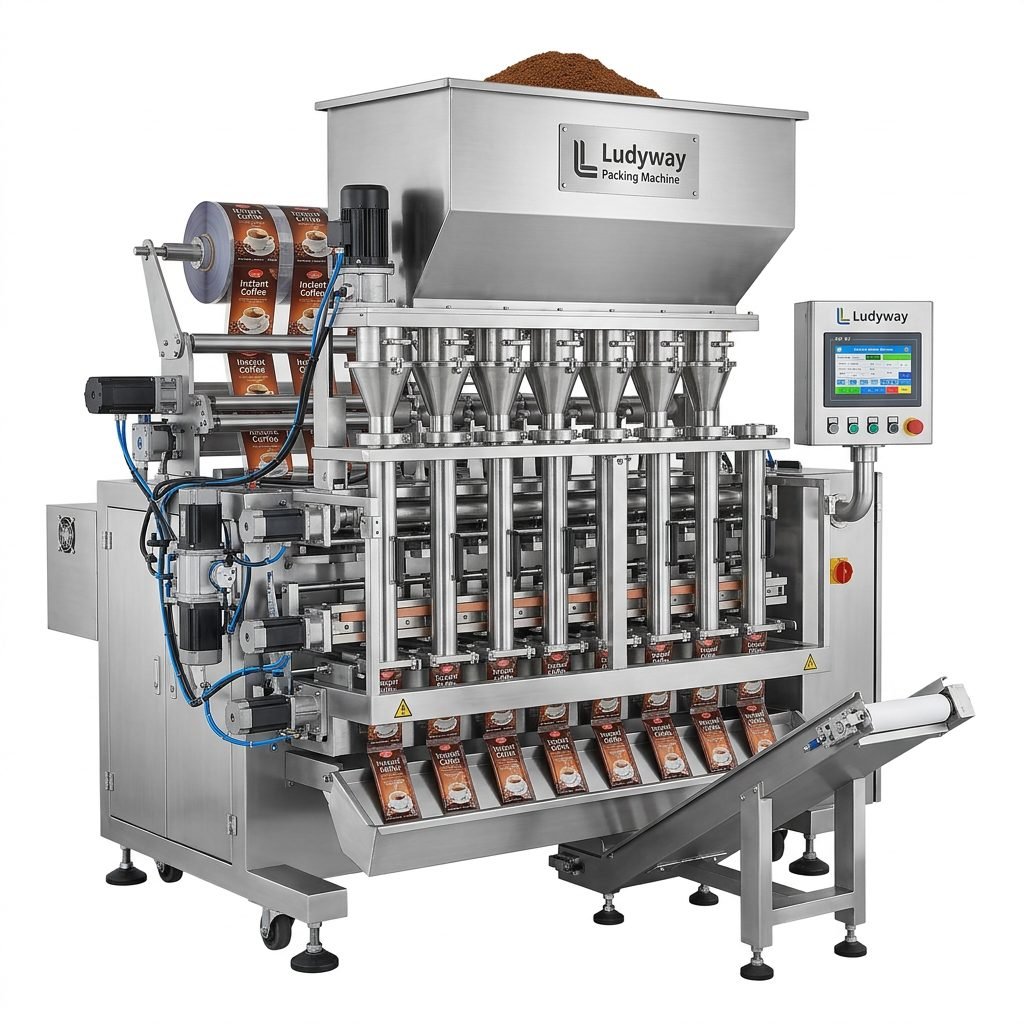
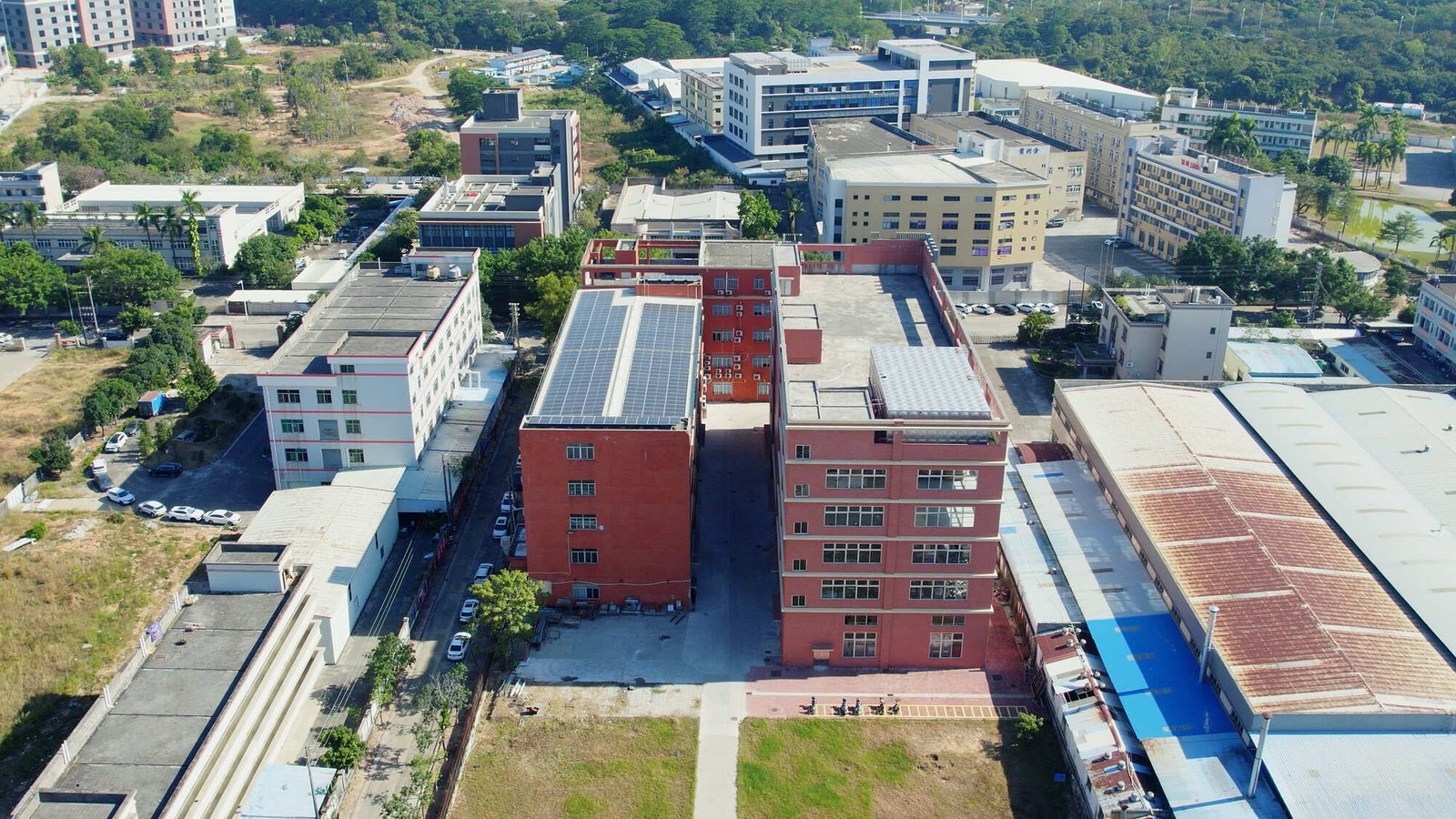
A supplier with a proven track record in food packaging, in-house manufacturing capabilities, and global service infrastructure can significantly reduce your project risk. For example, Ludyway Machinery, a China-based packaging machinery manufacturer with more than 30 years of industry experience, provides automated packaging equipment and turnkey solutions across food, pharmaceutical, and other sectors. With a 20,000-square-meter manufacturing facility and more than 50 packaging machine models, the company supports manufacturers in over 100 countries with equipment selection, system integration, installation, commissioning, and after-sales technical support. Their approach of combining in-house manufacturing with application-specific customization allows customers to receive packaging solutions matched to their particular products and production requirements.
Additionally, consulting resources like the PMMI Business Intelligence Library and the Flexible Packaging Association Knowledge Hub provide valuable market data and technical guidance that can inform your purchasing decisions.

Common Mistakes to Avoid
Drawing on insights from packaging professionals across the industry, here are several pitfalls that buyers should actively avoid during the selection process:
- Overlooking post-installation support: A machine without accessible spare parts and knowledgeable local technicians can quickly become a liability. Always verify service infrastructure before finalizing a purchase.
- Underestimating film and material requirements: Not all machines handle all film types equally well. Confirm compatibility with your preferred packaging materials—especially if you plan to switch to sustainable or bio-based films in the future.
- Ignoring scalability: A machine that meets today’s production volume may become a bottleneck within two years. Consider modular designs that allow capacity upgrades without complete replacement.
- Skipping factory acceptance testing (FAT): Testing the machine with your actual product before shipment identifies performance issues early, saving time and money during on-site commissioning.
- Focusing solely on upfront price: The lowest purchase price often masks higher long-term costs related to maintenance, energy consumption, film waste, and reduced productivity.
Final Thoughts
Investing in the right lettuce packaging machine requires a methodical approach that balances technical specifications, operational requirements, and financial considerations. By clearly defining your product characteristics, production targets, and packaging formats upfront, you can evaluate equipment options with confidence and precision. The best machine for your operation is not necessarily the most expensive or the fastest—it is the one that aligns most closely with your specific application while offering reliable performance and room to grow.
Take the time to visit supplier facilities when possible, request references from current users in the fresh produce industry, and conduct thorough product trials before making your final decision. A well-chosen packaging machine will serve as a productive asset for many years, contributing to product quality, operational efficiency, and customer satisfaction across your entire distribution network.