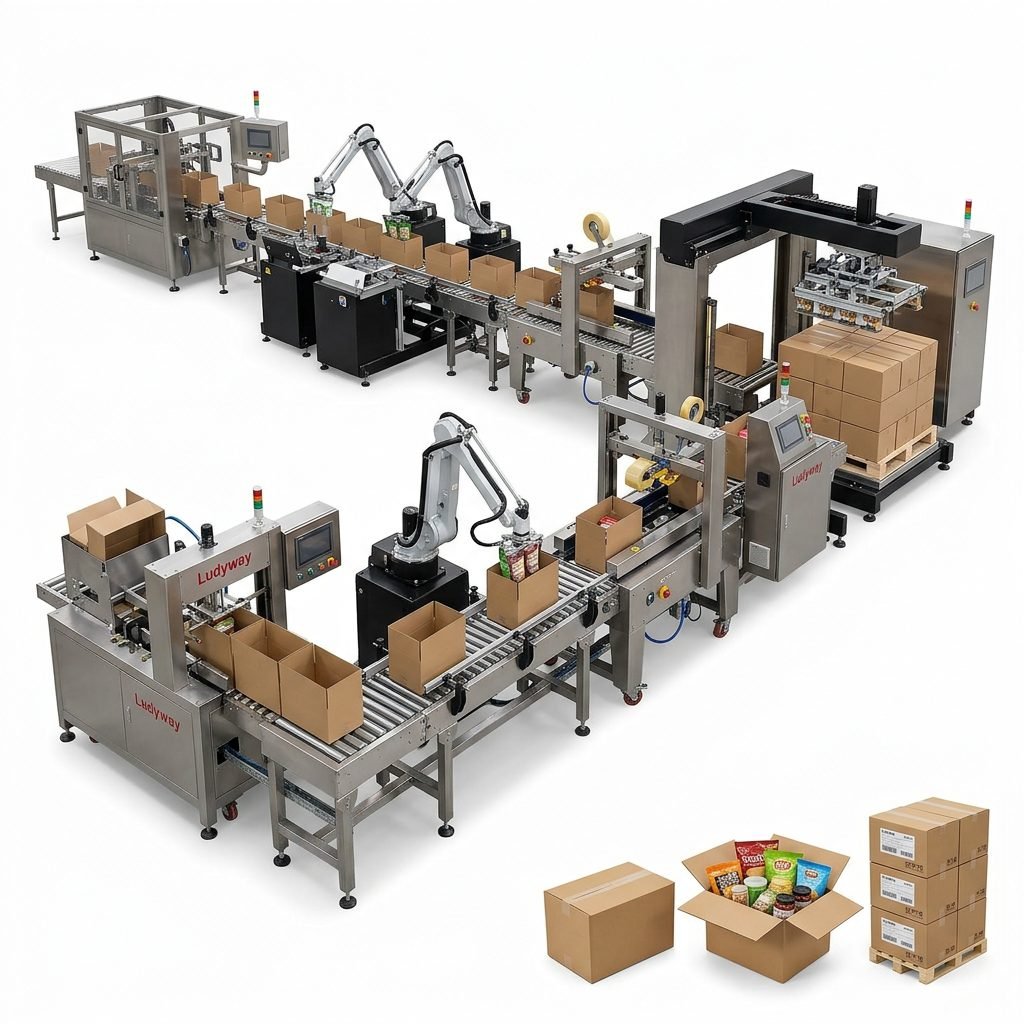
Investing in a food vacuum packaging machine is a strategic decision for food manufacturers, retailers, and commercial kitchens across the UK. Whether you are preserving fresh meat, extending the shelf life of ready meals, or packaging delicate baked goods, the right vacuum system dramatically reduces oxygen exposure, inhibits bacterial growth, and locks in product freshness. With the UK food industry facing increasingly stringent regulations from the Food Standards Agency and growing consumer demand for longer-lasting, preservative-free products, understanding the nuances of vacuum packaging technology has never been more critical.
According to the 2025 State of the Industry Report from PMMI, the global packaging machinery market continues to expand, with vacuum and modified atmosphere packaging segments showing particularly strong growth. This guide breaks down everything UK buyers need to know before making a purchase.
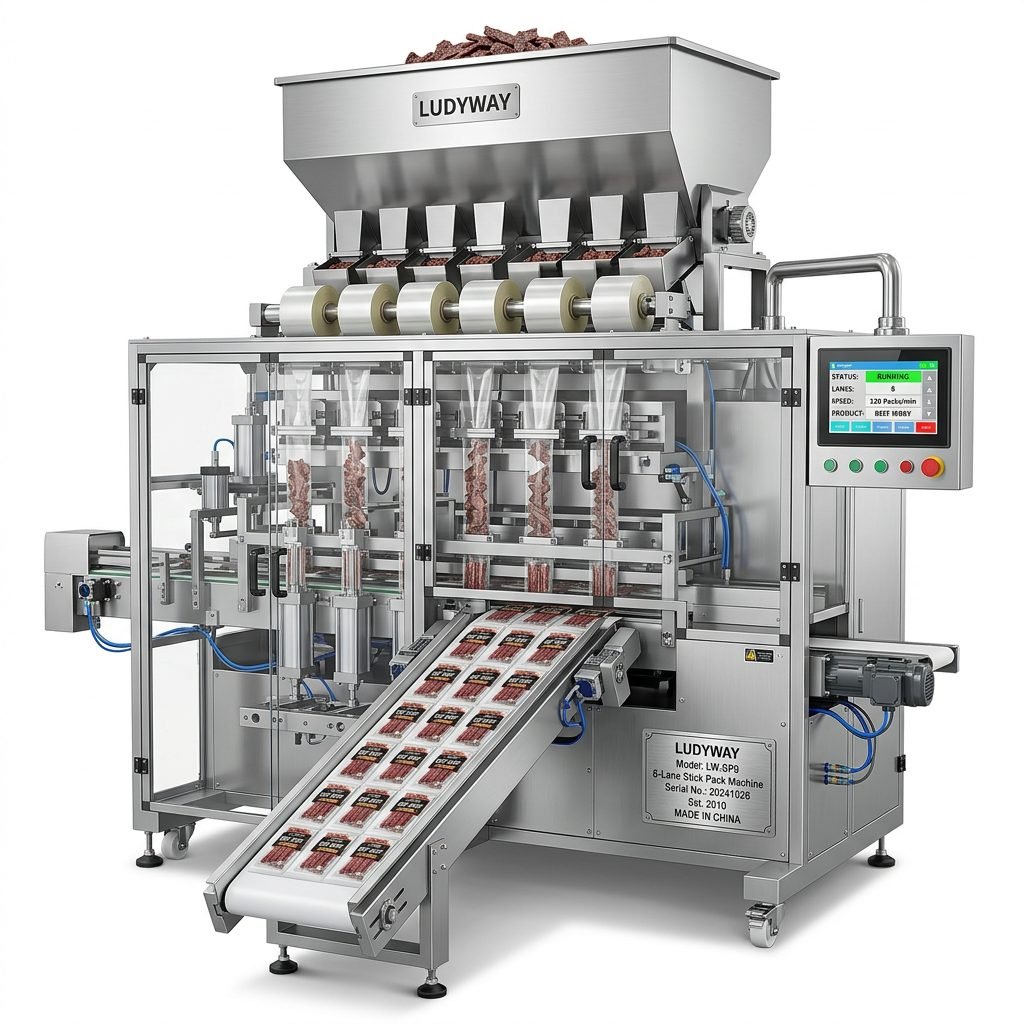
Types of Food Vacuum Packaging Machines Available in the UK
Understanding the different categories of vacuum packaging equipment is the first step. Each type serves distinct production scales and product requirements. Selecting the wrong machine can lead to inefficiencies, increased waste, and compromised food safety.
Chamber Vacuum Machines
Chamber vacuum sealers are the workhorses of the food industry. The entire product, including the pouch, is placed inside a chamber. Air is evacuated from the entire chamber, not just the bag, ensuring a perfectly even seal. These machines handle high-volume production, liquids, and moist products with ease. They are widely used for packing fresh meat, poultry, fish, and prepared meals. For UK businesses supplying supermarkets or food service, a double-chamber model can significantly boost throughput.
External Vacuum Sealers (Nozzle Type)
External or nozzle vacuum machines extract air directly from the bag using a retractable nozzle. They are typically more compact and cost-effective than chamber models. While suitable for dry goods, grains, and coffee, they are less effective with high-moisture products. Many small-scale UK producers, delis, and farmers’ market vendors start with this type. The flexible packaging options available make them a versatile entry point for growing businesses.
Thermoforming Vacuum Packaging Lines
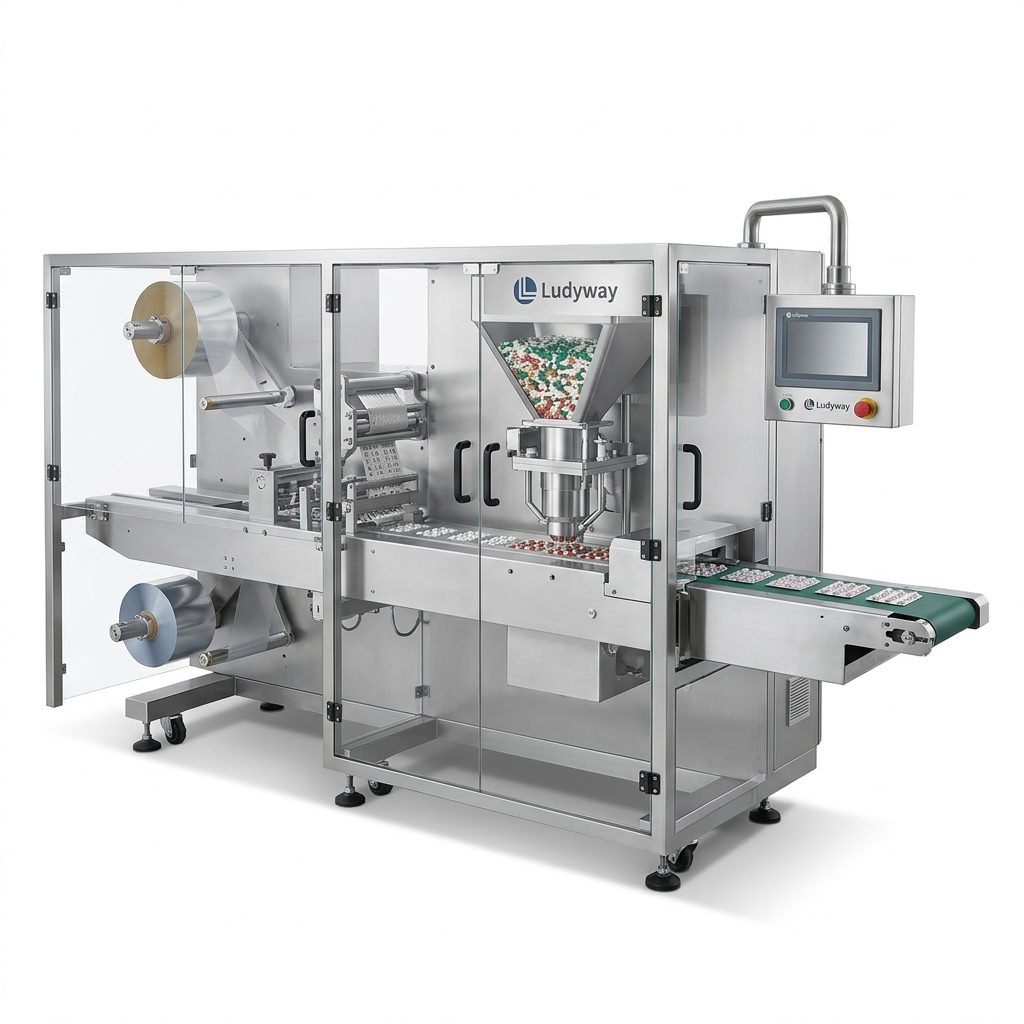
For large-scale UK food manufacturers, thermoforming packaging systems represent the pinnacle of automation. These machines form the packaging tray from a roll of film, fill it with product, apply a vacuum, and seal it — all in one continuous operation. They are exceptionally efficient for packing sausages, bacon, cheese blocks, and medical devices. These fully automated lines can be integrated with upstream and downstream equipment for complete turnkey solutions.

Tray Sealer Machines
Tray sealers apply a film over pre-formed trays, making them ideal for ready meals, fresh produce, and portion-controlled products. Many UK supermarkets now require MAP (Modified Atmosphere Packaging) capabilities, where the air is replaced with a specific gas mixture to further extend shelf life. A high-quality tray sealer with vacuum and gas-flushing functions is essential for meeting these retailer specifications.
Key Factors to Consider When Buying in the UK
Beyond machine type, several operational factors influence your purchasing decision. Skipping these considerations can result in costly downtime or non-compliance with UK and EU packaging ISO standards.
| Factor | Why It Matters | Recommendation |
|---|---|---|
| Production Volume | Determines cycle time and automation level needed | Match machine speed to daily output requirements |
| Product Characteristics | Moisture, oil, sharp bones, or delicate items affect seal quality | Test with actual product before purchase |
| Pump Type and Strength | Oil pumps last longer; dry pumps require less maintenance | Oil pump for heavy use; dry pump for intermittent operation |
| Seal Bar Length | Limits the maximum bag width you can use | Choose a size that accommodates your largest product |
| UKCA / CE Compliance | Mandatory for legal sale and operation in the UK | Verify certification and documentation before purchase |
UK-Specific Regulatory and Operational Considerations
Operating in the United Kingdom comes with unique requirements. The European Packaging and Packaging Waste Regulations continue to influence UK policy, and British retailers often impose their own stringent supplier standards. Your vacuum packaging machine must support traceability, consistent seal integrity, and hygienic design principles.
- Stainless Steel Construction: Essential for wet and corrosive environments; look for food-grade 304 or 316L stainless steel.
- Easy Sanitisation: Machines with tool-free disassembly, sloped surfaces, and minimal crevices simplify cleaning protocols required by UK environmental health officers.
- Energy Efficiency: With UK energy costs remaining high, machines with intelligent power management and efficient vacuum pumps reduce long-term operational expenditure.
- Service and Spare Parts: Ensure the supplier has a UK-based service network or can dispatch critical spare parts within 24-48 hours to avoid production downtime.
- Training and Support: Comprehensive operator training minimises user error and maximises equipment lifespan.
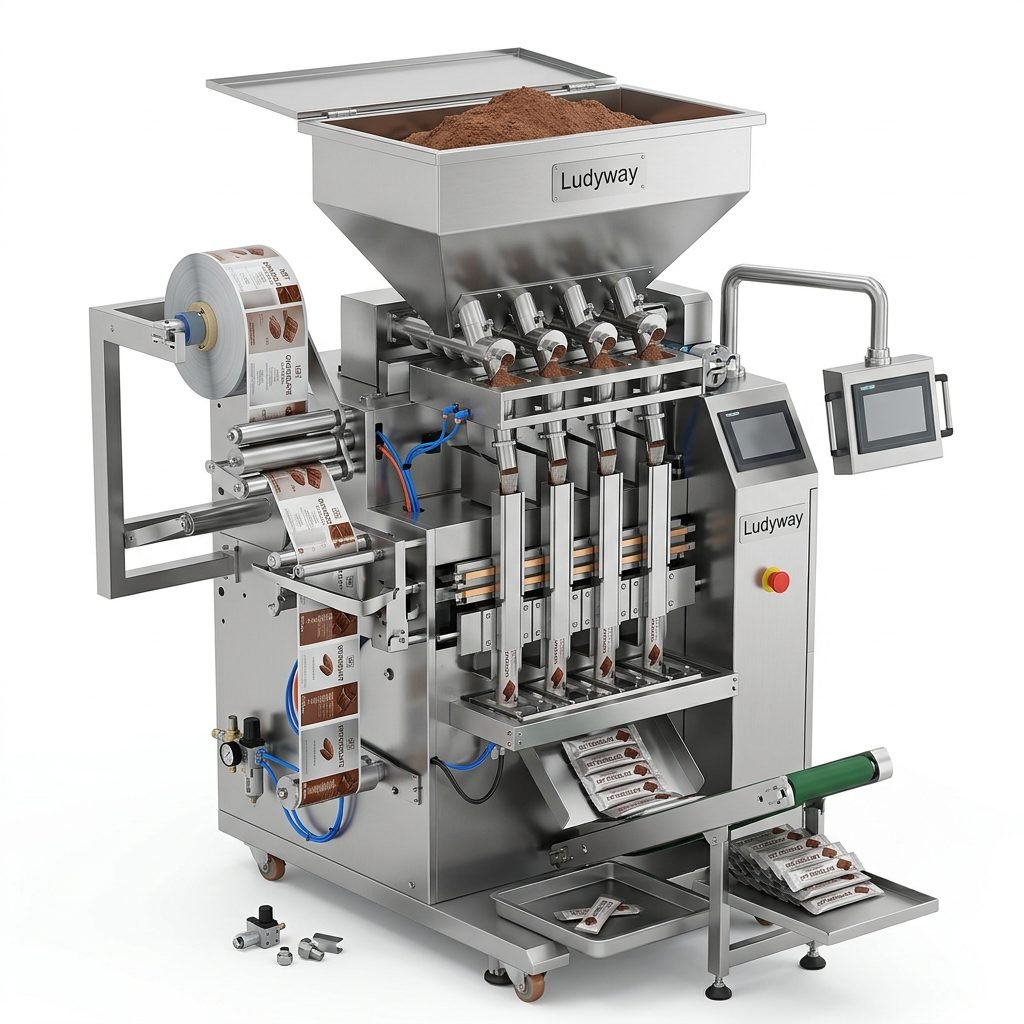
Applications Across the UK Food Industry
Different food sectors have distinct vacuum packaging requirements. Understanding these nuances helps narrow down the ideal machine configuration. Below is a breakdown of common applications:
Meat and Poultry
The UK meat processing sector relies heavily on vacuum packaging to prevent oxidation, maintain colour, and extend shelf life from days to weeks. Large chamber machines with powerful Busch or Leybold pumps are standard. For bone-in cuts, reinforced barrier films and machines with gentle handling prevent punctures. Integration with weighing and labelling systems is common for retail-ready packs.
Seafood and Fish
Fresh fish is exceptionally perishable. Vacuum packaging combined with chilled storage is critical for UK fishmongers, processors, and smokehouses. Machines must handle wet, irregular products without compromising seal integrity. Some operators also use skin-pack technology, which applies a film tightly over the product, eliminating air pockets and enhancing presentation.
Ready Meals and Prepared Foods
The UK’s £4 billion chilled ready meal market demands modified atmosphere packaging capabilities. Vacuum machines with gas-flushing functionality replace atmospheric air with nitrogen and carbon dioxide mixtures. This slows microbial growth and maintains product texture. Tray sealers and thermoforming lines dominate this segment.
Bakery and Snack Products
Soft bakery items present unique challenges — too much vacuum pressure crushes the product, while too little leaves oxygen inside. Soft-air or controlled-vacuum settings are essential. Many UK bakeries use vacuum packaging to ship products nationwide while maintaining freshness for several days. The technology also protects against moisture migration and staling.
Cheese and Dairy
Cheese continues to mature even after packaging. Premium UK cheddar producers and artisan cheesemakers use high-barrier vacuum pouches to prevent mould growth and manage moisture. Chamber machines are preferred, and compatibility with different block sizes is important for flexibility.
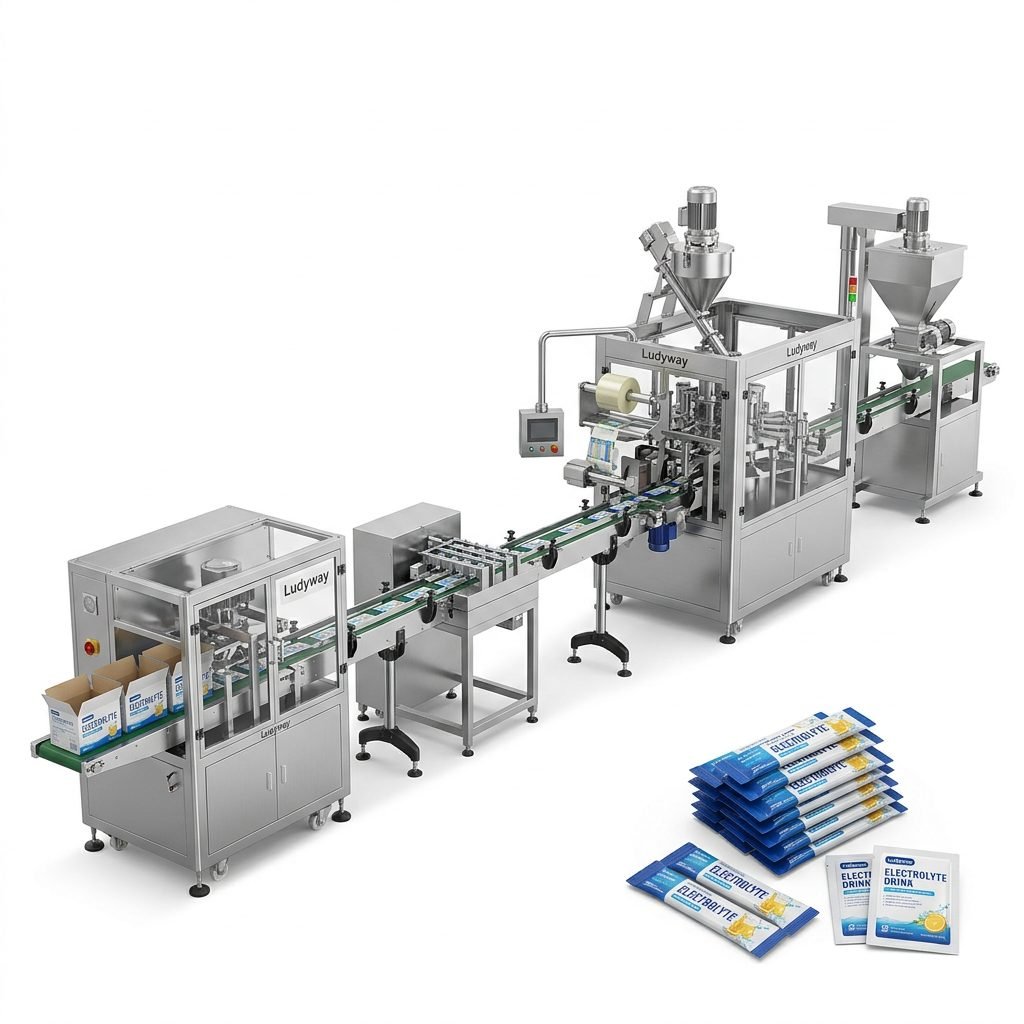
Understanding Vacuum Pump Technology
The pump is the heart of any vacuum packaging machine. Your choice of pump technology impacts maintenance schedules, operational costs, and seal quality. UK buyers should evaluate these options carefully, especially considering the humid and often demanding production environments.
| Pump Type | Advantages | Disadvantages | Best For |
|---|---|---|---|
| Rotary Vane Oil Pump | High vacuum strength, long lifespan, consistent performance | Requires regular oil changes, heavier, higher initial cost | High-volume meat and cheese processors |
| Dry Scroll or Claw Pump | Minimal maintenance, no oil disposal, cleaner operation | Lower ultimate vacuum level, higher upfront cost for some models | Bakeries, snack producers, intermittent use |
| Venturi or Compressed Air Pump | Simple design, low cost, no moving parts | Limited vacuum depth, requires compressed air supply | Light-duty or occasional sealing |
Budgeting and Cost Considerations for UK Buyers
The price of a food vacuum packaging machine in the UK varies widely based on automation level, chamber size, pump type, and brand. A basic external nozzle machine may cost a few hundred pounds, while a fully automated thermoforming line can exceed £100,000. However, focusing solely on the purchase price ignores the total cost of ownership.
Key cost factors include:
- Energy consumption: Oil pumps and larger motors increase electricity usage. Investigate energy-efficient models with inverter drives.
- Consumables: Vacuum pouches, films, and spare seal bars are ongoing expenses. Choose standard-size machines to avoid being locked into proprietary consumables.
- Maintenance contracts: Some UK suppliers offer annual service agreements covering pump rebuilds and preventive maintenance. These can reduce unexpected repair costs.
- Training costs: Factor in operator training time and potential production losses during the learning curve.
- Financing options: Many equipment suppliers and leasing companies in the UK offer hire-purchase or lease-to-own arrangements that spread the capital cost.
Packaging Material Compatibility
Your machine must work seamlessly with your chosen packaging materials. The Flexible Packaging Association provides extensive resources on material innovations. Vacuum pouches come in various structures — PA/PE (polyamide/polyethylene) is the most common for its excellent barrier properties. For products requiring extended shelf life, EVOH (ethylene vinyl alcohol) layers provide superior oxygen barrier performance. Aluminium foil laminates offer the ultimate barrier but are opaque, limiting visibility of the product.
Consider these material factors:
- Thickness and puncture resistance: Critical for products with bones, shells, or sharp edges.
- Heat seal layer: Must be compatible with your machine’s seal bar temperature range and dwell time settings.
- Sustainability: UK consumers and retailers increasingly demand recyclable or biodegradable packaging. Discuss material innovations with your supplier.
- Printability: High-quality flexographic or digital printing on vacuum pouches enhances brand presence on retail shelves.
Integration with Existing Production Lines
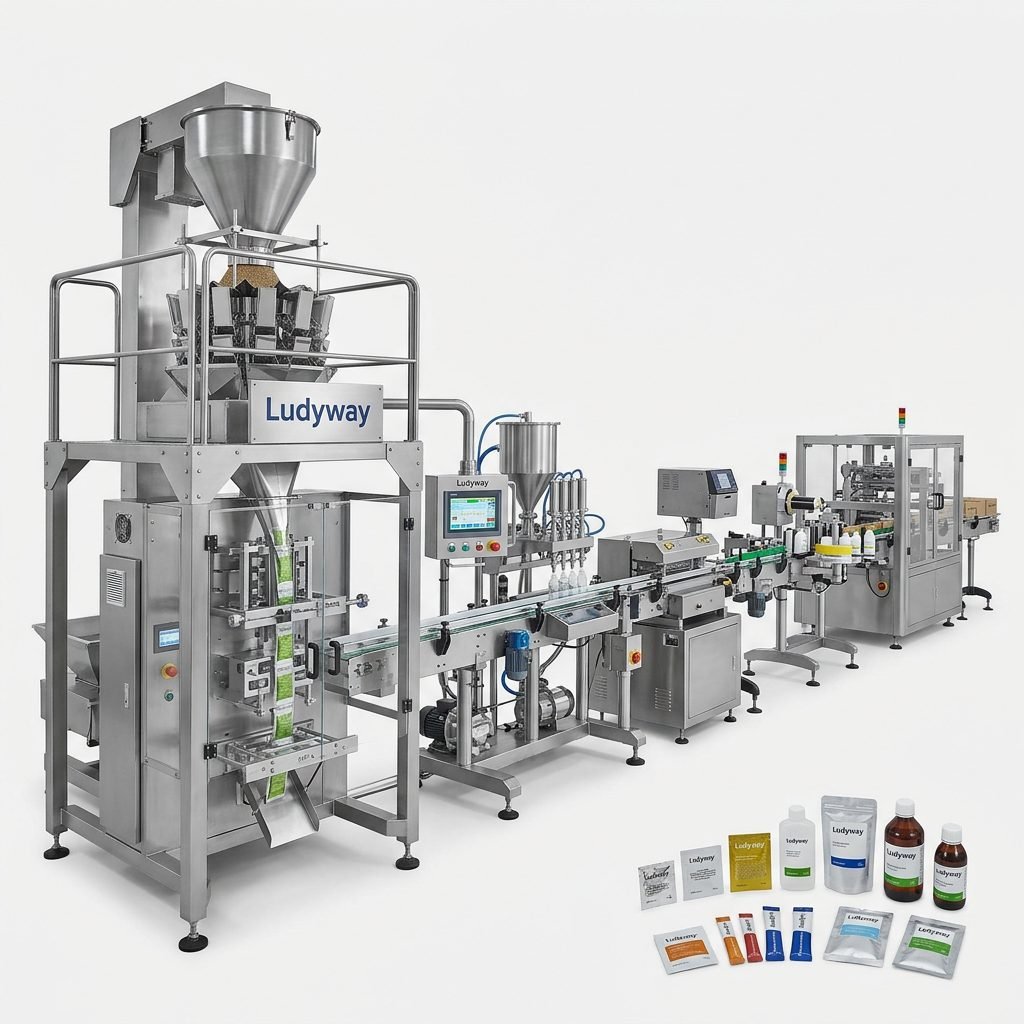
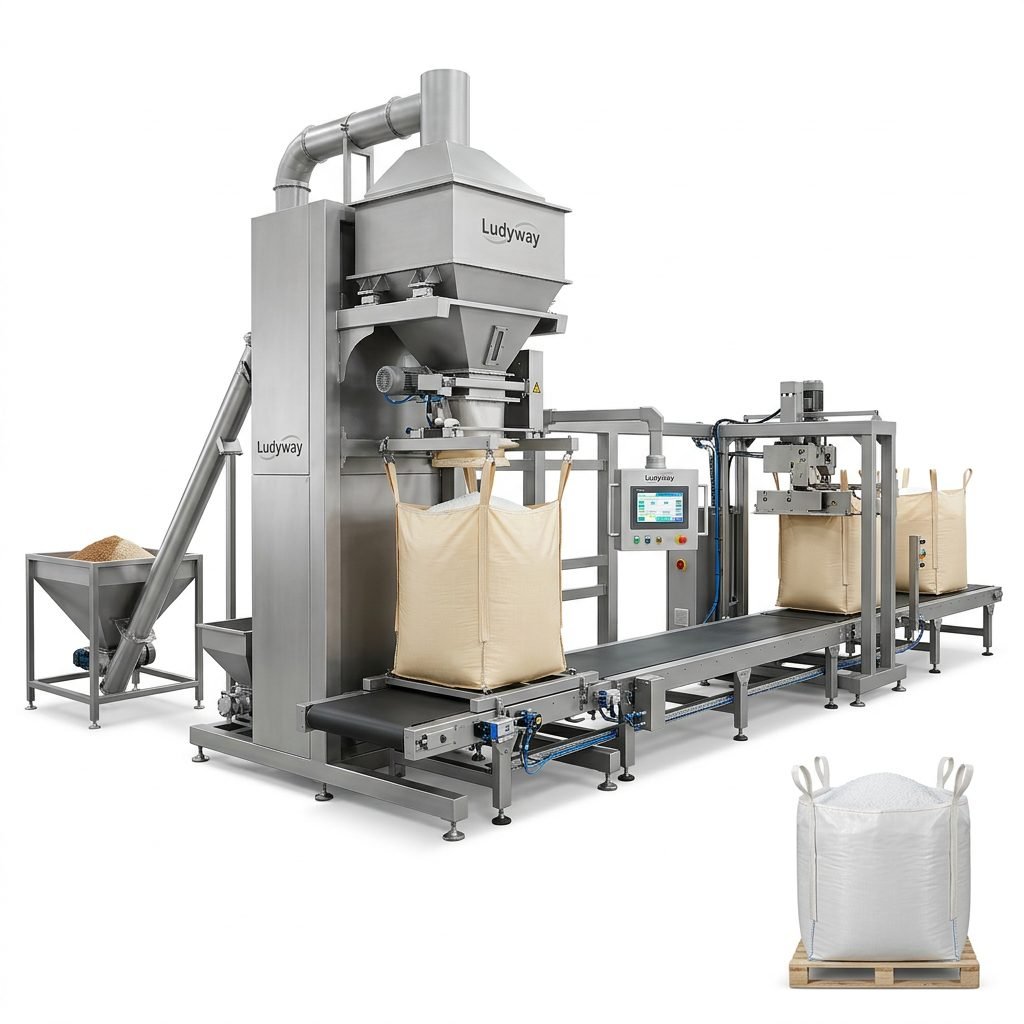
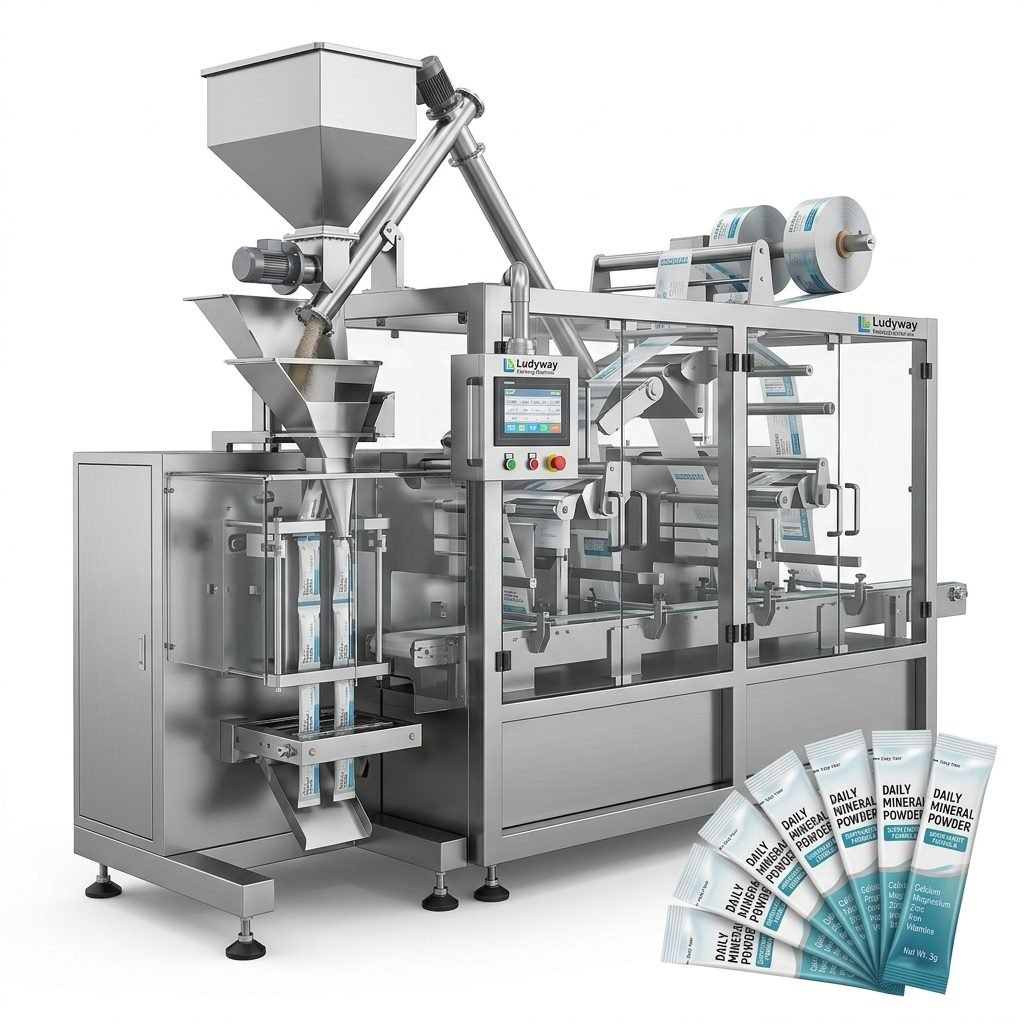
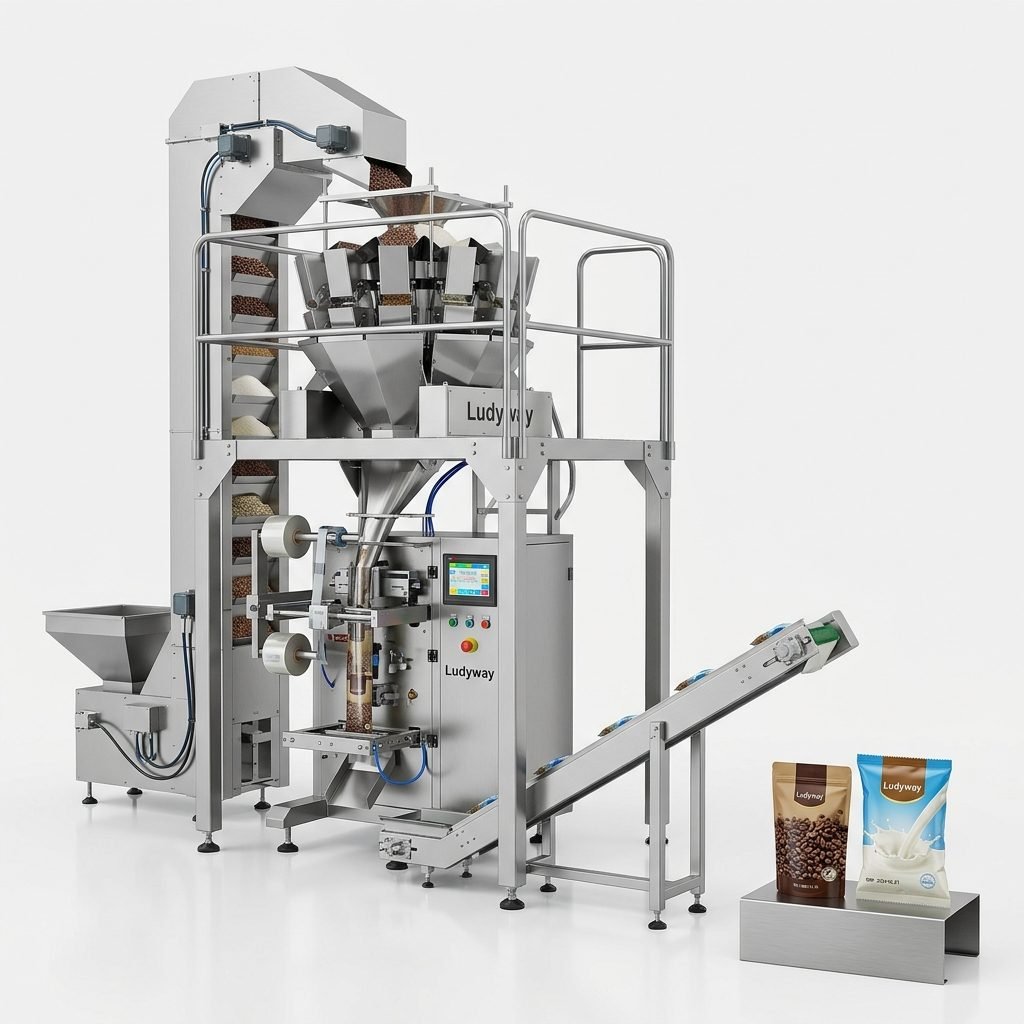
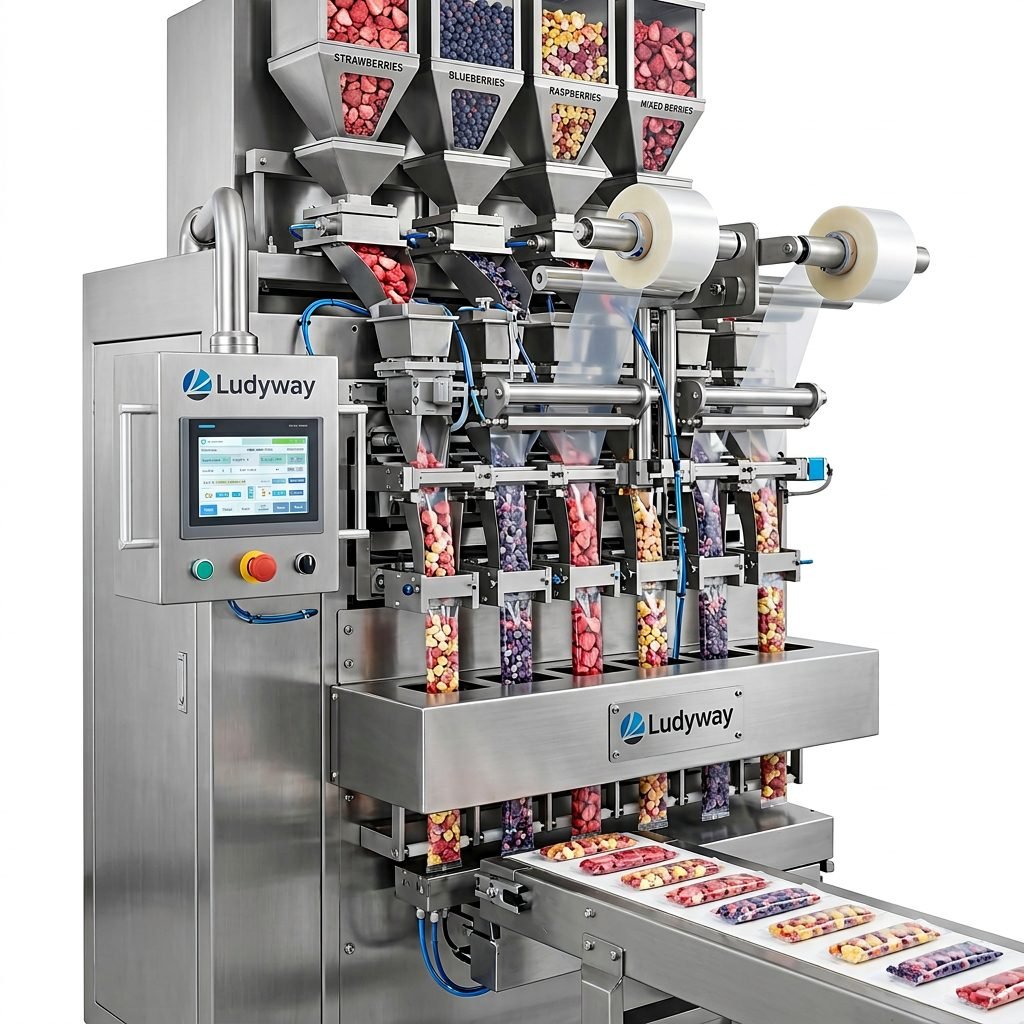
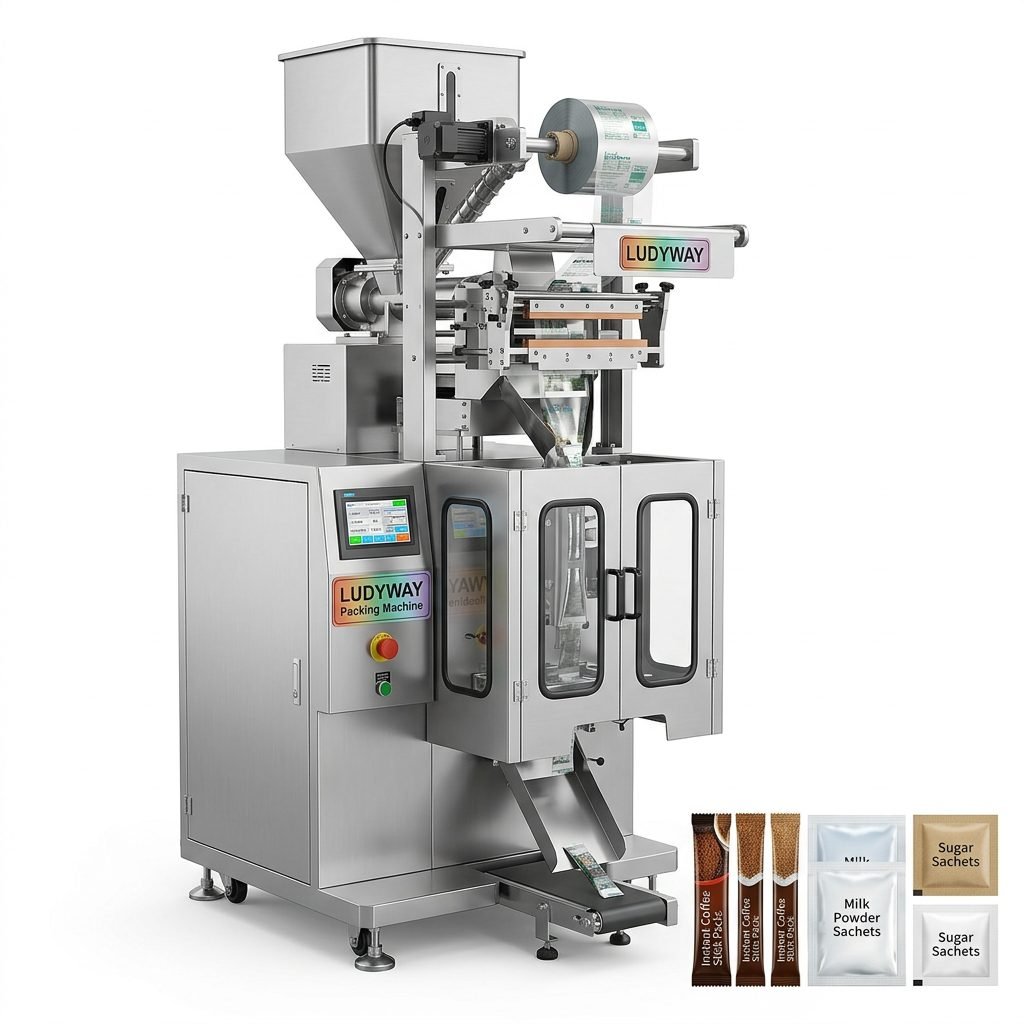
For established UK food manufacturers, a new vacuum packaging machine rarely operates in isolation. It must integrate with upstream conveyors, filling systems, checkweighers, metal detectors, and downstream cartoning or palletising equipment. Turnkey packaging solutions that combine multiple machine types into a cohesive line reduce installation complexity and ensure compatibility. Leading manufacturers such as Ludyway specialise in providing complete, integrated packaging lines tailored to specific product requirements, offering over 50 intelligent packaging machine models supported by a modern 20,000㎡ manufacturing facility.
Maintenance Best Practices for Longevity
Regular maintenance extends machine life and ensures consistent seal quality. Neglecting these tasks leads to increased downtime, costly repairs, and potential food safety risks. The PMMI packaging machinery resources offer comprehensive guidance on equipment lifecycle management.
- Daily: Clean seal bars, inspect silicone seals, and check oil levels in rotary vane pumps.
- Weekly: Deep clean the chamber or sealing area, inspect electrical connections, and test vacuum levels with a gauge.
- Monthly: Replace pump oil (for oil-lubricated pumps), inspect hoses and fittings for leaks, and calibrate sensors if applicable.
- Quarterly: Full system audit including pump performance, seal bar alignment, and control system diagnostics.
- Annually: Professional servicing covering all mechanical and electrical components, with particular attention to vacuum pump rebuild or replacement.
Frequently Asked Questions
What is the typical lifespan of a commercial vacuum packaging machine?
With proper maintenance, a high-quality chamber or thermoforming machine can operate reliably for 10-15 years or more. The vacuum pump may require rebuilding every 3-5 years depending on usage intensity. Machines with stainless steel construction and industrial-grade components far outlast entry-level models designed for light use.
Can I vacuum pack liquids like soups or sauces?
Yes, but you need a chamber vacuum machine specifically designed for liquid products. These machines have features like inclined sealing bars, liquid traps, and precise vacuum control to prevent boil-over and ensure a strong seal. External nozzle machines are generally unsuitable for high-moisture products.
Do I need nitrogen gas flushing capability?
If you supply UK supermarkets or want to maximise shelf life for fresh, crumbly, or delicate products, gas flushing (MAP) is highly recommended. It prevents package collapse, maintains product shape, and inhibits aerobic bacteria. Check retailer-specific requirements before finalising your machine specification.
What after-sales support should I expect in the UK?
Reputable suppliers offer remote diagnostics, UK-based spare parts inventory, and rapid-response technical support. Confirm warranty terms, availability of service contracts, and average response times before committing. A supplier with local representation or a proven export track record to the UK market reduces your risk.
Future Trends in Food Vacuum Packaging
The UK vacuum packaging landscape is evolving rapidly. Smart packaging with embedded sensors for freshness monitoring, recyclable mono-material films replacing multi-layer laminates, and increased automation driven by labour shortages are reshaping the industry. Machines with Industry 4.0 connectivity allow production data collection, predictive maintenance alerts, and integration with enterprise resource planning systems. Staying informed about these developments ensures your investment remains competitive and compliant for years to come. The PMMI Business Intelligence Library regularly publishes forward-looking analyses that help UK buyers anticipate market shifts.
Making the Final Decision
Selecting the right food vacuum packaging machine for your UK operation involves balancing technical specifications, budget constraints, and future growth plans. Start by clearly defining your product range, daily throughput targets, and compliance requirements. Request demonstrations using your actual products whenever possible. Compare total cost of ownership rather than just the purchase price. Evaluate supplier reputation, service infrastructure, and the availability of genuine spare parts.
A well-chosen vacuum packaging machine delivers measurable returns through reduced food waste, extended distribution reach, and enhanced product presentation. For UK food businesses navigating an increasingly competitive market, this investment directly impacts the bottom line and brand reputation. Take the time to research thoroughly, consult multiple suppliers, and prioritise quality and support over short-term cost savings. Your packaging equipment is a long-term asset that should grow with your business.