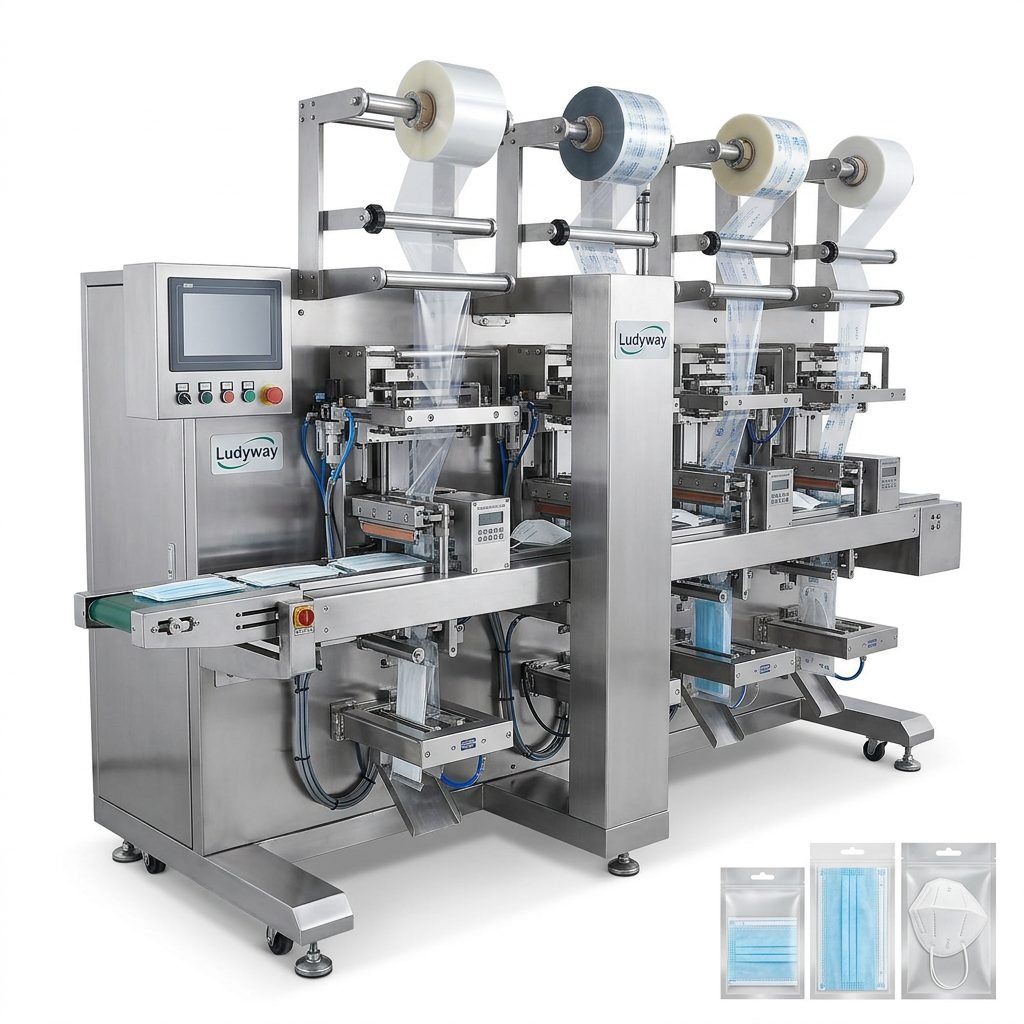
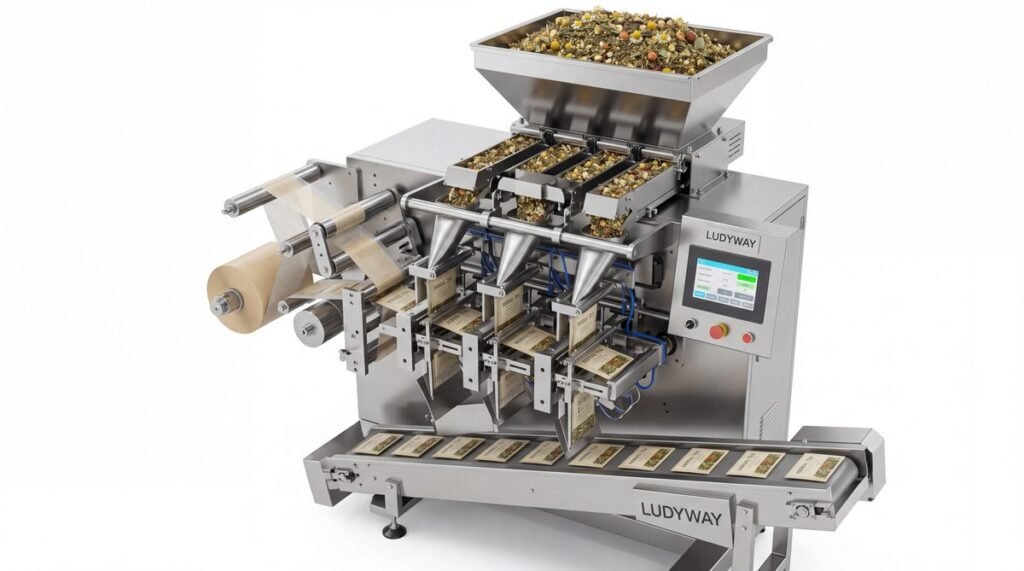
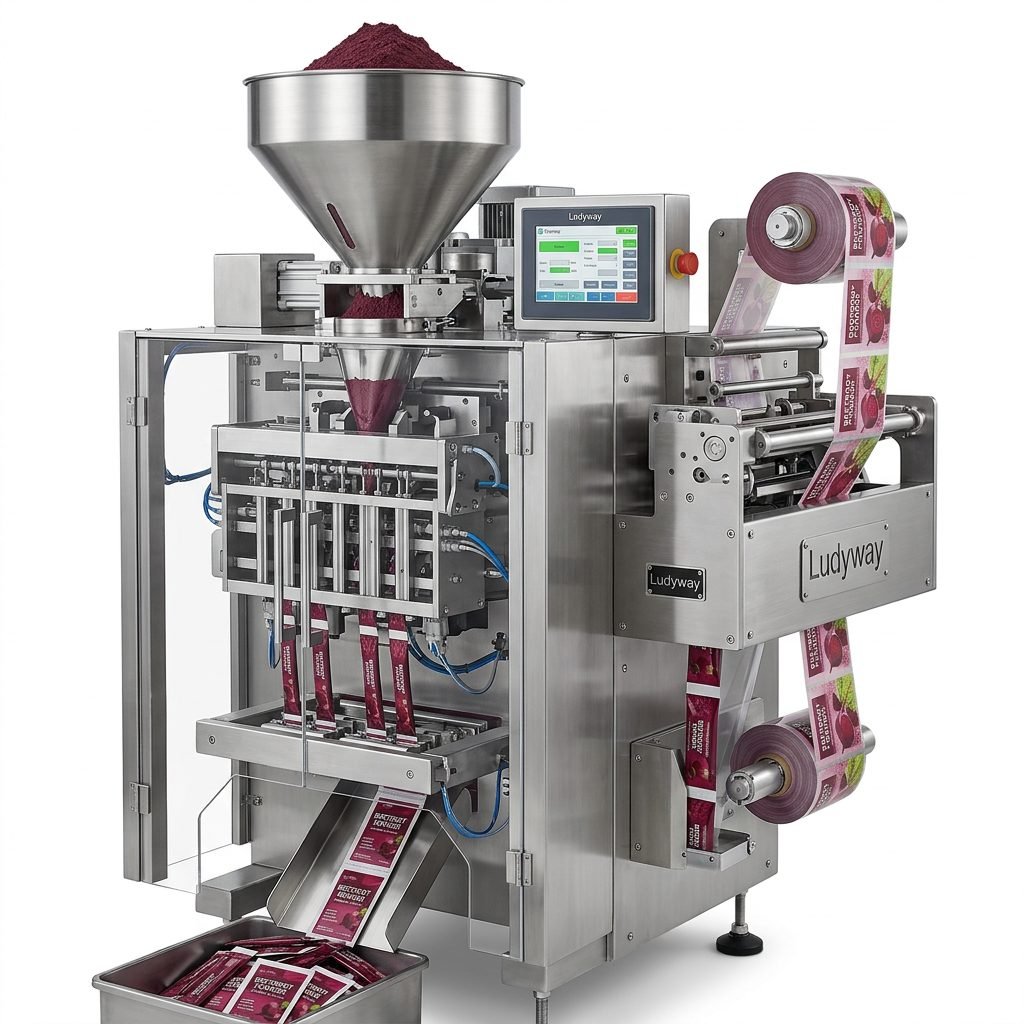
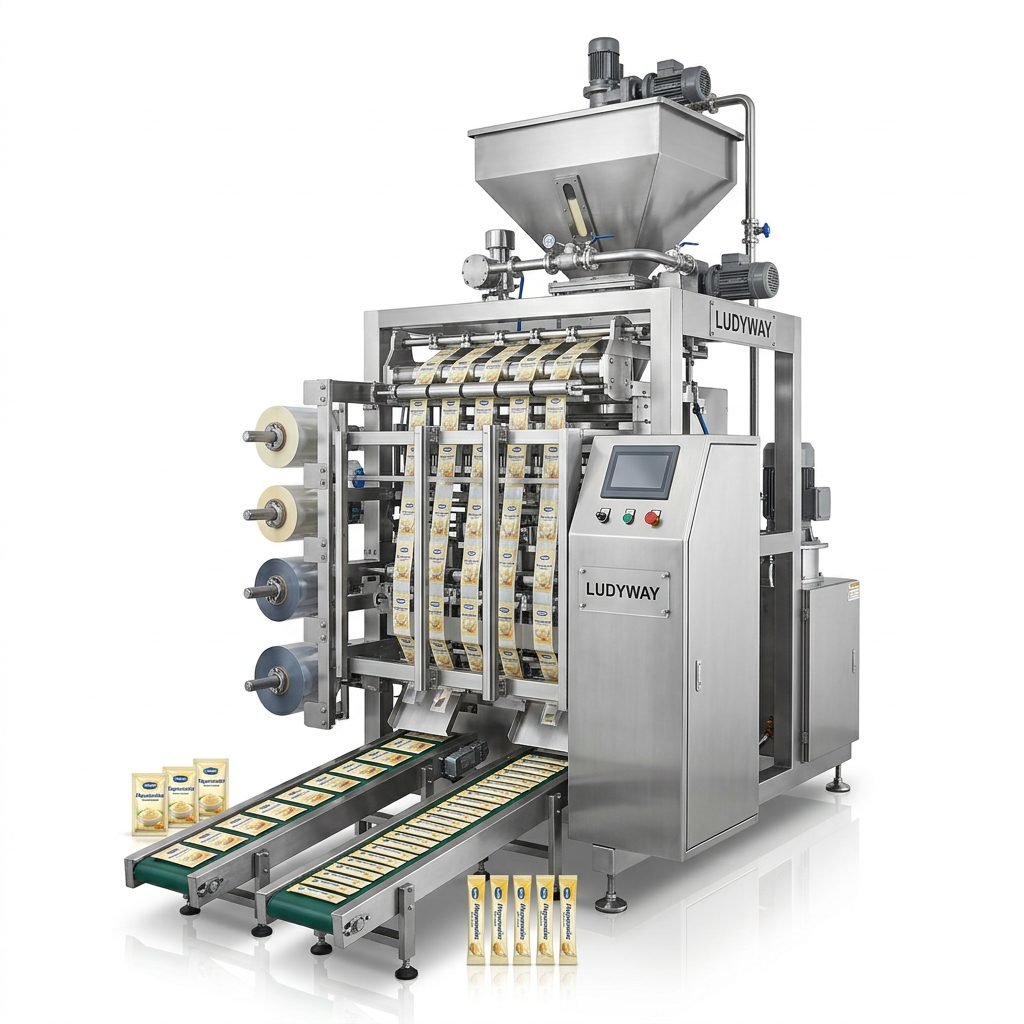
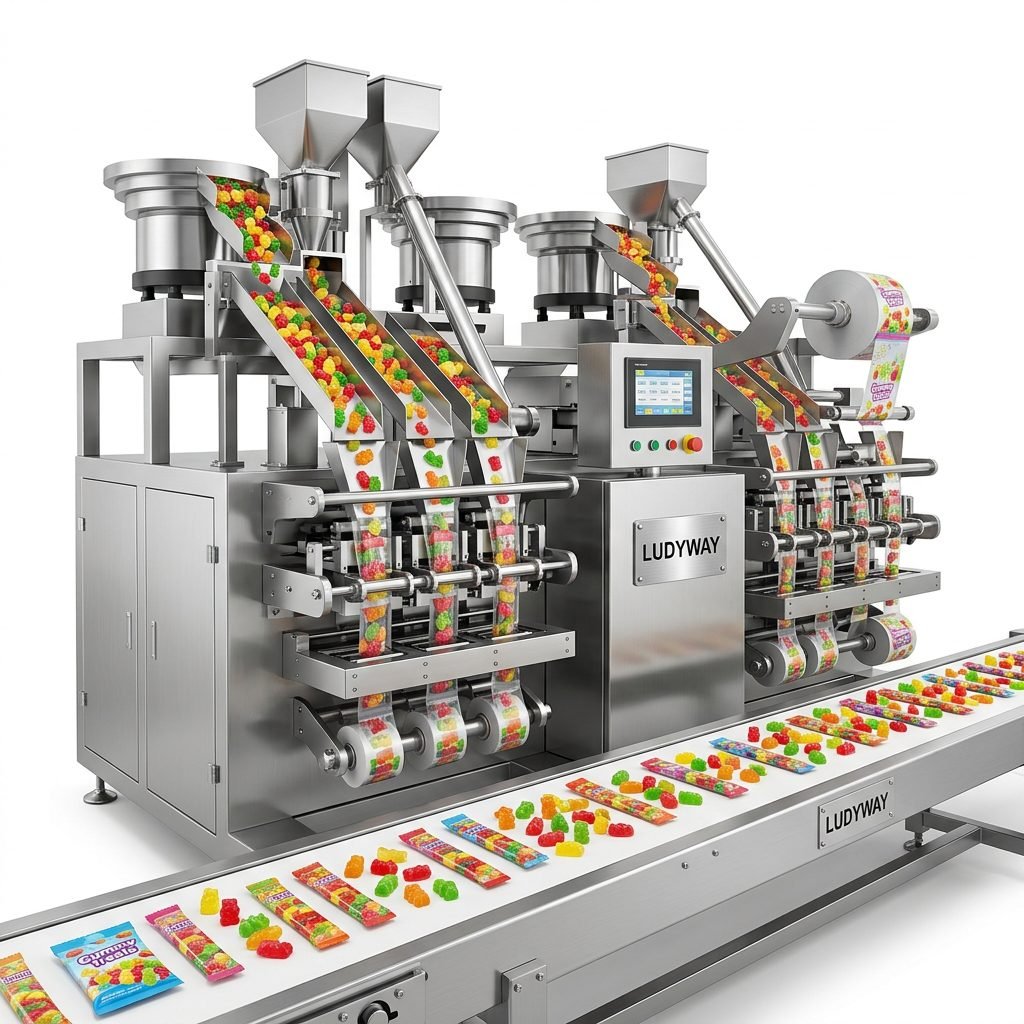
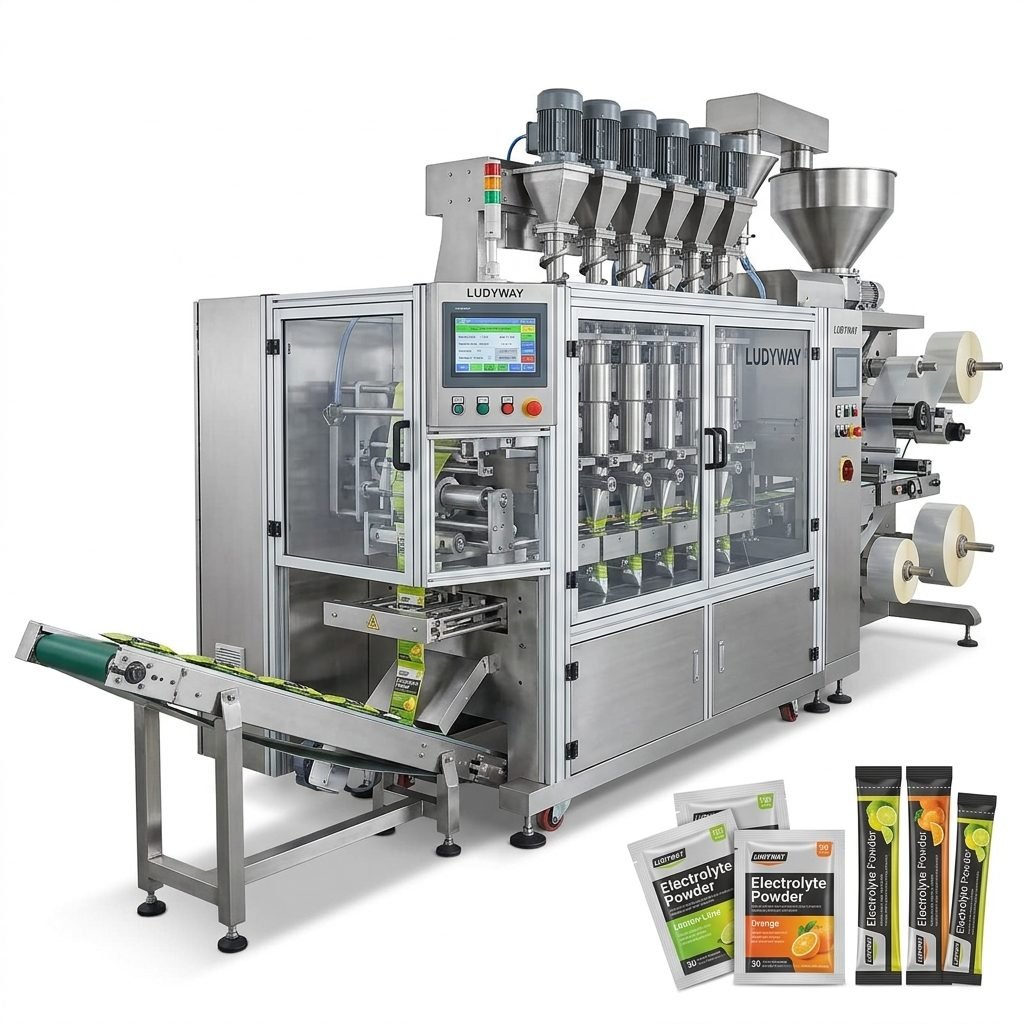
A blister packing machine is one of the most important systems used to package tablets, capsules, softgels, ampoules, syringes, and small consumer products in a clean, protective, and retail-ready format. It is widely used in pharmaceutical, nutraceutical, medical device, cosmetics, and electronics industries because blister packaging offers strong product protection, better unit-dose control, and high visual appeal.
If you are planning to invest in a blister packing solution, this guide explains how the machine works, its main features, common applications, benefits, and practical buying tips to help you choose the right equipment for your production needs.
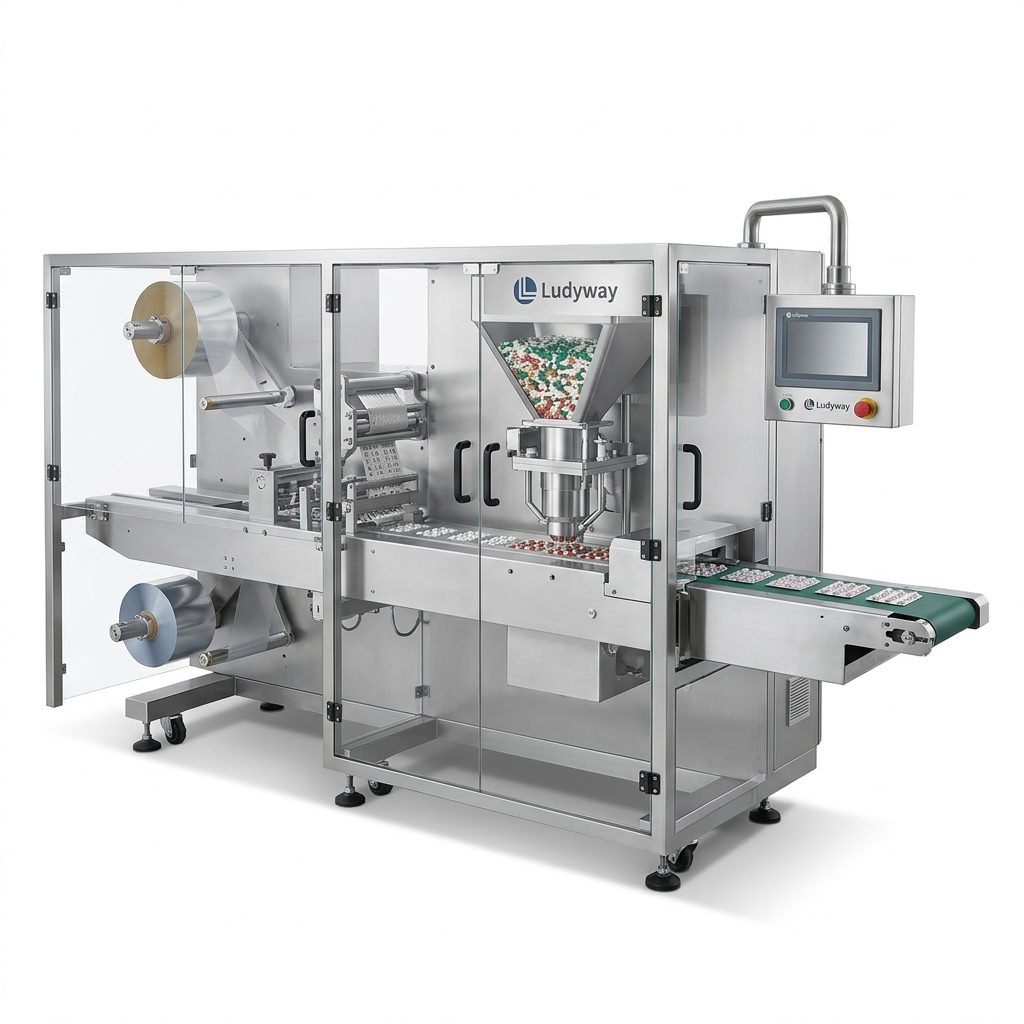
What Is a Blister Packing Machine?
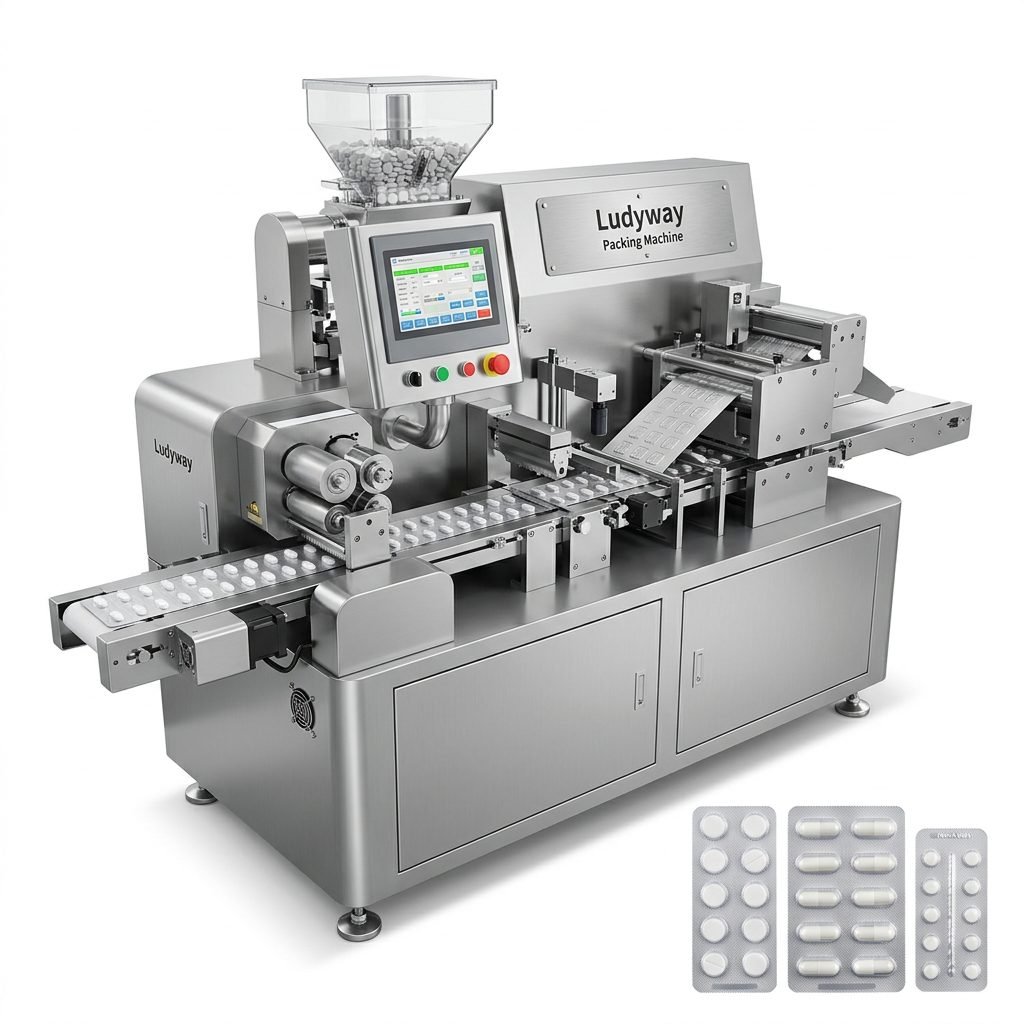
A blister packing machine is an automated packaging system that forms cavities or pockets from plastic film, fills them with products, and seals them with aluminum foil, paperboard, or other lidding materials. The final package is called a blister pack.
In pharmaceutical production, blister packs are especially popular because they provide accurate dosing, tamper evidence, moisture resistance, and easier counting. Each product unit is isolated, which helps reduce contamination and improves shelf life.
Main blister packaging materials
- PVC
- PVDC
- Alu-Alu foil
- PET
- Cold-form foil
- Aluminum lidding foil
- Paperboard backing for non-pharma products
How Does a Blister Packing Machine Work?
Although machine structures vary, the basic process is usually similar. The machine transforms roll materials into sealed blister packs through a series of automated steps.
- Forming: Plastic film or aluminum material is heated or pressed to create blister cavities.
- Feeding: Tablets, capsules, softgels, or small parts are accurately fed into each pocket.
- Inspection: Some machines include vision inspection to detect missing or broken products.
- Sealing: Lidding foil or backing material is sealed over the formed blister.
- Embossing/Coding: Batch number, date, and traceability information may be printed or embossed.
- Punching/Cutting: The machine cuts the web into final blister card sizes.
- Discharge: Finished packs move to cartoning or secondary packaging.
Types of Blister Packing Machines
Choosing the right machine starts with understanding the main equipment types available in the market.
| Type | Description | Best For |
|---|---|---|
| Thermoforming blister machine | Uses heat to form plastic film into cavities | Standard tablets, capsules, consumer goods |
| Cold forming blister machine | Forms aluminum-based cavities without heat | Moisture-sensitive and light-sensitive products |
| Roller type machine | Uses roller sealing/forming systems for continuous production | High-speed packaging lines |
| Flat plate blister machine | Uses platen-style sealing for strong sealing pressure | Pharmaceutical packaging requiring precise sealing |
| Automatic blister packing line | Integrated with cartoner, coder, leaflet inserter, and inspection systems | Large-scale production plants |
Key Features to Look For
Modern blister packaging equipment is no longer just about forming and sealing. Buyers should evaluate machine intelligence, flexibility, and compliance features.
1. High packaging accuracy
A reliable blister machine should ensure accurate feeding and consistent cavity filling. This is especially important for pharmaceutical applications where every pack must meet strict dosage and quality standards.
2. Stable sealing quality
Good sealing performance protects products against air, moisture, dust, and contamination. Poor sealing can result in product damage, failed compliance checks, and costly waste.
3. Easy mold changeover
If you package multiple SKUs, fast changeover is critical. Tooling should be easy to replace, clean, and adjust for different blister sizes.
4. PLC and touchscreen control
User-friendly HMI control makes operation easier, reduces training time, and improves production monitoring.
5. GMP-compliant structure
For pharma and healthcare products, the machine should have a hygienic design, stainless steel contact parts where needed, and easy-to-clean surfaces.
6. Online coding and traceability
Batch coding, expiry date printing, serialization compatibility, and vision inspection can improve compliance and reduce manual handling.
7. Safety protection
Emergency stops, overload protection, safety covers, and alarm systems help protect operators and reduce equipment downtime.
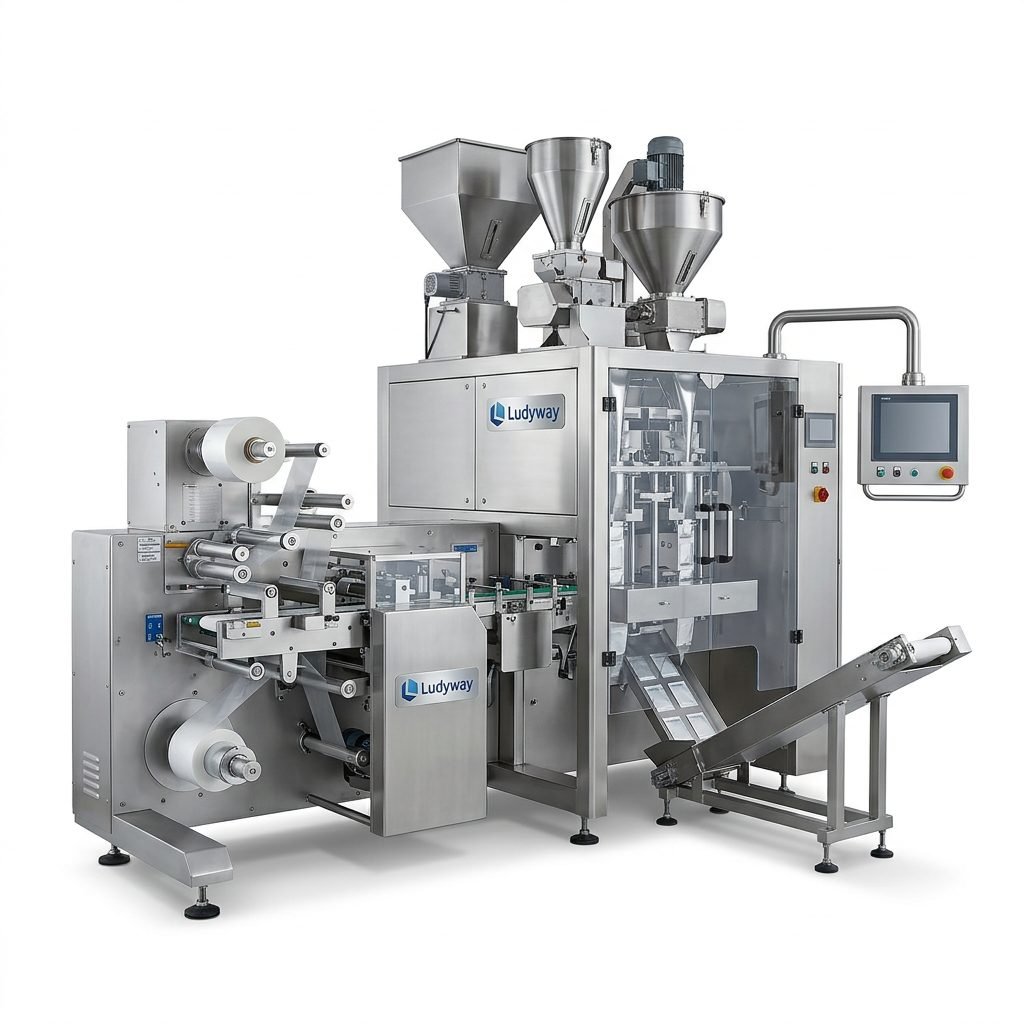
Main Uses of Blister Packing Machines
Blister packing machines are widely used across industries because they offer individual packaging, good barrier protection, and attractive presentation.
Pharmaceutical industry
- Tablets
- Capsules
- Softgels
- Lozenges
- Ampoules
- Syringes
Nutraceutical and health supplement industry
- Vitamin tablets
- Mineral supplements
- Herbal capsules
- Probiotic products
Medical device industry
- Diagnostic kits
- Surgical accessories
- Disposable medical items
- Sterile single-use products
Consumer goods industry
- Batteries
- Small hardware accessories
- Personal care products
- Electronic components
Advantages of Blister Packaging
| Benefit | Why It Matters |
|---|---|
| Product protection | Helps protect against moisture, oxygen, dust, and physical damage |
| Unit-dose convenience | Makes products easier to count, use, and transport |
| Tamper evidence | Improves consumer trust and regulatory confidence |
| Shelf-life support | Barrier materials can improve product stability |
| Retail presentation | Blister packs present products cleanly and professionally |
| Automation potential | Supports high-volume packaging with reduced labor costs |
Blister Packing Machine vs Other Packaging Methods
Not every product should be packed in blisters. Comparing options helps buyers make better long-term investment decisions.
| Packaging Method | Best Use | Main Limitation |
|---|---|---|
| Blister packaging | Unit-dose pharma and retail products | Tooling and material costs can be higher |
| Bottle packaging | Bulk tablets and capsules | Less unit control and less visual separation |
| Sachet or stick pack | Powders, granules, liquids | Not suitable for many solid dose shapes |
| Flow wrap | Food bars, candies, grouped products | Lower rigid protection than blisters |
Industries That Commonly Buy Blister Packing Machines
Buyers typically include:
- Pharmaceutical manufacturers
- Contract packaging companies
- Nutraceutical brands
- Hospitals and medical product suppliers
- Veterinary medicine companies
- Cosmetic sample pack manufacturers
- Consumer electronics and hardware packaging companies
Important Buying Tips Before You Invest
Buying a blister packing machine is a strategic decision. The right choice can improve productivity and compliance, while the wrong one may create long-term cost and performance issues.
Understand your product characteristics
Evaluate product size, shape, fragility, moisture sensitivity, and required shelf life. These factors determine whether you need thermoforming or cold-forming technology.
Check output requirements
Know how many blister packs you need per minute or per hour. A small lab or startup may need a compact system, while a pharmaceutical factory may require a fully automatic high-speed line.
Review tooling flexibility
If you plan to launch new SKUs, choose a machine with flexible tooling and convenient format changes. This will reduce downtime and future upgrade costs.
Focus on sealing reliability
Sealing consistency is one of the most important quality indicators. Ask for sample tests, sealing validation data, and material compatibility confirmation.
Evaluate automation level
Depending on your budget and labor costs, you may choose:
- Semi-automatic blister machine
- Fully automatic standalone blister machine
- Integrated blister packaging line with cartoning and coding
Verify compliance standards
Pharmaceutical and medical packaging often require GMP-oriented design, validation support, and documentation. If your market has strict regulations, compliance should be confirmed before purchase.
Consider after-sales support
Reliable technical support, spare parts supply, remote troubleshooting, and training services are just as important as the machine itself.
Questions to Ask a Blister Packing Machine Supplier
- What blister materials are compatible with the machine?
- What is the actual stable running speed, not just the maximum speed?
- How long does mold changeover take?
- Can the machine handle multiple product sizes?
- Is vision inspection available?
- What coding, embossing, or serialization options are supported?
- What spare parts are included?
- Do you offer installation, training, and remote service?
- Can the machine connect with a cartoner or full packaging line?
Common Problems and How to Reduce Them
Poor sealing
Usually caused by wrong temperature, pressure inconsistency, contaminated materials, or incompatible film and foil.
Product misfeed
Can happen when feeding tracks, vibration channels, or product orientation systems are not properly adjusted.
Forming defects
Often related to material quality, heating control, forming pressure, or worn molds.
Excessive waste
Waste can increase if changeovers are slow, setup is unstable, or operators are not trained well.
Preventive maintenance, regular calibration, and operator training can greatly improve machine performance and packaging consistency.
How to Choose the Right Supplier
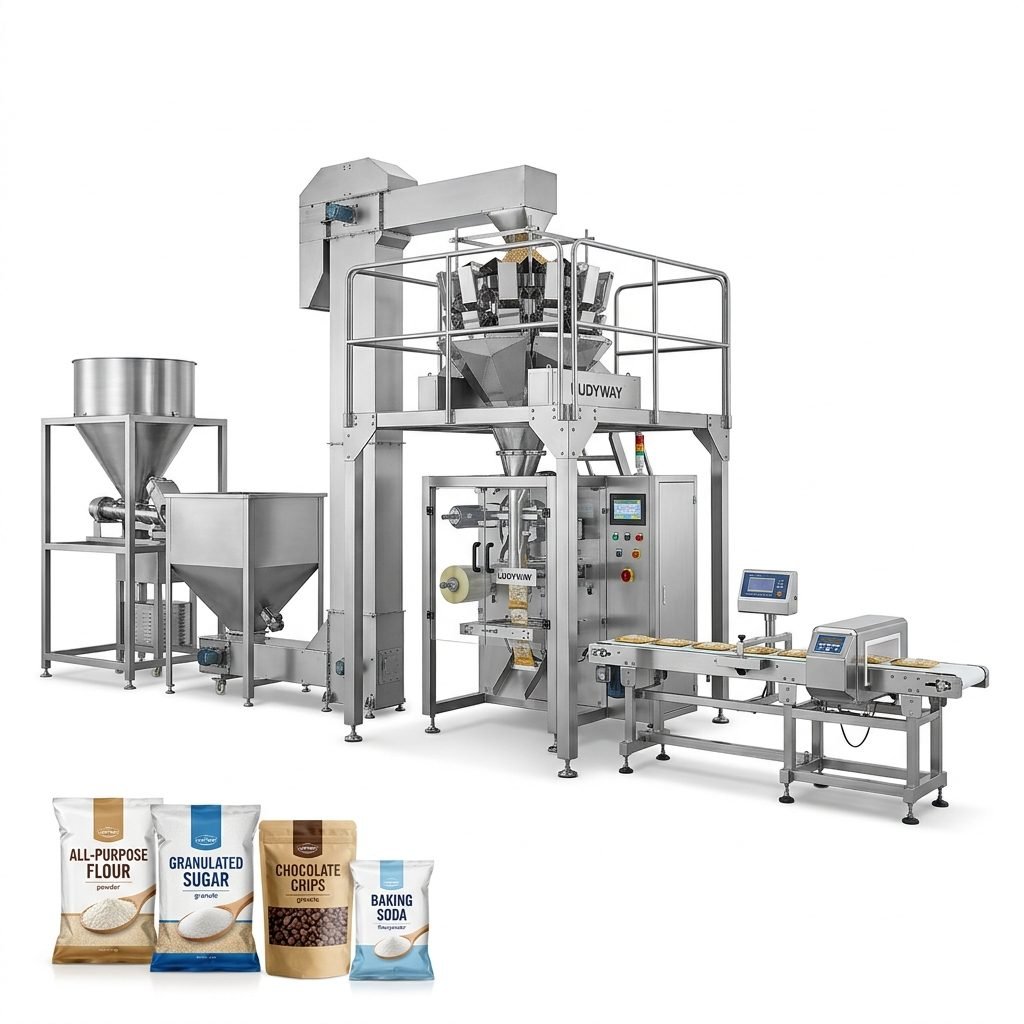
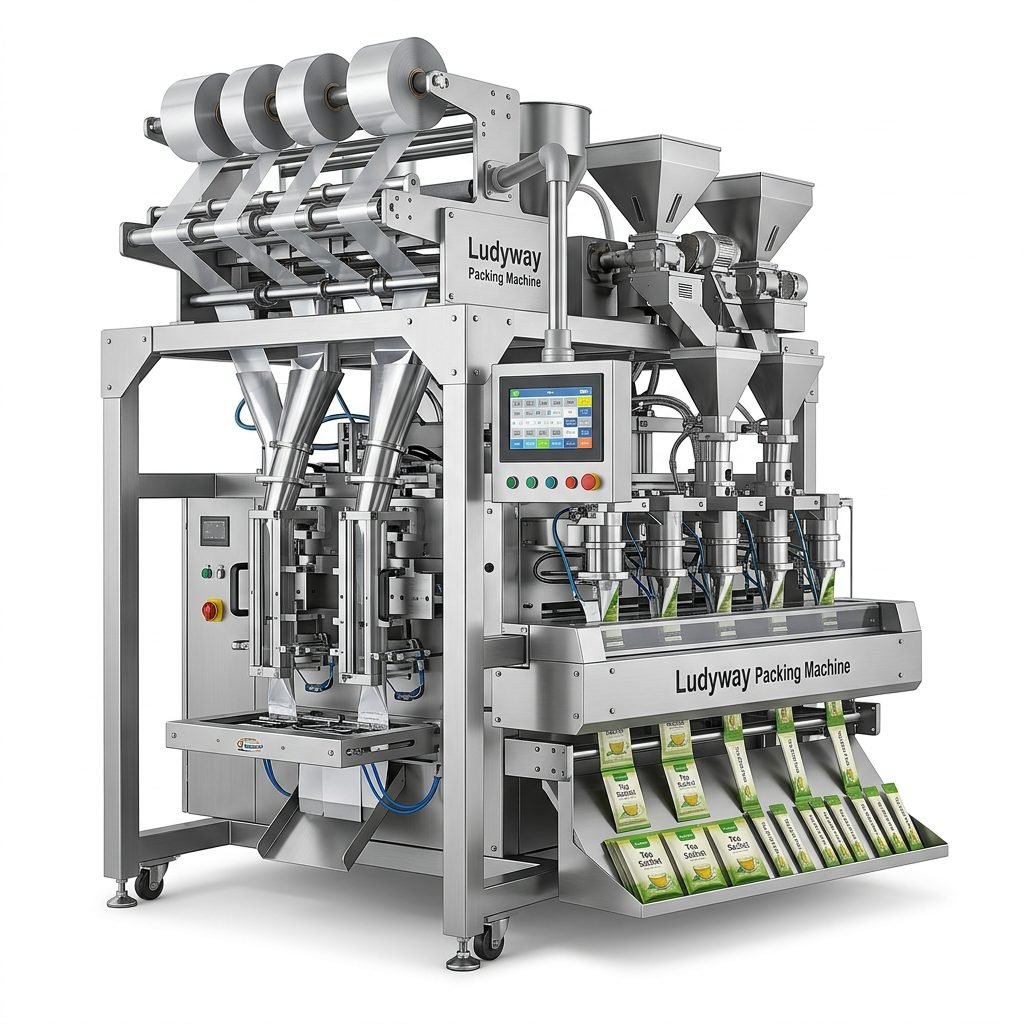
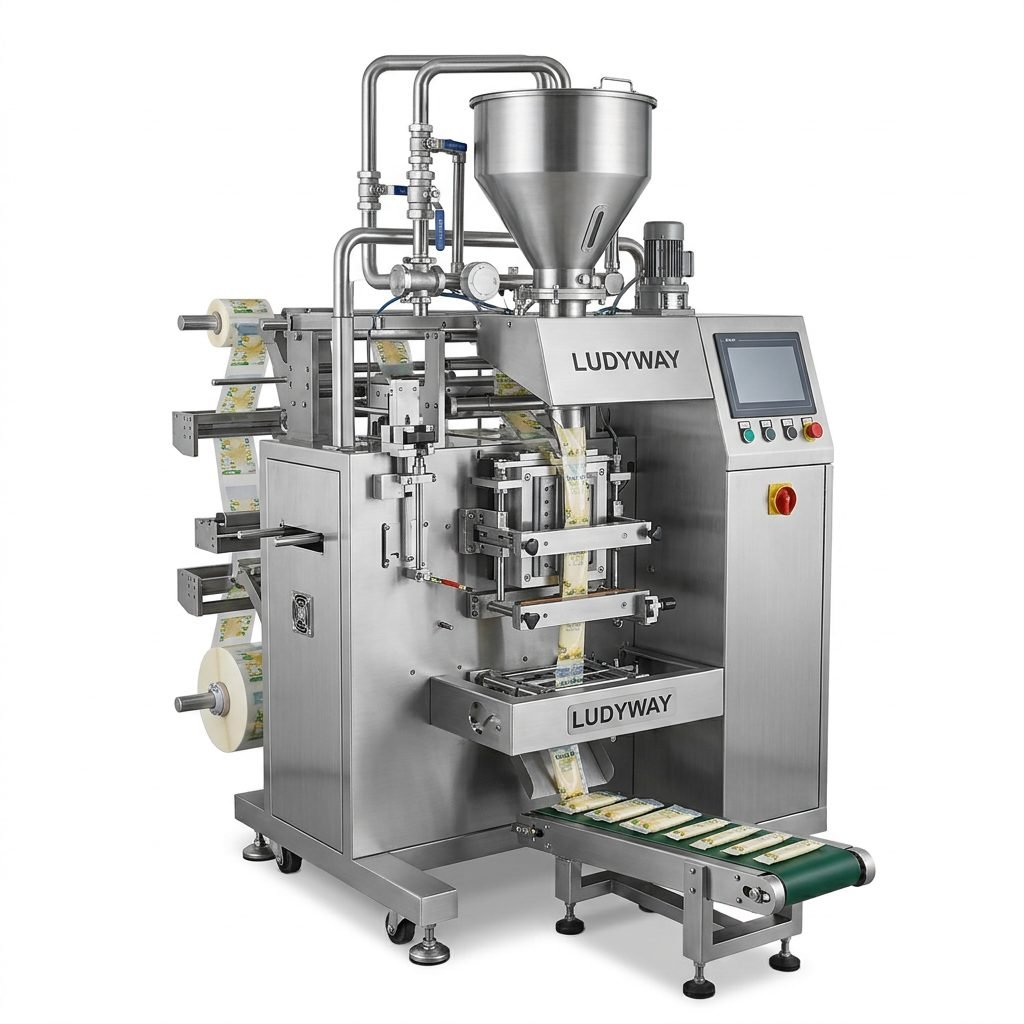
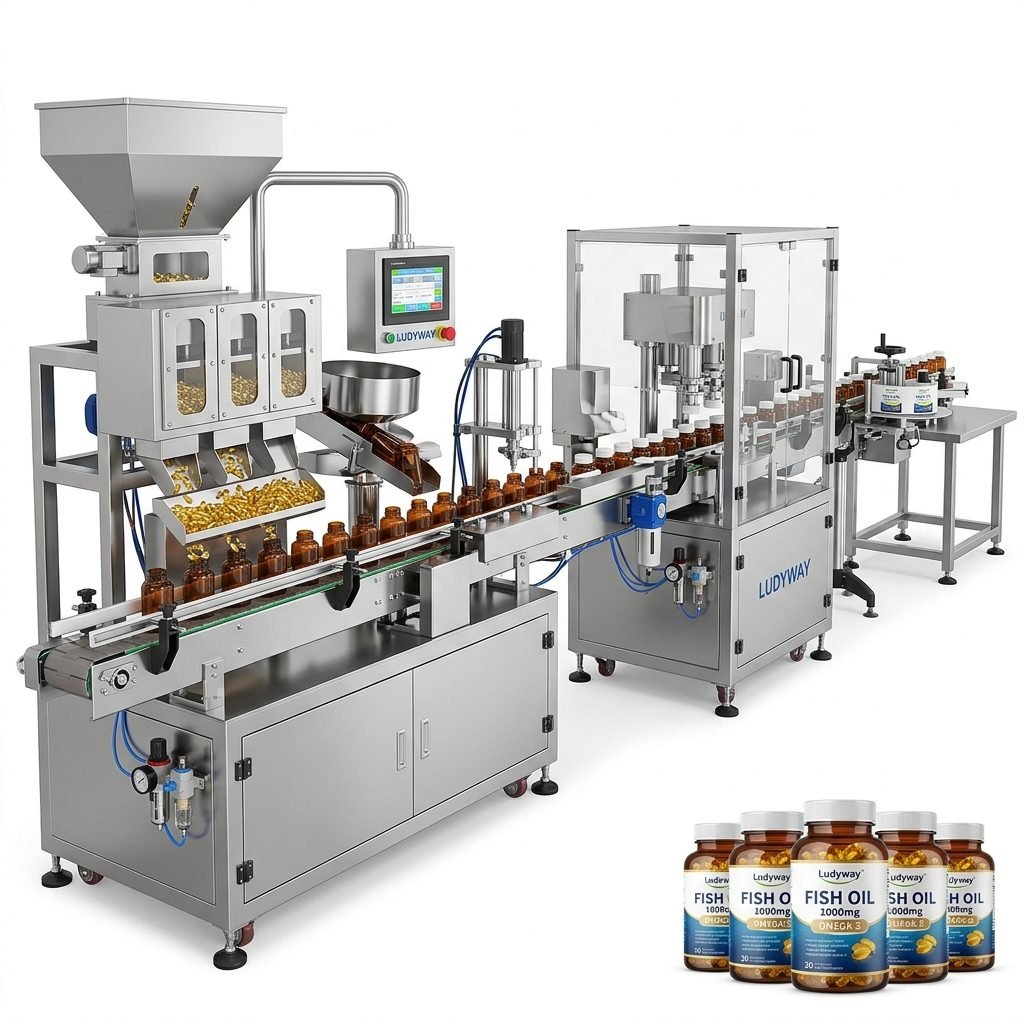
A strong supplier should offer more than just equipment. Look for a manufacturer with solid production experience, customization capability, and global service support. For companies that also need broader automation beyond blister systems, Ludyway packaging machine solutions are often considered by international buyers seeking scalable machinery, turnkey packaging lines, and long-term technical support across food, pharmaceutical, health supplement, and related industries.
Supplier checklist
- Years of manufacturing experience
- Export and project delivery capability
- Machine customization options
- Testing and quality inspection process
- Documentation and certification support
- Availability of spare parts and service team
Who Should Buy a Blister Packing Machine?
A blister packing machine is a smart investment if your products need individual protection, retail presentation, dose accuracy, or tamper-evident packaging. It is especially valuable for growing pharmaceutical and healthcare businesses aiming to improve packaging quality, production efficiency, and compliance readiness.
Final Selection Checklist
| Checklist Item | Why It Is Important |
|---|---|
| Product compatibility | Ensures proper forming, feeding, and sealing |
| Production speed | Matches your output targets and growth plan |
| Material barrier level | Protects sensitive products better |
| Tooling flexibility | Supports multiple SKUs and future expansion |
| Automation integration | Improves labor efficiency and line performance |
| Service support | Reduces downtime and ownership risk |
By comparing machine type, sealing quality, automation level, compliance support, and supplier reliability, you can choose a blister packing machine that fits your application today and supports your production goals in the future.