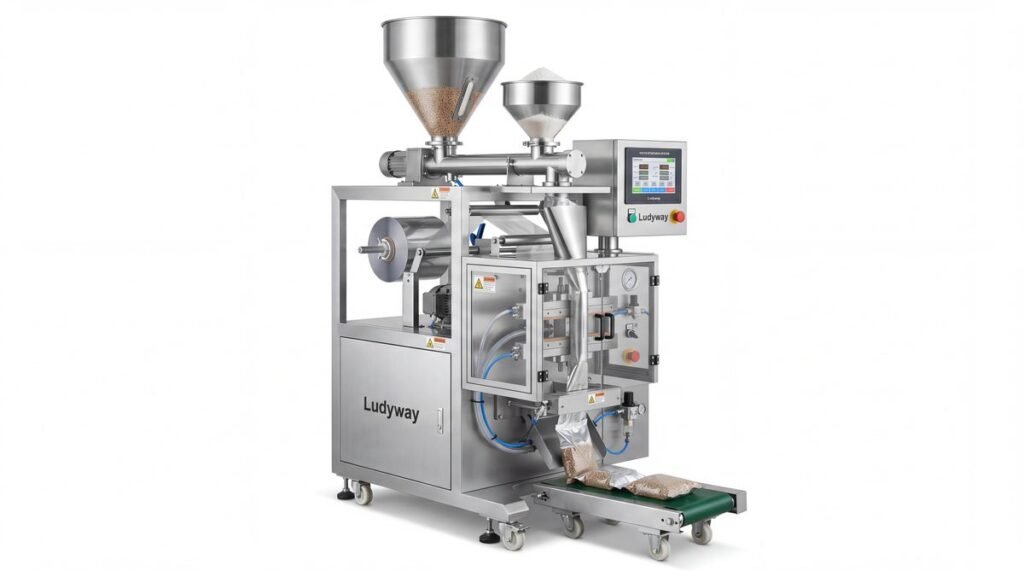
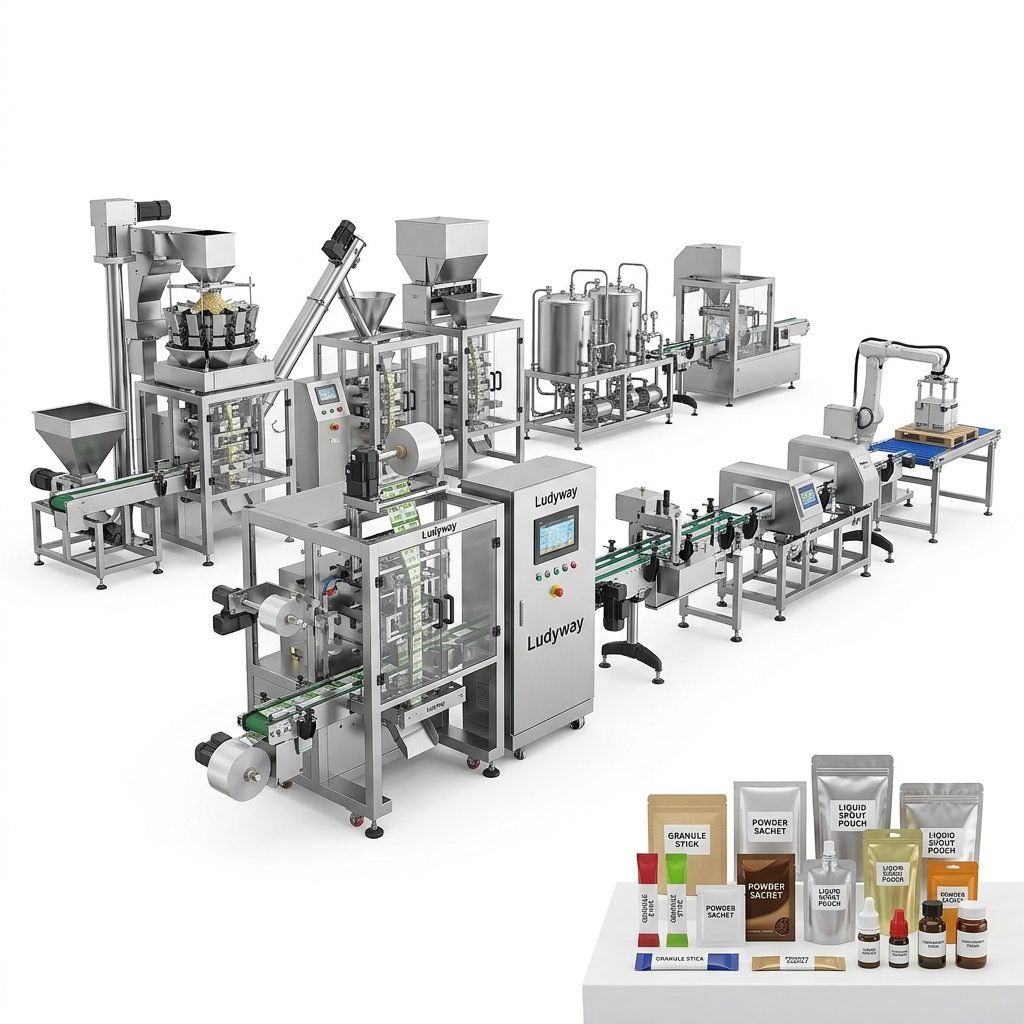
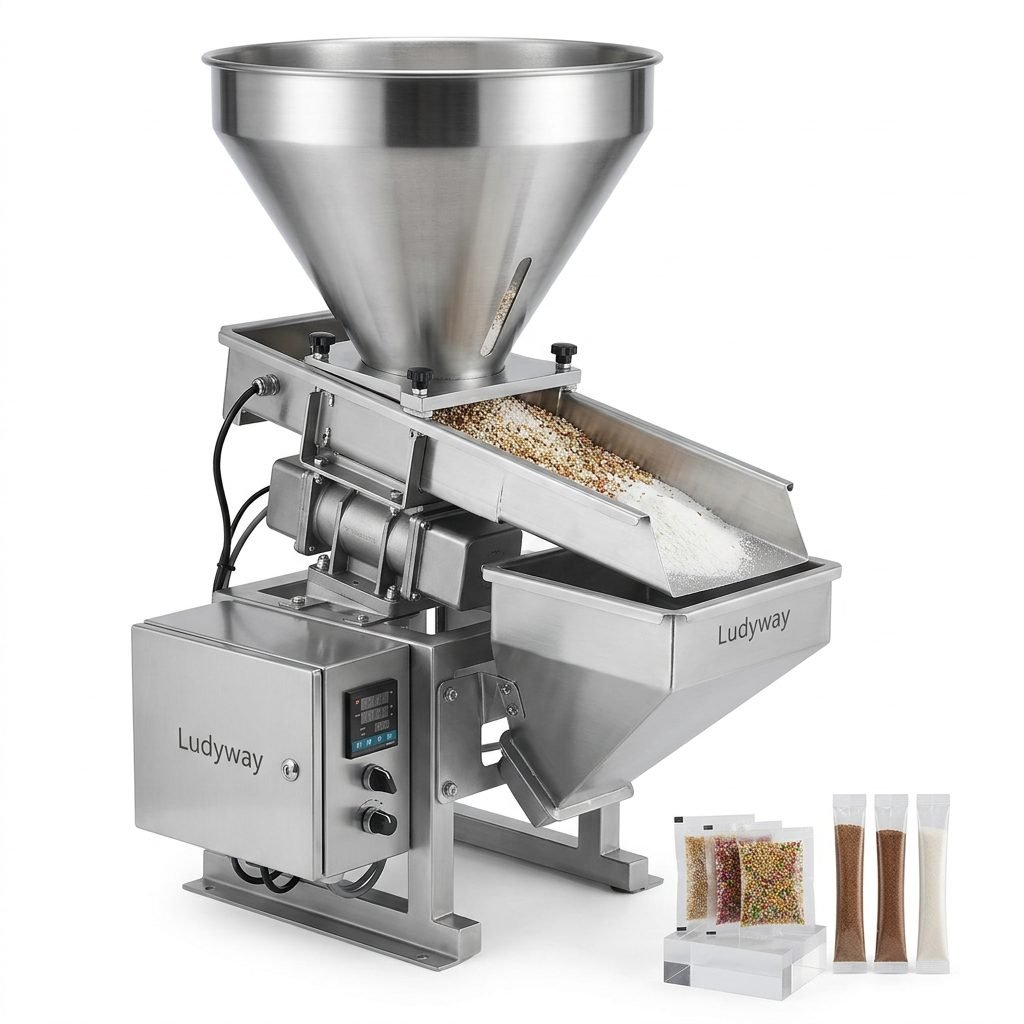
Italy is one of Europe’s most dynamic markets for food processing and packaging machinery. Whether you are a small artisan producer of pasta, olive oil, or specialty cheeses, or a large-scale industrial food manufacturer, selecting the right meal packaging machine can significantly impact your product quality, shelf life, and operational efficiency. This guide covers everything you need to know before making a purchase, from machine types and technical specifications to regulatory requirements and supplier evaluation.
Why Invest in a Meal Packaging Machine in Italy?
Italy’s food sector is globally recognized for its quality standards and innovation. The demand for packaged meals, ready-to-eat products, and portion-controlled ingredients has surged, driven by changing consumer lifestyles and export opportunities. According to PMMI’s 2025 State of the Industry report, the food packaging machinery sector continues to see robust growth across Europe, with Italy being a key manufacturing hub.
Investing in a modern packaging machine allows you to achieve higher throughput, consistent seal integrity, extended shelf life, and reduced labour costs. Italian food brands looking to export must also meet stringent international packaging standards, making the choice of machinery even more critical.
Types of Meal Packaging Machines
Understanding the various machine types is the first step toward a smart investment. The table below summarizes the most common categories relevant to the Italian food industry:
| Machine Type | Best For | Key Advantage |
|---|---|---|
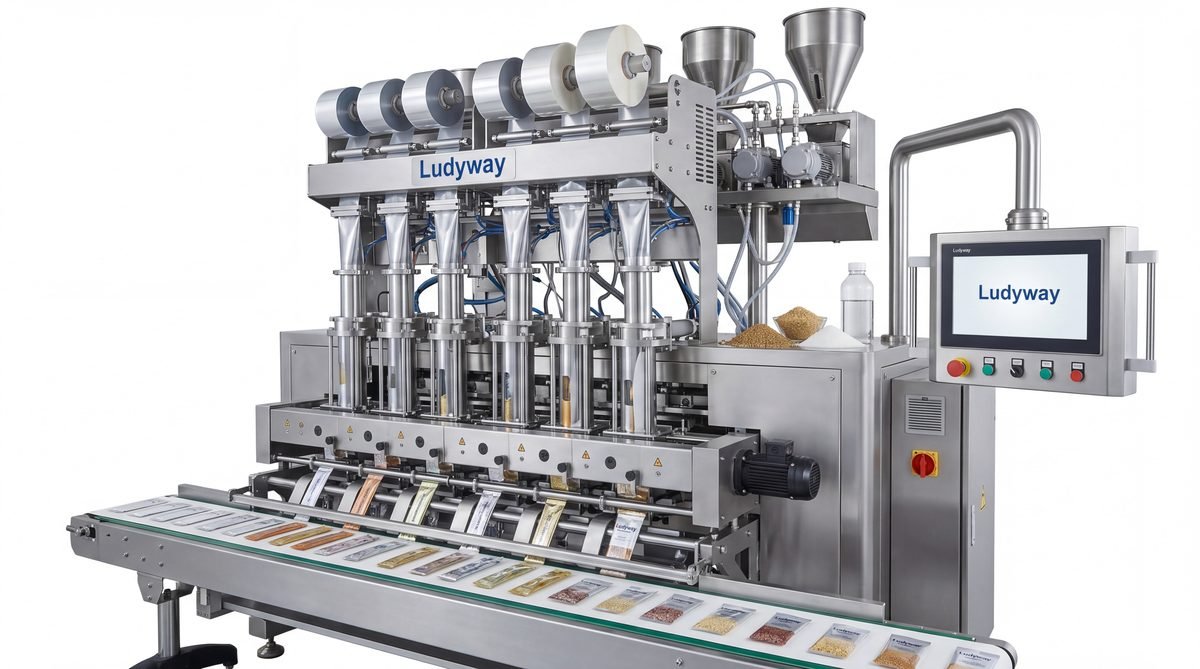
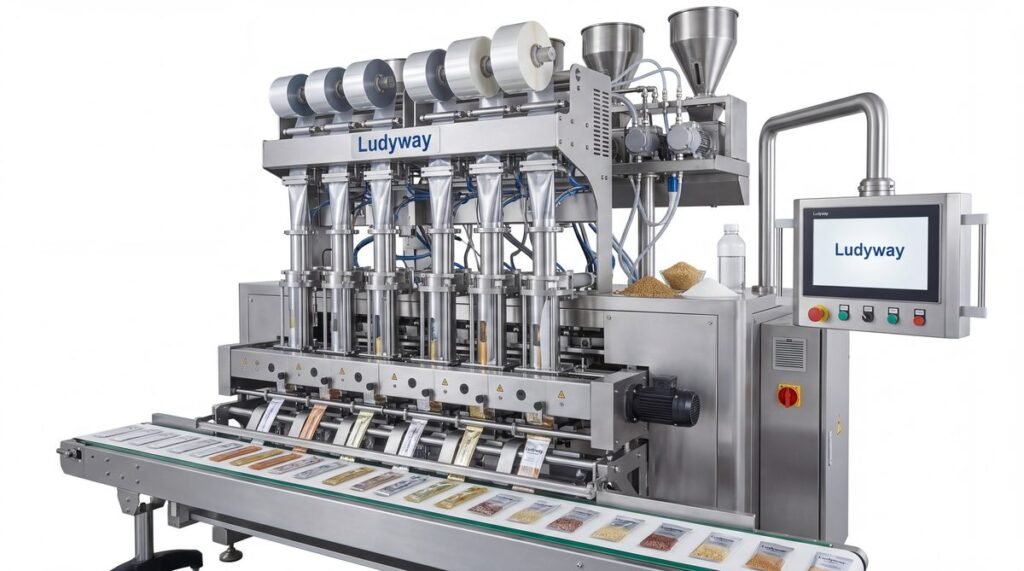
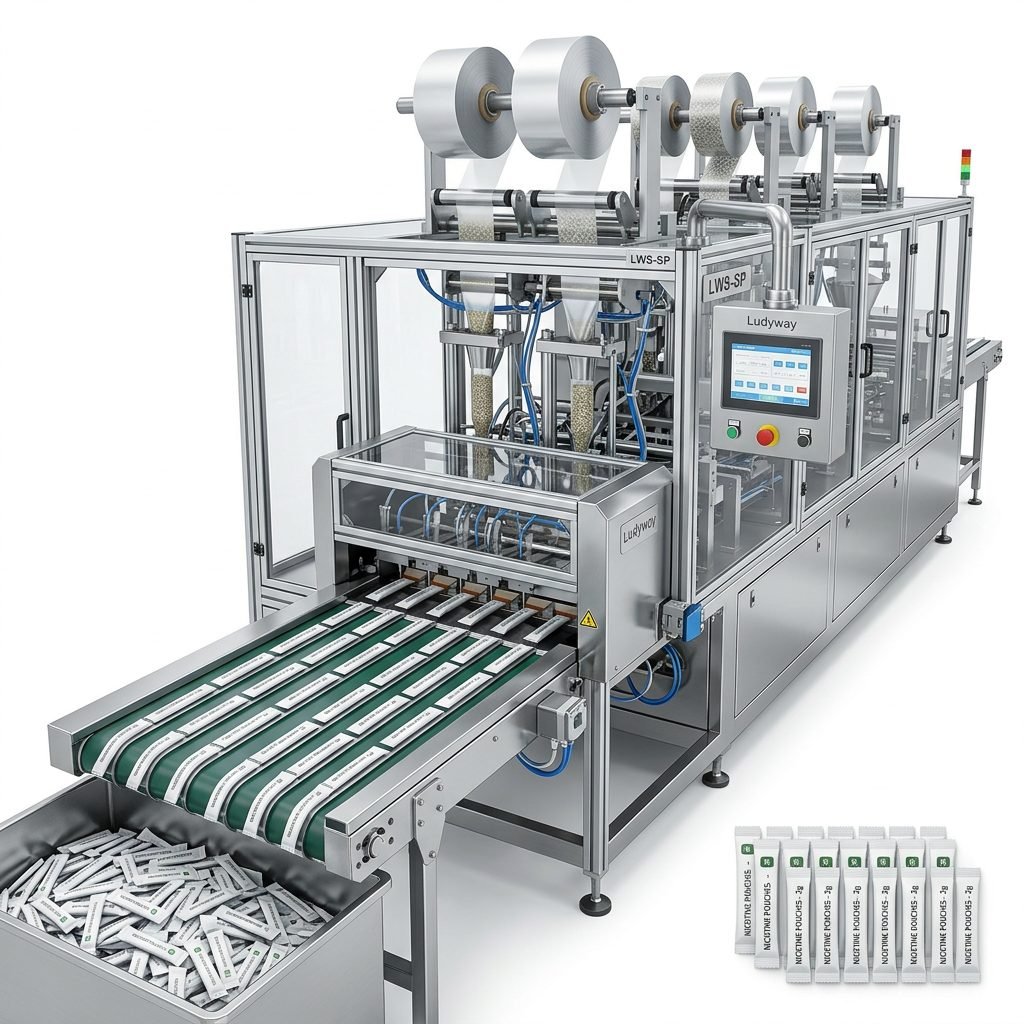
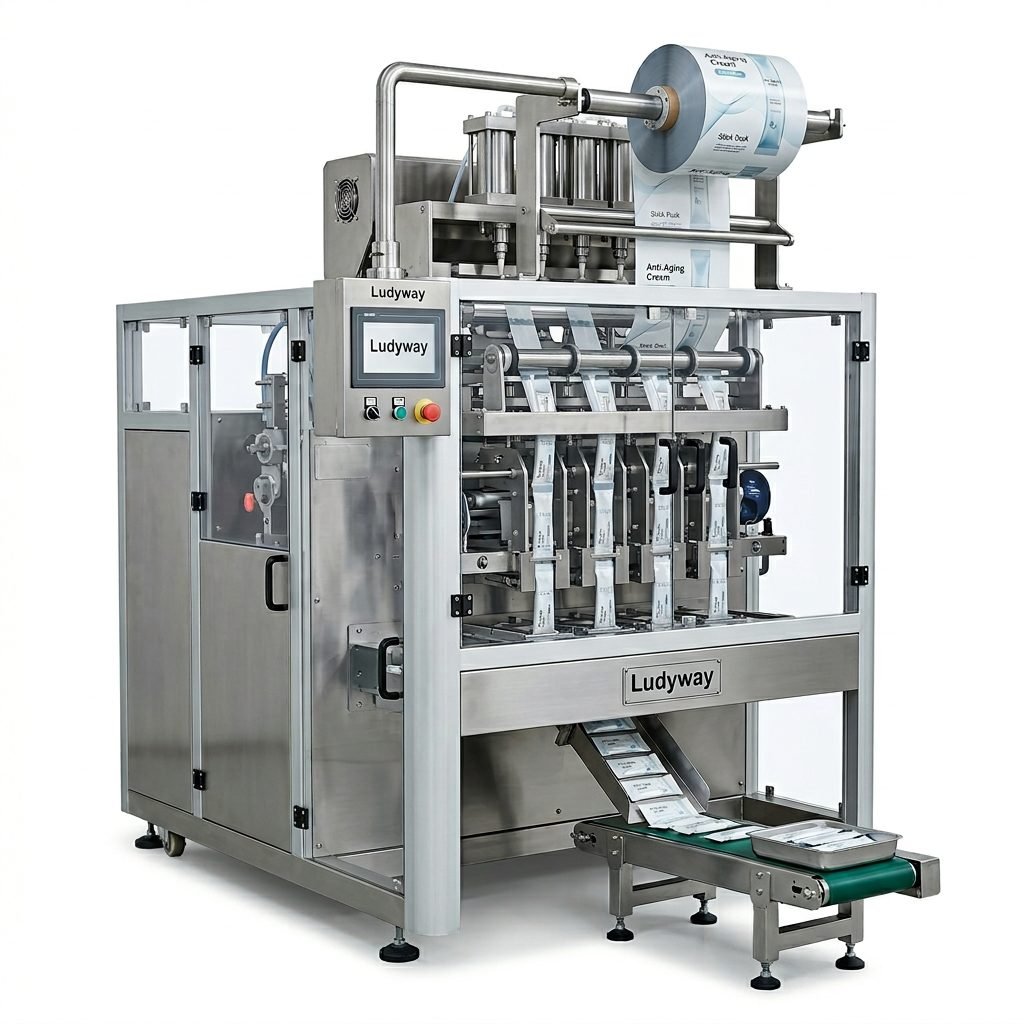
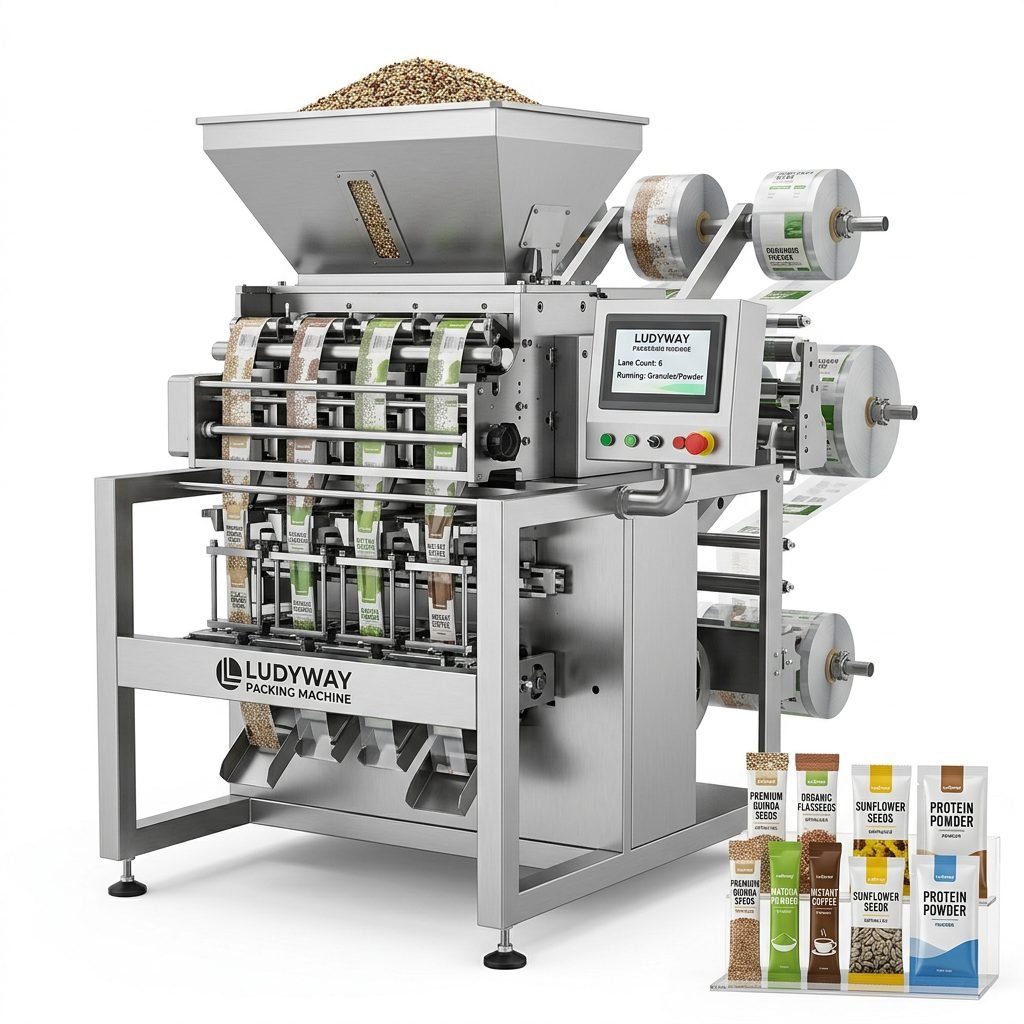
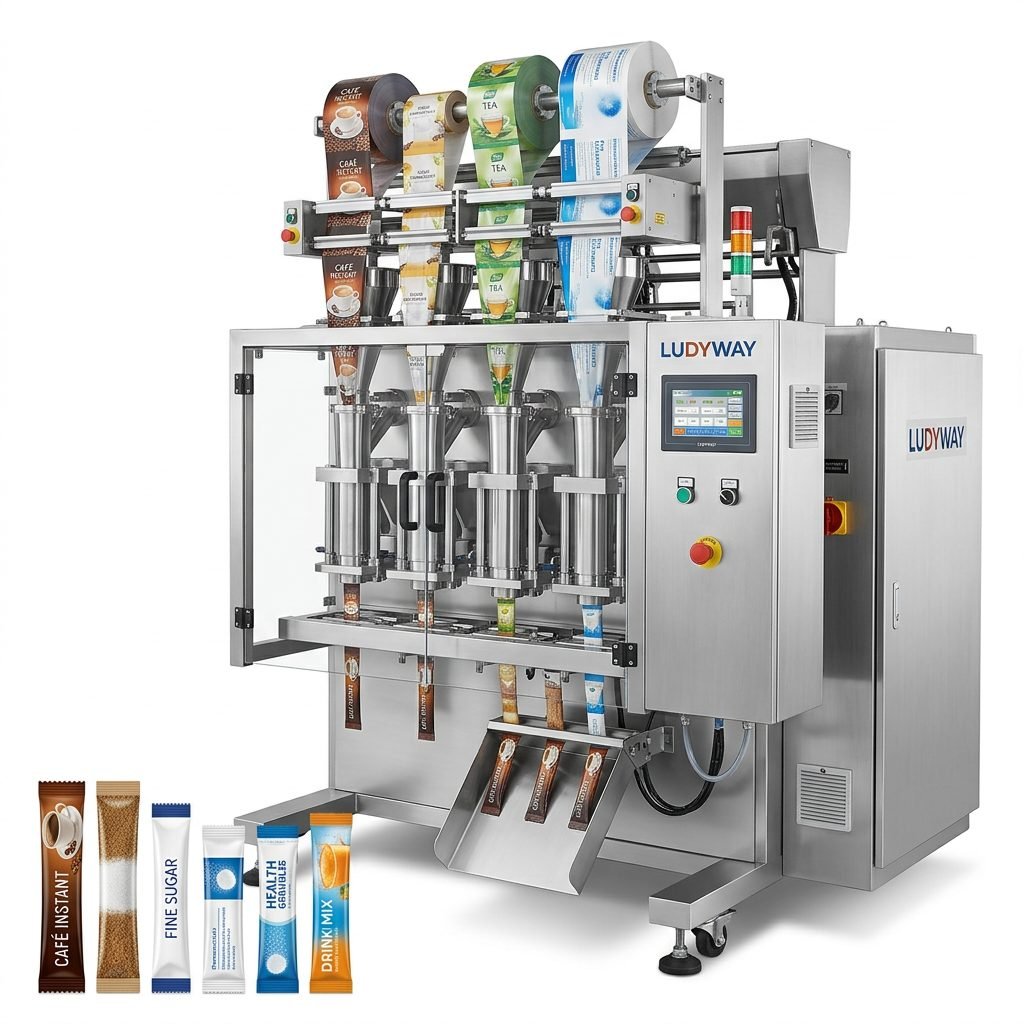
| Multi-Lane Stick Pack Machines | Powdered meals, sugar, coffee, protein shakes, seasoning mixes | High-speed output with precise portion control |
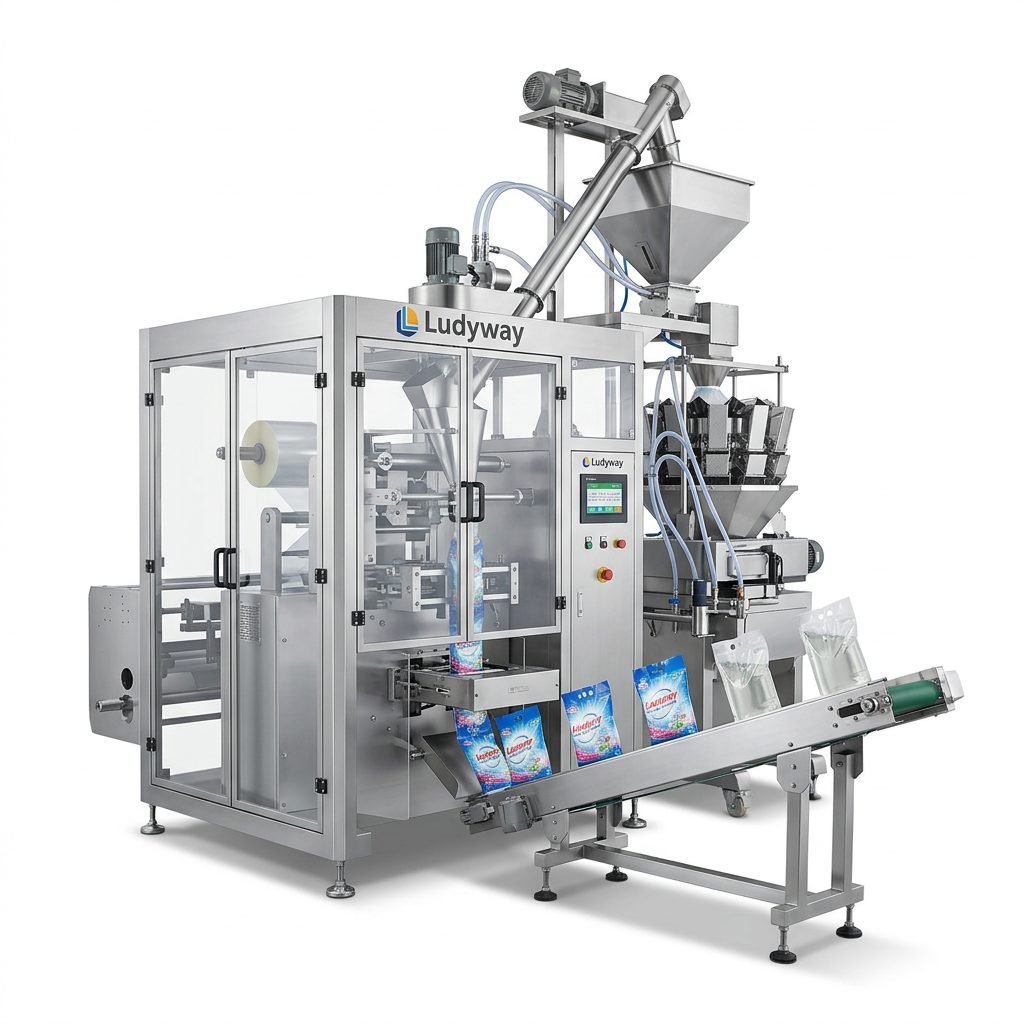
| Sachet Packaging Machines | Sauces, dressings, olive oil, single-serve condiments | Versatile for liquid, paste, and granule products |
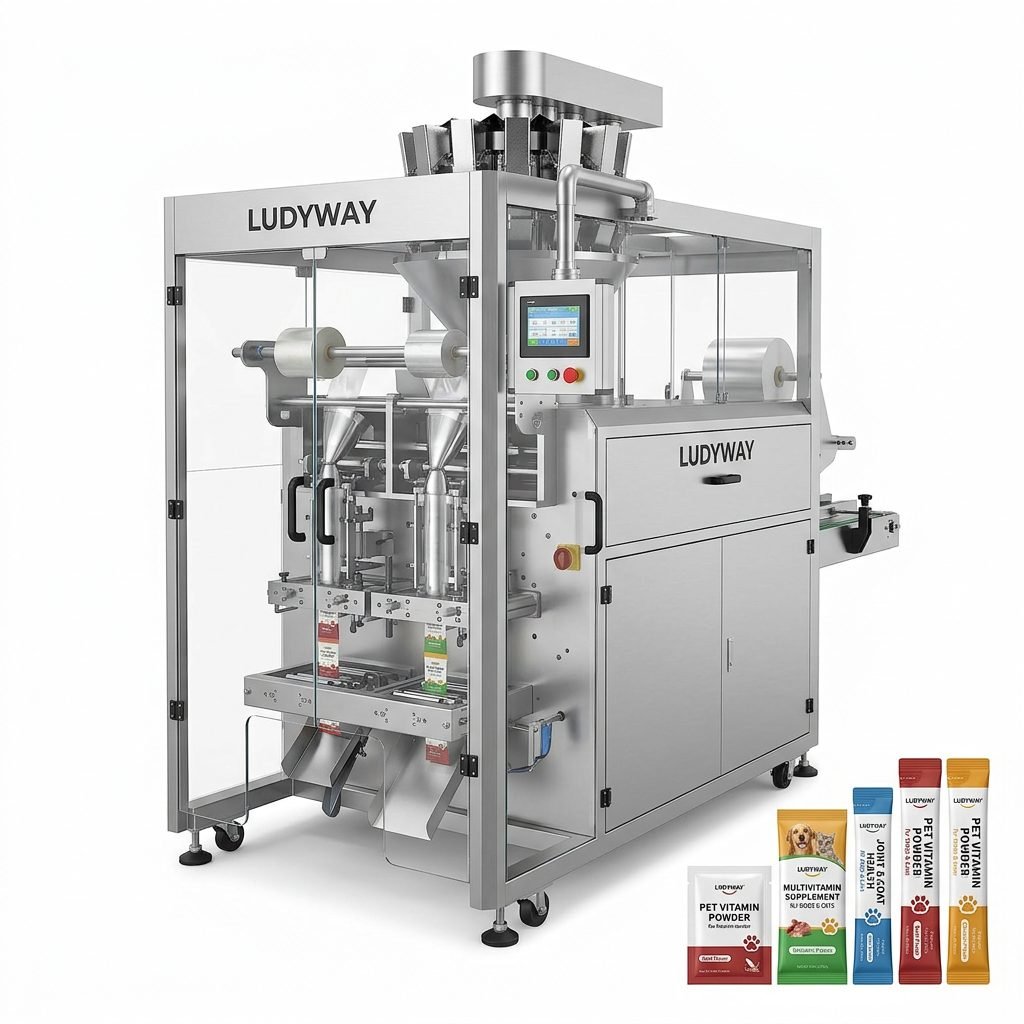
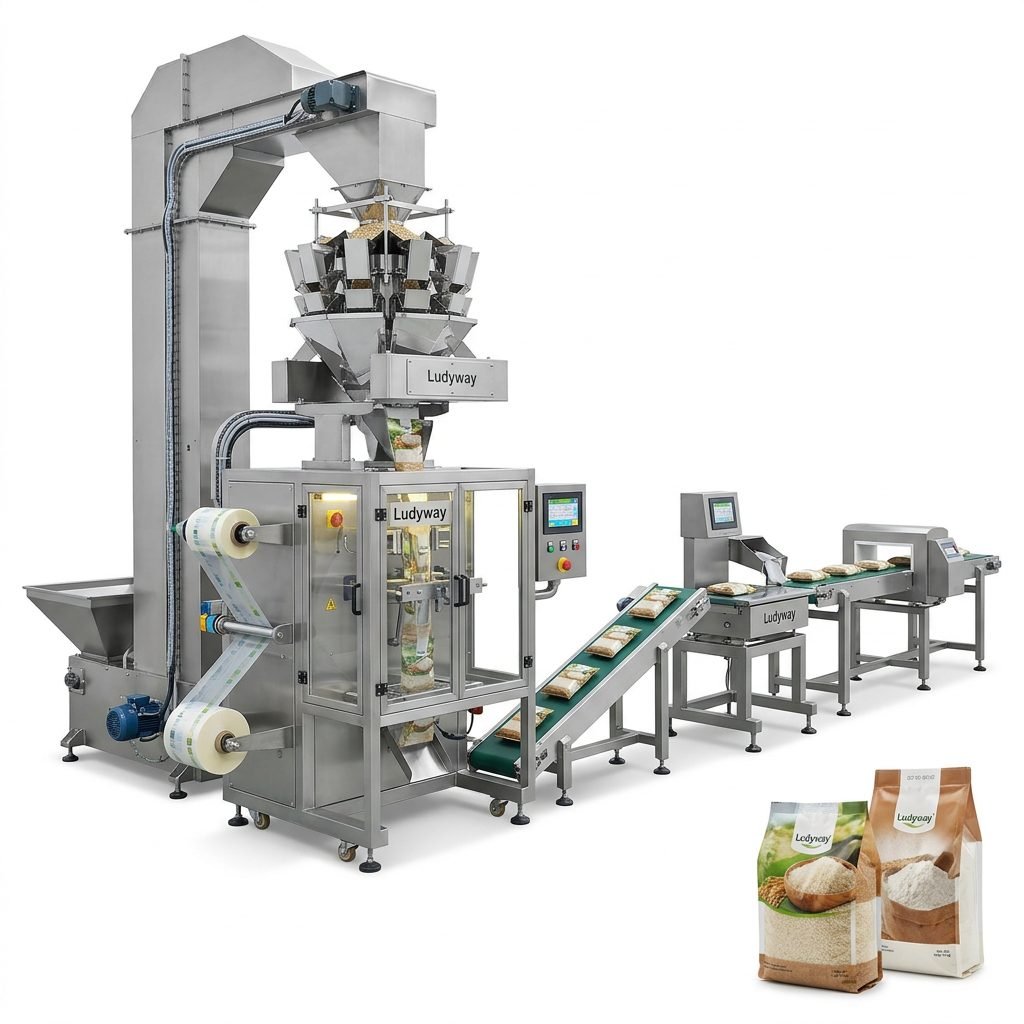
| Pouch Packaging Systems | Ready meals, frozen foods, pasta, grated cheese | Durable packaging with extended shelf life |
| Vacuum Packaging Machines | Cured meats, cheese, seafood, freeze-dried meals | Superior preservation and freshness retention |
| Tray Sealing Machines | Fresh pasta, pre-cooked meals, deli products | Modified atmosphere packaging (MAP) compatibility |
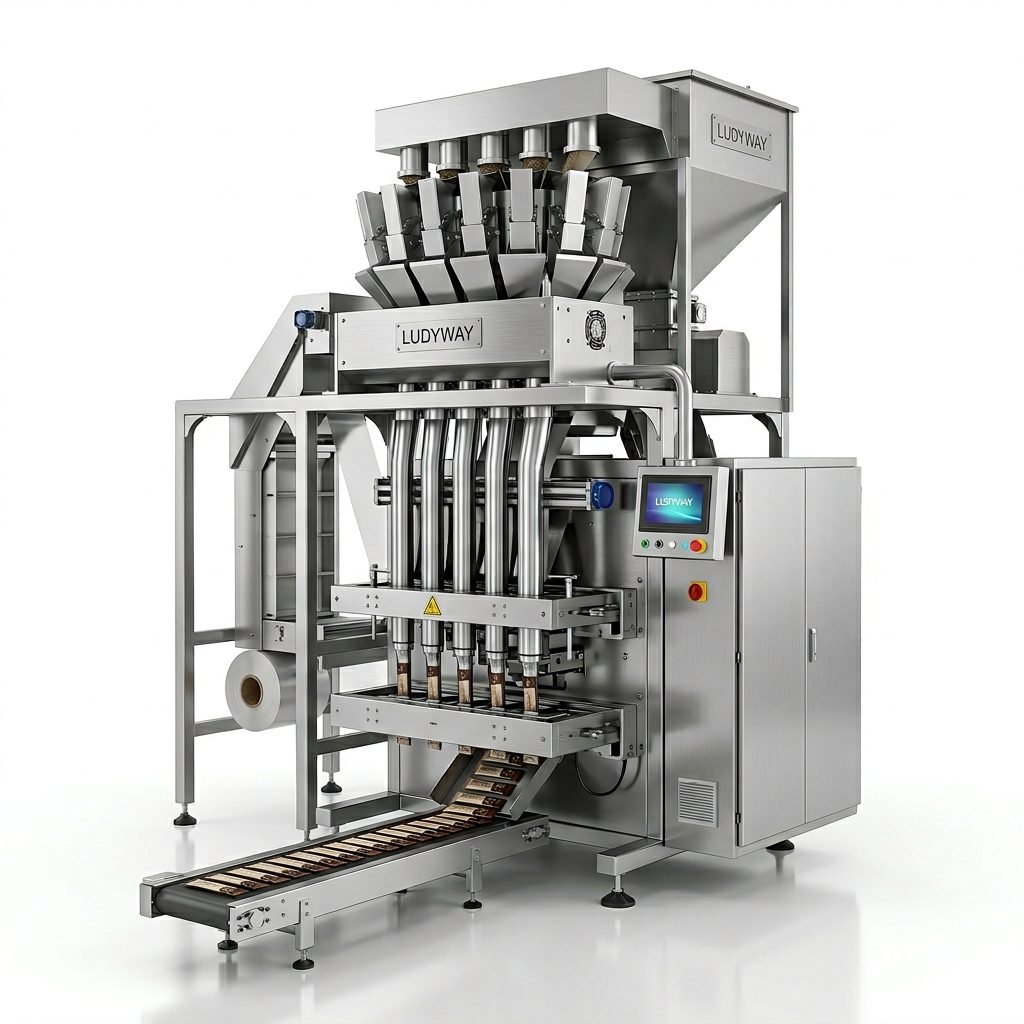
Multi-Lane Stick Pack Machines for Powdered Meals
Stick pack machines have become increasingly popular among Italian producers of instant coffee, protein powders, and meal replacement shakes. These systems can produce hundreds of individual stick packs per minute, making them ideal for companies targeting both domestic retail and international export markets. The compact format is also appealing to consumers seeking convenience and controlled portion sizes.
Sachet and Pouch Packaging for Liquid Meals
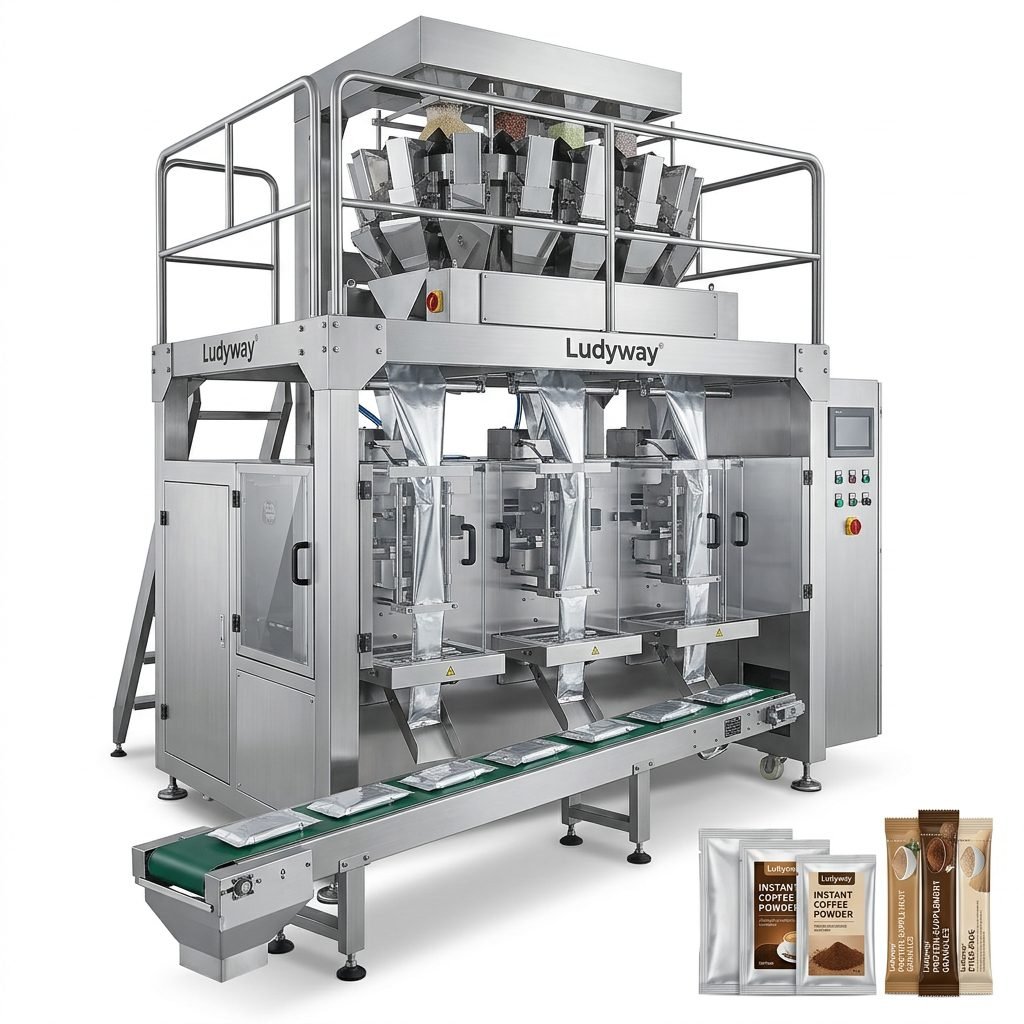
For sauces, soups, olive oil, and ready-to-eat liquid meals, sachet and pouch packaging machines offer excellent flexibility. Many models support multi-lane configurations, enabling simultaneous production of multiple sachets. This dramatically increases throughput while maintaining consistent fill accuracy and seal quality. Flexible packaging also reduces material usage compared to rigid containers, aligning with Flexible Packaging Association sustainability guidelines.
Key Factors to Consider Before Buying
Selecting the right meal packaging machine involves careful evaluation of several critical factors. Making the right choice at the outset can save significant costs and operational headaches down the line.
- Production Volume: Determine your current and projected daily output requirements. A machine that meets today’s demand may become a bottleneck in two years. Choose a system with scalable capacity that can grow with your business.
- Product Characteristics: The physical properties of your meal product — whether it is a free-flowing granule, sticky powder, viscous liquid, or delicate solid pieces — will dictate the appropriate filling mechanism and machine configuration. Always test your product on the machine before finalizing the purchase.
- Packaging Material Compatibility: Italian food manufacturers often work with a variety of flexible films, laminates, and biodegradable materials. Ensure the machine supports your preferred packaging substrates without excessive wear or sealing issues.
- Automation Level: From semi-automatic to fully integrated turnkey lines with auto-feeding, weighing, filling, sealing, coding, and cartoning, the level of automation affects both capital investment and long-term labour costs.
- Maintenance and After-Sales Support: Reliable technical support and readily available spare parts are essential, especially for Italian producers operating on tight production schedules. Evaluate the supplier’s service network within the European Union.
- Certifications and Compliance: Ensure the machine meets ISO packaging standards and relevant FDA food contact substance regulations if you plan to export to North America. European manufacturers must also comply with EU Packaging and Packaging Waste regulations.
Understanding Italian and EU Packaging Regulations
Italy, as a member state of the European Union, adheres to comprehensive packaging regulations that directly influence machine selection. The EU’s Packaging and Packaging Waste Directive sets targets for recycling and waste reduction, encouraging the use of recyclable and reusable materials. When purchasing a meal packaging machine, verify that it can handle eco-friendly materials that comply with these evolving standards.
Food contact materials must meet EU Regulation (EC) No 1935/2004, which ensures that packaging does not transfer harmful substances to food. Machines designed with stainless steel contact parts and hygienic configurations help meet these requirements effortlessly. For detailed guidance, refer to the Flexible Packaging Association’s regulatory affairs resources.
Key Regulatory Checklist
- CE marking compliance for machinery sold within the European Economic Area
- Hygienic design conforming to EU food safety directives
- Compatibility with approved food-grade packaging materials
- Energy efficiency and environmental performance documentation
- Traceability and serialization capabilities for export markets
Comparing Suppliers: Local vs. International
Italian buyers have the advantage of choosing between established local manufacturers and reputable international suppliers. Italian packaging machine builders are renowned for their engineering excellence, particularly in the food sector. However, international manufacturers often offer competitive pricing, broader product ranges, and extensive experience across diverse global markets.
Pro Tip: Visit trade shows like PACK EXPO International to compare machines from multiple suppliers in person. Observing equipment in operation and discussing your specific requirements directly with engineers can significantly inform your decision. Leading global manufacturers such as Ludyway, with over 30 years of industry expertise and a 20,000㎡ modern production facility, serve customers in over 100 countries and offer advanced multi-lane stick pack, sachet, and fully automated packaging systems suitable for various meal applications. You can learn more about global packaging machinery growth trends and export projections from recent industry analyses.
Cost Considerations and Return on Investment
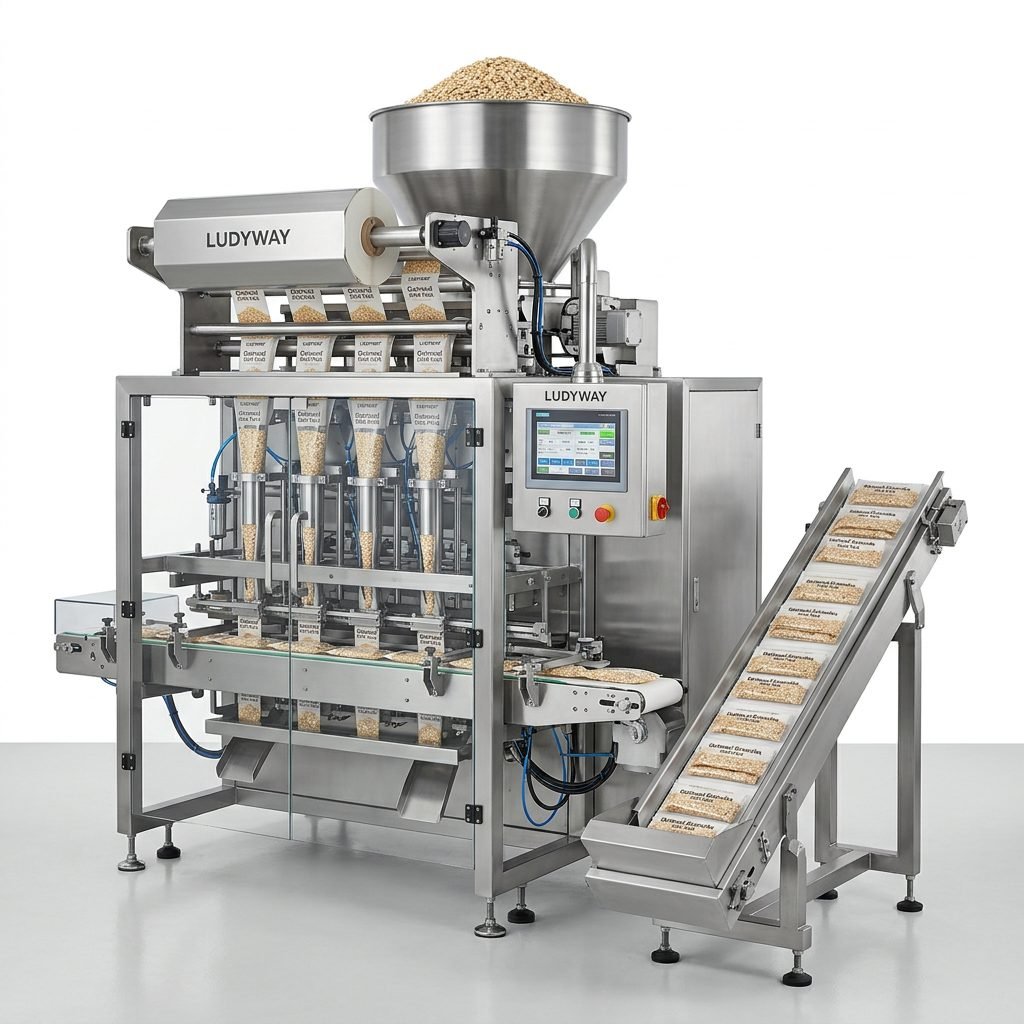
The price of a meal packaging machine varies widely based on configuration, automation level, and brand. A basic semi-automatic sachet machine may start around €10,000 to €25,000, while fully automated multi-lane stick pack lines can range from €50,000 to over €250,000 depending on speed, features, and customization. While the initial investment can be substantial, the long-term benefits often justify the expenditure.
Factors That Influence Machine Cost
- Number of lanes: More lanes mean higher output but also a higher price point
- Filling technology: Auger fillers, volumetric fillers, multi-head weighers, and liquid pumps each have different cost profiles
- Integration level: Standalone machines are more affordable than fully integrated turnkey lines
- Customization: Tailored solutions for unique product characteristics add to development and manufacturing costs
- Warranty and service packages: Extended warranties and comprehensive service agreements add upfront costs but reduce long-term risk
To estimate your potential return on investment, calculate current labour costs, material waste rates, and production throughput, then compare these figures against the projected performance of the new machine. Many food manufacturers report full payback within 12 to 24 months after upgrading to automated packaging equipment.
Steps to a Successful Purchase
Follow this structured approach to ensure you select the best meal packaging machine for your Italian production facility:
- Define Your Requirements: Document your product range, target output, packaging format preferences, and budget constraints. Include future growth projections to avoid outgrowing the machine prematurely.
- Research Available Technologies: Review the latest innovations in packaging machinery, including servo-driven systems, smart sensors, and IoT-enabled monitoring. Industry reports from PMMI’s Business Intelligence Library offer valuable market insights.
- Request Product Testing: Send samples of your meal products to prospective suppliers for trial runs. Evaluate fill accuracy, seal integrity, production speed, and ease of changeover under real operating conditions.
- Compare Quotations Thoroughly: Look beyond the purchase price. Assess warranty terms, spare parts availability, training provisions, and technical support responsiveness. A slightly higher upfront cost may translate to significantly lower total cost of ownership.
- Inspect Manufacturing Facilities: Whenever possible, visit the supplier’s production facility to evaluate their engineering quality, quality control processes, and overall operational standards.
- Negotiate Terms and Finalize: Secure favourable payment terms, delivery timelines, and installation support. Ensure all commitments are documented in a formal contract before proceeding.
Common Mistakes to Avoid
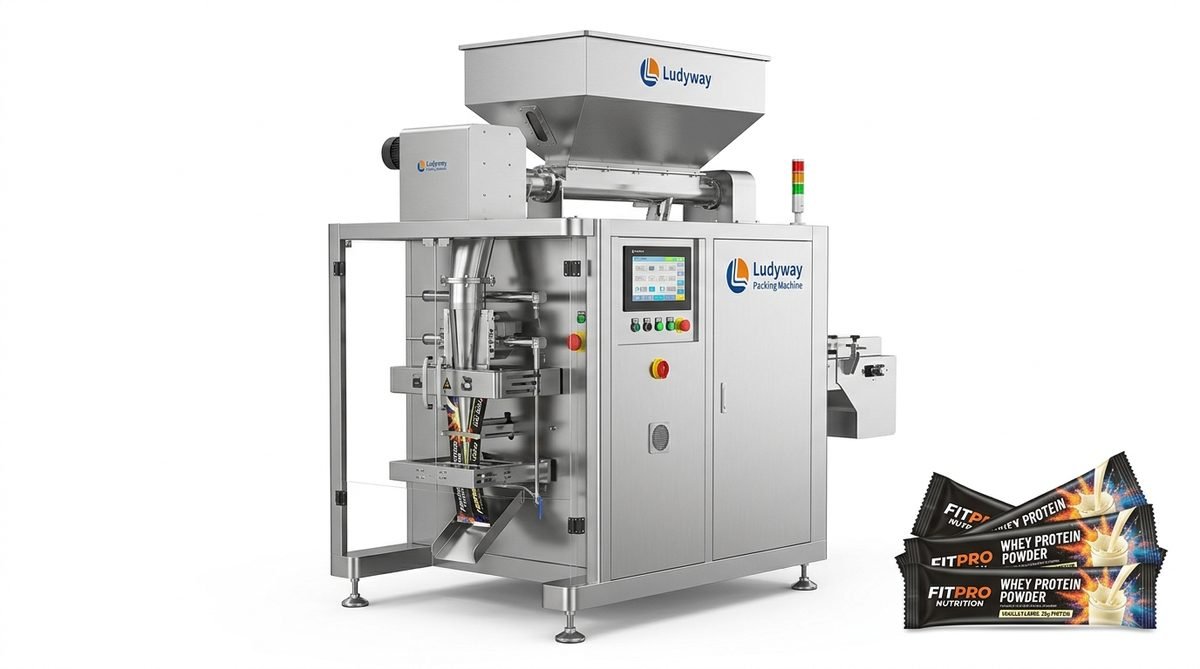
Even experienced food manufacturers can make costly errors when purchasing packaging machinery. Being aware of these pitfalls can help you navigate the process more effectively:
- Underestimating Future Capacity Needs: A machine that perfectly matches current production may quickly become inadequate as your brand grows. Always factor in at least 20-30% headroom for expansion.
- Overlooking Material Compatibility: Not all machines handle eco-friendly or specialty films equally well. Verify material compatibility during the testing phase to avoid production disruptions later.
- Ignoring Operator Training: Sophisticated machinery requires skilled operators. Budget for comprehensive training to maximize machine utilization and minimize downtime due to operator error.
- Choosing on Price Alone: The lowest-priced option often results in higher long-term costs through increased maintenance, slower production speeds, and inferior packaging quality. Evaluate total cost of ownership over the machine’s expected lifespan.
Future Trends in Meal Packaging
The meal packaging industry is evolving rapidly, driven by sustainability concerns, digital transformation, and changing consumer preferences. Smart packaging machines equipped with real-time monitoring, predictive maintenance alerts, and remote diagnostics are becoming increasingly common. These features help Italian food manufacturers optimize production efficiency and minimize unplanned downtime.
Sustainable packaging is another major trend reshaping the industry. Machines capable of processing biodegradable films, mono-material laminates, and recycled content materials are in high demand as brands respond to consumer expectations and regulatory pressures. The Flexible Packaging Association continues to provide valuable resources on sustainability trends and technological advancements in the packaging sector.
Additionally, the rise of e-commerce and direct-to-consumer meal delivery services is driving demand for packaging formats that balance product protection, visual appeal, and cost efficiency. Machines that offer quick changeover between different packaging formats provide a competitive advantage in this dynamic market environment.
Conclusion
Purchasing a meal packaging machine in Italy is a significant investment that requires thorough research, careful planning, and strategic decision-making. By understanding your product requirements, evaluating machine types, comparing suppliers, and staying informed about regulatory developments, you can select equipment that delivers exceptional performance and long-term value.
Whether you are packaging artisanal pasta, gourmet sauces, protein powders, or ready-to-eat meals, the right packaging machine will enhance your product quality, streamline your operations, and strengthen your competitive position in both the Italian market and international export channels. Keep pace with industry developments by regularly consulting resources such as the PMMI packaging industry resources and ISO packaging and distribution standards.