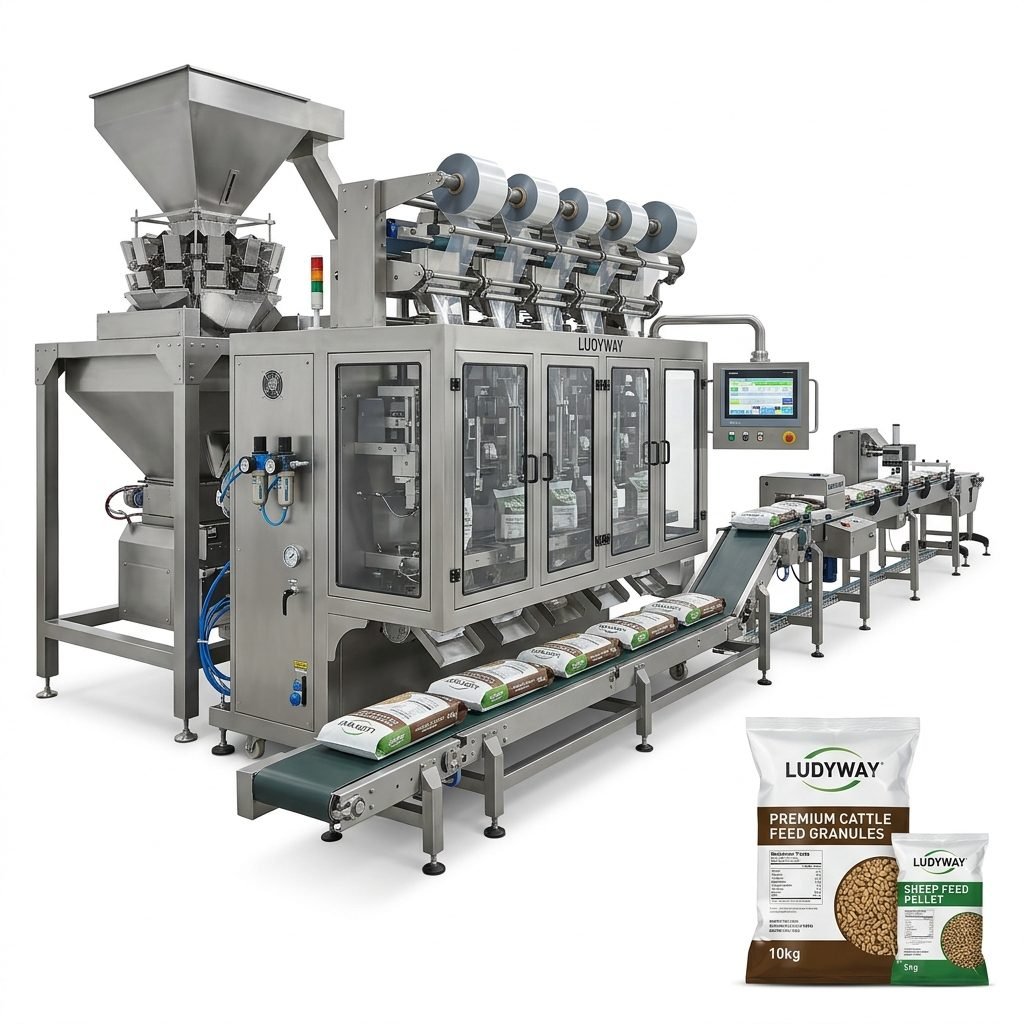
Understanding the Asian Coffee Packaging Market
The packaged coffee sector in Asia is expanding rapidly, driven by rising disposable incomes, urbanization, and a shift toward convenience consumption. Countries such as Vietnam, Indonesia, Japan, South Korea, and India are witnessing double-digit growth in demand for instant coffee sachets, stick packs, and single-serve pouches. Setting up a packaging production line in this region requires a clear understanding of local consumer preferences, retail formats, and distribution channels.
According to industry data from the PMMI Business Intelligence Library, Asia-Pacific accounts for a significant share of global flexible packaging machinery imports. The trend is fueled by the proliferation of small-format retail stores and e-commerce food delivery services that demand compact, shelf-ready packaging.
Key Market Drivers
- Rapid growth of single-serve coffee culture in urban centers
- Increasing demand for high-speed multi-lane packaging systems
- Strict food safety regulations pushing automated quality control
- Cost advantages of localized manufacturing and packaging
Key Components of a Coffee Packaging Production Line
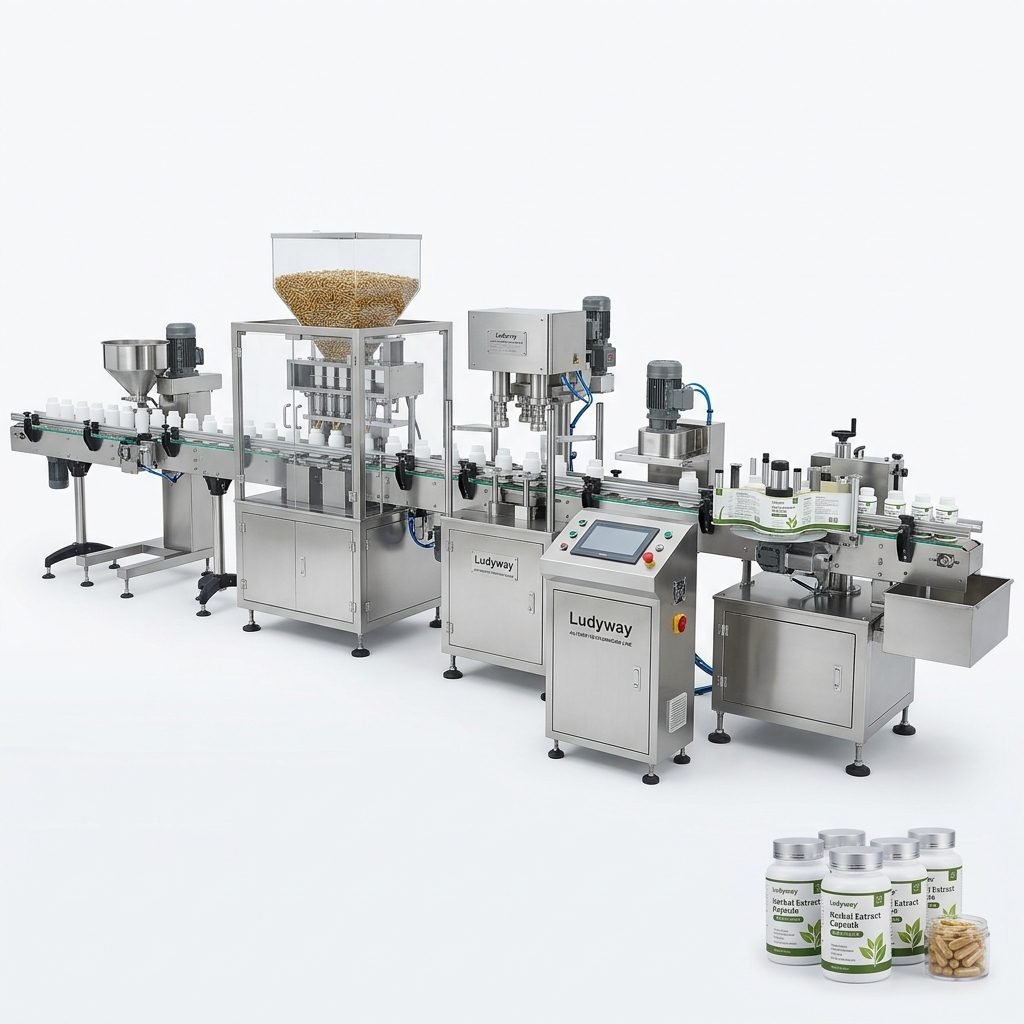
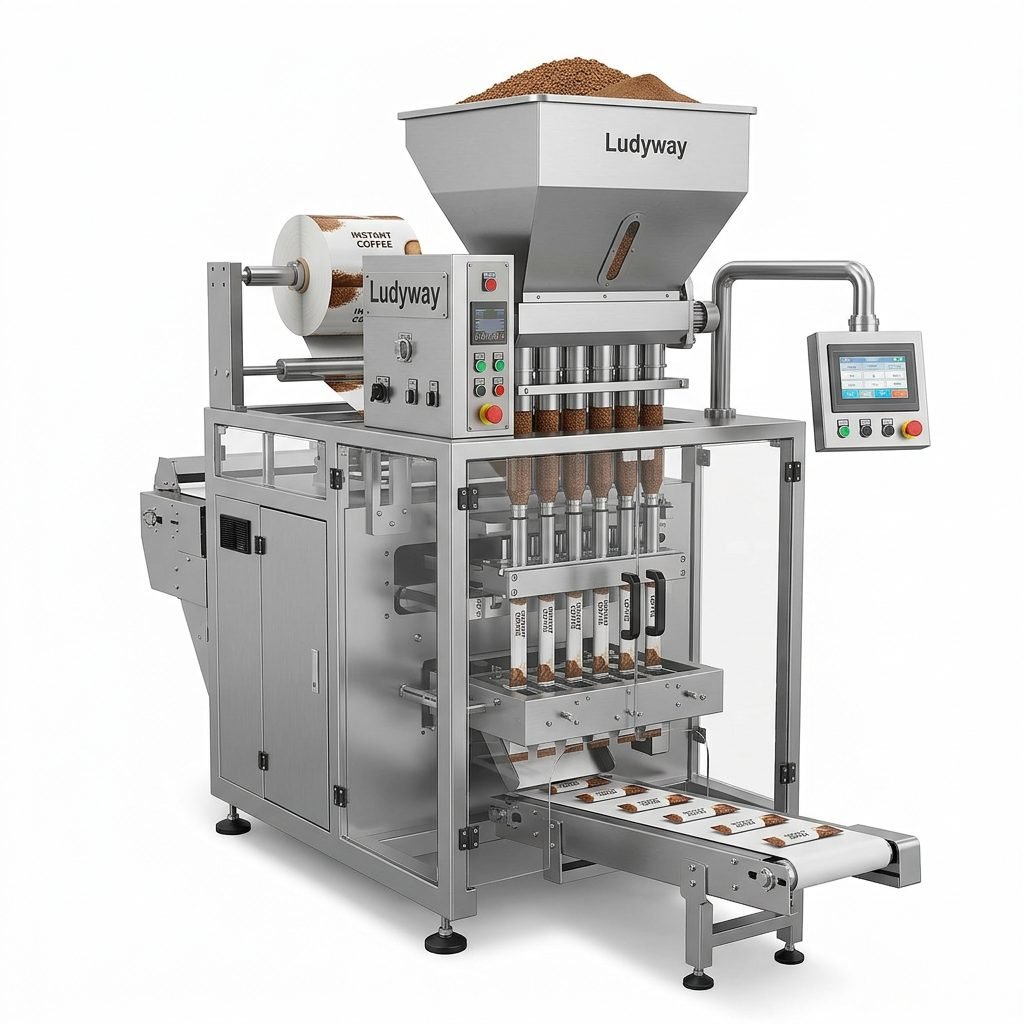
A complete coffee packaging system integrates multiple equipment modules that handle feeding, dosing, filling, sealing, coding, and cartoning. Understanding each component is essential for planning an efficient layout and avoiding production bottlenecks.
Core Equipment Modules
| Module | Function |
|---|---|
| Multi-Head Weigher | Precision dosing of granule or powder coffee |
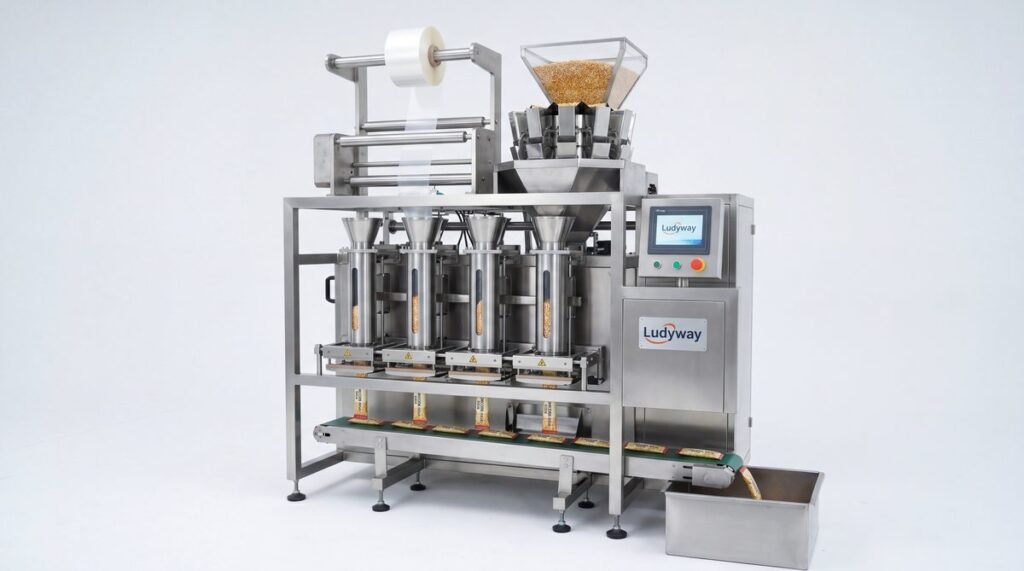
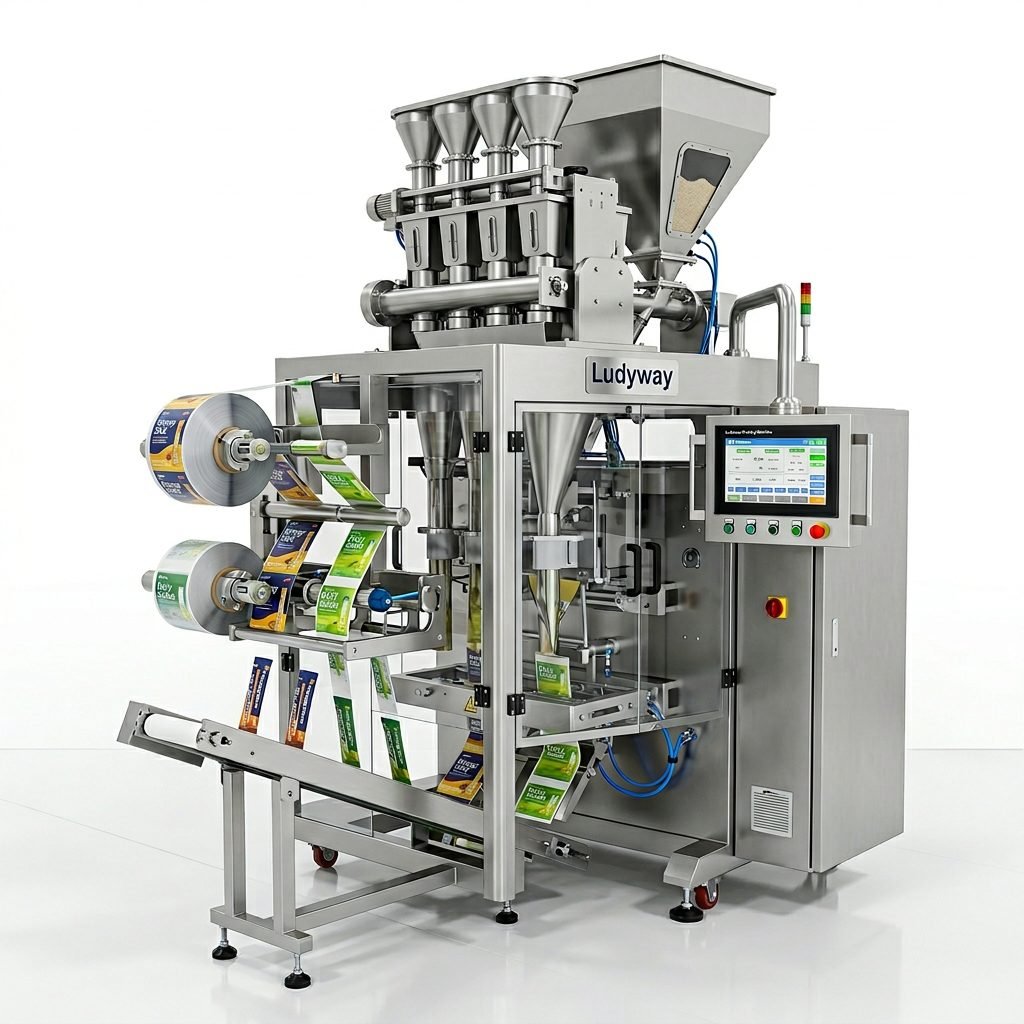
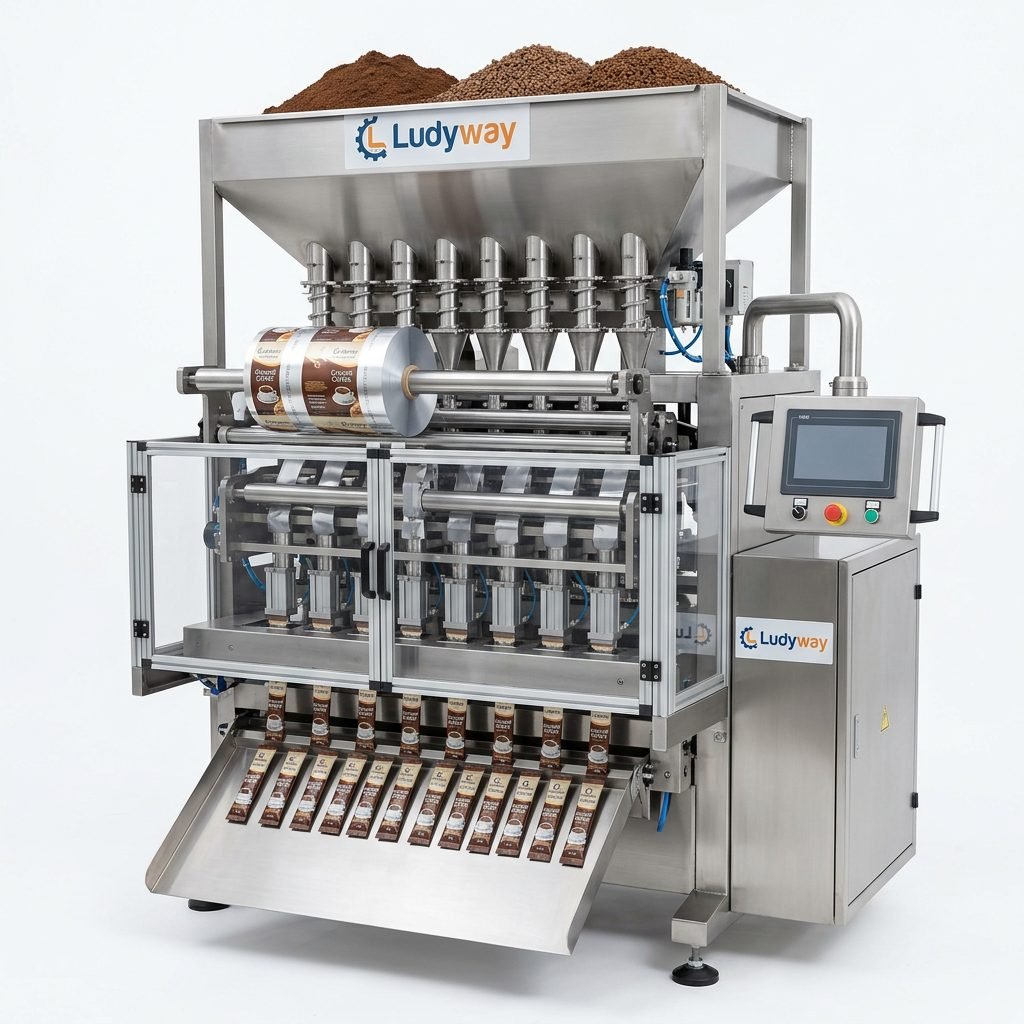
| Vertical Form-Fill-Seal Machine | Forms sachets or stick packs from roll film |
| Nitrogen Flushing System | Extends shelf life by reducing oxygen levels |
| Date Coding & Inspection | Batch coding, metal detection, and checkweighing |
| Cartoning & Case Packing | Secondary packaging for retail distribution |
Selecting the Right Packaging Machinery
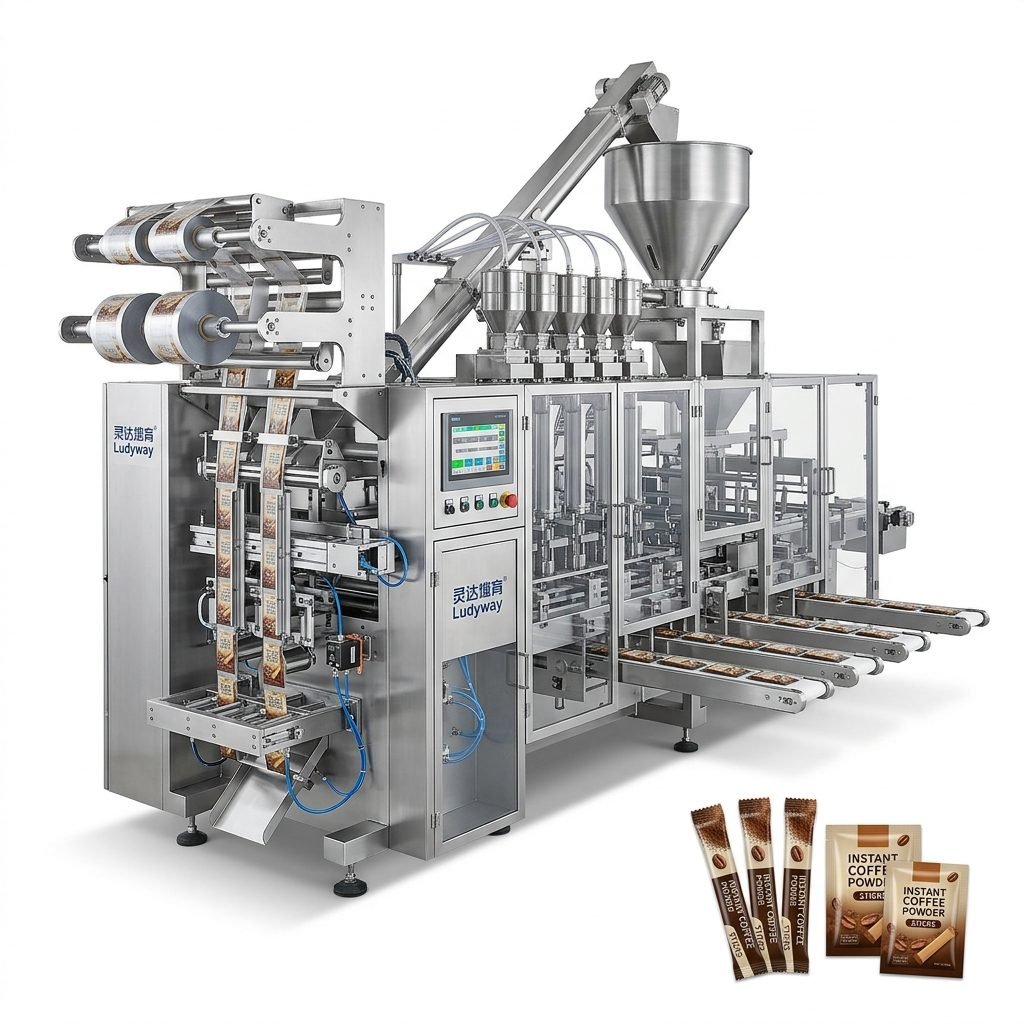
Choosing suitable equipment is the most critical decision when establishing a coffee packaging line in Asia. Manufacturers must evaluate production capacity, film material compatibility, automation level, and local service support. The PMMI packaging machinery standards provide excellent guidelines for equipment evaluation and specification comparison.
Machine Selection Checklist
- Production speed: Assess target output per minute across single-lane and multi-lane configurations
- Pack format flexibility: Sachet, stick pack, three-side-seal, or four-side-seal pouch compatibility
- Film material range: Aluminum foil laminate, metallized PET, or biodegradable films
- Automation integration: Compatibility with upstream feeding and downstream cartoning systems
- Regulatory compliance: CE, GMP, or ISO certification requirements for target markets
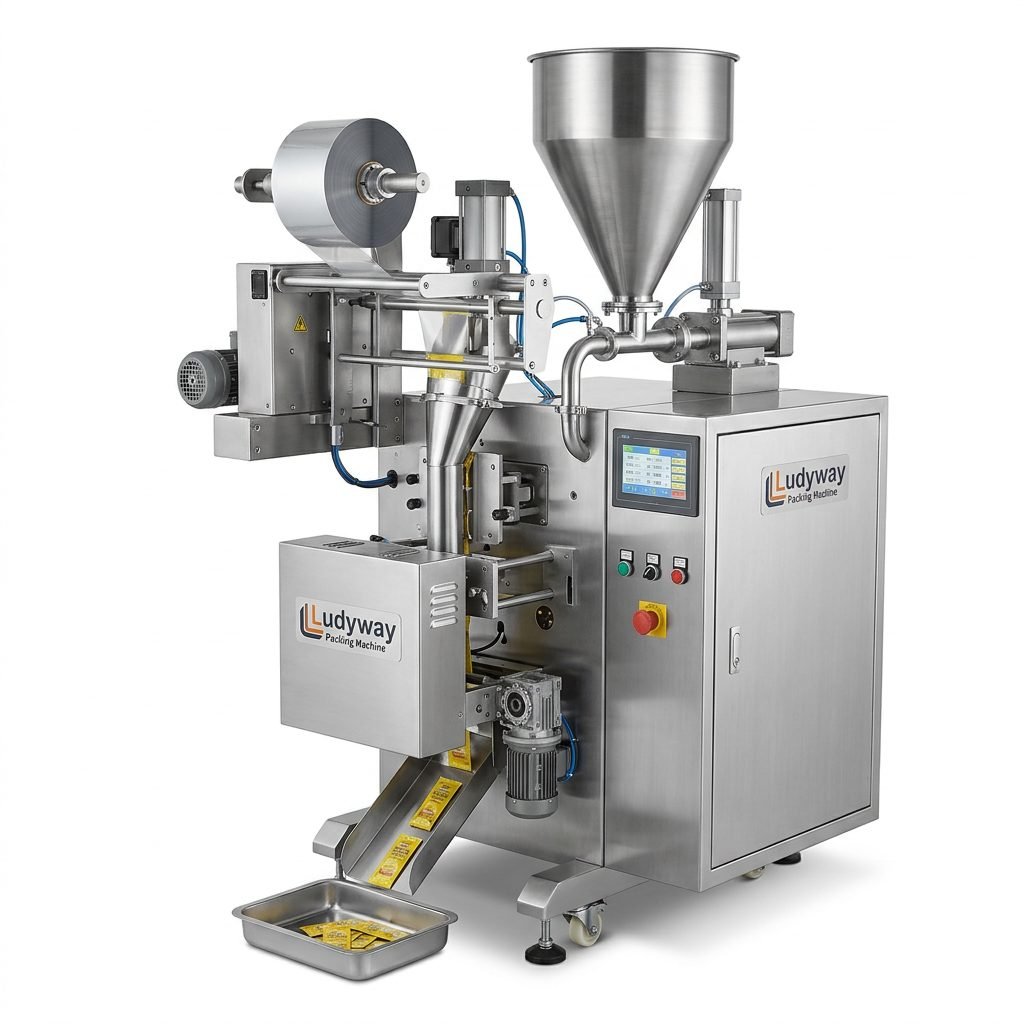
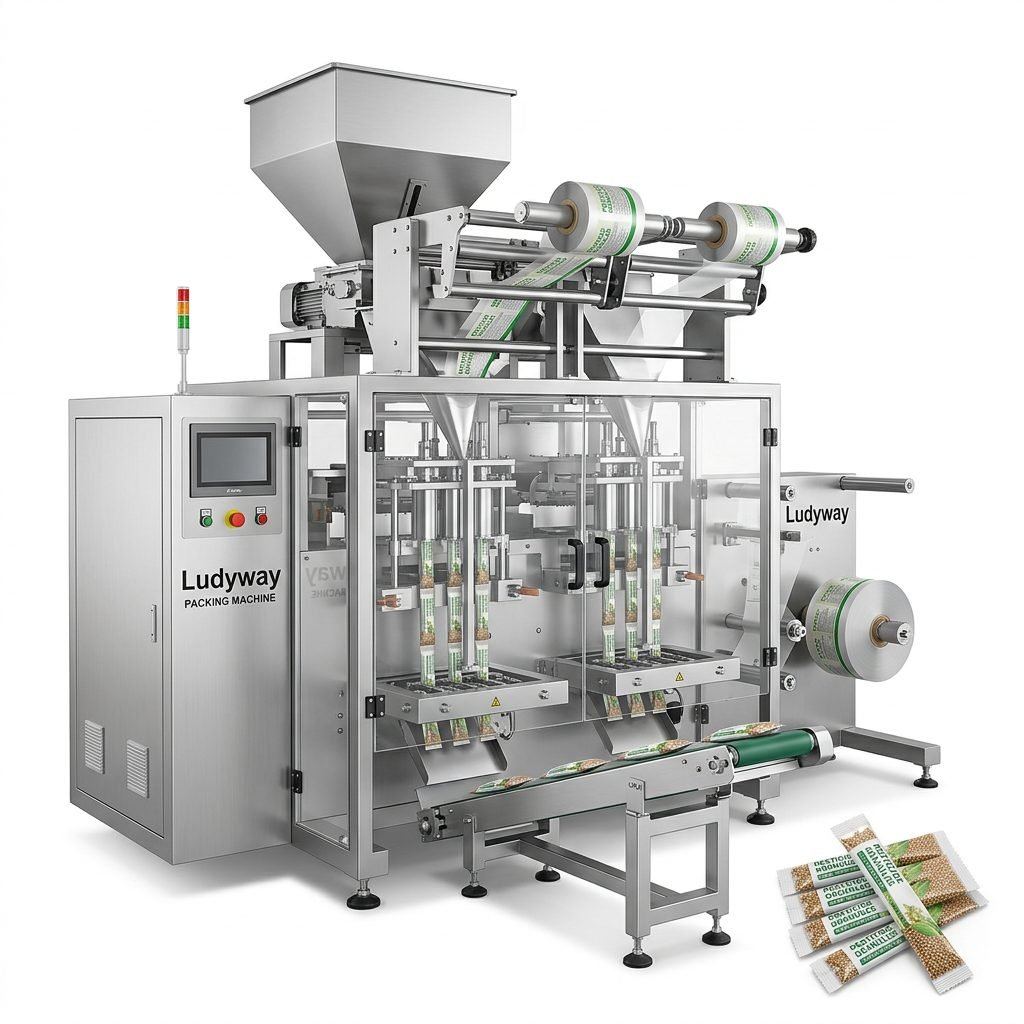
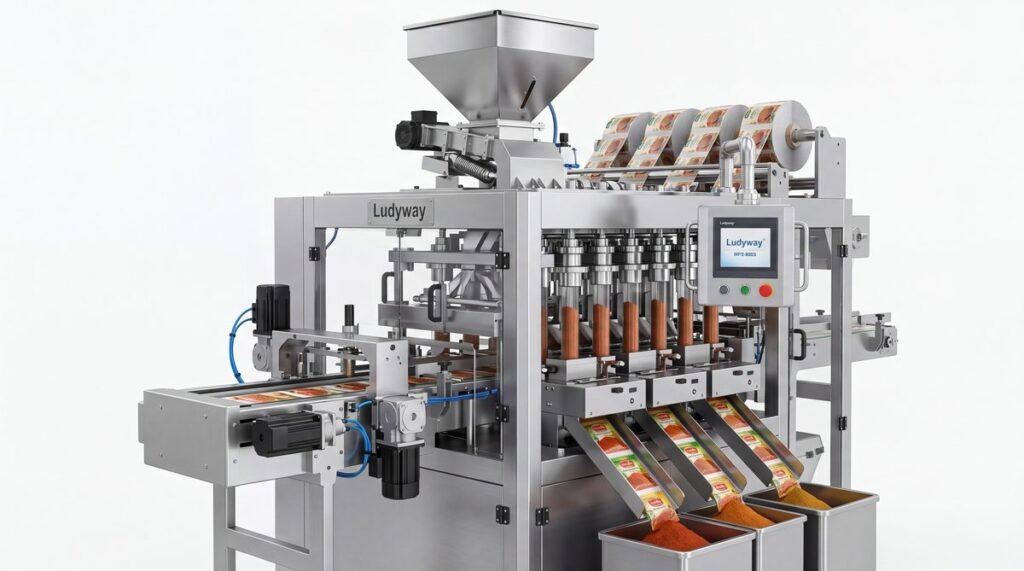
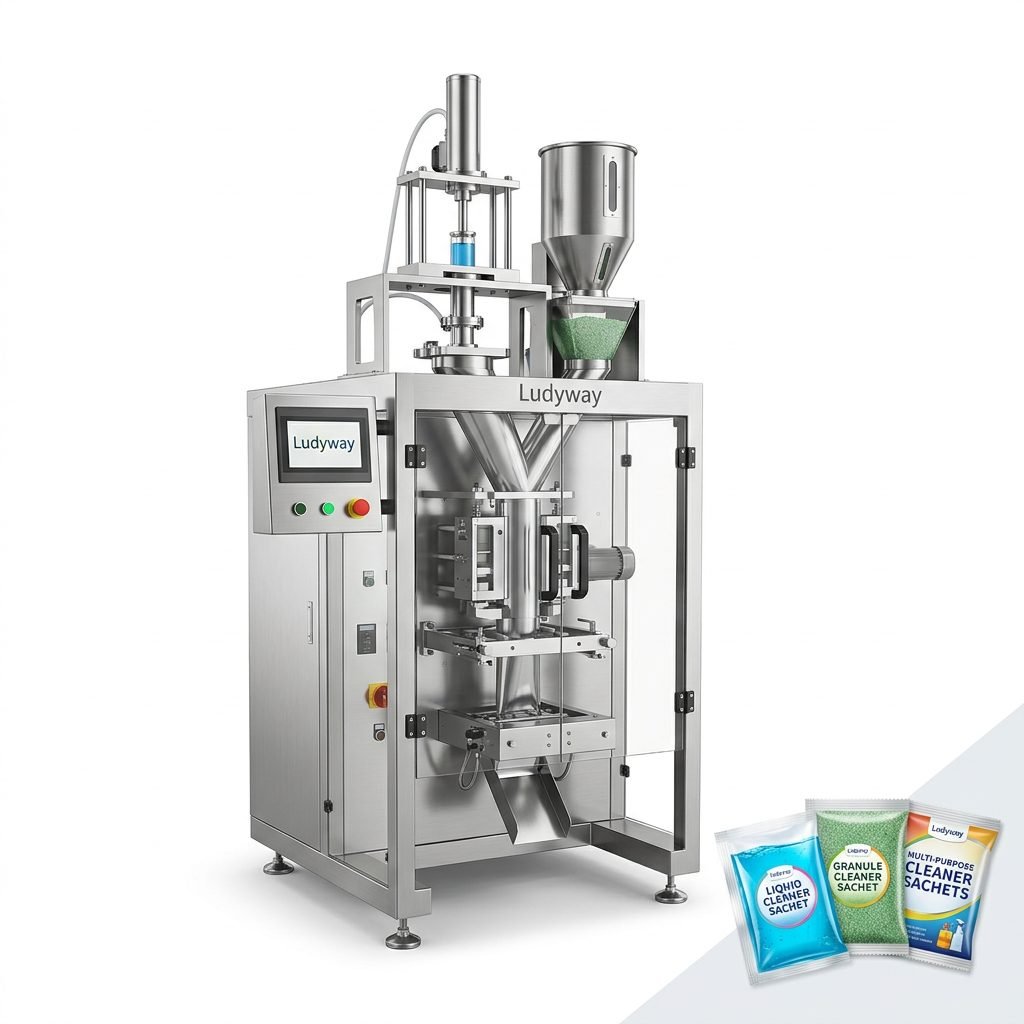
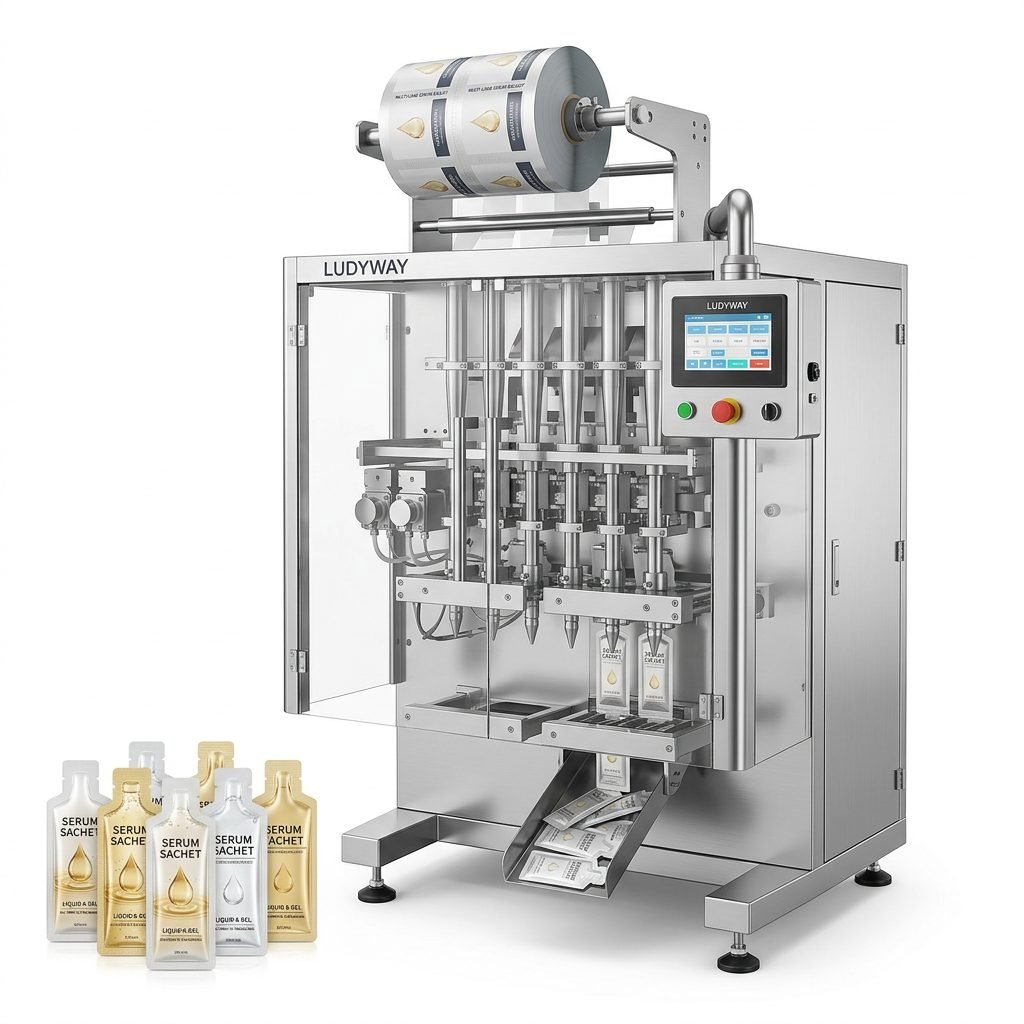
A leading packaging machine manufacturer like Ludyway offers more than 50 intelligent models specifically designed for granule and powder coffee packaging, with multi-lane stick pack systems achieving speeds of up to 80 packs per lane per minute. Their 20,000㎡ production facility and 30 years of industry experience support turnkey installation across Asian markets.
Regulatory Compliance and Quality Standards
Operating a coffee packaging line in Asia requires adherence to both local food safety regulations and international standards. Import regulations vary significantly between countries, affecting film material certifications, labeling requirements, and production facility audits.
Key Standards to Consider
- FDA food contact substance regulations for materials exported to the U.S. — refer to FDA Food Packaging Guidance
- EU packaging and packaging waste directives for European-bound products — consult the European Commission Packaging Resources
- ISO 11607 series for packaging validation where sterile or extended-shelf-life claims apply
- Halal and local certification requirements in Southeast Asian markets like Indonesia and Malaysia

Installation and Commissioning Process
A systematic approach to machine installation and commissioning minimizes delays and ensures a smooth production ramp-up. The process typically spans 4 to 8 weeks, depending on line complexity and facility readiness.
Step-by-Step Installation Timeline
- Site Preparation: Floor leveling, utility connections, and compressed air supply setup
- Equipment Delivery & Unloading: Machinery transport to the facility with proper rigging arrangements
- Mechanical Assembly: Positioning and securing each module; connecting conveyors and transfer points
- Electrical & Control Integration: PLC parameter configuration and sensor calibration
- Dry Run Testing: Operational testing without product to verify mechanical and software functionality
- Product Testing & Optimization: Fine-tuning fill weights, seal temperatures, and production speeds
Cost Optimization and ROI Analysis
Establishing a coffee packaging line in Asia involves capital expenditure, operational costs, and workforce investment. Strategic planning helps achieve a favorable return on investment within 18 to 36 months for most operations.
Typical Cost Breakdown
| Cost Category | Estimated Share |
|---|---|
| Packaging Machinery | 45% – 55% |
| Facility & Installation | 15% – 20% |
| Initial Film & Material Inventory | 10% – 15% |
| Training & Technical Support | 5% – 10% |
| Compliance & Certification | 5% – 10% |
Industry benchmarks from the PACK EXPO International community indicate that automated packaging lines typically reduce labor costs by 40% to 60% compared to semi-automated operations across Asia-Pacific markets.
Maintenance and Training
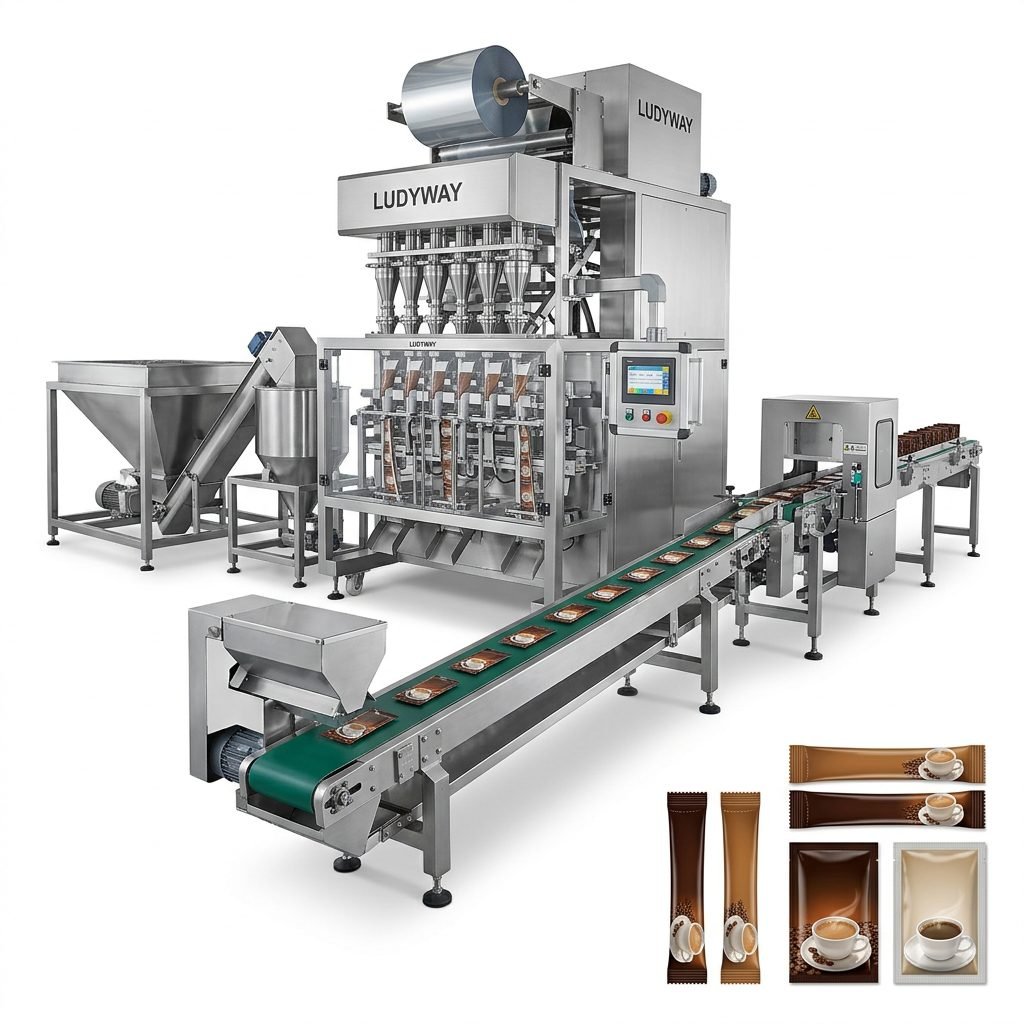
Long-term success depends on a structured preventive maintenance program and comprehensive operator training. Packaging lines running multi-shift operations in humid Asian climates require particular attention to film sealing components and electronic enclosures.
Recommended Maintenance Schedule
- Daily: Clean filling nozzles, inspect seal bars, check date coder print quality
- Weekly: Lubricate moving parts, verify sensor calibration, inspect belt tension
- Monthly: Replace worn sealing elements, update PLC firmware backups, test safety interlocks
- Quarterly: Full machine audit, replacement of consumable parts, comprehensive cleaning of electrical cabinets
The Flexible Packaging Association’s knowledge hub offers valuable resources on material handling best practices and machine maintenance protocols specific to flexible packaging operations.
Future Trends in Asian Coffee Packaging
The packaging landscape continues to evolve with sustainability requirements and digital integration reshaping production strategies. Asian manufacturers are increasingly adopting biodegradable film materials, smart sensor technology, and cloud-based production monitoring to stay competitive.
Emerging Technologies
- Recyclable mono-material films replacing traditional multi-layer laminates
- IoT-enabled predictive maintenance reducing unplanned downtime
- Augmented reality systems for remote troubleshooting and operator guidance
- High-resolution vision inspection systems for zero-defect quality control
For additional regulatory guidance on packaging materials, visit the ISO packaging standards repository. Sustainable packaging strategies aligned with the U.S. EPA Sustainable Materials Management framework can also enhance brand positioning.