Choosing the right juice packaging machine is a critical decision for any beverage producer. The packaging is not just a container; it’s a vital component of product preservation, brand presentation, and operational efficiency. With a myriad of options available, from simple sachet fillers to complex aseptic filling lines, navigating the market can be daunting. This comprehensive guide will walk you through the different types of juice packaging machines, their key features, and the essential factors to consider to select the best solution for your production needs.
Understanding the Different Types of Juice Packaging Machines
The first step in your selection journey is understanding the primary categories of packaging equipment available. Each type serves different production scales, packaging formats, and juice characteristics.
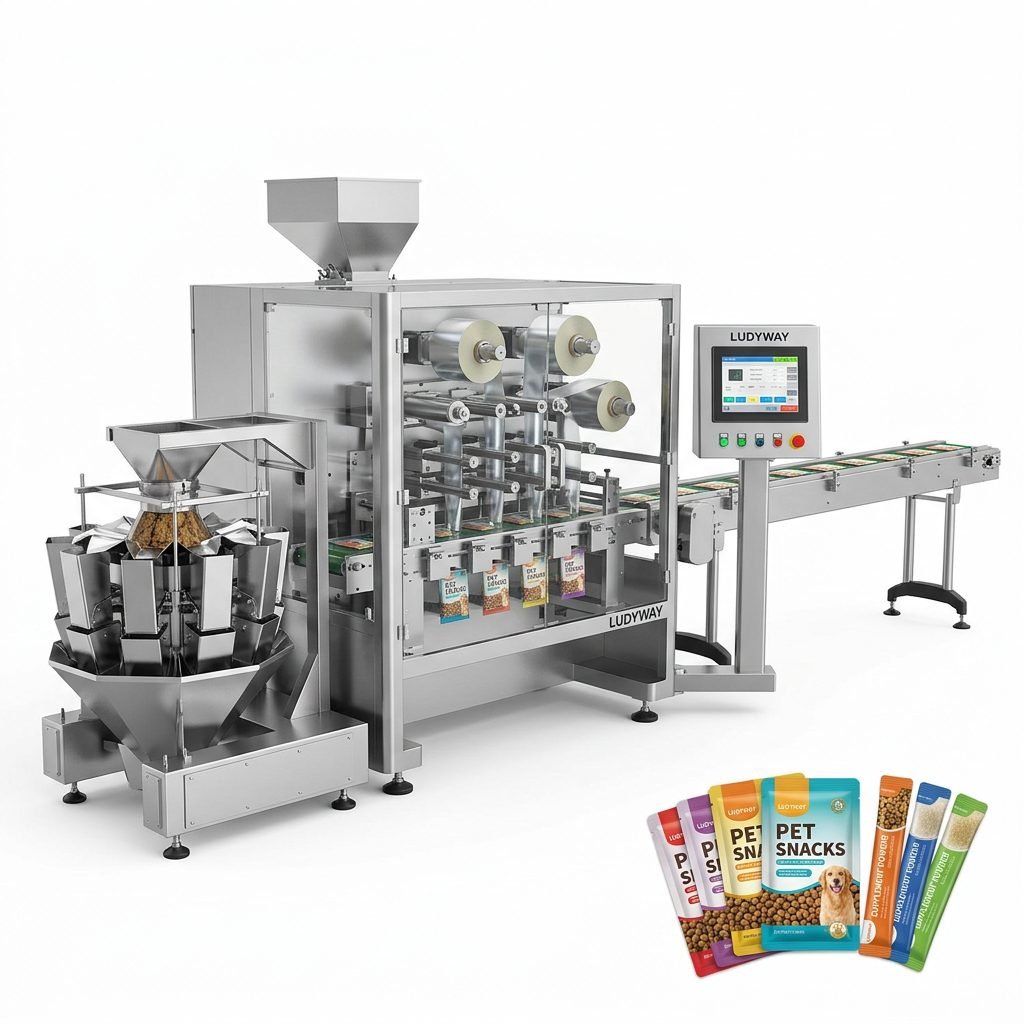
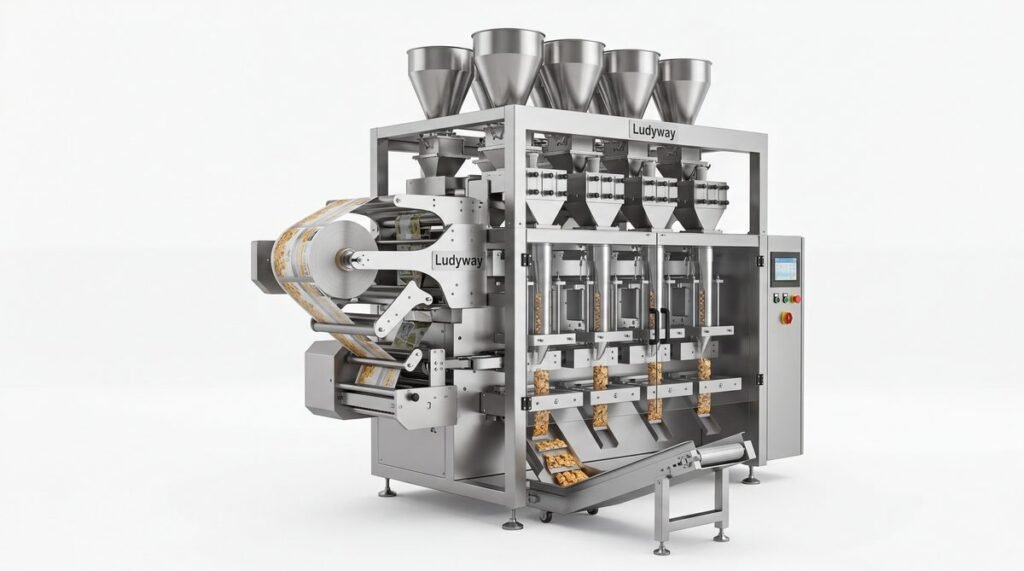
Vertical Form-Fill-Seal (VFFS) Machines
These are among the most versatile and commonly used machines. They form bags from a roll of film, fill them with juice, and then seal them. VFFS machines are ideal for producing stand-up pouches, flat pouches, and gusseted bags. They are excellent for medium to high-volume production of non-carbonated juices and are often used for single-serve or family-sized portions.
Pre-Made Pouch Fillers
This system uses pre-manufactured, often branded, pouches. The machine opens the pouch, fills it with juice, and then seals it. This method is perfect for producers who want high-quality, complex printed packaging without investing in in-line printing. It’s highly efficient for products requiring a premium look.
Aseptic & Hot Fill Packaging Lines
For juices that require extended shelf life without refrigeration, aseptic or hot fill systems are essential. Aseptic filling involves sterilizing both the juice and the packaging material separately in a sterile environment before filling. Hot fill processes involve filling the juice at a high temperature (typically 85-95°C) into containers, which sterilizes the package upon contact. These lines often package juice into bottles, cartons, or special pouches.
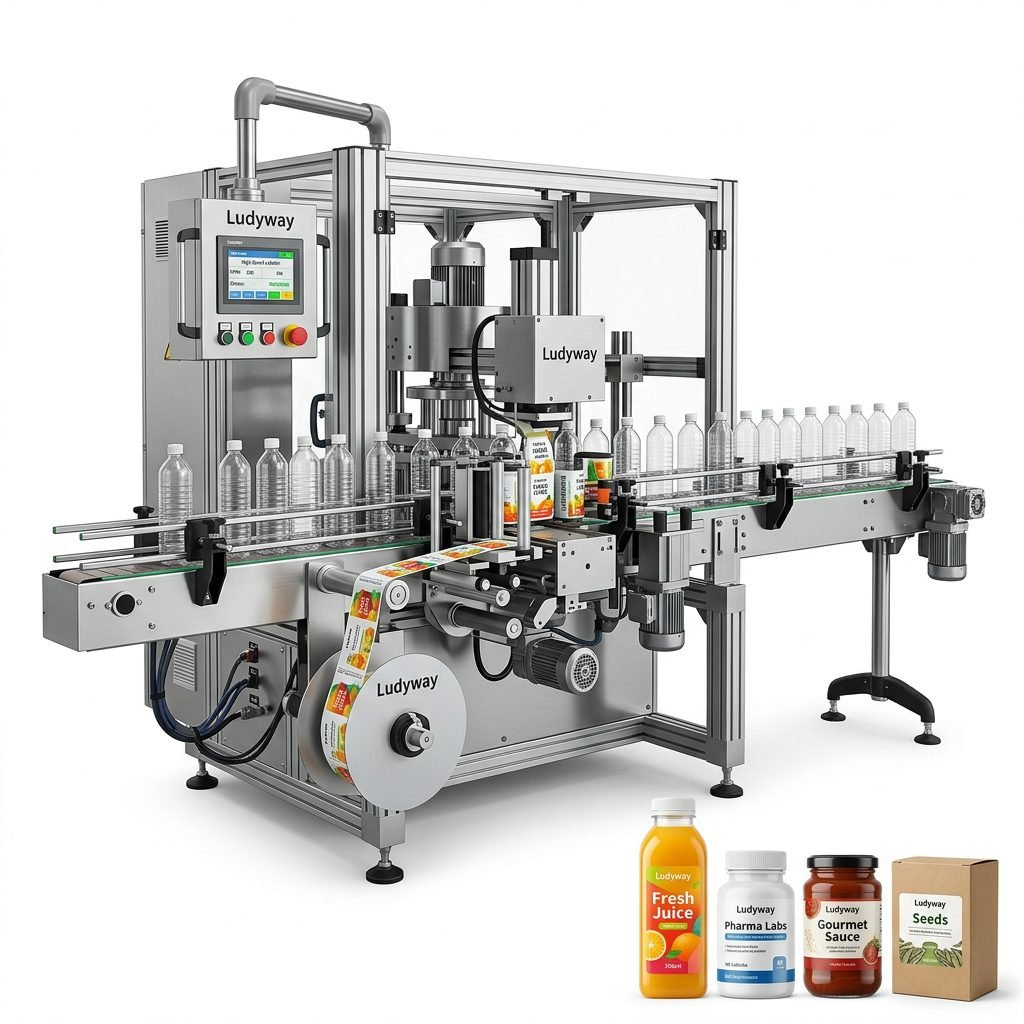
Bottle Filling and Capping Lines
For traditional PET, glass, or HDPE bottles, rotary or linear filling machines are used. These are typically part of a complete line that includes a bottle unscrambler, rinser, filler, capper, and labeler. They are the go-to choice for high-volume production of retail juice bottles.
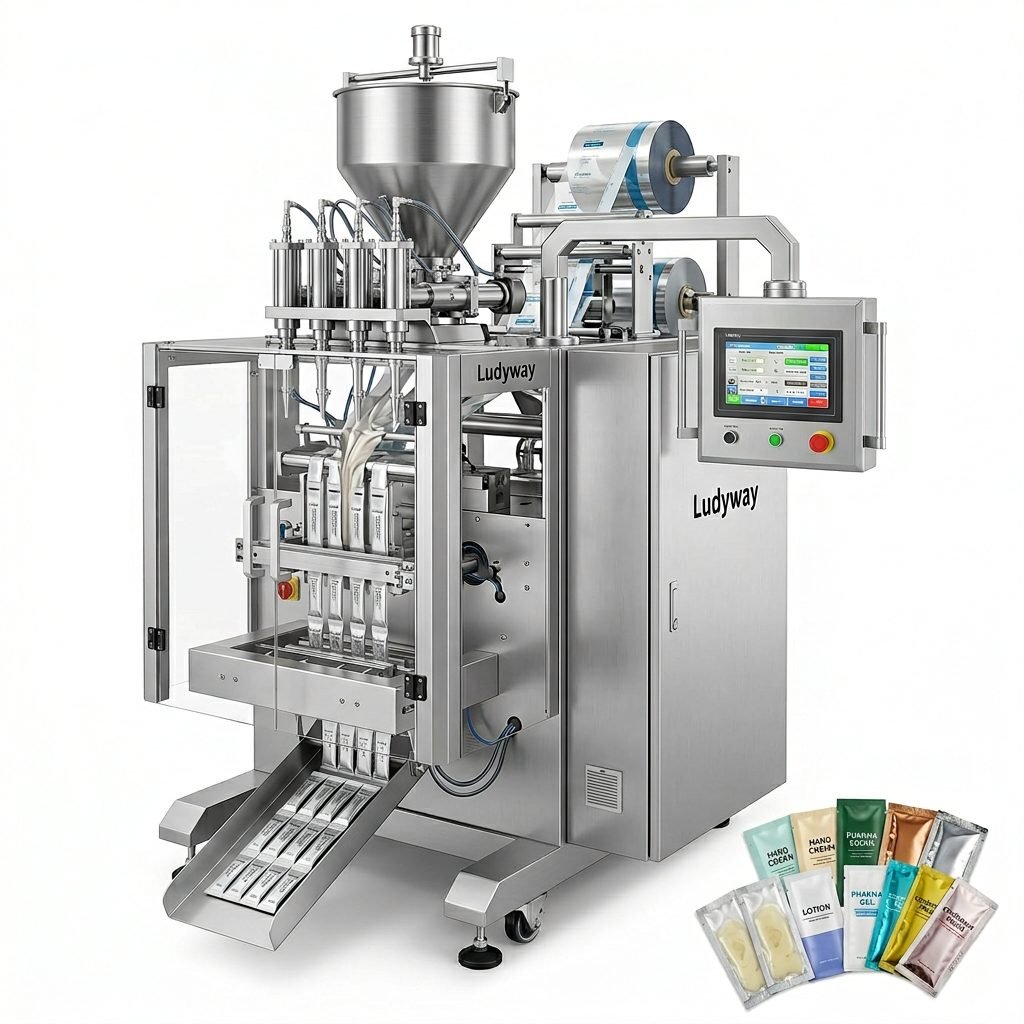
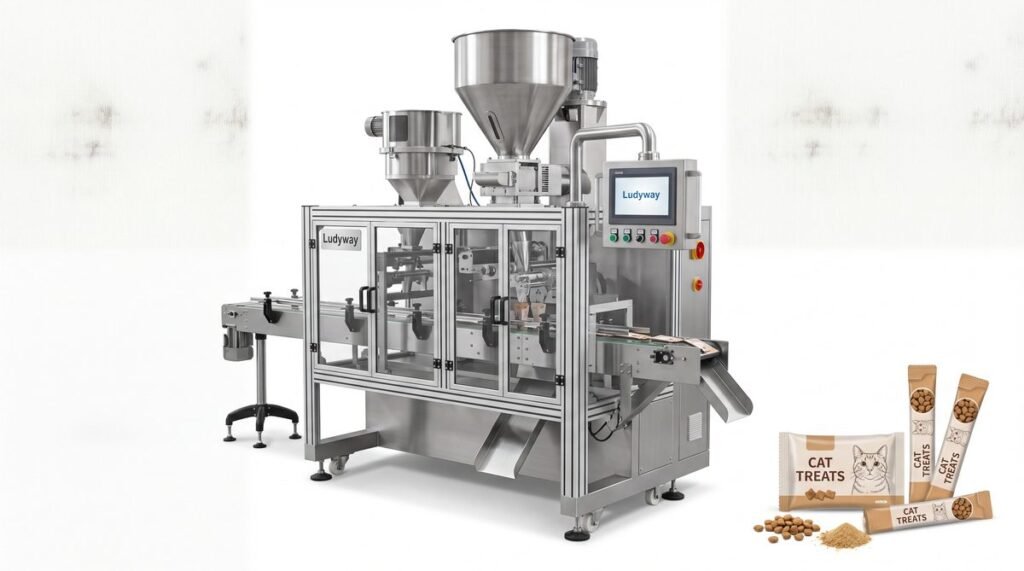
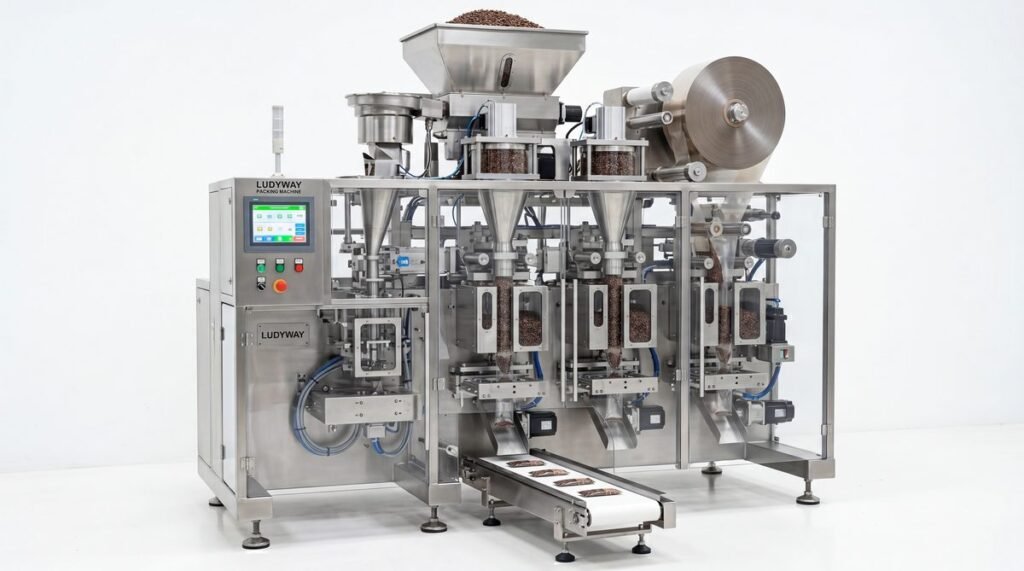
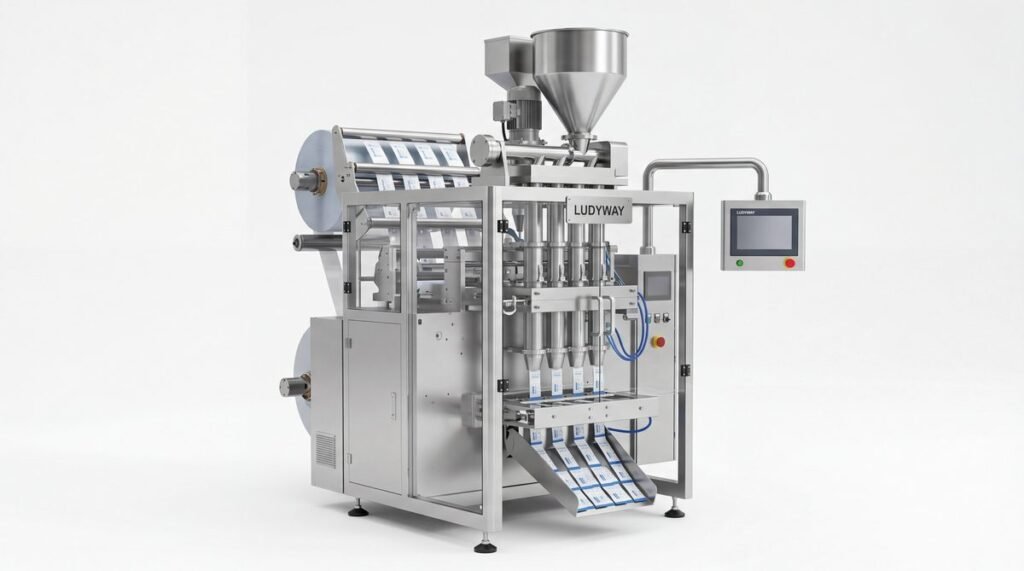
Stick Pack and Sachet Machines
Ideal for concentrated juices, powder mixes, or single-shot supplements, these machines create small, elongated packets. They are space-efficient, cost-effective for packaging materials, and highly popular for on-the-go products. Multi-lane versions can achieve very high outputs.
Key Features and Technologies to Look For
Beyond the basic type, several advanced features define a machine’s capability, efficiency, and suitability for your product.
Filling Accuracy and Technology
Precise filling is non-negotiable for cost control and compliance. Look for machines with servo-driven piston fillers, peristaltic pumps, or mass flow meters. Machines with programmable logic controllers (PLCs) allow for easy recipe changes and precise volume control, crucial for different juice viscosities (from thin filtered juice to pulpy nectar).
Material Compatibility and Sealing
The machine must be compatible with your chosen packaging film or material. Ensure it can handle the required layer structure (e.g., PET/AL/PE for long-life juice) and provide a strong, leak-proof seal. Features like cooling jaws for hot-filled pouches or gas flushing for nitrogen preservation are important for specific juice types.
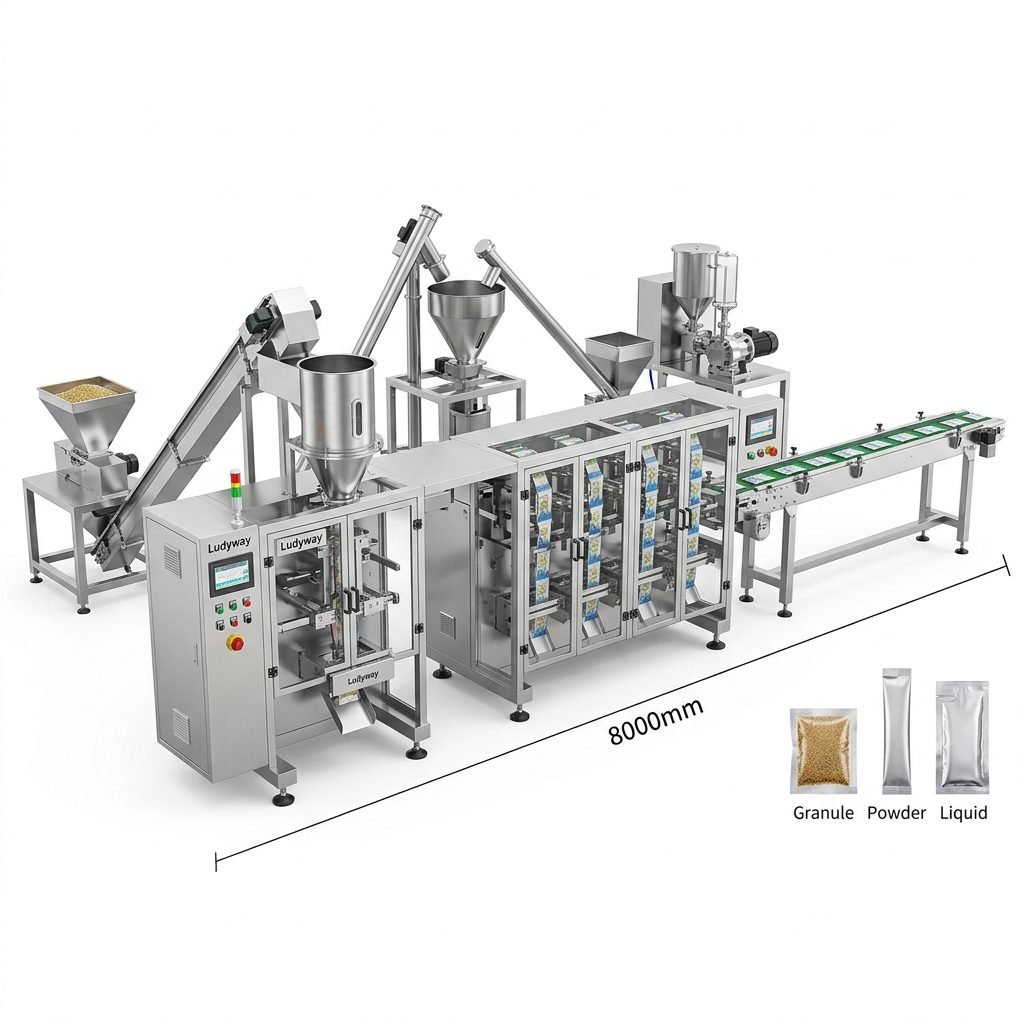
Automation and Integration Level
Modern machines offer varying degrees of automation. Key questions include: Does it have automatic film splicing for continuous operation? Can it integrate with upstream mixers and downstream cartoners? Is there a touch-screen HMI (Human-Machine Interface) for intuitive operation and diagnostics? Higher automation reduces labor and increases consistency.
Hygiene and Cleanability
Food safety is paramount. Machines designed with stainless steel contact parts, CIP (Clean-in-Place) systems, and smooth, crevice-free surfaces significantly reduce cleaning time and contamination risk. This is especially critical for acidic products like juice.
Speed and Output (UPH)
Output is measured in units per hour (UPH). Your required speed must align with your production goals. Remember, the maximum speed of a machine is often stated under ideal conditions; factor in realistic efficiency rates, changeover times, and potential future growth when making your decision.
How to Choose the Best Juice Packaging Solution: A Step-by-Step Guide
Selecting a machine is a strategic process. Follow this framework to make an informed decision that aligns with your business objectives.
1. Define Your Product and Packaging Specifications
Start with the end in mind. Clearly define:
• Juice Type: Clear, pulpy, with pieces, concentrated, hot fill, or cold fill.
• Packaging Format: Pouch size, shape, spout? Bottle type? Stick pack dimensions?
• Material: Required barrier properties for shelf life (oxygen, light).
• Production Volume: Current daily output and projected 3-5 year growth.
2. Assess Your Budget and Total Cost of Ownership (TCO)
Look beyond the initial purchase price. Calculate the TCO, which includes:
• Machine cost and installation.
• Cost of packaging materials (films, caps, labels) and their waste rate.
• Maintenance, spare parts, and energy consumption.
• Labor required for operation and changeovers.
A slightly more expensive but more efficient and reliable machine from a reputable supplier like Ludyway Machinery often has a lower TCO.
3. Evaluate Machine Flexibility and Future-Proofing
Will you introduce new flavors, package sizes, or formats? A machine with quick changeover capabilities, modular design, and scalable software protects your investment. Consider if the supplier can provide customized solutions as your needs evolve.
4. Prioritize Supplier Support and Service
The machine is only as good as the support behind it. Investigate:
• Technical Support: Availability of remote diagnostics and on-site engineers.
• Training: Comprehensive training for your operators and maintenance staff.
• Spare Parts: Availability and delivery time for critical spare parts.
• Company Reputation: Look for a supplier with proven experience, like those with over 30 years in the industry, and a strong track record in juice packaging.
5. Request a Product Sample Test (Mandatory)
Never buy a packaging machine without testing it with your actual product and packaging materials. A reputable supplier will offer a factory test run. This validates filling accuracy, seal integrity, runnability, and final package quality.
Conclusion
Investing in a juice packaging machine is a significant step toward optimizing your production, ensuring product quality, and building your brand. By thoroughly understanding the machine types, focusing on the critical features that match your juice specifications, and following a disciplined selection process that emphasizes real-world testing and supplier reliability, you can secure a solution that delivers efficiency and growth for years to come. Partnering with an experienced provider ensures you get not just a machine, but a comprehensive production solution tailored to your success.
Frequently Asked Questions (FAQs)
What is the most cost-effective juice packaging machine for a startup?
For startups with limited volume, a single-lane vertical form-fill-seal (VFFS) machine or a semi-automatic pouch filler is often the most cost-effective entry point. They offer a good balance of capability, flexibility for different pouch sizes, and lower initial investment. Consider machines from suppliers known for robust, simpler designs that are easier to maintain.
Can one machine handle both clear juice and juice with pulp or fruit pieces?
Yes, but the machine must be equipped with the appropriate filling technology. A servo-piston filler with specially designed valves is typically required to handle particulates without crushing them or causing blockages, while still maintaining accuracy. Always conduct a product sample test to confirm performance.
How important is automation in a juice packaging line?
Automation is crucial for consistency, hygiene, and reducing long-term labor costs. Even basic automation like automatic film tracking and splicing drastically reduces waste and downtime. For medium to high-volume production, a high level of automation is a sound investment that improves Overall Equipment Effectiveness (OEE).
What maintenance is required for a juice packaging machine?
Daily cleaning and lubrication as per the manual are essential. Regular maintenance includes checking and replacing wear parts like sealing jaws, gaskets, and cutting blades, inspecting pneumatic systems, and calibrating the filling system. Choosing a supplier with readily available spare parts and clear documentation is key to smooth maintenance.
How do I ensure the packaged juice has a long shelf life?
Shelf life depends on the juice processing (pasteurization/sterilization) and the barrier properties of the packaging material. For ambient shelf life, you likely need an aseptic or hot fill machine paired with high-barrier laminate films (containing aluminum or special EVOH layers). The machine must create a perfect, sterile seal every time.