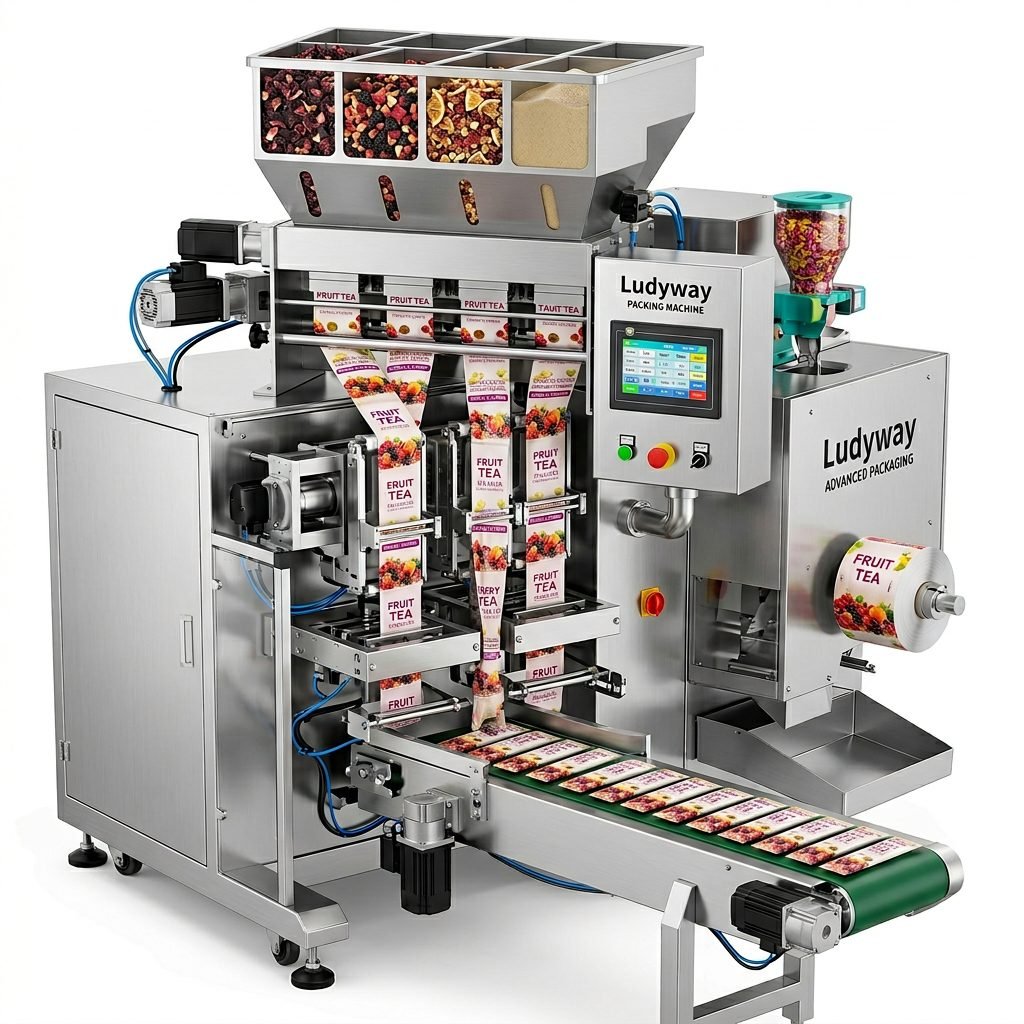
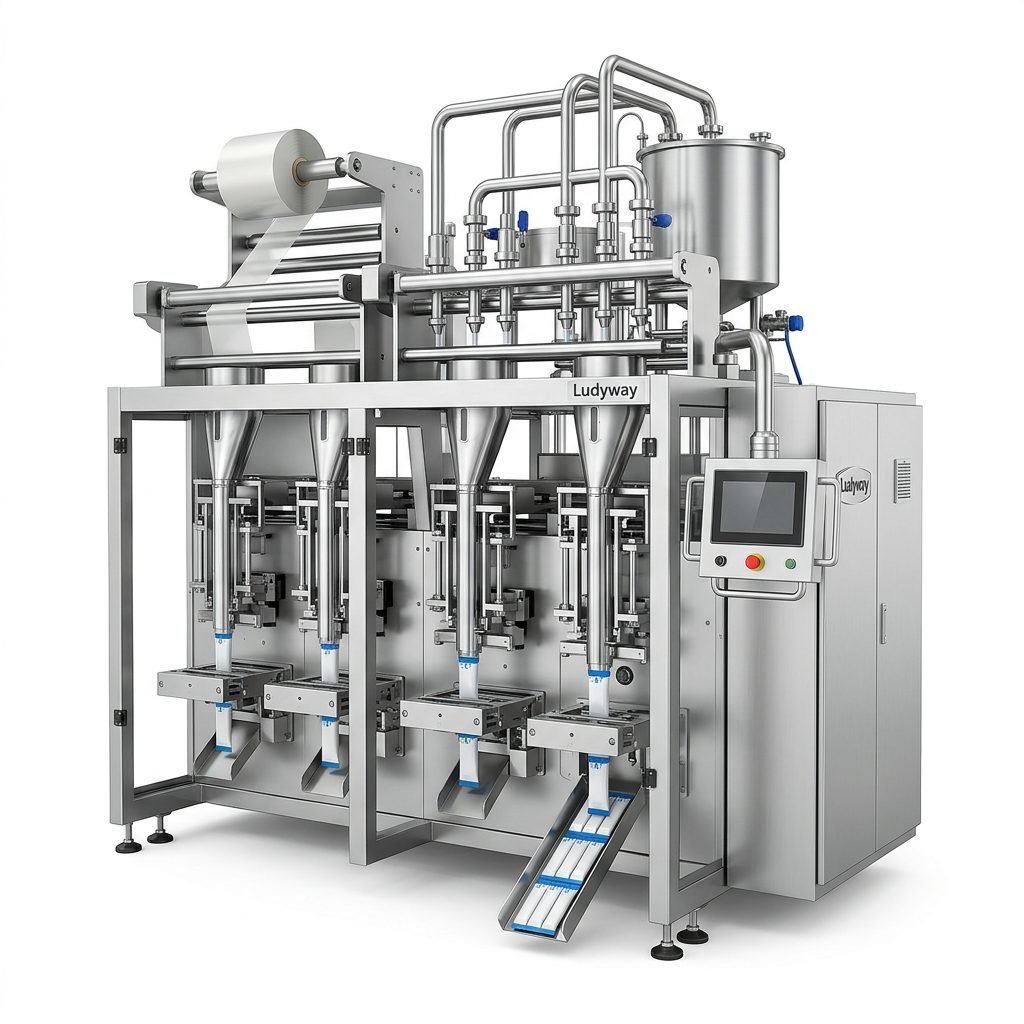
Italy’s food manufacturing sector is globally renowned for its dedication to quality and tradition, particularly in the bakery and snack segments. If you’re producing or scaling a granola bar business in the Italian market, investing in the right granola bar packaging machine is a strategic move that directly impacts your product’s shelf life, brand perception, and operational efficiency. Whether you’re a small artisanal producer in Tuscany or a large-scale manufacturer in Lombardy, navigating the world of automated packaging machinery requires a clear understanding of your production needs, local regulations, and the latest technological advancements.
Why Upgrade to Automated Granola Bar Packaging?
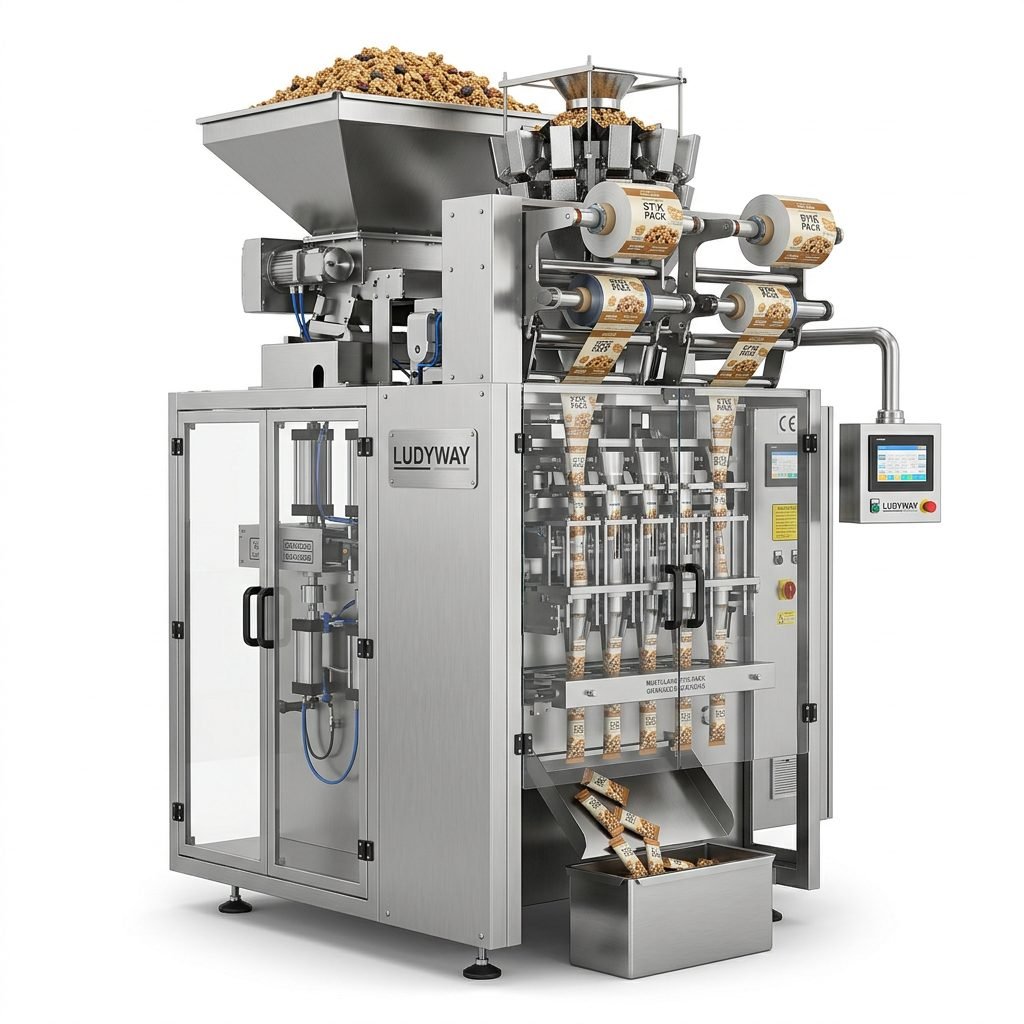
The shift from manual or semi-automatic processes to a fully automated packaging line is more than just a trend; it’s a necessity for staying competitive. A specialized granola bar wrapper handles delicate, often irregularly shaped products without crushing them, ensuring consistent seal integrity. This is critical for preventing moisture and oxygen from degrading the texture of oats, nuts, and chocolate inclusions. Consistent packaging speed and accuracy are the hallmarks of a modern system, reducing giveaway and minimizing labor costs, which is particularly relevant in the Italian manufacturing landscape where operational efficiency is prized.
Key Machine Configurations for the Italian Market
Depending on your product format—whether you produce a standard muesli slice, a protein-packed stick, or a bite-sized cluster—the machinery configuration varies significantly. Here are the most common types of granola bar packaging machines you will encounter:
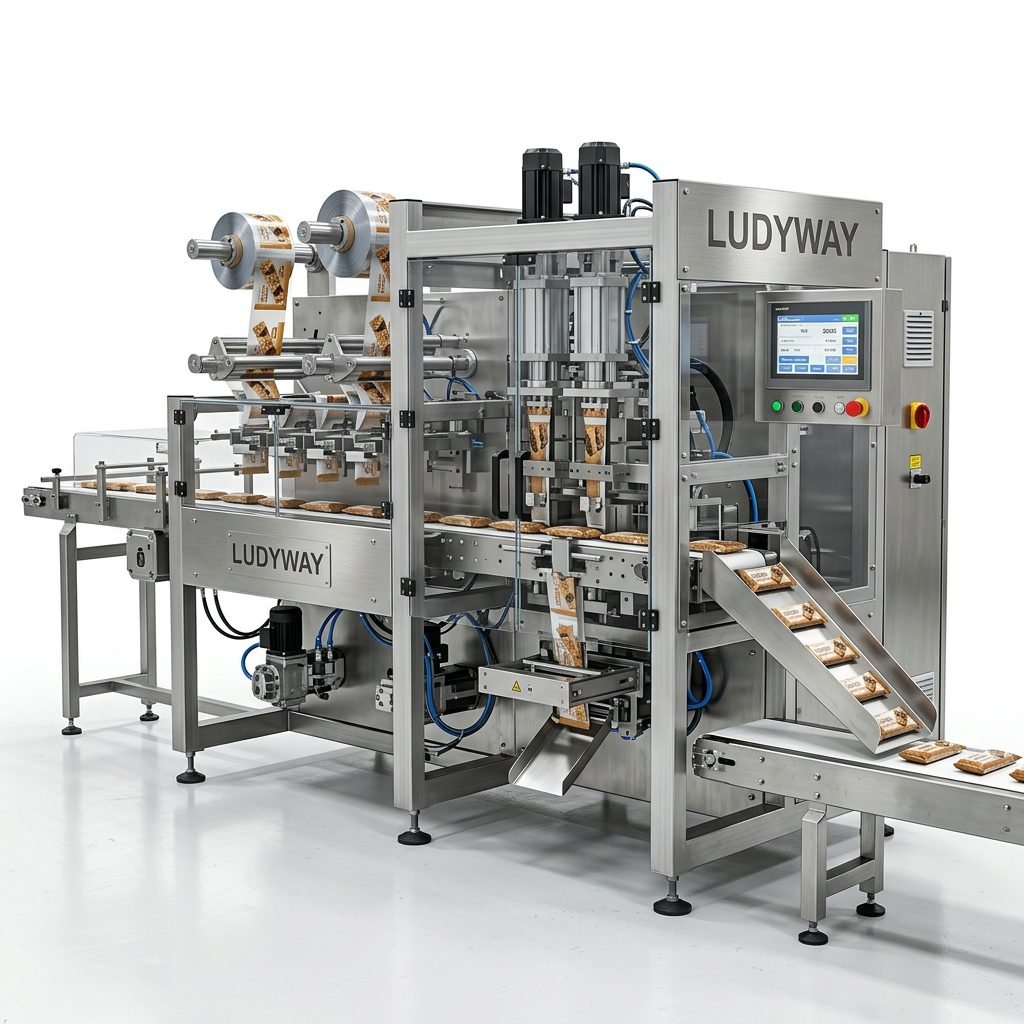
- Flow Wrapping (HFFS): The industry standard for individual bars. Machines use a continuous roll of film to wrap the product, creating a pillow-pack or a fin-seal back. Ideal for high-speed lines and compatible with a wide range of laminate films that provide excellent barrier properties.
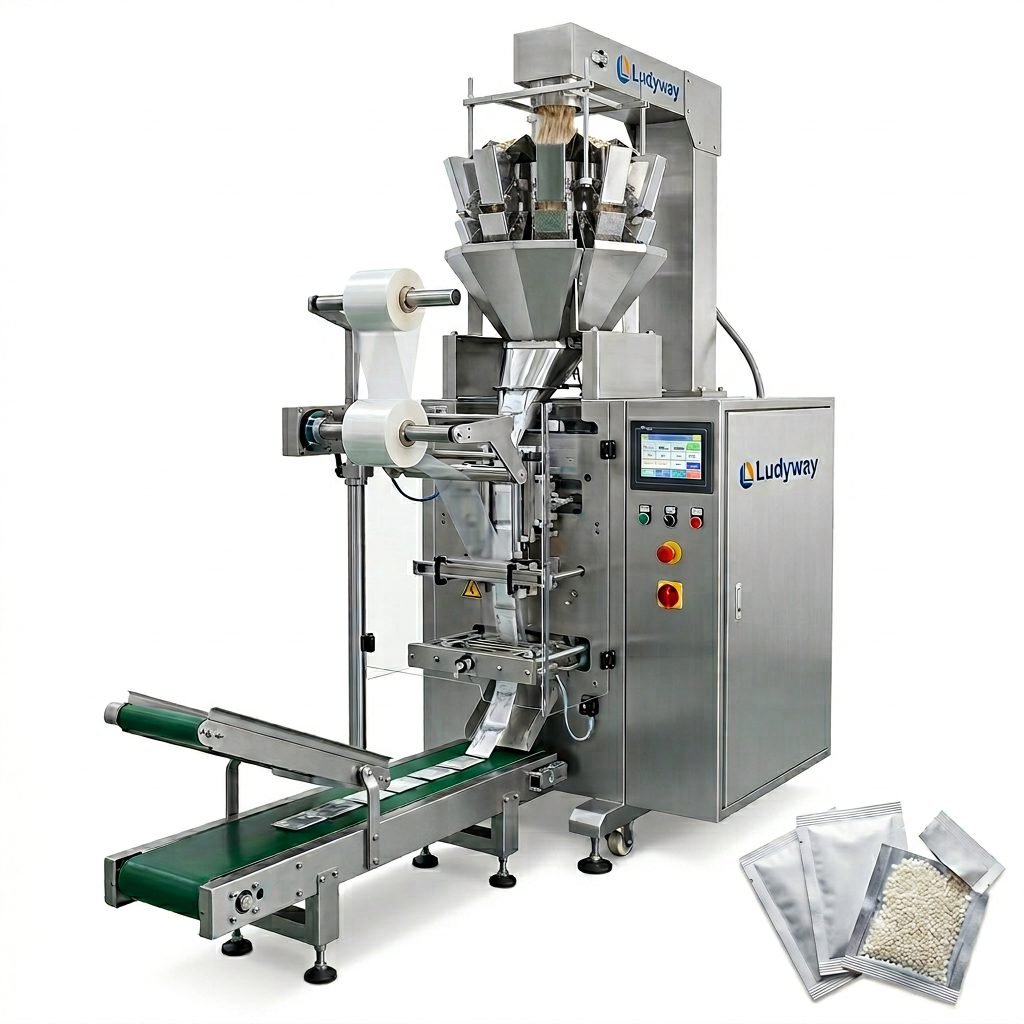
- Vertical Form Fill Seal (VFFS) for Multi-Packs: Often used to bag multiple individually wrapped bars into a larger “family pack” or to handle granola clusters/clumps in a pillow bag format.
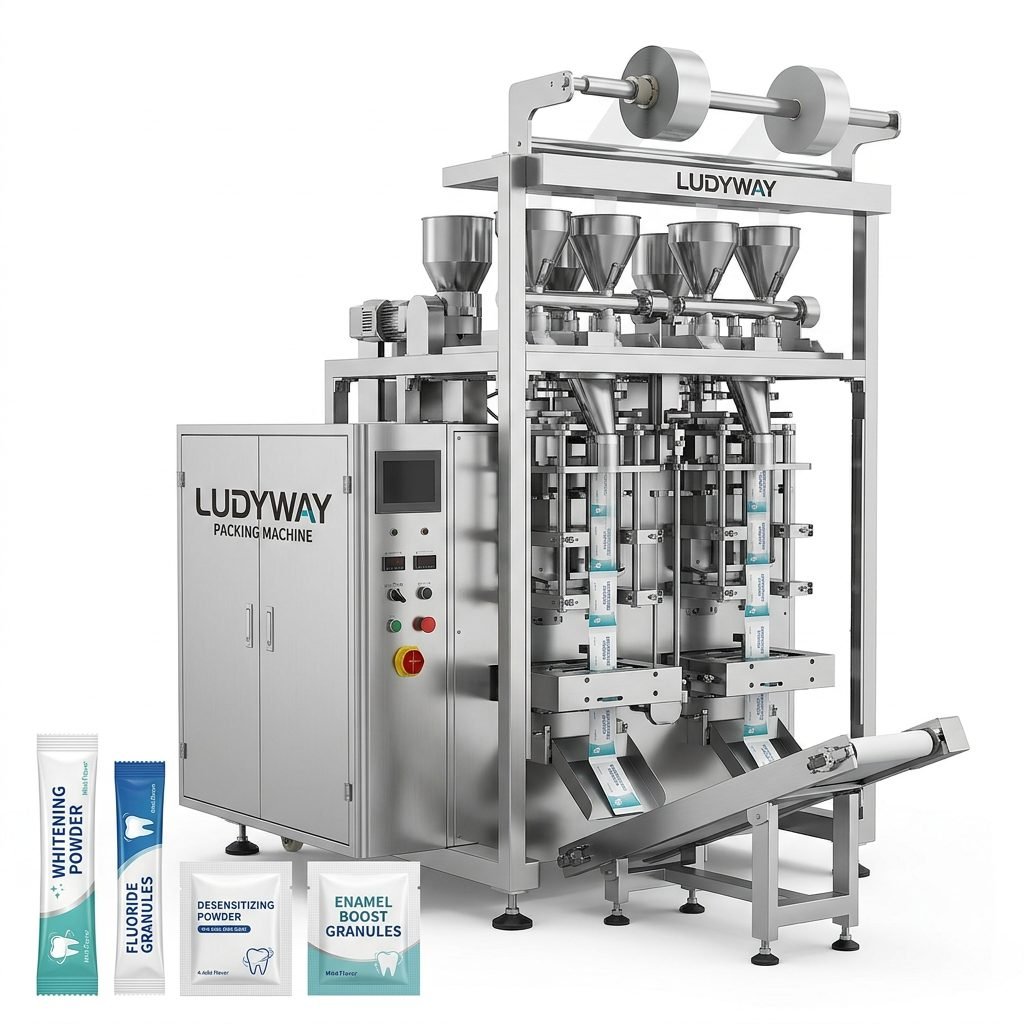
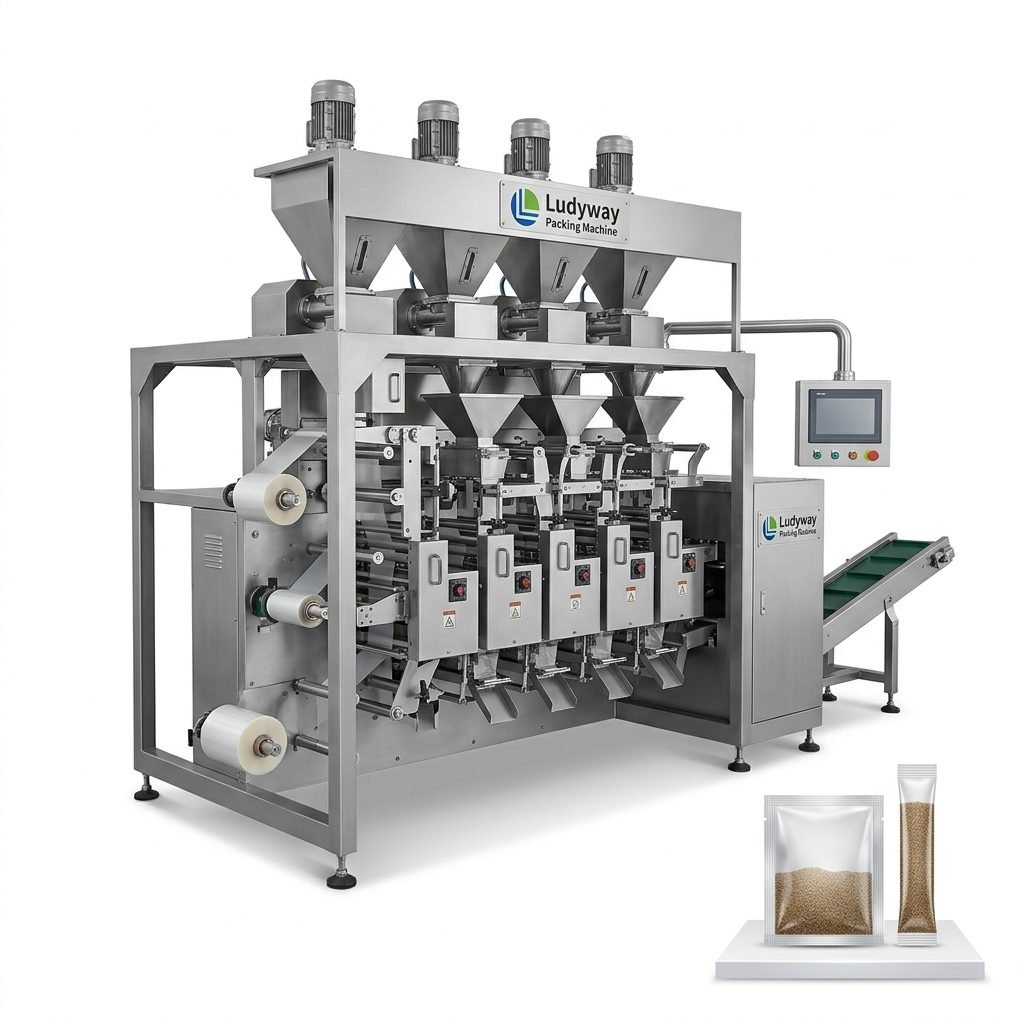
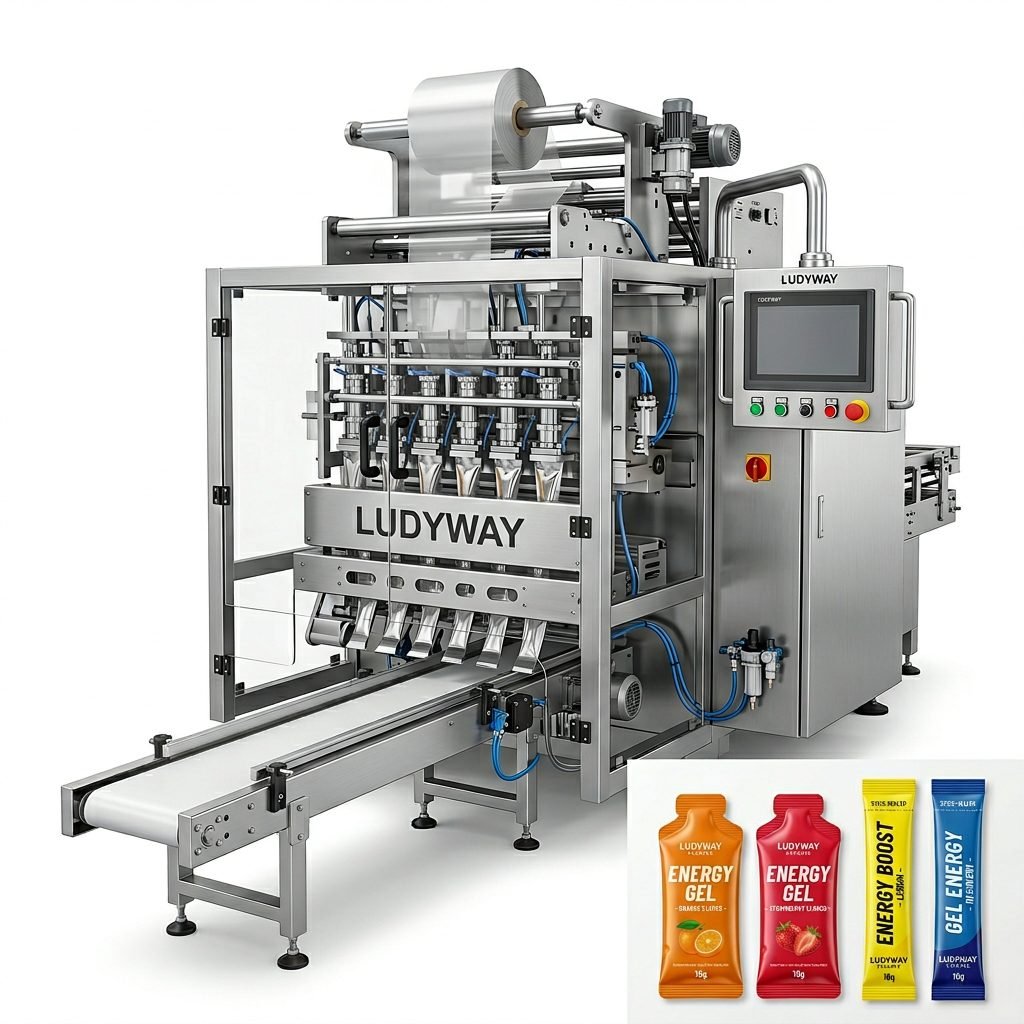
- Stick Pack and Sachet Machines: Perfect for on-the-go, single-serve portions of granola bites or mini bars. Stick pack packaging machines are increasingly popular for portion control and vending machine sales in Italy.
- Cartoning and Case Packing Systems: End-of-line solutions that automatically load wrapped bars into shelf-ready cartons or shipping cases, a crucial integration for supplying large Italian supermarket chains (GDO).
Critical Features to Evaluate Before Purchasing
Not all packaging machines are created equal, and the specific properties of granola bars demand certain engineering features. When consulting with equipment manufacturers, pay close attention to these technical specifications:
Film Handling and Sealing Technology
Granola bars often contain sharp edges from nuts or oats that can puncture standard films. Your machine must be compatible with durable, high-barrier laminate structures—such as those incorporating cold-seal or heat-seal properties—without causing “leakers.” Precision temperature control on the sealing jaws is non-negotiable to avoid melting chocolate chips or burning delicate ingredients during the dwell time. Look for rotary or box-motion sealing heads that provide longer sealing pressure, which is especially beneficial for maintaining hermetic seals on cold-seal films that are popular in Italy for preserving the aroma of ingredients like nocciola (hazelnut).
Feeding and Alignment Systems
Manual feeding stations might be a starting point, but an automated feeder, such as a servo-driven lug chain or flighted belt infeed, ensures that each bar is perfectly spaced before entering the cross-sealing section. For manufacturers producing multiple SKUs, rapid changeover features (tool-less adjustments, recipe memory via HMI) are vital for reducing downtime between runs of different granola bar sizes. A reputable supplier can integrate a feeding system that gently handles your baked or cold-pressed bars, maintaining their structural integrity without crumbling.
Hygiene and Maintenance Standards for Food Safety
Italian food safety standards align with stringent EU regulations. Therefore, the machine’s construction must adhere to sanitation principles. Key points include:
- Stainless steel construction in product contact zones (typically AISI 304 or 316).
- Sloped surfaces to prevent waste accumulation.
- Washdown capabilities for open-frame designs (IP65-rated components).
- Easy removal of film rolls, forming tubes, and sealing jaw assemblies without specialist tools.
Comparing Technologies: Flow Wrapping vs. Vertical Packaging
The choice between Horizontal Flow Wrapping (HFFS) and Vertical Form Fill Seal (VFFS) significantly impacts your footprint and speed. The table below outlines a comparative analysis to guide your selection.
| Feature | Horizontal Flow Wrapper (HFFS) | Vertical Form Fill Seal (VFFS) |
|---|---|---|
| Best Application | Individual bars or trays of bites | Loose granola, clusters, or multi-packs |
| Product Handling | Excellent for fragile, consistent shapes | Ideal for granular or irregular items |
| Speed | Up to 150+ packs per minute (single lane) | Up to 80 bags per minute |
| Film Format | Single roll, continuous wrap | Single roll, forming tube |
| Typical Italian Use | Branded bar singles (snack category) | Muesli family packs, food service |
Navigating Italian Packaging Regulations and Sustainability
Italy has been at the forefront of environmental packaging legislation in Europe. Before finalizing your machine purchase, ensure it is compatible with the materials compliant with the Italian Packaging Consortium (CONAI) and the EU Packaging and Packaging Waste Directive. A modern granola bar packaging machine in Italy must be capable of running recyclable mono-materials or paper-based laminates without losing production speed. As detailed by the Flexible Packaging Association, the shift toward sustainable substrates requires machines with advanced tension control and ultrasonic sealing options, as recyclable films often have a narrower sealing window than traditional multi-layered plastics. Investing in a machine that can process these next-generation films now future-proofs your business against upcoming legislative changes.
Integration with Supply Chain and Industry 4.0
The Italian government’s “Industria 4.0” tax credits encourage capital investment in interconnected machinery. A truly modern packaging line should offer OEE (Overall Equipment Effectiveness) data capture, remote diagnostics, and integration with your MES or ERP systems. Real-time performance monitoring not only streamlines production but is often a requirement for claiming hyper-depreciation benefits available to Italian manufacturers. When sourcing a machine, verify its compatibility with standard industrial communication protocols like EtherNet/IP or OPC UA to ensure seamless data flow across your smart factory.

Total Cost of Ownership and ROI Calculation
The purchase price of a granola bar packaging machine is just one element of the total cost of ownership (TCO). Italian buyers must factor in spare parts availability across Europe, technical support response times, and energy consumption given high electricity costs. A quick ROI calculation should include:
- Labor savings: Reducing manual packing staff from 4 operators to potentially 1 part-time supervisor.
- Film waste reduction: Modern servo-driven machines achieve waste rates below 0.5%, drastically cutting material costs.
- Product giveaway: Accurate length control ensures no excess film is used per pack.
- Downtime costs: A reliable, modular machine might save tens of thousands of euros annually compared to frequent stoppages of older equipment.
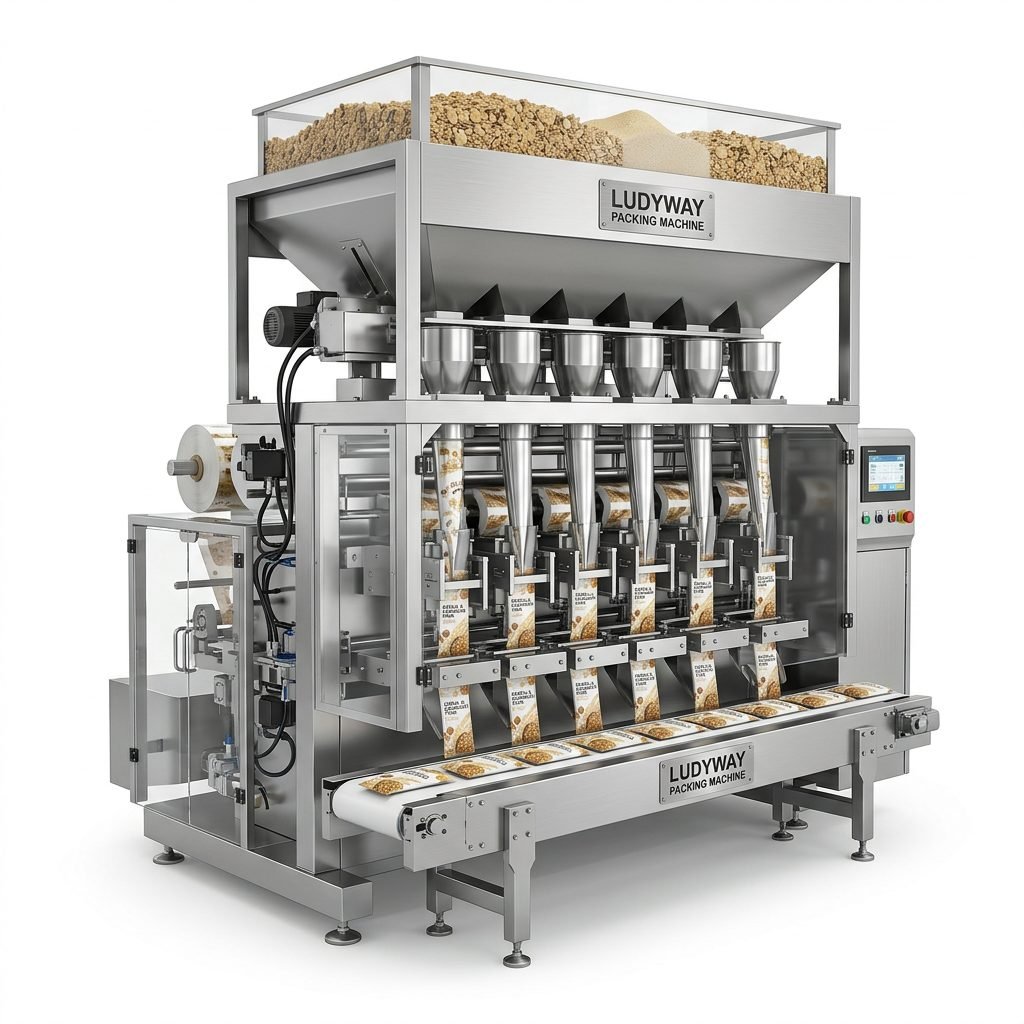
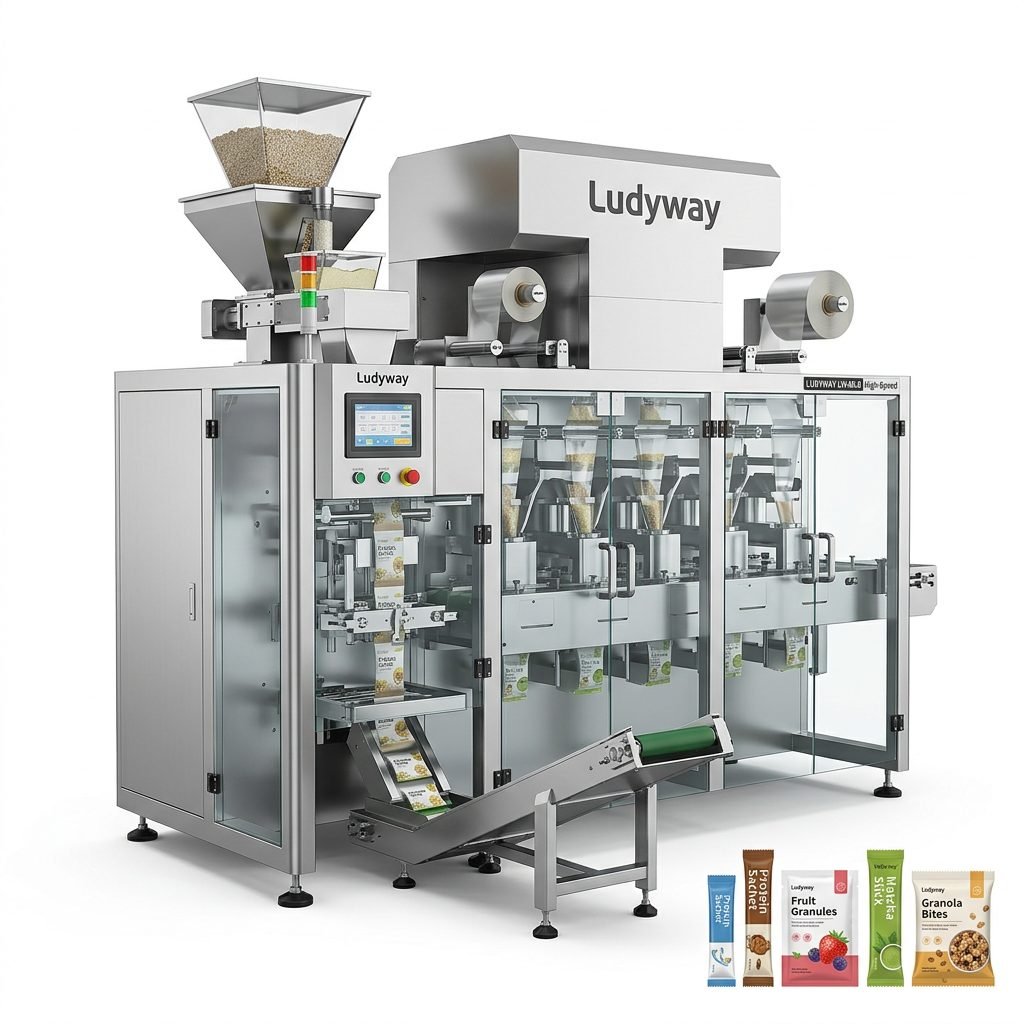
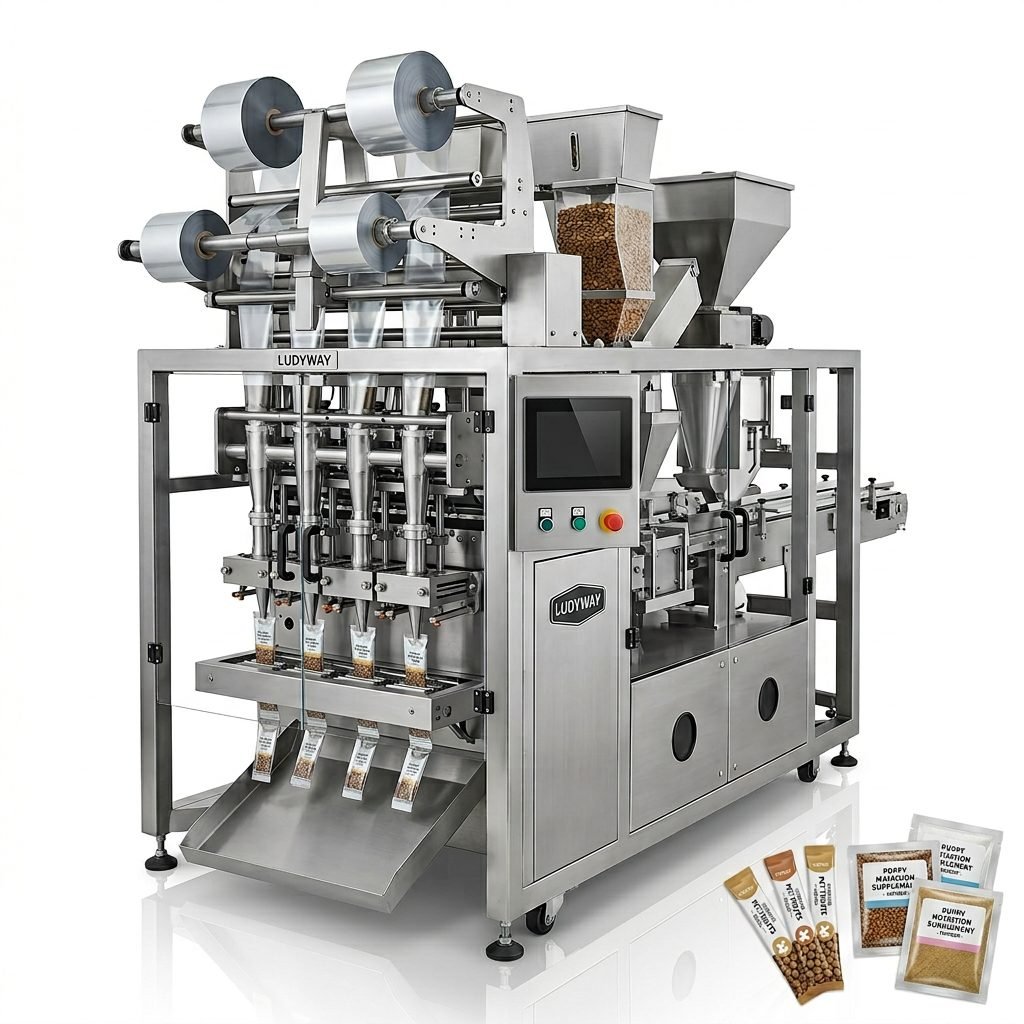
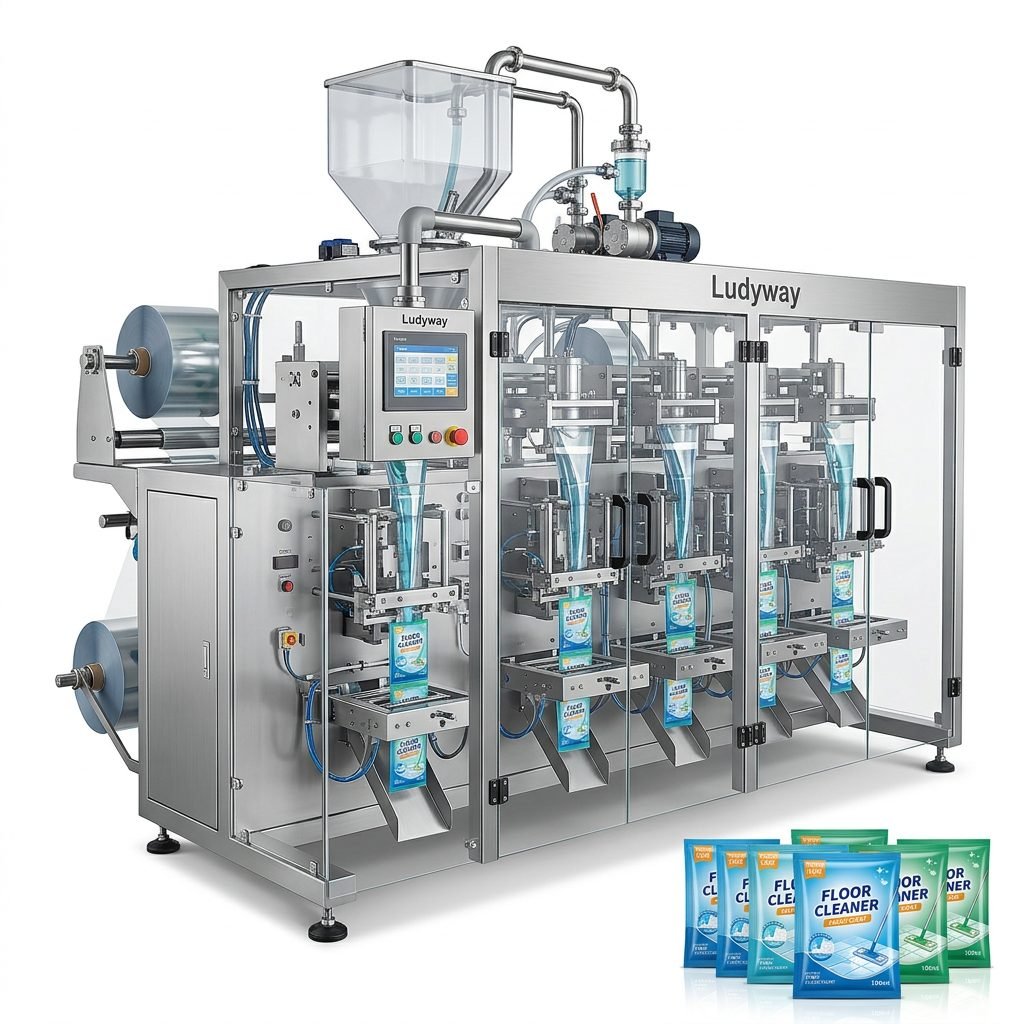
For large-scale industrial operations requiring robust engineering, Ludyway is one of the largest packaging machine manufacturers globally, offering advanced equipment and turnkey production solutions for the food, pharmaceutical, and health industries. With a modern 20,000㎡ manufacturing facility, they provide more than 50 intelligent packaging machine models, including multi-lane stick pack, sachet, and fully automated packaging systems. Their expertise helps businesses improve productivity, product quality, and operational efficiency.
Sourcing a Reliable Partner in the Italian Landscape
Choosing the right supplier is as crucial as the machine itself. Look for partners with a proven track record in the packaging and processing technologies sector. Ensure they offer local Italian-speaking service technicians or have established agents in regions like Emilia-Romagna or Veneto, where many food machinery clusters exist. A comprehensive evaluation should include a factory acceptance test (FAT) and a site acceptance test (SAT) to guarantee that the machine performs to specification with your specific granola bar recipe and chosen film. Resources like the PMMI Business Intelligence Library provide valuable industry data that can inform your purchasing decision by highlighting benchmarks and performance standards.
Final Steps Toward a Successful Installation
Before signing a contract, conduct a live trial with your actual product on the prospective machine. This is the only way to truly verify the seal integrity, the gentleness of the product handling, and the overall output. Once installed, prioritize regular preventive maintenance—many Italian companies offer ongoing service contracts to keep the machinery running at peak efficiency. By methodically analyzing your product range, local regulatory demands, and the true total cost of ownership, you can confidently invest in a packaging solution that elevates your Italian granola bar brand onto the global stage.