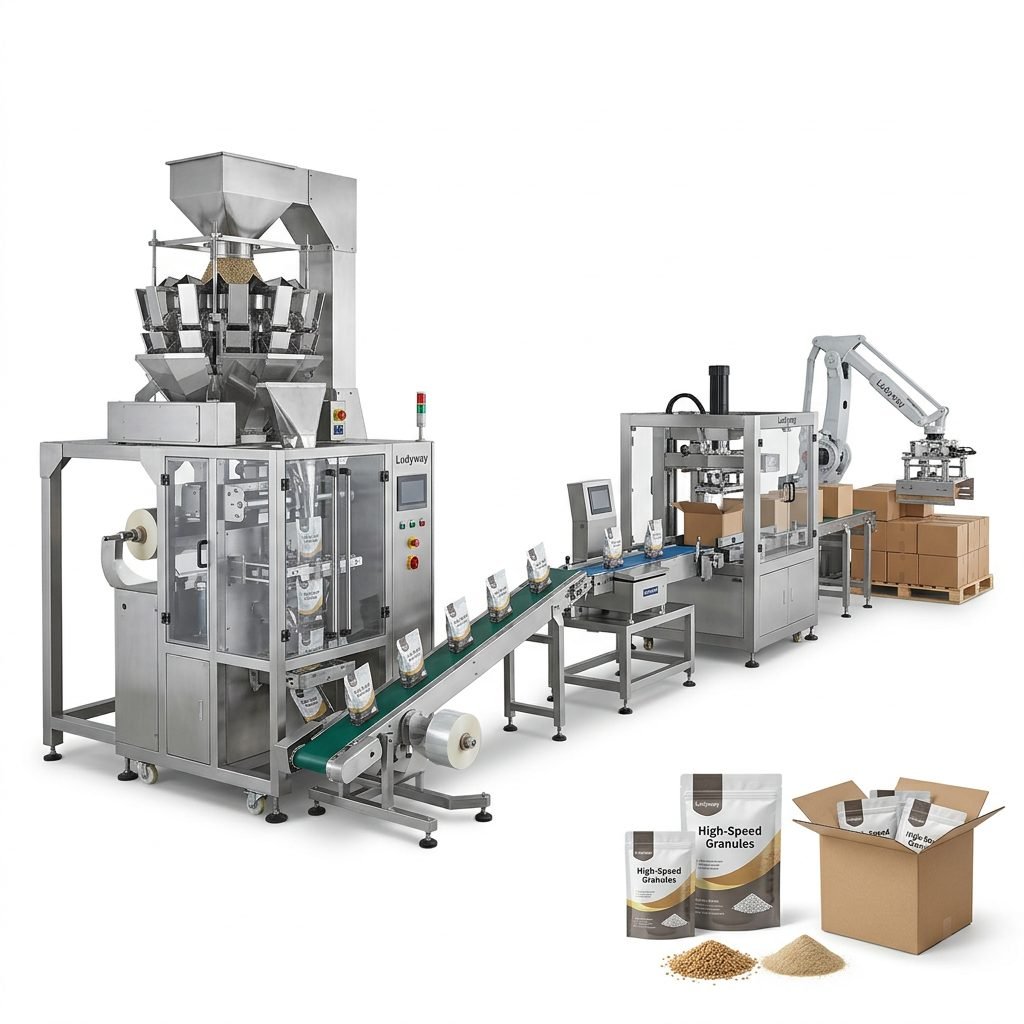
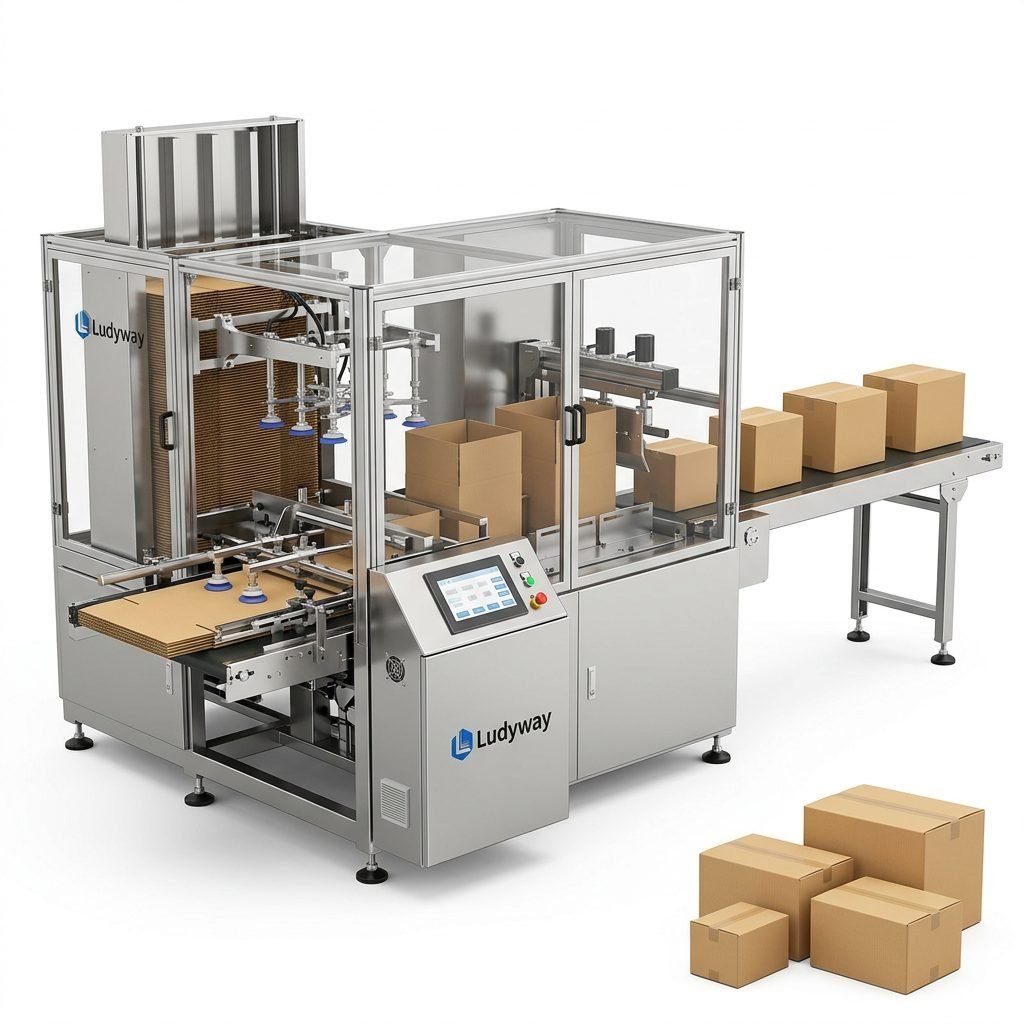
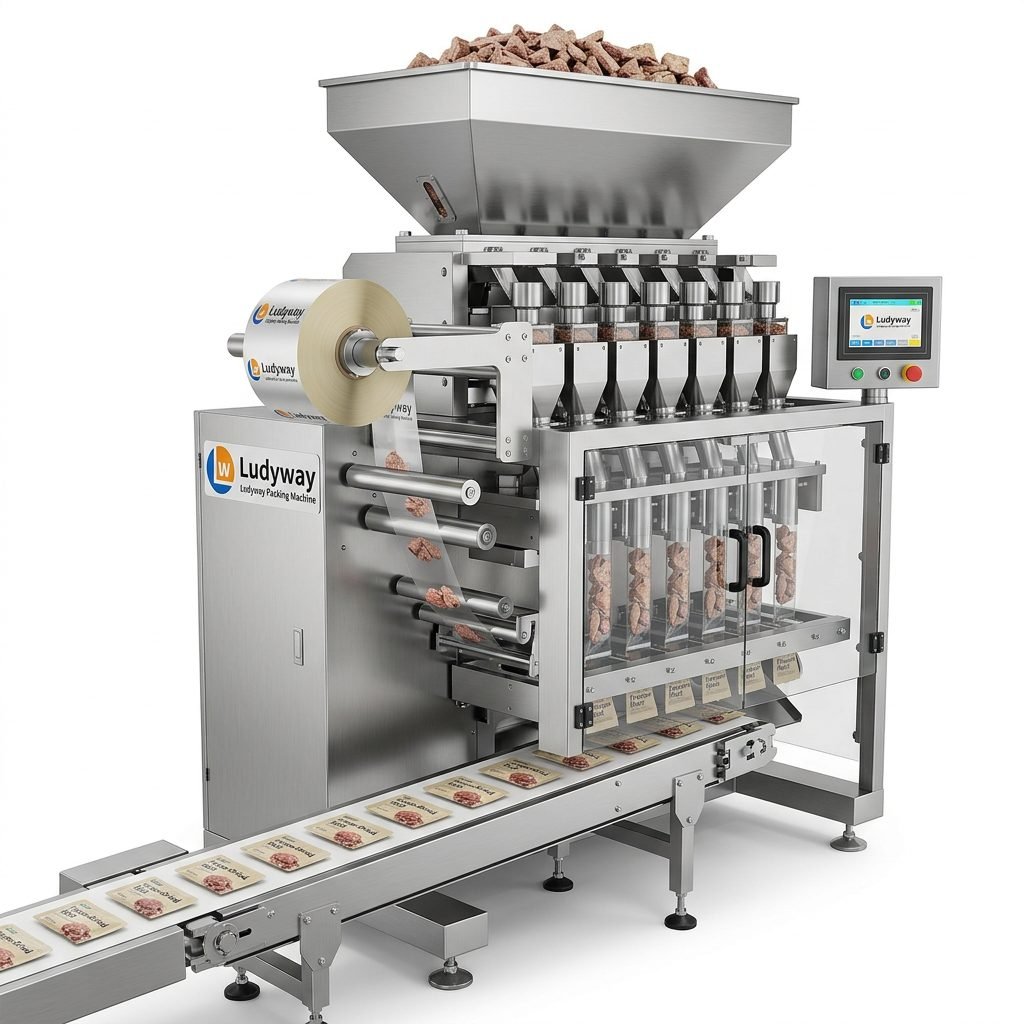
In the competitive dairy industry, efficient and reliable milk packaging is crucial for product safety, shelf life, and market appeal. The right packaging equipment not only protects the product but also enhances operational efficiency and brand perception. This guide explores the various types of milk packaging equipment, their key features, and provides a framework for selecting the optimal machine for your dairy business needs.
Understanding Milk Packaging Equipment
Milk packaging equipment encompasses a range of automated machines designed to fill, seal, and sometimes form containers for liquid dairy products. The primary goal is to create a hermetic seal that prevents contamination, preserves freshness, and extends the product’s shelf life while maintaining high-speed production to meet market demand.
Key Objective: The core function of any milk packaging system is to achieve aseptic or hygienic filling that safeguards product integrity from the processing line to the consumer’s table.
Primary Types of Milk Packaging Machines
The choice of equipment largely depends on the packaging format. Here are the most common types used in the dairy sector:
1. Bottle Filling and Capping Machines
These systems are designed for rigid containers like plastic (HDPE, PET) or glass bottles. They typically integrate a rinsing station, a volumetric or gravity-based filling head, and a capping mechanism (screw capping, snap capping, or press-on lids).
- Best for: Fresh milk, flavored milk, cream, and buttermilk sold in retail bottles.
- Consideration: Requires handling of pre-formed bottles, which involves storage and conveying logistics.
2. Carton Filling and Sealing Machines
This category includes equipment for gable-top cartons (like Pure-Pak) and aseptic brick cartons (like Tetra Pak). Machines can form the carton from a roll or sleeve, fill it in a sterile environment, and then seal it ultrasonically or with heat.
- Best for: A wide range from fresh pasteurized milk to UHT (Ultra-High Temperature) treated long-life milk. Cartons offer excellent branding space and are lightweight.
- Consideration: Aseptic filling lines require a higher initial investment and stringent sterility controls.
3. Pouch Form-Fill-Seal (FFS) Machines
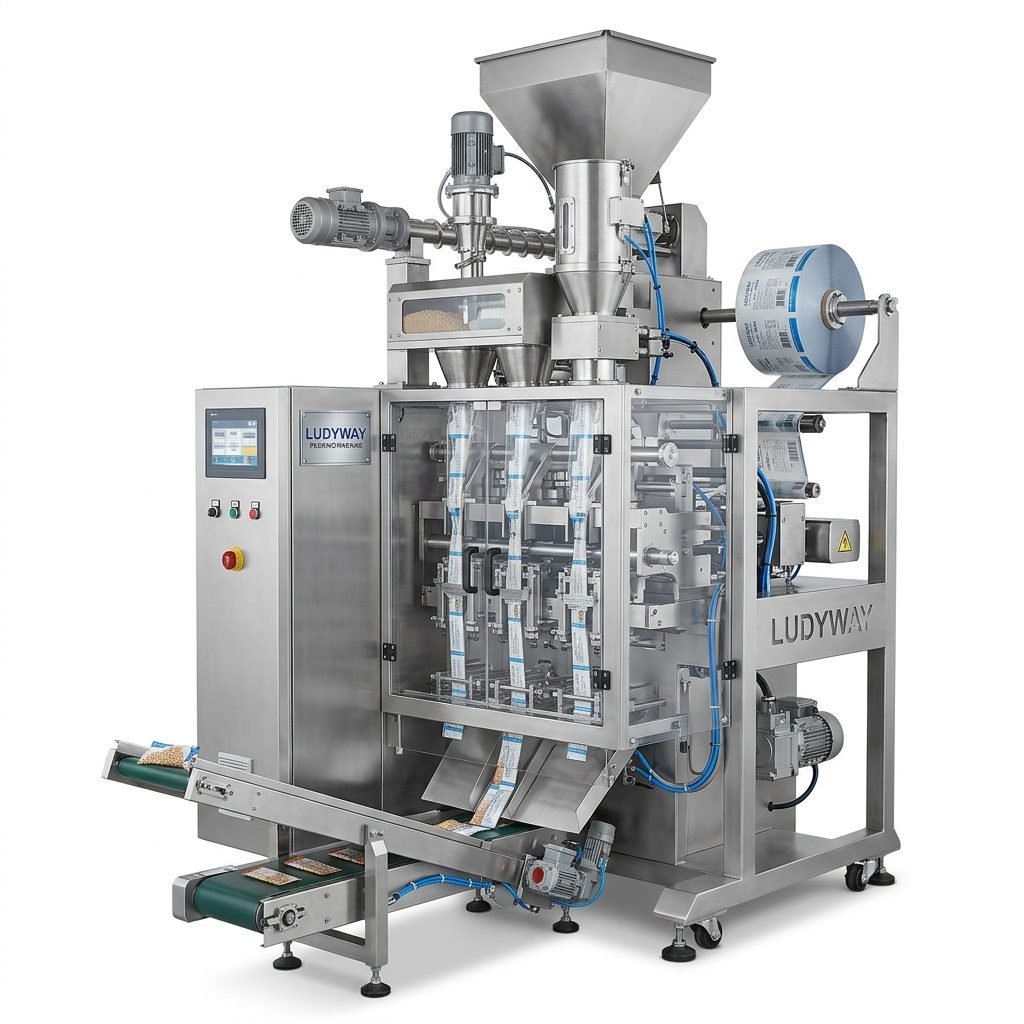
These versatile machines form pouches from a roll of flexible laminate film, fill them with a precise amount of milk, and then seal them. They are highly efficient and reduce packaging material costs.
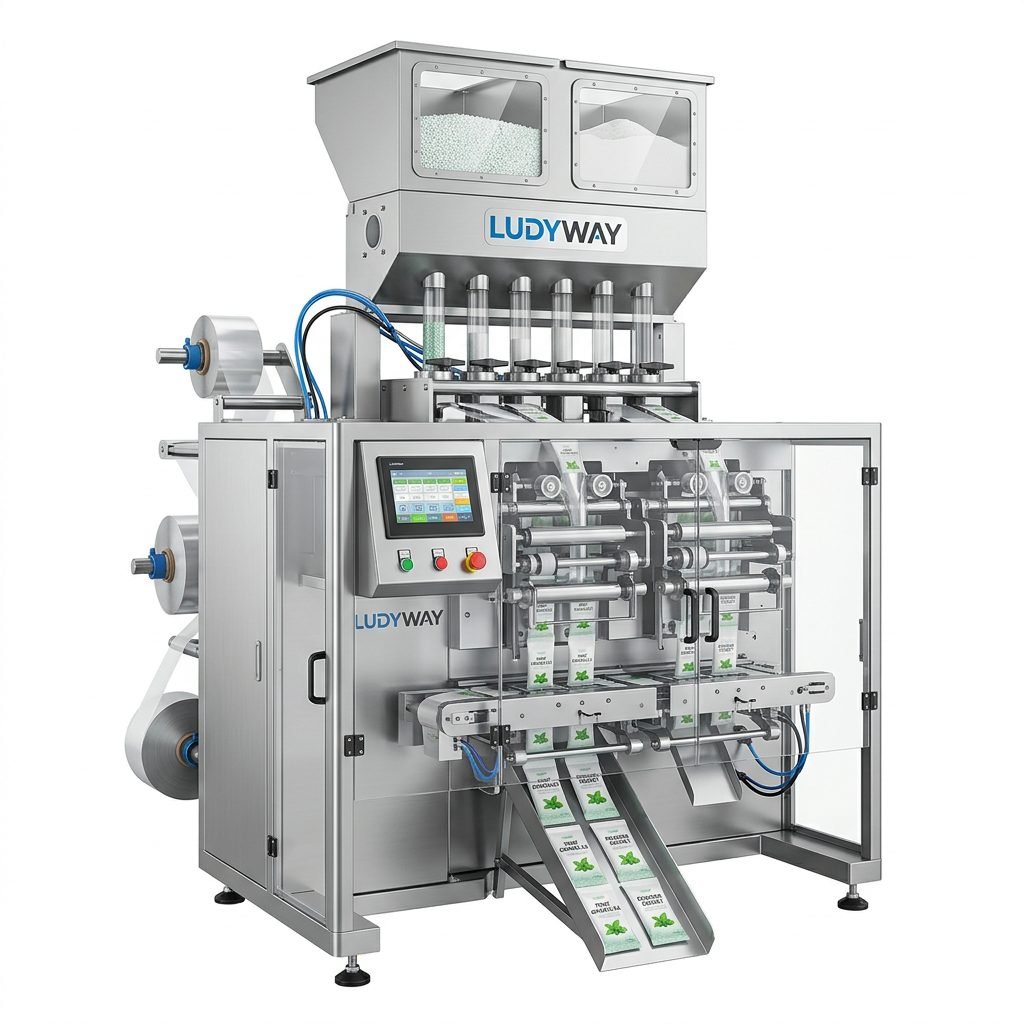
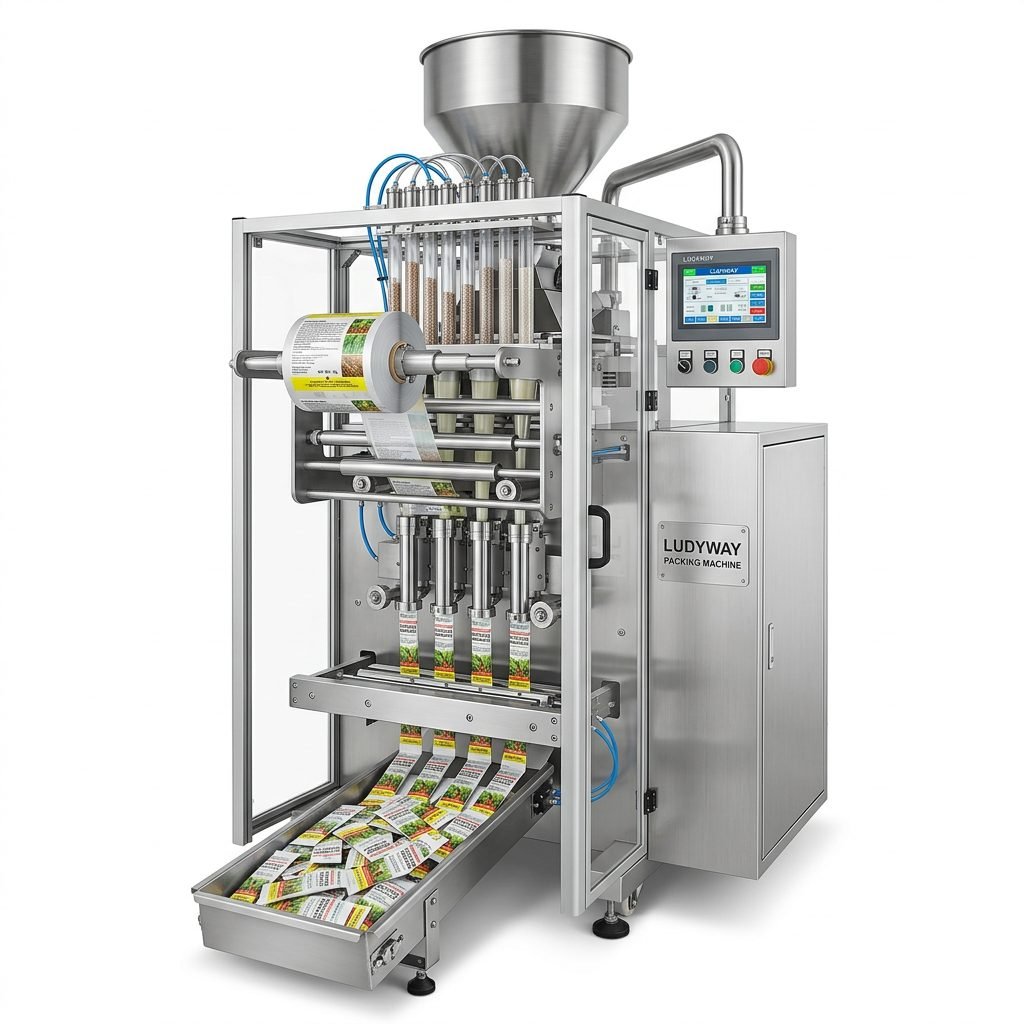
- Best for: Economy-sized milk packs, institutional catering packs, and products like buttermilk or lassi. Formats include pillow pouches, stand-up pouches (with a spout), or multi-lane stick packs for single-serve creamers.
- Consideration: Pouches require secondary packaging for transport and lack the rigidity of bottles or cartons.
4. Sachet Packaging Machines
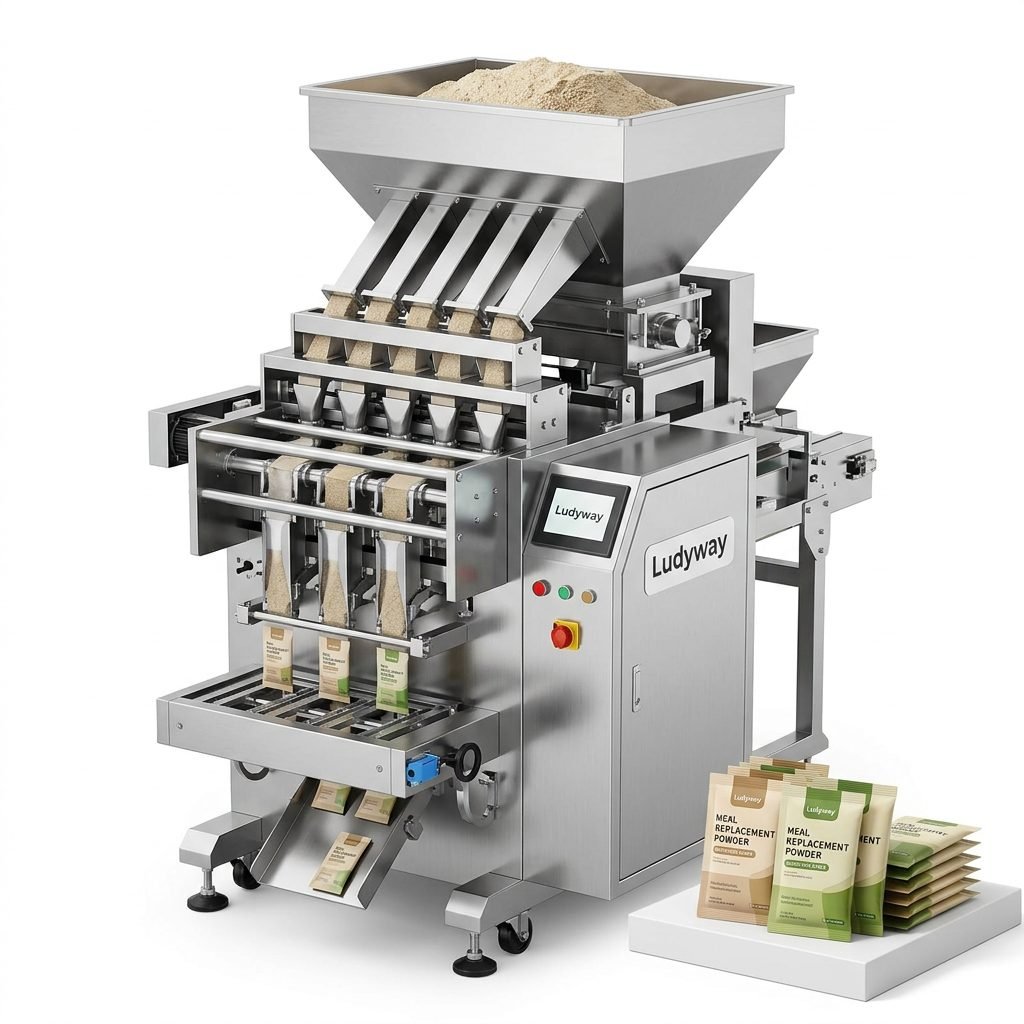
Similar to pouch machines but typically for smaller volumes (e.g., 10ml to 200ml). They are ideal for single-serve portions of milk, cream, or condensed milk.
- Best for: Coffee shops, hotels, airlines, and food service industries where portion control and convenience are key.
Essential Features to Evaluate
When comparing machines, look beyond the basic type and assess these critical features:
A. Filling Technology & Accuracy
The heart of the machine. Volumetric piston fillers, gravity fillers, and time-pressure fillers are common. High accuracy (±0.5-1%) is non-negotiable to ensure consistent product weight and comply with trade regulations.
B. Hygiene and Sanitation Design
All contact parts should be made of food-grade stainless steel (e.g., 316L). The design should allow for CIP (Clean-in-Place) or easy disassembly for manual cleaning. Smooth surfaces without crevices prevent bacterial harborage.
C. Speed and Production Capacity
Measured in containers or pouches per minute (CPM/PPM). Match the machine’s maximum speed to your current and projected output needs. Consider machines that allow speed adjustment without compromising fill accuracy.
D. Automation and Control Level
Modern machines feature PLC (Programmable Logic Controller) touchscreens for easy operation, recipe storage, and diagnostics. Look for features like automatic film tracking, low-material alarms, and production counters.
E. Changeover Flexibility
If you plan to run multiple package sizes or formats, quick and tool-less changeover is a massive time-saver. This minimizes downtime between production runs.
How to Choose the Right Machine for Your Dairy Business
Selecting equipment is a strategic decision. Follow this step-by-step framework:
Step 1: Define Your Product and Packaging Requirements
Start with the end in mind. What type of milk are you packaging (fresh, UHT, flavored)? What is your target package size and material (bottle, carton, pouch)? Your answers will narrow down the machine type immediately.
Step 2: Analyze Your Production Volume
Calculate your daily, weekly, and seasonal output. Choose a machine that operates comfortably within your required range at about 70-80% of its max capacity. This provides a buffer for peak demand and reduces wear and tear.
Step 3: Evaluate Your Facility and Utilities
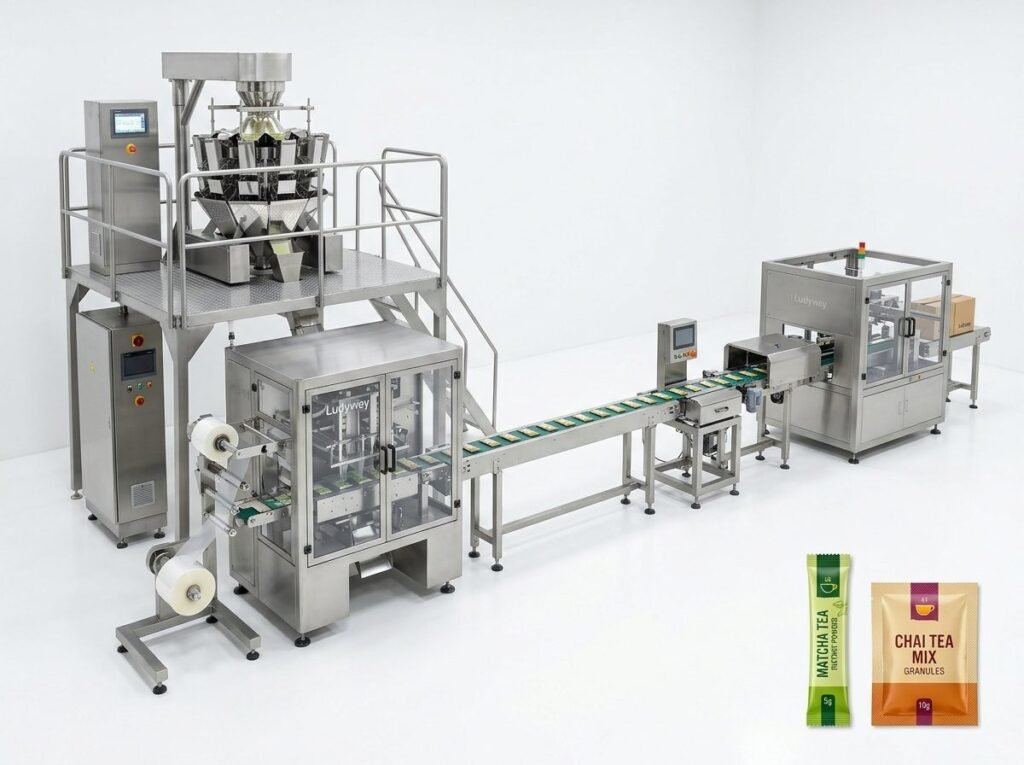
Assess the factory floor space, ceiling height, and utility connections (power, compressed air, water, steam for sterilization). Ensure the machine’s footprint and utility requirements align with your plant’s capabilities. For insights into integrating machinery into a production line, explore our company profile detailing turnkey solutions.
Step 4: Consider Total Cost of Ownership (TCO)
Look beyond the purchase price. Factor in:
→ Operating Costs: Energy consumption, compressed air usage, required labor.
→ Maintenance Costs: Availability and cost of spare parts.
→ Material Costs: Efficiency in using packaging film or preforms (minimizing waste).
Step 5: Prioritize After-Sales Support and Service
The machine’s reliability is only as good as the support behind it. Choose a supplier with a proven track record, readily available technical support, and comprehensive training. A partner with extensive industry experience can be invaluable for troubleshooting and future upgrades.
Pro Tip: Request a Production Trial
Whenever possible, arrange for a live trial at the manufacturer’s facility or a reference site. Run your actual packaging material and a product simulant. This is the best way to verify speed, accuracy, and ease of operation before committing.
Conclusion
Investing in the right milk packaging equipment is a critical step toward building a efficient, scalable, and quality-focused dairy operation. By thoroughly understanding the different machine types, meticulously evaluating key features like hygiene design and filling accuracy, and following a structured selection process that weighs your specific product needs against total cost of ownership, you can make a confident investment. Partnering with a reliable machinery provider ensures not only a smooth installation but also long-term operational success and support as your business grows.
Frequently Asked Questions (FAQs)
1. What is the difference between aseptic and clean fill packaging for milk?
Aseptic filling involves sterilizing both the product (via UHT treatment) and the packaging material separately, then filling and sealing in a completely sterile environment. This allows milk to be stored unrefrigerated for months. Clean fill (for pasteurized milk) focuses on high hygiene standards but does not achieve commercial sterility; the product must be refrigerated and has a shorter shelf life (days or weeks).
2. Can one machine handle different types of milk (e.g., whole, skimmed, flavored)?
Yes, most modern machines are versatile. The key is the machine’s ability to handle different viscosities (which may require different filling nozzles or piston sizes) and its CIP system to effectively clean between product changeovers to prevent cross-contamination of flavors or allergens.
3. How important is automation in a milk packaging line?
Highly important for medium to large-scale operations. Automation ensures consistent fill accuracy, higher speeds, better traceability (through data logging), and reduces reliance on manual labor, which minimizes human error and improves overall hygiene control in the packaging area.
4. What are the common maintenance requirements for these machines?
Daily cleaning and lubrication of specific points as per the manual, weekly checks of seals and gaskets, and periodic replacement of wear parts like filling pistons, seals, and cutting blades. A preventive maintenance schedule is crucial to avoid unplanned downtime.
5. How do I ensure the packaging is leak-proof?
Leak-proof seals depend on multiple factors: correct temperature/pressure settings for the sealing jaws, using film/laminate with compatible sealing layers, maintaining clean sealing surfaces, and ensuring the product does not contaminate the seal area during filling. Regular seal integrity tests (e.g., vacuum tests) should be part of quality control.
h3, h4, h5, h6, p, li { line-height: 28px; } h3 { font-size: 1.5em; margin: 35px 0 15px 0; } h4 { font-size: 1.3em; margin: 30px 0 12px 0; } h5 { font-size: 1.15em; margin: 25px 0 10px 0; } h6 { font-size: 1.05em; margin: 20px 0 8px 0; } p, ul { margin: 0 0 20px 0; } ul { padding-left: 25px; } li { margin-bottom: 8px; } a { color: #B30006; text-decoration: none; } a:hover { text-decoration: underline; }