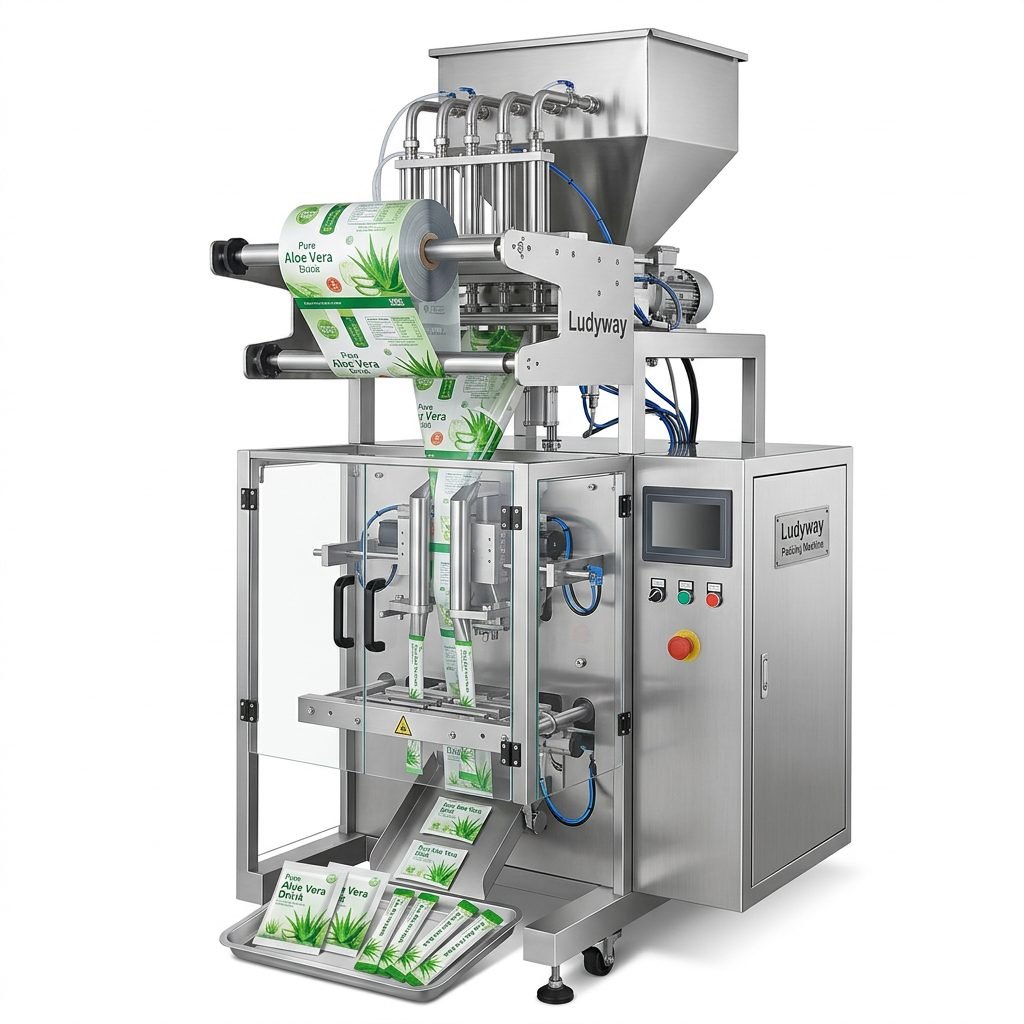
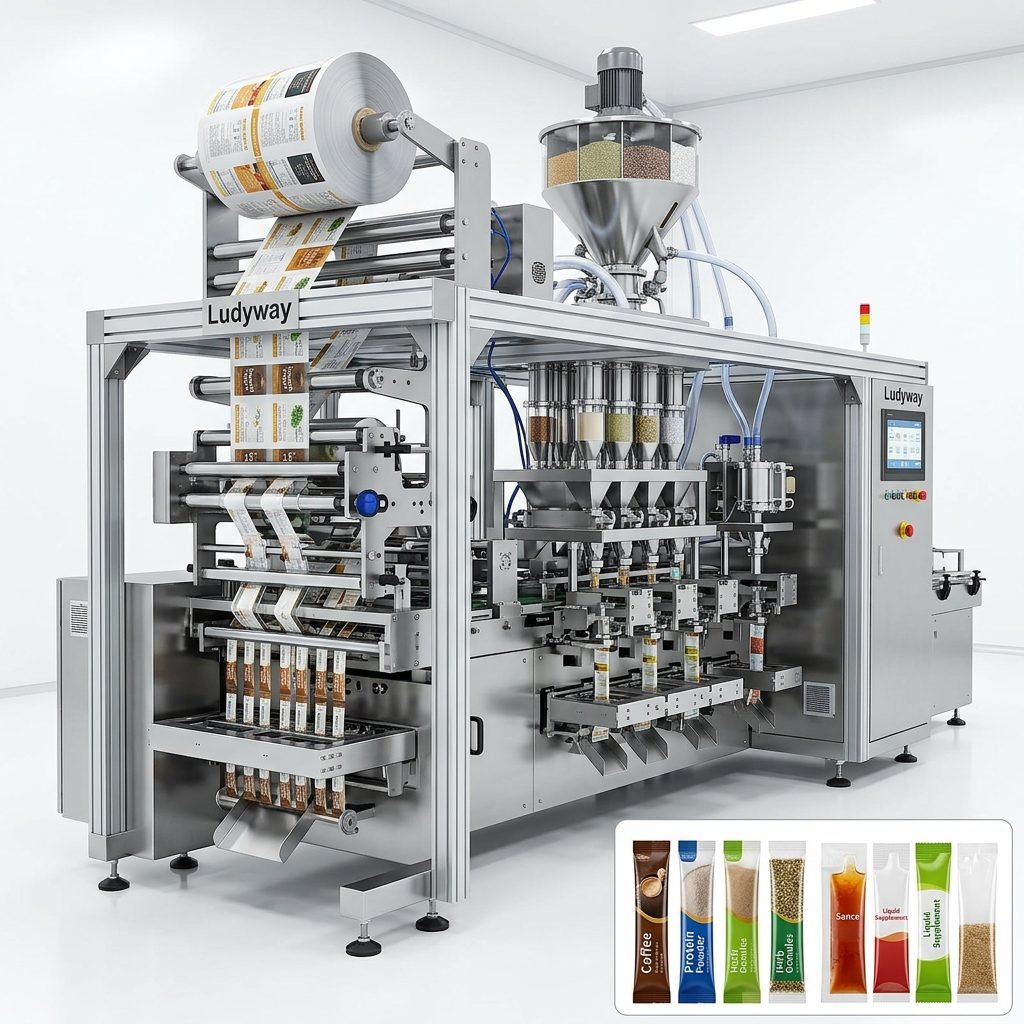
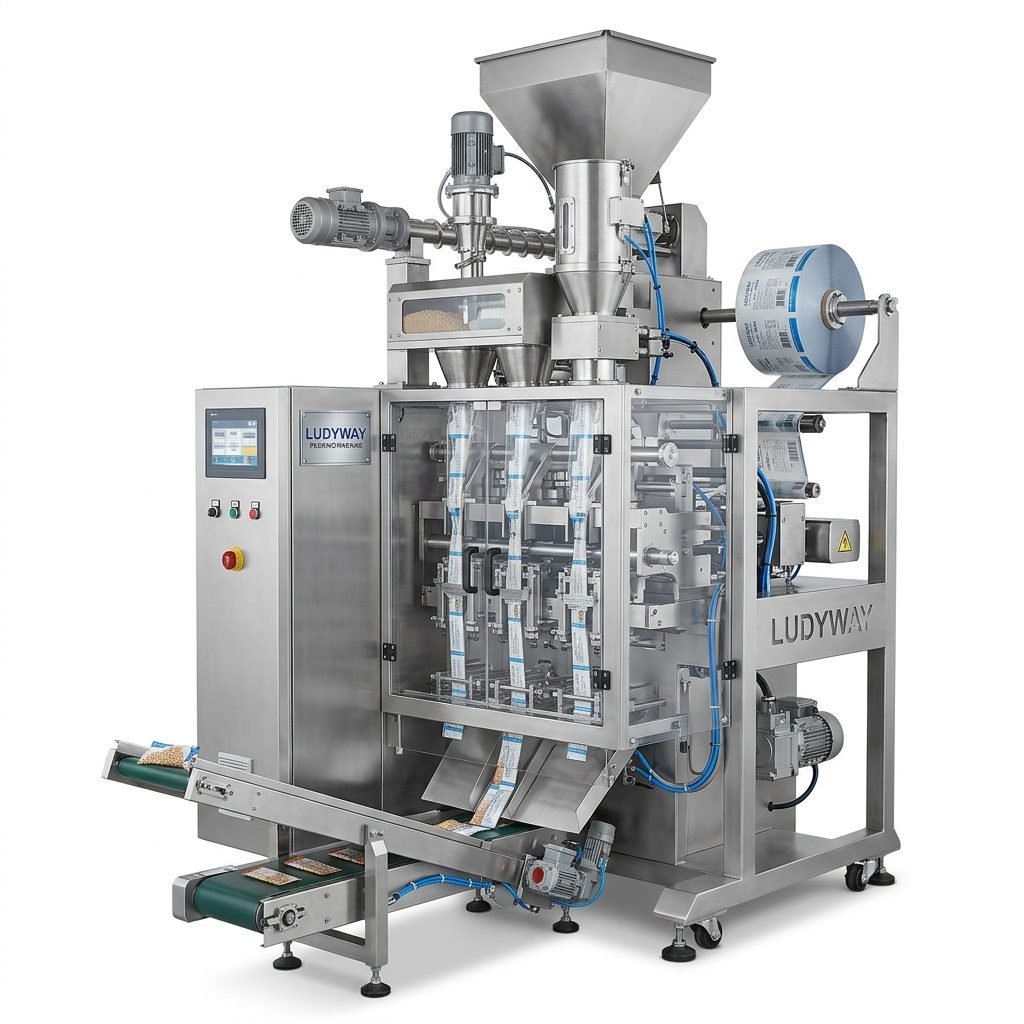
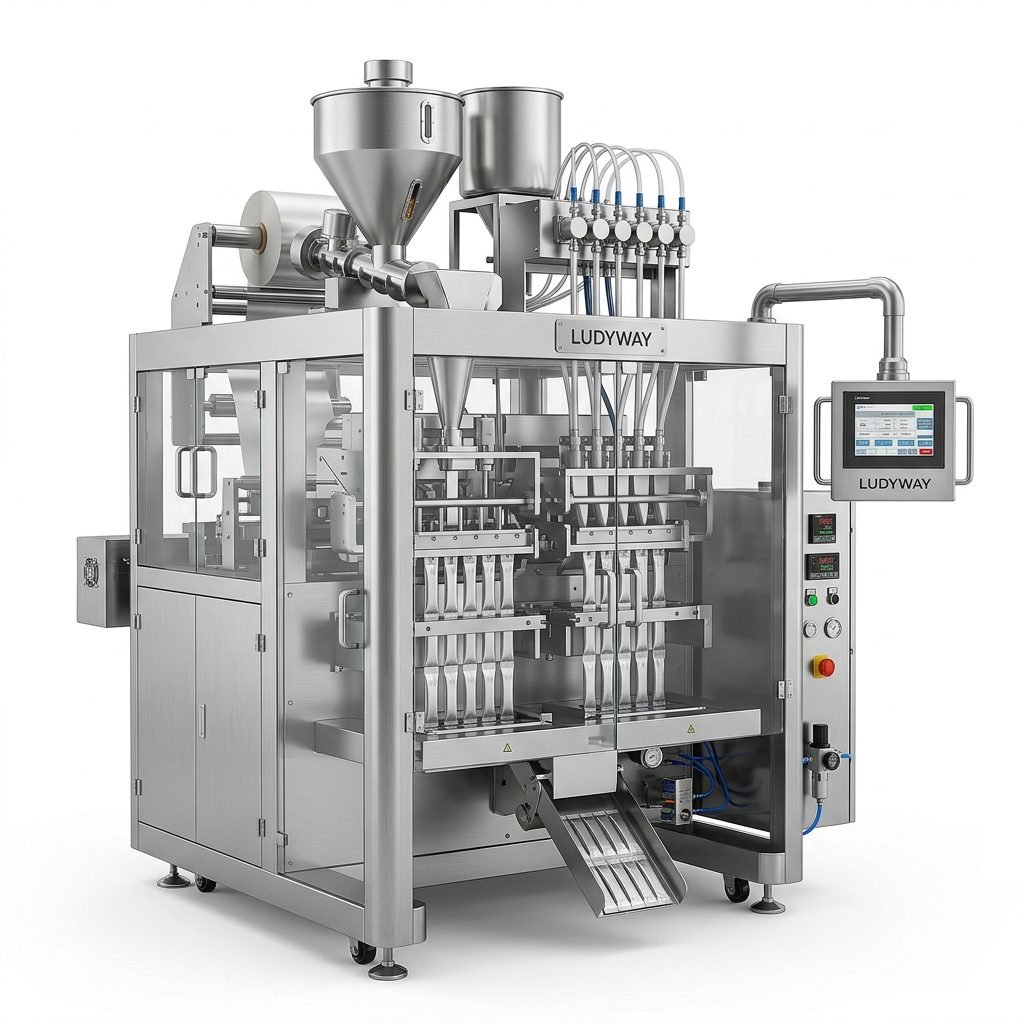
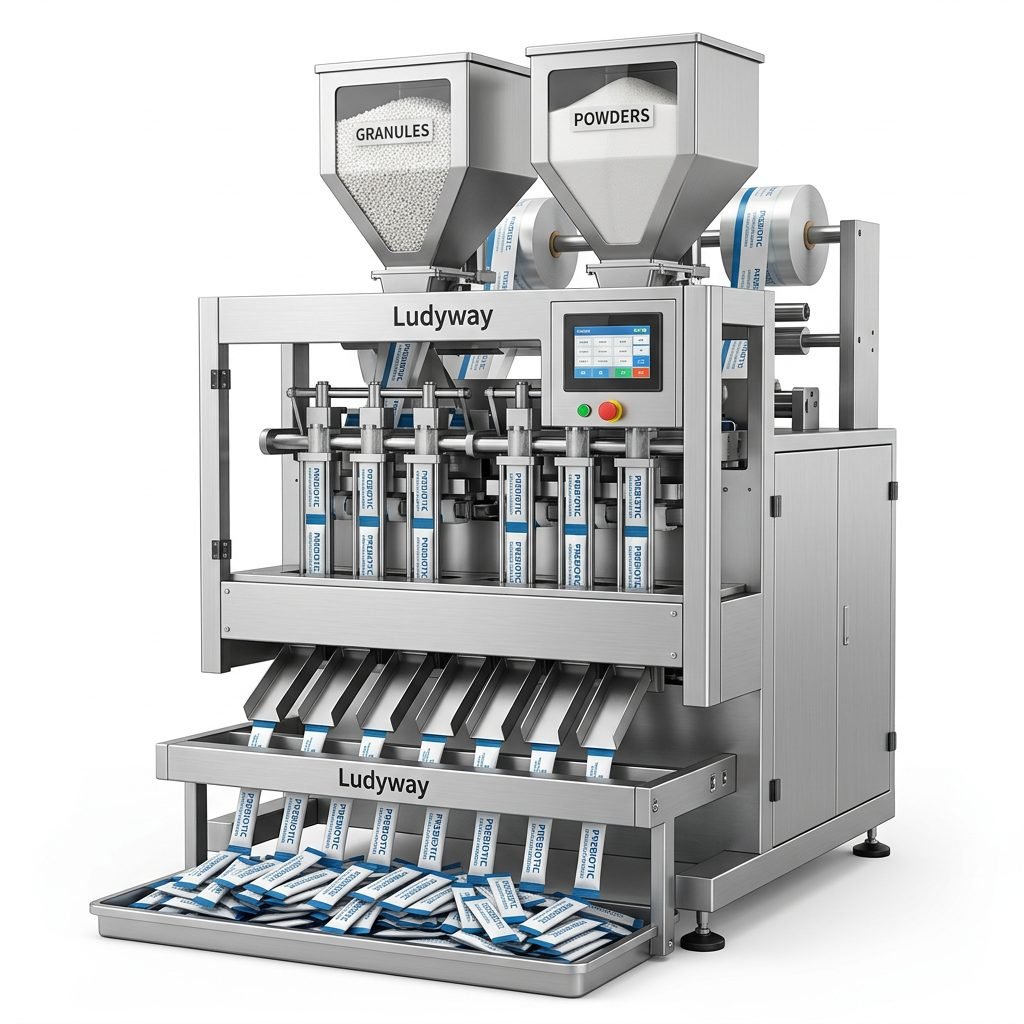
A food container packing machine is designed to automate the filling, sealing, labeling, coding, and final handling of food containers such as cups, trays, tubs, bowls, jars, bottles, and pouches. For food manufacturers, this equipment plays a critical role in improving output, reducing labor dependence, maintaining hygiene, and delivering consistent packaging quality across every batch.
Whether you produce ready meals, sauces, snacks, powders, dairy products, frozen foods, or nutritional products, the right machine can help you achieve faster changeovers, lower waste, stable sealing performance, and better shelf appeal.
What Is a Food Container Packing Machine?
A food container packing machine is a packaging system that handles one or more stages of the container packaging process. Depending on the application, it may:
- Feed empty containers automatically
- Accurately dose food products into each container
- Seal with film, foil, lids, caps, or heat-sealing methods
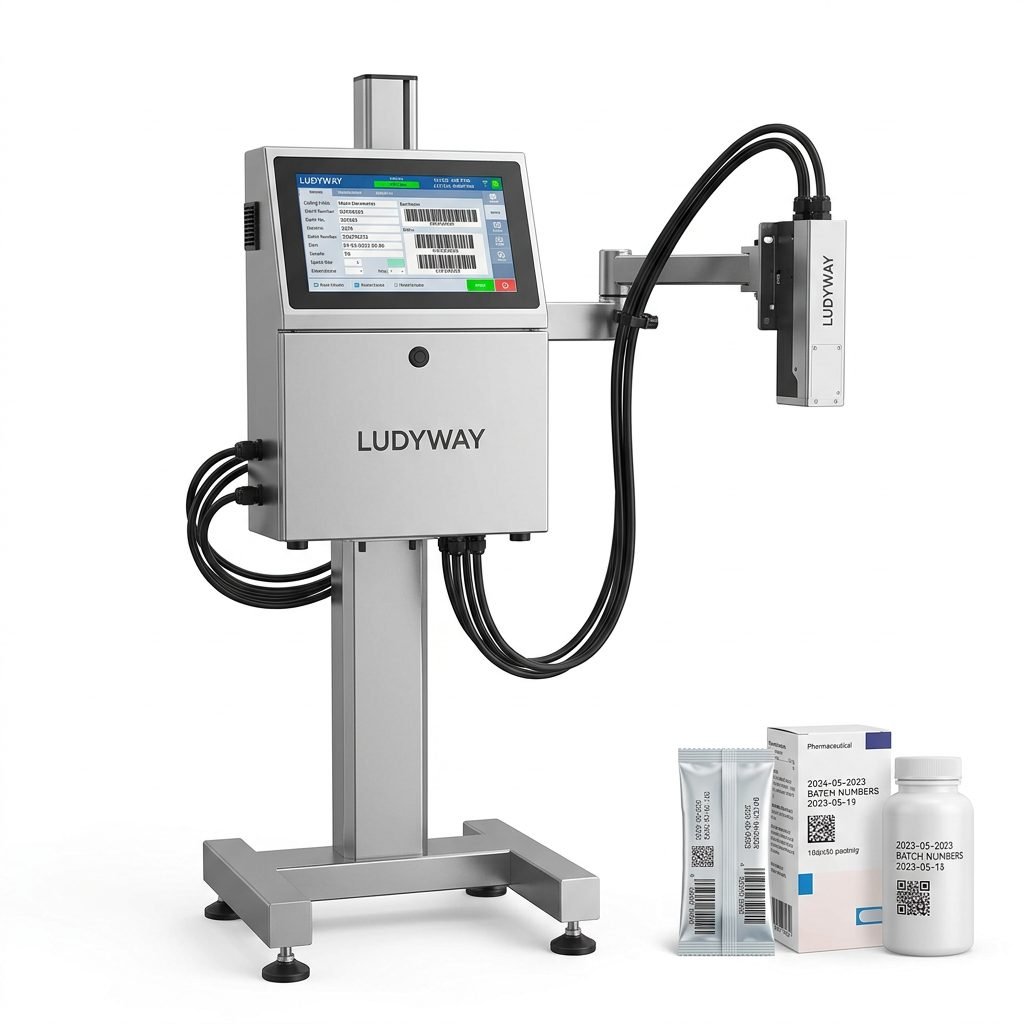
- Print batch codes or date codes
- Apply labels
- Inspect weight, seal integrity, or metal contamination
- Pack finished containers into cartons or cases
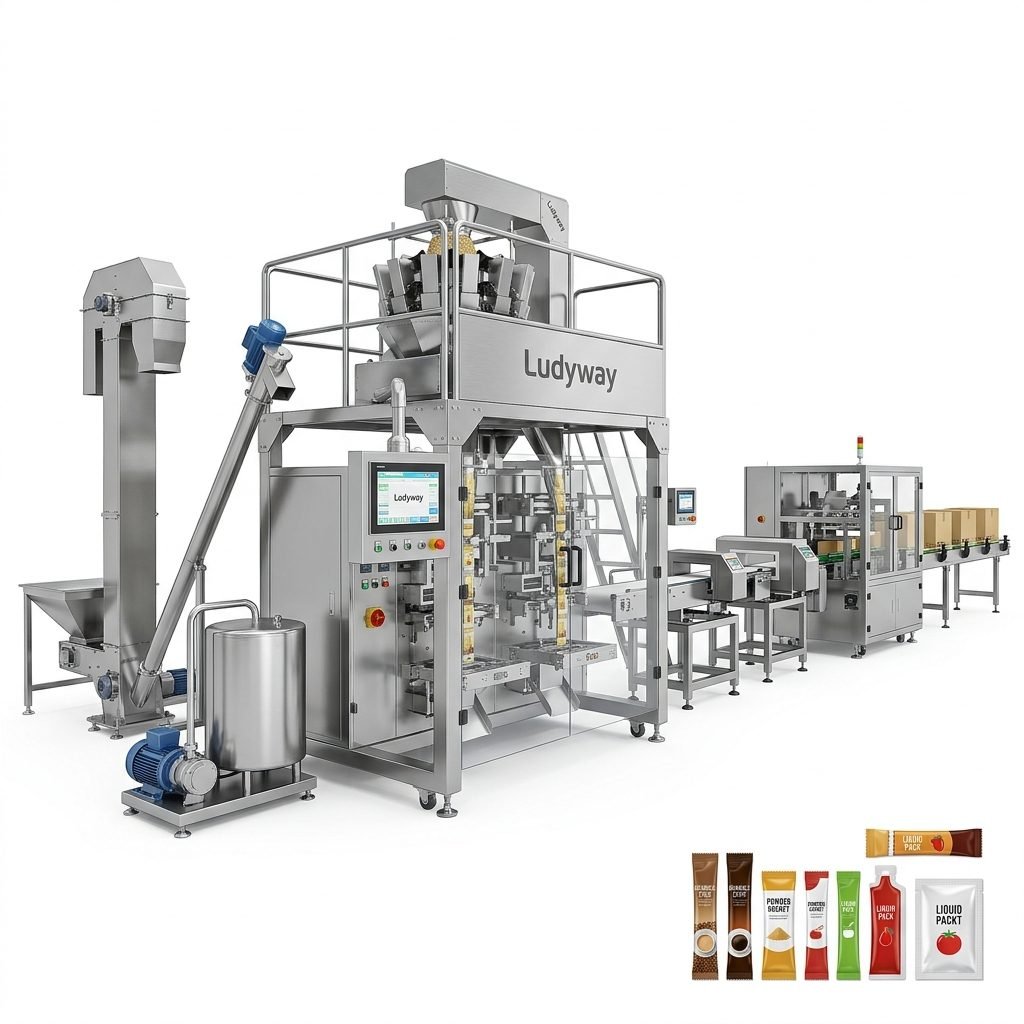
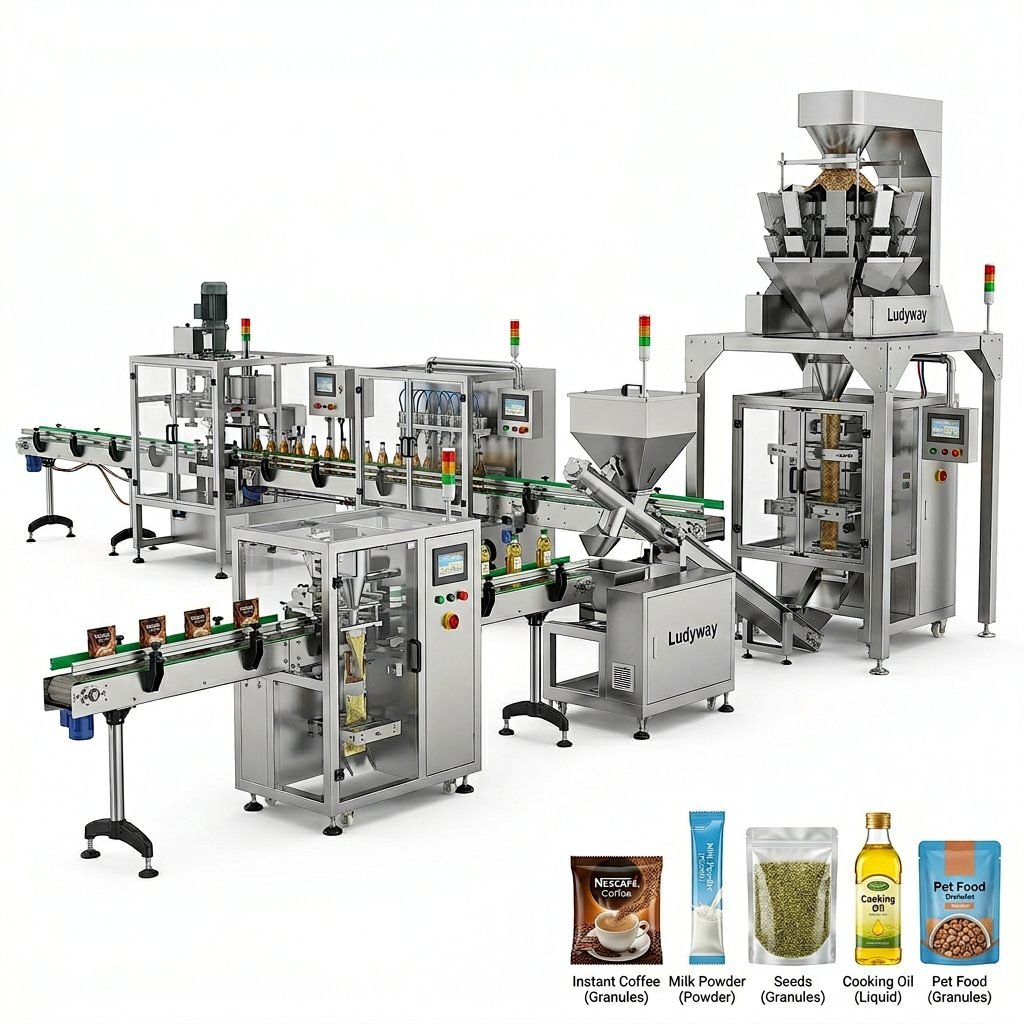
These machines can be configured as standalone equipment or integrated into a complete turnkey packaging line for high-volume production.
Why Food Manufacturers Use Container Packing Machines
Food businesses are under constant pressure to deliver safe products, attractive packaging, and efficient production. A modern container packaging machine helps solve these challenges by improving both operational performance and product reliability.
- Higher productivity: automated filling and sealing significantly increase output per shift
- Better consistency: repeatable dosing reduces underfill and overfill issues
- Improved hygiene: enclosed or controlled systems support food safety standards
- Labor savings: fewer manual steps reduce staffing pressure
- Lower waste: precise filling and sealing reduce product loss and packaging defects
- Scalability: systems can grow from semi-automatic to fully automatic lines
Common Food Products Packed in Containers
Container packing machines are used across many food categories. The best machine type depends on product viscosity, particle size, fill accuracy requirements, container format, and target output.
| Food Category | Typical Products | Common Container Types |
|---|---|---|
| Dairy | Yogurt, cream, dessert cups | Cups, tubs, jars |
| Ready meals | Rice meals, pasta, frozen dishes | Trays, bowls, compartment containers |
| Sauces & condiments | Ketchup, chili sauce, mayonnaise, curry sauce | Bottles, cups, sachets, jars |
| Dry foods | Seasonings, sugar, coffee, cereal, snack mixes | Jars, cups, stick packs, sachets |
| Liquid foods | Soup, edible oils, beverages | Bottles, pouches, cups |
| Health nutrition | Protein powder, collagen, electrolyte powder | Jars, sachets, stick packs |
Main Types of Food Container Packing Machines
Cup Filling and Sealing Machines
These are widely used for yogurt, jelly, pudding, sauces, dips, and ready-to-eat snacks. They usually include cup denesting, product filling, lid or film sealing, coding, and discharge.
Tray Sealing Machines
Ideal for fresh meals, meat, frozen food, and prepared dishes. Tray sealers can support vacuum, gas flushing, and modified atmosphere packaging to extend shelf life.
Bottle and Jar Filling Lines
Suitable for sauces, oils, powders, granules, and beverages. These systems may combine bottle unscrambling, filling, capping, induction sealing, labeling, and case packing.
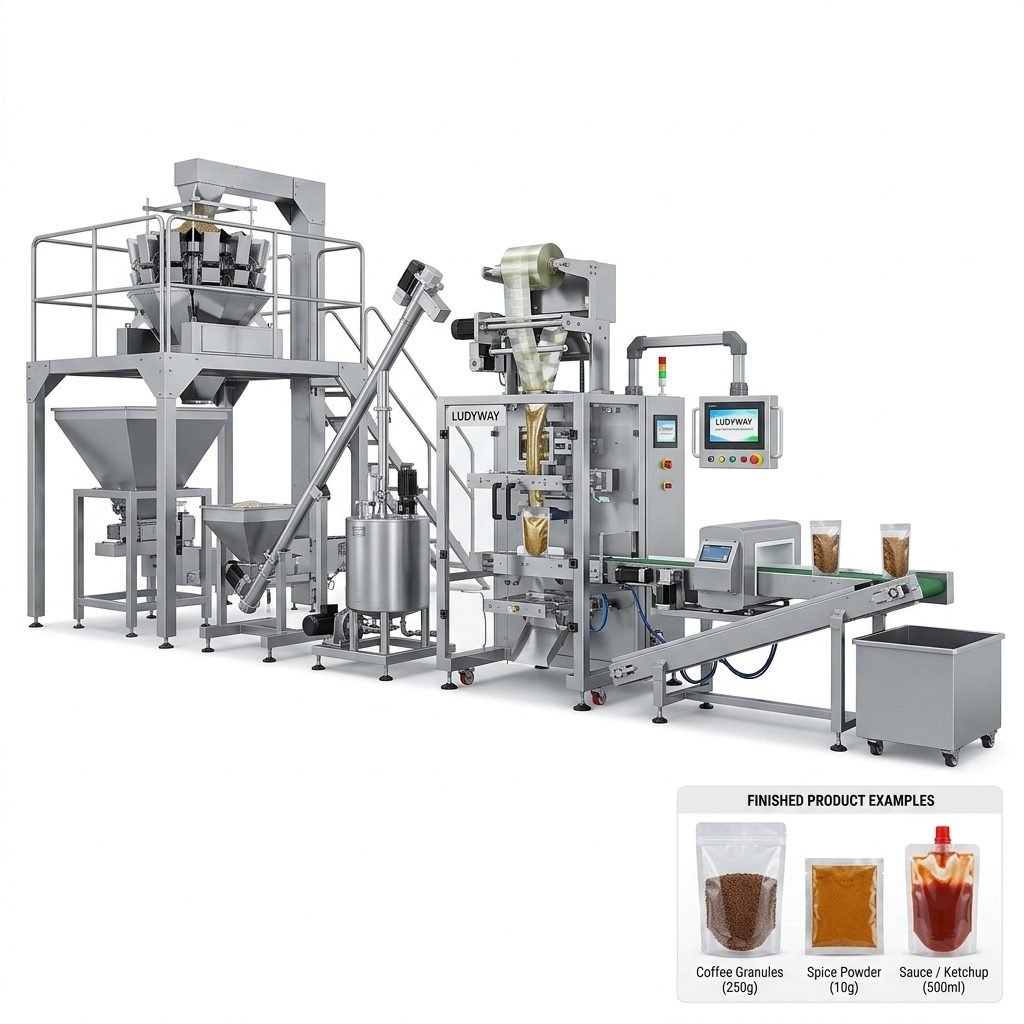
Vertical Form Fill Seal Systems
Common for free-flowing food powders, granules, and small snack portions. These machines form the pack from film, dose the product, and seal it in one automatic process.
Premade Pouch Packing Machines
Best for brands that want attractive retail-ready packaging. They can pack powders, sauces, snacks, dry fruits, frozen foods, and mixed ingredients into stand-up or flat pouches.
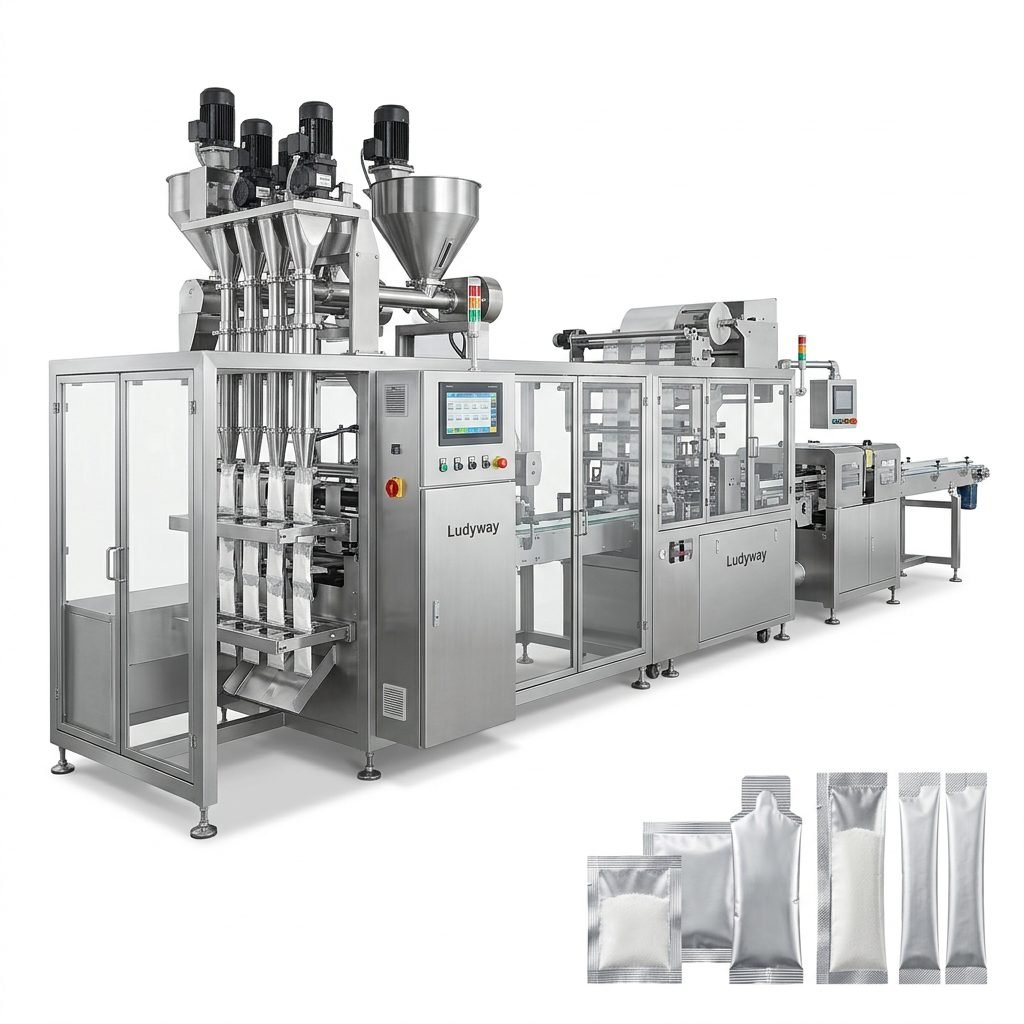
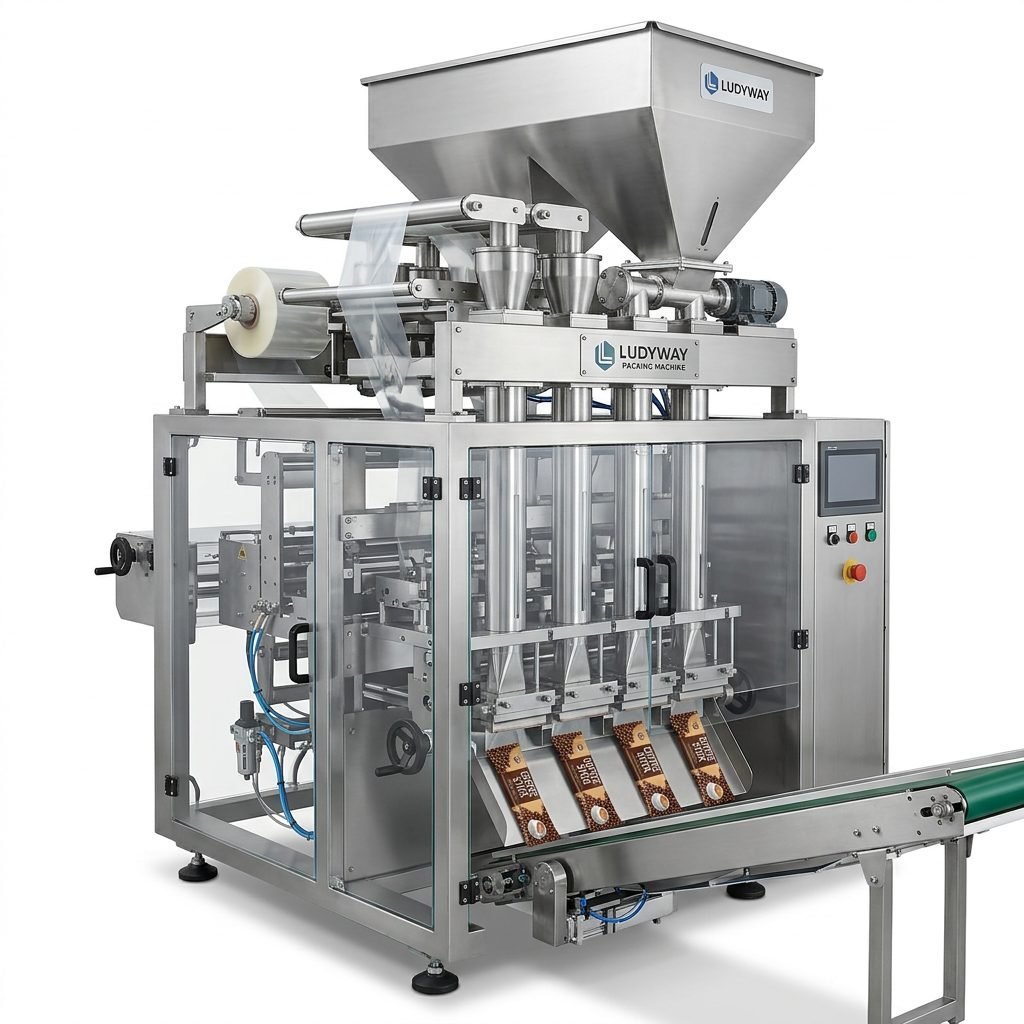
Multi-Lane Sachet and Stick Pack Machines
Excellent for single-serve products such as coffee, sugar, drink powder, sauce, nutrition powder, and seasoning blends. Multi-lane designs deliver very high speed with a compact footprint.
Core Components of an Efficient Packaging Line
A high-performing food container packing solution is usually more than just a filler or sealer. It often includes several linked modules.
- Feeding system for containers and product transfer
- Filling unit matched to powder, granule, liquid, paste, or solid product type
- Sealing module such as heat seal, cap seal, foil seal, or film seal
- Coding and labeling equipment for traceability and compliance
- Inspection system such as checkweigher, metal detector, or vision inspection
- Secondary packaging equipment for cartoning, case packing, and palletizing
How to Choose the Right Food Container Packing Machine
Choosing the right machine requires balancing current production needs with future growth plans. The lowest initial price is not always the most cost-effective option over time.
| Selection Factor | Why It Matters |
|---|---|
| Product characteristics | Powder, granule, liquid, paste, and solid foods require different filling technologies |
| Container format | Cup, tray, bottle, jar, pouch, or sachet affects machine design and line layout |
| Production speed | Required output determines lane count, filling heads, and automation level |
| Fill accuracy | Important for cost control, compliance, and customer satisfaction |
| Cleaning requirements | Food-grade materials and easy-clean structure reduce contamination risk |
| Changeover needs | If you run multiple SKUs, fast adjustment is essential |
| Factory space | Compact layouts help maximize available production area |
| After-sales support | Installation, training, spare parts, and technical service reduce downtime |
Best Filling Technologies by Product Type
For Powders
- Auger fillers
- Servo screw dosing systems
- Dust-control feeding systems
For Granules
- Volumetric cup fillers
- Multihead weighers
- Linear weighers
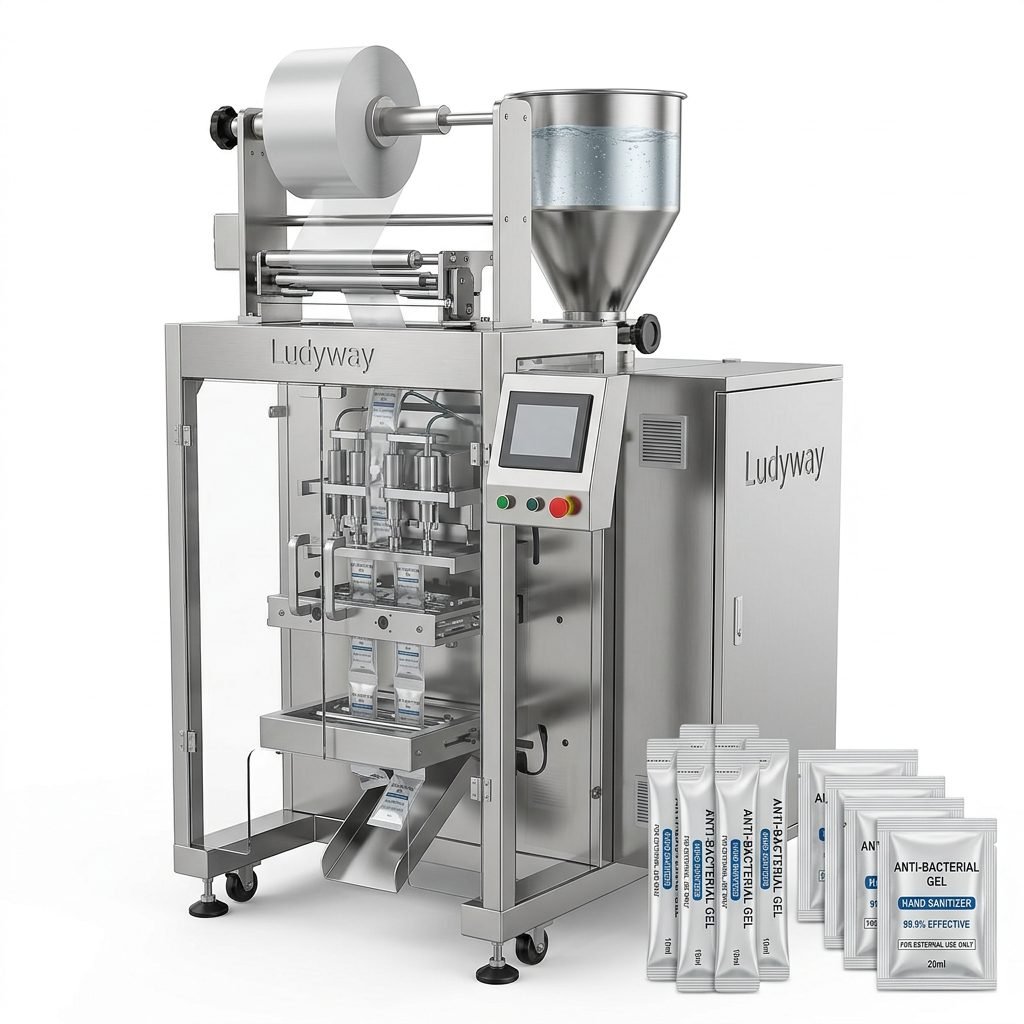
For Liquids and Sauces
- Piston fillers
- Flowmeter fillers
- Pump filling systems
For Viscous or Chunky Products
- Special piston systems
- Anti-drip nozzles
- Agitated hoppers for product consistency
Matching the filling method to the product is one of the most important decisions in any packaging project.
Key Features That Improve Packaging Efficiency
When comparing machines, look beyond speed alone. The most efficient systems combine reliability, flexibility, and low operating cost.
- Servo-driven controls for better positioning and accuracy
- Touchscreen HMI for easy recipe storage and parameter adjustment
- Automatic alarm systems for faster troubleshooting
- No-container-no-fill logic to reduce waste
- Quick-release parts for cleaning and maintenance
- Tool-free changeover for multi-product production
- Integrated coding and inspection for traceability and quality control
Food Safety and Compliance Considerations
In food packaging, machine design must support safety and sanitation. Buyers should evaluate equipment based on:
- Food-contact material quality
- Stainless steel construction where needed
- Easy-to-clean surfaces and reduced dead corners
- Dustproof or splash-resistant design depending on product type
- Reliable seal integrity for shelf life protection
- Support for batch coding and traceability
For export-oriented food producers, stable packaging quality is especially important because retailers and distributors expect consistent sealing, labeling, and coding performance across every shipment.
Semi-Automatic vs Fully Automatic Systems
Semi-Automatic Machines
Suitable for startups, pilot production, or niche food brands with lower output requirements. They usually cost less upfront but require more labor and slower handling.
Fully Automatic Machines
Designed for medium to large factories that need stable throughput, lower labor costs, and better integration with upstream and downstream equipment. These systems are ideal for growing food businesses that want long-term efficiency.
Common Challenges and How the Right Machine Solves Them
| Production Challenge | Recommended Solution |
|---|---|
| Inconsistent fill weights | Use servo-controlled dosing or weighing-based filling |
| Leaking or weak seals | Upgrade sealing module and validate temperature, pressure, and dwell time |
| Frequent downtime | Choose stable components, fault alarms, and strong after-sales support |
| Too much manual labor | Integrate denesting, conveying, labeling, and end-of-line automation |
| Slow SKU changeovers | Adopt modular design with recipe memory and quick adjustments |
Maintenance Tips for Long-Term Performance
Even the best food container packing machine requires routine care. Preventive maintenance helps avoid expensive downtime and keeps output stable.
- Clean product-contact parts regularly
- Inspect seals, cutters, filling nozzles, and moving parts
- Calibrate filling accuracy on schedule
- Monitor wear parts and keep critical spares available
- Train operators on startup, shutdown, and fault handling procedures
- Record downtime causes to identify recurring issues
When a Turnkey Packaging Line Makes More Sense
If your project involves multiple packaging stages, a turnkey line can often deliver better total efficiency than buying individual machines from different suppliers. A complete system improves compatibility, layout planning, communication control, and service coordination.
For companies looking for scalable and customized automation, food container packing machine solutions from Ludyway can support both standalone equipment and integrated turnkey packaging lines for food, pharmaceutical, health supplement, and related industries.
Questions to Ask Before Buying
- What products and container formats will run on this machine?
- What is the realistic output per minute under actual production conditions?
- How accurate is the filling system?
- How long does product changeover take?
- What cleaning method is recommended?
- Which spare parts should be stocked locally?
- Can the machine be expanded into a full line later?
- What installation, commissioning, and training support is included?
Final Buying Insight
The ideal food container packing machine is not simply the fastest machine on the market. It is the one that best fits your product characteristics, packaging style, hygiene requirements, plant space, labor goals, and growth strategy. A well-matched system can deliver better efficiency, stronger packaging consistency, lower total operating cost, and a more competitive food brand.
If you are planning a new packaging project or upgrading an existing line, focus on equipment that combines accurate filling, dependable sealing, flexible automation, and reliable technical support. That approach will create long-term value far beyond the initial machine purchase.