India’s edible oil industry is one of the fastest-growing sectors in the global food economy. With annual consumption exceeding 25 million metric tons and rising demand for branded, hygienically packaged products, setting up a modern oil packaging machine production line has become a strategic priority for manufacturers, contract packers, and agribusiness investors alike. Whether you are packing sunflower oil, mustard oil, palm oil, soybean oil, or specialty oils, the efficiency, accuracy, and hygiene of your packaging line directly impact product quality, shelf life, and market competitiveness.
Establishing a fully automated oil packaging line involves careful planning across multiple dimensions: equipment selection, facility layout, regulatory compliance, cost estimation, and operational training. This guide provides a comprehensive, step-by-step overview of how to set up an efficient packaging production line in India, covering everything from essential machinery to budget benchmarks and practical implementation strategies.
Understanding the Edible Oil Packaging Landscape in India
The Indian edible oil market is projected to grow at a CAGR of over 6% through 2030, driven by urbanization, rising disposable incomes, and increasing consumer preference for packaged and branded oils. Packaging formats vary widely depending on the target market segment:
- Consumer retail packs: 1-liter, 2-liter, and 5-liter PET bottles or HDPE containers
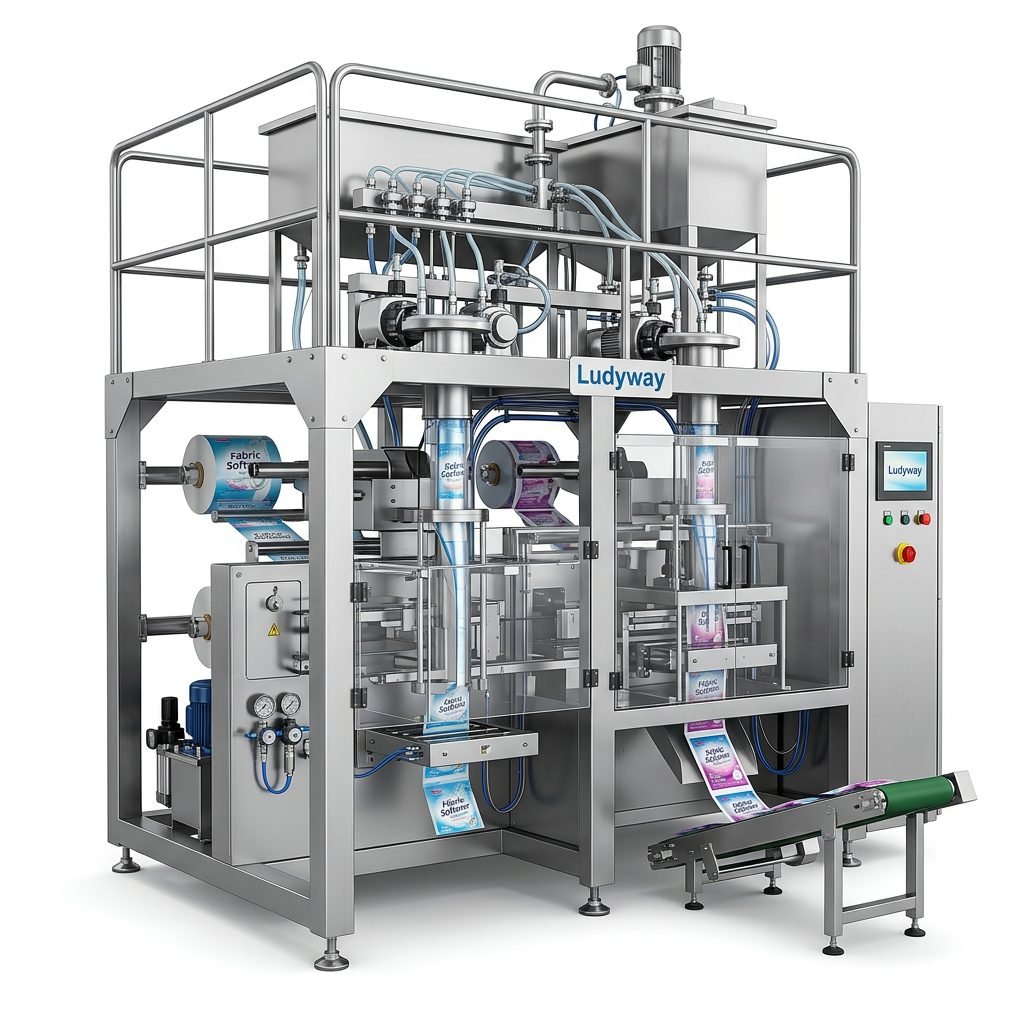
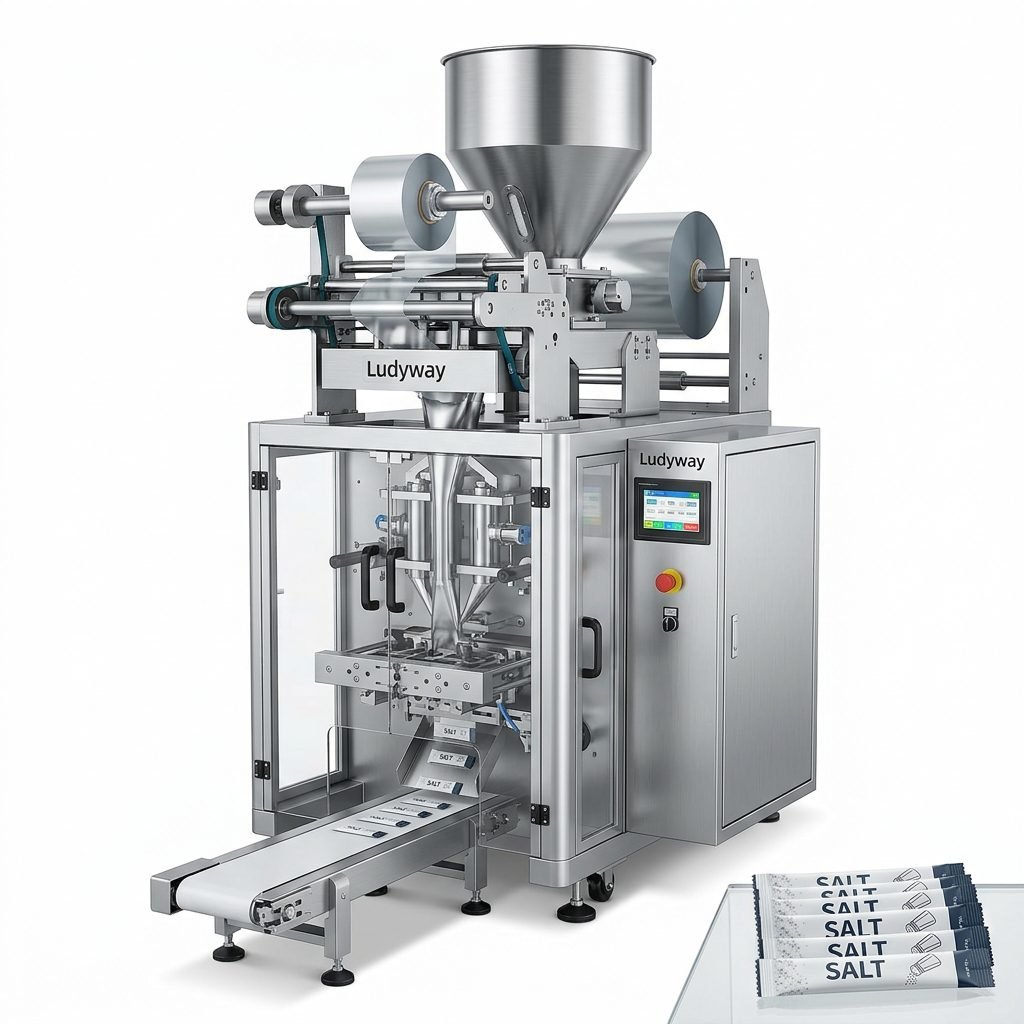
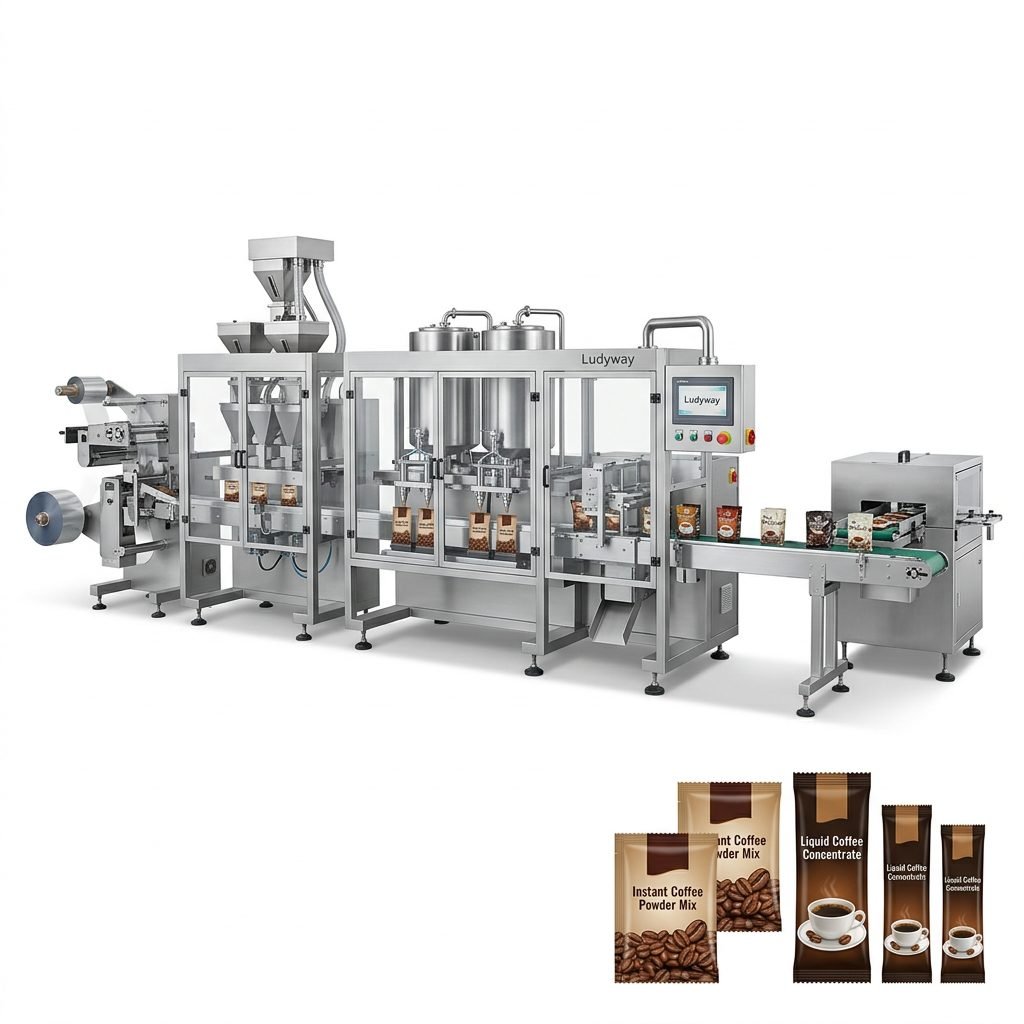
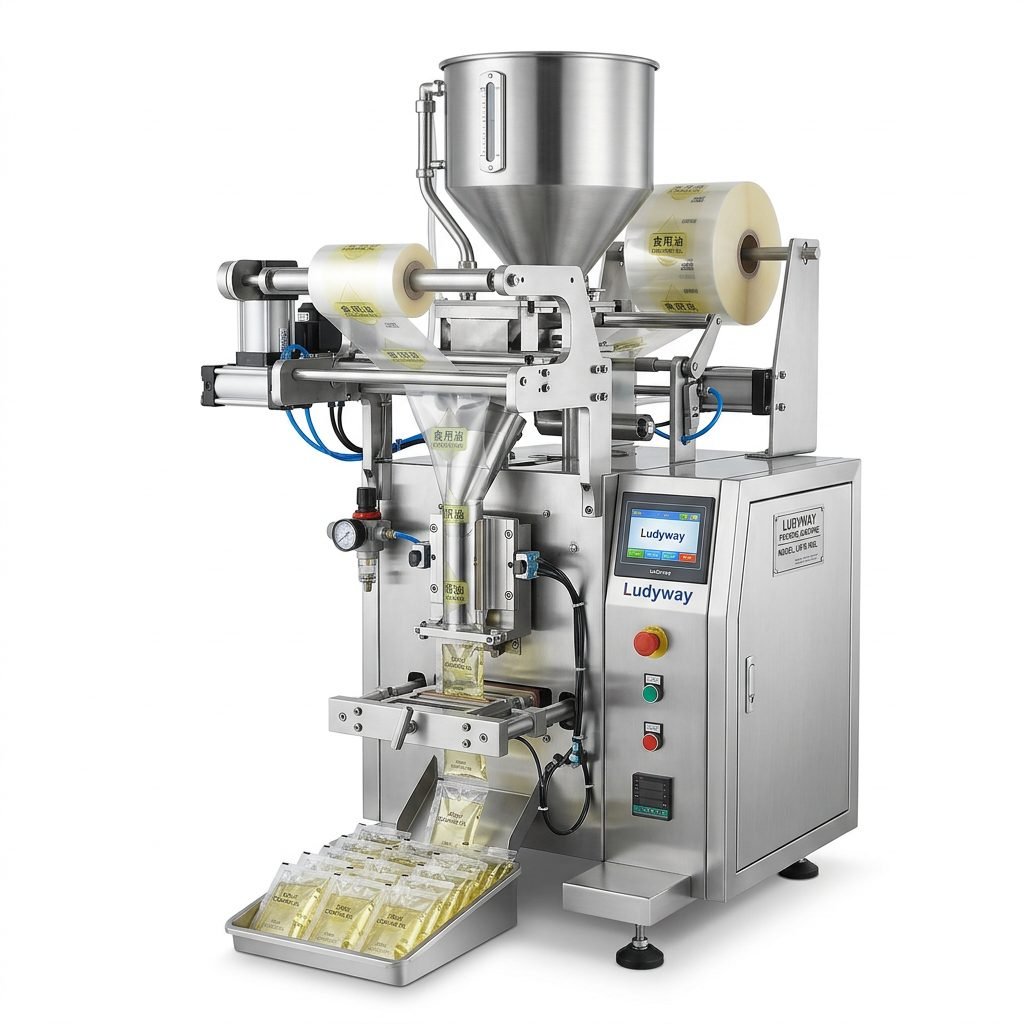
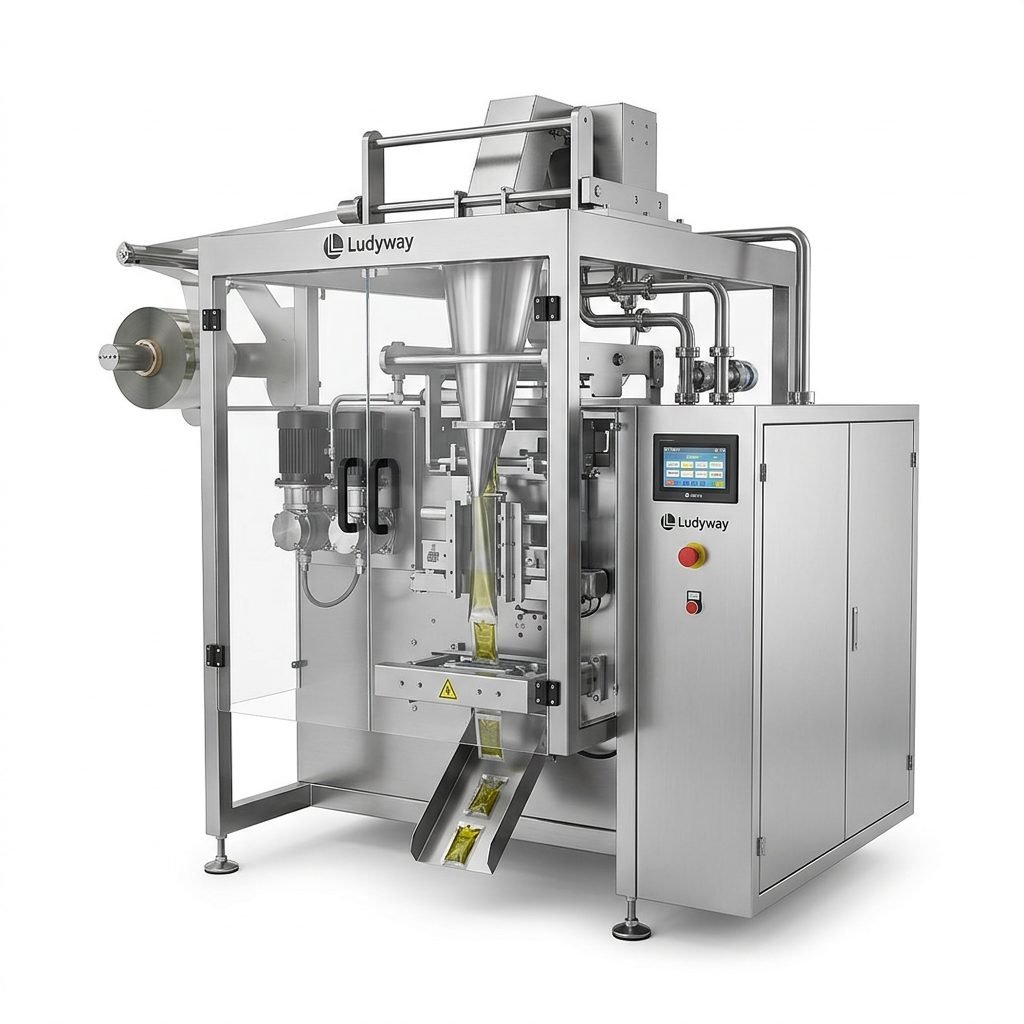
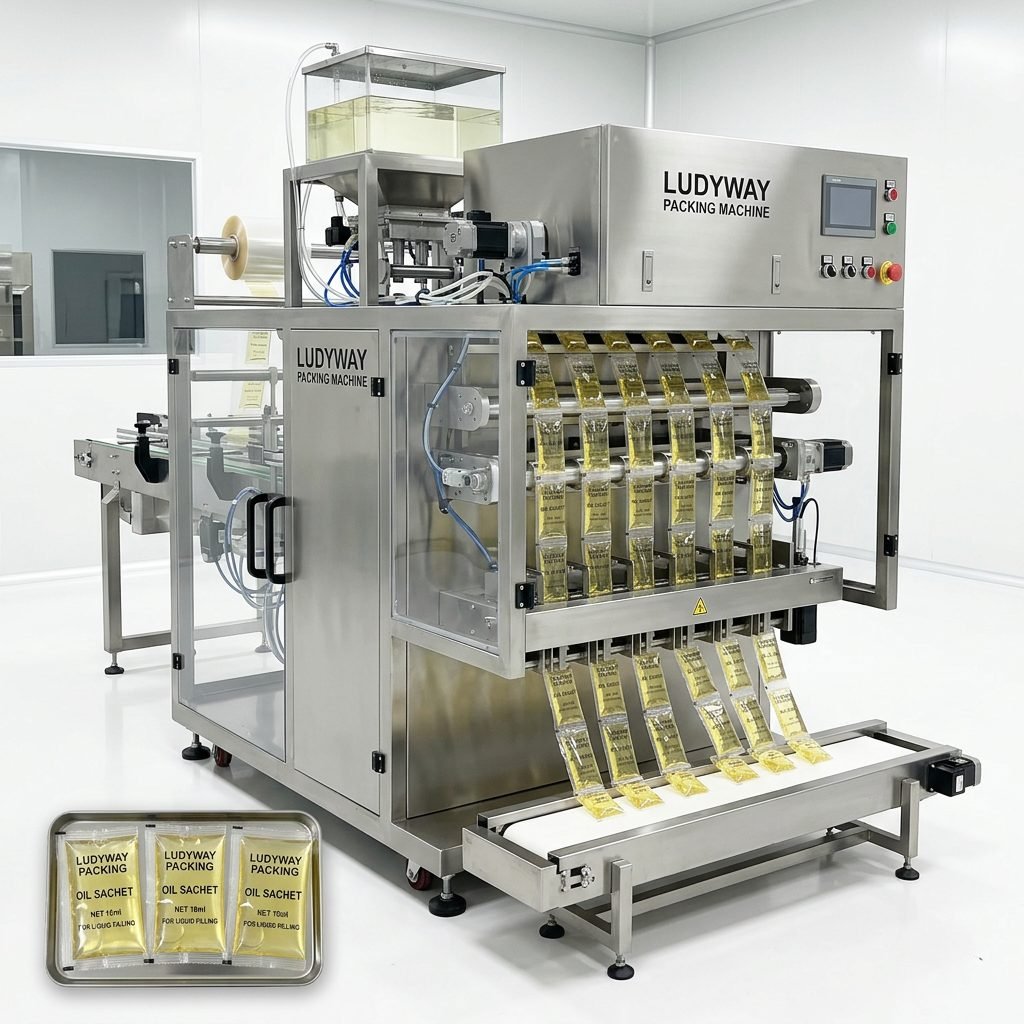
- Economy sachet packs: 50ml to 200ml flexible pouches, popular in rural and price-sensitive markets
- Bulk packaging: 15kg tins, 20-liter jerry cans, and large flexi-tanks for institutional buyers
- Premium segments: Glass bottles and specialty stand-up pouches for cold-pressed and organic oils
Each format requires specific filling, capping, labeling, and cartoning machinery. Understanding your product mix is the first step in designing a packaging line that is both flexible and cost-effective. According to flexible packaging industry data, sachet and pouch formats continue to gain significant market share across India’s food sector due to their affordability and convenience.
Core Equipment for an Oil Packaging Production Line
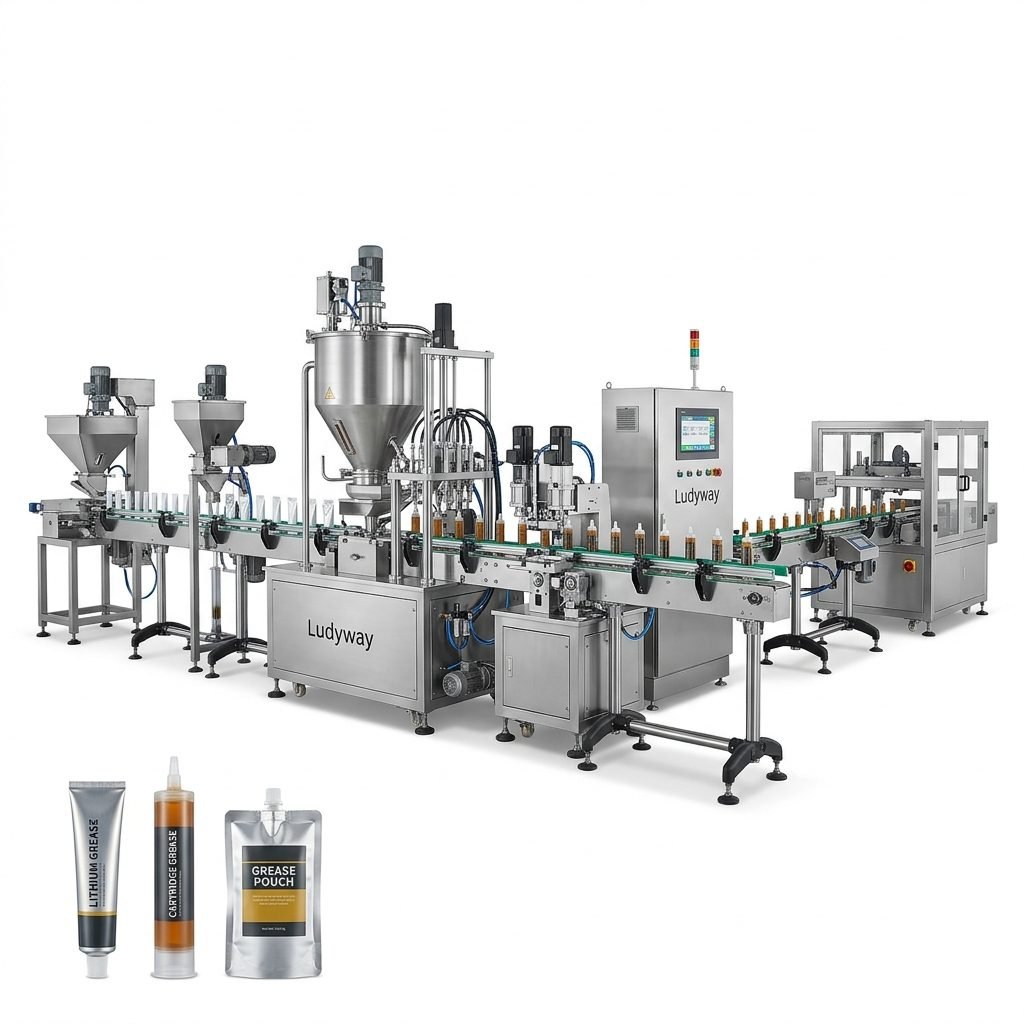
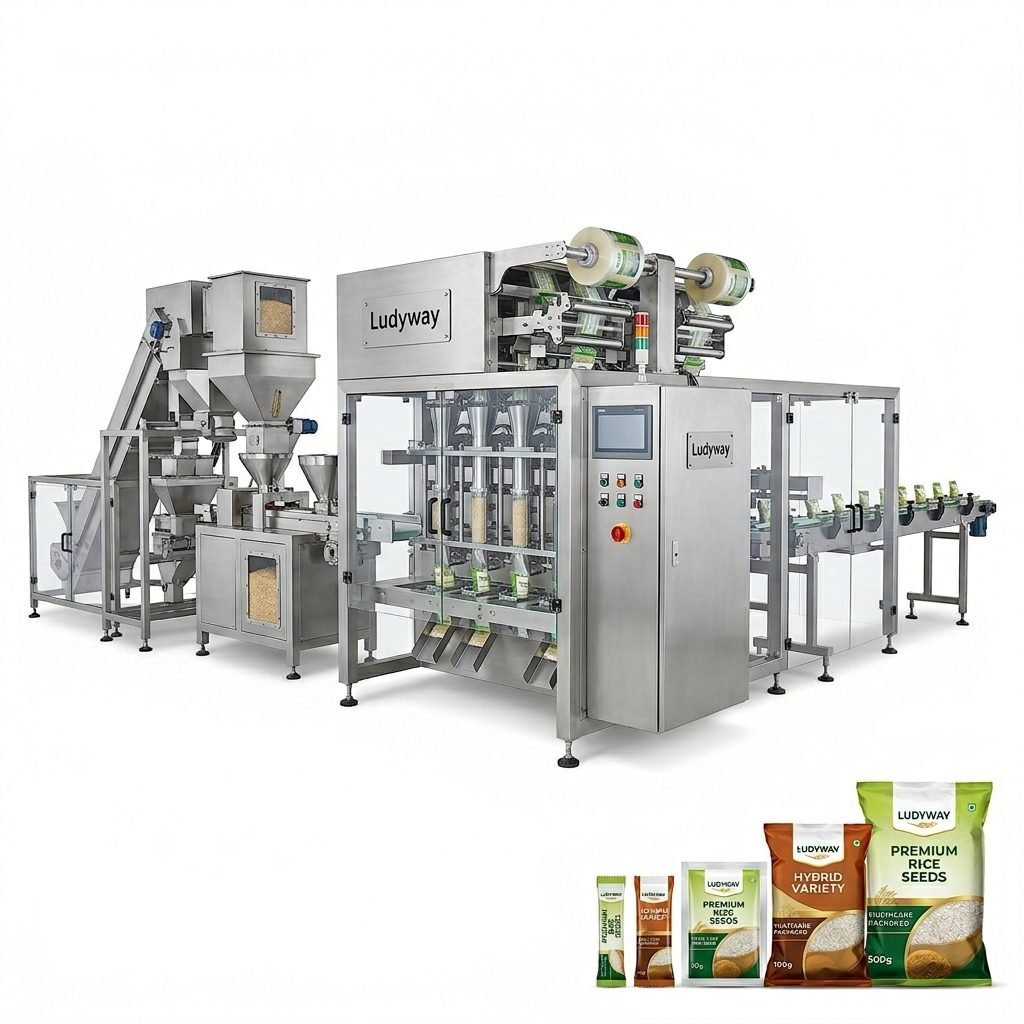
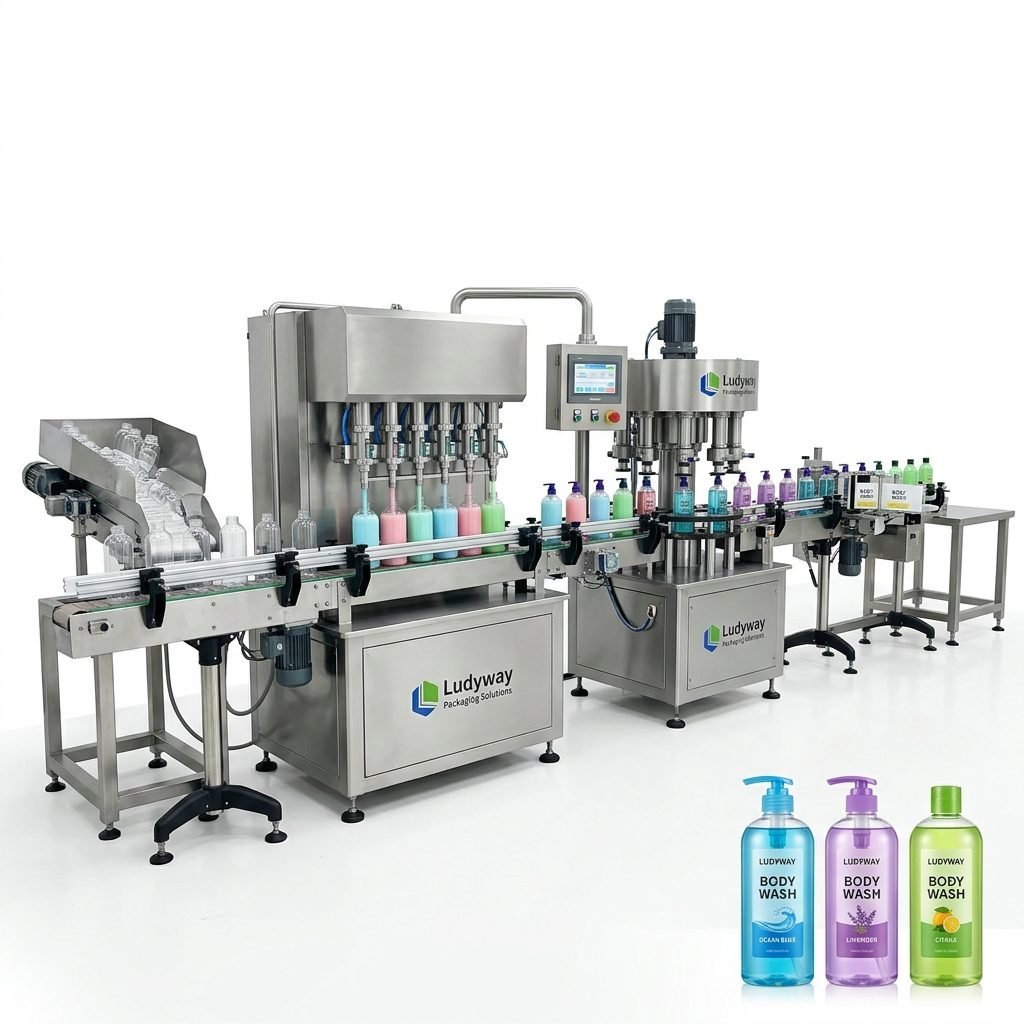
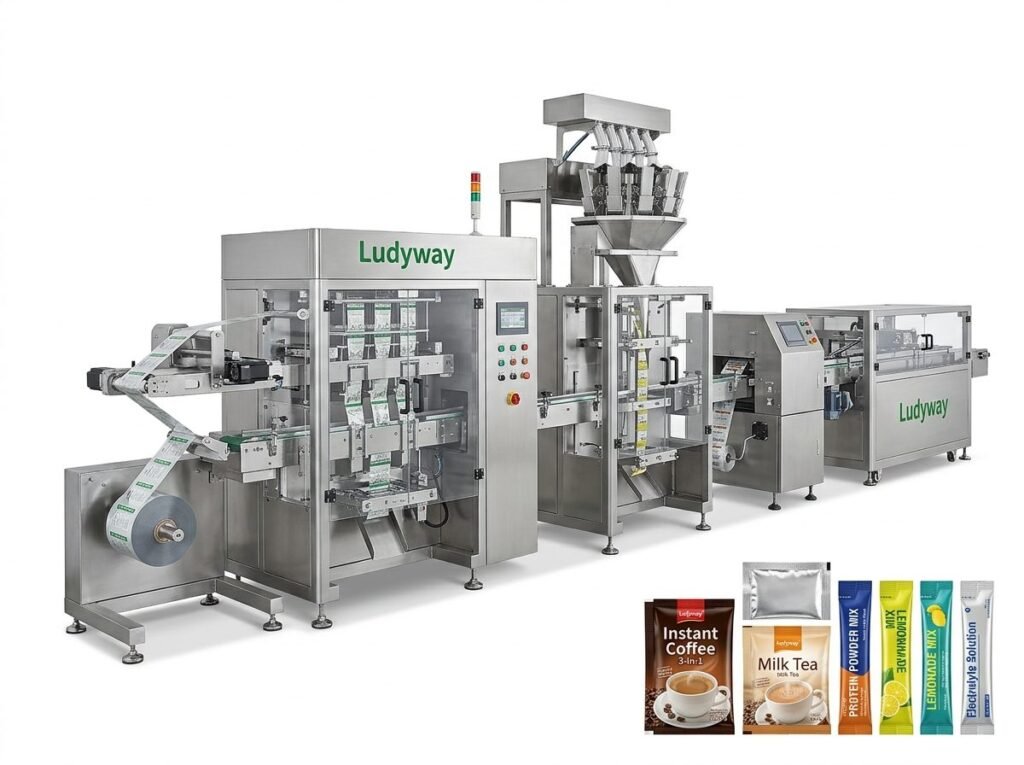
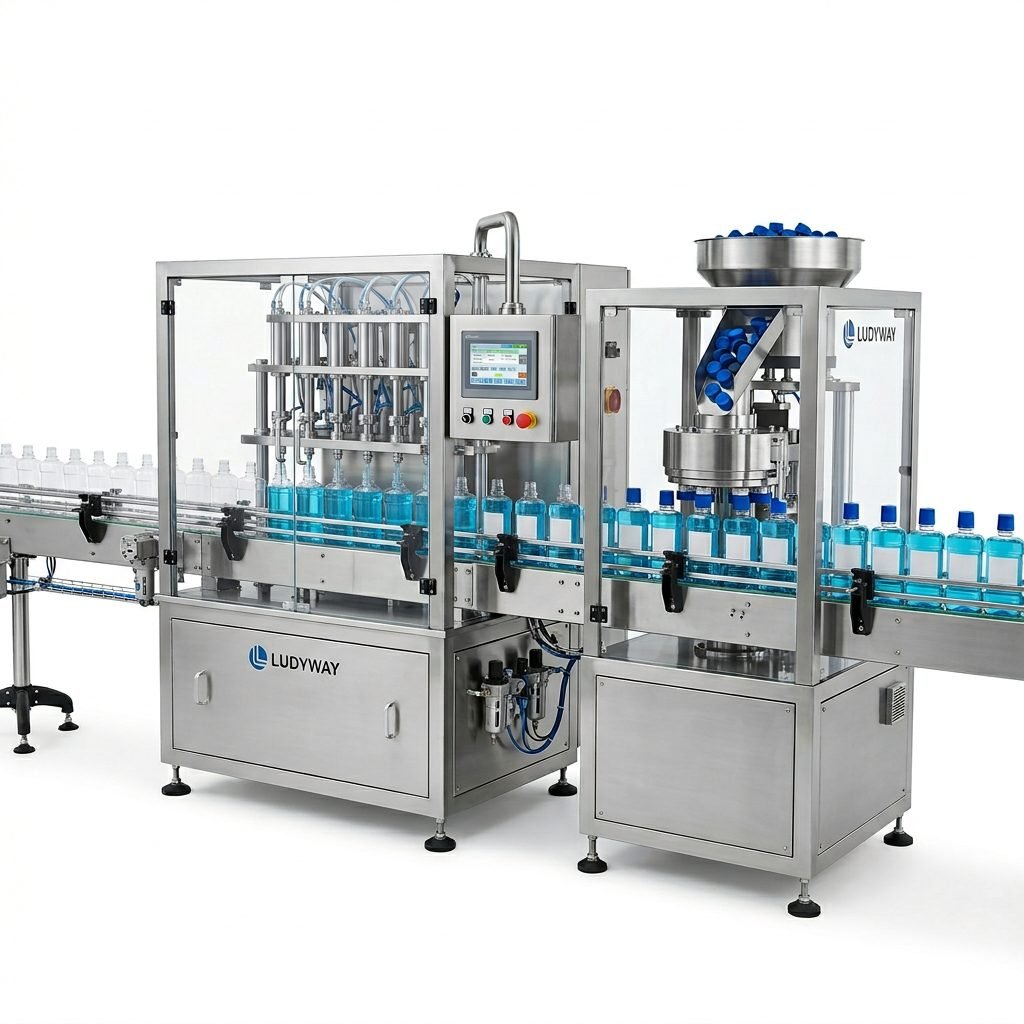
A fully integrated oil packaging line consists of several interconnected machine modules. The exact configuration depends on your packaging format, desired output capacity, and automation level. Below is a breakdown of the essential equipment categories:
1. Bottle Unscrambler & Air Rinser
Automatically orients and cleans empty bottles before filling. Essential for maintaining hygiene standards and preventing contamination in food-grade packaging operations.
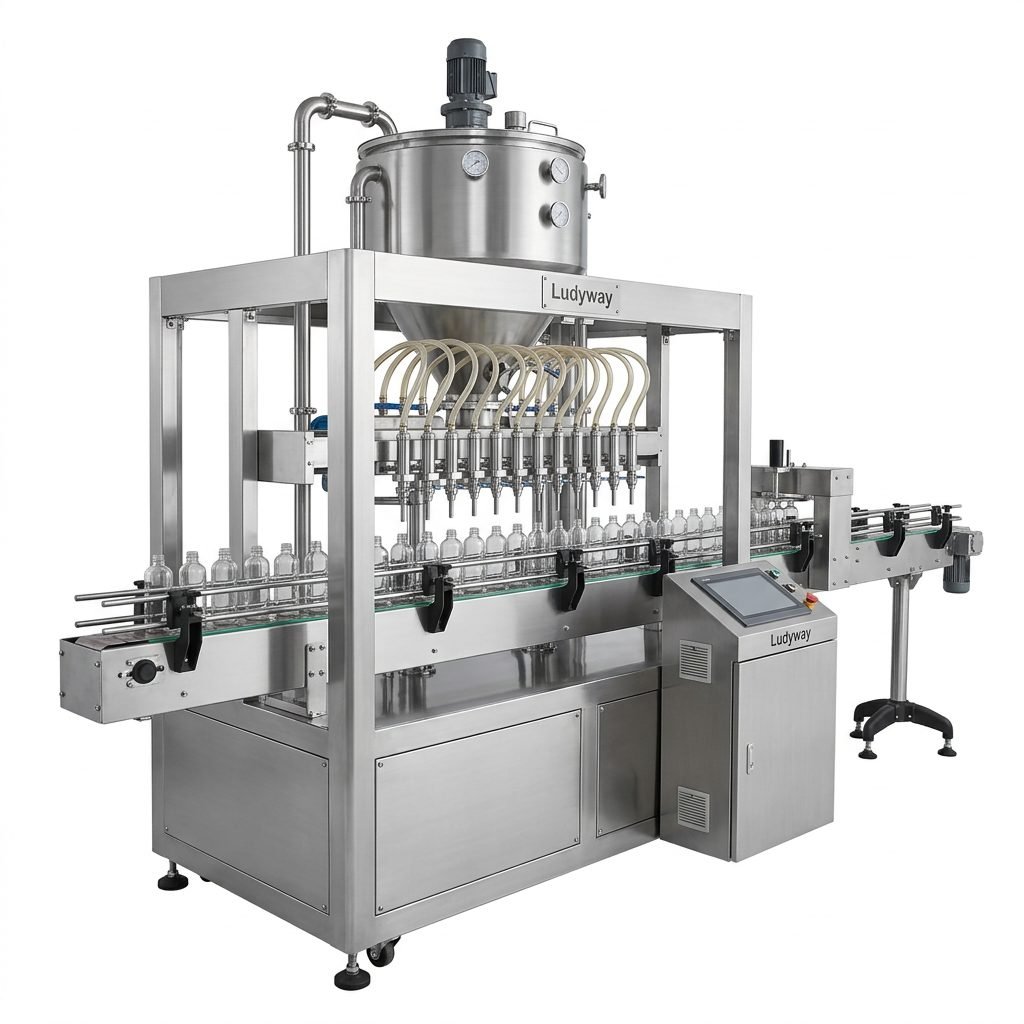
2. Liquid Filling Machine
Volumetric piston fillers, gravity fillers, or servo-driven flow meter systems designed for edible oils. Accuracy of ±0.5% to ±1% is standard for high-quality filling equipment.
3. Capping Machine
Applies screw caps, press-on lids, or induction seals. Induction sealing is especially important for edible oils to prevent leakage and extend shelf life.
4. Labeling & Coding System
Wrap-around or front-back labelers combined with inkjet or laser coders for batch numbers, manufacturing dates, and regulatory compliance information.
5. Cartoning & Case Packing
Automatically groups filled bottles or pouches into cartons, then into shipping cases. Robotic pick-and-place systems are increasingly adopted for high-speed lines exceeding 100 bottles per minute.
6. Palletizing System
Robotic or conventional palletizers stack finished cases onto pallets, preparing them for warehouse storage and distribution.
The table below summarizes typical equipment specifications for different production capacities:
| Production Capacity | Filling Technology | Typical Speed Range | Suitable For |
|---|---|---|---|
| Small-Scale | Semi-automatic piston filler | 500 – 1,500 bottles/hour | Startups, regional brands |
| Medium-Scale | Automatic 6-12 head volumetric filler | 2,000 – 6,000 bottles/hour | Mid-market brands, contract packers |
| High-Speed | Servo-driven flow meter, 16-24 heads | 8,000 – 20,000 bottles/hour | National brands, large-scale manufacturers |
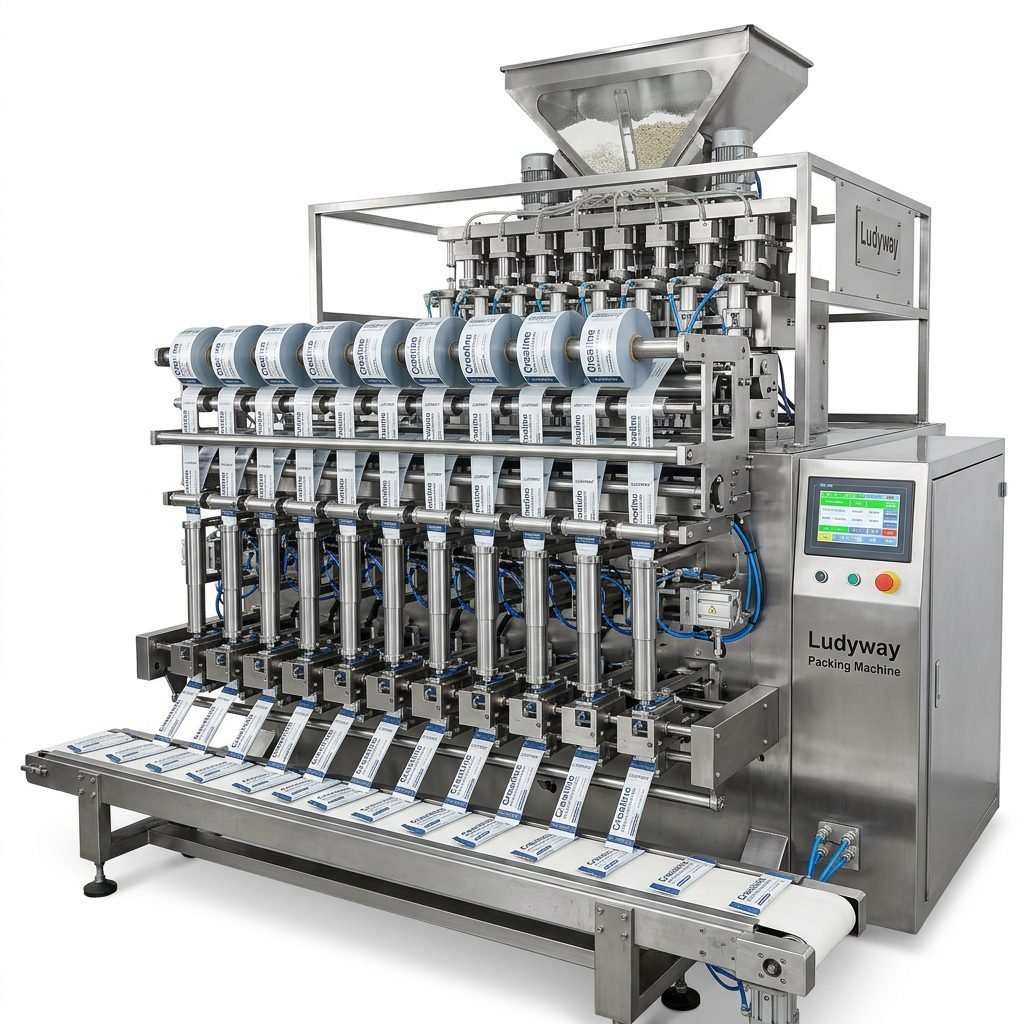
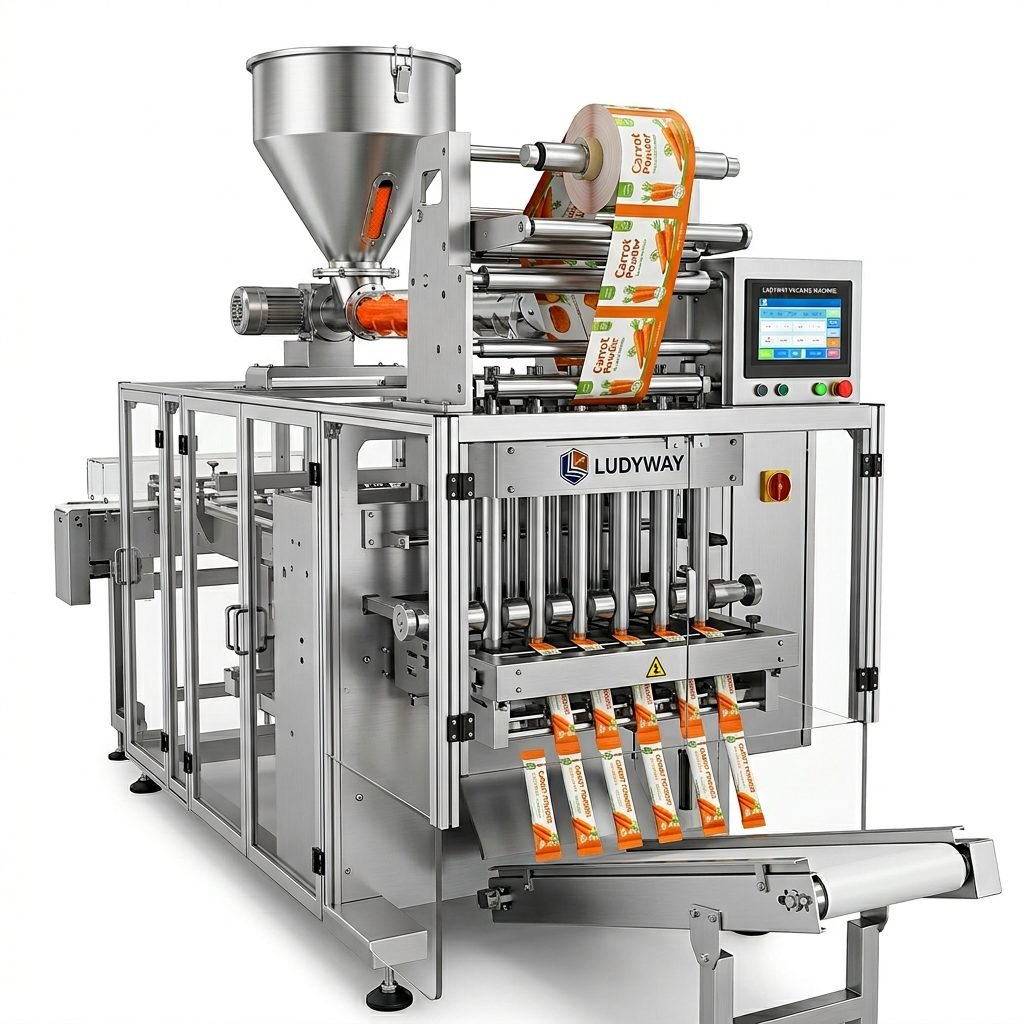
| Sachet Line | Multi-lane stick pack / sachet filler | 200 – 600 sachets/min | Economy segment, sampling programs |
Step-by-Step Process for Setting Up an Oil Packaging Line
Setting up a packaging line is not simply about purchasing machines. It requires a methodical approach that integrates engineering, compliance, and operational planning. Below is a structured process that successful Indian manufacturers typically follow:
Step 1: Define Product and Packaging Specifications
Begin by clearly documenting your product range: oil type, viscosity, filling temperature, packaging format (bottle, pouch, tin), and target output per shift. Viscosity is a critical parameter — heavier oils like mustard and palm oil may require heated filling systems or positive displacement pumps, while lighter oils like sunflower and soybean oil can use gravity or flow meter fillers.
Step 2: Plan Facility Layout and Utilities
Your production floor must accommodate the linear flow of materials: bottle feeding → filling → capping → labeling → cartoning → palletizing. Ensure adequate space for raw material staging, finished goods storage, and maintenance access. Utility requirements include compressed air (6-8 bar), electrical supply (typically 415V three-phase in India), and possibly nitrogen flushing systems for shelf-life extension.
Step 3: Select Equipment and Technology Partners
Choose machinery suppliers with proven experience in edible oil packaging. Evaluate parameters like filling accuracy, changeover time, after-sales service availability in India, and compliance with ISO packaging standards. Many Indian manufacturers now source equipment from both domestic and international suppliers to balance cost and quality.
Step 4: Ensure Regulatory and Food Safety Compliance
Edible oil packaging in India must adhere to FSSAI (Food Safety and Standards Authority of India) regulations covering packaging materials, labeling requirements, and nutritional information disclosure. Additionally, if you plan to export, compliance with FDA food contact substance regulations and EU packaging directives becomes mandatory.
Step 5: Installation, Commissioning, and Training
Professional installation includes machine leveling, utility connections, dry runs, and production trials. Operator training should cover machine operation, cleaning protocols, basic troubleshooting, and safety procedures. Plan for a commissioning period of 2-4 weeks depending on line complexity.
Cost Considerations and Budget Planning
The capital investment for an oil packaging line in India varies significantly based on automation level, capacity, and packaging format. Below is a representative cost breakdown for different scales of operation:
| Scale | Estimated Equipment Cost (INR) | Installation & Utilities | Total Setup Budget |
|---|---|---|---|
| Entry-Level Semi-Auto | ₹15 – ₹30 Lakhs | ₹5 – ₹8 Lakhs | ₹20 – ₹38 Lakhs |
| Mid-Range Automatic | ₹60 – ₹120 Lakhs | ₹15 – ₹25 Lakhs | ₹75 – ₹145 Lakhs |
| High-Speed Fully Automated | ₹2 – ₹5 Crores | ₹40 – ₹80 Lakhs | ₹2.4 – ₹5.8 Crores |
| Multi-Format Sachet + Bottle Line | ₹1.5 – ₹3 Crores | ₹30 – ₹50 Lakhs | ₹1.8 – ₹3.5 Crores |
Beyond initial capital expenditure, plan for ongoing operational costs including packaging materials (bottles, caps, labels, cartons), utilities, maintenance, and skilled labor. Packaging material costs typically represent 12-18% of the total product cost for edible oils.
Regulatory Compliance and Quality Standards
Operating in India’s edible oil sector requires strict adherence to multiple regulatory frameworks. The FSSAI (Food Safety and Standards Authority of India) mandates that all packaging materials must be food-grade and migration-tested. Key compliance areas include:
- Packaging material safety: All plastic packaging must comply with IS 10146 and IS 10141 standards for food contact
- Labeling regulations: Mandatory declaration of net quantity, manufacturing date, best-before date, nutritional information, and FSSAI license number
- Weights and measures: Compliance with the Legal Metrology Act for net content accuracy
- AGMARK certification: Required for certain oil grades to assure quality standards
For exporters, additional certifications such as HACCP, ISO 22000, and BRC Global Standards are often required by international buyers. Refer to the PMMI packaging machinery standards and regulations for guidance on international compliance requirements. The European Commission’s packaging and packaging waste regulations are also increasingly relevant for Indian exporters targeting EU markets.
Choosing the Right Equipment Manufacturer
Selecting a reliable packaging machinery supplier is one of the most consequential decisions in setting up your oil packaging line. Key evaluation criteria include machine build quality, after-sales support availability in India, spare parts supply chain, and the supplier’s experience with edible oil applications. Look for manufacturers who offer comprehensive project support including layout design, installation supervision, and operator training. Ludyway, one of the largest packaging machine manufacturers in China with over 30 years of industry experience and a modern 20,000㎡ production facility, provides advanced liquid filling and packaging solutions for edible oil applications, serving customers across more than 100 countries including the Indian market.
Future-Proofing Your Packaging Investment
The edible oil packaging industry is evolving rapidly, with trends toward lightweight packaging, sustainable materials, smart factory integration, and traceability. When designing your production line, consider building in flexibility for future packaging formats. Modular machine designs allow you to add capabilities — such as transitioning from bottles to stand-up pouches — without replacing your entire line. Additionally, Industry 4.0 features like remote monitoring, predictive maintenance alerts, and OEE (Overall Equipment Effectiveness) tracking can significantly improve long-term operational efficiency.
India’s edible oil packaging sector presents a significant growth opportunity for manufacturers who invest in the right technology, comply with regulatory standards, and build efficient, scalable production lines. By following a structured approach to equipment selection, facility planning, and operational execution, you can establish a packaging line that delivers consistent quality, competitive production costs, and the flexibility to adapt to changing market demands.
As packaging technology continues to advance, staying informed through industry resources such as the PMMI state of the industry reports and Flexible Packaging Association resources will help you maintain a competitive edge in this dynamic market.