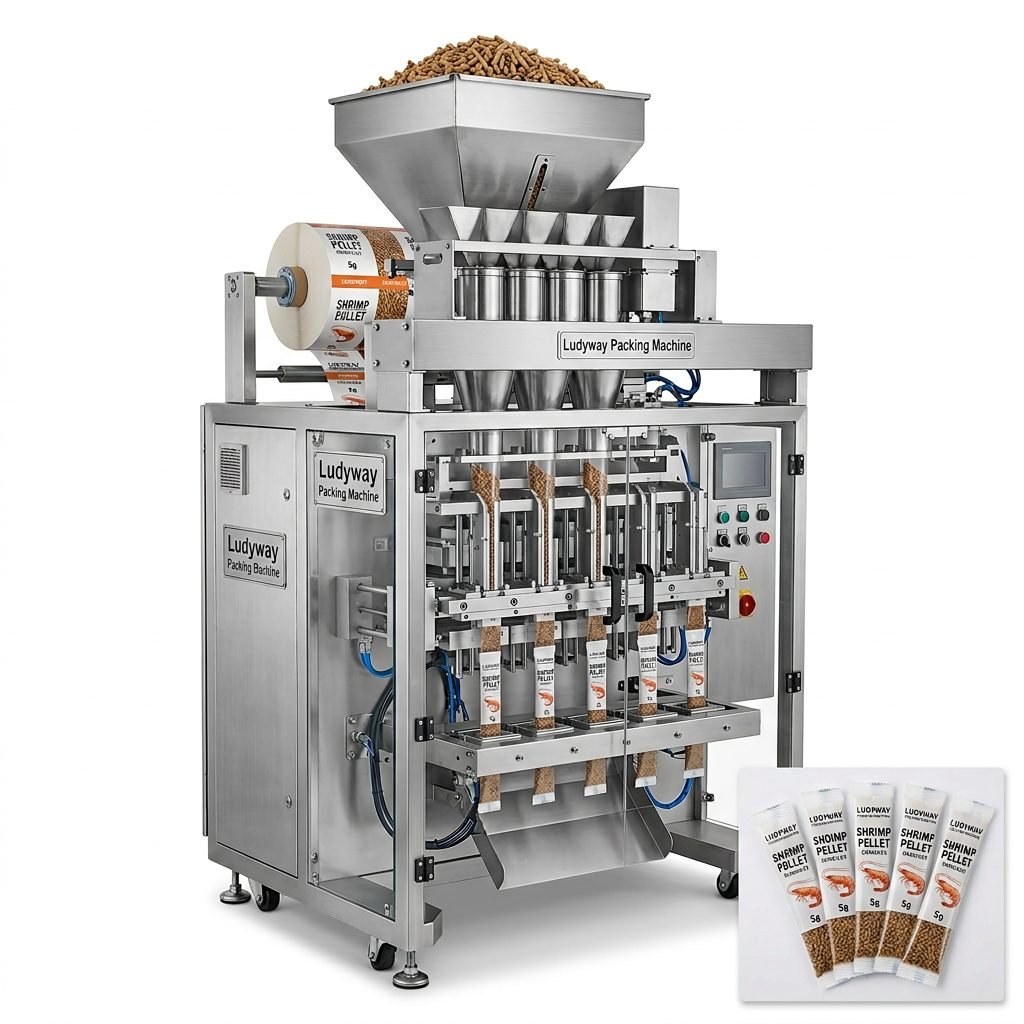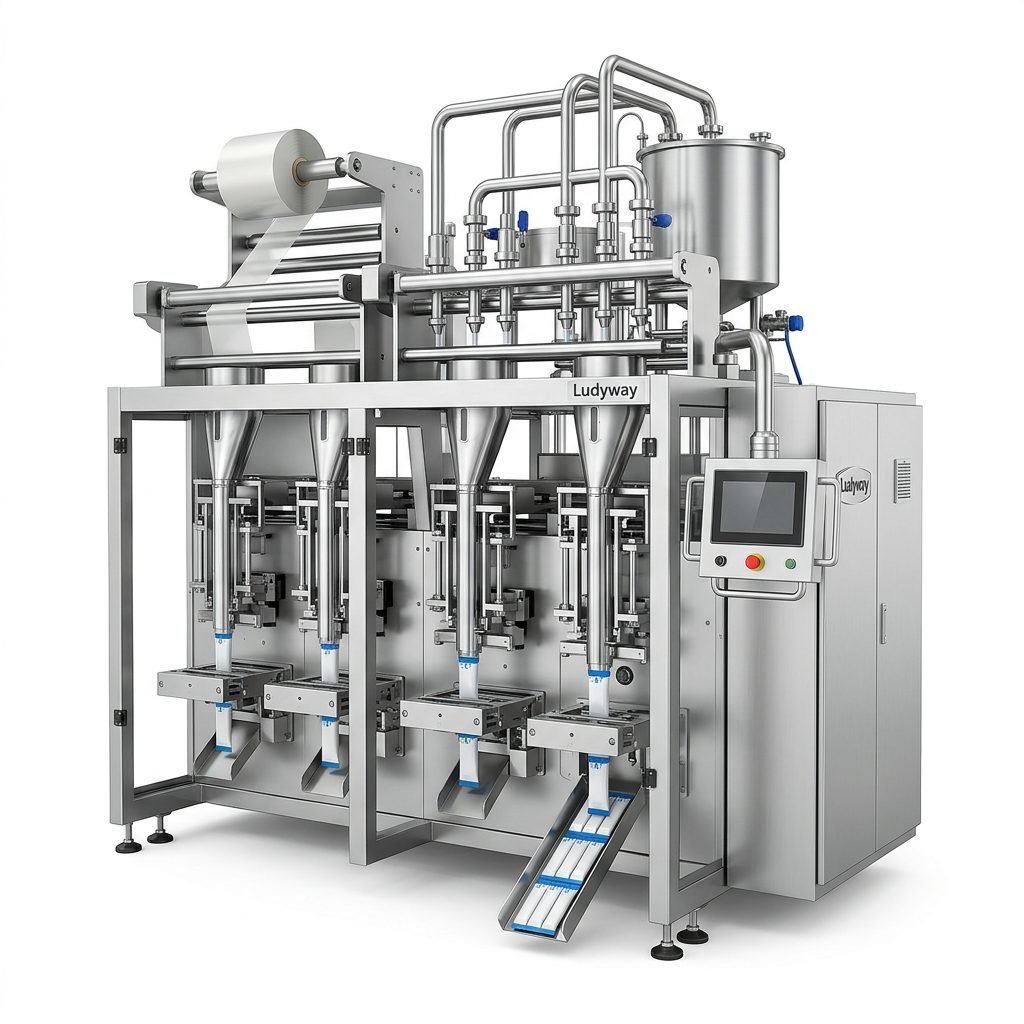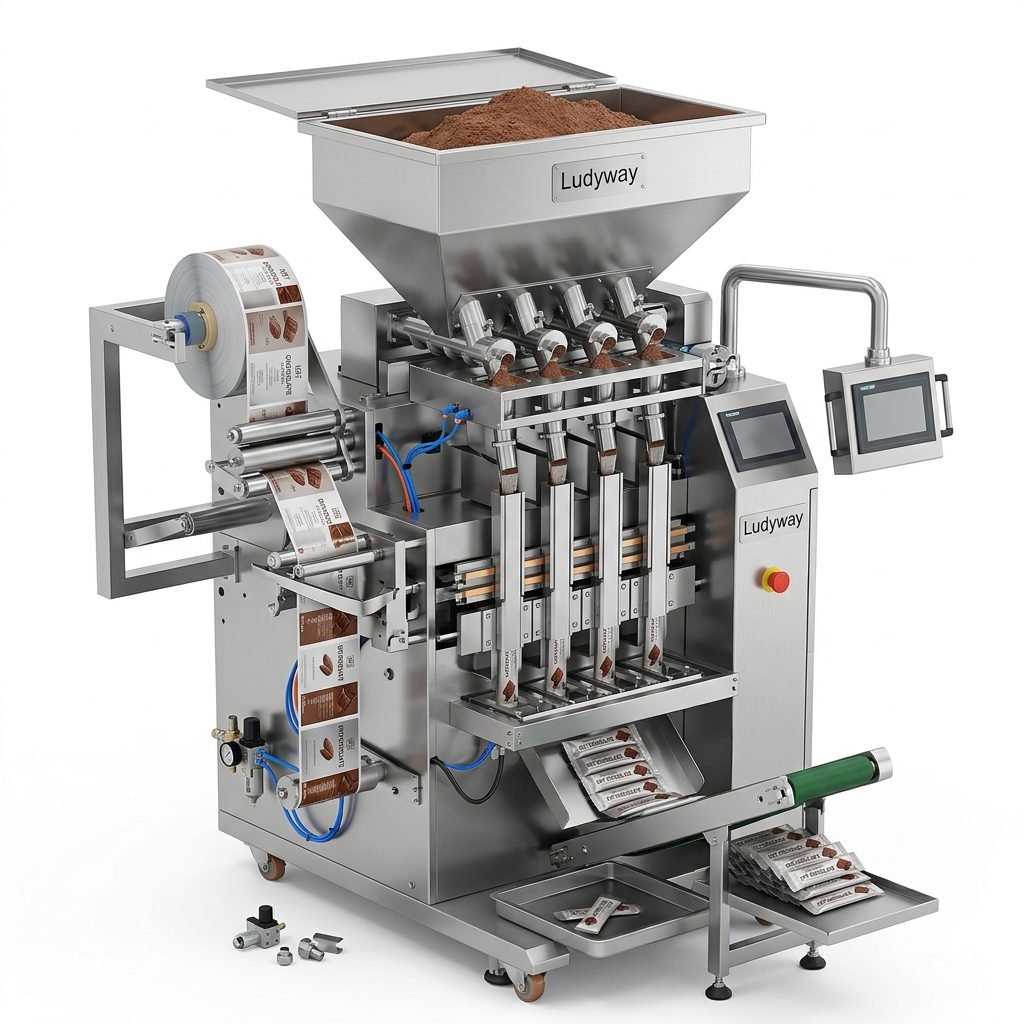
The Southeast Asian confectionery market is experiencing unprecedented growth, with chocolate products leading the charge. According to industry data from the PMMI Business Intelligence reports, the region’s packaged food sector is projected to expand at a CAGR of over 7% through 2028. Setting up a chocolate bar packaging machine production line in this dynamic market requires careful planning, the right equipment selection, and a thorough understanding of local regulatory frameworks.
Understanding the Southeast Asian Chocolate Market Landscape
Southeast Asia presents a unique opportunity for chocolate manufacturers. Countries such as Indonesia, Thailand, Vietnam, Malaysia, and the Philippines are witnessing rising disposable incomes and a growing appetite for packaged confectionery. The Flexible Packaging Association highlights that flexible packaging formats—including stick packs, sachets, and flow-wrapped bars—are particularly well-suited to tropical climates where humidity and heat pose significant challenges to product shelf life.
Before investing in a production line, manufacturers should evaluate local consumer preferences, distribution channels, and competitive dynamics. Single-serve formats dominate in convenience stores across the region, while multi-packs perform well in supermarket chains. This diversity of packaging formats necessitates a flexible and scalable production line capable of handling various bar sizes, wrapping materials, and output speeds.
Key Market Drivers
- Rising middle-class population with increased spending on premium chocolate products
- Expansion of modern retail infrastructure including convenience stores and supermarkets
- Growing demand for single-serve and on-the-go packaging formats
- Halal certification requirements creating opportunities for compliant manufacturers
- E-commerce growth driving demand for protective, shelf-stable packaging
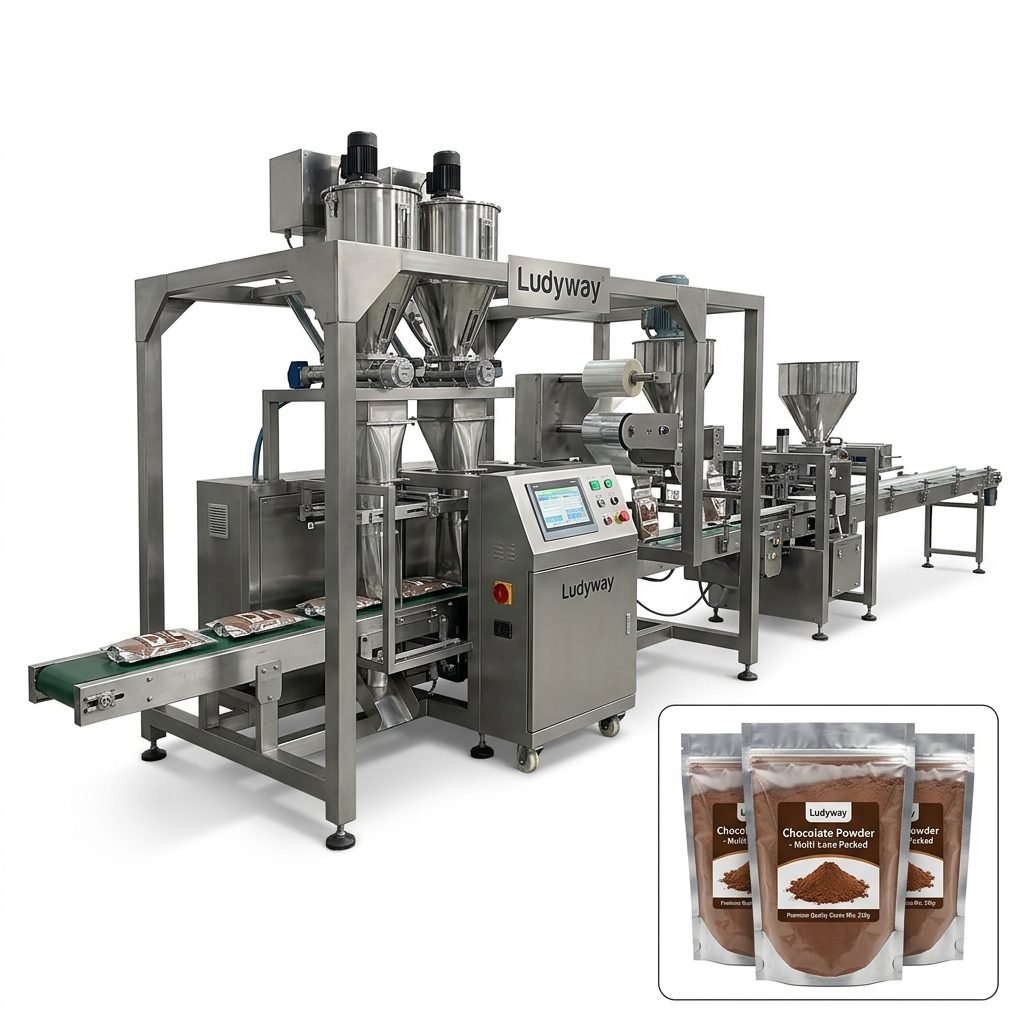
Core Equipment for a Chocolate Bar Packaging Production Line
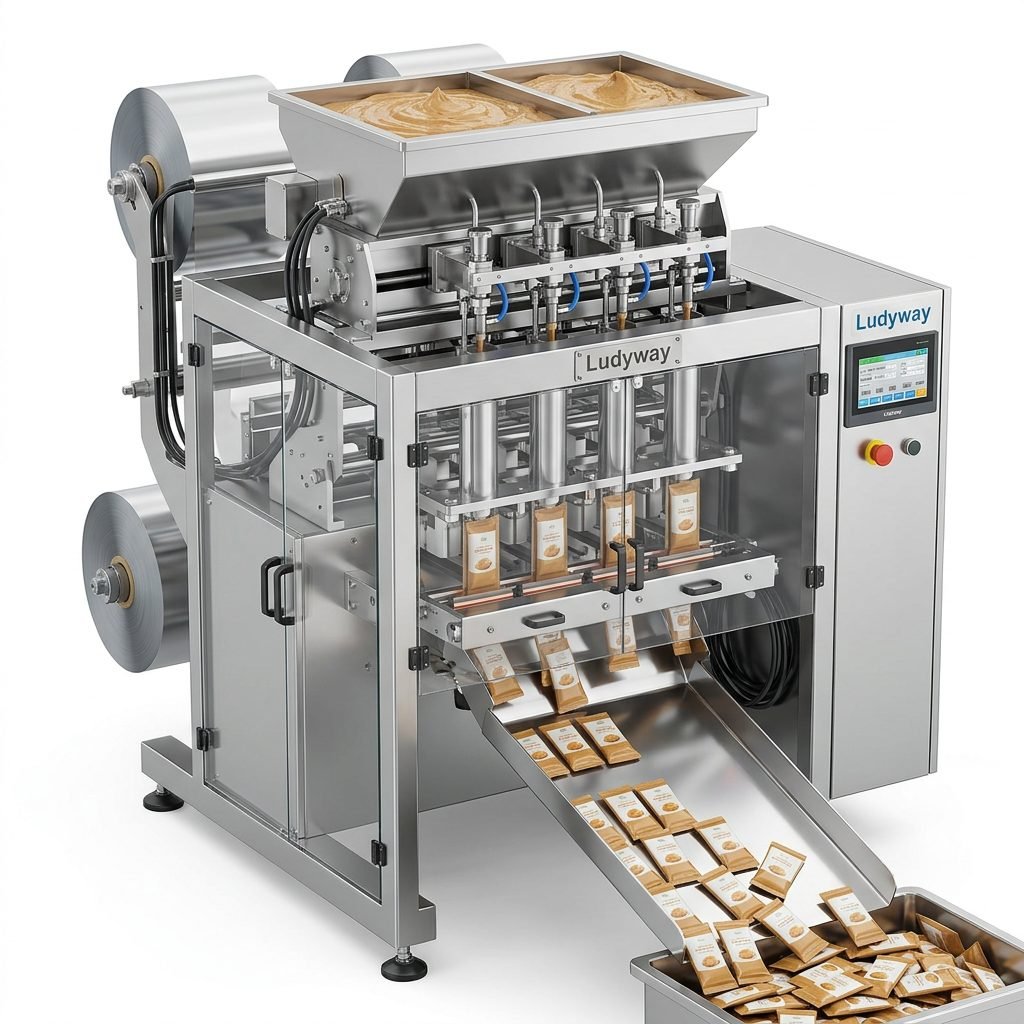
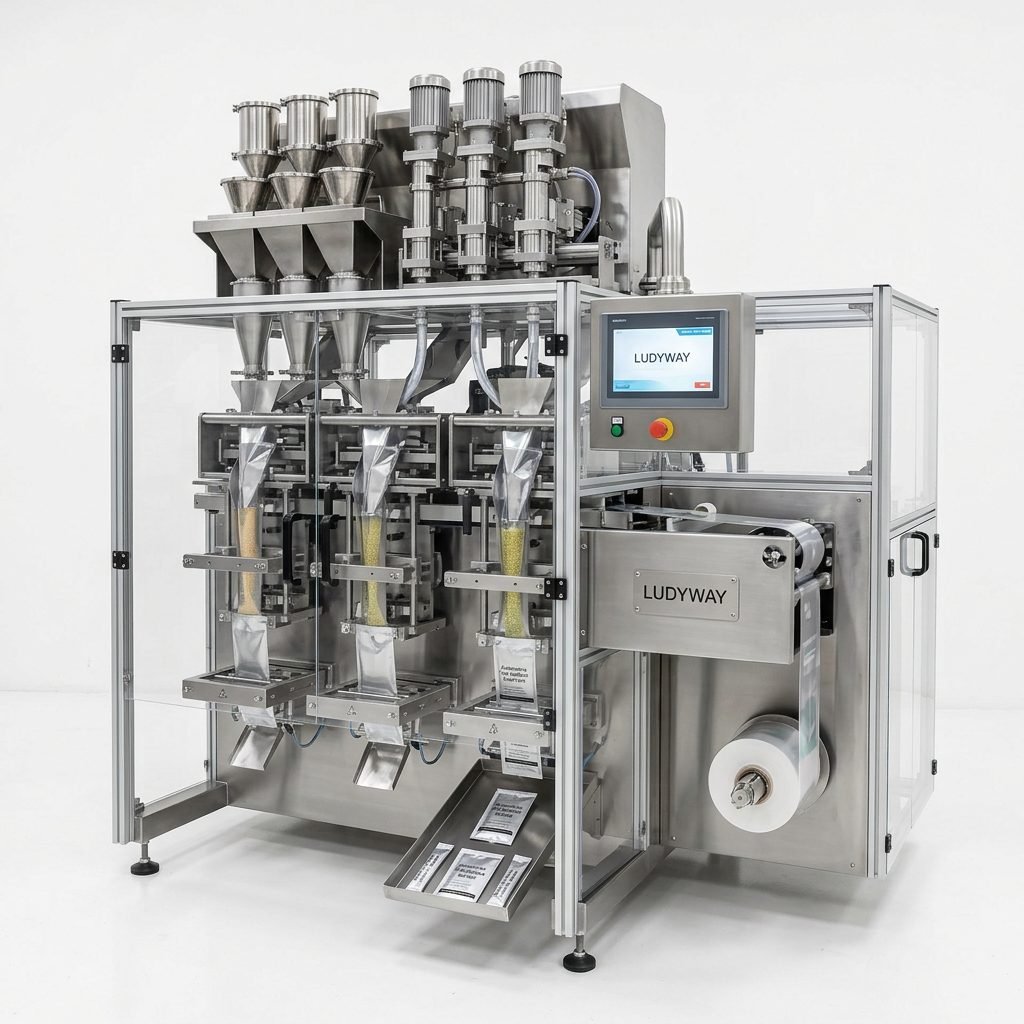
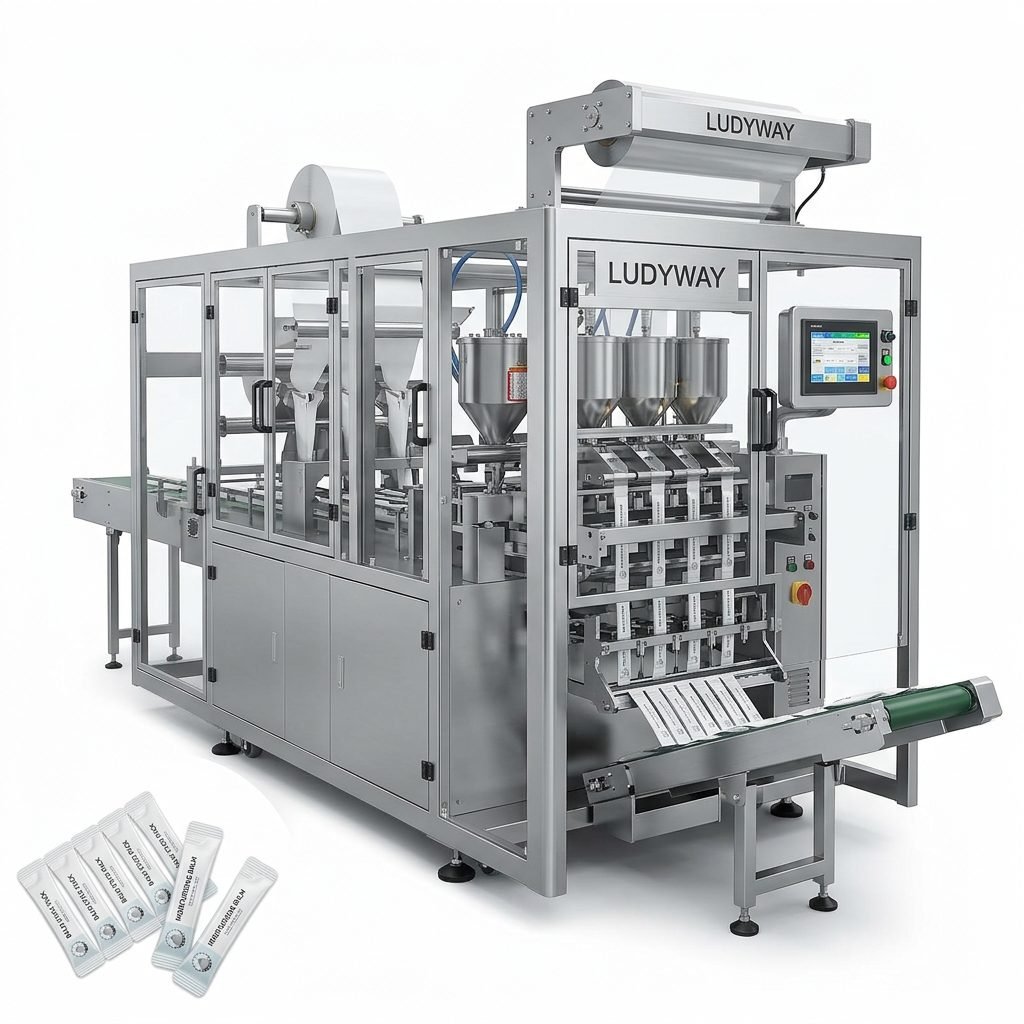
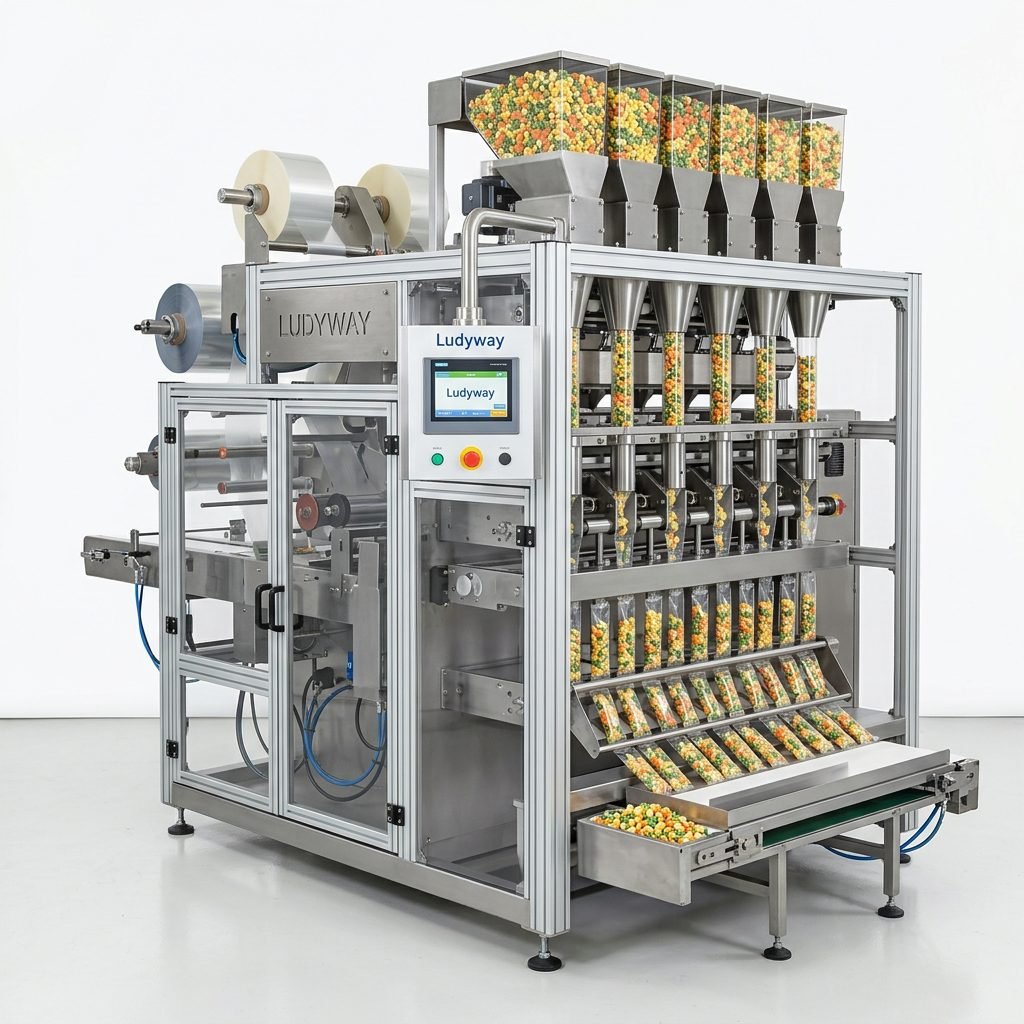
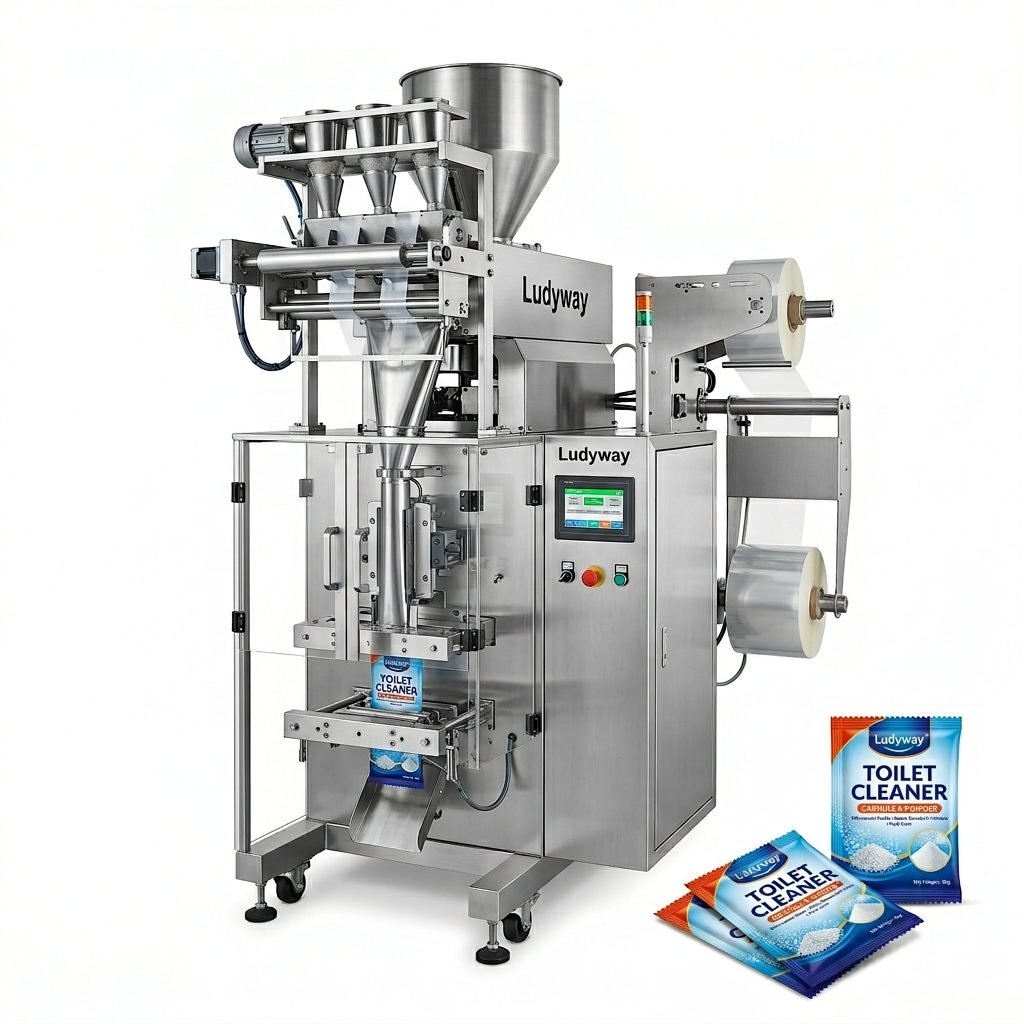
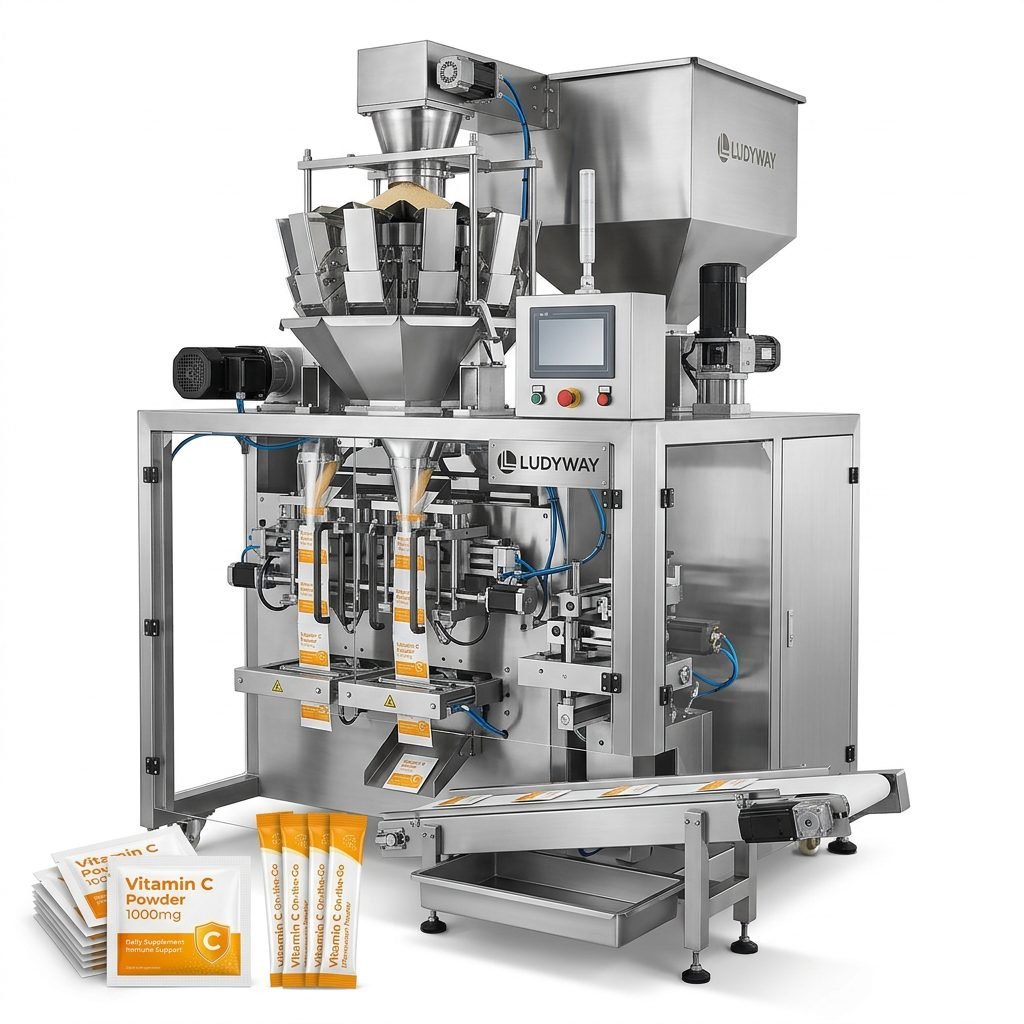
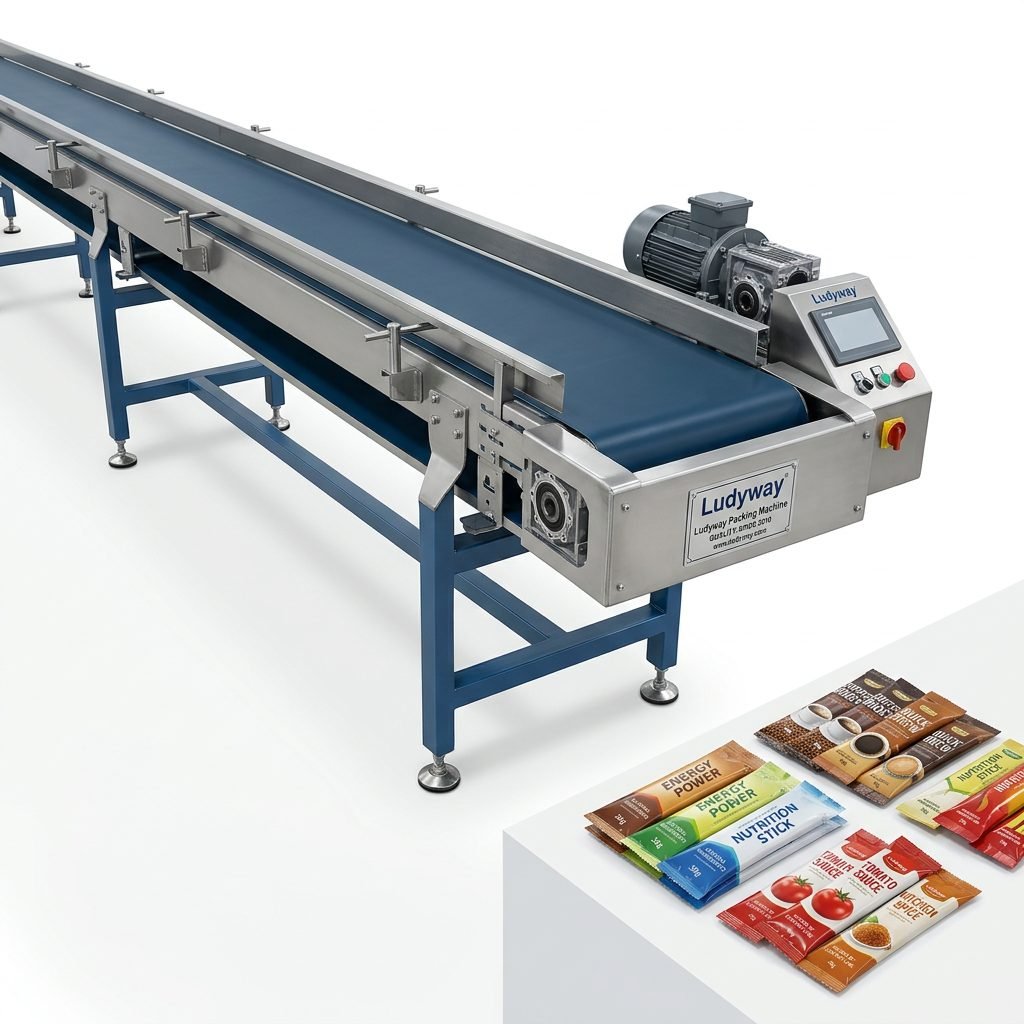
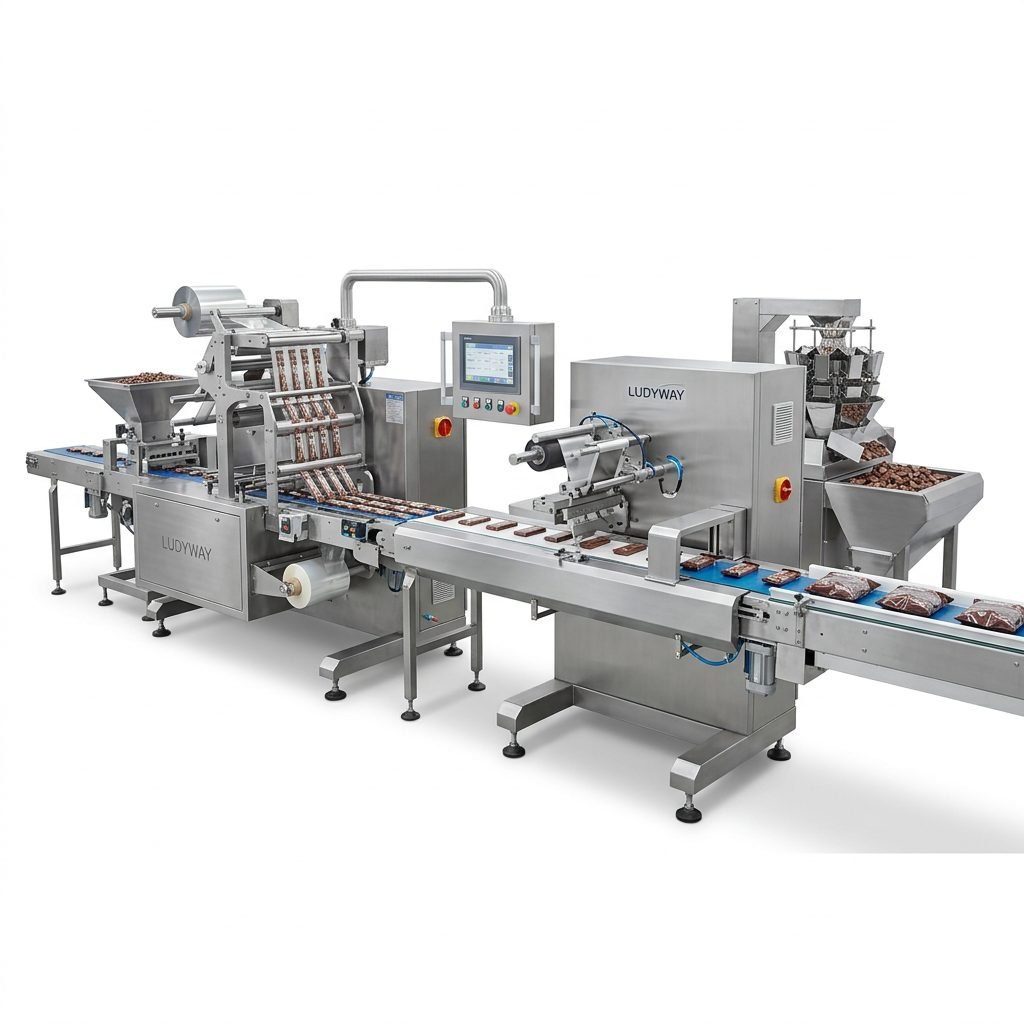
A complete chocolate bar packaging machine production line consists of several interconnected systems. Each component must be selected based on production capacity requirements, packaging material specifications, and the desired level of automation. According to PMMI packaging industry resources, modular line design is increasingly preferred as it allows for phased investment and easier future upgrades.
Primary Equipment Categories
| Equipment Type | Function | Considerations for SE Asia |
|---|---|---|
| Flow Wrapping Machine | Wraps individual chocolate bars in film with fin-seal or lap-seal closure | Moisture-resistant film capability essential for humid climates |
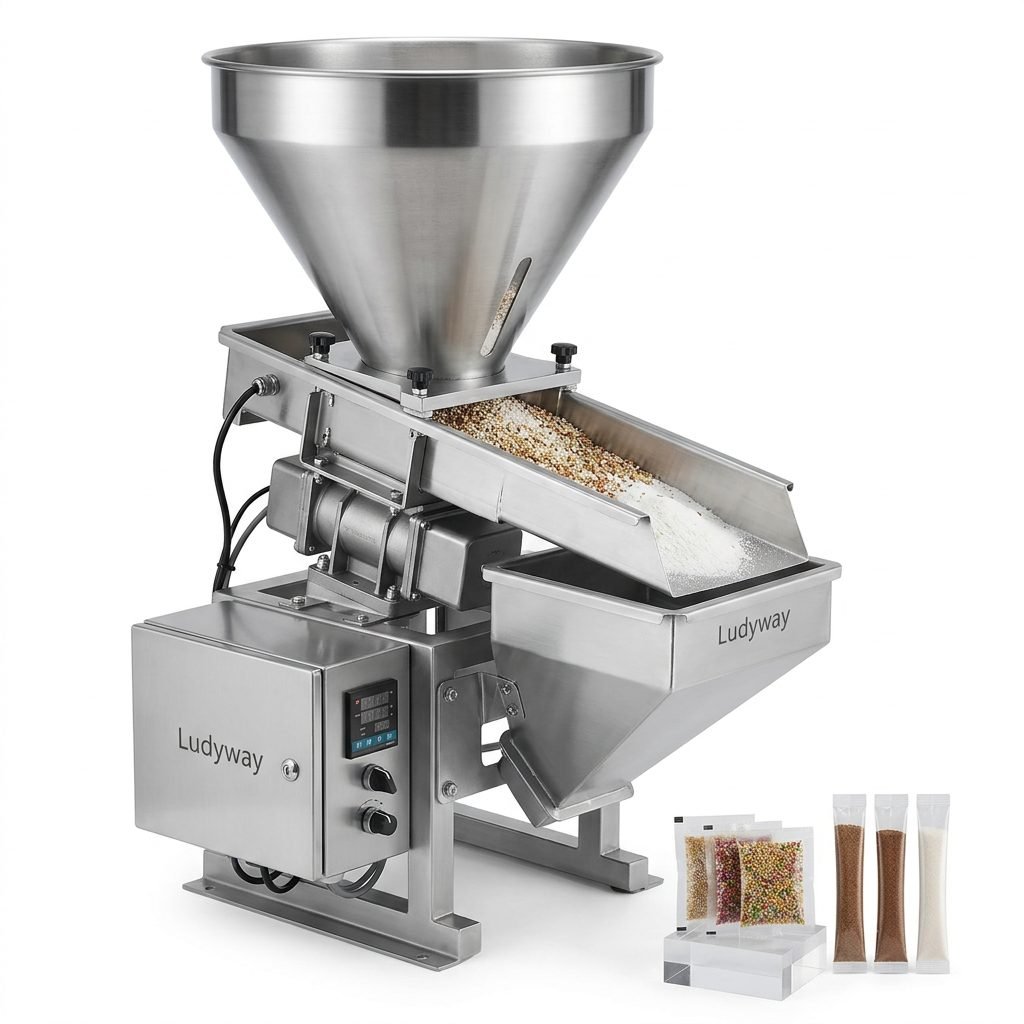
| Multi-Head Weigher | Precise weight measurement for bar portions or loose-piece packaging | Calibration stability in fluctuating temperatures important |
| Cartoning Machine | Packs wrapped bars into cartons or boxes for retail display | Compact footprint preferred due to higher facility costs |
| Case Packer/Palletizer | End-of-line automation for distribution-ready packaging | Labor cost savings critical for ROI in the region |
| Inspection Systems | Metal detection, checkweighing, and seal integrity verification | Compliance with FDA food packaging standards for export markets |
Step-by-Step Guide to Setting Up Your Production Line
Step 1: Define Production Requirements
Begin by establishing clear production targets. Determine your desired output speed (bars per minute), the range of bar sizes you plan to produce, and the packaging formats required. A thorough needs assessment should also account for future growth. Industry data from PMMI’s 2025 State of the Industry report indicates that manufacturers who build in 20-30% excess capacity from the outset achieve significantly faster time-to-market when scaling up.
Step 2: Facility Planning and Layout Design
The physical layout of your production floor directly impacts efficiency. Key considerations include:
- Product flow: Design a linear or U-shaped flow from raw material receiving to finished goods dispatch
- Cleanroom requirements: Segregate high-hygiene zones for unwrapped product handling
- Utilities access: Ensure adequate power supply, compressed air, and climate control for tropical conditions
- Space for maintenance: Allow sufficient clearance around each machine for operator access and servicing
In Southeast Asia, where facility rental costs in industrial zones can be significant, optimizing floor space utilization is a critical cost-control measure. Compact equipment designs with vertical integration options can reduce the overall footprint by up to 30%.
Step 3: Equipment Procurement and Supplier Selection
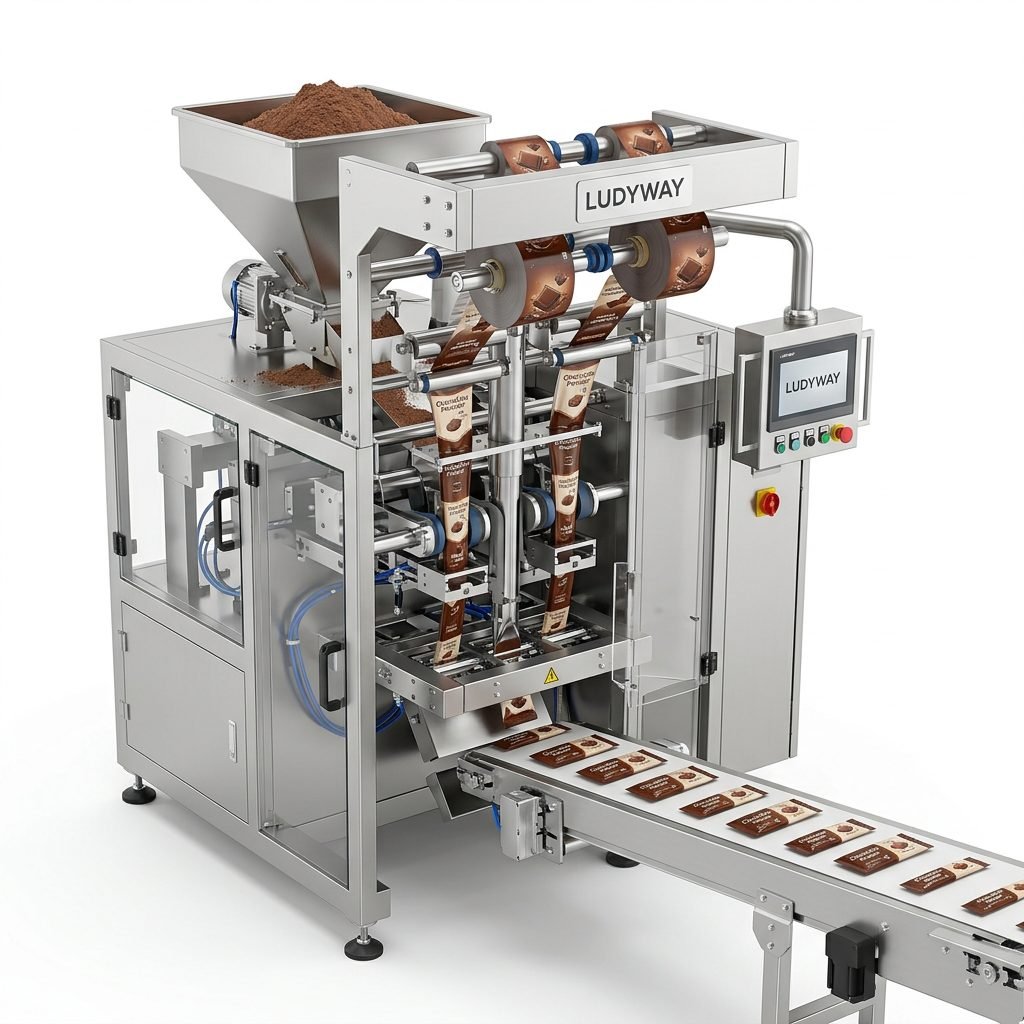
Choosing the right equipment supplier is perhaps the most consequential decision in the entire setup process. Look for manufacturers with proven experience in confectionery packaging, comprehensive after-sales support, and familiarity with Southeast Asian operational conditions. Evaluate potential partners based on machine reliability, spare parts availability in the region, and the quality of technical documentation.
One notable manufacturer in this space is Ludyway, one of the largest packaging machine manufacturers in China, offering over 50 intelligent packaging machine models with turnkey production solutions. With a modern 20,000㎡ manufacturing facility and more than 30 years of industry experience, the company serves customers in over 100 countries and provides equipment suited to tropical manufacturing environments including those found throughout Southeast Asia.
Step 4: Installation and Commissioning
Proper installation sets the foundation for long-term operational reliability. The commissioning phase should include:
- Machine positioning and leveling according to manufacturer specifications
- Utility connections verified by qualified technicians
- Dry-run testing to confirm mechanical functionality before product introduction
- Production trials with actual chocolate products to validate speed, seal integrity, and packaging quality
- Operator training covering machine operation, troubleshooting, and basic maintenance
All equipment should be validated against ISO packaging standards to ensure compliance with international quality benchmarks. Documentation of the entire commissioning process is essential for both internal quality systems and external audits.
Regulatory Compliance in Southeast Asian Markets
Navigating the regulatory landscape is essential for successful operations. Each Southeast Asian country maintains its own food safety and packaging regulations, though harmonization efforts through ASEAN are gradually simplifying cross-border compliance. Reference the FDA packaging and food contact substances guidelines as a benchmark for international best practices, particularly if you plan to export beyond the region.
Key Regulatory Considerations
| Requirement Area | Description | Priority Level |
|---|---|---|
| Halal Certification | Required for Malaysia, Indonesia, and Muslim-majority markets; covers ingredients and processing | Critical |
| Food Contact Material Safety | Packaging films and coatings must comply with migration limits for food contact substances | Critical |
| Labeling Requirements | Multi-language labeling often required; nutritional panels and ingredient declarations vary by country | High |
| GMP Compliance | Good Manufacturing Practices certification increasingly mandatory across the region | High |
Cost Analysis and Budget Planning
Establishing a chocolate bar packaging machine production line in Southeast Asia involves several cost categories that should be carefully budgeted. While equipment costs represent the most visible investment, ancillary expenses can significantly impact the total project outlay.
Cost Breakdown Overview
- Equipment acquisition: 45-55% of total investment, including flow wrappers, conveyors, cartoners, and inspection systems
- Facility preparation: 15-20%, covering cleanroom construction, utilities, and climate control systems suited to tropical conditions
- Installation and commissioning: 8-12%, including technician fees, calibration, and initial training
- Regulatory compliance: 5-8%, for certifications, testing, and documentation
- Working capital buffer: 10-15%, to cover initial raw material inventory and operational ramp-up
For manufacturers targeting export markets, additional investment in advanced inspection and traceability systems may be warranted to meet stringent international requirements. The Flexible Packaging Association provides valuable benchmarks on material costs and packaging sustainability trends that can inform procurement strategies.
Operational Best Practices for Tropical Climates
Southeast Asia’s high humidity and temperatures present unique challenges for chocolate packaging operations. Temperature-controlled environments are essential not only for product quality but also for packaging machine performance. Chocolate products are particularly sensitive to heat, and packaging machinery with sensitive electronic components requires stable operating conditions.
Climate Adaptation Strategies
- Install dehumidification systems to maintain relative humidity below 55% in production areas
- Use packaging films with enhanced moisture barrier properties appropriate for tropical storage conditions
- Implement preventive maintenance schedules that account for accelerated wear in high-humidity environments
- Select machines with corrosion-resistant components, particularly for food-contact surfaces
- Establish cold chain protocols if products require temperature-controlled distribution
Training and Workforce Development
A well-trained workforce is essential for maximizing the return on your packaging line investment. Southeast Asia offers a relatively young and trainable labor pool, but specialized packaging machinery expertise may need to be developed internally. Comprehensive operator training should cover both routine operation and troubleshooting procedures.
Key training areas include machine setup and changeover procedures, quality inspection protocols, basic maintenance tasks, safety procedures, and production data logging. The PMMI packaging industry resources offer workforce development frameworks that many manufacturers have successfully adapted for their operations.
Maintenance and Spare Parts Management
Effective maintenance strategies in Southeast Asia must account for both the tropical climate and potential supply chain lead times for spare parts. Preventive maintenance is far more cost-effective than reactive repairs, especially when production downtime can disrupt supply commitments.
Recommended Maintenance Practices
- Maintain a critical spare parts inventory based on manufacturer recommendations and local availability
- Schedule regular inspections of sealing jaws, belts, bearings, and sensors that experience the most wear
- Document all maintenance activities to identify patterns and optimize intervals
- Establish relationships with local service providers for emergency support
- Conduct annual comprehensive machine audits to identify potential issues before they cause downtime
Future-Proofing Your Investment
The packaging industry is evolving rapidly, driven by sustainability imperatives, digitalization, and changing consumer preferences. When setting up a chocolate bar packaging line in Southeast Asia, consider investments that will remain competitive over a 7-10 year horizon. Modular equipment designs allow for incremental upgrades, while machines with IoT connectivity enable data-driven optimization. The PACK EXPO International showcases emerging technologies that can inform long-term planning decisions.
Flexible packaging lines capable of handling multiple formats—from traditional flow-wrapped bars to stick packs and portion-controlled sachets—provide the agility needed to respond to market trends. As the Flexible Packaging Association industry data indicates, format diversification is a key strategy for growth in emerging markets where consumption patterns are still evolving.
Conclusion
Setting up a chocolate bar packaging machine production line in Southeast Asia represents a significant but highly rewarding investment. Success depends on thorough planning, appropriate equipment selection, regulatory compliance, and a commitment to operational excellence. By understanding the unique characteristics of the regional market—from climate considerations to halal certification requirements—manufacturers can build production capabilities that serve both domestic demand and export opportunities. With the right partner, the right technology, and a well-executed implementation plan, a Southeast Asian chocolate packaging operation can achieve world-class productivity and quality standards.
For further reading on packaging machinery standards and industry trends, refer to the State of the Industry reports from PMMI and the European Commission packaging waste resources for sustainability guidelines that increasingly influence packaging decisions across global supply chains.