Investing in a packaging sealer machine is a critical decision that directly impacts your production efficiency, product quality, and long-term operational costs. Whether you are sealing pouches, sachets, stick packs, or large bags, selecting the wrong equipment can lead to downtime, material waste, and inconsistent seals. This guide walks you through the essential factors to evaluate before making a purchase.
Understanding Different Types of Packaging Sealer Machines
Not all sealers are built the same. The type of machine you need depends on your packaging format, production volume, and product characteristics. Here are the most common categories:
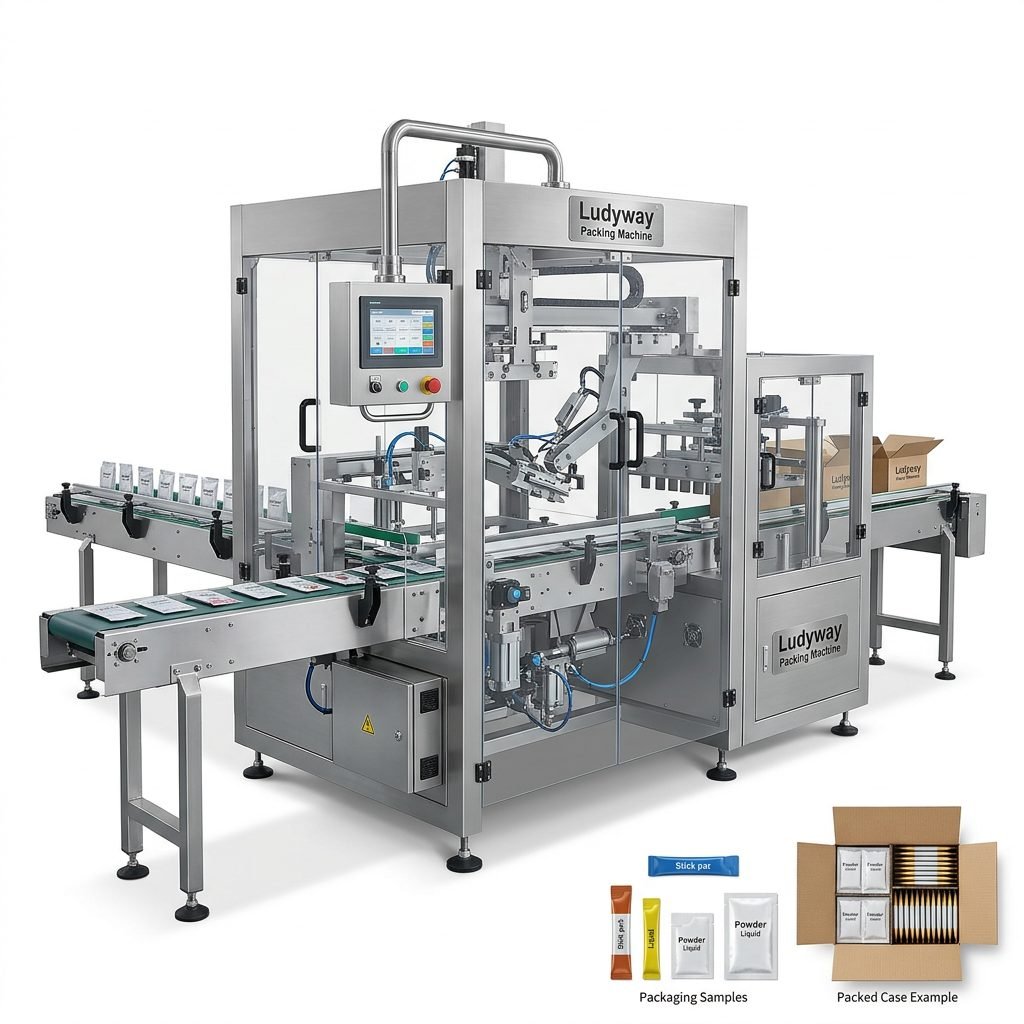
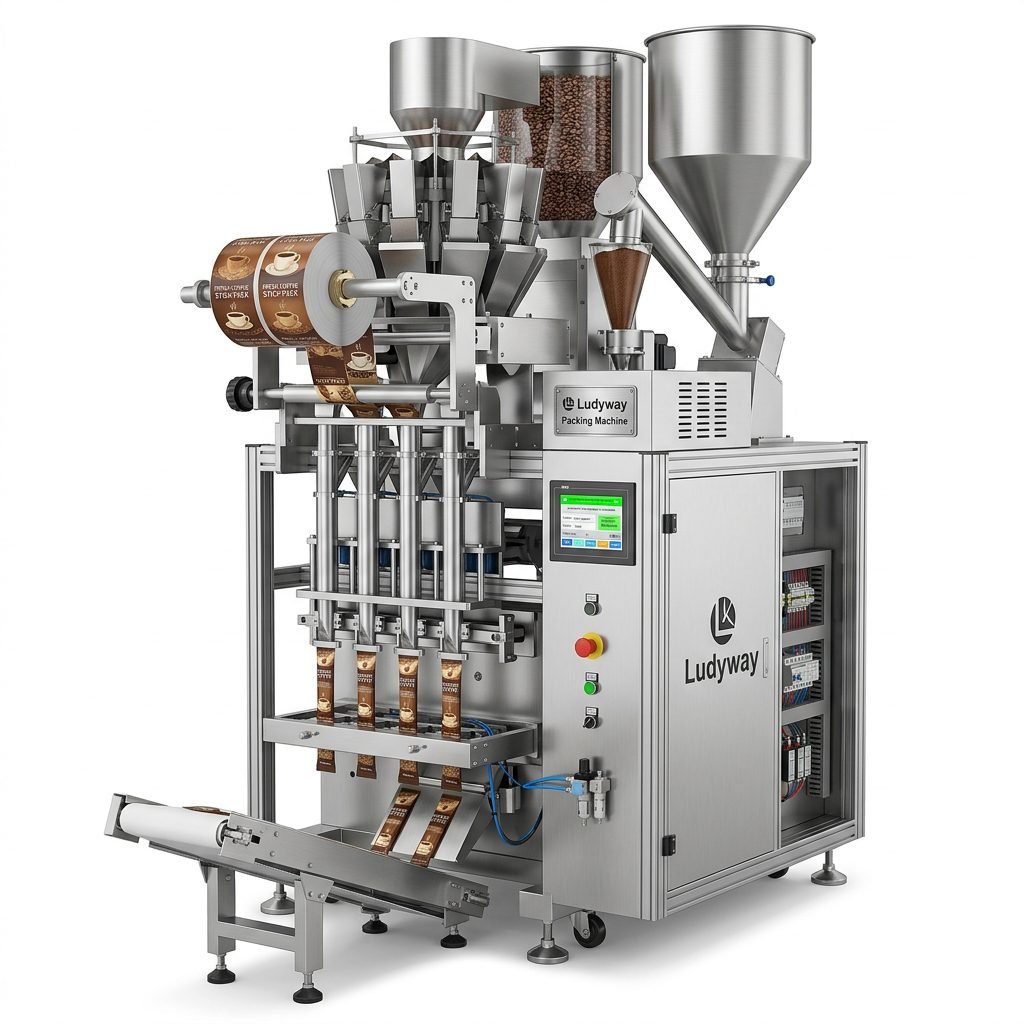
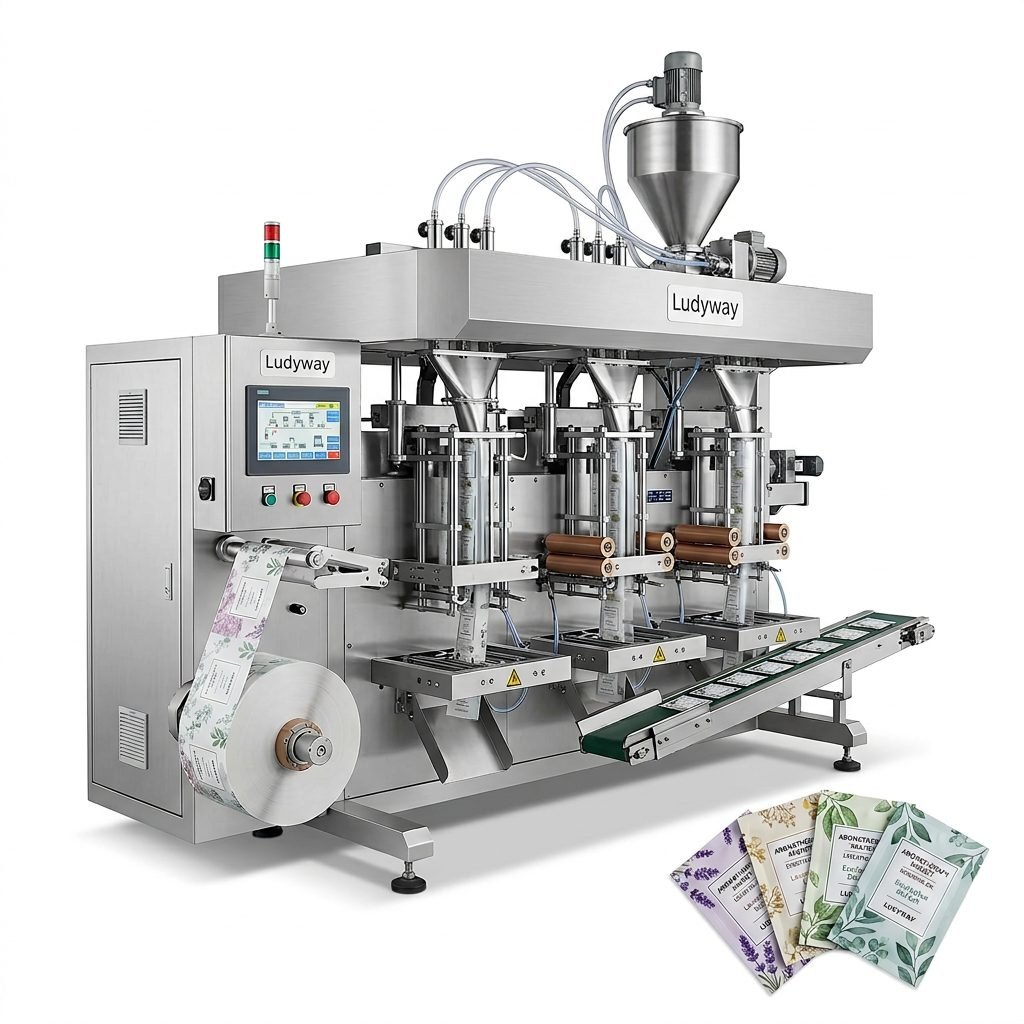
- Stick Pack Sealers: Ideal for single-serve powders, granules, and liquids. These machines create narrow, elongated packages commonly used for coffee, sugar, supplements, and energy drinks.
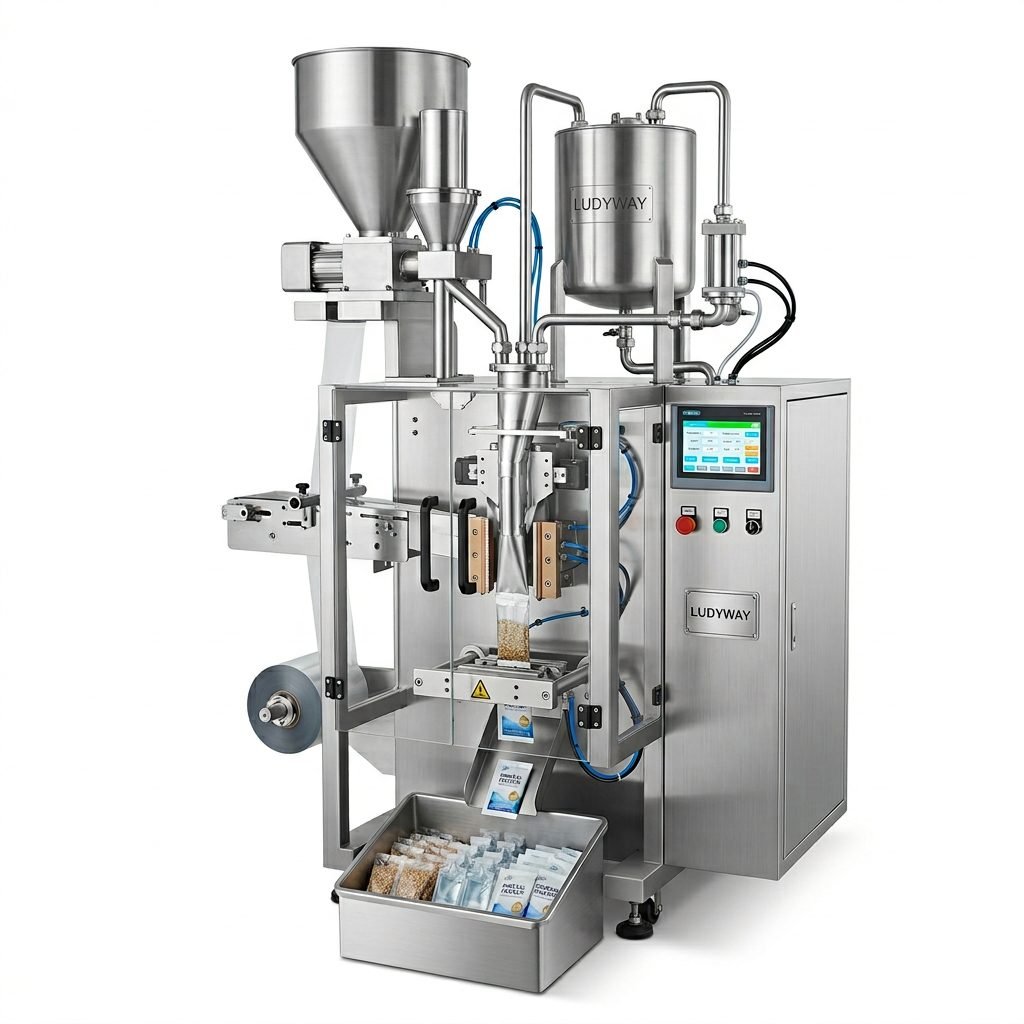
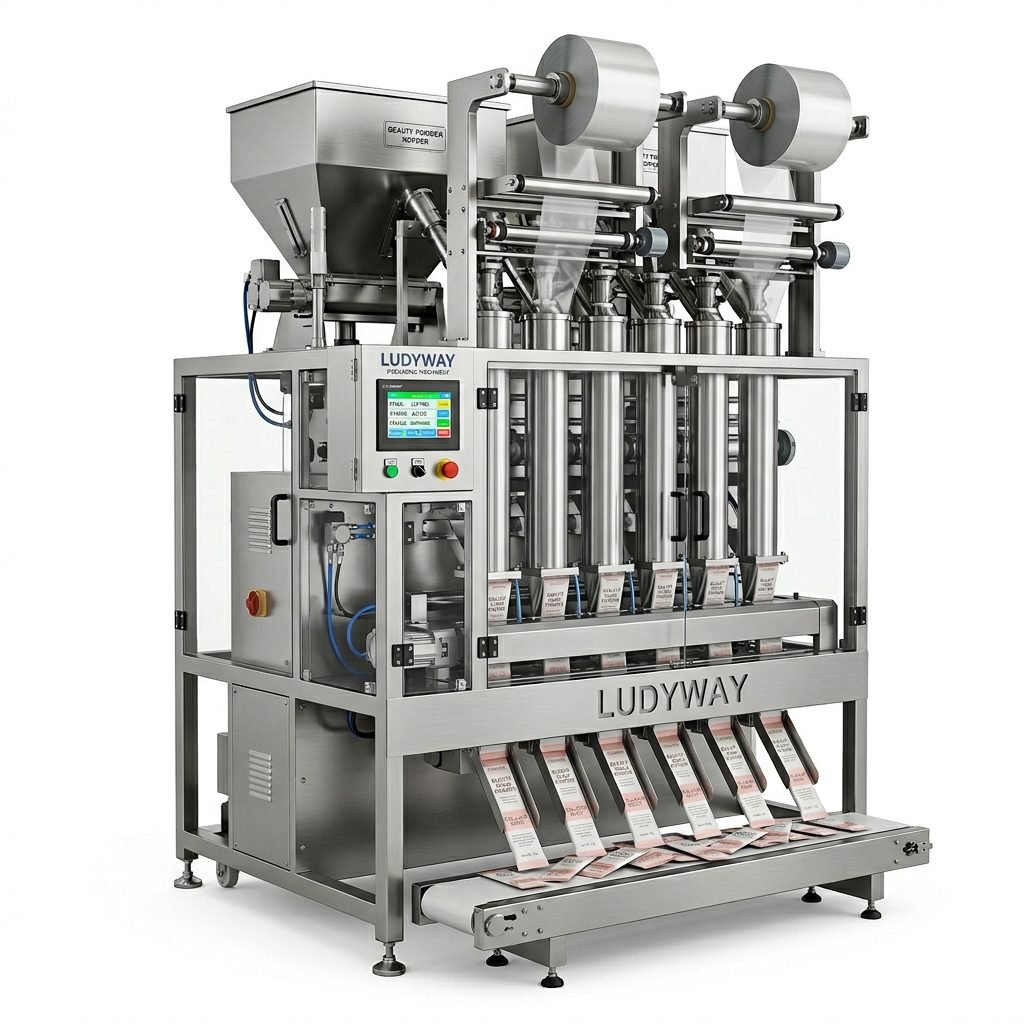
- Sachet Sealers: Designed for flat, multi-lane packaging of products like ketchup, shampoo, creams, and condiments. Multi-lane sachet packaging machines can significantly increase output.
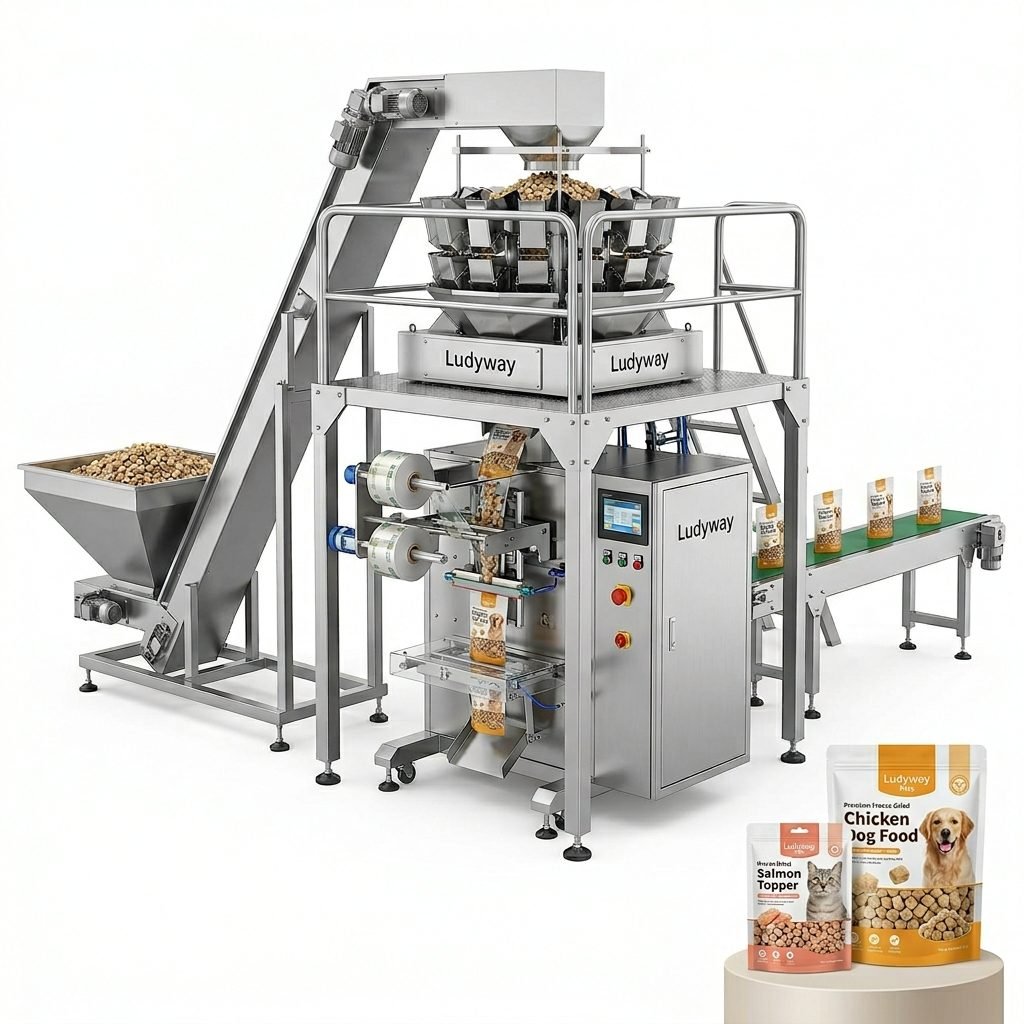
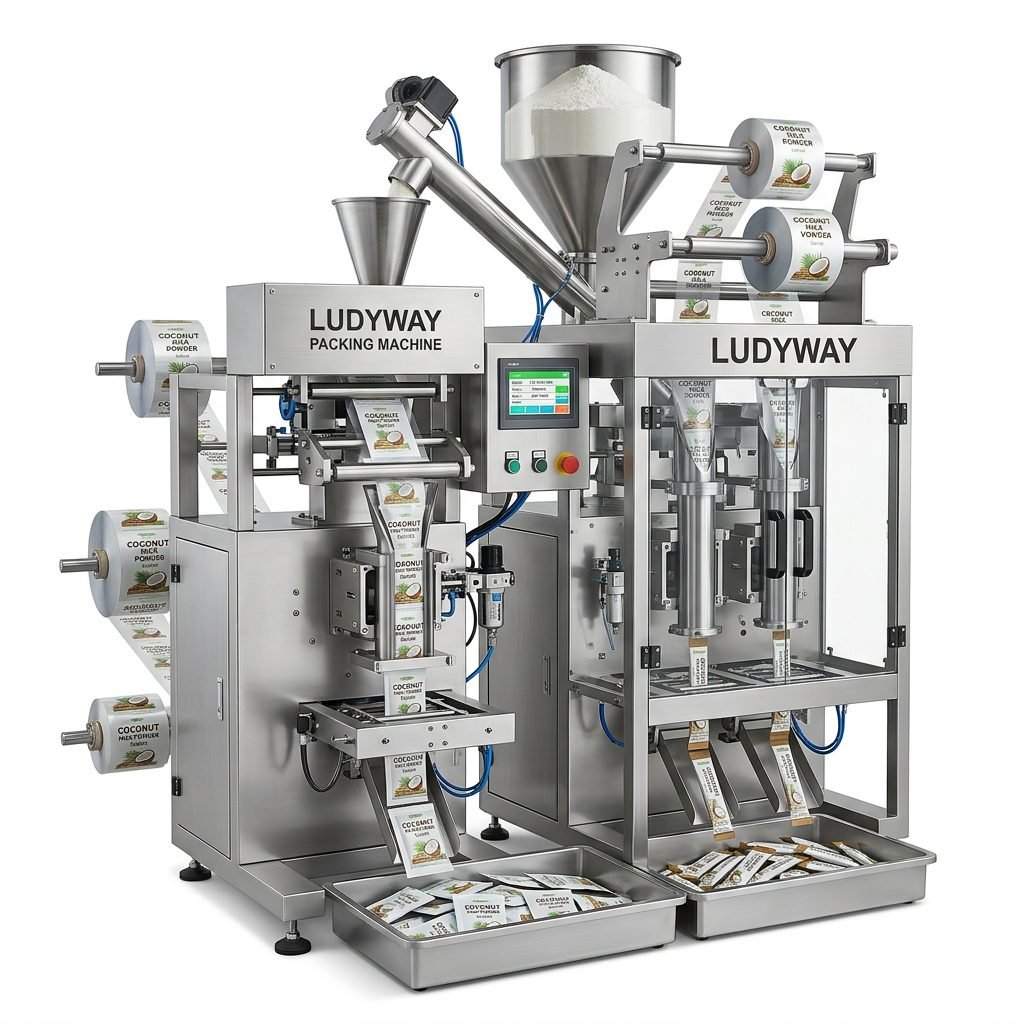
- Pouch Sealers: Used for pre-made pouches or form-fill-seal applications, suitable for larger quantities of granules, powders, or liquids.
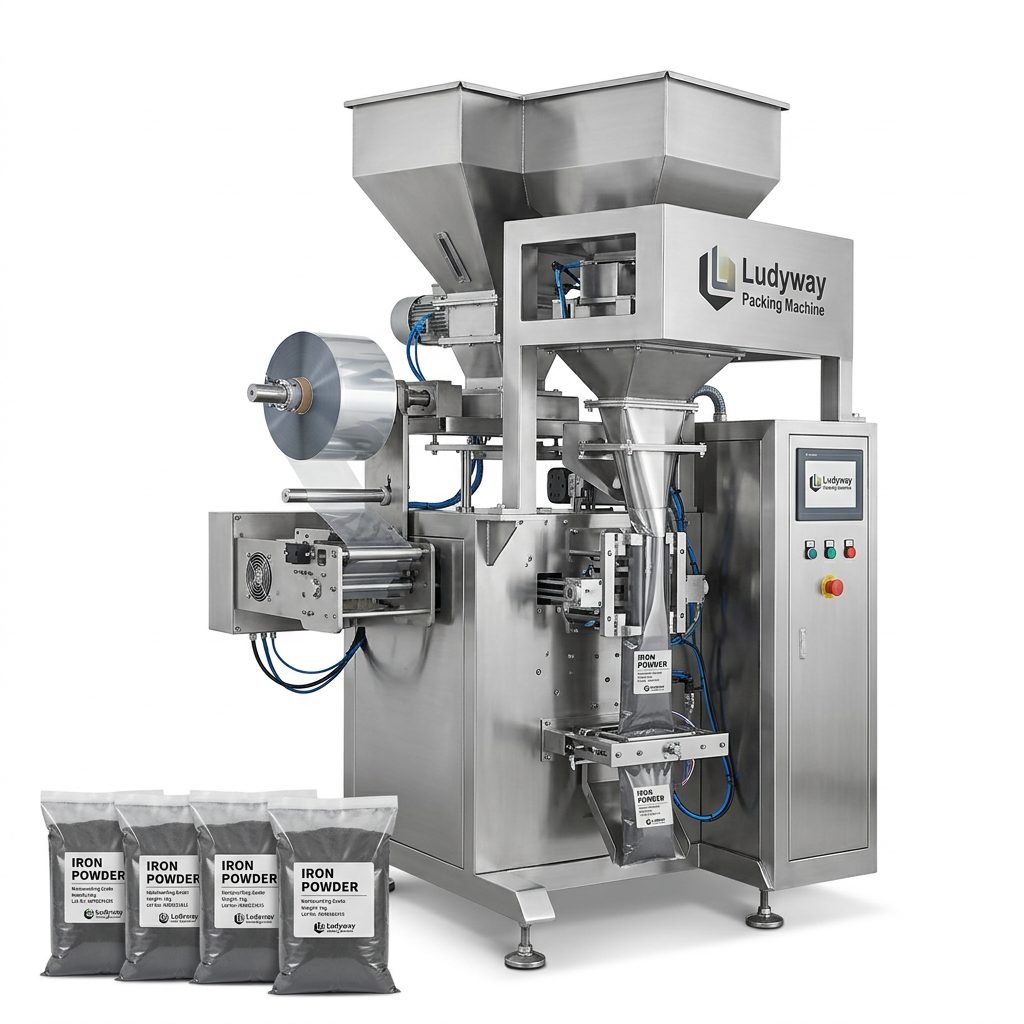
- Bulk Bag Sealers: Heavy-duty systems for sealing large bags (10kg-50kg) containing grains, fertilizers, chemicals, or animal feed.
Key Factors to Consider When Choosing a Sealer
Beyond the basic machine type, several technical and operational parameters determine whether a packaging sealer is right for your production line. Evaluating these factors early can prevent costly mistakes.
| Factor | Why It Matters |
|---|---|
| Product Characteristics | Powders, granules, liquids, and pastes each require different filling and sealing mechanisms. Dusty products may need additional dust extraction, while sticky liquids require precise nozzle design. |
| Production Speed | Measured in packs per minute (ppm). A multi-lane sealer can produce 200-600 ppm, while single-lane machines typically handle 30-80 ppm. Match the speed to your current and projected demand. |
| Packaging Material | Heat-sealable films, aluminum foil, paper laminates, and PE-based materials all behave differently under heat and pressure. Your sealer must be compatible with your chosen substrate. |
| Sealing Technology | Constant heat, impulse sealing, and ultrasonic sealing each offer distinct advantages. Impulse sealing is common for most flexible packaging, while ultrasonic is preferred for sensitive or hard-to-seal materials. |
| Automation Level | From semi-automatic to fully integrated turnkey lines, the degree of automation affects labor requirements, consistency, and overall equipment effectiveness (OEE). |
Industry-Specific Requirements
Different industries impose unique demands on packaging sealer machines. What works for a food manufacturer may not meet the strict regulatory needs of pharmaceutical or chemical packaging.
Food and Beverage
Food-grade materials, washdown-capable designs, and compliance with FDA or EU food contact regulations are essential. Seal integrity directly affects shelf life and product safety. Machines for products like milk powder, instant coffee, sauces, and seasonings often require nitrogen flushing to extend freshness.
Pharmaceuticals and Nutraceuticals
Precision dosing, tamper-evident seals, and validation-ready documentation are non-negotiable. Look for machines that support GMP compliance and can be qualified for IQ/OQ/PQ protocols. Serialization and traceability features may also be required.
Cosmetics and Personal Care
Gentle handling of viscous creams, serums, and gels is critical. Multi-lane sachet machines for shampoo samples, facial creams, and hand sanitizers must maintain aesthetic seal quality while preventing product contamination.
Chemicals and Industrial Products
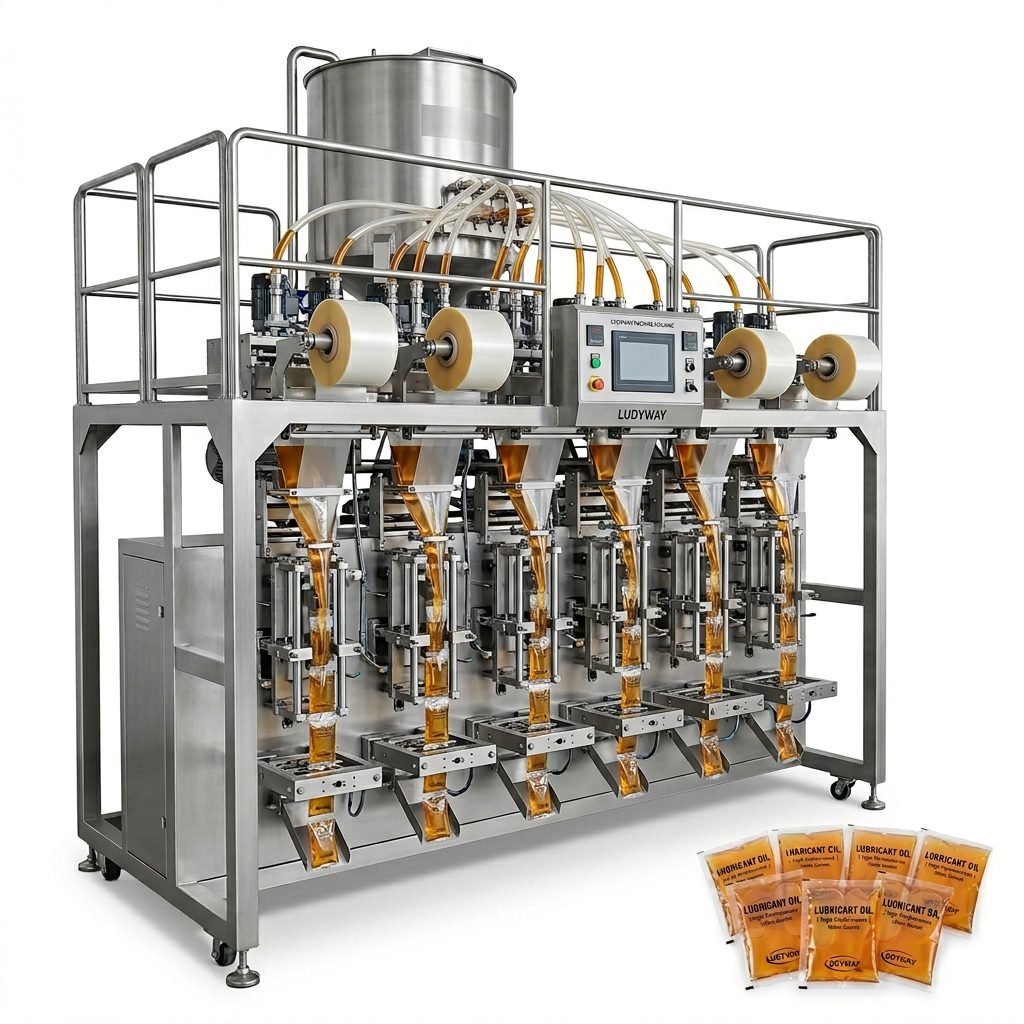
Corrosion-resistant components, explosion-proof configurations (for solvent-based products), and robust construction are mandatory. Sealing machines for detergents, lubricants, adhesives, and agrochemicals must withstand harsh operating environments.

The Importance of Turnkey Integration
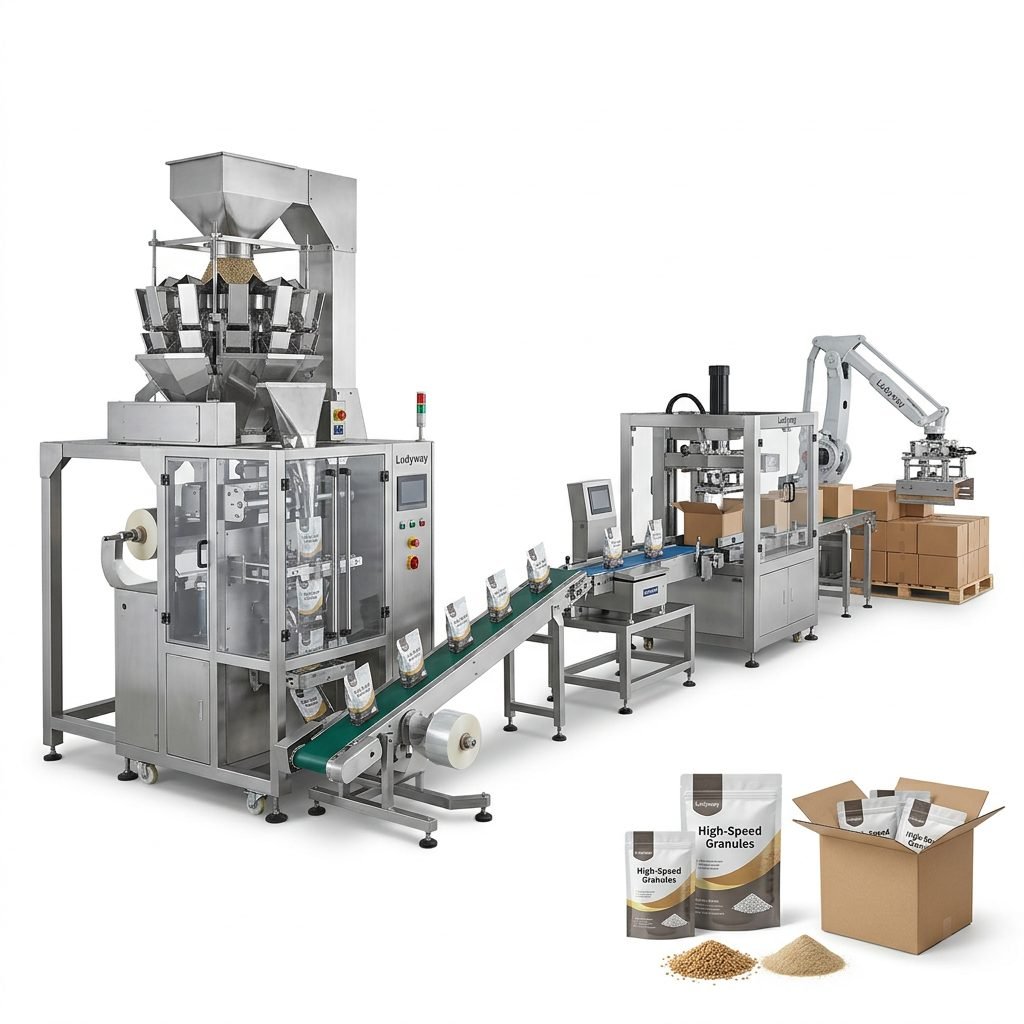
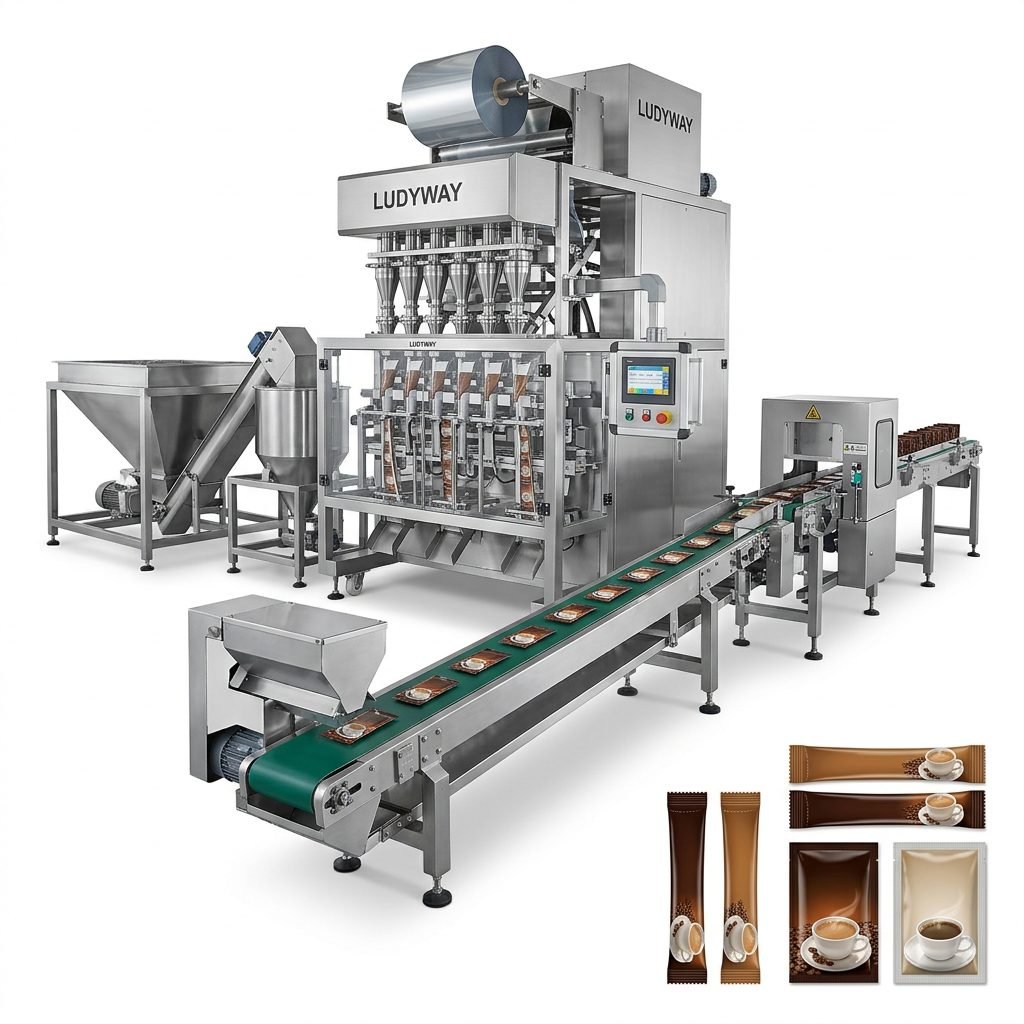
A packaging sealer does not operate in isolation. Feeding systems, checkweighers, coding printers, cartoners, and palletizers often need to integrate seamlessly. Choosing a supplier that can provide a complete packaging line rather than isolated machines reduces compatibility risks and simplifies project management.
The Association for Packaging and Processing Technologies (PMMI) recommends evaluating the entire line as a system rather than selecting individual components. This approach helps avoid bottlenecks and ensures that your packaging machinery investment delivers the expected return.
Why Build Quality and Supplier Support Matter
A packaging sealer machine is a long-term asset. Initial purchase price is only one part of the total cost of ownership. Consider the following:
- Spare parts availability: Can the supplier ship critical components quickly to minimize downtime?
- Remote technical support: Does the manufacturer offer video-assisted troubleshooting?
- Installation and commissioning: Is on-site support included, or is it an additional cost?
- Operator training: Proper training ensures your team can run and maintain the sealer effectively.
For manufacturers seeking a reliable long-term partner, Ludyway Machinery stands out as a China-based packaging machinery manufacturer with more than 30 years of experience. With a 20,000-square-meter manufacturing facility, over 130 professionals, and more than 50 packaging machine models, the company combines manufacturing expertise with engineering capabilities to support customers across food, pharmaceutical, cosmetic, and chemical industries. Their equipment can be configured for different production speeds, filling volumes, packaging materials, and bag formats, from single automatic packaging machines to complete turnkey packaging solutions.
Compliance and International Standards
If you export products to regulated markets, your packaging sealer must meet applicable standards. Look for equipment that can be certified according to:
- CE marking for European markets
- FDA compliance for food and pharmaceutical contact in the United States
- ISO 11607 for terminally sterilized medical device packaging (ISO 11607 standard)
- GOST or other regional certifications as required
The FDA’s guidelines on food contact substances and the Flexible Packaging Association’s resources provide additional frameworks for compliance. Always confirm that your machine supplier can provide the necessary documentation before committing.
Customization: One Size Does Not Fit All
Standard machines rarely meet every requirement perfectly. Product characteristics, bag sizes, filling volumes, production speeds, and factory layouts all influence the appropriate equipment configuration. Working with a supplier that offers customized engineering solutions — rather than only standardized machines — can be the difference between a packaging line that performs adequately and one that delivers a true competitive advantage.
Key customization areas to discuss with potential suppliers include:
- Lane count and configuration for multi-lane sealers
- Filling and dosing system selection (volumetric, auger, piston, or multi-head weigher)
- Integration of industrial coding and inspection systems
- Material handling solutions for upstream and downstream operations
Final Decision Checklist
Before finalizing your packaging sealer machine purchase, use this checklist to ensure all critical points have been addressed:
| Checklist Item | Status |
|---|---|
| Product type and characteristics fully documented | ☐ Confirmed |
| Target production speed (ppm) defined | ☐ Confirmed |
| Packaging material compatibility tested | ☐ Confirmed |
| Industry-specific certifications verified | ☐ Confirmed |
| Integration requirements mapped | ☐ Confirmed |
| Spare parts and support plan in place | ☐ Confirmed |
Choosing the right packaging sealer machine requires careful evaluation of your product, production goals, regulatory environment, and long-term operational needs. By focusing on technical suitability, build quality, integration capabilities, and supplier reliability, you can make an informed decision that supports your manufacturing objectives for years to come. For expert guidance, contact a packaging machinery specialist to discuss your specific application.