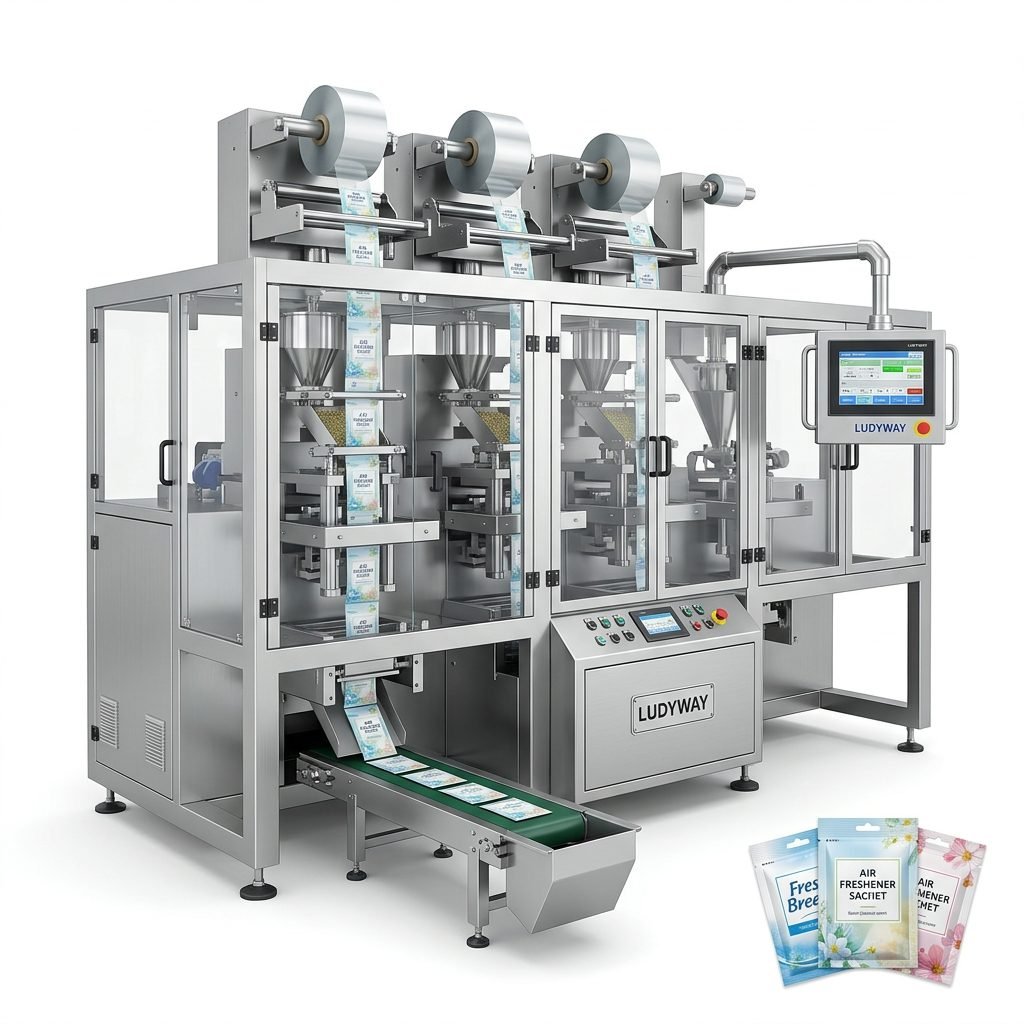
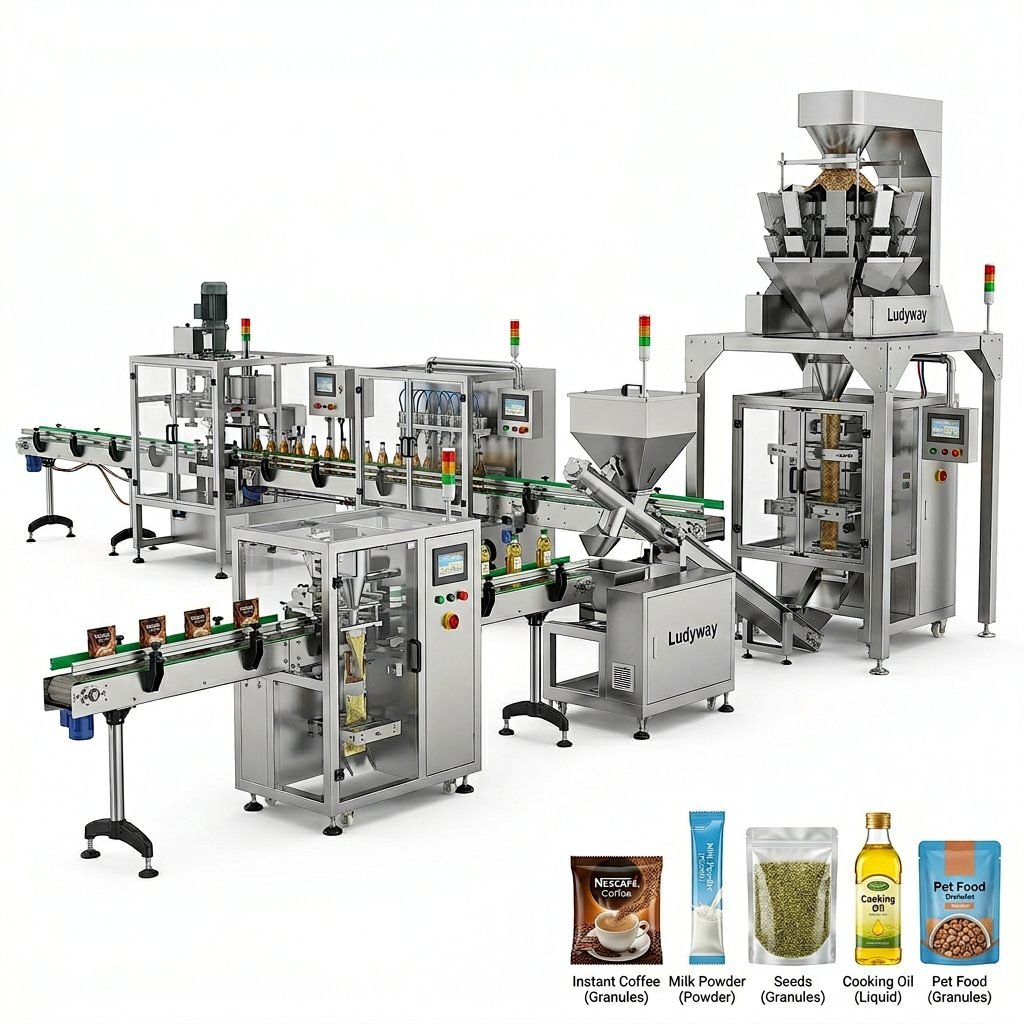
Understanding the German Cupcake Packaging Landscape
Germany represents one of the most advanced and regulated markets for food production machinery in the European Union. When you plan to set up a cupcake packaging machine production line, you are not just installing equipment; you are integrating into a sophisticated ecosystem that demands precision, efficiency, and strict compliance with German and EU directives. This guide walks you through every critical phase, from initial planning to full-scale operation.
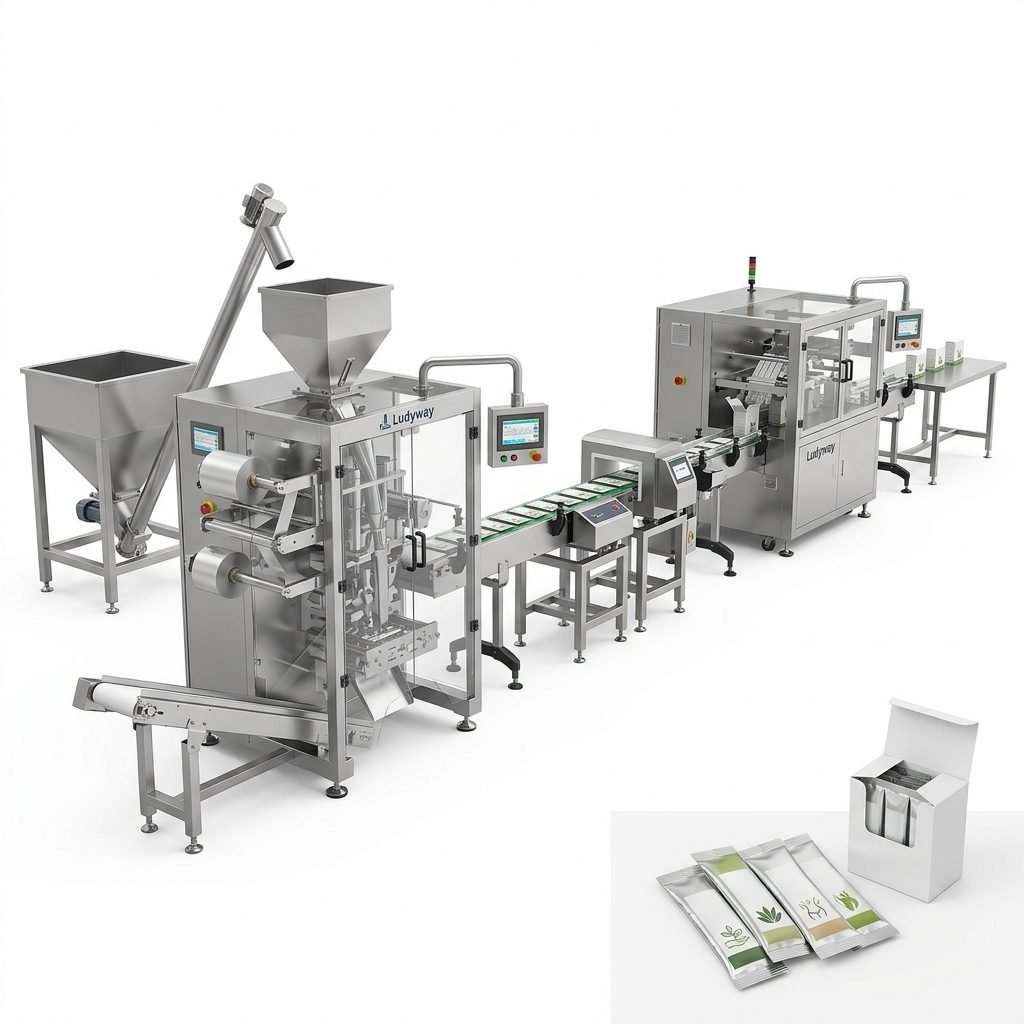
Key Market Drivers for Packaged Cupcakes in Germany
- Rising demand for convenience food and single-portion bakery items
- Strict shelf-life extension requirements using modified atmosphere packaging
- Growing preference for sustainable and recyclable packaging materials
- Labor shortages pushing automation in bakeries of all sizes
Step 1: Pre-Installation Planning and Compliance
Before purchasing any machinery, your facility must align with German workplace safety standards and EU food contact material regulations. The FDA’s packaging and food contact substances resources provide a good reference point, but the primary framework for Germany is the European Food Safety Authority (EFSA) approved materials.
Essential Site Preparation Checklist
| Requirement | Description |
|---|---|
| Floor Load Capacity | Confirm the static and dynamic load ratings for heavy packaging machinery |
| CE Marking | All equipment must carry valid CE certification for EU compliance |
| Electrical Supply | Standard 400V / 50 Hz three-phase power with proper grounding |
| Compressed Air | Clean, dry compressed air lines for pneumatic actuators |
Step 2: Selecting the Right Cupcake Packaging Machinery
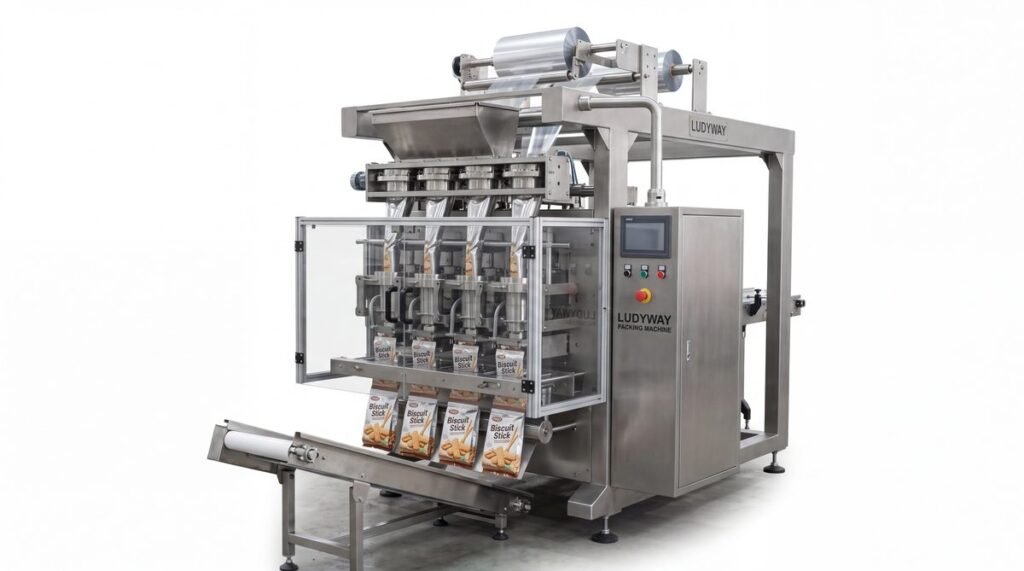
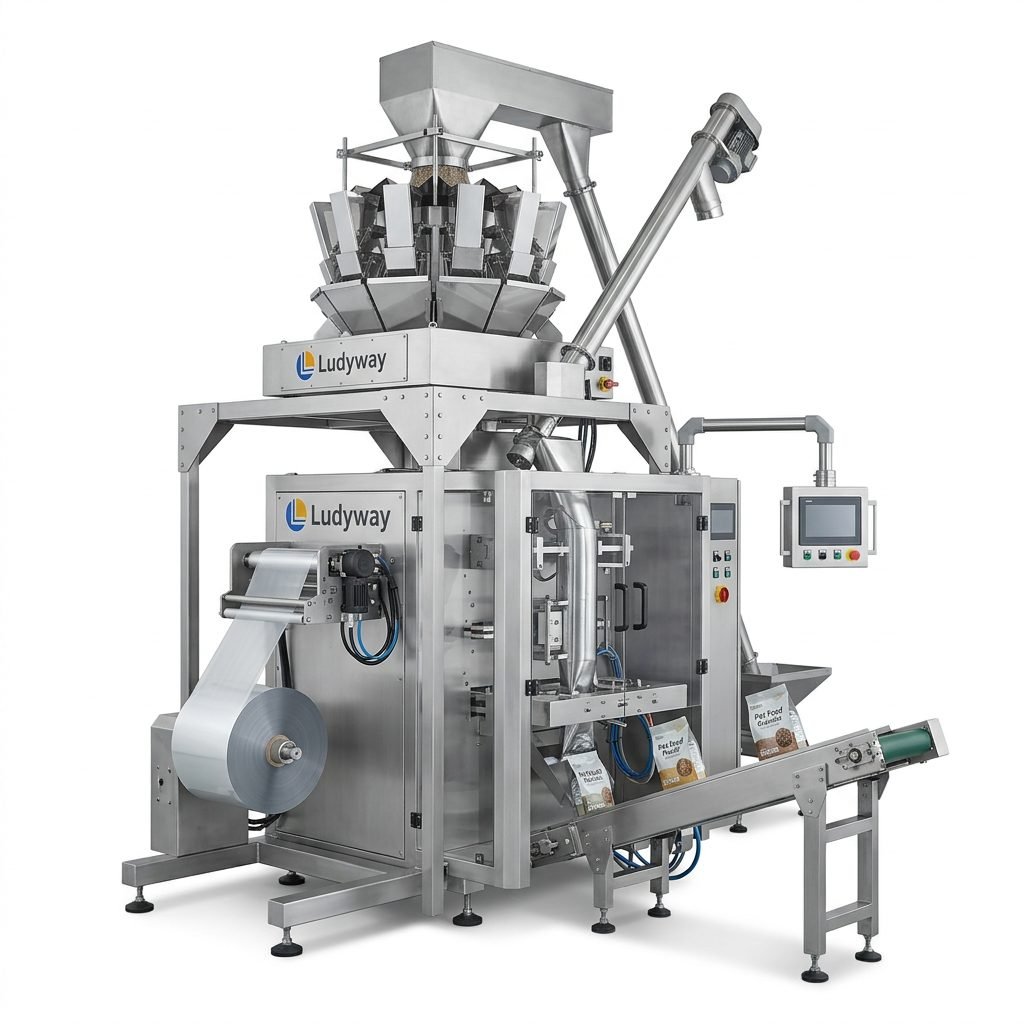
The configuration of your cupcake packaging line depends on your production volume and desired pack format. Options range from single-lane wrappers to high-speed multi-lane systems that can handle hundreds of units per minute. Key machine types include flow wrappers equipped with automatic feeders, carton erection and loading modules, and robotic pick-and-place cells for delicate handling.
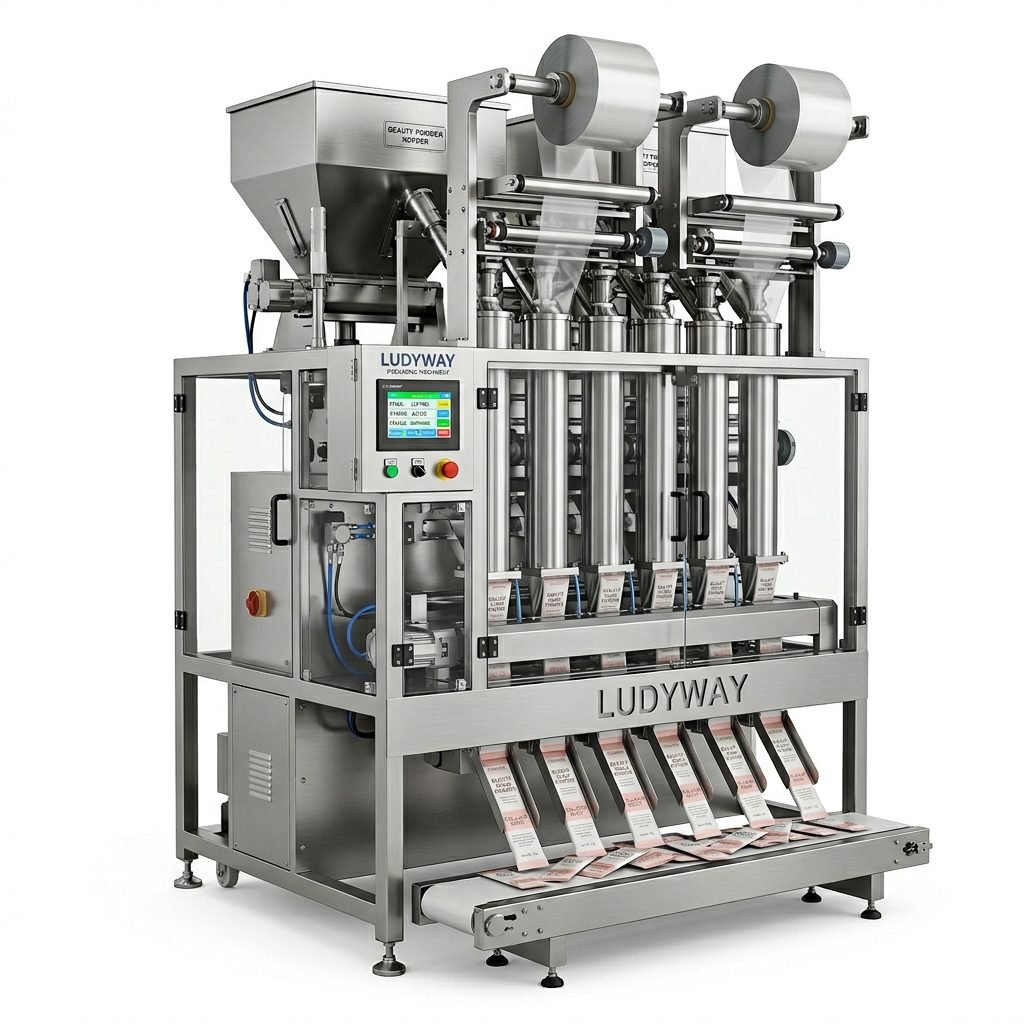
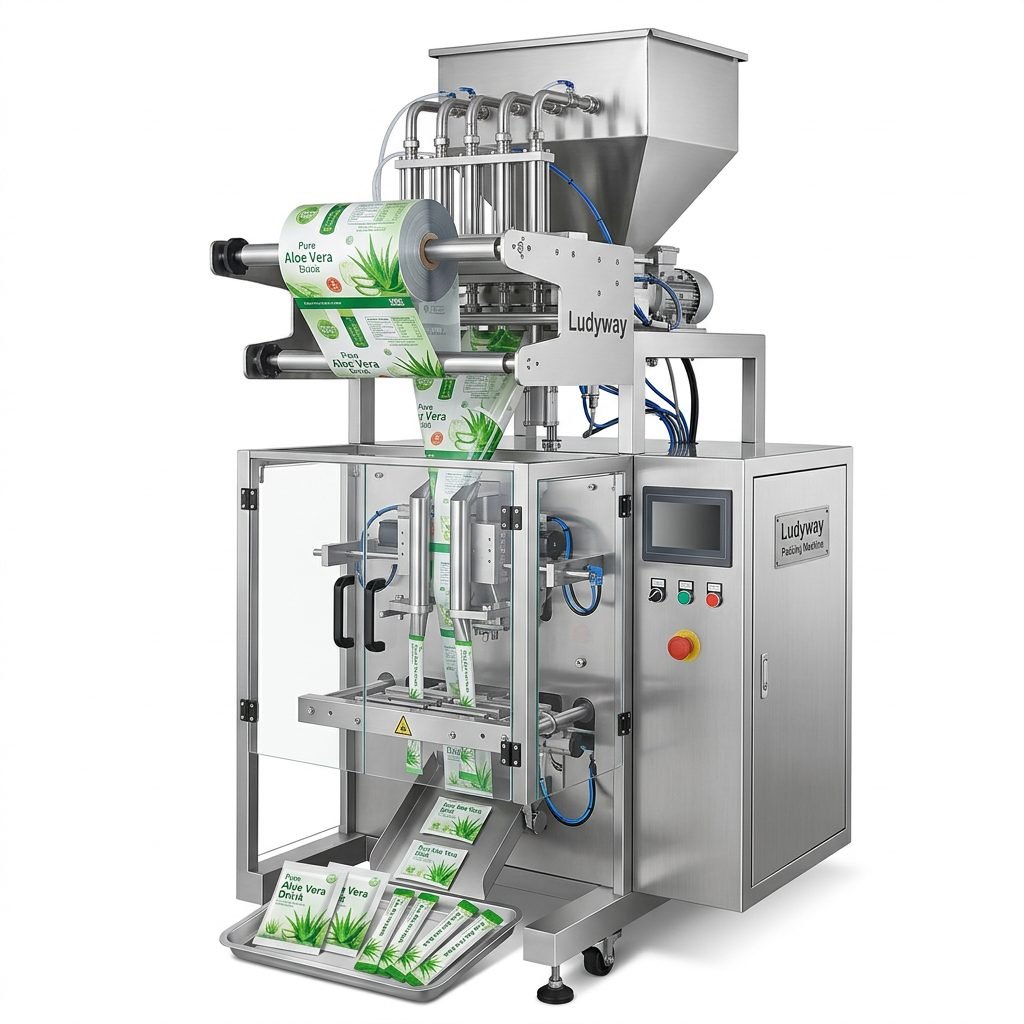
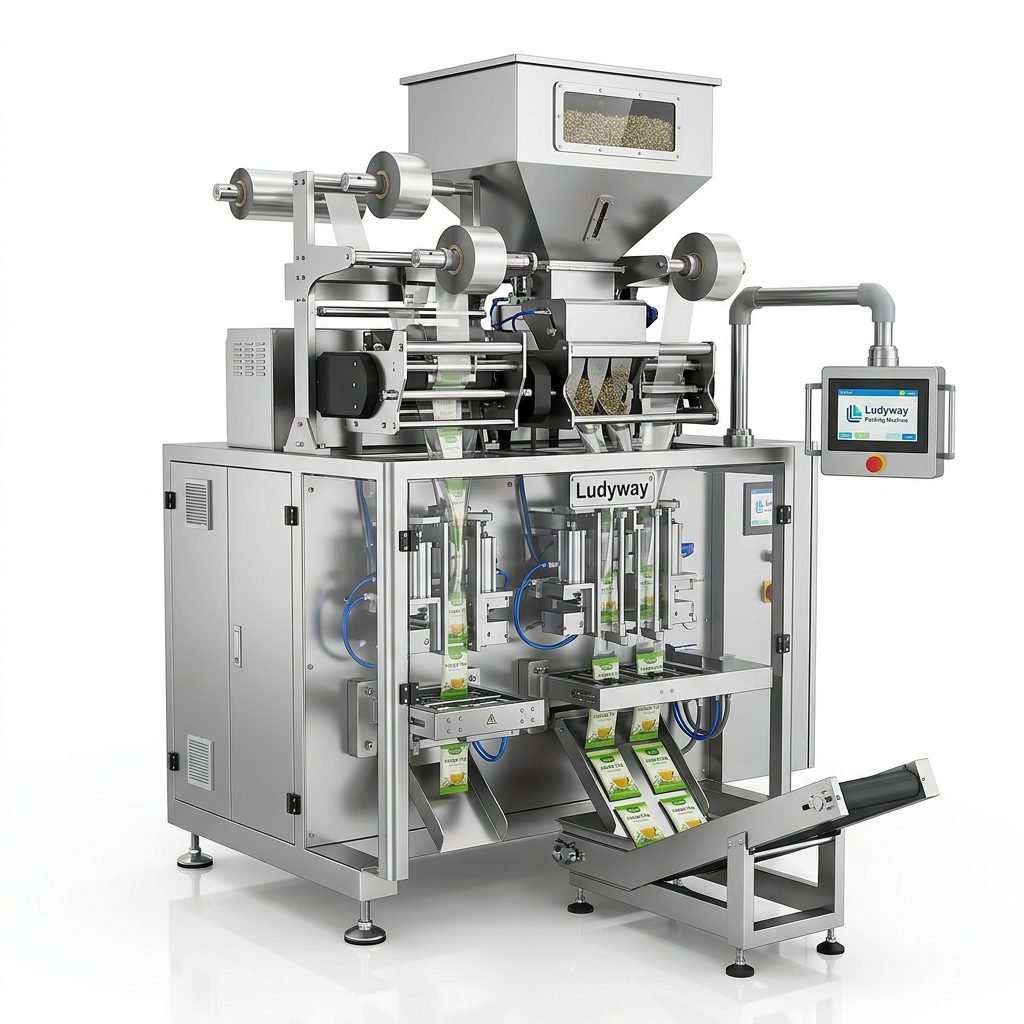
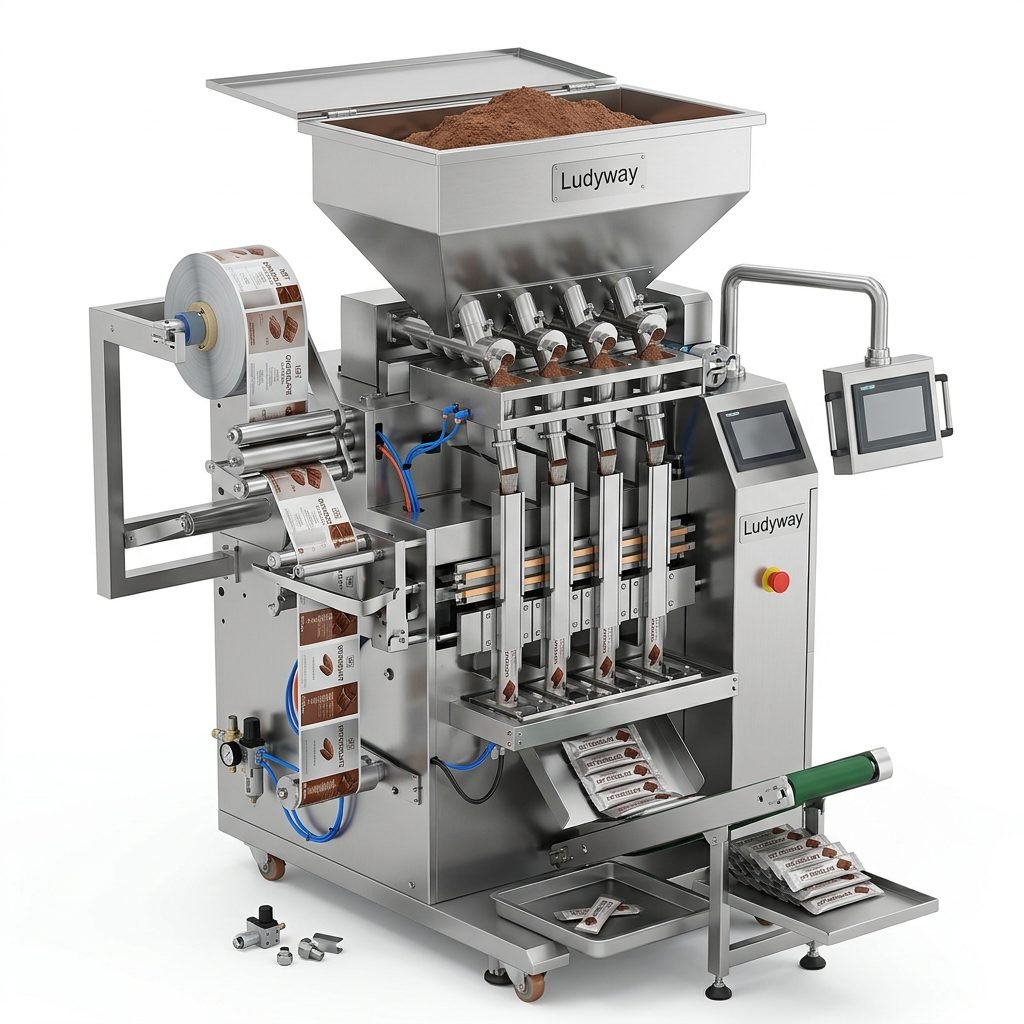
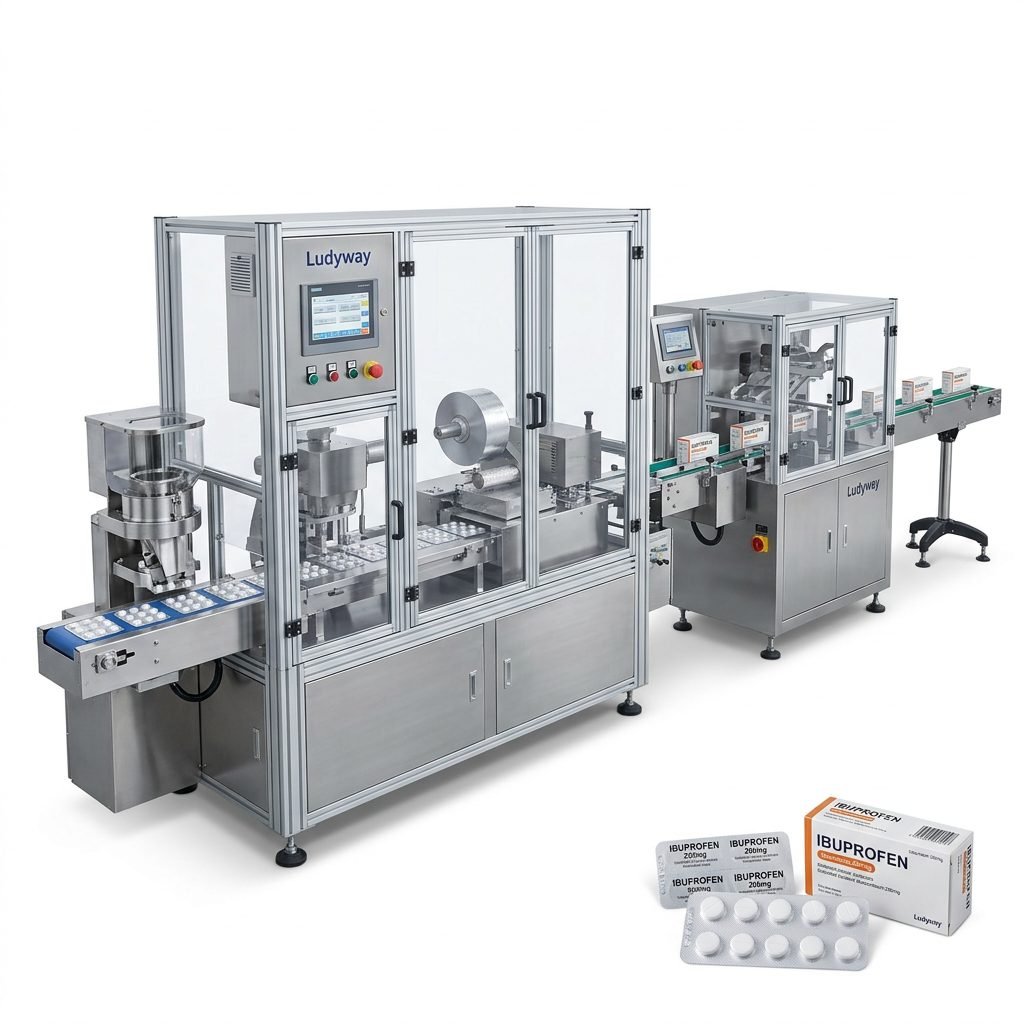
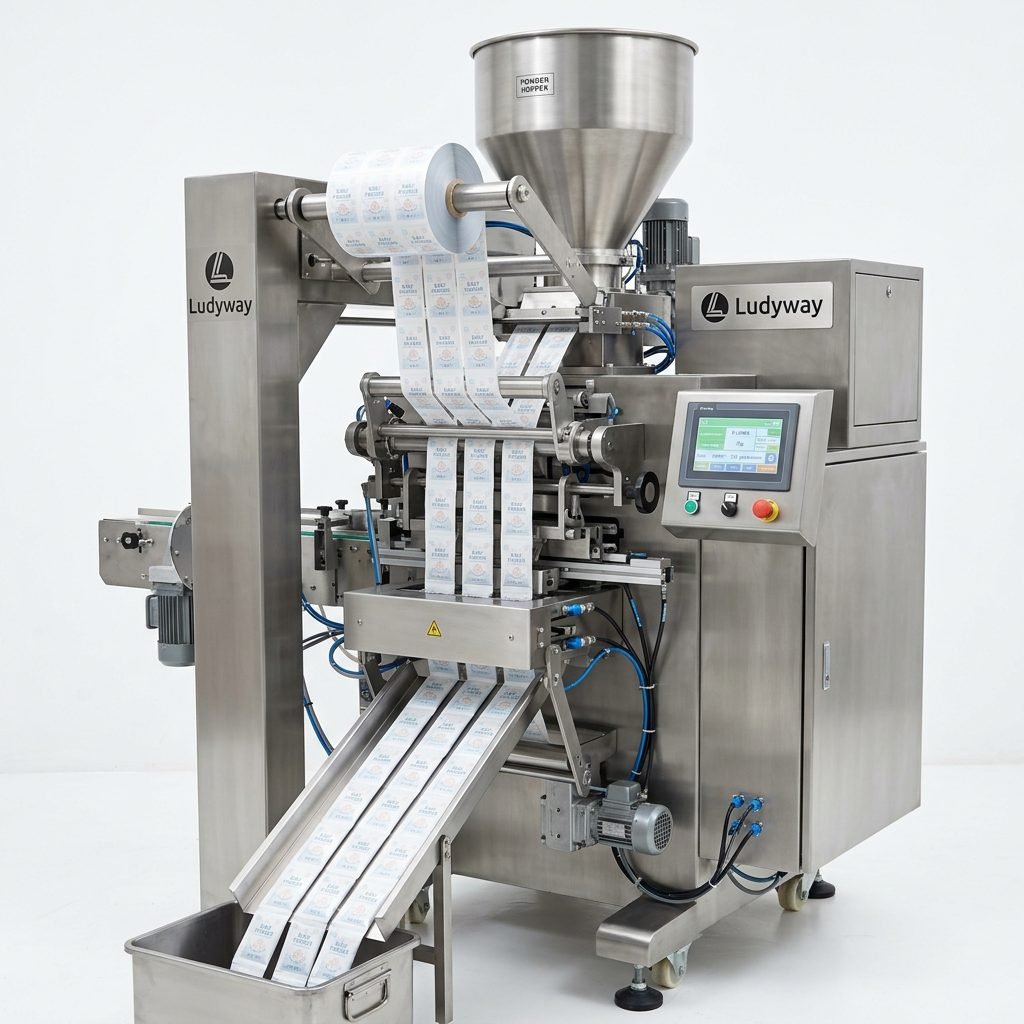
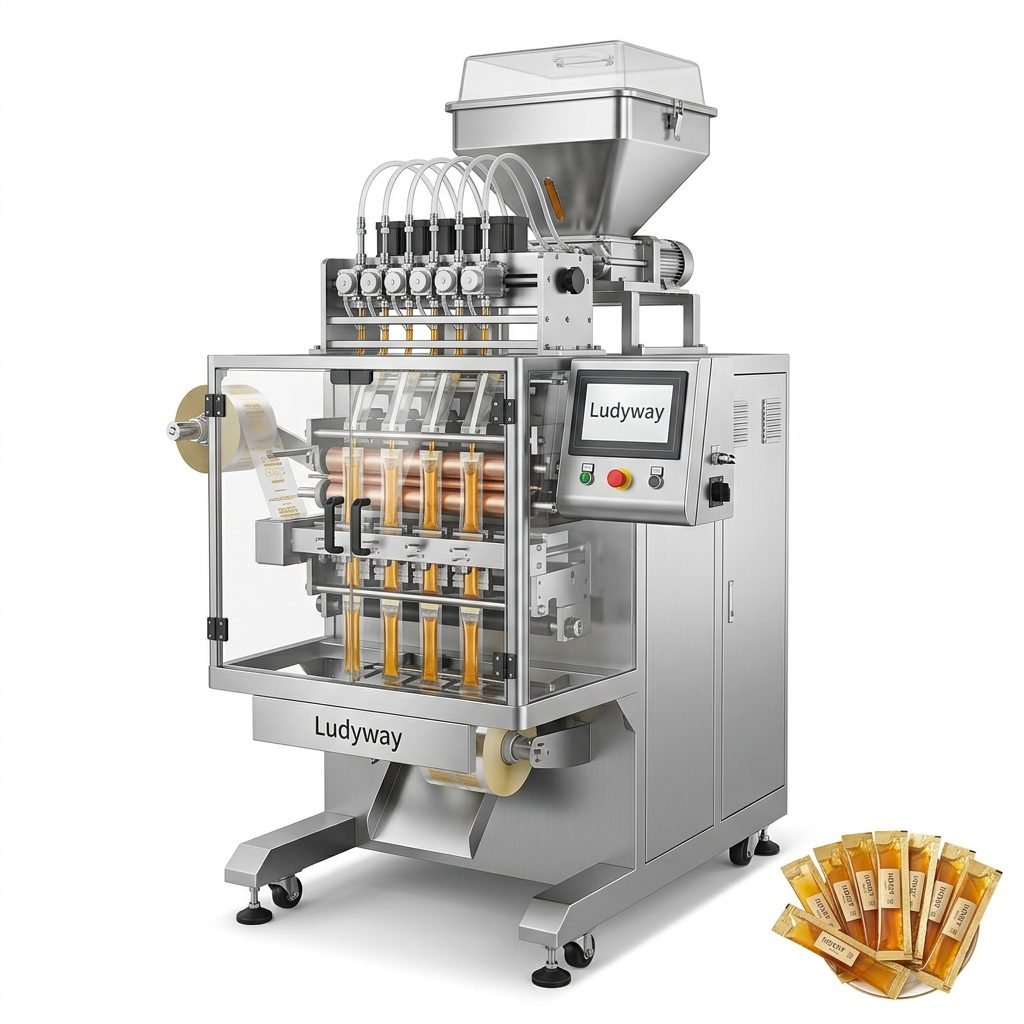
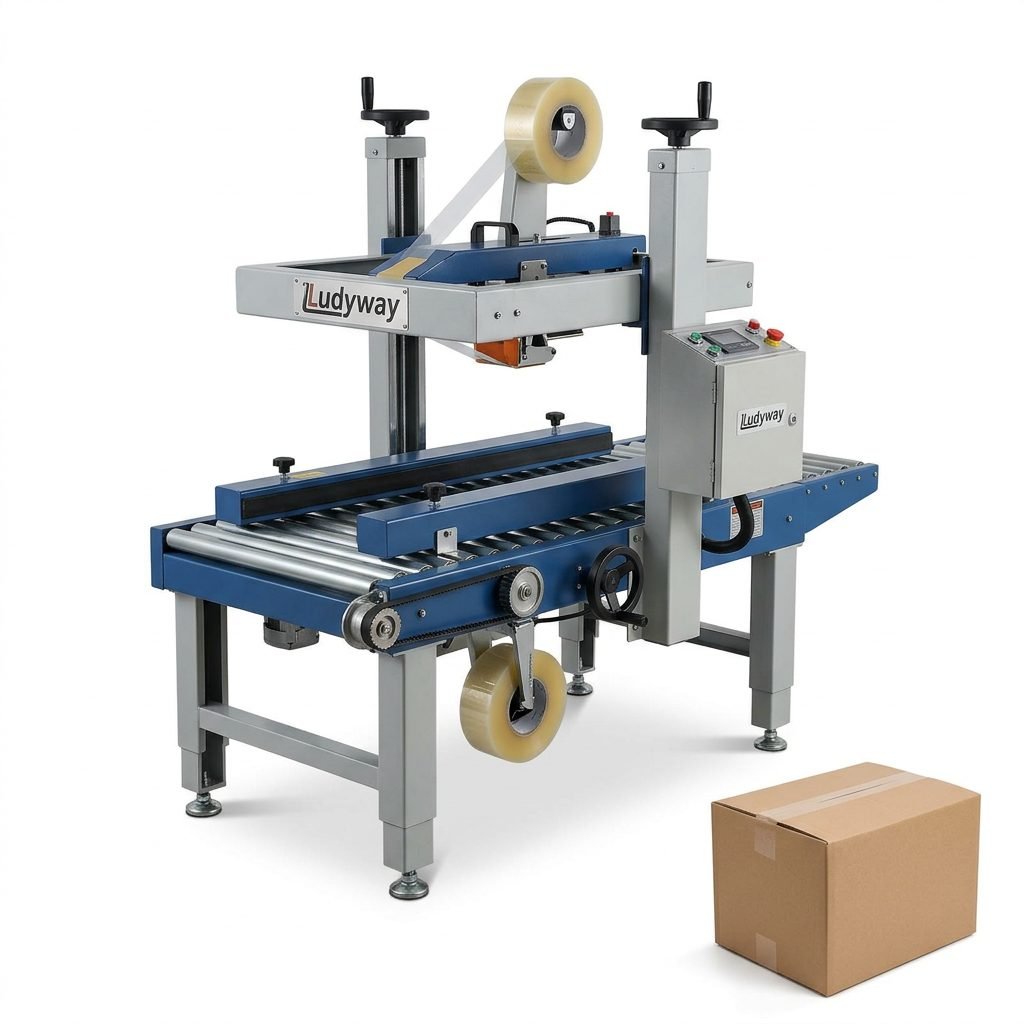
When evaluating suppliers, consider Ludyway, one of the largest packaging machine manufacturers in China, which offers turnkey solutions specifically engineered for granule, powder, and solid product applications — experience that translates well to handling delicate bakery items like cupcakes. Their machinery is designed with hygienic stainless steel frames and quick-changeover features suitable for varied product lines.
Automation Features to Prioritize
- Automatic collation and loading systems to reduce manual handling
- Integrated checkweighers and ISO 11607 compliant seal integrity inspection
- Servo-driven motions for precise film registration and minimal waste
- User-friendly HMI with recipe management for different cupcake sizes
Step 3: Navigating Regulatory and Safety Standards
Germany enforces rigorous occupational safety through the Betriebssicherheitsverordnung (BetrSichV). Your packaging line must incorporate physical guarding, light curtains, and emergency stop circuits that comply with Performance Level d (PLd) as defined by ISO standards. The PMMI packaging industry resources offer extensive documentation on current machinery safety protocols.
Critical Documentation for Installation
- Risk assessment documentation per DIN EN ISO 12100
- Declaration of Conformity for the complete line
- User manuals in German language (required by law)
- Validation protocols for sealing parameters and gas flushing
Step 4: Installation, Commissioning, and Training
Installation should be supervised by certified engineers who understand both the mechanical alignment and the electrical integration with your facility’s network. A phased commissioning process — starting with dry runs, then gradual speed increases — ensures that every cupcake packaging machine module communicates correctly with upstream and downstream equipment.
Operator Training Modules
| Module | Focus Area |
|---|---|
| Safety Operations | Emergency procedures, guarding interlocks, lockout-tagout |
| Machine Adjustments | Film tension, temperature control, product guides |
| Maintenance Tasks | Daily cleaning, lubrication points, belt inspection |
Step 5: Optimizing Production with Smart Technology
German production lines increasingly adopt Industry 4.0 principles. Connecting your packaging equipment to an MES (Manufacturing Execution System) allows real-time monitoring of Overall Equipment Effectiveness (OEE). Data from sensors can predict maintenance needs, reducing unplanned downtime. The PMMI business intelligence library provides reports on how smart packaging technologies are driving efficiency gains.
Environmental Control for Cupcake Packaging
- Maintain ambient temperature between 18-22°C to prevent icing melting
- Positive air pressure in the packaging hall to minimize particle ingress
- Stainless steel conveyor belts with easy-clean profiles
- Washdown capability for thorough sanitation cycles
Step 6: Ongoing Maintenance and Regulatory Updates
The European packaging waste regulation continues to evolve, and German producers must stay aligned with recycling quotas and material restrictions. Regular audits of your packaging line ensure compliance with both machine safety and food contact updates. Establish a relationship with your equipment provider for software updates and mechanical overhauls.

Recommended Service Intervals
- Daily: Clean product contact surfaces and inspect sealing jaws
- Weekly: Check chain tension, sensor calibration, and lubricate bearings
- Monthly: Full electrical inspection, firmware backup, and safety system test
- Annually: Comprehensive mechanical overhaul and flexible packaging industry compliance review
Setting up a cupcake packaging machine production line in Germany is a strategic investment. By following a methodical approach — prioritizing regulatory compliance, selecting robust machinery with local support, and implementing smart maintenance practices — you establish a foundation for consistent, high-quality output that meets both consumer expectations and industrial standards.