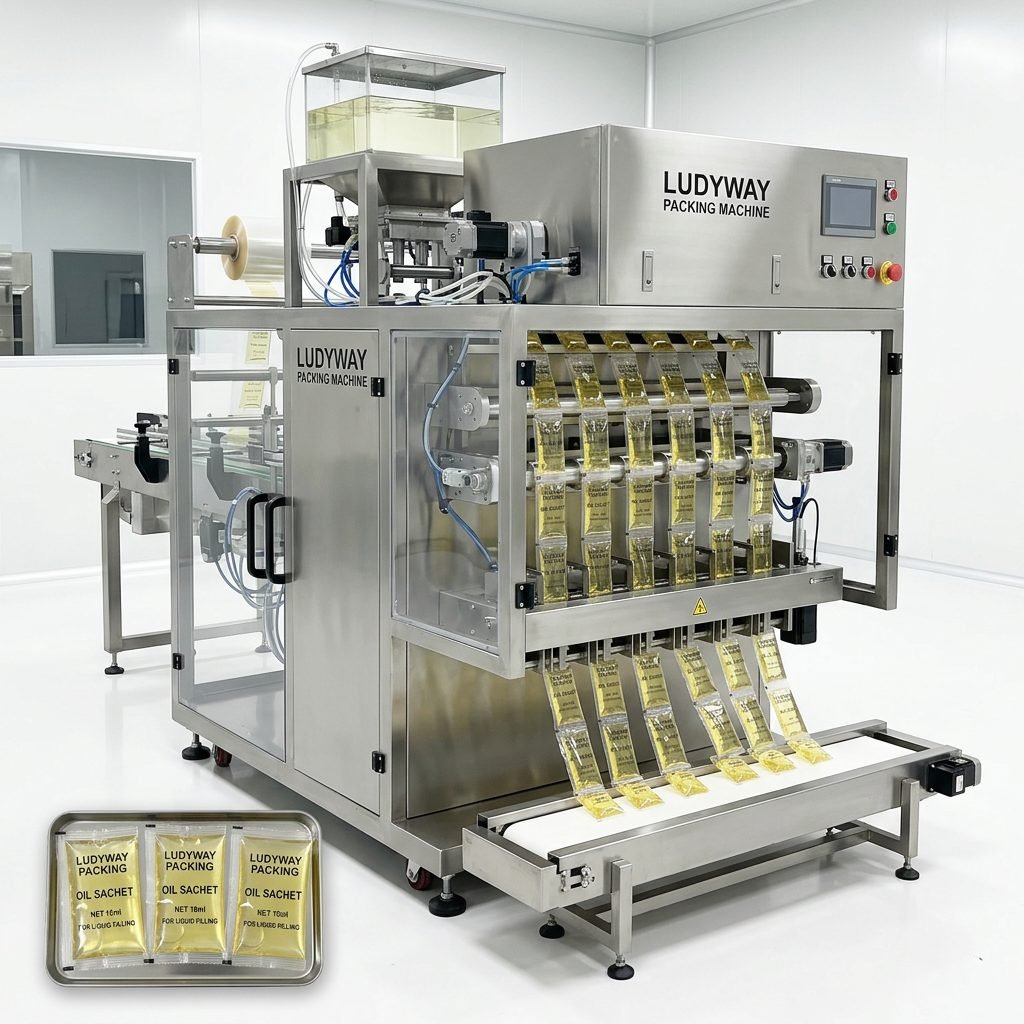
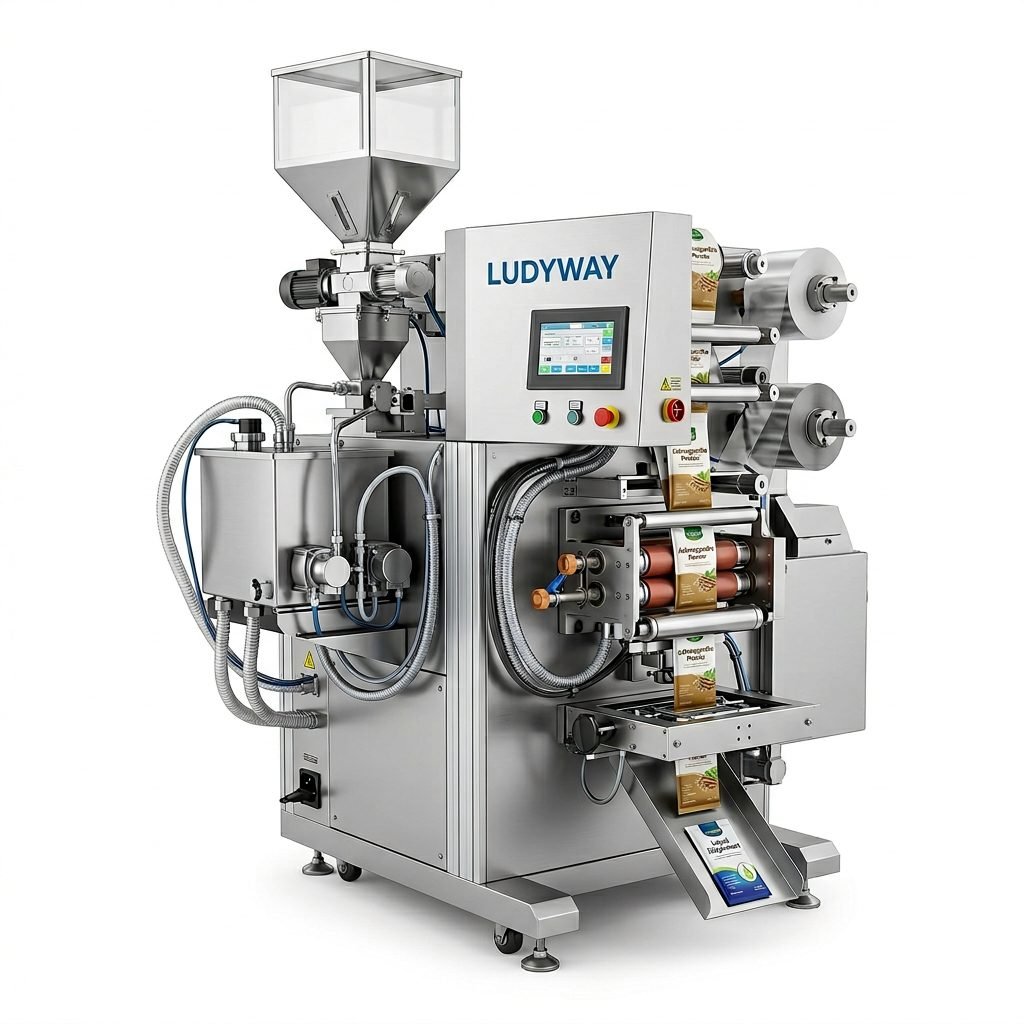
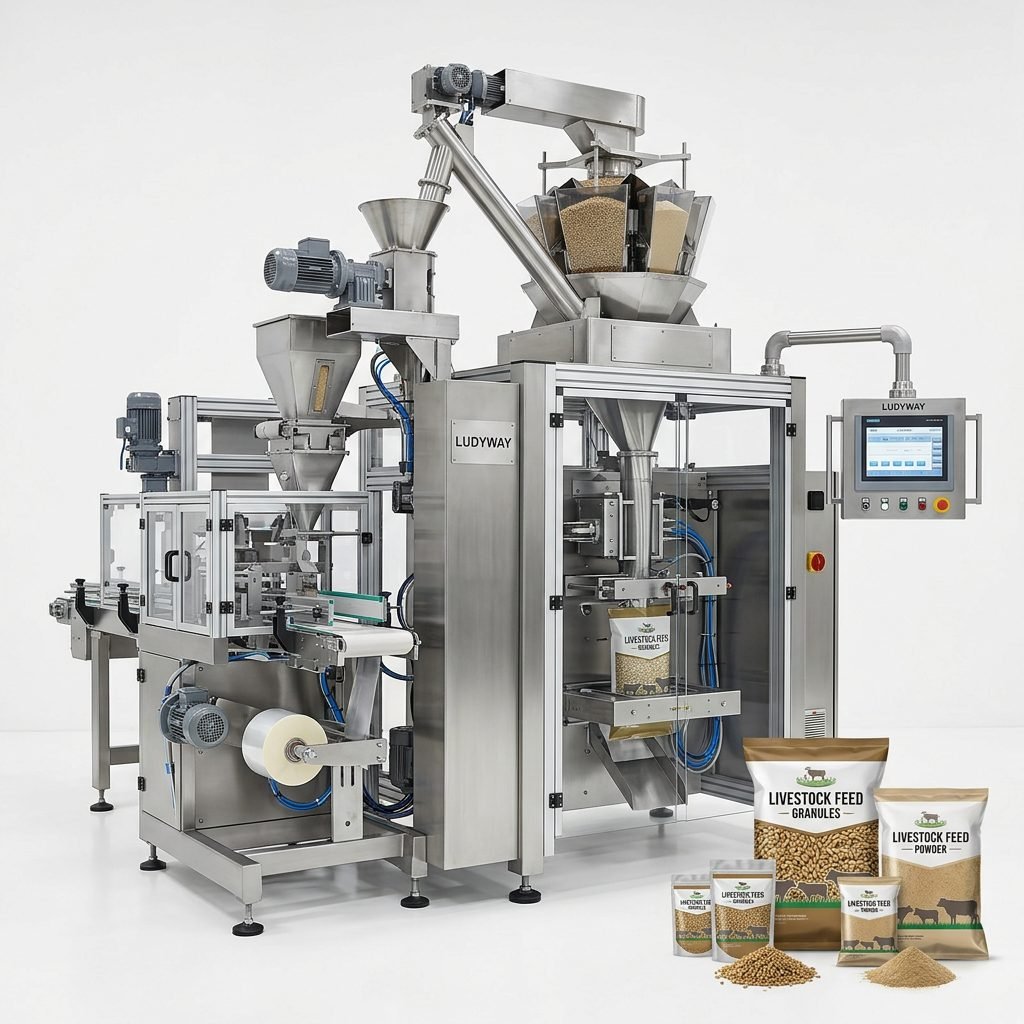
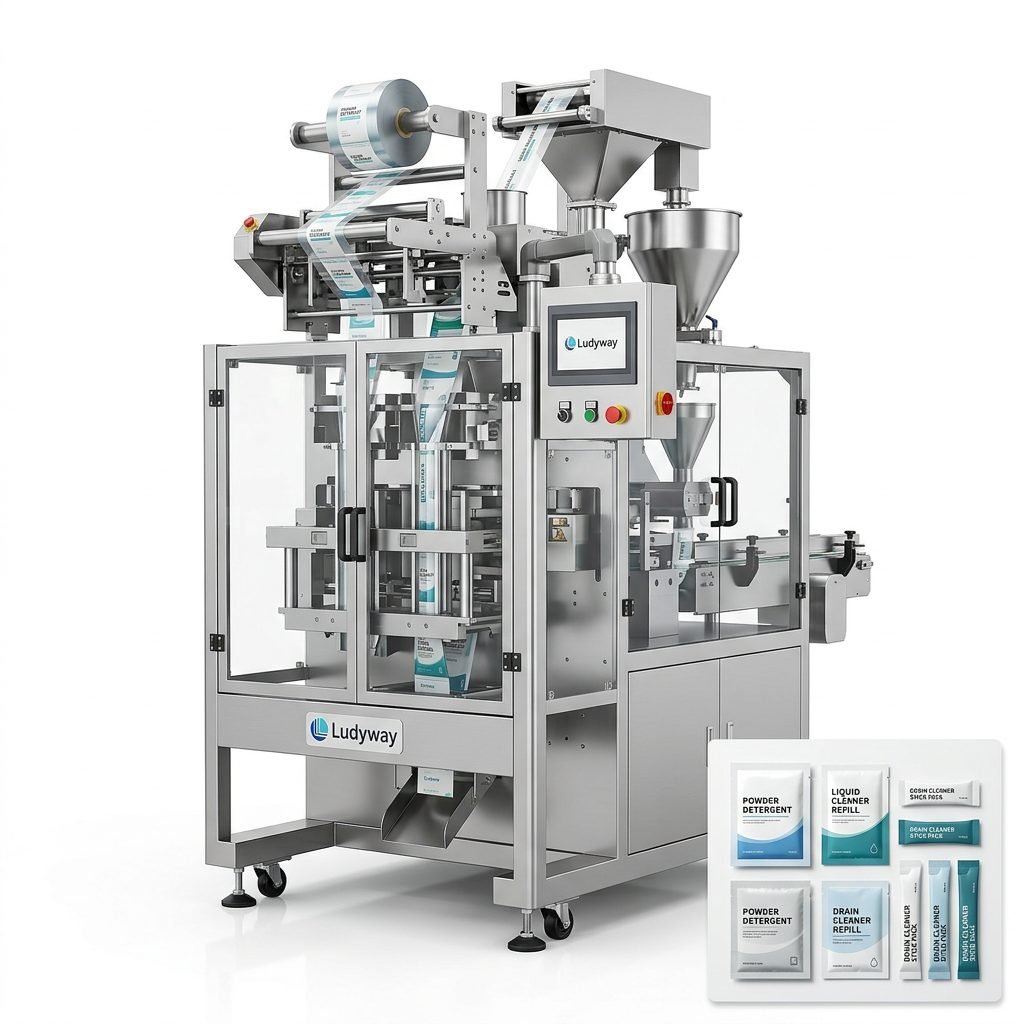
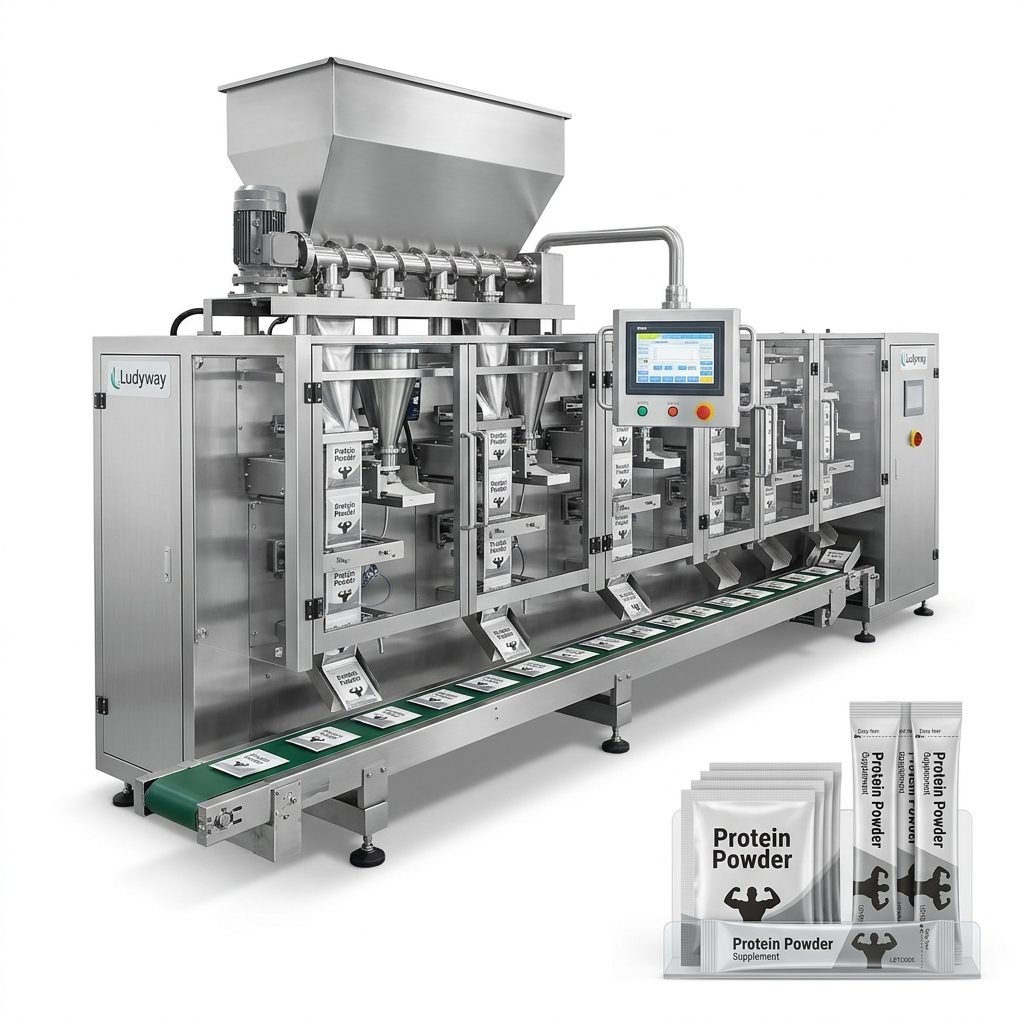
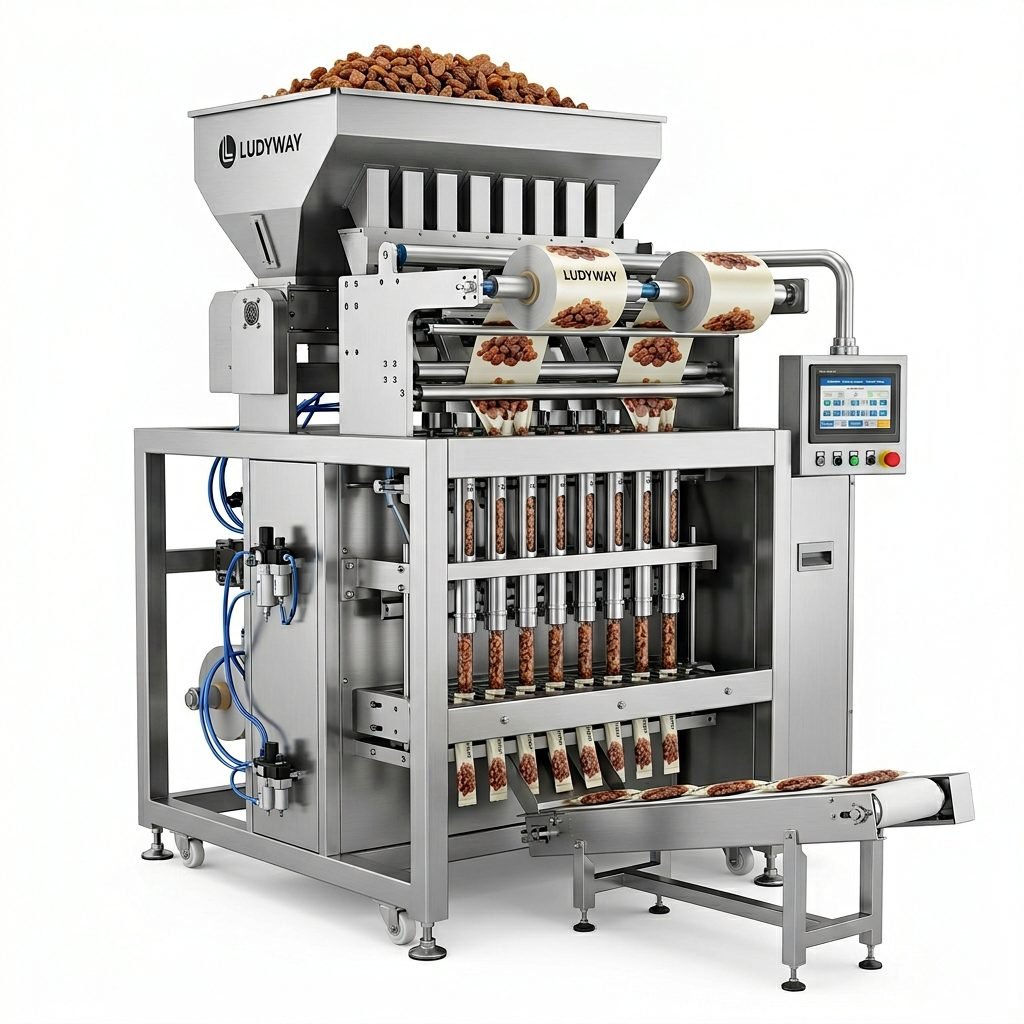
Investing in a Pakona packaging machine is a significant decision for manufacturers looking to enhance efficiency, consistency, and throughput. Whether you are packaging powders, granules, liquids, or pastes, selecting the right equipment requires a systematic evaluation of your production goals, product characteristics, and long-term operational needs. This comprehensive guide walks you through the critical factors to consider before making your purchase.
Understanding Pakona Packaging Machine Configurations
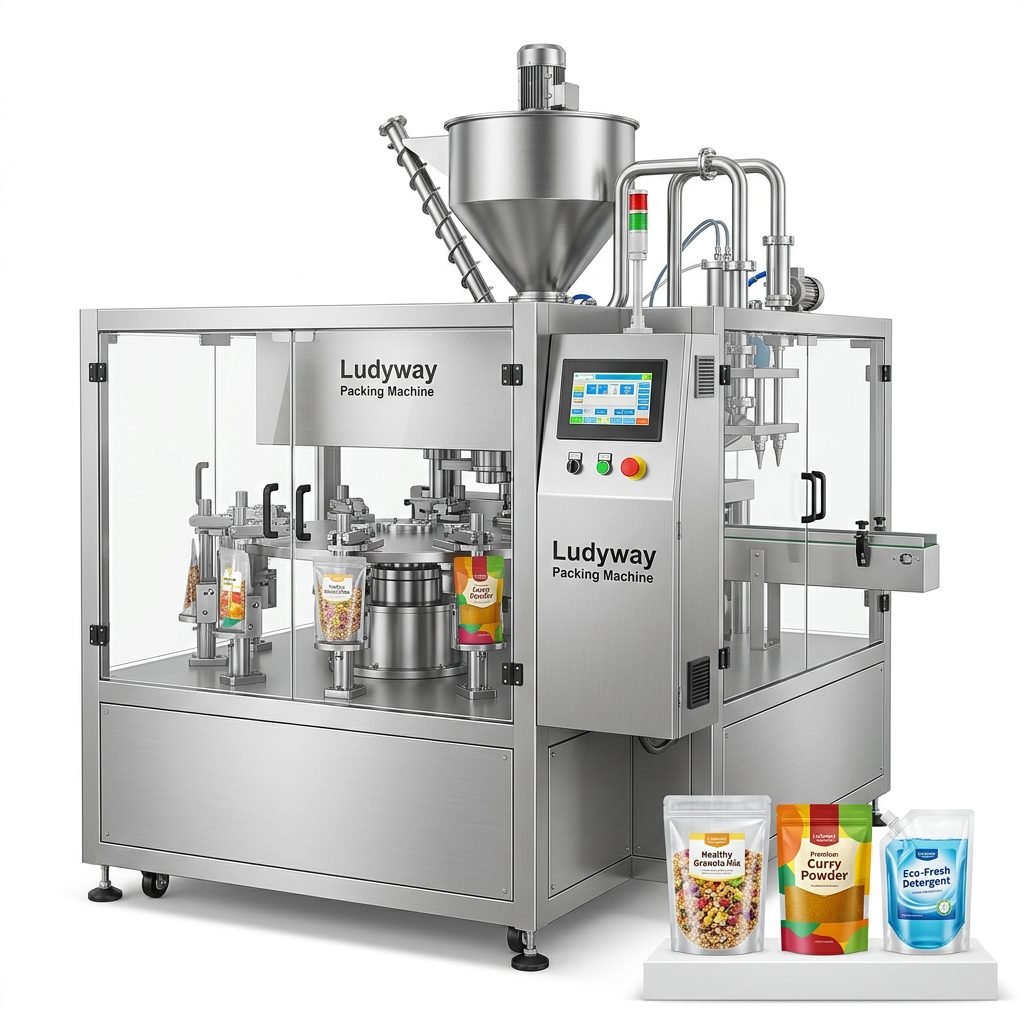
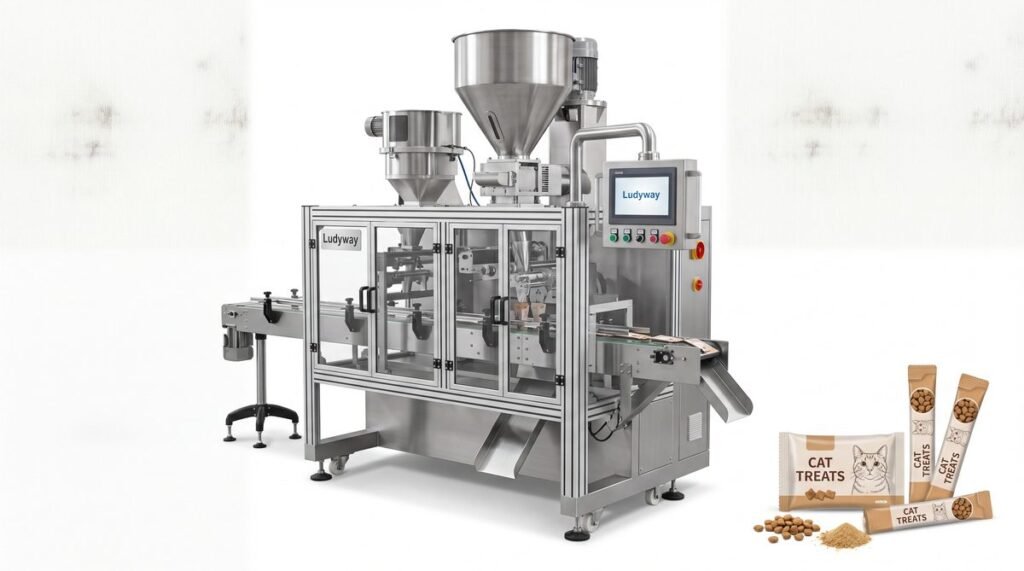
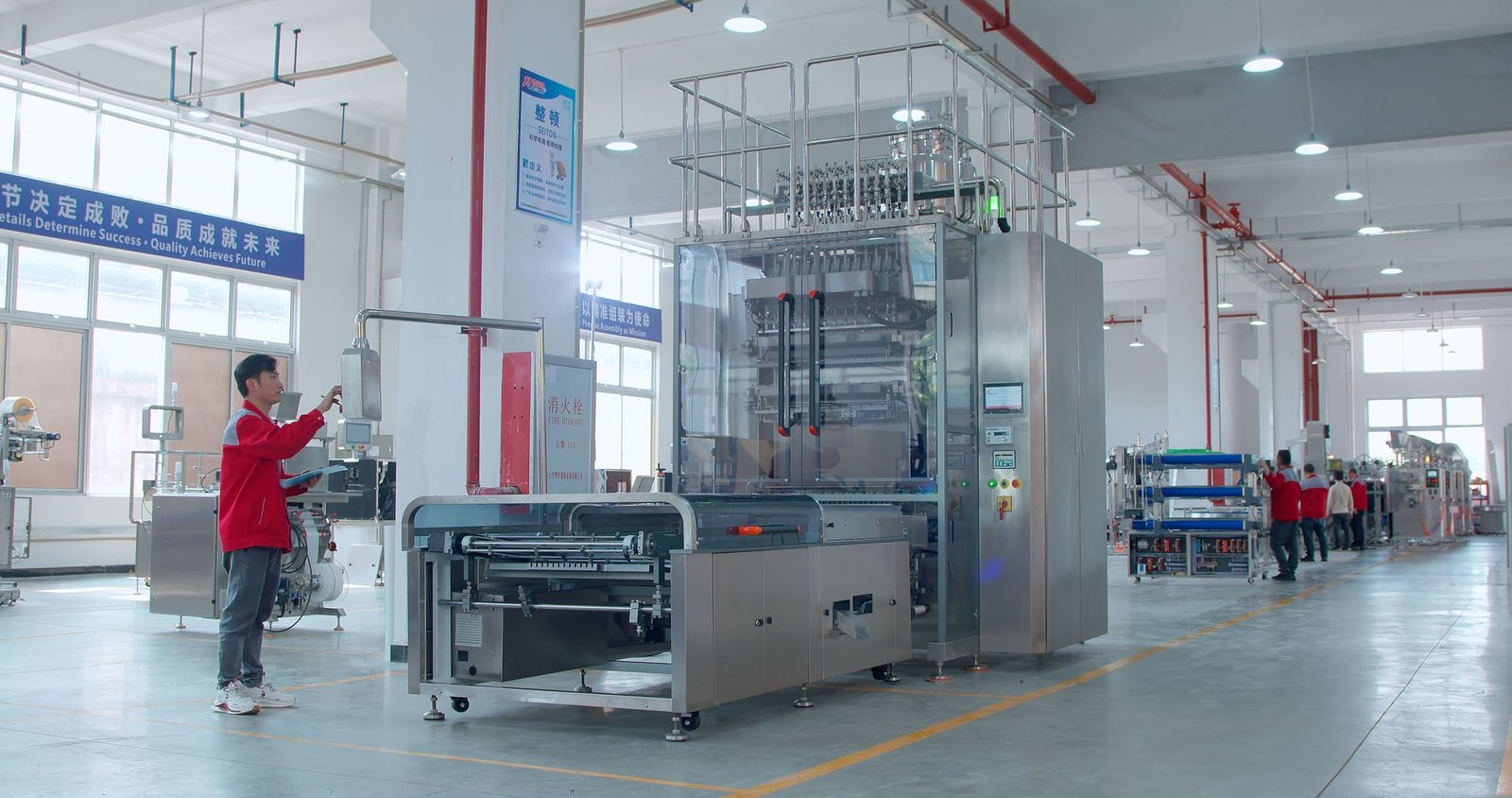
Pakona machines are renowned for their robust design and adaptability across various industries. Before diving into specifications, it’s essential to understand the core configurations available. The right choice depends heavily on your desired packaging format and production volume. From automatic packaging equipment suitable for free-flowing granules to sophisticated systems designed for dusty powders, the configuration dictates everything from speed to seal integrity.
Evaluating Your Product Characteristics
The physical and chemical properties of your product are the most critical starting point. A machine that excels at packaging coarse granules may fail entirely with fine, aerated powders. Key product attributes to analyze include:
- Flowability: Free-flowing versus non-free-flowing materials require different feeding and dosing mechanisms.
- Abrasion and Corrosion: Aggressive products demand stainless steel contact parts and specialized sealing jaws.
- Dust Generation: Explosive or hazardous dusts require intrinsically safe electrical systems and dust extraction ports.
- Hygroscopicity: Moisture-sensitive products need airtight sealing and potentially nitrogen flushing capabilities.
Key Technical Specifications to Compare
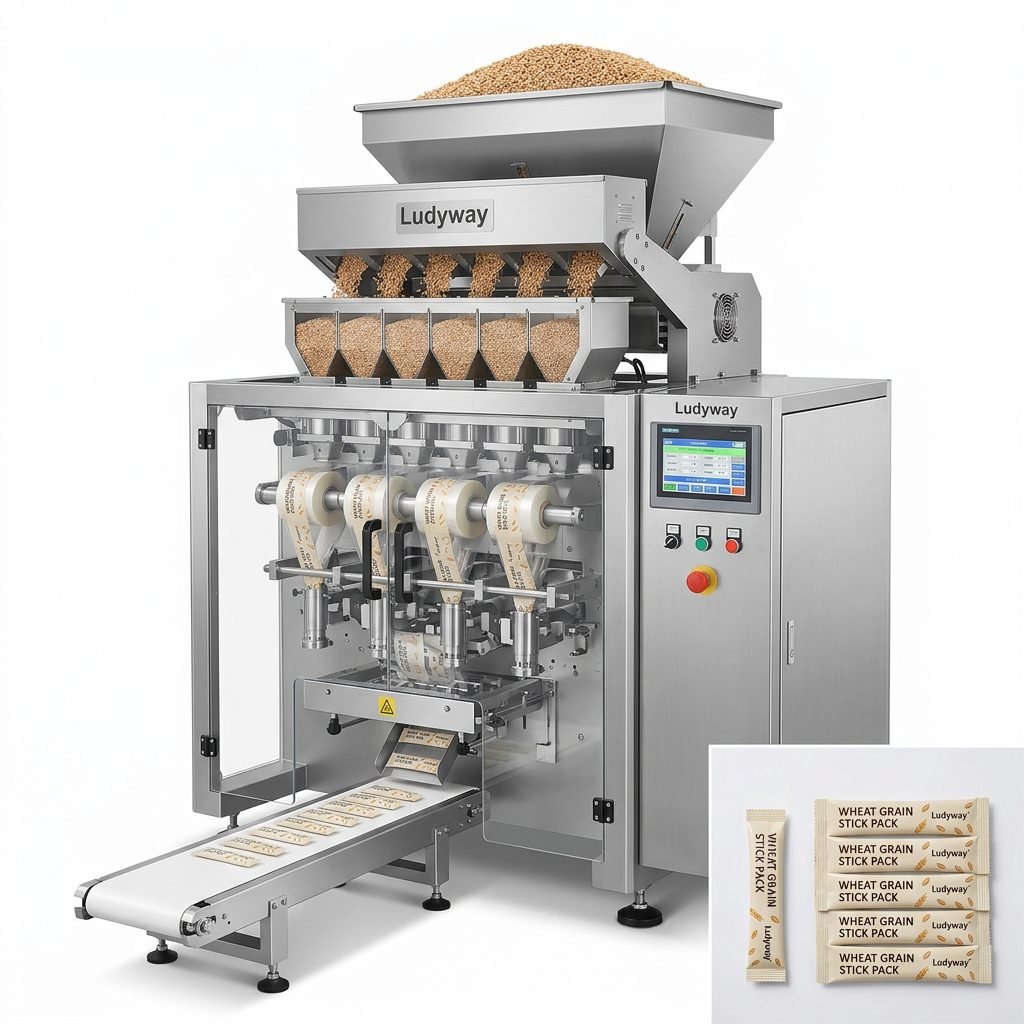
When comparing different Pakona packaging machine models, focus on the technical specifications that directly impact your operational efficiency and total cost of ownership. Don’t be swayed solely by maximum speed ratings; instead, consider sustainable production rates and format flexibility. The following specs often differentiate a standard model from a high-performance workhorse.
| Specification | Why It Matters | Typical Options |
|---|---|---|
| Film Width Range | Dictates the maximum bag width and format flexibility. | Up to 400mm, 600mm, 850mm |
| Dosing System | Determines fill accuracy and speed for specific product types. | Auger filler, volumetric cup, multi-head weigher, liquid pump |
| Sealing Technology | Impacts seal integrity, especially for liquids or modified atmosphere packaging. | Heat seal, ultrasonic seal, vacuum/gas flush |
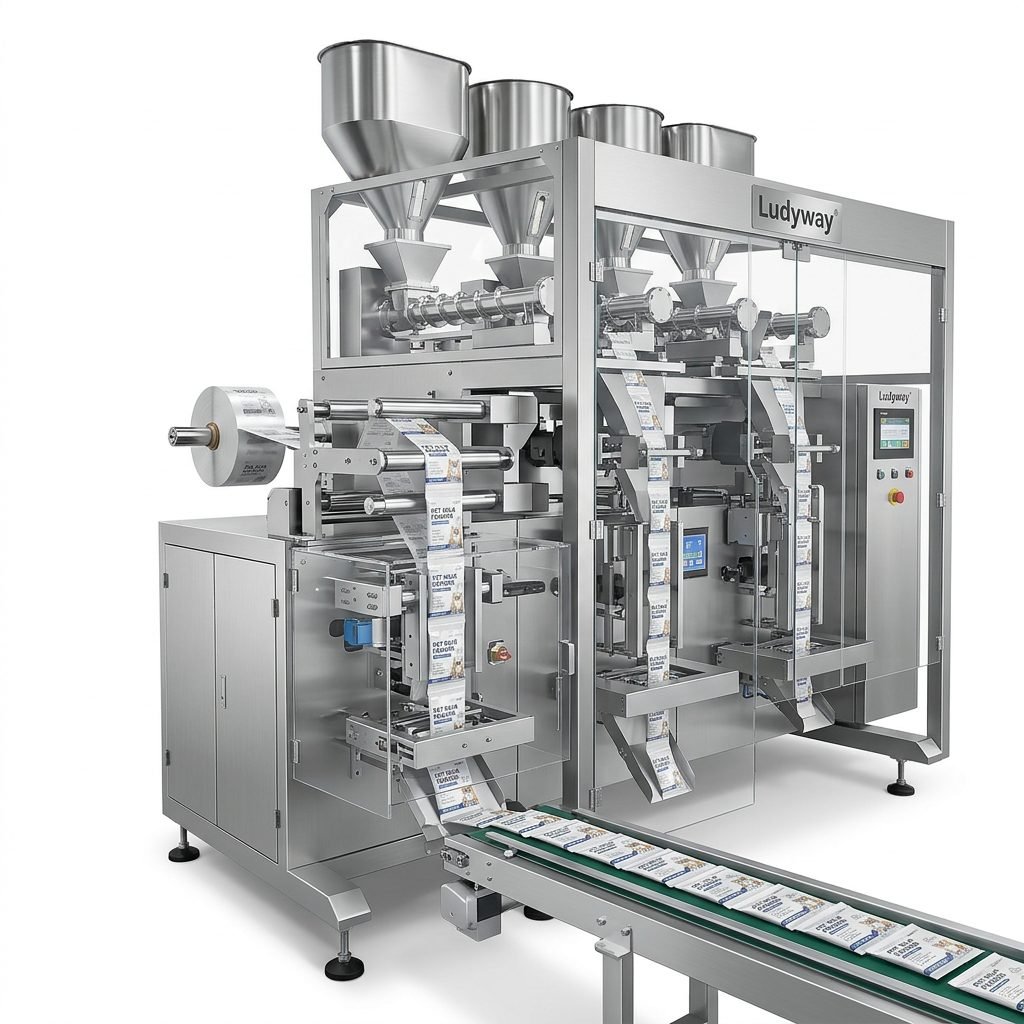
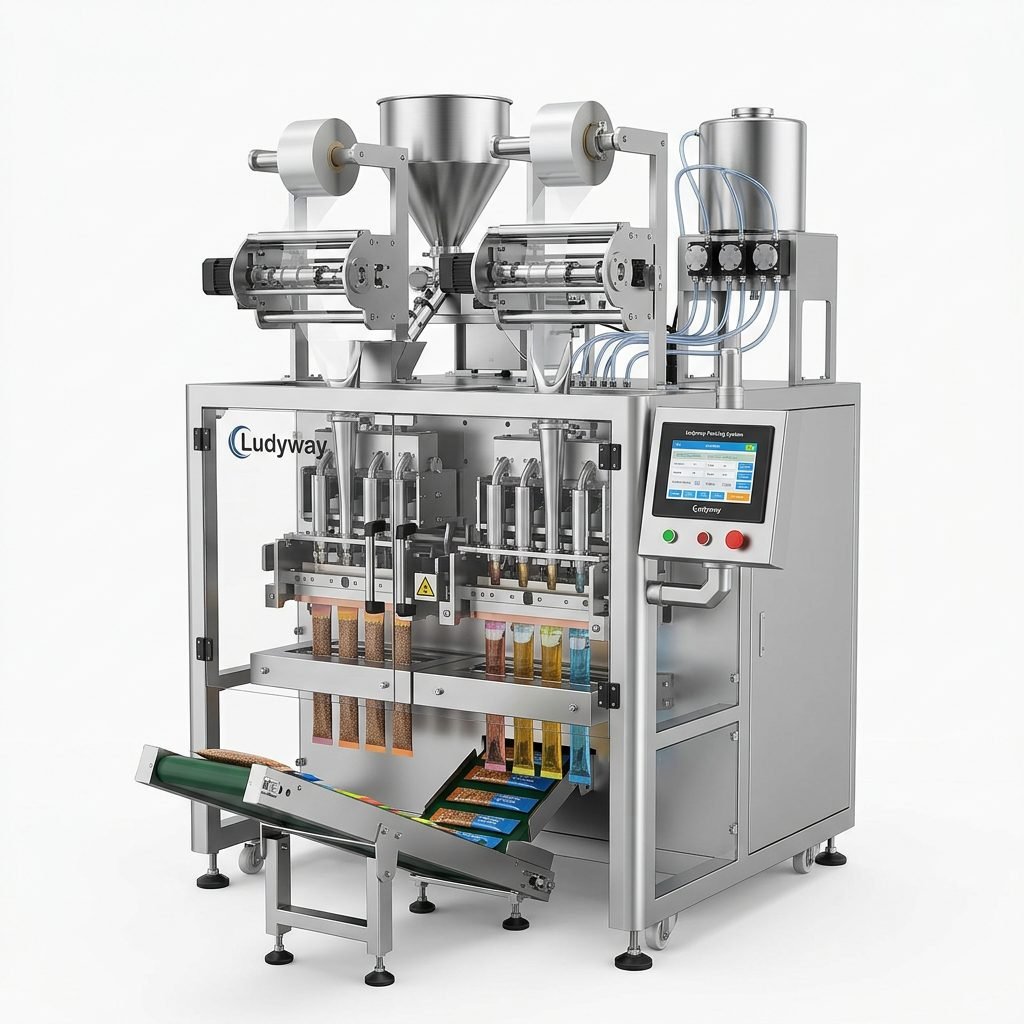
| Lane Configuration | Multiplies output for high-volume stick pack and sachet runs. | Single lane, 4-lane, 6-lane, up to 20-lane |
Assessing Build Quality and Compliance
Long-term reliability is non-negotiable. A well-built Pakona packaging machine should deliver consistent performance over decades with proper maintenance. Inspect the frame construction, component sourcing, and overall engineering philosophy. For manufacturers in regulated sectors like food and pharmaceuticals, compliance with international standards such as cGMP and CE marking is mandatory. Look for machines constructed with 304 or 316 stainless steel frames, validated washdown capabilities where needed, and documentation that supports your qualification processes. This is particularly crucial as outlined by organizations like the ISO for packaging standards, ensuring safety and performance benchmarks are met.
Automation and Integration Capabilities
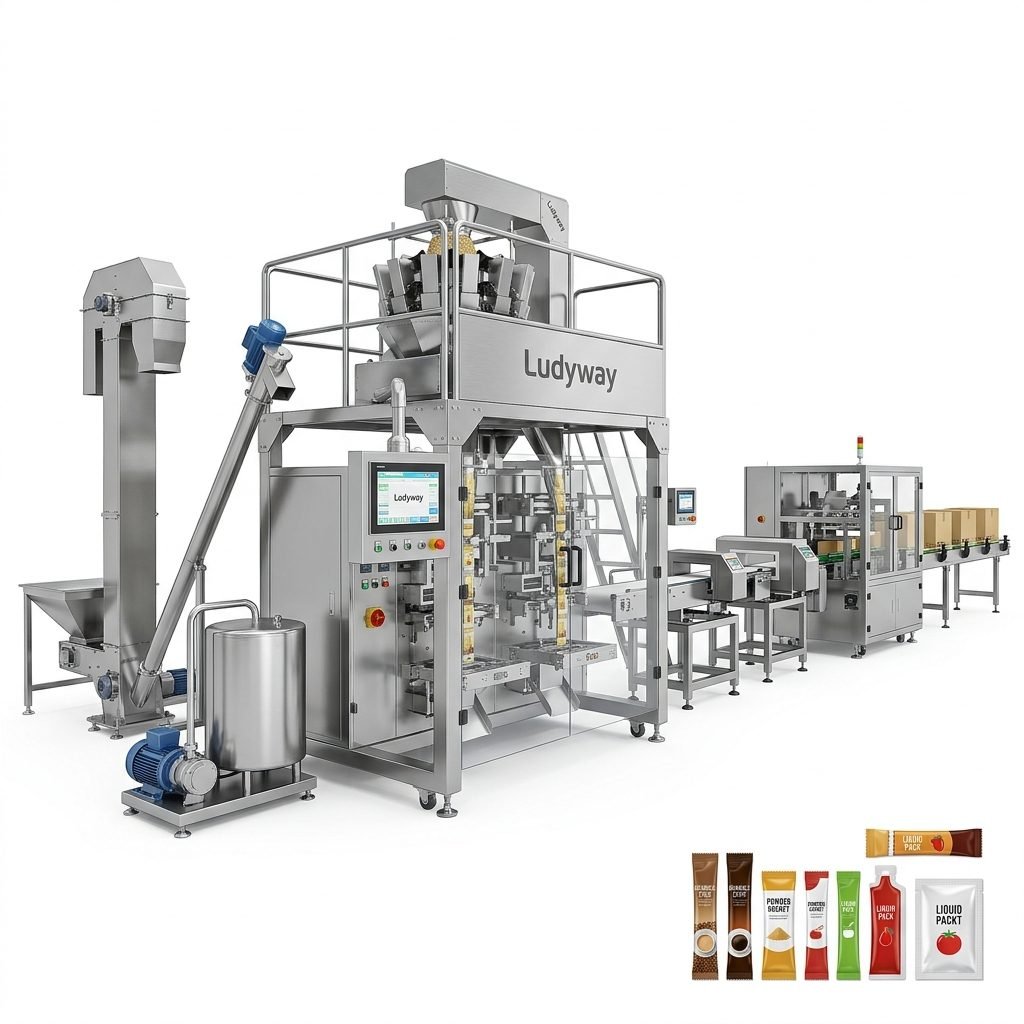
Modern packaging lines rarely operate in isolation. Your Pakona machine must seamlessly integrate with upstream and downstream equipment such as bucket elevators, multi-head weighers, checkweighers, metal detectors, and case packers. Evaluate the control system architecture. A machine equipped with a PLC and HMI touchscreen supporting standard industrial protocols (like EtherNet/IP or Modbus) will make integration significantly easier. Features like automatic film splicing, servo-driven end-seal jaws, and recipe management reduce operator intervention and changeover time, boosting overall equipment effectiveness.
Calculating Total Cost of Ownership
The purchase price is just the entry point. A comprehensive cost analysis should factor in the entire lifecycle of the machine. Lower upfront costs can be deceptive if they result in higher maintenance and downtime later. The most significant contributors to total ownership cost are:
- Spare Parts Inventory: Availability and cost of critical wear items like sealing jaws, knives, and belts.
- Film Material Waste: Machines with precise film tracking and short dwell times minimize waste during starts and stops.
- Energy Consumption: Servo-driven motors generally offer better energy efficiency than pneumatic systems.
- Operator Skill Level: Intuitive HMI and automated adjustments reduce training costs and errors.
- Downtime Cost: A reliable machine with local support minimizes production losses from unexpected halts.
Supplier Evaluation: Beyond the Equipment
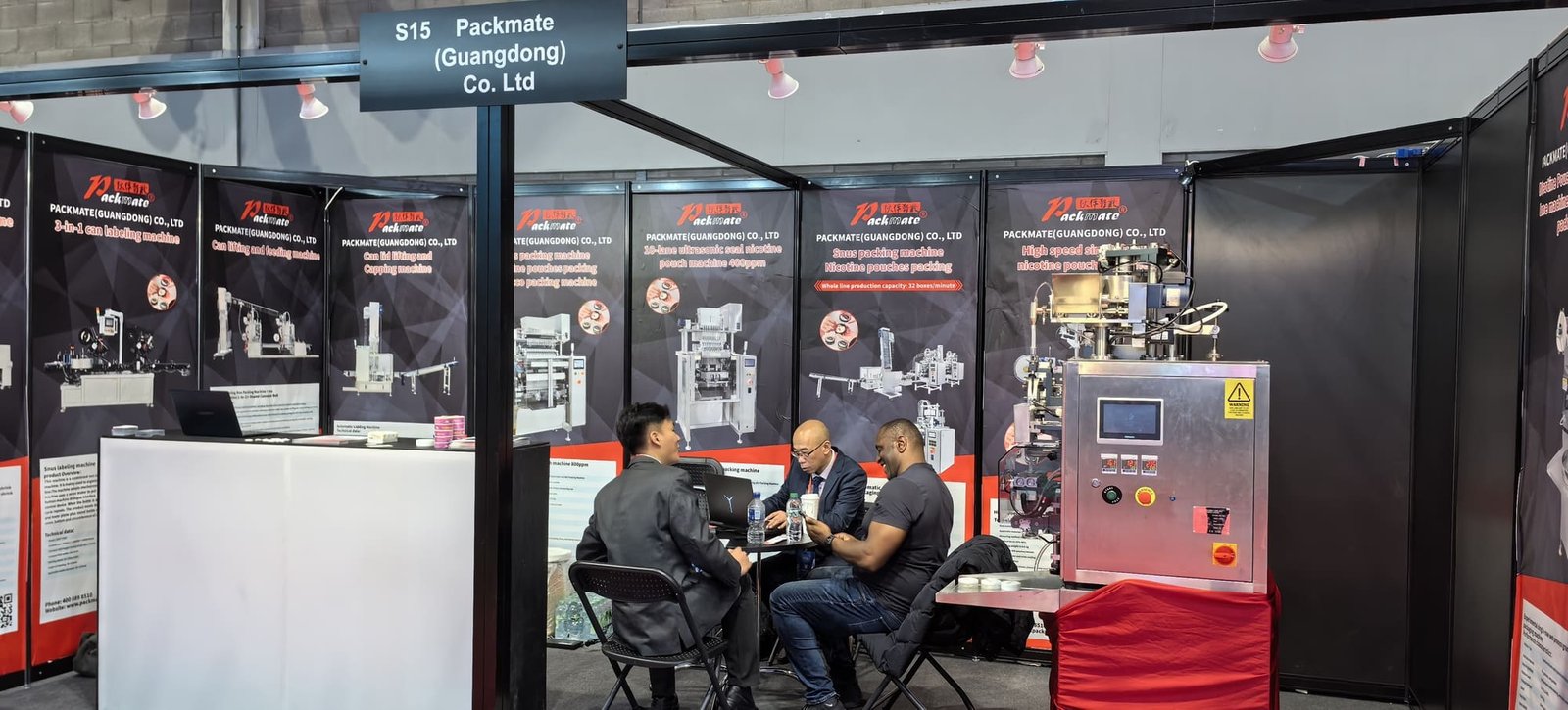
Your relationship with the machinery supplier is as important as the machine itself. A reputable partner provides more than just hardware; they offer application engineering, factory acceptance testing, installation support, and responsive after-sales service. For example, Ludyway Machinery combines decades of engineering expertise with a comprehensive portfolio of packaging machinery solutions, ensuring clients receive tailored equipment and global technical support throughout the project lifecycle. When vetting a supplier, request client references in your specific industry and, if possible, visit their manufacturing facility to audit their quality control processes. Key aspects to evaluate include their commitment to innovation, sustainability practices, and ability to provide customised configurations ranging from individual packaging machines to fully integrated turnkey production lines.
Key Questions for Prospective Suppliers
- Can you provide documented IQ/OQ protocols for regulated environments?
- What is the lead time for critical spare parts in our region?
- Do you offer remote diagnostic capabilities to minimize downtime?
- Can the machine handle our specific film structure and thickness?
For deeper industry insight, resources from the PMMI state of the industry reports and the Flexible Packaging Association provide valuable data on packaging trends and technological advancements that may influence your decision.
Future-Proofing Your Investment
The right Pakona packaging machine should not only meet today’s requirements but also adapt to tomorrow’s challenges. Consider machines with modular designs that allow field upgrades, such as adding lanes, switching from standard to gas-flush sealing, or integrating newer dosing technologies. As your product range expands, the machine should be capable of handling a wider variety of bag sizes and materials without requiring a complete overhaul. A flexible, well-supported machine from a forward-thinking supplier ensures your packaging operation remains competitive, efficient, and ready to scale for years to come.