The European cosmetics market is one of the most regulated and competitive in the world. For manufacturers looking to establish or upgrade a cream packaging machine production line in Europe, understanding the full scope of requirements—from equipment selection to regulatory compliance—is essential. Whether you are producing facial creams, body lotions, serums, or pharmaceutical ointments, a well-planned packaging line can significantly impact your operational efficiency and product quality.
Understanding the European Cream Packaging Market
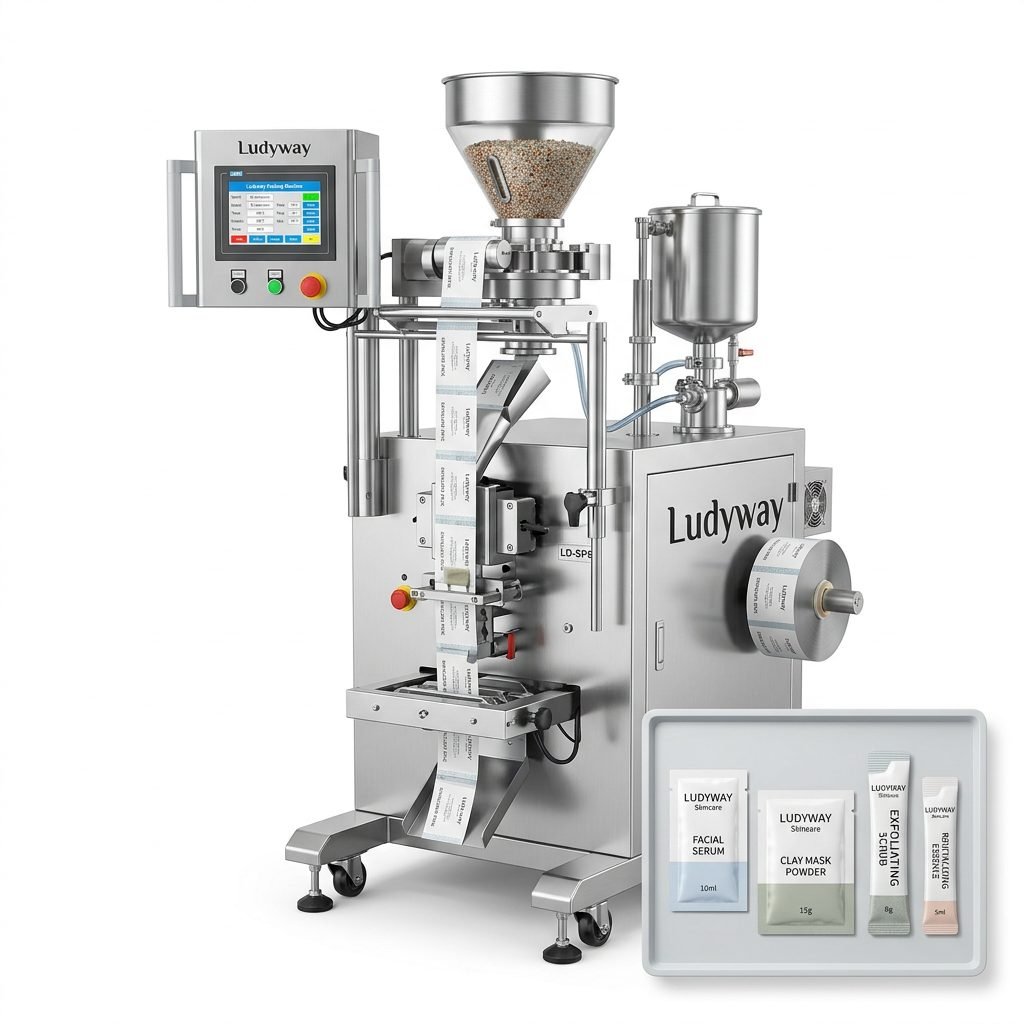
Europe accounts for a substantial share of the global cosmetics packaging market. According to industry data from the PMMI Business Intelligence Library, demand for flexible packaging formats such as sachets and stick packs continues to grow across the continent. Key factors driving this trend include:
- Increasing consumer preference for single-dose and travel-size packaging
- Rising demand for sustainable packaging materials and reduced waste
- Growth in e-commerce cosmetic sales requiring durable packaging solutions
- Stringent EU packaging regulations that mandate compliance
Key Equipment for a Cream Packaging Production Line
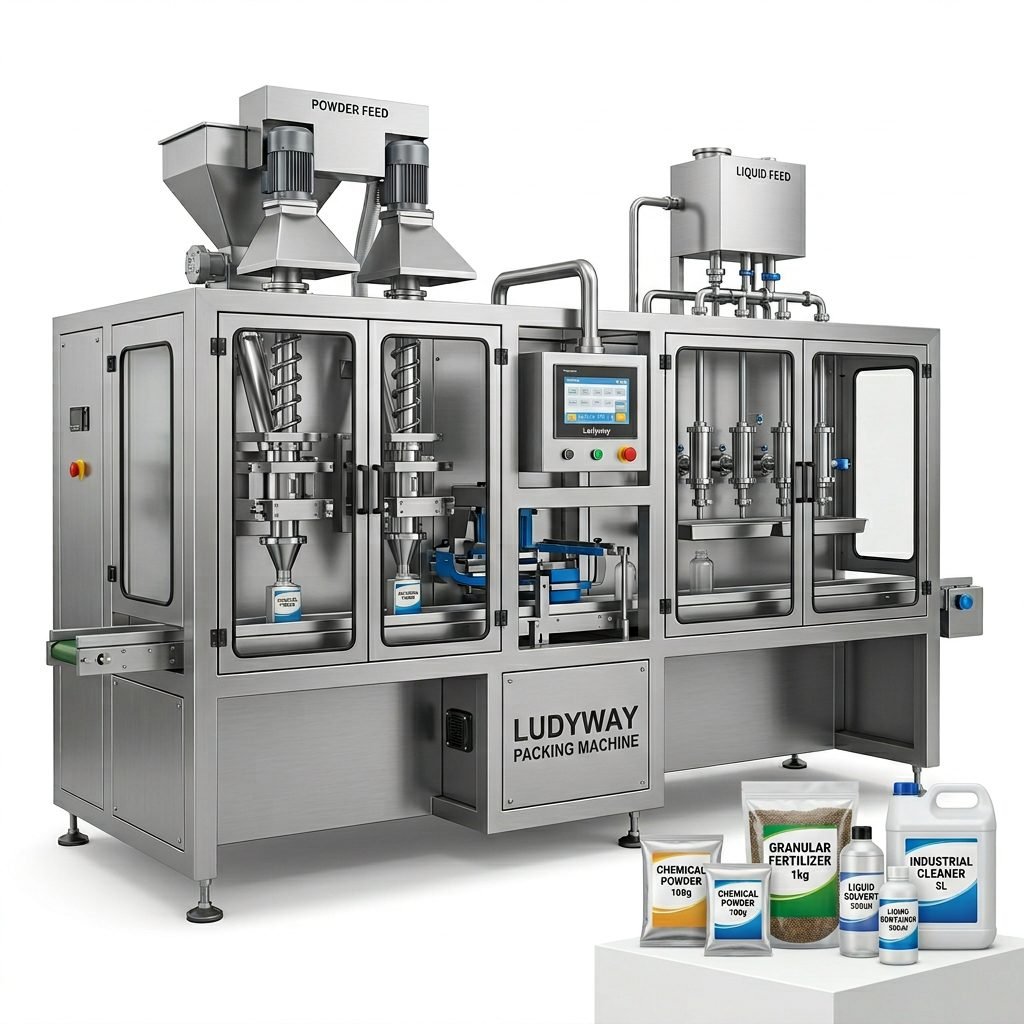
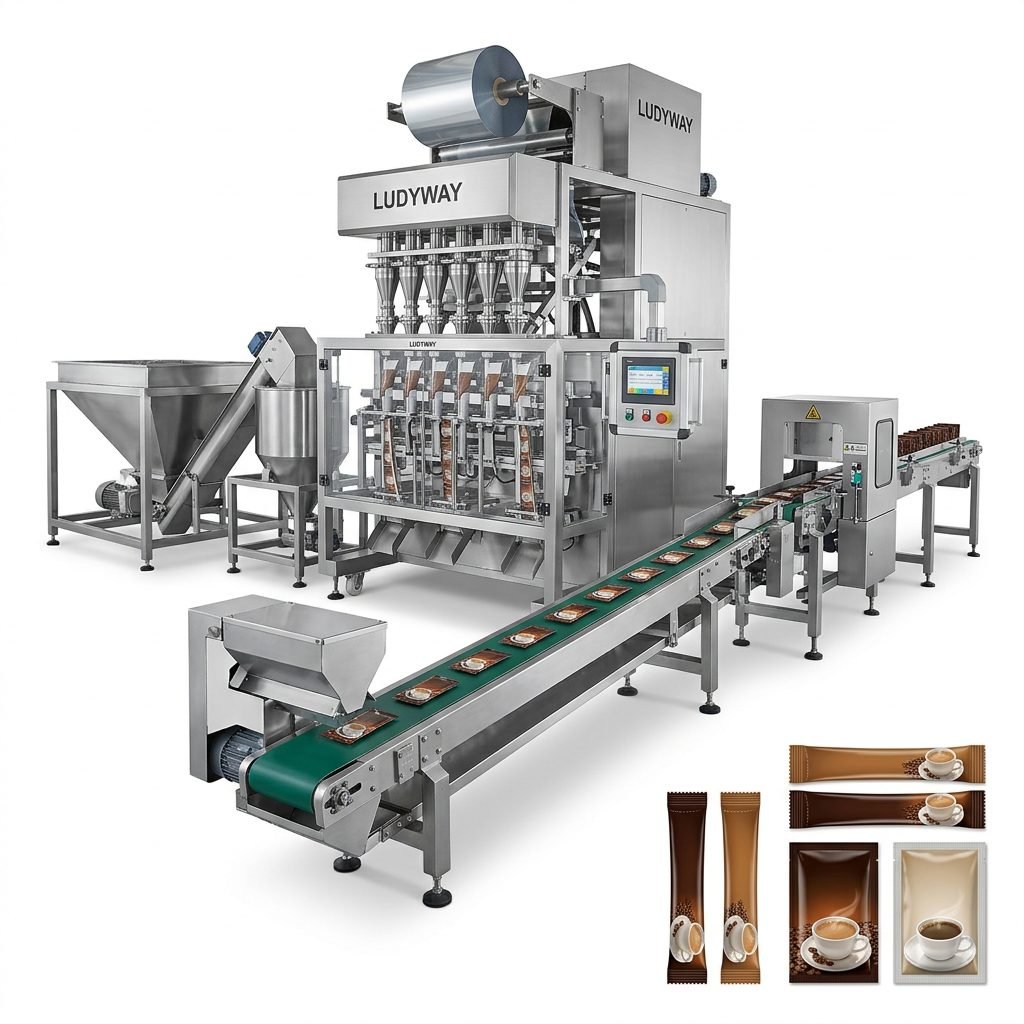
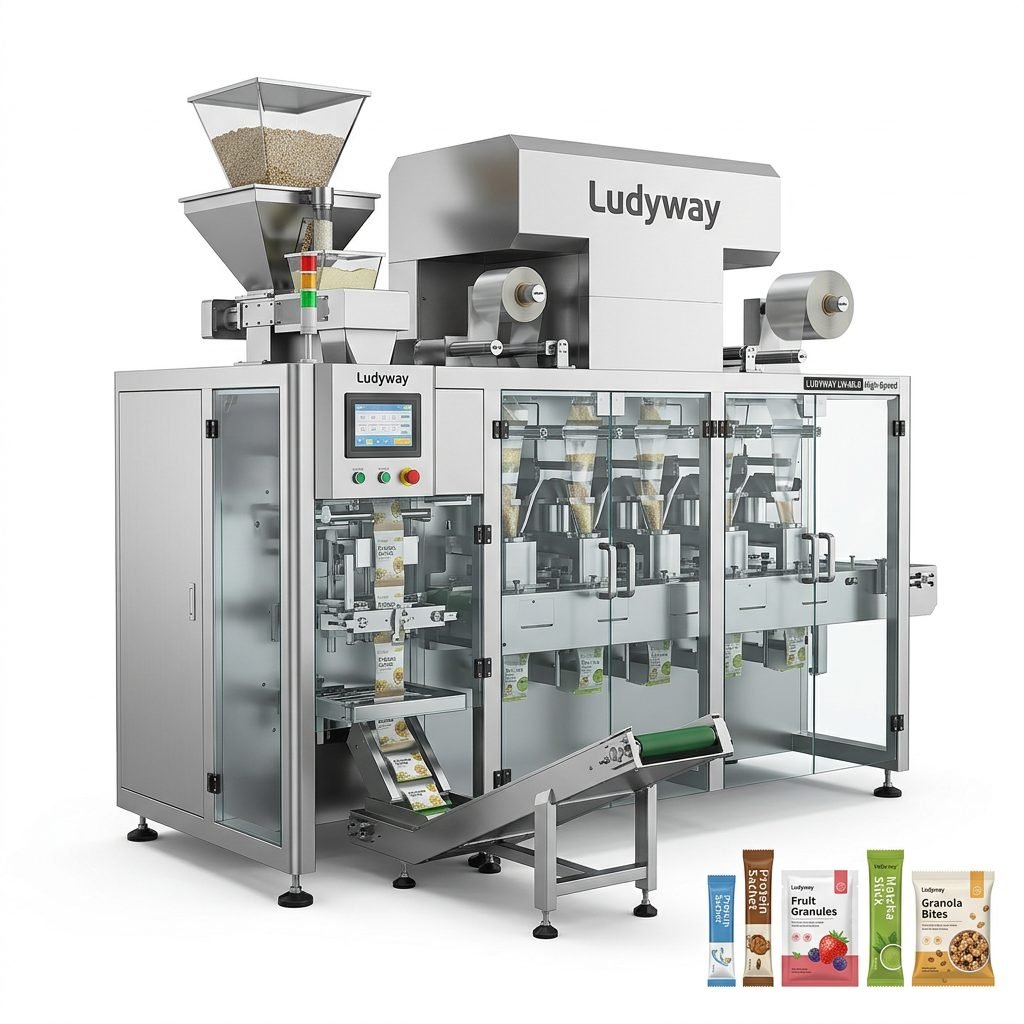
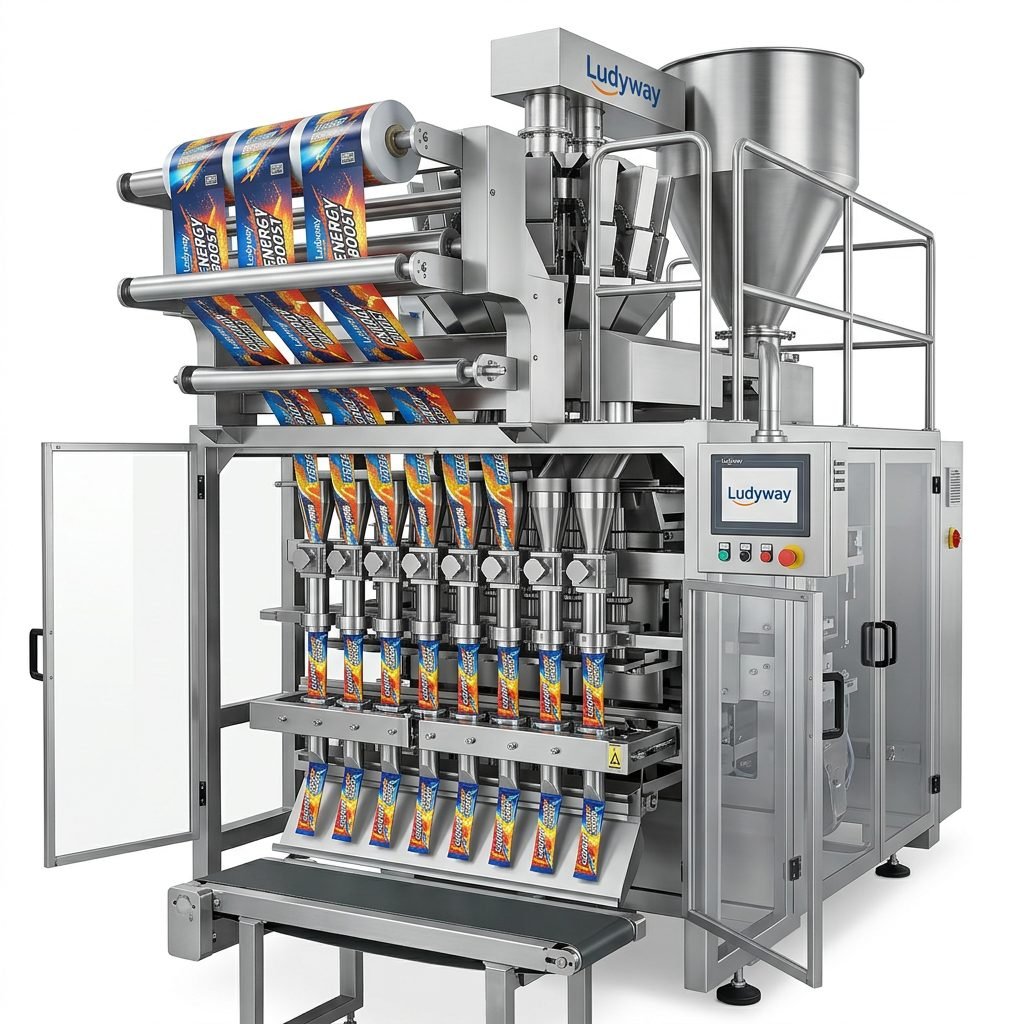
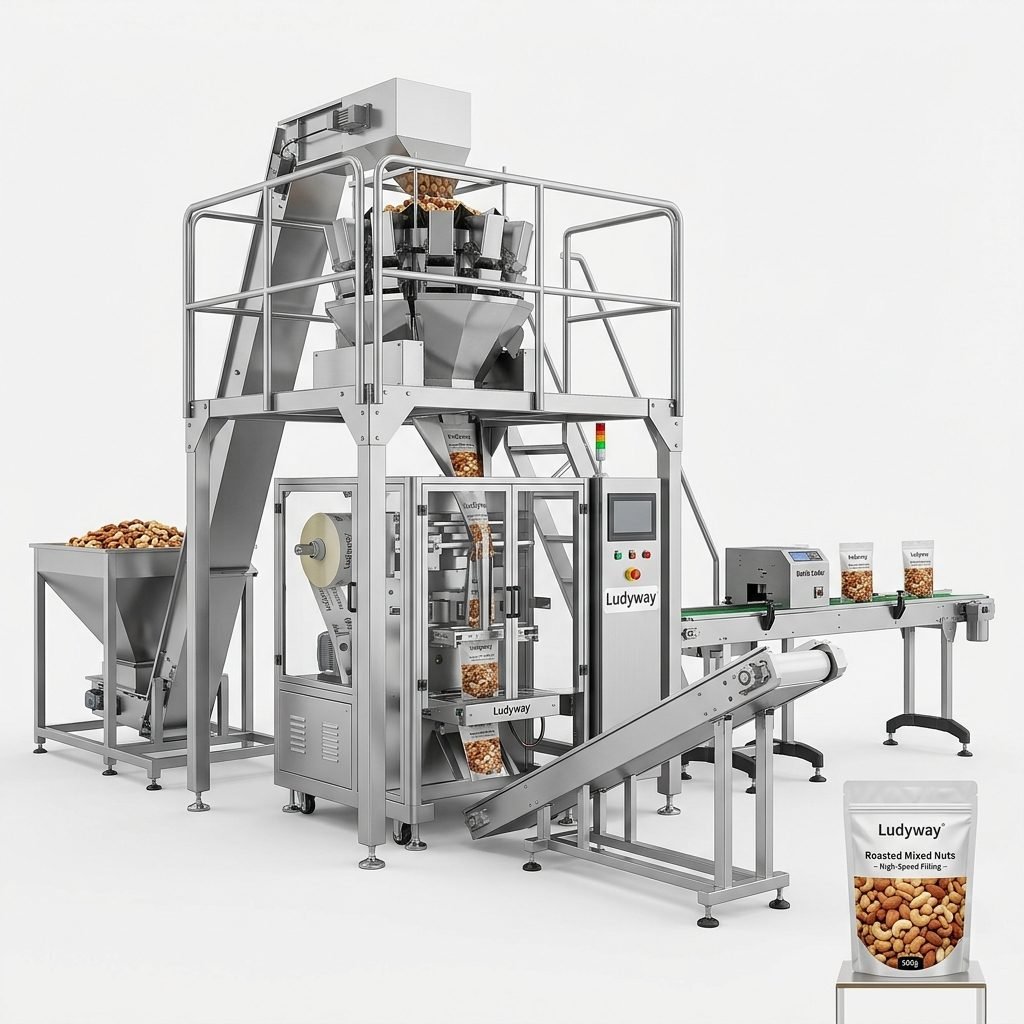
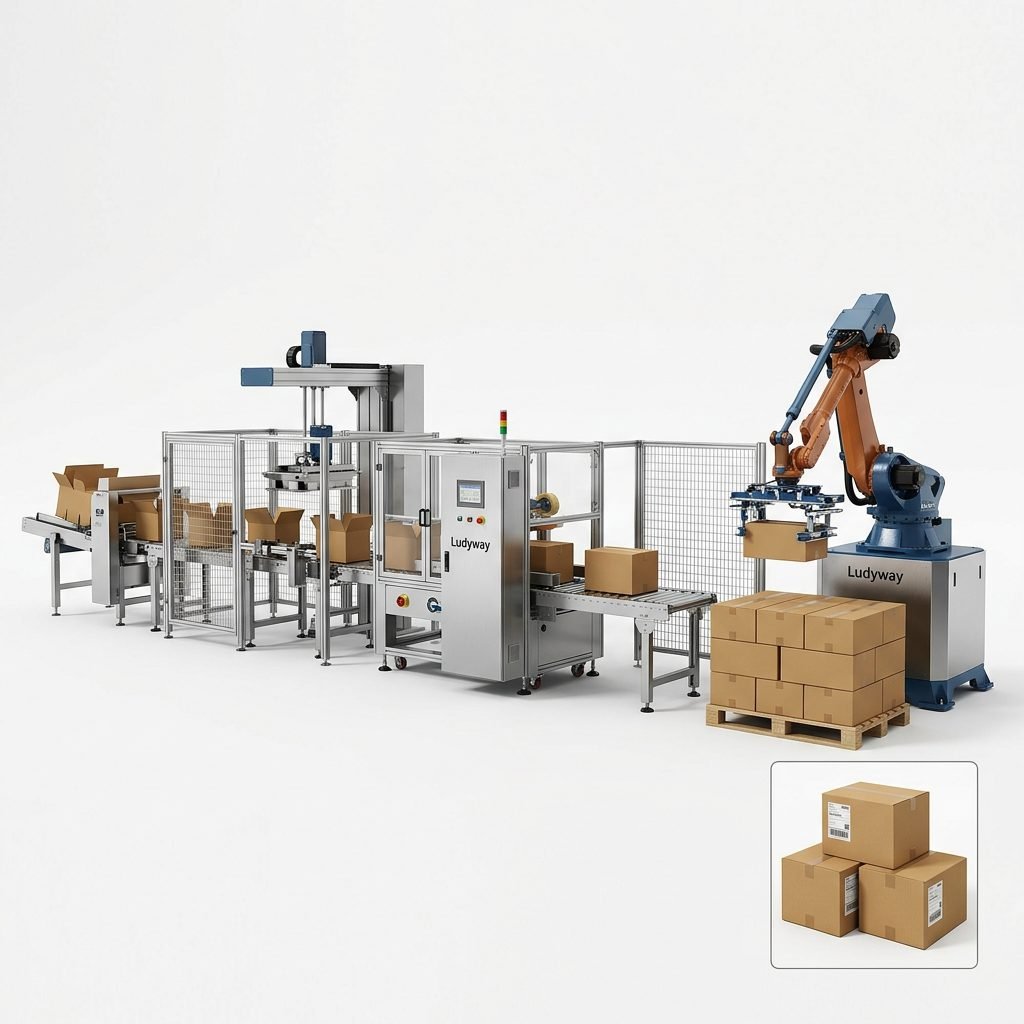
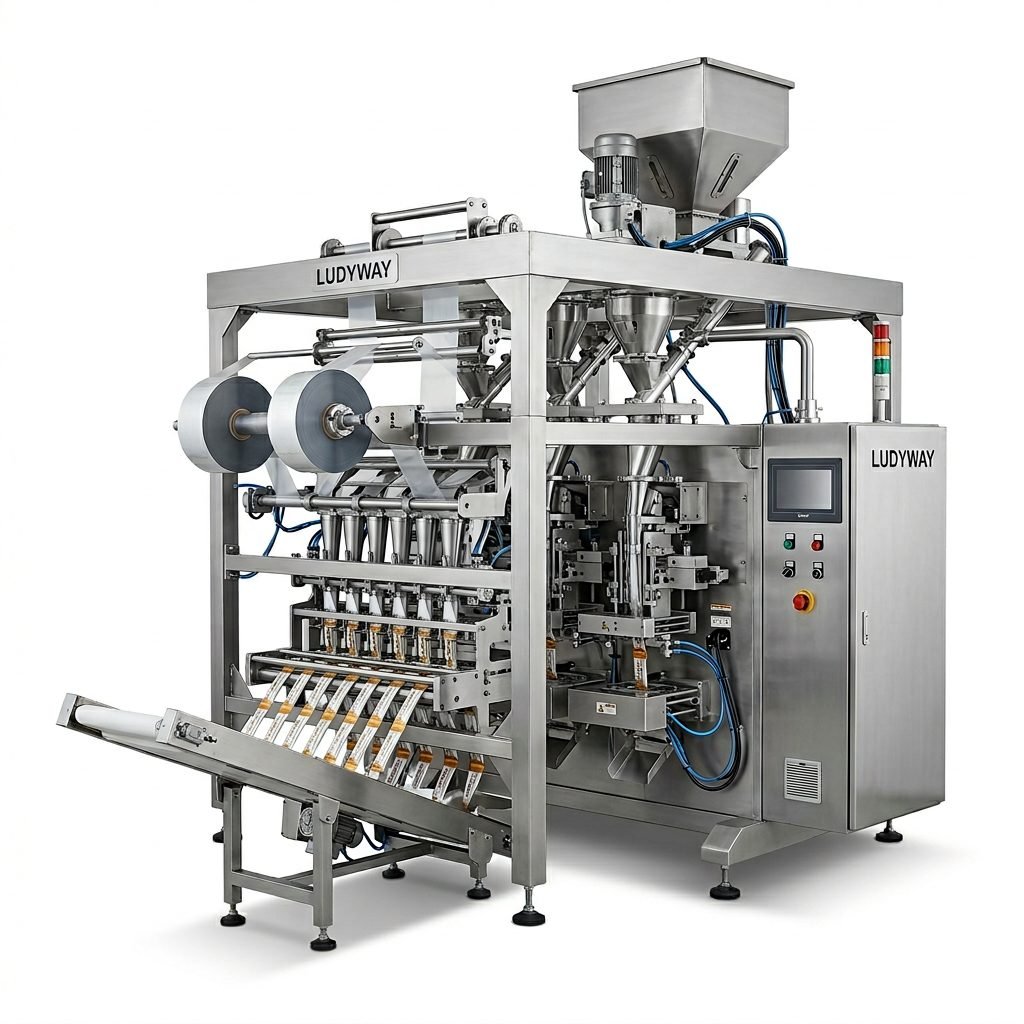
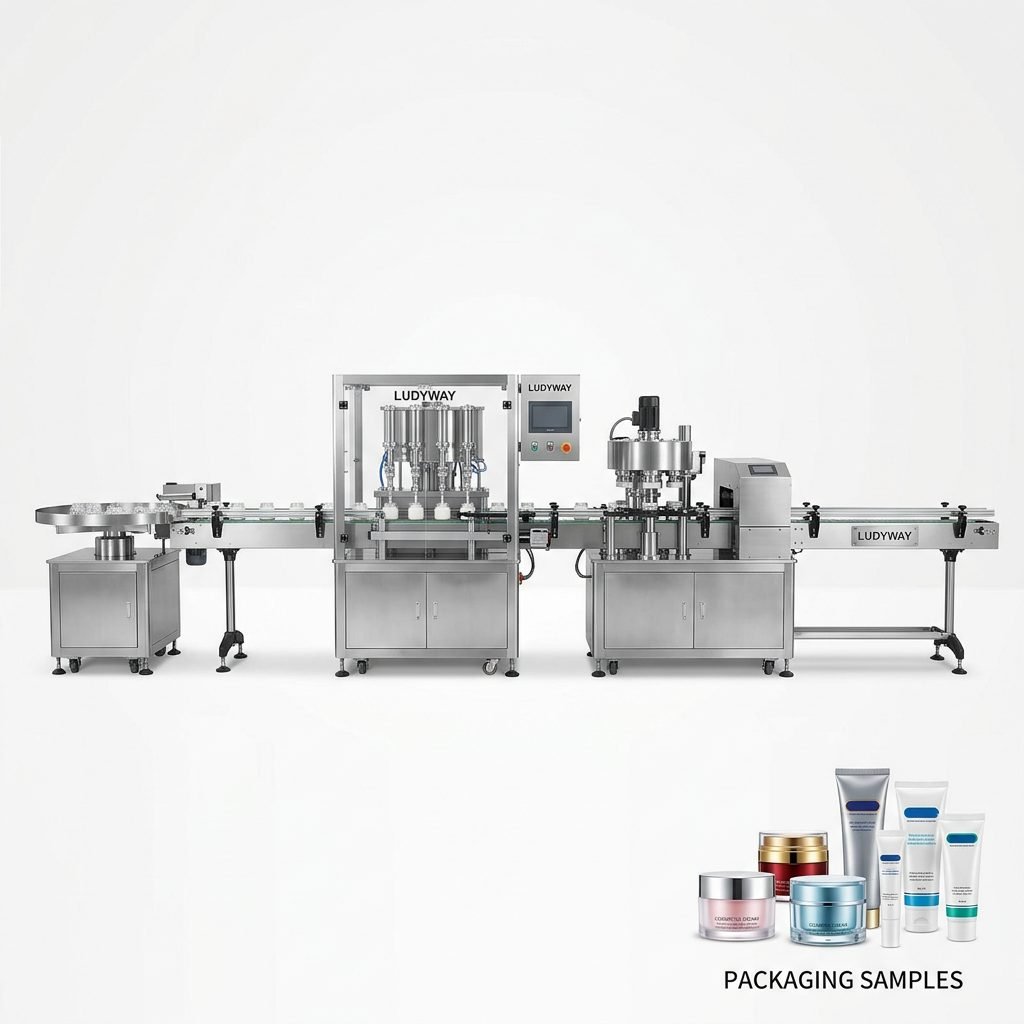
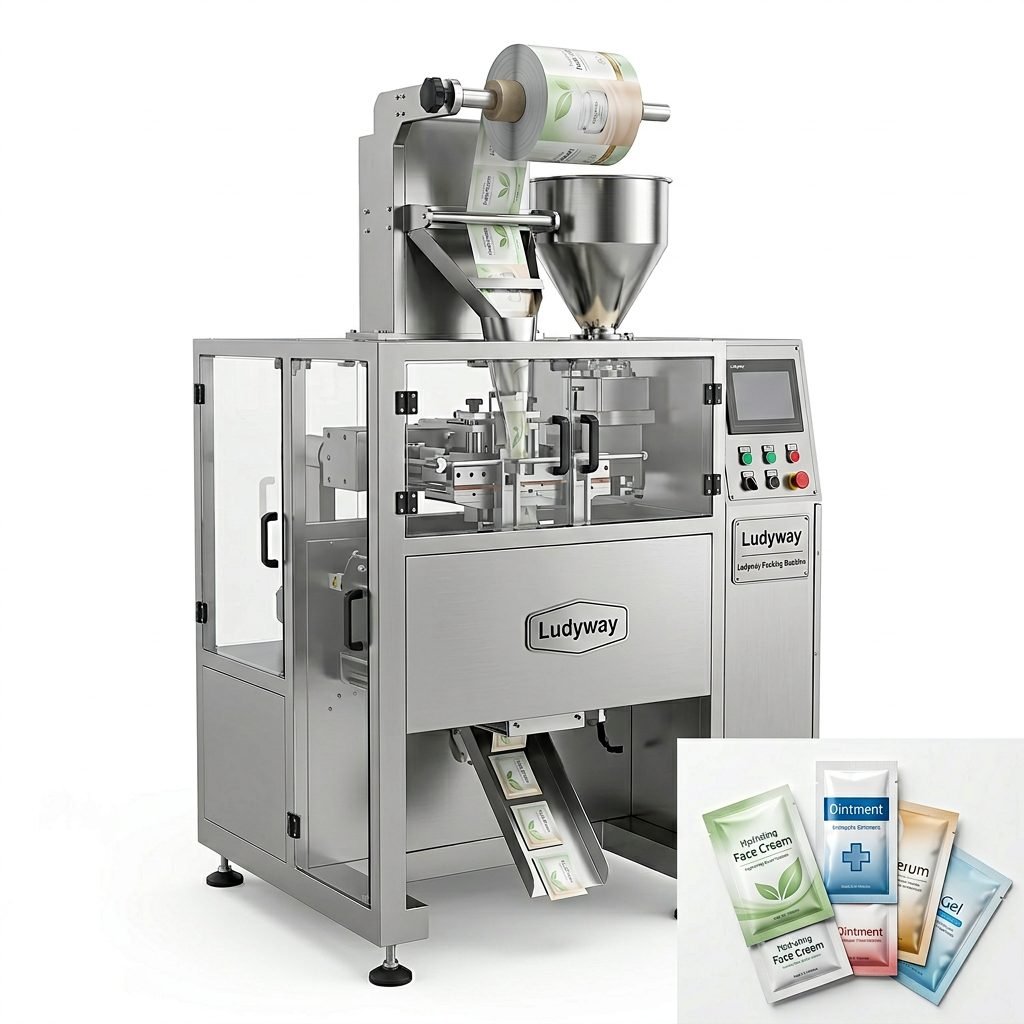
Setting up a complete cream packaging line involves integrating multiple machines into a seamless production flow. The core equipment categories include filling machines, sealing systems, multi-lane sachet and stick pack machines, cartoning equipment, and end-of-line automation.
Filling and Sealing Machines
For cream-based products, precision filling systems are critical. Depending on your packaging format, you may need piston fillers, servo-driven dosing pumps, or volumetric filling heads. The ISO packaging standards provide guidelines on filling accuracy and hygiene requirements that are essential for European market entry.
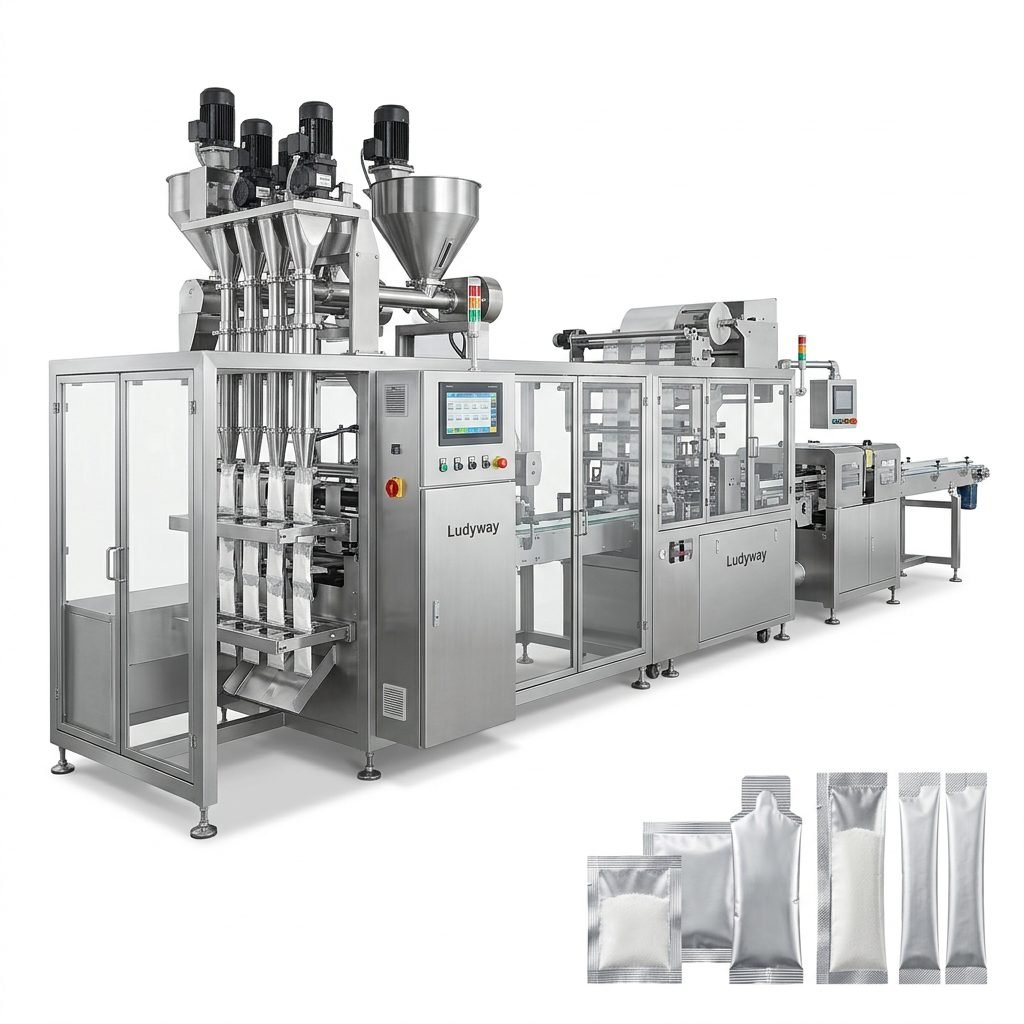
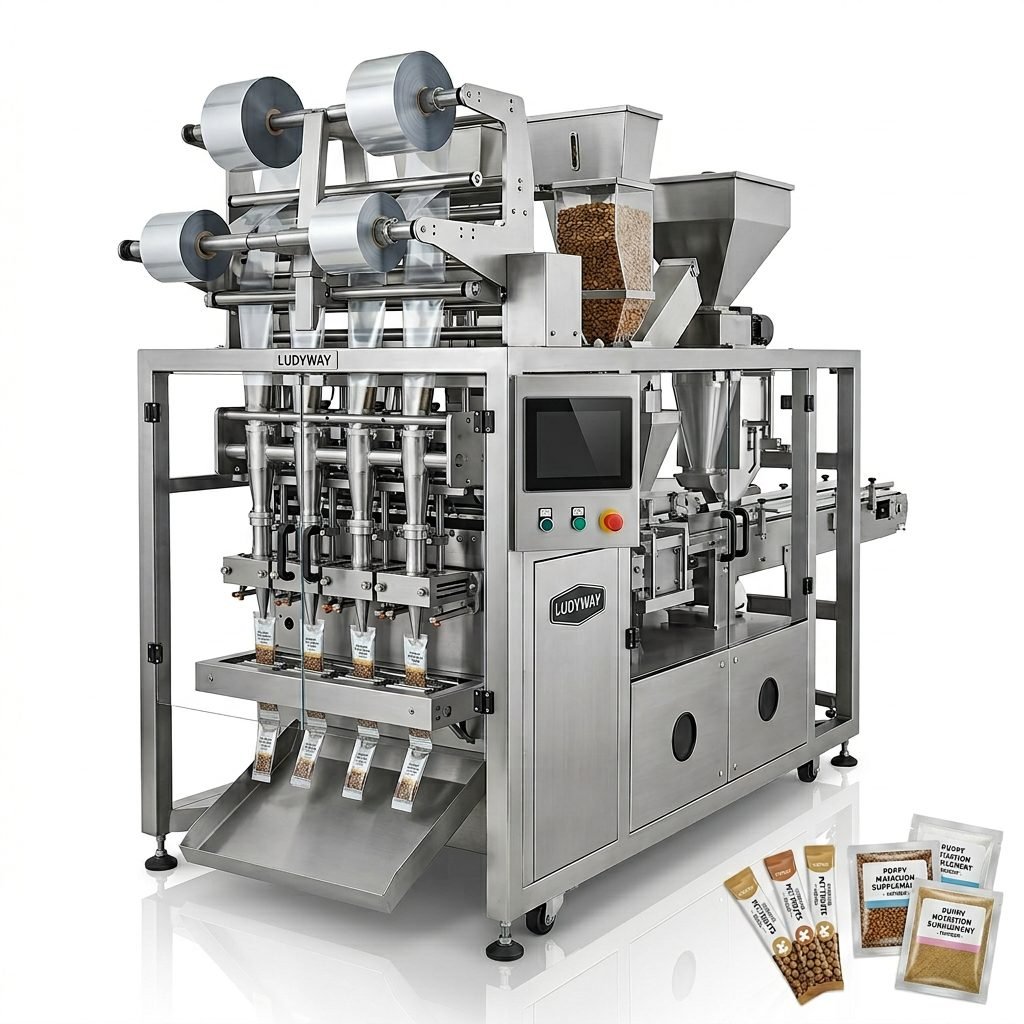
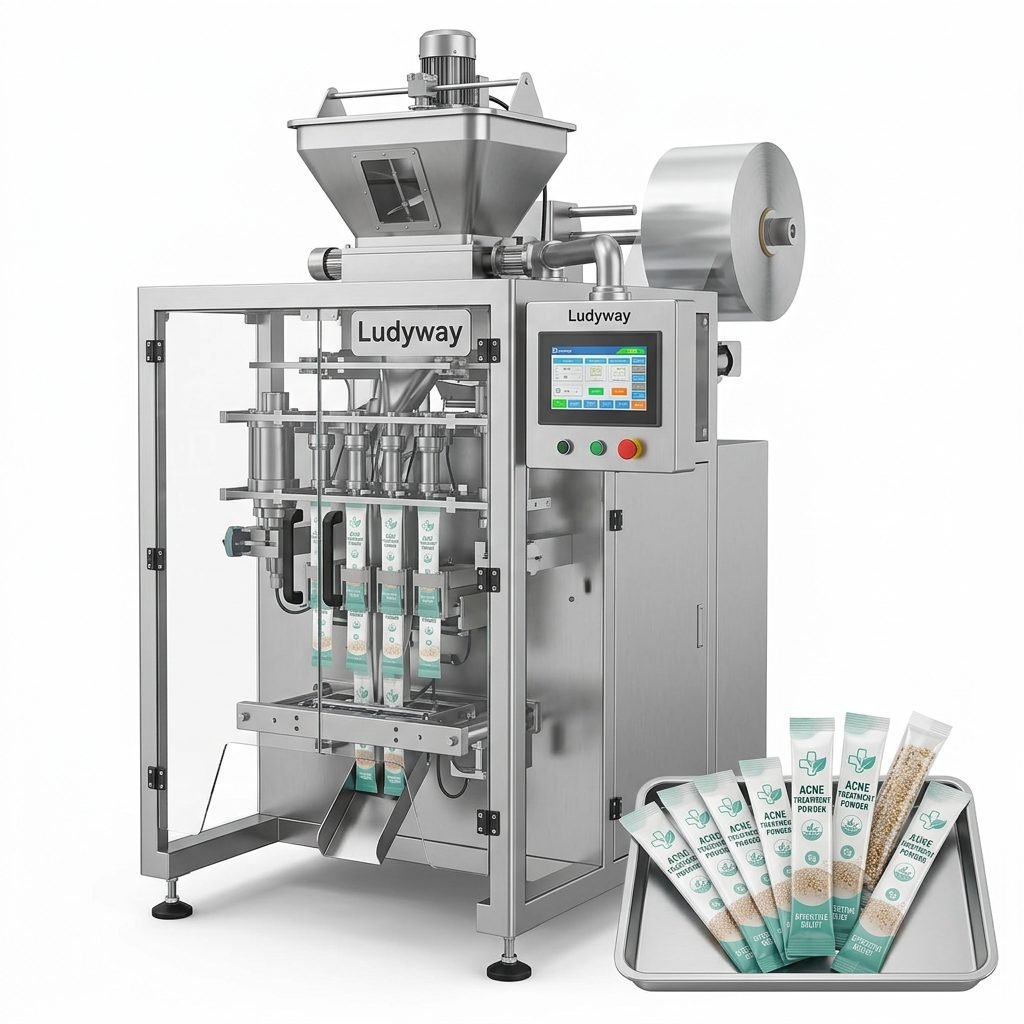
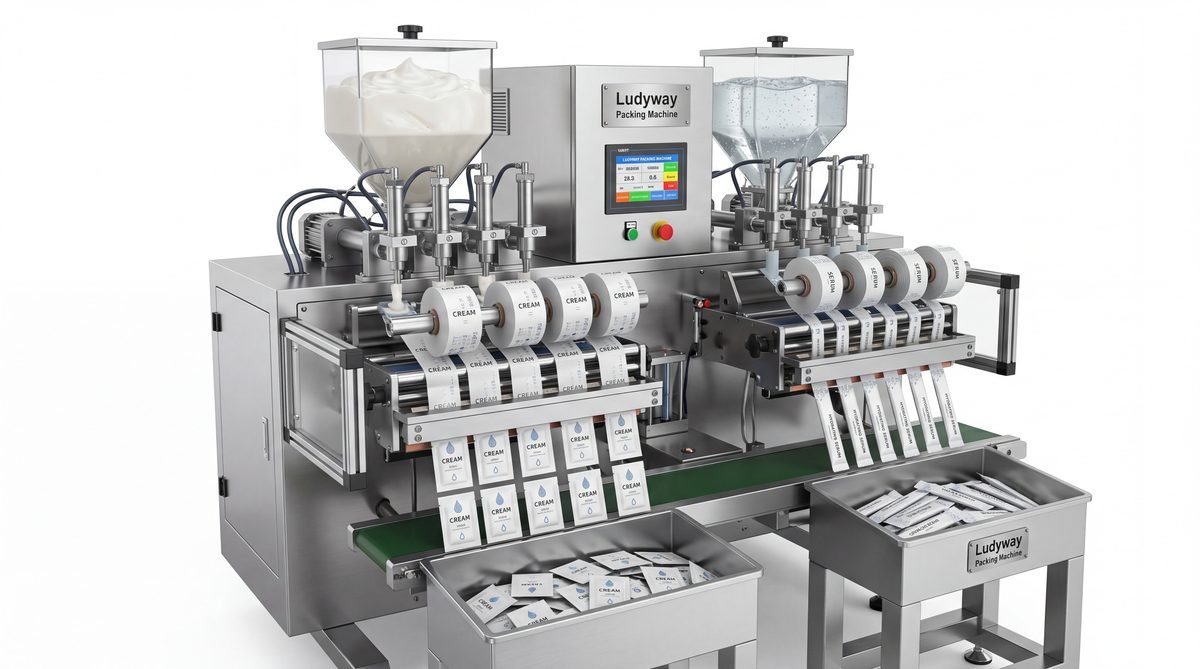
Multi-Lane Sachet and Stick Pack Systems
Multi-lane sachet machines are the backbone of high-volume cream packaging. These systems can fill and seal multiple lanes simultaneously, dramatically increasing throughput. According to the Flexible Packaging Association, sachet packaging continues to see strong adoption across European cosmetic brands.
Cartoning and End-of-Line Equipment
A complete line also requires cartoning, case packing, and palletizing solutions. Automated cartoners can significantly reduce labor costs and improve packaging consistency. End-of-line automation ensures your finished products are ready for distribution across European markets.
Regulatory Compliance in Europe
Compliance with European regulations is non-negotiable. The European Commission’s Packaging and Packaging Waste Regulation sets strict requirements on packaging materials, recyclability, and waste reduction. Key compliance areas include:
- CE Marking – All machinery must meet EU safety and performance standards
- Food Contact Materials Regulation – Applicable if creams have cosmetic or pharmaceutical classifications
- Sustainable Packaging Directives – Requirements for recyclable and reduced-material packaging
- GMP Compliance – Good Manufacturing Practices for cosmetic and pharmaceutical production
Production Line Layout and Workflow Design
A well-designed layout maximizes efficiency and minimizes contamination risks. The typical workflow for a cream packaging line includes:
- Product Feeding – Cream is transferred from mixing tanks to the filling machine hopper via sanitary pumps
- Film Unwinding and Forming – Packaging film is unwound, formed, and prepared for filling
- Precision Filling – Servo-driven dosing systems fill each sachet or stick pack with exact cream volumes
- Sealing – Heat sealing or ultrasonic sealing creates airtight, leak-proof packages
- Cutting and Separation – Individual sachets are cut and separated for downstream processing
- Quality Inspection – Checkweighers and vision systems ensure product integrity
- Cartoning and Palletizing – Finished products are packed into cartons and palletized for shipping
Cost Considerations and ROI Analysis
Investing in a cream packaging production line requires careful financial planning. The table below outlines the typical cost distribution for setting up a mid-to-high-capacity line in Europe:
| Cost Category | Estimated Percentage | Key Considerations |
|---|---|---|
| Filling and Sealing Equipment | 35-45% | Multi-lane systems, servo-driven dosing |
| End-of-Line Automation | 20-25% | Cartoning, case packing, palletizing |
| Installation and Commissioning | 10-15% | Site preparation, electrical, utilities |
| Training and Documentation | 5-8% | Operator training, SOPs, manuals |
| Regulatory Compliance | 5-10% | CE marking, GMP documentation |
| Maintenance and Spare Parts | 5-7% | Initial spare parts inventory |
Choosing the Right Equipment Partner
Selecting a reliable equipment manufacturer is critical to the success of your packaging line. Key evaluation criteria include the supplier’s experience with cream and viscous product handling, their track record in European markets, and their ability to provide turnkey solutions. Ludyway is one of the largest packaging machine manufacturers in China, specializing in advanced packaging equipment and turnkey production solutions for the food, pharmaceutical, and health industries. With over 30 years of industry expertise and a modern 20,000㎡ manufacturing facility, the company offers more than 50 intelligent packaging machine models, including multi-lane stick pack, sachet, and fully automated packaging systems. Serving customers in over 100 countries, Ludyway delivers innovative, high-performance, and cost-effective packaging solutions that help businesses improve productivity and operational efficiency.
Installation, Training, and After-Sales Support
Proper installation and operator training are essential for achieving optimal production performance. A comprehensive installation plan should include:
- Site preparation – Ensuring adequate floor space, utilities, and environmental controls
- Equipment commissioning – Factory acceptance testing (FAT) and site acceptance testing (SAT)
- Operator training – Hands-on training for machine operation, troubleshooting, and maintenance
- Documentation – Detailed operation manuals in compliance with EU machinery directives
- Spare parts management – A well-planned inventory of critical spare components
For European operations, it is advisable to work with suppliers that offer localized after-sales support and understand the specific requirements of EU regulatory bodies. Remote diagnostics and preventive maintenance programs can significantly reduce downtime and extend equipment lifespan.
Key Takeaways for a Successful Cream Packaging Line Setup
Setting up a cream packaging production line in Europe is a significant undertaking that requires careful planning and execution. The following checklist summarizes the critical success factors:
- Conduct thorough market research to define your packaging format and capacity requirements
- Select CE-compliant equipment from manufacturers with proven European experience
- Design an efficient production layout that minimizes material handling and contamination risks
- Budget for regulatory compliance, including GMP documentation and packaging waste directives
- Invest in operator training and establish a robust maintenance program
- Partner with a supplier that offers comprehensive after-sales support and spare parts availability
For further reading on packaging machinery standards and industry trends, explore the PMMI packaging industry resources and the Flexible Packaging Association website for up-to-date market intelligence and technical guidance.