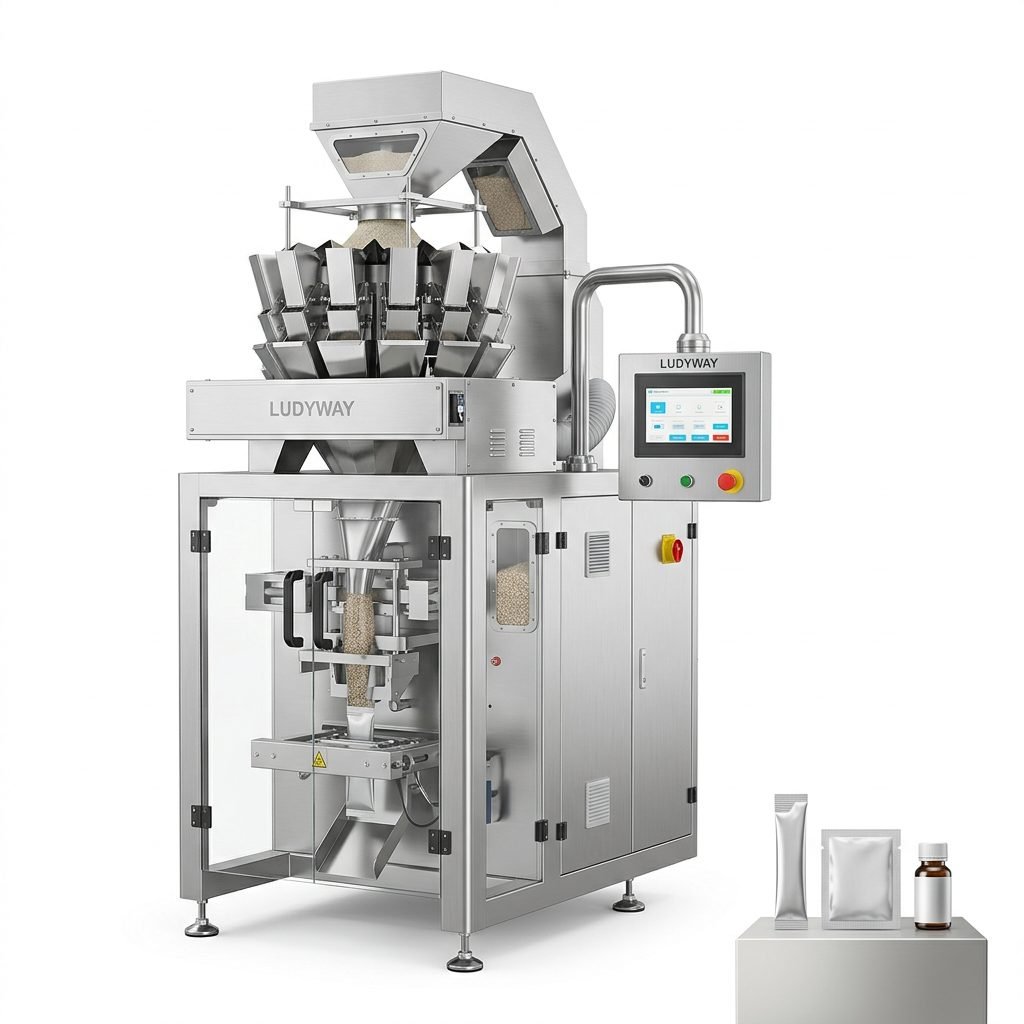
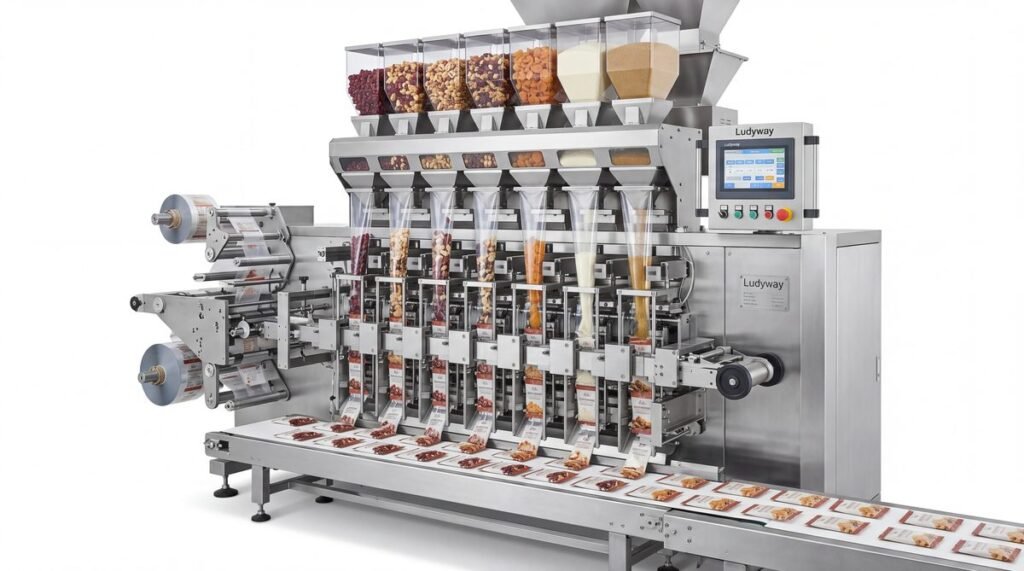
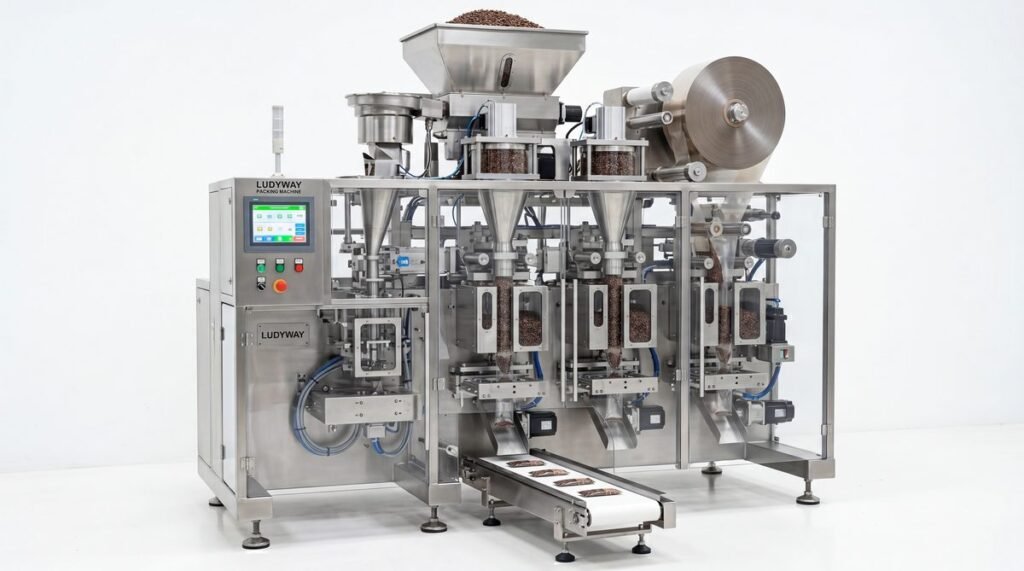
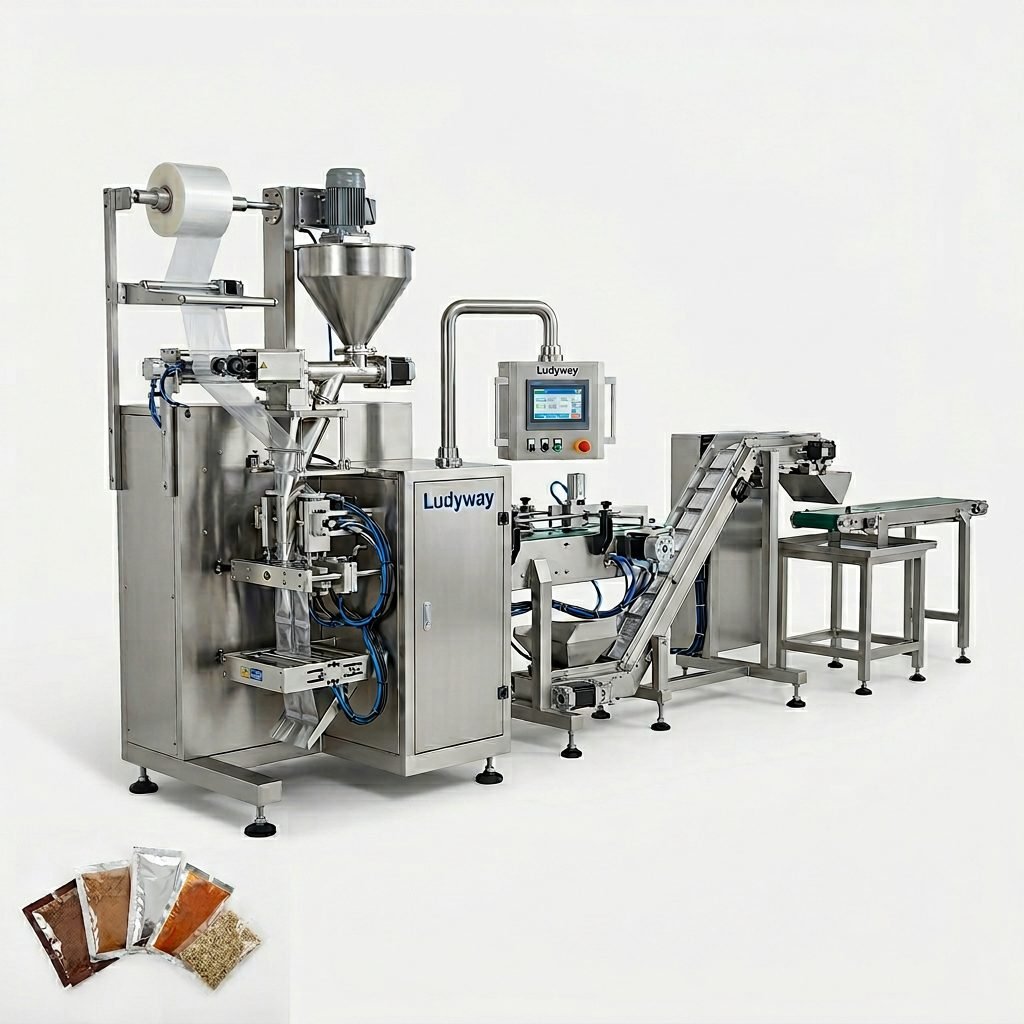
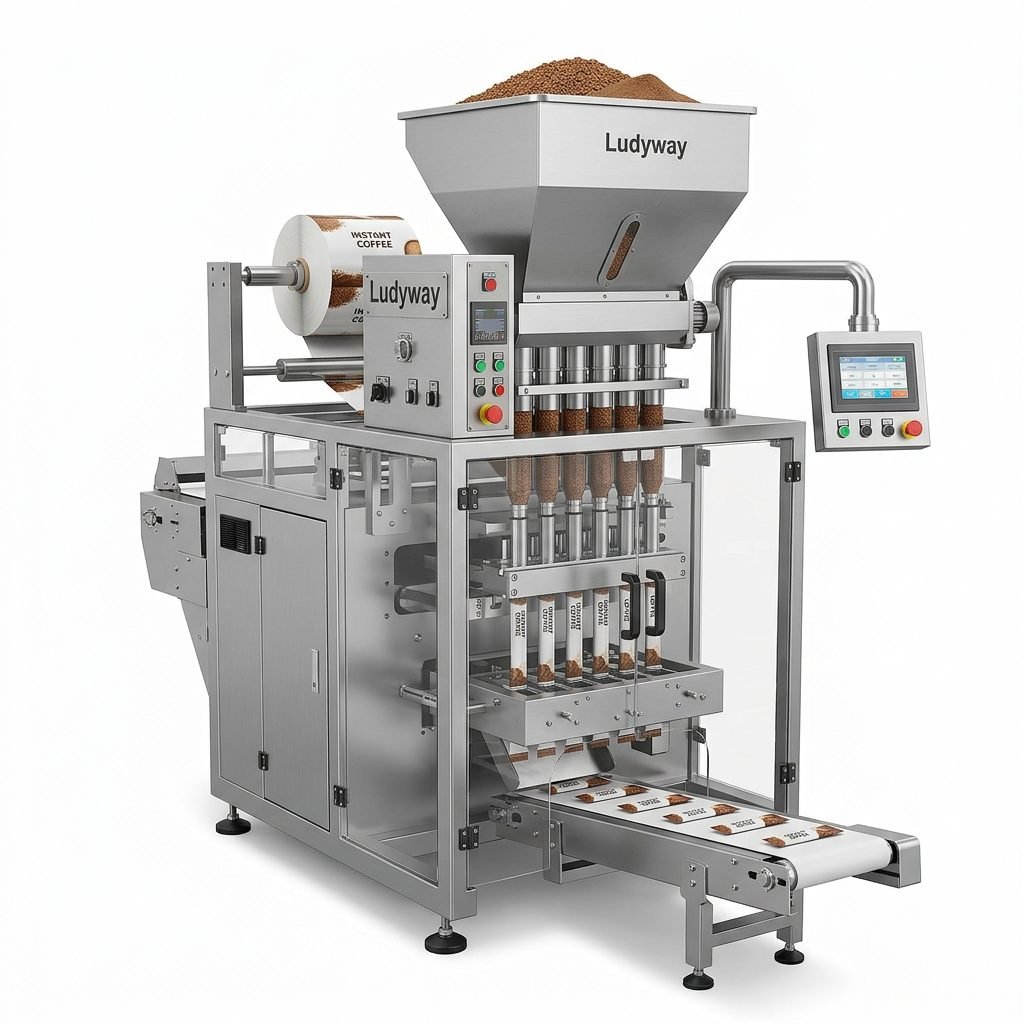
In modern packaging operations, a box strip packing machine plays a critical role in improving speed, consistency, and overall production efficiency. Whether you are packaging pharmaceuticals, food portions, health supplements, daily-use products, or industrial items, the right machine can help streamline the final packing stage while reducing labor costs and minimizing human error.
A box strip packing system is designed to organize, count, collate, and place strip-packed products into boxes or cartons with greater precision. For manufacturers facing rising output demands, stricter quality requirements, and growing pressure to optimize labor, this type of automation is becoming an increasingly practical investment.
What Is a Box Strip Packing Machine?
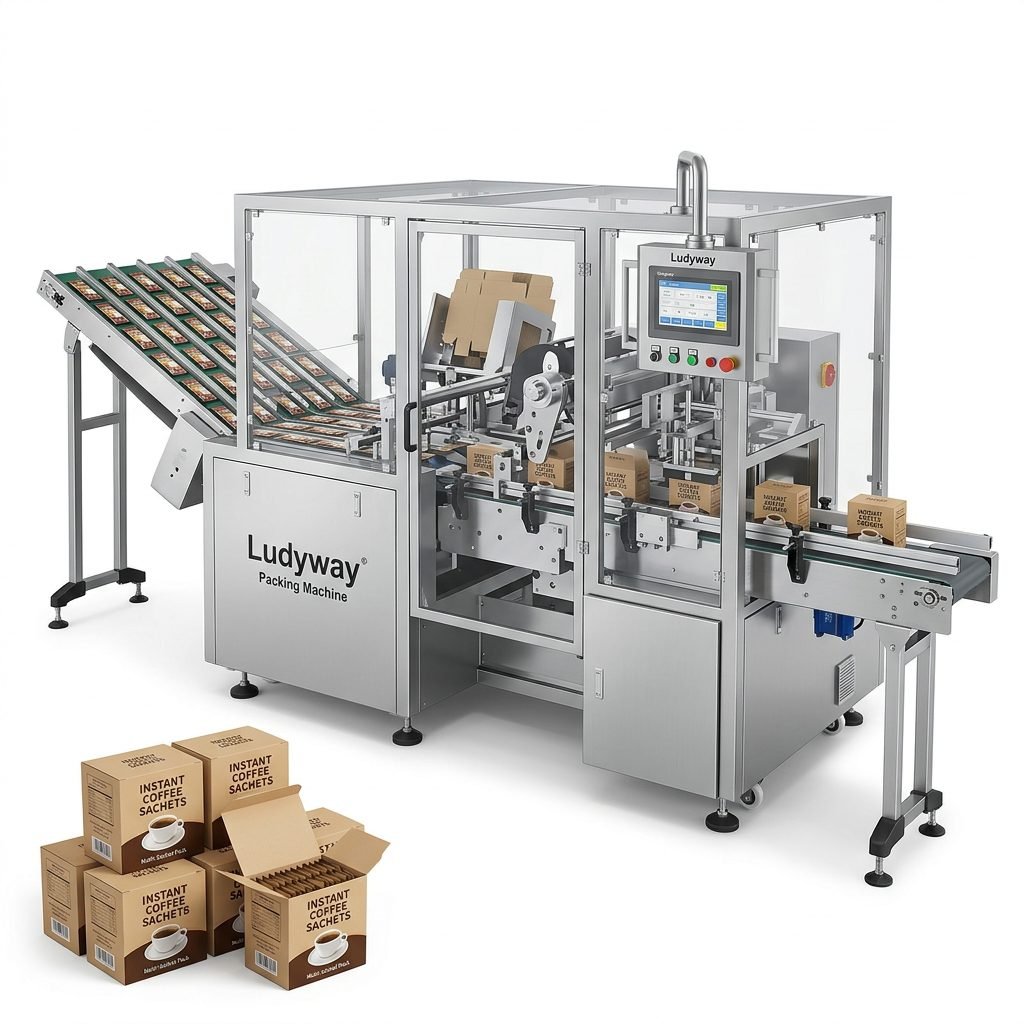
A box strip packing machine is automated equipment used to pack strip-format products into boxes or cartons. The strips may contain tablets, capsules, powders, granules, wipes, sachets, or other unit-dose items depending on the product type and industry.
These machines typically perform one or more of the following functions:
- Strip counting and feeding
- Automatic grouping and orientation
- Carton or box loading
- Leaflet insertion when needed
- Box closing and sealing
- Coding, labeling, and inspection
The main purpose is to turn individual strip-packed units into retail-ready or distribution-ready boxed products with stable output and repeatable accuracy.
How the Machine Works
Although configurations vary, most box strip packing machines follow a similar workflow:
- Infeed: Strip packs enter the machine through conveyors or feeding modules.
- Counting and collation: Sensors or programmed counting systems group the required number of strips.
- Box forming: Flat cartons are erected automatically into box shape.
- Product insertion: The grouped strips are inserted into the carton or box.
- Additional insertion: Leaflets, instructions, or promotional inserts can be added if needed.
- Sealing: The box is tucked, glued, or sealed according to the packaging design.
- Inspection and discharge: Finished boxes are checked and moved to downstream packaging processes.
Key Benefits of Using a Box Strip Packing Machine
1. Higher Packaging Efficiency
Manual boxing is slow and inconsistent, especially at medium to high output levels. Automated systems maintain a steady cycle rate and reduce production bottlenecks.
2. Better Packing Accuracy
Automatic counting and loading reduce underfilled or overfilled boxes, which helps protect both customer satisfaction and compliance requirements.
3. Reduced Labor Dependency
Packaging lines often struggle with labor turnover, repetitive manual work, and rising wages. Automation helps factories use labor more efficiently while lowering repetitive handling tasks.
4. Improved Product Protection
Properly boxed strip packs are easier to transport, stack, label, and display. This also lowers the chance of damage during shipping and warehousing.
5. Easier Integration into Complete Lines
A box strip packing machine can be integrated with filling, sealing, coding, checkweighing, cartoning, case packing, and palletizing equipment to create a smoother end-to-end packaging process.
Common Applications
Box strip packing machines are used across many sectors. Their flexibility makes them suitable for both regulated and fast-moving consumer markets.
| Industry | Typical Products | Packing Purpose |
|---|---|---|
| Pharmaceutical | Tablet strips, capsule strips, unit-dose sachets | Compliance, protection, retail presentation |
| Food | Seasoning strips, instant drink packs, snack portions | Convenience, shelf display, bundle packaging |
| Health Supplements | Stick packs, functional powders, nutritional sachets | Branding, dosage control, e-commerce readiness |
| Cosmetics | Sample sachets, beauty strips, trial-size packs | Promotional packaging and retail boxing |
| Chemical & Daily Use | Detergent sachets, cleaner strips, additives | Safer handling and easier secondary packaging |
Main Machine Types
Not all box strip packing machines are the same. The right choice depends on product format, speed requirements, and carton style.
Horizontal Cartoning Machines
These are commonly used when strip packs need to be inserted horizontally into cartons. They are often ideal for pharmaceuticals and neatly aligned strip products.
Vertical Cartoning Machines
These systems are suitable for products that drop vertically into cartons, especially when space-saving layouts or gravity-assisted loading are preferred.
Intermittent Motion Machines
These machines stop briefly during each cycle, which can improve handling precision for delicate or complex loading tasks.
Continuous Motion Machines
For high-speed production, continuous motion systems provide faster throughput and are often chosen for large-volume manufacturing environments.
Turnkey Integrated Lines
Some manufacturers prefer a complete solution that includes primary packaging, transfer conveyors, cartoning, case packing, sealing, labeling, and palletizing.
Important Features to Evaluate
When comparing machines, focus on practical production requirements rather than just headline speed.
- Compatible strip size range
- Box size adjustment flexibility
- Counting accuracy
- Servo-driven control
- Touchscreen HMI operation
- Reject system for defective packs
- Vision inspection compatibility
- Quick changeover capability
- Easy cleaning and maintenance access
- Integration with upstream and downstream equipment
For regulated sectors, traceability, batch coding, and validation support may be especially important.
Who Should Invest in This Equipment?
A box strip packing machine is especially suitable for businesses that face one or more of the following conditions:
- Rapidly increasing packaging volumes
- Frequent errors in manual box loading
- High labor costs in secondary packaging
- Demand for cleaner and more professional retail presentation
- Need for multi-shift production stability
- Expansion into export or regulated markets
If your production line is already automated in filling and sealing but still relies on manual boxing, this machine often becomes the next logical upgrade.
How to Choose the Right Box Strip Packing Machine
Define Your Product Details Clearly
Start with strip dimensions, material characteristics, product quantity per box, carton structure, and required line speed. Small variations can significantly affect machine design.
Think Beyond Today’s Output
Choose a solution that supports future demand, not just current production. A machine with some expansion margin can save time and capital later.
Consider Changeover Frequency
If you run multiple SKUs, quick adjustments and recipe memory functions are highly valuable.
Review Integration Needs
Make sure the machine can connect smoothly with upstream strip packing equipment and downstream case packing or palletizing systems.
Check Service and Support Capability
After-sales support, spare parts availability, installation guidance, and remote troubleshooting can affect long-term uptime as much as machine quality itself.
Typical Technical Comparison Factors
| Factor | Why It Matters | Buyer Tip |
|---|---|---|
| Speed | Determines output capacity | Match actual production rhythm, not only max speed |
| Accuracy | Reduces miscounts and rejected boxes | Ask for test data with your own samples |
| Flexibility | Supports more SKUs and carton sizes | Important for brands with frequent packaging updates |
| Automation Level | Impacts labor saving and consistency | Include coding, inspection, and rejection where possible |
| Maintenance | Affects uptime and lifecycle cost | Prefer easy-access designs and standard components |
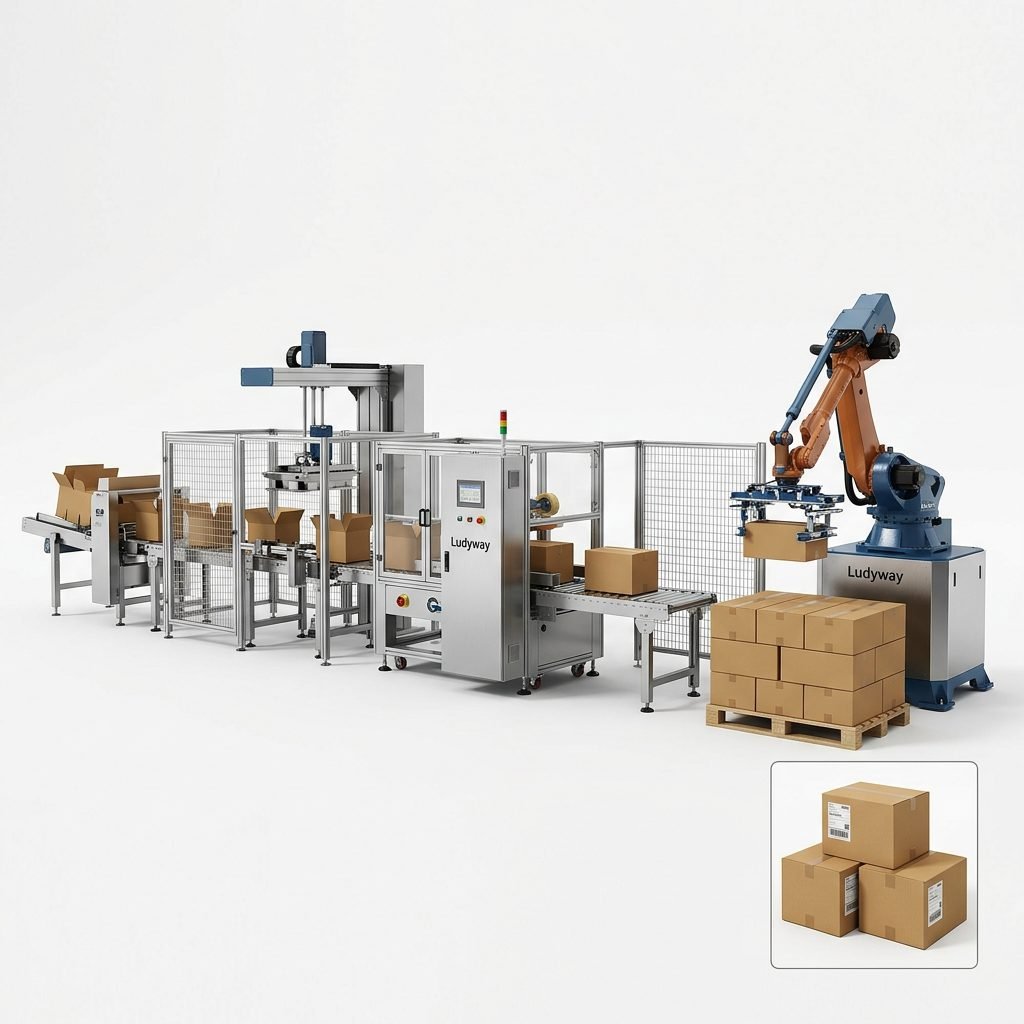
Integration with a Full Packaging Line
A box strip packing machine delivers the best value when it is part of a coordinated packaging system. In many factories, the equipment is linked with:
- Strip or sachet packing machines
- Counting systems
- Conveyors and transfer modules
- Cartoning machines
- Case packers
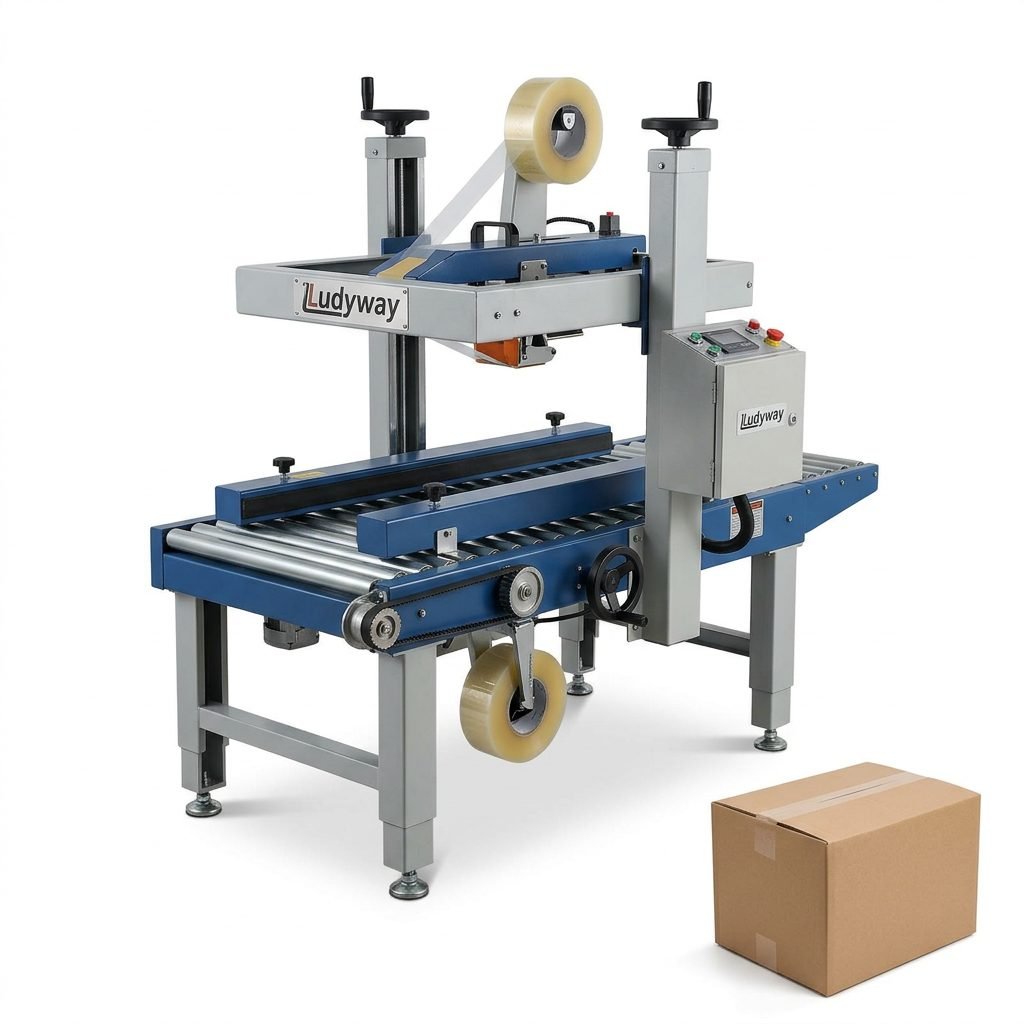
- Carton sealers
- Labeling and coding machines
- Inspection systems
- Palletizing units
This integrated layout reduces idle time between stations and creates a more consistent packaging flow from primary pack to final shipment.
Maintenance Best Practices
Reliable performance depends on both machine quality and daily operating discipline. To maintain long-term efficiency:
- Clean feeding and transfer parts regularly
- Inspect sensors and photoelectric devices
- Lubricate moving components according to schedule
- Train operators on changeover procedures
- Monitor wear parts and replace them proactively
- Keep carton materials consistent in quality
Preventive maintenance is usually far less costly than unplanned downtime during peak production.
Common Buying Mistakes to Avoid
- Choosing by price alone
- Ignoring future SKU expansion
- Underestimating carton material differences
- Failing to test with real product samples
- Not planning for service, spare parts, and operator training
- Selecting speed levels that upstream equipment cannot support
A well-matched machine is always better than an oversized or under-configured one.
Why Turnkey Capability Matters
Many buyers now prefer suppliers that can provide more than a standalone machine. A turnkey partner can help coordinate line design, equipment compatibility, layout planning, electrical integration, testing, and technical support.
For businesses seeking broader automation support, Ludyway box strip packing machine solutions can be evaluated as part of complete packaging line planning, especially for food, pharmaceutical, health supplement, and related applications.
Final Thoughts
A box strip packing machine is more than just a secondary packaging unit. It is a productivity tool that can improve output consistency, reduce packaging errors, strengthen product presentation, and support scalable production growth.
If your operation is moving from manual boxing to automated packaging, or if your current line struggles with speed, labor, or accuracy, investing in the right system can create measurable long-term benefits. The key is to choose a machine that matches your product format, packaging goals, and future expansion plans.