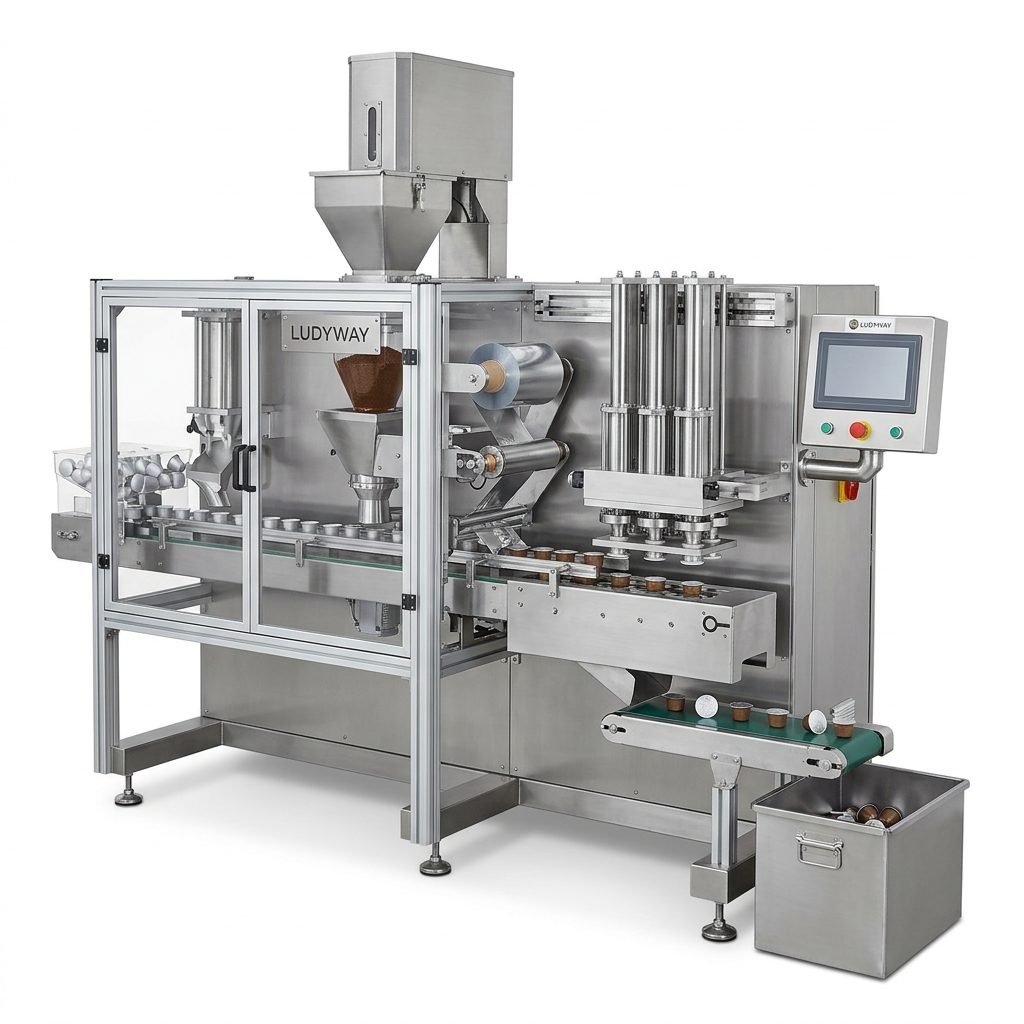
Investing in the right packaging machine is one of the most critical decisions for manufacturers in the food, pharmaceutical, and chemical industries. A well-chosen system boosts production efficiency, ensures product consistency, and reduces long-term operational costs. However, with so many equipment types, configurations, and technical specifications available, the selection process can feel overwhelming. This guide walks you through every essential factor — from understanding your product characteristics to evaluating packaging industry standards — so you can make a confident, informed investment.
Step 1: Define Your Product and Production Goals
Before comparing machine models, start with a clear picture of what you need to package. The physical properties of your product will directly determine the type of filling system and packaging format required.
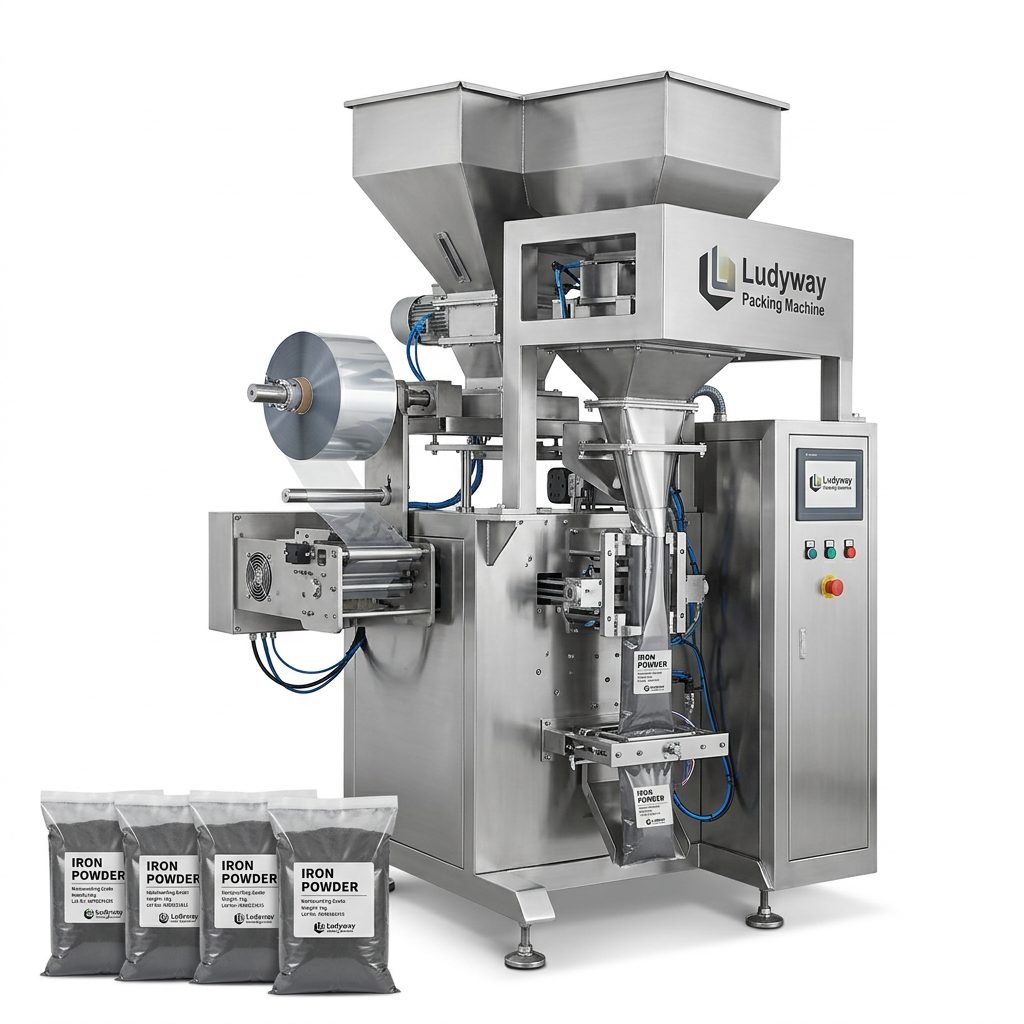
- Product form: Is it a granule, powder, liquid, paste, or solid item? Each form demands a specific dosing mechanism — volumetric cup fillers for free-flowing granules, auger fillers for fine powders, and piston or peristaltic pumps for liquids.
- Target output: Define your required packs per minute. A small-scale operation may only need 30–60 packs per minute, while high-volume production lines often demand 200–400 packs per minute or more.
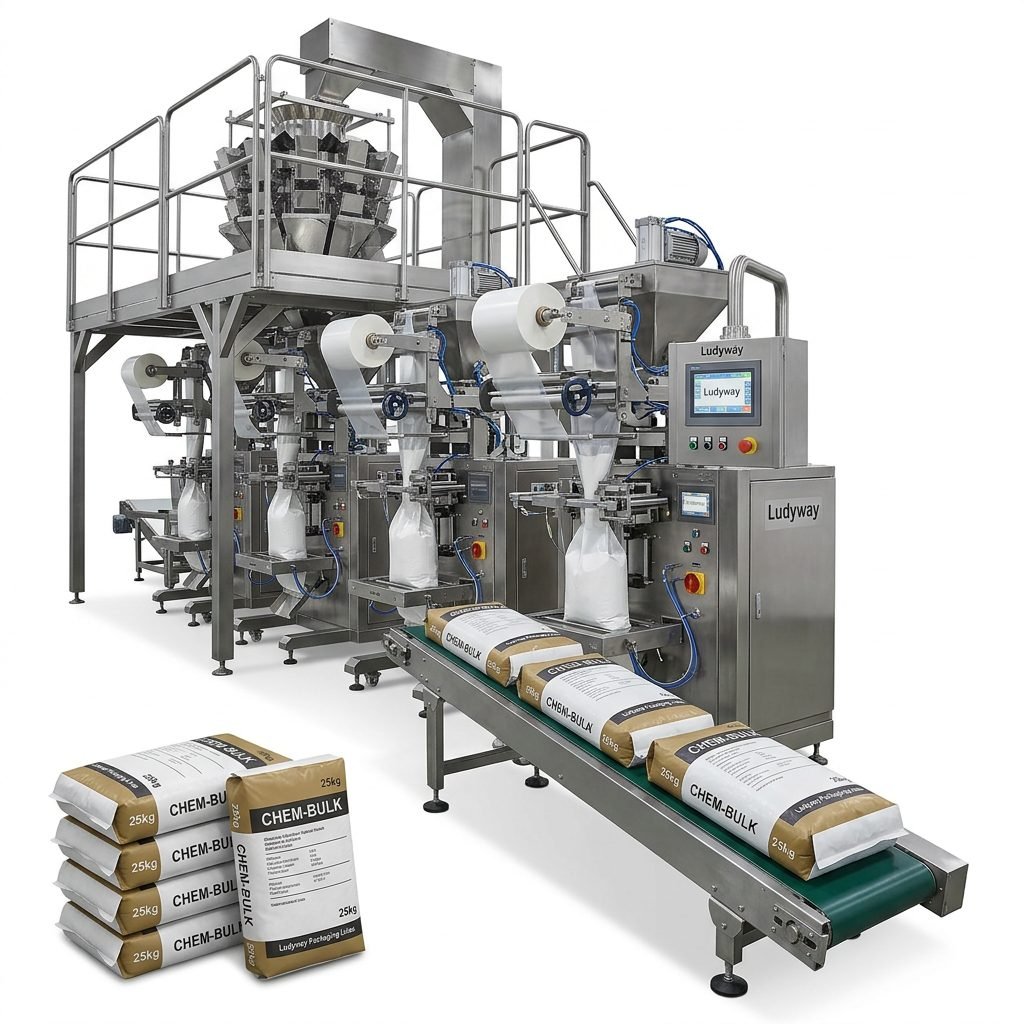
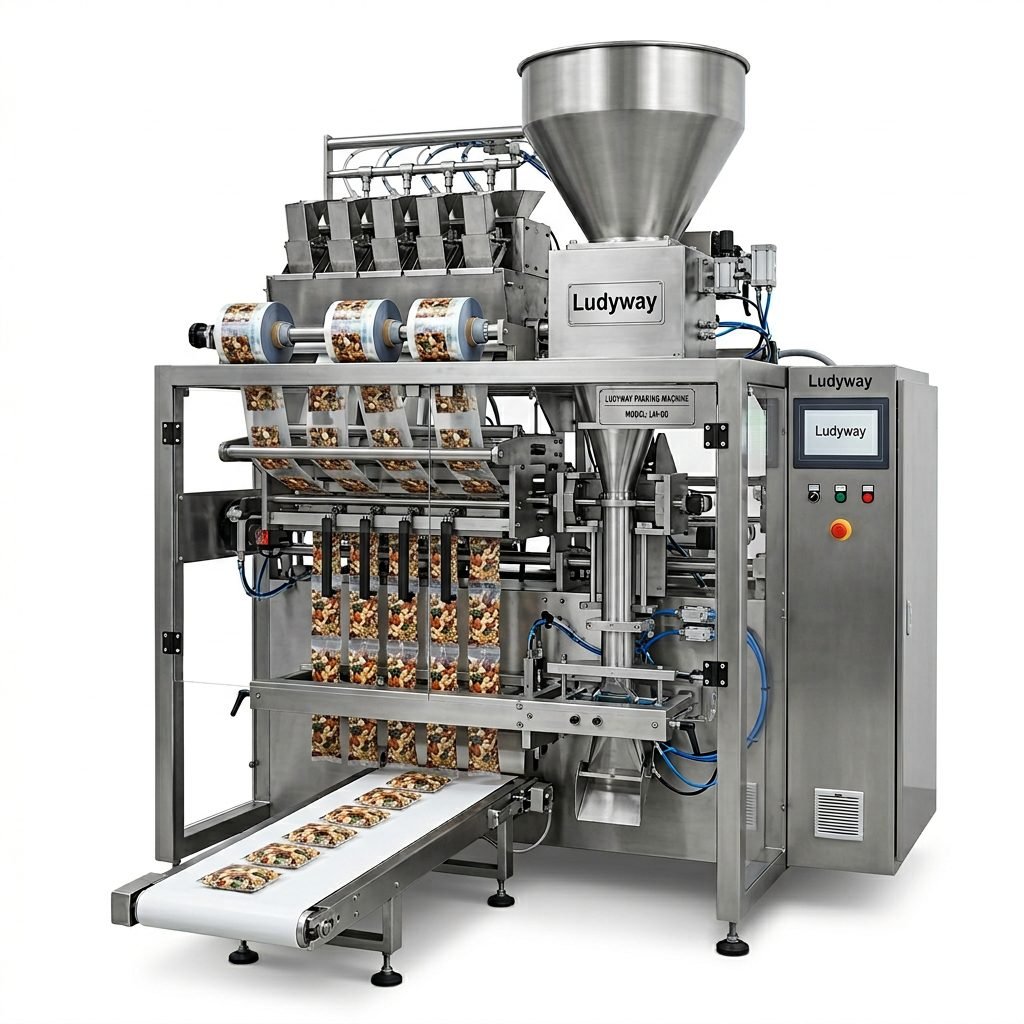
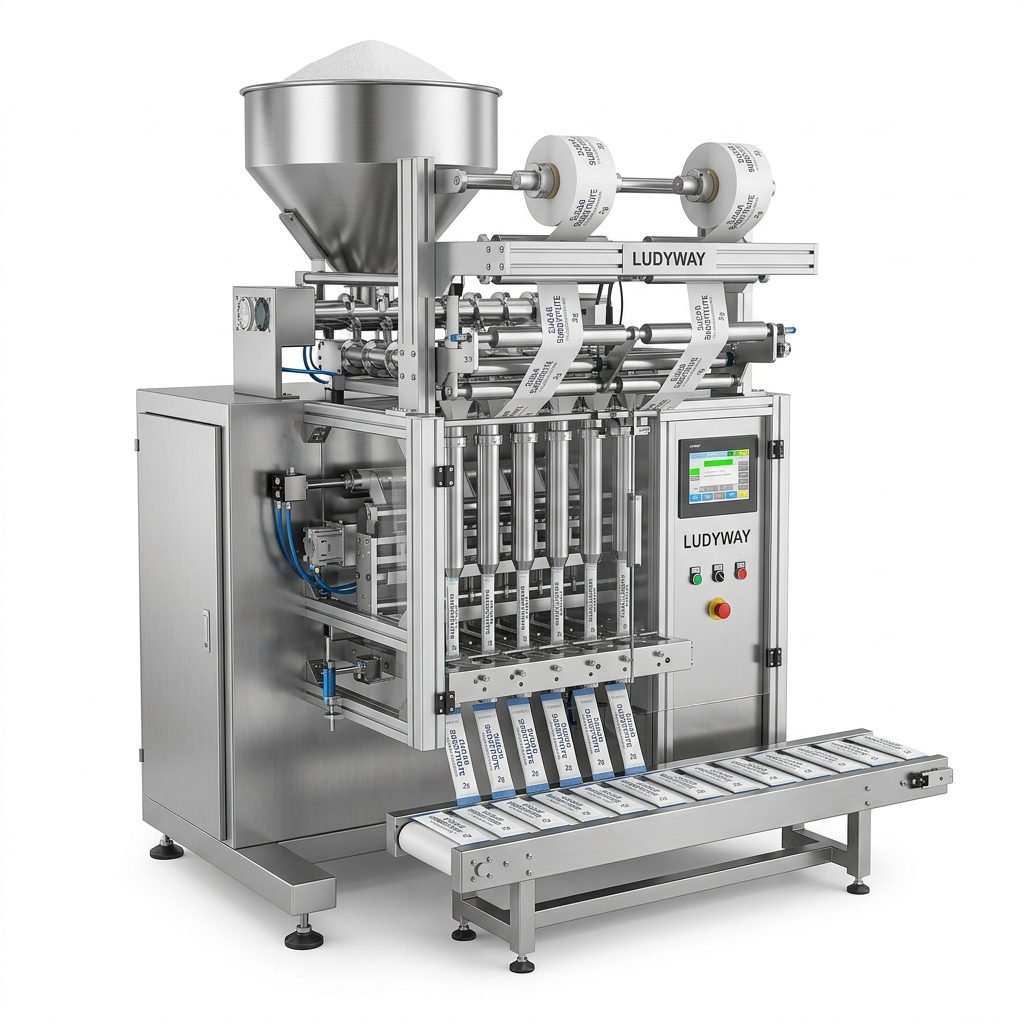
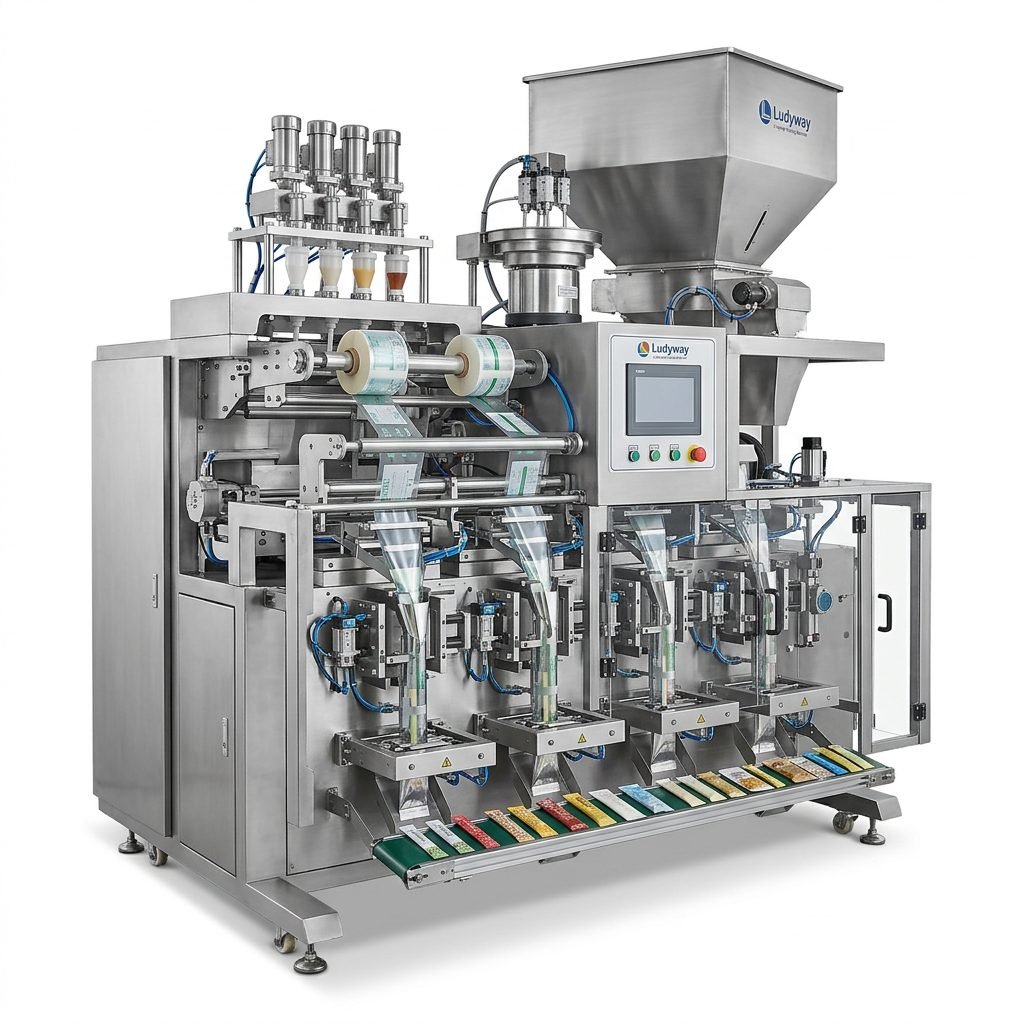
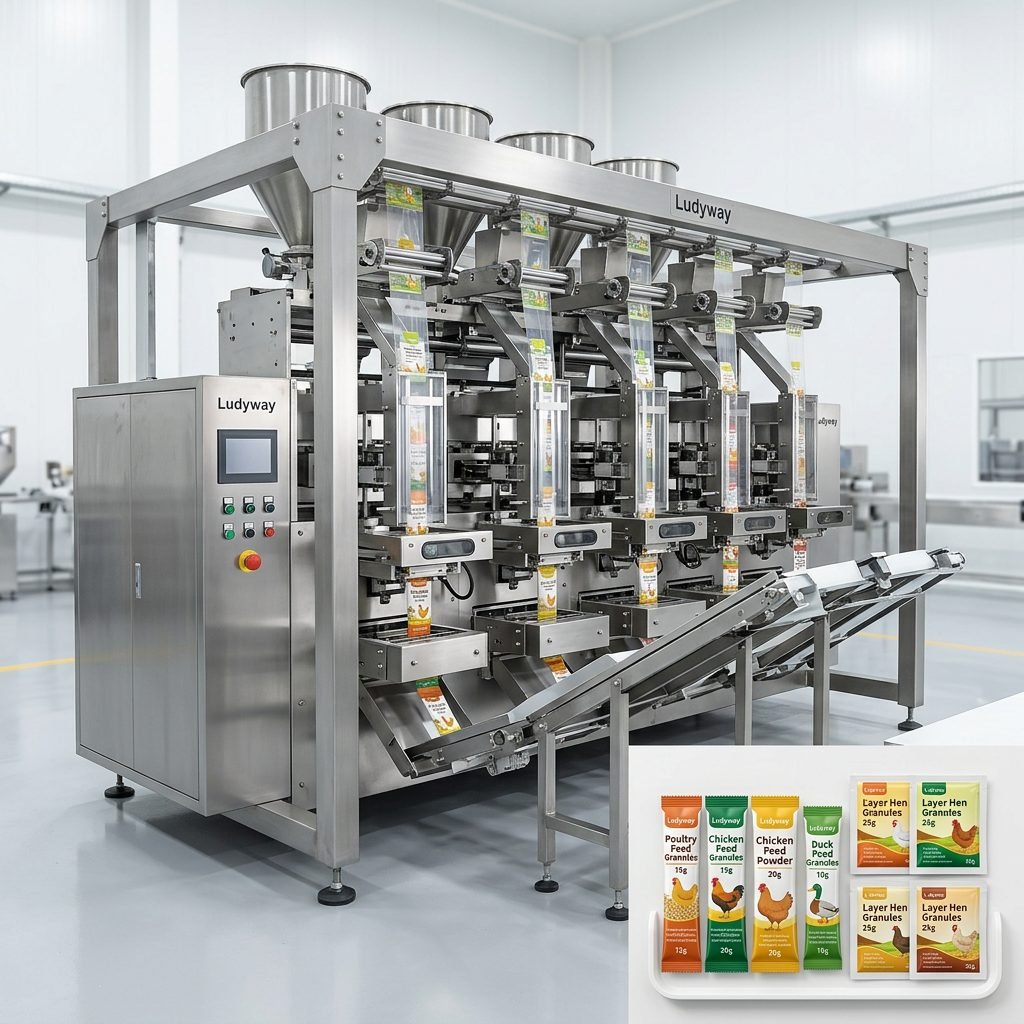
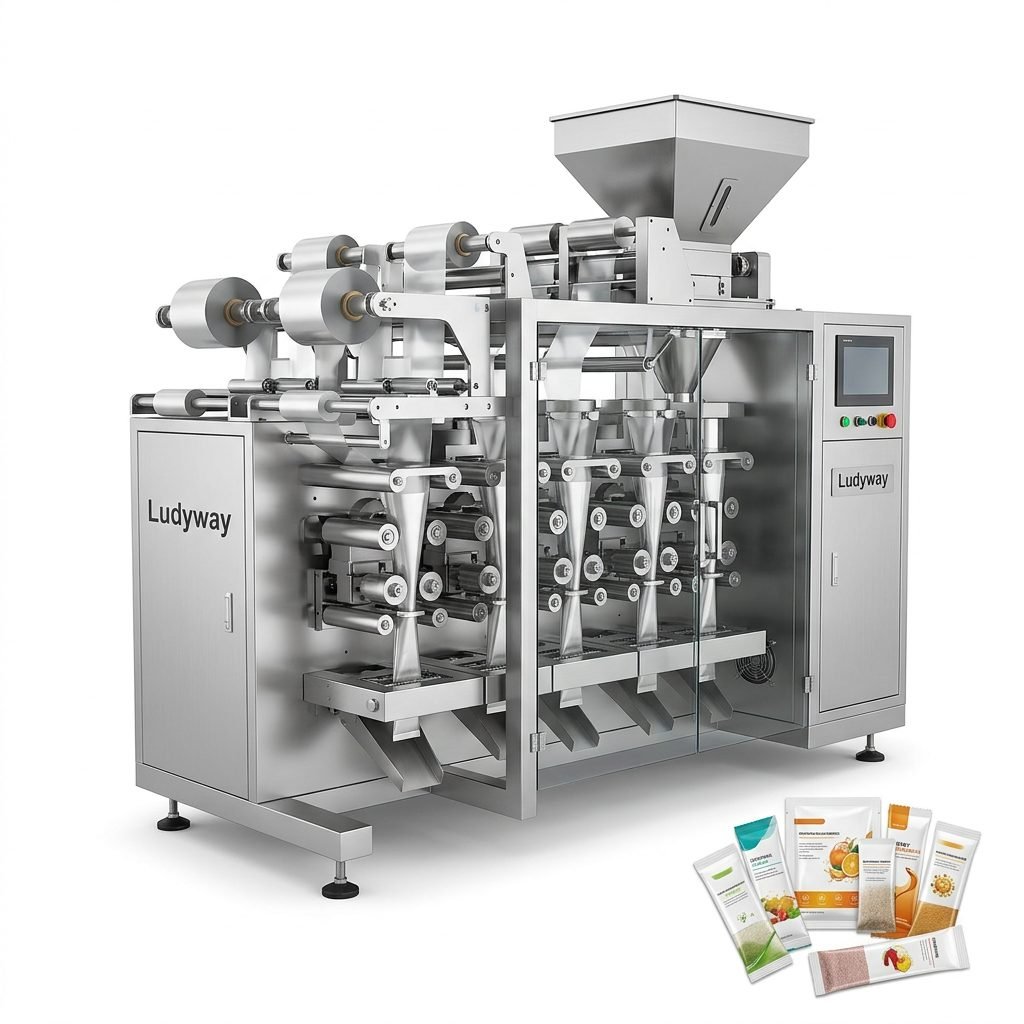
- Packaging format: Determine whether you need stick packs, sachets, pouches, bottles, or bulk bags. Multi-lane stick pack machines, for instance, can dramatically increase throughput for single-serve products.
- Bag dimensions and material: Consider film types (PET/AL/PE, paper/PE, etc.) and whether you need features like tear notches, zipper closures, or easy-open seals.
Step 2: Understand the Main Types of Packaging Machinery
Different packaging equipment serves different production needs. The table below summarizes the most common machine types and their ideal applications.
| Machine Type | Best For | Key Advantage | Typical Speed Range |
|---|---|---|---|
| Multi-Lane Stick Pack Machine | Powders, granules, liquids in narrow single-serve sticks | Very high output; compact format ideal for portion control | 200–400+ packs/min |
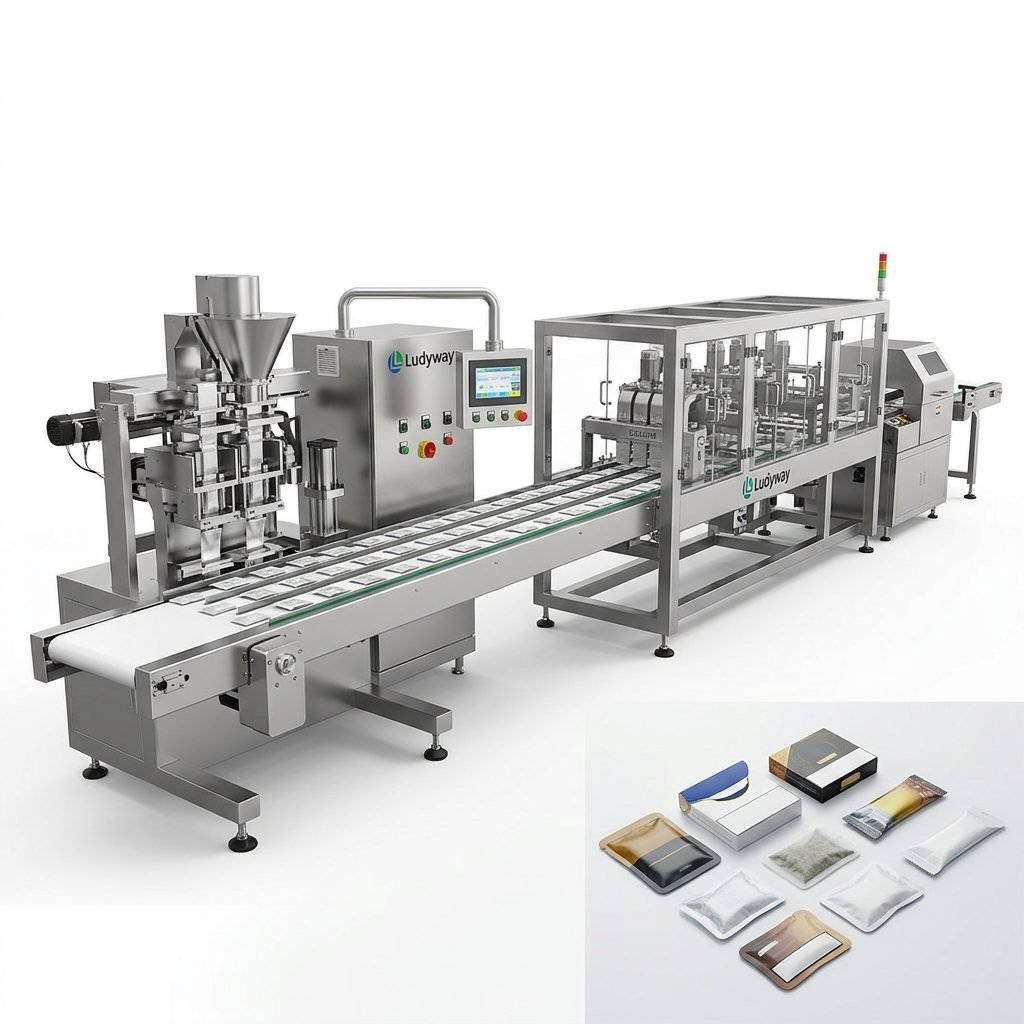
| Sachet Packaging Machine | Flat sachets for liquids, creams, powders, granules | Versatile format; suitable for sample sizes and unit doses | 60–300 packs/min |
| Vertical Form Fill Seal (VFFS) | Larger bags for bulk snacks, grains, frozen foods | Handles a wide range of bag styles and sizes | 30–120 packs/min |
| Premade Pouch Machine | Stand-up pouches, spouted pouches, zipper bags | Premium shelf appeal; ideal for retail products | 30–80 packs/min |
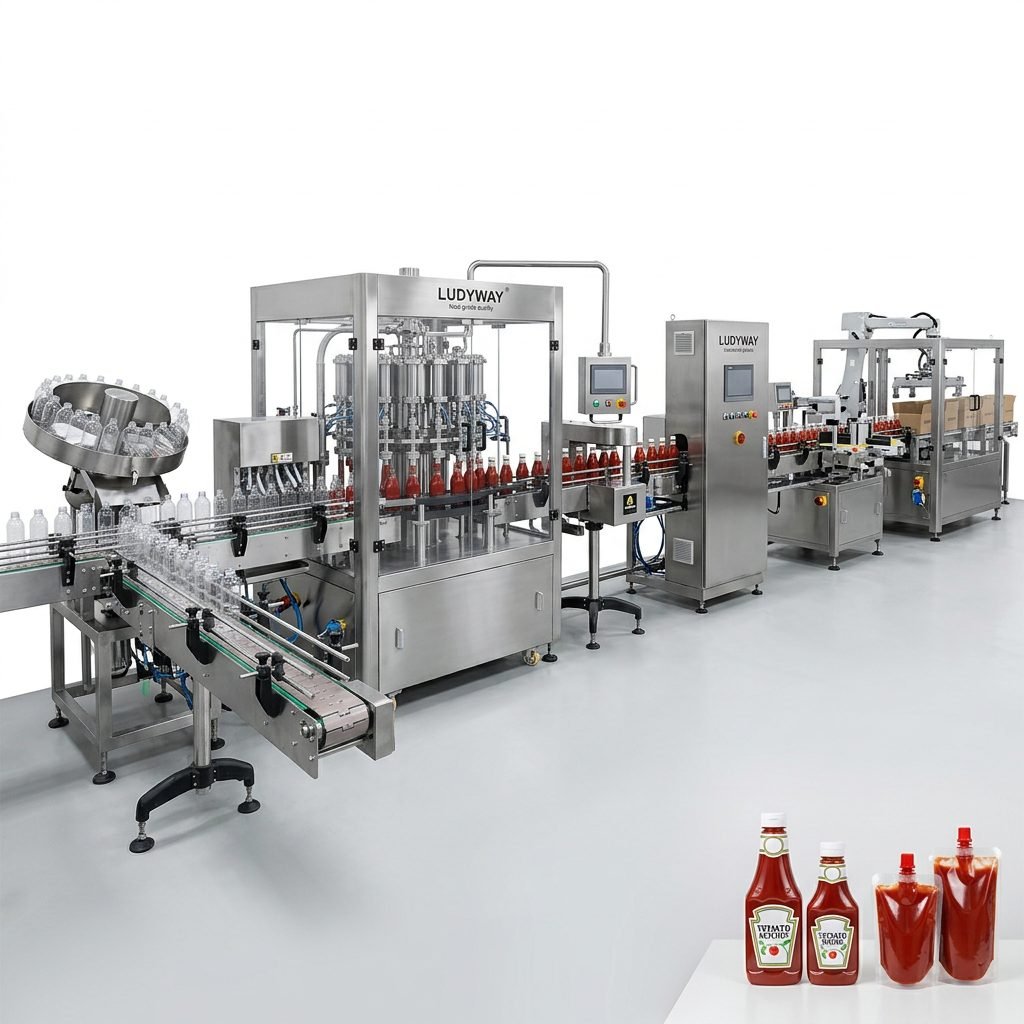
| Liquid Filling & Capping Line | Bottles, vials, ampoules for beverages, pharma, cosmetics | Precision dosing; can integrate with labeling and cartoning | 40–150 bottles/min |
Step 3: Key Technical Factors to Evaluate
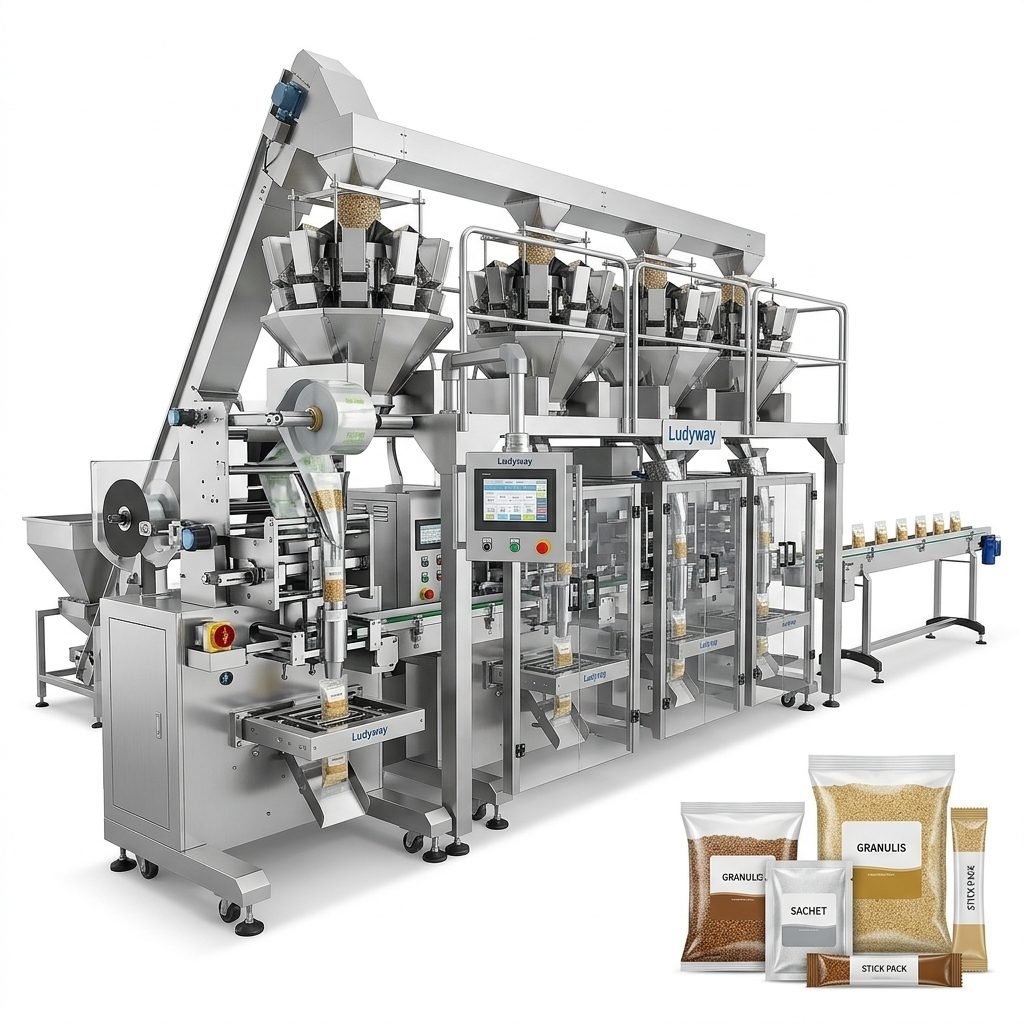
Once you have narrowed down the machine type, evaluate these technical parameters to ensure the equipment meets your operational requirements:
- Filling accuracy: Consistent dosing reduces product giveaway and ensures regulatory compliance. Look for machines with precision weighing or volumetric systems that achieve ±0.5–1% accuracy.
- Changeover time: If you run multiple products or pack sizes, quick changeover features — such as tool-less adjustments and recipe memory — can significantly reduce downtime.
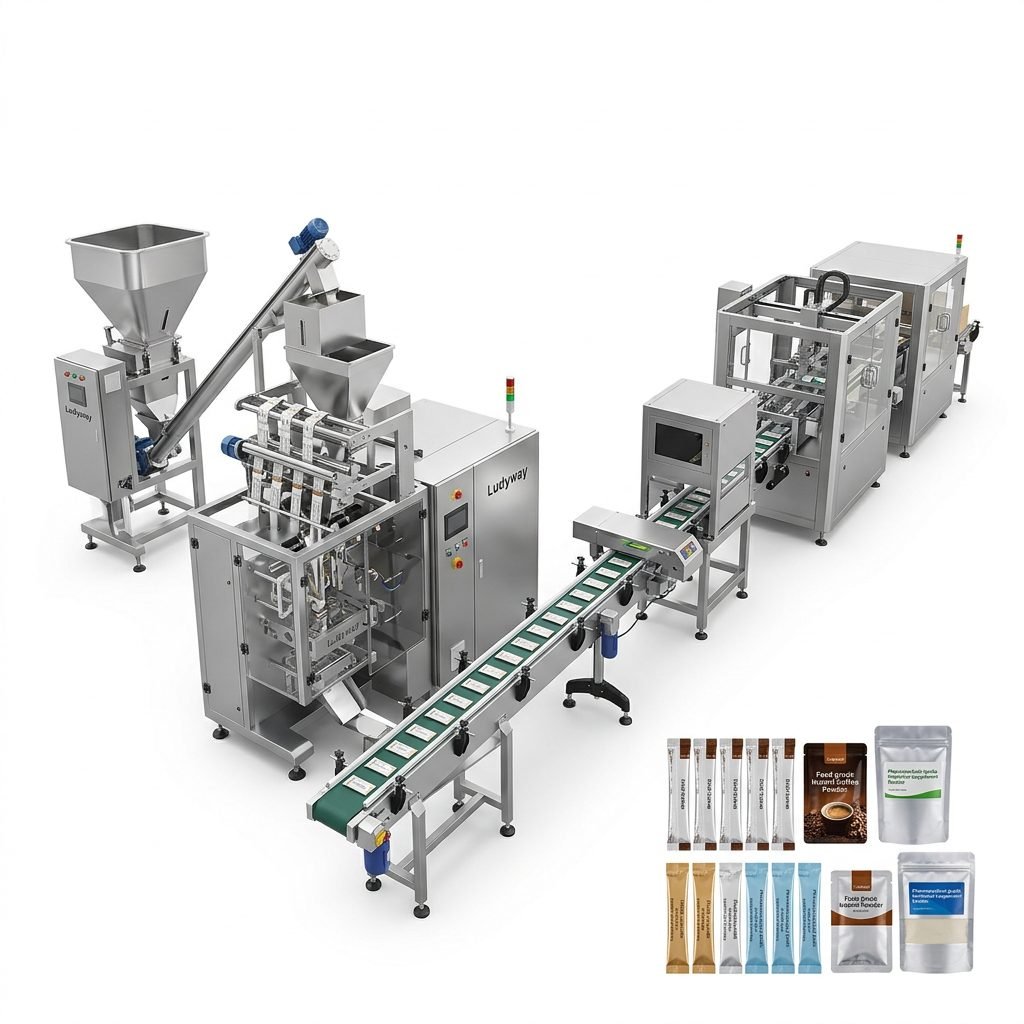
- Automation level: Evaluate whether a semi-automatic or fully automatic packaging line fits your budget and labor strategy. Full automation often includes integrated feeding, filling, sealing, coding, and cartoning systems.
- Compliance and certifications: For food and pharmaceutical applications, ensure the machine meets FDA, GMP, or CE standards. Stainless steel construction and washdown-ready designs are often mandatory.
- Energy efficiency: Modern servo-driven machines consume less power and offer more precise control compared to older pneumatic systems.
- After-sales support: Availability of spare parts, remote troubleshooting, and technical training should be verified before purchase.
Step 4: Evaluate the Manufacturer and Supplier
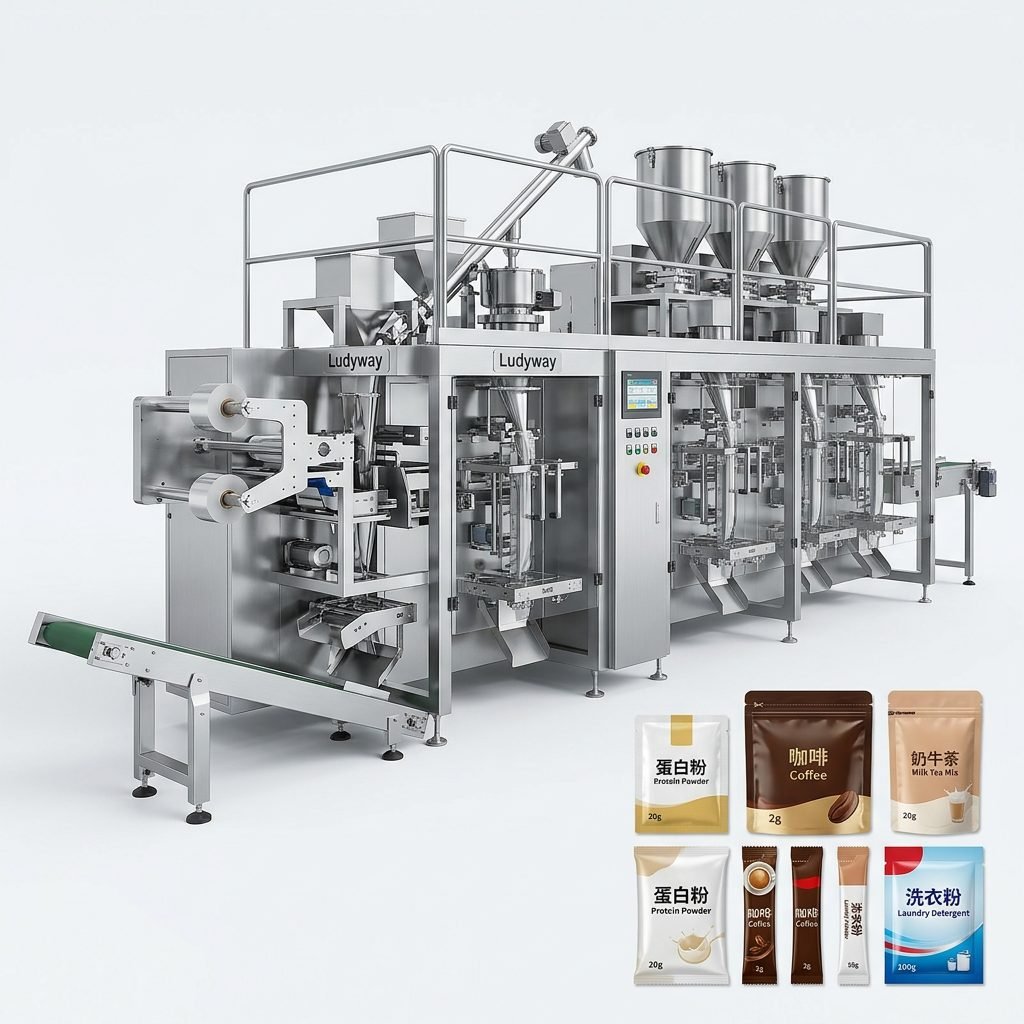
Your equipment is only as reliable as the company behind it. When vetting packaging machine manufacturers, consider the following:
- Industry experience: Look for manufacturers with a proven track record in your specific sector. A supplier familiar with pharmaceutical packaging requirements will understand the importance of cleanroom compatibility and serialization.
- Manufacturing capabilities: Visit the factory if possible, or request a virtual tour. Assess the scale of their production facility, quality control processes, and testing procedures.
- Client references: Ask for case studies or references from companies producing products similar to yours. This provides insight into real-world machine performance.
- Customization options: Off-the-shelf machines may not fit every requirement. Confirm whether the manufacturer can customize lane configurations, dosing systems, or integrate auxiliary equipment such as checkweighers and metal detectors.
Step 5: Total Cost of Ownership and ROI
Purchase price is only one part of the equation. A comprehensive cost analysis should include:
- Initial investment: Machine cost, shipping, installation, and commissioning.
- Operating costs: Consumables (films, spare parts), energy consumption, and labor requirements.
- Maintenance expenses: Routine servicing, availability of spare parts, and expected component lifespan.
- Downtime risks: Reliable equipment with robust support minimizes costly production interruptions.
A machine that costs 20–30% less upfront but experiences frequent breakdowns will ultimately cost more than a higher-quality, better-supported system. When calculating ROI, factor in increased throughput, reduced product waste, and lower labor expenses over the machine’s expected 7–15 year service life.
Step 6: Stay Ahead with Industry Trends
The packaging machinery landscape is evolving rapidly. Keeping an eye on industry trends helps future-proof your investment:
- Smart packaging and IoT integration: Machines equipped with sensors and cloud connectivity enable real-time monitoring, predictive maintenance, and data-driven production optimization.
- Sustainability: Growing demand for eco-friendly packaging is driving innovation in biodegradable films, reduced-material formats, and energy-efficient machinery. Refer to resources from the Flexible Packaging Association for updates.
- Serialization and traceability: Regulatory requirements in pharmaceuticals are pushing manufacturers toward complete track-and-trace capabilities integrated into their packaging lines.
- Flexible and modular designs: Machines that can be reconfigured for different products give manufacturers the agility to respond to market changes without replacing entire lines.
Key Resources for Packaging Professionals
Staying informed about packaging regulations and market intelligence is essential. Below are authoritative resources to bookmark:
- PMMI Business Intelligence Library — industry reports and market data
- ISO Packaging Standards — international compliance guidelines
- European Commission – Packaging and Packaging Waste — sustainability regulations
- FDA – Food Contact Substances — compliance for food-grade packaging
Making Your Final Decision
Choosing the right packaging equipment requires balancing your current production needs with long-term growth plans. Start by thoroughly analyzing your product characteristics and desired output, then evaluate machinery based on precision, reliability, compliance, and total cost of ownership. Take the time to visit manufacturer facilities, request sample runs with your actual products, and speak directly with existing customers. A careful selection process will pay dividends in productivity, product quality, and operational peace of mind for years to come.
For businesses seeking a partner with extensive expertise and a comprehensive range of packaging solutions, Ludyway stands out as one of the largest packaging machine manufacturers in China, offering over 50 intelligent models — including multi-lane stick pack, sachet, and fully automated packaging systems — backed by 30+ years of industry experience and a 20,000㎡ modern production facility. With customized turnkey solutions for granule, powder, liquid, and pouch applications across food, pharmaceutical, and health industries, finding the right equipment partner can transform your entire production workflow.
Frequently Asked Questions
What is the typical lead time for a packaging machine?
Lead times vary depending on configuration complexity, but most standard machines ship within 8–16 weeks. Custom engineered lines may require 16–24 weeks.
Can one machine handle multiple product types?
Many modern machines support quick changeover between different products and pack sizes, making them suitable for co-packers and manufacturers with diverse product lines.
What after-sales support should I expect?
Reliable manufacturers offer installation assistance, operator training, remote diagnostic support, and readily available spare parts. Confirm warranty terms and service-level agreements before finalizing any purchase.
Ready to explore packaging solutions tailored to your production needs? Contact our team for a personalized consultation.