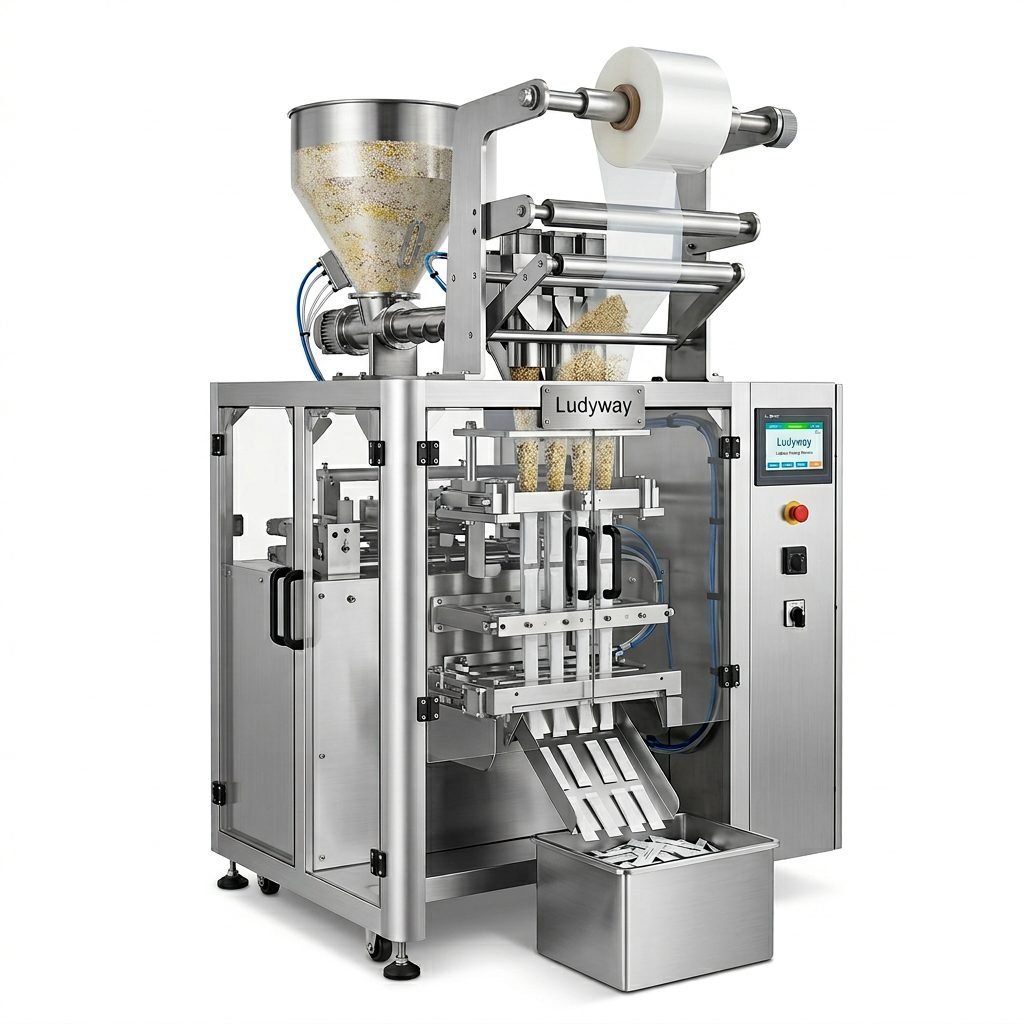
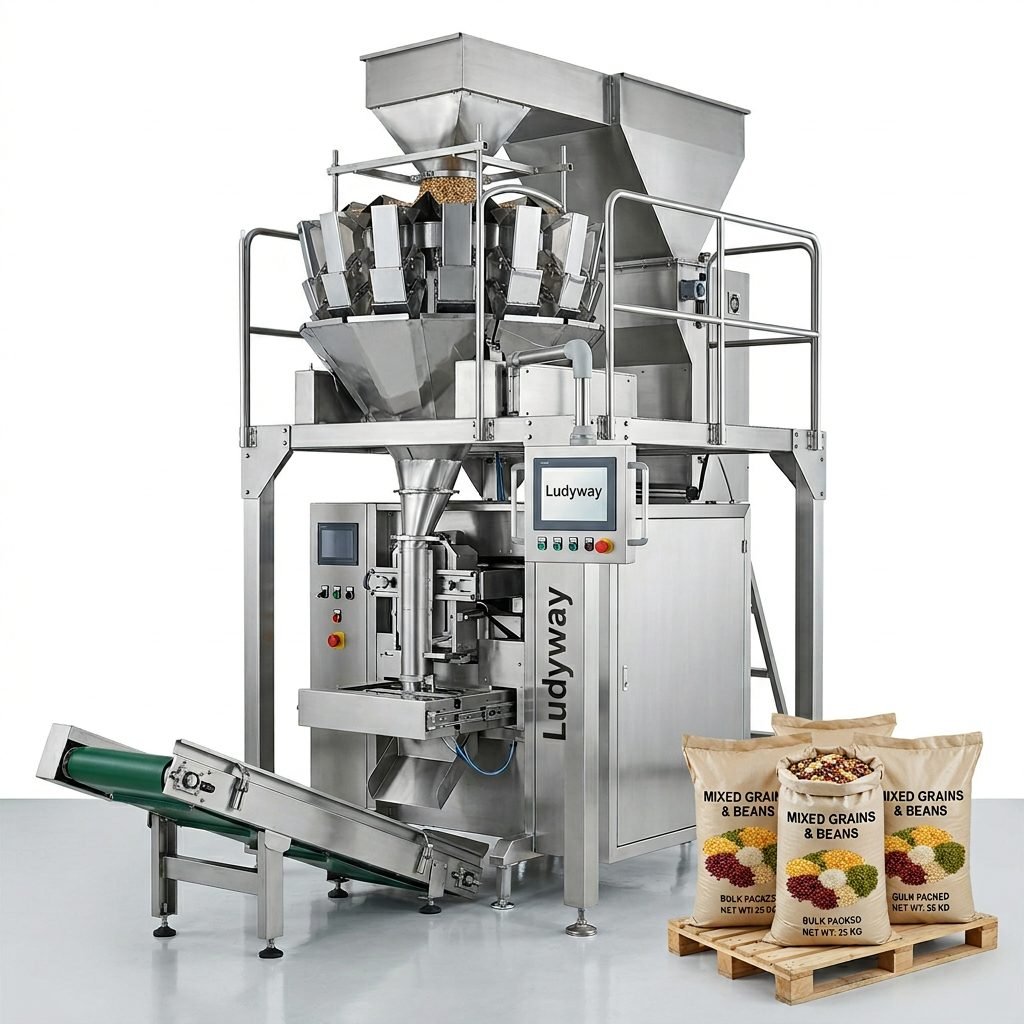
Investing in the right beef jerky packaging machine is a critical decision for any meat snack producer looking to scale operations in Italy. The Italian market demands high standards of hygiene, precision, and efficiency, whether you are packaging traditional carne secca or modern gourmet jerky strips. Selecting subpar equipment can lead to product spoilage, inconsistent seal integrity, and costly downtime. This comprehensive guide breaks down the essential factors to consider, helping you navigate the technical landscape and choose a machine that aligns with your production goals, budget, and compliance requirements.
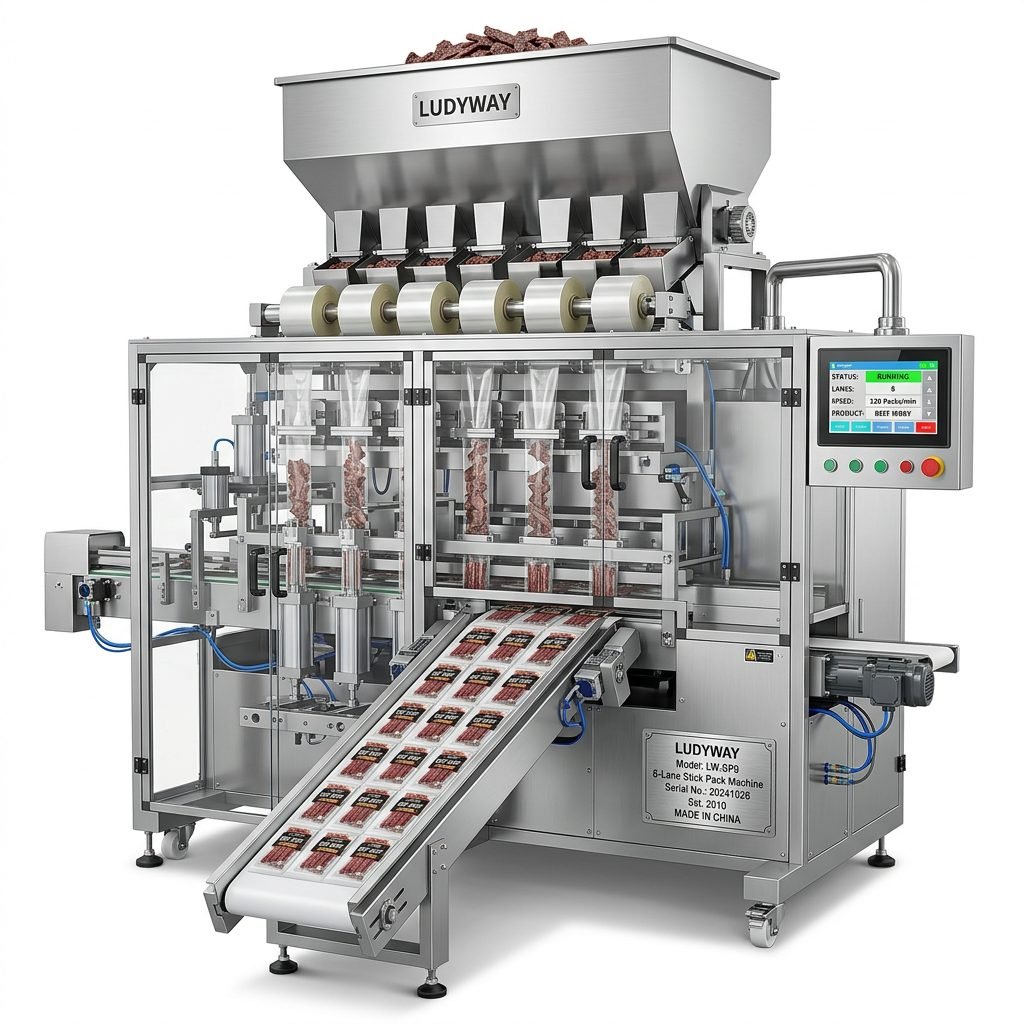
Why Italy’s Beef Jerky Market Requires Specialized Packaging
Italy’s snack culture is evolving, with a growing appetite for high-protein, artisanal meat products. However, preserving the unique texture and moisture content of beef jerky without compromising shelf life requires modified atmosphere packaging (MAP) or nitrogen flushing capabilities. Unlike standard dry goods, jerky is susceptible to oxidation and microbial growth. The ideal machine must execute precision gas flushing alongside robust sealing to prevent leaks, ensuring the product remains fresh from the production line in Lombardy to the shelves in Sicily.
Key Market Drivers:
- Increasing demand for premium, high-protein snacks among Italian consumers.
- Strict EU regulations regarding food contact materials and traceability (EC 1935/2004).
- Need for extended shelf life without artificial preservatives, achievable via advanced packaging technologies.
- Rise of private-label brands seeking flexible, high-speed packaging solutions.
Types of Beef Jerky Packaging Machines Available
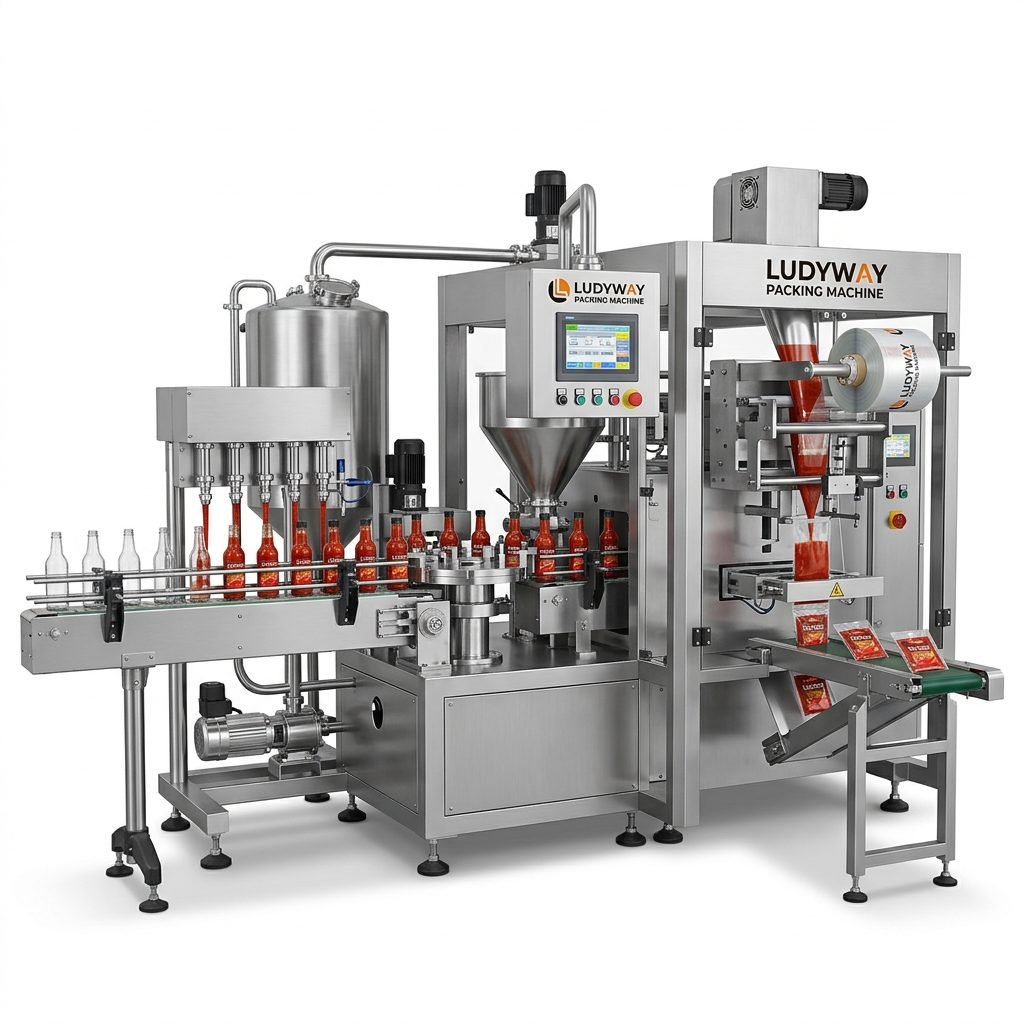
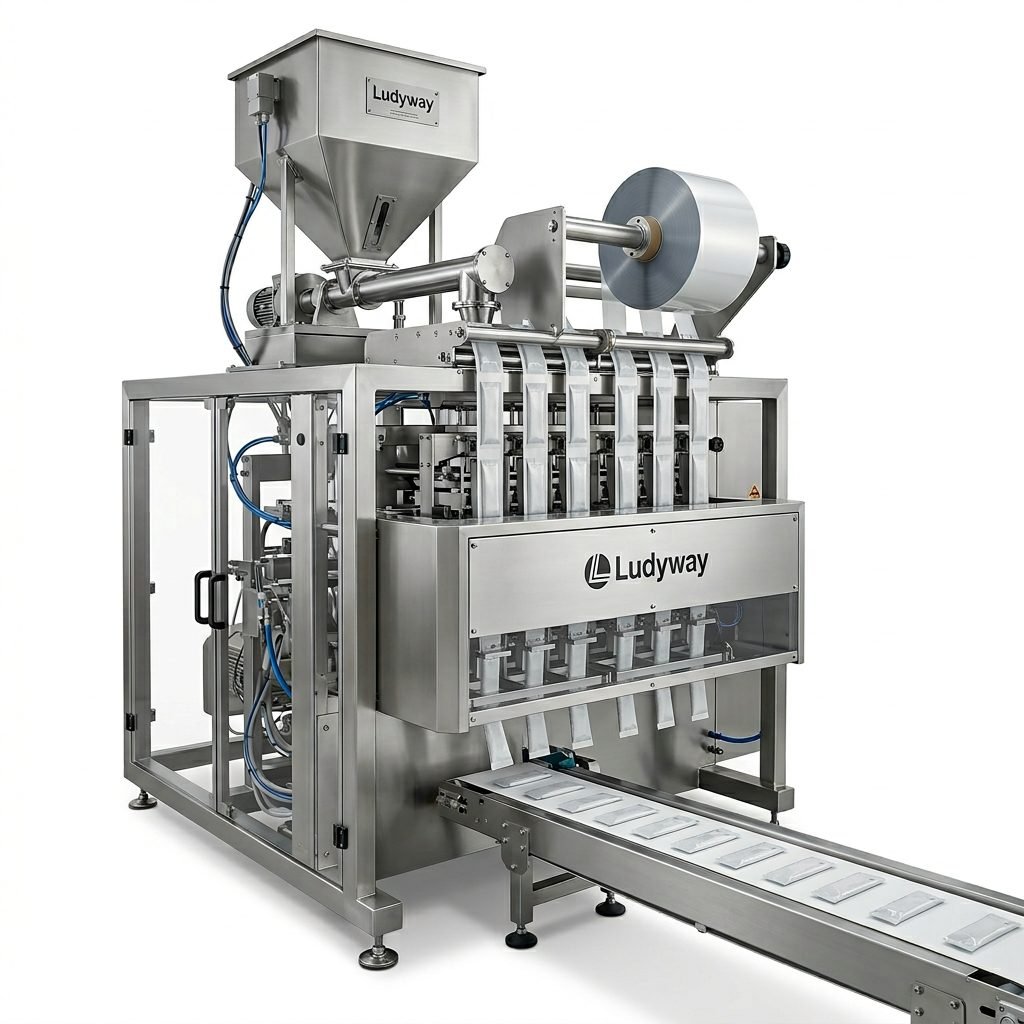
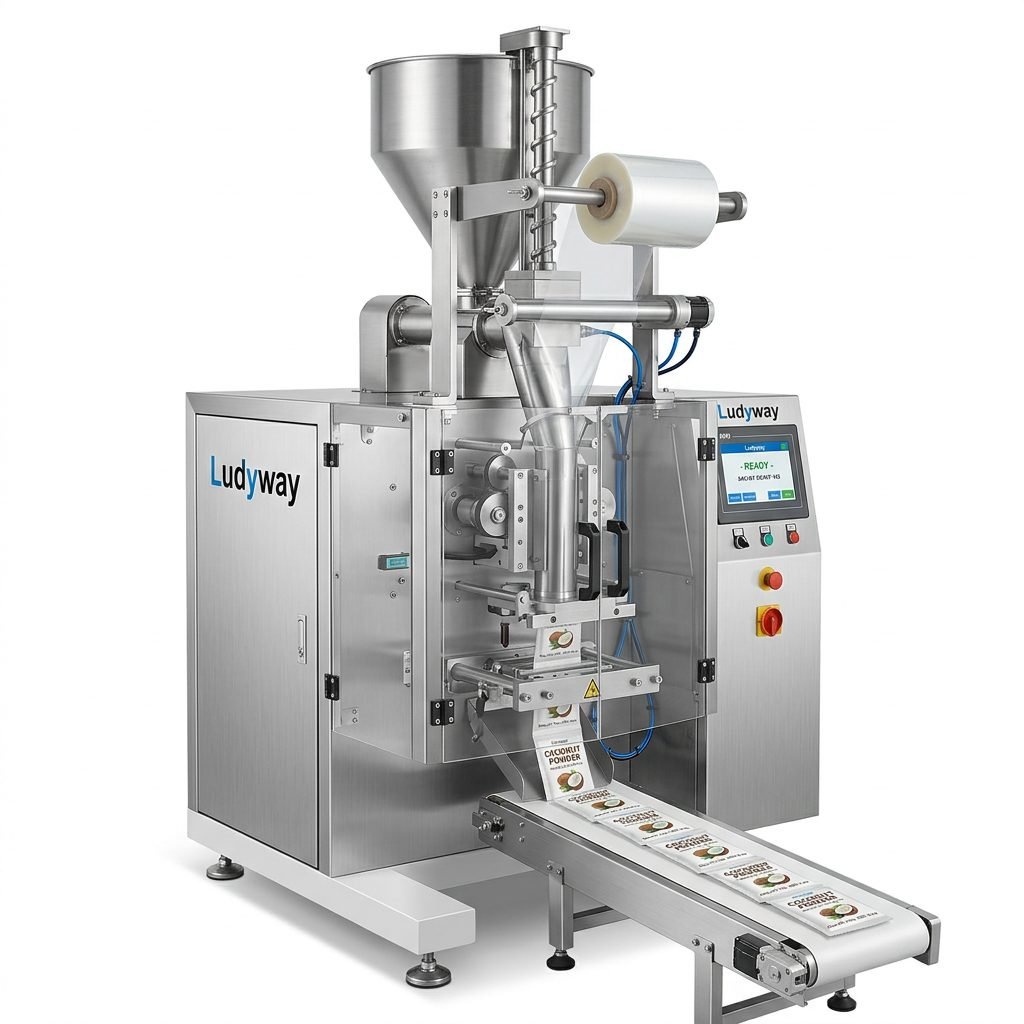
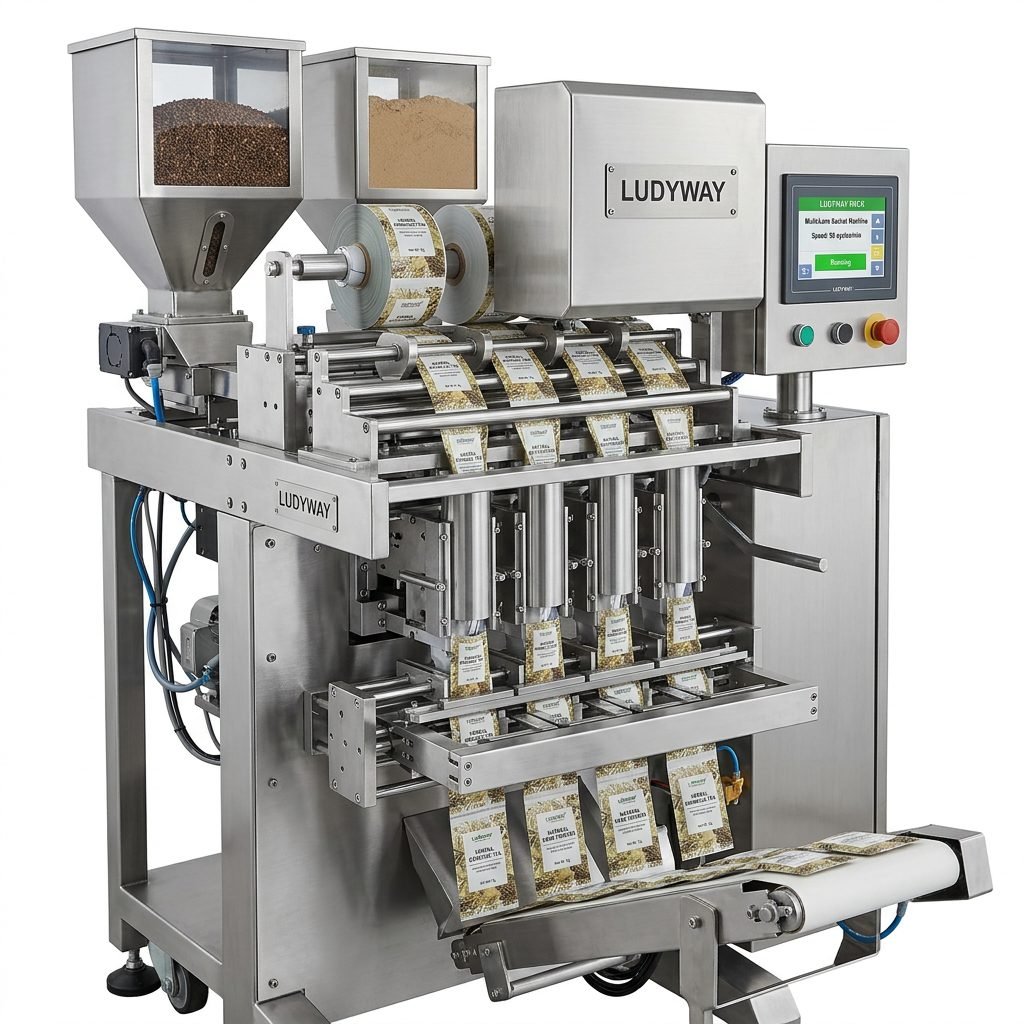
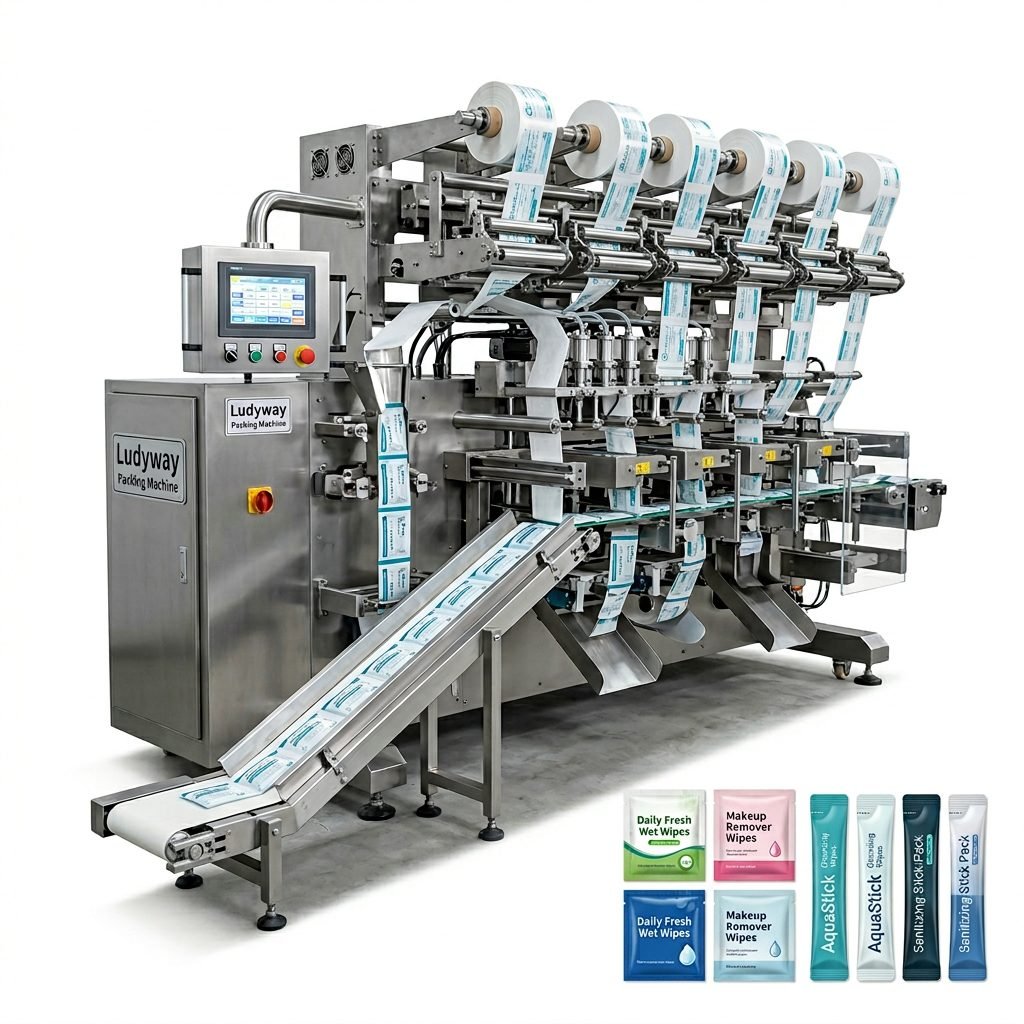
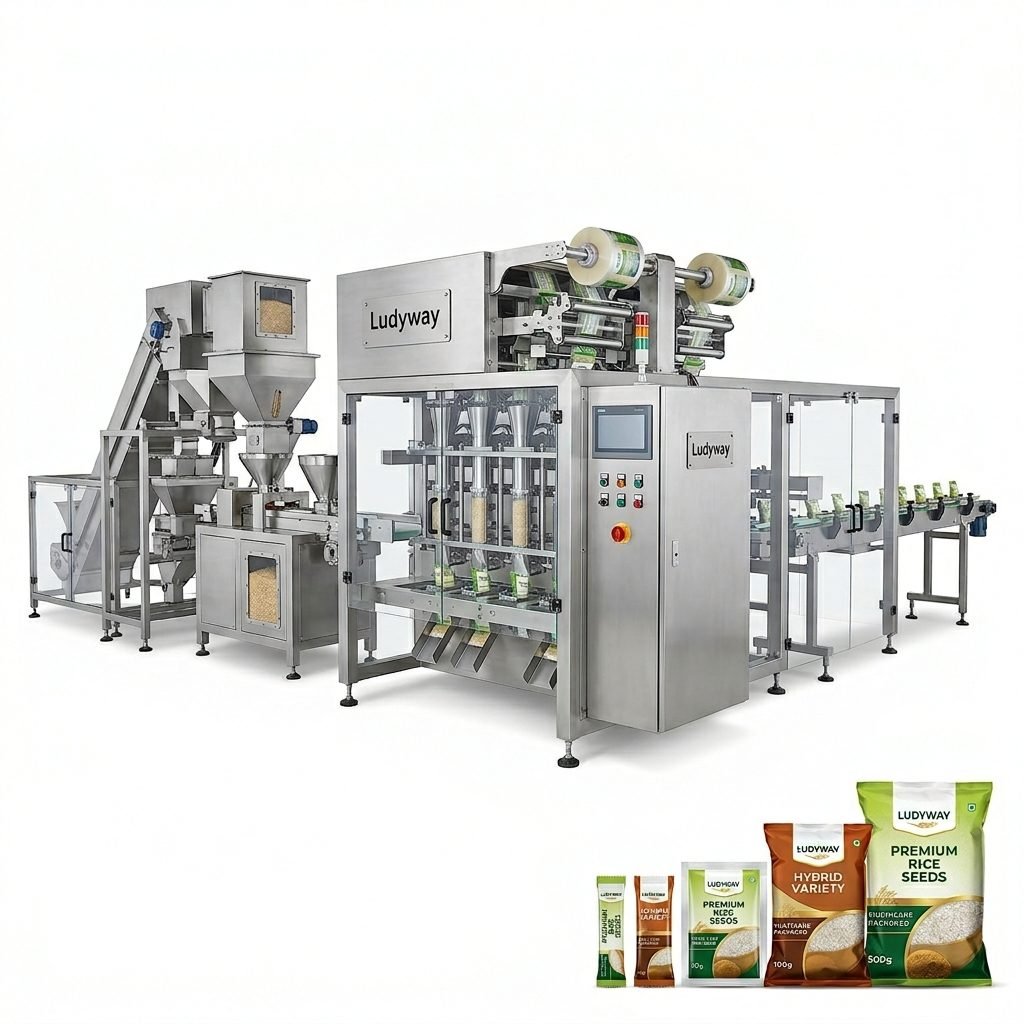
Selecting the right format is the first technical hurdle. Depending on your desired package style—whether a standard pillow bag, a gusseted pouch, or a multi-lane stick pack—the machinery varies dramatically. Most Italian manufacturers utilize Vertical Form Fill Seal (VFFS) systems or pre-made pouch rotary machines. Understanding the difference is vital for operational efficiency.
| Machine Type | Best For | Common Package Style |
|---|---|---|
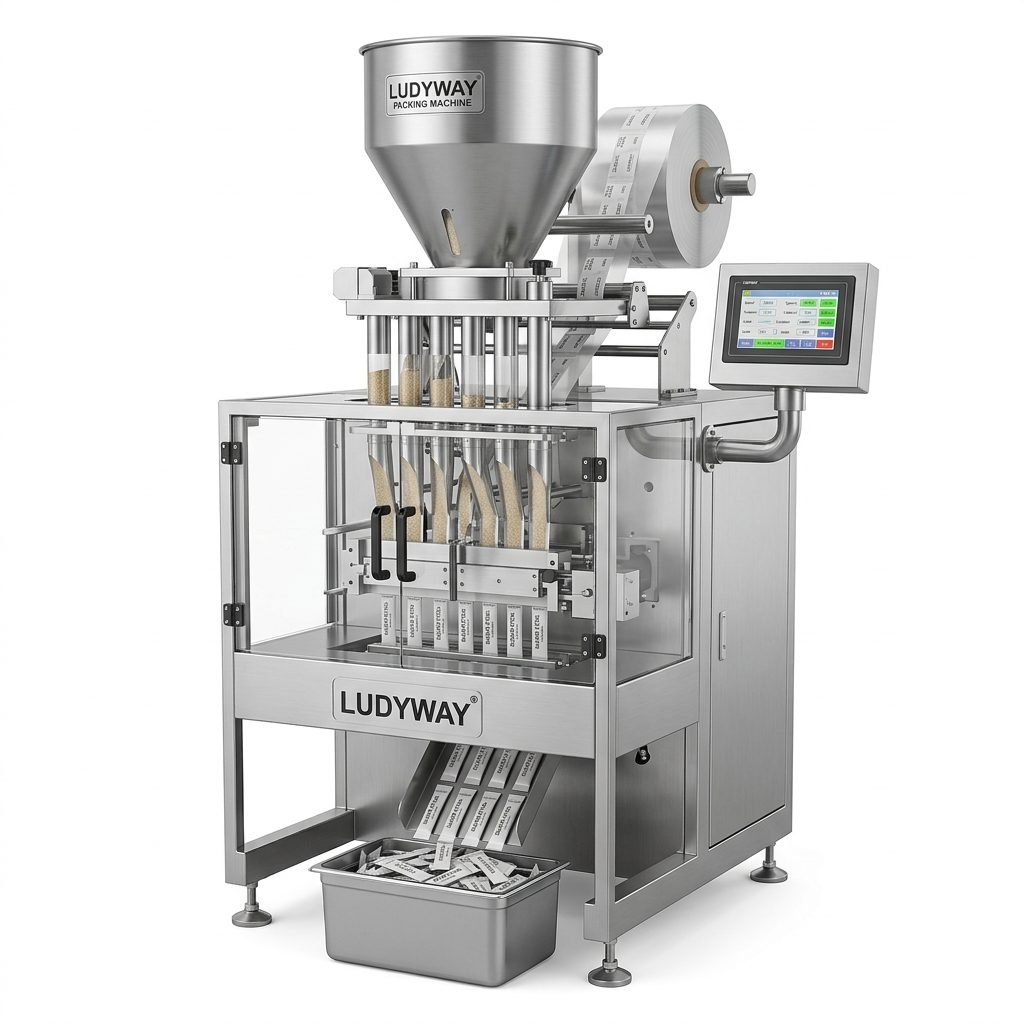
| Multi-Lane Stick Pack | High-volume single-serving portions | Narrow stick packs (10-18 lanes) |
| VFFS (Servo-Driven) | Versatile bag sizes, medium to high speed | Pillow bags, gusseted bags |
| Rotary Premade Pouch | Premium presentation, resealable zippers | Stand-up pouches, flat pouches |
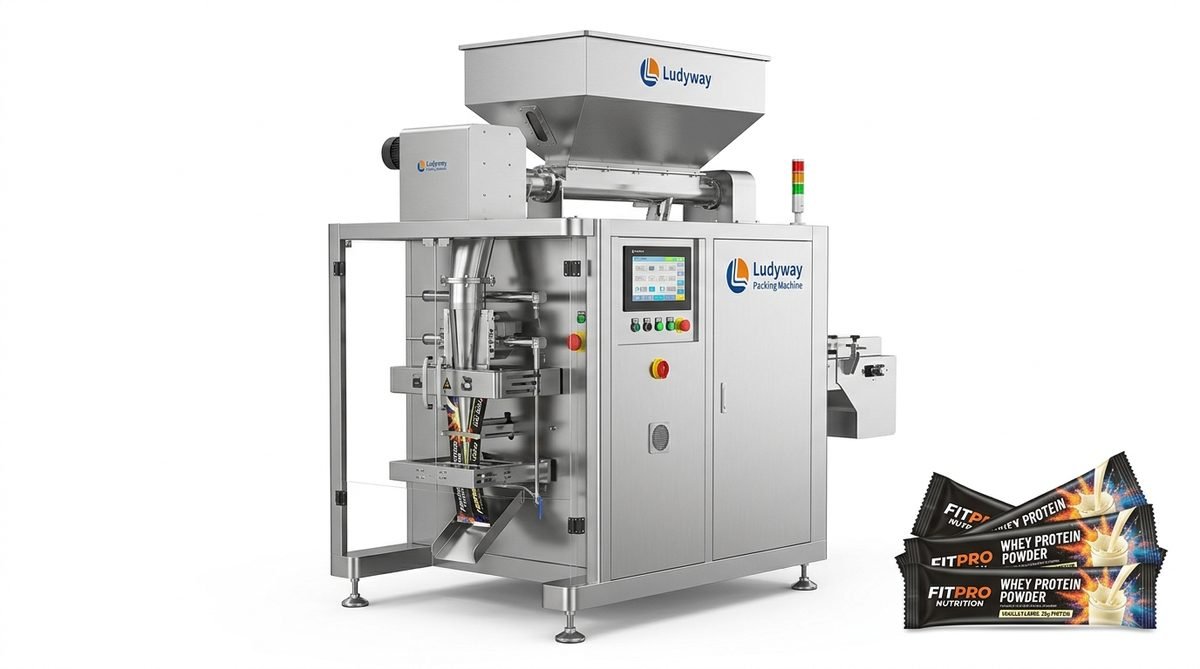
Key Features to Evaluate Before Buying
A machine’s long-term value is defined by its components and build quality. In the Italian market, where energy costs are high and technical labor is skilled, efficiency and durability are non-negotiable. Don’t just look at the speed; look at the engineering behind the seal.
Critical Components Checklist:
- Weighing System: Accuracy is crucial for jerky. Multi-head weighers are standard for irregular pieces to minimize giveaway.
- Film Handling: Italian jerky often uses high-barrier laminates. The machine must handle foil-based films without tearing or wrinkling.
- Sealing Integrity: Look for servo-driven jaw motion with precise temperature control to avoid leakers.
- Hygienic Design: Stainless steel 304 or 316 construction, sloping surfaces, and tool-less disassembly for CIP (Clean-in-Place) protocols.
- Gas Flushing: Integrated MAP capabilities to achieve residual oxygen levels below 1%.
Navigating Italian and European Safety Regulations
Packaging machinery in Italy must comply with the Machinery Directive 2006/42/EC. Food contact safety falls under regulations enforced by the EFSA and local health authorities. Ensure the machine you select comes with a Declaration of Conformity and supports the traceability standards required by the “Industria 4.0” initiative. Integration with factory MES (Manufacturing Execution Systems) is increasingly important for Italian smart factories.
Production Speed vs. Changeover Flexibility
Analyzing your SKU diversity is key. If you produce a single jerky flavor for 8 hours, a dedicated ultra-high-speed machine with minimal flexibility might suffice. However, if you, like many Italian artisanal producers, switch between different marinades, meats, and bag sizes daily, rapid changeover is where the value lies. A machine that shifts from a 50g to a 150g bag in under 10 minutes using pre-saved recipes drastically reduces the “lost time” that erodes profitability.
Check out the latest innovations in packaging machinery market trends for more industry insights.
Multi-Lane Efficiency
Best for long runs of identical sticks, maximizing output per square meter in the facility.
Versatile Scalability
Rotary or VFFS systems offer the agility needed for copacking and diverse retail formats.
Smart Integration
Look for OPC-UA compatibility to connect seamlessly with Italian ERP software systems.
Supplier Support and After-Sales Service
Importing machinery requires confidence in the supplier’s local support network. Downtime in a food factory can cost thousands of euros per hour. Before signing a contract, verify the following regarding your equipment supplier’s capabilities:
- Is there a certified Italian-speaking support engineer available?
- What is the lead time for critical spare parts to reach cities like Milan, Naples, or Palermo?
- Do they offer remote diagnostic support via VPN for immediate troubleshooting?
For those expanding globally, companies like Ludyway provide turnkey solutions that bridge Chinese manufacturing efficiency with the rigorous standards demanded in European markets, offering comprehensive support from installation to ongoing optimization.
Evaluating Total Cost of Ownership (TCO)
Don’t let a low purchase price blind you to high operating costs. An efficient machine pays for itself quickly in the premium snack market. Assess the Total Cost of Ownership by evaluating film waste percentage, energy consumption, and the availability of generic spare parts versus proprietary components.
| Cost Factor | Impact | Mitigation Strategy |
|---|---|---|
| Film Waste | High with poor tension control | Opt for servo-driven unwind systems |
| Energy Usage | Significant in continuous operation | Regenerative drives that reclaim heat |
| Product Giveaway | Expensive protein loss over time | Advanced multi-head weigher with memory |
Final Checklist Before Your Purchase
Selecting the best beef jerky packaging machine for the Italian market is a strategic process. As you finalize your shortlist, run through this systematic checklist to ensure you’ve covered all critical angles.
- Material Compatibility: Have you tested the machine with your specific jerky dimensions and oil content?
- Sealing Technology: Does it maintain integrity through temperature fluctuations?
- Regulatory Scorecard: Is the documentation ready for Italian customs and ASL (Local Health Authority) inspection?
- Operator Safety: Are guarding and emergency stops compliant with ISO 13849?
For further reading on compliance and standards, refer to the European Commission’s Packaging Legislation and industry resources from the Flexible Packaging Association.