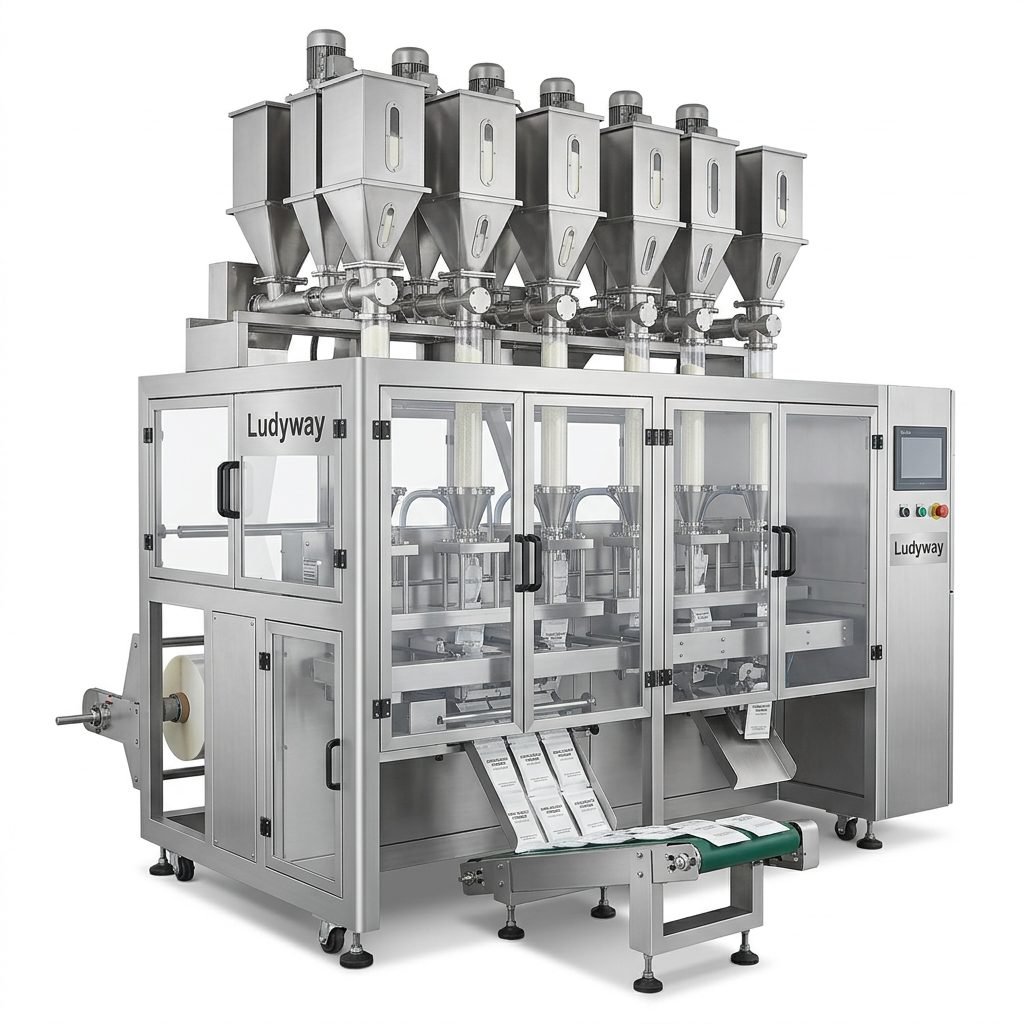
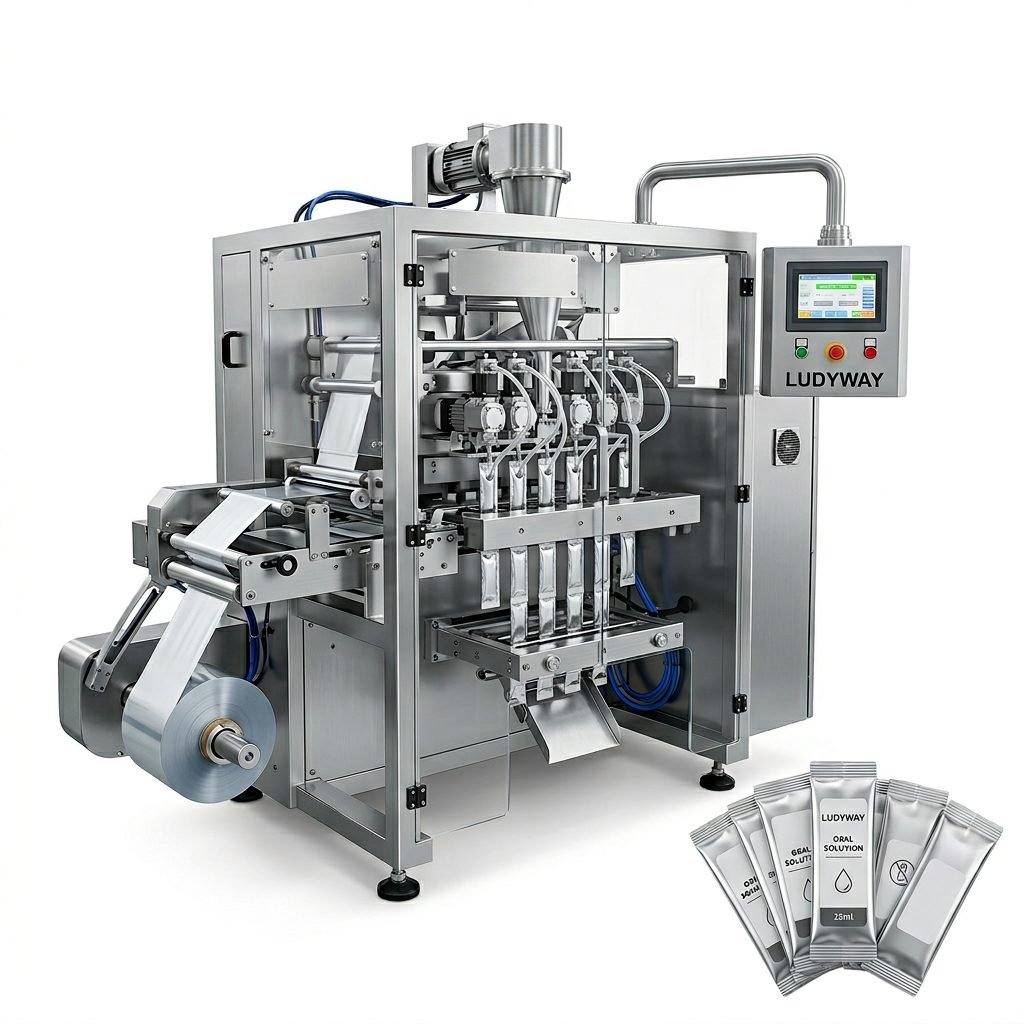
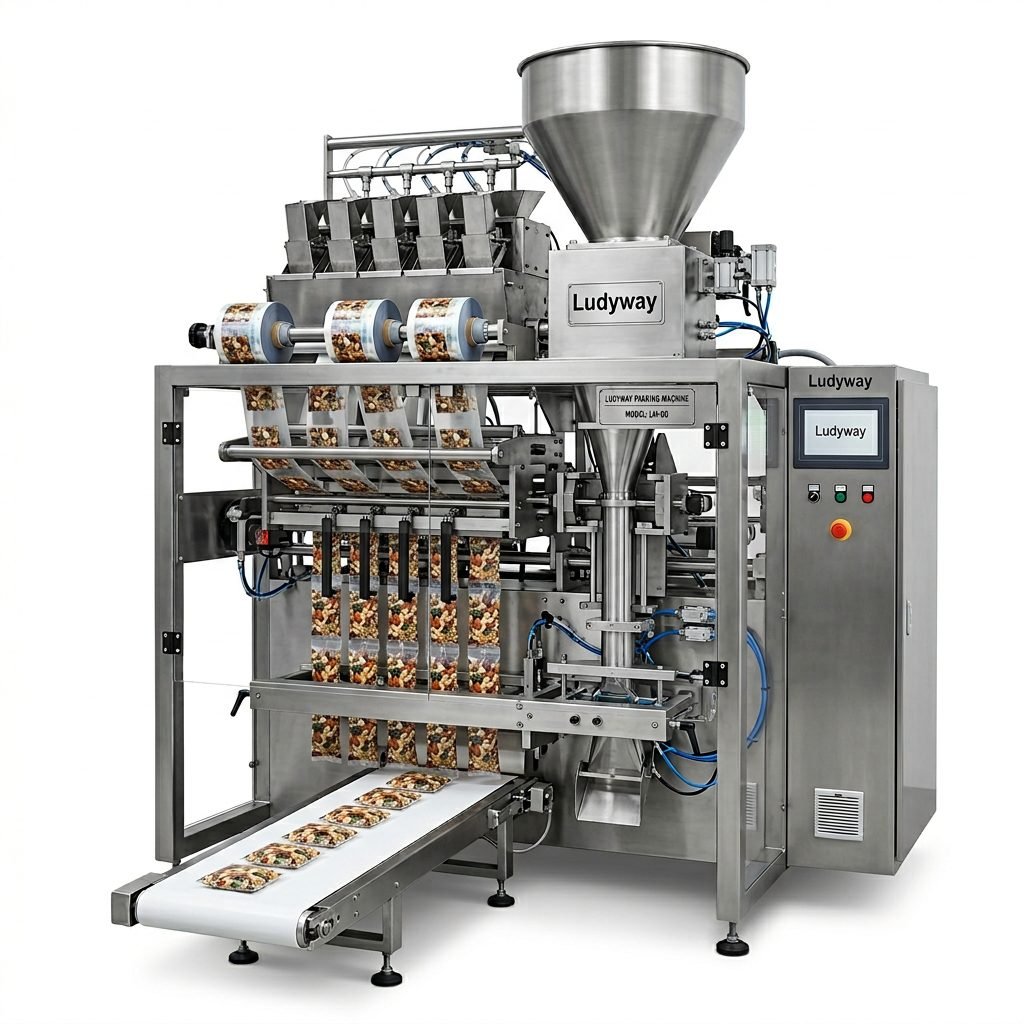
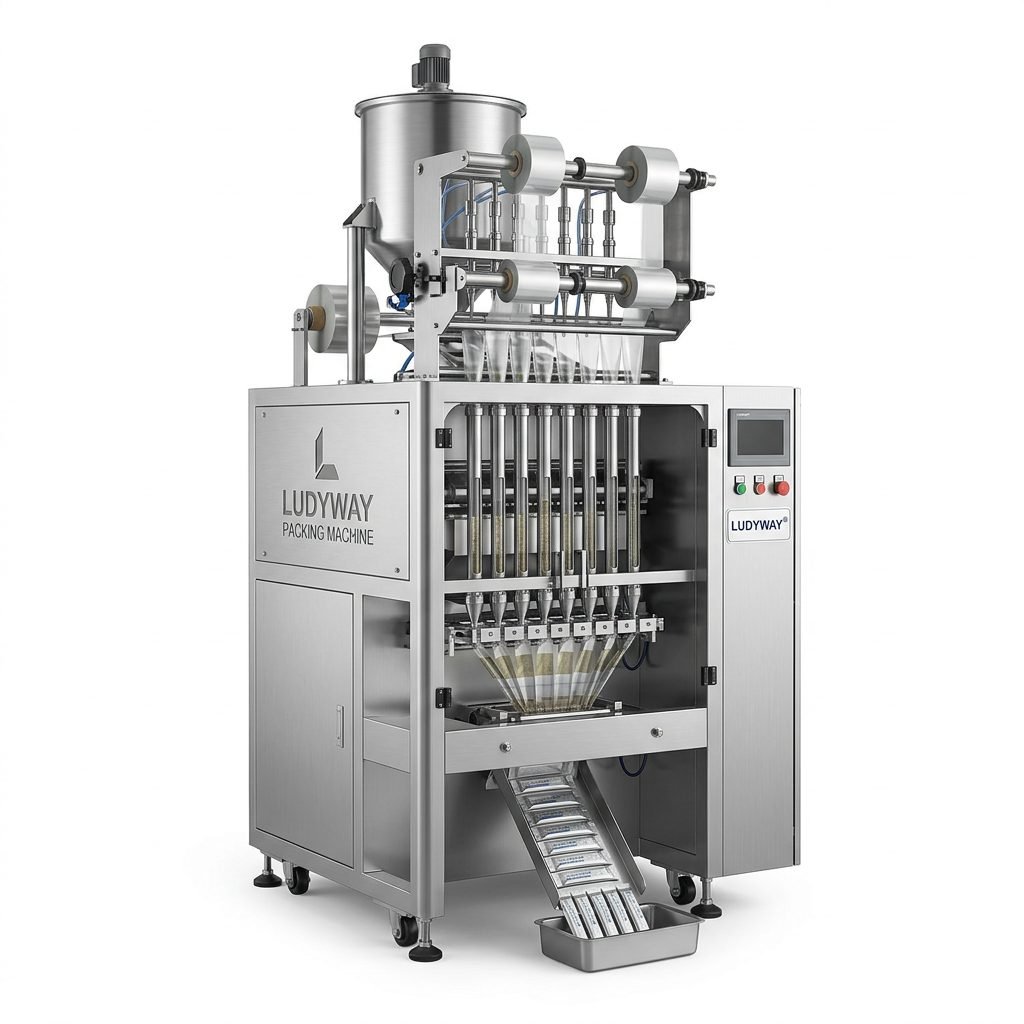
The demand for yogurt packaging machines in India has surged dramatically over the past decade. As the world’s largest milk producer, India’s dairy sector is undergoing rapid modernization, and automated packaging solutions are at the heart of this transformation. Whether you are a small-scale dairy farmer looking to expand or an established brand launching a new product line, selecting the right equipment is a critical business decision that impacts product quality, shelf life, and profitability.
Understanding the Indian Yogurt Packaging Landscape
India’s yogurt market, valued at over USD 15 billion, encompasses everything from traditional dahi sold in clay pots to premium Greek yogurt in multilayer cup formats. The packaging segment is equally diverse, requiring machinery that can handle various formats, materials, and production speeds. The shift toward organized retail and e-commerce has further accelerated the need for high-efficiency automated packaging lines that ensure hygiene, consistency, and extended shelf life.
Key drivers influencing packaging machine purchases in India include rising disposable incomes, increasing health consciousness, government initiatives like the National Dairy Plan, and the growing popularity of functional and probiotic yogurt products. Manufacturers must now comply with stringent food safety regulations, making the choice of packaging machinery more important than ever.
Common Yogurt Packaging Formats in India
- Pre-formed Cup Filling & Sealing: The most popular format for set and stirred yogurt, using HDPE, PP, or PS cups with aluminum foil or flexible film lids.
- Form-Fill-Seal (FFS) Cups: Ideal for high-volume production where cups are thermoformed, filled, and sealed in a continuous inline process.
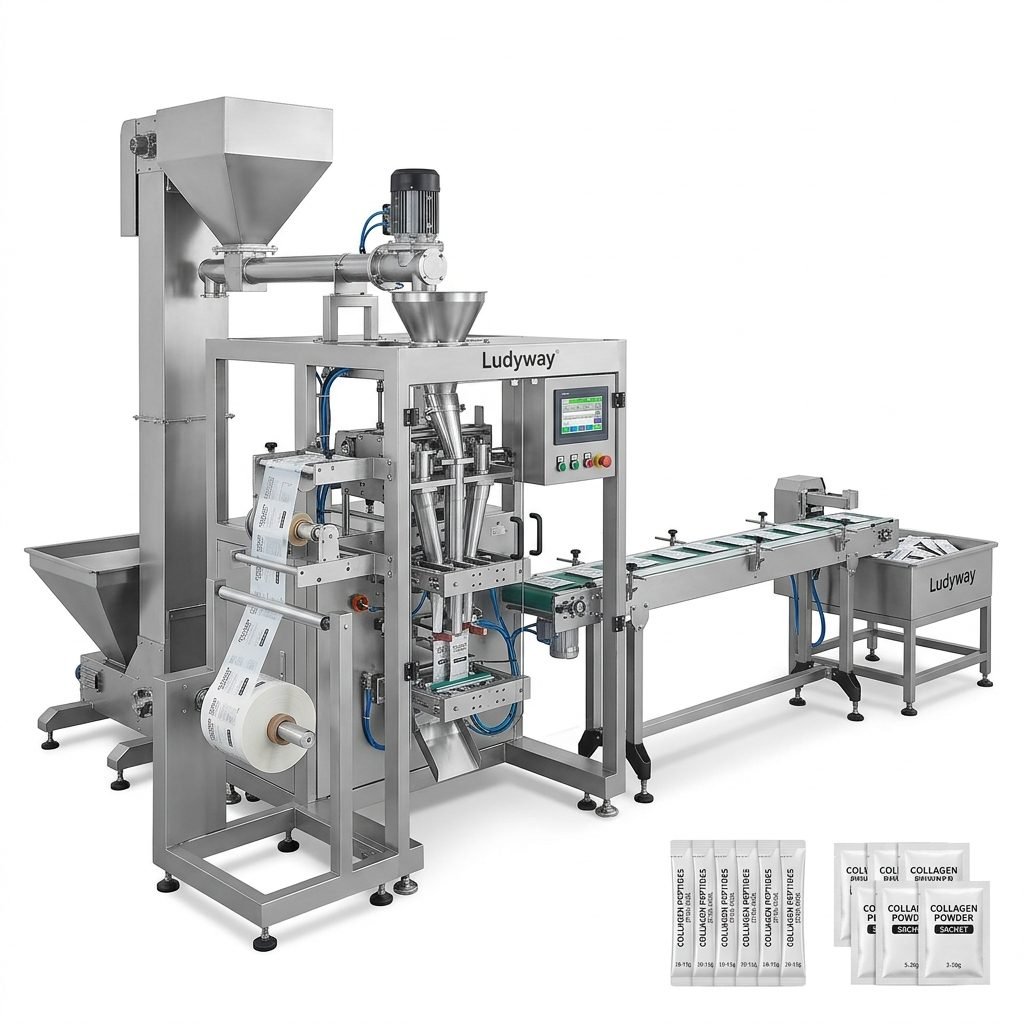
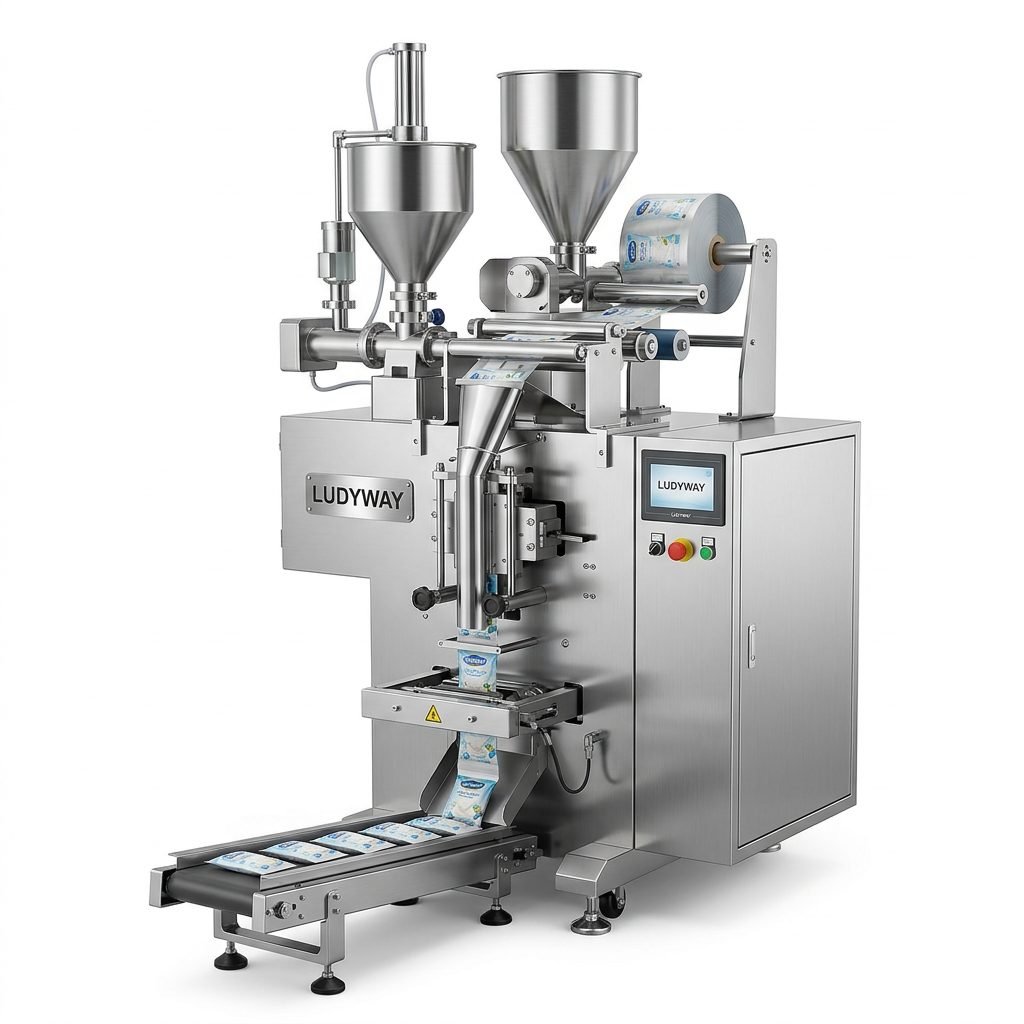
- Stick Packs & Sachets: Growing rapidly for single-serve probiotic yogurt and drinkable yogurt, offering portability and portion control.
- Pillow Pouches: Common for frozen yogurt and bulk institutional packs, using vertical form-fill-seal technology.
- Glass & PET Bottles: Premium segments for yogurt drinks and lassi, requiring specialized liquid filling lines with capping systems.
Types of Yogurt Packaging Machines Available
Choosing the right machine type depends on your product viscosity, desired output, packaging format, and budget. Below is a comprehensive comparison of the most common equipment categories available for Indian dairy processors:
| Machine Type | Best For | Speed Range | Approx. Price (INR) |
|---|---|---|---|
| Rotary Cup Filler | Set yogurt, stirred yogurt, fruit-on-bottom | 2,000 – 15,000 cups/hour | ₹25 Lakh – ₹1.5 Crore |
| Linear Cup Filler Sealer | Small to medium dairy units, flexible formats | 800 – 4,000 cups/hour | ₹8 Lakh – ₹40 Lakh |
| Thermoform FFS Machine | Large-scale industrial yogurt production | 6,000 – 30,000 cups/hour | ₹50 Lakh – ₹3 Crore+ |
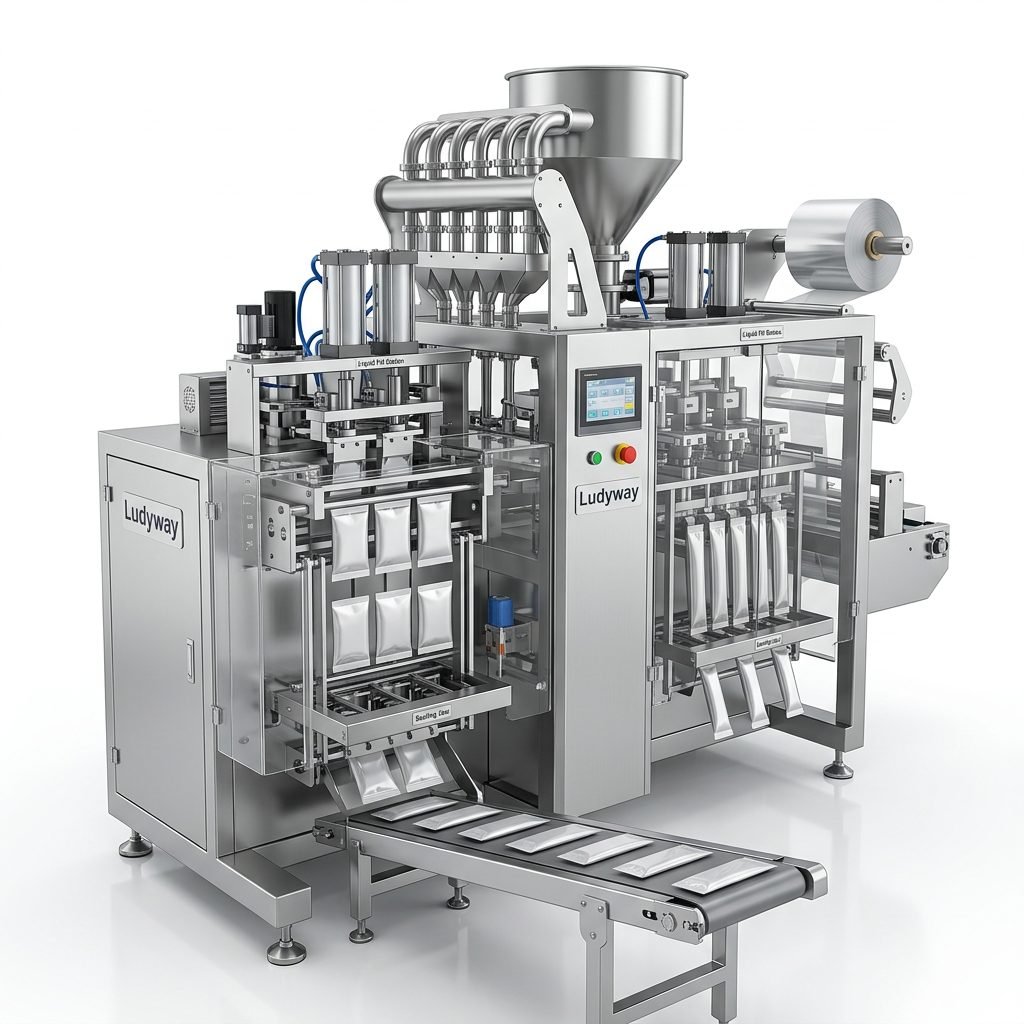
| Multi-Lane Stick Pack Machine | Drinkable yogurt, probiotic shots, single-serve | 200 – 800 packs/min | ₹15 Lakh – ₹80 Lakh |
| Aseptic Filling Line | Ambient-stable yogurt drinks, extended shelf life | 3,000 – 12,000 packs/hour | ₹1 Crore – ₹5 Crore+ |
Note: Prices are indicative and vary based on configuration, automation level, and brand origin. Consult multiple suppliers for current quotes.
Critical Factors to Evaluate Before Purchase
Investing in a yogurt packaging machine requires careful evaluation of several technical and commercial parameters. Overlooking these factors can lead to costly operational inefficiencies and reduced product quality.
1. Product Compatibility and Viscosity Handling
Yogurt viscosity varies significantly—from thin drinkable lassi to thick Greek-style yogurt. The filling system must accommodate your specific product range. Piston fillers work well for thick, chunky products with fruit pieces, while flow meters and gravity fillers suit smoother, pumpable consistencies. Always test your actual product on the machine before finalizing a purchase. For products with fruit particulates, ensure the filling nozzles have sufficient diameter to prevent clogging.
2. Packaging Material Compatibility
Indian climatic conditions demand robust packaging materials. Your machine must be compatible with the specific films, laminates, or cup materials you intend to use. Common materials include PET/PE laminates, aluminum foil lids, and EVOH barrier films for extended shelf life. Verify that the sealing temperature, dwell time, and pressure settings can be precisely controlled. The machine should also support ISO-compliant packaging standards for food contact materials.
3. Production Capacity and Scalability
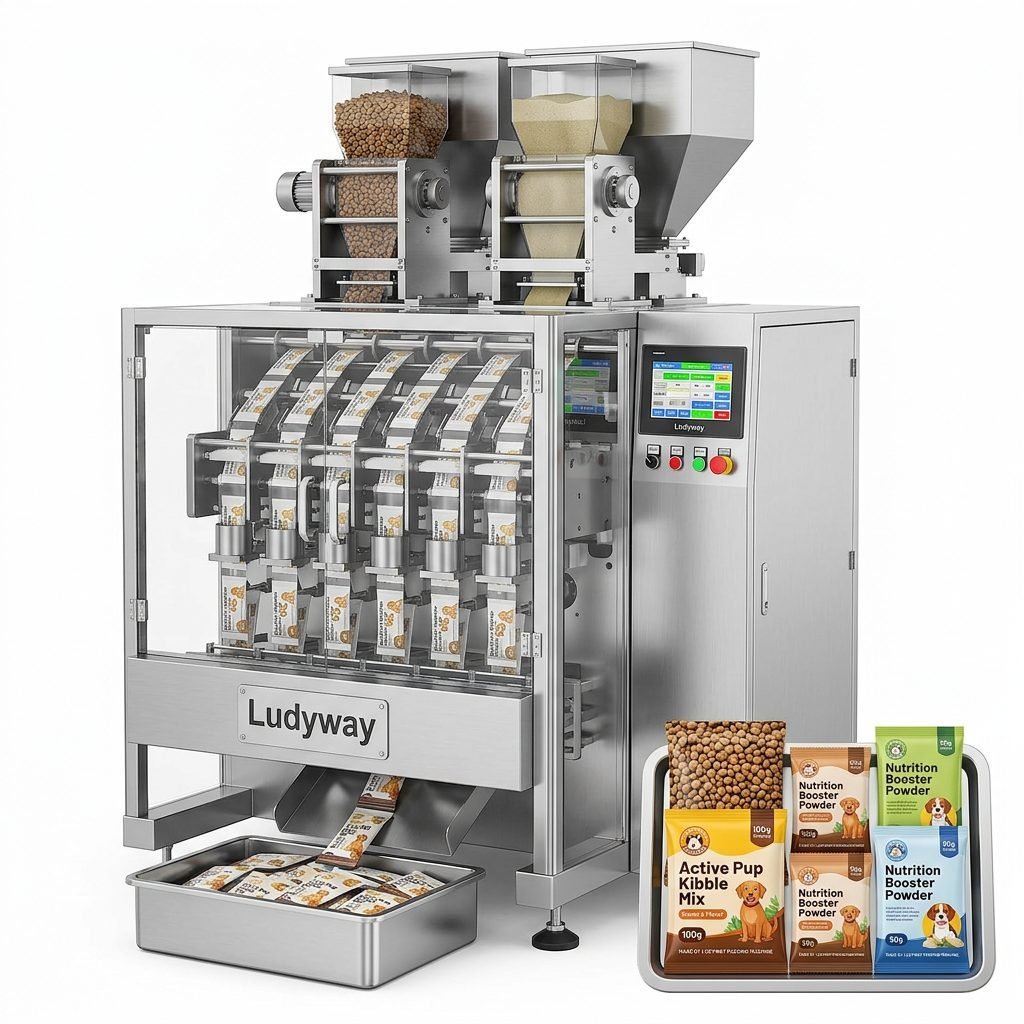
Calculate your current daily production volume and project growth for the next 3 to 5 years. A machine operating at 90% capacity today may become a bottleneck within two years. Consider modular systems that allow adding more lanes or upgrading components. Multi-lane stick pack machines, for instance, offer flexibility from 4-lane to 12-lane configurations, enabling phased investment. Check the latest industry capacity benchmarks to align your planning with global standards.
4. Automation Level and Labor Considerations
While India has relatively lower labor costs compared to Western markets, the trend toward automation is accelerating due to hygiene requirements and consistency demands. Fully automated lines with robotic case packing, palletizing, and inline quality inspection reduce human contact with the product and minimize contamination risks. Semi-automatic machines remain popular for regional dairy cooperatives with lower capital budgets but require more manual intervention.
5. Clean-in-Place (CIP) and Hygiene Design
Dairy processing demands rigorous sanitation. Look for machines with CIP-compatible designs, sloped surfaces for drainage, sanitary-grade stainless steel (SS 304 or SS 316L), and minimal crevices where product can accumulate. Quick-change parts and tool-less disassembly significantly reduce downtime between product changeovers. Compliance with food contact substance guidelines is non-negotiable for export-oriented units.
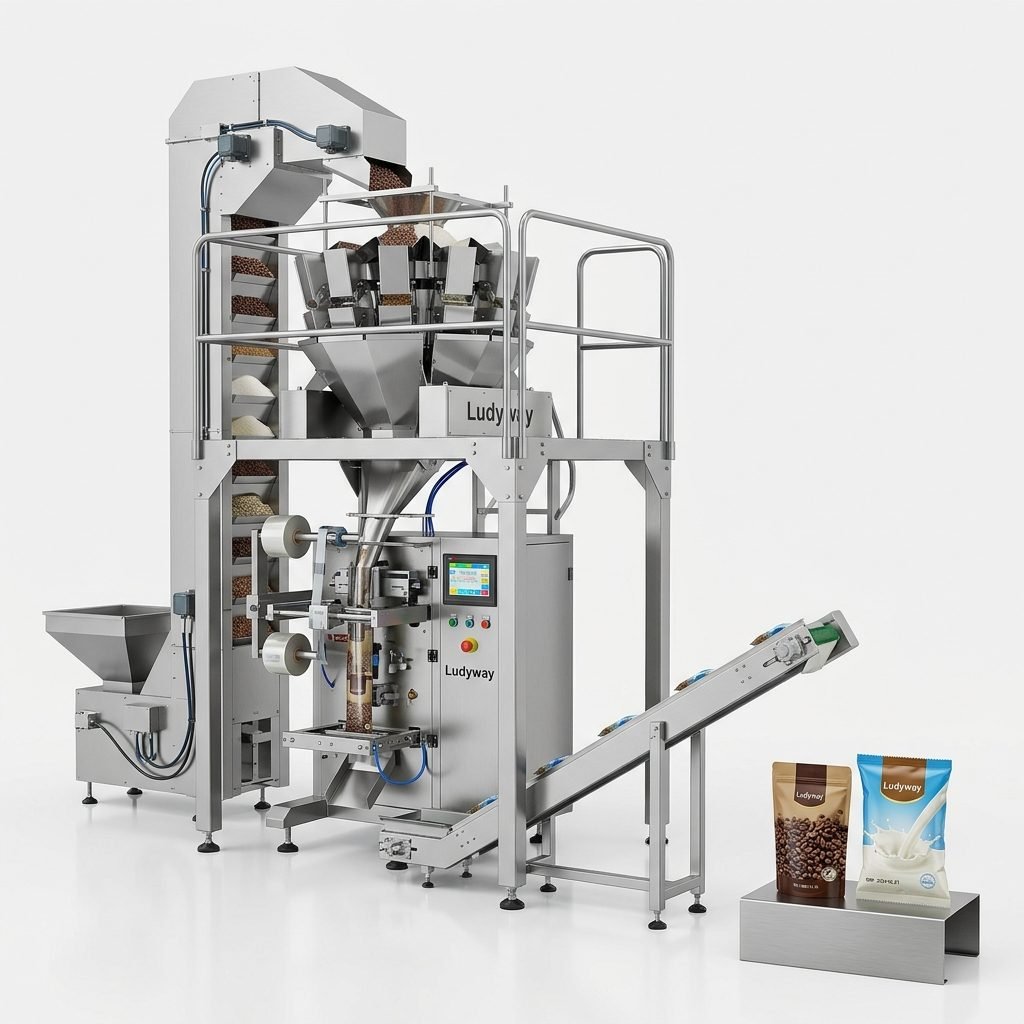
Key Features to Look for in a Modern Yogurt Packaging Machine
Servo-Driven Precision Filling
Modern yogurt packaging machines increasingly use servo motor-driven filling systems that deliver exceptional accuracy—typically ±0.5% to ±1% of target fill weight. This precision directly impacts your bottom line by reducing product giveaway while ensuring regulatory compliance. Servo systems also enable rapid format changeovers through recipe-based digital settings rather than mechanical adjustments.
Modified Atmosphere Packaging (MAP) Integration
For premium yogurt products requiring extended shelf life without preservatives, MAP technology replaces oxygen with nitrogen or carbon dioxide in the headspace before sealing. This significantly slows microbial growth and preserves flavor integrity. Machines with integrated gas flushing systems are becoming a standard requirement for brands targeting modern retail chains and export markets. According to flexible packaging industry data, MAP adoption in dairy is growing at over 12% annually.
Inline Quality Control Systems
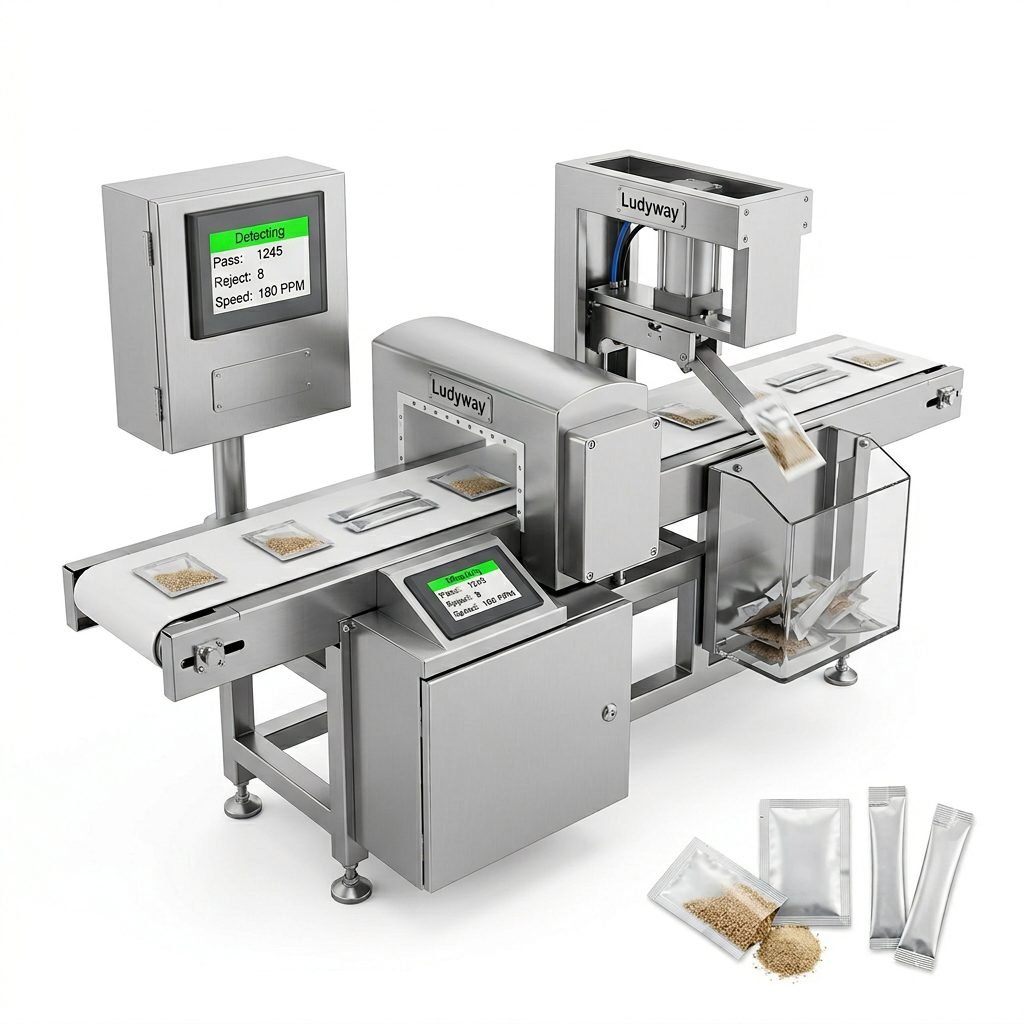
Advanced machines now incorporate checkweighers, metal detectors, and vision inspection systems directly on the production line. These systems automatically reject underweight, overweight, or contaminated packages without stopping production. For Indian manufacturers targeting export markets, inline X-ray inspection for foreign body detection is increasingly specified by international buyers.
Flexible Date Coding and Serialization
With evolving global packaging waste regulations, machines must support clear batch coding, expiry date printing, and increasingly, QR code serialization for traceability. Thermal inkjet (TIJ) and laser marking systems are preferred for their permanence and eco-friendly operation.
Indian Regulatory Environment and Compliance
All yogurt packaging machinery deployed in India must comply with FSSAI (Food Safety and Standards Authority of India) guidelines on food contact materials and hygiene. Additionally, dairy units with export aspirations must meet international standards from the US FDA, European Commission regulations, and ISO 11607 for packaging validation. Machines designed with these standards in mind reduce your compliance burden significantly.
Cost Analysis and ROI Considerations
The total cost of ownership for a yogurt packaging machine extends well beyond the initial purchase price. When evaluating options, factor in the following cost components that significantly impact your return on investment:
Initial Capital Expenditure vs. Operational Expenditure
- Machine cost: The upfront purchase price including freight, insurance, and installation.
- Packaging material cost per unit: Different machine types consume different amounts of film, foil, or cup stock. A multi-lane sachet machine may offer lower per-unit material costs compared to pre-formed cup systems.
- Energy consumption: Servo-driven machines typically consume 30-40% less electricity than pneumatic systems.
- Maintenance and spare parts: Budget approximately 2-4% of the machine cost annually for preventive maintenance and wear parts.
Payback Period Calculation
Most Indian dairy processors achieve payback within 18 to 36 months on automated packaging equipment through reduced labor costs, lower product giveaway, and increased throughput. High-speed multi-lane lines operating across multiple shifts can realize payback even faster—sometimes within 12 months for export-focused units running at full capacity.
Supplier Selection: Domestic vs. International Manufacturers
Indian buyers face a choice between domestically manufactured machines, imported equipment, and hybrid solutions where international technology is localized for Indian conditions. Each approach has distinct advantages:
Indian Manufacturers
- Lower capital cost: Typically 30-50% less than imported equivalents.
- Faster service response: Local technical support with shorter travel times for breakdowns.
- Spare parts availability: Reduced lead times for consumables and replacement components.
- FSSAI familiarity: Built-in compliance with domestic regulations.
International Manufacturers
- Advanced technology: Access to the latest servo-driven, IoT-enabled machinery.
- Export-ready compliance: Pre-certified for FDA, EU, and other international standards.
- Higher resale value: Established brands retain value better in the secondary market.
- Longer warranty periods: Often 2-3 years compared to 1 year from domestic suppliers.
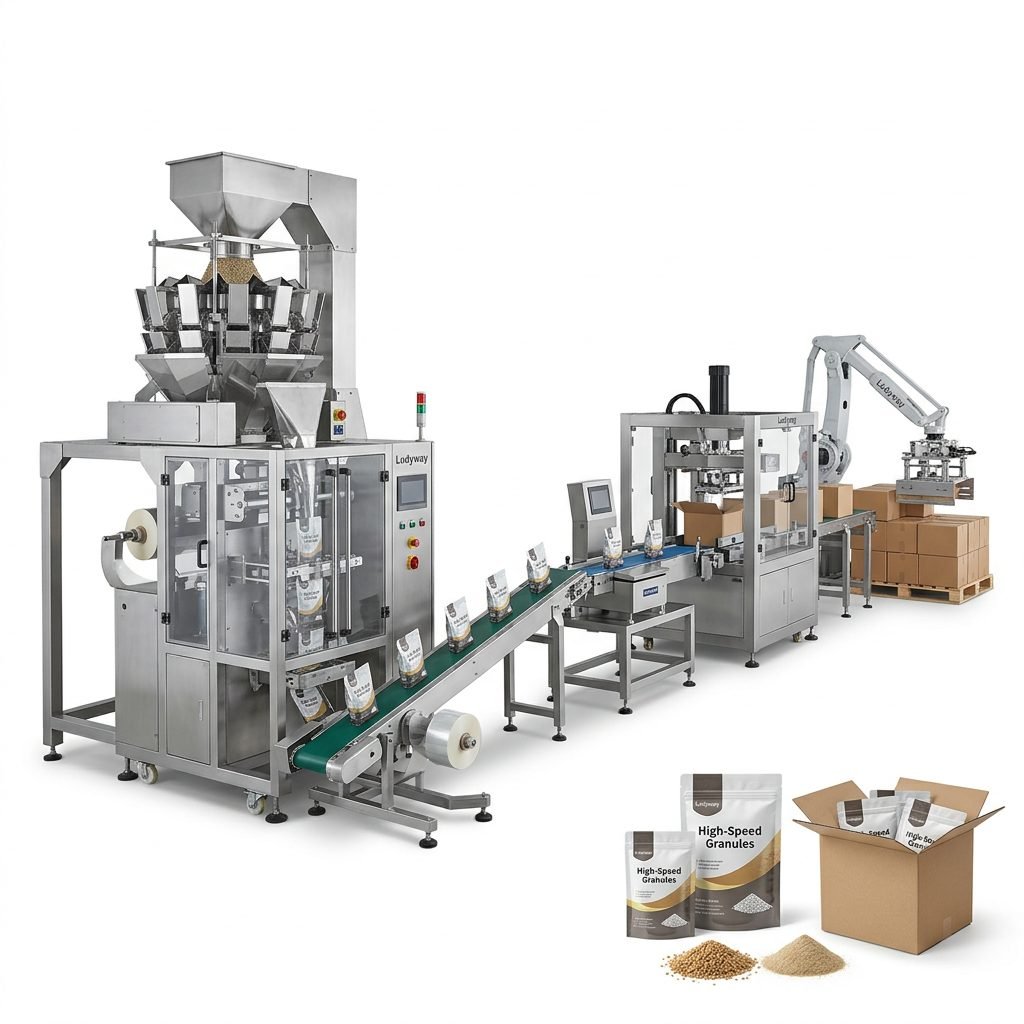
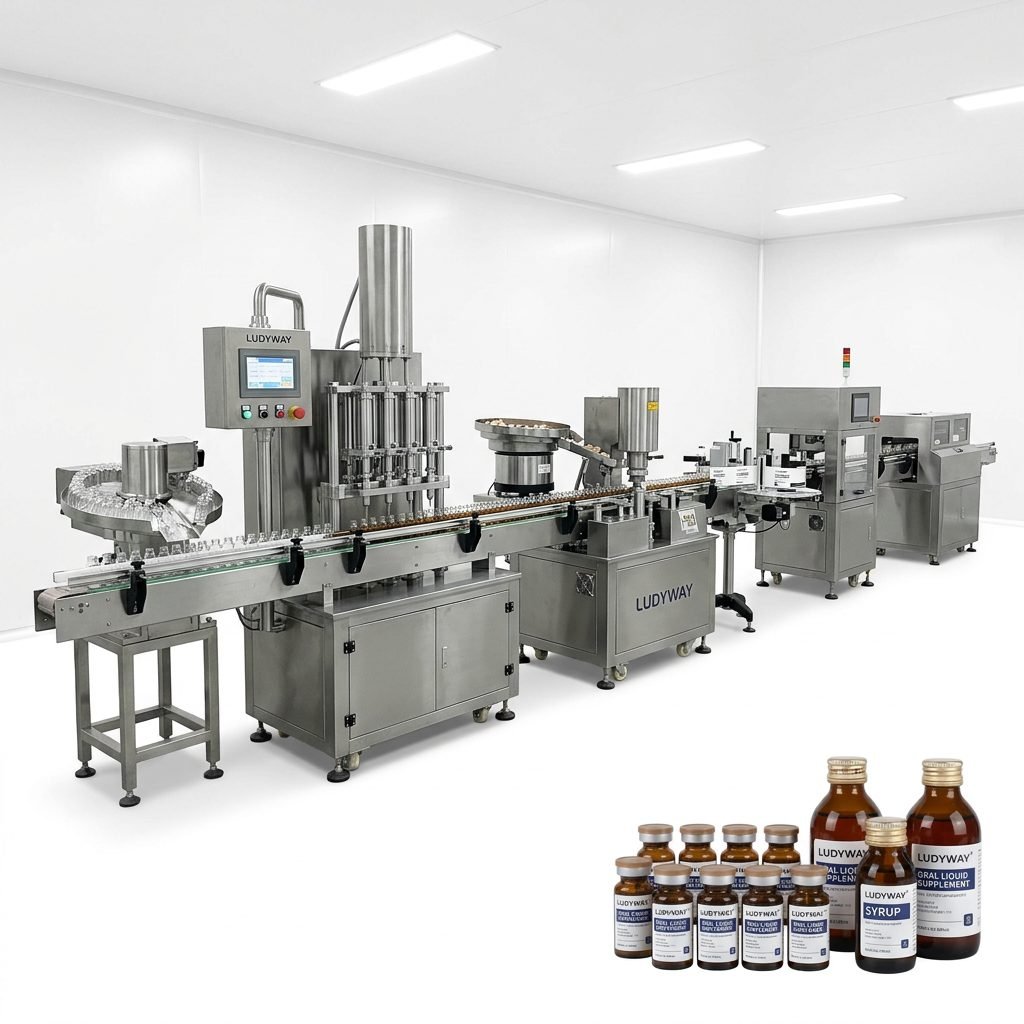
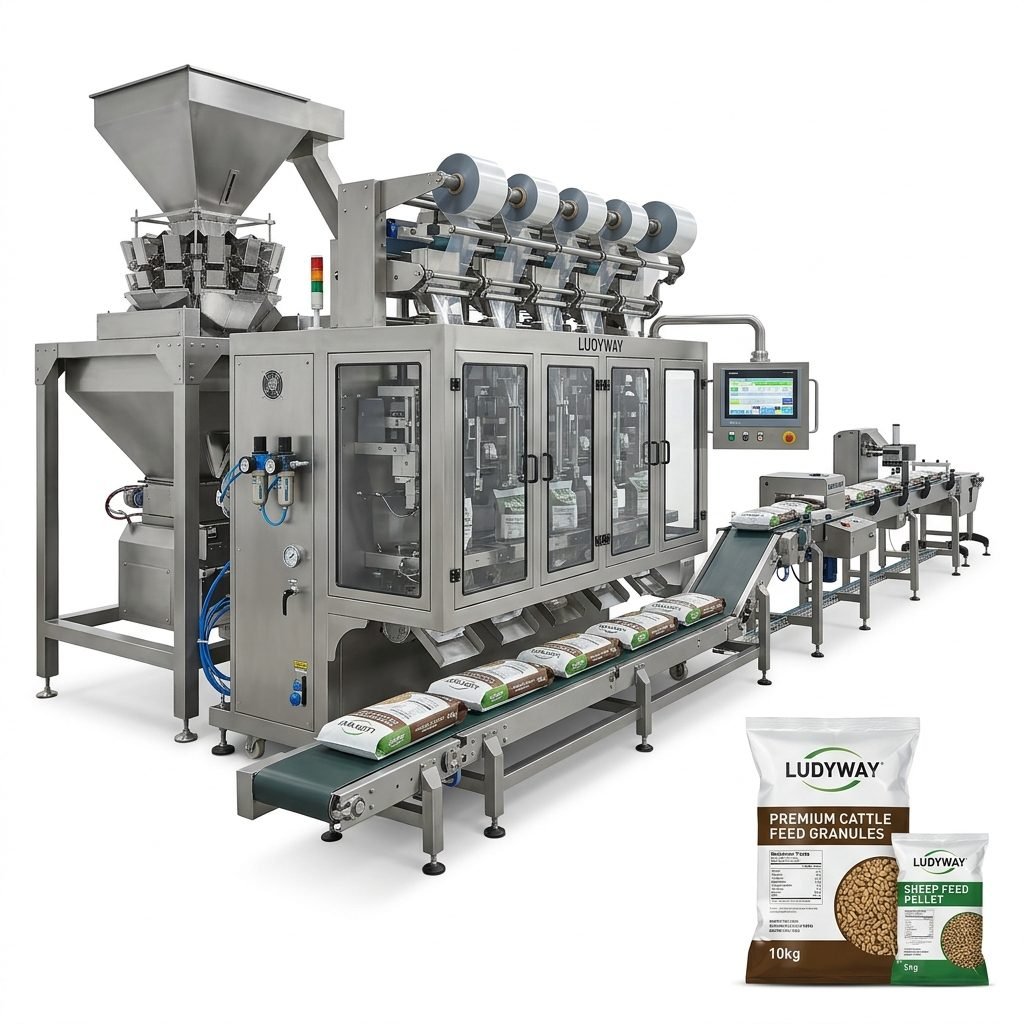
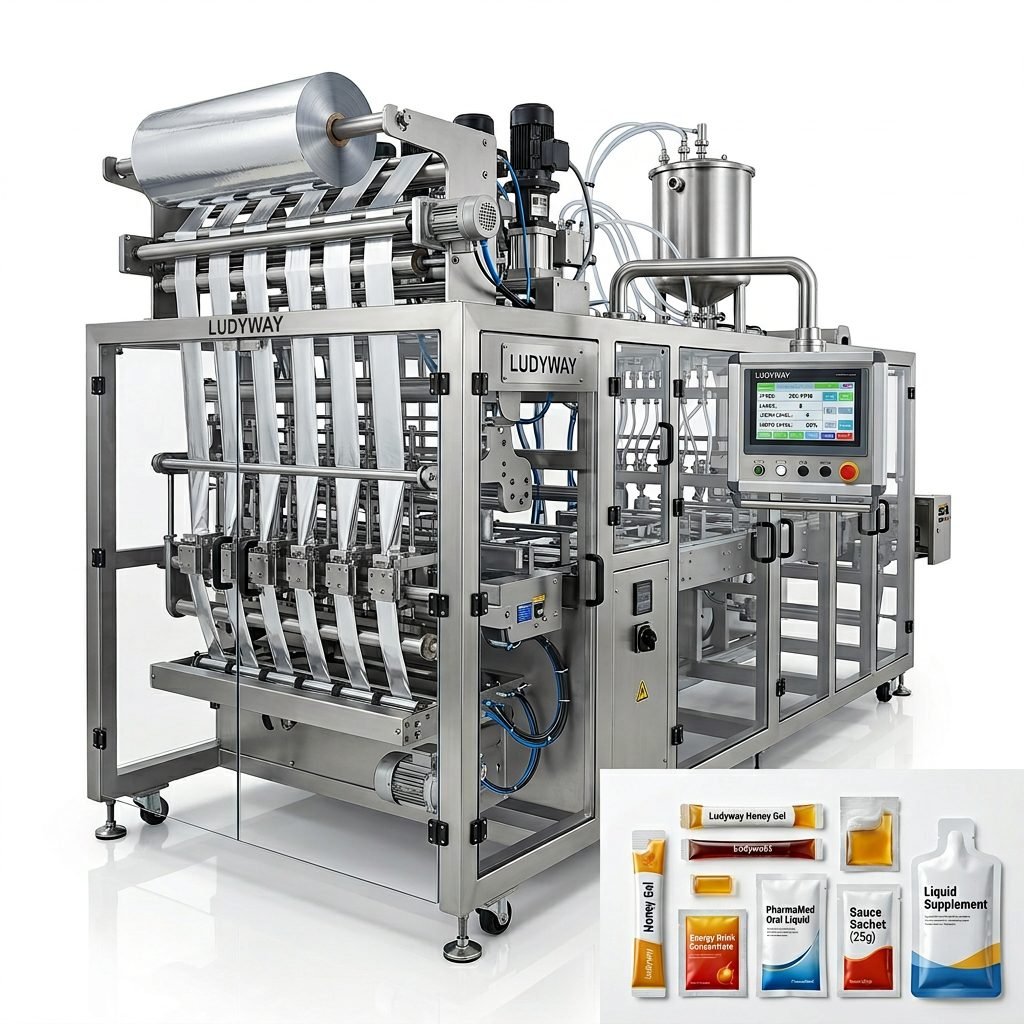
A growing number of international manufacturers have established Indian subsidiaries or partnerships to offer the best of both worlds. For instance, companies like Ludyway—with over 30 years of industry experience and a 20,000㎡ modern production facility—provide advanced multi-lane stick pack and sachet packaging systems suitable for Indian dairy applications, supported by global engineering expertise and competitive pricing.
Installation, Training, and Ongoing Support
The best packaging machine underperforms without proper installation and operator training. Before finalizing any purchase, confirm the following support commitments from your supplier:
- Site preparation assistance: Detailed floor plans, utility requirements (compressed air, power, water), and environmental specifications.
- Installation and commissioning: Factory-trained engineers who handle machine setup, calibration, and trial runs with your actual product.
- Operator and maintenance training: Comprehensive hands-on training programs conducted at your facility, covering operation, troubleshooting, and routine maintenance.
- Warranty and after-sales: Clear warranty terms covering parts and labor, with guaranteed response times for emergency breakdowns—ideally within 24-48 hours for Indian locations.
- Remote diagnostic capability: IoT-enabled machines that allow remote troubleshooting via secure internet connection, reducing downtime significantly.
Emerging Trends in Yogurt Packaging Technology
Sustainable Packaging Solutions
Global sustainability initiatives are reshaping yogurt packaging in India. Mono-material films that are fully recyclable are replacing multi-layer laminates. Paper-based yogurt cups with plant-based coatings are gaining traction in premium segments. Machines capable of running these new materials without compromising seal integrity are increasingly in demand. The Flexible Packaging Association reports that sustainable packaging adoption in dairy has accelerated significantly since 2024.
Smart Factory Integration
Industry 4.0 capabilities—including real-time OEE (Overall Equipment Effectiveness) monitoring, predictive maintenance alerts, and integration with plant-wide MES/ERP systems—are becoming standard features rather than expensive add-ons. These capabilities enable dairy processors to optimize production schedules, reduce unplanned downtime, and provide complete batch traceability from raw milk reception to finished product dispatch.
Compact and Modular Designs
Space constraints in urban Indian dairy facilities are driving demand for compact, modular machines that can be configured in multiple layouts. Manufacturers now offer footprint-optimized designs that integrate filling, sealing, coding, and inspection within a single compact frame, ideal for facilities in Mumbai, Delhi, and Bangalore where real estate costs are significant.
| Trend | Impact on Machine Selection | Adoption in India |
|---|---|---|
| Sustainable Materials | Requires adjustable sealing parameters for new film types | Growing in premium segments |
| Industry 4.0 / IoT | Machines need PLC connectivity, data export, and remote access | Early adoption by large dairies |
| Single-Serve & Portion Packs | Multi-lane stick pack and stick sachet machines in demand | Rapidly growing across all tiers |
| Aseptic Cold Chain-Free | Specialized aseptic filling chambers and sterilization tunnels | Niche but expanding for exports |
Making the Final Decision: A Step-by-Step Checklist
To ensure you select the right yogurt packaging machine for your Indian operation, follow this systematic evaluation process:
- Define your product range: Document all current and planned yogurt products, including viscosity, particulate content, and target shelf life.
- Calculate required output: Determine your daily production volume and peak demand periods, building in at least 20% capacity buffer.
- Specify packaging format: Finalize cup size, material, lid type, and any secondary packaging requirements like cartoning or shrink wrapping.
- Set a realistic budget: Include not just the machine cost but also installation, training, spare parts inventory, and packaging material trials.
- Shortlist suppliers: Evaluate at least 3-5 suppliers based on experience in dairy, Indian service network, and customer references.
- Conduct factory acceptance testing (FAT): Visit the manufacturer’s facility to test the machine with your actual product and packaging materials.
- Negotiate terms: Secure warranty, payment milestones, delivery timeline, and performance guarantees in writing.
By following this structured approach and leveraging resources from industry bodies like PMMI and the Flexible Packaging Association, you can make an informed investment that supports your dairy business growth for years to come.
Ready to explore yogurt packaging solutions tailored to the Indian market? Evaluate your production needs and connect with experienced equipment manufacturers who understand the unique demands of dairy processing in South Asia.